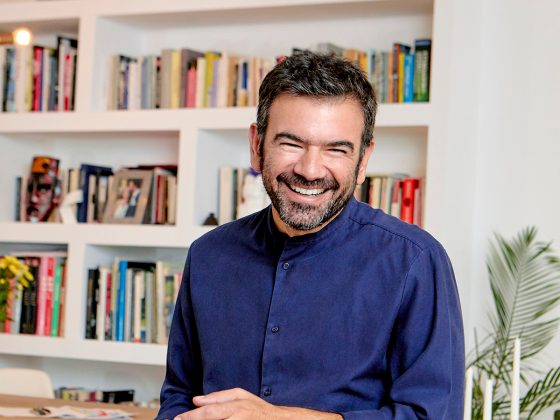
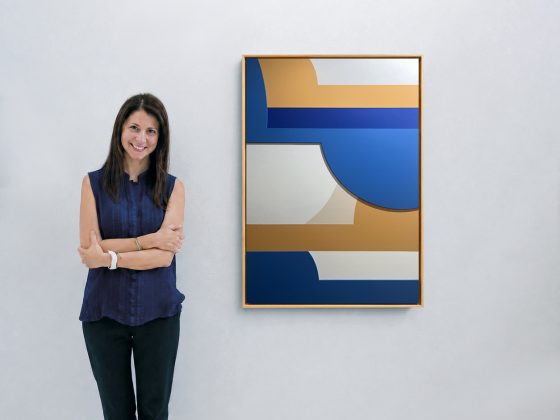
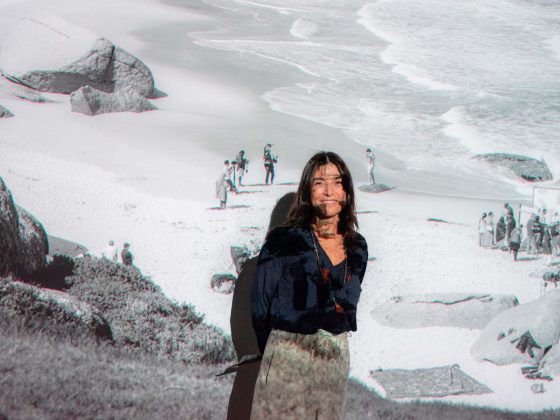
You have built an impressive career and established yourself as a talented architect whose work continues to pleasantly surprise us. Looking back on this fascinating journey, which would you consider the most defining and significant steps along the way?
“Impressive career” is a big statement. I think that, in architecture, success as society tends to perceive it is largely a matter of luck, connections and opportunities. For most people, gaining access to commissions is difficult, and we should never forget that or imagine ourselves superior to anyone else. Studying at EPFL, working at OMA or in David Chipperfield’s office were all formative experiences, but ultimately I don’t consider them decisive, because they were not turning points.
For me, the most important thing was learning to think for myself, largely through writing, which I have been doing for a little over ten years now. Writing gradually allowed me to organise the intuitions that had been running through my practice. When you write, you cannot escape into gestures or use them to conceal a lack of clarity. You are forced to ask the right questions and learn how to answer them with authenticity. And if, fortunately, you are honest with yourself, you may even arrive at practising architecture for the right reasons, rather than simply to be seen and recognised. That is when architecture becomes a truly powerful and beautiful discipline.
Teaching at ENSA Paris-Val de Seine for three years was important for much the same reason, because teaching forces you to articulate your thoughts clearly. Then, constructing my first projects obviously changed everything: the way the world actually operates makes creating good architecture extraordinarily difficult. It is a real, ongoing struggle against absurdity.
What is your philosophy when approaching a space? How do you feel your design evolves, and how do you yourself evolve through that process?
I like to define architecture as the permanent stage for an unknown script. We build something that will remain for a relatively long time, in order to accommodate a life we cannot predict. The architect’s role, therefore, is less about determining how life should unfold and more about creating the conditions in which it can happen. I do not design objects; I design voids — a silent framework that welcomes life without imposing its own laws upon it. I approach every space by searching for its essence, for what truly deserves to be brought into existence.
Over time, I think I have become less interested in producing a spectacular or immediately recognisable idea. Instead, I try to understand more deeply what is already there: the place, the climate, the material, the construction, the uses, but also things that are far less measurable, such as an atmosphere or a feeling. My architecture is perhaps moving towards greater silence and a greater trust in simple gestures.
I am probably evolving in much the same way. I am becoming more comfortable with the idea that the right decision is not always immediately explainable. There comes a moment when, after studying a problem for a long time, logic and sensory experience converge into a kind of illuminated intuition.
Is there a methodology to the way a new project takes shape, and how easy is it to make decisions throughout the design process?
I always begin with a question: what is this thing, really, here and now? I mix everything together — uses, place, material, metaphysics — until something emerges that feels self-evident. No, making decisions is not always easy: every choice closes off certain possibilities, and sometimes that can even be painful.
As an advocate of abstraction and restraint, you create spaces in which materials bring the design to the fore and architecture becomes the dominant force. What makes a piece of architecture unique?
Its correspondence with reality. Architecture becomes unique when its form and content become one — when it has explored its own being relentlessly enough to express only its essential nature and reject everything else, as in a Gothic cathedral, where every point seems to say one and the same thing.
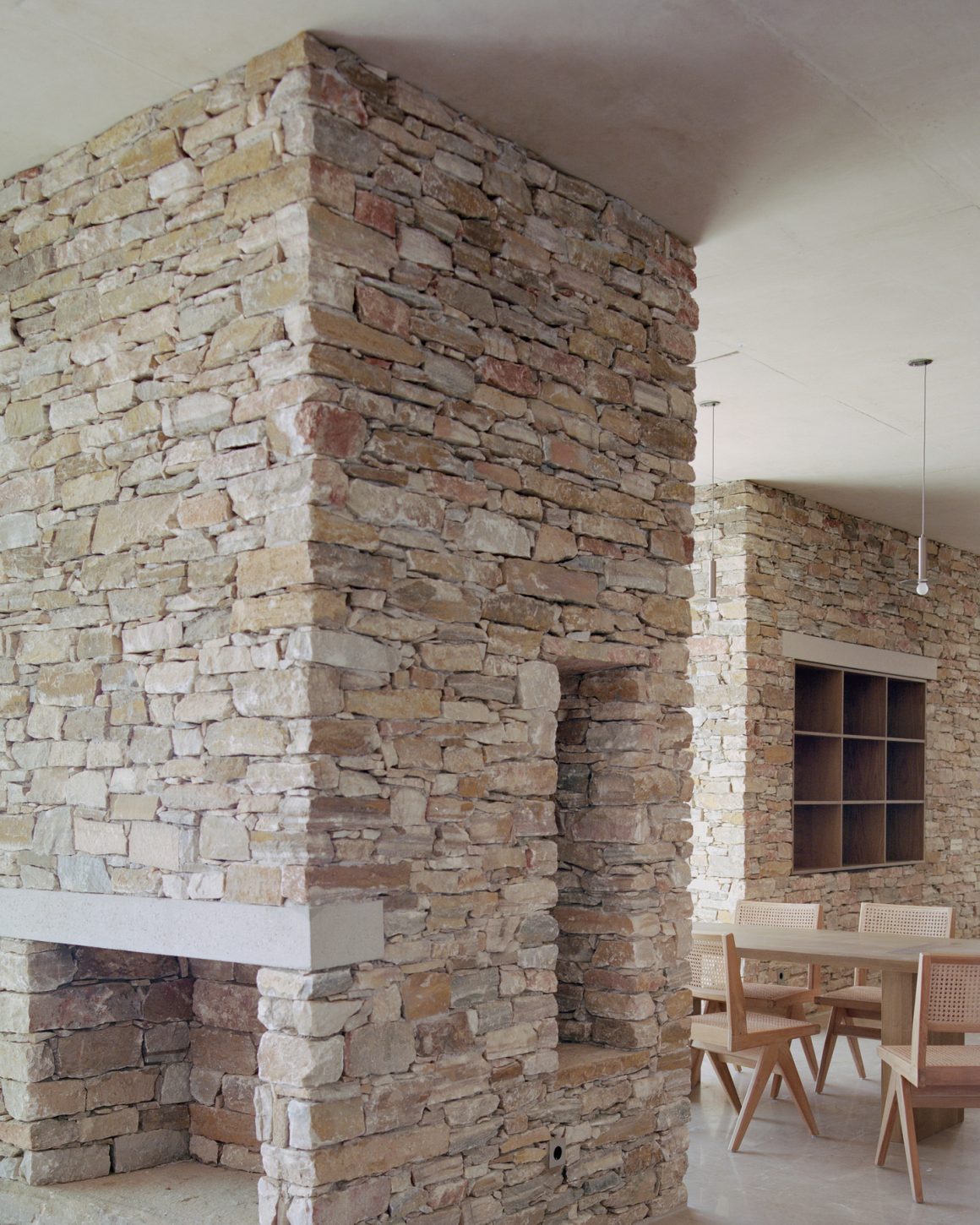
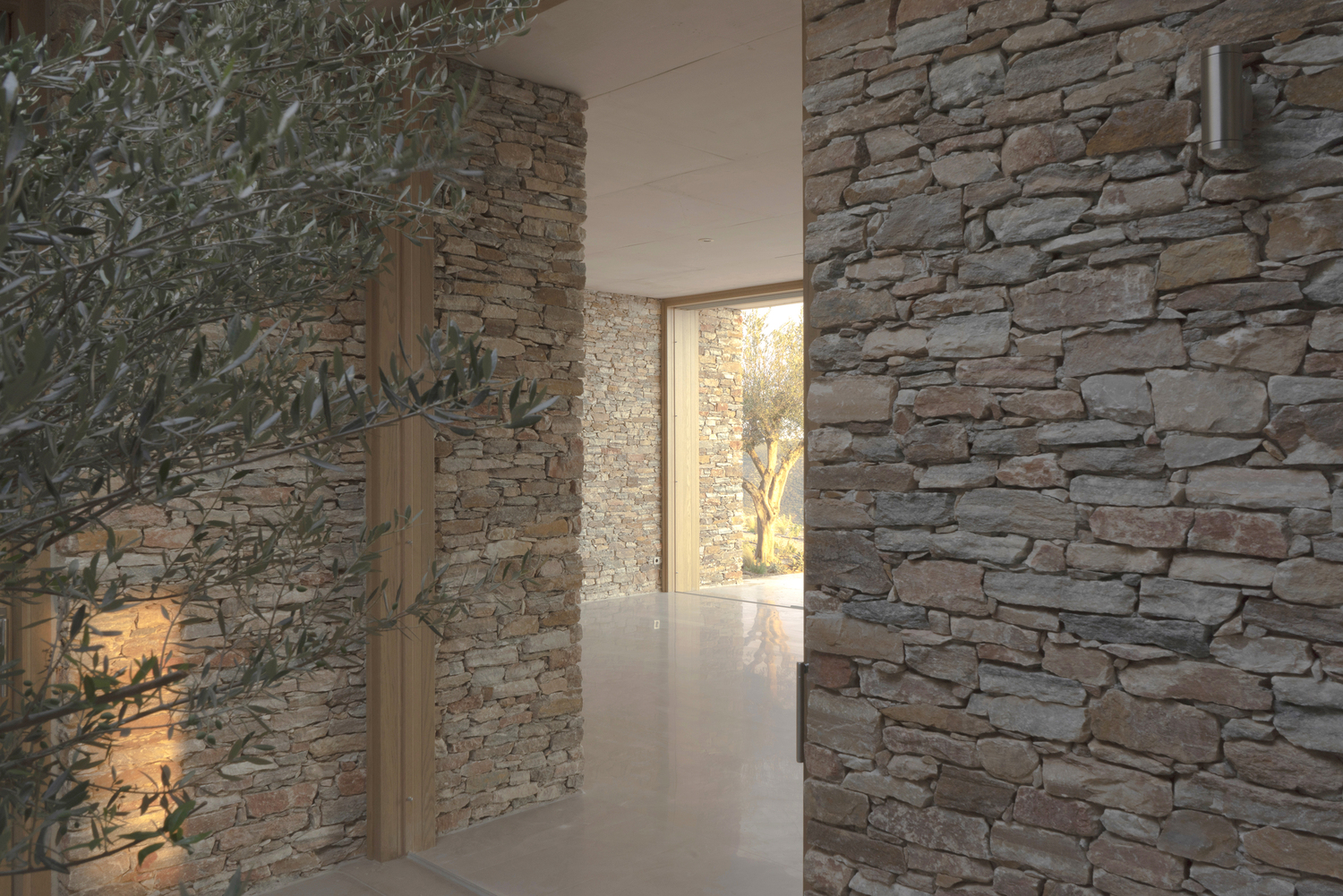
This requires scraping away the sedimentary crust of habit, rediscovering what is true and moving within the commonplace. Materials are allowed to remain true to themselves — stone remains stone, concrete embraces the imprint of its casting, each material is used in the way that is right for it; light becomes the only ornament, nature the only decoration. A carefully designed void allows for the most and obstructs the least.
Such architecture does not speak too loudly: it is a gentle melody that does not demand to be heard. And, paradoxically, by reaching for what is particular, we touch upon the universal. It is not invention that makes something unique, but rightness.
This residence in Sifnos has a disarming honesty, expressed through an absolute sense of necessity and a dialogue with the materials of nature. Tell us about the design philosophy behind it and how you achieved such complete integration with its surroundings.
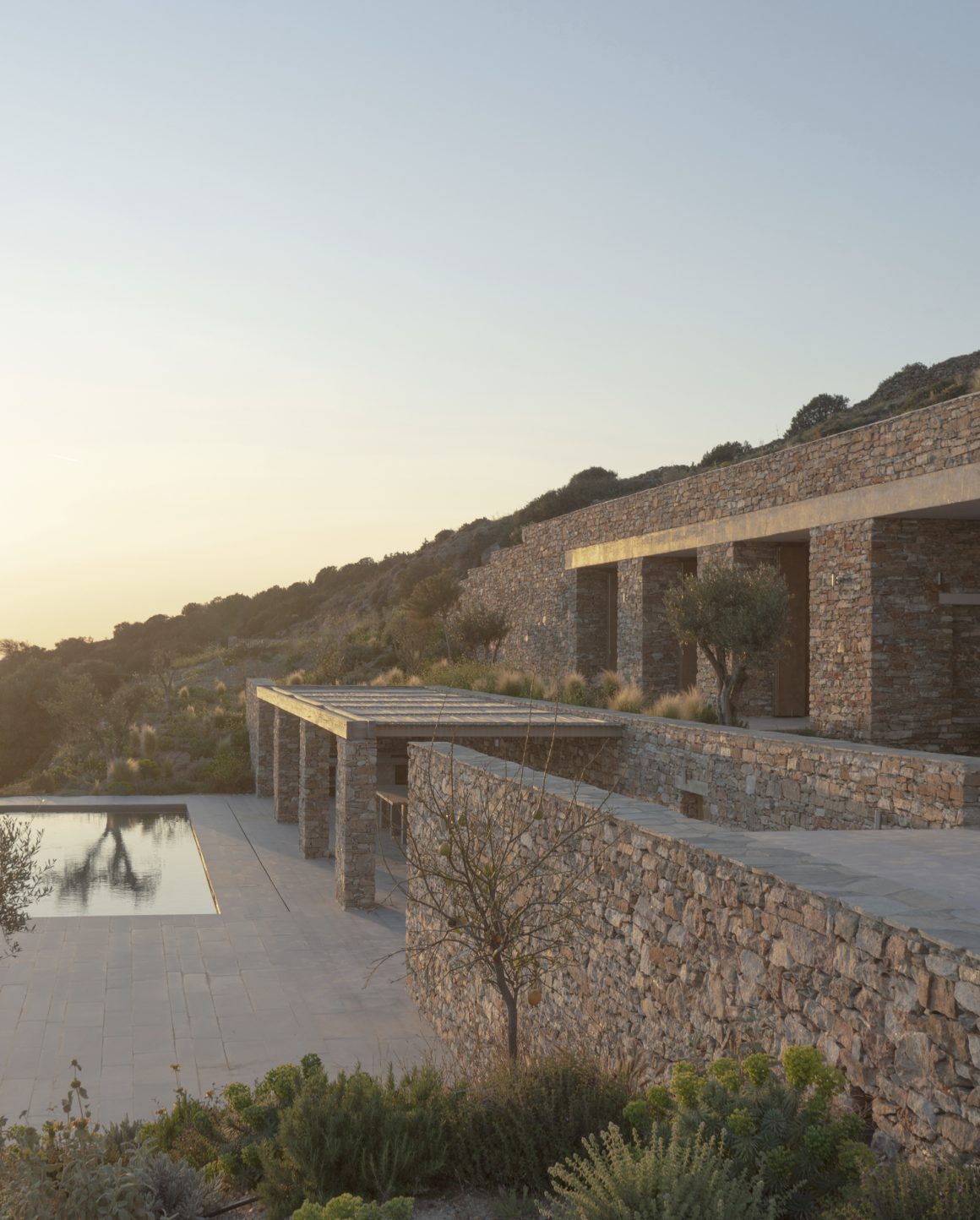
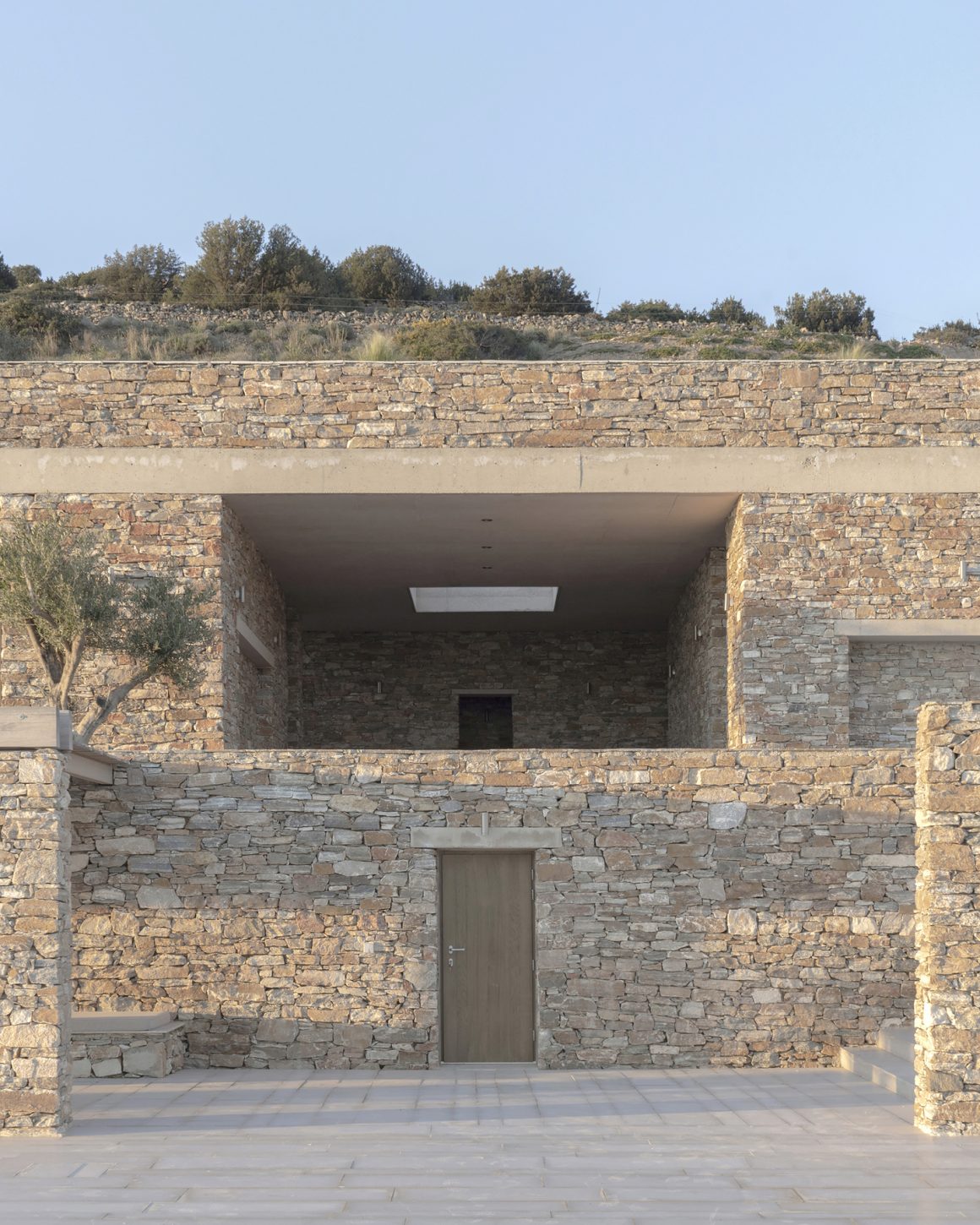
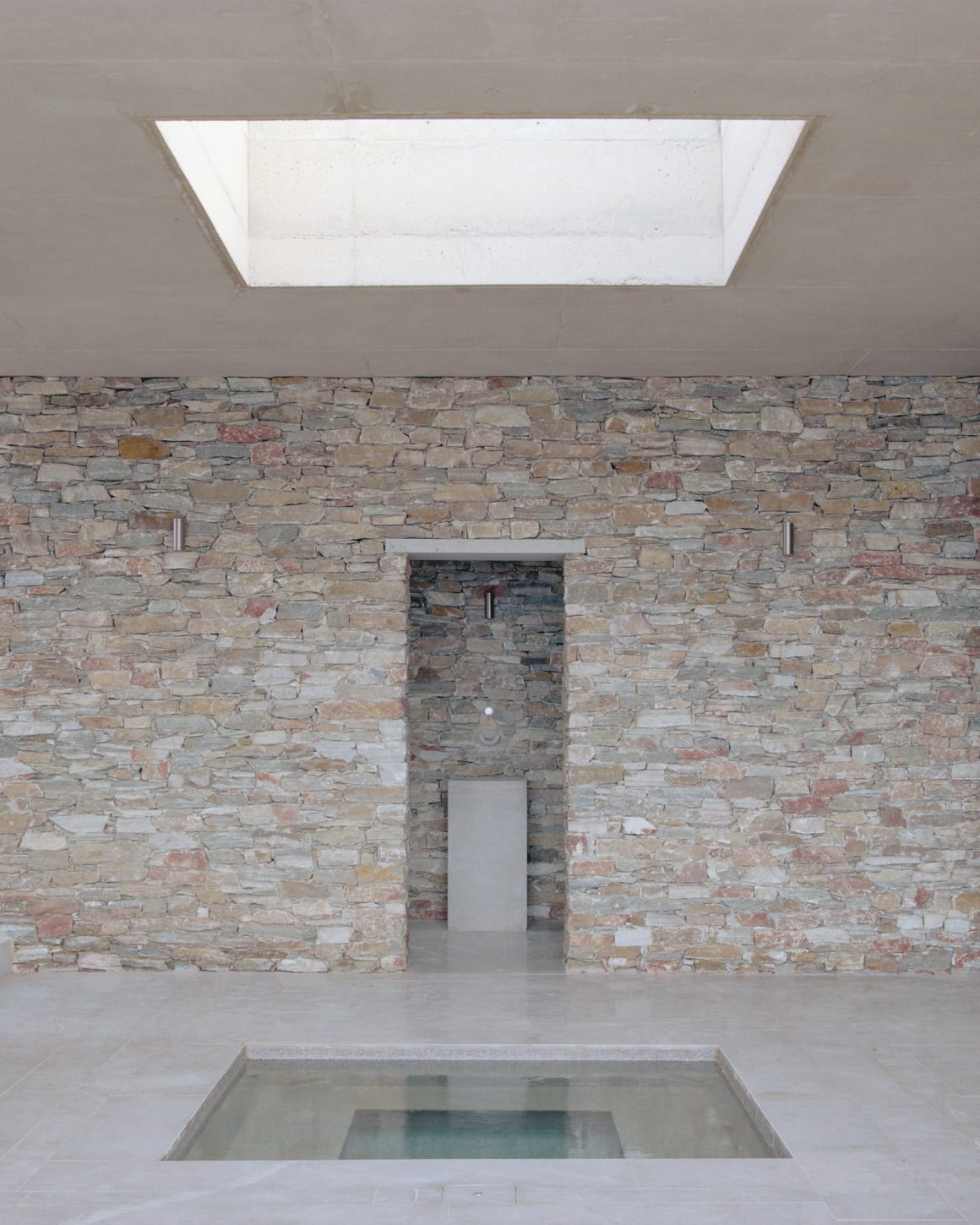
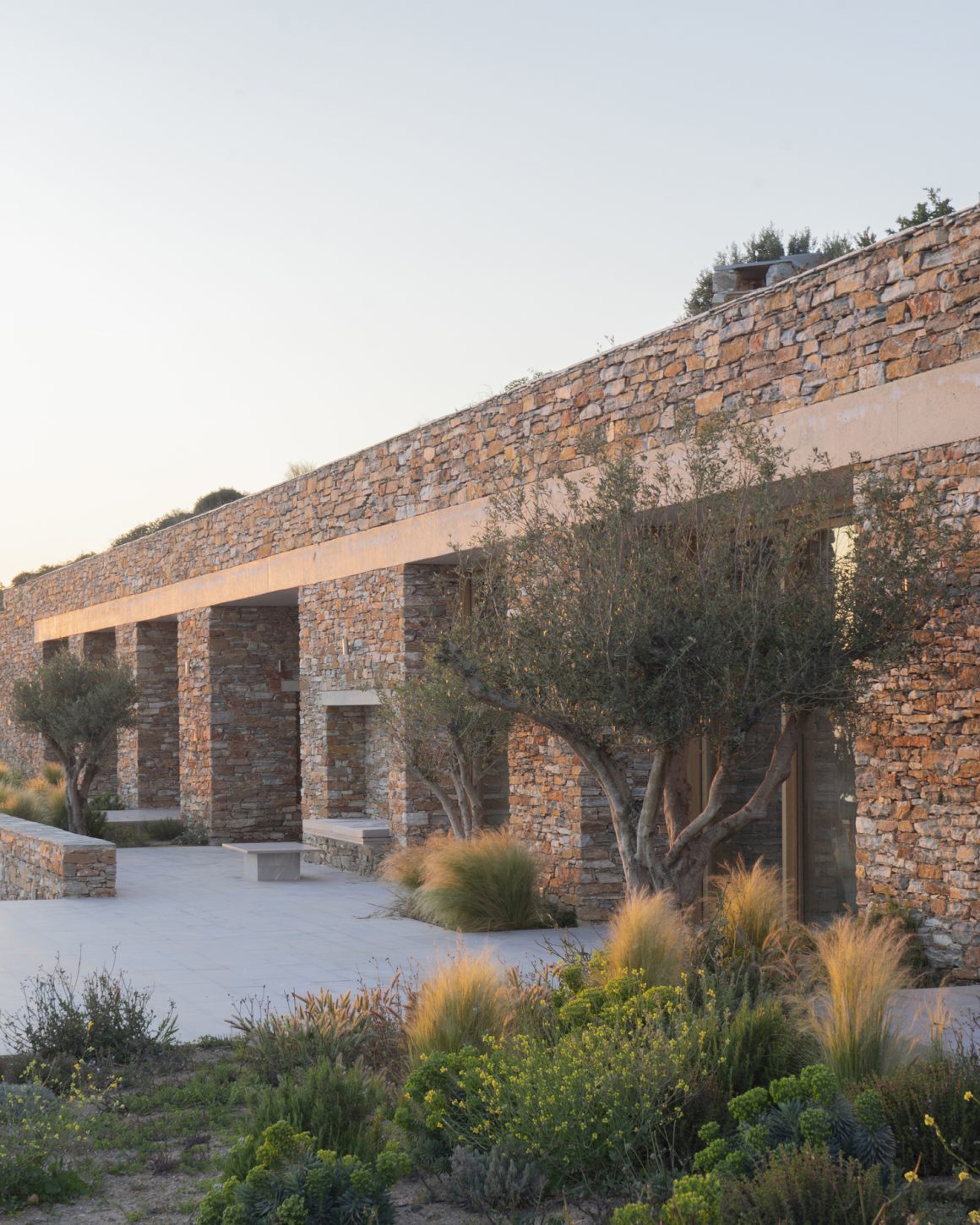
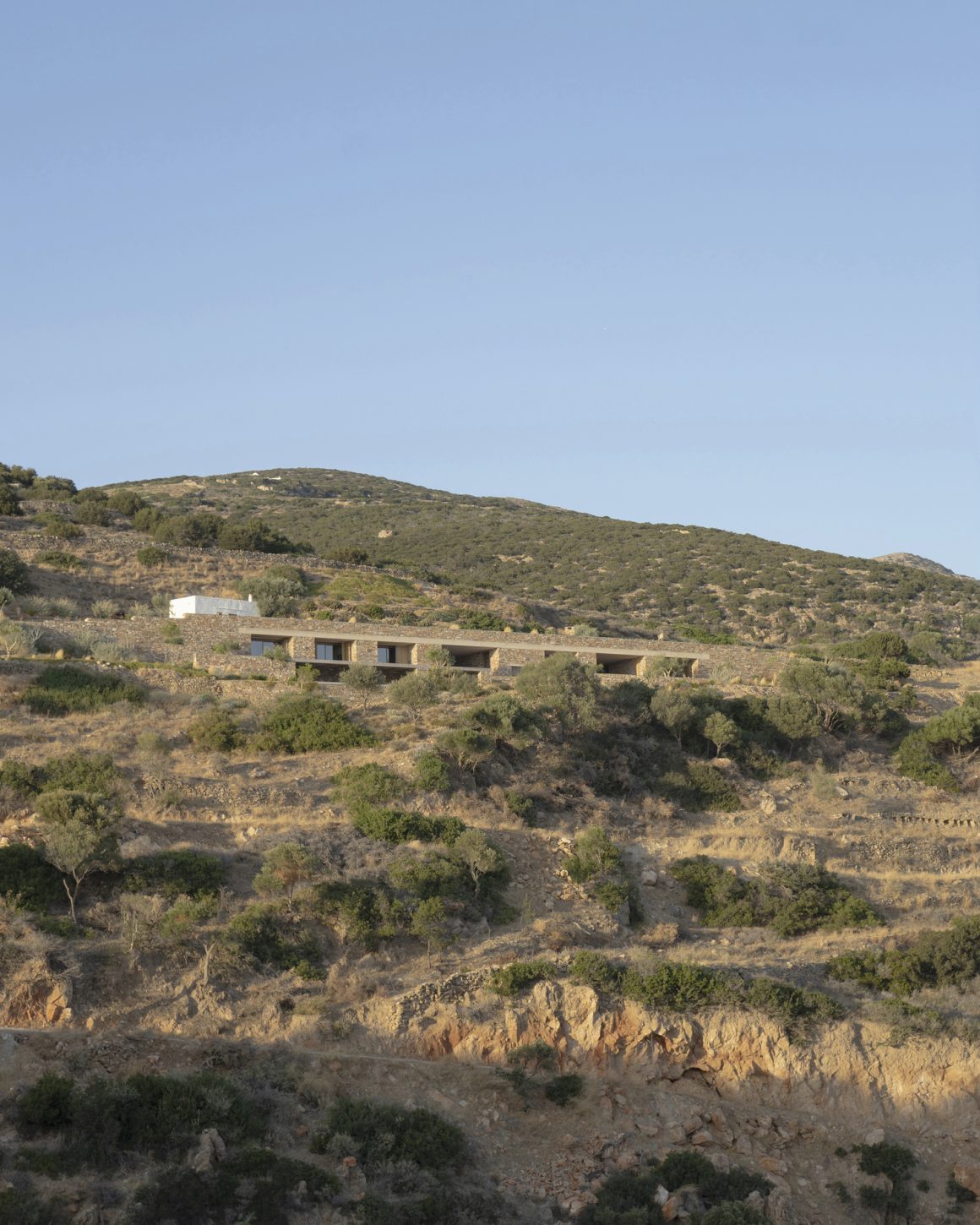
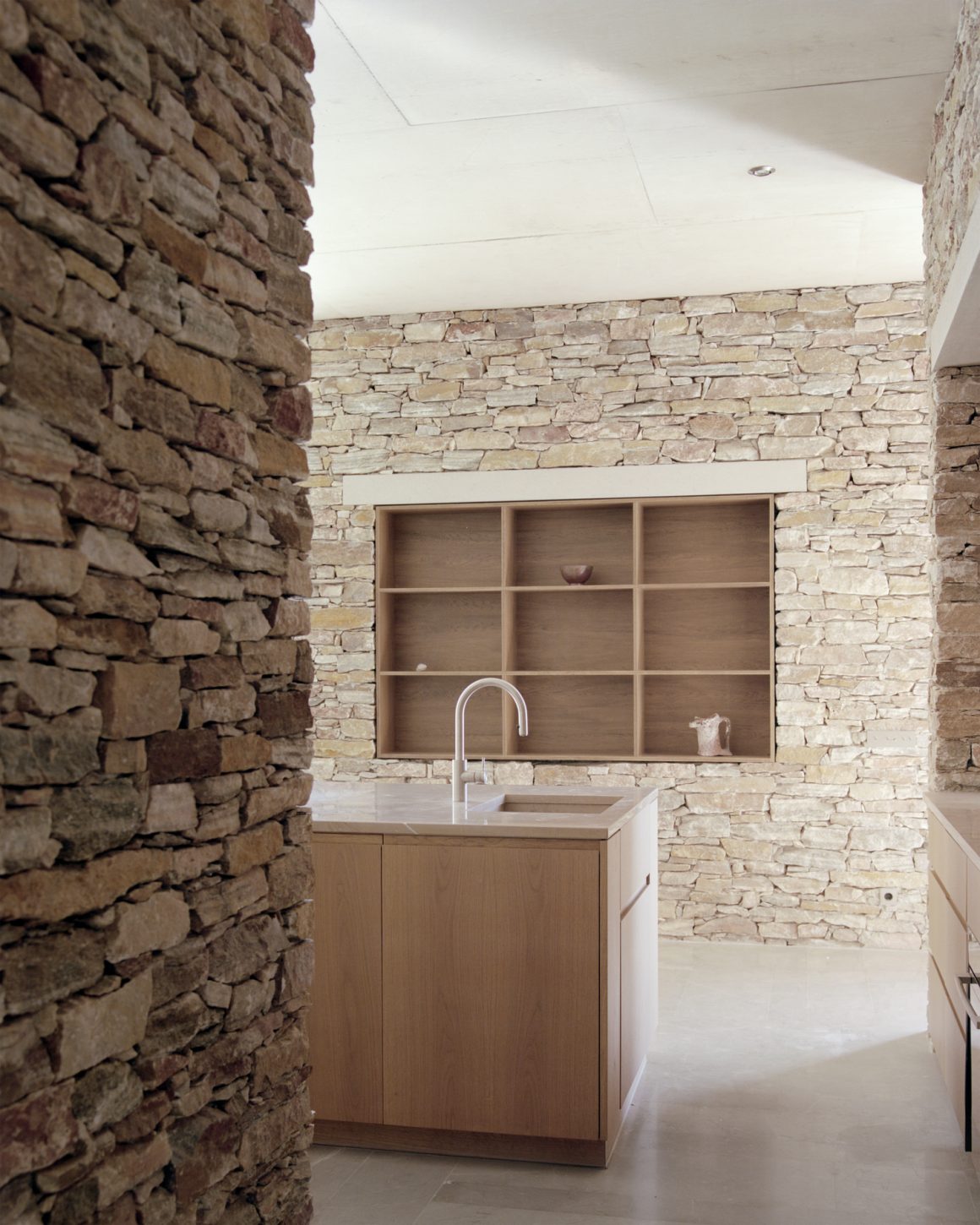
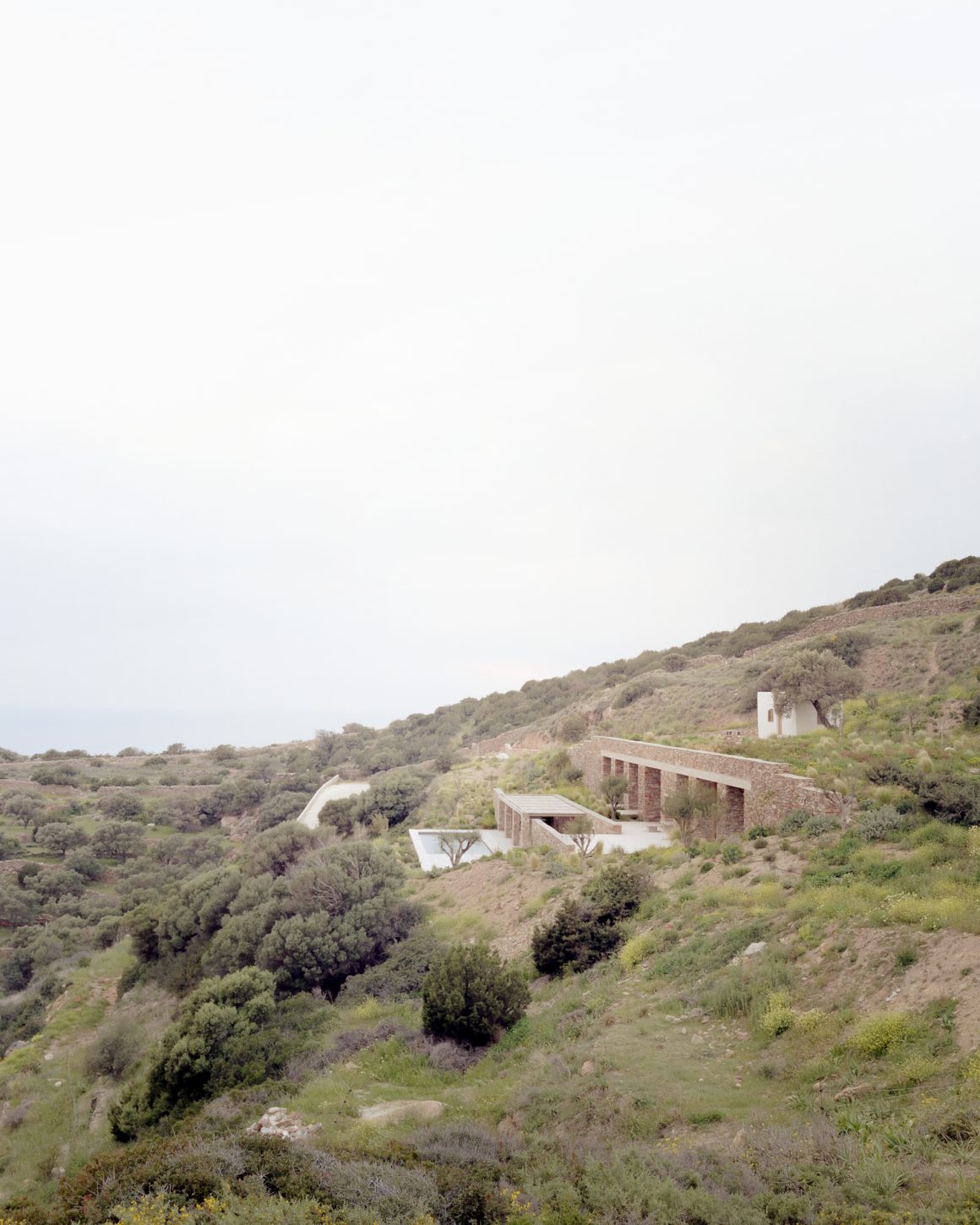
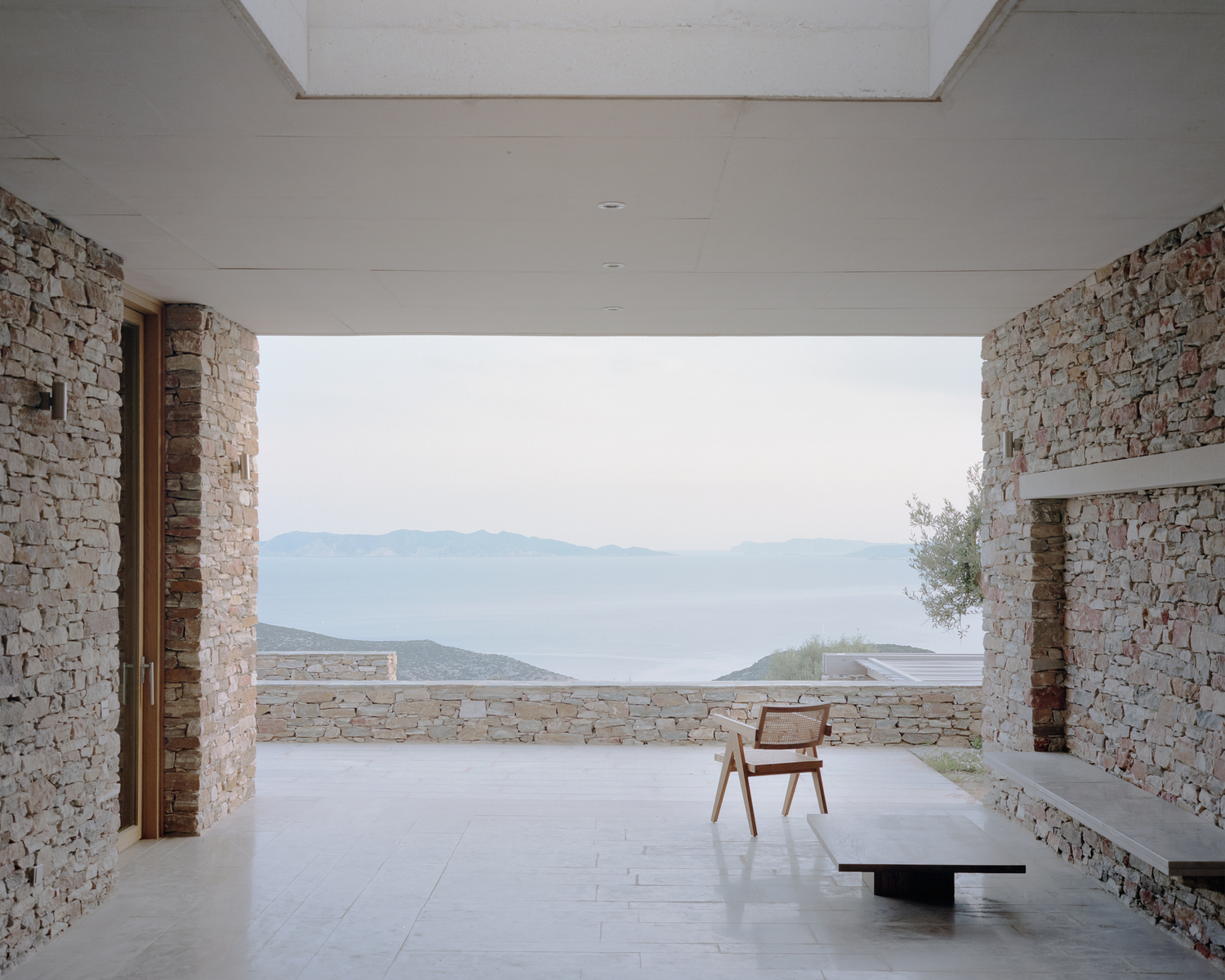
The residence replaces an existing retaining wall and sinks into the agricultural terraces, behind stone and earth. From a distance, almost nothing can be seen — only the old animal shelter remains visible; everything else continues the landscape rather than opposing it. Everything follows from this logic. The earth excavated from the site is reused locally, to reconstruct the terraces and create a thick, insulating roof. Local stone and the thermal mass of concrete retain the coolness of the night, courtyards encourage the circulation of air, and the depth of the façades provides protection from the sun. Integration is not a surface treatment: it is structural, climatic, almost geological. The architecture does not dominate the landscape — it intensifies the experience of it.
What are the elements that make it so distinctive and genuinely captivating?
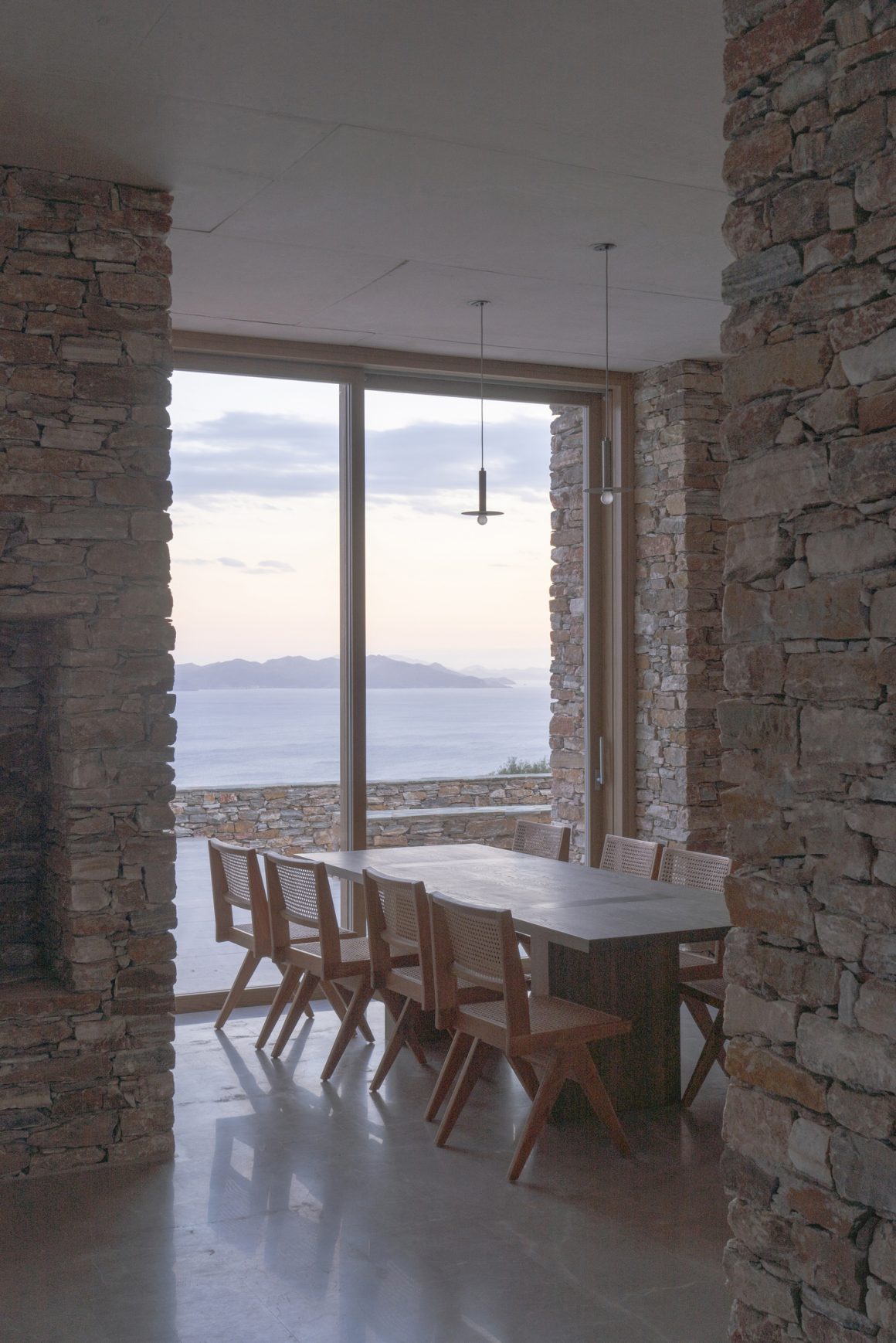
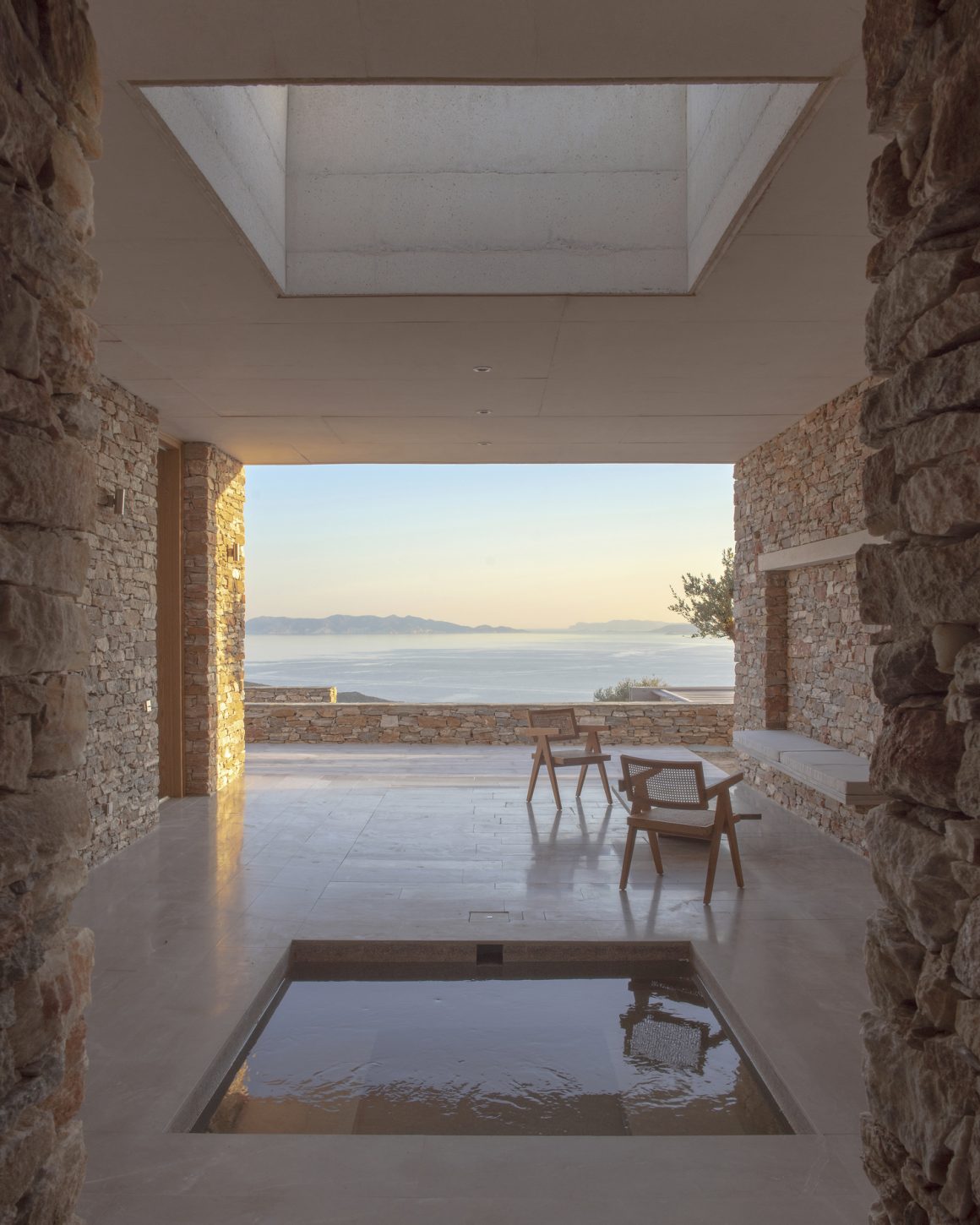
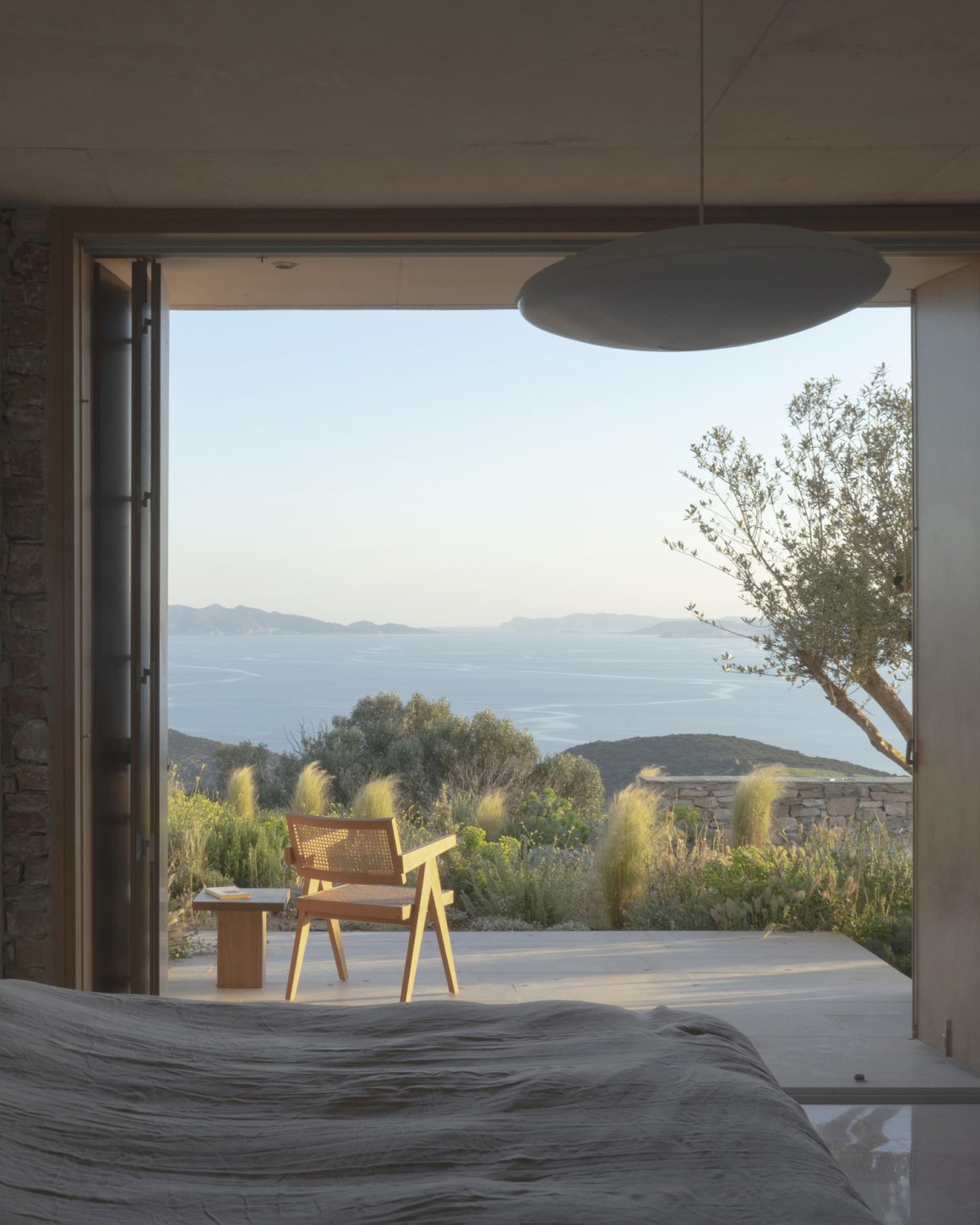
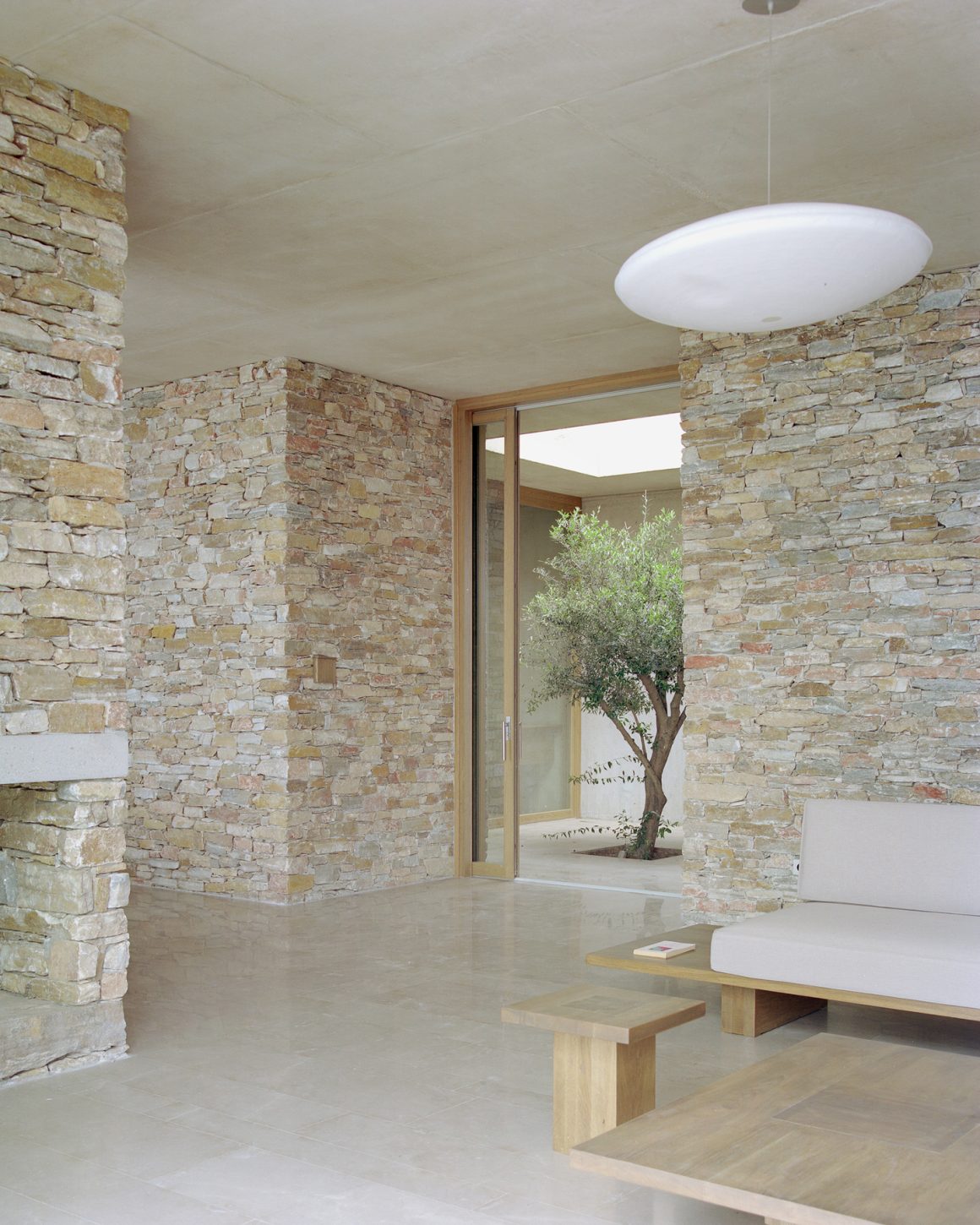
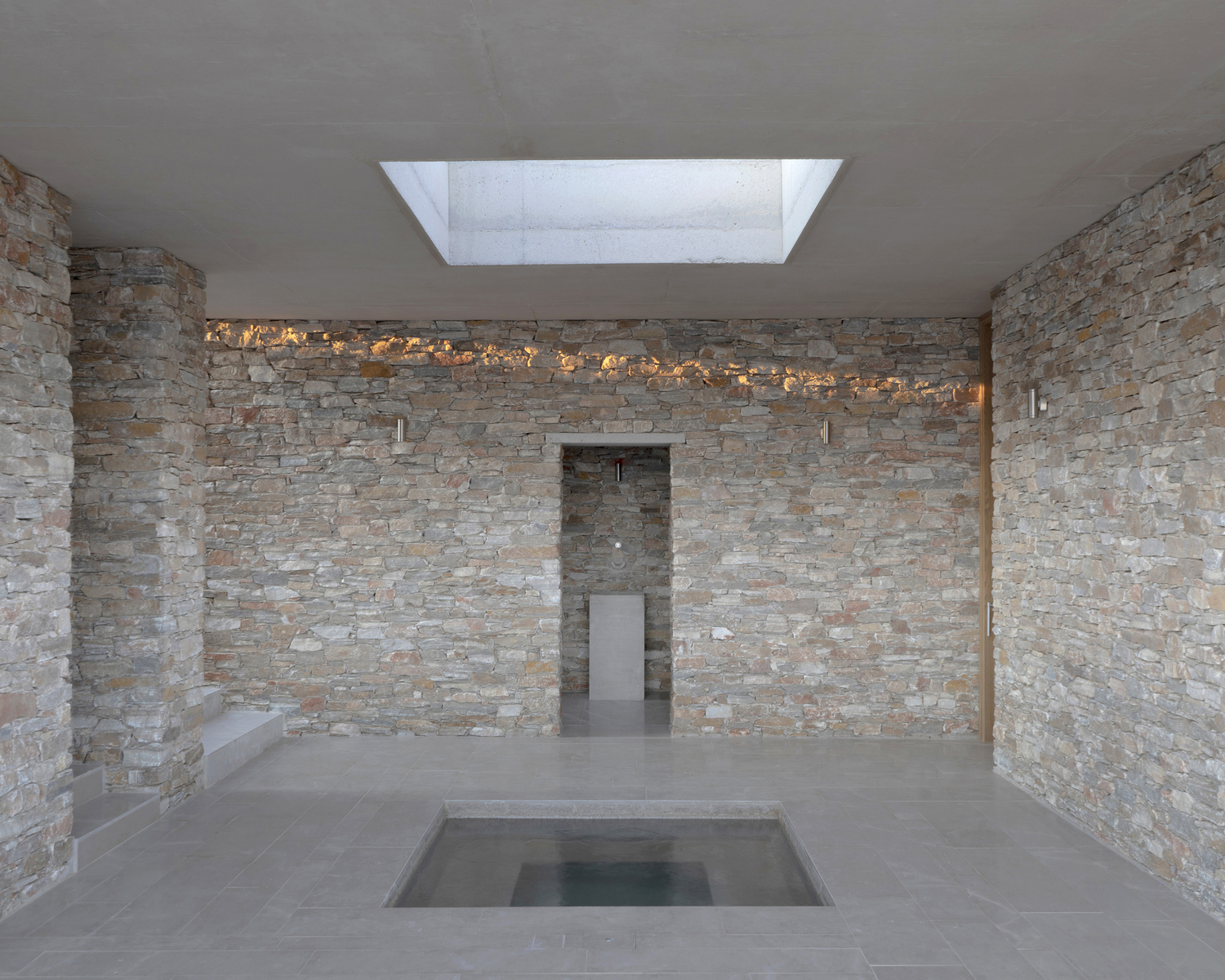
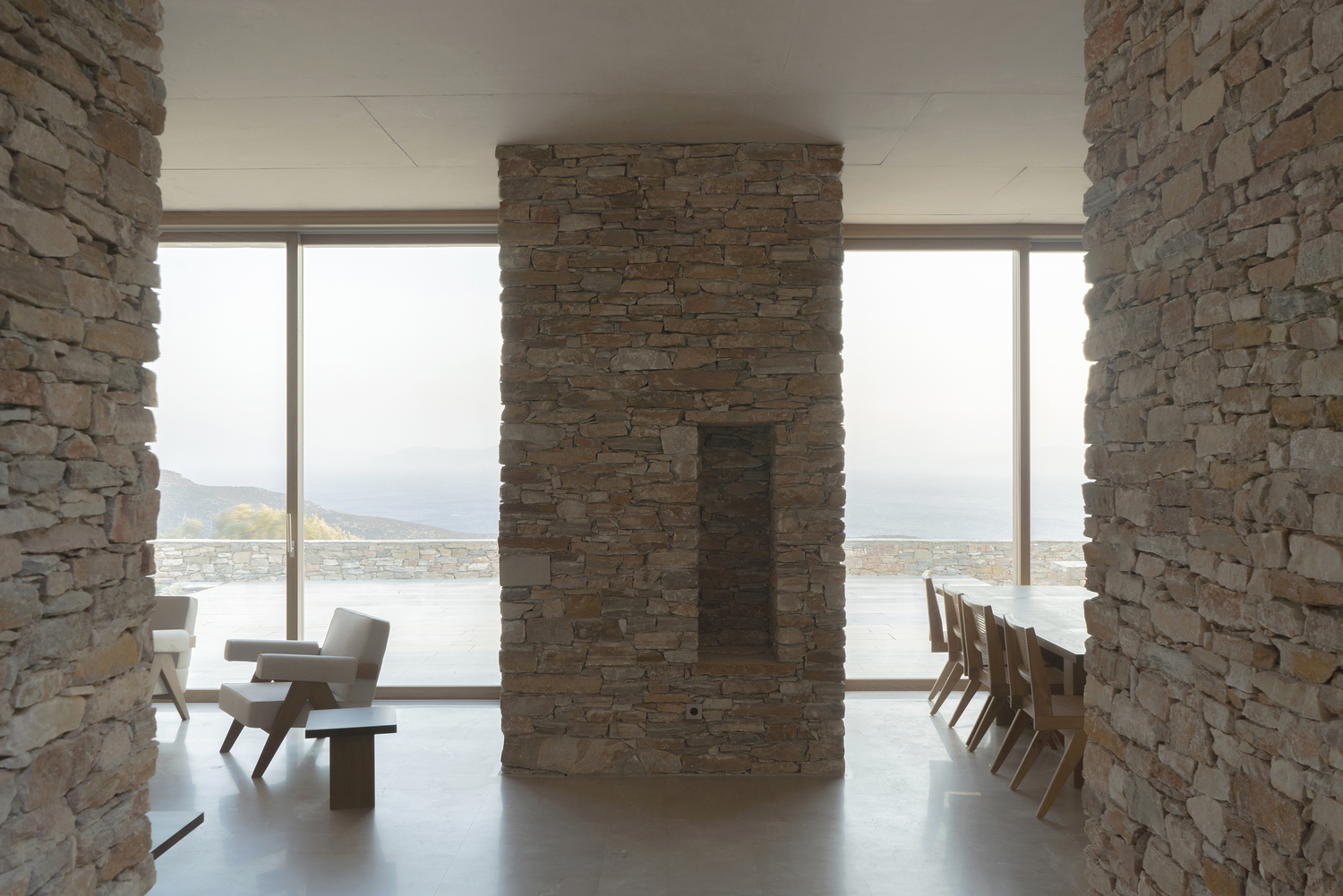
The serene presence of nature, which feels particularly intense there, and a sense of mystery. You descend beneath the earth, leaving behind the dazzling Cycladic light, and the space never reveals itself all at once. Instead, it unfolds through a sequence of stone volumes reminiscent of a quarry, passages, courtyards and circular openings. The eye is constantly drawn towards what might be concealed beyond the next volume — everything remains somehow enveloped in mystery, suspended between revelation and concealment. A water basin reflects the rays of the sun onto the roof, olive branches move in the breeze, and the light shifts from hour to hour. From these mysterious and protective spaces, one can watch the sea transform throughout the day.
What do you most love doing, and what has experience and maturity brought to your work?
I love the moment when a vague certainty begins to emerge, and we turn it around from every angle until it becomes self-evident. Maturity has taught me, above all, to remove and to do things for the right reasons: fewer gestures, less ego.
Are new technologies an important tool in your work, and what kinds of pitfalls do they present?
A tool, yes, but not a driving force. The danger is disembodiment: judging architecture as an image, as a photographic viewpoint, when a place cannot simply be captured — it must be experienced; it allows us to exist. And in the age of artificial intelligence, the trace of subjective choice, of the designer’s struggle, becomes precious. It is the trace of something alive.
Which is your favourite project, and what would be a dream project for you?
I think Within the Earth is my most complete work to date. Honestly, I enjoy all kinds of projects; I like not being confined to a particular typology. My dream projects are primarily places of silence and contemplation — spaces that simply help people think, to find their place in the world. That can happen through many different types of projects, when the intention is there. On the other hand, I still very much want to design a bathhouse, and even more so, perhaps paradoxically, a cemetery…
What is your connection to Greece, and what do you hold closest to your heart?
For me, Greece is my roots on my father’s side, my grandparents when I was a child. It is the silence of the Athenian suburbs during the afternoon siesta, and the sea in the Cyclades. I have spent a great deal of time in Sifnos, both in summer and for months out of season, when it is quiet, green and truly beautiful. The rhythm of the islands becomes magical once summer is over; there is time to do things, silence in which to listen, extraordinary light on the sea and, above all, fewer superficial distractions than in the city.
What I love most about Greece is spending hours in the water diving, even in winter. Another thing that comes to mind is the gentle feeling of being protected by the gaze of the Acropolis in Athens. And, of course, for an architect… the ever-present ruins.
How different is the way you approach a project when it is in Greece?
Climate and materiality determine everything. In the Cyclades, dryness and wind demand an architecture that protects, while stone is everywhere.
There is something else that makes a profound difference. On the islands, the undulating hillsides and the absence of large trees leave everything exposed to view. This makes the fragility of nature and the landscape all the more apparent. As soon as you build something, it becomes intensely visible; you become immediately conscious of your impact, and that naturally encourages you to work with care and restraint.
Three places you love returning to, and why?
To some beautiful rocks overlooking the sea near Faros, where I suddenly find myself face to face with the sea, while at the same time being completely sheltered from the sun and the wind. They are wonderfully quiet and meditative in every season.
The Pantheon in Rome, for its oculus, open to the wind, the rain and the light. For me, it remains an almost perfect example of architecture’s ability to be extraordinarily simple and yet inexhaustible: a void, and the elements constantly changing through it.
And the third would be Pikionis’ paths beneath the Acropolis, which offer a wonderful walk through a place where the sedimentation of so many layers of history becomes visible. Each of them brings me back to that sense of being “here and now”.
Have you designed any objects or custom-made furniture for particular spaces?
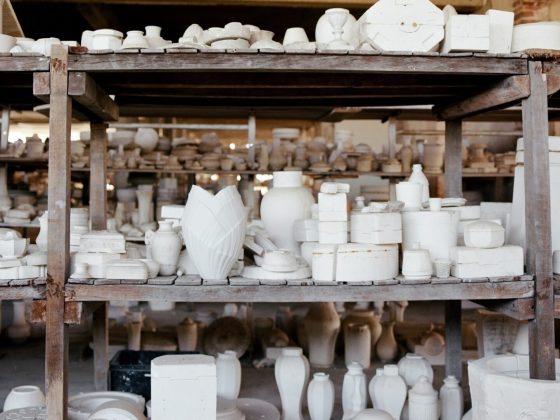
Yes, when the place calls for it. In Sifnos, at Within the Earth, the oak joinery and furniture were designed specifically for the building — an intimate, warm layer within a monolithic interior. Custom-made elements extend the essence of a project all the way down to the object; otherwise, the coherence begins to fracture. In other projects, I have even gone as far as designing the ceramics for the space, which were then made by very good local potters.
But we also need to leave room for future objects and for the lives of the people who inhabit these spaces. A house designed down to the very last glass can quickly become a dead work.
How would you define beauty in your own words?
Beauty is the feeling of being. It is the revelation of meaning, the celebration of what exists — something made with intention and rightness, in correspondence with reality. It is also the love we have for patina, for decay, as the quiet trace of time, precisely because being makes us feel existence more intensely than we ordinarily do.
In architecture, then, beauty is not an aesthetic layer added to a building. Beautiful architecture is right architecture — architecture that seems to correspond to the reality of which it is a part. All of this may sound cryptic at first, but over time it has become increasingly self-evident to me.
What do you consider authentic today?
What matters is the relationship between what something is and what it pretends to be. Authentic architecture does not artificially try to appear different, traditional, innovative or ecological. It begins with its actual condition and embraces the reasons that brought it into being. So authenticity is not synonymous with roughness or rusticity.
Something is authentic when it does not need to play a role in order to have presence. Construction can embody authenticity in many ways. A material that remains true to itself, the visible gesture of a craftsperson in stone, an ageing process that is accepted rather than concealed. In a world of smooth images and devaluation, authenticity lies in accepting the time, uncertainty and imperfection of the real.
It is also a matter of the creator’s attitude. I try to distinguish what comes from a genuine necessity of the project from what comes from my own desire to be seen, to be original, or to react to what others are doing. To be authentic means to act rather than react: to create from your own understanding and conviction, rather than defining your work in opposition to others.
Now, with every project, I ask myself: “Would I make this project in this way if no one could know it was mine? And if I could not even know that I had made it?” If the answer is no, there is a problem.
Photos Simone Bossi, Alexandre Pavlidis