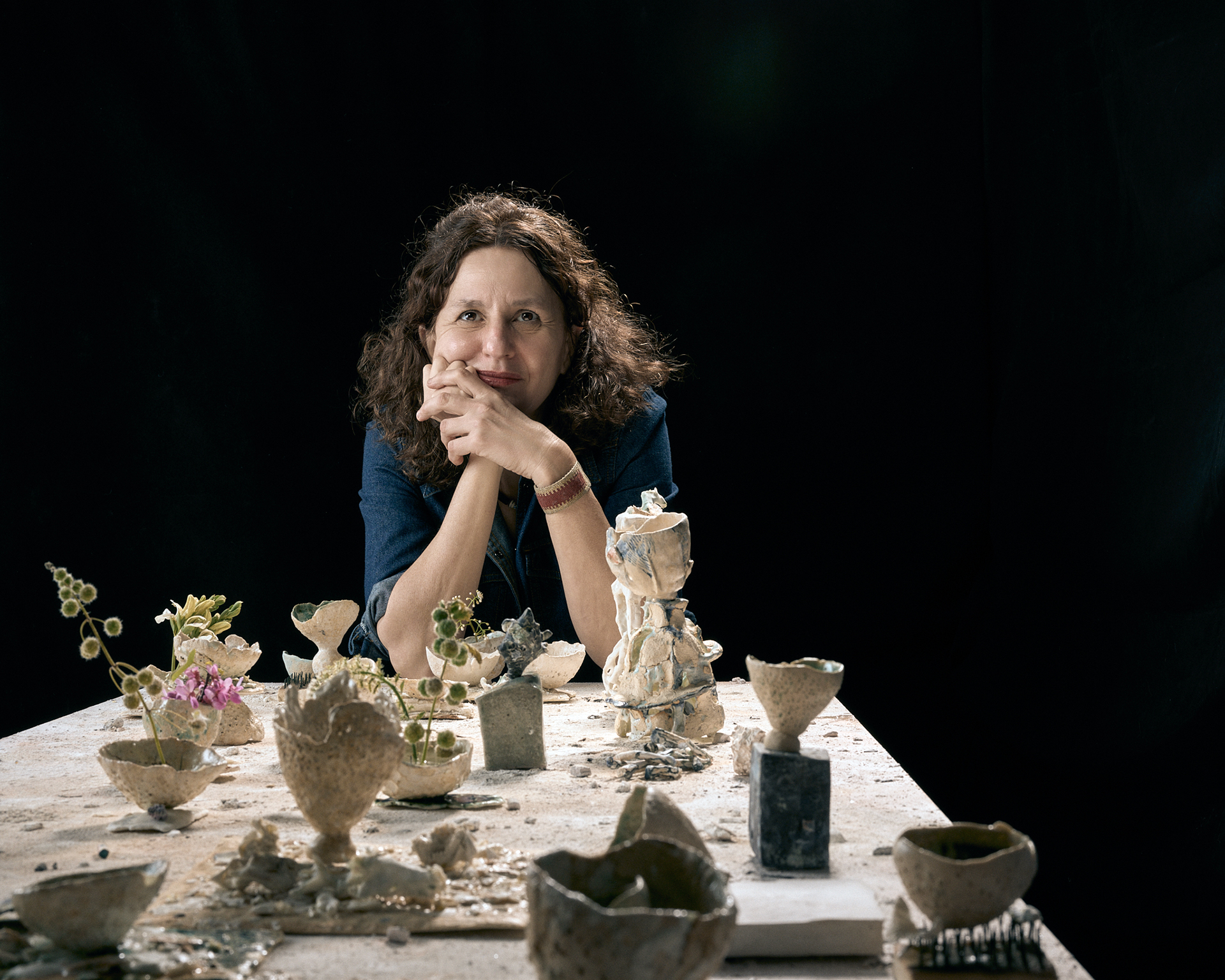
What have been the key milestones in your journey?

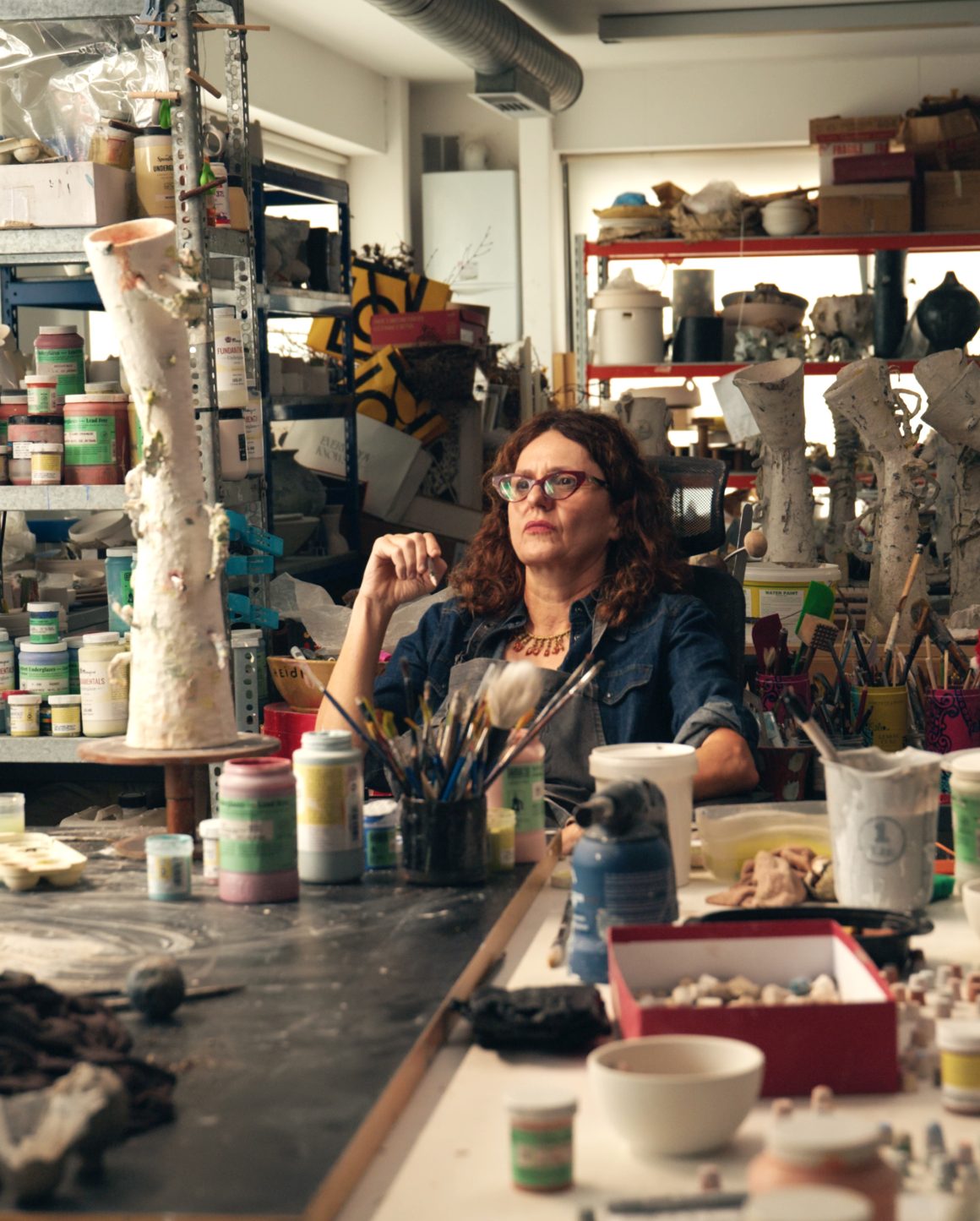
My studies at Wimbledon School of Art, followed by painting at the Royal College of Art in London, shaped the way I see, work and think. Moving into ceramics opened up a new field of exploration: colour and gesture acquired volume, weight and a relationship with space. Among the milestones I particularly value are my participation in European Ceramic Context in Bornholm, the Homo Faber Duo Fellowship and Ceramic Art Andenne in Belgium. Today, my exhibition at NHMA, the Benaki Museum, brings together many of the explorations that have defined this journey, in a magical space with which I feel especially fortunate to be in dialogue.

How did your creative relationship with ceramics begin?

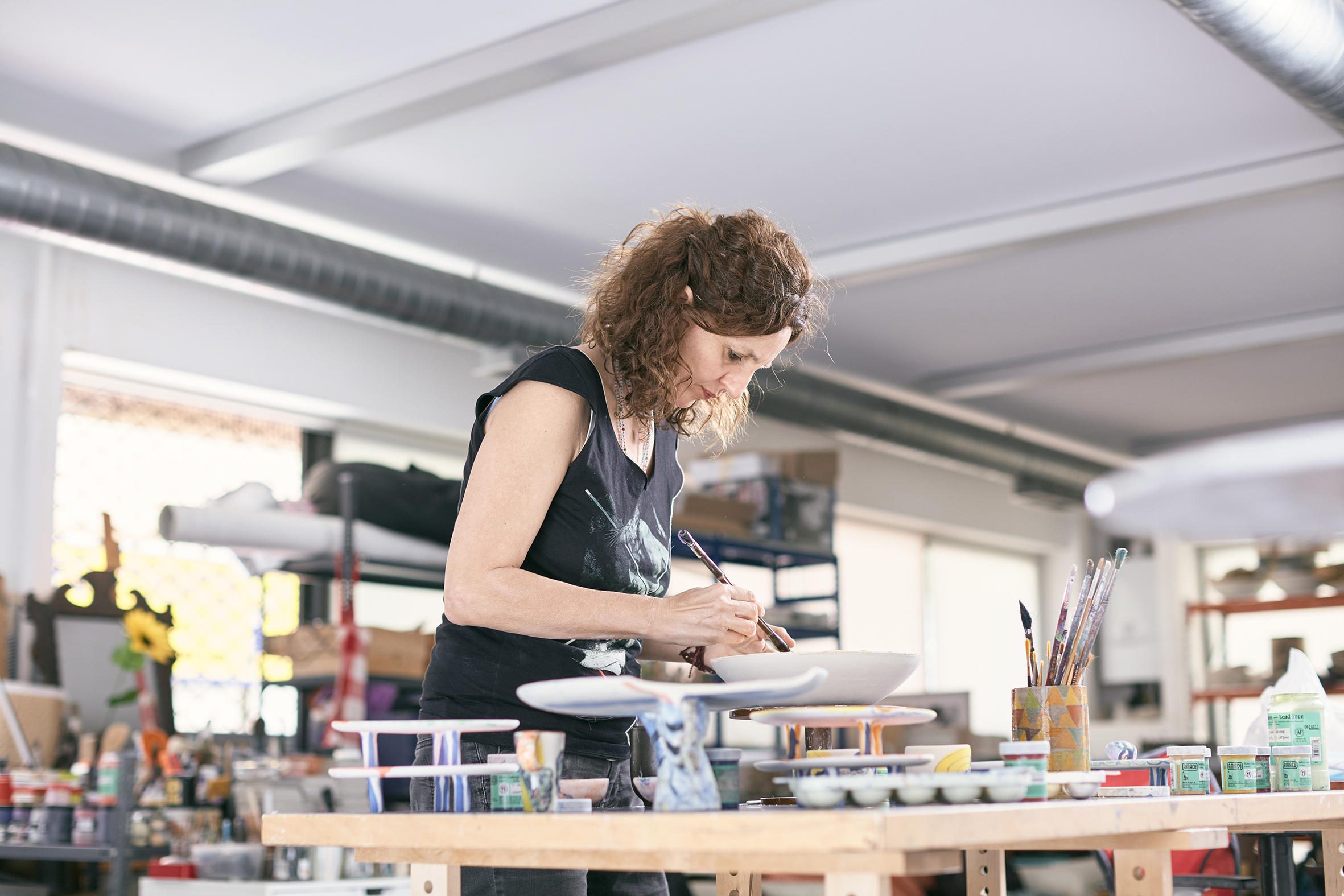
I started by painting functional objects, drawing on my knowledge of drawing. That was how a seed was planted, one that continues to grow.

Does the joy of creating grow over the years?

It changes character. Observation gains greater depth; I think I perceive more, and more quickly. The studio remains a necessity for me and a source of immense joy.

Do you feel that an object develops a dynamic of its own?

Very often. I begin with a particular direction in mind, but as I work, elements emerge that transform the original idea. The firing brings its own uncertainty and surprises.

How does your aesthetic evolve?

Through my work, observation, the pleasure I derive from creating, my connection with nature and my relationships with other people.

What do you consider your most significant achievements?

The Blue Octopus, the children’s workshop I have been running for more than ten years, and our shared space as a living meeting point for artists, practitioners and children – a place of coexistence and creative exchange.

What are you presenting at NHMA, and what does Synapses explore?

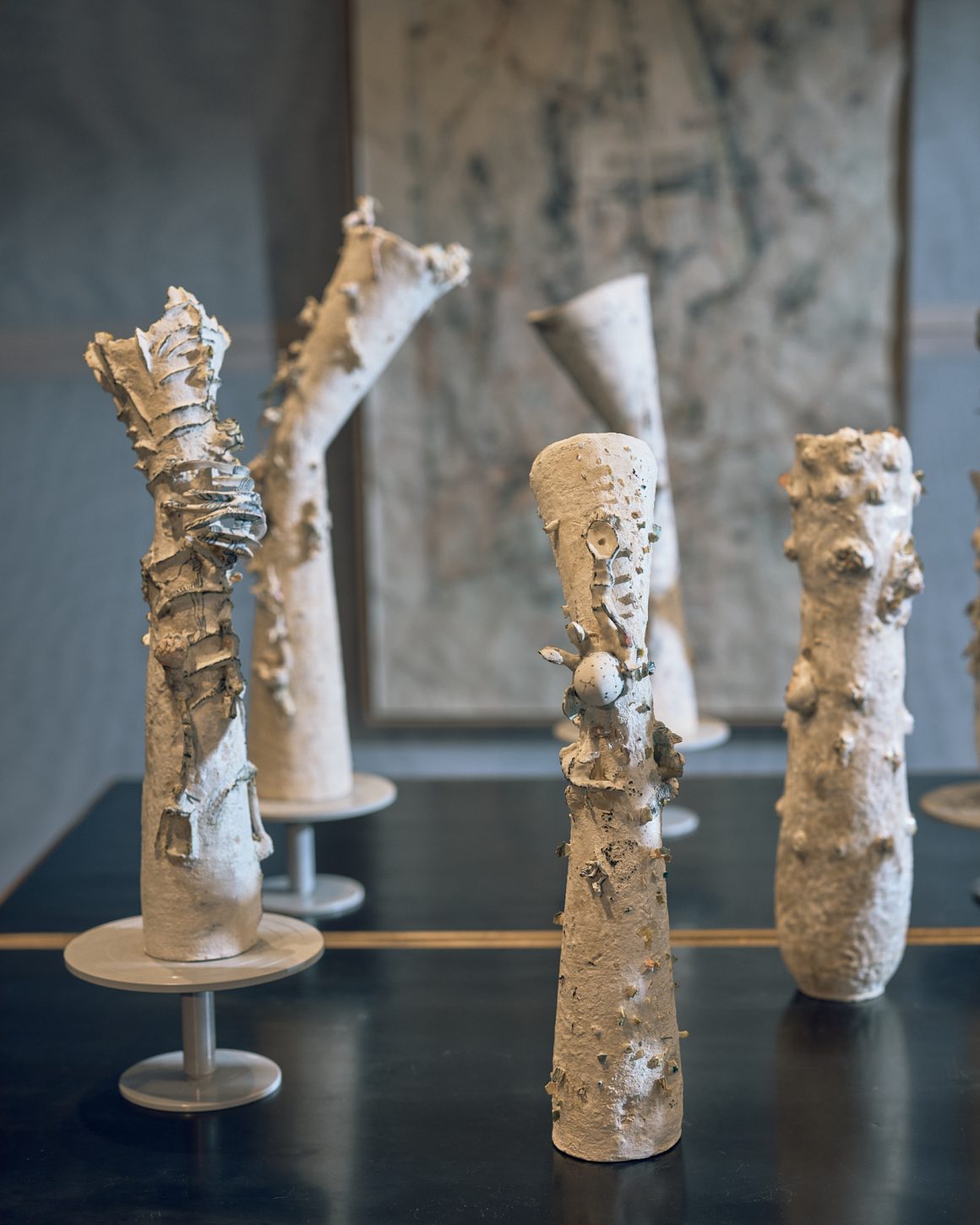
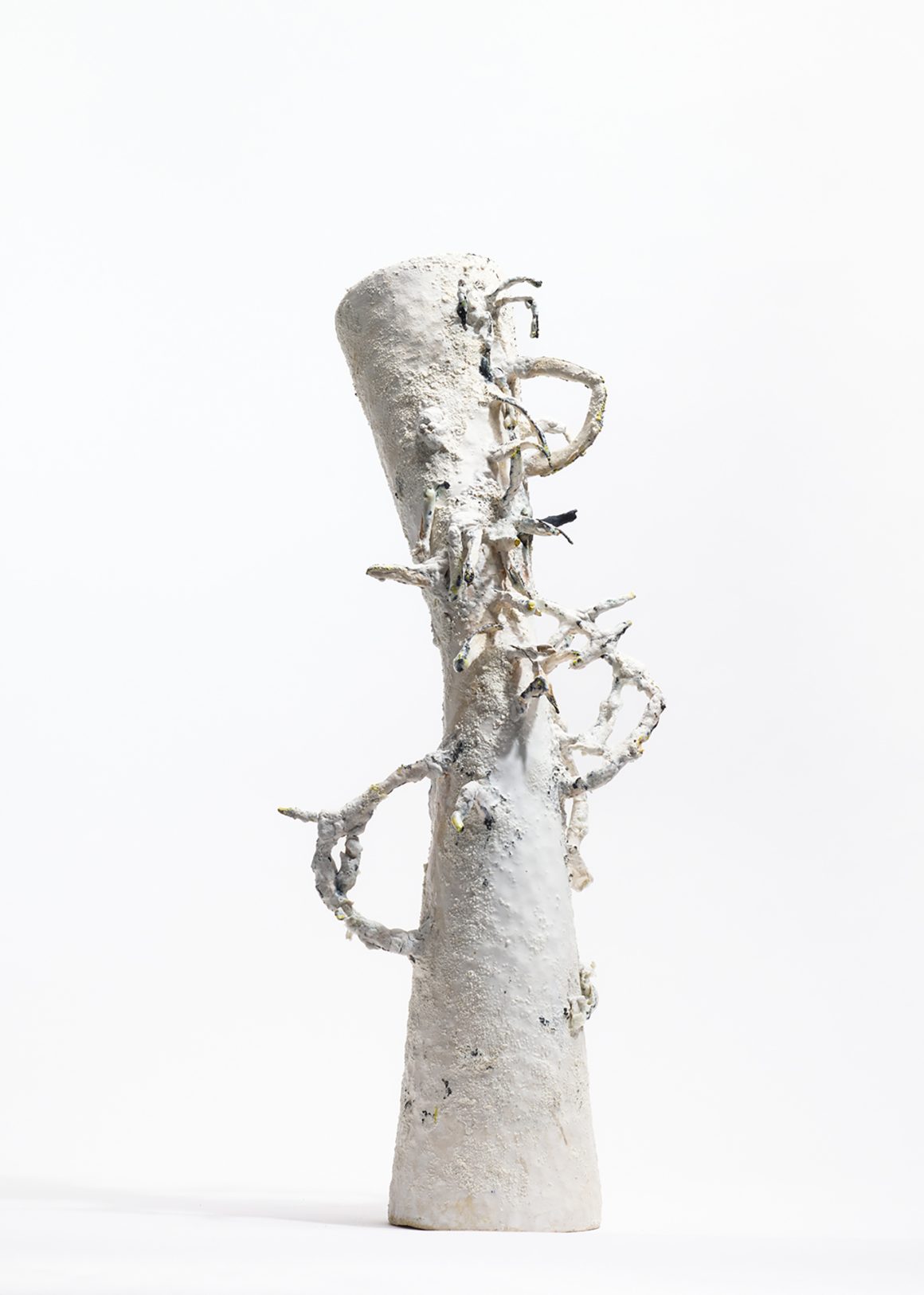
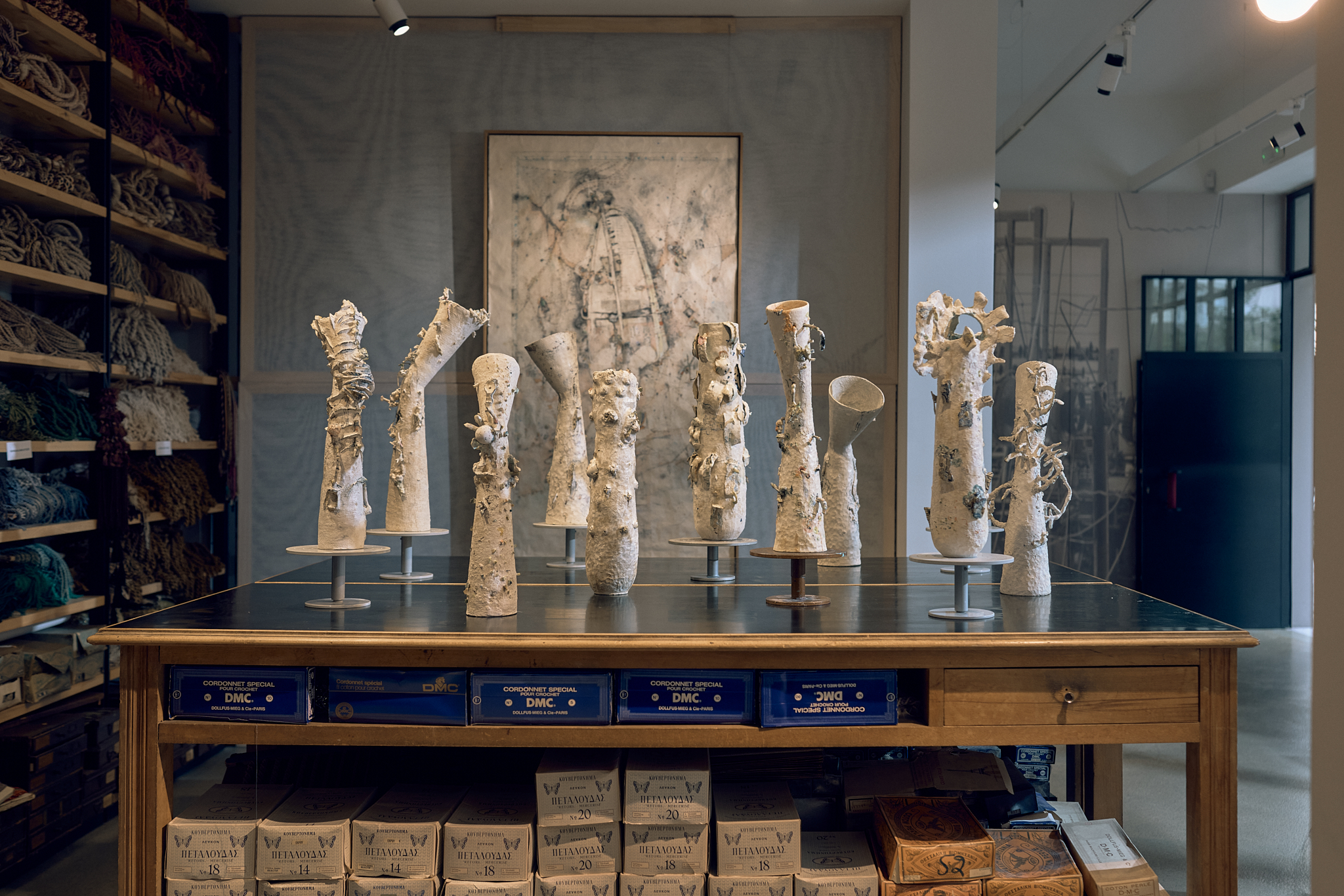
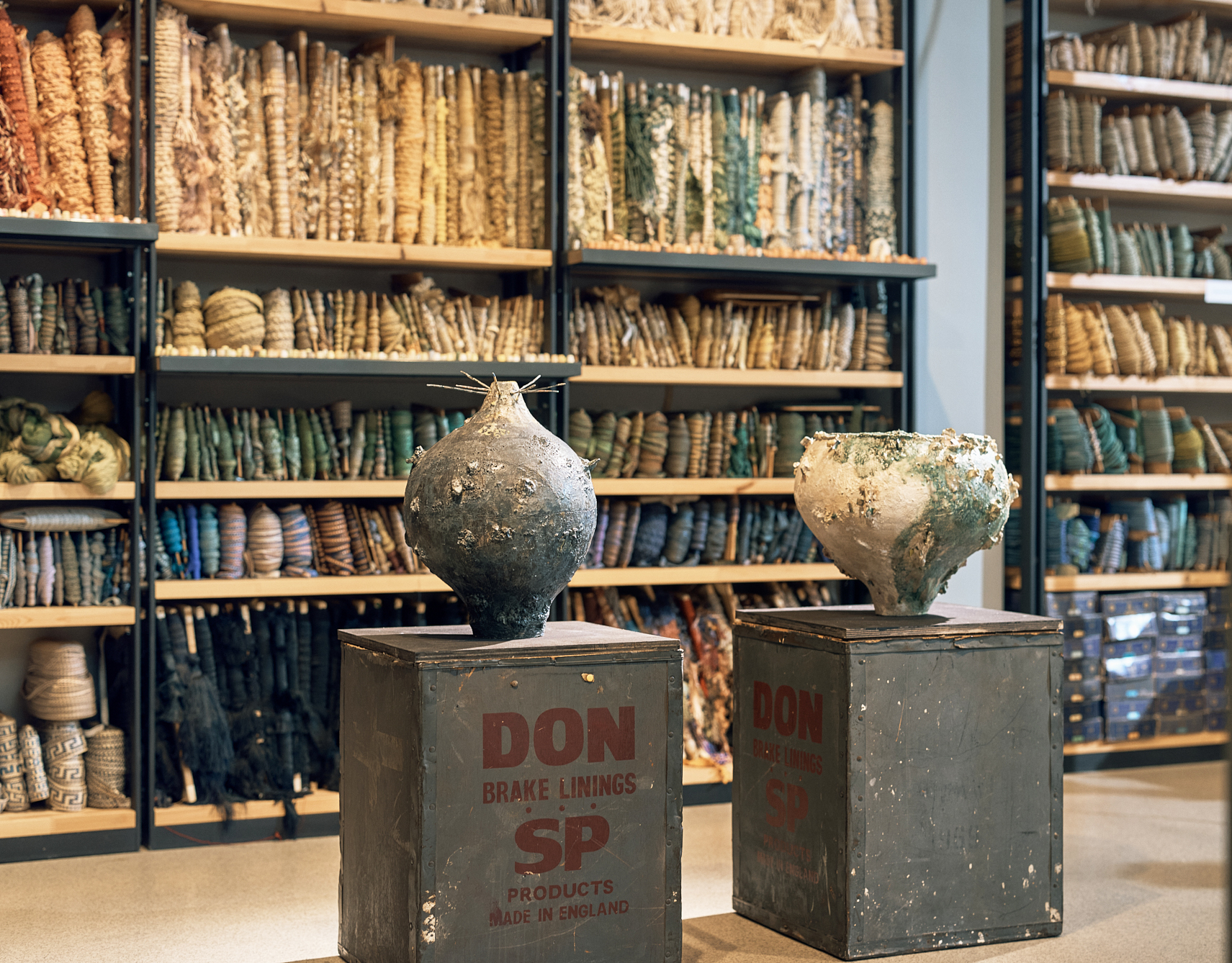
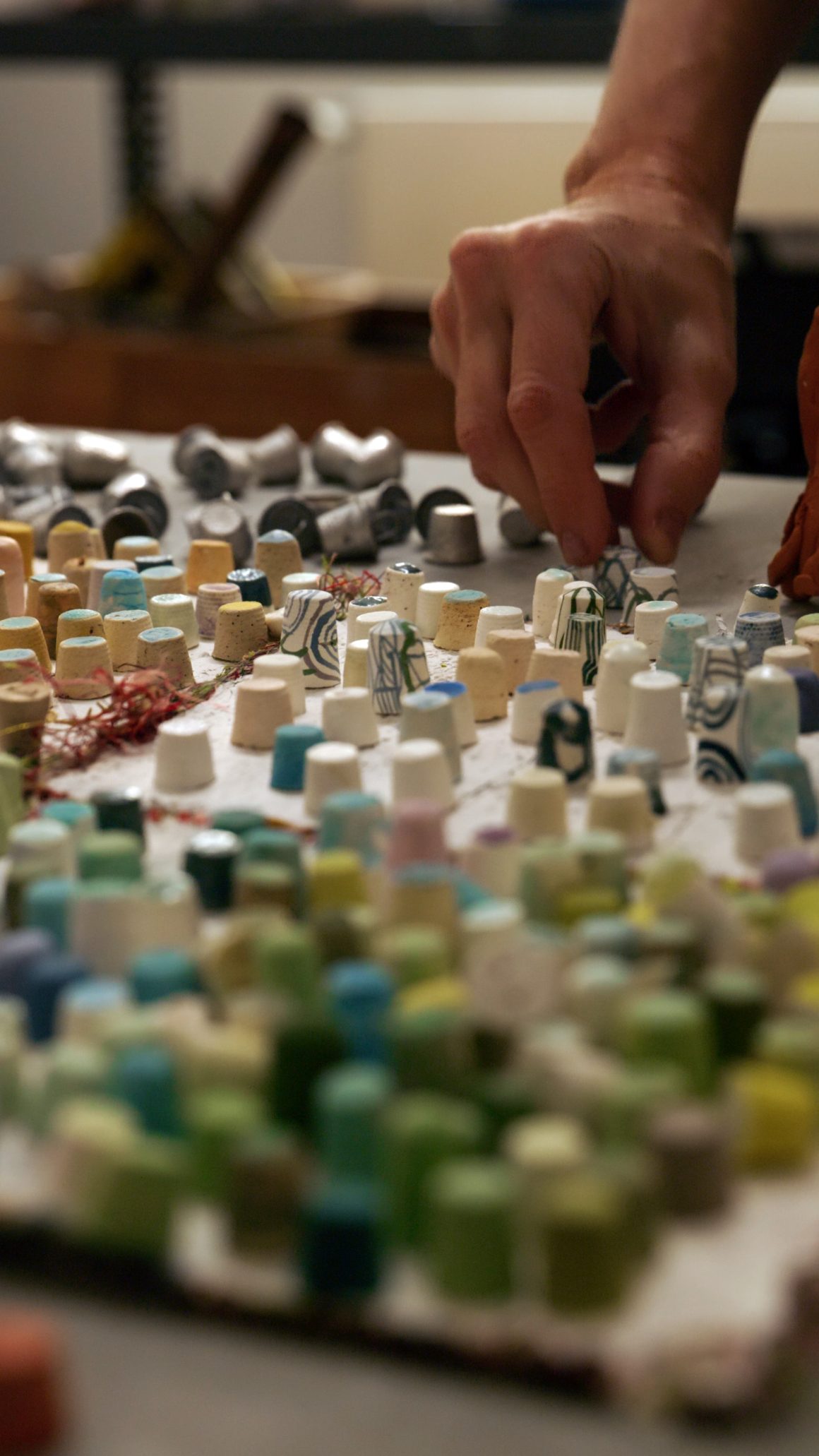
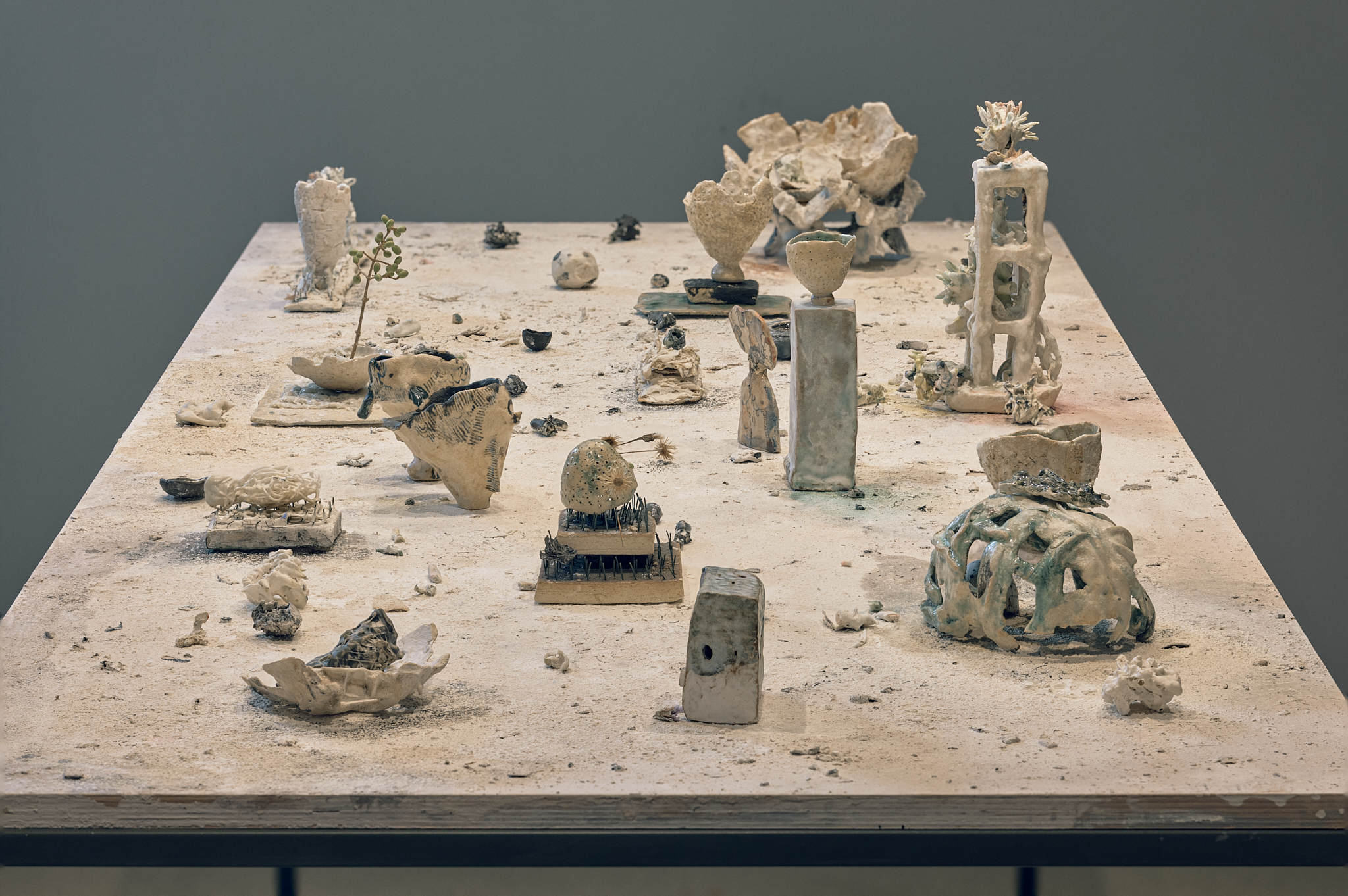
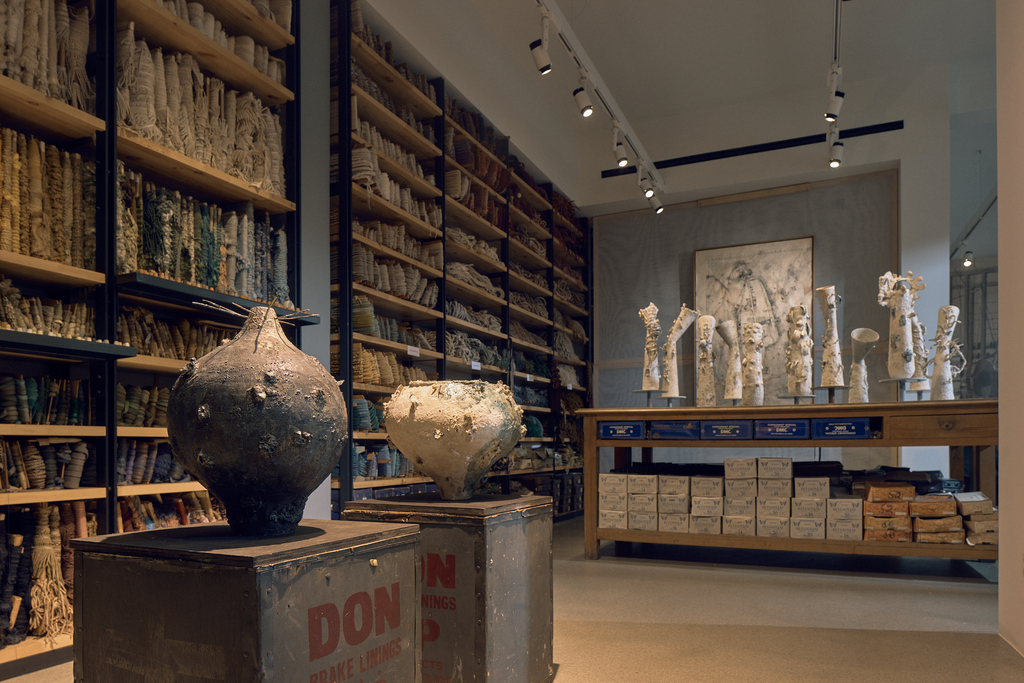
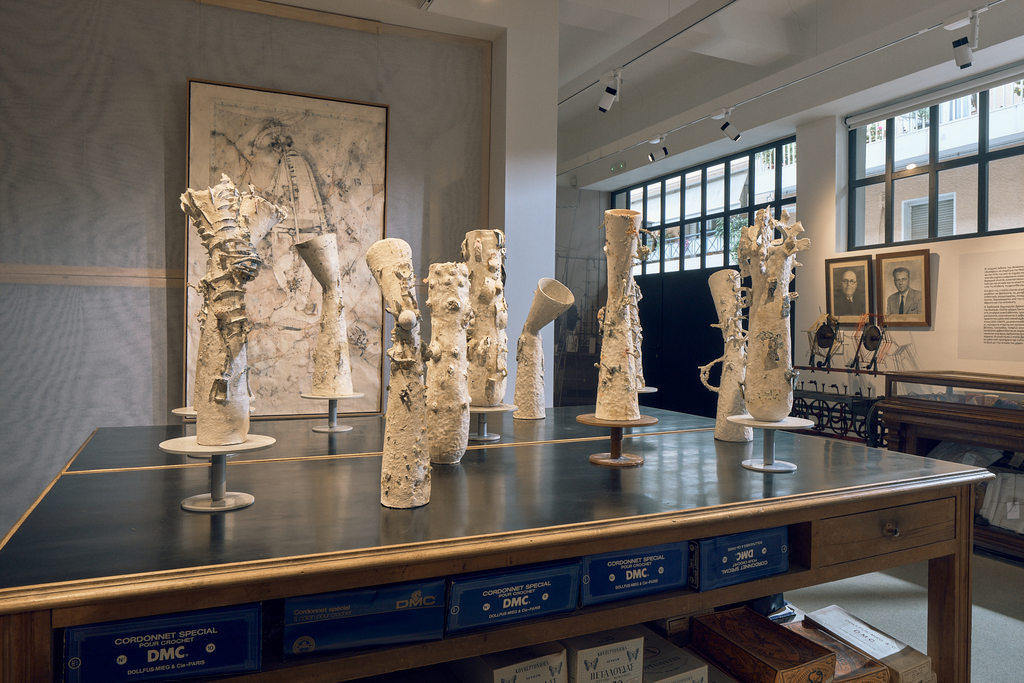
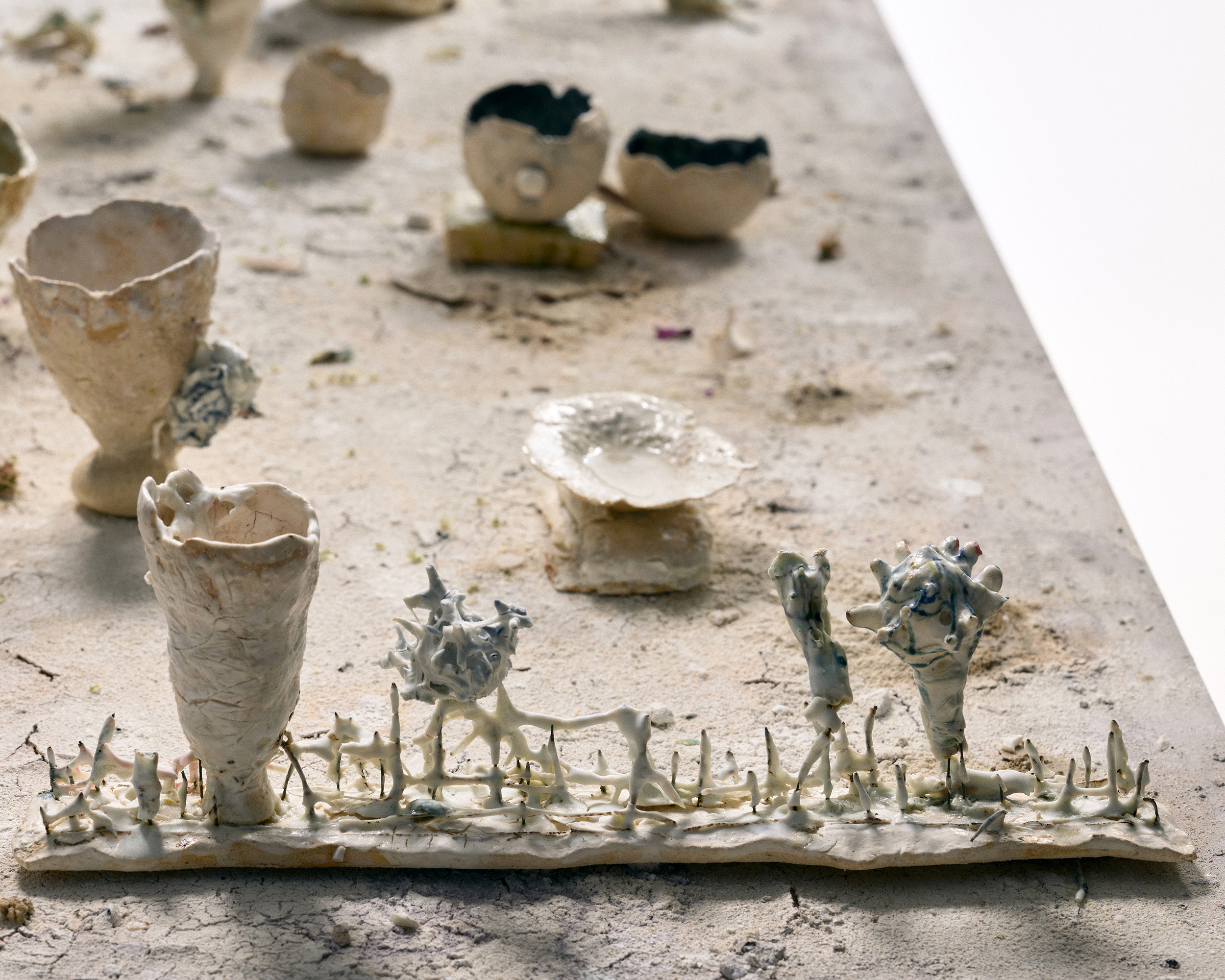
Ceramic sculptures, installations and drawings, including works created especially for the space. Threads, needles and thimbles meet clay and porcelain. Synapses explores the connections between these elements and the idea of repair as an act of care and the starting point for a new form.

What does this particular space bring to the dialogue with your work?

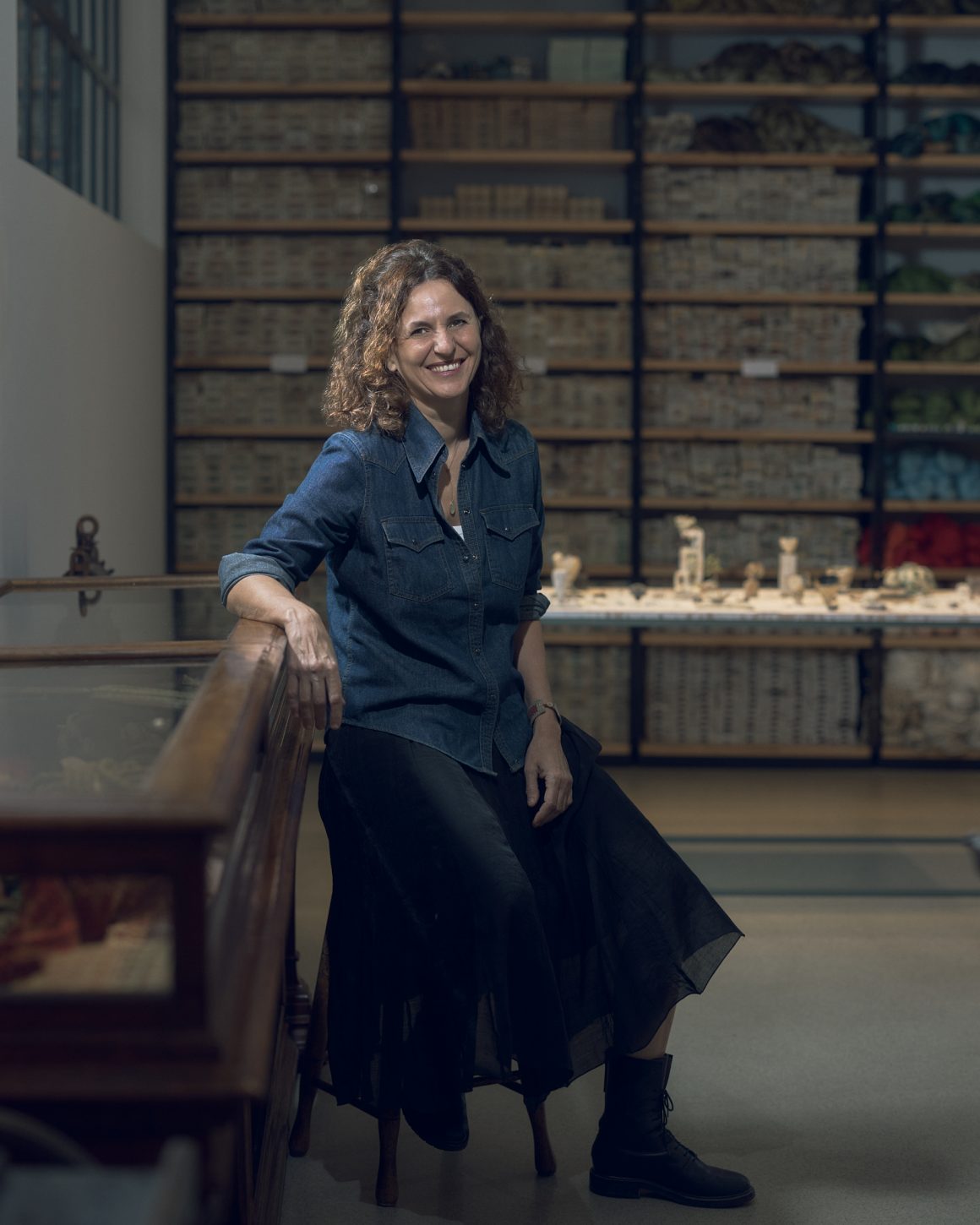
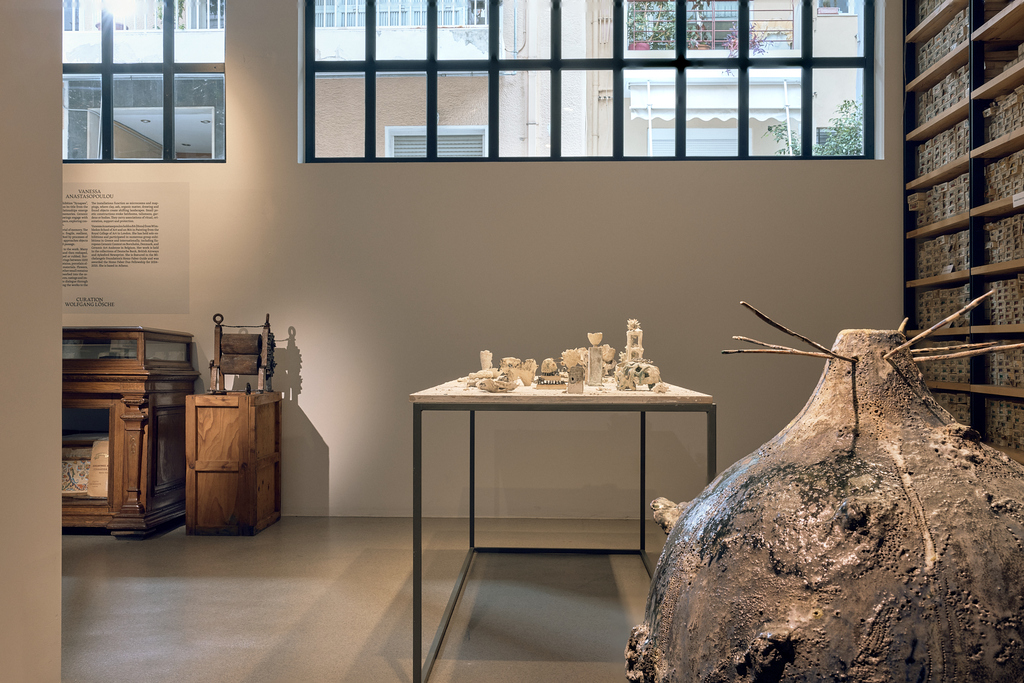
NHMA carries a strong material memory. Its machines, threads and tools connect its history with the act of creation today. My visits there directly influenced the new body of work. The materiality of both the space and the clay also serves as a starting point for the workshops we are preparing together with the educational team.

How does an inspiration become a tangible object? Is there always a sense of magic?

The works develop through an additive process: one leads to the next, one thought gives rise to another. New connections emerge on a plastic, conceptual and emotional level. The magic is fleeting.

What do you most love creating?

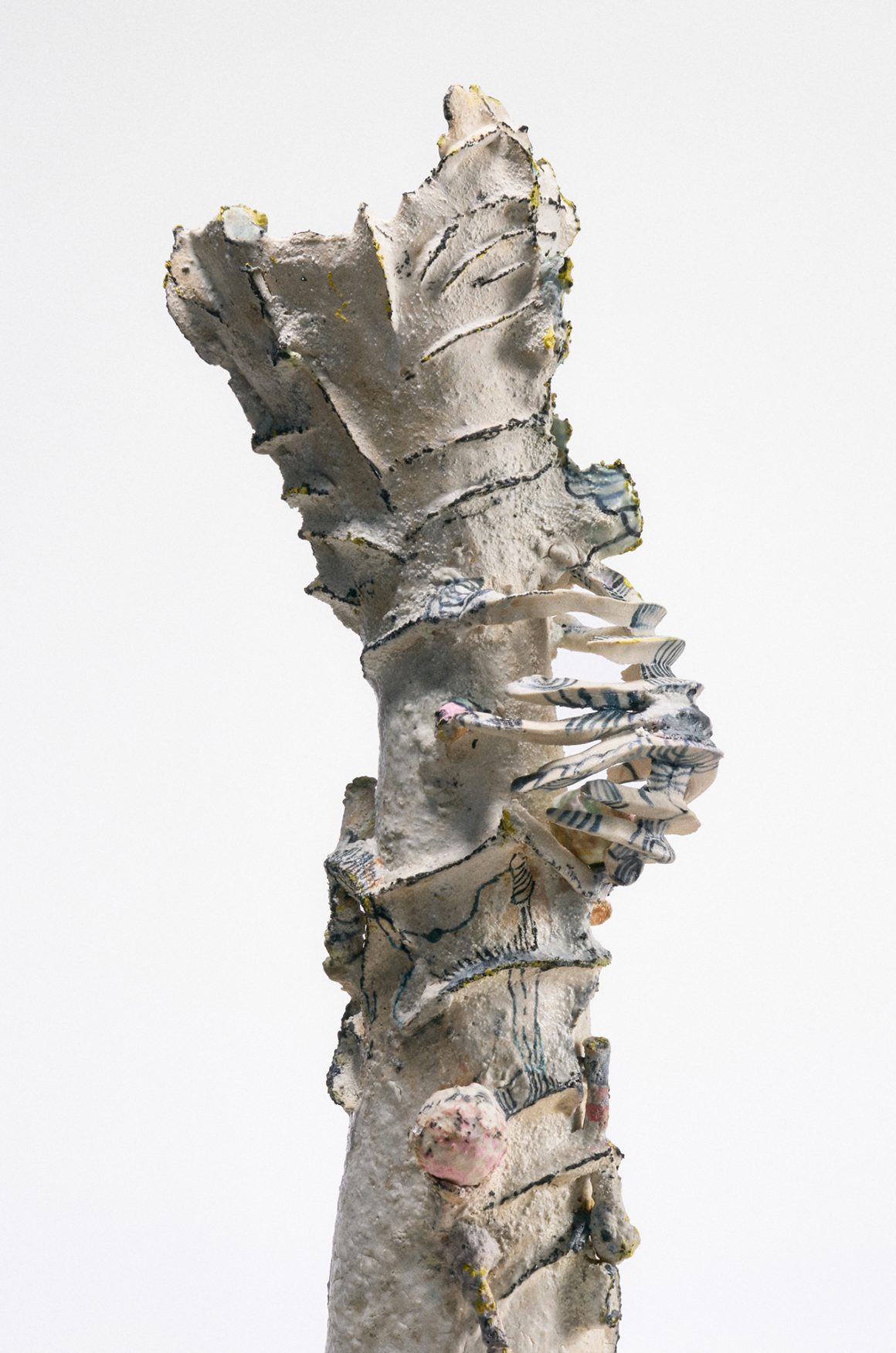
Forms in transition. I am interested in the ambiguity between the body, the organic form and the object, as well as in materiality and the process itself.

What is it like teaching ceramics to children? What have you learned from them?

My aim is to offer children aged 6–14 a safe space where they can develop creatively, with a sense of autonomy and collaboration, while cultivating responsibility towards themselves and the group. I want them to nurture their curiosity, perseverance and respect through a joyful experience.

From children, I have learned that patience, attention and love can work wonders.

What has openness and engagement with others brought to your practice?

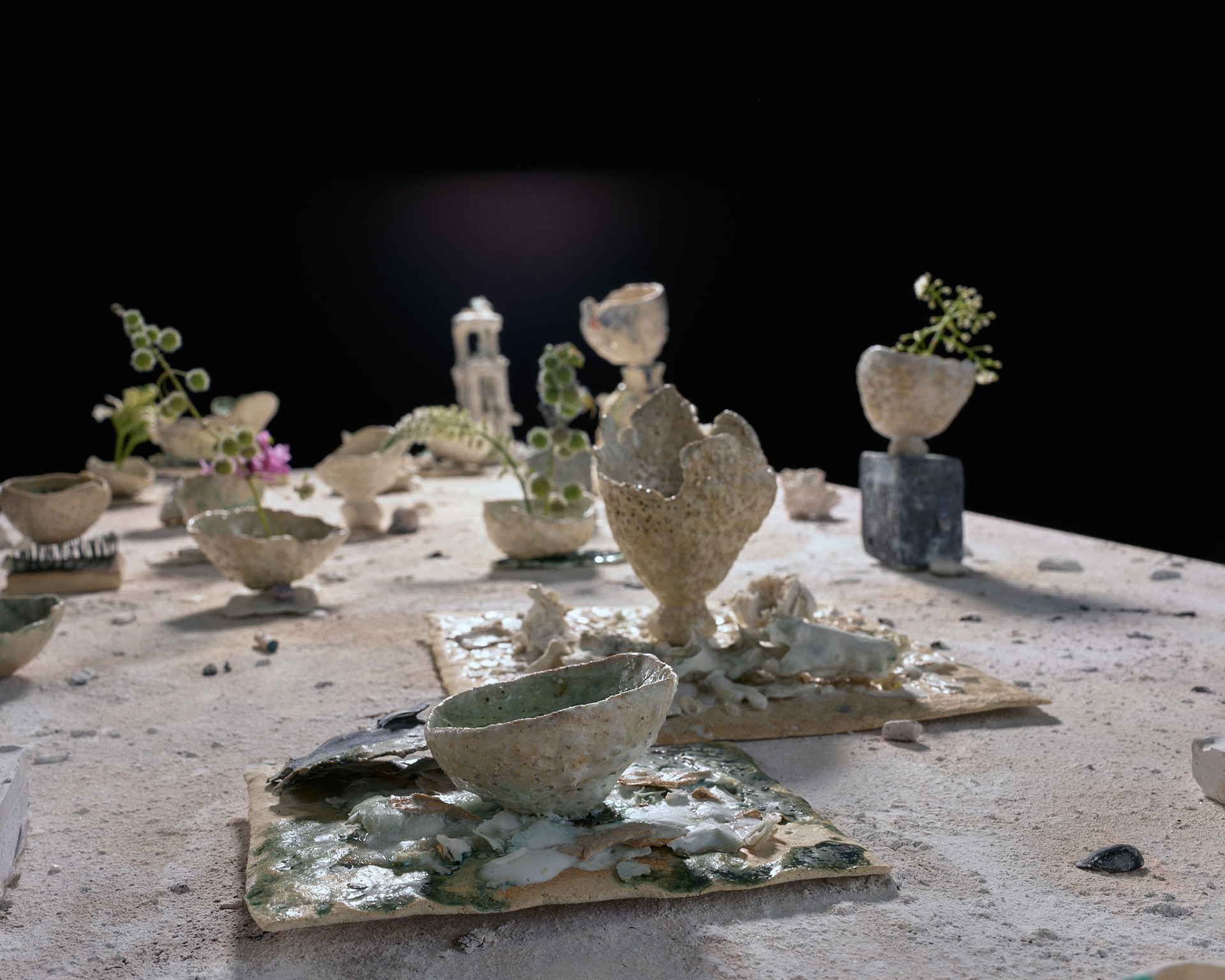
Meeting other creatives helps me gain distance from my own work and alleviates the sense of solitude. Collaboration invites you to explain your choices, listen and reconsider your position. The Homo Faber Duo Fellowship, through the creation of A Tea Party, was one such experience.

What does your latest work explore, and what are your immediate plans?

I am interested in how something is held together, repaired and transformed; how fragility can coexist with strength. My installations function as microcosms, where clay, organic matter and drawing come together to create ever-changing landscapes. Small poetic constructions evoke amulets, gardens or bodies, bringing to mind notions of ritual and protection.

My immediate plans include the exhibition workshops, during which the participants’ creations will become part of the installation featuring the thimbles.

Can you tell us a story about how your work evolves?

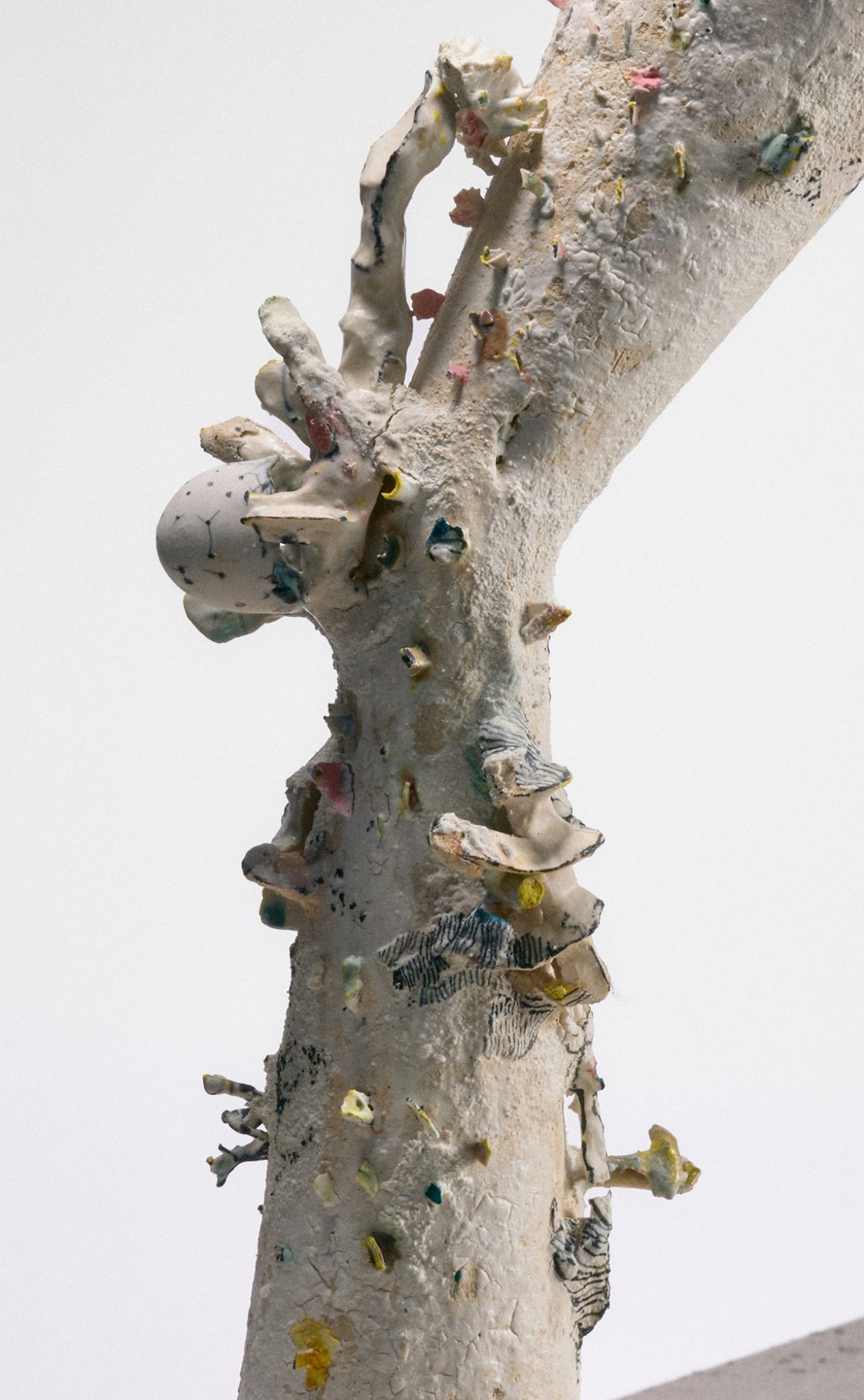
At NHMA, the objects and materials found within the space became points of departure. I made moulds from spools and transferred their forms into clay. Threads, needles, flowers, eggshells and other small remnants are dipped in porcelain and incorporated into the works, leaving behind traces, shells and imprints. Through puncturing and wrapping organic forms and objects, clay enters into a dialogue with the history of the space.

What are the non-negotiable values in your work?

Attention to detail and honesty.

What else are you exploring in your practice?

Drawing remains an integral part of my practice. I am interested in natural materials and in testing their limits, both expressively and technically.

What would be your dream project?

A collaboration with artists I admire, with the resources, technical support and time to bring it to life.

Who are the artists closest to your heart, and why?

Alberto Giacometti, for his existential quest to capture reality, in which the object of observation seems to move further away the more one tries to grasp it. Shin Fujihira, for the delicacy and economy of his worlds in clay. Paul Klee, for his poetry, and Pierre Bonnard, for his use of colour.

The last thing you bought, and why did you choose it?

Plants for my terrace.

The best book you have read recently?

I reread To Kill a Mockingbird.

One object you would never want to part with?

My bicycle – although I don’t believe in the word “never”.

The museum and artwork that stole your heart?

The Benaki Museum and the small clay heads of female figurines in its collection.

What do you consider authentic today?

Consistency between what someone believes and what they do. Choices that stem from a personal need.

If you were to design something for TheAuthentics.gr, what would it be?

A collection of small ceramic forms for a communal table. Each would stand on its own, while together they would form a composition that changes according to how they are arranged.

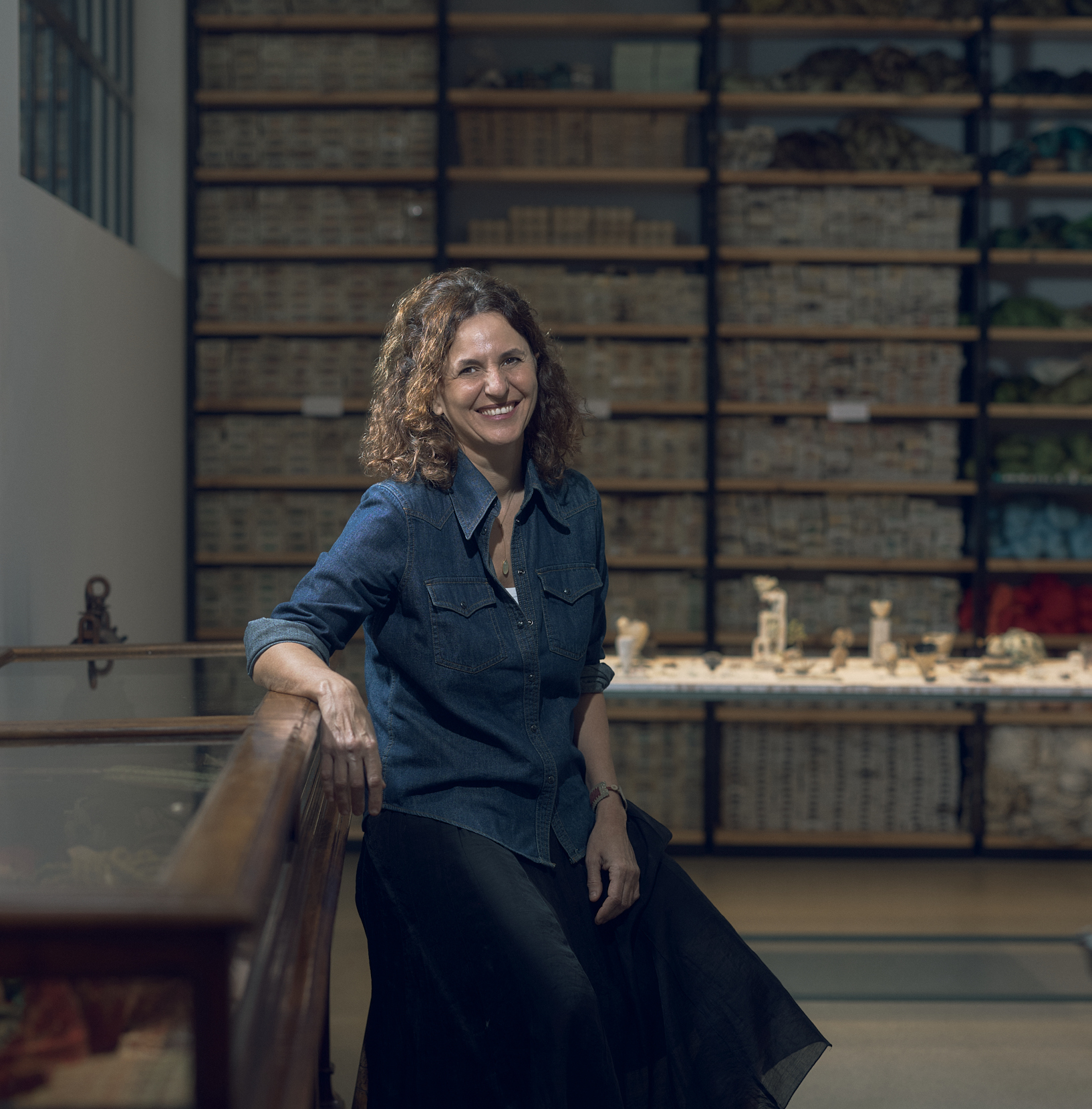
VANESSA ANASTASOPOULOU

SYNAPSES

Duration: 20 November 2026 – 27 February 2027

On Thursday, 19 November 2026, the solo exhibition Synapses by Vanessa Anastasopoulou opened at the Mendis–Antonopoulos Textile Mill (NHMA) of the Benaki Museum, curated by Wolfgang Lösche. The exhibition will run until 27 February 2027.

Ceramic sculptures, installations and drawings enter into dialogue with the history and materials of the space, exploring connection, care and transformation. Thread serves as a common point of reference between the artist’s ceramic practice and the art of textile production. The title Synapses refers to the unexpected relationships that emerge between materials, forms and gestures, as well as between the artworks and the history of the space.

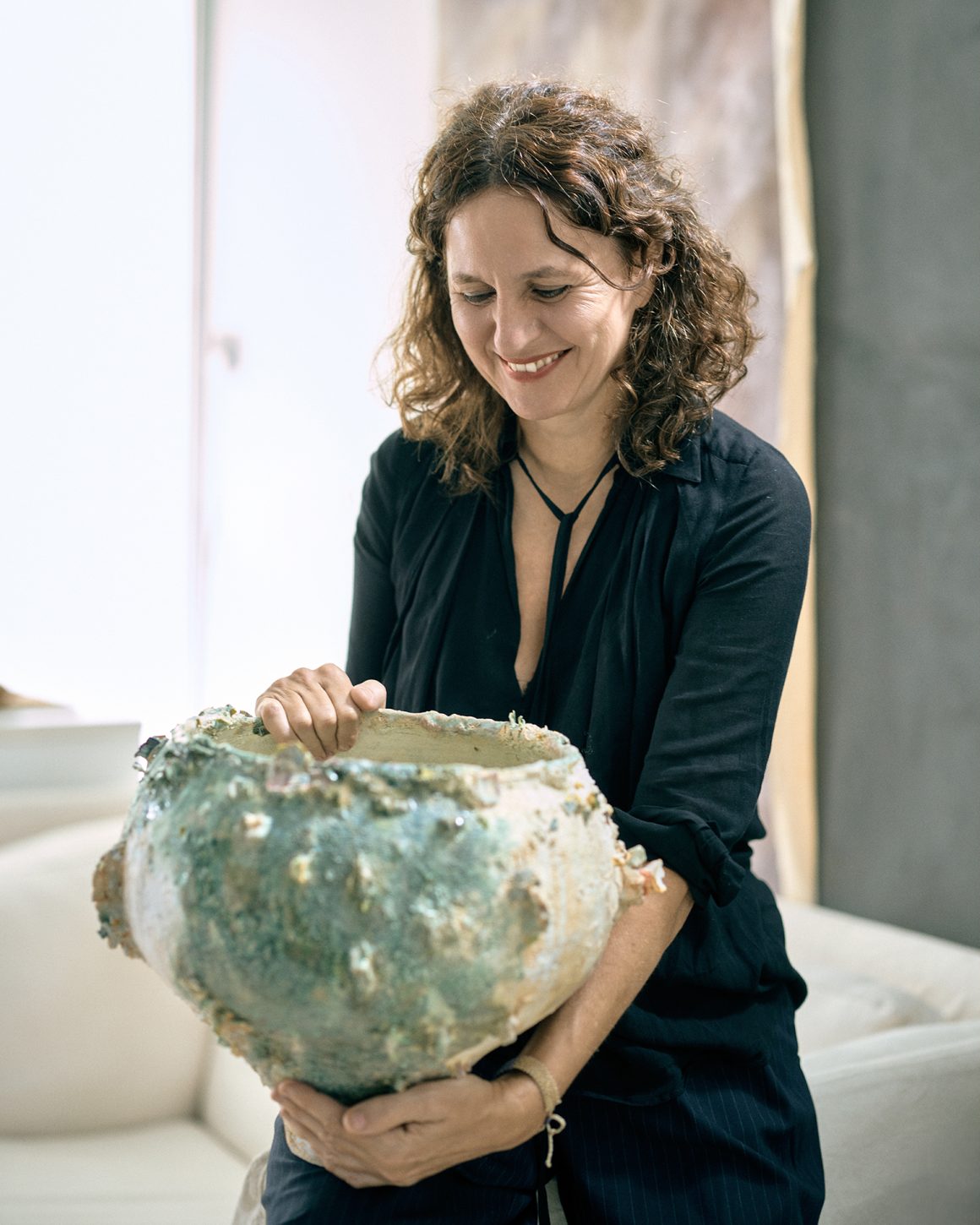
In Anastasopoulou’s work, clay becomes a material of memory. Her forms appear to be in a state of transition: fragile yet resilient, fractured yet continuing to evolve, shaped by processes of repair, erosion and renewal. Their surfaces retain traces of touch and handling, of additions and removals.

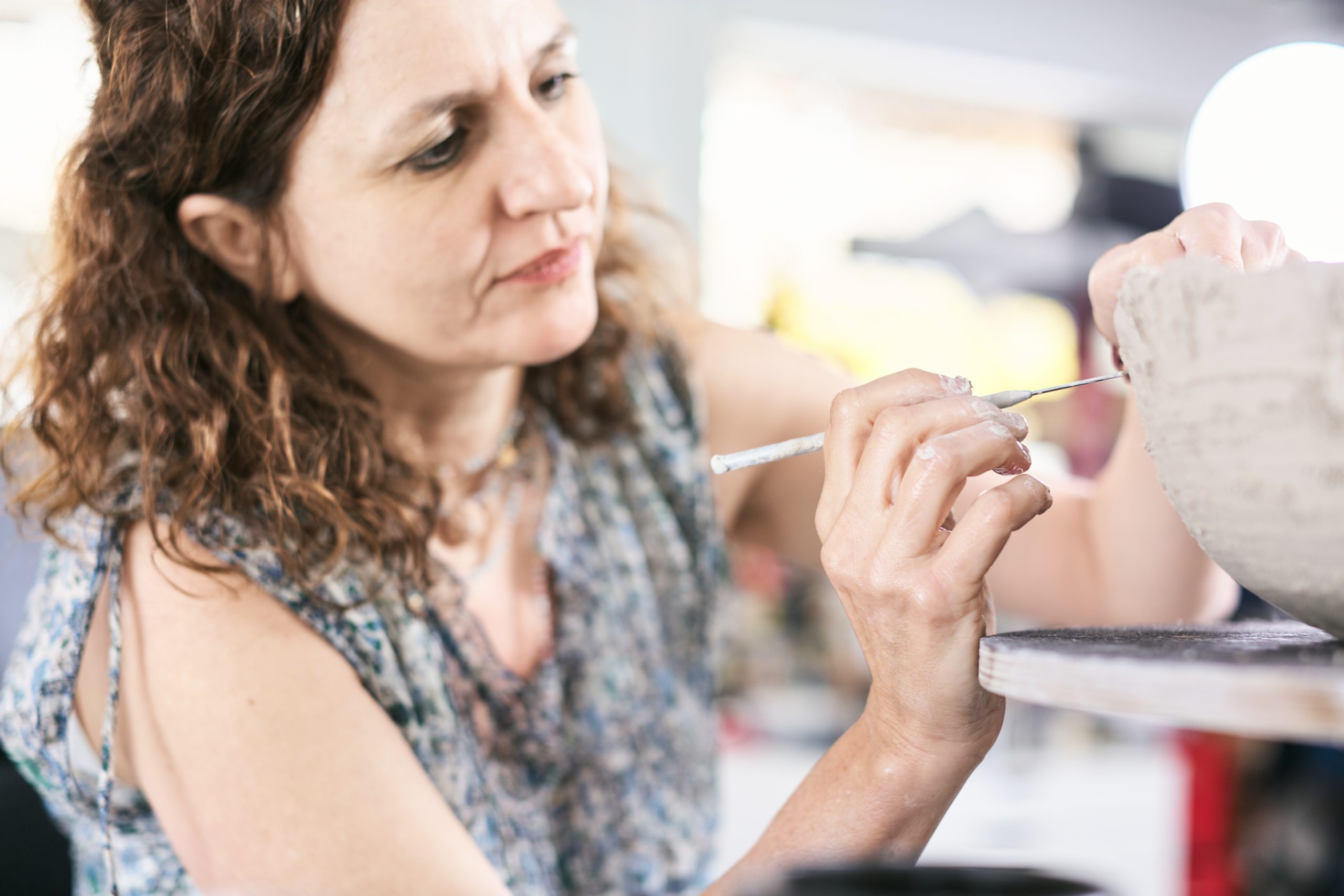
The creative process lies at the heart of her practice. Many forms begin on the potter’s wheel before being reshaped, pierced, layered, extended or abraded. Their surfaces emerge through repeated firings at temperatures of 1,200–1,260°C, using slips, pigments and ash glazes. Threads, needles, flowers, eggshells and other small remnants are dipped in porcelain and incorporated into the works, leaving behind traces, shells and imprints.

The installations function as microcosms and maps, where clay, ash, organic matter, drawing and found objects come together to create shifting landscapes. Small constructions evoke relics, amulets, gardens or bodies, with references to ritual, orientation, support and protection. The drawings reveal the continuity between the artist’s background in painting and her work with clay.

In his accompanying text, curator Wolfgang Lösche describes ceramic landscapes reminiscent of archaeological excavation sites, botanical structures and mineralogical findings, alongside forms that seem to communicate with one another. He focuses on the intersection of ceramics, sculpture, painting and installation, highlighting the joy of working with materials and the importance of contemporary craftsmanship as a living cultural practice.

About the Artist

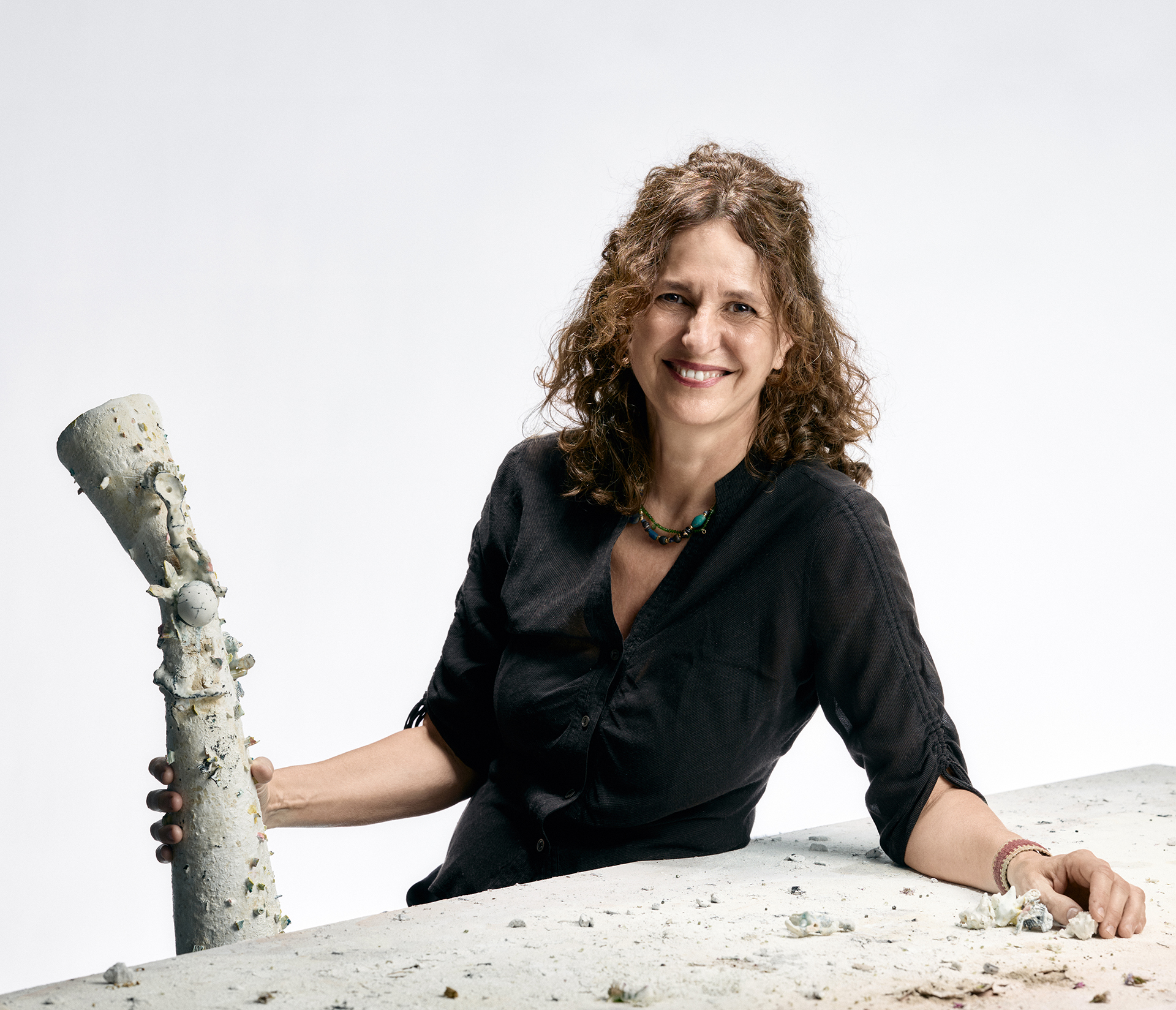
Vanessa Anastasopoulou lives and works in Athens. She studied at Wimbledon School of Art, where she received her BA (Hons), and went on to complete postgraduate studies in painting at the Royal College of Art in London.

Her work has been presented in solo and group exhibitions in Greece and internationally, including in Belgium, Cyprus, Denmark, Japan, Italy, Lithuania, South Korea and the United Kingdom. In Greece, she has exhibited at Gallery 7, Zoumboulakis Galleries, Martinos Gallery and the Benaki Museum. Her international presentations include Ceramic Art Andenne 2025 in Belgium and European Ceramic Context in Bornholm, Denmark.

Her works are held in collections including those of Deutsche Bank, British Airways and Aylesford Newsprint. She is featured in the Homo Faber Guide by the Michelangelo Foundation and was awarded the Homo Faber Duo Fellowship for 2024–2025. Alongside her artistic practice, she has been running The Blue Octopus, a creative workshop for children in Athens, for more than ten years.

About the Curator

Wolfgang Lösche is a curator and member of international exhibition juries. He served for many years as Head of Galerie Handwerk in Munich and of the international special exhibitions at Handwerksmesse München. He is a member of the pre-selection committee for the LOEWE FOUNDATION Craft Prize. His work focuses on presenting and promoting contemporary craftsmanship and applied arts.

Author