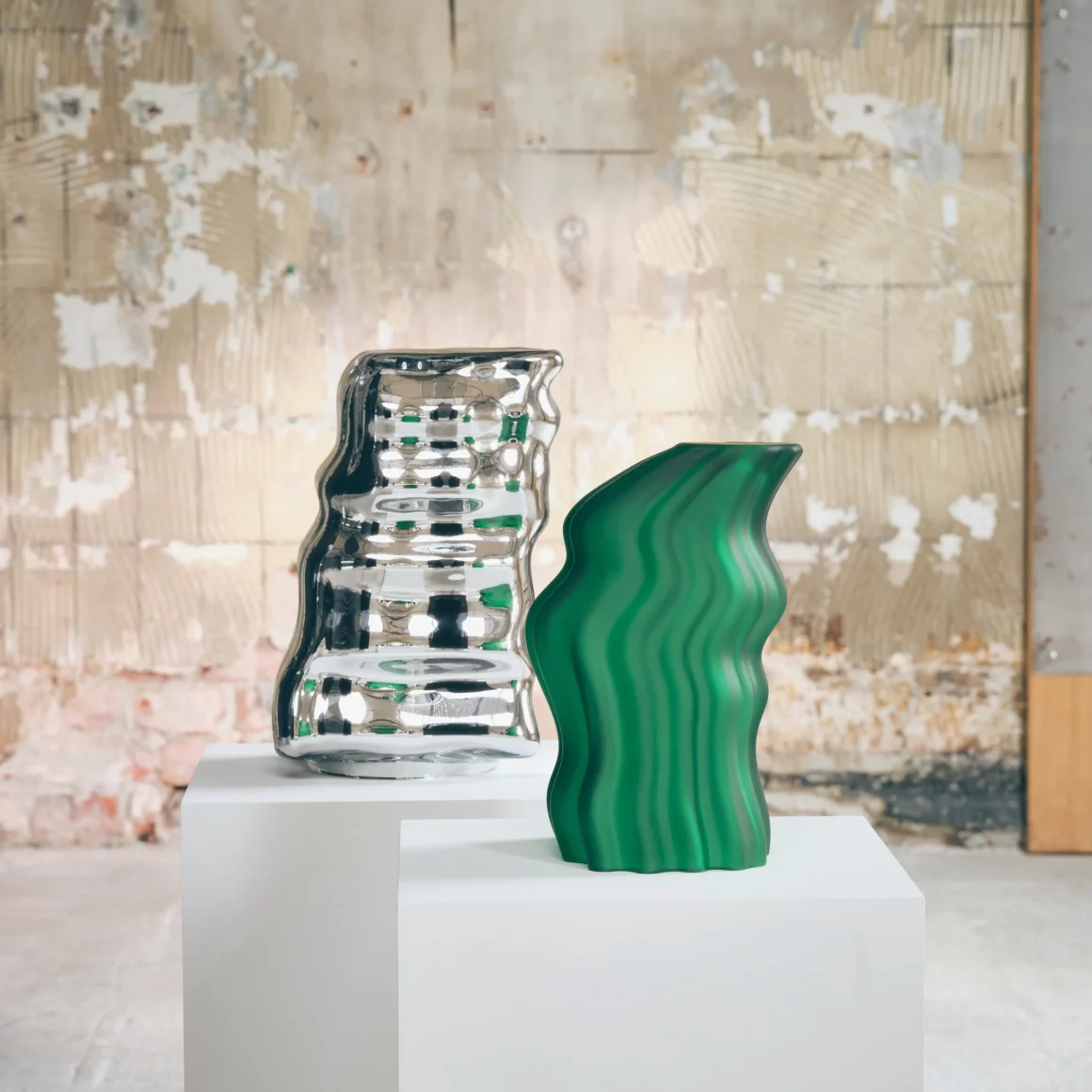
Konstrunda is an inspiring collection of 22 thought-provoking, affordable art objects for the home, coming to Ikea stores and online this September. Imagined by seven creators from different countries, cultures and perspectives, is focused to find out what art can be and what it can do for the world we live in. Guided by three words: liberated, happy and fearless, the Konstrunda collection is about bringing affordable art to the many.
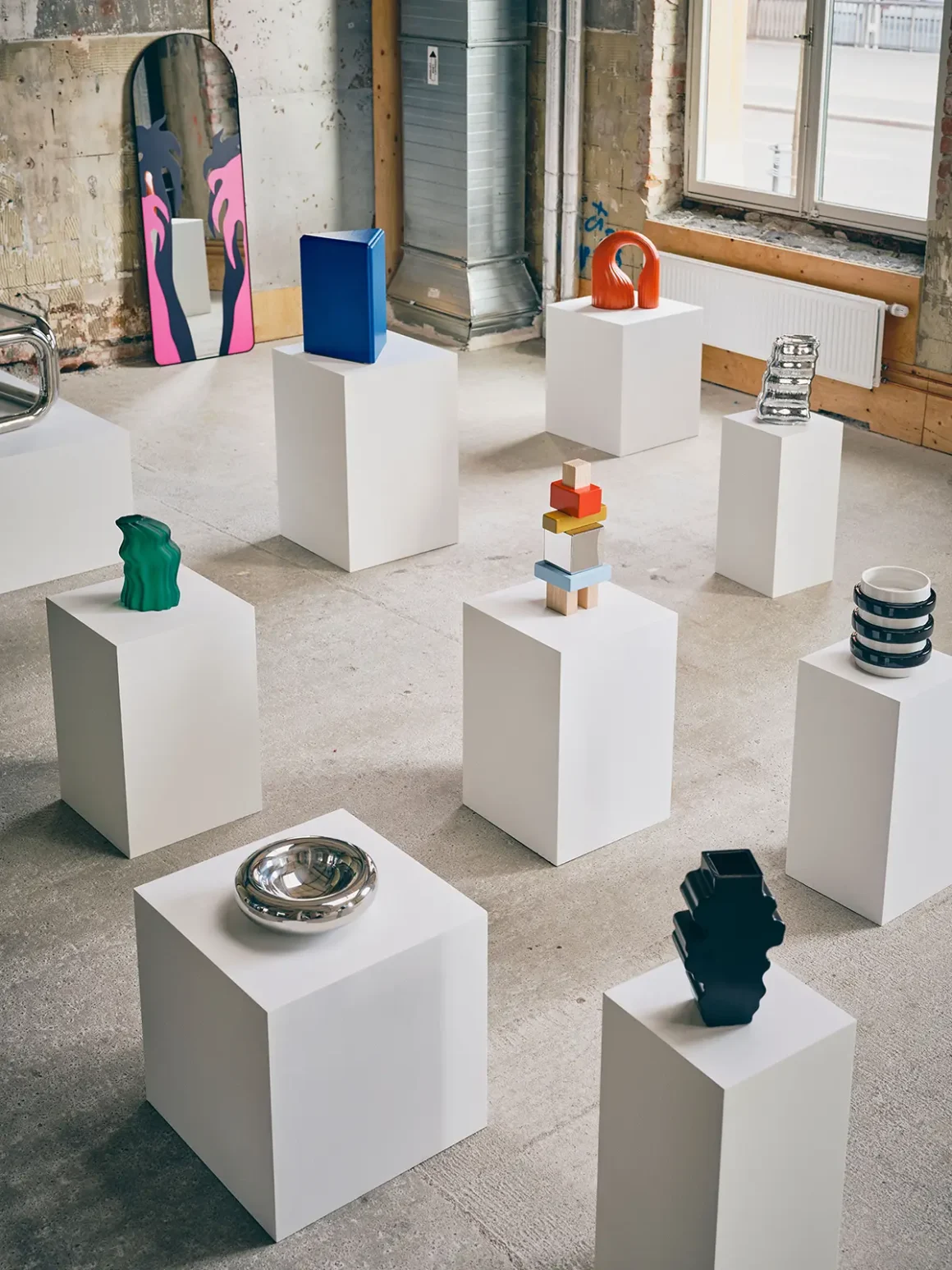
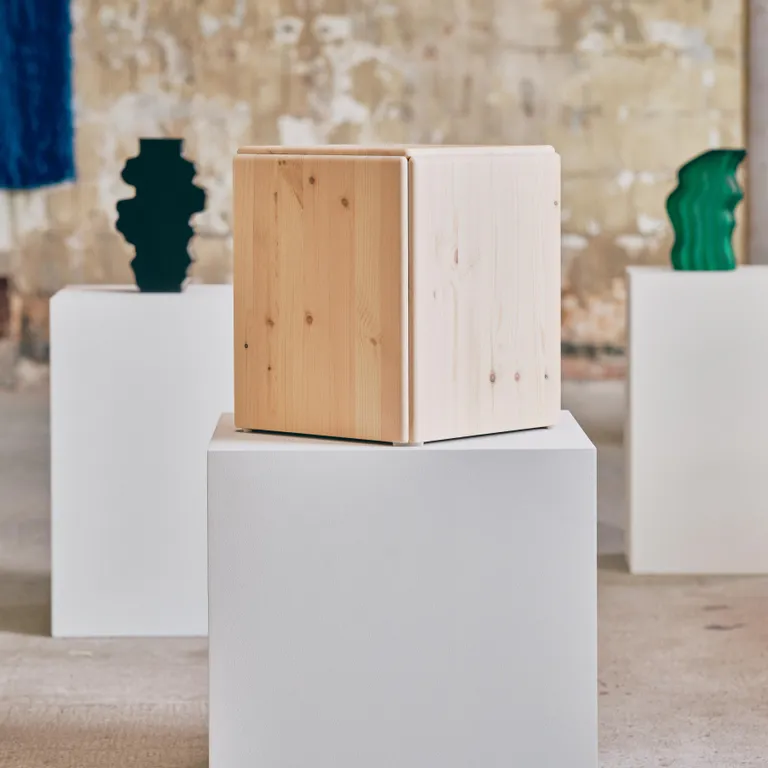
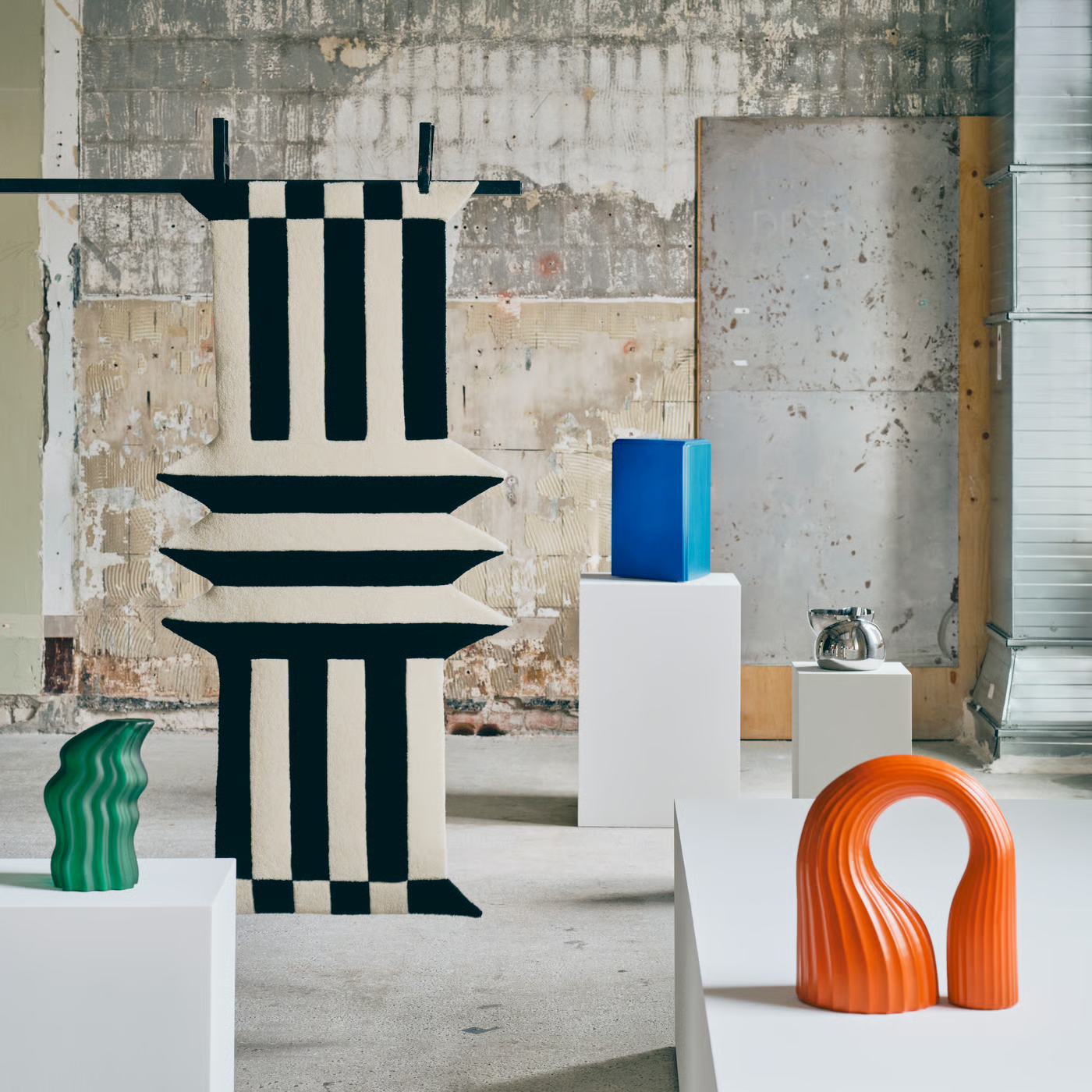
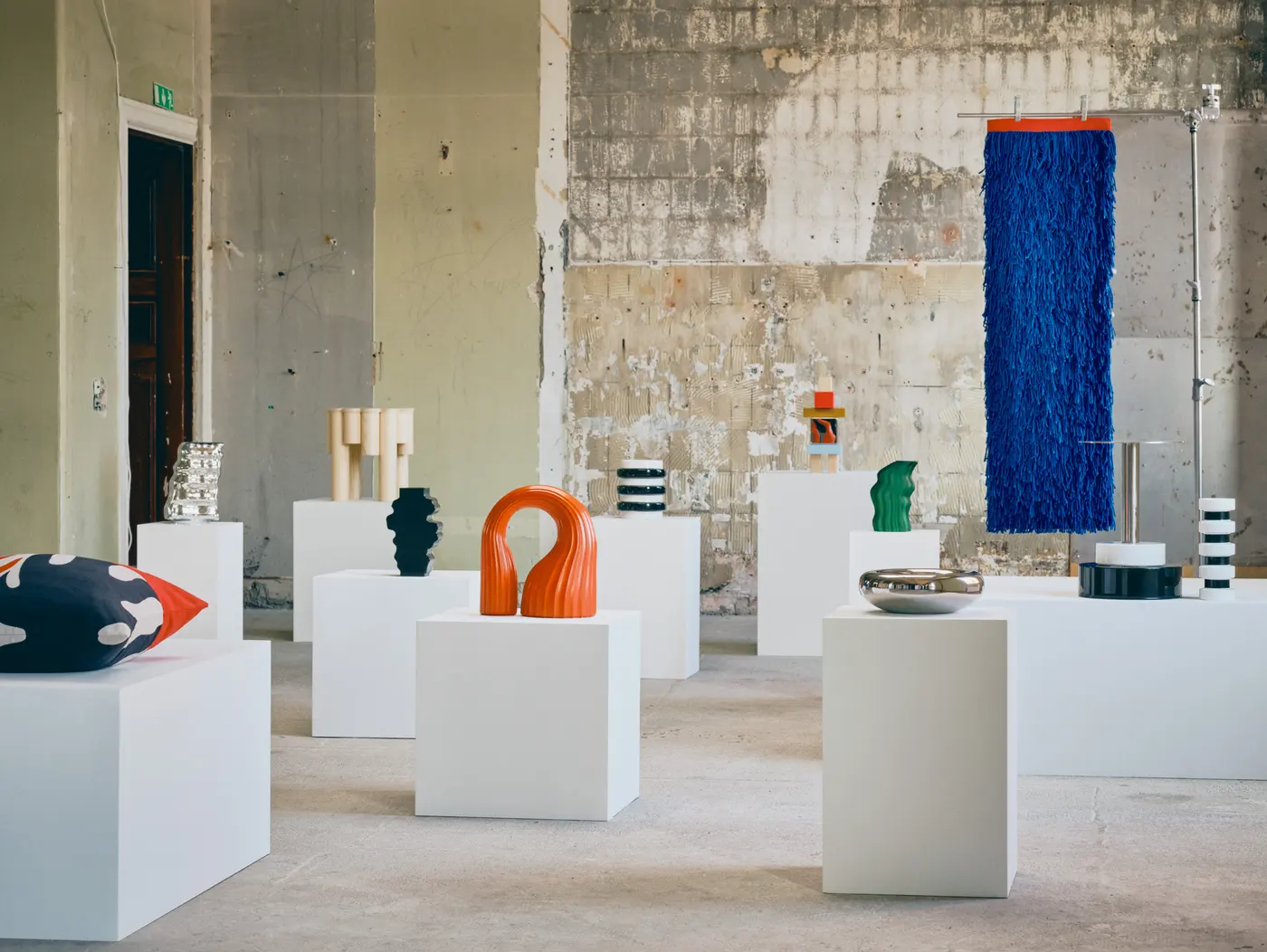
There is something deliberately familiar about the first images of Konstrunda for anyone who frequents design fairs or visits galleries: an industrial space, raw walls, white plinths and, displayed upon them, small sculptures, blown glass, ceramics, textiles and furniture treated as exhibition pieces. All that is missing is the gallery label. But behind this carefully curated setting is IKEA, and many of these creations cost tens, rather than thousands, of euros.
Konstrunda—the name literally means Art Tour—is IKEA’s new limited-edition collection, bringing together 22 pieces created by seven artists and designers from different backgrounds, generations and disciplines. The collection includes glass, ceramics, furniture and textiles and will be available globally in stores and online from September 1, 2026, although it is already available in the UK and Singapore. The premise behind the project, according to Karin Gustavsson, the creative lead, is simple: art should be something everyone can enjoy at home, rather than something reserved for the gallery circuit.
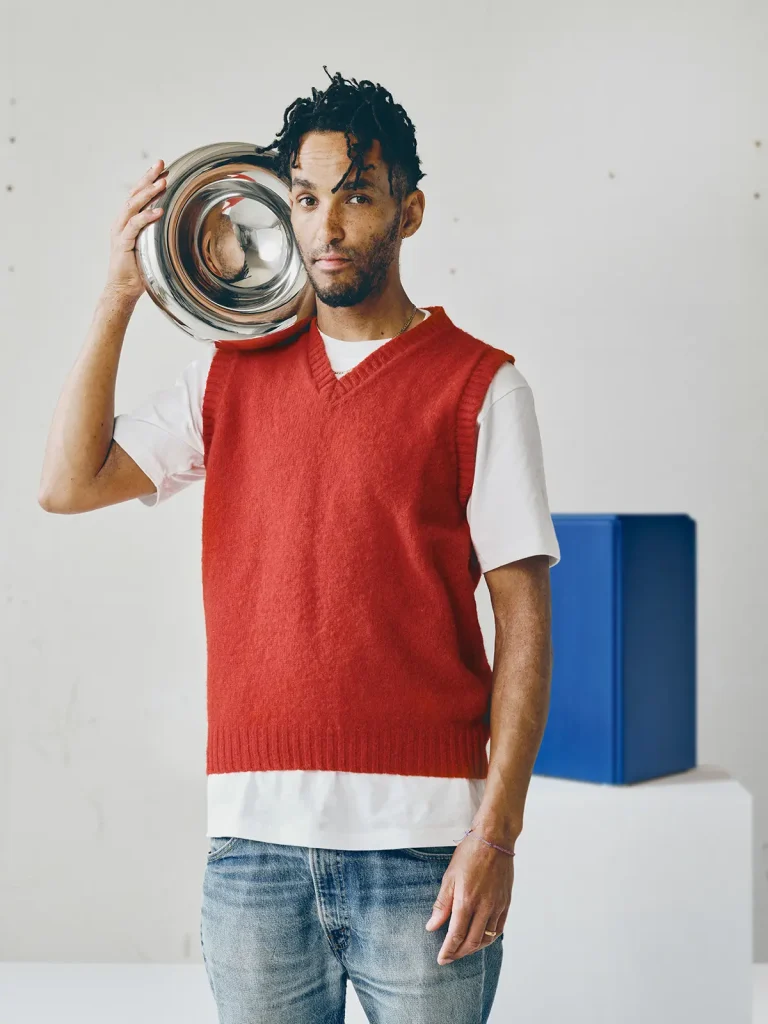
Andu Masebo pushes that boundary even further. The London-based designer, trained at Central Saint Martins and the Royal College of Art, with a background in woodworking, metalwork and ceramics, deliberately works between utility and emotional resonance. His polished stainless-steel vessel can hold keys, small treasured objects or simply remain empty. He sees it instead as a “container for expression”—a surface that each owner ultimately completes.
Masebo also sees art as something that does not end when the designer hands over the piece. His surfaces reflect their surroundings, accommodate new compositions and change according to what we place inside or around them. For him, the process matters as much as the result, and a creation should retain something resembling a soul. And for us, the good fortune is being able to enjoy his practice at IKEA prices.
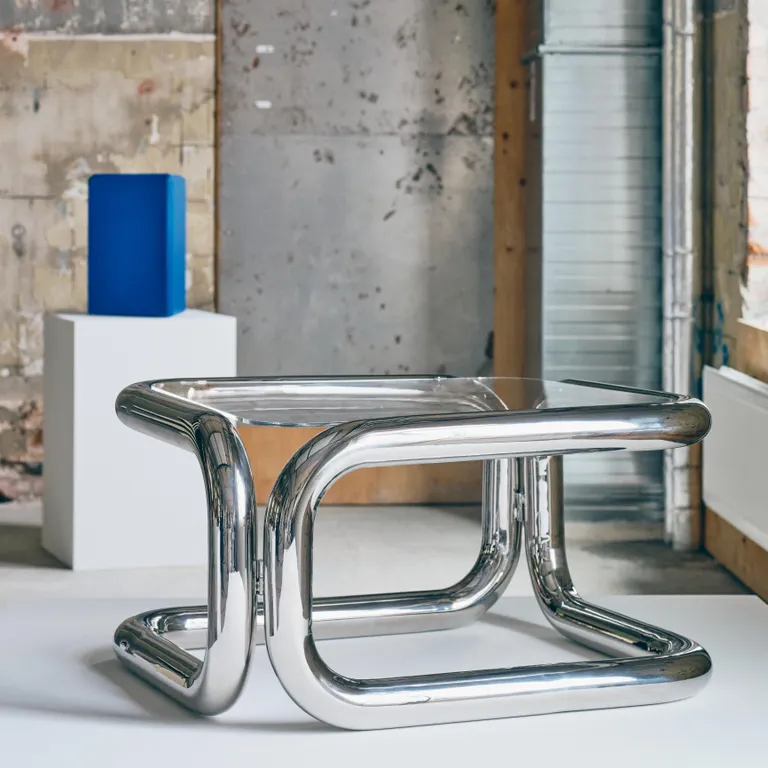
His glass table, enclosed by a thick tubular chrome frame and welded structure, is perhaps one of the pieces where this interplay works best. It could easily be found on a pedestal at a contemporary design and craft fair. The difference becomes apparent when you look at the price tag.
Perhaps Akanksha Deo is the one who best explains what is gained in that transition. Unlike many of the invited artists, Deo also knows the machinery from the inside: she is a designer at IKEA of Sweden and has spent years creating products for the company. Born and raised in New Delhi and now based in Sweden, she works at the intersection of craftsmanship and material research, drawing on Indian traditions not as a static heritage, but as a body of knowledge capable of evolving.
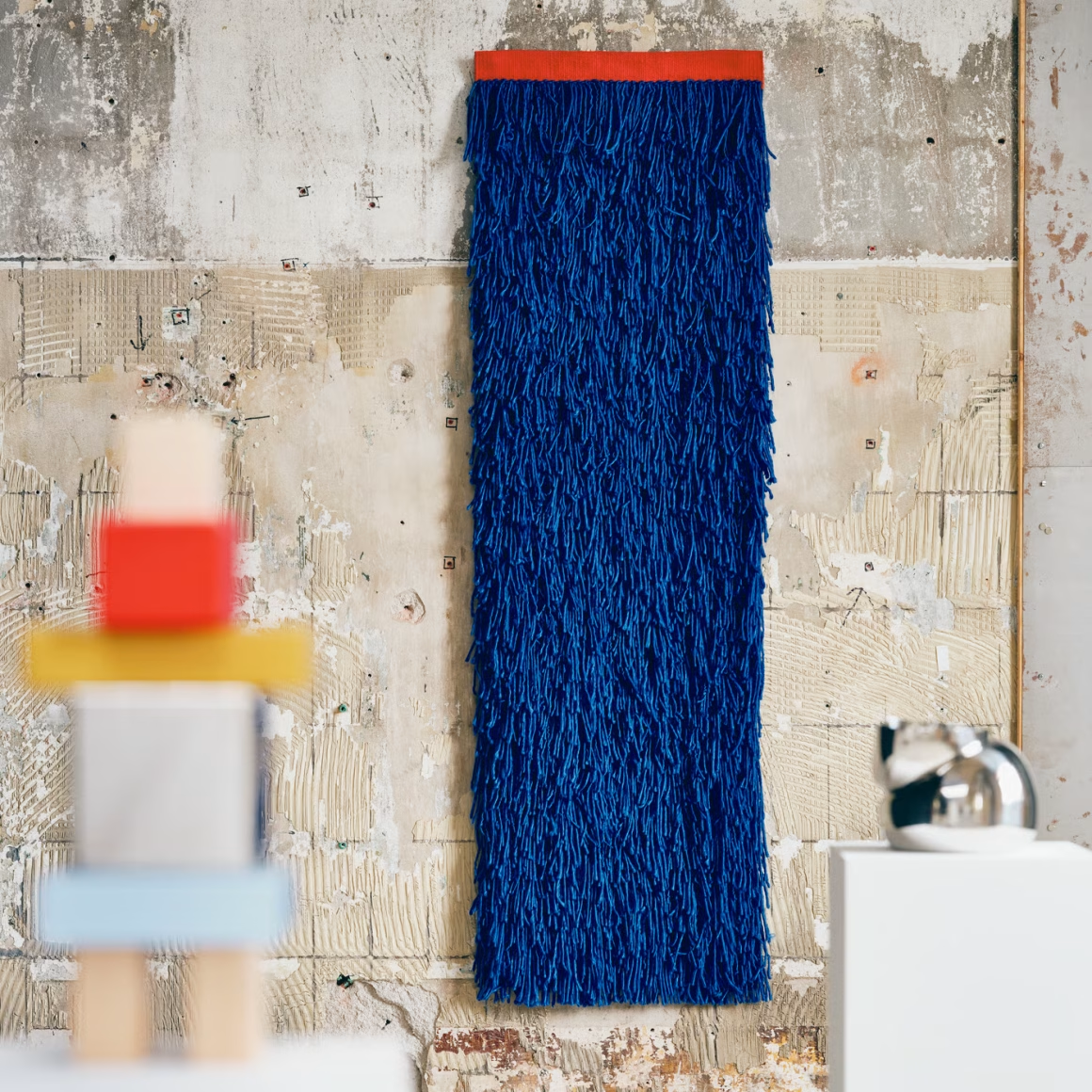
For Konstrunda, she has imagined three characters that function as a small family of abstract friends. One of them, The Custodian, takes inspiration from the turned wooden toys of Channapatna, in Karnataka, and conceals a mirror at its centre. Another, Confetti Carol, is a large blue textile made from recycled polyester, created simply to bring a sense of optimism into a room. IKEA explains that Deo conceived these figures around the contemporary need for connection, companionship and familiarity.
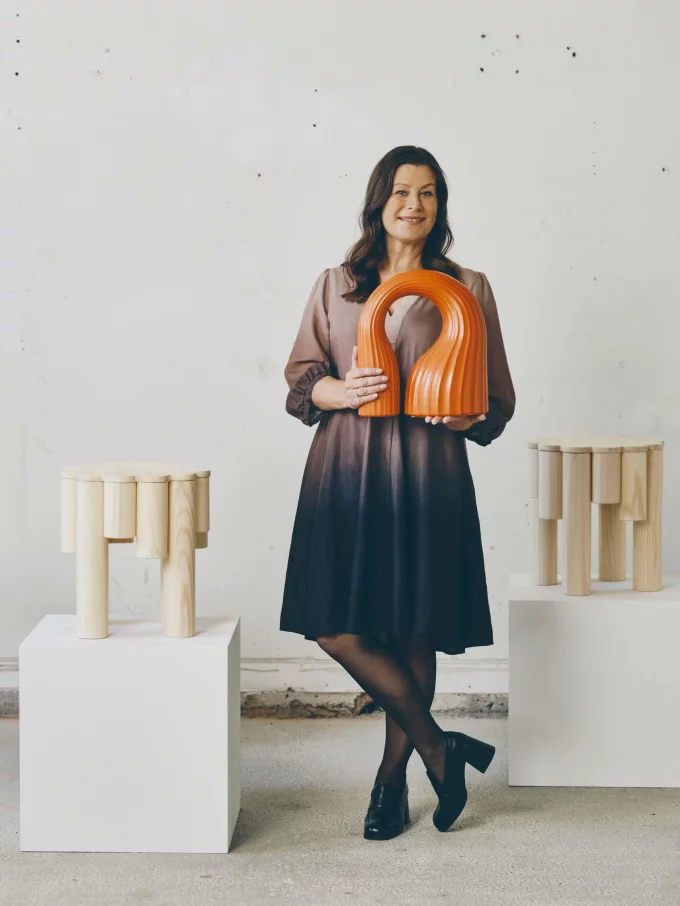
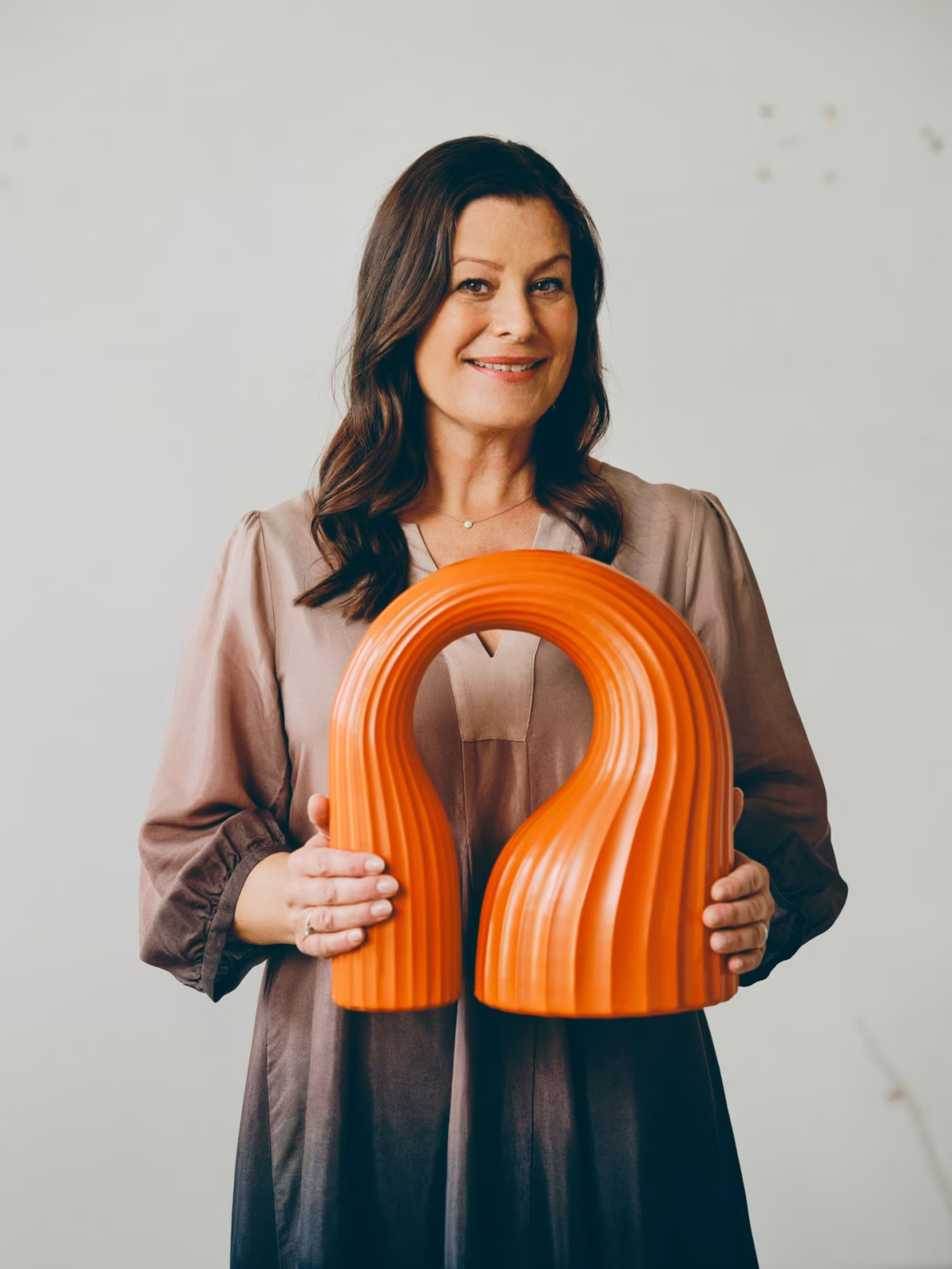
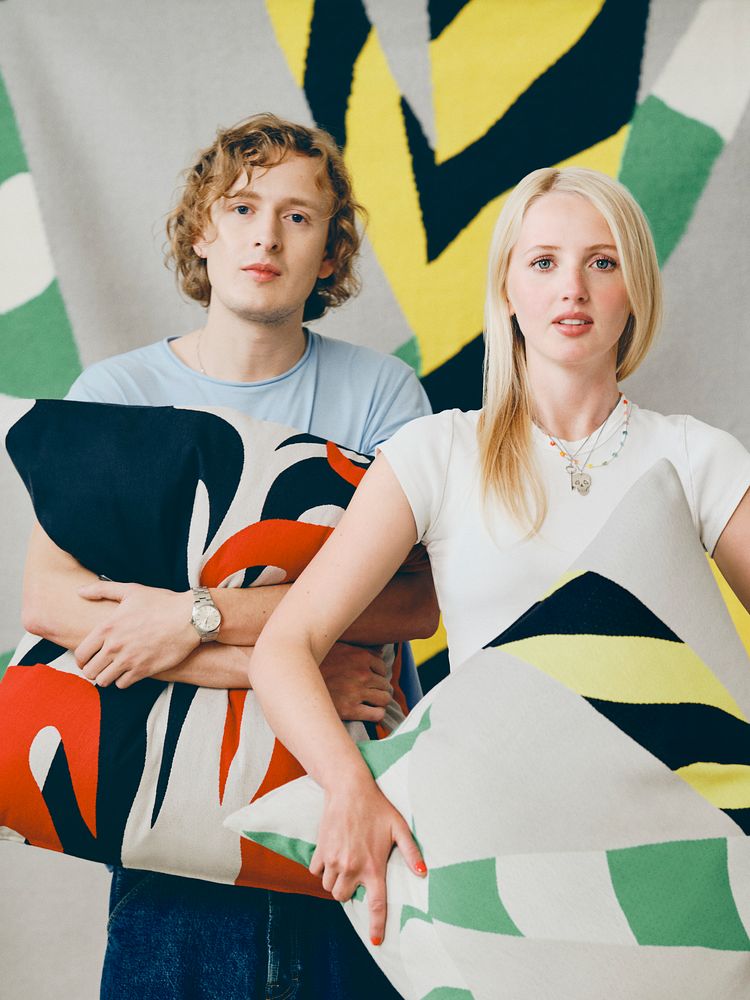
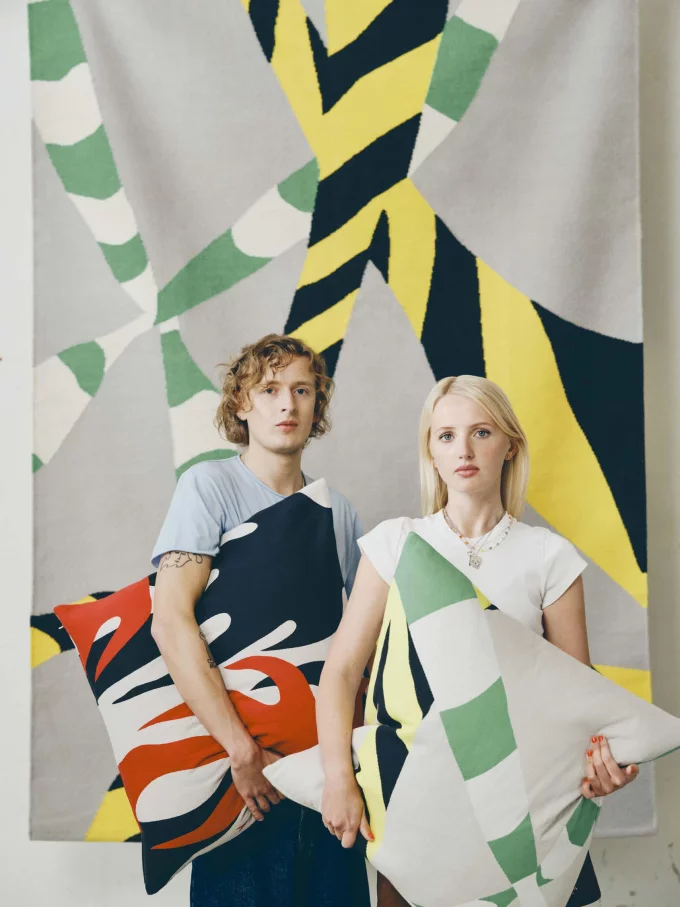
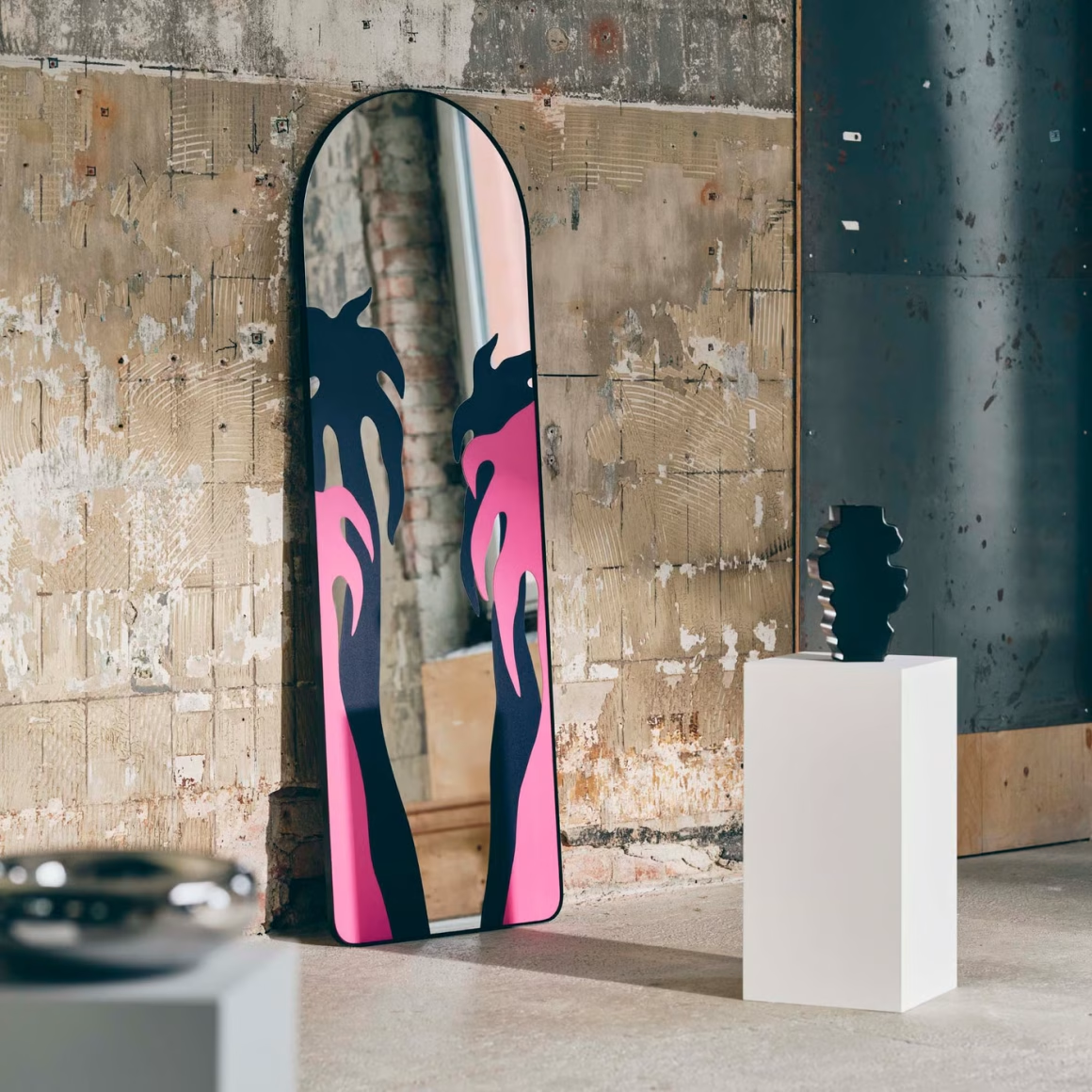
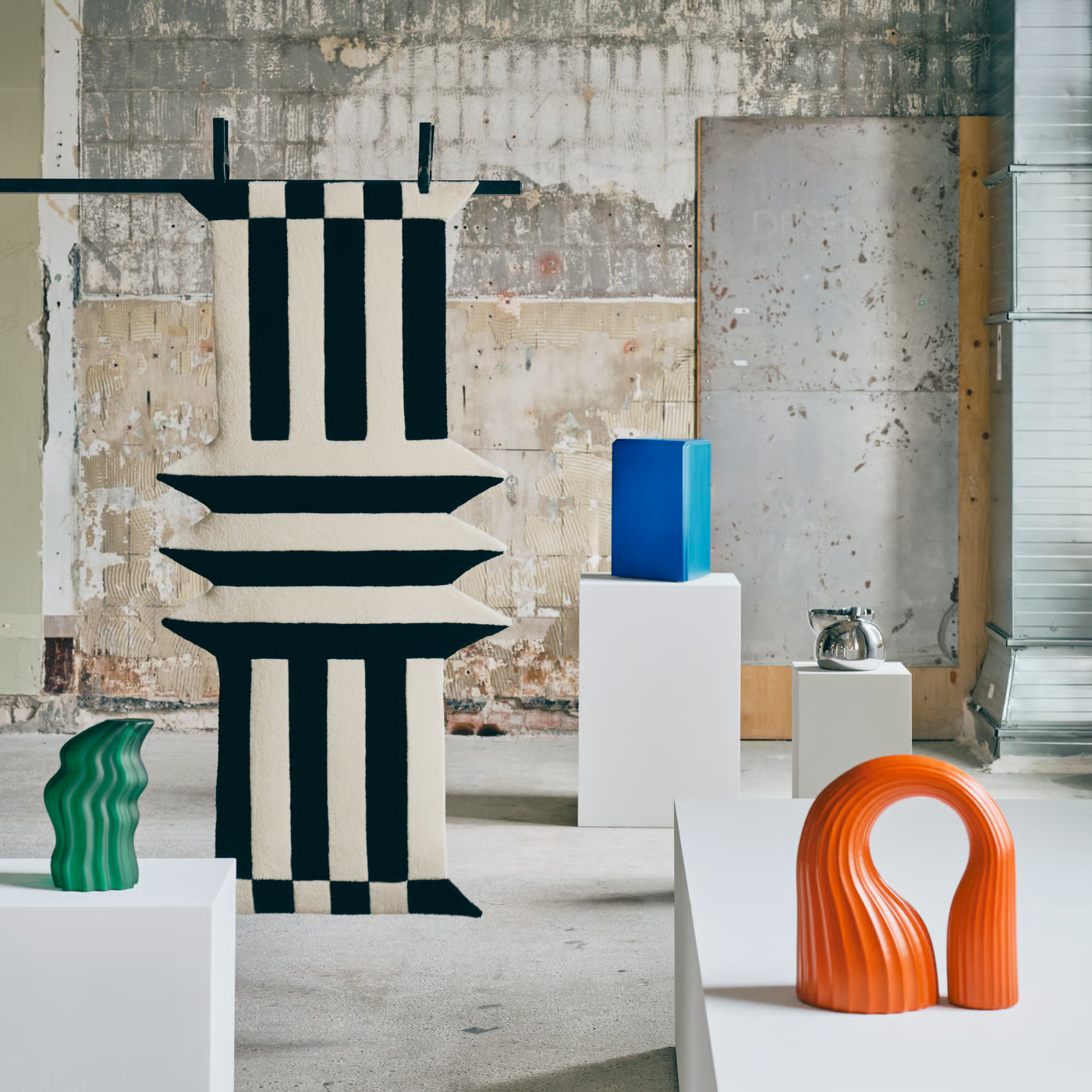
The Swedish duo Ingrid Leander Berg and Igor Holtermann, meanwhile, opted for bold blocks of colour and geometric patterns, applied to cushion covers, a rug and a large arched mirror. Lisa Hilland, one of Sweden’s most acclaimed designers today, has created a decorative arch in warm-toned stoneware with fluted reliefs, positioned alongside a solid pine stool with a cloud-shaped seat.
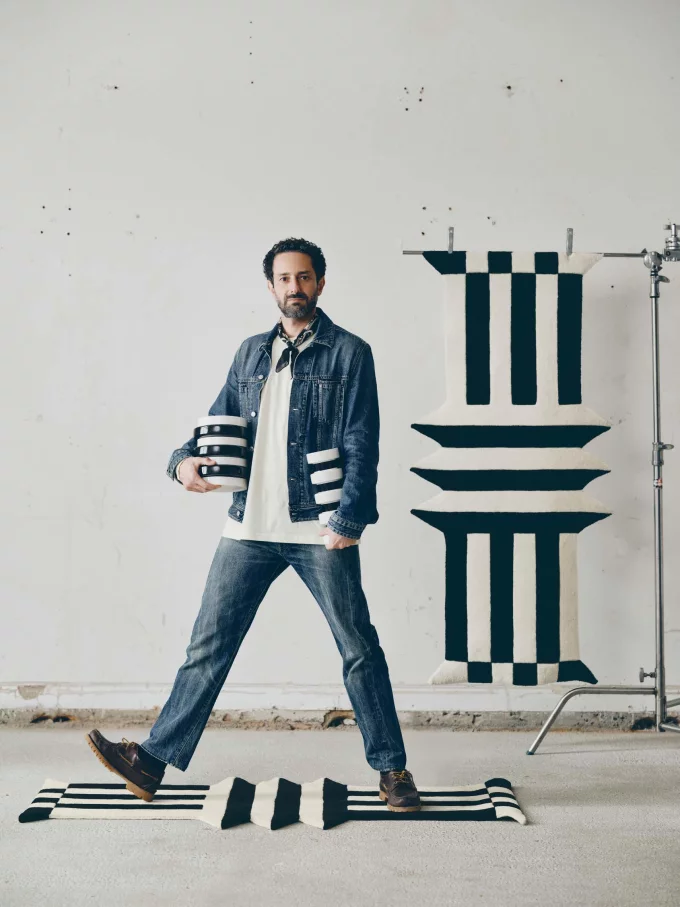
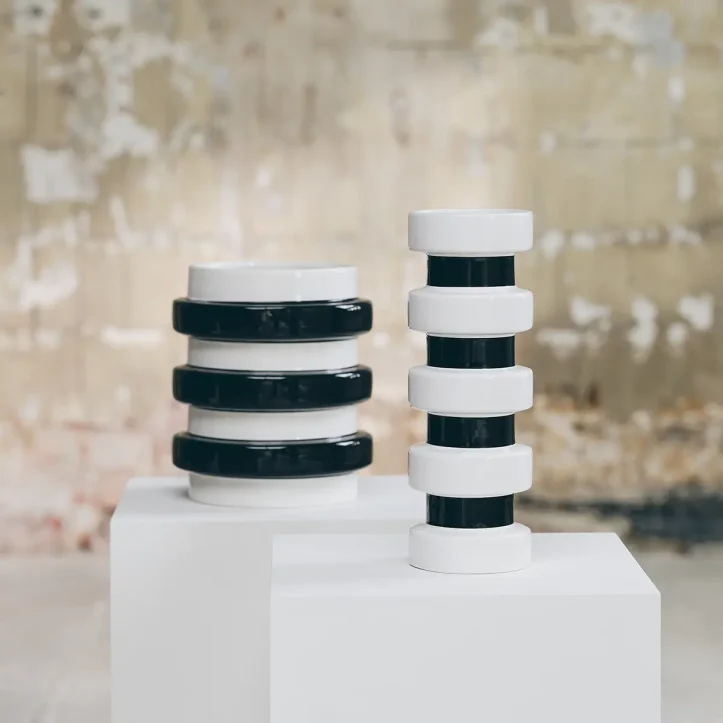
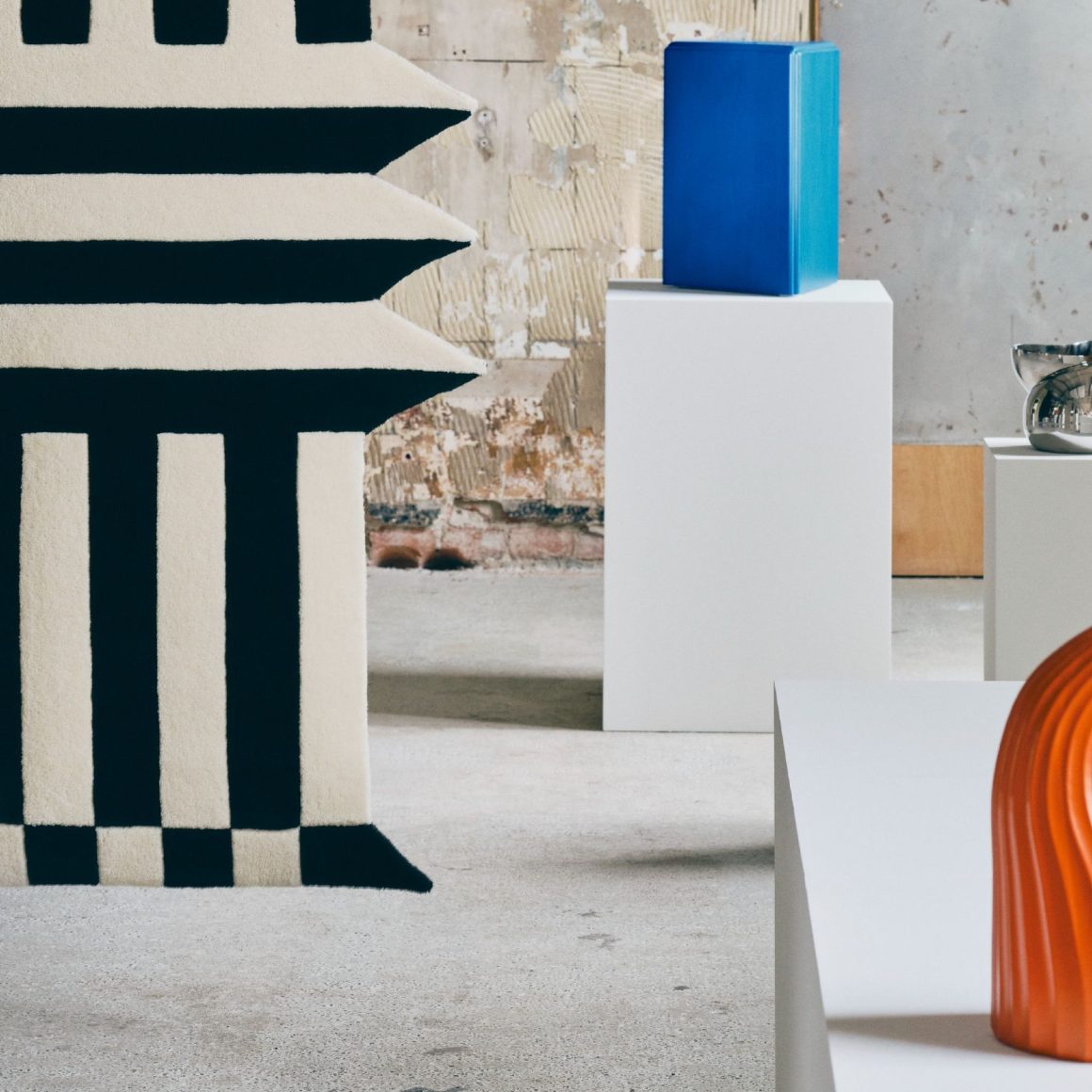
Emanuele Stamuli explores a graphic aesthetic defined by black-and-white lines. The Italian-Greek designer, based in Sweden, translates this visual language into a thick rug with contrasting stripes, two sculptural stoneware vases and a small metal side table. His approach, shaped by a background in interior design for fashion and retail, focuses on simple forms with carefully considered finishes, such as the powder-coated surface that gives the vases an almost lacquered appearance.
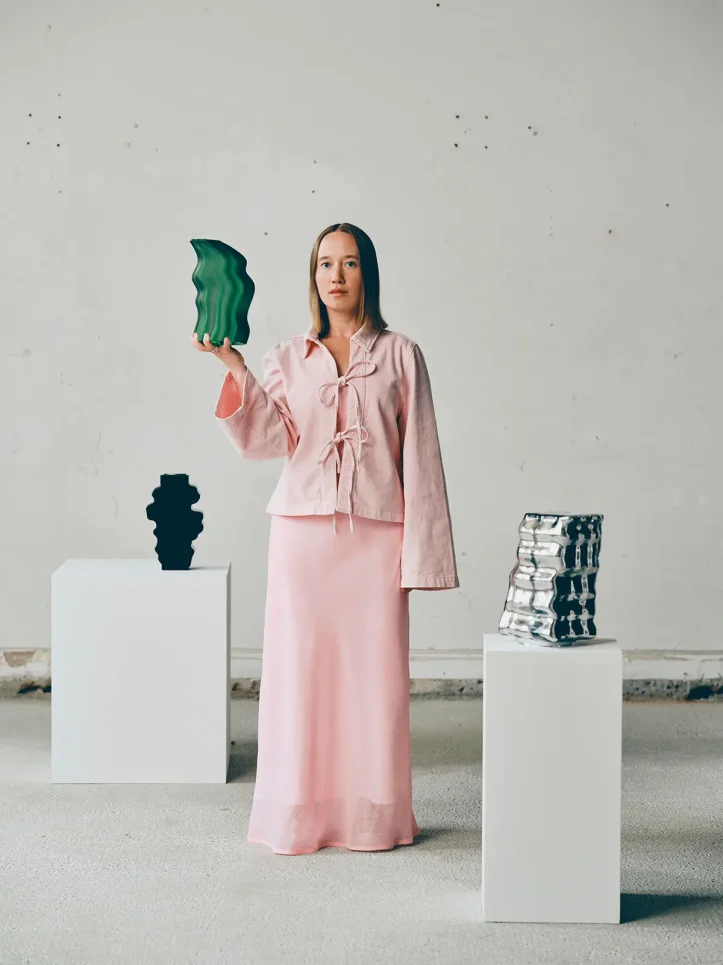
Lisa Reiser, based in Småland, works with glass and metal in small series. Her black vases, with their irregular contours, look as though they have been pinched by hand while still hot.