What about the highlights of your journey. What were the key steps that shaped it?
Painting has been a fundamental part of my life from a very early age. Since childhood, I remember myself constantly drawing, and in the years that followed I continued to cultivate this relationship through art workshops in my city. My creative path gradually took shape through my studies as well—initially in Graphic Design, which gave me structure, discipline, and compositional thinking; then in Fine Art & New Media, where I explored a more experimental and multimedia approach to expression; and finally through my postgraduate studies in Visual Communication, which helped me deepen the way I communicate the themes that concern me.
The story of discovering a creative perspective in art—how was the initial idea born, and how did it evolve over time?
There wasn’t a single defining moment when everything began. It was a gradual process shaped over time and through experience. From early on, there was a need to express thoughts that couldn’t easily be put into words, and the image became a more immediate way of understanding and articulating this inner search. Over the years, this need became more conscious and began to take direction. I became increasingly interested in the relationship between inner and outer landscapes—the body, the city, memory—and how all these elements coexist and interact. My creative journey has never been linear; it has developed through experimentation, shifts, and returns that gradually led me to a more personal visual language.
How do you think your aesthetic is evolving?
My aesthetic evolves mainly through painting and photography, two mediums that function complementarily for me. Painting gives me space for a more internal, material, and gestural form of expression, while photography brings me closer to observation, detail, and the recording of elements that often go unnoticed. Over time, the relationship between the two becomes increasingly meaningful, as each influences the other and gradually shapes the way I see and create.
What inspires you, and how do you approach your work?
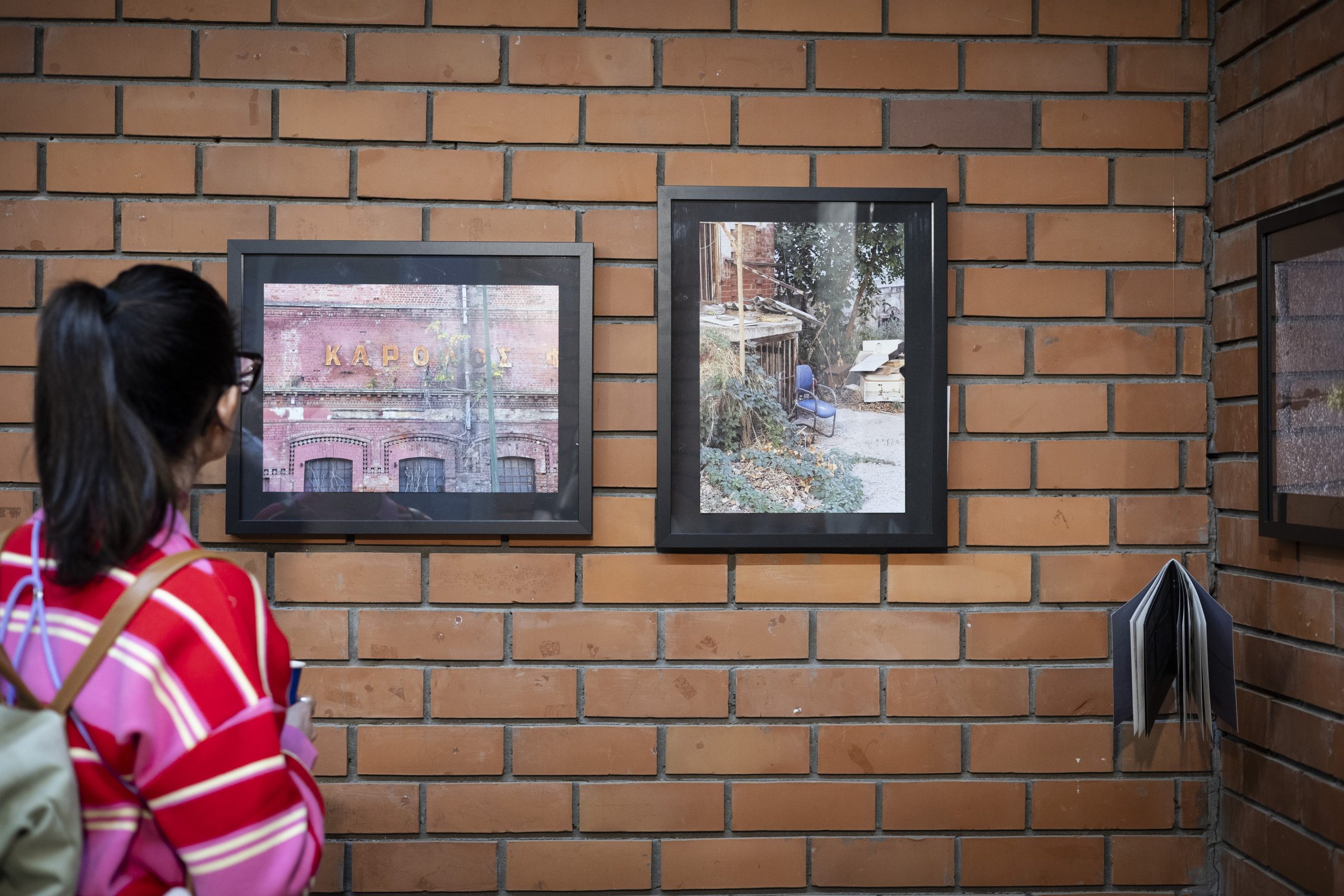
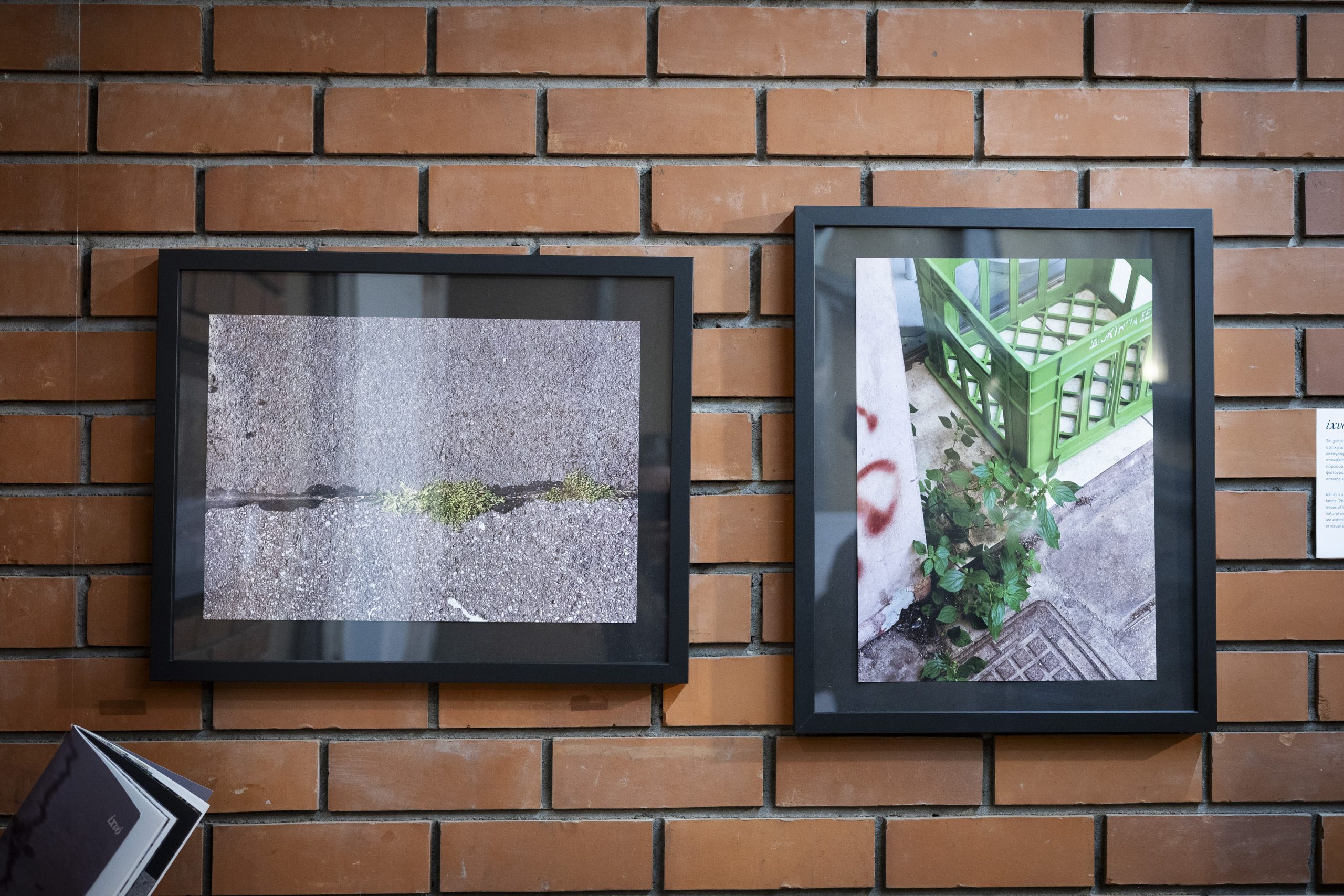
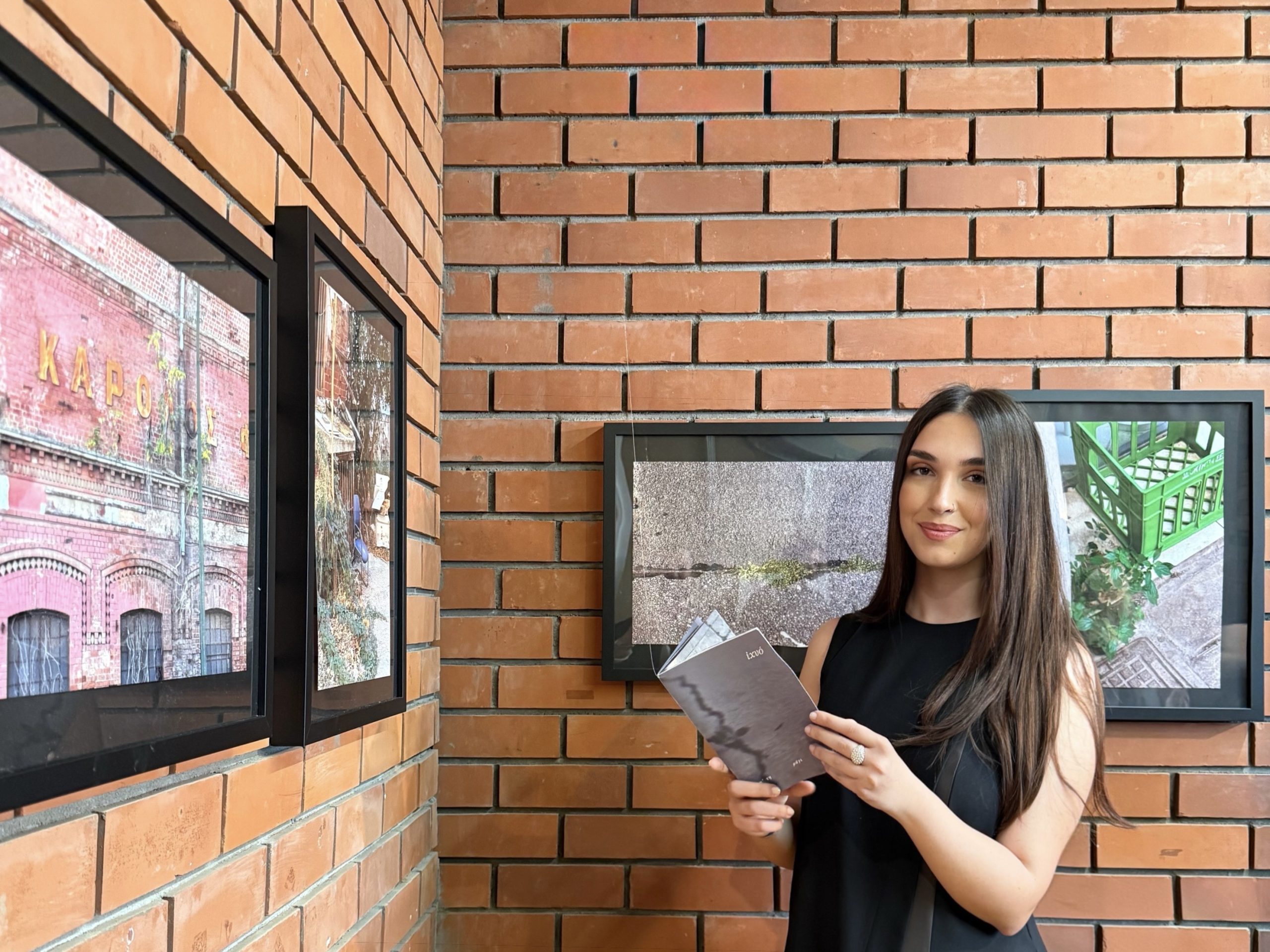
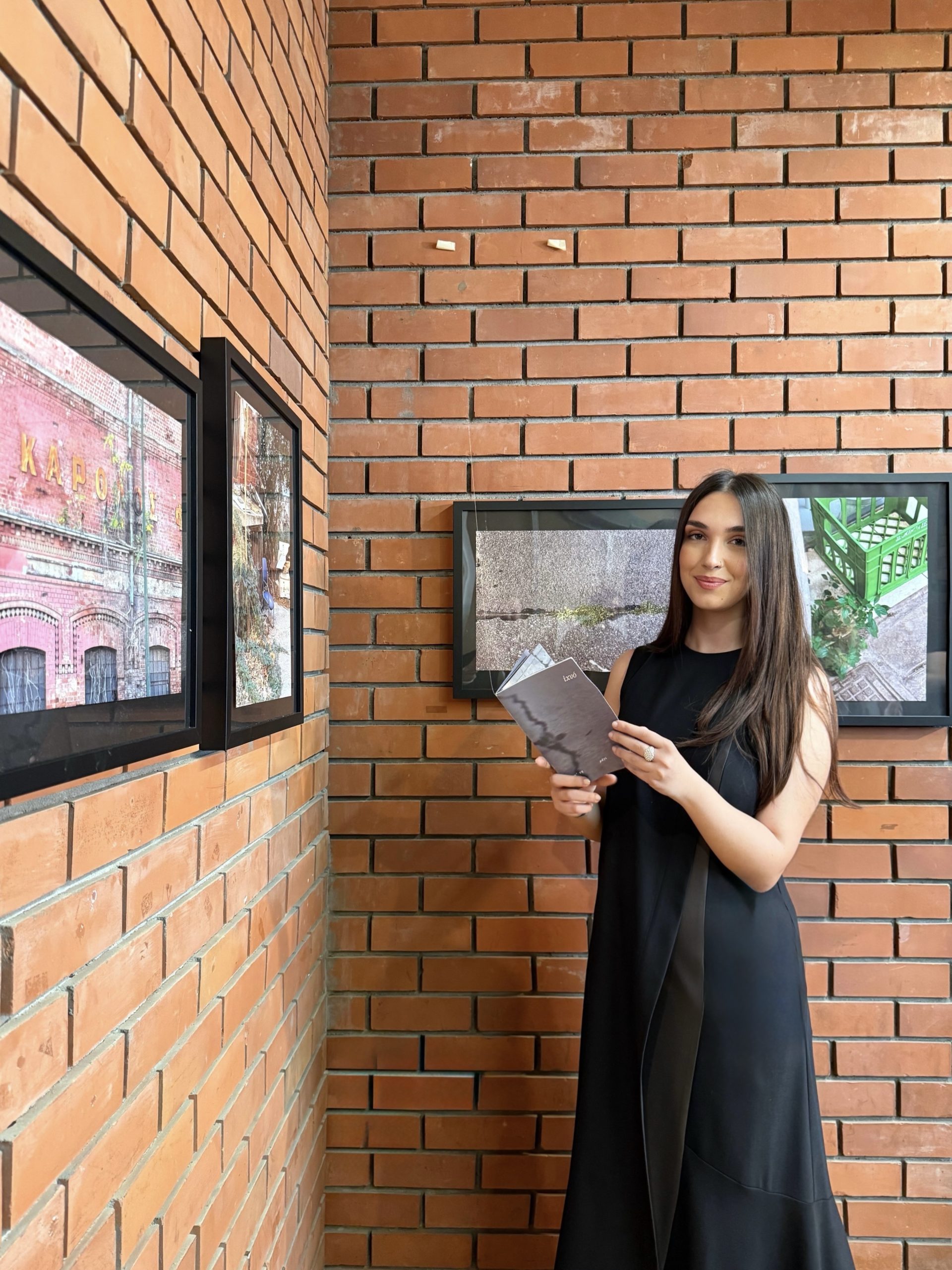
I am inspired both by a deeply personal reflection on the concept of decay and fragility, and by the city itself—its small, almost invisible details, such as surfaces, cracks, and traces of transformation that often go unnoticed. This has been an intense concern in recent years, one that I feel the need to explore through my work. Through photography, painting, and zines—small self-published works that combine image and design—I try to approach these conditions through textures, layers, and images that carry memory. I approach my work as an open process that evolves through observation and experimentation, without necessarily following a linear path.
Tell us about your recent work and the exhibitions you have participated in.
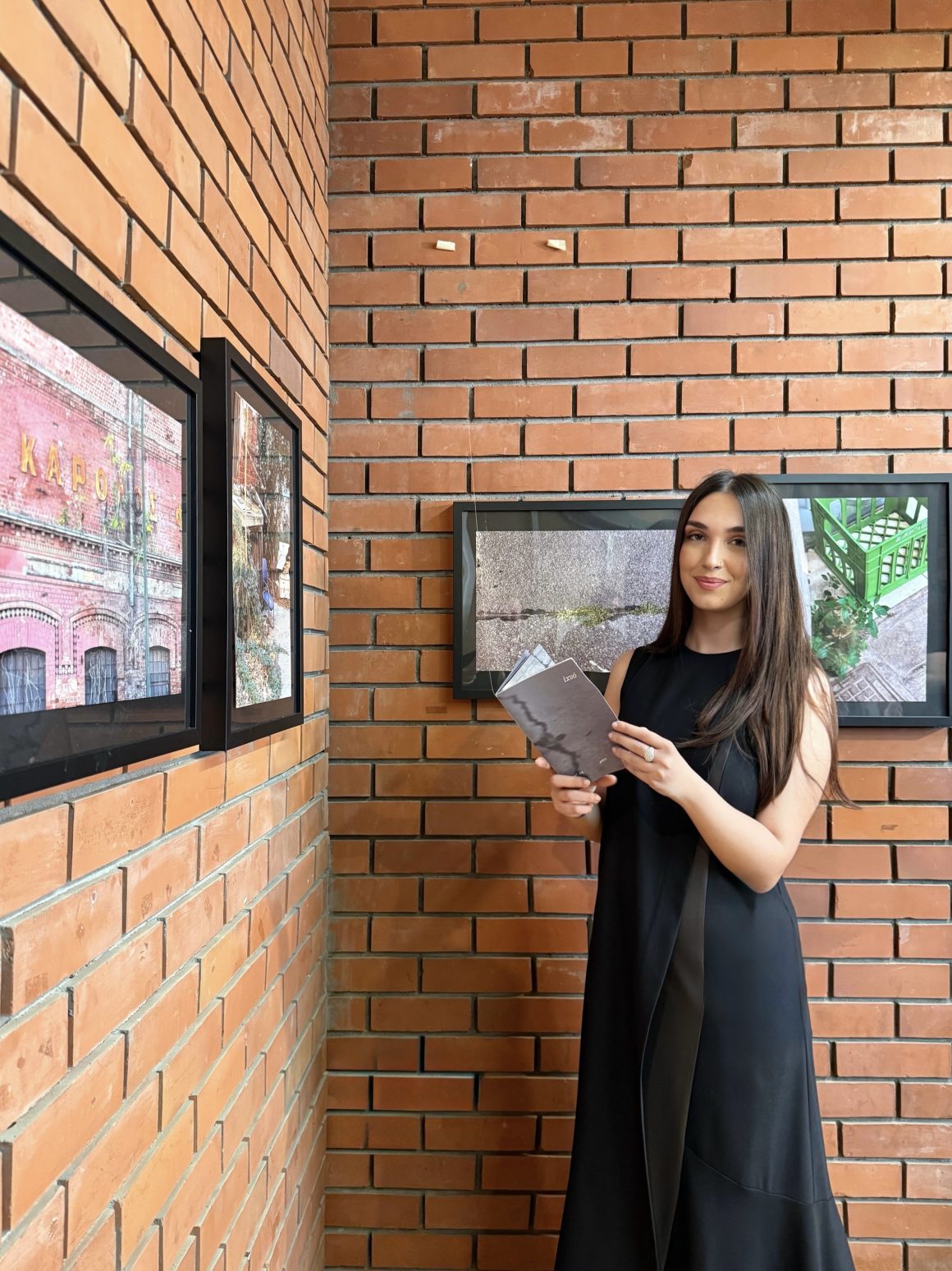
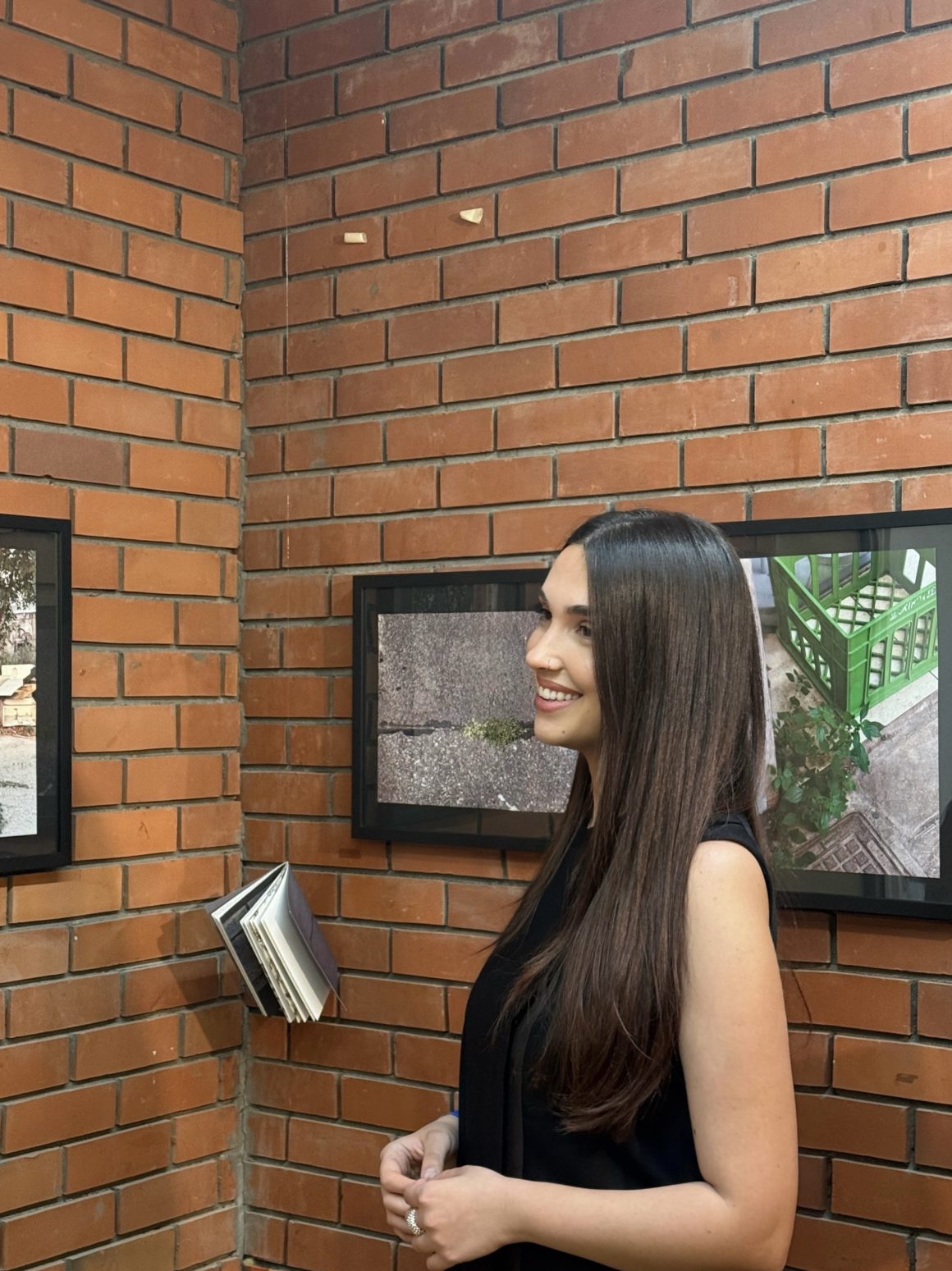
My recent work focuses on exploring the relationship between nature and the urban environment through a more cohesive visual body of work. I work with photography, painting, and zines, creating a unified narrative that unfolds across different media and forms. A characteristic example is the project “Ichno”, a series of photographs and zines that focuses on the presence of nature within the urban fabric, revealed through subtle details and gradual transformations.
At the same time, a pivotal point in my practice is the work “Nerv-on”, a collection of six large-scale visual pieces using ink, oil, and charcoal. These works explore physical pain through the study of MRI scans and the ways in which it can be visually represented. It is one of the first fully developed bodies of my work, presented in Athens, and marked an important moment in shaping my artistic direction.
I have participated in group exhibitions in Greece—particularly in Thessaloniki, where I am based, as well as in Athens—and internationally, in cities such as New York, Barcelona, and Rome, along with other European cities. Exhibitions are an important condition for growth, as they allow me to test new ways of presenting my work and its relationship with space and the audience.
What does your work currently seek to express, and what are your immediate plans?
At the moment, my work increasingly focuses on the photographic observation of the urban landscape, specifically on points in the city where subtle, almost invisible transformations occur. I’m interested in working within specific geographical frameworks, returning to the same locations and observing how they evolve over time—how they change, decay, or are reactivated. This process allows me to approach my work in a more focused way, as an evolving research practice around space and image.
At the same time, the project develops through the coexistence of photography with painting and zines, where the material is reprocessed and takes on new forms. My immediate plans include further developing this body of work with new photographic material and new zines, as well as exploring ways of presentation that highlight the relationship between space, time, and image. I’m interested in the work functioning not only as documentation, but as a process that evolves and transforms.
What are the non-negotiable values in your work?
Honesty and authenticity are non-negotiable for me. My work must arise from an inner necessity, not from the desire to follow trends or meet external expectations. I aim to remain consistent with what genuinely concerns me, even if that means the work evolves slowly, is questioned, or changes direction. I am not interested in surface or immediate acceptance, but in substance and duration.
Equally important is the process itself: experimentation, uncertainty, error, and repetition. I don’t try to eliminate these elements, but to integrate them as part of the creative act. Through them, my visual language takes shape and my work gains meaning. At the same time, I believe it is essential to maintain an honest relationship with material, image, and space—not to artificially construct them, but to allow them to emerge. For me, the work is not only an outcome, but a stance and a way of perceiving and existing in the world.
What would you like to create as a dream project?
I would like to create a space—a gallery in my city—that operates in a more open and flexible way than traditional structures. A place where artists wouldn’t simply exhibit their work, but could create together, collaborate, and develop truly collective projects. At the same time, I would want this space to be open to the public, giving people the opportunity to engage with art and learn techniques.
This is something that is gradually beginning to emerge in the city, and I think it’s very important to have such spaces, because they bring art closer to everyday life. For me, such a space is not just an exhibition venue, but a living hub of creation, exchange, and growth. It is also something that is part of my immediate plans and that I would like to develop meaningfully in the coming years.
What else are you currently exploring?
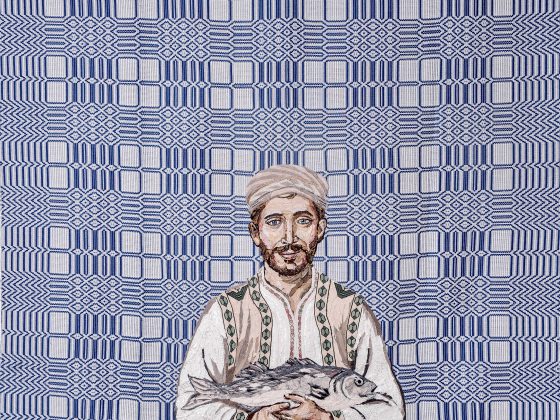
At the moment, I’m interested in working with threads, textiles, and color, and more broadly with practices related to weaving. I’m drawn to the idea of collage—the coexistence and interweaving of different materials, such as threads, fabrics, and images, which come together to create new narratives. It’s a more handmade and material-based approach that opens up a different way of thinking within my creative process.
At the same time, I’m trying to connect with creators in the city who are engaged in these practices, in order to get closer to this field and explore it more deeply. I’m interested in expanding the way I relate to my surrounding environment—not only through image, but also through experience and direct contact.
The best book you’ve read recently
A book that has stayed with me recently is “Ways of Seeing” by John Berger. It made me reconsider the way we look at images and how they shape our perception—not only aesthetically, but also in relation to the context in which we experience them. I was particularly interested in how it connects the image with everyday life and experience, something that directly influences the way I approach my work. Even though it was written years ago, it still feels very relevant in encouraging a more conscious way of seeing.
An artist you admire and would like to own a work by
An artist I deeply admire is Cy Twombly. I’m especially interested in the way he works with the flow of writing, trace, and memory, creating works that exist somewhere between painting and experience. There is an immediacy in his work, almost like a form of recording, but at the same time a deep interiority that leaves space for interpretation.
The freedom with which he approaches material, and the sense that the work remains open and alive, is something that strongly influences me. I would love to own one of his works because it carries both a certain intensity and a calmness at the same time—a balance between the spontaneous and the conscious.
Three places you love to return to, and why
Rome is definitely one of them. It’s the city where, during my first trip at 18, I realized that I wanted to pursue the arts. Until then, it existed as a feeling, but there it took form. It’s a city you experience like an open museum—you walk through it and art is everywhere, embedded in daily life, in the architecture, in the imagery. That deeply influenced me, and it’s one of the reasons I love it so much.
From Greece, I would say Tinos. It’s an island that strongly combines the artistic element with landscape and tradition. Every time I go, I feel inspired in a different way—either through its spaces or through the energy it holds as a place.
Finally, Kastoria, and specifically my grandmother’s house. It’s a place connected to very personal memories and has often served as a starting point for thought and creation. Every time I return, I feel that this part of me grows—it’s both a refuge and a space that reconnects me with myself.
Is art and creation in general a path toward becoming better people?
Yes, I believe art can function as a meaningful path toward self-awareness and understanding. Through creation, you come closer to what you feel, but also to what cannot easily be expressed in words. It’s a process that brings you face to face with yourself—with your weaknesses and contradictions, but also with the need to see the world with greater sensitivity.
At the same time, art creates space for connection. It helps you understand others, see different perspectives, and develop empathy. I don’t believe it automatically “makes you a better person,” but it certainly gives you the tools to grow—if you choose to use them.
A museum or artwork that captured your heart
An exhibition that deeply affected me was “Hysteria” by Cooper & Gorfer at Fotografiska Berlin (June–October 2025), which I visited during a trip to Berlin. It’s a photographic series where the artists begin with real photographs and then intervene through painting and digital processes, adding layers, symbols, and narrative elements.
The figures seem to exist between the real and the imaginary, carrying a strong emotional and almost theatrical presence. What moved me most was the way the image functions as a narrative—it’s not just a portrait, but a constellation of stories, memories, and identities that unfold through its layers. It’s a body of work that invites you to pause and “read” it gradually.
What is true happiness for you?
For me, true happiness is being at peace within myself. Not feeling pressured to be something else, not constantly chasing the next thing. It’s those moments when the noise quiets down and I feel that what I’m living, what I’m doing, is enough.
It also has a lot to do with the people around me—being close to those who understand me, who support me without imposing it, who influence me in a quiet way. I don’t always think about it consciously, but I feel it.
I don’t see happiness as something grand or permanent. It’s made up of small moments that come and go—when I create, when I observe, when I’m simply present. For me, that is enough.
Your definition of beauty
For me, beauty is not something perfect or symmetrical. It exists in what is real, even if it is imperfect or worn. I’m more moved by things that carry traces, that hold time, that don’t try to hide.
There is a kind of honesty there that interests me far more than a “correct” image. Beauty is something that makes you pause—not necessarily because it is impressive, but because it carries an intensity or a calmness that touches you without explanation.
It doesn’t impose itself; it reveals itself through observation and time. I often find it in things most people overlook—in surfaces, in small changes, in states that are not “complete.” For me, beauty lies more in the process and the moment than in the final result.
What do you consider authentic today?
For me, authenticity is something that doesn’t try to be anything else. In a time when everything is filtered, curated, and presented in a specific way, what stands out is what remains honest—even if it is imperfect or exposed.
Authenticity has to do with being consistent with who you are and what truly concerns you, without constantly adapting to what you’re expected to show. It’s not something you declare, but something that becomes visible through attitude, duration, and the way it evolves over time.
For me, authenticity is not necessarily what is original or impressive. It’s what has depth, what isn’t afraid to be simple, and what doesn’t need to prove anything.