Tell us about your creative journey. Which achievements do you hold closest to your heart?
My creative journey undoubtedly began with dance and theatre. Those were the spaces where I first learned how to express myself and unlocked parts of who I am that later proved invaluable. My first tangible achievements came during my school years, when I would develop business ideas and bring them to life through competitions. I was shortlisted in two of them, and I believe that was my first real dose of confidence—the spark that encouraged me to keep going.
My university years in Milan, during the pandemic, were when my passion for fashion, photography, and collage truly emerged. I started buying fashion magazines and creating my own collages; that was how I began developing my personal aesthetic. Being exposed to Milan and to different cultures transformed me profoundly. That inner evolution remains one of my most significant achievements. By the time I completed my degree in Economics with a specialization in the Arts, I felt I had discovered a way to merge creativity with entrepreneurship.
My greatest achievement, however, is personal. After several years in the job market—chasing positions and often doing things that did not truly reflect who I was—I found my way back to myself, more creative than ever.
I have never formally studied an art form. Everything I have developed, I have taught myself. Felus is certainly my greatest achievement to date, and my hope is that as it evolves, I will continue evolving alongside it.
How did the idea for Felus begin? What values and qualities define the brand?
The idea had been living inside me since my teenage years, although naturally not in the form it has today. From a young age, I wanted to create a brand as a tribute to my family—it almost felt like destiny.
The real beginning, however, came during a trip to Marrakech with my brother in November 2024. I found myself wandering through endless markets and discovered woven bags that deeply inspired me. When I returned home, I began researching and soon learned about Madagascar and its rich raffia crochet tradition. That was how everything started—and how I found something that unexpectedly connected with the vague vision I had carried for so long.
The brand is built on three pillars: curiosity, recognition of the hands that create, and a quiet kind of beauty that does not need to prove itself.
The sense of craftsmanship is the signature of the brand. What story does it aim to tell?
The narrative revolves around the beauty of imperfection, the beauty of reduction, and the beauty of geometry. I am particularly fascinated by optical illusions. What first drew me to these bags was the way they maintain such a clear and defined structure despite their open, airy weave.
As for craftsmanship itself, there is nothing that satisfies me more than seeing an object untouched by machinery. I believe we all long, in some way, to reconnect with our humanity—and through products like these, we come closer to one another.
What have been the brightest moments of this journey, and what is non-negotiable for you?
There have been countless bright moments. The most powerful was undoubtedly seeing the first bag sample while I was in Madagascar. I will never forget how fulfilled I felt in that moment. Many milestones followed: the first sale, the first compliment, and of course the hours I spend alone in my space—which is part office, part studio, part home—working late into the night with complete focus and passion.
What is non-negotiable for me is the ability to dream without limits. I refuse to impose realism on my dreams. That freedom makes me feel alive. At the same time, I deeply appreciate the present moment.
Which pieces or design elements do you consider the most iconic?
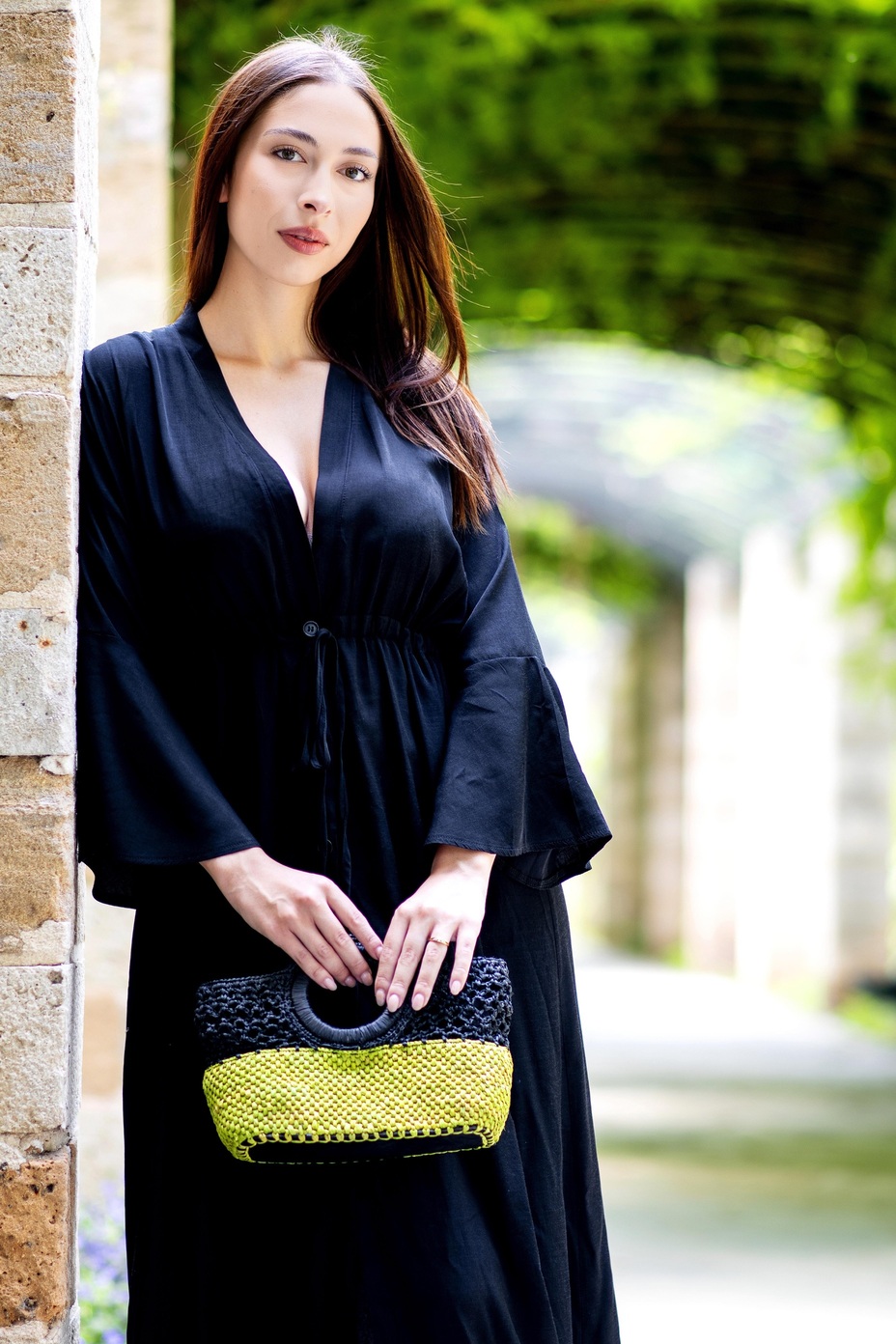
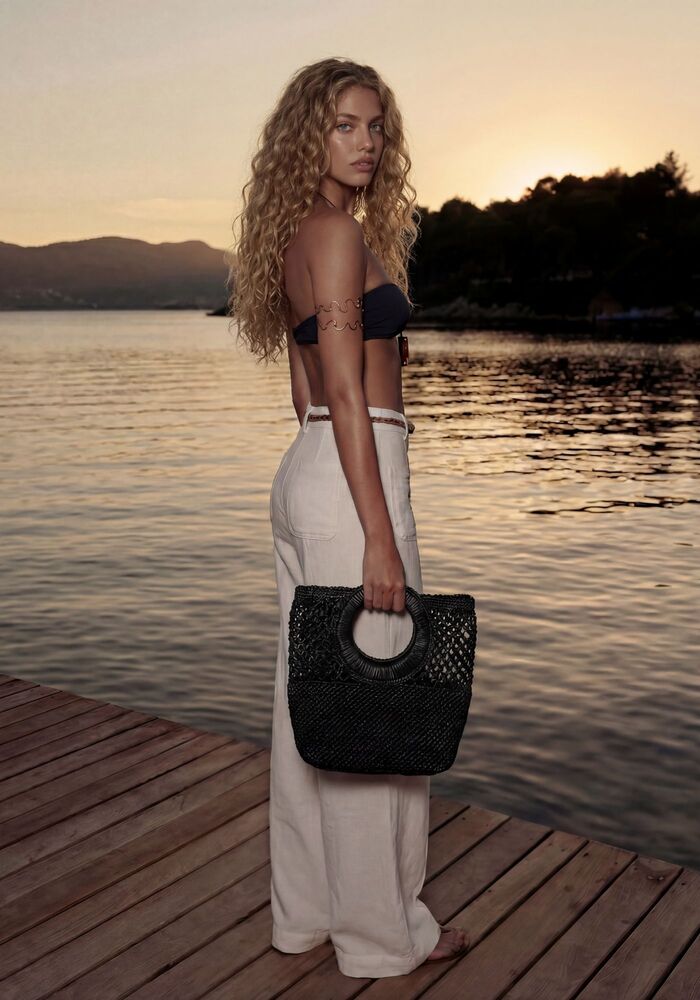
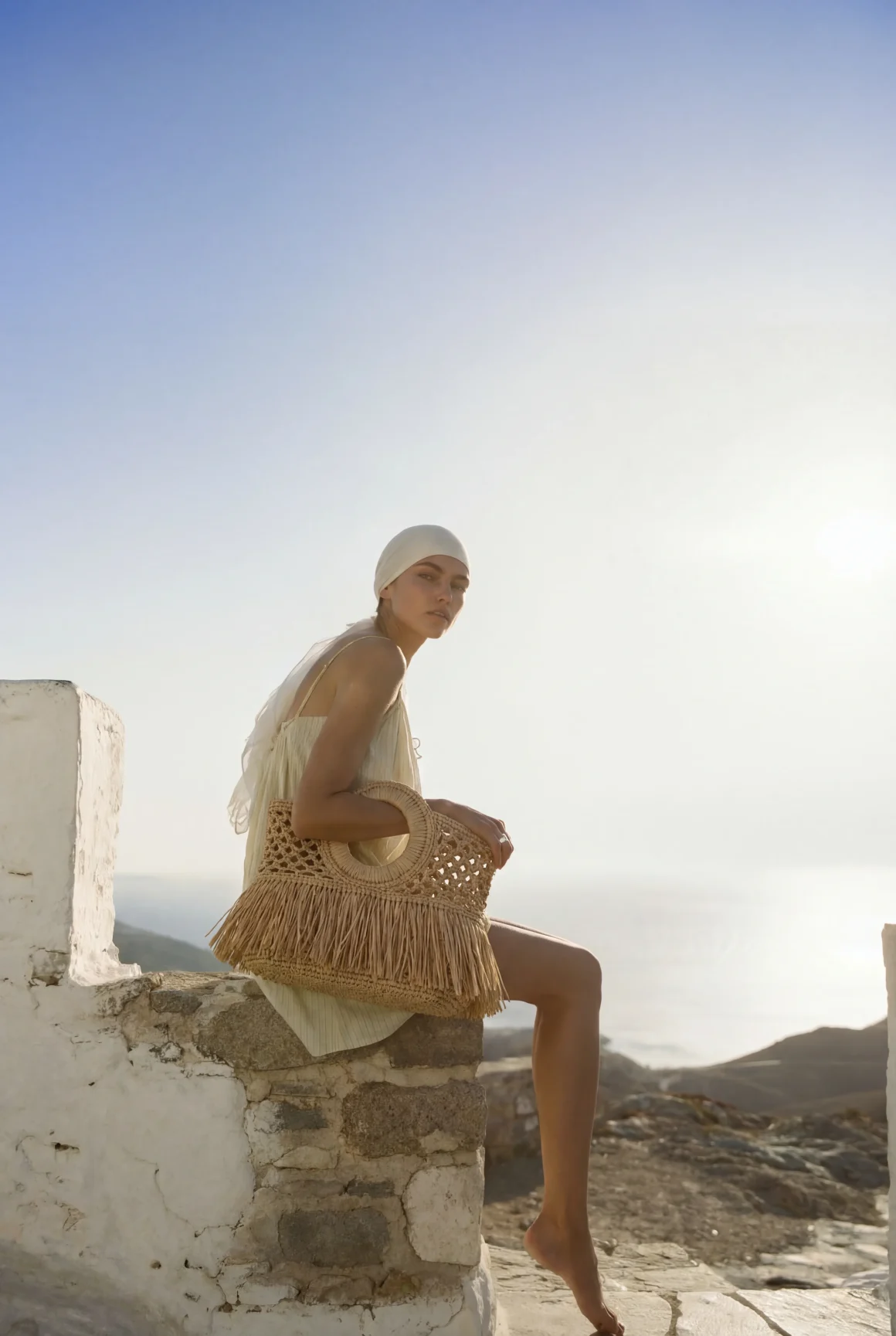
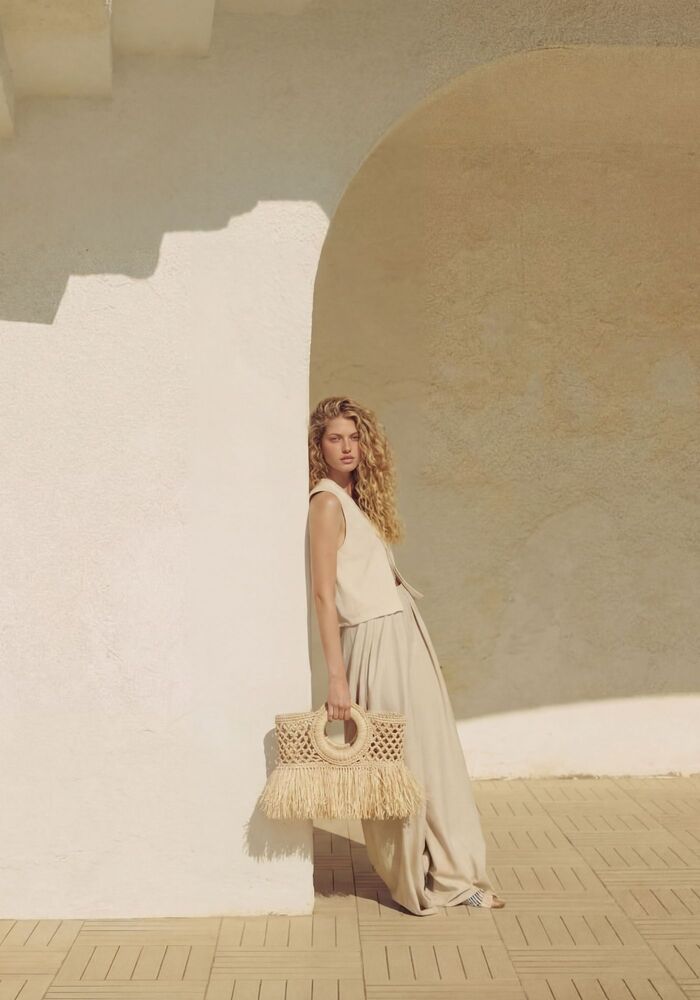
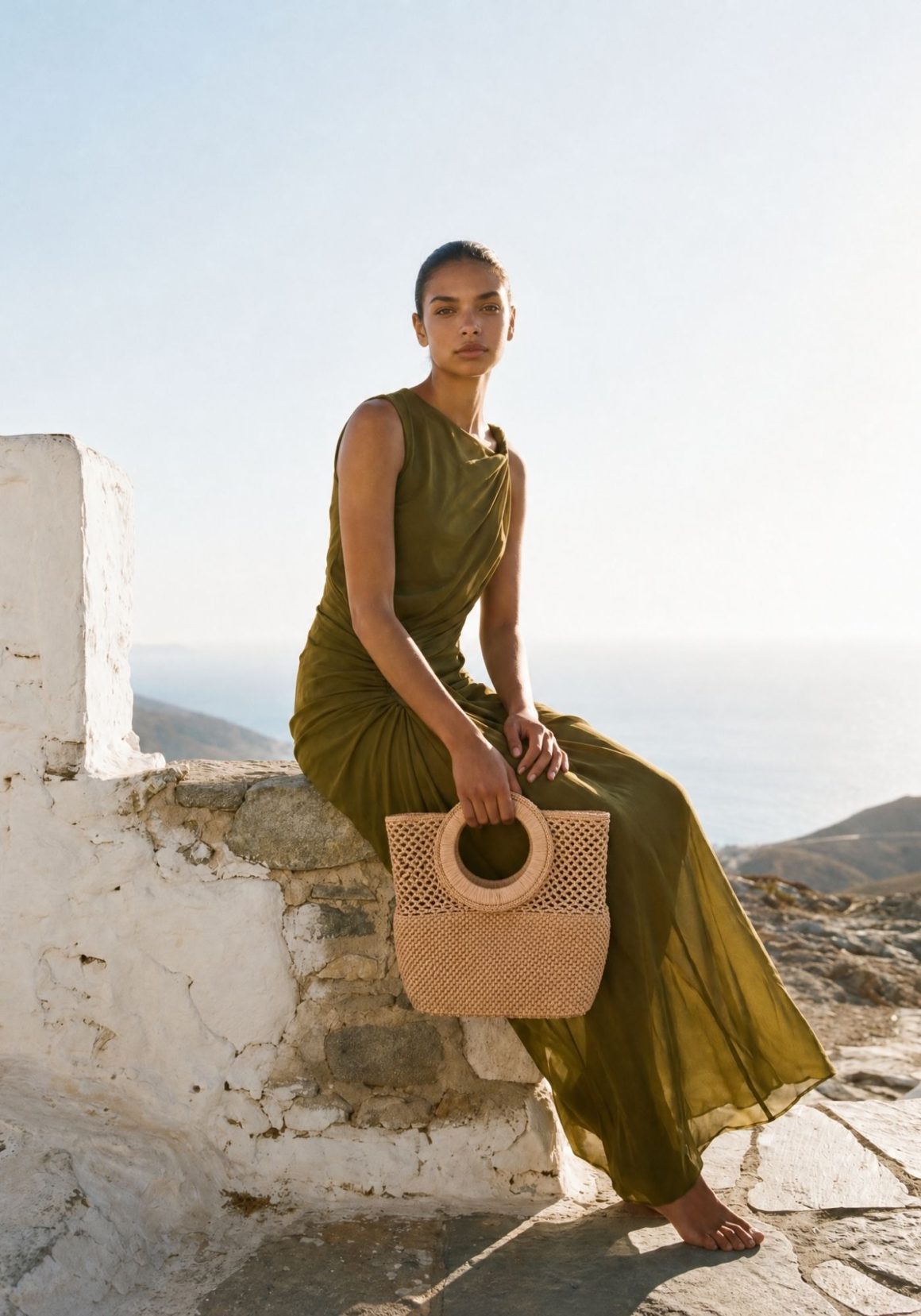
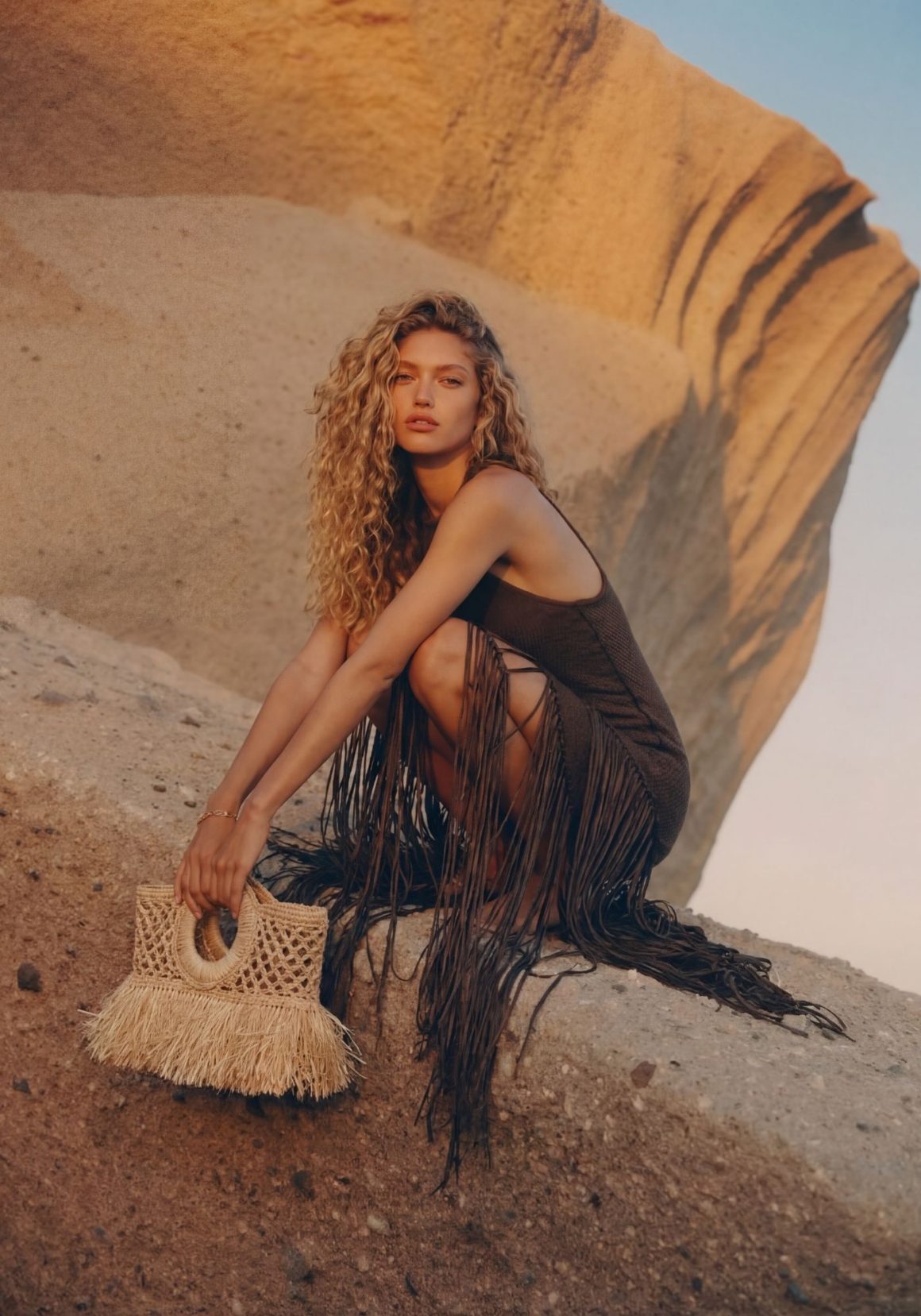
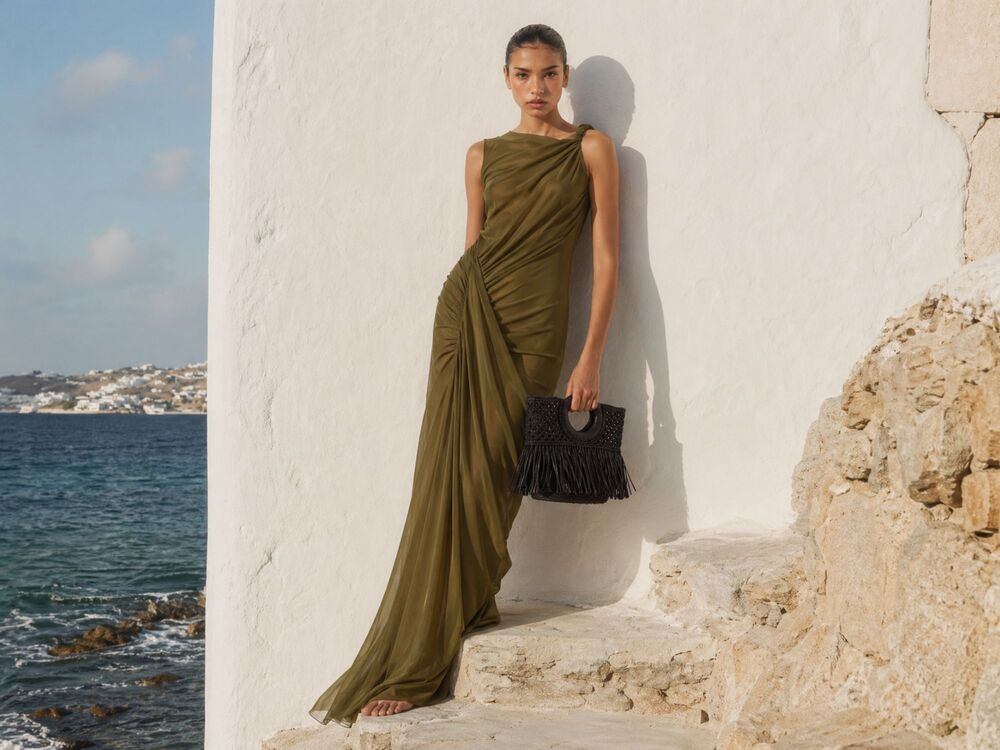
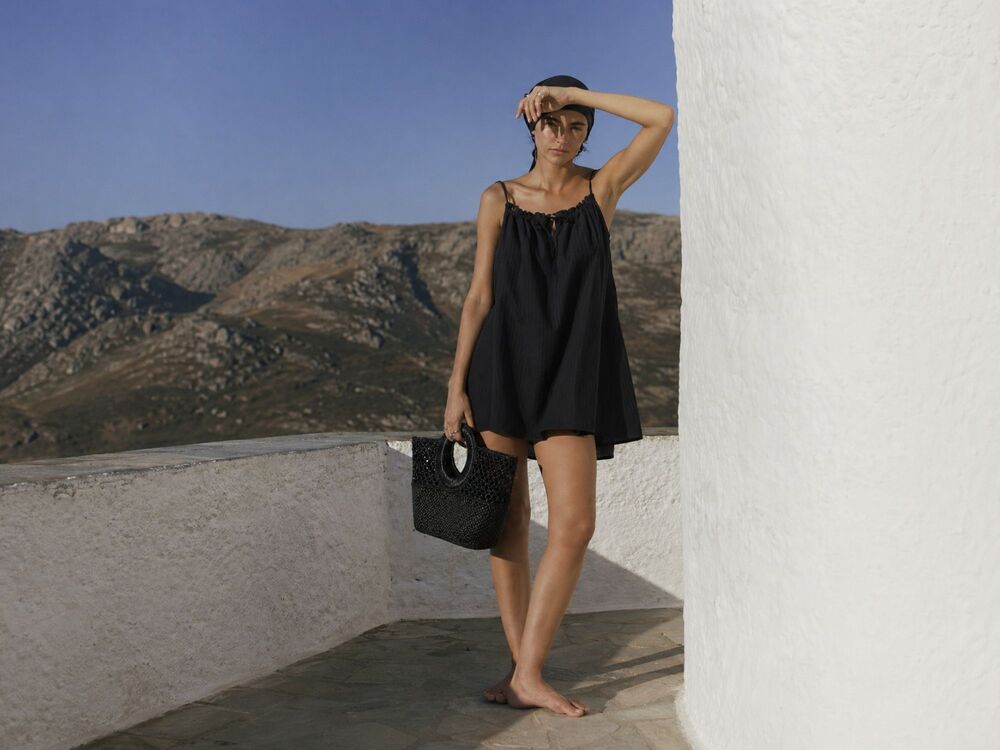
Our signature model is the Ion bag, named after my younger brother. It is available in four sizes and comes both with and without fringes in two of them—six silhouettes in total that share the same structure while expressing entirely different personalities.
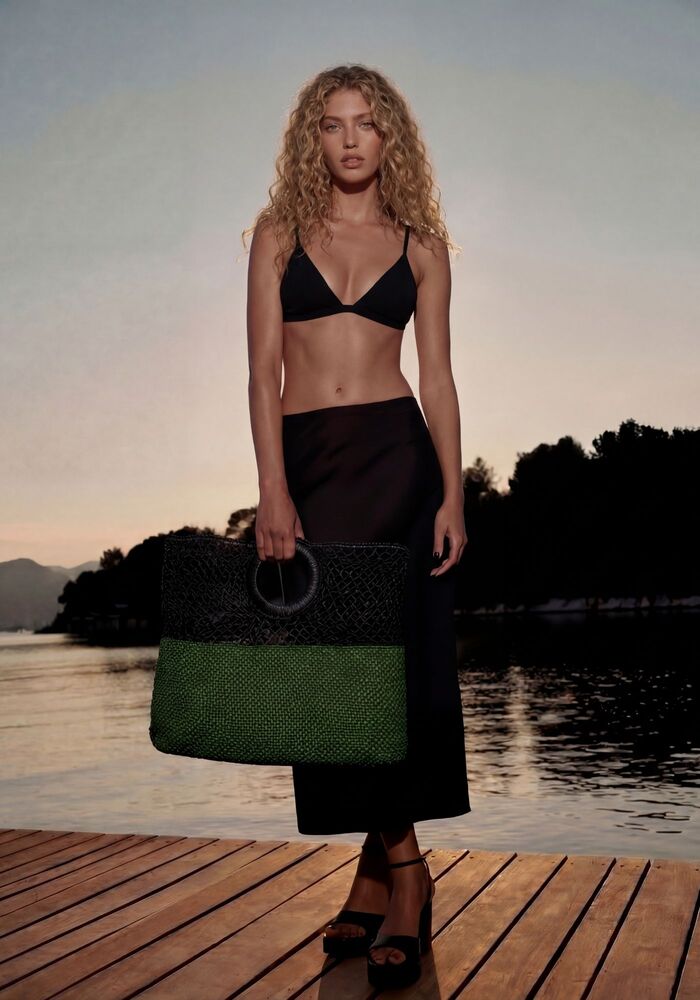
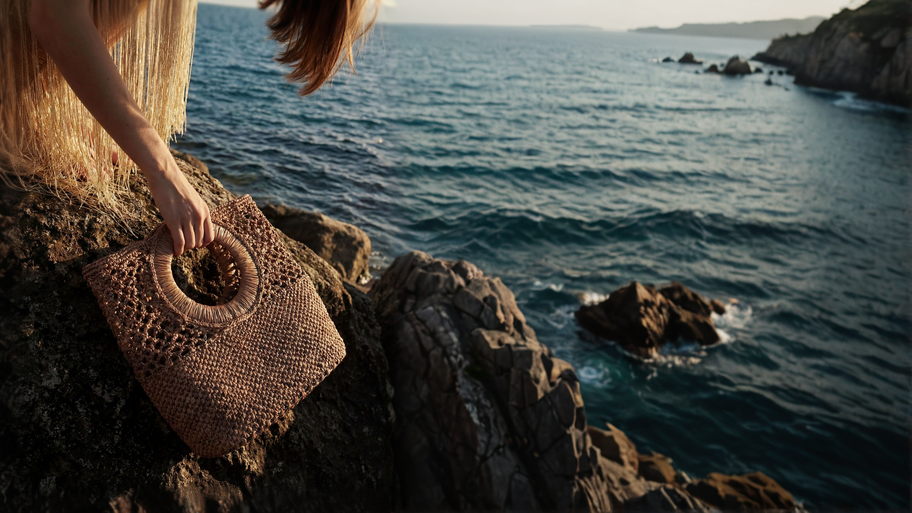
For me, the most iconic design element is undoubtedly the circular handle. The circle symbolizes completeness—something whole that requires neither beginning nor end. It is an element I intend to preserve in the future.
Among all our bags, the Large Ion in black and green is unquestionably the most iconic. It is a statement bag in the chicest possible way.
What innovation does the brand bring to the market?
Innovation lies in our philosophy. We focus on small production runs, limited editions, and constant evolution. Every season, we aim to improve—not because the fashion calendar demands it, but because we genuinely want to become better.
I have no interest in discounting simply to increase sales. Nor am I interested in excessive mark-ups designed to fund advertising campaigns. I want our customers to discover us organically because they truly connect with what we offer. In return, I will do everything I can to deliver the very best version of that vision.
Who is your audience, and what kind of woman do you design for?
I don’t particularly like categorizing consumers, even though it is common practice in the fashion industry. What I will say is that our audience exists on a certain intellectual and emotional wavelength—people who appreciate beauty without feeling the need to announce it.
Our customers have nothing to prove. They choose our bags because wearing them makes them feel something beyond chic, cool, or sexy—something more personal. Our clientele ranges from women in their twenties to women in their seventies, which reflects a broader shift: age no longer dictates the way we dress.
Today, we dress to feel good and to express ourselves, not to conform to a particular standard. That is the audience I connect with.
How do you see collaborations evolving over time?
At the moment, we have not yet pursued any collaborations, as we are only in our first season. Looking ahead to next year, we are planning partnerships primarily with artists, gradually building a creative network of our own.
I am drawn to collaborations that tell a story—relationships with people who work with the same patience, care, and attention to detail that define our own approach.
Tell us a story you will never forget.
When I was eighteen, I was on holiday in Hydra with my family when I happened to meet a woman at a café overlooking the harbour. Her name was Anne. She was an artist and spent several months of the year living on the island.
At one point during our conversation, I told her how much I admired her life as an artist and that I hoped to become someone like her in a few years’ time.
She looked at me with a half-smile and said, “Don’t rush to become something. The things that last, last because they have had time to mature.”
I do not remember her exact words anymore, but I remember the moment perfectly.
I return to it every time I feel as though I am rushing for no reason. Some people enter your life only once, simply to leave you with a single sentence.
And somehow, that sentence stays with you forever.
What would be a dream project for you?
I have countless ideas in mind, but it would definitely involve hospitality and community. Perhaps a club or gathering place where people with shared interests and sensibilities could come together, exchange ideas, and share experiences.
I also have a deep love for dance, so something I can see happening very soon is the creation of events centered around FELUS—nights with a distinct atmosphere, evenings that have a scent, a sound, and a feeling that lingers in your memory.
When you enter a space, what is the first thing you notice and why?
I always notice the entrance. The door. After that, I can become absorbed by many things—and of course by the people—but doors are what consistently catch my attention. Entrances. They are so important and so symbolic of what you are about to discover once you step inside.
What is the last thing you bought, or something you would love to buy?
The last thing I bought was a work of art by Stelina Tsalta.
I used to enjoy buying clothes and accessories for myself, but since beginning this journey, that desire has faded considerably. I buy very little these days, and I often wonder what changed within me. Now, I only purchase things that I believe are rare.
Stelina’s work is, of course, one of a kind: a small seascape painted in shades of blue and ochre, with rocks beneath a light that breaks across the surface. For me, it symbolizes the year before FELUS was launched. It carries nostalgia, a sense of hope rooted in stone, and a tension that has not yet fully settled.
The fashion designer closest to your heart
A very difficult question, but I would say Matthieu Blazy.
He was the person who sparked my love affair with bags. As a student in Milan, I closely followed his collections for Bottega Veneta, and they had a profound influence on both my aesthetic and my personal style.
An exhibition you will never forget
Nan Goldin’s retrospective This Will Not End Well at the Pirelli HangarBicocca in Milan.
It is the kind of exhibition that demands to be experienced slowly—and one that stays with you long after you leave. I remember stepping outside and feeling as though I needed air. I cannot recall another exhibition that has affected me quite so deeply.
Three places you always return to, and why
Milan, Antiparos, and London.
Milan shaped the course of my life. I lived there for almost five years while completing my studies and beginning my professional career. It played a defining role in who I am today. I never tire of returning and walking its streets. There is a certain discipline to the city that grounds me in the best possible way.
Antiparos is my summer. It has also been a constant source of inspiration for my bags. Throughout the design process, the island was always somewhere in my mind. I return because I feel like the best version of myself there—completely free. Many islands can offer that feeling, but Antiparos feels uniquely suited to me.
London is a source of endless inspiration, and it is also home to people I love dearly. I return every year and imagine I will continue to do so for a long time. It reminds me to dream bigger and to think more creatively, more boldly, and more unconventionally.
What is your definition of beauty?
To me, beauty is anything shaped by time.
A hand weaving. A marble surface worn smooth by footsteps. A face that has truly lived. Beauty is never in a hurry.
What do you consider authentic today?
Authenticity is anything that is not trying too hard.
There is not much of it around these days, but I believe it will return. It is always somewhere behind us—in the stories of our parents and grandparents, in the feeling of falling in love, in the affection we hold for childhood friends.
If you were to design something for TheAuthentics.gr, what would it be?
Perhaps a bag designed to hold a small journal or a book—and just a single pen. Woven from natural raffia, with long handles and an understated elegance. A bag for someone who writes more than she speaks.