What is this exciting new venture of yours? How did the idea for Travelogues come about, what inspired the first book, and what led to the decision to create a second one?
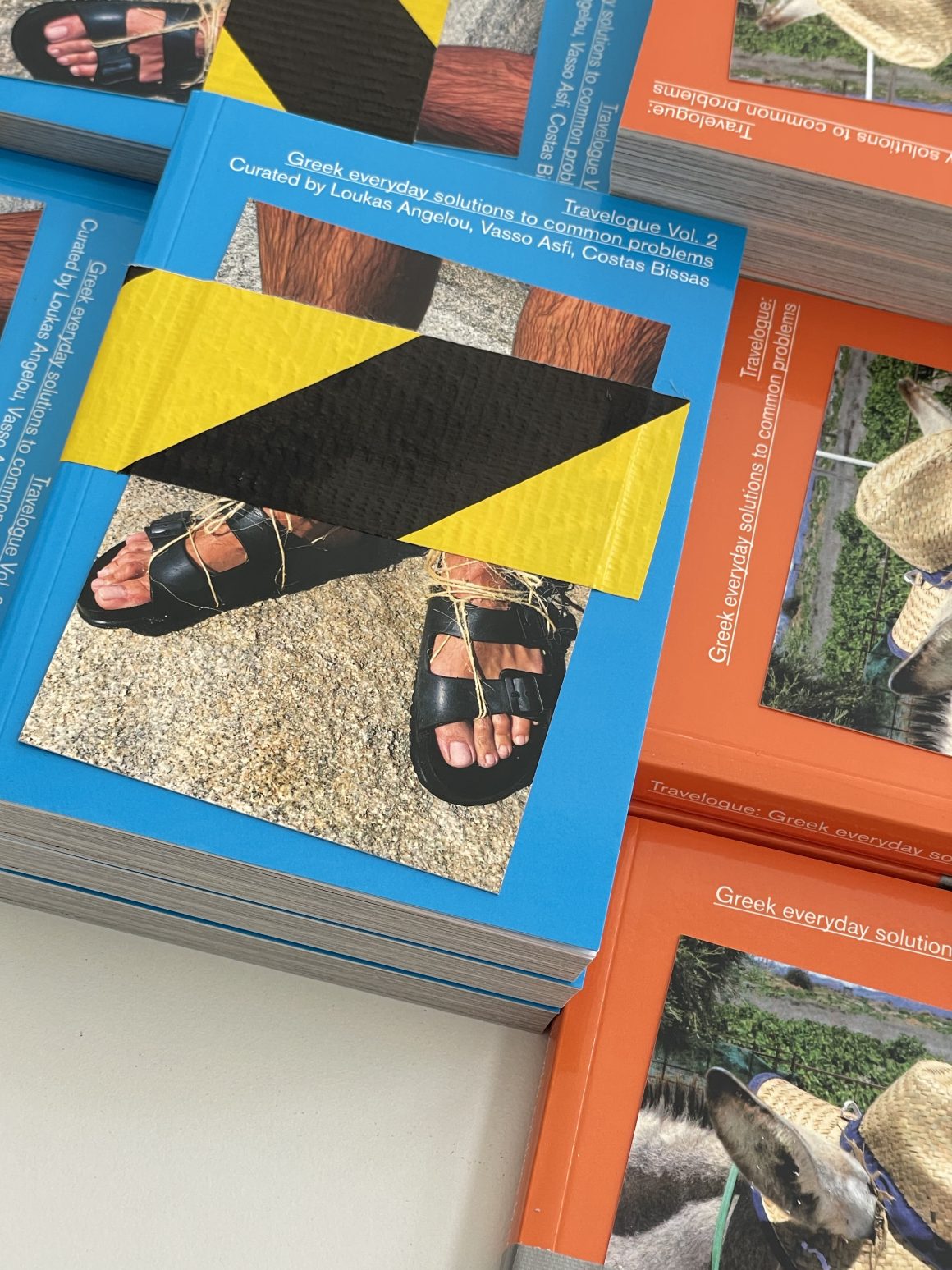
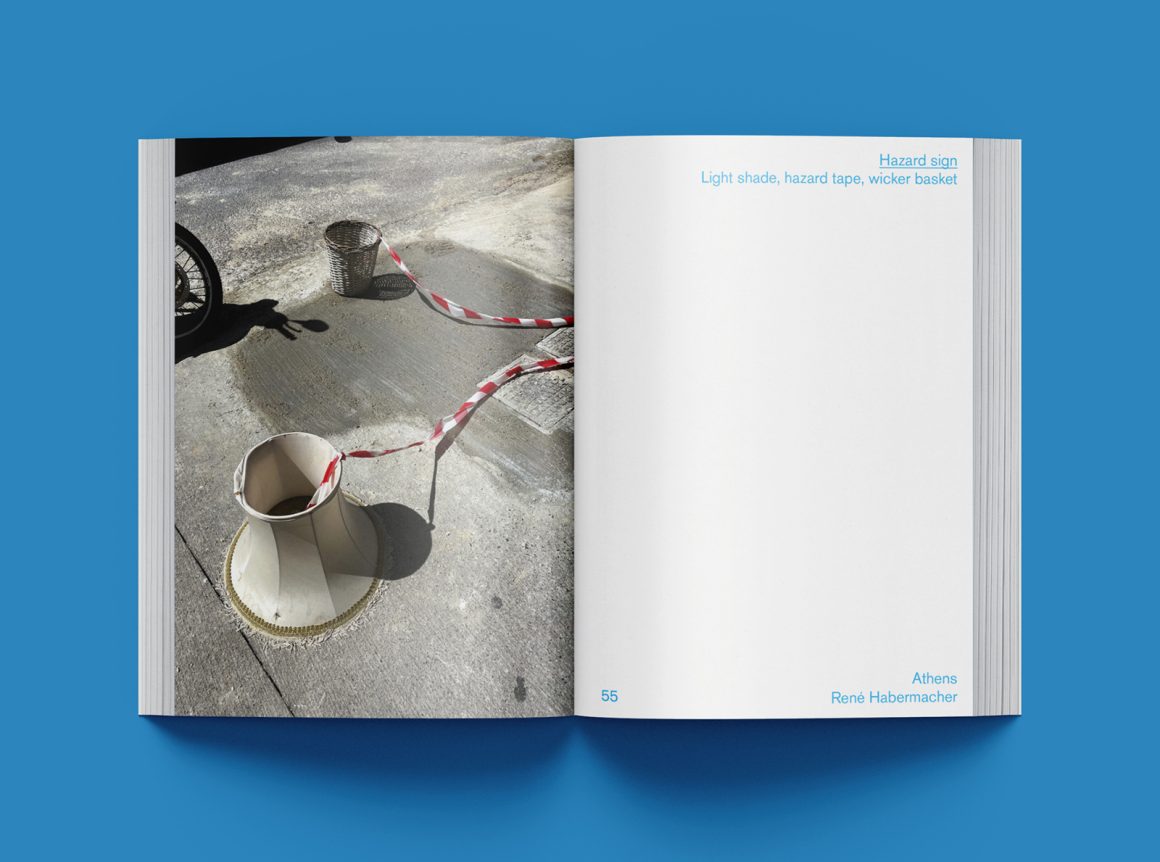
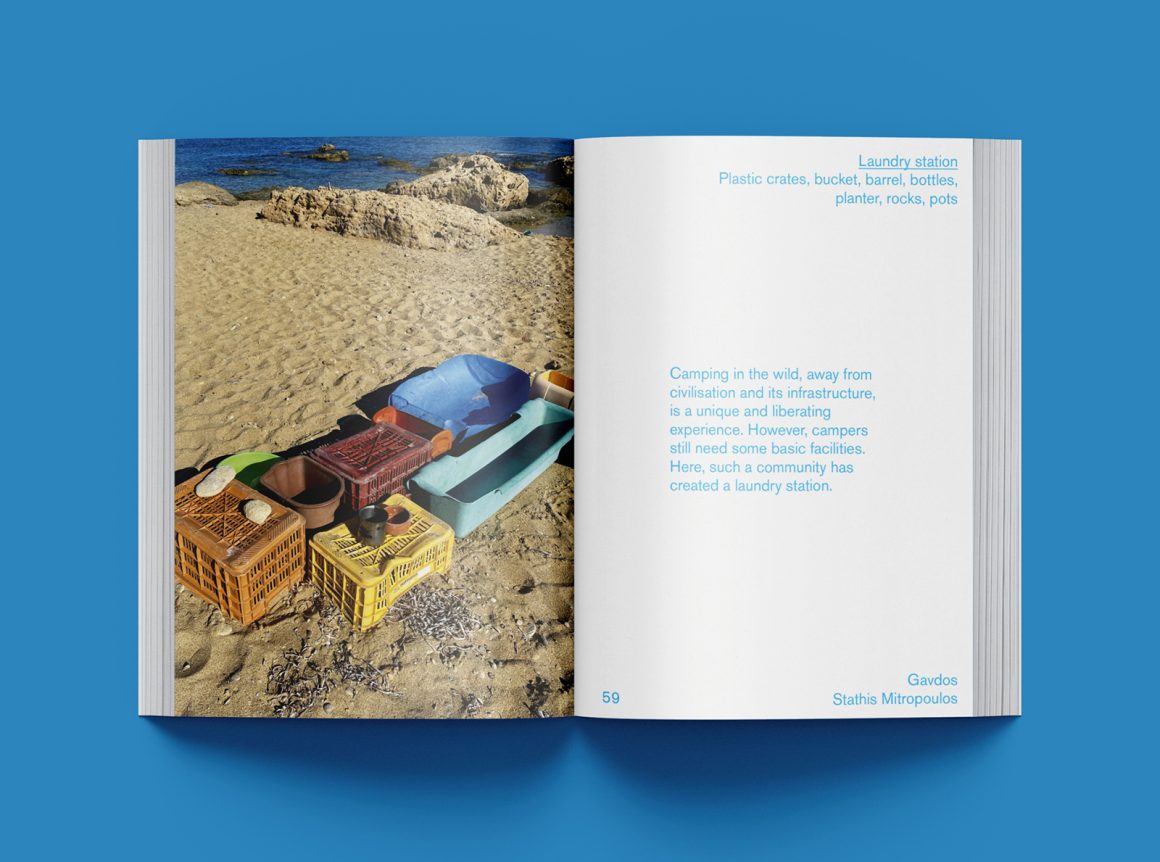
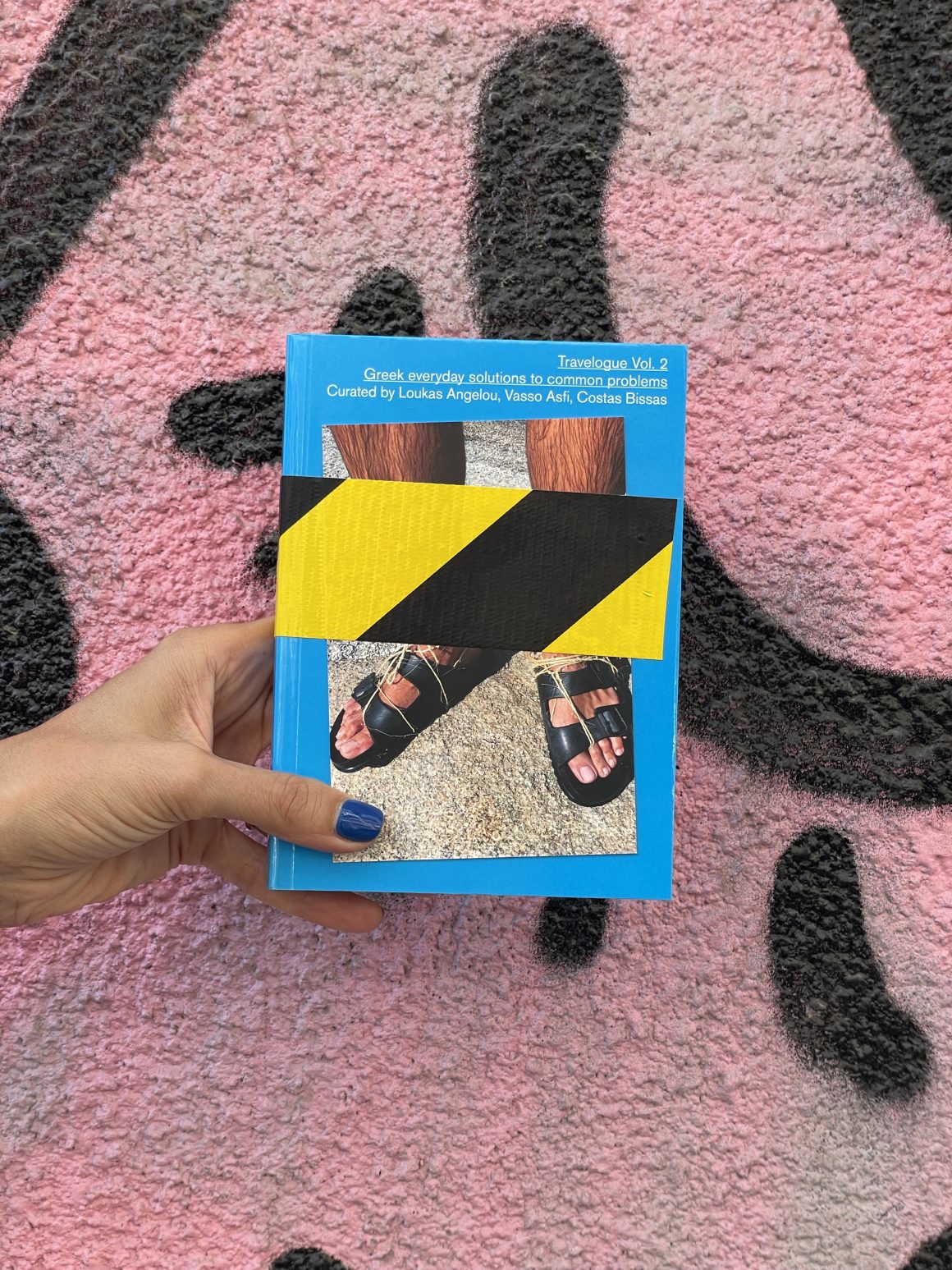
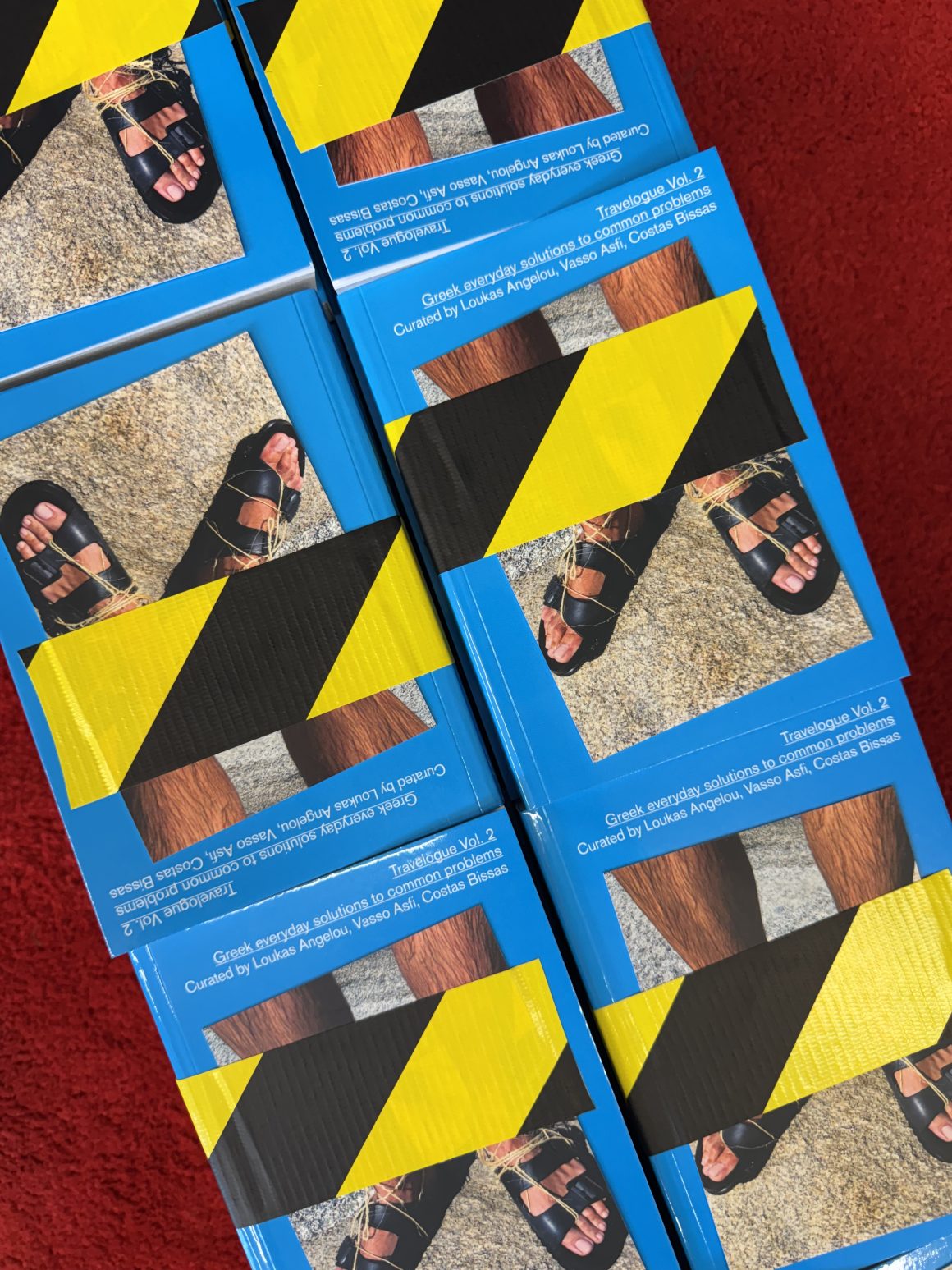
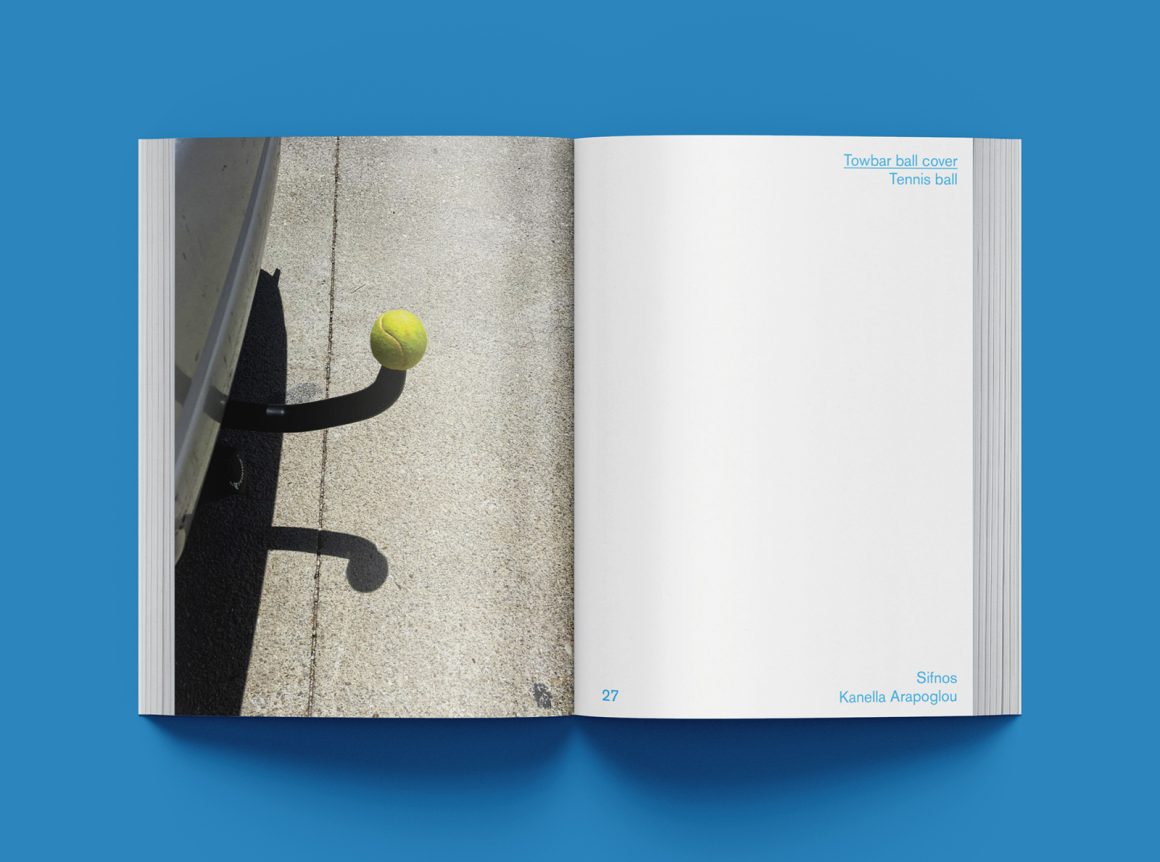
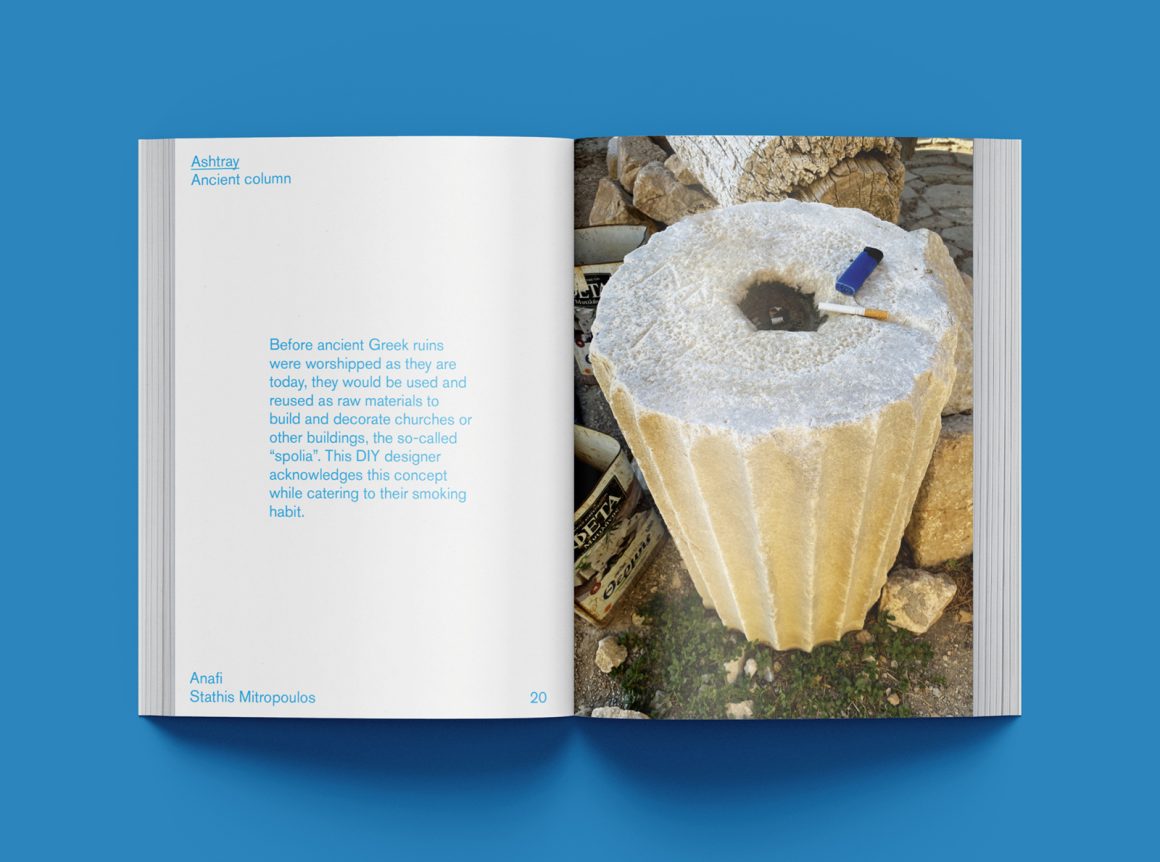
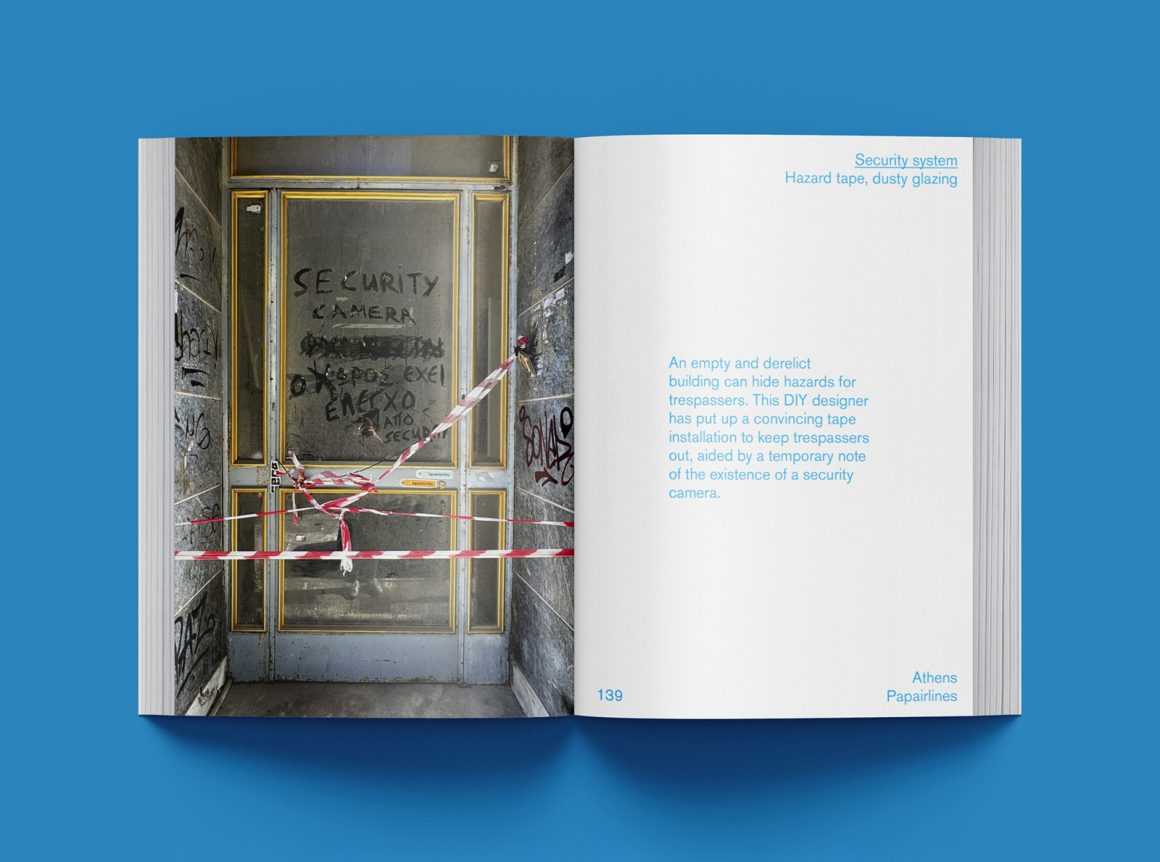
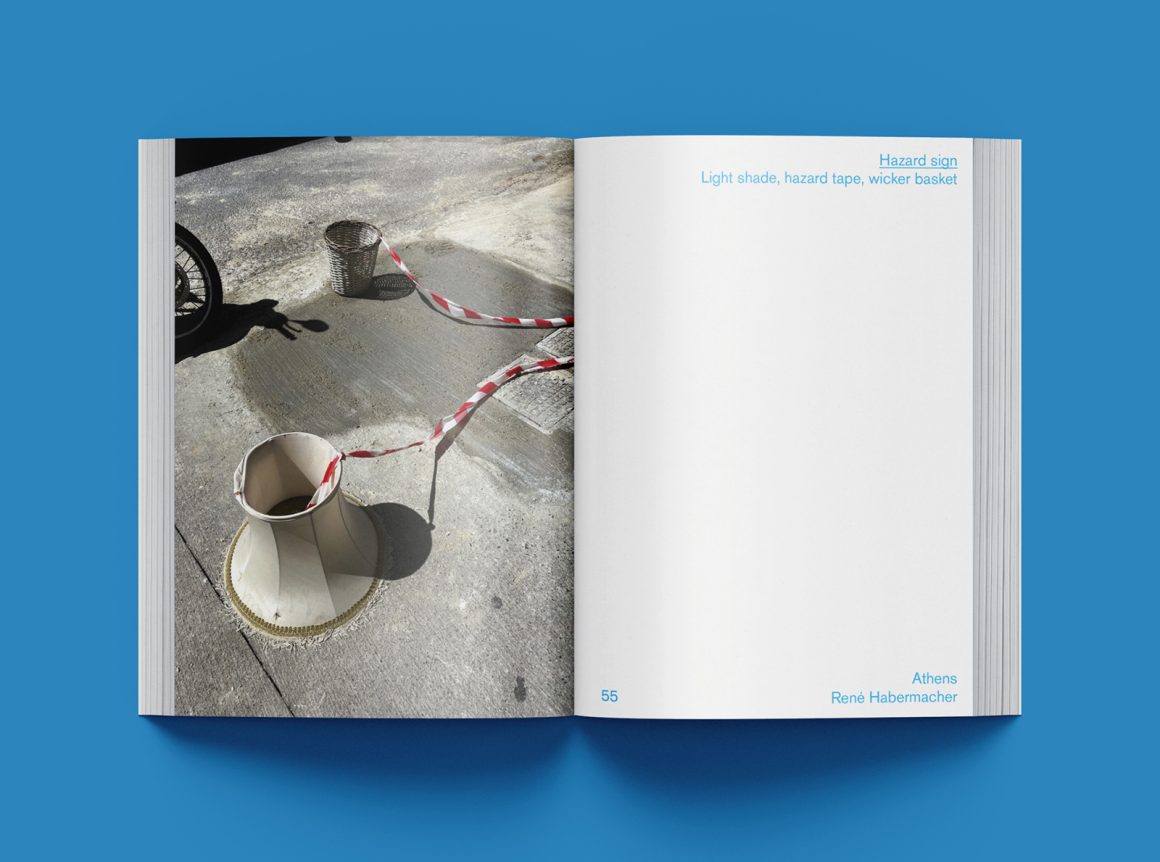
Travelogue: Greek everyday solutions to common problems is a book years in the making. Stemming from the project DIY: Who’s the designer? by Papairlines, this publication serves as a visual journey of the spontaneous DIY culture throughout Greece and explores the connection between design as a practice and the artefacts by unknown individuals who create them.
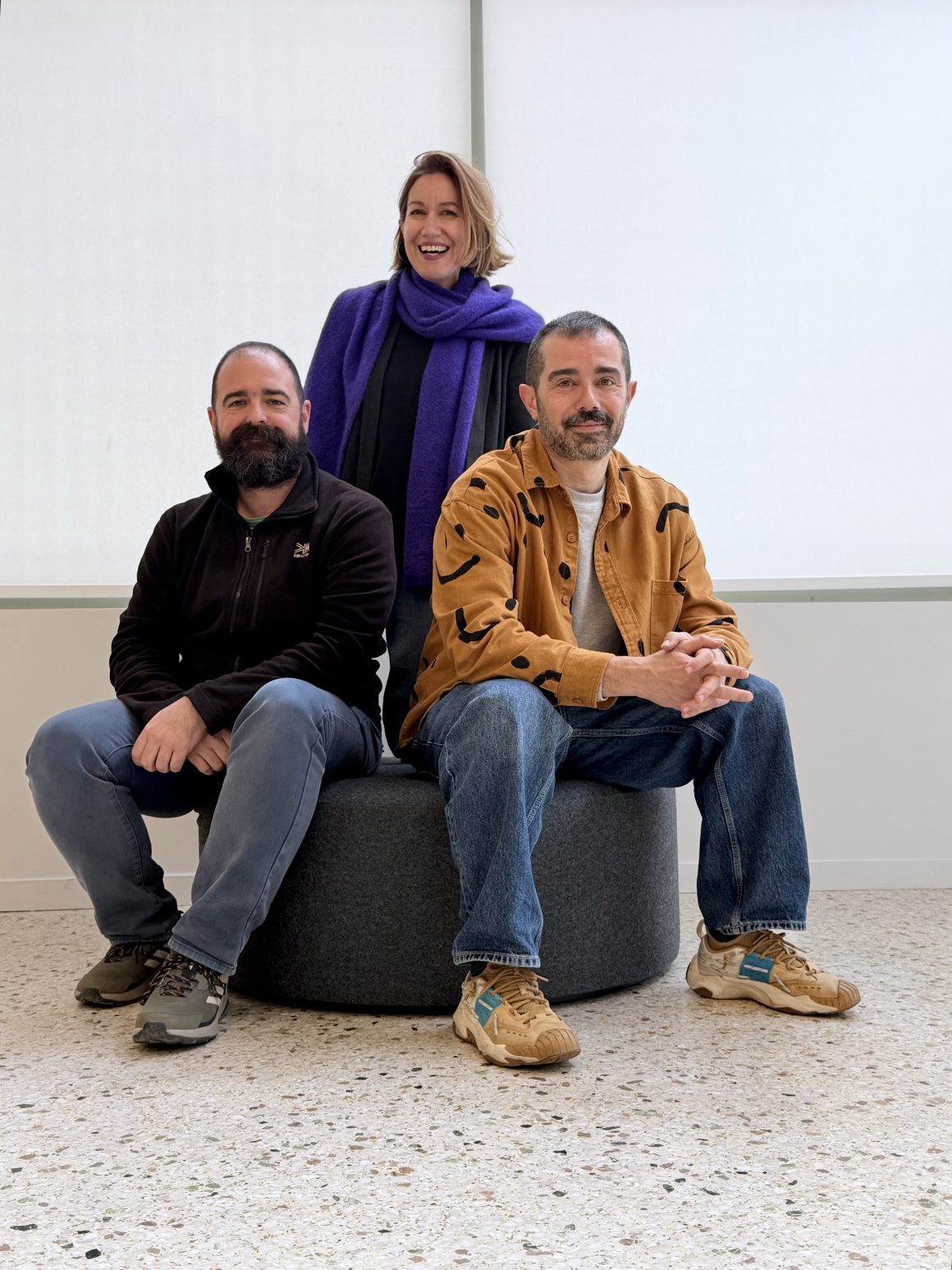
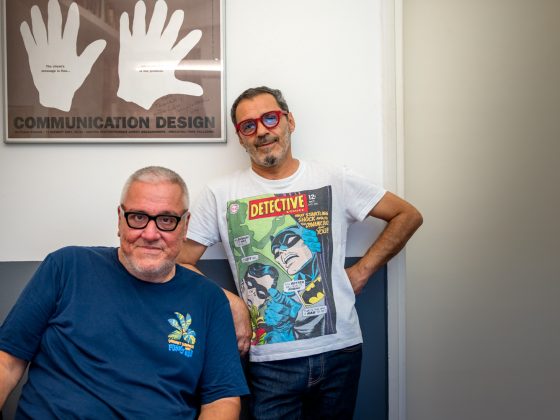
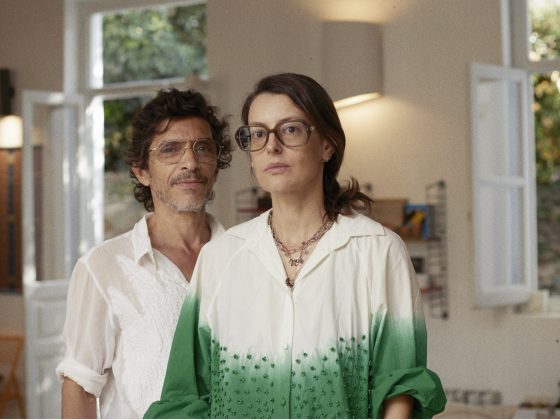
Papairlines are a team of designers, Loukas Angelou, Vasso Asfi and Costas Bissas. With an applied interest in how ideas are born, they began photographing objects by unknown creators before 2012, mainly to satisfy their own curiosity as to how non-designers act creatively, composing solutions to problems and needs while filling in design omissions uncatered for by the existing infrastructure and equipment. As the team’s thoughts on DIY: Who’s the designer? Matured and their personal photographic collection grew, conversations around every new found photo provoked a desire to involve more contributors in the project. New perspectives could bring invaluable fresh information and interesting objects from distant and remote locations. To the question “What ingenious objects might exist in Greece that have been created by DIY designers?”, the team responded with an open call to professional and amateur photographers asking for images from all over the country.
The first volume of Travelogue: Greek everyday solutions to common problems came with a great surprise: what we initially thought was a personal design project turned out to have a wider reach, an ethnographic and cultural angle that made it relatable to a non-design oriented audience. It has been a great pleasure to observe people’s reactions, to receive messages and images from our peers, but also from complete strangers who obtained a copy.
From stories of grandparents who create DIY objects “in the village” somewhere in the Balkans, to readers sharing their thoughts about “seeing low-tech solutions everywhere” around them, the book stirred interesting conversations and created awareness about the nature of these peculiar objects. Furthermore, our publishers kept sharing stories of the reactions from clients of their bookshop in Athens, and we followed the book travelling to a number of bookshops from the US to Korea. With all this positive feedback, it was only natural for us to move forward with this follow-up volume, presenting even more images of ingenious solutions found across Greece.
Is humor an essential ingredient in our lives, and what are your favorite images from the new book?
Just like the creations of the anonymous creators prove, humour is one of the essential attitudes/ingredients to understand these DIY objects. They might not bear the same responsibility such as ready-made products do, but through their characteristics, they help us generate new thoughts, shed light to unexpected needs with more or less humour, technical competence and aesthetics.
It is difficult to single out some images as our favourites, since each one represents a different concept and tell a different story.
What are Papairlines, and what other publications do they support?
Papairlines are the first no-budget airlines founded in 2011 by Vasso Asfi, Costas Bissas and Loukas Angelou between Athens and London. Operating “design flights”, papairlines use travel as a metaphor to draw connections between aesthetics and usability, process and result, stereotype and evolution, behaviour and emotion.
Papairlines experiment through designing experiences that promote lateral thinking and illustrate alternative design approaches with a series of actions including exhibitions, talks, seminars and workshops and publications.
Our latest essay, “Learnings from DIY culture in Greece: DIY as an act of rebellion & resistance”,has been included in PAD journal issue 29 “design and Making”.
Hyper Hypo are our publishers and above all very good friends.
How much of Greece is reflected in this project, and what would you like the ideal reader to take away from it?
Probably more than one could handle! Our aim is to document these artefacts in their surroundings to understand the context but the way people perceive them is very personal and subject to their own experiences and point of view.
How do you approach design in this project? Is it a form of art aimed at creating emotions for the audience?
We look at design through the eyes of anonymous creators, that might not bear the same responsibility on form and function but, by leading through example, they help us generate new thoughts, shed light on unexpected needs with more or less humour, technical competence and accidental aesthetics. And while each creator’s motivation is mostly unknown, the photos manage to generate optimism and the satisfaction that inventiveness has no end.
Having created spaces, design objects, workshops, books, and more, which creative paths excite you the most, and what comes next?
With the excitement that the books have been received, we are looking at different way to expand this project. We are wondering how similar attitudes and creations look and feel on an international level and what are the conclusions we can draw from collecting images from different countries. Potentially we see an international expansion of the book.