Tell us about the highlights of your journey. What have been the significant steps that brought you to where you are today?
My relationship with painting began at a very early age. I found myself in an art studio when I was four years old, and for as long as I can remember, I knew this was what I wanted to do. I don’t remember ever consciously deciding to become an artist. Painting was part of my life from the very beginning and grew alongside me.
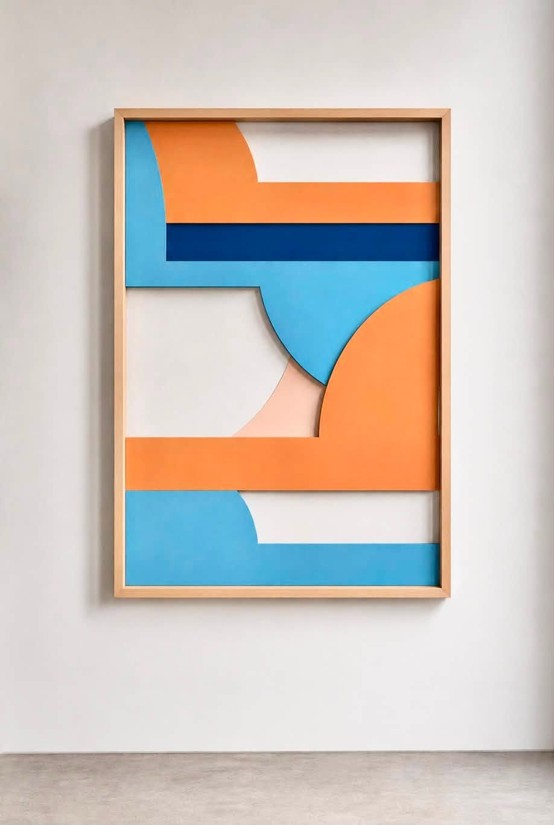
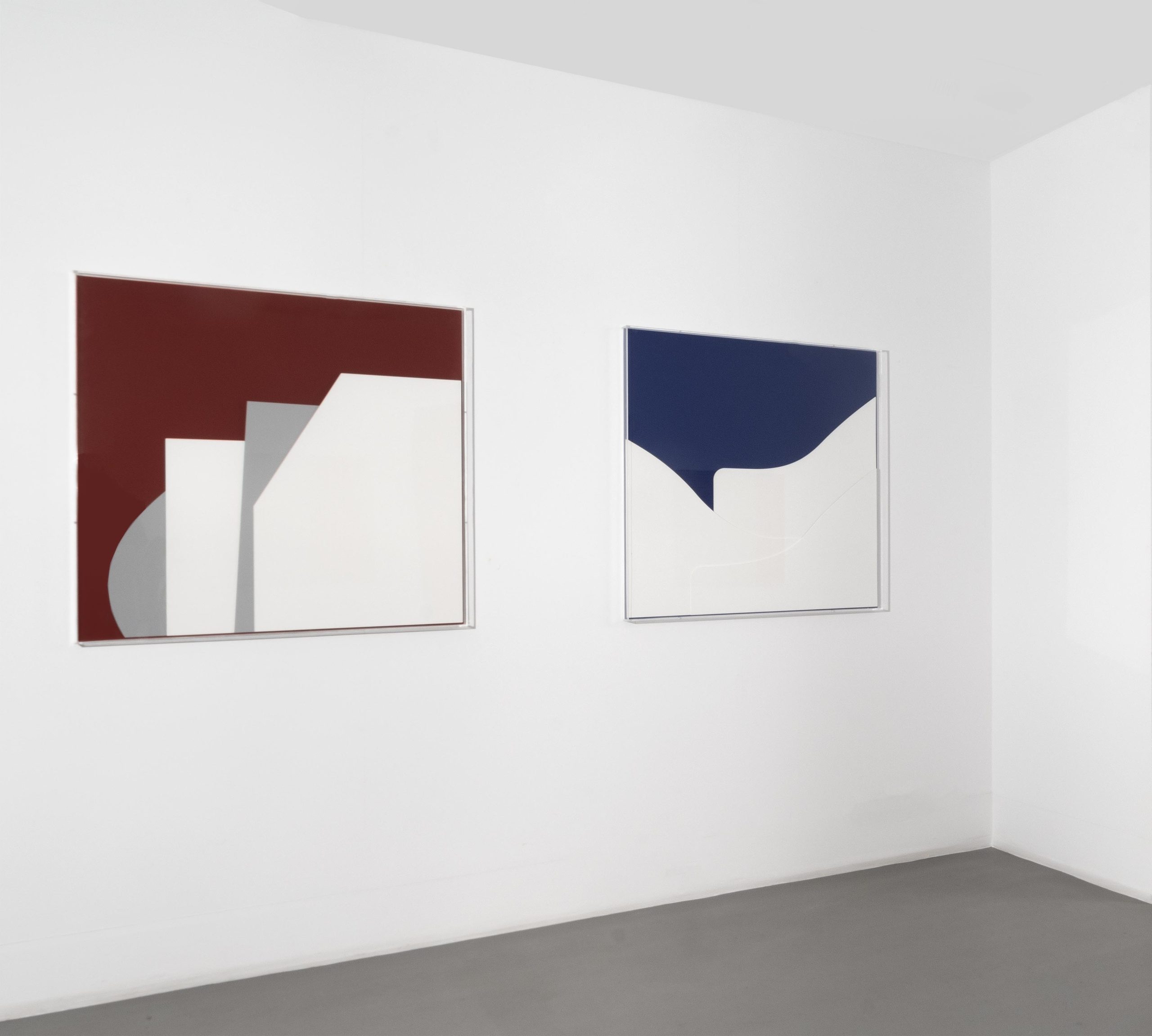
My studies in Italy fundamentally changed the way I saw and worked. They were followed by more than twelve group exhibitions and six solo shows. My collaboration with Roma Gallery marked another important phase in my practice. I began working with constructions and on a larger scale. This took me beyond the boundaries of painting and led me to think more deeply about how a work exists and functions within a space.
If there is one thing I feel has brought me to where I am today, it is my passion for painting and my need to keep evolving. Looking back, I see a natural continuity from that first art studio to where I am now.
Creativity is a central axis of your life. How did you discover a creative perspective through painting, how was your first idea born, and what else informs your explorations?
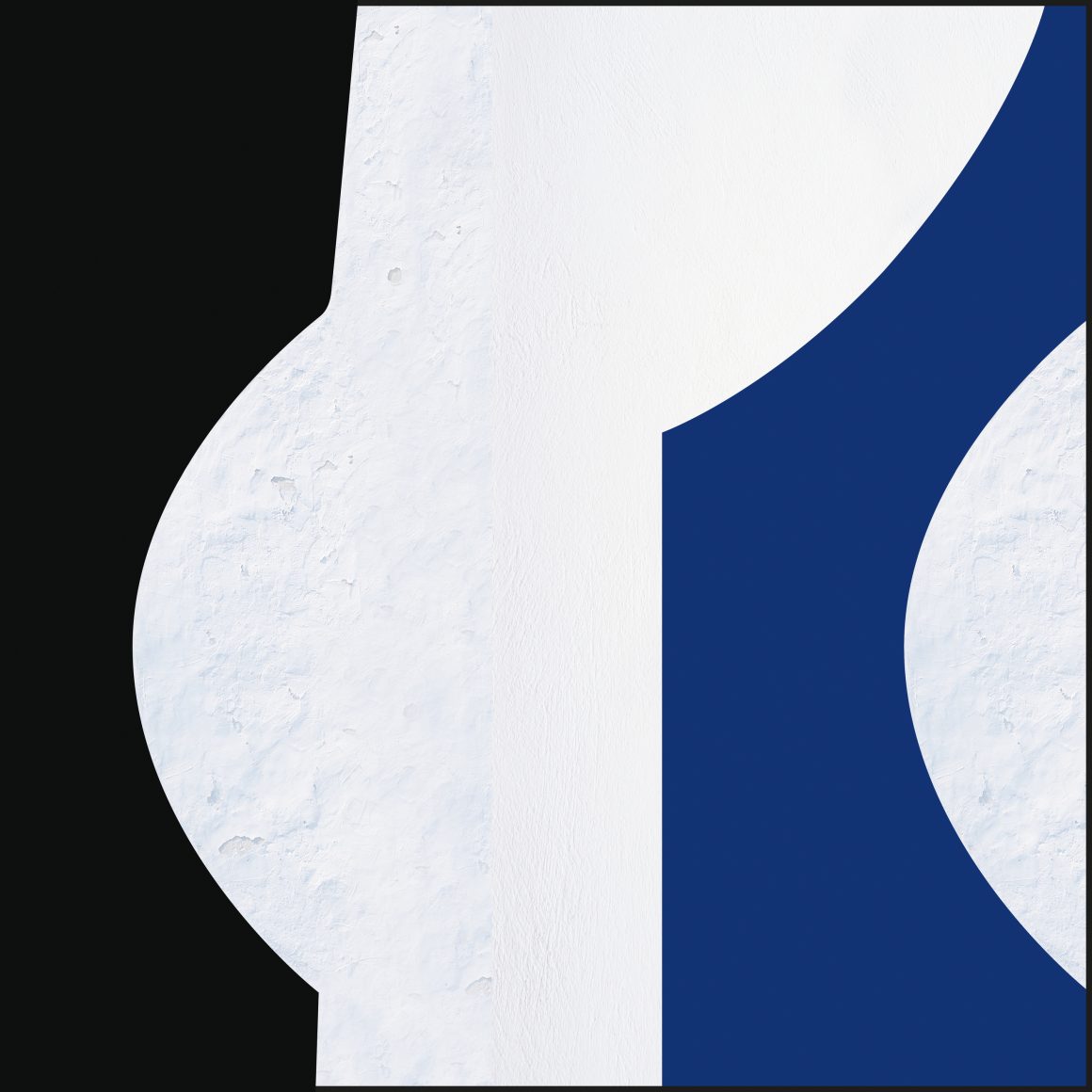
Painting has always been a way for me to observe and process what I see. My first idea emerged from observing Cycladic architecture, and particularly its domes. I was fascinated by the way their clean lines and curves transformed under the Aegean light. Beyond painting, landscape, architecture and music also influence the way I think.
You have a distinctly minimalist aesthetic that nevertheless manages to captivate. How do you find inspiration, and what do your works depict?
For me, minimalism is more a way of thinking than an aesthetic choice. The more pared back things are, the more space they leave for the imagination.
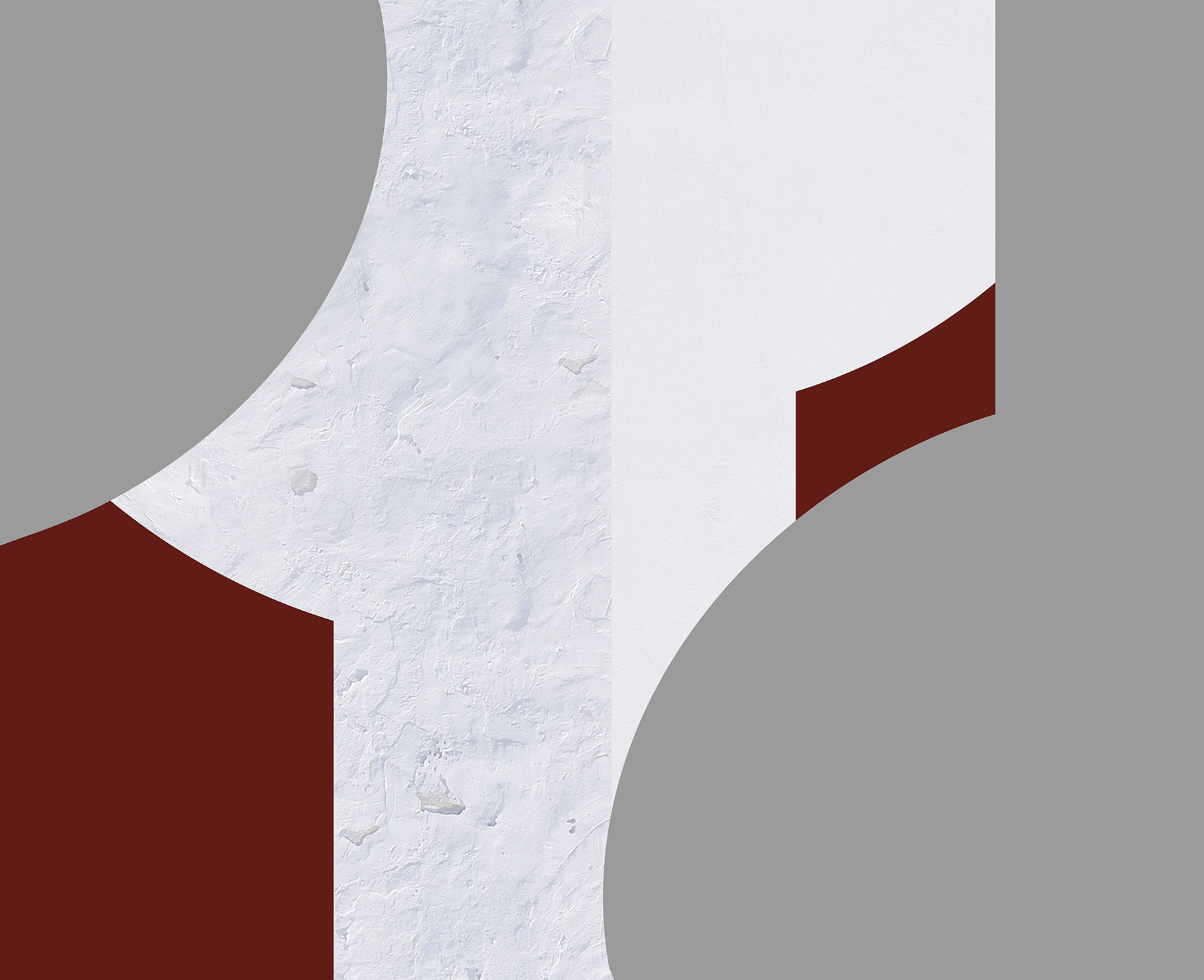
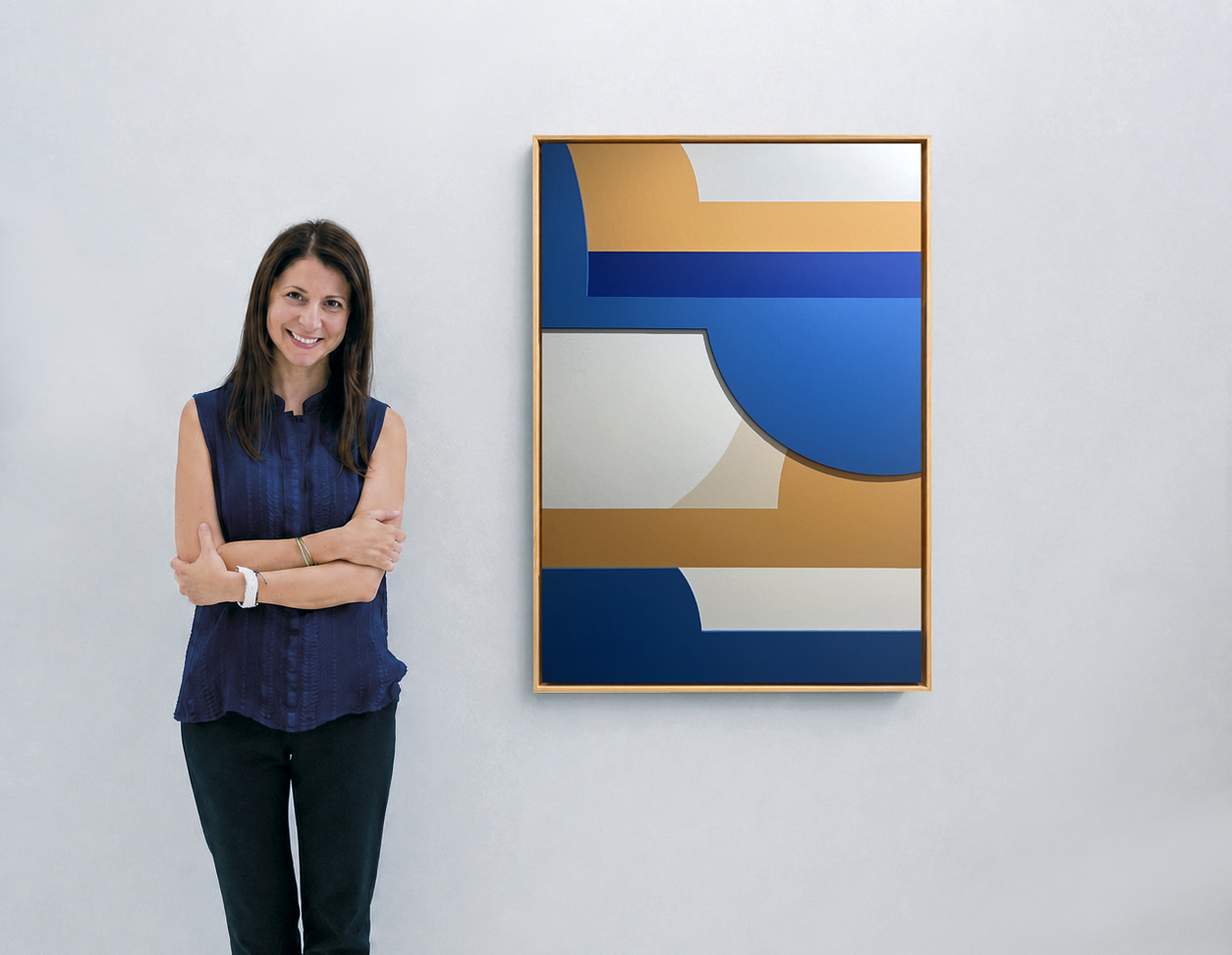
The Cyclades, their architecture and their light are constant sources of inspiration. I am not interested in faithful representation, but in distilling, reducing and reconstructing essential elements into a personal, geometric visual language. I want my works to convey something of the character of the place where they were born, wherever they may eventually be seen.
Tell us about the idea behind your depiction of the Chalki Festival. How did you choose the colours and forms, and what is the story behind the image?
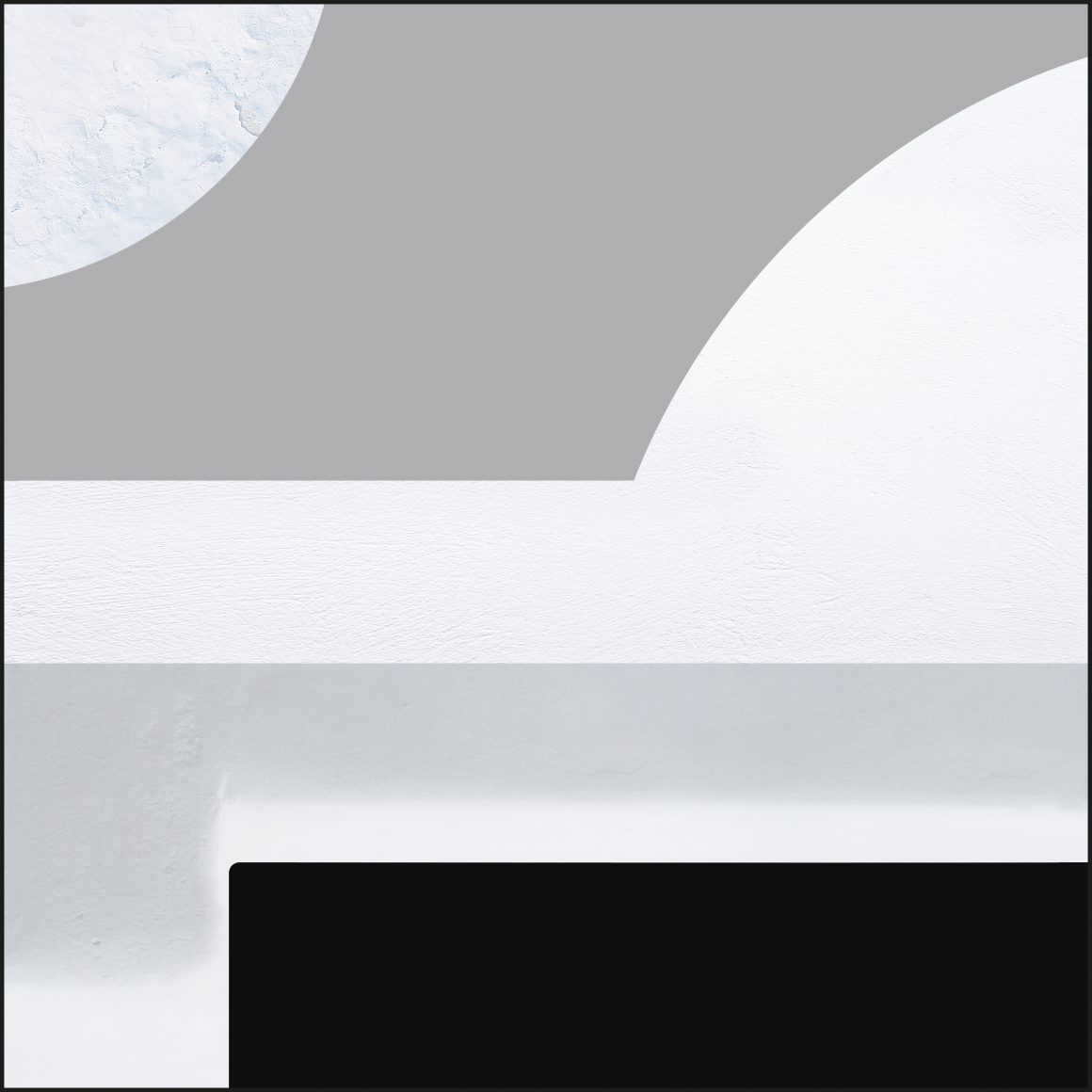
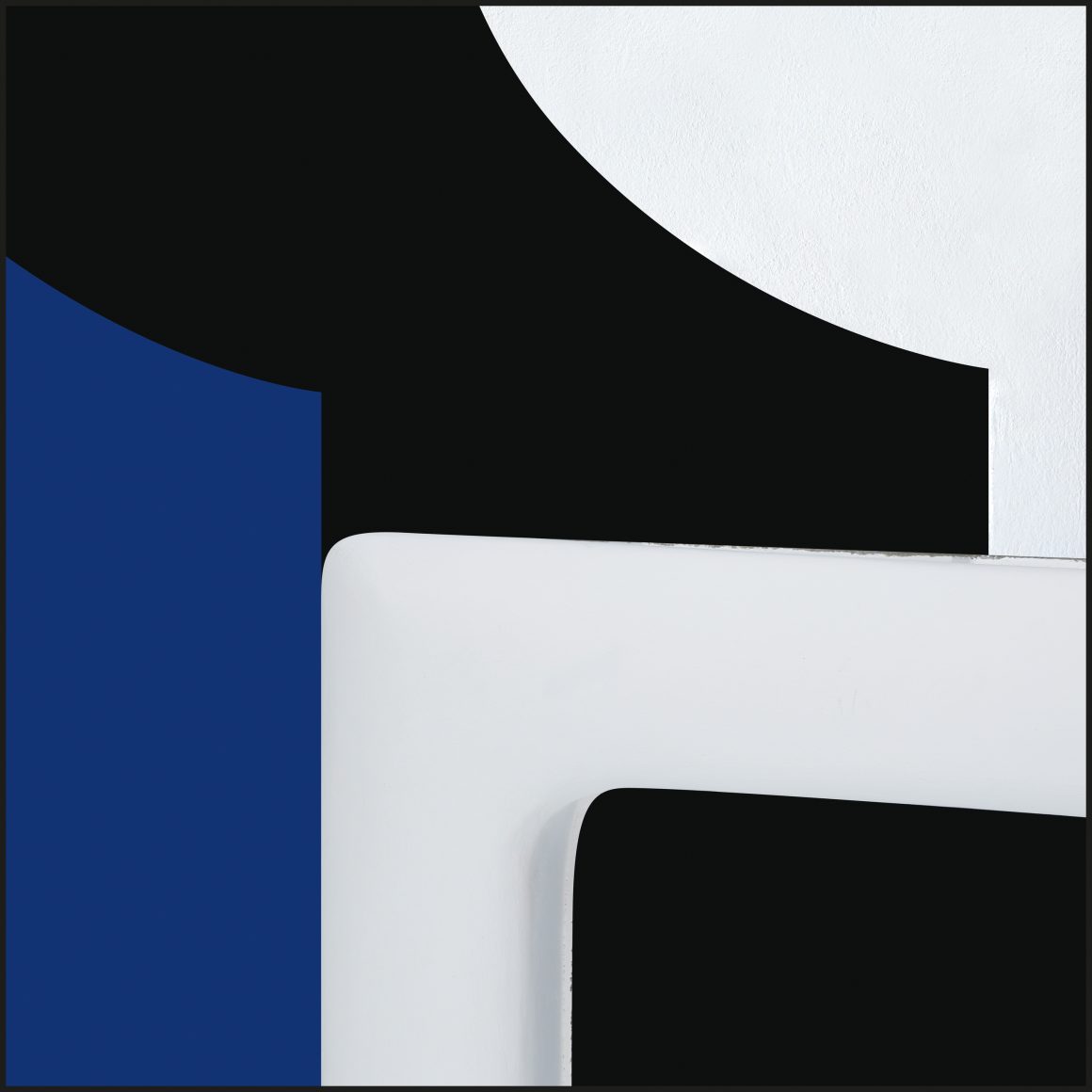
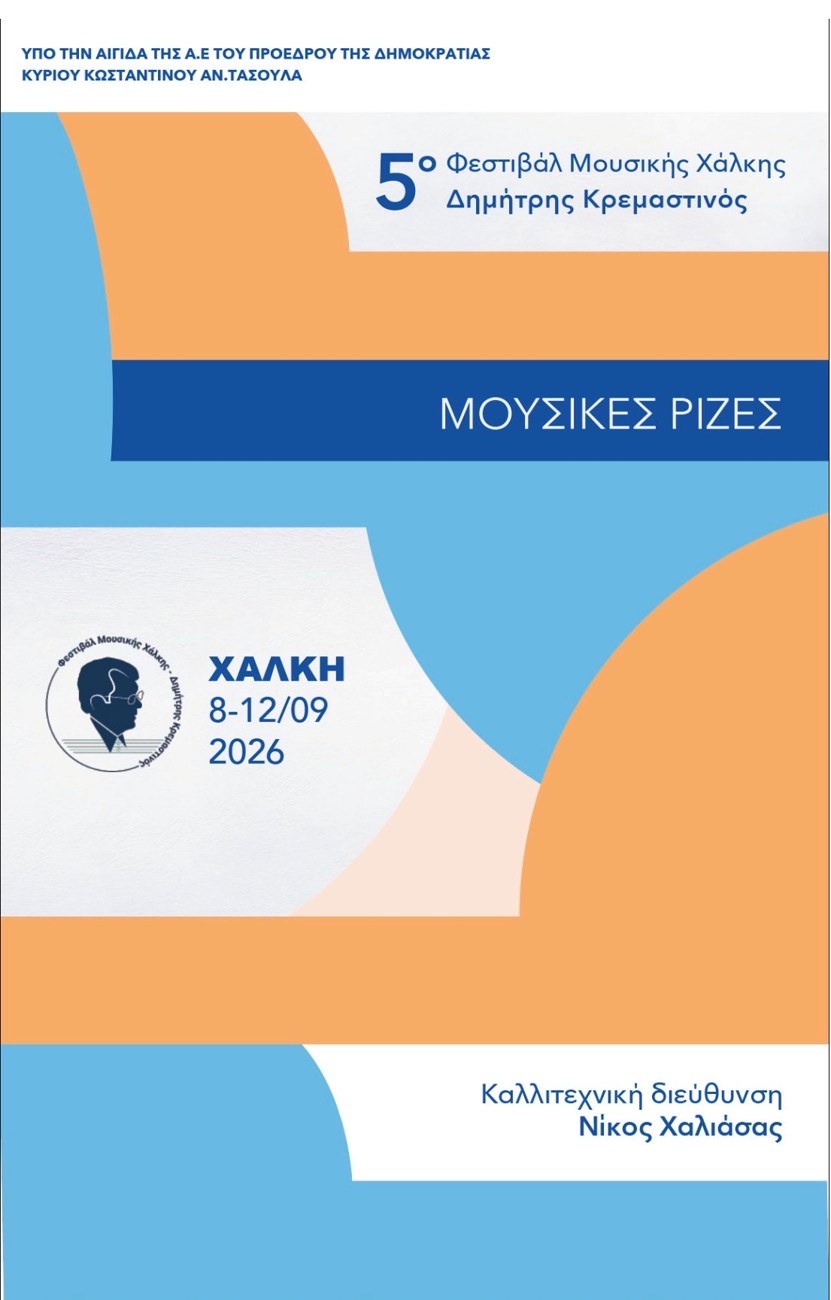
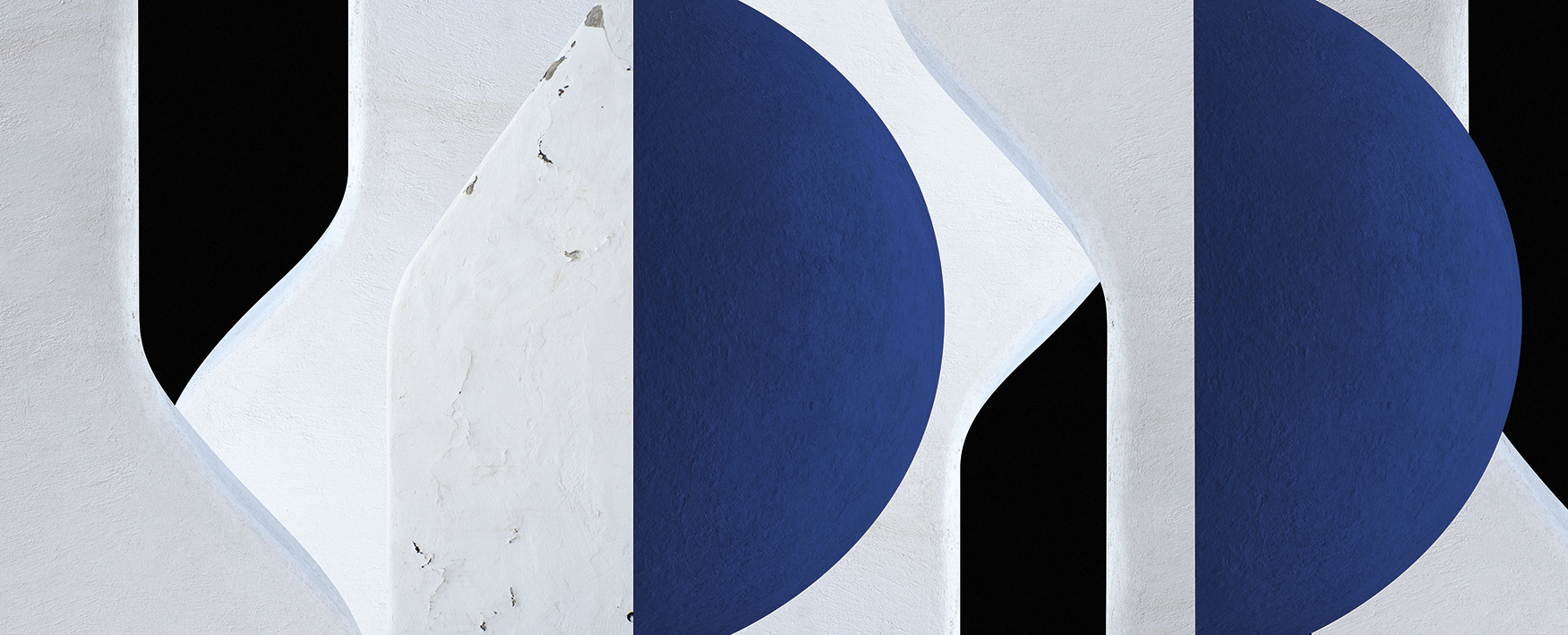
Oimi was created specifically for the 2026 Chalki Music Festival. The word comes from Ancient Greek and is associated with song, melody and poetic narration.
I wanted the image to bring music and place together without depicting Chalki in a literal way. The colours and forms emerged from the island’s light, sea and architecture. Geometry allowed me to strip away everything unnecessary and retain its essence as the memory of music in the light of late summer.
What is it that you most love doing? How intrigued are you by a new concept?
I love the moment when an idea begins to take shape and, along the way, changes or leads me somewhere I had not imagined. What interests me most is the creative process itself and the challenge of experimenting with new forms and materials.
What kind of stories do your works tell?
I wouldn’t say that my works tell specific stories. I prefer not to dictate how they should be viewed. Everyone can approach them in their own way.
What do you consider to be the key elements in your art for the outcome to be successful, and what are your non-negotiable values?
Everything begins with a clear idea. Then come balance, geometry, colour and the quality of execution. For me, authenticity and the relationship of each work to the place and time in which it was created are non-negotiable. I don’t want to create something simply because it is a trend, but because it genuinely expresses me. In the final work, I don’t want anything to feel accidental or superfluous.
Having already been working for several years, how do you feel your aesthetic has evolved?
My aesthetic has evolved primarily through reduction. As time goes by, I feel that I need fewer elements to express what I want to say. My personal language is becoming clearer, while my choices in terms of form, light and colour are becoming more conscious.
What do you consider to be your most significant achievements and major milestones?
Looking back, I would single out the six solo exhibitions I have presented. A particularly important place among them belongs to the most recent one, at Roma Gallery, curated by Christoforos Marinos. These exhibitions are significant to me because they document the evolution of my work: the transition from painting to constructions, the move towards a larger scale and my gradually more conscious relationship with space. Equally important is the fact that my work is now reaching people who had not encountered it before. If I had to speak of one truly meaningful achievement, it would be that I have managed to explore new directions without losing the way I see and think.
What else is on your immediate horizon?
The coming period includes a series of important presentations of my work, beginning with the Chalki Music Festival, from 8 to 12 September, for which I created Oimi. In November, I will present a selection of my work at Art Athina. At the heart of my plans, however, is my new solo exhibition at Roma Gallery, which I have been preparing for around a year with art historian Alia Tsagari and which will be presented in spring 2027. In June of the same year, I will also participate with Roma Gallery in the Basel art fair.
How has your design philosophy evolved over time, and what do you feel holds particular value today?
Over the years, I have learned to subtract and keep only what is truly necessary. I value clean lines, precise proportions and balance. Today, I am primarily interested in a design that can stand on its own without relying on too much.
Is art and creativity, more broadly, a path towards becoming better human beings?
I believe it is. Art teaches you to observe, to notice things that might otherwise go unnoticed and, above all, not to assume that there is always only one right answer or one direction to follow. In this way, you learn to accept that others may see things differently.
The creative process is also an exercise in honesty. You need to listen to yourself, be patient and accept that things will often not turn out as you initially imagined. This teaches you to persevere, but also to leave room for the unexpected.
What do you love, and what don’t you love, about the world you work in?
I love passion, meaningful collaborations and people who create because they have something genuine to say. I don’t care for superficiality or excess. I believe art doesn’t need to shout in order to stand out.
Three places you love returning to, and why?
First, the Cyclades. I return for their light, colours and architecture. Then Milan, where I lived as a student and which is connected to a defining period of my life, filled with images and experiences that shaped the way I see art. In recent years, I have also returned to Serifos, a place I love deeply. It is my little paradise, where I find peace, disconnect and recharge with new images and energy.
A story you will never forget.
I remember very vividly my first group exhibition abroad, in Orvieto, inside the castle. I had been invited by Antonio Manta and found myself surrounded by artists whose work I admired. At first there was a certain awkwardness, but by the end of the day we were all talking together in a very simple, human way. The following year, we met again in Sardinia, at an altitude of around 1,500 metres, for a workshop exploring light and shadow in nature.
The museum and the work of art that stole your heart.
The Mark Rothko room at Tate Modern, where the nine works by Rothko in the Tate collection are presented in low light and within a relatively confined space, as he himself intended. You need to stay for a while and allow your eyes to adjust before the successive layers of colour and the vibrating surfaces begin to reveal themselves. I am fascinated by this slow revelation, and by the way light and space heighten the power of colour.
Give us your own definition of beauty.
Beauty is balance. It is the moment when nothing is superfluous and nothing is missing. It is simplicity with character, something that makes you want to look at it a little longer.
Have you ever designed something for a home collection? If not, what would you create?
I have already experimented with translating my work into functional objects and have seen that it can work. Five years ago, I designed a sculpture, which I later adapted into a vase for the purposes of an exhibition. More recently, in collaboration with Roma Gallery, I also designed a limited-edition piece of jewellery inspired by my work.
I like it when a work of art becomes the starting point for a functional object, without the result losing its artistic identity.
What do you consider authentic today?
At a time when we are constantly seeing the same images and the same trends, I think it is important to remain true to who you are and to what you want to say, without following something simply because it is current. For me, authenticity is something that, when you look at it, allows you to recognise a part of yourself within it.
5th Chalki Music Festival – Dimitris Kremastinos
“Musical Roots”
8–12 September 2026