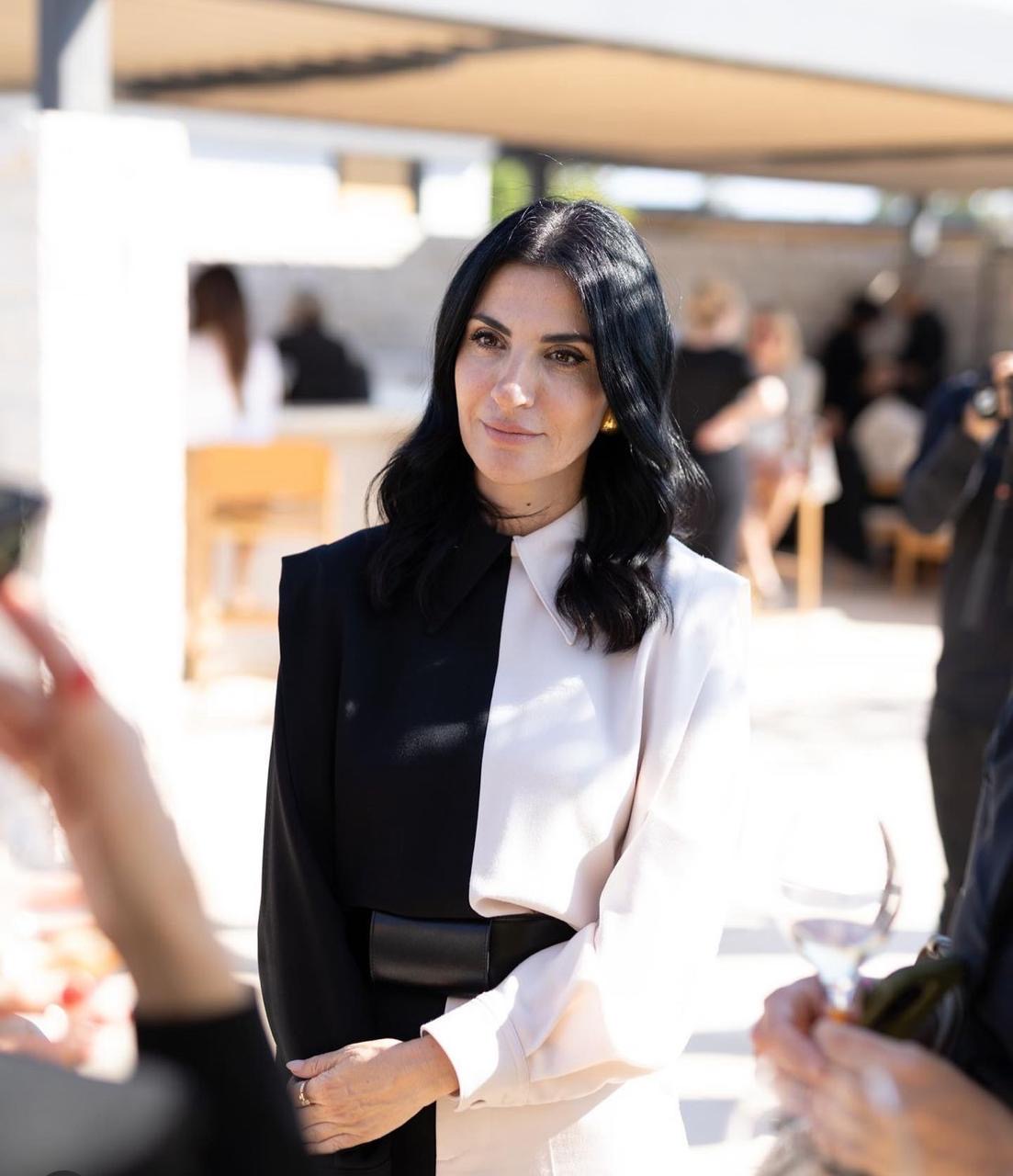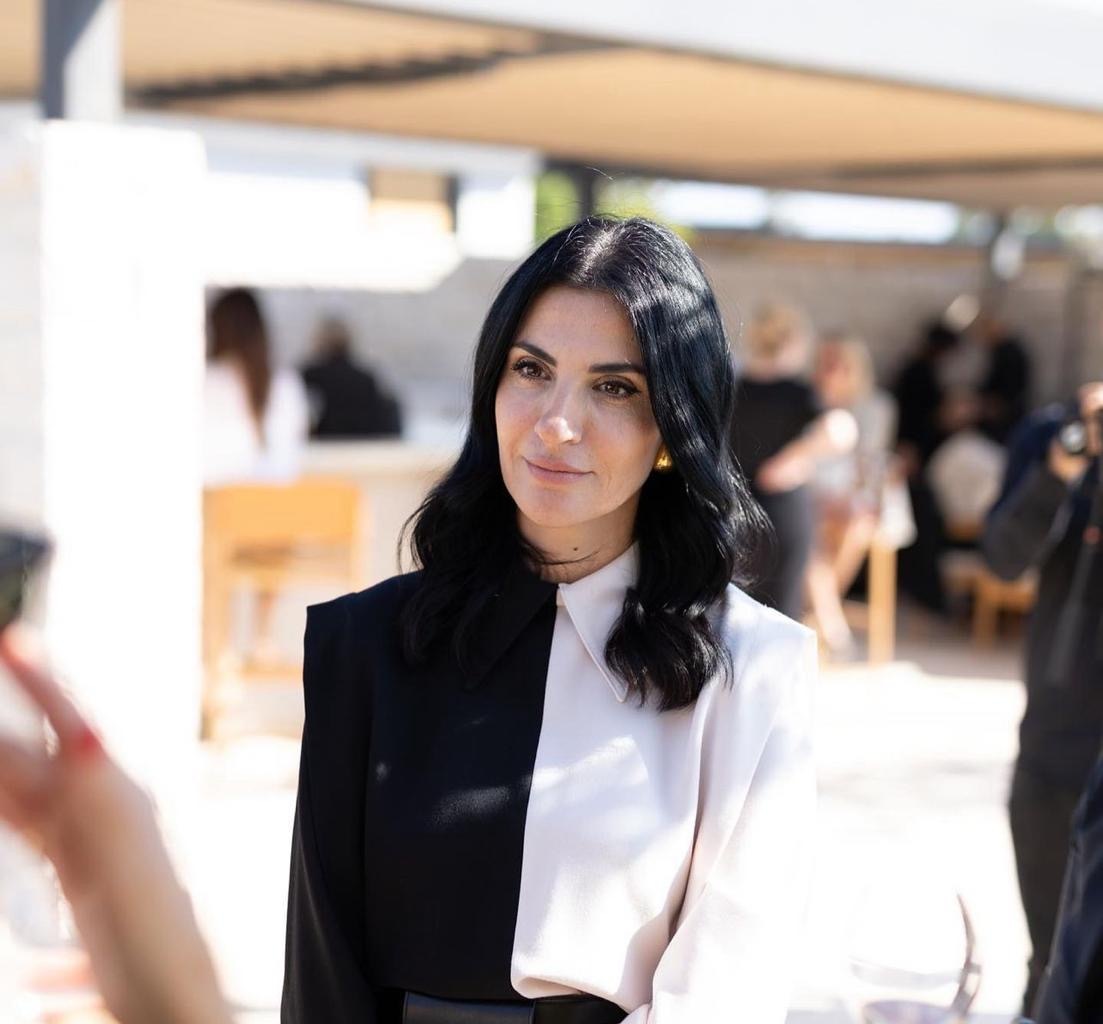
How would you describe the journey that brought you to where you are today?
My journey itself, the way I have lived and the different stages of my life have, I think, led me to where I am today. I grew up on Naxos, in a family with a very strong connection to the place. My parents and grandparents instilled in me a love for the land, nature and animals, as well as a sense of community, care, sharing and giving. These were not things they taught me only through words; I witnessed them every day in the way they lived.
I studied Philosophy, Education and Psychology and went on to work in teaching. Later, I entered the hospitality sector and began to see the island through gastronomy, the landscape and the experience of someone who comes to Naxos wanting to truly discover it.
Today, I realise that although these paths may initially have seemed unrelated, they all shared a common core: a connection with people and place, knowledge, care, and the desire to create and offer something meaningful.
How was Polykrιti born, and what is its philosophy?
Polykrιti was born out of the need to create a space where knowledge, tradition and culture could remain alive and acquire meaning in the present. I was never interested in simply creating an organisation that stages cultural events.
I live on Naxos and was born and raised here, so my relationship with the place comes from within. I am interested in listening to it, understanding its needs and trying, each time, to add something meaningful to what already exists. Children and young people always hold a particularly important place in this effort.
If I had to sum up Polykrιti in a single thought, I would say that we try to create bridges between what we have inherited and what we can still create; between knowledge and lived experience, between generations, and ultimately between a place and its people.
Behind the historic olive grove and the Kambones estate lies a fascinating and long-standing history. What is that story, and how is it connected to your family?
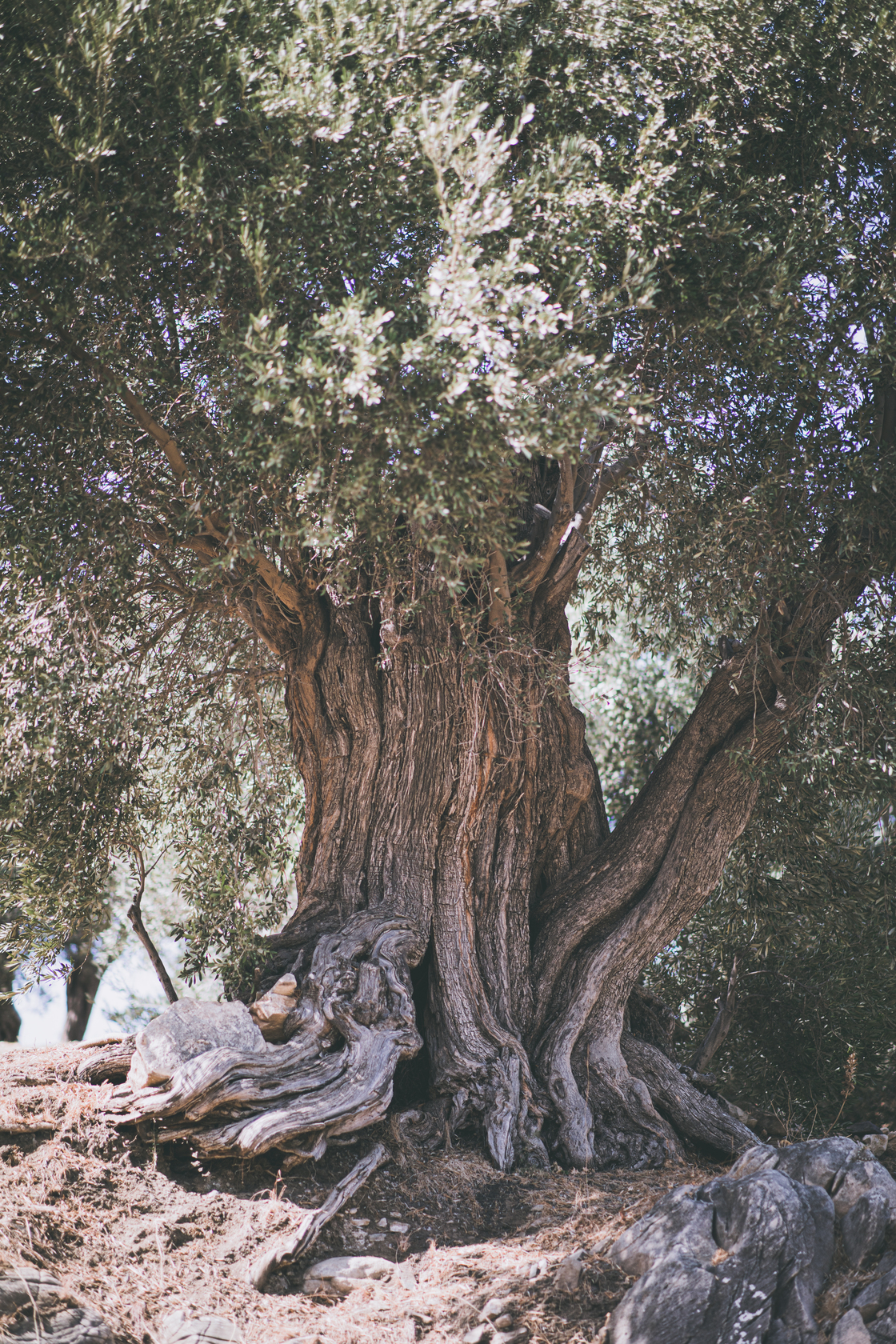
Kambones became part of my family’s history in 1901, when the estate was purchased by my great-grandfather, Nikolaos Polykretis. At the time, much of Naxos’s fertile land was still owned by Catholic families of Venetian origin, and the cultivation of the land often took place under conditions with a distinctly feudal character. Against this backdrop, for an Orthodox farmer to acquire such fertile land was a significant achievement for the time.
I grew up hearing this story from my father. My great-grandfather had to borrow part of the money needed for the purchase and, as my father always recounts with emotion, thanks to the estate’s abundant production, he managed to repay the debt within the very first year. In our family memory, this remained a story of hard work, faith and divine providence.
Since then, Kambones has been passed down from one generation to the next, and today I am the fourth generation entrusted with its care. That is why, for me, it is not simply a family estate; it is a place we inherited with a story and, along with it, the responsibility to care for it and pass it on to those who come after us.
What exactly is being prepared with the exhibition Nurturing Mechanisms: Interweavings at Kambones? How did the idea for the exhibition emerge, and what does it include?
Nurturing Mechanisms: Interweavings at Kambones is a contemporary art exhibition that will be presented in the historic olive grove from September 5 to 19, curated by Sevastiana Konstaki.
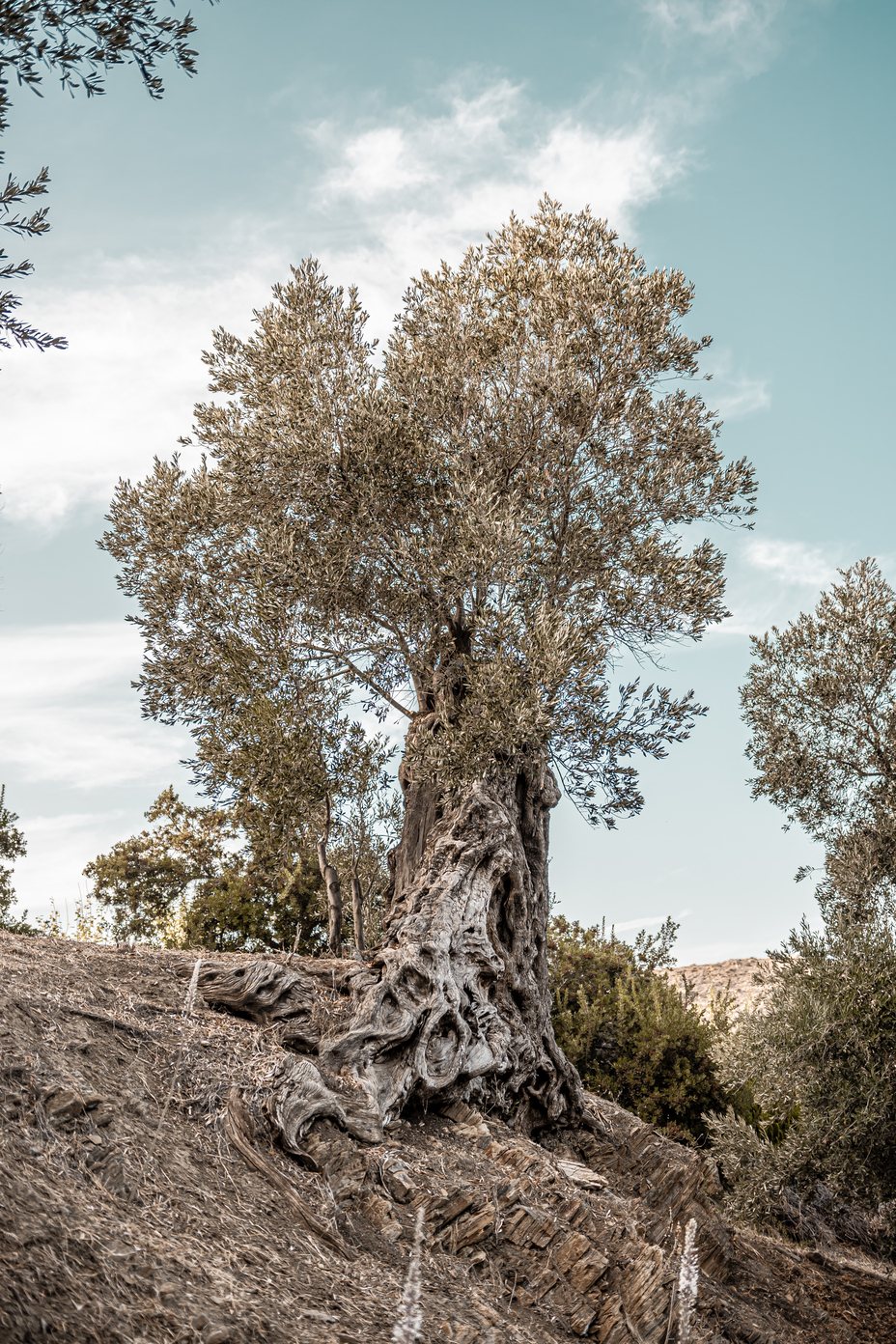
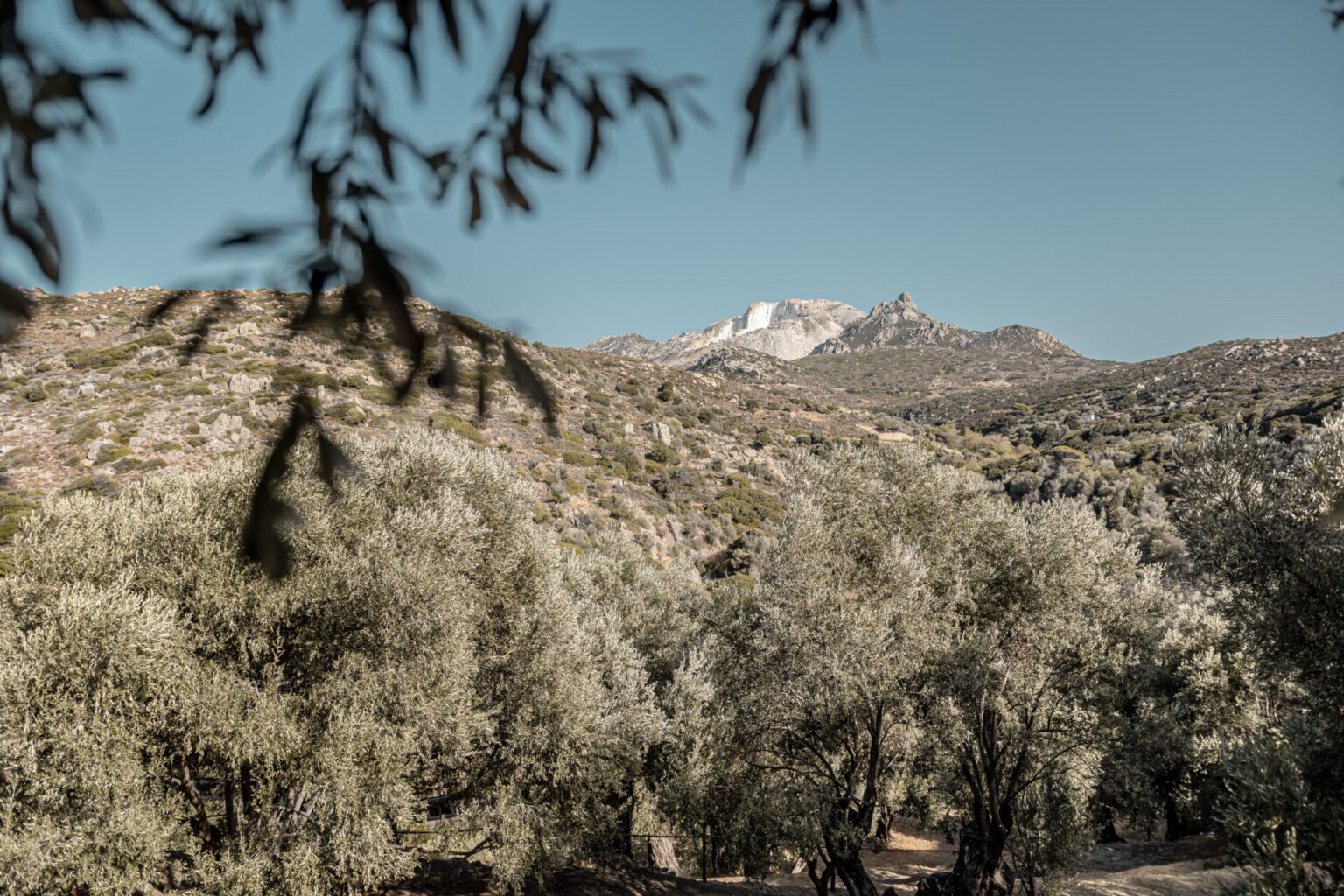
The initial idea emerged from the place itself. From the very beginning, I did not imagine works simply positioned within a beautiful olive grove. I wanted the trees themselves to become an integral part of the exhibition and the works, rather than merely serving as their natural backdrop. I shared this thought with Sevastiana and the artists, and from there a very interesting dialogue began to develop.
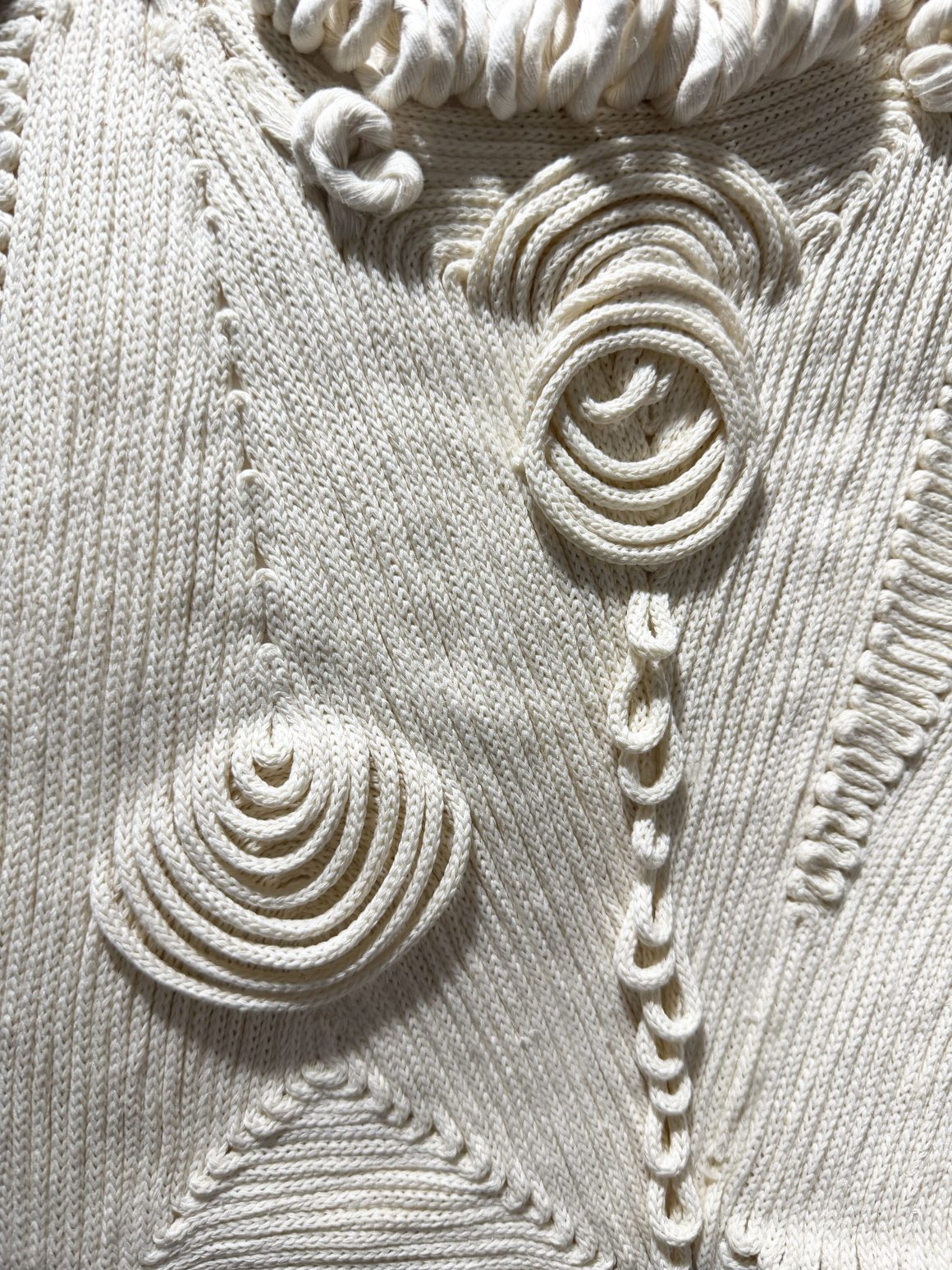
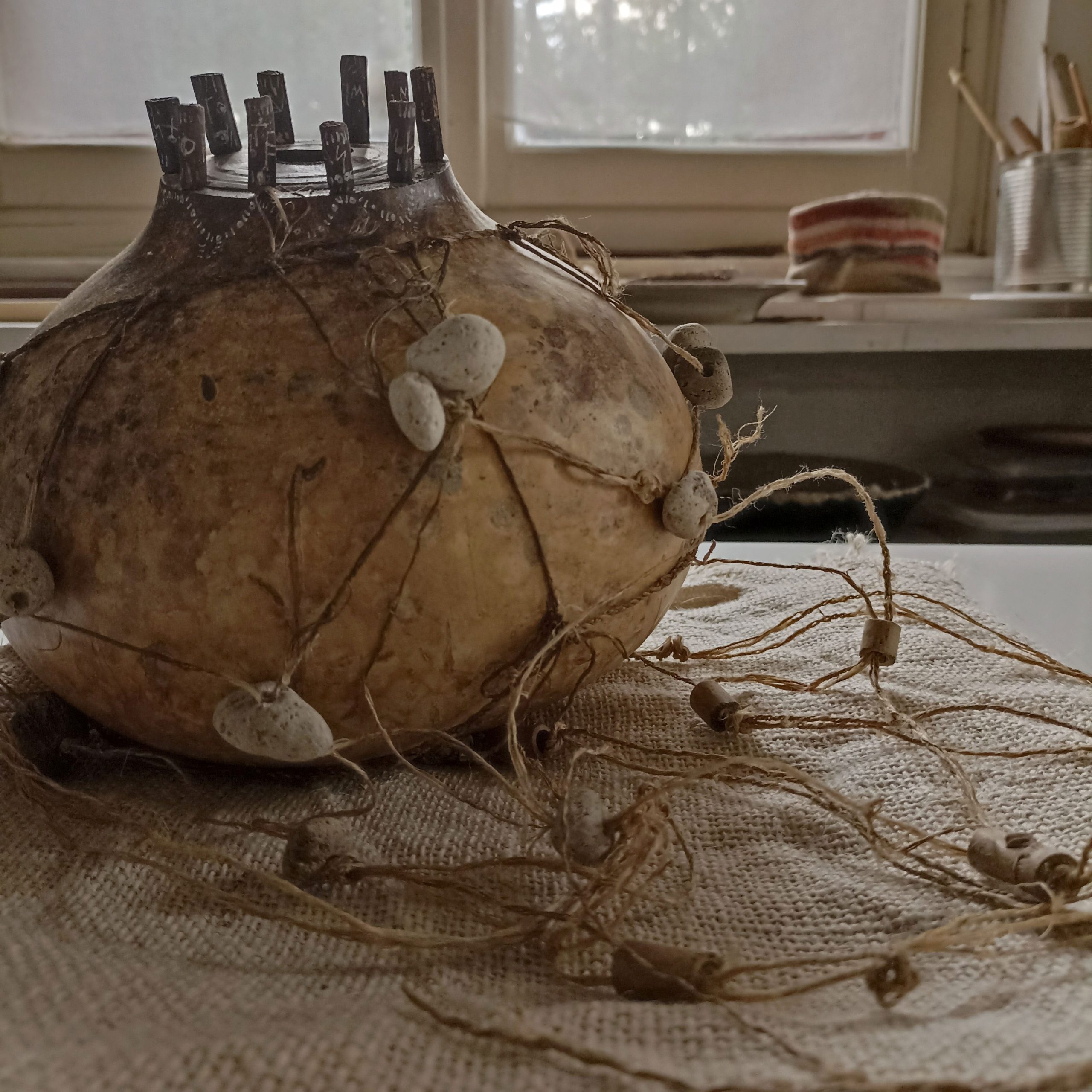
The artists visited Kambones, walked through and studied the olive grove, and created their works through this site-specific research and their relationship with the place. The exhibition includes sculptures, installations and woven works, as well as a sound and poetic performance, while thread, in different forms, acts as a common material running through the works.
What particularly interests me is that the exhibition does not simply arrive at Kambones and occupy the space. It emerges from its relationship with the place itself.
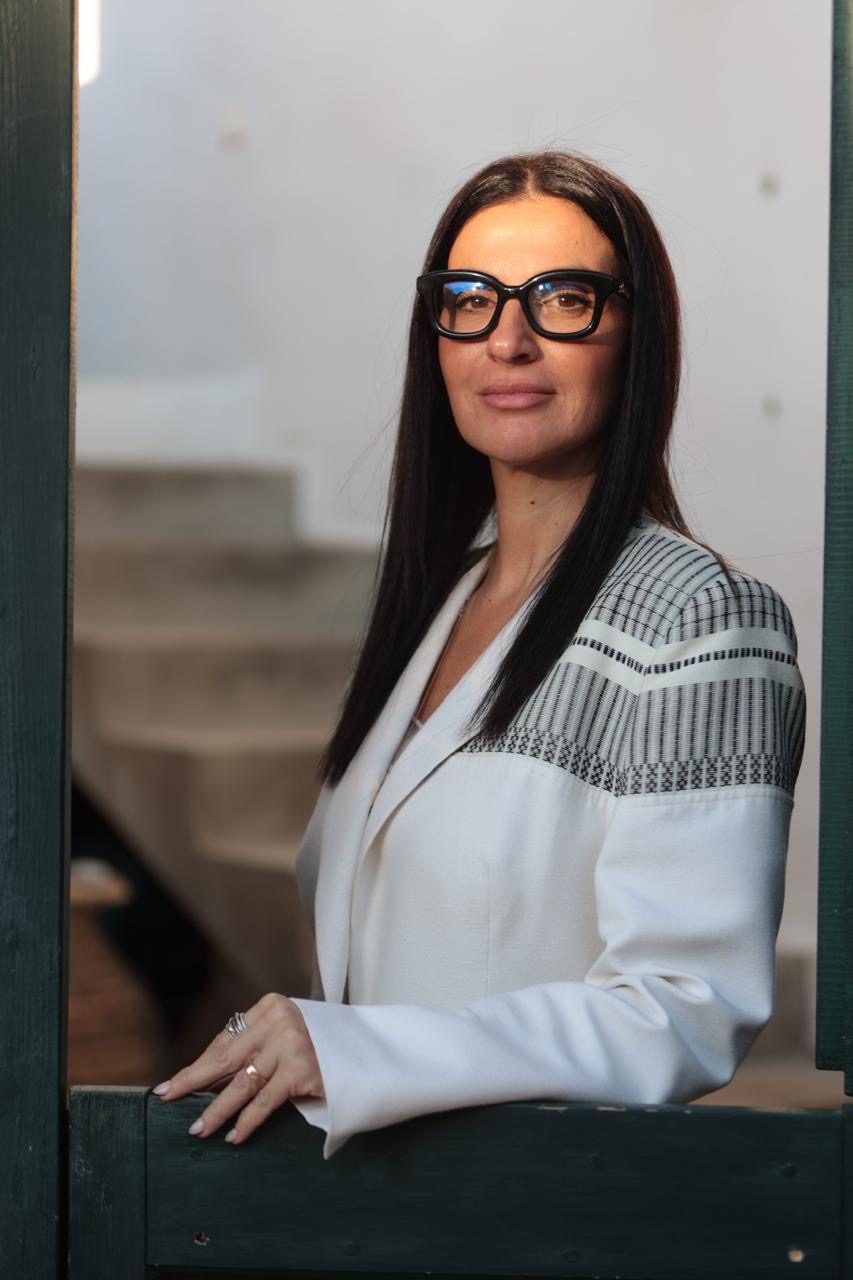
How would you describe the journey that brought you to where you are today?
My journey itself, the way I have lived and the different stages of my life, have, I believe, led me to where I am today. I grew up in Naxos, in a family with a very strong connection to the place. My parents and grandparents nurtured in me a love for the land, nature and animals, but also for the ideas of community, care, sharing and giving. These were not things they taught me only through words; I witnessed them every day in the way they lived.
I studied Philosophy, Education and Psychology and went on to work in teaching. Later, I entered the world of hospitality and began to see the island also through gastronomy, the landscape and the experience of someone who comes to Naxos wanting to truly discover it.
Today, I realise that although these paths may initially have seemed very different, they shared a common core: a relationship with people and place, knowledge, care, and the need to create and offer something meaningful.
How was Polycriti born and what is its philosophy?
Polycriti was born out of the need to create a space where knowledge, tradition and culture could remain alive and acquire meaning in the present. I was never interested in creating simply an organisation that puts on cultural events.
I live in Naxos and was born and raised here, so my relationship with the place comes from within. I am interested in listening to it, understanding its needs and trying, each time, to add something meaningful to what already exists. Children and young people always hold a particularly important place in this effort.
If I had to summarise Polycriti in one thought, I would say that we try to create bridges between what we have inherited and what we can still create, between knowledge and experience, between generations, and ultimately between a place and its people.
Behind the historic olive grove and the Kambones estate lies a fascinating and long history. What is it, and how is it connected to your family?
Kambones became part of my family in 1901, when the estate was purchased by my great-grandfather, Nikolaos Polykritis. At the time, much of the fertile land in Naxos was still owned by Catholic families of Venetian origin, while the land was often cultivated under conditions with feudal characteristics. Against this backdrop, for an Orthodox farmer to acquire such a fertile estate was a very significant achievement for the time.
I grew up hearing this story from my father. My great-grandfather had to borrow part of the money needed to purchase the estate and, as my father always recounts with emotion, thanks to the estate’s abundant production he managed to repay the debt within the very first year. In our family memory, this became a story of hard work, faith and divine help.
Since then, Kambones has been passed down from generation to generation, and today I am the fourth generation entrusted with its care. For me, therefore, it is not simply a family estate; it is a place we inherited together with its history and, along with it, the responsibility to care for it and pass it on to those who come next.
What exactly is being prepared with the exhibition Nurturing Mechanisms: Συνυφάνσεις στις Καμπόνες? How did the idea come about and what does it include?
Nurturing Mechanisms: Συνυφάνσεις στις Καμπόνες is a contemporary art exhibition that will be presented in the historic olive grove from 5 to 19 September, curated by Sevastiana Konstaki.
The initial idea emerged from the place itself. From the very beginning, I did not imagine works simply positioned within a beautiful olive grove. I wanted the trees themselves to become an integral part of the exhibition and the works, rather than merely serving as their natural backdrop. I shared this thought with Sevastiana and the artists, and from there a very interesting dialogue began to develop.
The artists visited Kambones, walked through and studied the olive grove, and created their works through this site-specific research and their relationship with the place. The exhibition includes sculptures, installations and woven works, as well as a sound and poetic performance, while thread, in different forms, serves as a common material running through the works.
What interests me most is that the exhibition does not simply come to Kambones. It emerges from its relationship with the place.
Having already developed a series of initiatives connected to the locality and traditions of Naxos, how important do you consider your work to be, and how has both the local and international audience responded?
I believe that anything created with truth, respect for the place and a sincere desire to give something back to the community has its own significance, regardless of its scale. Not every initiative needs to be large or impressive; it simply needs to have a reason for existing and to add something meaningful to what is already there. This is the way we try to work at Polycriti as well.
The response so far has been very positive. The local community has embraced our initiatives, and that is particularly meaningful to us. There is a special emotion when people from the place recognise something of their own within an initiative—a memory or a part of their shared experience. Even more so when it comes to children and our educational programmes, because that is when you feel that a sense of continuity is being created.
Visitors from Greece and abroad have responded with equal interest, perhaps because through these initiatives they encounter a different side of Naxos, beyond its image as a tourist destination. I believe that when something is truly rooted in its place and expressed with truth and authenticity, it is not limited by its locality. On the contrary, it can become universal, because ultimately it touches upon something deeply human.
What is your greater vision, and how important is it for you to be the driving force behind an initiative that matters to your place?
I am not sure I have a “grand vision” in the sense of a specific final destination. I have more of a direction: to continue creating things in Naxos that have substance, things that emerge from the place itself while remaining open to contemporary thought, art, knowledge and people.
I would like Polycriti to continue creating opportunities for encounter and participation, particularly for children and young people, and to keep adding something meaningful to the island’s cultural life—not with an emphasis on quantity, but on consistency and substance.
As for being the one “pulling the strings”, I do not really see it that way. What gives me joy is having an idea, bringing together people whose work I value, creating the conditions for something to happen, and then watching that initial idea evolve through the knowledge, talent and perspective of everyone involved.
For me, what matters is not being at the centre of an initiative, but being able to create the space for something meaningful to happen.
What else is coming up in your immediate plans? What does memory mean to you, and how important is it to translate it into something contemporary and accessible to younger generations? Are there young people who are interested in preserving the island’s cultural heritage?
For me, memory is not simply the recollection of what once existed. It is a way of understanding where we come from and, perhaps, of making more conscious choices about where we want to go. That is why I am not interested in tradition as nostalgia; I am interested in continuity.
And this is where I believe we have a responsibility towards younger generations. Not to hand them something ready-made and simply ask them to preserve it, but to give them the opportunity to know it, experience it, question it even, and reinterpret it through the lens of their own time. To make this possible, we need to create contemporary ways of accessing cultural heritage, without simplifying or altering its essence.
Through my experience with Polycriti’s initiatives, I see that children and young people are interested when they are given genuine space to participate. Perhaps, then, the question is not only whether young people are interested in cultural heritage, but also how we invite them to develop their own relationship with it.
As for our immediate plans, I want us to continue in this direction, with initiatives that connect culture, contemporary creativity and education, giving particular space to younger generations.
Do the island’s traditional crafts and rich culinary heritage have a place in the present?
Yes, and I think we are very fortunate in this respect in Naxos. Gastronomy in particular remains alive because it is intrinsically connected to the island’s agricultural and livestock production, which continues to this day. We still cultivate the land, raise animals and produce exceptional local products. As a result, our culinary tradition is not limited to old recipes; it remains part of everyday life and continues to evolve alongside it.
Likewise, traditional crafts such as weaving, embroidery, crochet and ceramics are still practised, while Naxos’s musical tradition remains particularly vibrant. There are, of course, knowledge and techniques that are gradually disappearing, and this reminds us that continuity can never be taken for granted.
Which of Polycriti’s initiatives do you consider the most significant achievements of this effort, and which have resonated most strongly?
Each initiative has its own value for me, but if I had to single one out, it would perhaps be Rewoven – Η Μνήμη Υφαίνεται Ξανά, mainly because of the continuity it has acquired.
Its starting point was deeply personal: a family heirloom carrying the memory of four generations. Through contemporary artistic creation, however, this personal story opened up and became connected with the collective memory and craft traditions of the place.
After the exhibition, women weavers from Naxos themselves expressed a desire to develop their knowledge and learn new weaving techniques. We responded by organising a series of workshops, which was particularly meaningful to me because this knowledge could have a direct impact on the professional lives of women who still make their living through their craft. At the same time, our collaboration with SEN opened another chapter for Rewoven, bringing it to Athens and introducing it to a new audience.
Perhaps this is what I value most about the initiative: it began with something deeply personal and managed to acquire a much broader, collective continuity. To contribute not only to the preservation of a craft, but also to its evolution, and to have a real impact on the people who continue it.
Is culture the foundation and starting point for broadening our horizons and achieving a richer life? Are there enough incentives to encourage younger generations to follow this path? What are the ways in which we can experience our rich heritage as part of our everyday lives?
I believe culture can profoundly expand the way we perceive the world, ourselves and others. It brings us into contact with different ideas and ways of thinking and, in this sense, can contribute to a richer and more conscious life.
As for younger generations, I think that, more than “incentives”, they need opportunities: access to knowledge, art and culture, but above all, the opportunity to participate and develop their own relationship with them.
In Naxos, we have a significant advantage. To a large extent, our cultural heritage is still part of everyday life. Gastronomy remains connected to local production, music and festivals are still alive, customs and traditions continue, and people actively participate in them. So it is not simply a heritage that we are called upon to learn about; it is something we continue to experience.
Perhaps the next challenge is to find creative ways for this heritage to engage in a dialogue with the present. Not to lose its authenticity or move away from its traditional forms, but to allow it to become a starting point for new ideas, new interpretations and contemporary creation.
What is the most important aspect of your life? What do you love to create?
The most important aspect of my life is my relationships with the people I love and, more broadly, the idea of care. My family, my loved ones, my animals, nature, the place where I live. I think that is where the true value of life lies for me.
And perhaps that is where my need to create also begins. I don’t know if I love creating one particular “thing”. I am more interested in creating conditions: bringing people together, allowing an idea to emerge, giving it form, and ultimately seeing something meaningful take shape that can be shared.
Creation brings me great joy, but I think that what I am always seeking through it is connection. With a person, a place, a memory, something that is worth caring for.
What are the ten things no one should miss when visiting our island for the first time?
I would mainly tell them not to experience Naxos only through their eyes. Taste it, walk through it, talk to its people and, if possible, venture beyond the obvious.
- Explore the villages inland. Definitely Halki and Apeiranthos, but also Kaloxylos and the Mills, with their lush landscapes and beautiful waterfalls.
- Eat at an authentic village taverna. At Harchalia in Potamia, Plateia in Galini or at one of the traditional tavernas in Melanes. Naxian cuisine is one of the most direct ways to discover the place, its produce and its people.
- Taste the cheeses and local products of Naxos and, if you have the opportunity, meet the producers themselves. People such as Nikolas Pittaras, who for years has connected livestock farming with cheesemaking and continues a knowledge passed down from generation to generation. Through the producers themselves, you gain a deeper understanding of how closely land, production and gastronomy are connected in Naxos.
- Discover our beaches. Plaka, with its long stretch of sand, but also more secluded, unorganised beaches. And on a windless day, make your way to Abram and discover the very different beauty of northern Naxos.
- Walk through Chora and the Castle. Without a particular plan, allowing the narrow streets to lead you through the different historical layers of the town.
- Watch the sunset at Portara. It may be the most recognisable image of Naxos, but it remains an experience worth having.
- Discover the walking trails of Naxos. A beautiful and relatively easy route, even for beginners, passes through the area of the Kouros statues in Melanes and towards Potamia. It is a wonderful way to discover the natural landscape of Naxos on foot, along a route that combines important archaeological sites, nature and beautiful inland villages.
- Meet people who keep traditional crafts and knowledge alive, such as at Tselentis’s traditional wood-fired oven in Kinidaros or at one of the island’s ceramics workshops.
- Visit the historic Vallindras Distillery in Halki and discover kitron, one of Naxos’s most characteristic products—and, of course, taste some of the island’s traditional sweets.
- And, if you happen to be here at the right time of year, experience a Naxian panigyri. Not simply as a spectator, but, as much as possible, as part of it: through the music, dancing, food and people. This is where you encounter something of Naxos that remains truly alive.
What brings you joy? What is your definition of beauty?
What brings me the greatest joy are the people I love, my family, my children, my animals, nature, but also the small moments of everyday life that we so often take for granted. Creation also brings me great joy, and even more so when something that is created can be shared and bring joy to others.
For me, beauty always contains something that moves you. It can be a person, a landscape, an old object, even a small gesture. I don’t know if I can define it beyond that: it is something you recognise first through feeling.
What do you consider authentic today?
For me, authenticity is something that contains truth. Something that does not try to prove anything, does not pretend and does not seek to be something other than what it is. It simply exists and is recognised as authentic, almost instinctively.
We live in a time when we are overwhelmed by images of perfection—perfect lives, perfect people, perfect objects—and all of this, at least for me, often creates a sense of distrust and discomfort.
Authenticity, by contrast, always contains a certain form of imperfection. Whether it is a person or an object, that imperfection does not diminish its value; it is part of its story and uniqueness. Perhaps that is why authenticity is ultimately so compelling: it is not perfect, it is whole.