Tell us about the highlights of your journey what were the key steps that brought you to where you are today?

In 2018 I was selected as a Master Artisan weaver by Michelangelo Foundation in Geneva and the work was exhibited at Homo Faber ‘The Best of Europe’ in Venice alongside master craftsmen from different disciplines who shared a common language: deep knowledge, dedication, and respect for craft.
By then I had engaged in a thorough study of the structure of fabric and that it was time to embark on a new path, weaving through its own high development and adjustment in all its properties.
Since then, group and solo exhibitions have followed, along with commissions for public spaces and private residences worldwide.

What made you choose weaving as a creative language, and what continues to fascinate you about it?

A fabric is the first material to cover us, at birth.
My choice of weaving began at art school, with my first encounter with the possibility of inventing a structure starting simply crossing a horizontal and a vertical line and the immense possibilities of these two elements interwoven. Just like human relationships. I find that magical.

What materials do you work with, and how did your woven pieces come to reflect your particular sensibilities?

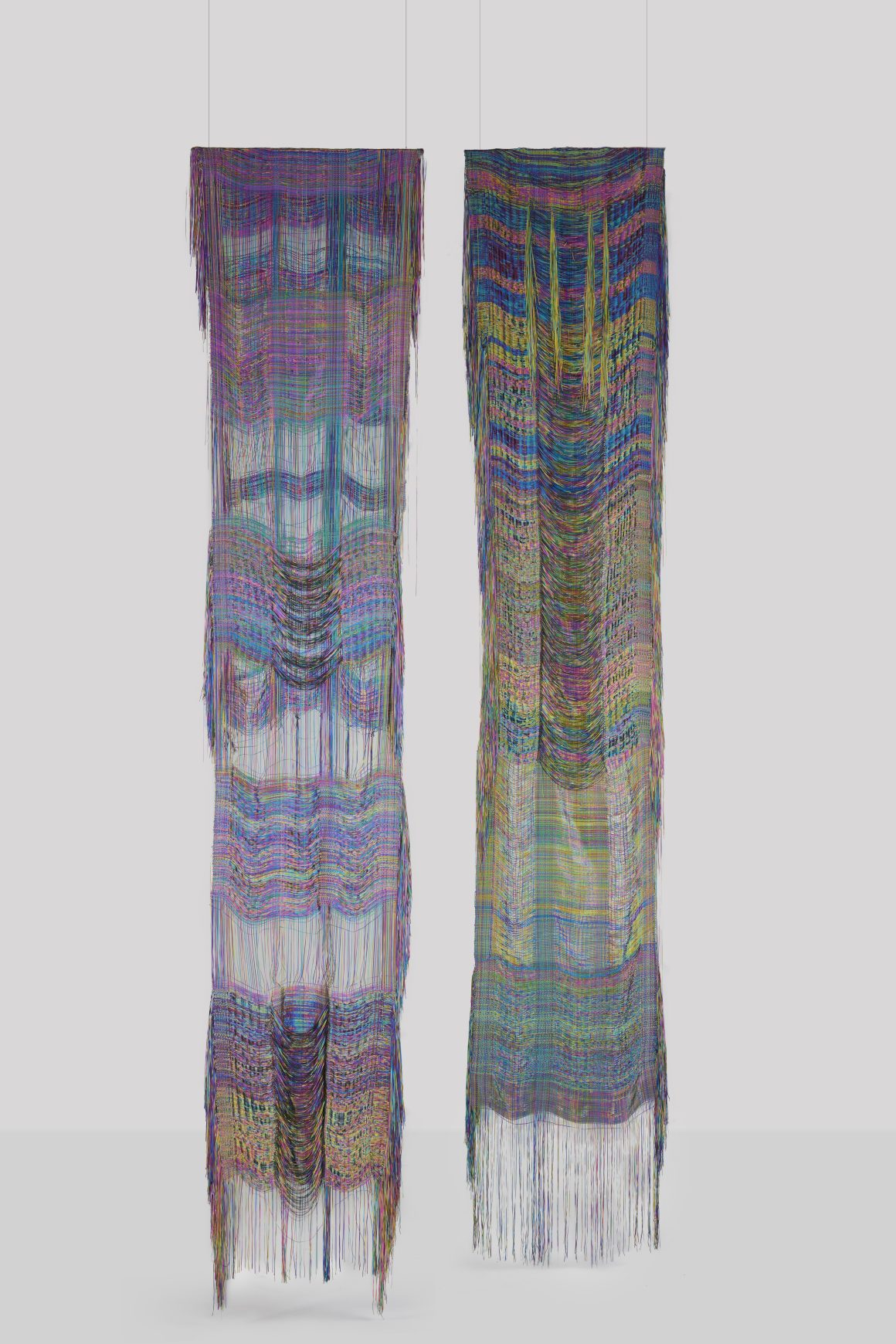
High-tech fibres have been part of my practice since 2018 ongoing research.
My focus on material is chosen not only for its expressive potential but for its capacity to generate other worlds, acting both as a material and a metaphor evoking a tactile sensibility.

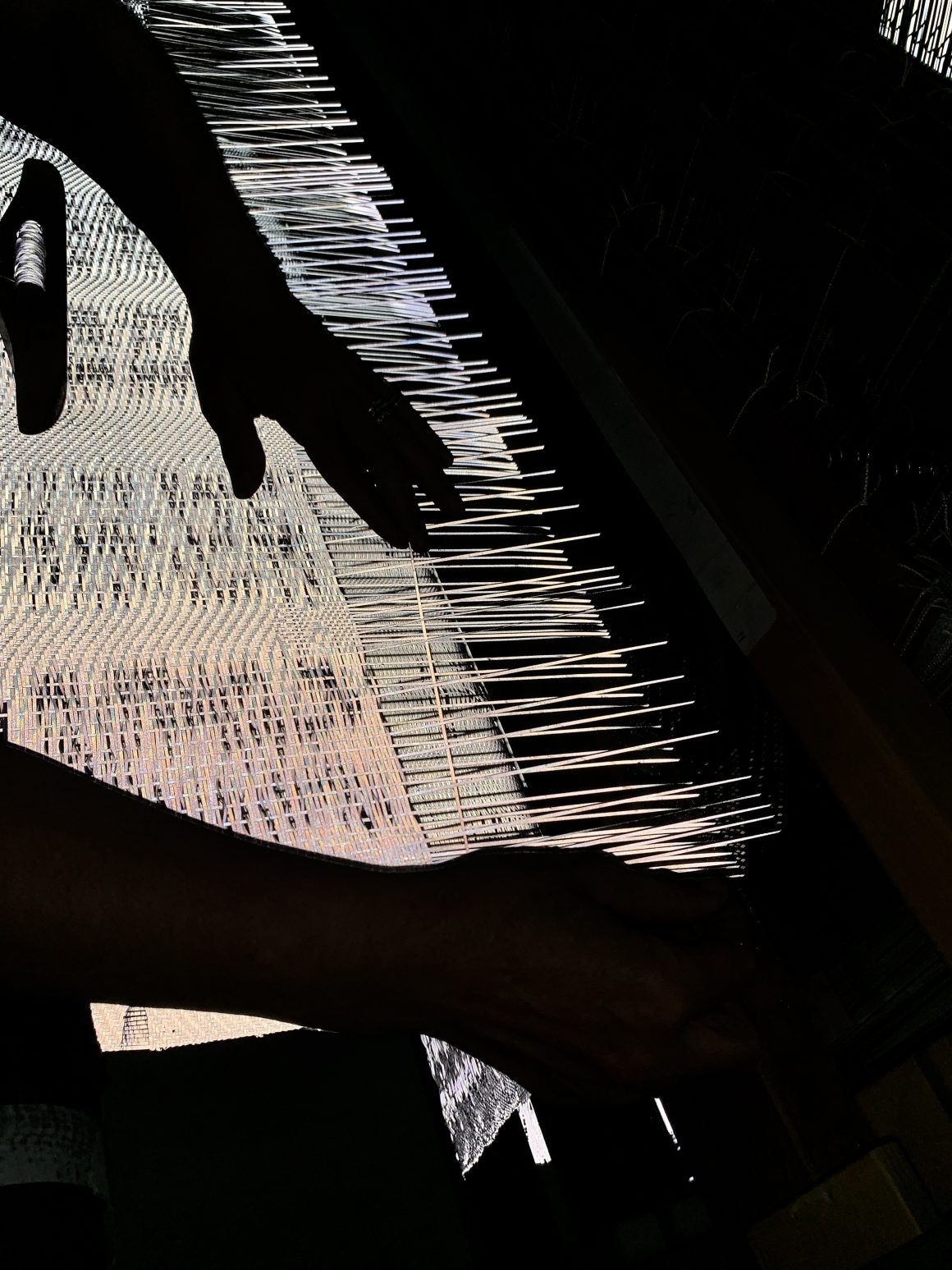
When I am addressing to new materials my workspace becomes a textile laboratory and the loom is the tool that enables to me to explore and translate these qualities into a personal language without losing the structural meaning and in the danger of losing itself in decorativeness.
I rely upon memory and intuition to make revised calculations into creating new weaving codes.

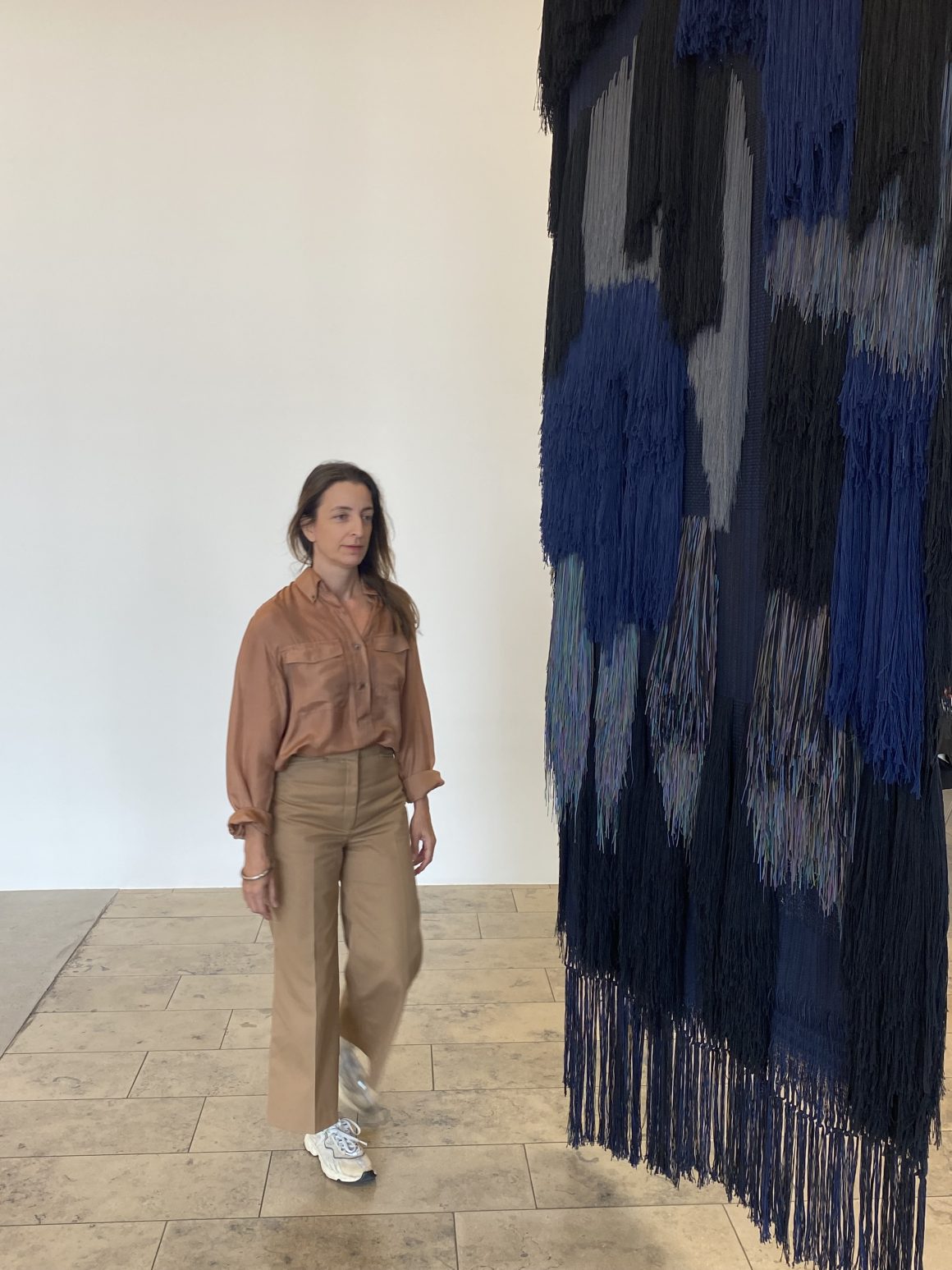
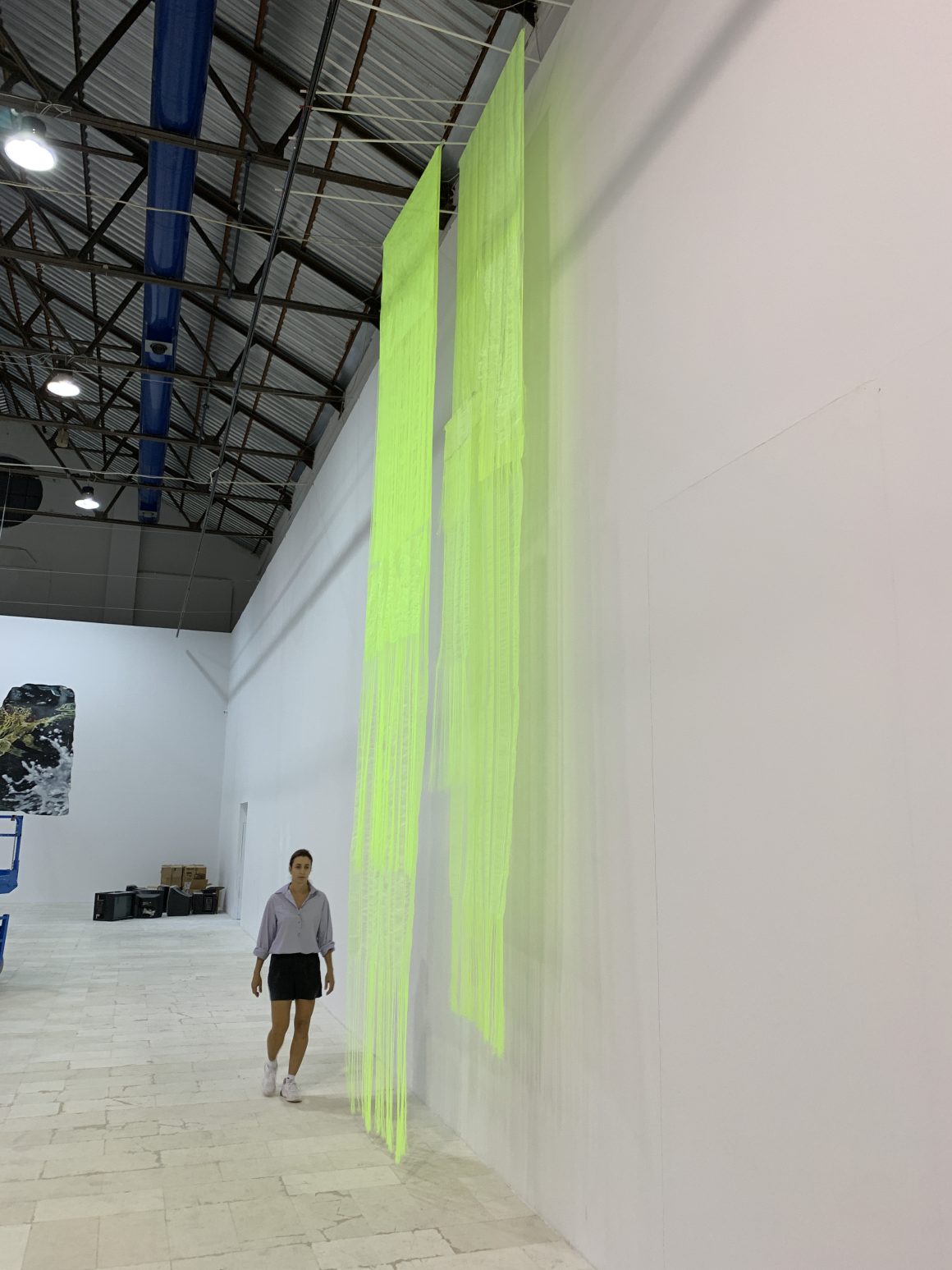
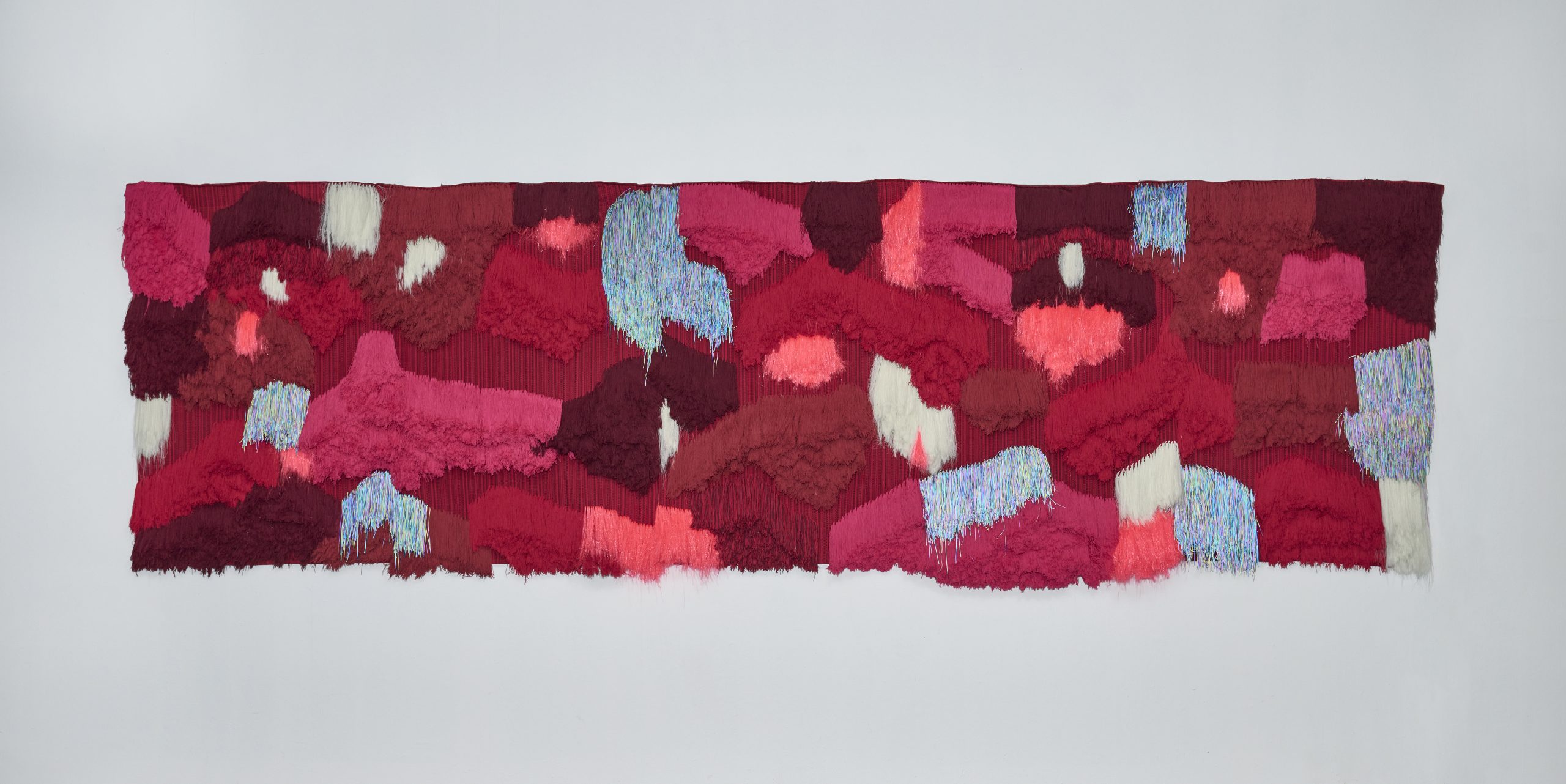
The 2023 solo exhibition There Is a New Sun Every Day, a Ball of Fire in Berlin, at the Andrea Murkudis Gallery, an exhibition that focused on the concept of landscape on a large scale, explored the intersection of natural and high-tech fibres. A body of work that took a year and a half to complete.

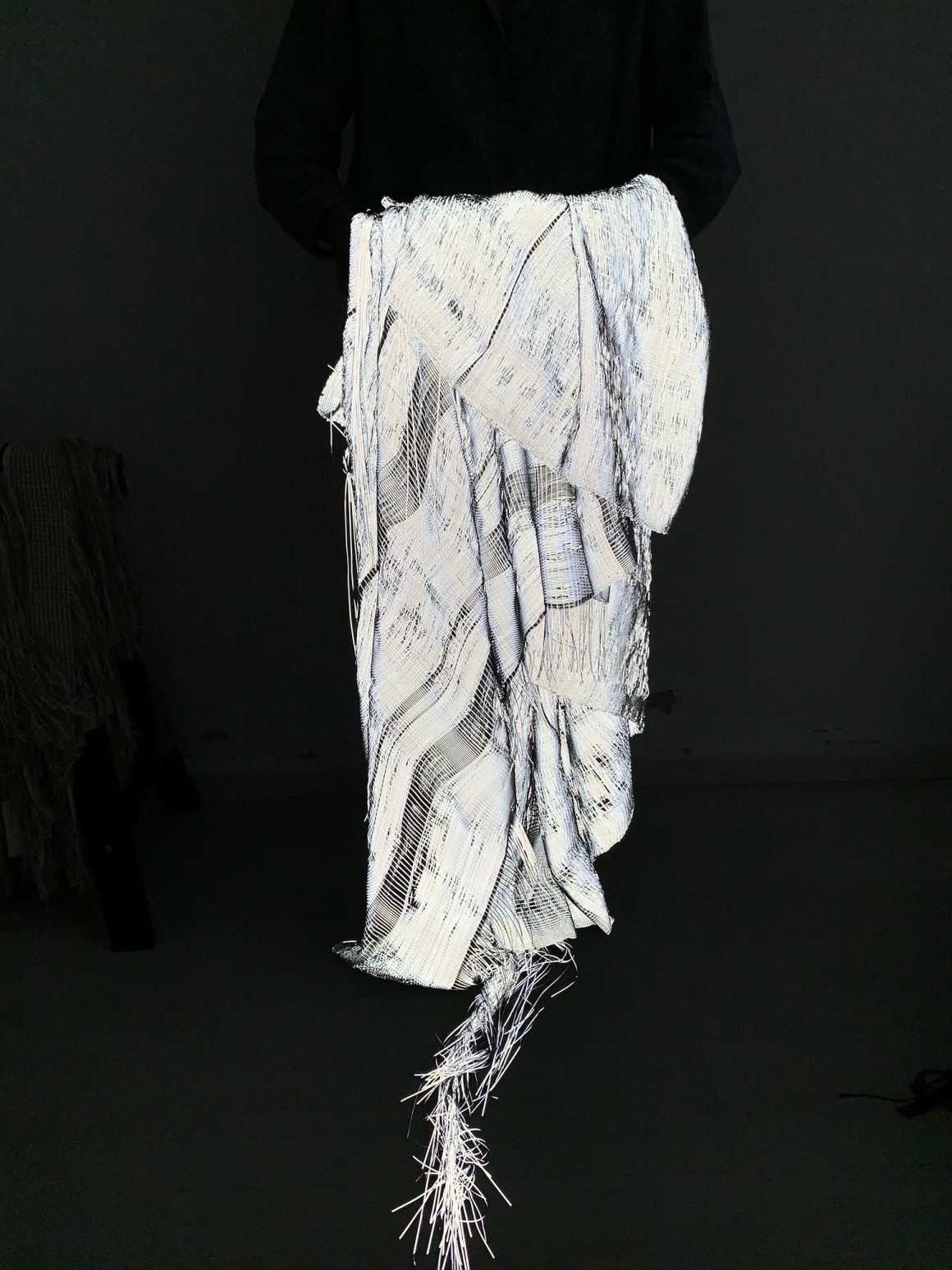
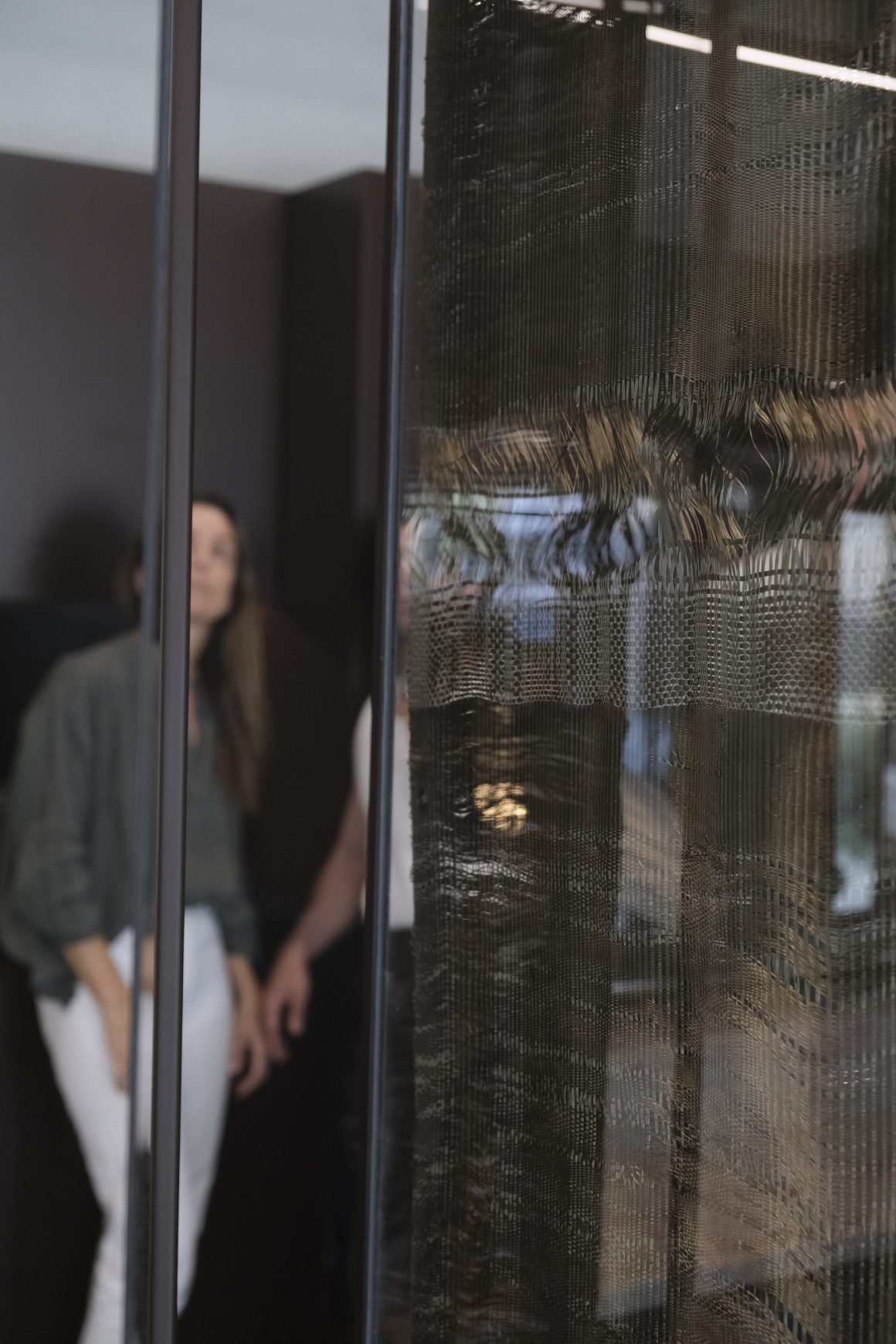
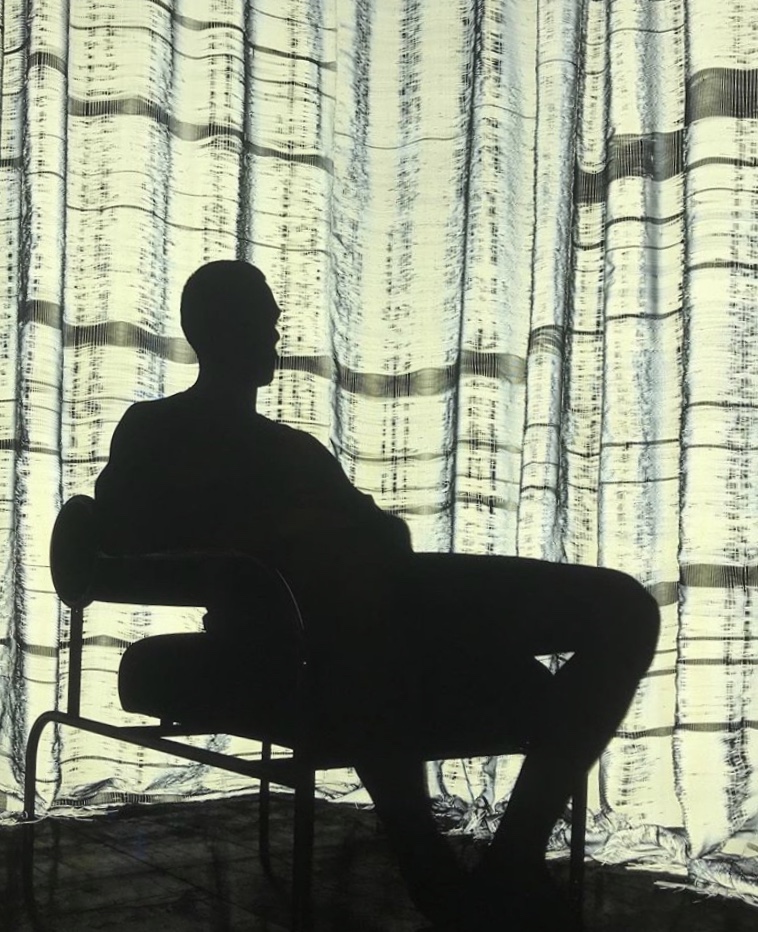
Then followed with Silent Worships series in 2025, presented in the group exhibition Fold at Gallery Crone in Vienna. A woven pillar that transforms into a pilgrimage from reflective threads which, when exposed to an artificial flash, light up, while at the same time becoming dark, almost nocturnal, when situated far from any source of light.

Archive
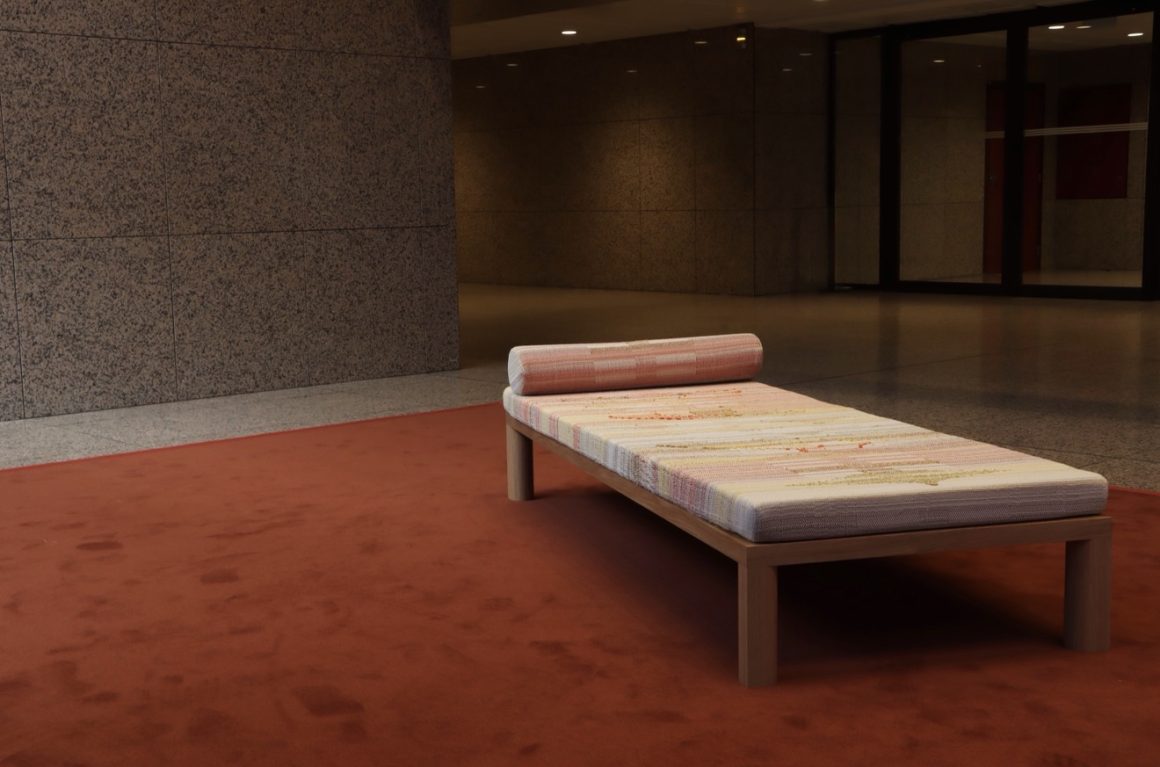
'Inside the sun' woven daybed Designed Michael Anastassiades
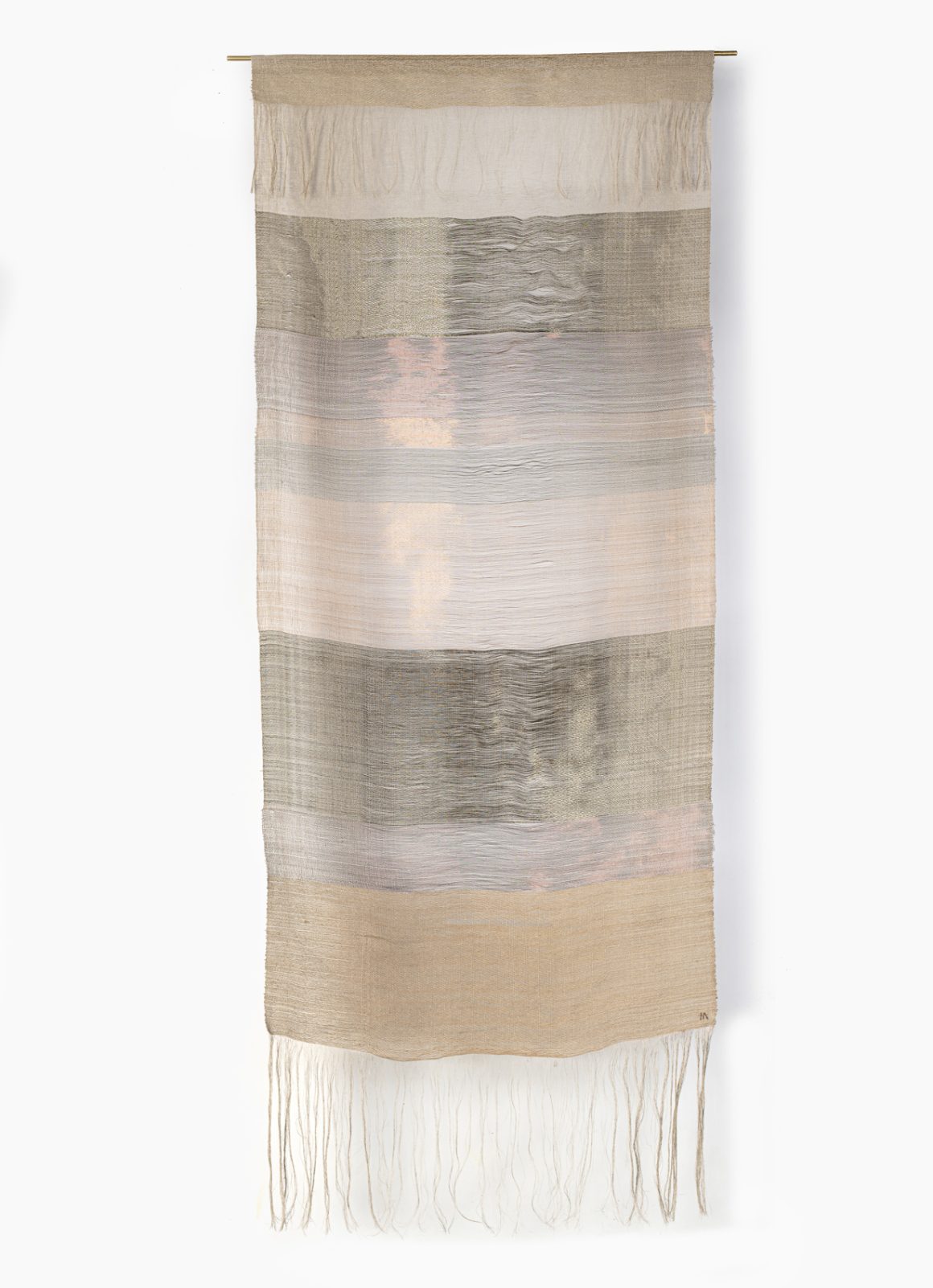
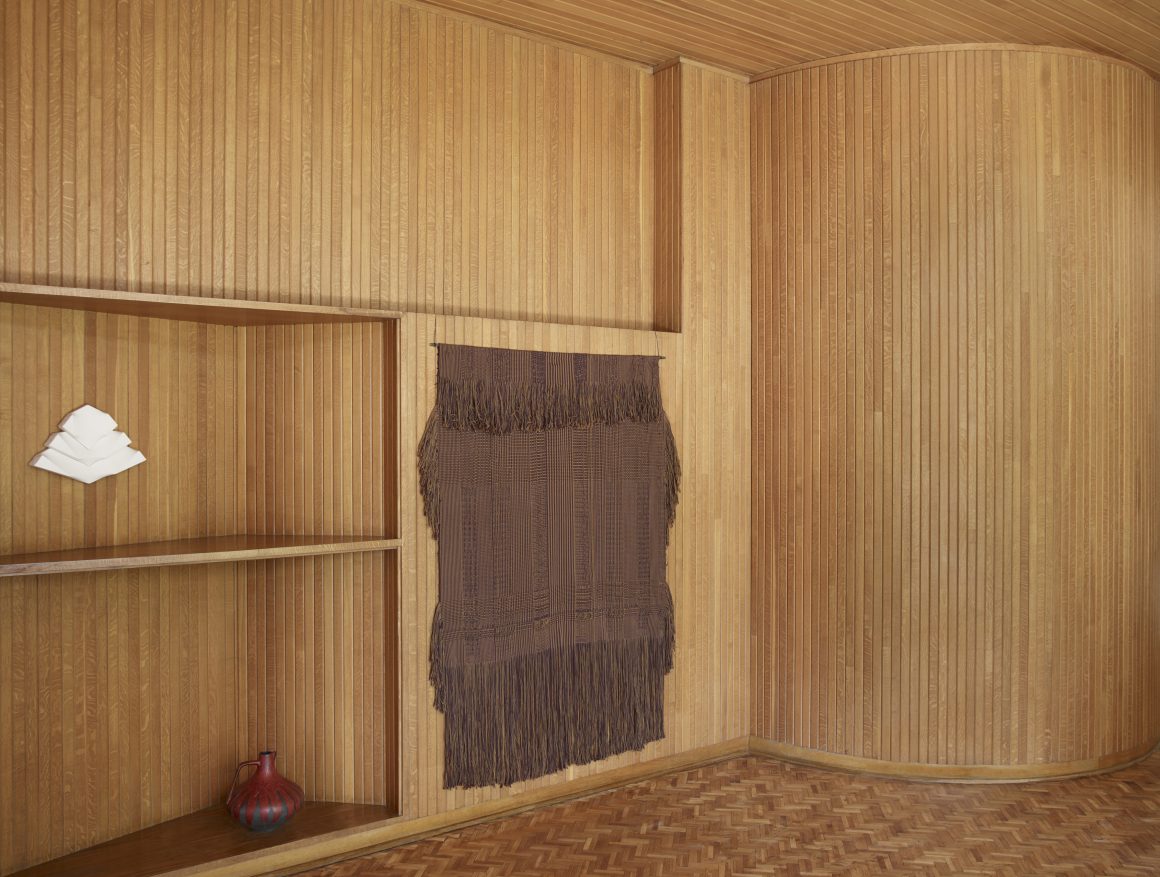
Wallpiece
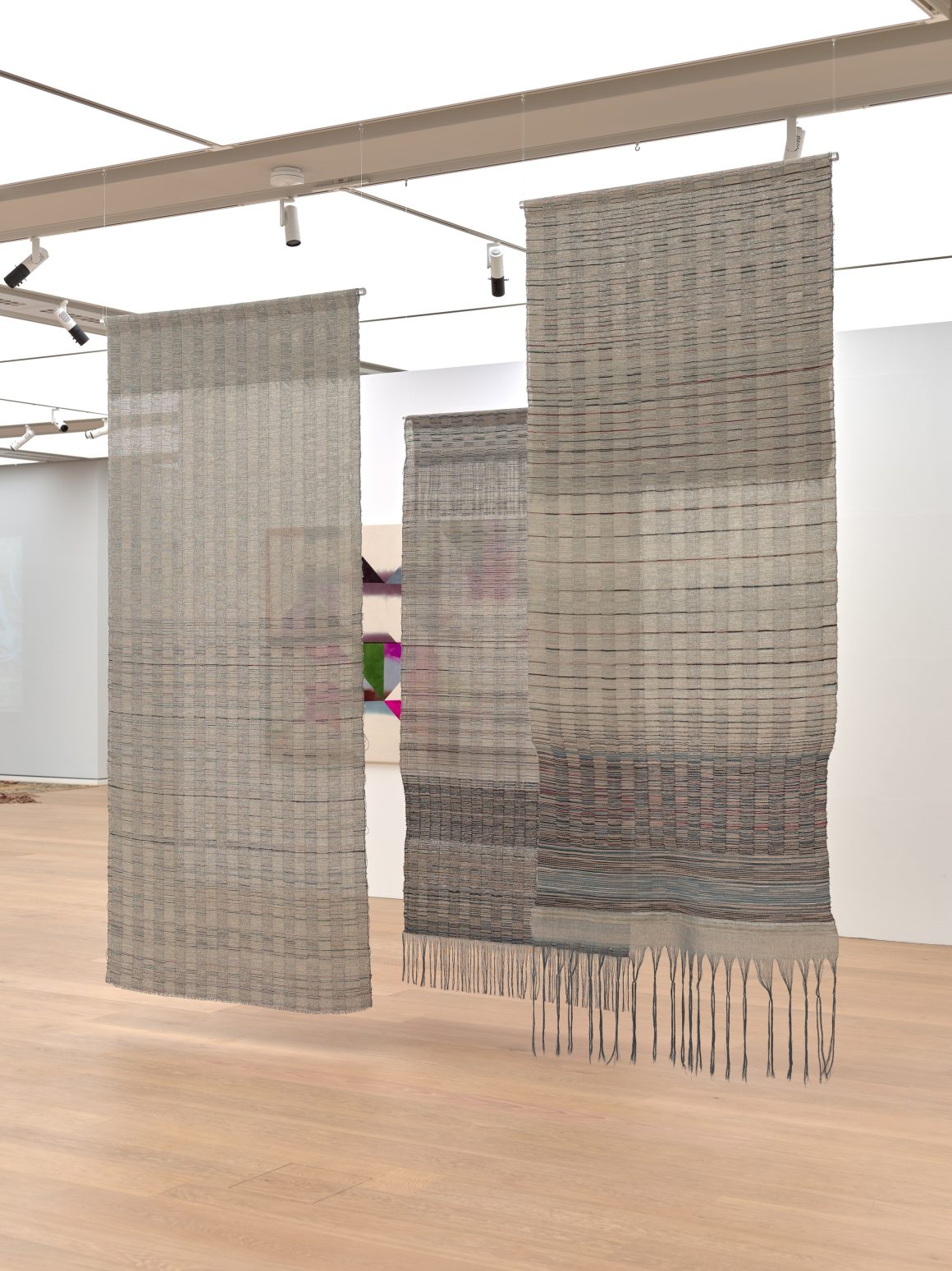
Colonial I,II,III- Soft Power at Dans Minsk Museum
S Reflective installation
Emitting landscape

How does scale affect your work?

Large scale became one of the challenges that led to the creation of the series of large woven landscapes.
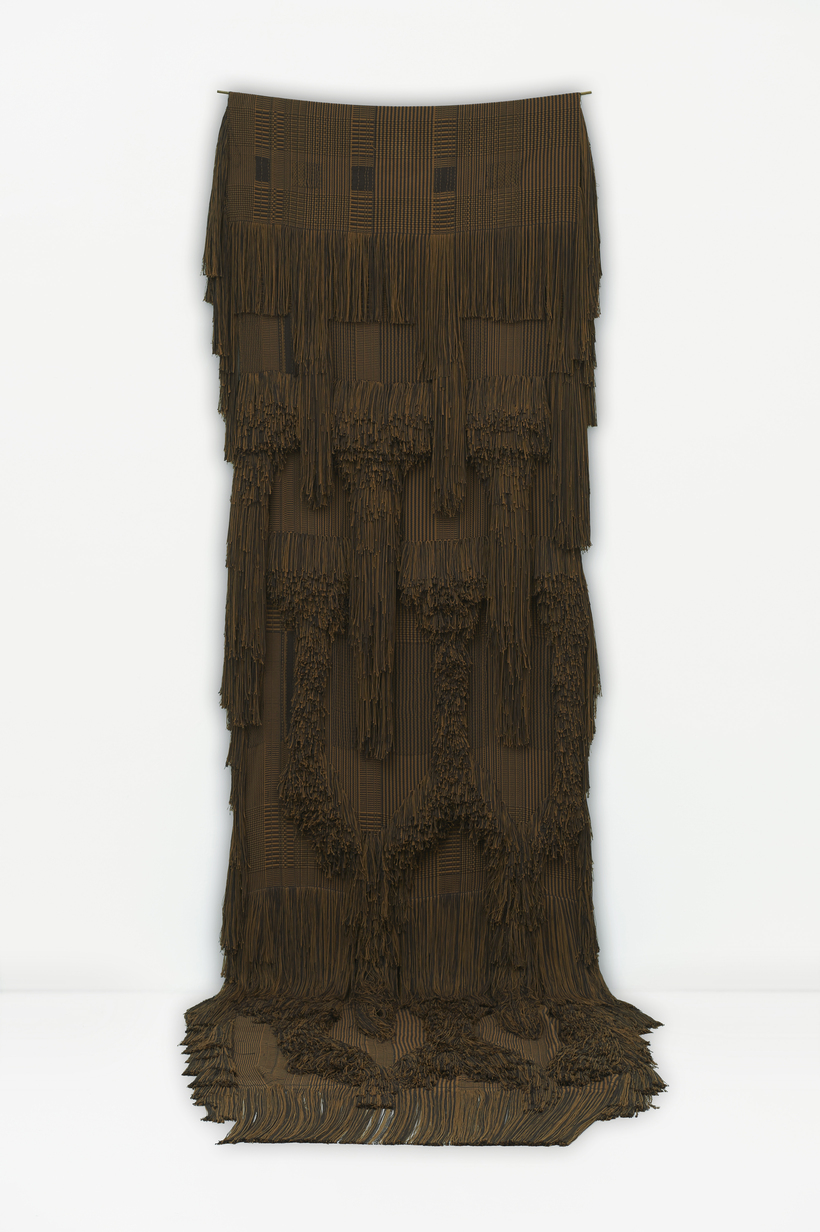
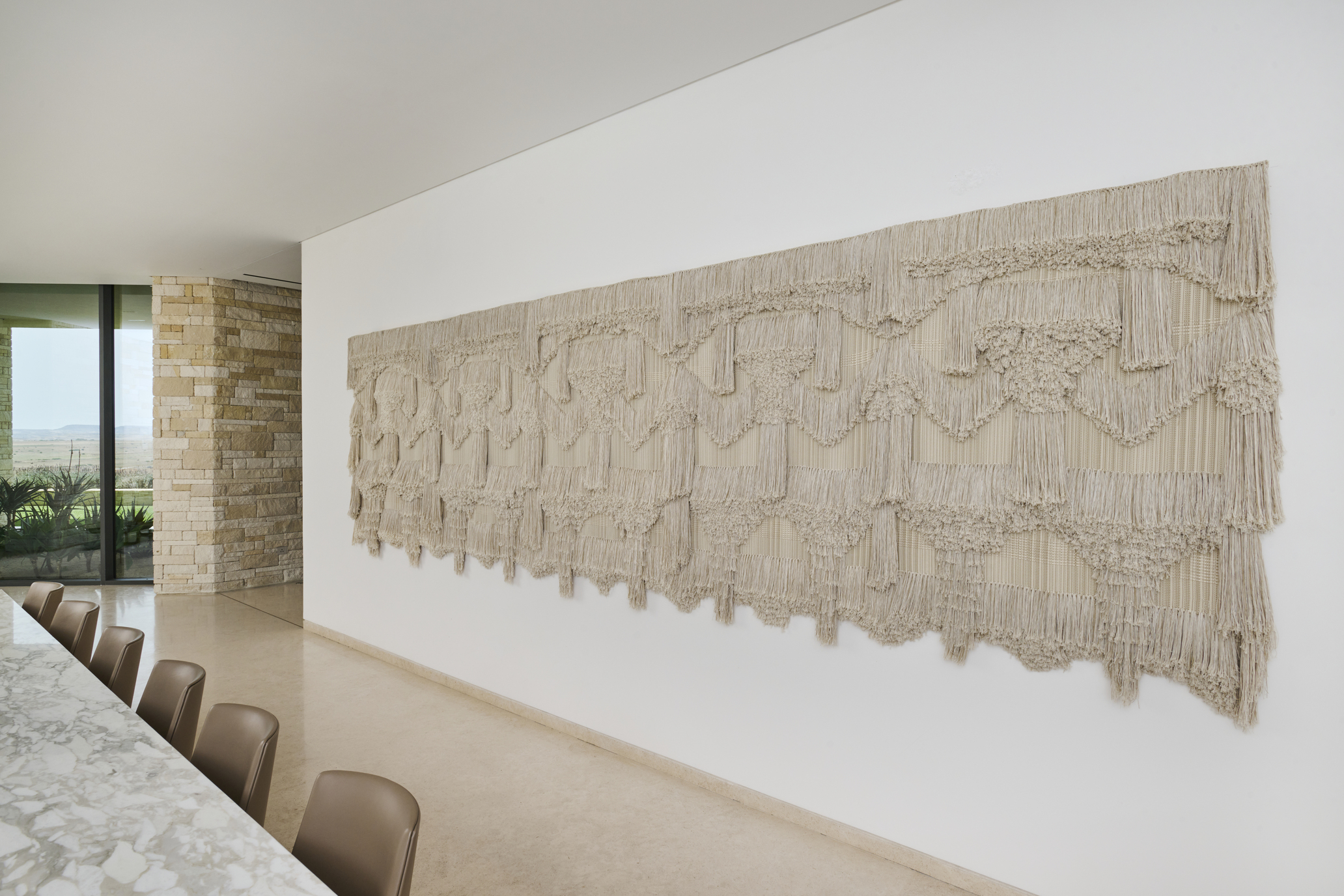
Working on a large scale allows me to move beyond the limits that the technique imposes. Here, the length is determined by the natural limits of the weight that the loom can withstand. Monumental scale therefore became one of the parameters through which I chose to negotiate. In 2018, the work Tactile Intuition marked the beginning of this body of work. This piece moved beyond the technical limitations of weaving, while presenting a kind of freedom with which I could express myself through thread. The wall-piece hangs heavily, emphasizing the downfall weight of a grounding formation.

Tell us about the most interesting collaborations that left a mark on your work.

In 2019 my proposal was selected to create two six-meter-long meter works for the Rosewood Hotel in Guangzhou, China.
The commission was a great challenge, as it required me to understand and engage with a different cultural framework. Concepts such as energy directions, and the meaning and symbolism of color, carried interpretations and cultural references quite different from what I encountered in the past.
The works were installed in the hotel’s reception and tea-room area on the 96th floor literally among the clouds. The interplay between light and fabric at that height also demanded a different technical approach and specifications.

What is it that you love doing most?

Being an avid traveler, I have had the chance to explore many places, either through work or through personal journeys. I feel privileged to explore destinations ranging from a nearby local village to a remote temple, big cities, desserts and as far the Arctic pole. Each place leaves its trace that later resurfaces in my work.
Museums have been anchors on my map, from the most forgotten to the most renowned. All you need is to embrace each destination with an open vision, one that will later revisit you. And over time, you come to realize you don’t need to travel so far to find your inner geography.

How much does it inspire a new concept?

I am engaged daily in the exploration of structure because fabric has always had the power to move people, objects, stories, and ideas, both within and beyond the realm of the visible. The stories, cartographies, and cosmologies that grow around it. My works are a living memory shaped through a multilayered process and this is what I love about weaving.
A structural system, a field of infinite variations something that exists between freedom and constraint, much like life itself.

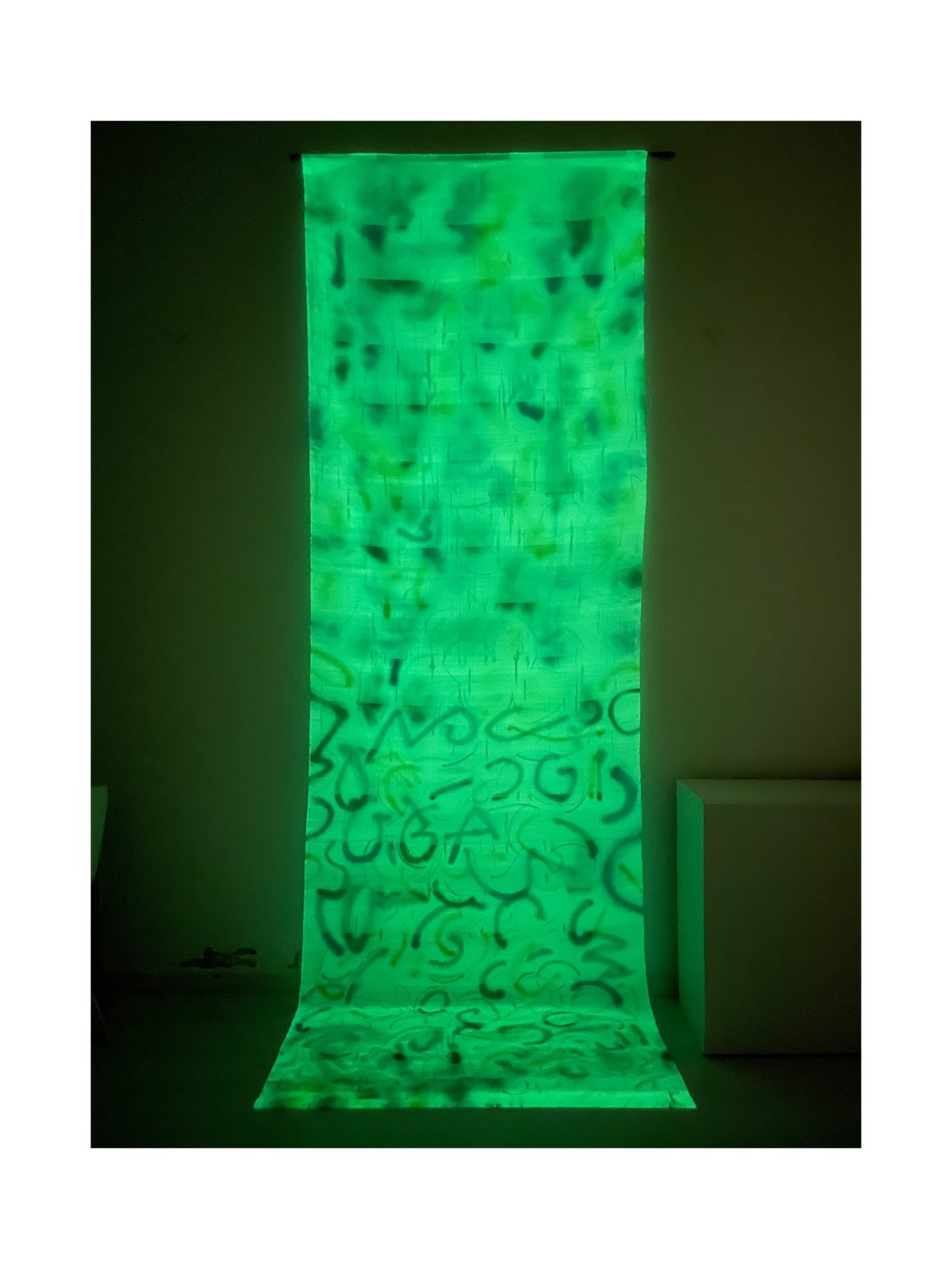
Glow in the dark series
Tactile Intuition
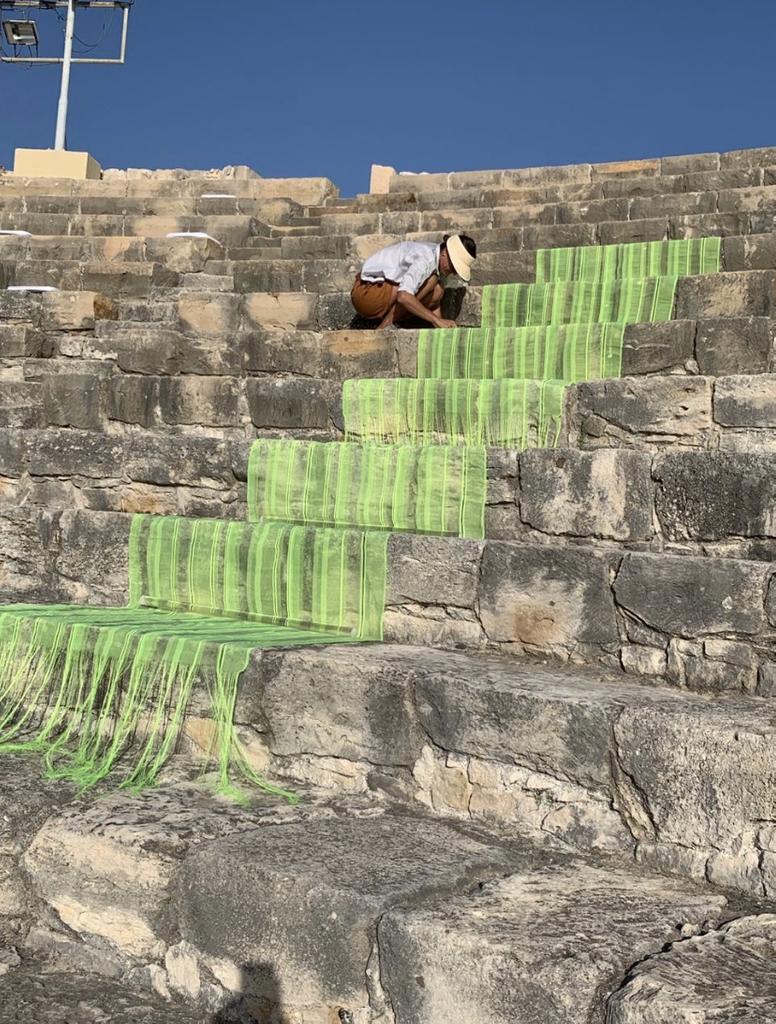
Installation at Kourion Ancient Aphitheatre
Nightcall
Solo exhibtion at Andreas Murkudis
Echoes at Minos Hotel in Crete -G & A Mamidakis
Silent Worship
Sealed Love, Art Panels woven in basalt
Reflective woven curtain for Blow Resort
Solo exhibition at Andreas Murkudis, Berlin
Wallpiece for a private residence
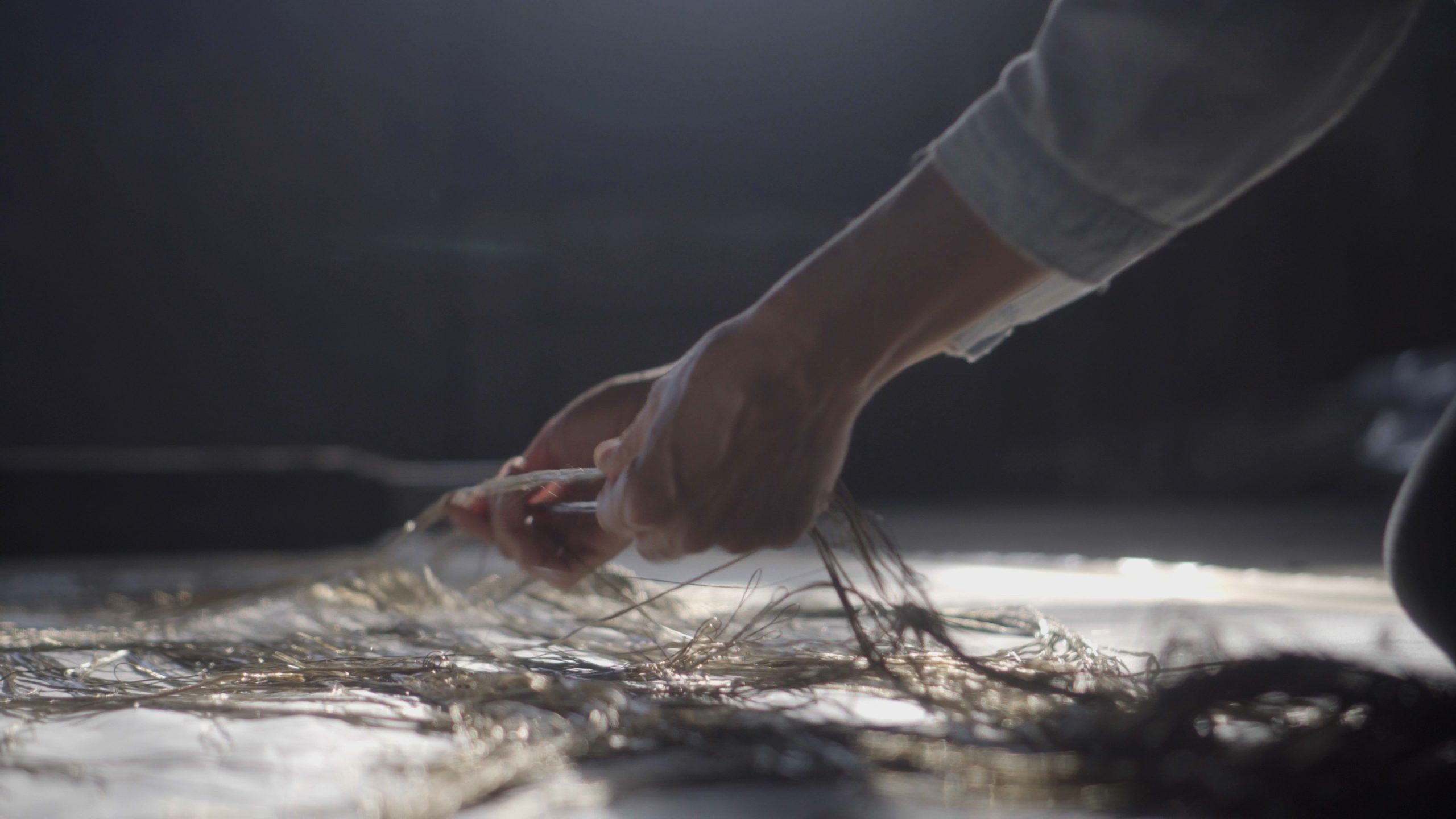
handling basalt
Photo by stemajourneys

How would you describe your art and the technique you create with?

A constant restlessness, and a search rooted in the reassembly of new interpretations, is my founding principle. The formulas and strict codes required to create a flawless fabric were only the start of a sound foundation. The process begins once the need is to transfer and capture an instinctive feeling, translated into a tactile language.
My workspace is the space where I meet myself where I gather thoughts, images, sensations, a precious duration held in time.

What do you consider the essential elements in developing your art, and what are your non-negotiable values?

Every creation is intrinsically connected to memory, but also to a sense of displacement, the constant need to locate a personal set of coordinates. It operates as a visual conduit, shaped through the subconscious and given form through weaving: an energetic field where meaning is carried by the material itself, and through my encounter with it.

Having already spent several years in the field, how do you feel your work has evolved? How has your design philosophy changed over time, and what do you think gives it value today?

Fabric is a form of language.
Weaving primarily constructs a fabric or a “flexible plane” by intersecting threads.
In my practice, this relationship is deepened through a collection of “broken motifs,” a personal lexicon that disrupts established patterns and categories, arising from continuous experimentation over the years in the concept of fabric structure. It is a conscious choice and challenge to rearrange focus within the grid, while at the same time cultivating a new way of reading the structure, transforming motifs into a form of language.
It is an undertaking of both celebration and reassessment, aimed at constructing new narratives.

Tells us about the importance of physical and now digitized archive? The importance of a personal archive at this stage.

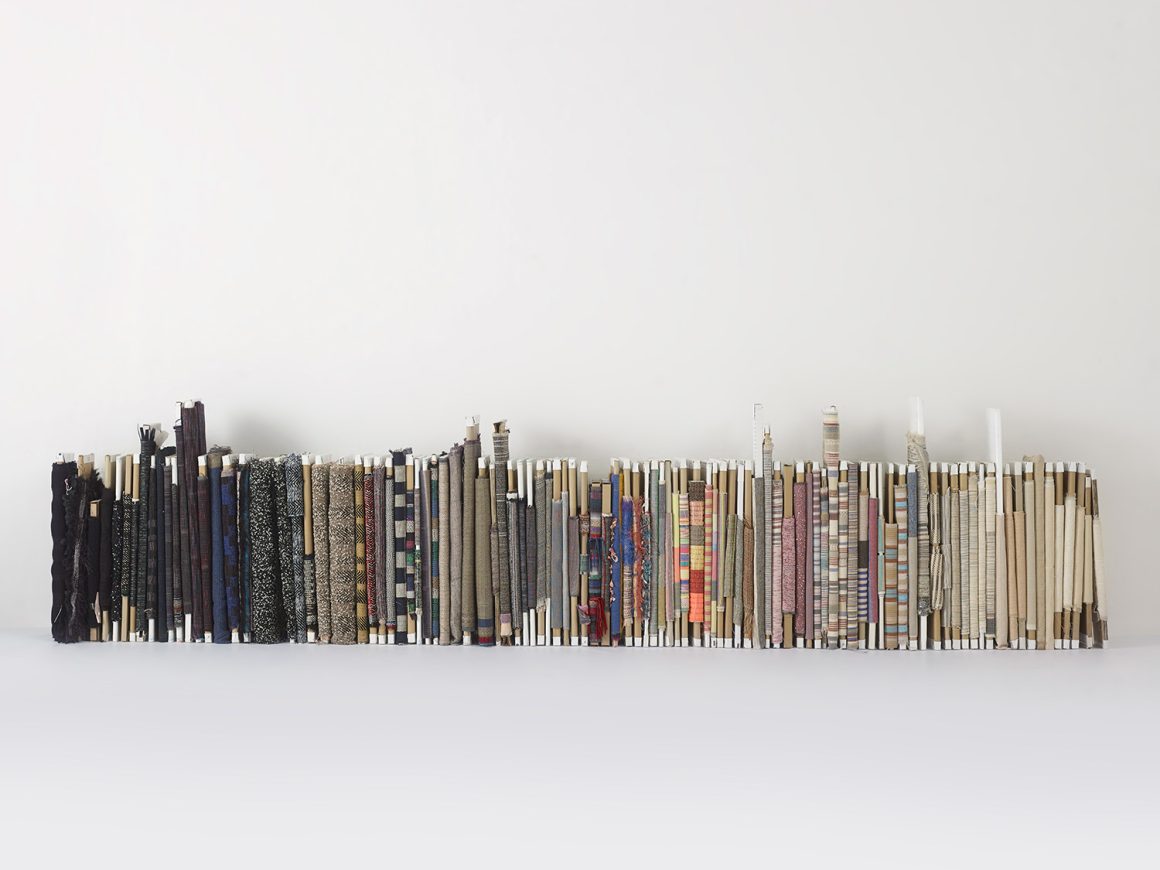
A digital archive of more than 2000 physical woven prototypes reflects extensive research carried out over two decades an elaborate repository on process and technique, through which woven fabrics form their own identity.

Created in 2020, a personal research collection aimed at digitizing its contents, accompanied by a library of physical samples corresponding to each piece together with draft notations and diagrams.

This volume of archival material reflects my ongoing experimental journey. It is a material record of a personal philosophy on fabric structure, an archive that allows a direct access for study, as well as for its own re-elaboration.

A textile archive remains alive beyond its documentation, as it preserves the connection to the conditions and intentions that first gave it life.

What are the processes and stages behind each creation?

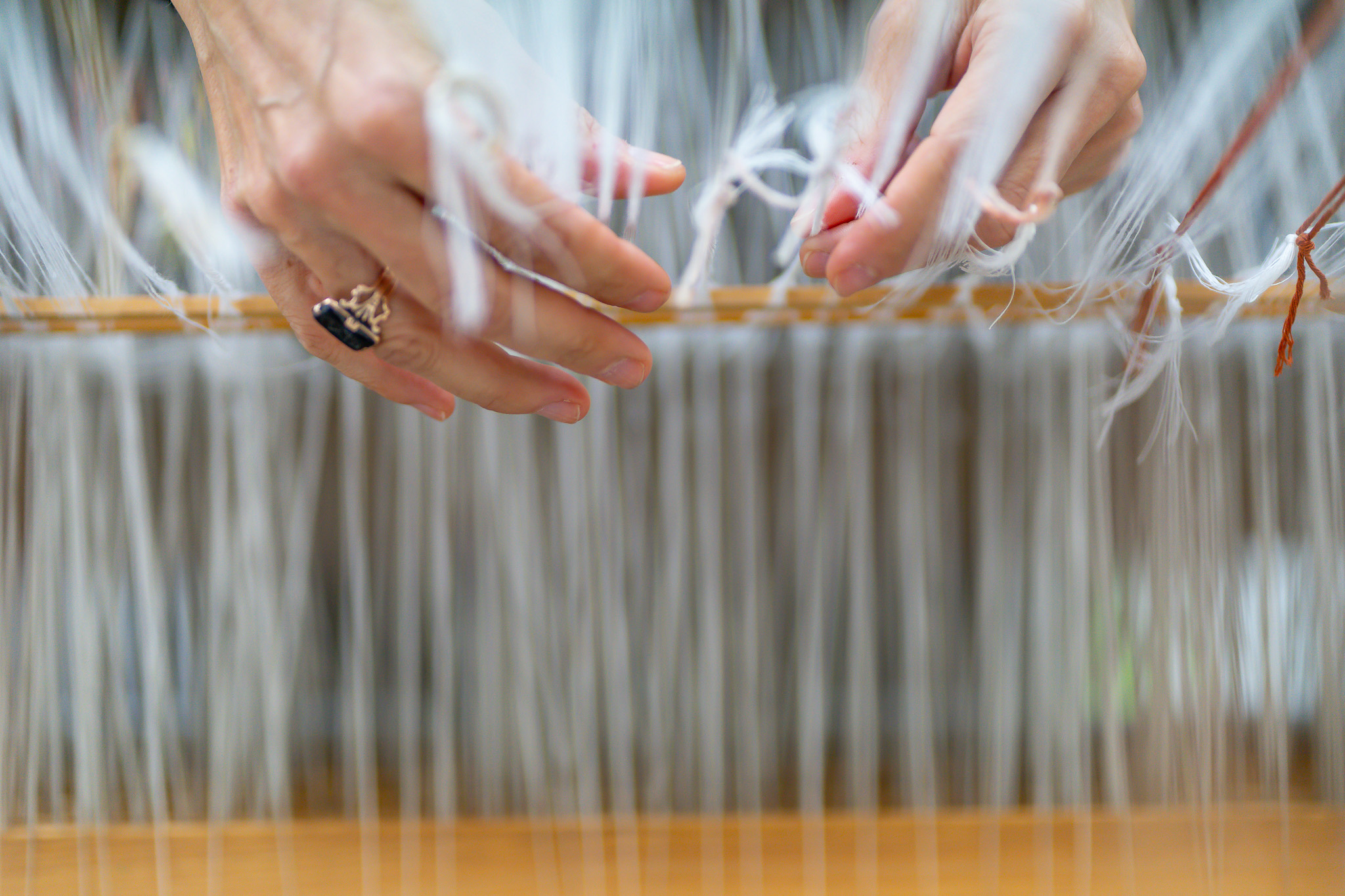
Draft notations, together with pencil mindscapes, are the starting point for capturing the essence of a primal feeling. Pixelated pattern translations follow, then technical drawings on large-scale blueprint paper mapping the threads, a threading sequence that must be followed. Once the loom is set, the first formations of the fabric begin to appear.
During the weaving of small-scale works, I keep journal notes tracking the thread’s behavior, its shrinkage, strength, and fragility. Recording every step as I weave is essential.

Are we what we choose?

Yes, we are what we choose and we create the circumstances to align with our choices.

Three places you love to return to, and why

Egypt, Mount Sinai, where silence has a voice, and you find peace.

Japan, which I have recently visited, and where I find myself intrigued by a delicate beauty and refinement found in simple things, in nature, everywhere.

Paris, a city always close to my heart, one I keep returning to.
What do you consider authentic in our times?

Anything detached from a fixed outcome. In a world so driven by image and outcome, authenticity lies in a process guided by intention rather than destination, a process that stays aware of the present moment. Deep consciousness surfaces, in clarity.

Tell us about the part of your work that you have created as site specific commissions and the application of functional textiles.

Over the past few years, my commissioned work has taken many forms:
Reflective art panels for Blow Resort at Amara Hotel, woven in silver reflective yarn, and Echoes, a site-specific installation in basalt for Minos Palace Hotel in Crete.

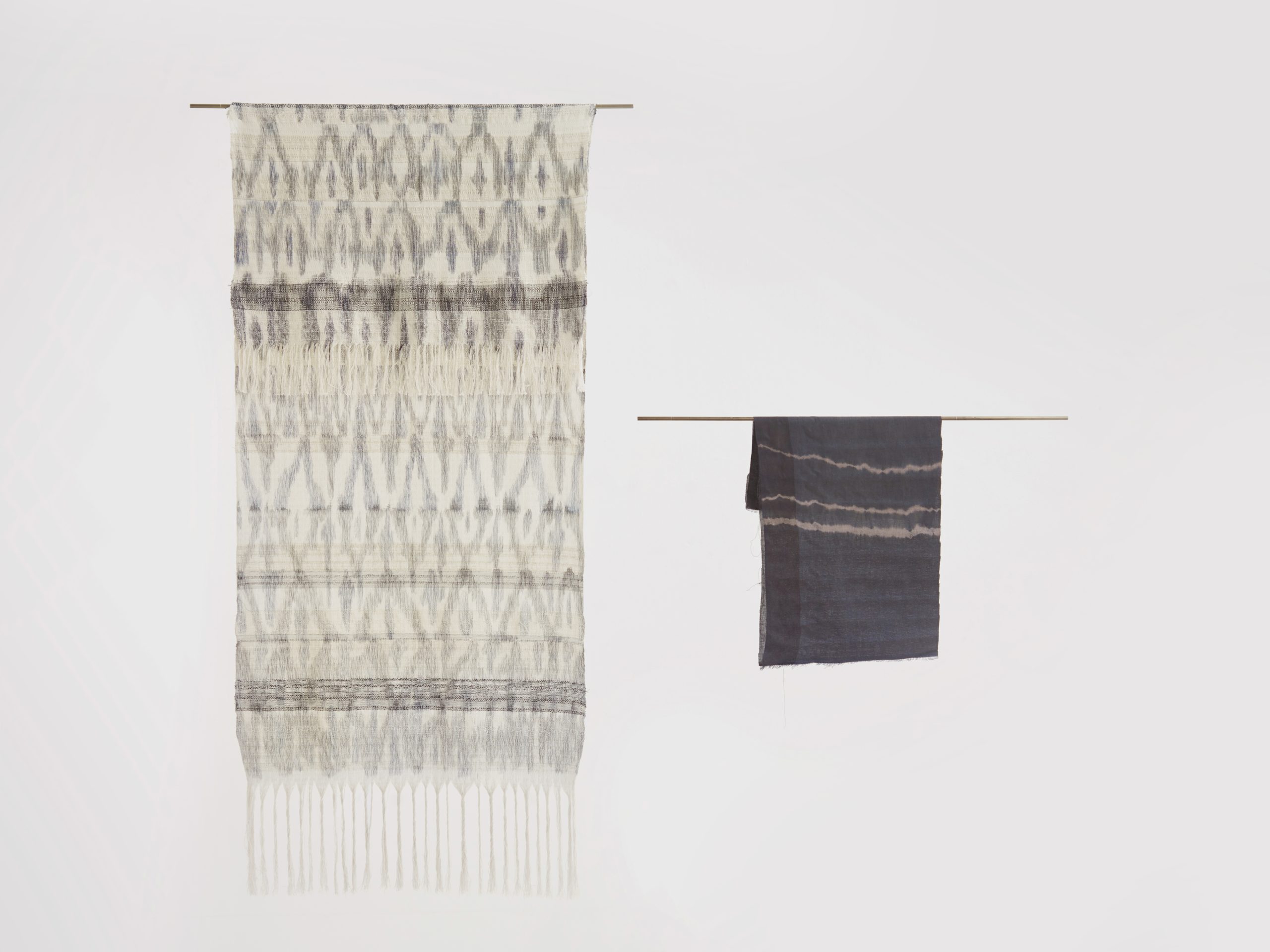
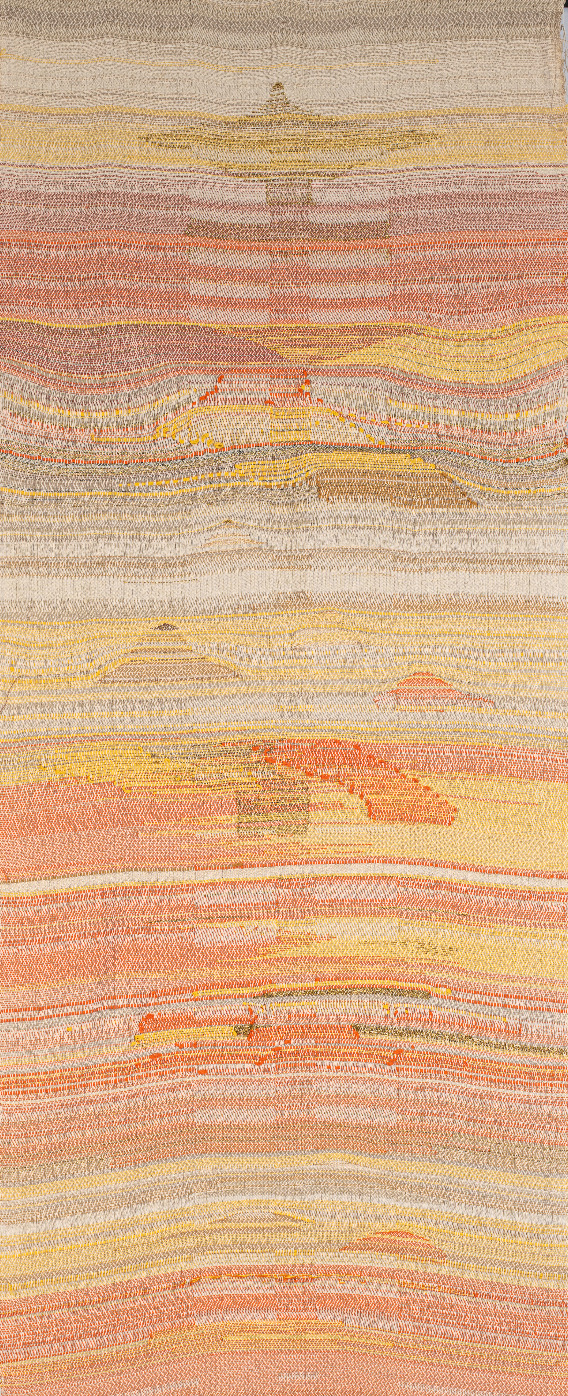
For a private residence, a series of pivoting partitions, crafted in oak wood, alongside an upholstery weave titled Inside the Sun, created for a day bed designed by Michael Anastassiades and shown as part of Weather, the exhibition marking Cyprus’s Presidency of the Council of the European Union 2026, in Brussels.

That was followed by a woven gold Noren, and length created for his solo exhibition in Kyoto at Taka Ishii Gallery, and Sealed Love, a commissioned of metal framed sealed weaves in glass woven in basalt at FrontRow. A monumental woven landscape wall-piece of 6 meters length for a private residence, sliding framed woven windows for a mountain house retreat, and a series of commissions for high-end hotels worldwide.

What else is coming up in your immediate plans?

At the moment, I am engaged in a project I have been developing for over a year now, under the title Secret Geographies, which I plan to bring to the surface in 2027.

Give us your own definition of beauty

Beauty is everywhere, it can be in the most neglected corners of the world, humble and quiet, and still stand out among a thousand others. Can be a rose, an object, a form, a movement that touches you deeply, you notice it, gives you inner joy.
Beauty has light.

Environments, comissioned for a private residence
Tie-dye
Emitting Landscape
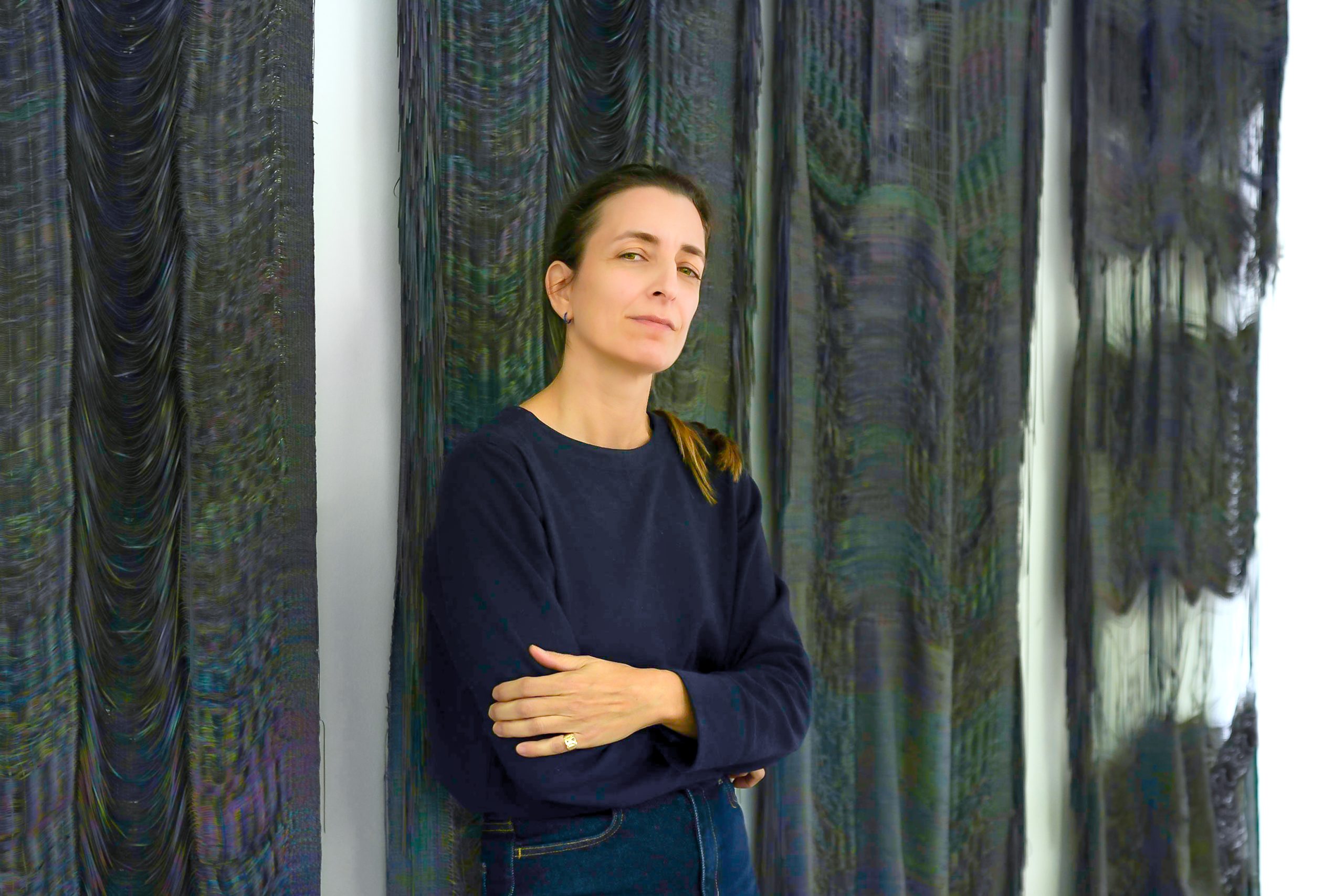
Joanna Louca Photo by Stemajourneys
'Inside the sun'

Author