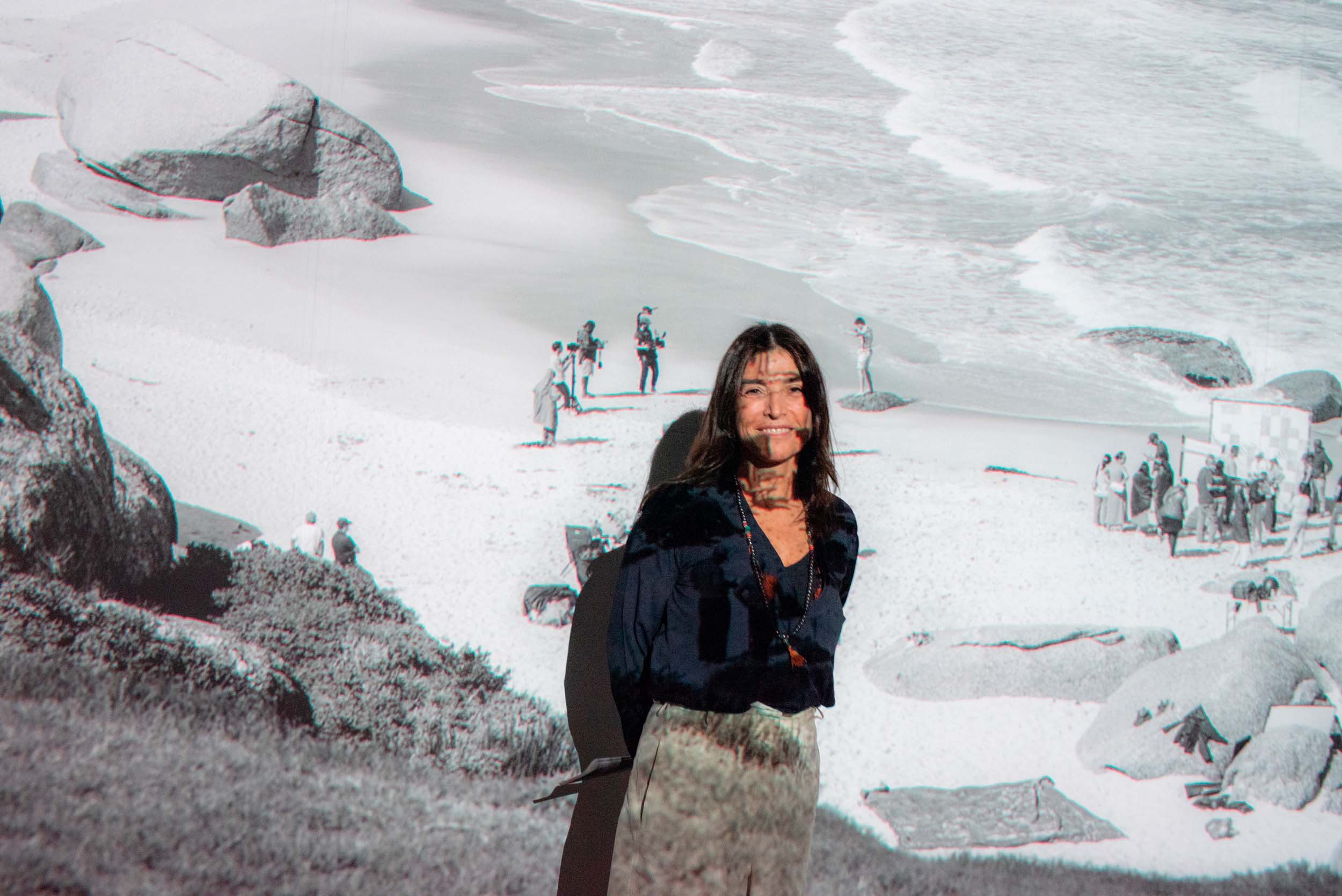
First, tell us about the highlights of your journey. What were the key steps that brought you to where you are today?

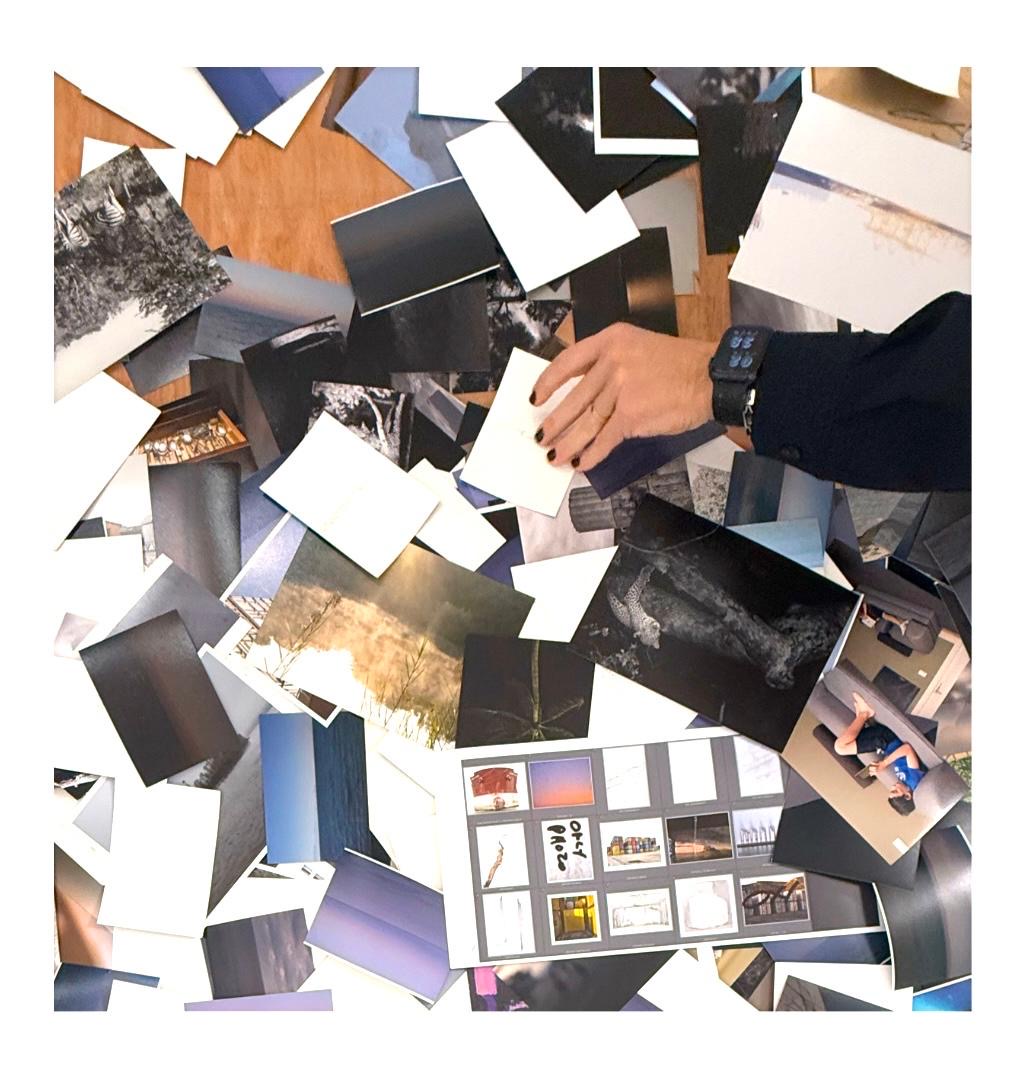
Photography entered my life as a natural evolution of the way I see the world. I was creating images in my mind long before I ever picked up a camera. Studying fine-art photography was a defining moment, and in 2008 I began working professionally as a photographer. From that point on, presenting my work abroad became an important part of my journey, but what matters to me most are the creative steps I take while developing each project.

Tell us the story of discovering a creative perspective through photography. How did the first idea emerge, and how has it evolved over time?

I remember observing images, people and landscapes from a very young age. In the beginning, I photographed much more instinctively. Over time, I realised that what interests me is not simply capturing something beautiful or intriguing, but using photography to speak about something that is not necessarily visible within the image itself. Gradually, I began working in thematic series. One image leads to another, then to research, a journey, a place, gradually shaping a new project.

You have a unique way of elevating the ordinary and transforming something simple and familiar into something distinctive. Where do you see the line that turns a photograph into a work of art?

For me, it is not the beauty of the image. Nor is it technical perfection on its own. A photograph begins to acquire artistic interest when it transcends what it depicts and creates a second level of interpretation. An image that leaves you with a question, a memory or an emotion is far more interesting to me than an image that is simply beautiful.

How do you feel your aesthetic has evolved over time? How do you look at your earlier work today?

I see it as a series of necessary stages in a journey. I would not want to change them, even though today I might approach certain things differently. At the same time, I continue to see in my earlier images subjects that still concern me: absence, decay, nature and time. Over the years, I have noticed that my work has become more restrained. I have a greater need to remove elements rather than add them. So perhaps the language evolves, but the core remains quite constant.

What do you feel are your most significant achievements?

It was very important to me to see my work exhibited at the Shanghai Museum, the National Art Center in Tokyo and the Salon d’Automne in Paris, as well as in collections abroad and at the Municipal Art Gallery of Athens. What gives me the greatest satisfaction, however, is that I continue to create and remain curious about how I will develop my next body of work. Of course, speaking on a completely different level, what I am most proud of in my life as a whole is my children.

What does your new exhibition in Syros comprise? Tell us about it and what the title Ever Given means.

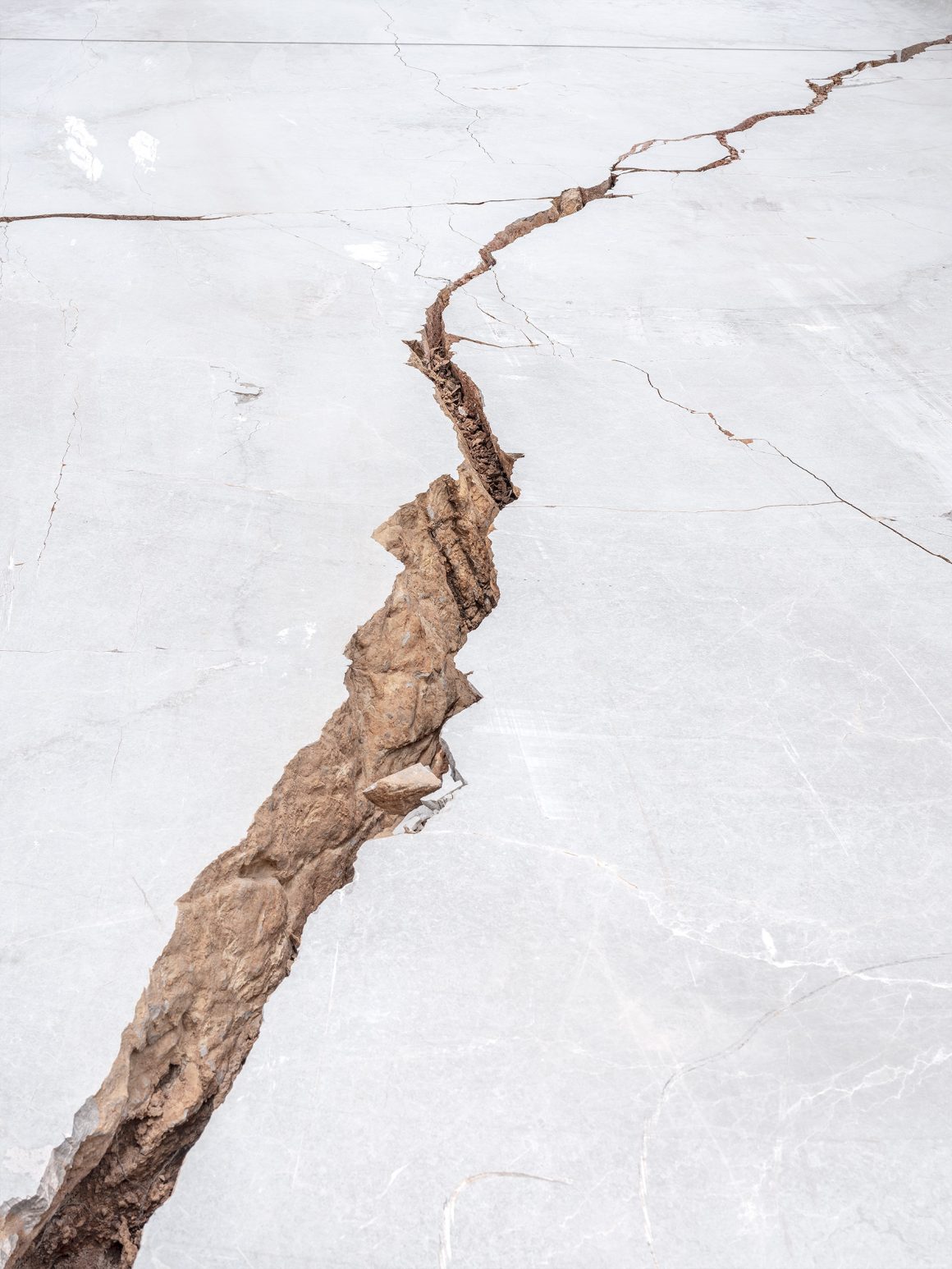
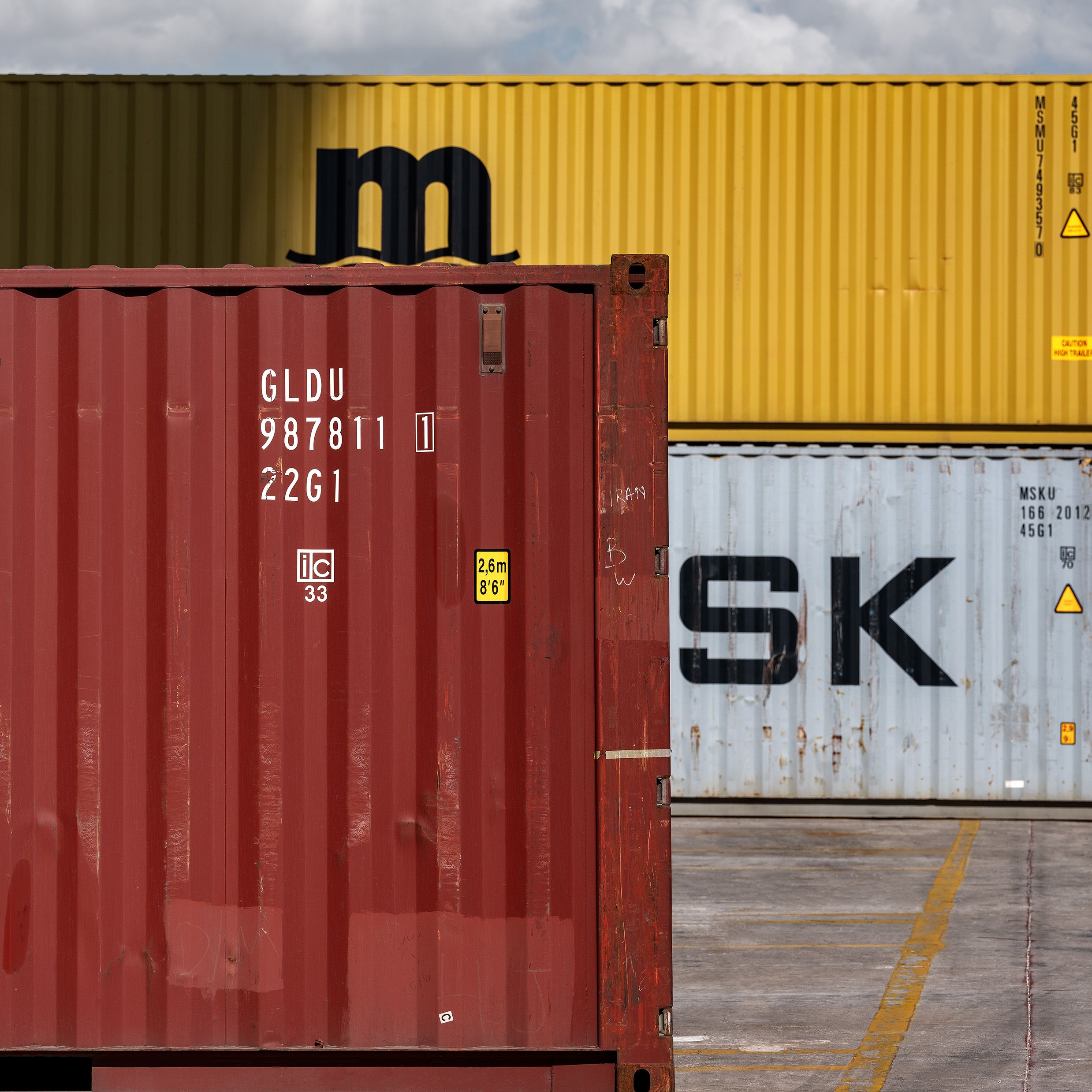
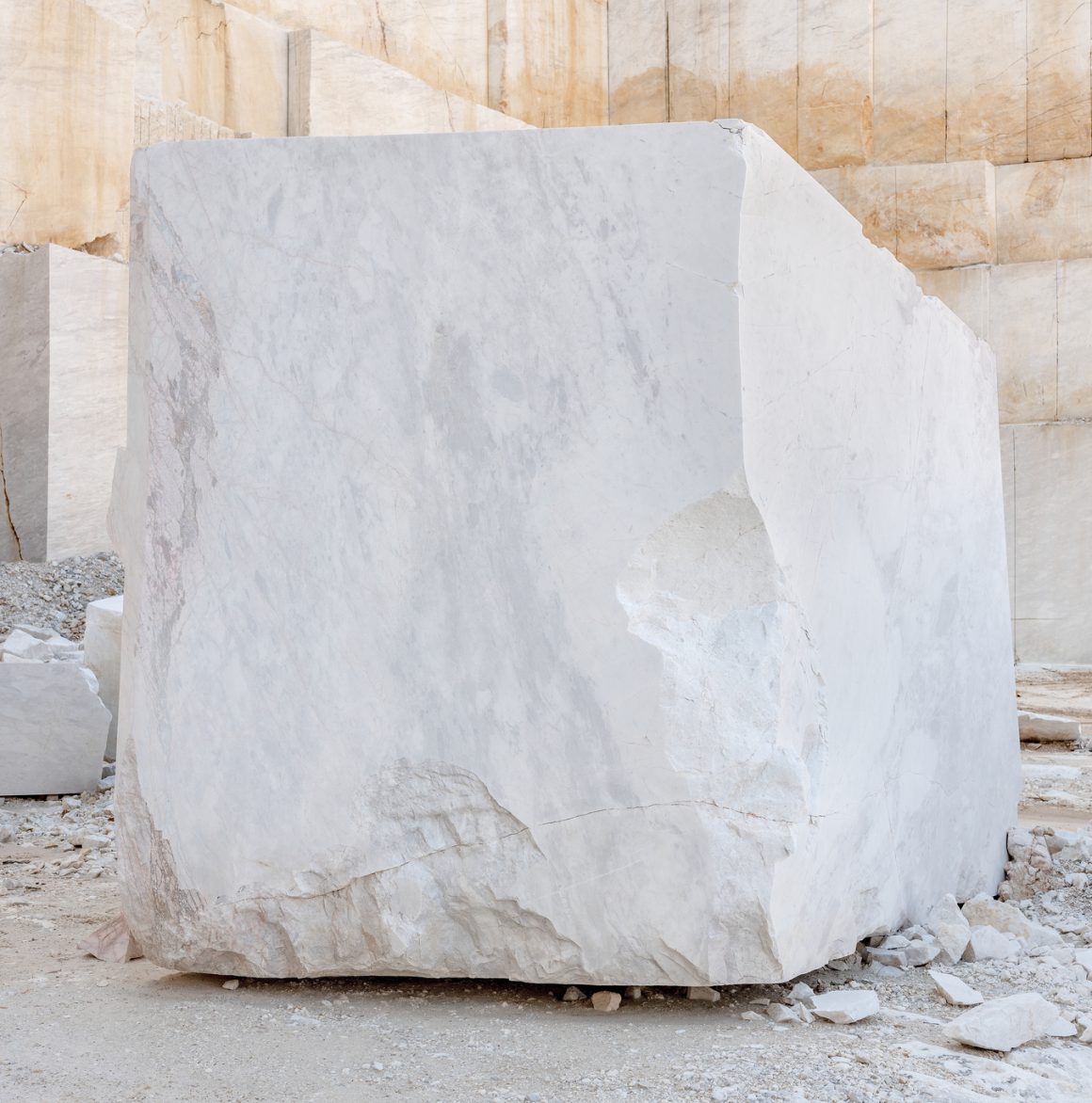
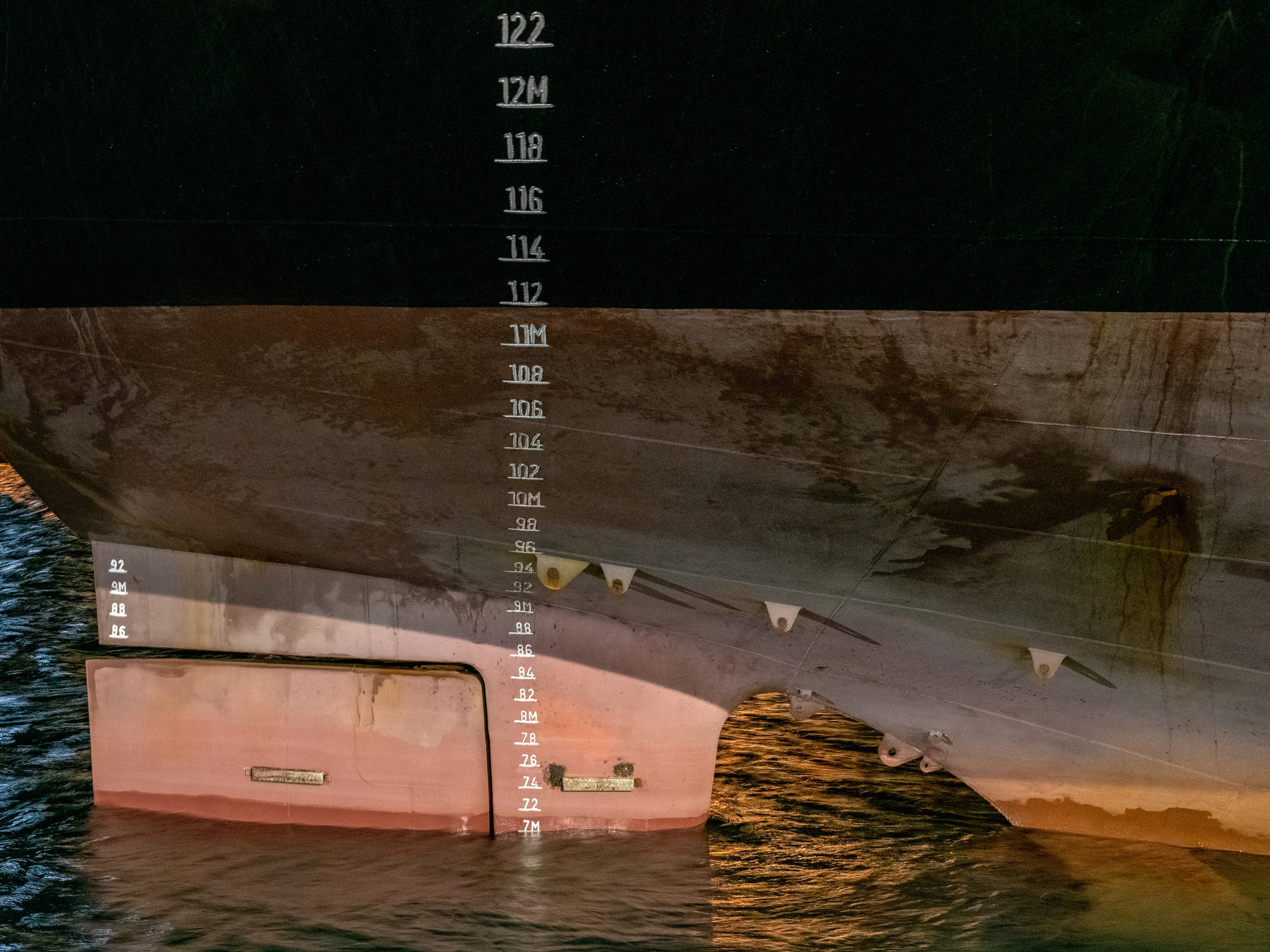
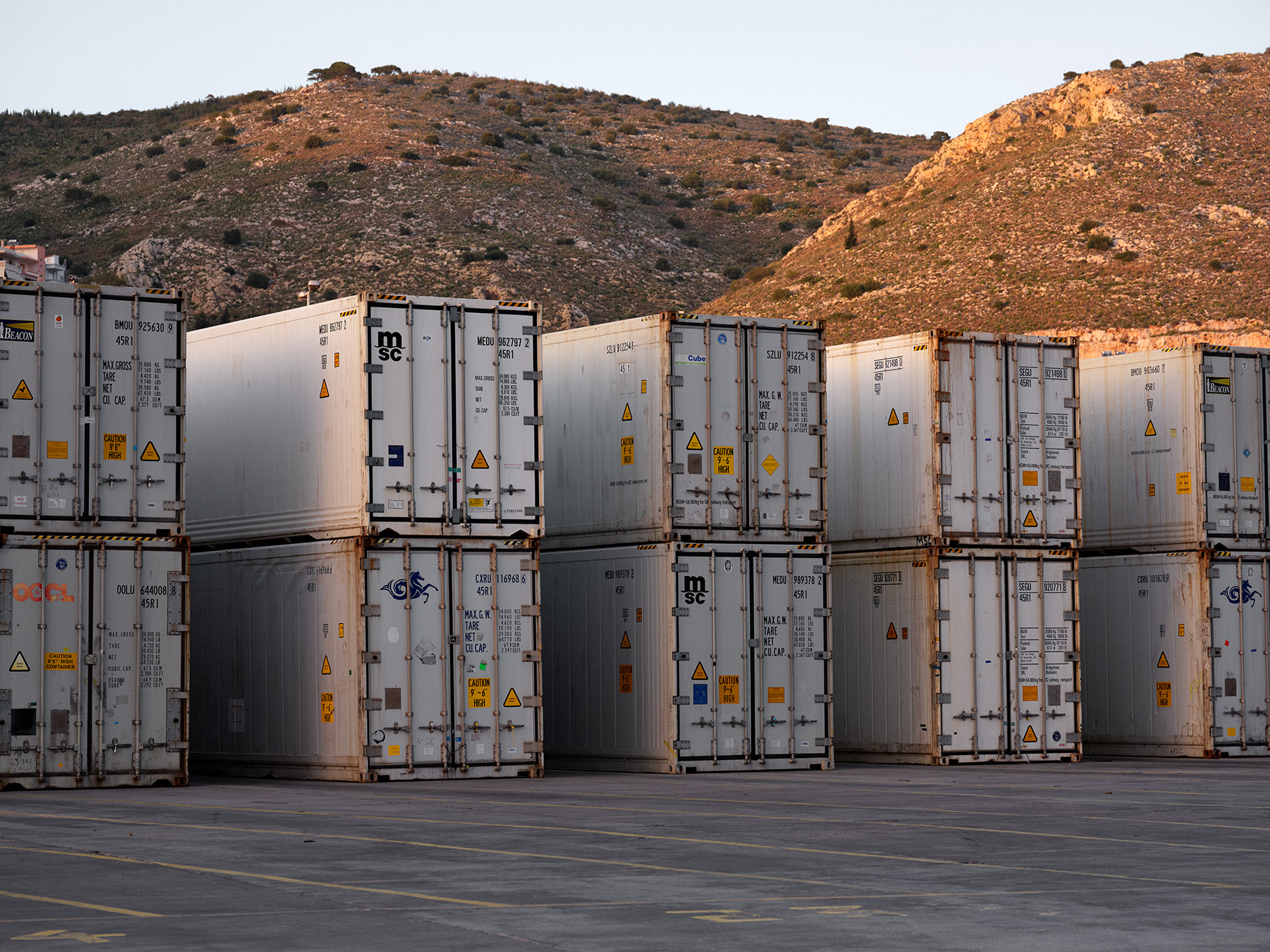
Ever Given began as a dialogue between two worlds that initially seem very different: quarries and ports. In Syros, the exhibition takes on a new reading through the architecture of the gallery and the island’s relationship with its port, movement, trade and industrial history. The images bring together large ships, containers, marble, cracks, surfaces and traces of human intervention. People are usually absent from the frame, yet in reality their presence is everywhere.

The title comes from the container ship of the same name that blocked the Suez Canal in 2021, making visible just how fragile an entire global system of transportation and trade can be.

What captures your interest and can become the starting point for a new body of work?

It can be a landscape, something I read, an image I cannot forget, or even something seemingly insignificant that sparks a question in me. I do not necessarily begin knowing where an idea will lead. I need time and repeated observation. When I realise that I keep returning to the same subject again and again, I usually understand that a new project is beginning.

With such a strong presence in exhibitions abroad, what do you take away from the international audience in relation to your work, and how different is the landscape in Greece?

One of the most beautiful things about art is that an image can transcend language and the geographical context in which it was created. I have seen people with completely different experiences interpret the same photograph in very different ways. This interests me greatly because I do not want to impose a single interpretation.

Abroad, there is often greater familiarity with photography as an autonomous form of contemporary art, as well as a more developed market. In Greece, however, there is now an exceptional level of artistic activity and an audience that is becoming increasingly open.

What has this outward-looking approach offered you in general, and how much does it influence your work?

Different people, exhibitions, travels and cultures constantly open up new paths. They give you a point of comparison and show you that there are many different ways of creating. Yet the more you open yourself up to the world, the more you understand the value of preserving your own perspective and authenticity.

What prompts and inspires you to take new steps and evolve the way you create? Tell us a story.

A characteristic example is my work with the sea. In 2015, I was photographing in Chios and Lesbos, at sites where thousands of refugees had passed through. If you looked only at the landscape, it could appear completely peaceful. Yet you knew what had happened there. For me, this completely transformed the image and its relationship to the event. The sea was the same, and at the same time it was no longer the same. That is what I tried to capture in the images from this project.

What are the non-negotiable values that guide your work?

Authenticity, honesty towards what I photograph, and the depth that exists within simplicity.

The photographers who have a special place in your heart, and why?

There are many, and they change over time. Cindy Sherman is certainly an artist I have admired consistently throughout the years. I am particularly interested in the way she has used photography not simply to create images, but to explore identity, representation, and the way we see ourselves and others.

One object you would never want to part with?

My camera. Not so much as an object, but because it has become almost an extension of the way I observe the world.

Is art and creativity, in general, a path towards becoming better human beings?

Potentially, yes. Art does not automatically make us better people. But it can teach us to observe, question our certainties and, above all, see the world through different perspectives. That shift in perspective alone can create greater understanding and empathy. For me, art is also a way of confronting fear, decay, time, and even the idea of death. Through these things, perhaps, we ultimately come to understand life more deeply.

What do you consider authentic today?

We live in an age where almost everything can be constructed, corrected, staged and reproduced. To me, authenticity means that there is still a personal experience behind what you do. It means acknowledging your influences without imitating them. It means allowing even imperfections to remain.

If you were to photograph something for TheAuthentics.gr, what would it be?

Having recently travelled to Madagascar, I encountered a way of life that seems to belong to another era, expressing the purity of people who remain genuinely connected to nature and their surrounding environment. I would therefore choose to share some images from that journey.

EVER GIVEN

Ever Given, the solo photography exhibition by Έφη Χαλιορή, is hosted at the Municipal Gallery of Cyclades in Syros.

Dates: 2–20 September 2026
Opening: 5 September 2026, 20:00


Author