To begin with, tell us about the highlights of your journey. What are the defining steps that brought you to where you are today?

Rhea: My path unfolded very organically. During the Covid period—specifically the first lockdown—while I was still working full-time, I began creating on the side as a personal outlet and hobby. I started painting ceramics without any business plan, driven purely by a love for aesthetics and the joy of making. Very quickly, though, I realized it had the potential to become something more than a hobby. Gradually, it evolved into a fully developed brand spanning ceramics, textiles, furniture, and interior collaborations. A pivotal moment was recognizing that people were genuinely connecting with what I create—and that the brand’s aesthetic could resonate internationally.

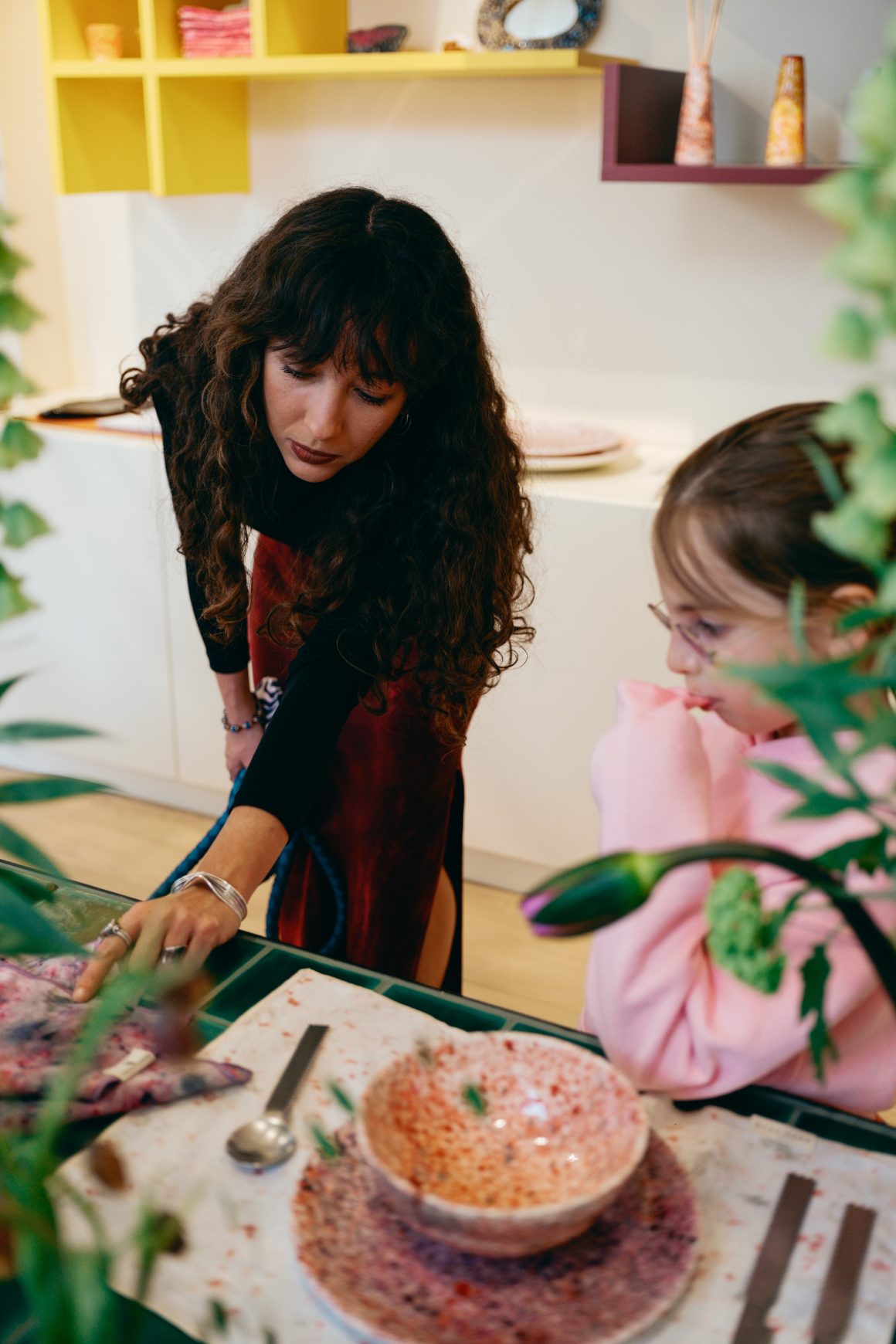
Christiana: My journey began through my studies at UAL: Chelsea College of Arts. A defining moment came during a sustainability project, when I started experimenting with natural dyes. I fell in love with the entire process—from walking outdoors to gather plants, to “cooking” them in my kitchen and the university studio, to spending hours reading and experimenting. Later, my travels across Southeast Asia played a crucial role. There, I encountered traditional techniques and people working with deep respect for material and time. That experience led me to return to Athens and establish my atelier—the city’s first natural dye studio. Over the past seven years, I’ve collaborated with fellow creatives, designed and produced collections of garments and objects, and taught in spaces such as the SNFCC, Onassis Stegi, schools, and hotels including Mandarin Oriental Costa Navarino. Through teaching, I aim to share not only my techniques but also a way of thinking—around sustainability, creativity, and connection to nature. A key highlight for me is constant evolution: I’m still learning, traveling to discover new techniques, reading, and experimenting.

The story of discovering a creative path through art—how did the initial idea take shape, and how has it evolved over time?

Rhea: I’ve always been drawn to spaces, objects, and the way aesthetics can shape everyday life. During that period, I found the time to explore something more hands-on and immediate. Clay and ceramics captivated me instantly because they allow you to leave a mark—to create something tangible and alive. In the beginning, it was purely instinctive. Over time, however, it developed into a conscious creative direction: designing objects with character, humor, color, and everyday functionality.

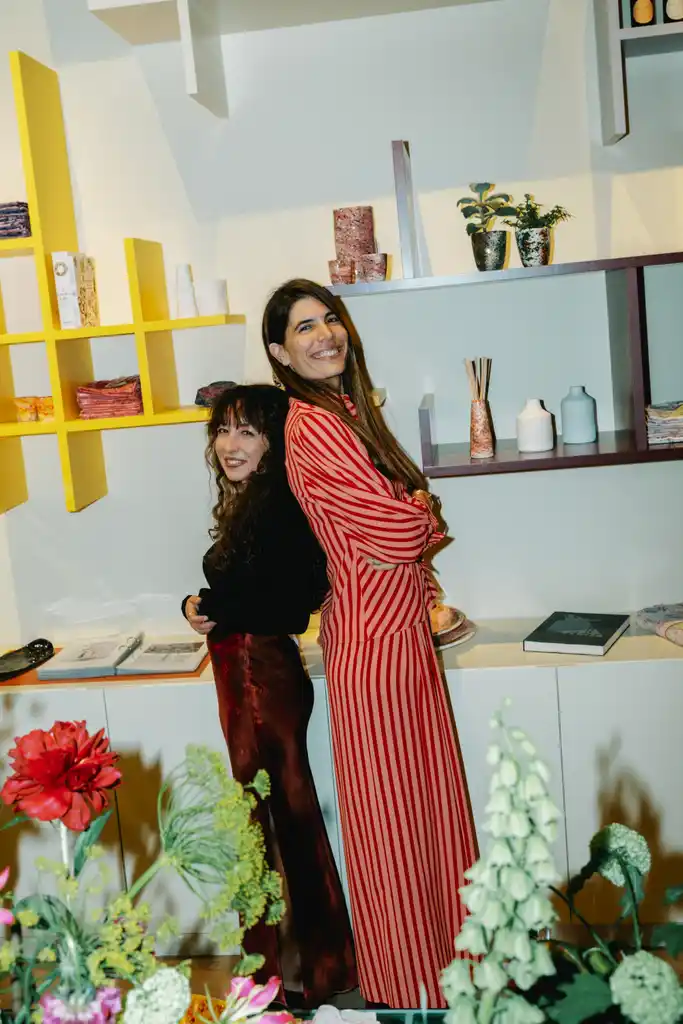
Christiana Vardakou & Rhea Kalo

How did you meet, how did this collaboration come about, and what exactly do you create together?

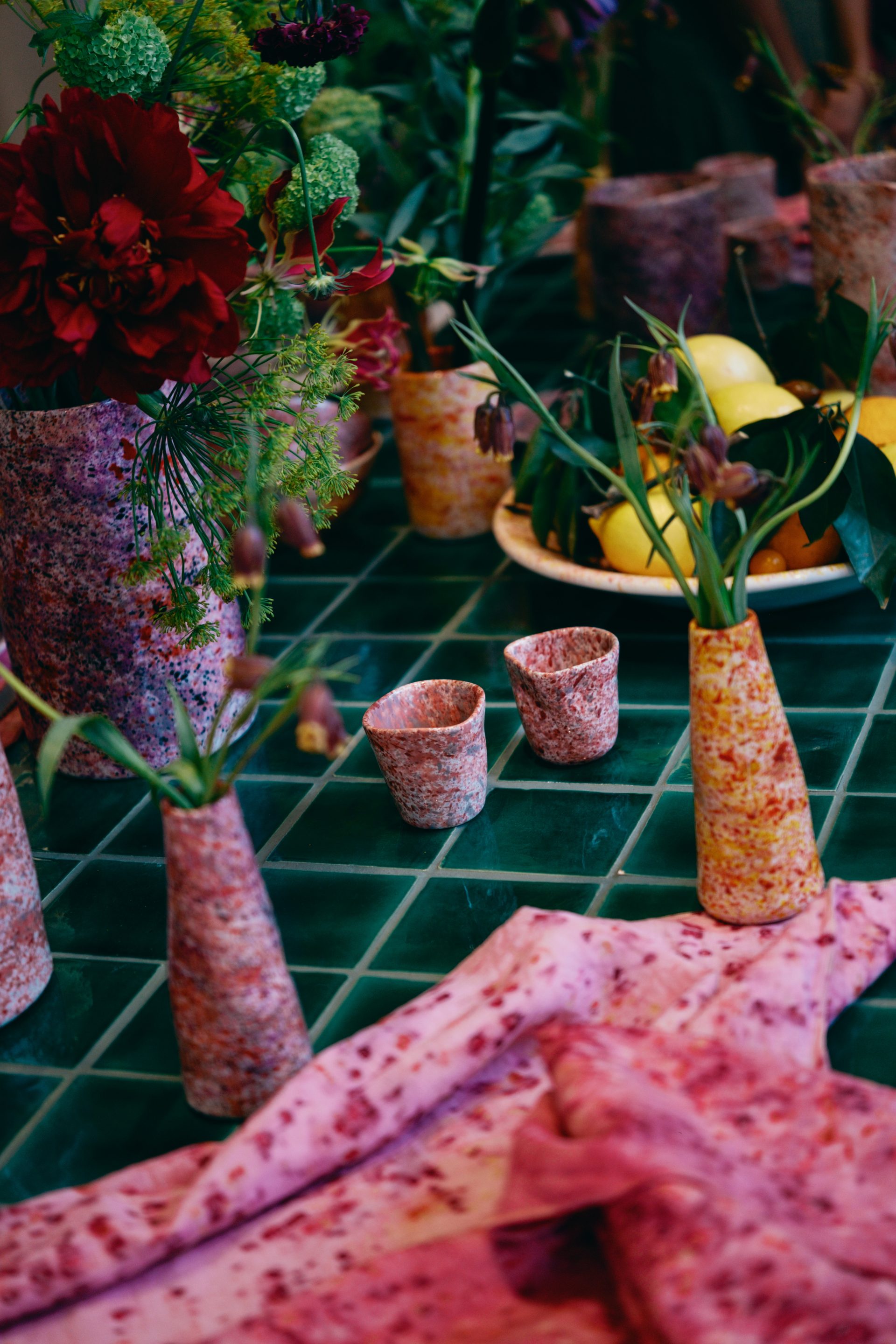
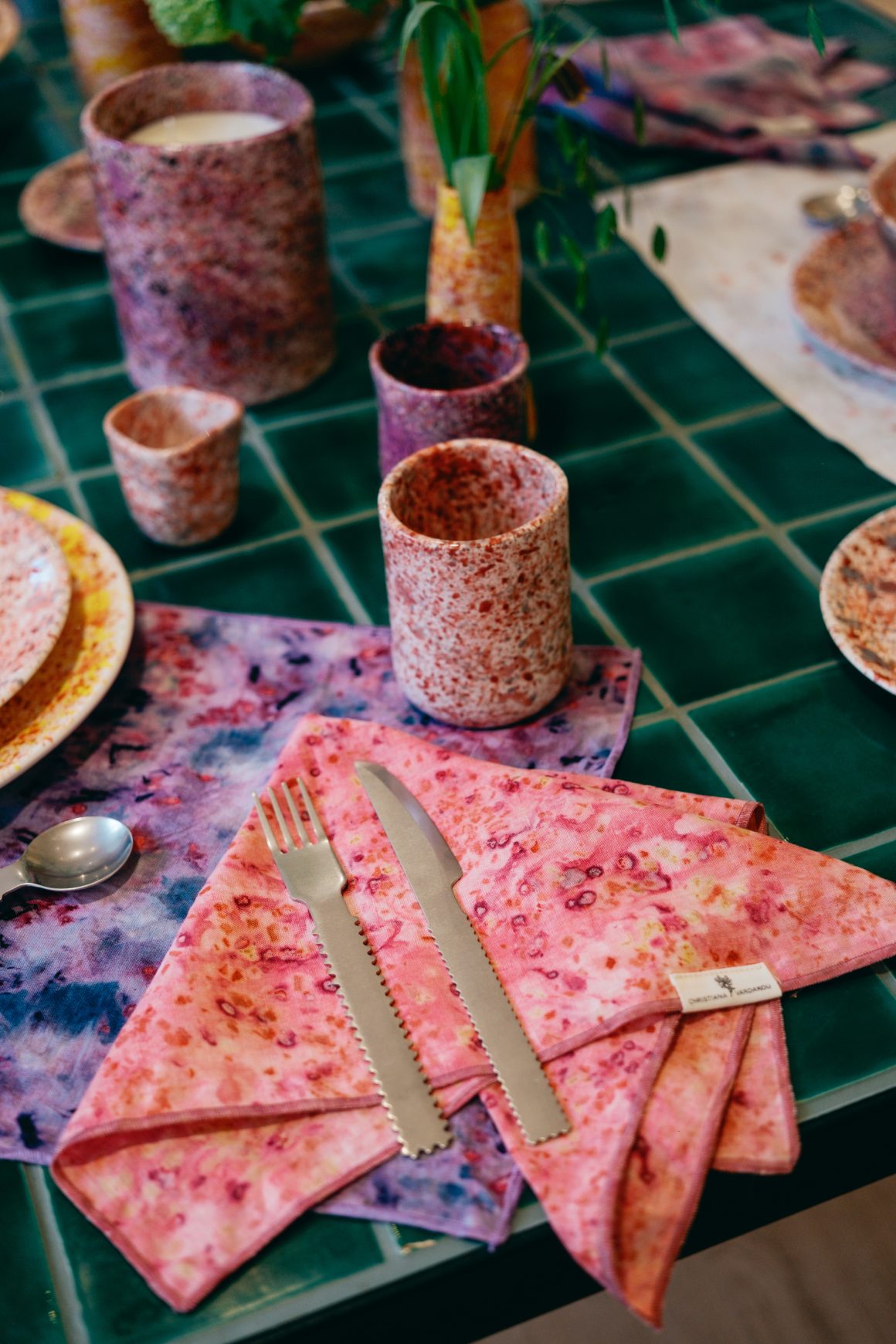
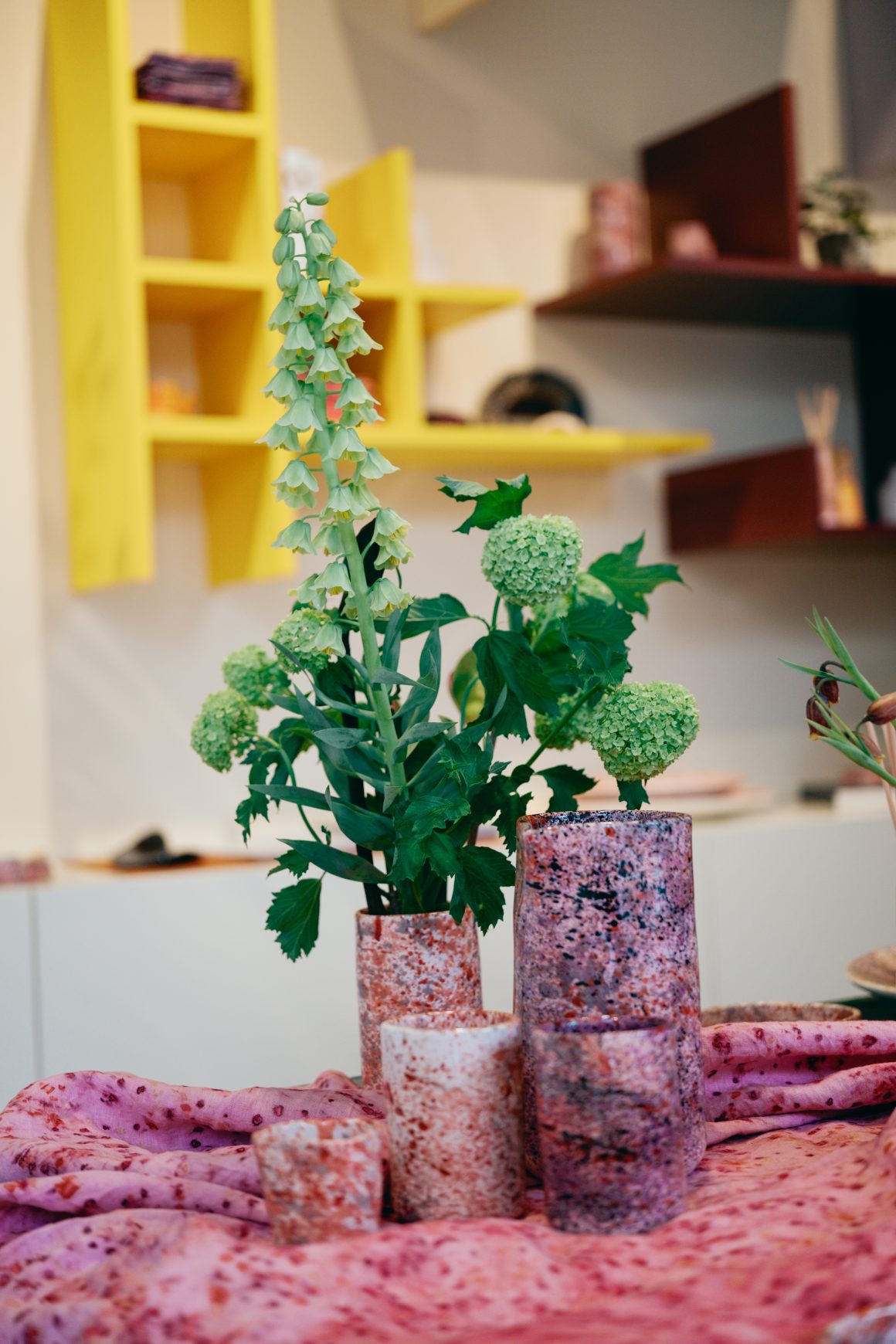
Rhea: Our connection happened very naturally, through a shared appreciation for slow, handcrafted design. From the very beginning, I felt we had a mutual sensitivity when it comes to color, texture, and the value of objects with personality. Our collaboration is rooted in bringing together two distinct worlds—ceramics and textiles—that, in essence, communicate seamlessly with one another.

Christiana: There was an immediate sense of familiarity between us. We both value objects that are not only beautiful but carry identity and energy. That made the collaboration feel effortless from the start. It’s a creative dialogue between surfaces, forms, colors, and materials—where each element complements the other.

By emphasizing the value of craftsmanship and personal involvement in the creative process, do you feel this is something missing today? How do you view it?

Rhea: In a fast-paced world dominated by mass production, the handmade holds even greater value. People are increasingly seeking objects that carry a story and a human touch. I do think this has been missing to some extent—which is exactly why it’s making such a strong return.

Christiana: Unfortunately, our connection to objects has weakened. For me, the handmade is not just an aesthetic choice—it’s a way to restore that relationship. When I started my brand, my core philosophy was emotionally durable design. I wanted each piece to be custom, created in collaboration with the person who would eventually own it. When there is personal involvement in the process, the object gains an entirely different kind of value—it becomes more intimate, more meaningful, something you want to keep over time. At the same time, I see a clear shift. More and more people are seeking this kind of connection—they want to know who made something, how it was created, and from which materials. I see this strongly reflected in my workshops as well. There is a deep need to return to making with our hands.

Describe your creative process as collaborators—how much did you enjoy it?

Rhea: It was a truly beautiful process because it was built on trust and shared enthusiasm. We began by exchanging references—colors, materials, moods—and everything evolved very organically, without pressure.

Christiana: I really enjoyed it because there was a sense of freedom. Rhea came to my studio, showed me colors and patterns she was drawn to, and then gave me the space to experiment. When you collaborate with someone who understands your instinct, you create without defenses. That’s rare—and incredibly valuable.

Do you feel the final result justified the process?

Rhea: Yes, because I feel the outcome genuinely reflects both of us—especially in the way color relationships and a shared aesthetic language translate differently through each material.

Christiana: Absolutely. I feel like we stepped into each other’s worlds, merged our strengths—and even our personalities. The result is clearly a blend of both of us.

How important is it to meet people who share your aesthetic and with whom you can grow creatively?

Rhea Kalo: It’s very important. When you meet people with a shared aesthetic, a meaningful creative dialogue begins. You learn from one another, exchange ideas, and there’s mutual inspiration and growth.

Christiana Vardakou: It’s important to share a common code—but also to bring a different perspective. That’s where the most interesting collaborations are born. For me, collaborating with others is essential, because through the exchange of ideas and viewpoints, evolution is inevitable. You step outside your own way of thinking and open up to new approaches. Especially when I collaborate with people who don’t work primarily with textiles, I enjoy the process even more. I know I’ll learn something new—and that something unexpected might emerge, something I could never have imagined on my own. And for me, that is the true essence of collaboration.

In what ways do you feel your aesthetic is evolving?

Rhea Kalo: It’s becoming more mature and more intentional, without losing its playful edge. I’m increasingly interested in balancing joy, timelessness, and functionality.

Christiana Vardakou: My aesthetic evolves alongside me. I don’t see it as something fixed, but as a living process shaped by what I learn, my travels, the people I meet, and the stage of life I find myself in each time.

What do you consider your most important achievements?

Rhea Kalo: The fact that something which began so spontaneously has grown into a brand with a clear identity and an audience across different parts of the world. And that it continues to evolve—along with me.

Christiana Vardakou: A very important part of my journey has been my collaborations—with other brands, architects, interior designers, organizations, schools, and hotels. Each one has offered something different and helped me grow, both creatively and personally. But perhaps most importantly, I’ve never stopped experimenting. I continue to seek knowledge, to learn, and to evolve through my work. That mindset is what keeps me engaged and connected to what I do. One of my most meaningful recent milestones was my trip to Guatemala this past January, where I spent a month deepening my practice in natural dyeing. It was a powerful experience, both in terms of knowledge and personal growth.

Who and what helps you keep moving forward?

Rhea Kalo: The people around me play a crucial role—my family, my collaborators, and those who believe in me. But equally important is my inner drive. I’ve always had a strong need to evolve, to learn, to improve, and to become better than I was a year ago. It’s hard to explain—it’s simply something within me that keeps pushing me forward.

Christiana Vardakou: My family and friends are definitely my foundation—they support me consistently and remind me who I am and what I’ve achieved, especially during stressful moments when I might forget. My collaborators and students are also a great source of strength. Their energy, interaction, and smiles make me want to keep creating and teaching. And of course, my dog Ito—who is always by my side, whether in workshops, meetings, or pop-ups. He grounds me and reminds me of something essential: to pause, to play, and to take long walks.

What kind of response do you receive from an international audience, and how does it differ from Greece?

Rhea Kalo: International audiences tend to embrace individuality and distinctive aesthetics. There’s a strong appreciation for brands with personality and a clear identity. In Greece, I’ve also noticed significant growth in recent years—a new maturity around independent design.

Christiana Vardakou: Abroad, there is definitely greater familiarity with and appreciation for natural dyes, slow design, and the value of the handmade. In Greece, this awareness has developed more recently, but since I started, I’ve seen a clear shift—more and more people are becoming interested, informed, and eager to learn.

What has extroversion brought to your work, and how does it influence your practice?

Rhea Kalo: Extroversion brings inspiration—new imagery, new people, new perspectives. It keeps you open and creatively alive.

Christiana Vardakou: Extroversion has primarily brought me into contact—with people, ideas, and different ways of thinking, something deeply connected to my travels. Through these experiences, I engage with new cultures and traditional techniques, which shape both my creative and personal growth. It directly influences my work by constantly pushing me beyond my own framework and into dialogue with others. That’s what keeps my practice alive, open, and continuously evolving.

What story does your new collection tell, and what are your immediate plans?

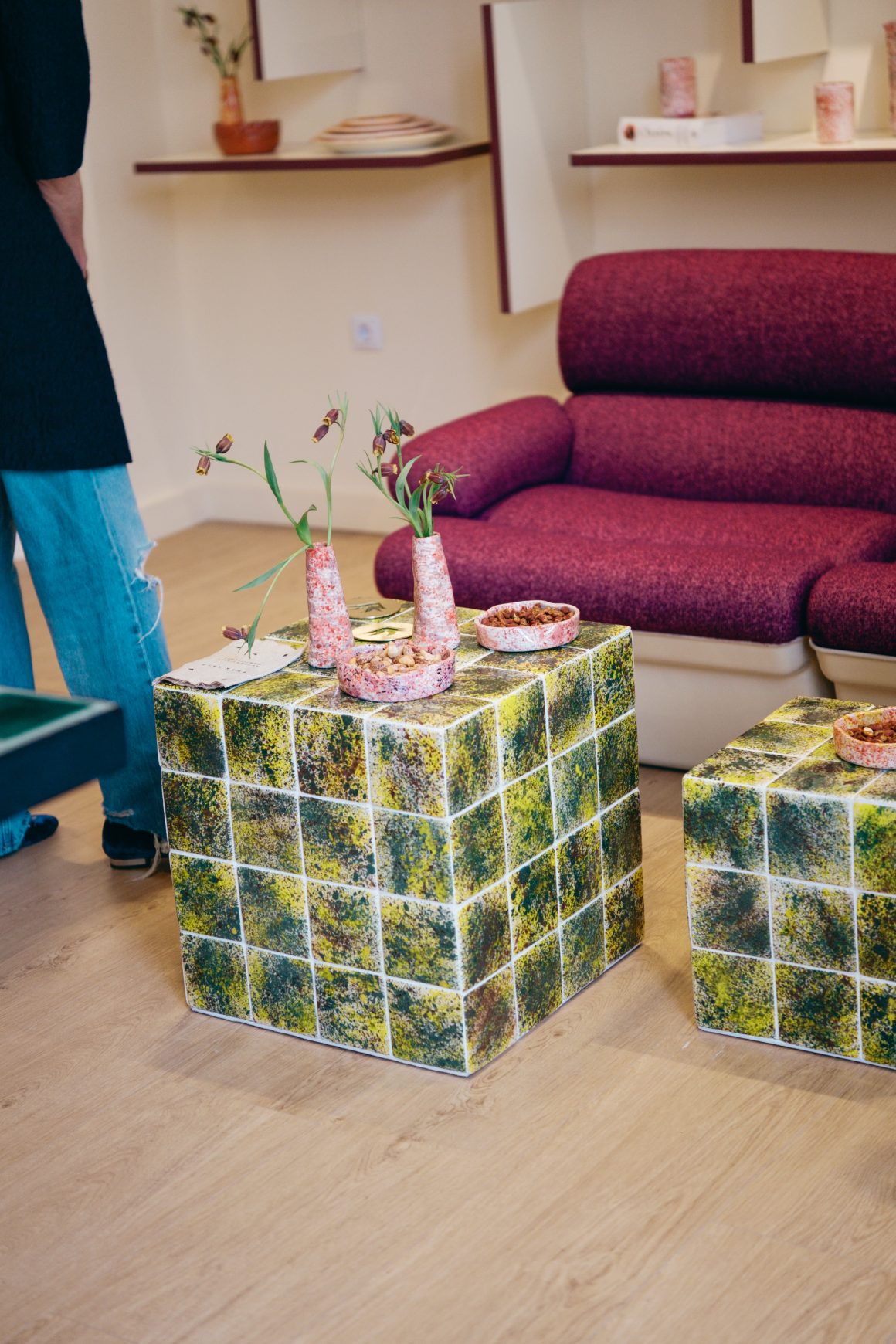
Rhea Kalo: New materials, more interior pieces, and projects that expand the brand’s universe into more immersive spatial experiences.

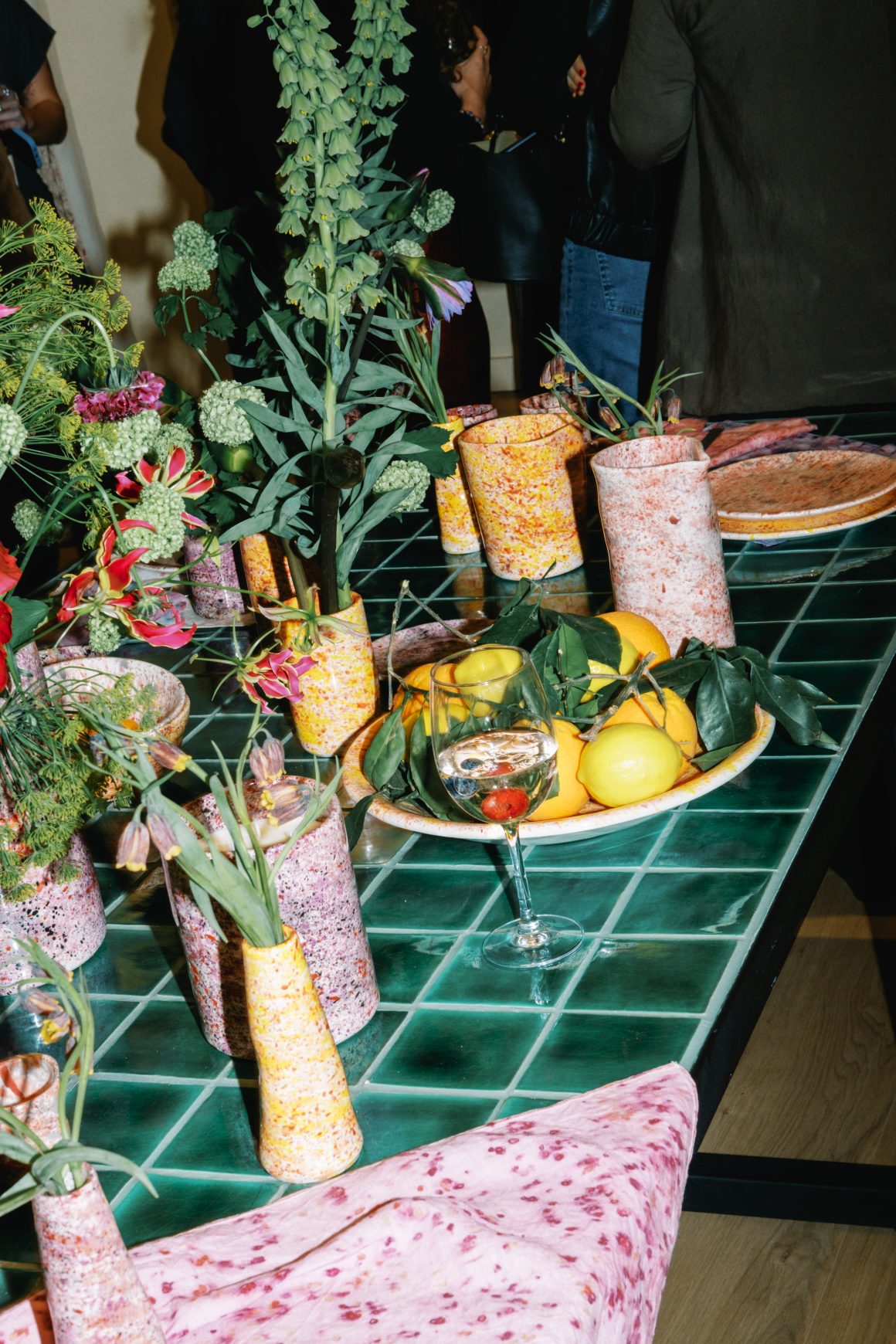
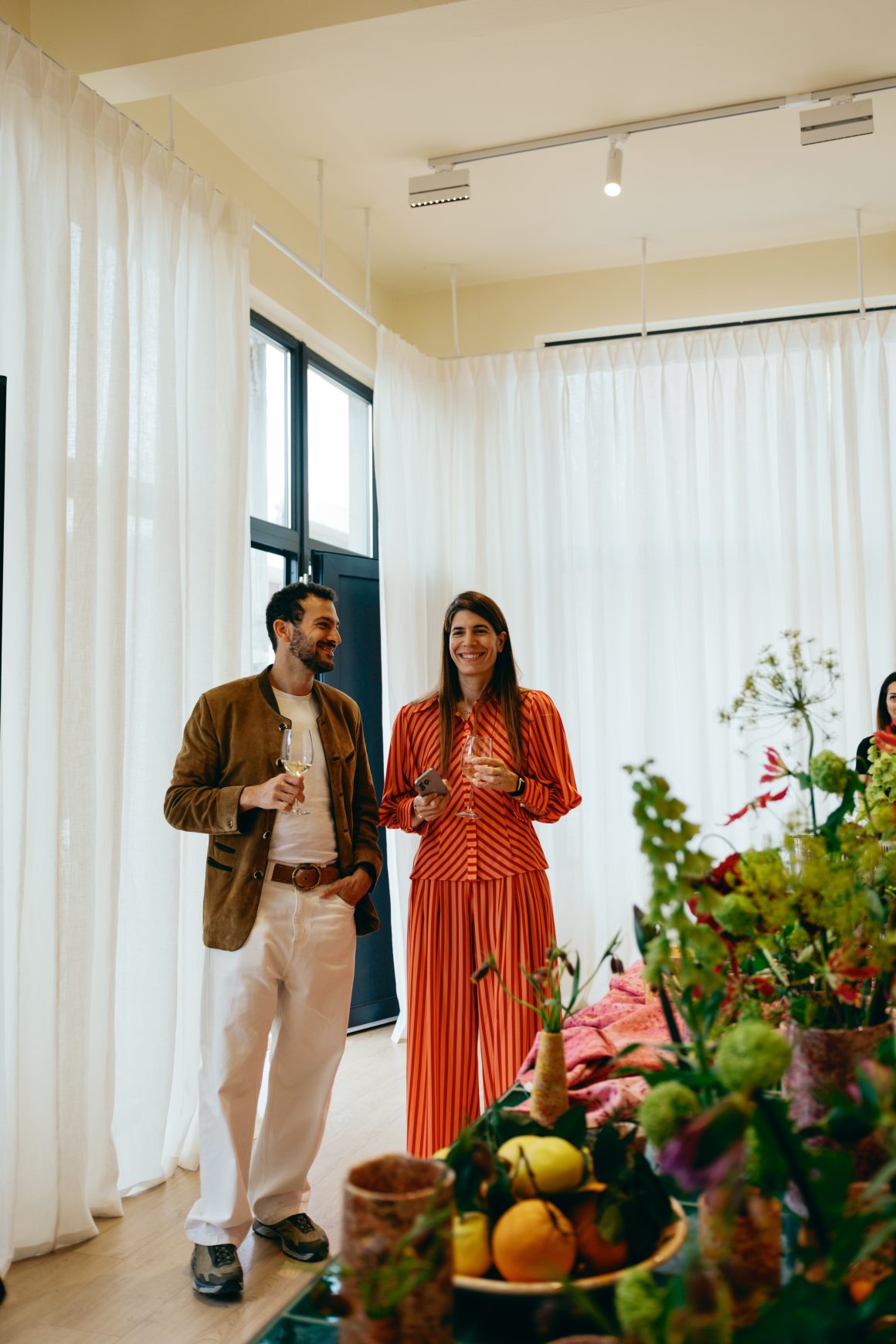
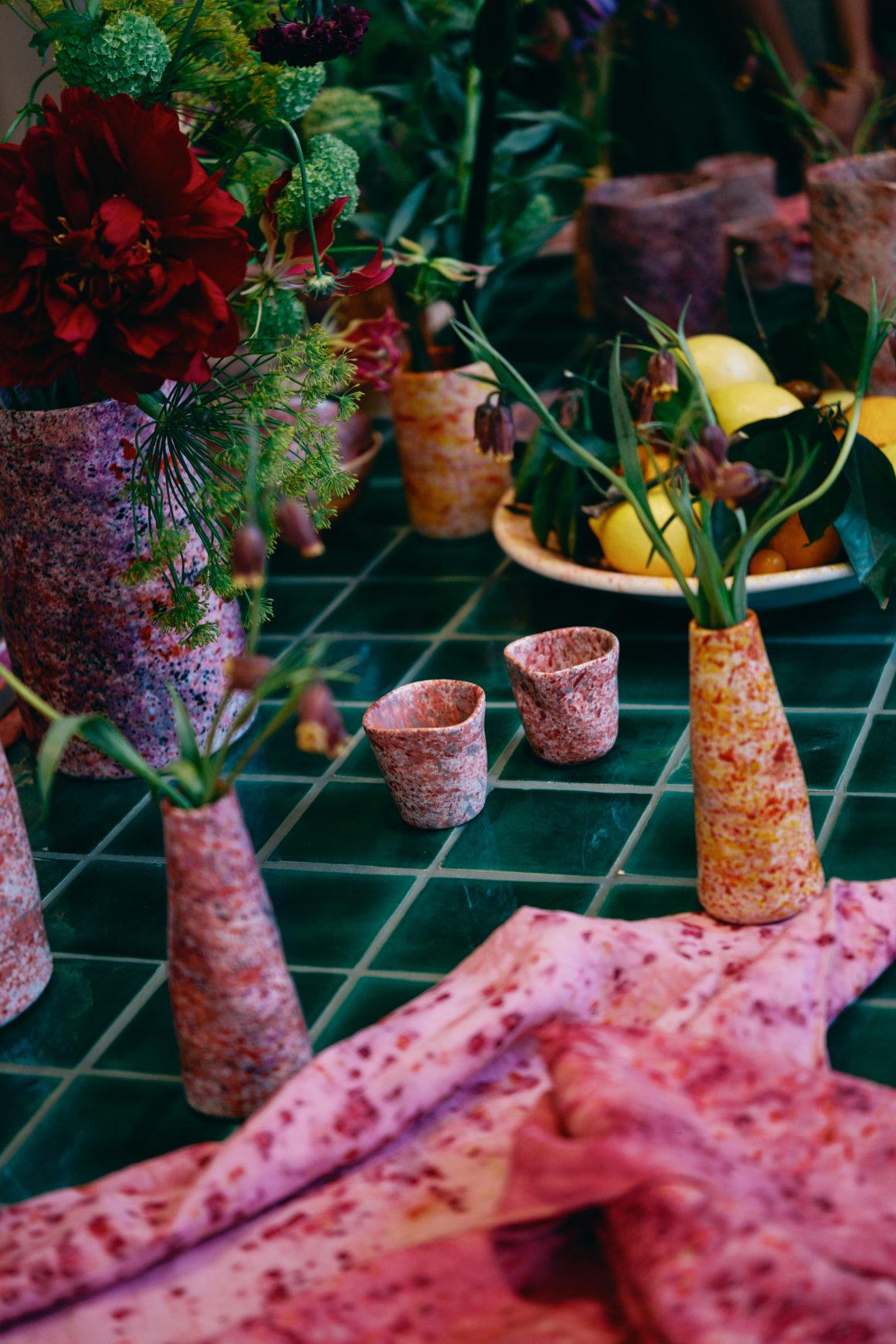
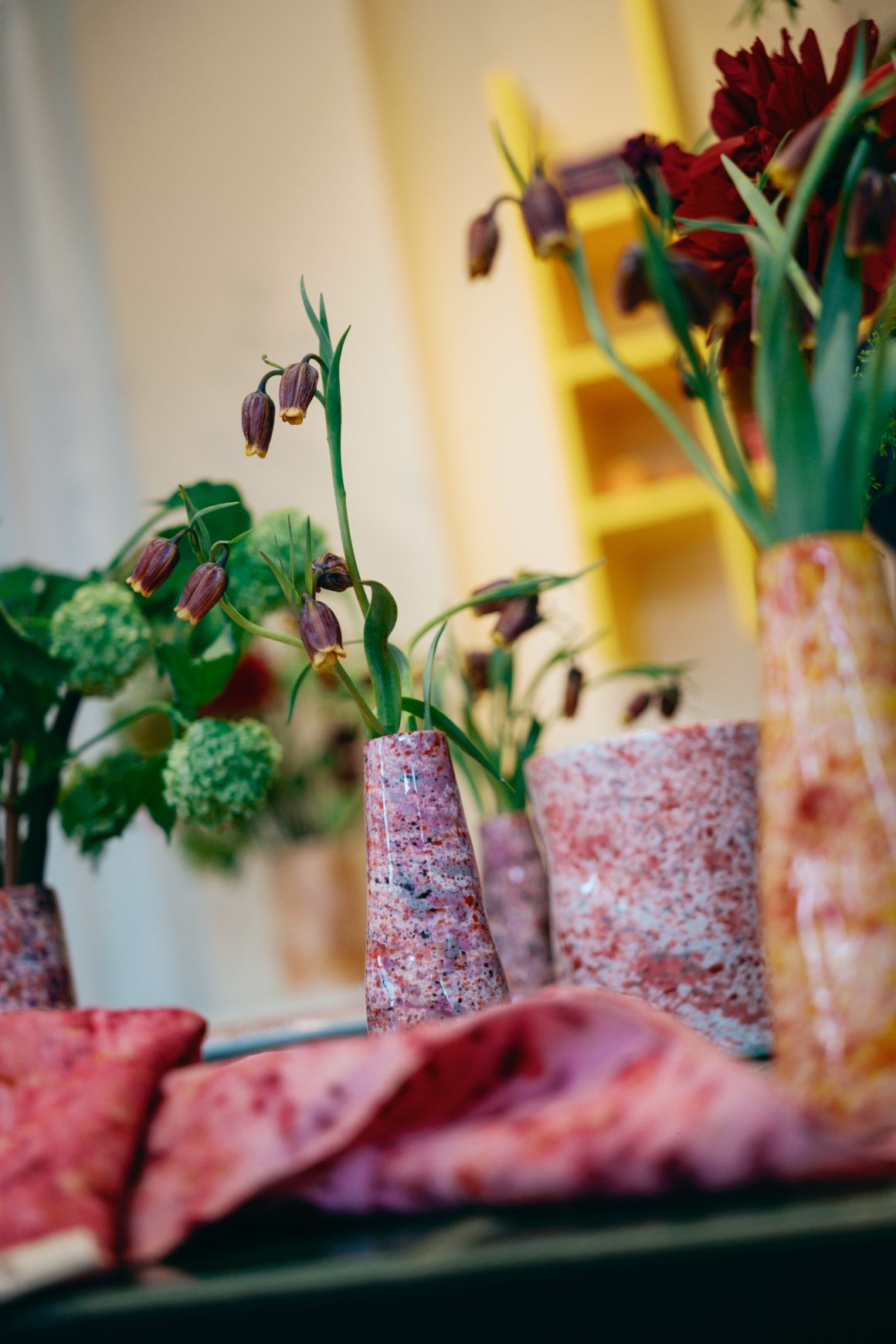
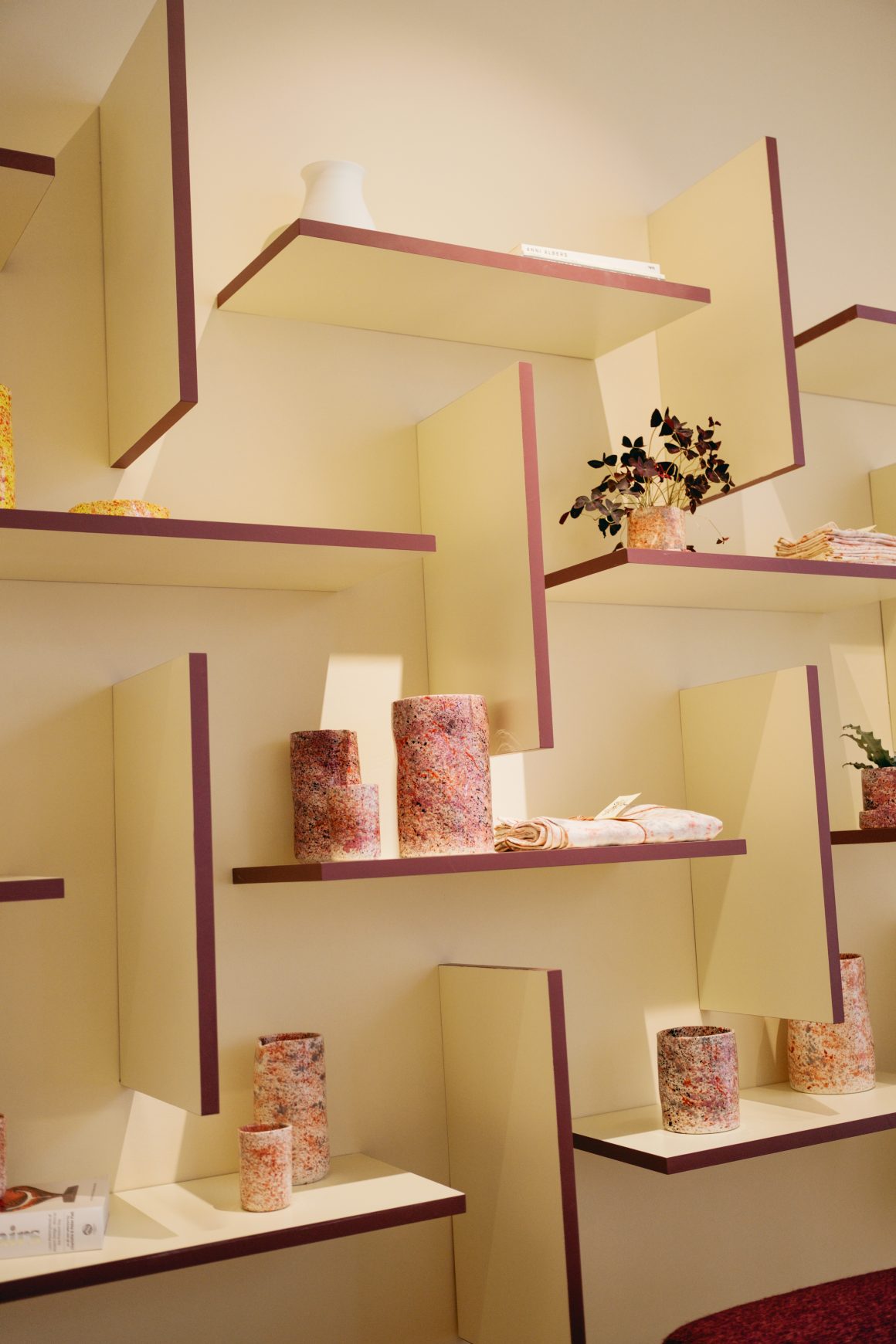
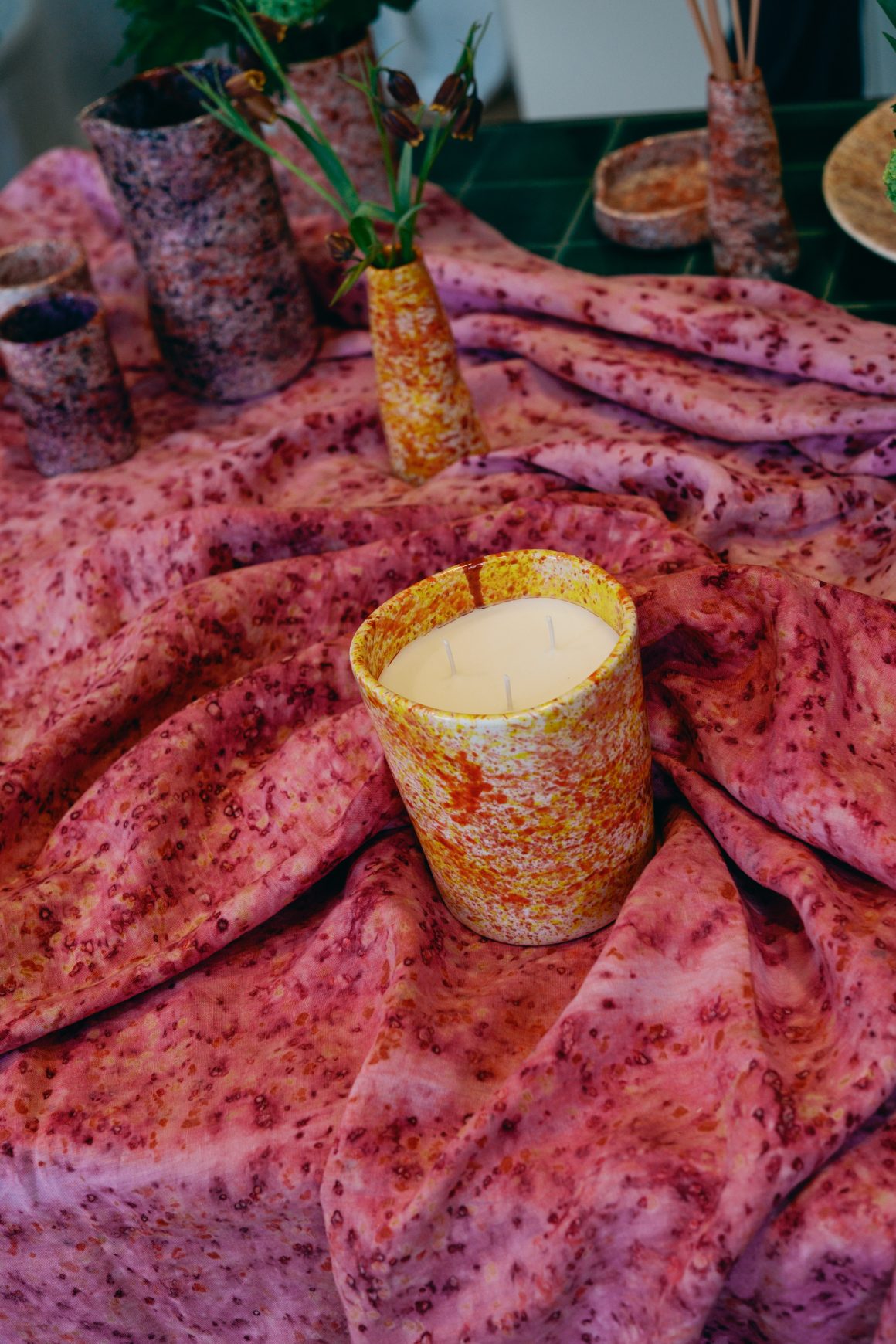
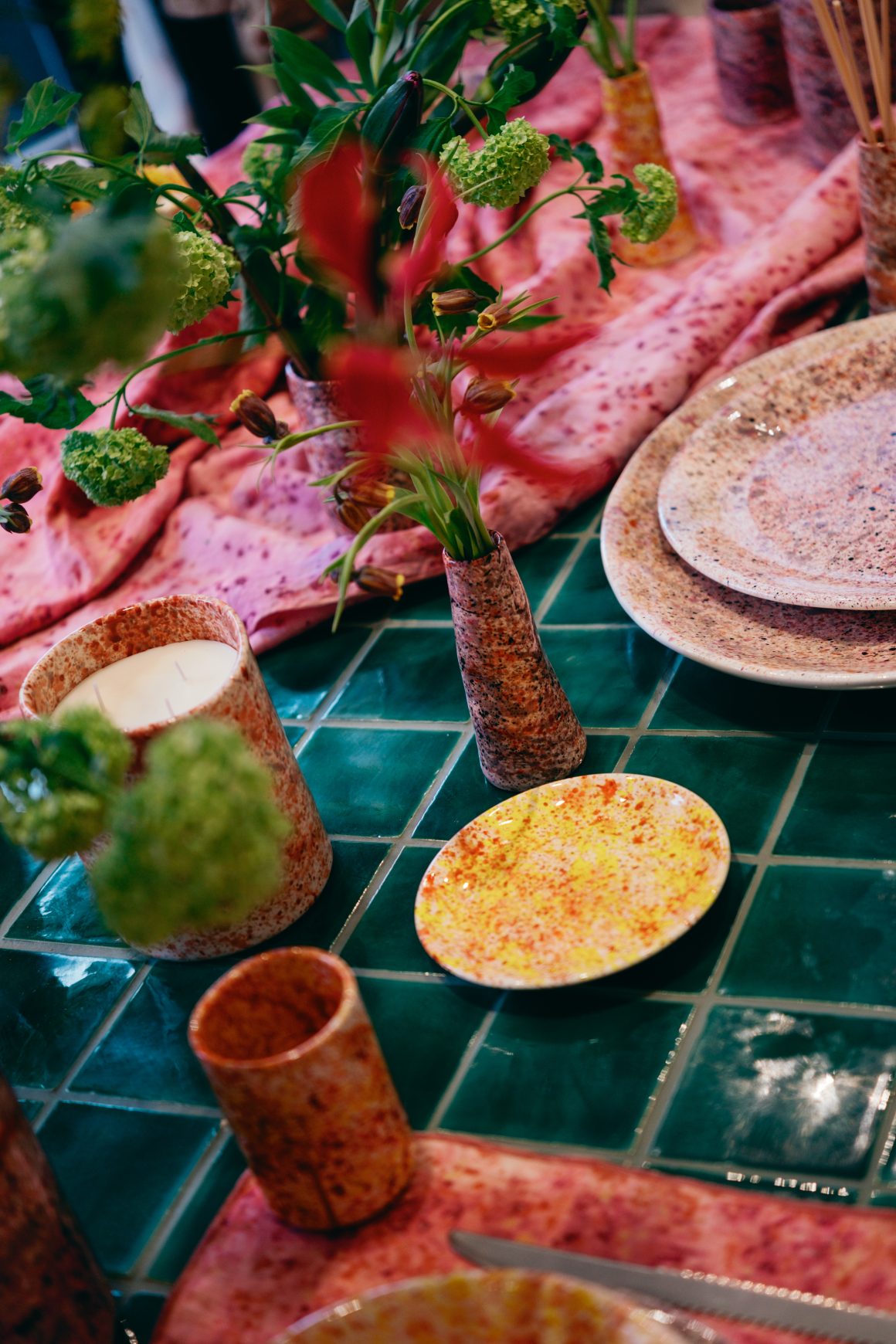
Christiana Vardakou: A new collaboration that brings together natural dyes with another form of creation. It’s the first time I’ve worked with someone who designs and creates ceramics. The objects we’ve developed complement each other, forming a cohesive dialogue between our two practices.

What प्रेरses you to evolve your creative process? Tell us a story.

Rhea Kalo: I draw a lot of inspiration from everyday life. A trip, a hotel, a dinner with friends, an unexpected color combination—often something small becomes the starting point for an entire idea.

Christiana Vardakou: For me, evolution comes through new stimuli—through things I learn, my travels, the images and experiences I collect, and even simple conversations with friends.

What are the non-negotiable values in your work?

Rhea Kalo: Authenticity, quality, joy, and personality.

Christiana Vardakou: Sustainability, honesty, and respect—towards materials, the environment, the process, and the person who will eventually connect with the object I’ve created.

How has your design philosophy evolved over time, and what holds particular value today?

Rhea Kalo: In the past, I was more focused on image. Today, I care more about the emotion an object creates and how it lives over time.

Christiana Vardakou: Today, I value longevity—both material and emotional. Creating objects that are not ephemeral, but can be kept, evolve, and form a connection with the person who owns them. I also find honesty in design increasingly important—knowing where something comes from, how it’s made, and with what intention. In a world of overconsumption, this transparency and meaningful connection carry even greater weight.

What would be your dream project?

Rhea Kalo: A boutique hotel designed entirely within the universe of the brand.

Christiana Vardakou: My ultimate dream project would be to dress Florence Welch for one of her concerts. I saw her perform at the Odeon of Herodes Atticus a few years ago, and I remember her speaking about her love for traditional Greek textiles—our weavings and embroideries. I feel our aesthetics align beautifully, and it would be truly special for me to create a custom piece for her.

The designers closest to your heart—and why?

Rhea Kalo: Ettore Sottsass for his boldness and use of color, and Faye Toogood for the organic nature of her work and her multidimensional approach across art, design, and sculpture.

Christiana Vardakou: Anni Albers inspires me through her approach to fabric—not just as a material, but as a medium of artistic expression, grounded in deep knowledge, discipline, and respect for tradition. Sonia Delaunay fascinates me for her use of color and her ability to bring art into everyday life—bridging art and design in such a vivid and contemporary way. Both have influenced me because they redefined what textile design can be.

Are we what we choose?

Rhea Kalo: To some extent, yes. Our choices shape our world every day. That doesn’t mean we can’t evolve or reconsider past decisions.

Christiana Vardakou: I believe we are our experiences. Our environment and the people who influence us all play a role. Our choices are never entirely neutral—they carry everything we’ve lived through.

Three places you love returning to—and why?

Rhea Kalo: The Greek islands for their light, simplicity, and sense of freedom. London because it feels like a second home—its energy, diversity, and creativity constantly inspire me. And Copenhagen for its design, gastronomy, and that unique balance between aesthetics and quality of life that keeps drawing you back.

Christiana Vardakou: Porto Rafti is my ultimate safe place. I spent all my summers there with my grandparents—painting, reading, and swimming. Since returning to Greece, I try to go as often as possible. Sometimes I fill the house with friends, music, food, and board games; other times I go alone with my dog—we hike up the mountain, I reset, and truly refocus. I don’t think I love any place more in the world. Beyond that, while there are many places I cherish, I’m increasingly drawn to the new—to traveling, discovering different cultures, and constantly learning.

Is art and creation a path to becoming better people?

Rhea Kalo: Yes—because it grounds you, brings calm, and offers perspective. It helps you become more observant, more open, and more deeply connected to what truly matters.

Christiana Vardakou: Yes—because it teaches patience, empathy, and substance.

A museum and artwork that captured your heart?

Rhea Kalo: Louisiana Museum of Modern Art. In recent years, I’ve felt a growing need to be close to nature and to open, calm spaces, while always being deeply moved by art. This museum brings those two elements together in such a harmonious way.

Christiana Vardakou: In 2016, while living in London, I had the chance to see a retrospective exhibition of Georgia O’Keeffe. She’s my favorite painter, so it was a very special experience. I love her landscapes, but also her flowers—the way she captures nature with intensity, simplicity, and a deeply personal perspective.

Your personal definition of beauty?

Rhea Kalo: Beauty is something real that moves you without needing explanation.

Christiana Vardakou: Beauty is something that makes you feel—whether it’s joy, sadness, desire, or even a sense of longing. It’s not about perfection, but about the emotion it evokes and how deeply it connects you to something.

What feels authentic today?

Rhea Kalo: Anything that doesn’t try too hard to impress, but expresses itself with ease, confidence, and honesty.

Christiana Vardakou: Authenticity lies in the details—in how something is made, the time devoted to it, the story it carries. It’s about staying true to your values and creating not by following trends, but with substance and a personal voice. It’s also about not copying—because in reality, you can never replicate something the way the person who inspired you did. As a professor once told me: learn the techniques you love well, and then create something of your own—through your own experiences, values, and aesthetic.

If you were to design something for TheAuthentics.gr, what would it be?

Rhea Kalo: A collectible series of table objects dedicated to hospitality, the joy of gathering, and beautiful everyday moments.

Christiana Vardakou: Perhaps a capsule collection of silk scarves dyed with natural dyes, dedicated to the value of the one-of-a-kind.

Author