You have dedicated your work to highlighting biodiversity and the relationship between humanity and nature through a unique artistic and scientific perspective. What is your vision?
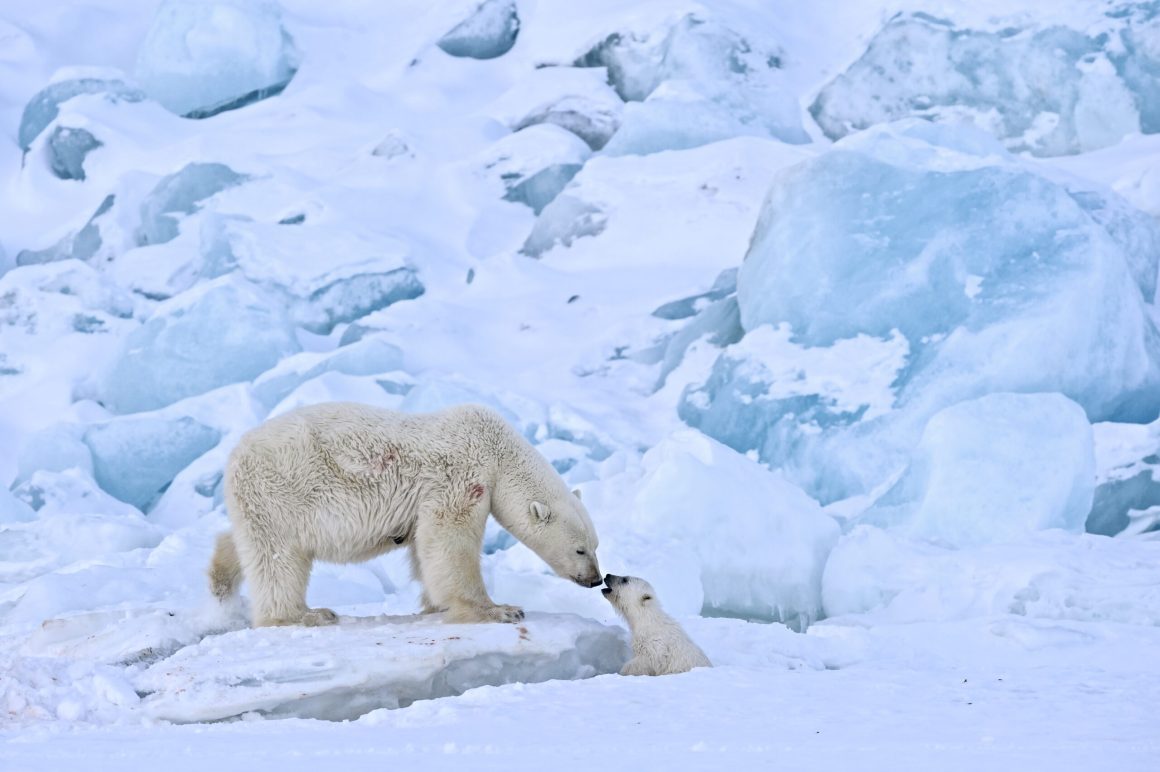
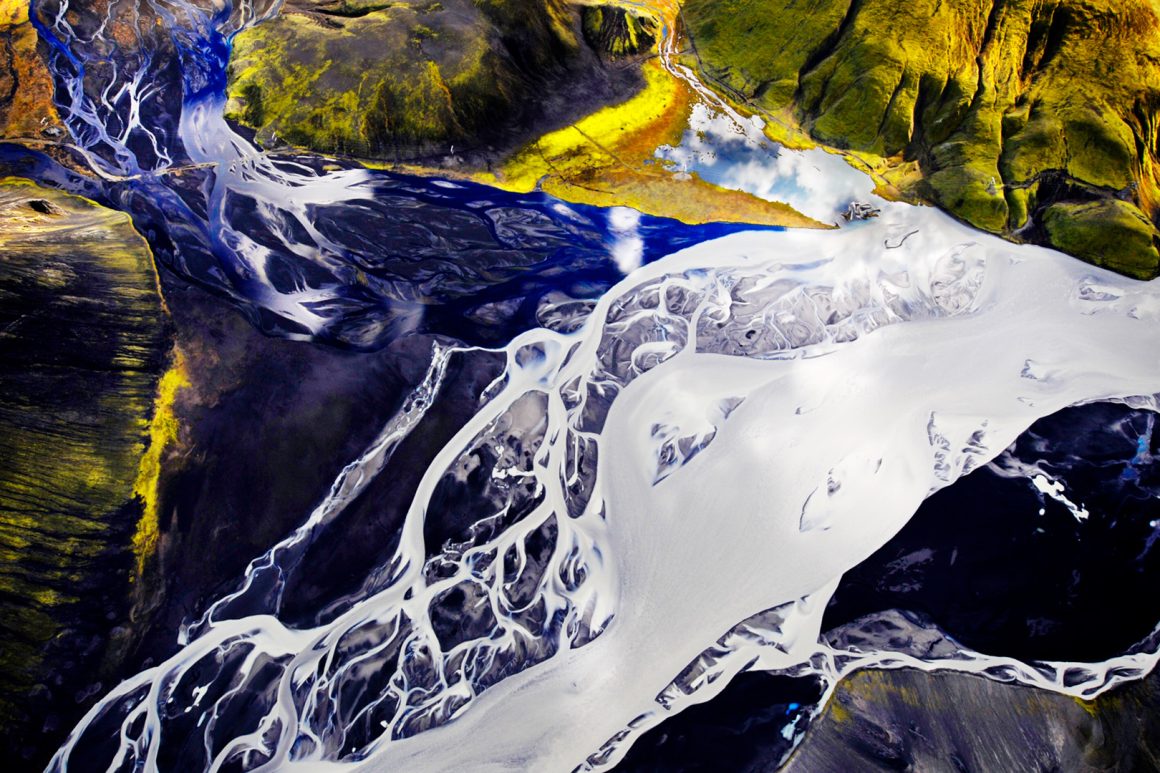
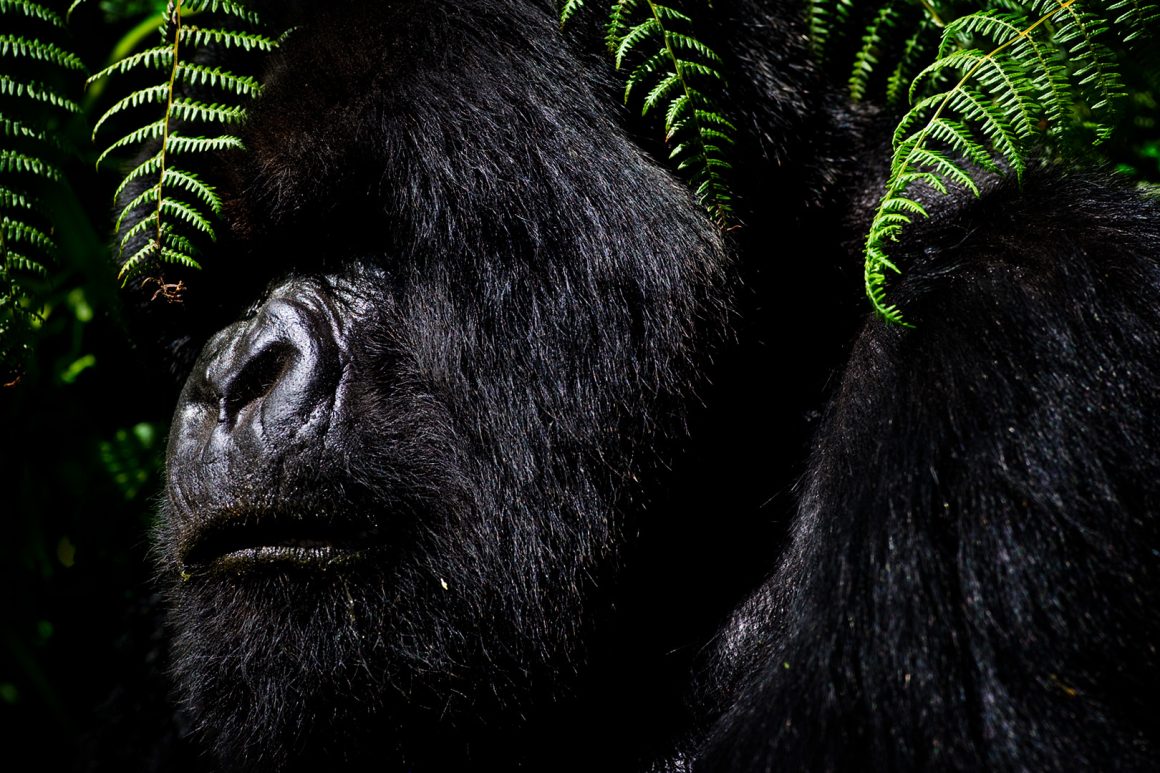
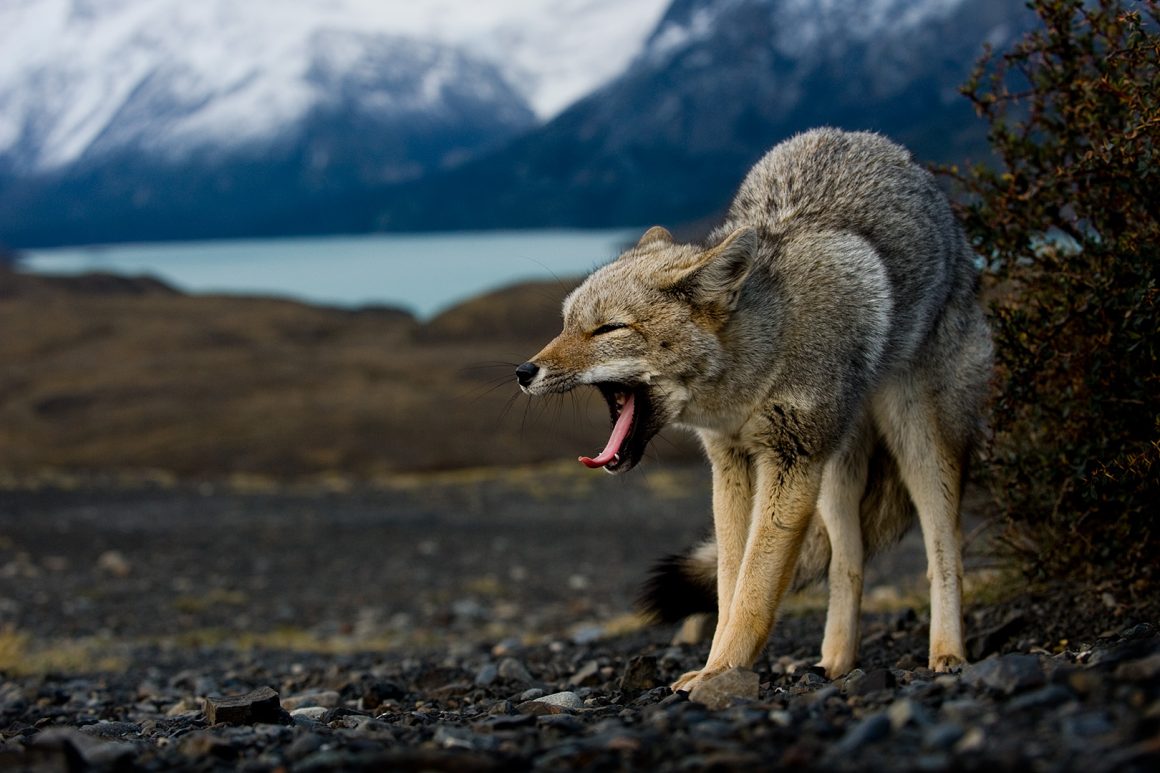
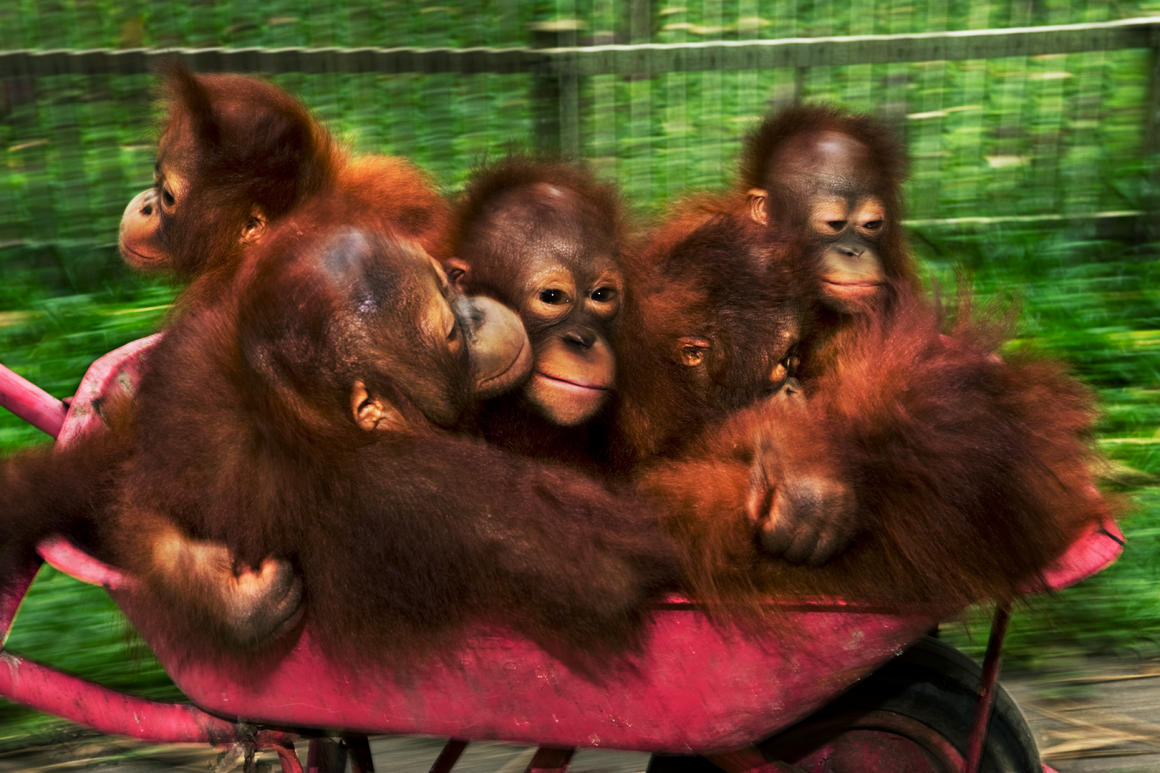
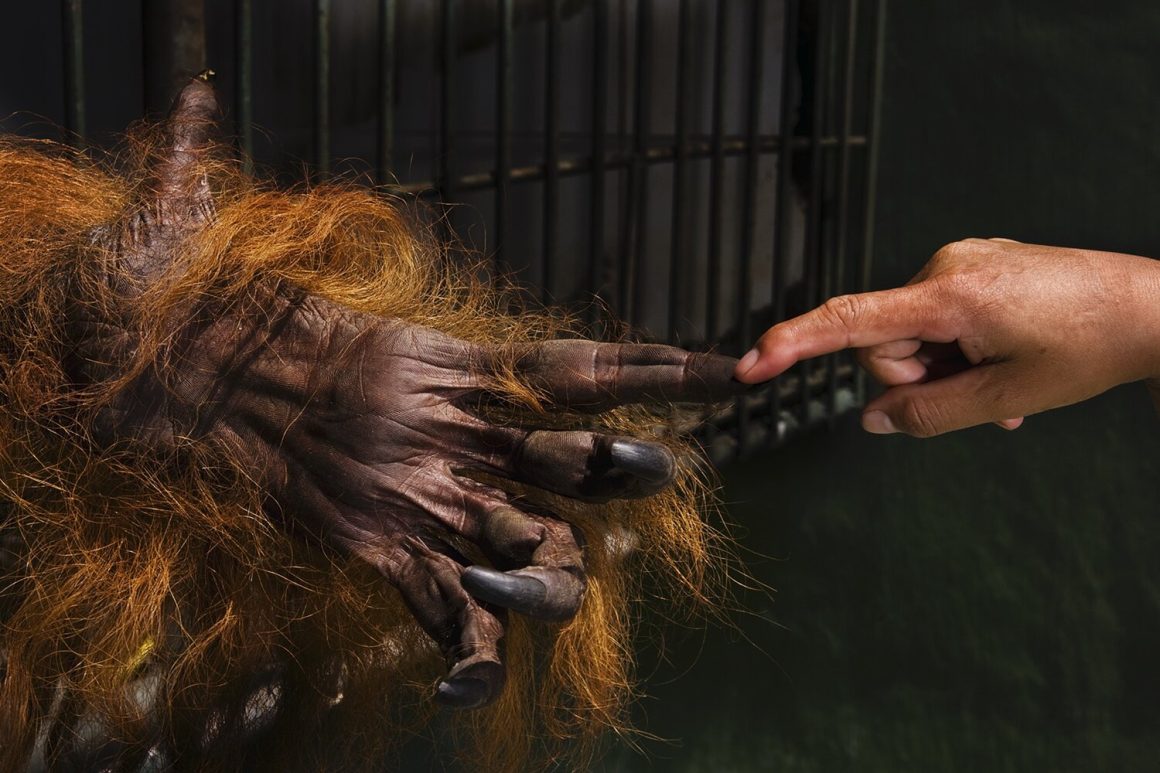
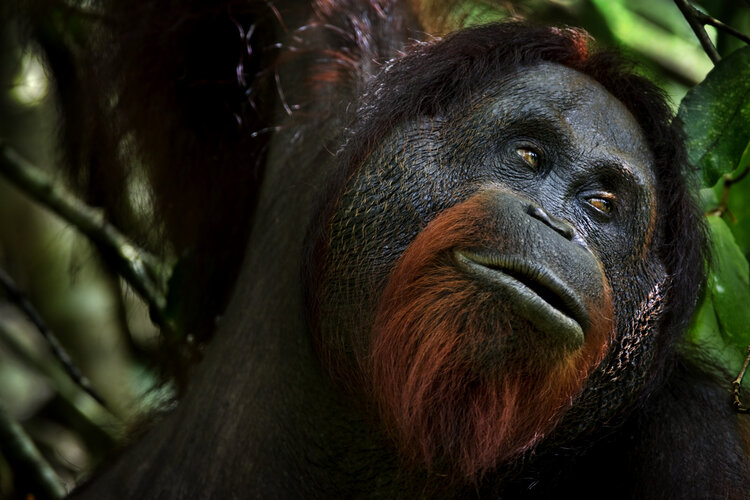
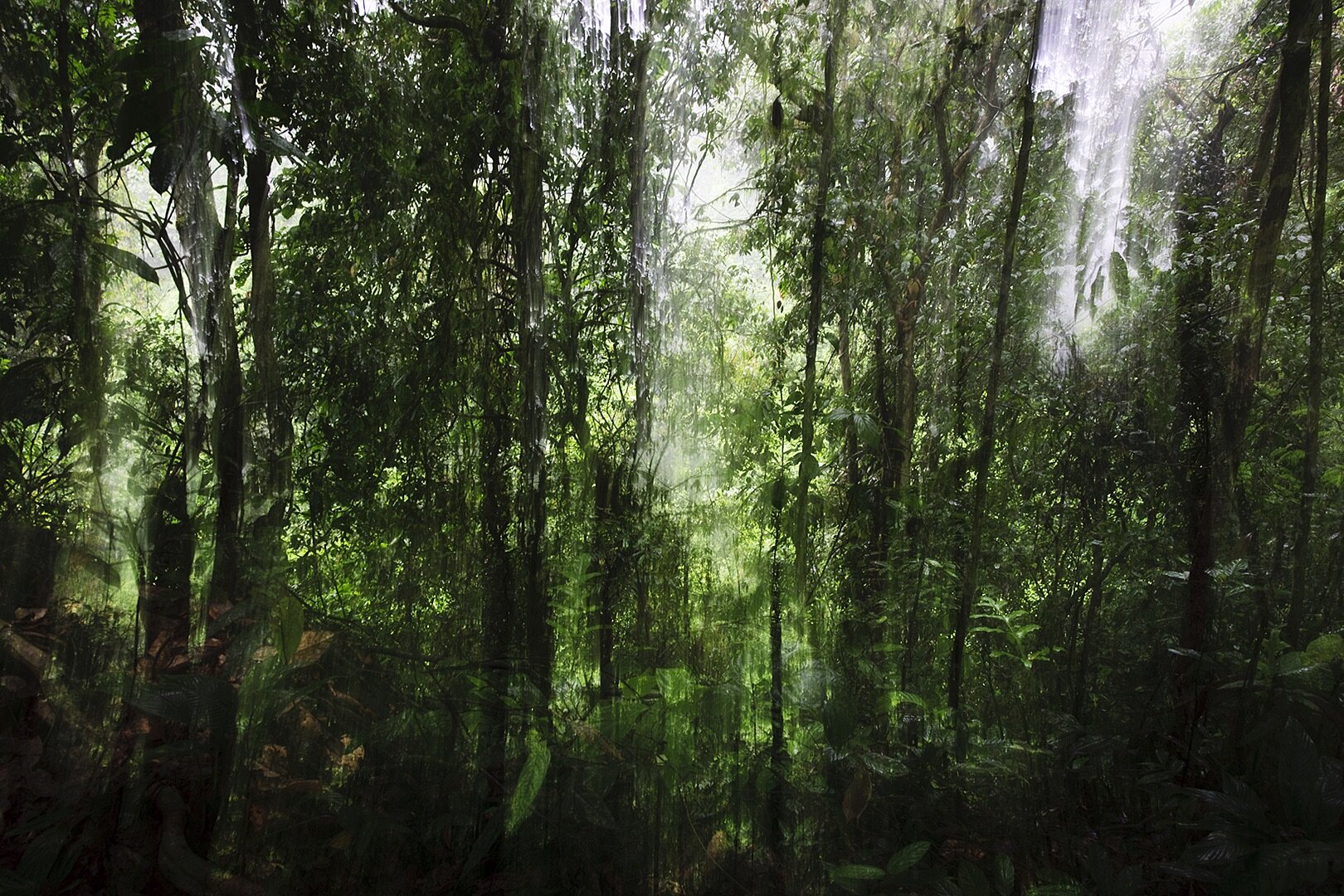
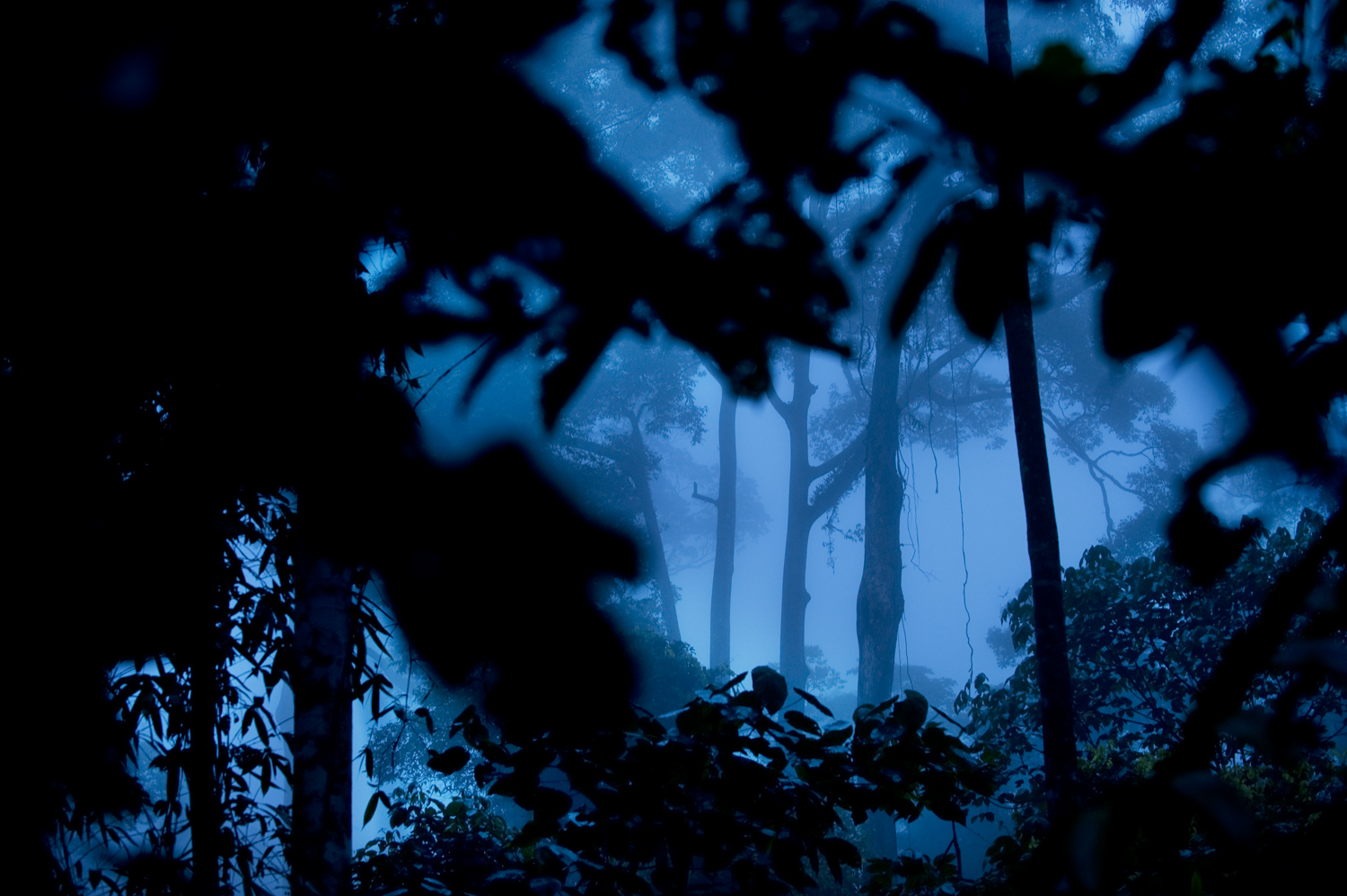
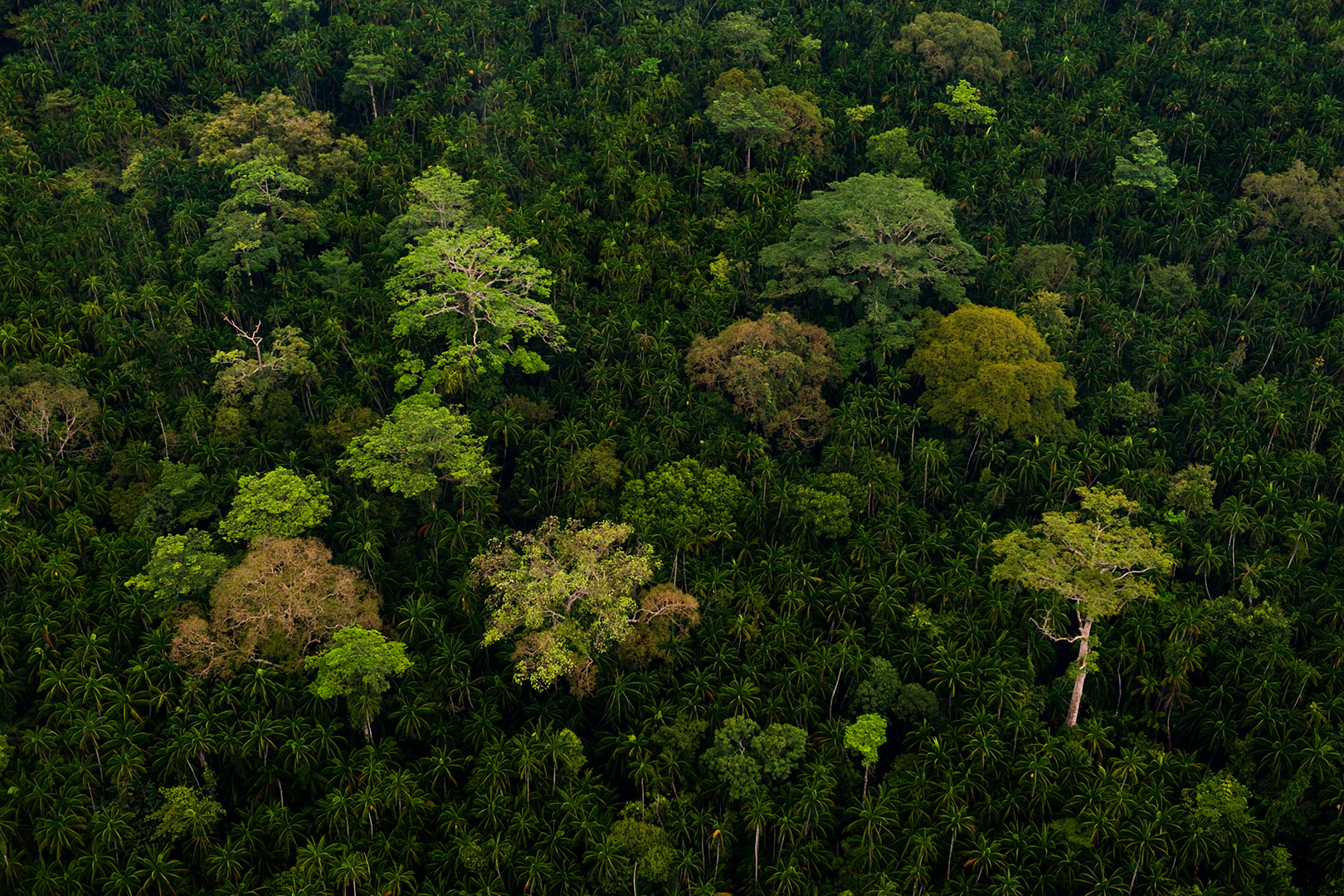
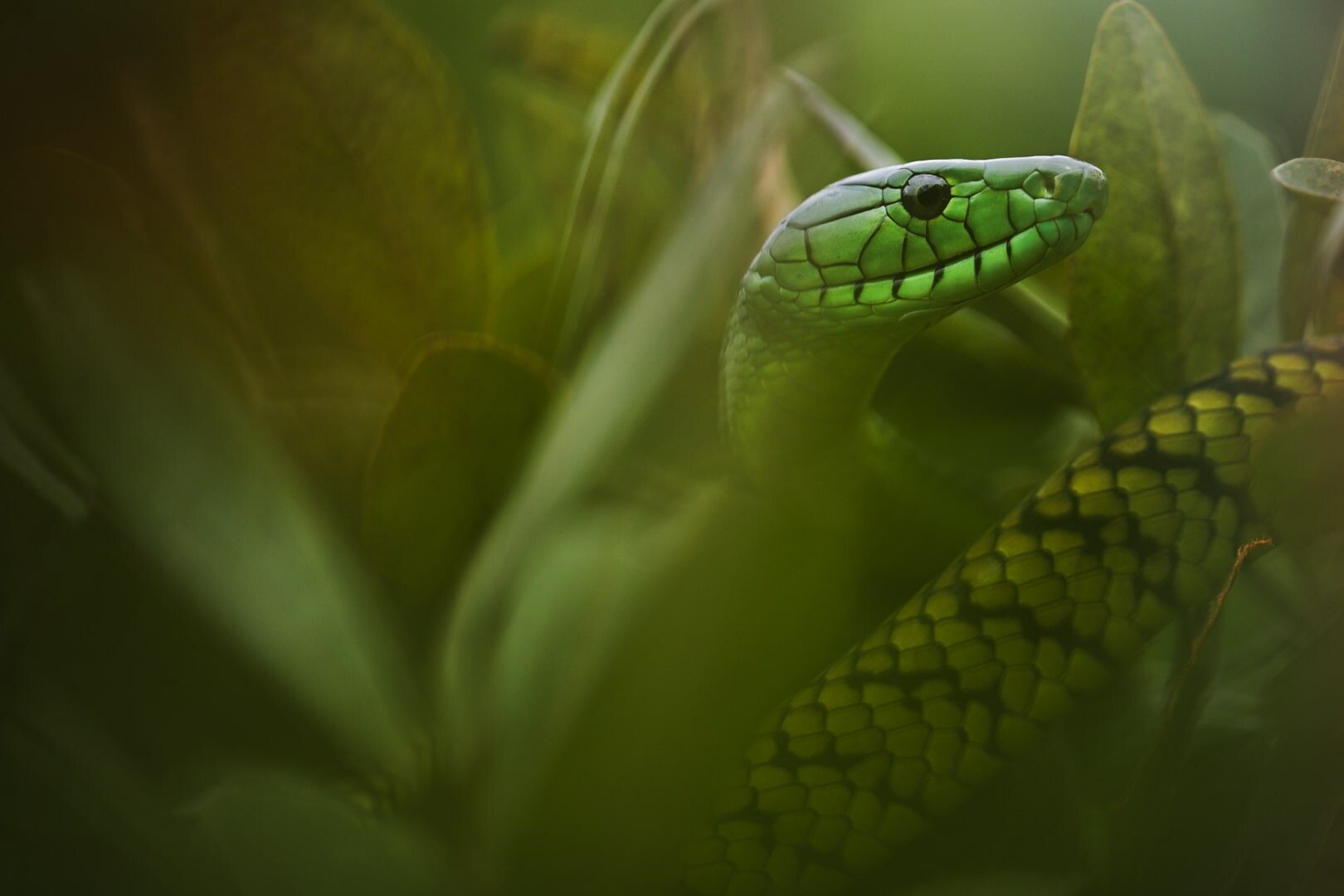
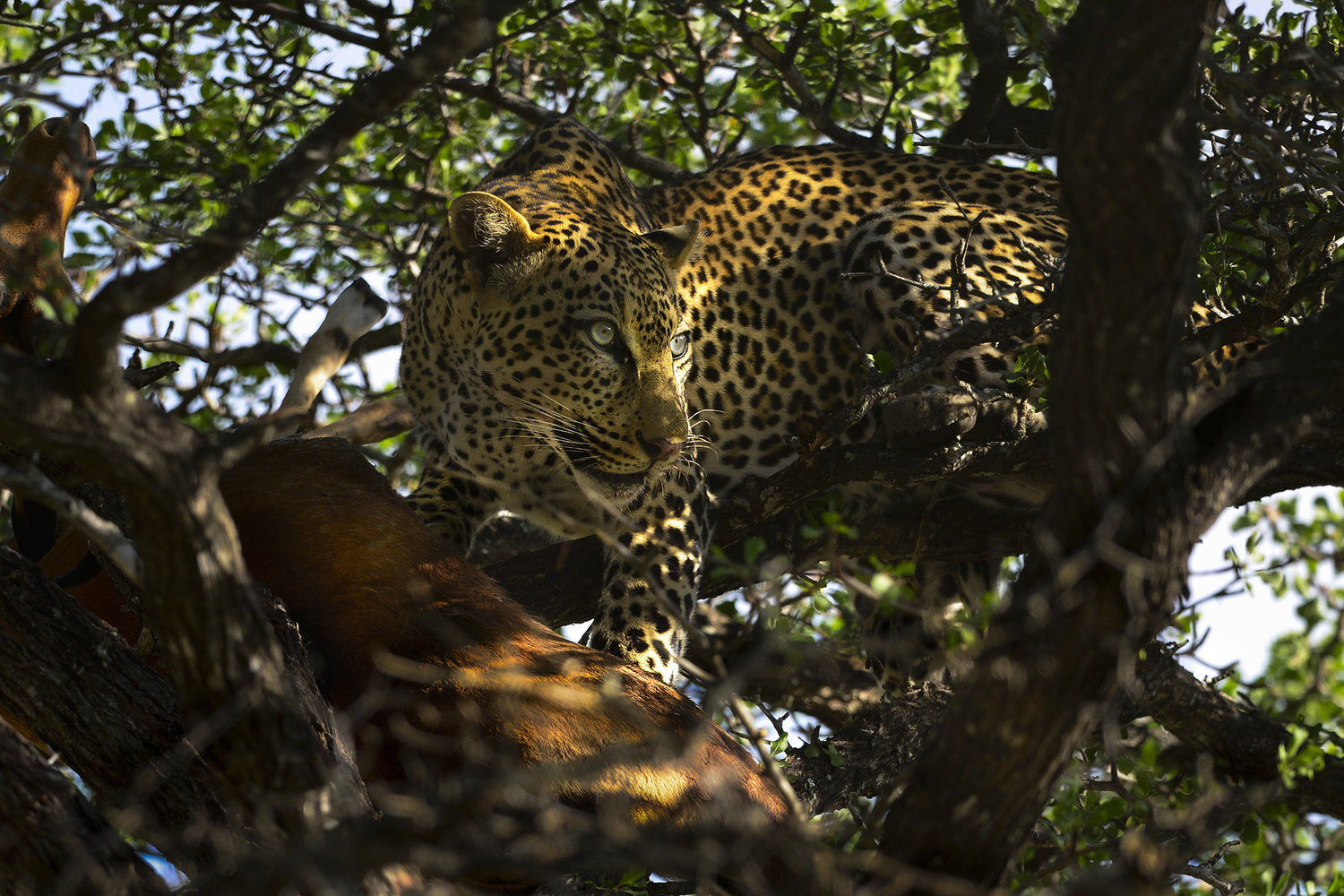
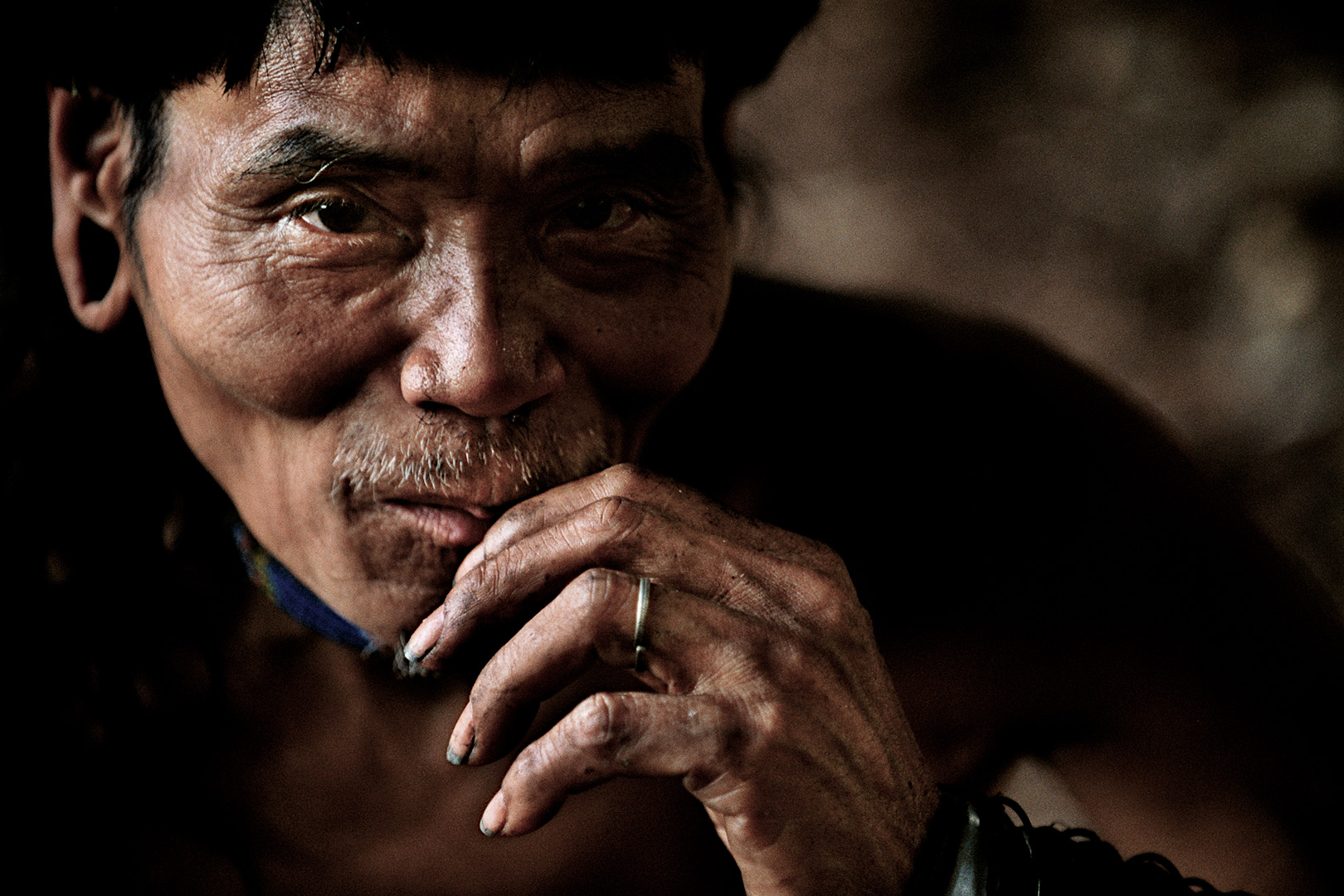
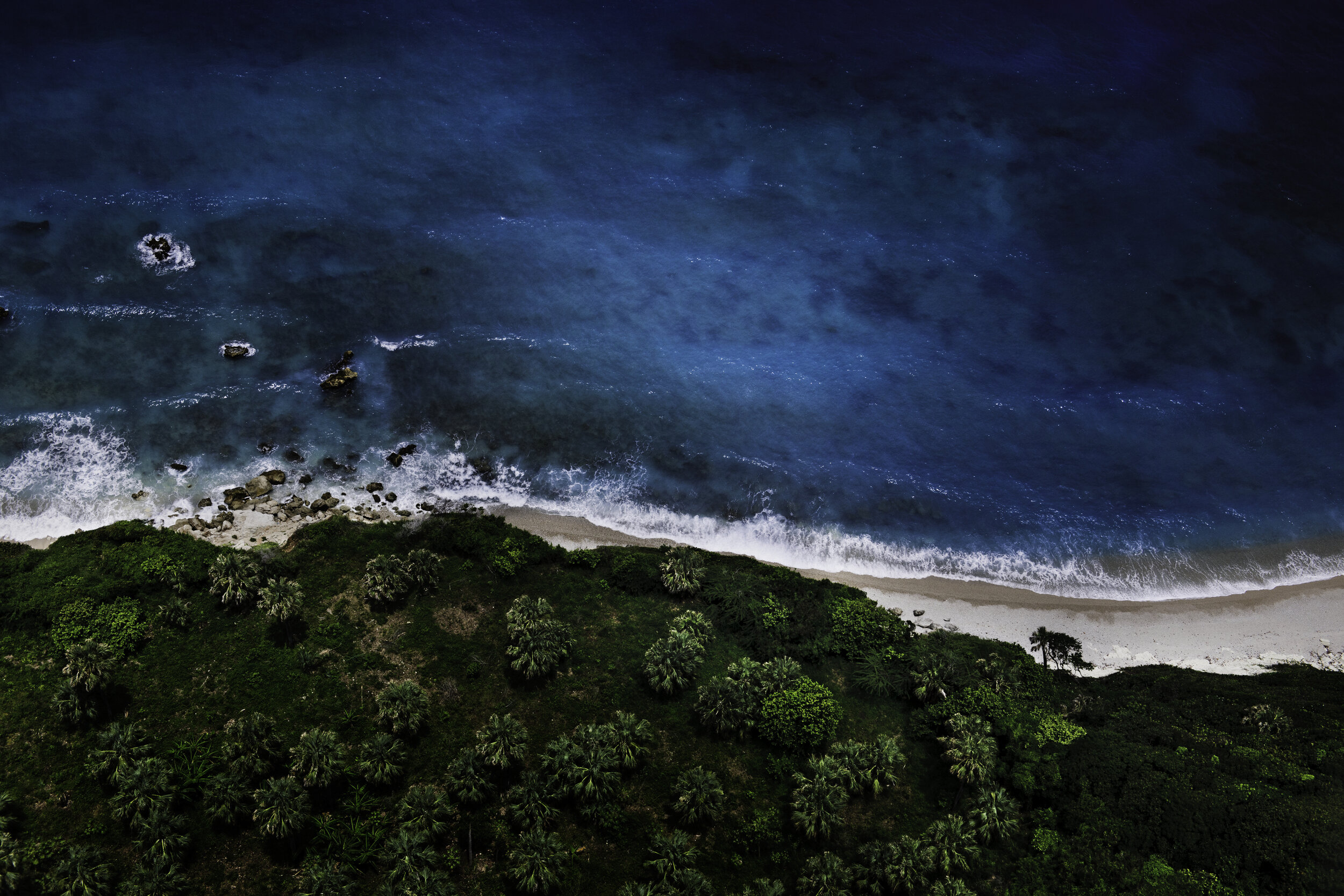
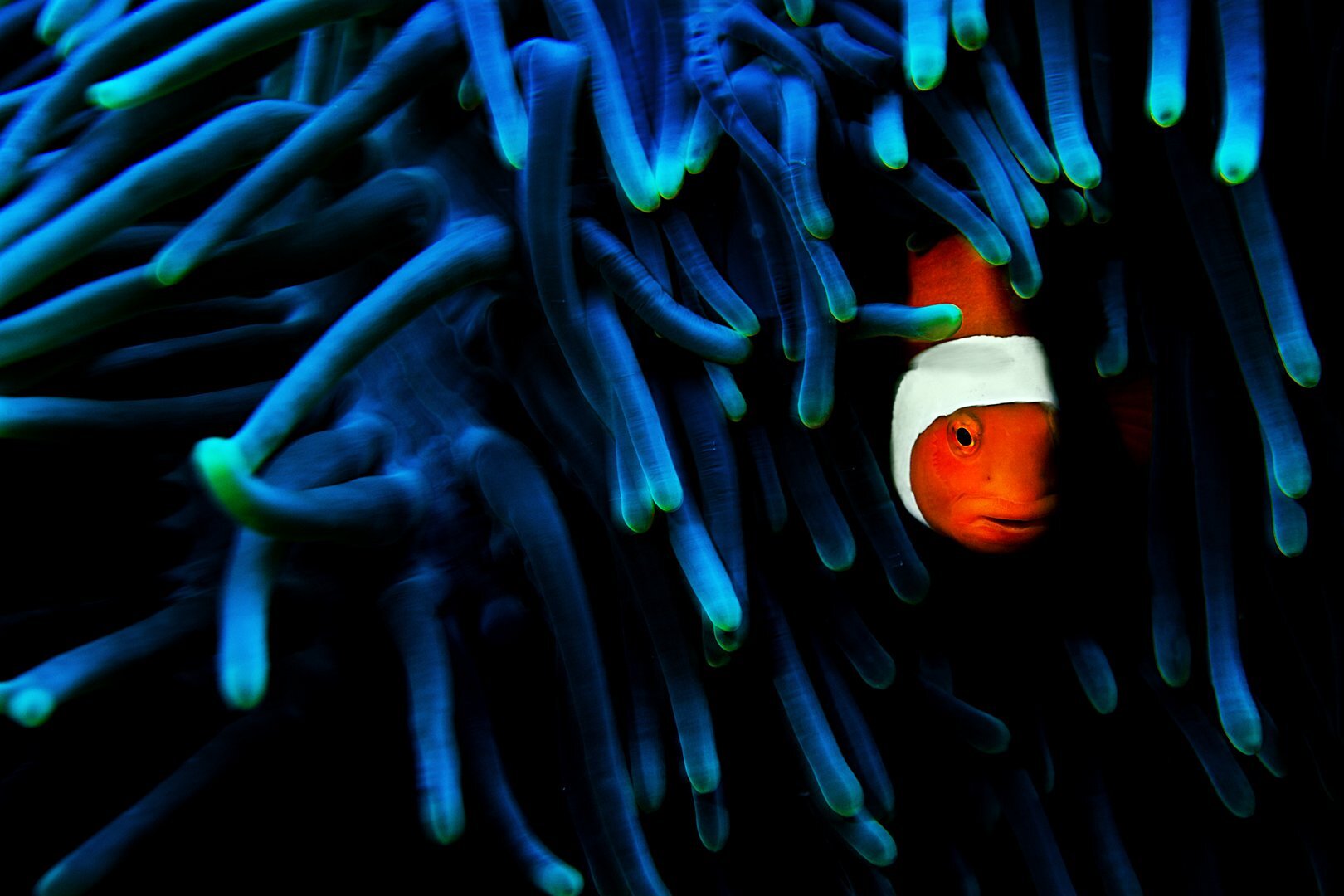
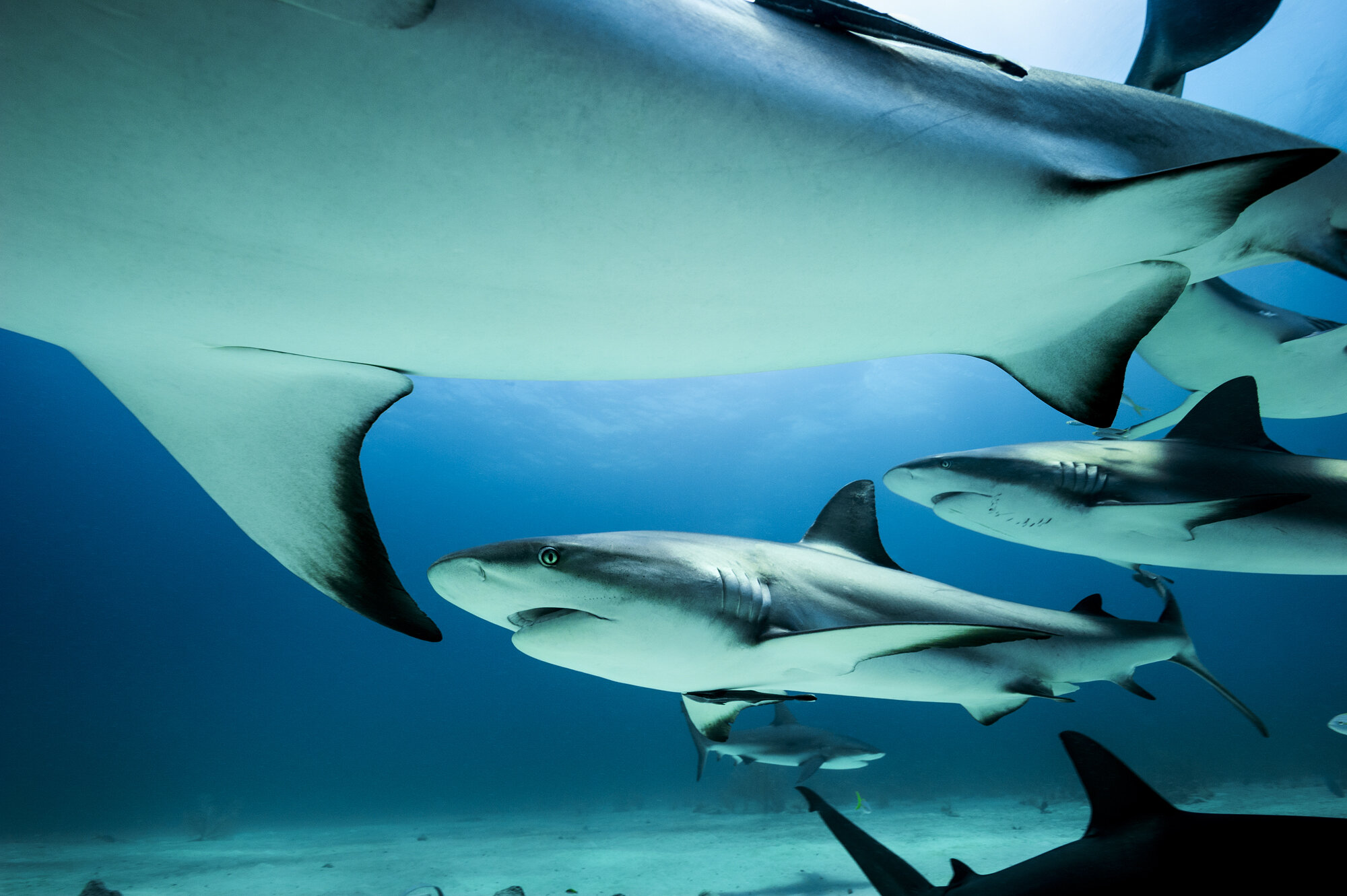
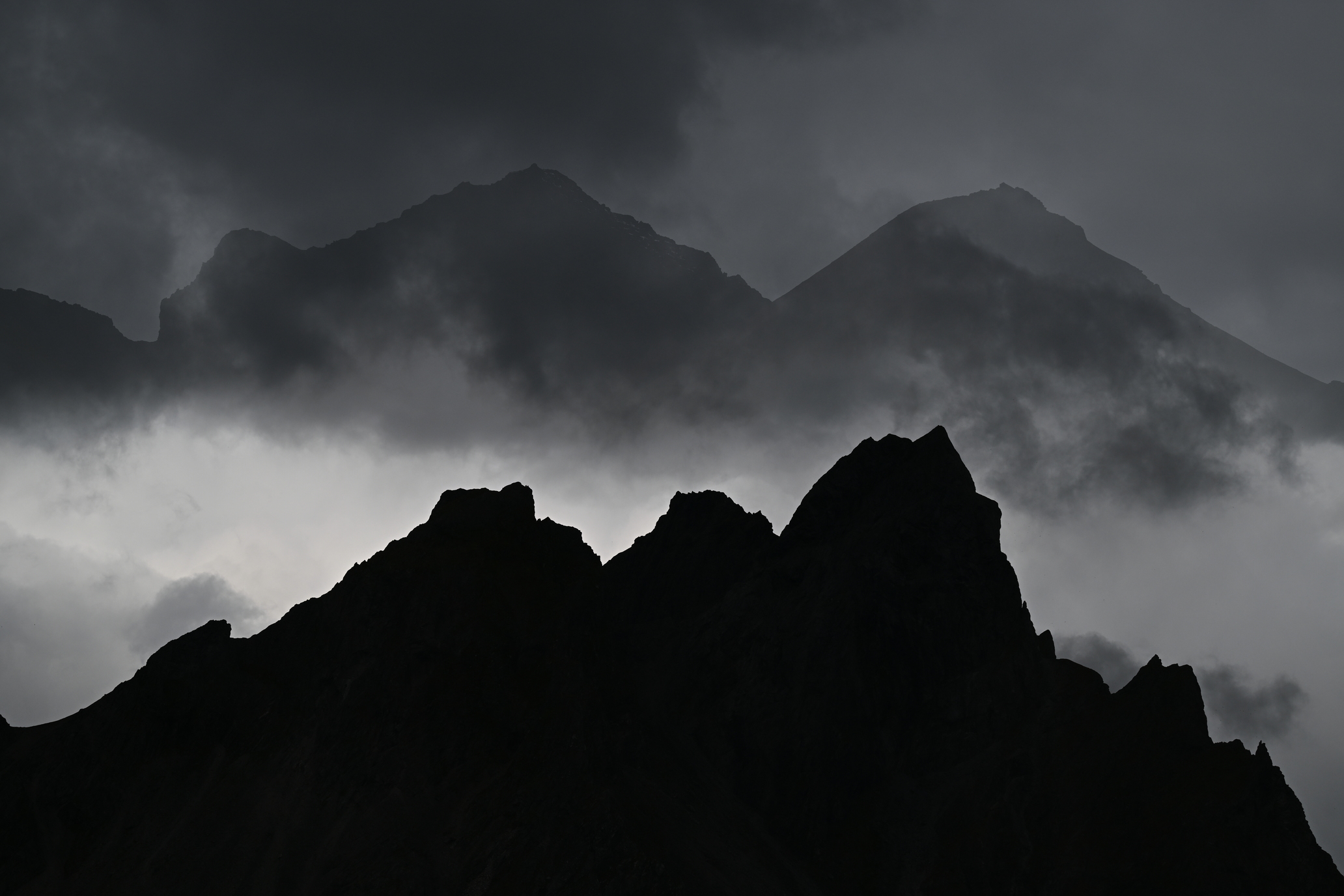
For more than four decades, I have been drawn to biodiversity, endangered species, ecosystems and indigenous cultures. These themes have followed me from the rainforests of Borneo and the Amazon to coral reefs, deserts, mountains and remote communities around the world.
What has fascinated me is not only the subjects themselves, but the opportunity to create personal interpretations of these worlds and our place within them. Through photography, film and art, I have tried to make visible some of the wonder, complexity, beauty and fragility that I have encountered along the way.
Science has been an important companion throughout that journey. It helps us understand the world. Art helps us experience it. My work has always lived somewhere in the dialogue between those two perspectives.
Looking back on your life and career, what experiences or turning points sparked your passion for nature and led you to make it the central theme of your work? After all these years, do you feel fulfilled by the path you chose, and do you believe your commitment to nature has made the impact you hoped for
My fascination with nature began in childhood, but what has sustained me is curiosity and a sense of wonder. After four decades, I still find myself captivated by things that others might overlook, a landscape, a person, a species, or simply the way light enters a room. Do I feel fulfilled? Absolutely. Not because I have found all the answers, but because I am still asking questions. As for impact, it is difficult to measure. Yet I have seen natural areas receive greater protection, companies change policies, and philanthropists begin supporting cultural and environmental initiatives. One of the greatest rewards is meeting people who tell me that a photograph, a film or a lecture influenced their choice of career or changed the way they see the world. Moments like that are among the most meaningful rewards of this journey
Having documented some of the planet’s most extraordinary ecosystems, have you witnessed significant changes in nature and what gives you hope for the future of biodiversity
Yes. Over four decades, I have witnessed both profound loss and remarkable resilience. I am fortunate to work closely with some of the world’s leading scientists, so my perspective is shaped not only by what I have seen with my own eyes, but also by decades of research and evidence. Both point to serious challenges, but they also reveal real reasons for hope. What gives me hope is people. Again and again, I have seen passionate and knowledgeable individuals devote themselves to protecting species, ecosystems and landscapes, sometimes for a lifetime. Many of the conservation success stories we celebrate today began with a handful of committed people who refused to give up. Of course, not everyone has the luxury of focusing on such questions. Many people are living through war, poverty or the daily struggle for food, water and security. But for those of us who have the privilege of looking beyond our immediate survival, I believe there is also a responsibility. That, to me, is one of the most hopeful aspects of all, that so many people choose to care and choose to contribute.
Throughout your years of exploring the natural world, what have been the most profound life lessons you have learned from observing nature and the way life unfolds within it
Perhaps the greatest lesson has been humility. Nature has taught me that everything is connected. Life depends on resilient ecosystems, and when we weaken the natural systems that sustain us, there are consequences.At the same time, I have witnessed nature’s extraordinary capacity for recovery. That balance between vulnerability and resilience continues to inspire me with both humility and hope.
In your view, what role can art and visual storytelling play in addressing environmental challenges?
Art and visual storytelling cannot replace science, policy or action. But they can help bridge the gap between our clever human mind and our emotional human heart.Science gives us knowledge. Art helps transform that knowledge into meaning. For me, the role of storytelling is not necessarily to provide answers, but to deepen our relationship with the living world around us.
Drawing on your experience as an Ambassador of the National Museum of Natural History Goulandris, what initiatives do you believe can have the greatest impact on educating and empowering younger generations to address the environmental challenges of the future?
Drawing on my experience, the most impactful initiatives are those that create genuine connection. My experience is that we tend to protect what we have learned to love. The things that fascinate us, inspire us and spark our curiosity are often the things we become willing to care for and preserve. That is why institutions such as the National Museum of Natural History Goulandris are so important. By bringing together science, storytelling, art and direct experiences, they can help transform information into engagement and engagement into action.
Through your photographic exhibitions and documentaries about the natural world, how do people typically respond to the stories you tell? What kinds of hope, awareness, or positive change do you believe these encounters with nature inspire in audiences?
People are often deeply moved and fascinated. Many tell me they would love to experience some of these places, species and cultures for themselves. At the same time, they begin to understand their fragility and value. Whether I am sharing stories about ecosystems, endangered species or indigenous cultures, people often leave with a deeper appreciation for what is at stake. What happens next varies. A child may become curious, while a business leader may feel inspired to take greater responsibility. But a question I hear surprisingly often is: “What can I do to help?” For me, that is where storytelling can be most powerful.
How do you view the possibility of your work being exhibited at the Museum, and what kind of impact or sense of hope do you think such an exhibition could create?
What excites me most is the opportunity to continue building on a collaboration that I have truly enjoyed. The team at The National Museum of Natural History Goulandris brings together science, culture and creativity in a way that feels both professional and welcoming. An exhibition would be a natural next step and an opportunity to create something that invites visitors not only to learn, but also to feel, reflect and wonder.
From your life and experience, what would you consider the most important positive storytelling to share with the next generation?
Perhaps the most important message is that we cannot procrastinate our future.There is so much to discover, protect and celebrate, both locally and globally. The challenges are real, but so are the opportunities. What gives me hope is that this work can bring together people across generations, cultures and backgrounds. I find that deeply inspiring
ABOUT
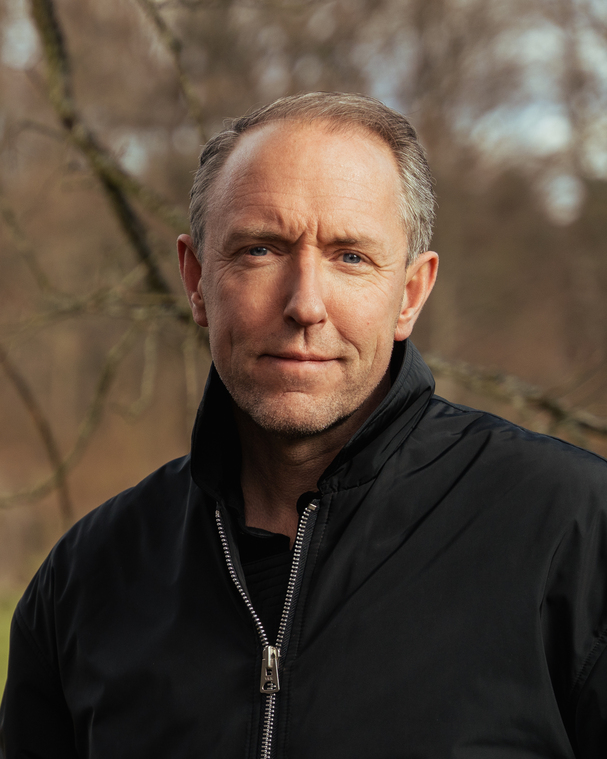
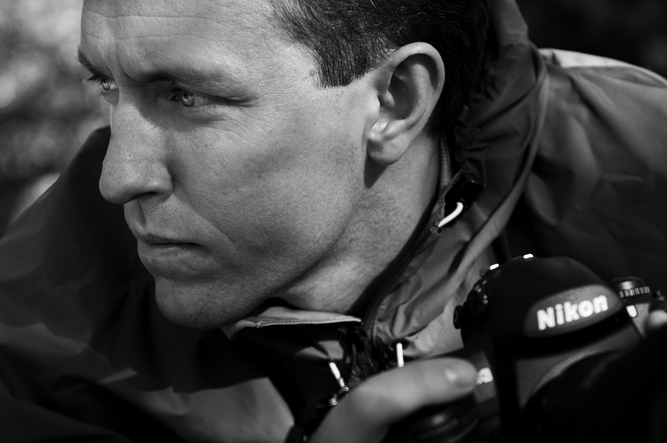
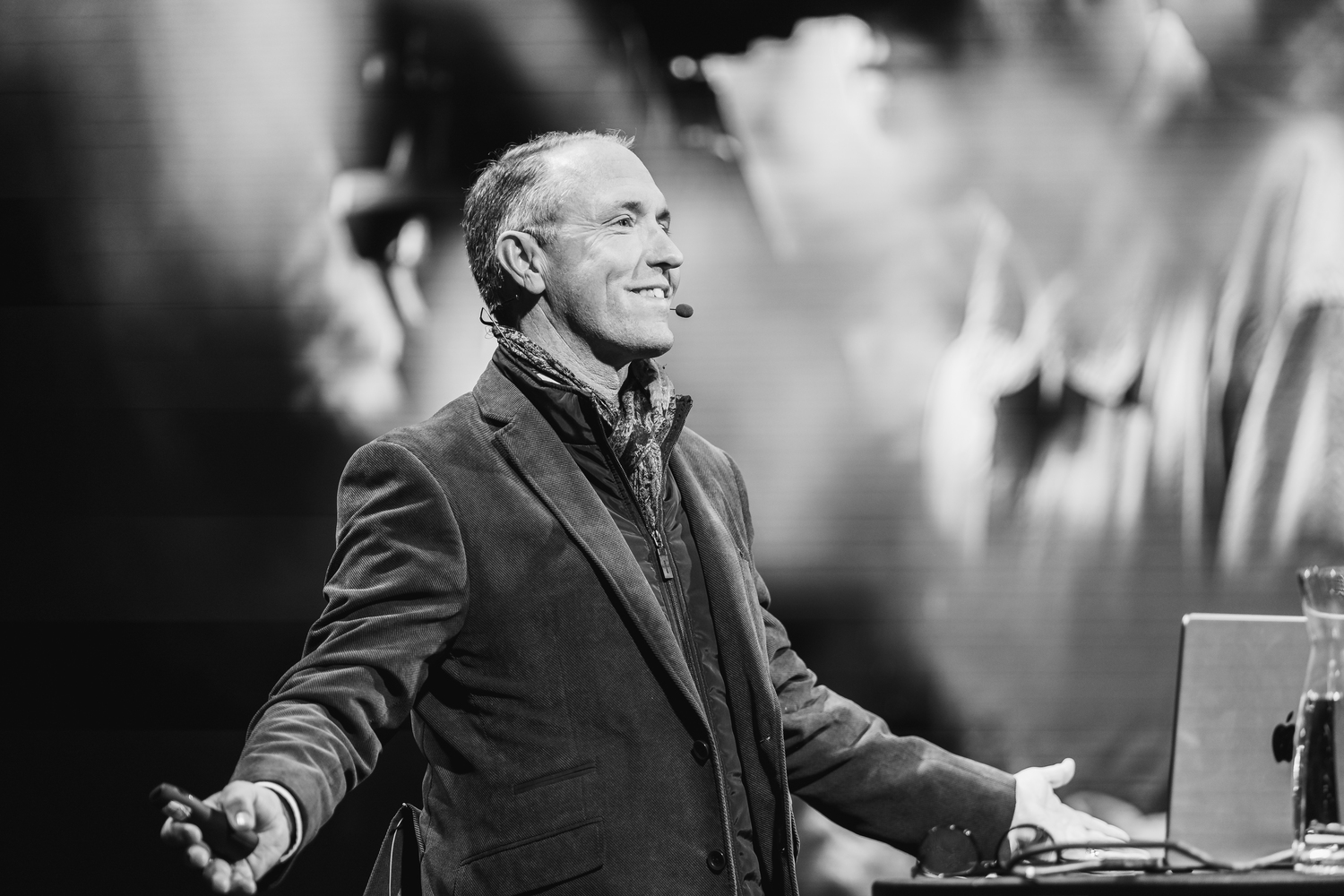
Mattias Klum was born in Uppsala, Sweden in 1968. He has worked full-time as a photographer since 1986, and as a cinematographer and director on numerous film and television projects since 1994.
Mattias Klum is an internationally recognized photographer and filmmaker. His artistic photographic language has brought him success not only in the world of documentaries, but also within the art scene.
Klum has undertaken numerous projects and expeditions on all continents, and his work has been featured in leading international publications such as National Geographic, Wildlife Conservation, Audubon, GEO, BBC Wildlife, Vogue, Stern, Der Spiegel and The New York Times.
In 1997, National Geographic Magazine published Mattias Klum’s photographs for the first time. That story made him one of National Geographic’s youngest contributors at the time. Since then, he has produced multiple articles and 13 cover stories for the magazine.
Klum’s photographs, photo installations and film installations have been shown in solo exhibitions at renowned museums and art galleries internationally.
Mattias Klum has served as a guest lecturer, advisor and senior fellow at Uppsala University, Stockholm University and Örebro University in Sweden.
On March 1, 2016, the Swedish government appointed Mattias Klum to a national delegation supporting and stimulating Sweden’s implementation of Agenda 2030.
Over the years, Klum has received numerous awards and grants for his work. His Majesty the King of Sweden has awarded Mattias Klum the King’s Medal of the 8th grade with blue ribbon for his important contributions as a photographer. He has been named a Young Global Leader of the World Economic Forum. Klum is an Ambassador for The Charles Darwin Foundation, IUCN and WWF, and serves as a member of the Board of Trustees at WWF Sweden. In 2013, Klum was awarded an Honorary Doctorate in Natural Sciences by Stockholm University.
A selection of 13 award-winning documentary film projects includes Testament of Tebaran (2011), The Contemplator (2013), Vamizi – Cradle of Coral (2016) and The Young Sea (2018).
Selected books include The Human Quest: Prospering Within Planetary Boundaries, with Professor Johan Rockström and with a foreword by President Bill Clinton (2012), and The Perpetual Calendar of Life, in collaboration with Dr Jane Goodall.
Mattias Klum is an internationally sought-after lecturer and has given countless lectures worldwide.
Mattias Klum is also the first Ambassador of National Museum of Natural History Goulandris.