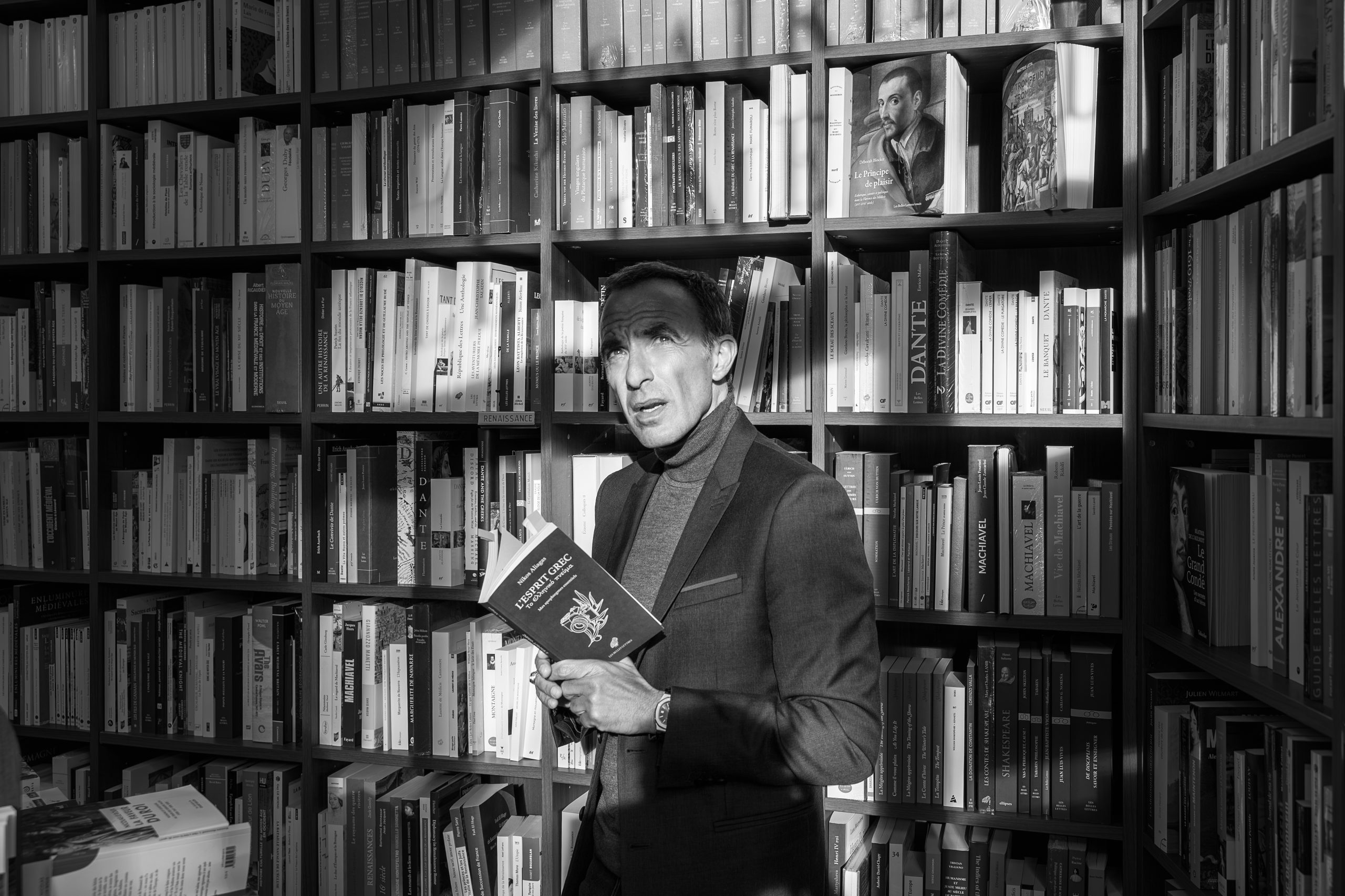
At 57, Nikos Aliagas continues a 35-year journey across journalism, television, radio, writing, and photography. A restless spirit, always in love with life and his Greek roots (despite being born and raised in Paris), he searches for meaning in every step. In recent months, he has been present and actively involved in the commemorations marking 200 years since the Exodus of Messolonghi, in his ancestral homeland.

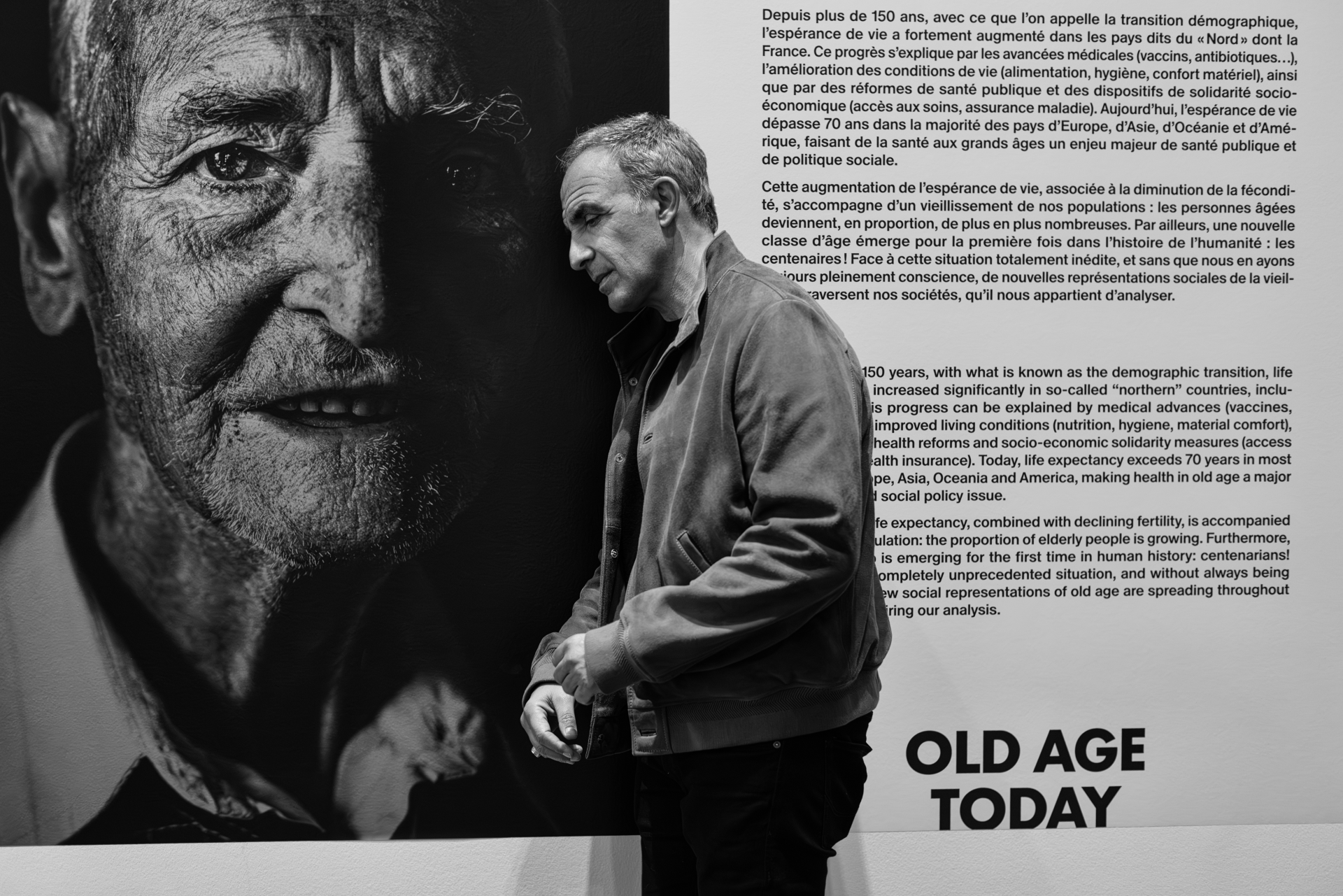
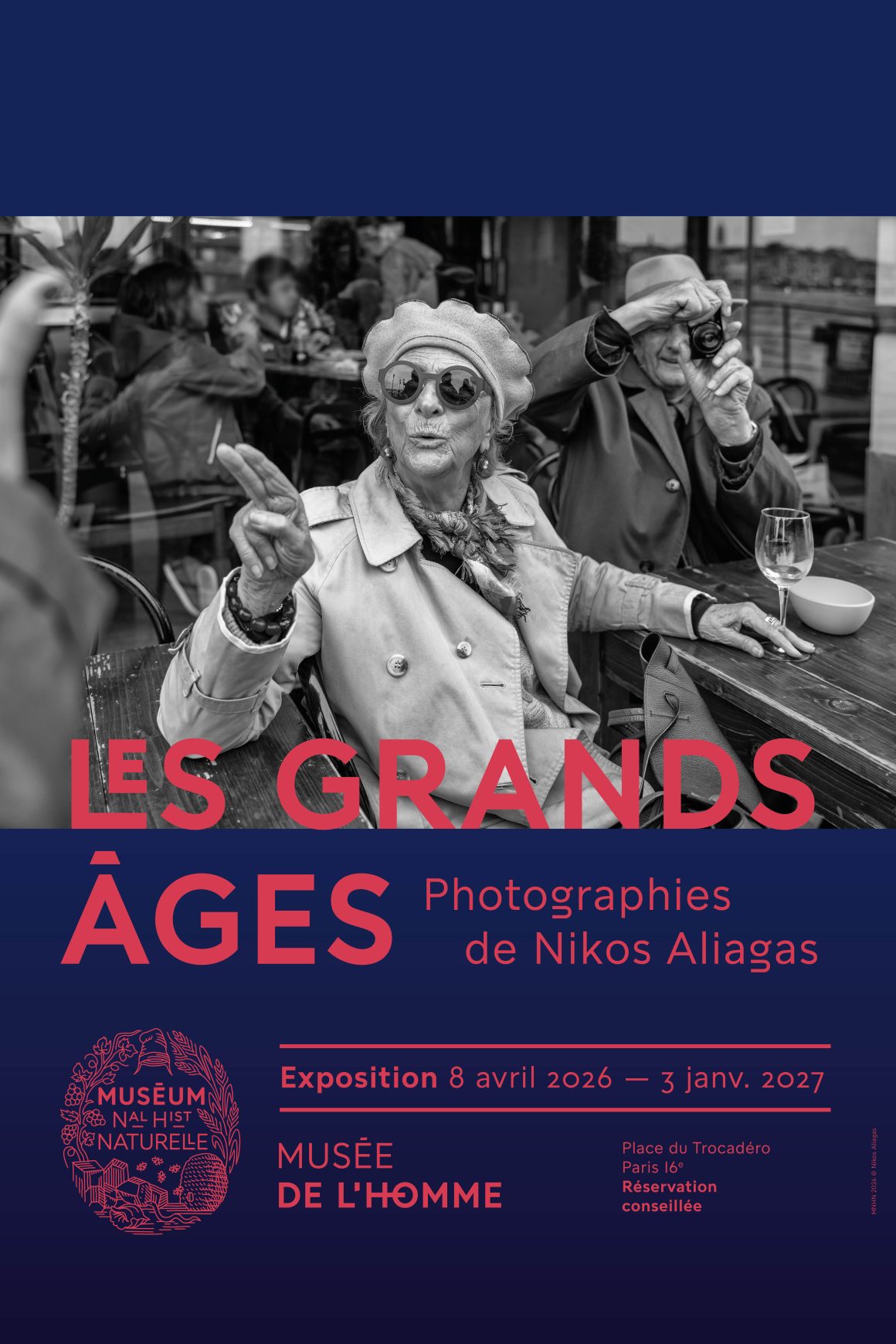
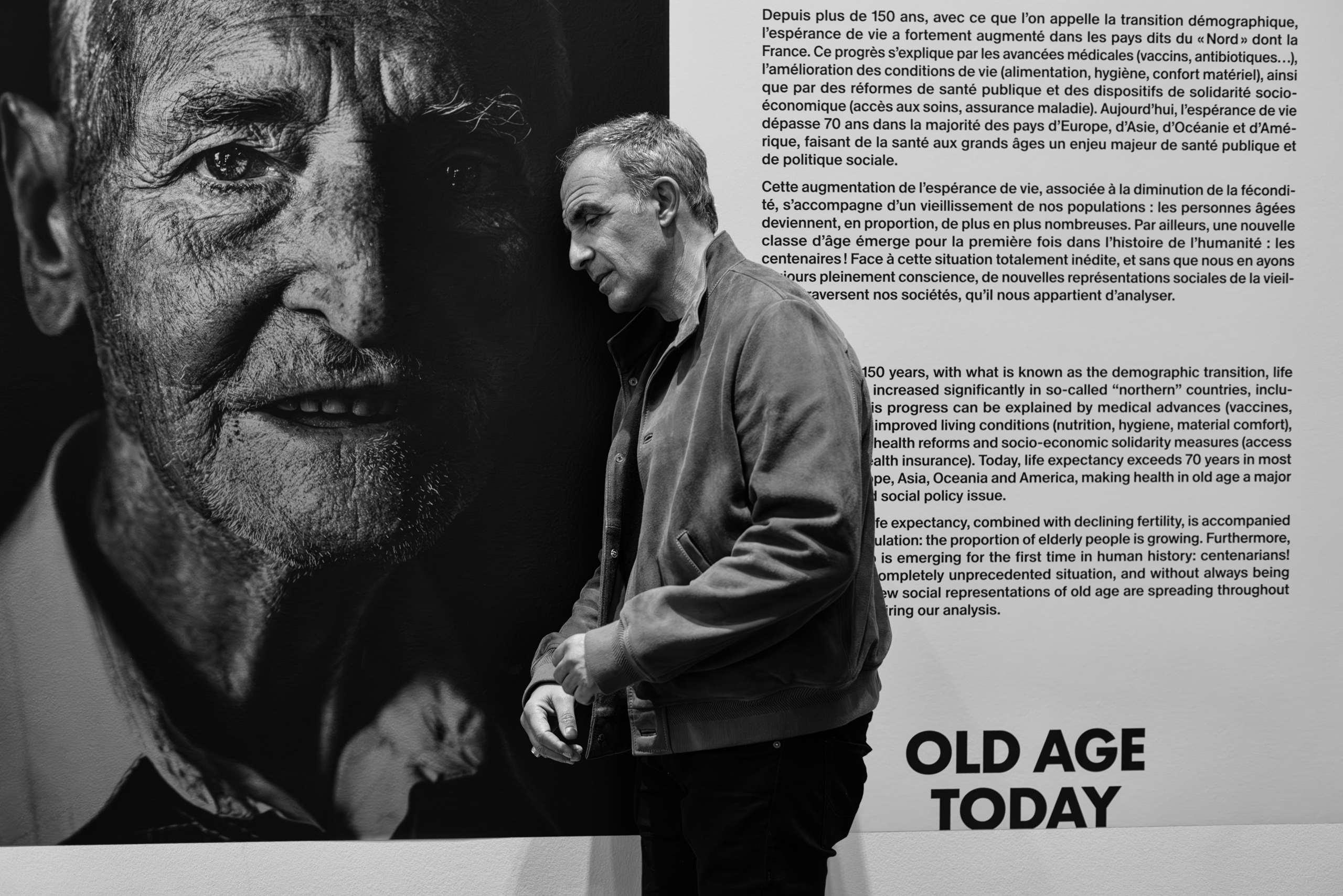
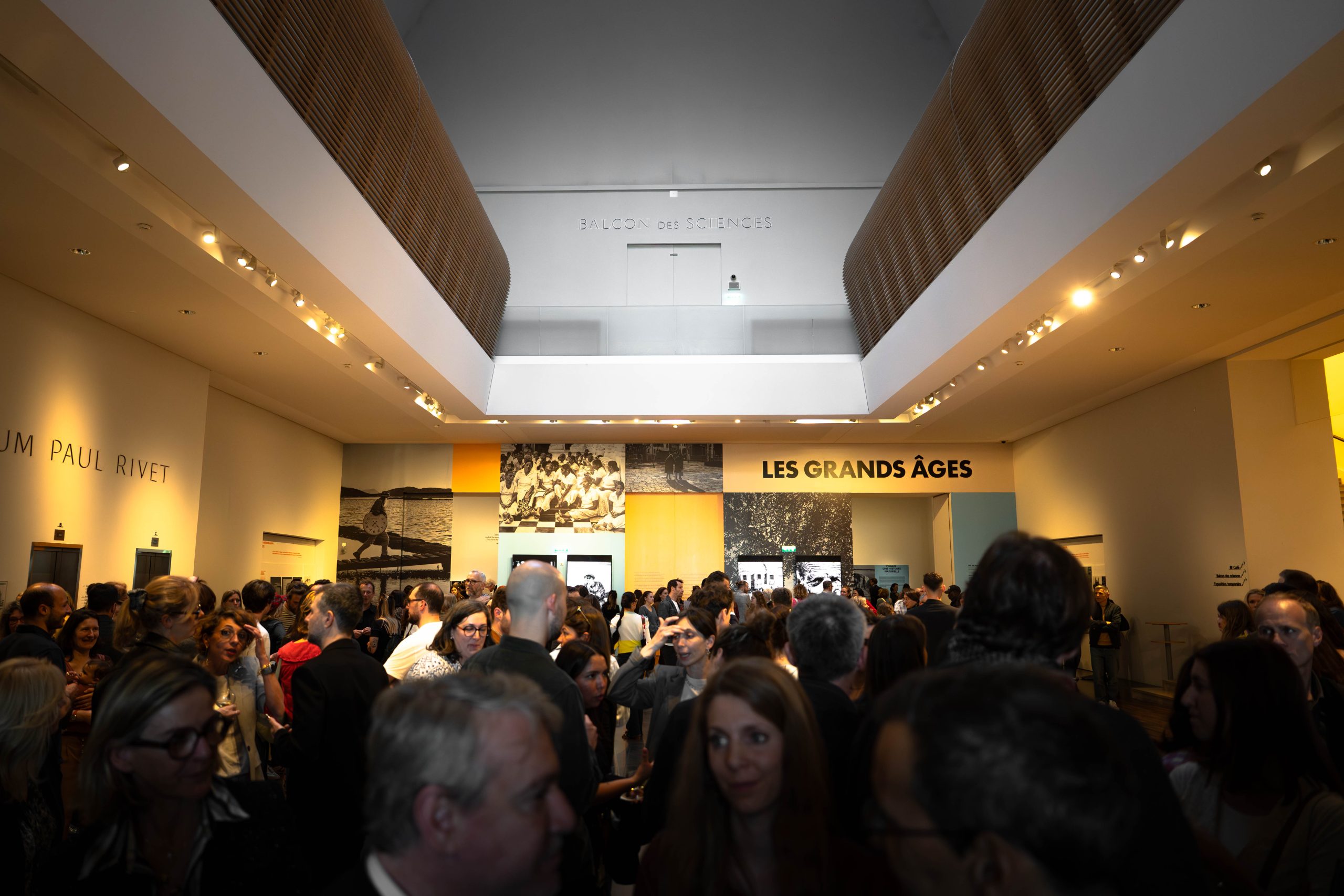
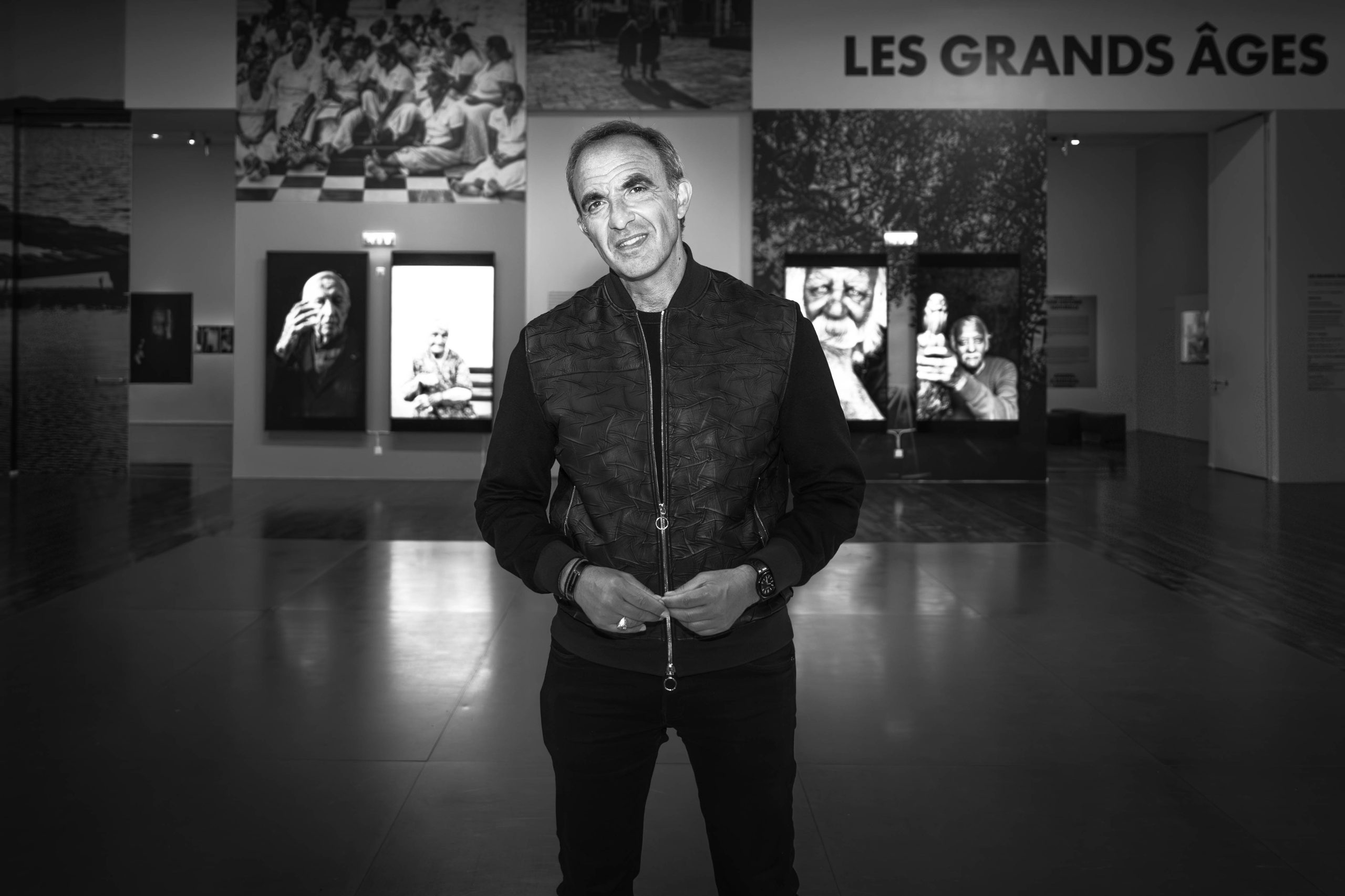
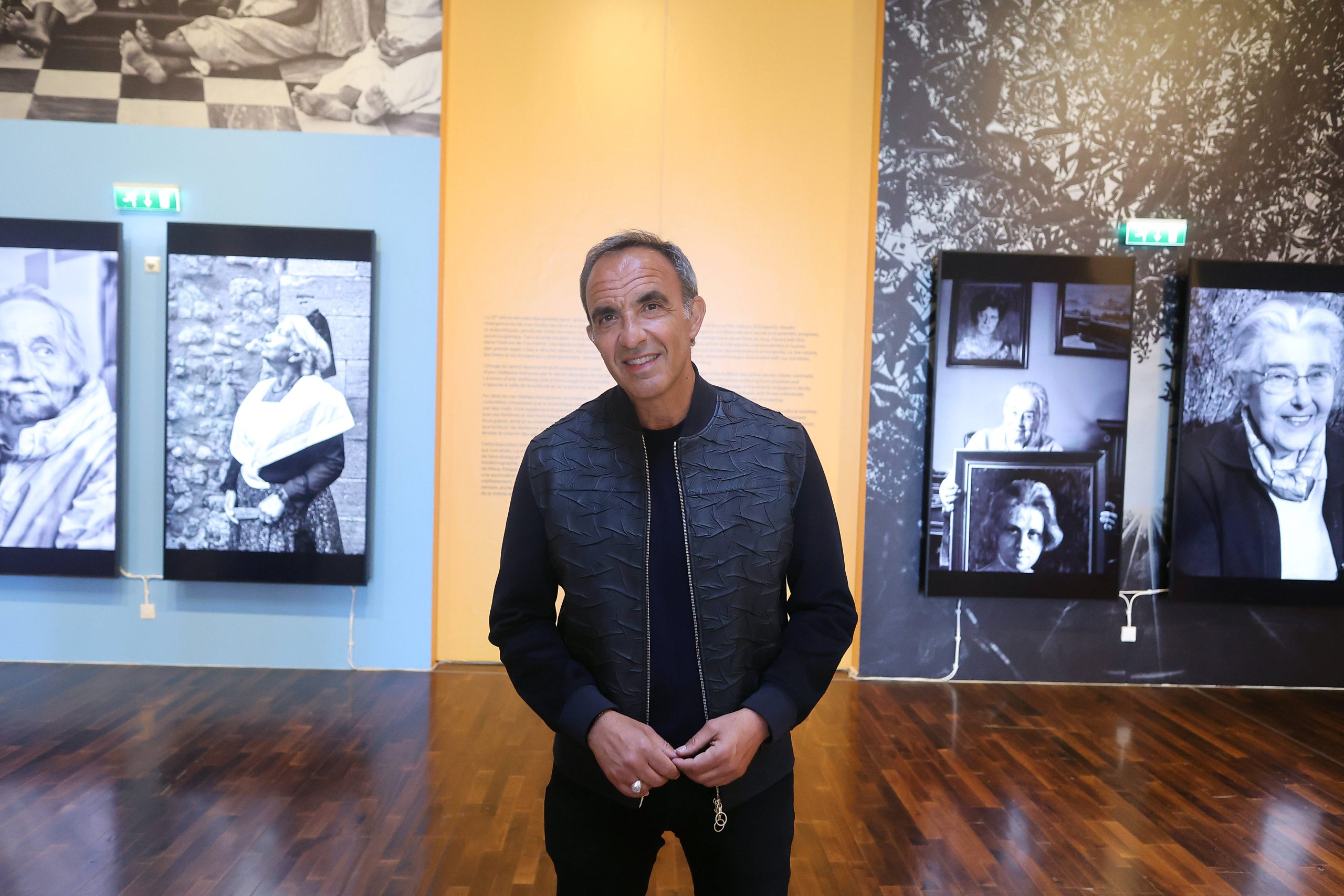
At the same time, his new photography exhibition “Les Grands Âges” opened in Paris at the Musée de l’Homme (April 8, 2026 – January 3, 2027), offering a visual and anthropological exploration of time and human existence, already receiving wide acclaim. With the perspective of distance and a clarity that has long defined him, he returns to these moments, recounting what he lived and what shaped him.

How did you feel in the Garden of Heroes? How did you experience this encounter with History in such a symbolically and emotionally charged place?

It was an intense moment. I felt as if time had ceased to be linear—as though I were walking among the living and the dead. They were all there: our memories, our History. The Garden of Heroes is not only a sacred place, it is a place of revelation. There, the past does not belong to yesterday; it breathes within the present.

A verse by Dionysios Solomos came to mind: “Utter silence at the edge of the grave.” A silence so full it touched my soul, as if it still held all their presences intact. The Garden of Heroes is both memorial and life at once. And perhaps the most meaningful way to honor the fallen is to turn toward what unites us.

Ernest Renan once said that people can unite their souls more easily in mourning. The challenge, however, is to also share joy—without fear, without envy. In that silence, I felt that emotional intensity can become a responsibility for each of us.

Seeing thousands of people in traditional dress, two hundred years after the catastrophe, I felt that memory is not static—it transforms into action, into a way of life. Beyond the symbolism of the bicentenary, this was not a simple reenactment. It felt as though History itself was passing through people’s bodies. That is where I realized that intangible heritage can define us—and, if honored properly, unite us.

What impact did you feel Delacroix’s work had, especially on younger generations, when it was presented in Messolonghi for the first time after 200 years?

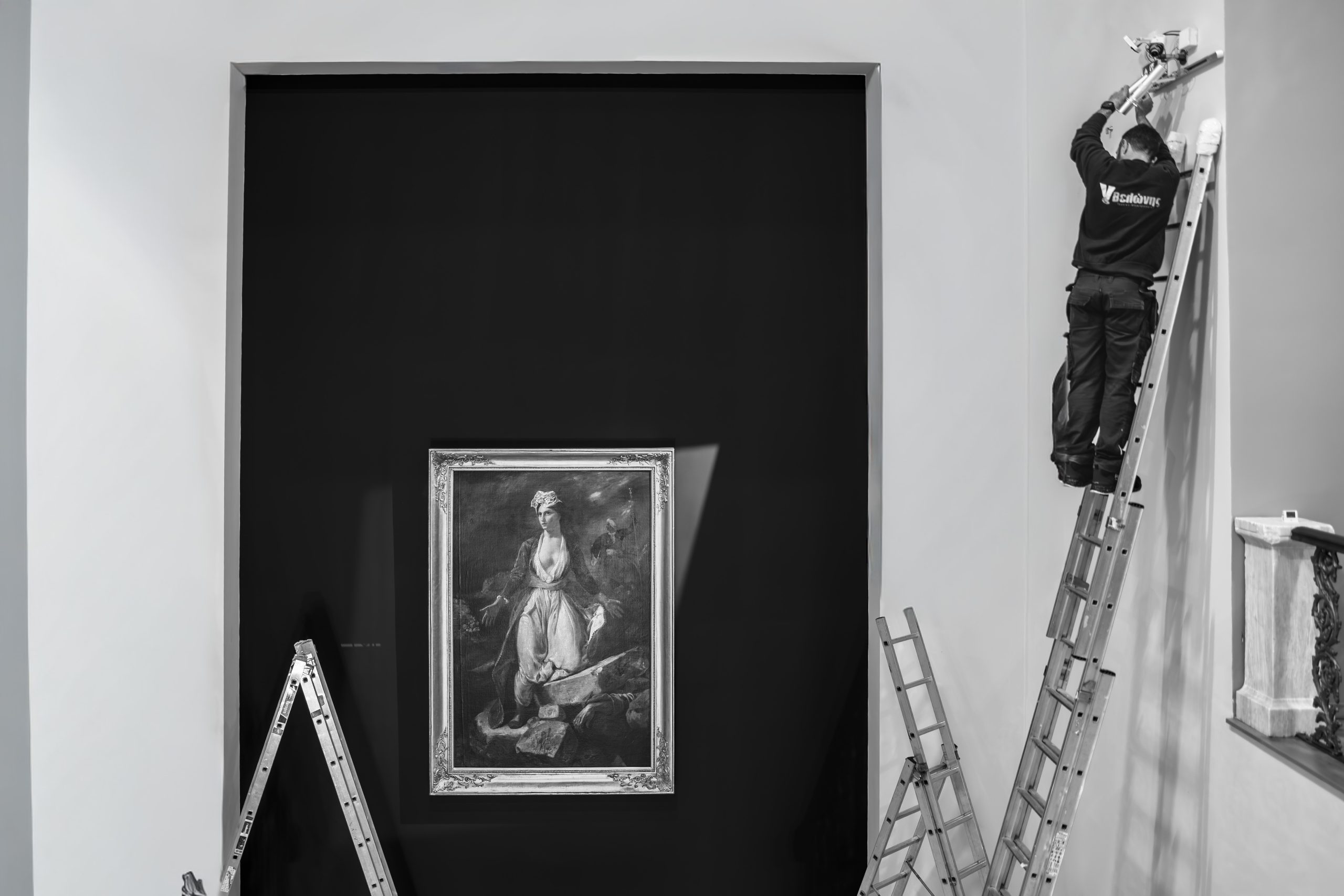
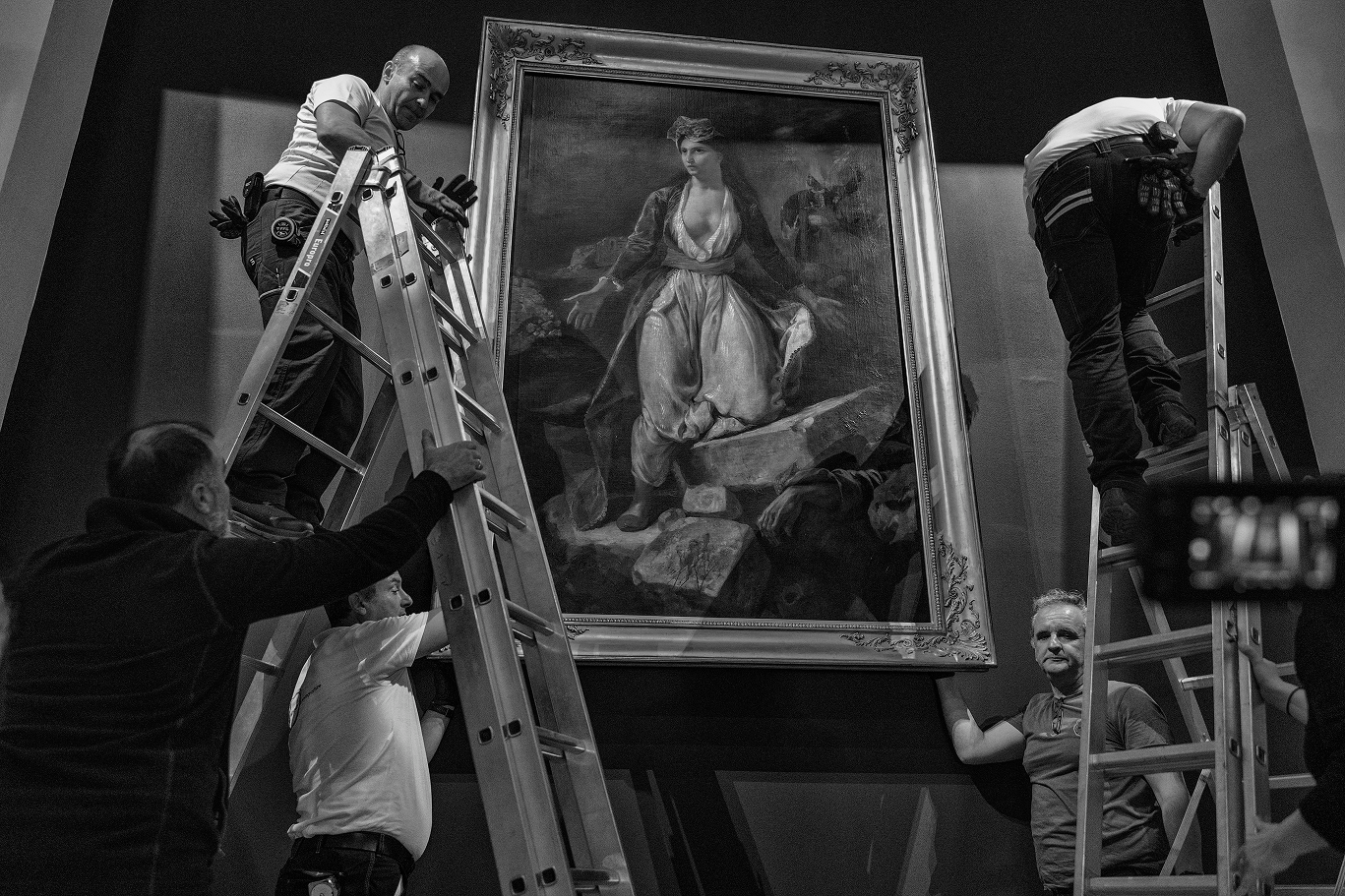
Eugène Delacroix painted an allegory at the age of 28 without ever having traveled to Greece. He knew Messolonghi only through narratives and texts. And yet, what he captured transcends the historical event.

“Greece on the Ruins of Missolonghi” is not just a work of art—it is a mirror of our existential identity. This figure of Greece never truly existed, yet feels deeply familiar. What moves me most is her gaze. She does not look at the conqueror; she looks elsewhere, toward a horizon we cannot see—as if she is addressing us.

Us, who were born without sieges or gunpowder. Who often take freedom for granted. She does not ask for our pity—she asks for our testimony. To remember. To stand upright. To live up to that sacrifice.

The work is both a requiem and an oath. When I saw the people of Messolonghi standing in awe before the painting at the Xenokrateio Archaeological Museum, I was deeply moved. They may not have known every detail of its history, but they knew how to honor it. Art, when it touches the soul, needs no explanation.

What do you carry in your soul from Messolonghi?

The light of the lagoon—but almost as an allegorical sensation. The people of the lagoon are not illuminated by others; they carry within them an inextinguishable flame. They know that human beings are capable of both the best and the worst—and that their most dangerous enemy is themselves.

There is something initiatory about the lagoon. I am moved by the silence of the fisherman at dawn, as he heads out to sea with his small boat. The horizon becomes both mirror and conscience. The same image repeated for centuries.

A line by Giorgos Seferis comes to mind: “At heart, I am a matter of light.” Perhaps that is Messolonghi—a place that tests the flame we carry within us from the very first day. I believe this idea has guided me in my life.

You are preparing something very special for your homeland. Tell us about it.

I don’t know if it will be a documentary in the traditional sense. I would say it is more of a natural return to my beginnings. That is how I started in the late ’80s—behind the camera, in dialogue with people.

What is this idea of Freedom that was handed down to us by a handful of people who sacrificed themselves in 1826? Perhaps it is a gaze toward what is unseen… close to those who do not seek the spotlight—the people next door.

I am interested in building bridges between Greece and the Francophone world, beyond introversion and false narratives.

What is Freedom to you?

Freedom is being able to stand before yourself without fear—and to endure what you see. It is not easy. Albert Camus wrote that “freedom is nothing but a chance to be better.”

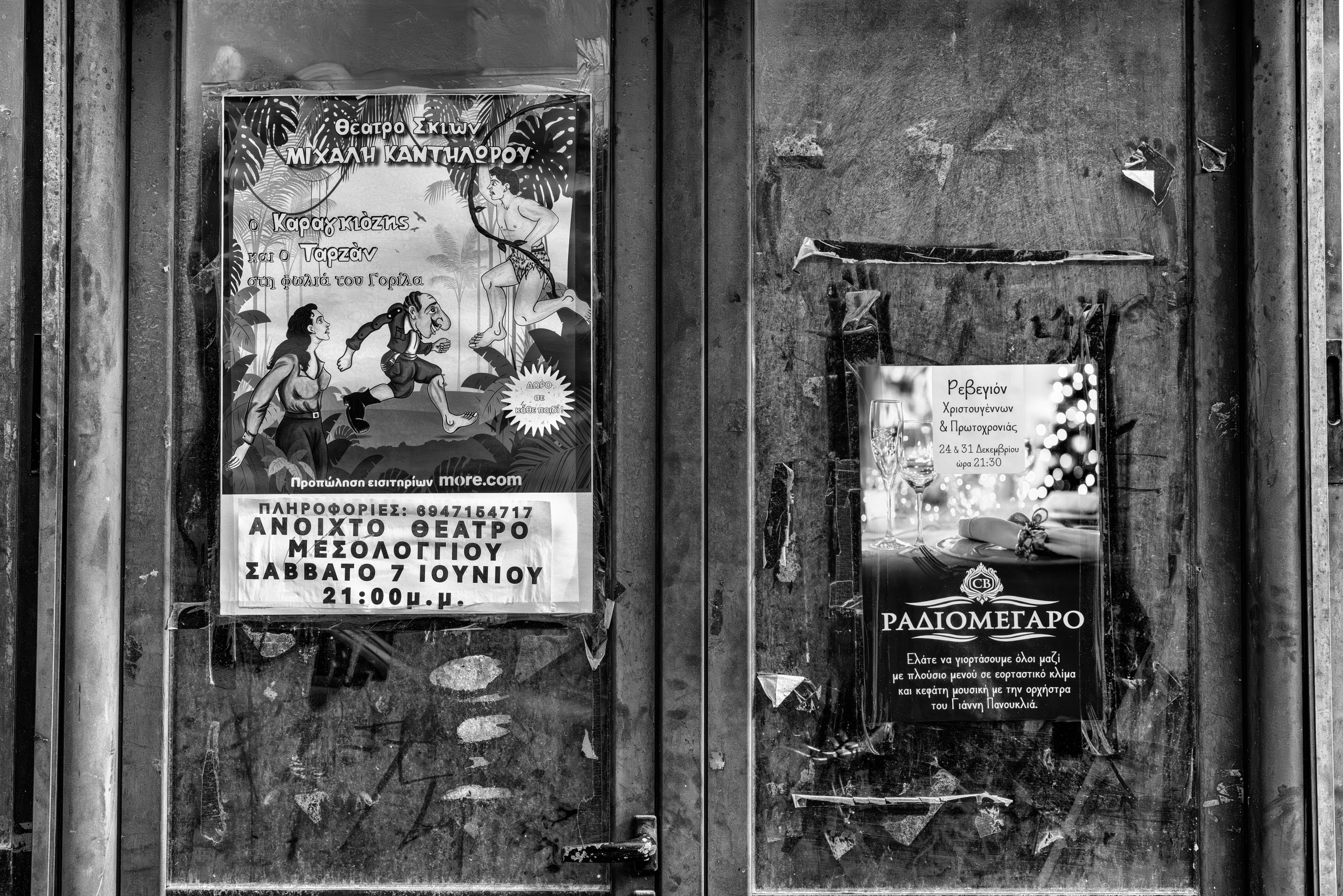
Perhaps because freedom is never a given—it is a practice. We are all passersby in a shadow theater. We often think someone else is pulling the strings and we grow angry at everyone. Yet we forget: we are neither mere spectators nor puppeteers. We are ourselves, facing our fate, and we must choose what we truly want from life.

I never liked making excuses when I failed to reach a goal. Others are not always to blame. That may be the hardest achievement of all—self-awareness.

To be free means to take on that connection every day, between the invisible sieges that pursue us—and not to expect anything in return. To act, and to keep moving forward.

How do television and personal creation truly come together?

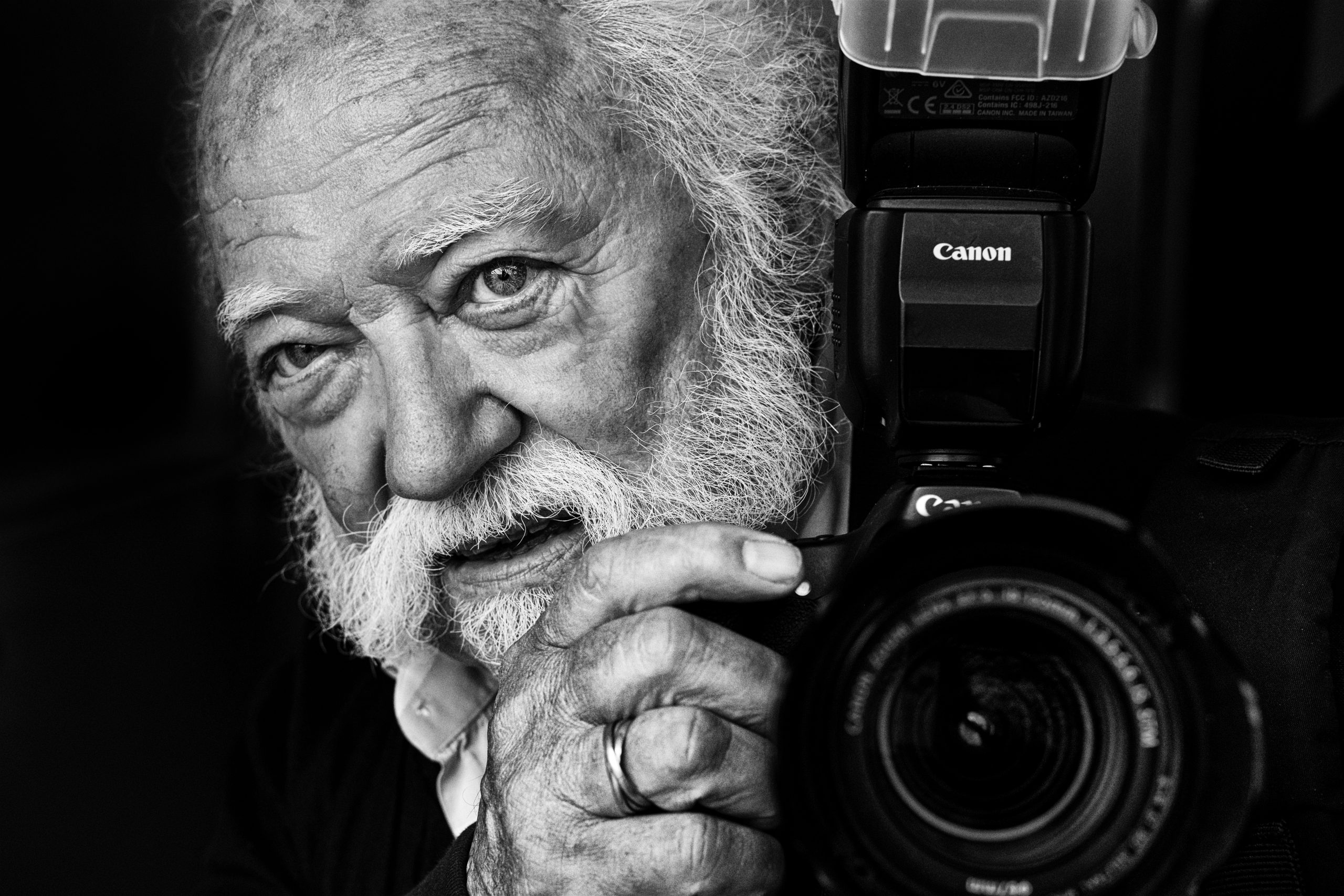
Television is a state of constant alertness—each image passes over the previous one, almost canceling it out. Photography, on the other hand, contains a silence that speaks. I live between the two. One brings me closer to people; the other allows me to feel them.

Thirty-five years into my journey, I often realize that none of it truly belongs to me. No chair, no trophy. It’s all a passage. I began with the need to connect, to tell stories, to build bridges. Television, radio, journalism—these are all different expressions of the same desire: to approach the other, the human being. Everything else does not stand the test of time.

We often talk about exposure, visibility, recognition. Yet, in a strange way, I learned the opposite: to observe. Because every gaze toward another person is already a form of dialogue. Public exposure does not belong to us. The moment we believe it does, we lose ourselves. But if we see it as a tool, then it can become a space for encounter.

In front of the camera, we think our role is simply to speak. In reality, we must first learn how to look. The mediator is not the one who expresses the most, but the one who makes the encounter possible. With artists, I am always searching for that crack—that moment when the mask falls and the human being appears.

You never speak to everyone. You speak to someone. And photography entered my life as a necessity for that search. It taught me another way of listening. Over time, you come to understand something simple: to hear the world with your eyes, you must first love it. Empathy makes that possible. What we all seek is a real moment. An encounter, an embrace. Everything else passes and becomes noise.

What is your relationship with time?

Time does not pass—it is sculpted within us, upon us. In faces, in hands, in gazes, even in what we consider tangible. Everything is touched by time. Roland Barthes spoke of the punctum—that detail which pierces you, touches you deeply. That is where time resides: in what moves through us.

We live in a world that is no longer unified. We move through it like sleepwalkers in an artificial present, guided by invisible structures that shape our attention and desire through endless scrolling. It makes us believe we are participating, when in reality we are reproducing patterns already written for us.

Between us and the world, a veil of images intervenes—a surface that does not reflect the flow of time but constructs fragmented, disconnected moments. We need non-consumable time to rediscover ourselves. A hand on a screen is not enough to find the measure that truly belongs to us.


In your latest exhibition “Les Grands Âges” in Paris, is your approach a mirror or a form of catharsis?

Perhaps a mirror first. We look at others in order to confront what we may fear we will one day become. Aging—and accepting it—is a blessing. The dictatorship of eternal youth is a chimera. It leads nowhere; it traps you in an illusion, a bottomless well.

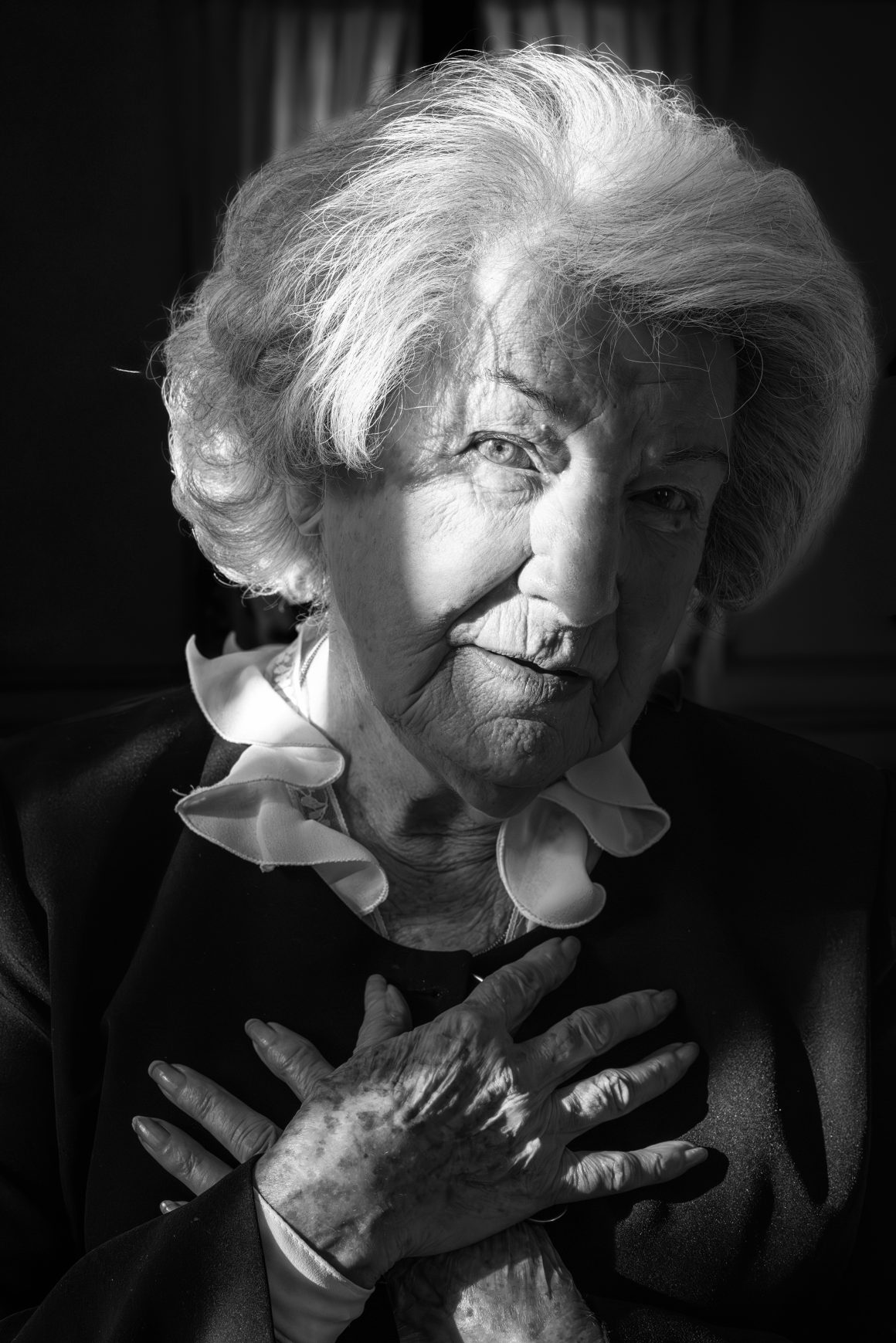
A grandmother’s wrinkled face says far more than one that tries to conceal time. Time, after all, cannot be hidden. I can understand the need some people feel to intervene—I do not judge it. Everyone does what they can. My concern is about accepting time as an ally in our lives. When the mask or the filter becomes the norm, we lose our identity.

Time does not only take away—it reveals who we are. The writer Jean-Christophe Rufin, in his novel Globalia, imagines a world where time loses its weight, where past and future dissolve into an endless present, and where people can live up to two hundred years. Today in France, with more than 30,000 centenarians, longevity is no longer a distant prospect but a reality reshaping our understanding of life.

But what do we truly know about those who have lived a full century? Do we really look at them? Or do we turn away from what they reveal about time? Science measures the extension of life. I try to reveal its depth. An aged face can teach us—and remind us—who we are.

What is the essence, the gift that maturity has given you?

That life is not only what appears. It is what remains after the noise fades. A gesture. A glance. A kind word that stays with you when you least expect it. You take nothing with you. And yet, it is the intangible things that carry the greatest weight. Over time, you understand that you never truly arrive anywhere. Everything is a passage. But within that passage, you are given the chance to come a little closer to yourself, to the essence of your life—and perhaps to others.

Like in a photograph by Henri Cartier-Bresson, where everything aligns, each of us must seek inner stillness—a quiet reconciliation with our shadows. I have spent more than half my life on sets and in front of cameras. Not everything was false, but neither was everything true. The garments of public life do not belong to you; at times, they weigh heavily.

What truly belongs to me are simpler moments: your child’s embrace in the middle of the night, your mother’s voice on the answering machine asking if you arrived safely, the woman with faded eyes making the sign of the cross for you from the balcony across the street in a village. Simple things, beautiful things. And in this way, you remember Constantine P. Cavafy—that what matters is not the destination, but the journey that transforms you.

Author