Tell us about the highlights of your journey. What were the milestones that brought you to where you are today?

I don’t think my journey has ever been entirely linear. I was born and raised in Munich, and I can remember myself drawing and painting for as long as I can remember. It was an instinctive way of observing and translating the world around me. I experienced art in my mind as a dialogue between colours, shapes and emotions—a particular amalgamation of stimuli that extends beyond sight and touches all the senses. This deep attraction to art eventually brought me to Greece, where I studied at the Athens School of Fine Arts, and later to London to pursue Art Direction.

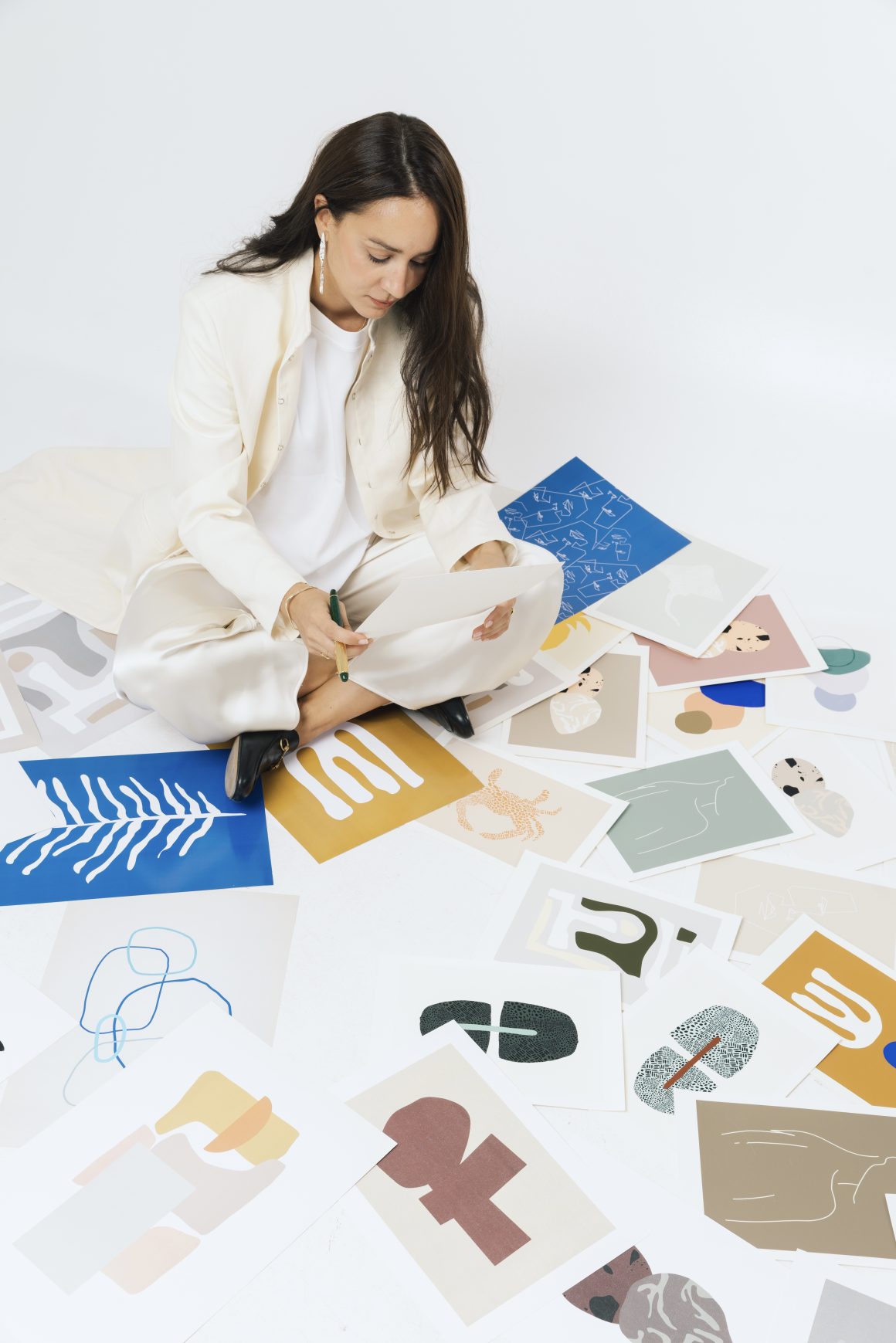
Along the way, I felt the need to move beyond the purely visual and explore different expressions of aesthetics. I moved through Art History, Editorial, Set Design, Styling and Art Direction, working with images and with the atmosphere that can emerge from different compositions. Each experience added something to my way of seeing and, almost naturally, began to lead me towards what I do today. Through The Naori Studio, all these disciplines came together: art, Interior Design & Styling, Art Curation and Textile Design.

Creativity is a fundamental part of your life. How did you discover a creative perspective through your art? How did the first idea emerge, and how has your practice evolved?

From a very early age, I was interested in observing, collecting images, textures, colours and gestures, and transforming them into something of my own. Over time, I realised that what moves me most is not necessarily the object itself, but what it can evoke. A surface can create a sense of calm, a colour can bring back a memory, a texture can make you want to reach out and touch something.

This is also how my own understanding of art began to take shape. I often think of a passage by Montesquieu in Essai sur le goût, in which he suggests that “the sources of the beautiful, the good and the pleasurable lie within us.” It is an idea that feels very close to the way I understand aesthetics—not as something absolute, but as something that is activated differently within each of us.

In my work, the initial spark is not always the same. It comes from the project itself. Its architecture, history, landscape and atmosphere open up an entire world of possibilities for me. I look into the memory of a place and begin my research through patterns, textures, symbolism and tradition.

I don’t want simply to place a work of art or an object within a space. I want to observe the space and discover what can enhance it and add another layer to the whole. I am interested in art functioning as an organic part of architecture, rather than as an additional decorative gesture.

How would you describe your artistic practice and technique? What kind of stories do your works tell, and what do you dream of creating?

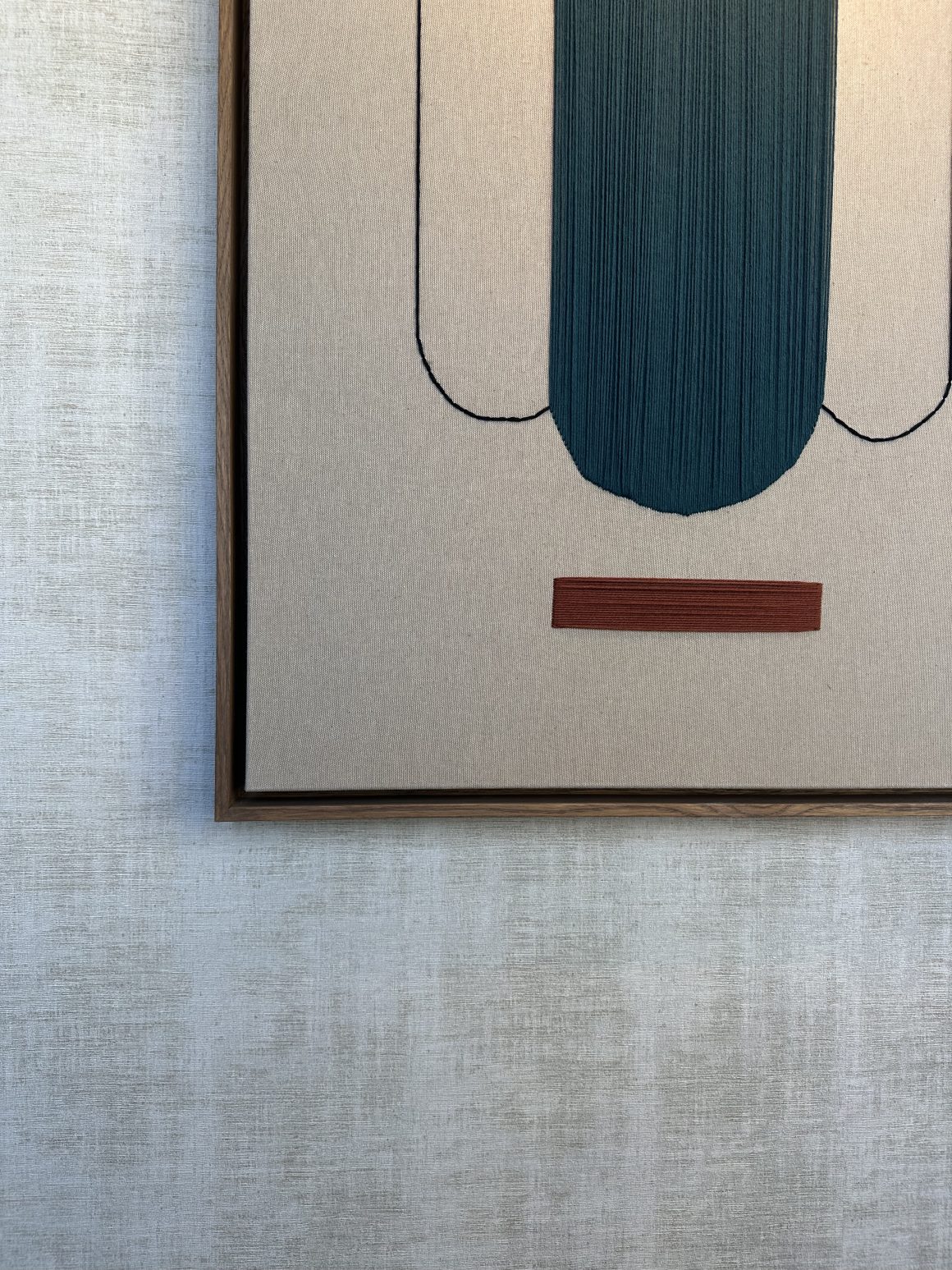
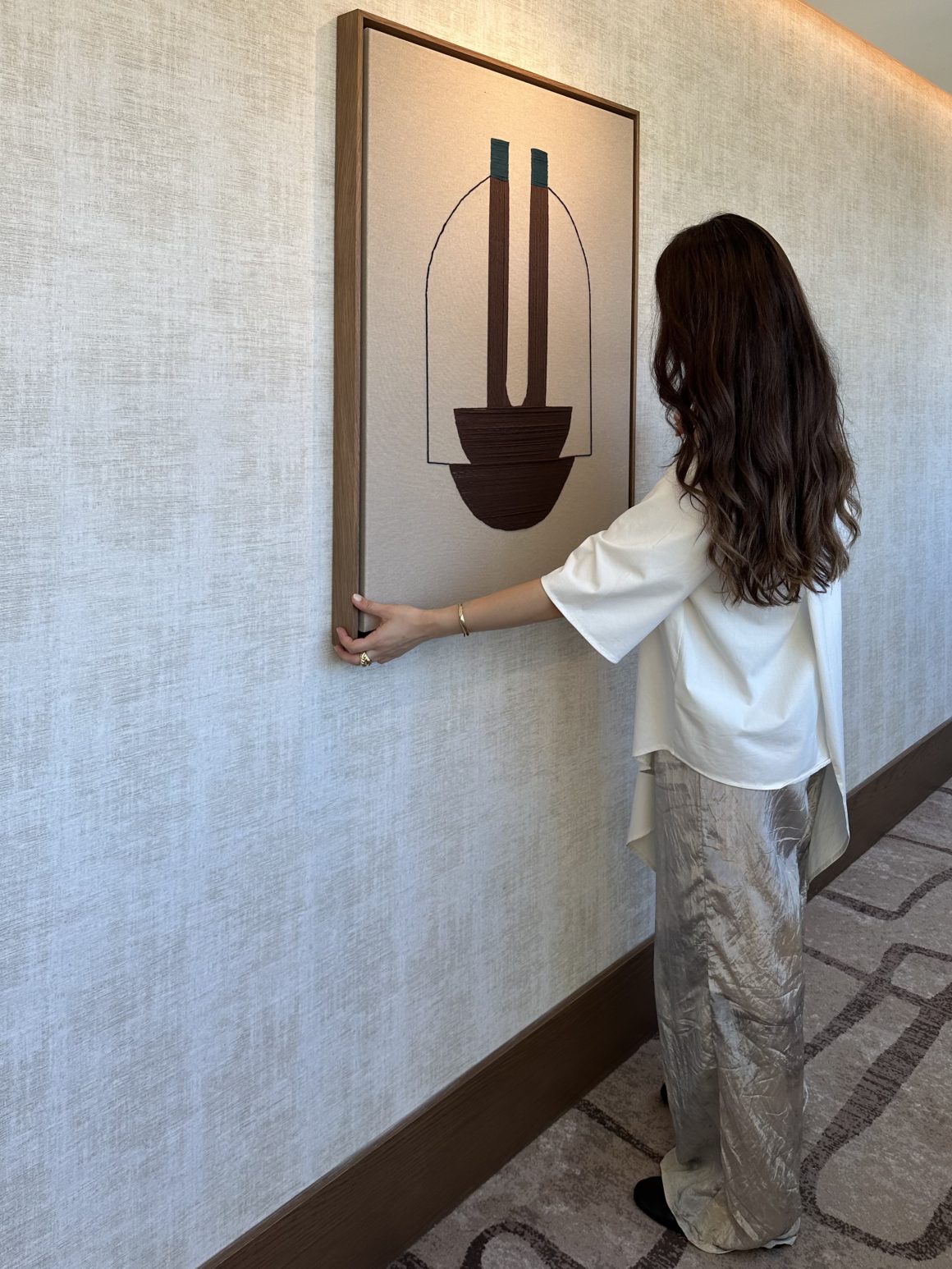
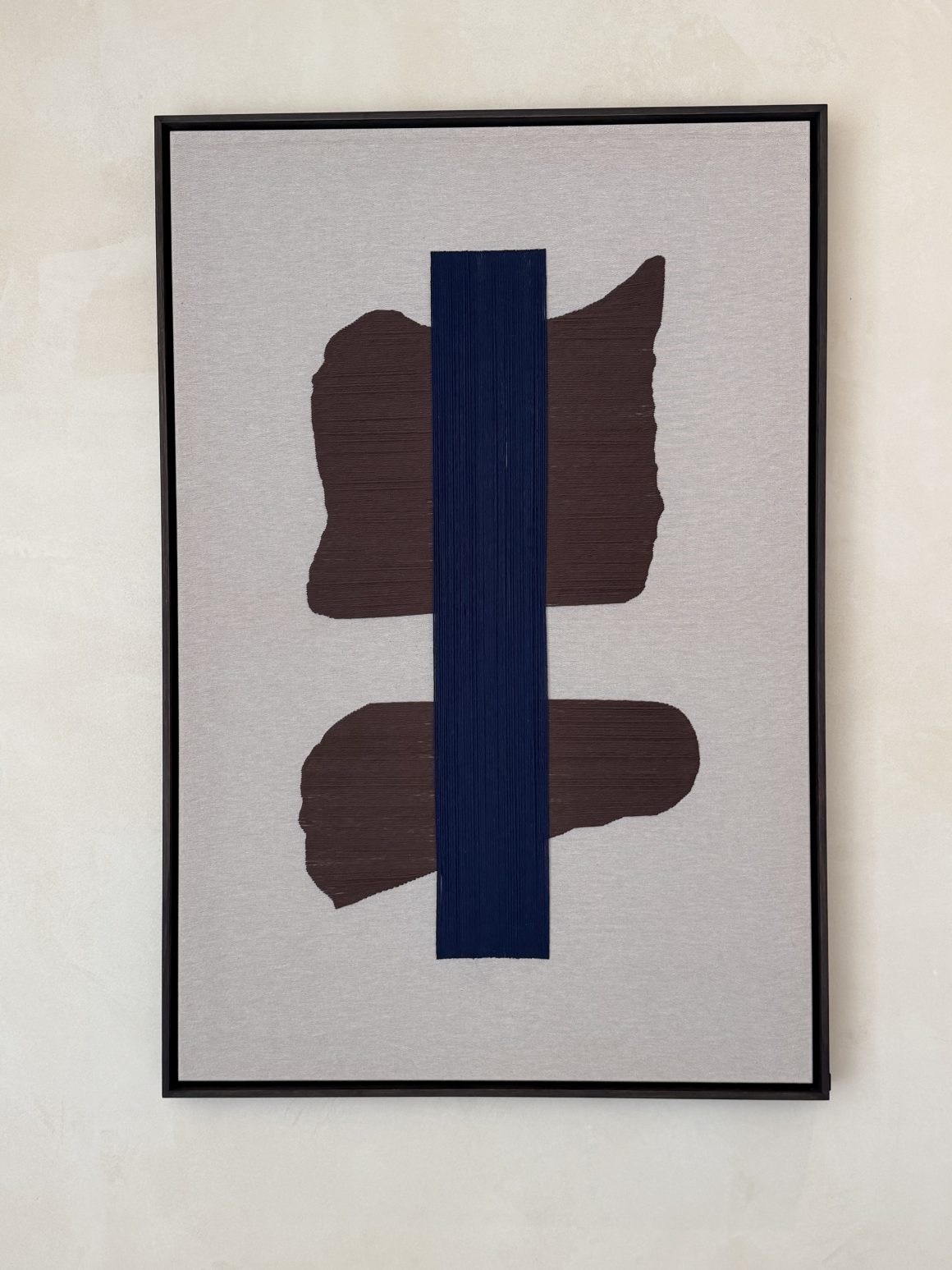
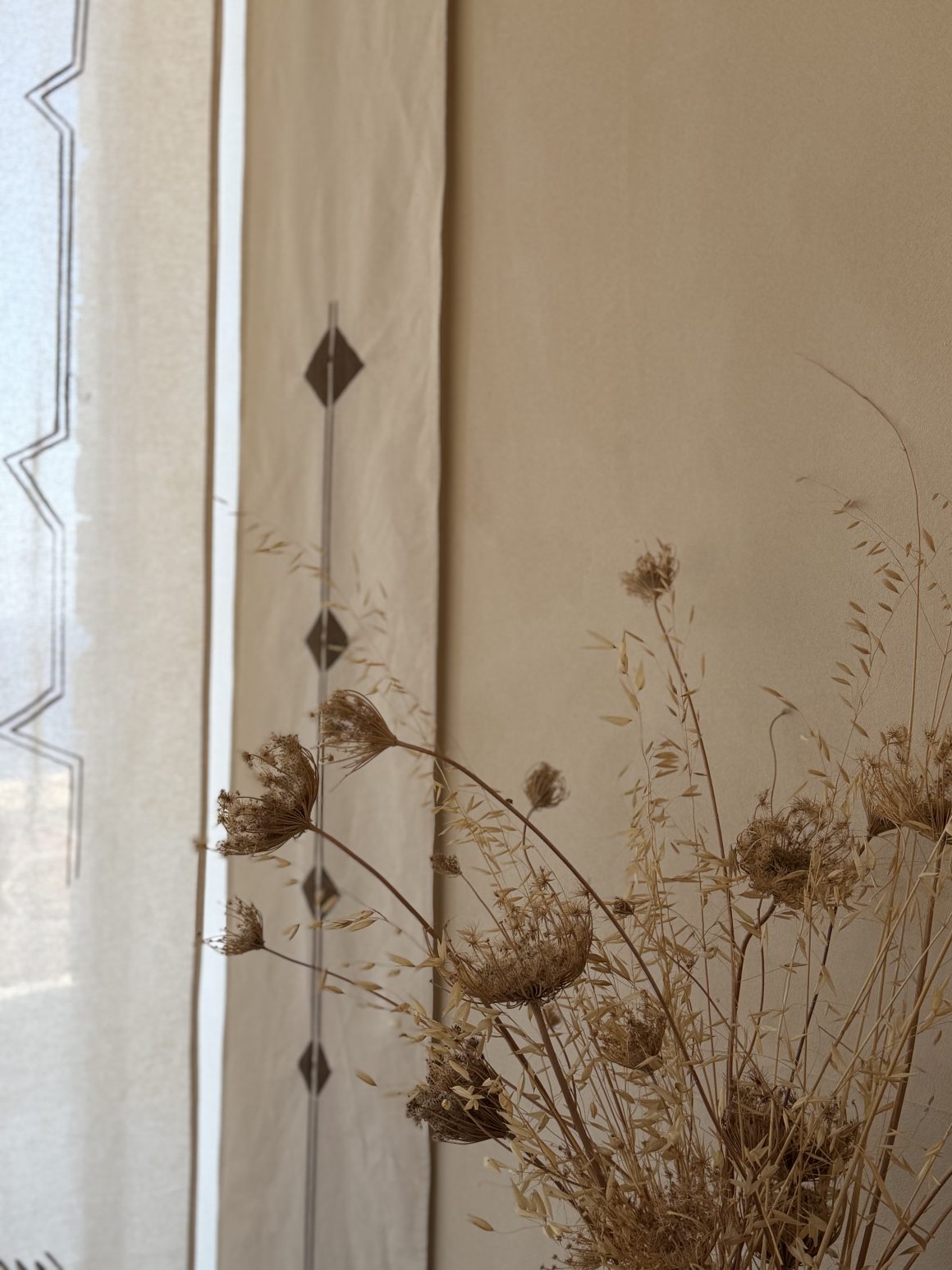
I would describe my work as an artistic practice that moves between painting, materiality and texture, which is why I enjoy working with mixed media. Lately, thread has acquired a particularly important place within my work, because I am interested in the way it can create a raised, tactile quality on the surface, but even more so in the visual dimension it brings—the sense and desire to reach out and touch it.

I am particularly fascinated by the idea of the symbol and of writing as carriers of memory, because they have a unique ability to condense an entire story into a simple form or imprint.

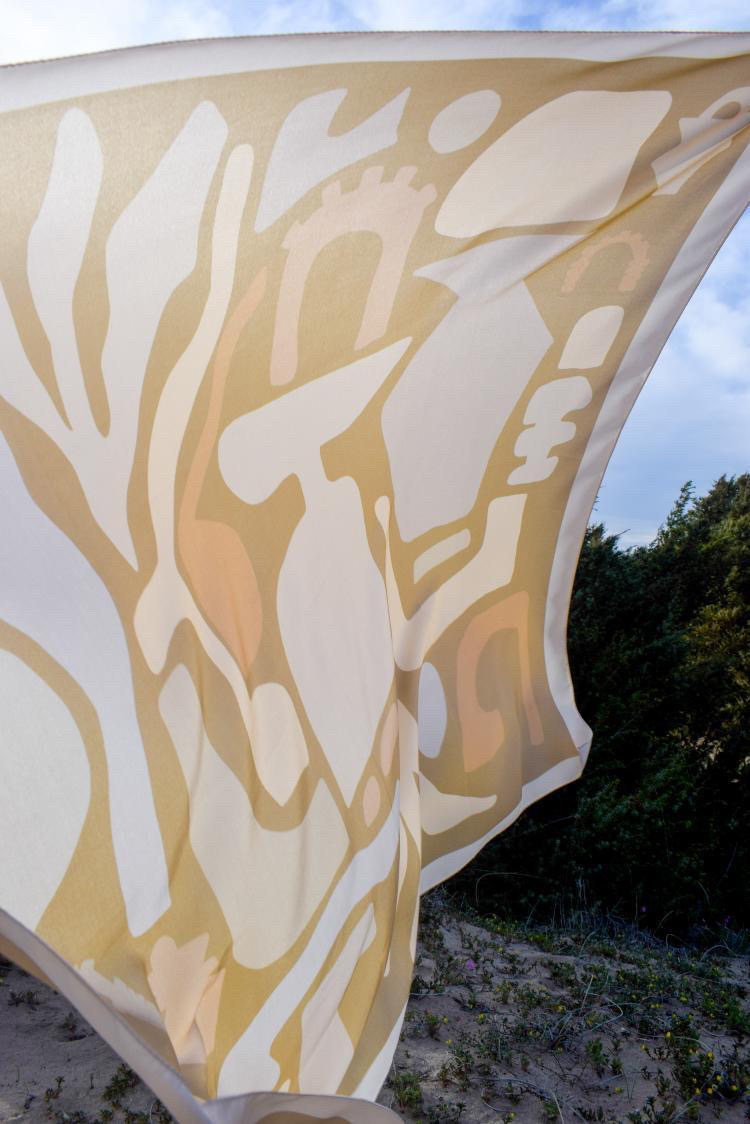
Linear B has played an important role in the way I understand this relationship. I am drawn to the idea of a system of signs created to record a world that, thousands of years later, continues to provoke our desire to decipher it. I don’t always reproduce these signs literally. Instead, I reinterpret and deconstruct them in my own way, giving them a continuation with “deep roots”, so that they can create an echo of a particular moment in time.

What I am ultimately searching for is a feeling. As Brian Eno has said, “the only product of art is feelings.” This thought is very close to the way I understand my own work. What interests me is how, within each project, something can emerge that did not exist before. My creative journeys seem to take me there on their own.

You have recently been curating hotel spaces that, through subtle interventions, reflect your particular sensibilities. How does scale influence your work?

For me, the curation of a space begins with observation. From the moment I enter a building, I feel that a dialogue begins. I listen to its architecture, atmosphere, history and needs, and somehow the idea begins to transform within me.

Scale naturally influences the way I approach a project, but I never consider it in isolation. What interests me is how the work will enter into dialogue with everything that already exists there, and what it can add to the overall experience of the space. As a result, spaces that belong to a hotel can acquire something personal and intimate. This is something that matters deeply to me, whether I am working through my own artworks or through the Interior Styling I curate.

At the same time, working with thread has brought something very personal back into my practice. It strongly reminds me of my grandmothers, whom I remember weaving, taking me back through time. Embroidery, too, represents a form of quiet knowledge passed from hand to hand and from one generation to the next.

I want to keep the trace of this tradition alive—not by reproducing it literally, but by transforming it into something new. Allowing it to continue, evolve and acquire a different life through art.

Tell us about the most interesting collaborations that have left a mark on your work. How did they come about, and what did they involve?

Among the collaborations that have left a particularly strong mark on my work, I would certainly highlight those that brought me closer to Crete. They led me to explore Cretan culture, art and symbolism more deeply—from the Phaistos Disc and Linear B to motifs that have survived through time.

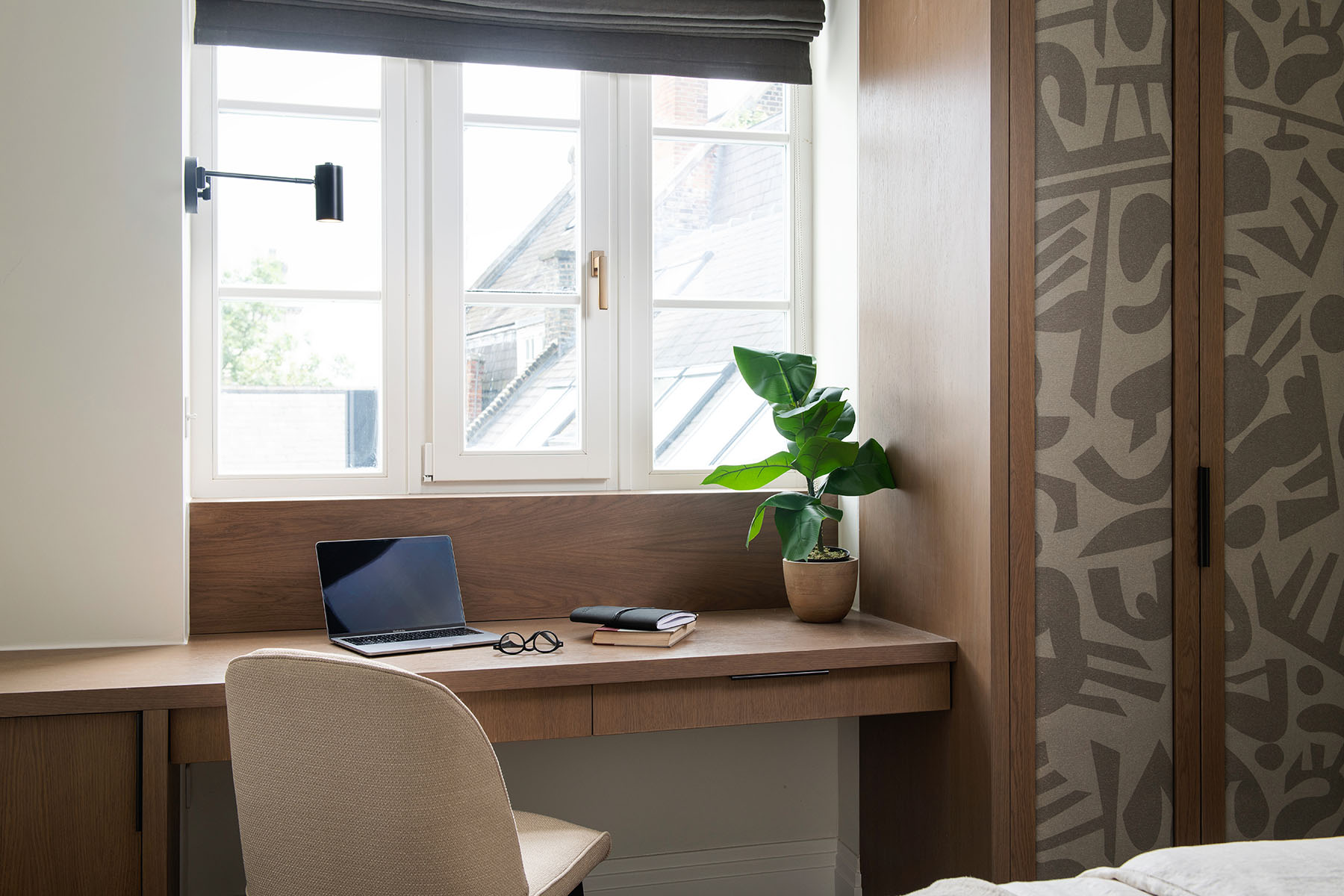
Another very different experience was a project in London, where I designed a motif that was translated into the interior of the building, appearing across textile panels and furniture surfaces. I would also single out my collaboration with Ciarmoli Queda for The Architect Show, where art took on a different role within the space.

A significant part of my practice is also shaped through collaborations with architects, including Alessandro David, Aris Petrou and Giorgos Kontaxakis.

The interplay between research and creation has become an important starting point for me, opening up new windows of knowledge. Crete, in particular, feels like an inexhaustible reservoir of cultural memory and history, taking me on a journey that I am only beginning to discover. What keeps me in a constant state of inspiration are travel, the experiences we carry with us, memories, emotions and, above all, the values that are worth preserving.

There is something magical about meeting people through a project. You connect on a deeper level, and co-creating and sharing a space can only lead to something beautiful, because we all come together with the intention of contributing something of ourselves.

What do you love doing most? How much does a new concept intrigue you?

What I love most is the moment a project is presented to me and an idea begins to take shape in my mind almost immediately. Every new project gives me something different to confront, and what intrigues me is precisely the fact that I never know where it will lead me. It is a new challenge, and that is the beauty of my work: it never allows me to feel that I am repeating myself.

When I place objects and works of art within a space, I want the interaction to feel like a dialogue between tradition and something new, so that the result creates a sense of familiarity while connecting the past with the future.

The moment I particularly cherish is when the works are finally installed and I get to see people’s reactions—what they feel, what they respond to, what the work evokes in them. There is something magical about that.

What do you consider the essential elements in approaching a new project in order for it to succeed, and what are the non-negotiable values that guide the way you work?

With every new project that comes my way, the people I work with are a fundamental factor. A good collaboration is what matters most to me, and it plays an essential role in bringing a project to a successful completion. It is important for me to work with people who are willing to trust the process, while also feeling that our visions meet somewhere along the way.

Trust is what gives ideas the space to emerge.

It is people who shape an environment, and creativity cannot flourish without “beautiful” people.

How do you claim greater freedom in the way you create, and how easy is it to achieve? Having already built a body of work, how do you feel your aesthetic is evolving?

I believe that creative freedom is not something you claim unilaterally; it is something that is given to you through trust. At the same time, I think that throughout my journey so far, I have demonstrated professionalism, and that is perceived not only through the final result but also through the way I approach collaboration.

When there is trust, I am given the space to expand my vision, and that allows me to take risks and put forward ideas. There is something very beautiful about having someone entrust you with a part of their vision and, in the end, seeing them feel that they were right to trust you with it.

My aesthetic, on the other hand, evolves every day through countless stimuli and influences. I don’t want to become confined by particular forms or formulas. I prefer to remain open—to keep evolving, and to evolve along with my work.

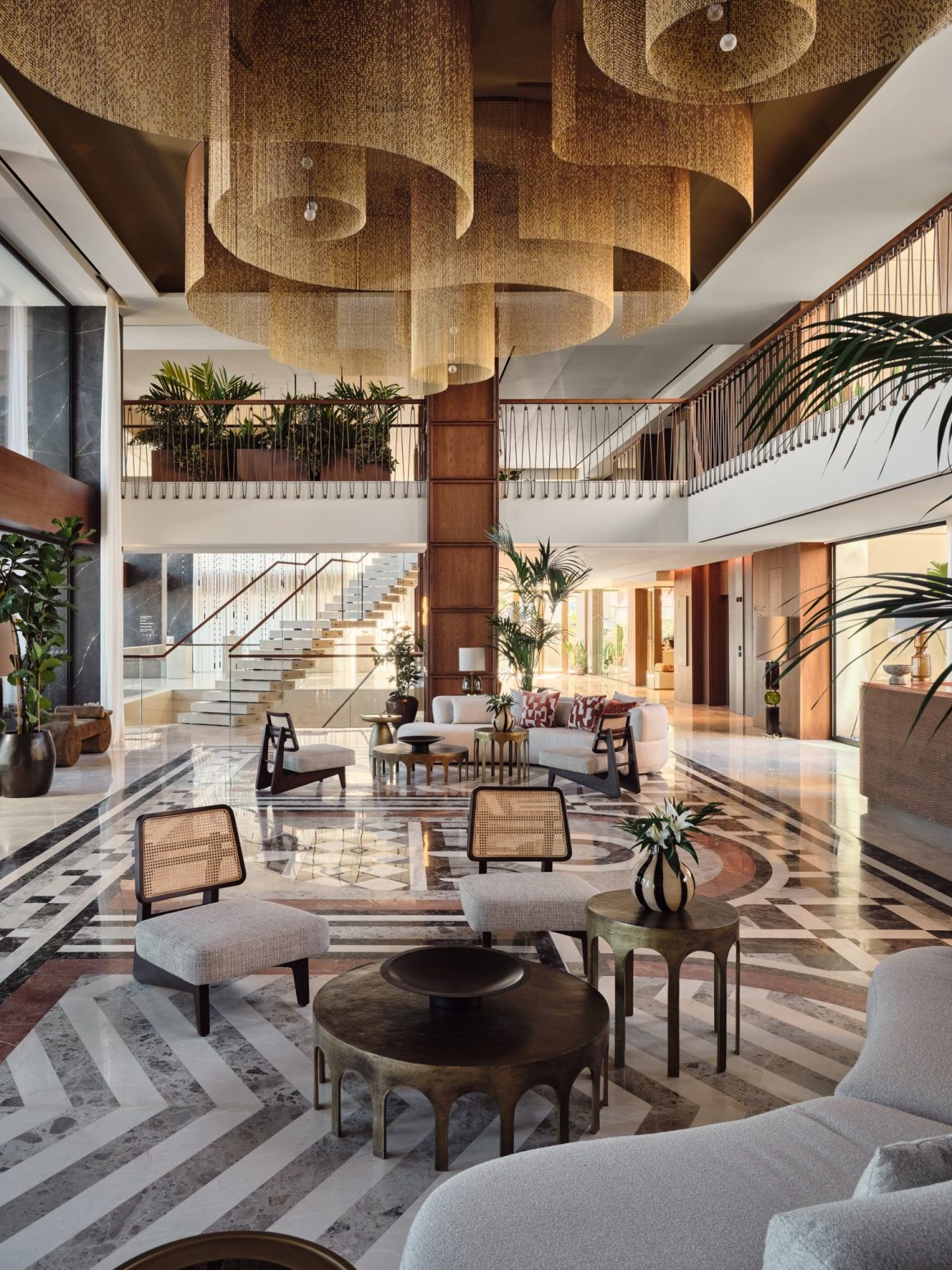
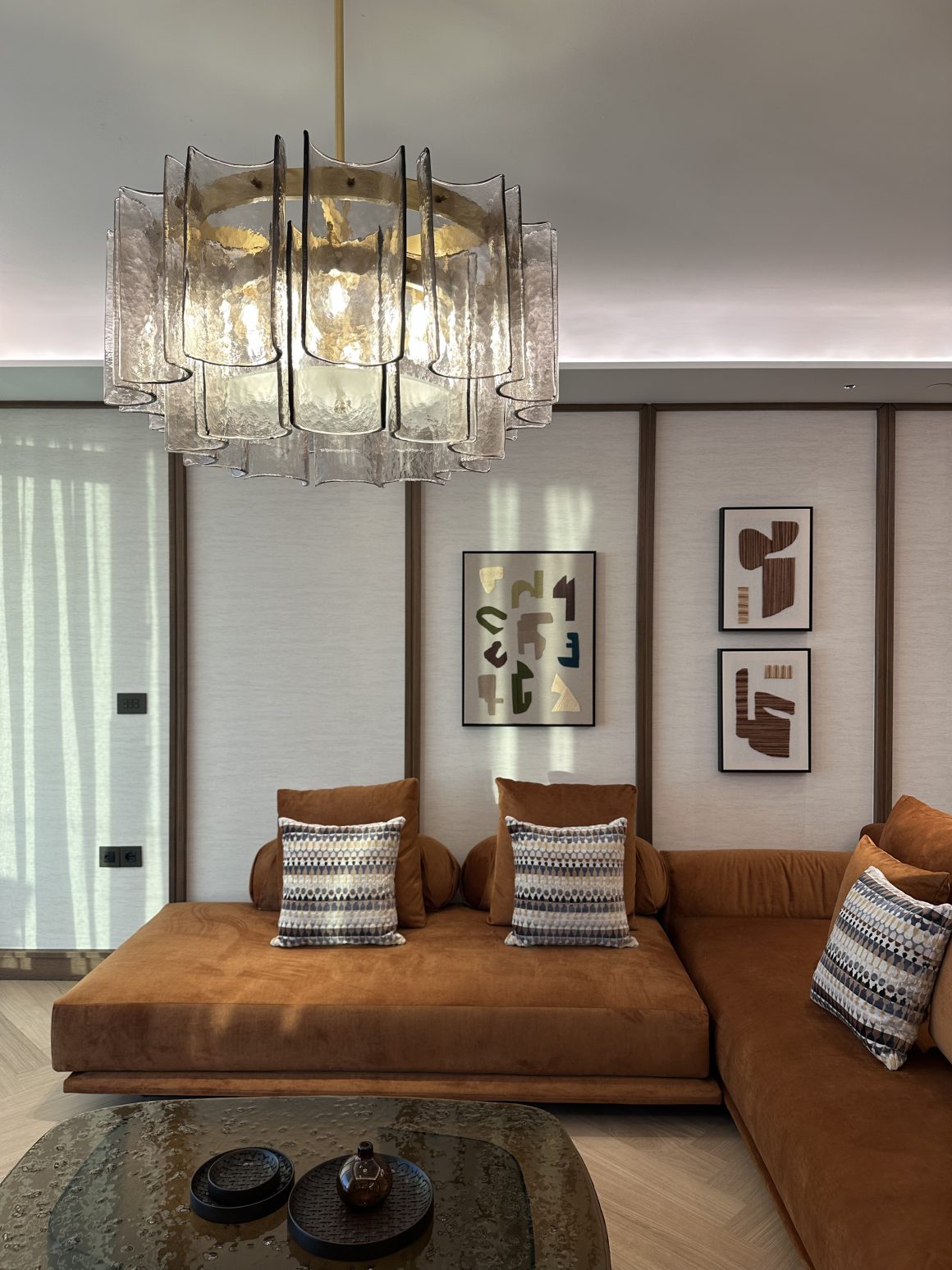
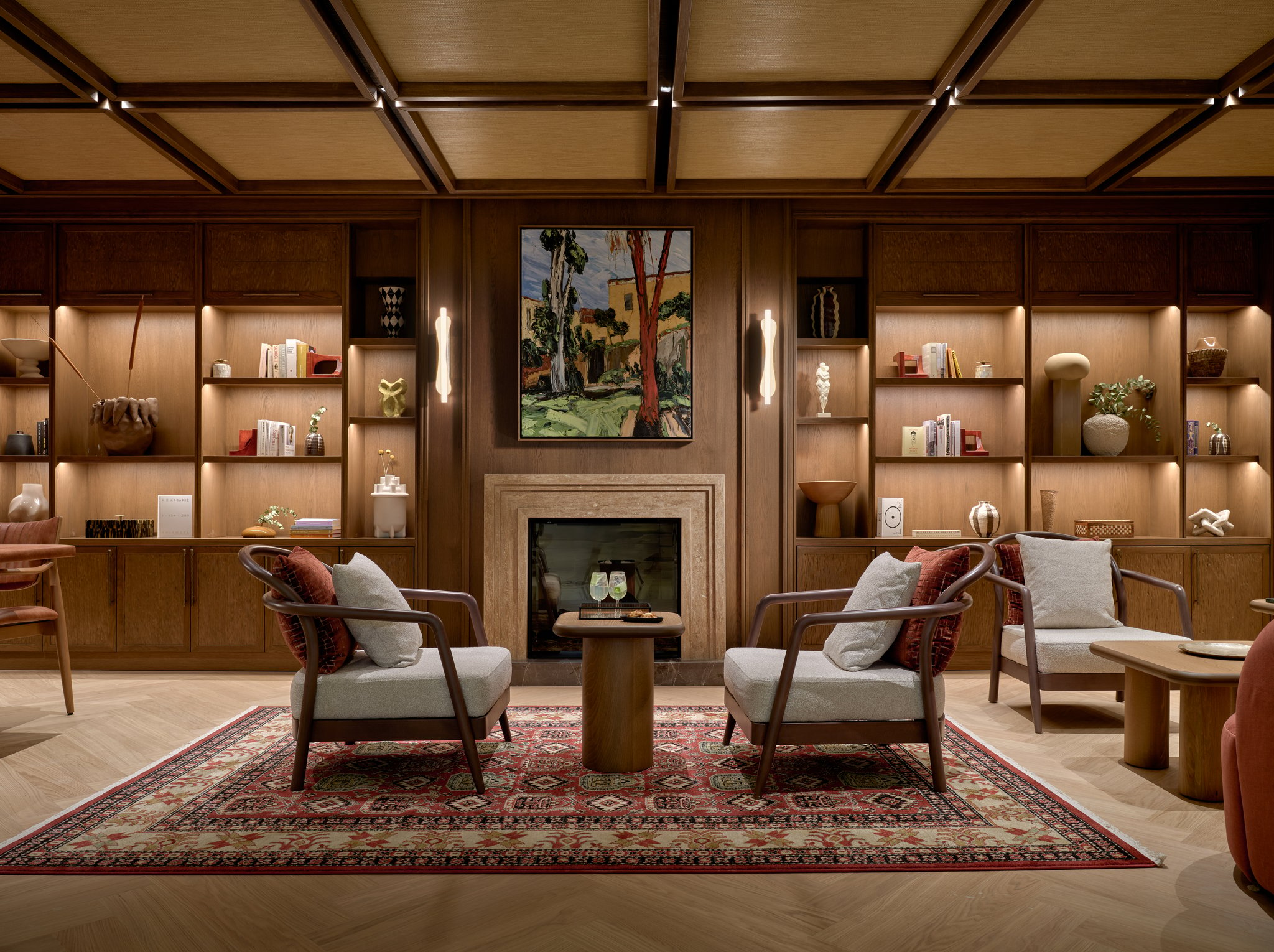
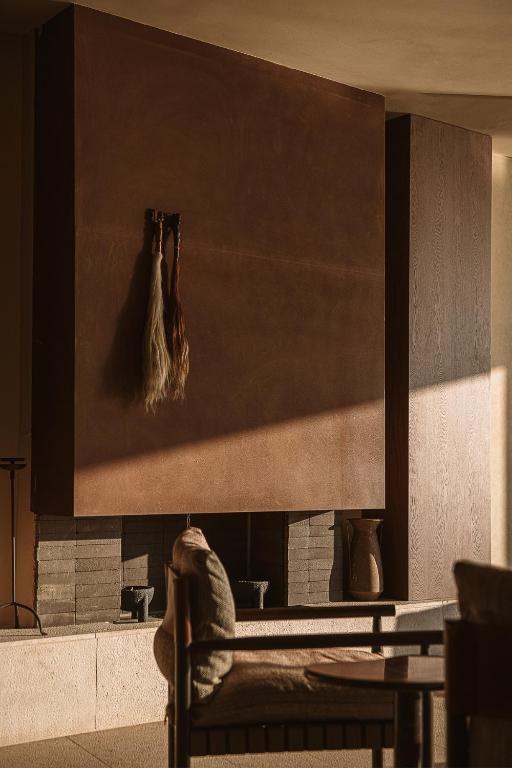
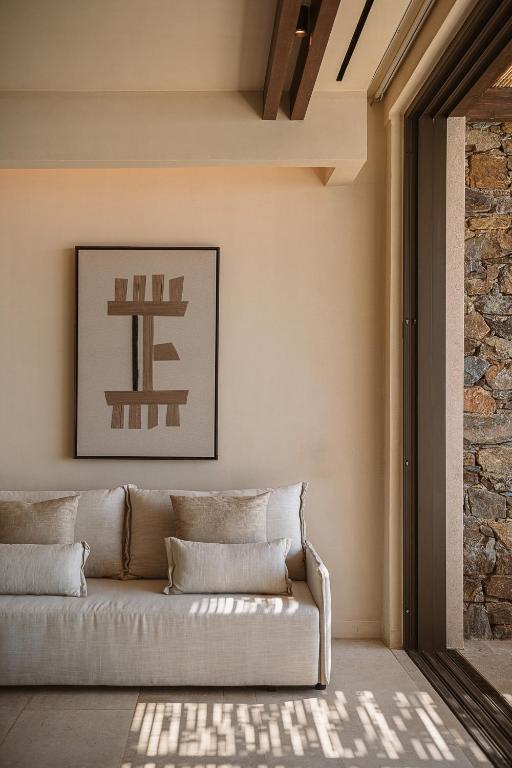
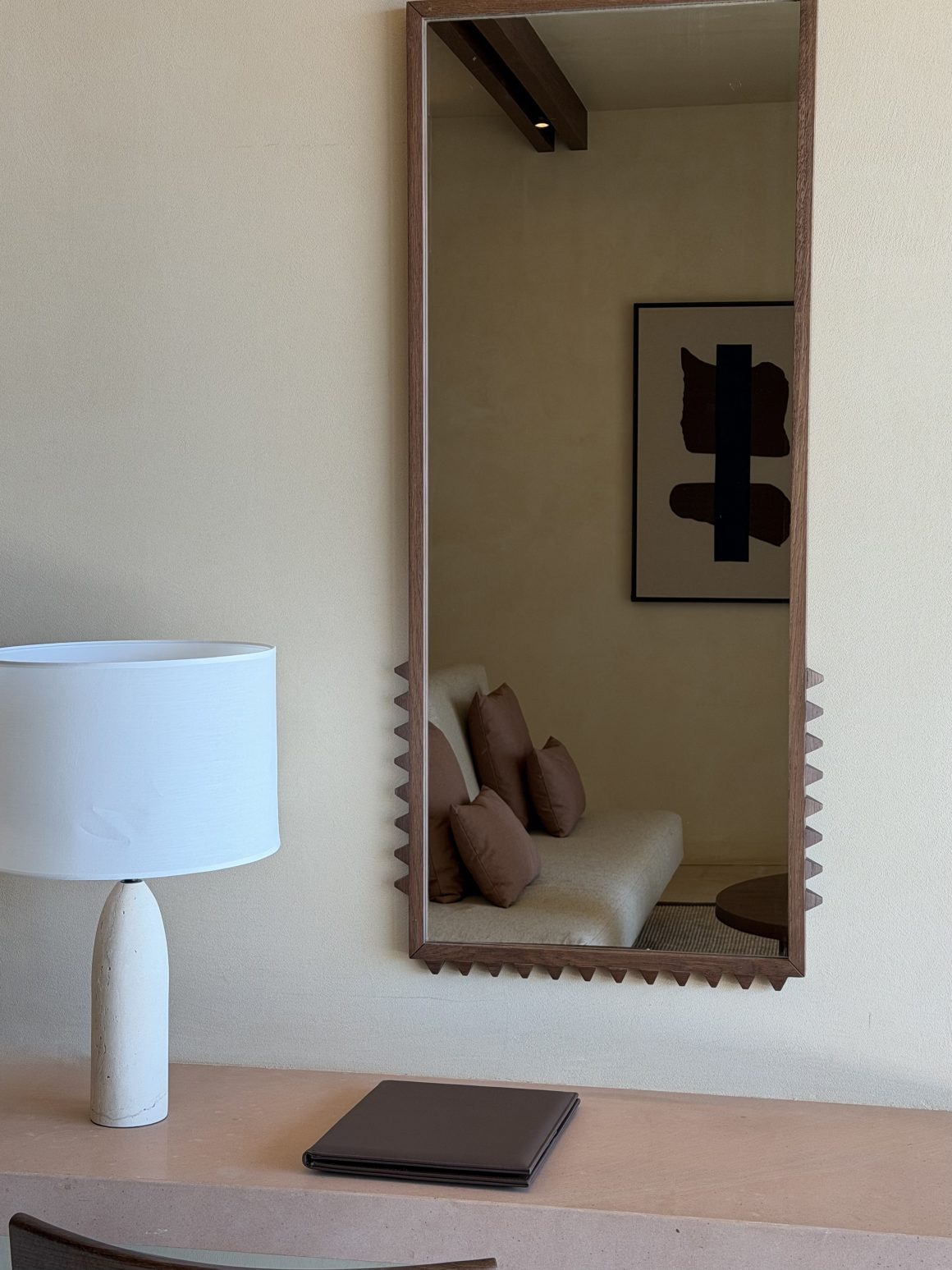
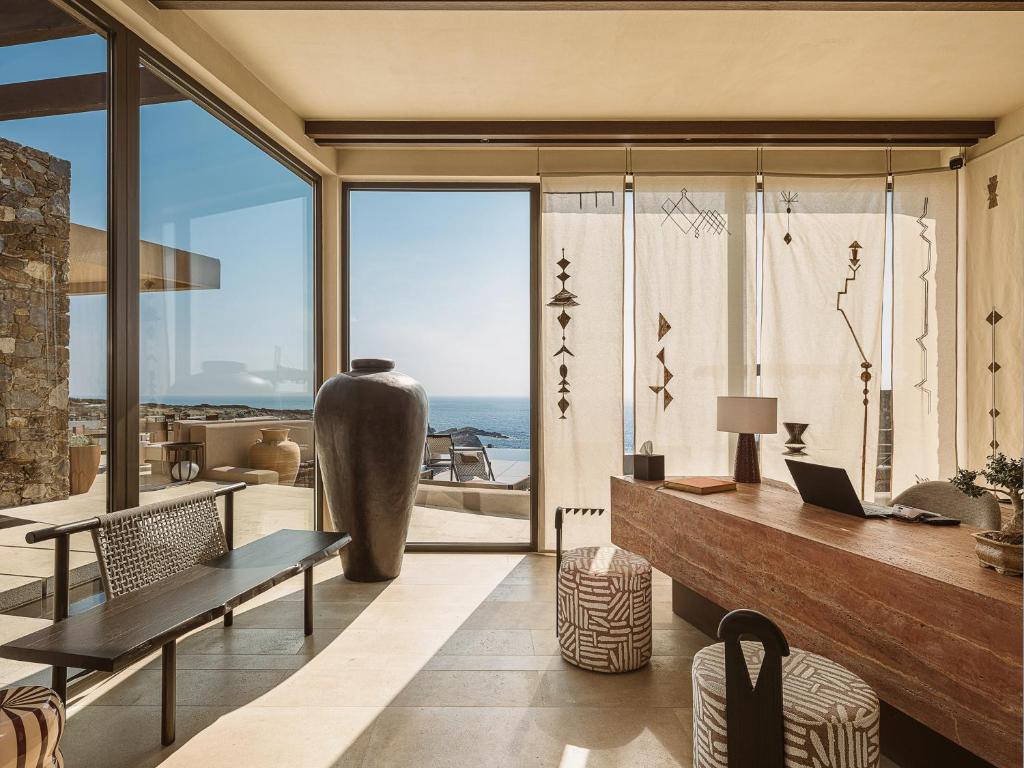
Hilton Old Town Resort and Spa, Chania Crete @animavision

What do you consider your most important achievements—the moments that feel truly significant to you?

I believe that one of my greatest achievements is having managed to build a life around what I genuinely love and what I have to offer. When I am designing, I experience intense moments of adrenaline. In those moments, I feel a deep confirmation that I was born to do what I do. And that feeling alone is already a great achievement.

I believe risks have value because they bring you face to face with your fears and your limits. If you dare to take them, they can lead you towards parts of yourself that you might otherwise never have discovered. There is something magical about discovering yourself along the way.

Of course, not everything is always easy. I remember how difficult it was when I decided to start my own company, but I didn’t allow myself to remain focused on that difficulty. The same happened when the works I had created for an architecture exhibition were all stolen at the end of the show. It was an unpleasant experience, but it did not discourage me. Many of the people who had seen the works later approached me and eventually became collaborators on different projects.

In a paradoxical way, I felt that the purpose had been achieved. Ultimately, what matters to me is to keep creating—to not remain fixated on what happened, but to look instead at what might emerge from it.

What—and which people around you—help you keep moving forward?

I think I am fortunate to have a small circle of people around me who function almost like mirrors. Although my family is in Munich, they make sure to be present in their own way and give me a constant sense of support, which is invaluable. And good friends, whom I have been lucky enough to have, are an immeasurable source of inspiration and love. For me, they are also a beautiful refuge.

Something that has stayed with me very strongly—and that my friend Maggie often reminds me of—is the Japanese concept of kega no kōmyō: the idea that even a misfortune can, in retrospect, become the starting point for something good that might never otherwise have existed. It has changed the way I look at difficult moments.

With good people around me, a colourful sphere of generosity is created, reminding me that a journey is not defined by one difficult turn. Having them around me makes life feel more colourful.

Do you believe that art and creativity, more broadly, can be a path towards becoming better people?

For me, art and materials are a secret refuge for both body and spirit, and a way of returning to myself. Recently, while reading Vassilis Kiosses’ book Empathy: Listening with the Heart, I was particularly struck by the connection it draws between the concept of empathy and art. The word has its roots in the German Einfühlung, a concept that was initially connected to the aesthetic experience and to what one can feel when encountering a work of art.

From the very beginning, art has been a means of understanding and expressing human emotion.

In the end, I don’t know whether art automatically makes us better people. I do believe, however, that it makes us more receptive to feeling something beyond ourselves. That shift in perspective alone holds great value for our inner world.

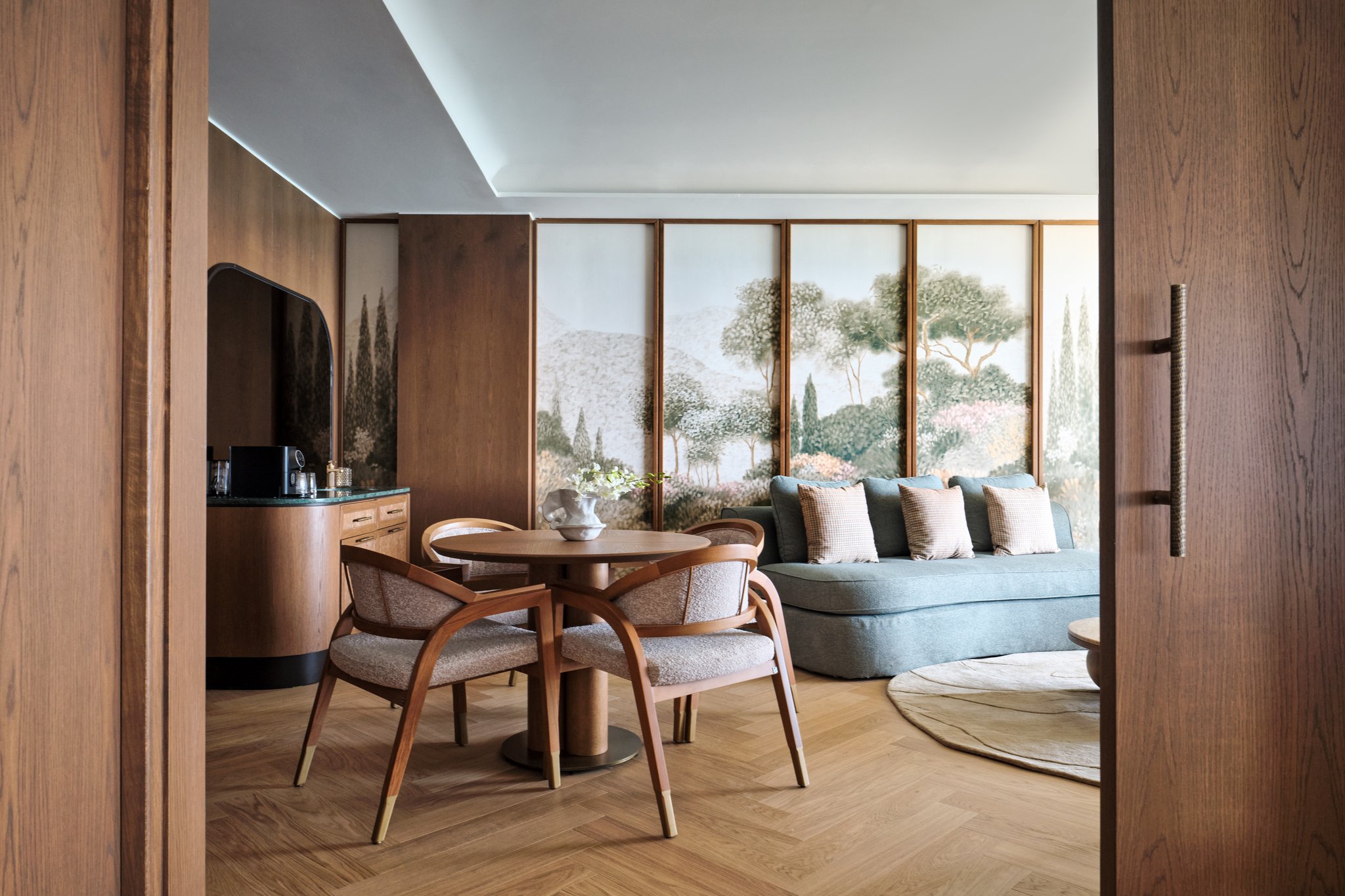
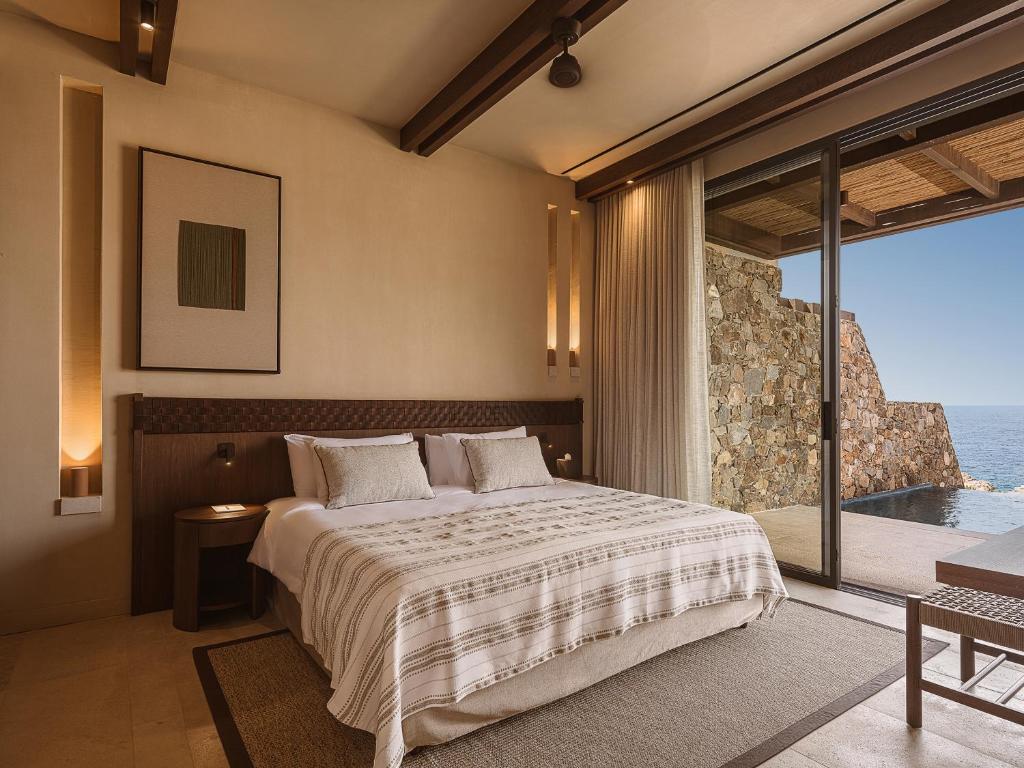
The Myrtle House, Covent Garden London

Are we what we choose?

Of course we are what we choose. As Jean-Paul Sartre writes in Existentialism Is a Humanism, we shape ourselves through our choices. Perhaps that is why life can sometimes feel a little like creating a work of art. You don’t always choose the materials you are given, but you do choose what you will make of them. I believe, therefore, that we are defined not only by what we choose to keep, but also by what we choose to leave behind.

Looking at my own journey, I see that I have often chosen curiosity over certainty. To try something new, to follow an idea even when I don’t know where it will lead, to not be afraid of changing direction. Perhaps that is ultimately the greatest form of freedom: allowing yourself to evolve without feeling the need to remain the same.

What does the space of your dreams look like?

If I close my eyes now, that space has a sea and a garden. It is open and full of light, with architecture that does not try to impose itself on the landscape, but instead allows the landscape to take centre stage. There are people, life, conversations and music, and a large table filled with old objects. And when you walk in, you feel that you belong.

The museum—and the work of art that stole your heart

I could name many museums and galleries that I love, because my list is constantly growing. Some of them include the Metropolitan Museum of Art, the Naoshima Museum, Art Basel—which is an entirely different experience of works and people coexisting—and the Archaeological Museum of Heraklion. Among the galleries and studios I have particularly enjoyed are FormLA, Studio Twentyseven, Antiqua Gallery, Gagosian Gallery, Saatchi Gallery and many more that I am surely forgetting at this moment.

As for a single work that has won me over, I don’t think I have just one. I am drawn to many different forms of art, as long as they leave me enough space to complete them through my own gaze.

I am attracted to minimal forms and the balance of colour, which is why the philosophy of wabi-sabi resonates with me: the idea that beauty does not need to be absolute or flawless in order to have presence. When I walk through a museum or gallery now, I notice that my eye almost unconsciously isolates certain works that intuitively come close to my own aesthetic.

The works that make me stop for longer and observe are those that suggest that art can transcend the boundaries of reality. That is why I am drawn to Surrealism, as well as to artists and designers such as Finn Juhl, MM Paris, Misha Kahn, Jean-Michel Basquiat, David Hockney, Jaybo Monk, KAWS, Kelly Wearstler, Daniel Arsham, Theodore Psychogios, Mary Weatherford, Donald Judd, Joan Miró and Pedro Friedeberg.

Give us your own definition of beauty.

For me, beauty has to do with our perceptions, with the history we carry, with everything we have seen, felt and stored within us.

Ultimately, it lies in the eye of the beholder, but also in the sensitivity with which one chooses to look. That is why I am so moved by the way Cavafy describes beauty in “Έτσι πολύ ατένισα”, where beauty emerges through the personal gaze.

The more closely you look at it, the more you begin to see it around you.

I believe that aesthetics exist within us as a form of innate sensitivity, but over the years they are enriched and expanded by travel, images, people, art, music and the experiences that gradually create a personal aesthetic vocabulary. The more you observe and feel, the more you gather within yourself, and at some point all of it returns—perhaps unconsciously—to the way you create and perceive the world.

For me, beauty and aesthetics share a common denominator: the aura and energy that something gives off. They are not exhausted by what you see, but by what they make you feel. That is where true enchantment begins.

What do you consider authentic today?

Kindness, and people who have a purpose and dare to dream. It is difficult to pretend to possess something as spontaneous as kindness, especially when it is genuine, because it has nothing to prove.

Something I consider very important, both in others and in myself, is the ability not to take everything personally. Once you understand that, you experience a great sense of freedom. You become more open and, perhaps ultimately, more authentic.

In both people and art, I look for something that has substance and a character of its own.

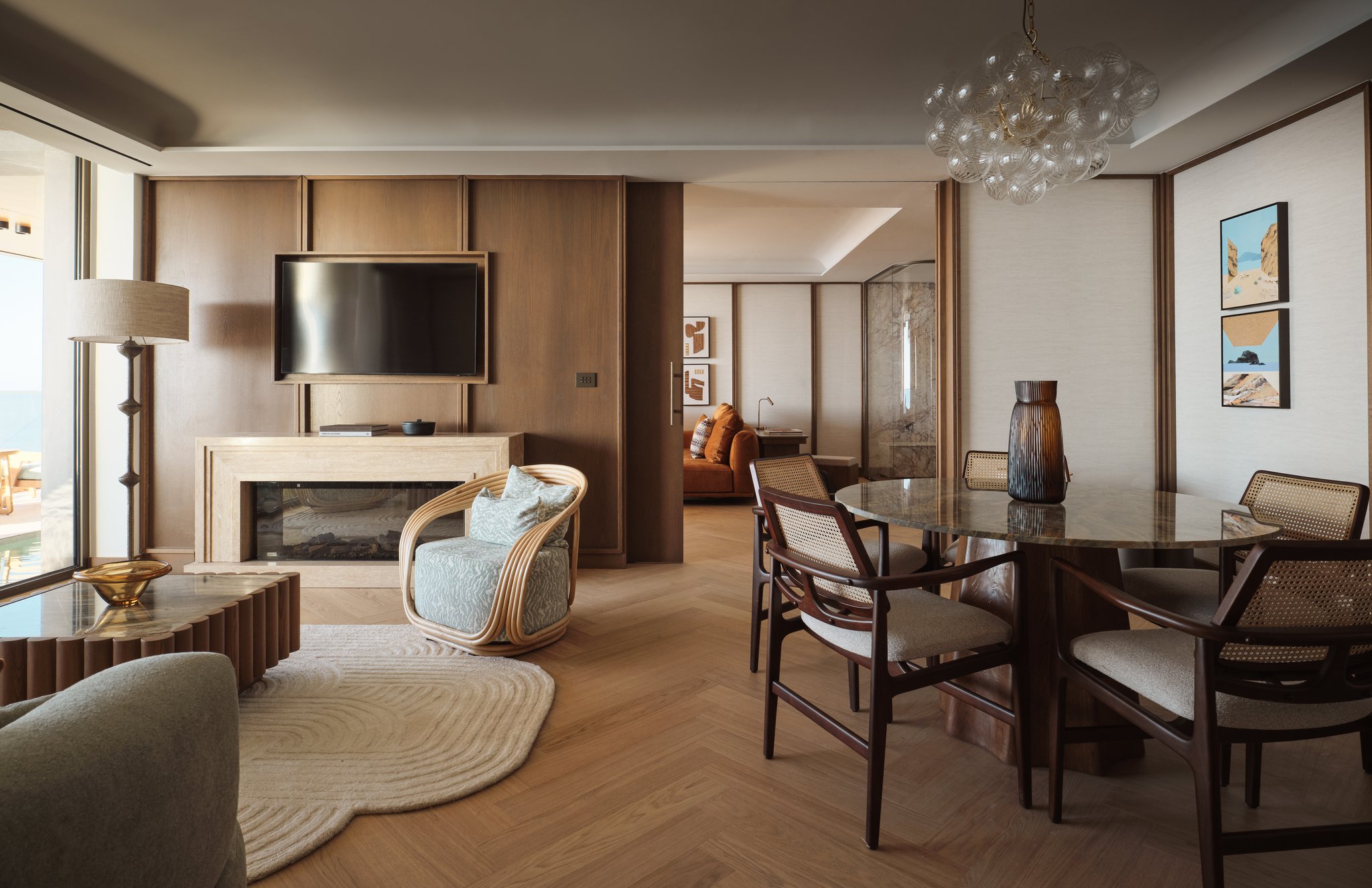
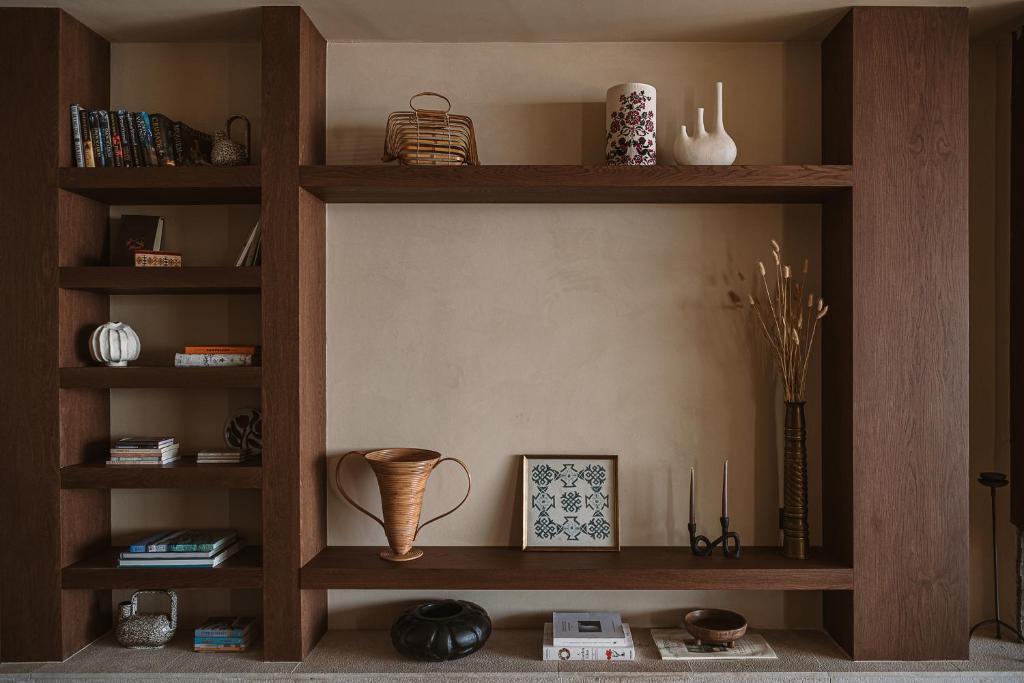
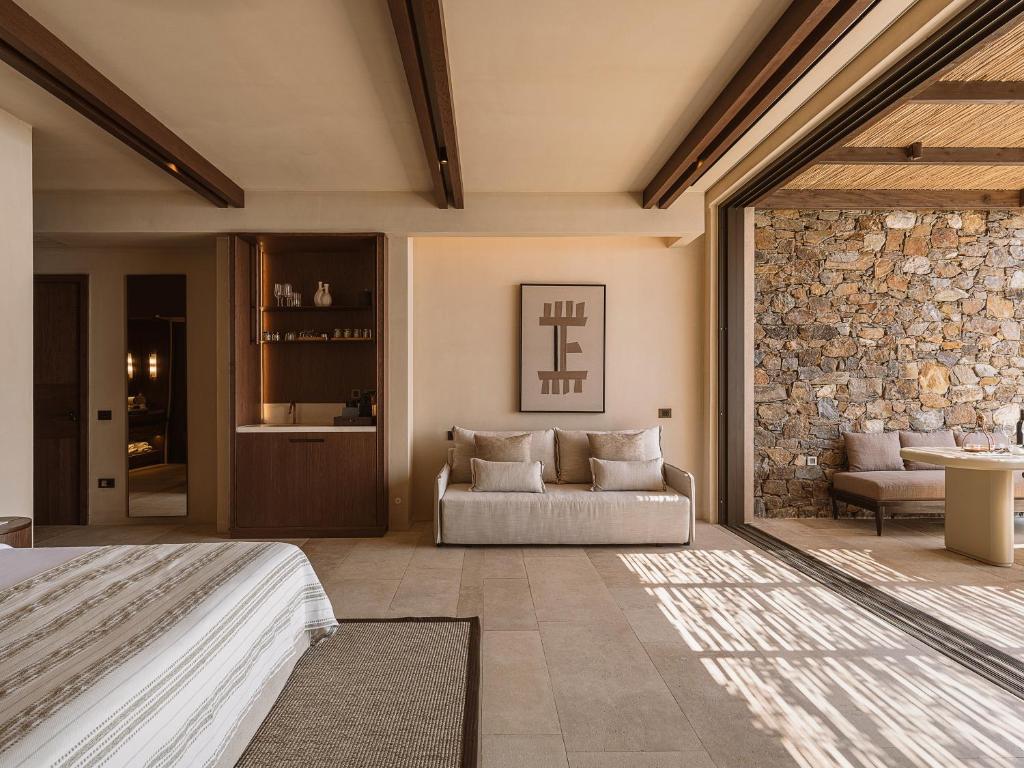
The Revery, Elafonisi Crete

Author