Tell us about your journey, how did everything begin, what was the starting point, and how has your path evolved over time?
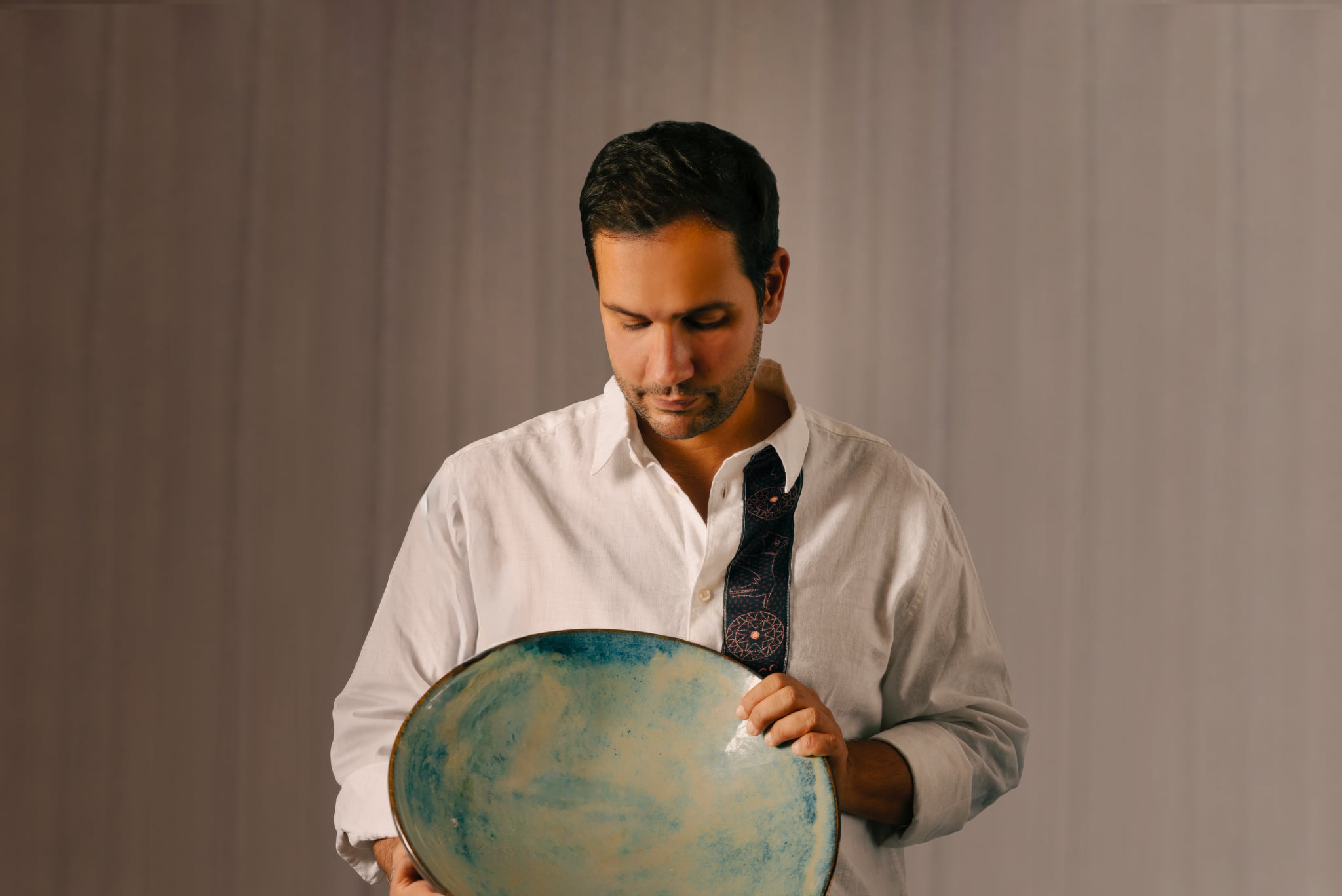
Where I am today is a surprise even to me. If someone had described my life now to me 15 or 20 years ago, I would never have believed them. With studies in economics and law, followed by twelve years working in multinational and large companies, a very different path seemed set out for me.
But once I realised that this was not what truly fulfilled me, the need for change became urgent. A burnout became the catalyst that pushed me to leave everything behind and begin this new journey — a restart, or perhaps a second chance.
Is art the form of expression you chose to devote yourself to, and how easy is that while living somewhere like Syros?
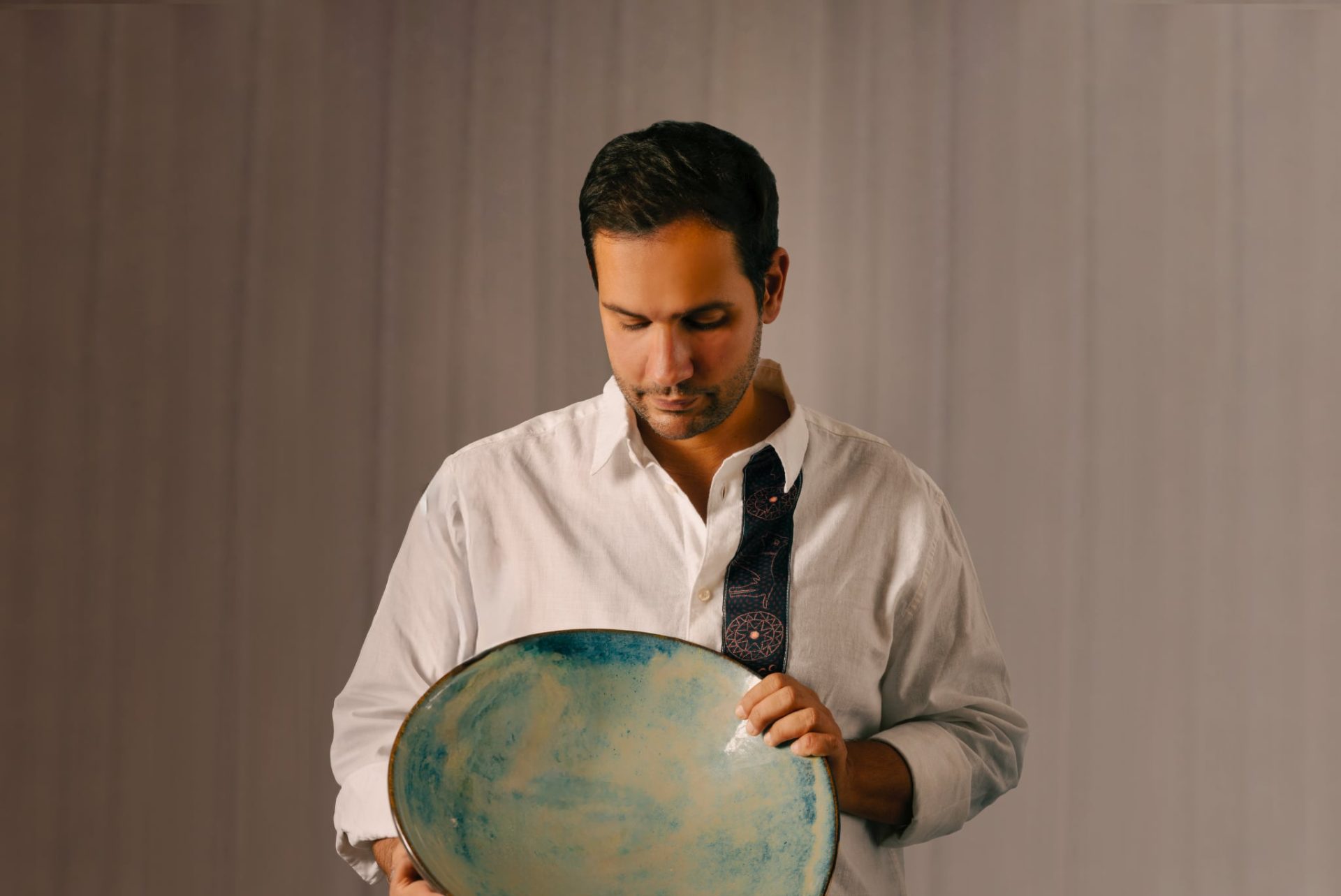
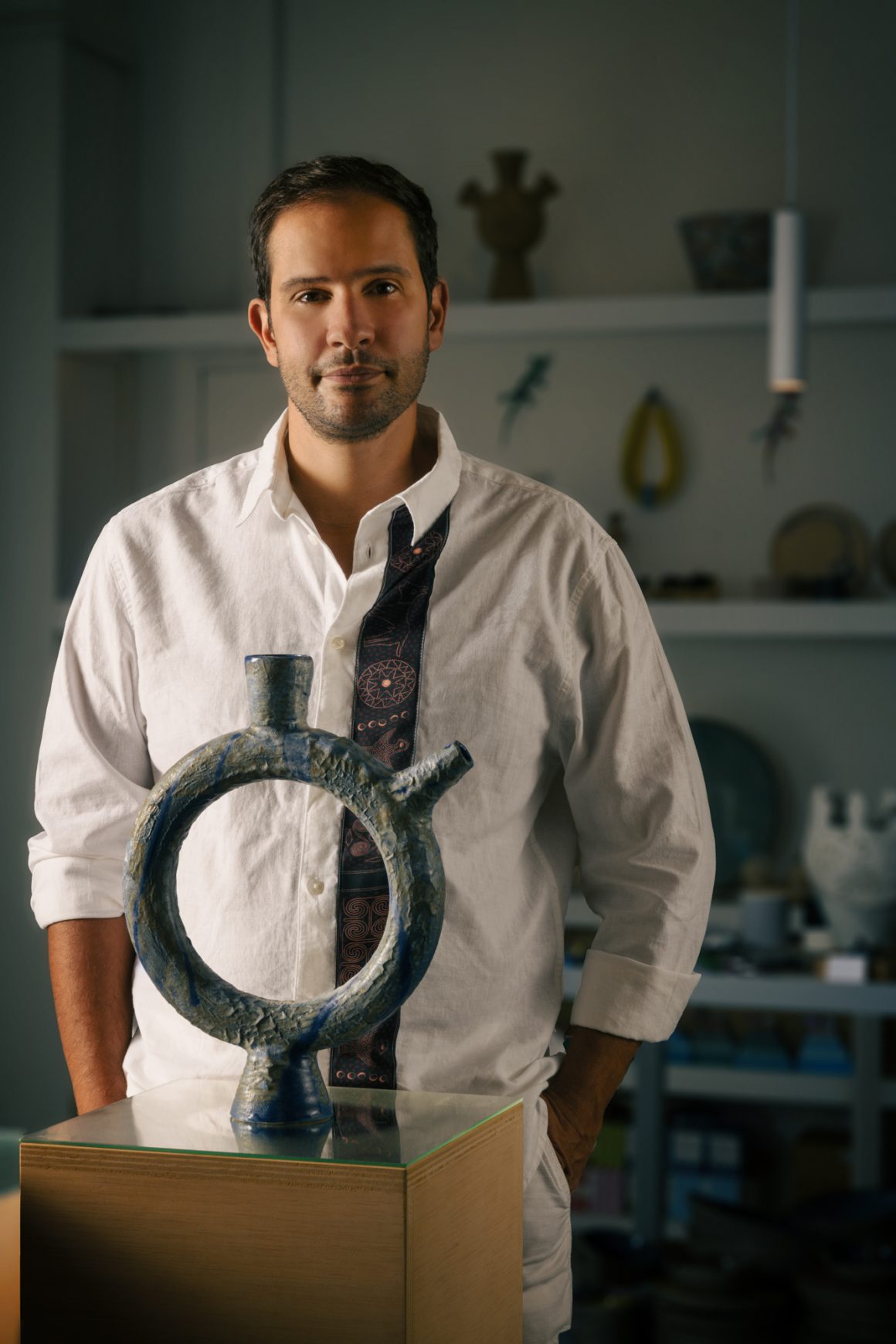
I still insist on seeing myself as a craftsman rather than an artist, so craftsmanship is the field of expression I chose to dedicate myself to. For me, the words “art” and “artist” carry significant weight and imply a combination of education, talent, and hard work.
I believe Syros actually makes this pursuit easier. The slower pace of life outside the summer season, the connection to the sea and nature, the short distances, and the interaction with people from all over the world create ideal conditions.
What does ceramics mean to you? How did this passion begin, and how do you feel it has evolved until today?
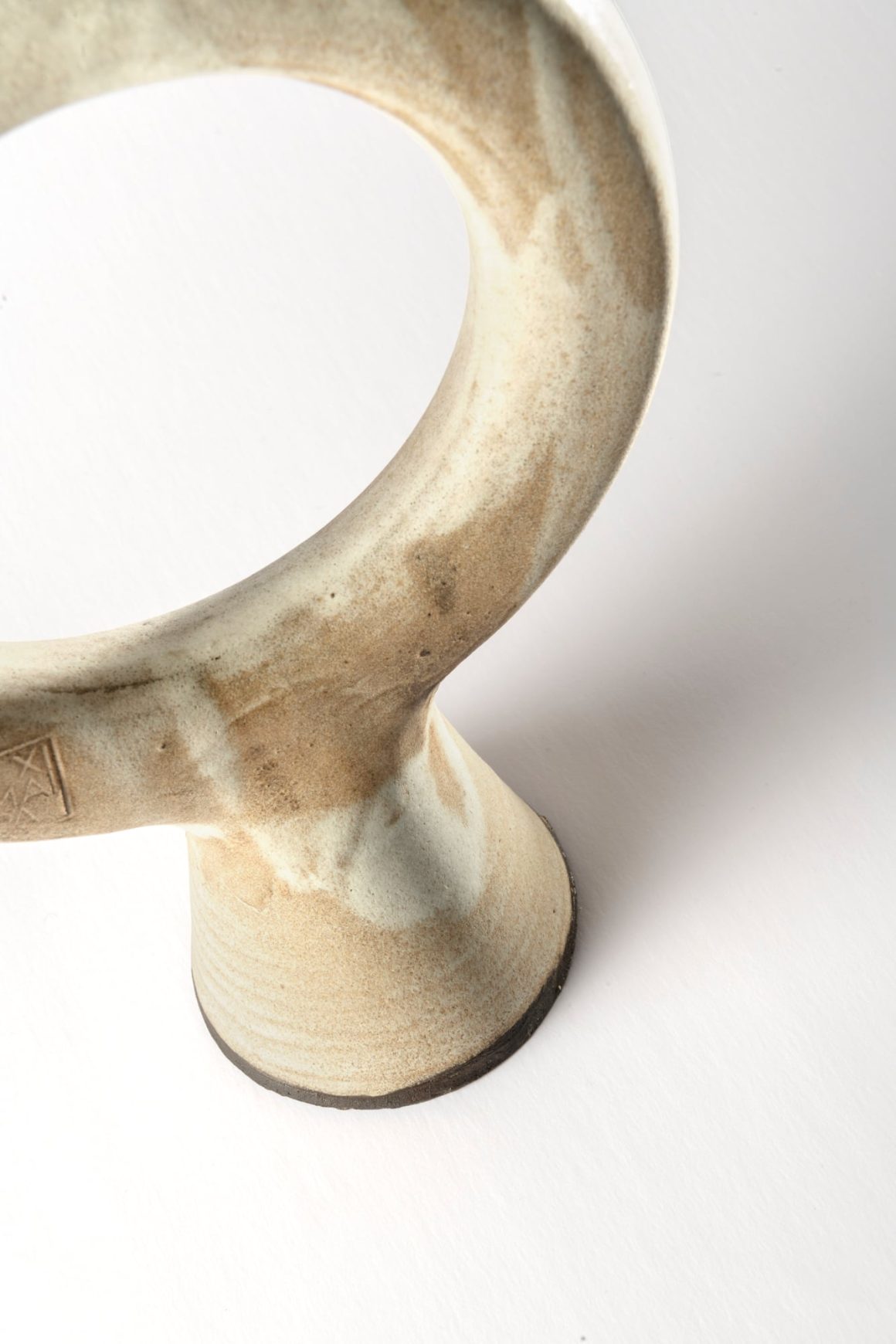
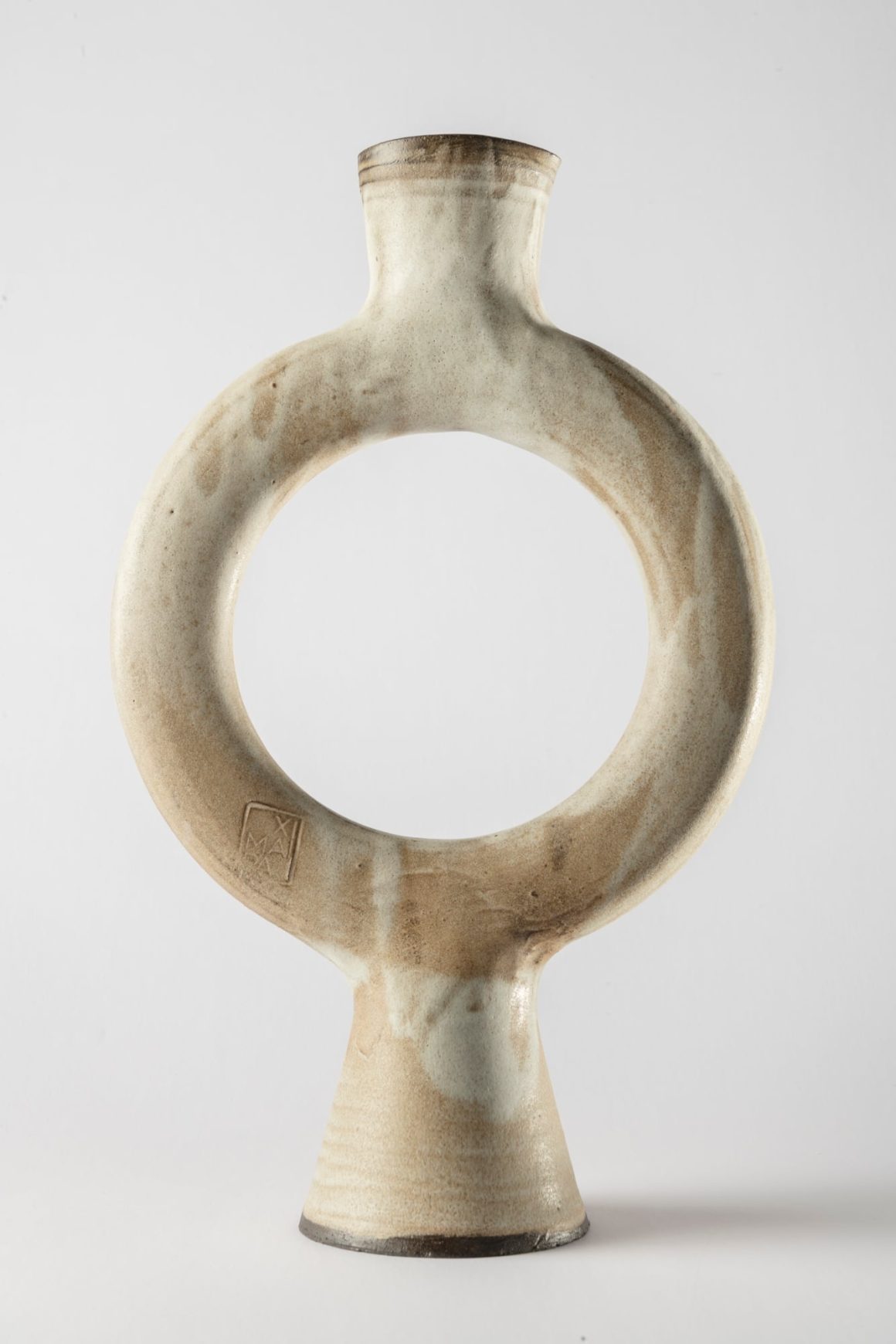
Ceramics has now become everything to me. From the moment I wake up until I go to sleep, it occupies my mind constantly — not only my own ceramics, but also the future of ceramics, its history, documentation, initiatives connected to the medium, and much more.
The passion began in 2015 during a trip to Sifnos, where at the workshop of Antonis and Giannis Atsonios I witnessed the revival of a traditional wood-fired kiln. The entire process fascinated me. The transformation of material through fire is something I will never forget.
Tell us about the birth of gallery Chimera Art & Craft — what does it include, and what new element did it bring to your island?
After my experience in Sifnos, I fell in love with ceramics and began collecting different works. That is how the idea for Chimera Art & Craft emerged. Since I already knew where to find exceptional ceramic pieces, I thought: why not turn this knowledge into a profession and share these discoveries with others?
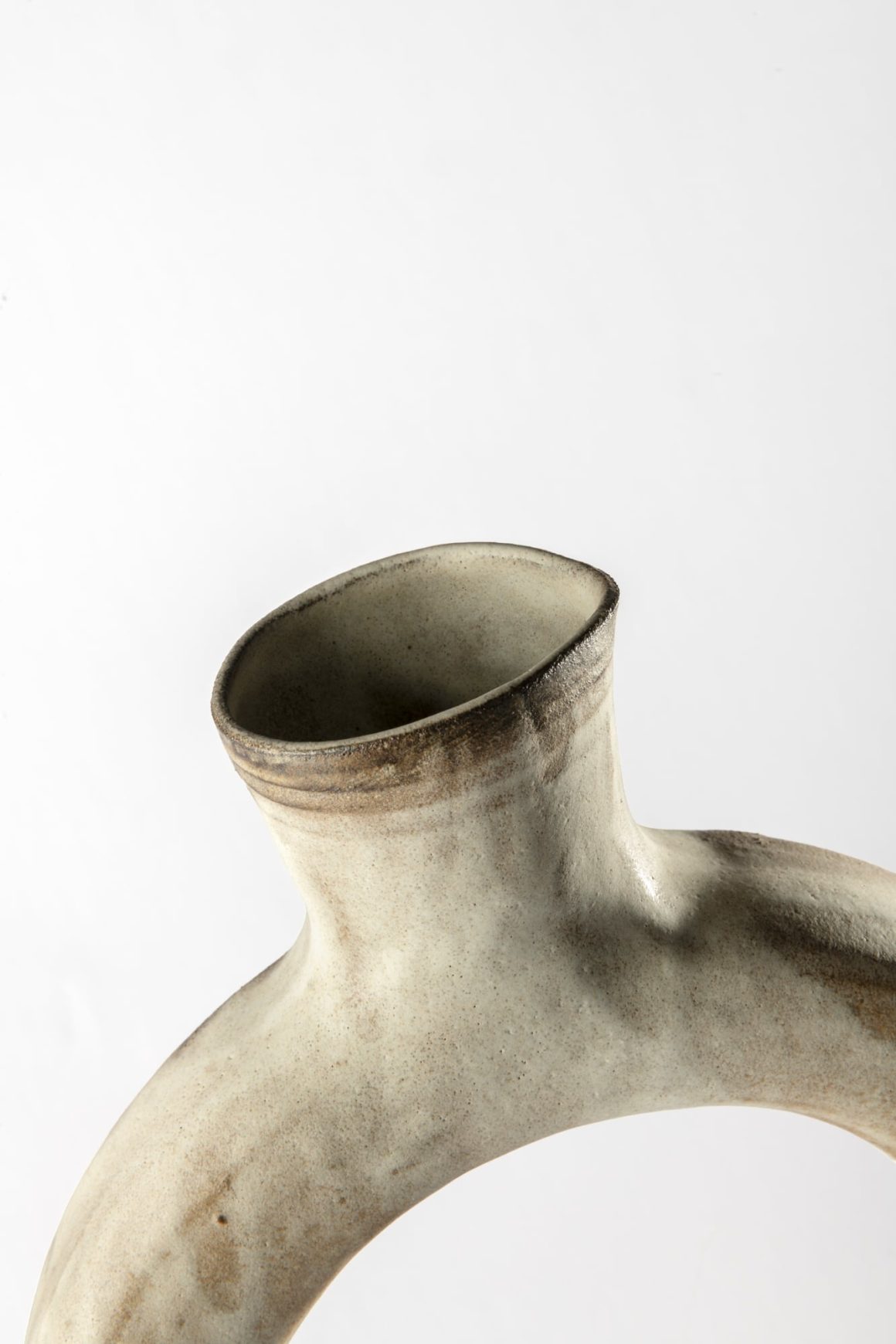
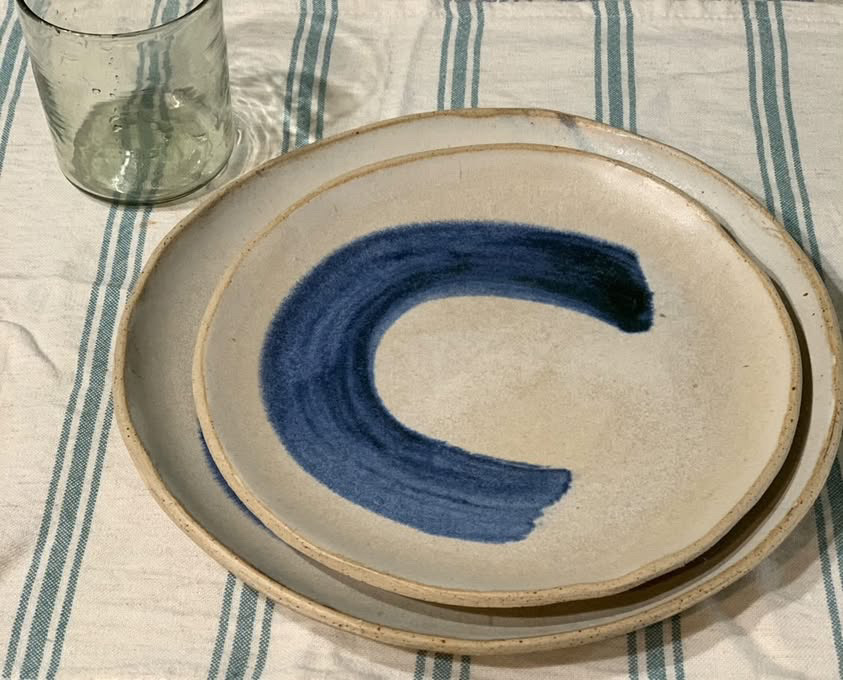
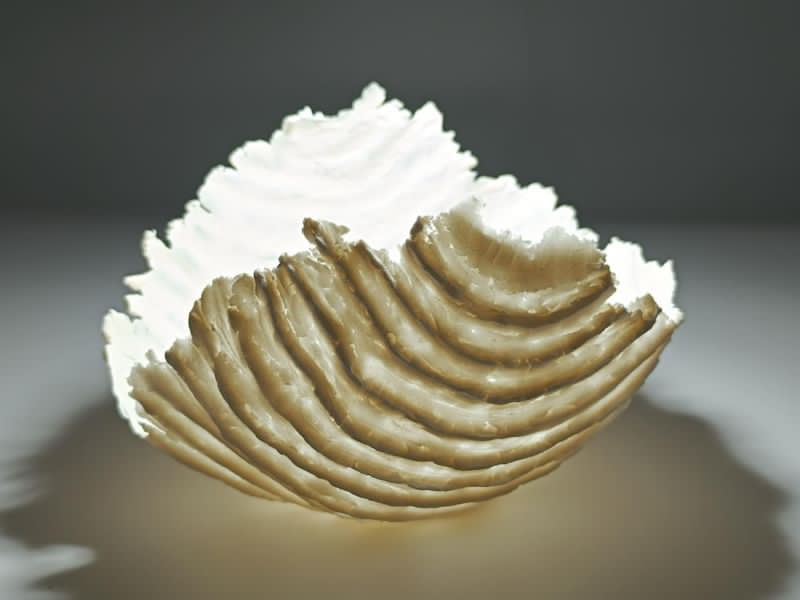
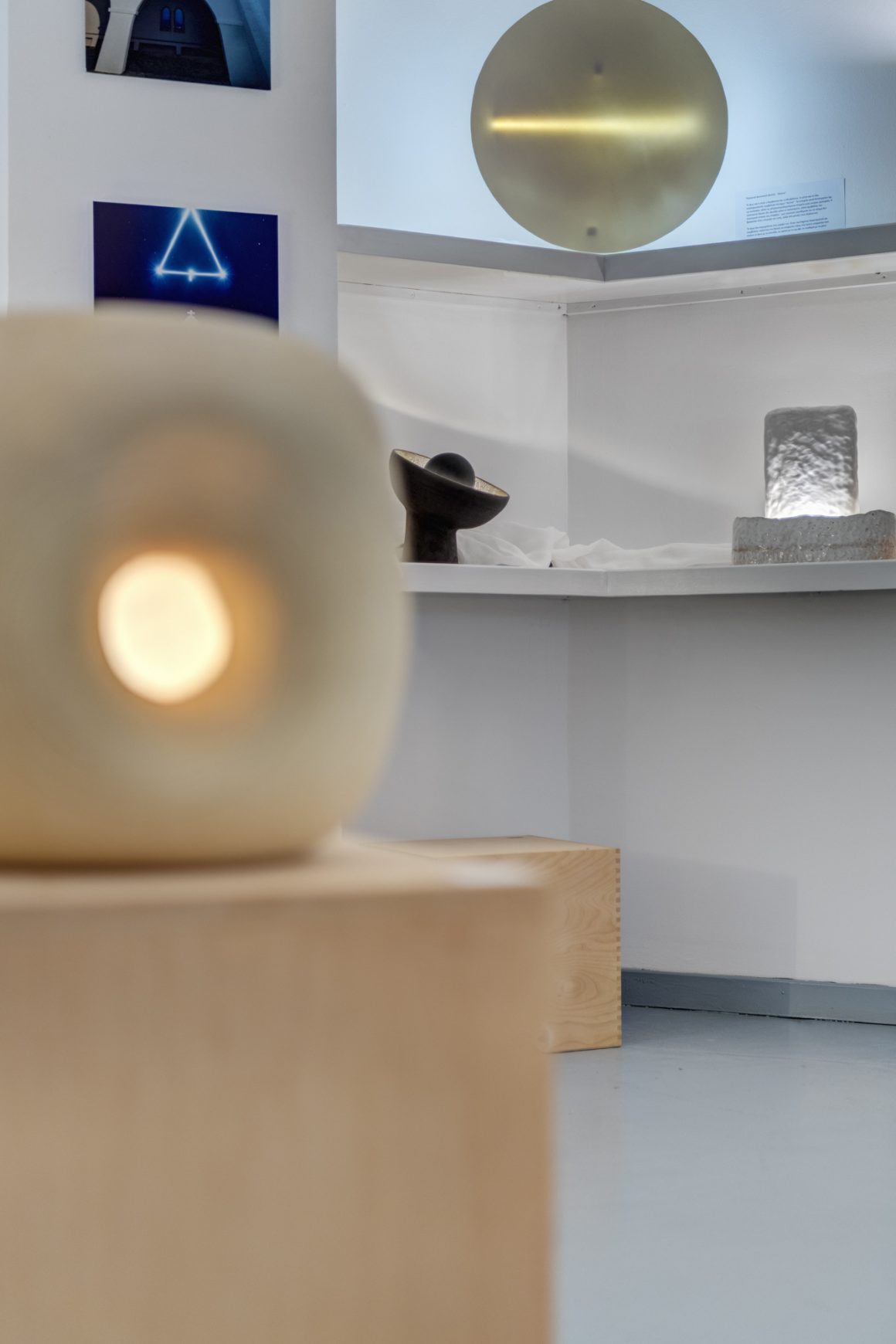
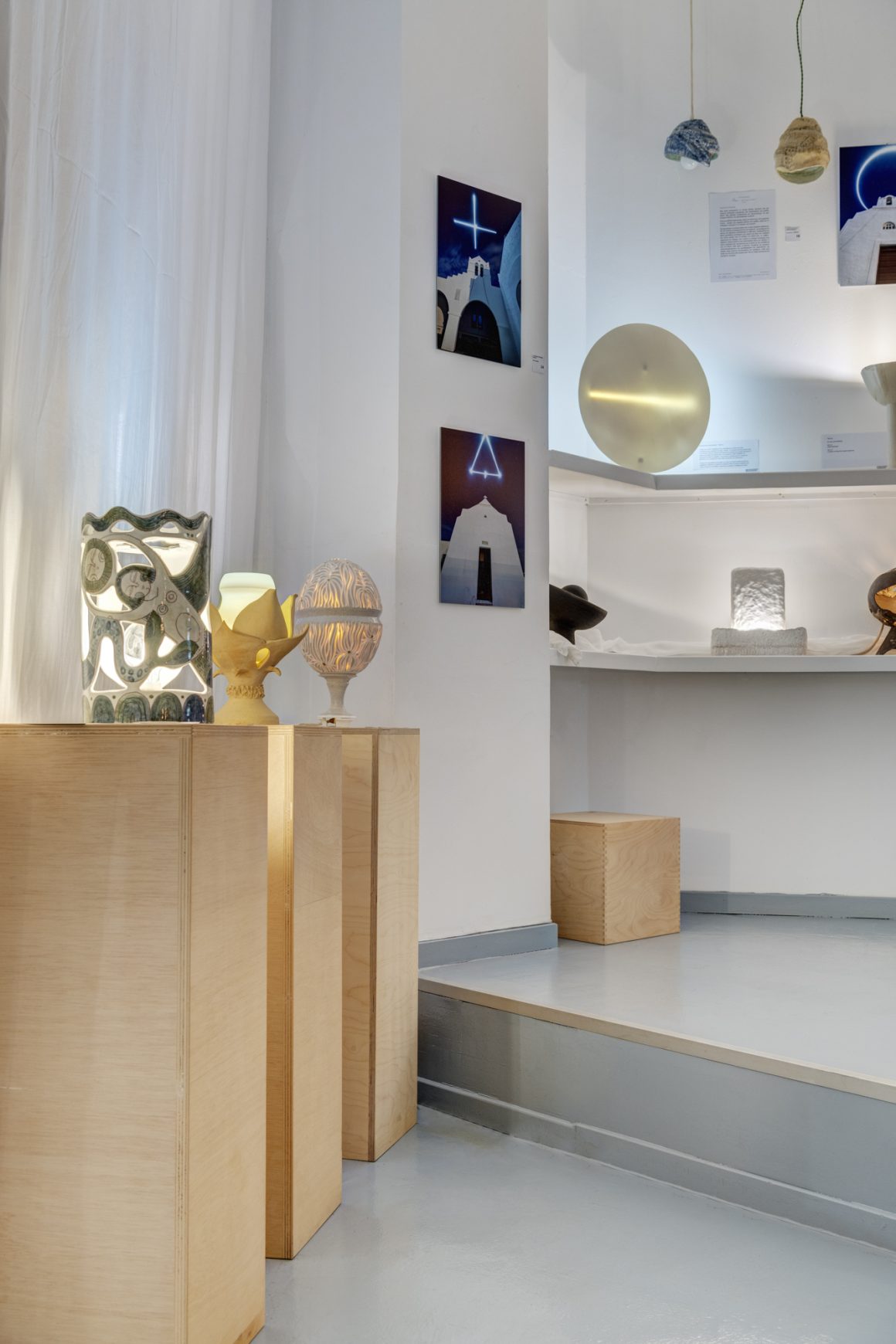
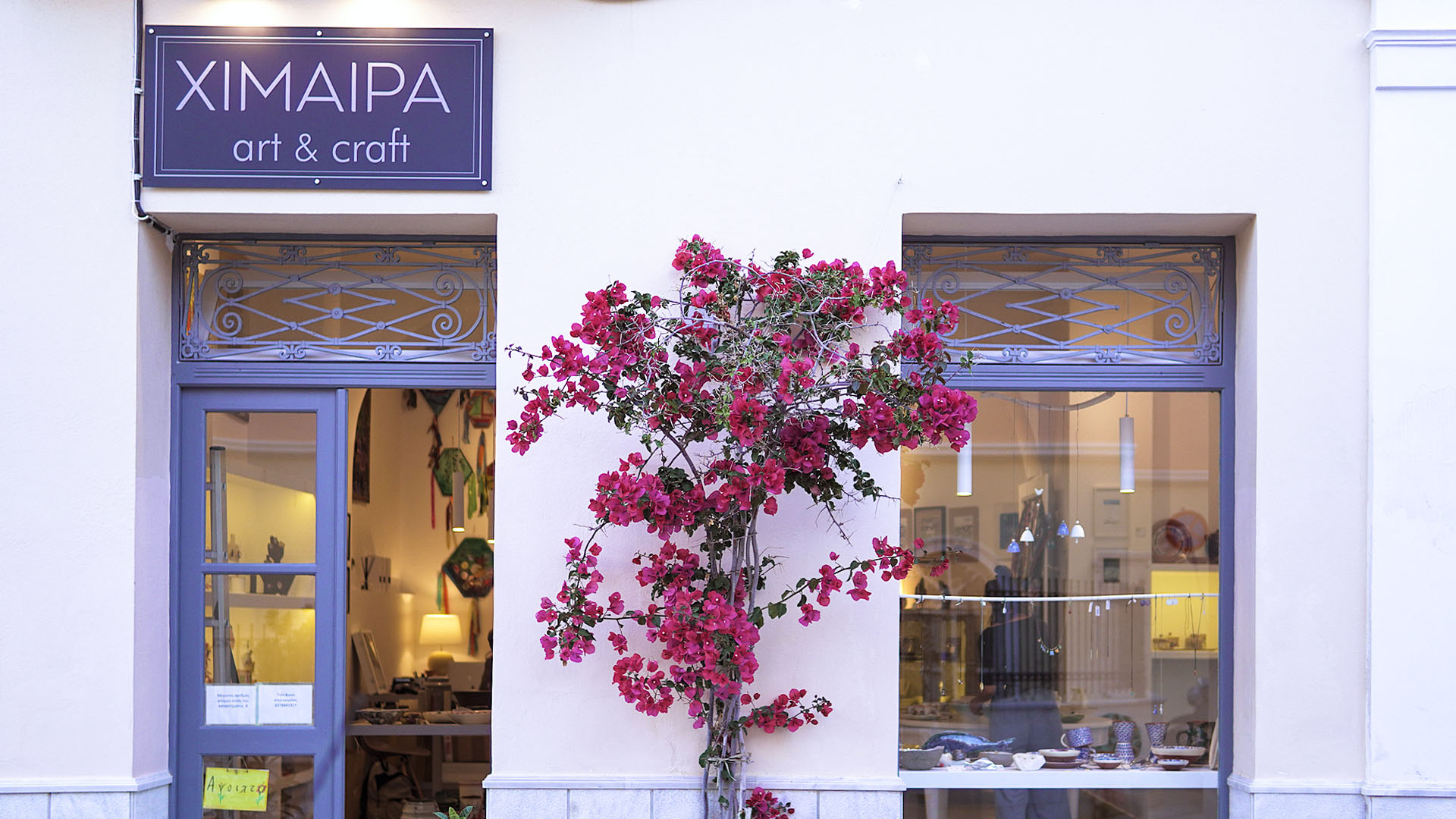
Chimera mainly presents ceramic works from across Greece, each selected personally by me, ranging from functional everyday objects to sculptural and artistic pieces. What it introduced to the island is a space dedicated almost exclusively to ceramics, with an identity somewhere between a gallery and an art shop. We also organise group ceramic exhibitions, something quite unprecedented for Syros.
How important is it for people to engage with art, and how does the public respond?
Engaging with art is a form of education. It trains the eye, the mind, and the spirit. It broadens perspectives and gradually builds aesthetic awareness.
The public always responds warmly, whether to the permanent collection or — even more so — to our temporary exhibitions, which I am particularly proud of. People are impressed by the level of craftsmanship and complexity of the works, they reflect on the messages behind them, and they admire the process in every case. Very often, during exhibition openings, they also have the opportunity to meet the creators themselves.
You are creative also, while through the gallery you are in constant contact with other artists. What makes these people stand out, and what have you taken from your professional journey so far?
The people who stand out to me are, first and foremost, those who truly love ceramics. I feel very fortunate to collaborate with individuals who think beyond their own work and personal visibility.
With my collaborators, there is always a relationship of respect and appreciation — both for their artistic practice and for their character. So I can honestly say the conditions are ideal, and I am very grateful for that.
Your favourite artists, and your initiative to have them work collaboratively
Last year’s ceramic symposium, “Chasing Chimeras: Hybrid Ceramics Project”, brought together six invited artists who worked in pairs, creating “chimera” pieces — works composed of distinct, contrasting elements.
The outcome fully exceeded expectations. During this 10-day artistic residency, the results were striking and highly original. The participating artists were: Giannis Zois, Maggy Ioannou, Melina Xenaki, Stavros Perakis, Mirka Drapanioti, and Fani Skoulikidi Boukouvala.
What is it that you dream of doing in relation to your practice?
I avoid thinking too far ahead, as it tends to create anxiety. What I do know is that I want to keep improving, keep learning, continue collaborating with other makers — something I deeply enjoy — and explore new paths in my practice and in the way I express myself through it.
Is Art and creation, in general, a path towards becoming better people?
I believe it definitely does us good. It touches sensitive chords within us. This is also why ceramics, like other arts, is often used therapeutically.
With ceramics in particular, you learn many things — including loss, and accepting that something will not always turn out exactly as you imagined. In a time of very high demands, it teaches you to take a step back.
Tell us a story you will never forget
The stories I will never forget are those told to me by Maro Kerasitioti about her 15 years teaching ceramics in the prisons of Alicarnassus Prison — but these are not my stories to tell.
In Sifnos, I remember Katerina Lempesi painting birds and fish on her son’s ceramics. At one point I noticed she never painted a single bird alone — always in pairs or groups. I asked her:
“Would you ever paint just one bird?”
And she replied:
“No, never. Loneliness is not a beautiful thing.”
What comes next in your plans?
Continuing what has already begun — symposia, group exhibitions, and various making processes. I am also working on a podcast related to ceramics, although it will take some time before it is released publicly. In July, I will host the group ceramic exhibition Animal Rites, which I believe will be particularly interesting.
We have also just completed the artist residency of Geoff Booras, Professor of Ceramics at the Department of Fine Arts of Harvard University, supported by a Fulbright Foundation scholarship. I am very proud to have acted as host and sponsor for an artist and academic from the United States.
The 40 days we shared in the studio, the masterclass he taught, and our walks searching for soil, stones, and other raw materials are experiences I will never forget.
The museum and artwork that stole your heart
I think the ceramics museum in Leeuwarden in the Netherlands. The work I will never forget is a huge peacock made entirely from thousands of fragments of traditional Dutch ceramic plates.
How Greece affects your work?
Unavoidably, yes. References to 6,000 years of ceramic history, to the landscape, traditions, and cultural heritage are always present — in a material, a pattern, a detail. I think it is natural; there is no other way. We are shaped by the environment we live in.
Your definition of beauty
Anything that moves us to tears when we see it — or hear it.
Have you ever designed anything outside ceramics?
No, never. I am not someone who “has a gift for making things” in that general sense, so I never had such tendencies. But in my father’s hometown there is an old traditional weaving workshop with a loom, and I have always been fascinated by it. Yes — that is what I would like to create one day: a woven textile.
What do you consider authentic today?
Anything that emerges effortlessly, without intention or calculation — without questions like: is it on brief? Will it sell easily? Will others like it?
When those questions step back, authenticity appears — direct expression. And from my commercial experience, it almost always responds positively to all three questions anyway.