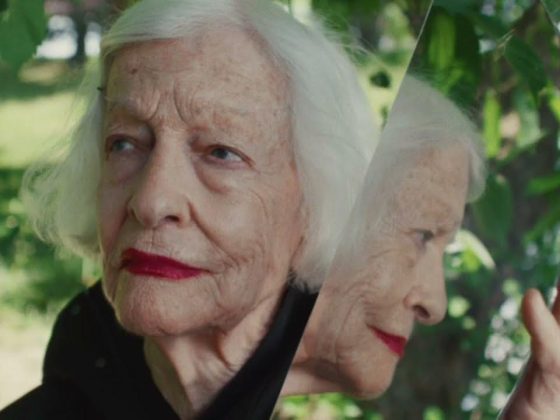
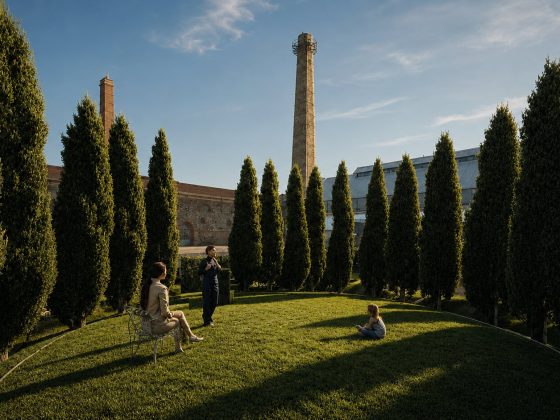
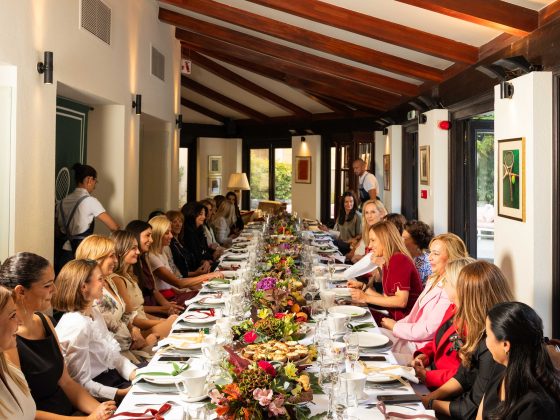
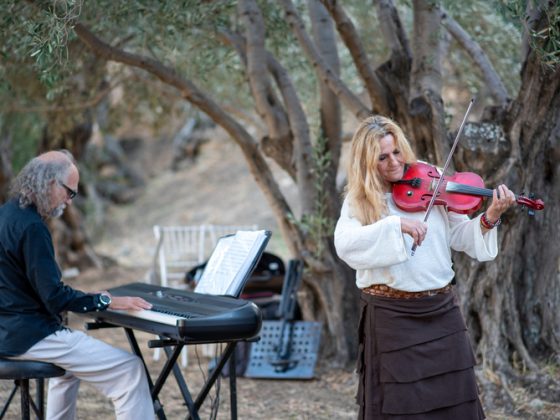
At Palazzo Gucci, Demna reinterprets the very idea of archive and identity, presenting Gucci through richly layered tapestries, portraits free from any genealogy, and objects placed in new and unexpected contexts. What emerges is a Maison that reveals itself as an open, living system, constantly renewed through the gaze of those who move through it, transforming memory into a field of ever-evolving possibilities.
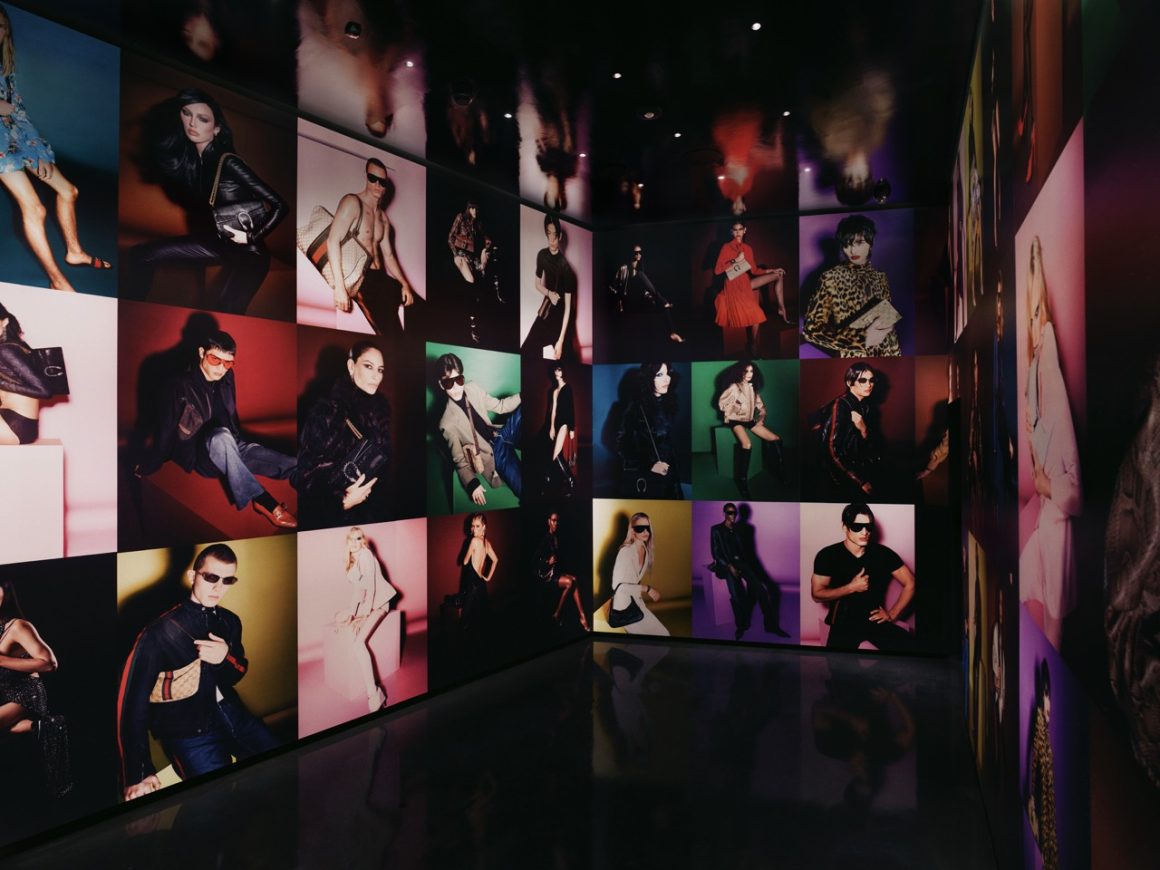
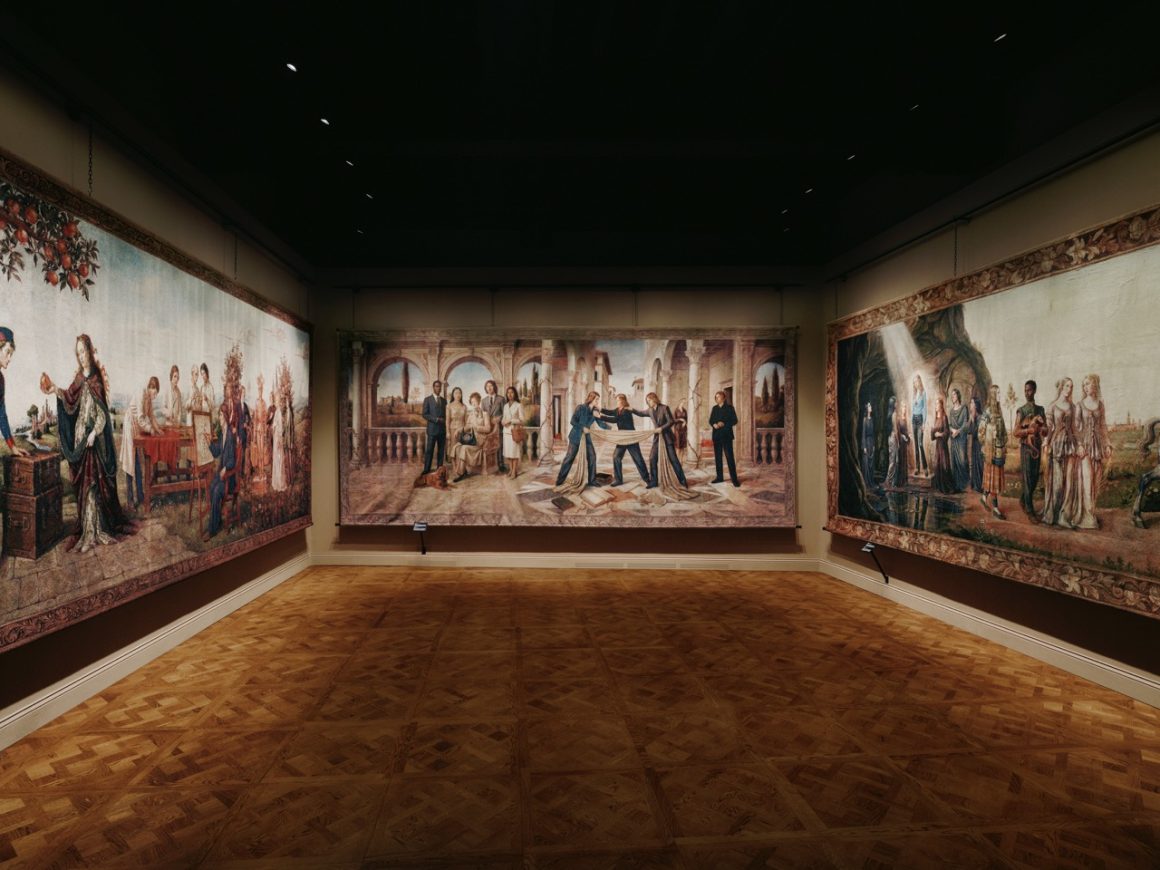
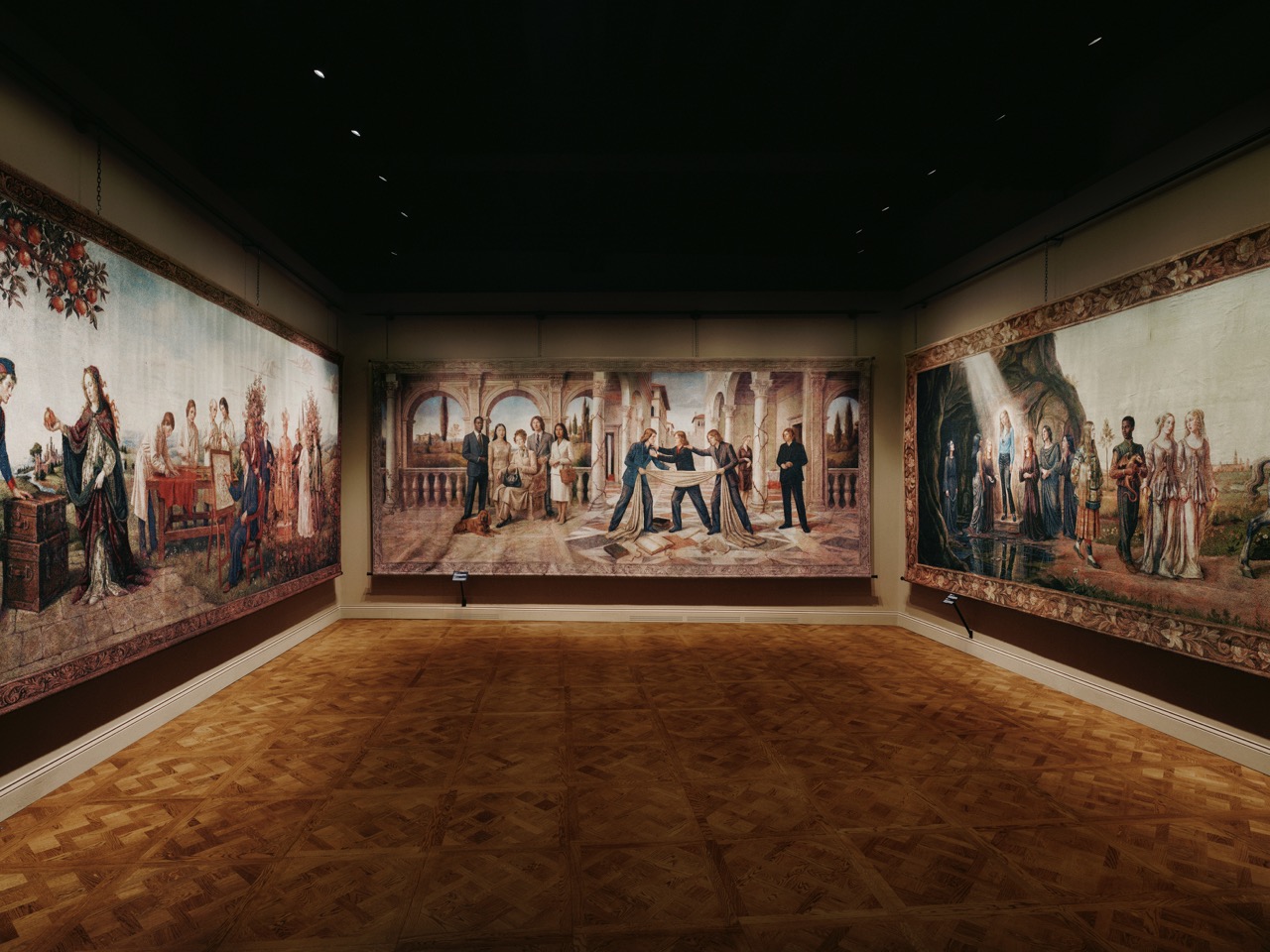
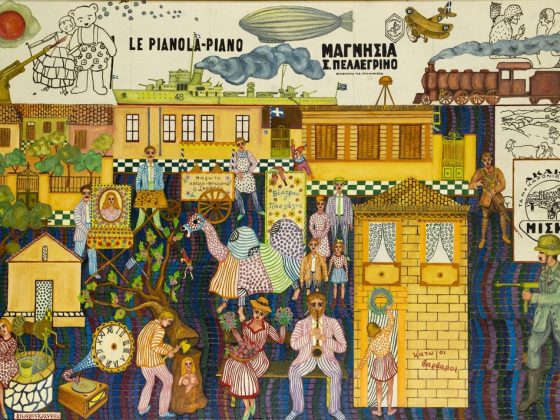
In Florence, inside Palazzo Gucci, Gucci Storia firmly resists everything one might expect from a brand with 105 years of history behind it, set against a city that is itself a cradle of art and heritage. In this very specific context, history is treated as something to be manipulated rather than preserved. The exhibition unfolds as a sequence of rooms, like chains of thought; the first space sets a clear beginning: opulent tapestries that, beyond their decorative function, fill the mind with questions. They are dense, almost visually excessive. They do tell Gucci’s story, but as if through a malfunctioning algorithm raised between Renaissance workshops and contemporary renderings. Guccio Gucci appears and disappears, while Demna steps in as someone who has decided to rewrite the source code. Then comes the Galleria. It is here that Demna’s curatorial direction becomes explicit, not so much in form as in intent. Rather than defining Gucci, the exhibition chooses to destabilise it. A subversive gesture. The portraits do not construct a family, but an ever-evolving casting: faces, attitudes, presences that brush against an idea of the brand without ever fixing it, all plausibly Gucci and yet none definitive. It is an identity that never settles.
At its core lies the idea of a museum of museums, a sequence of exhibition spaces where distinct worlds converge. Each environment is defined by its own atmosphere and rhythm, guiding visitors through a series of spatial and narrative shifts that embody the Maison’s multiple identities.
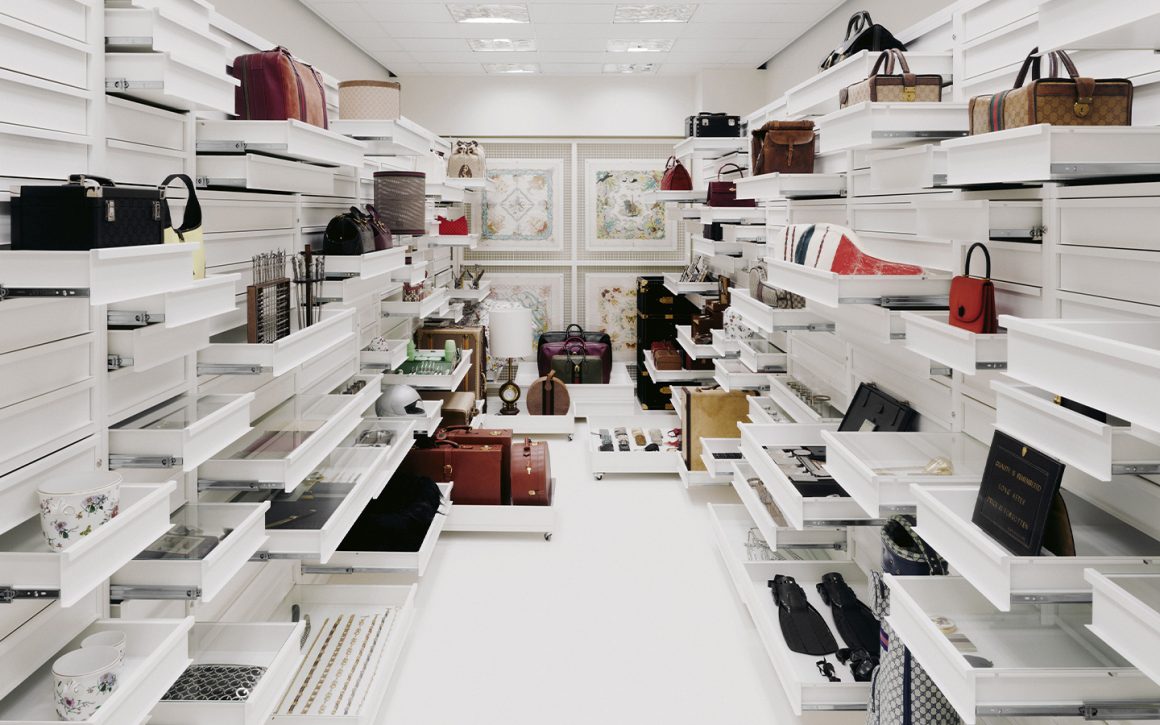
The Archivio is a space where attention deliberately disperses, drawn to heterogeneous stimuli, fragments gathered across different times and contexts, only seemingly disconnected. No order, no chronology. Drawers are opened and unexpected objects emerge, sometimes superfluous, sometimes brilliant: a tennis bag, a shaving kit, a scarf. Arranged in this way, they do not construct a linear narrative but instead suggest a way of thinking, almost like traces left behind by those who came before. In this space, Gucci ceases to be a brand and reveals itself as a constellation of insights sedimented over time.
The transition into the cinema room is abrupt and intense. Darkness, velvet, looping images. It is the most constructed moment of the entire journey, yet also the most honest in its acknowledgment of that construction, presenting Gucci as narrative, as controlled imagery. Immediately after, Generation Gucci raises the level of immersion even further, deepening the spectator’s engagement within this highly interactive experience. The images expand to monumental scale, the space absorbs you, everything seems to stretch. You no longer simply watch; you become part of the journey. The Manifattura is perhaps the most successful passage. On one side, all the iconic Gucci objects, instantly recognisable pieces. Yet they are not displayed for reverence; they are tools, outcomes of processes and experimentation. On the other, a contemporary laboratory of machines, testing, and materials under stress. It is cold, almost clinical. It reminds us that the highly desired products of a luxury Maison are, ultimately, also a matter of engineering. Upstairs, suspended garments seem to float. They can be observed up close, almost without mediation. The experience then continues into the Stanza della Verità, which contains very little “truth” at all. Instead, it is filled with allusions, with stories never fully confirmed. Here Gucci, or rather Demna, plays with its most opaque side, the one made of myth and gossip. The final Oracolo might appear playful, but it provides a coherent closure. It delivers a simple message: Gucci is not what you have seen, it is what you choose to see. The brand becomes a surface onto which meanings are projected.
@Muse Magazine