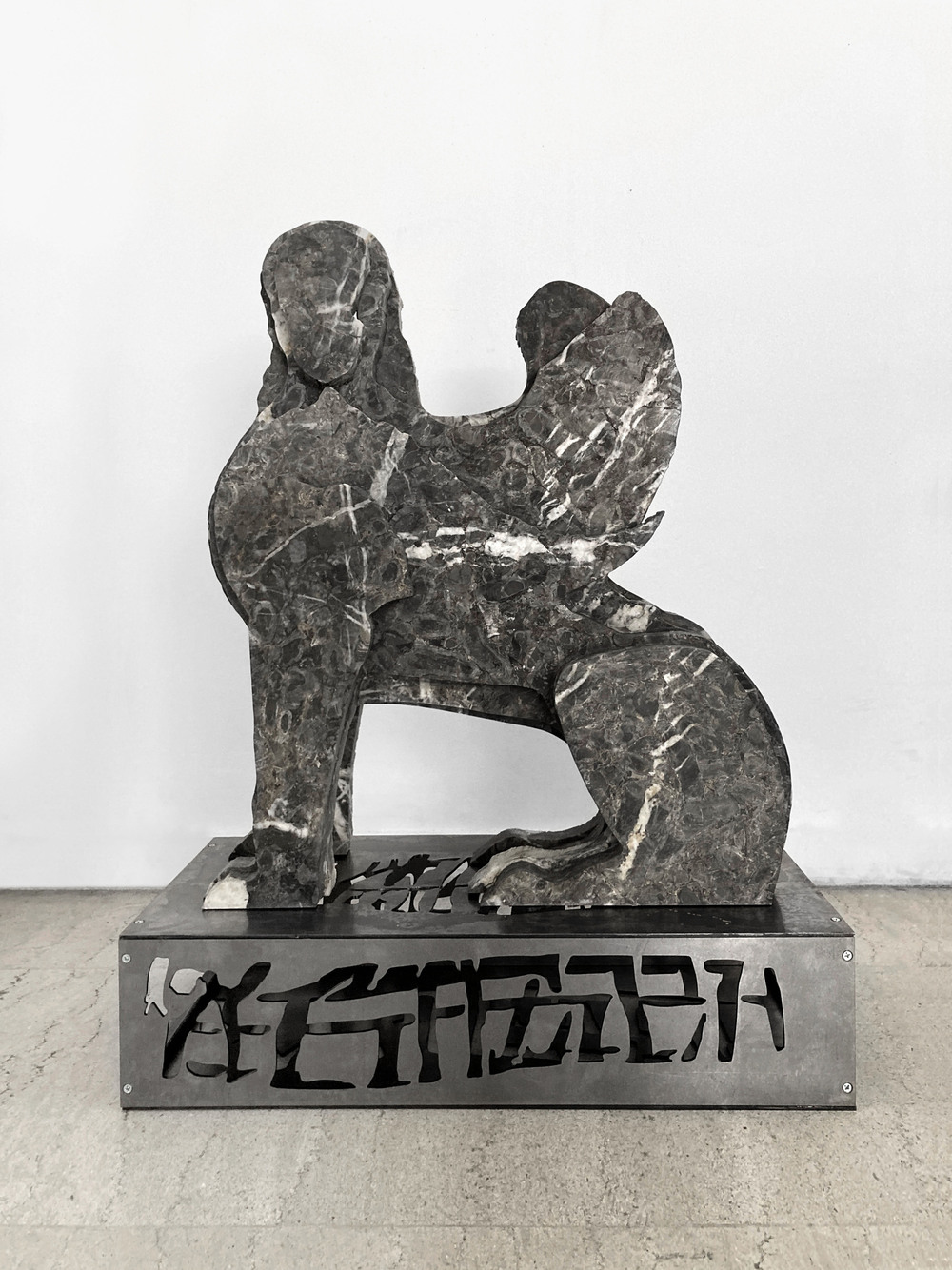
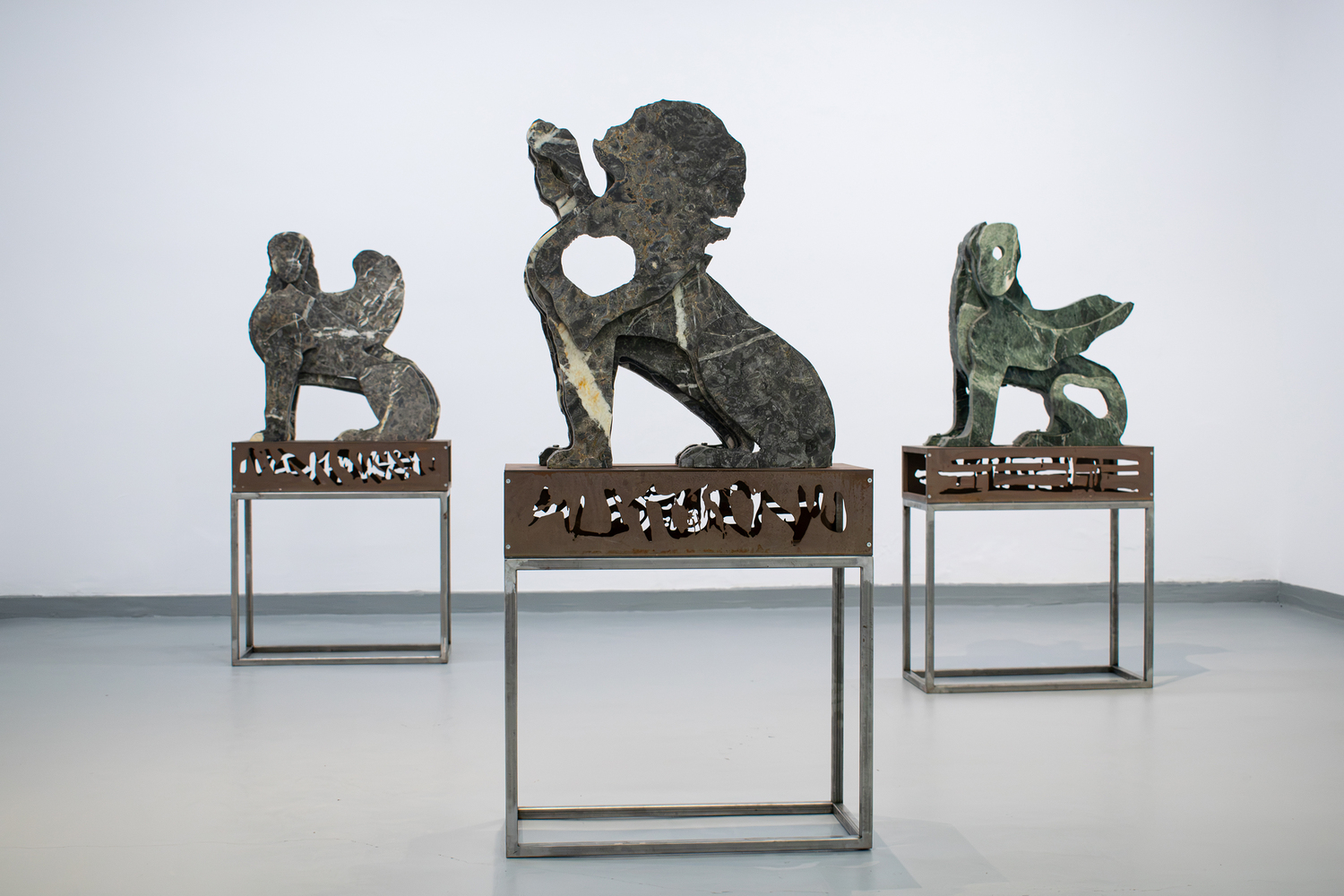
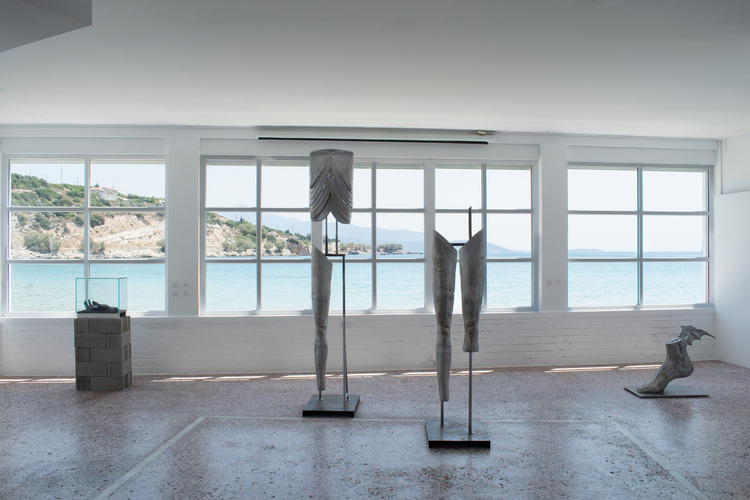
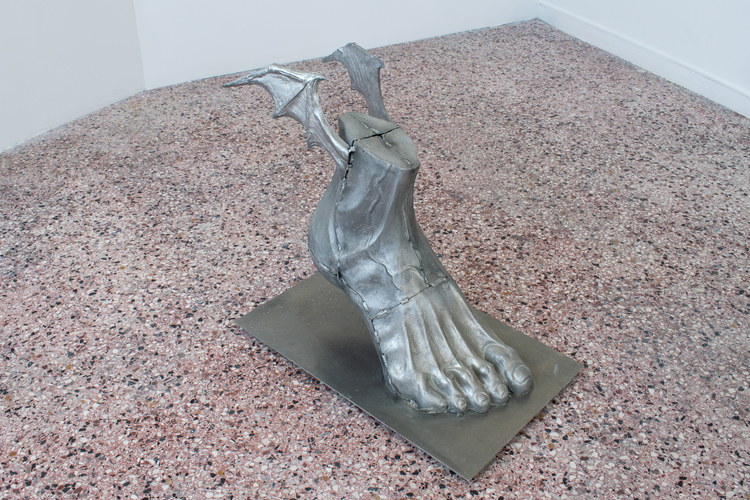
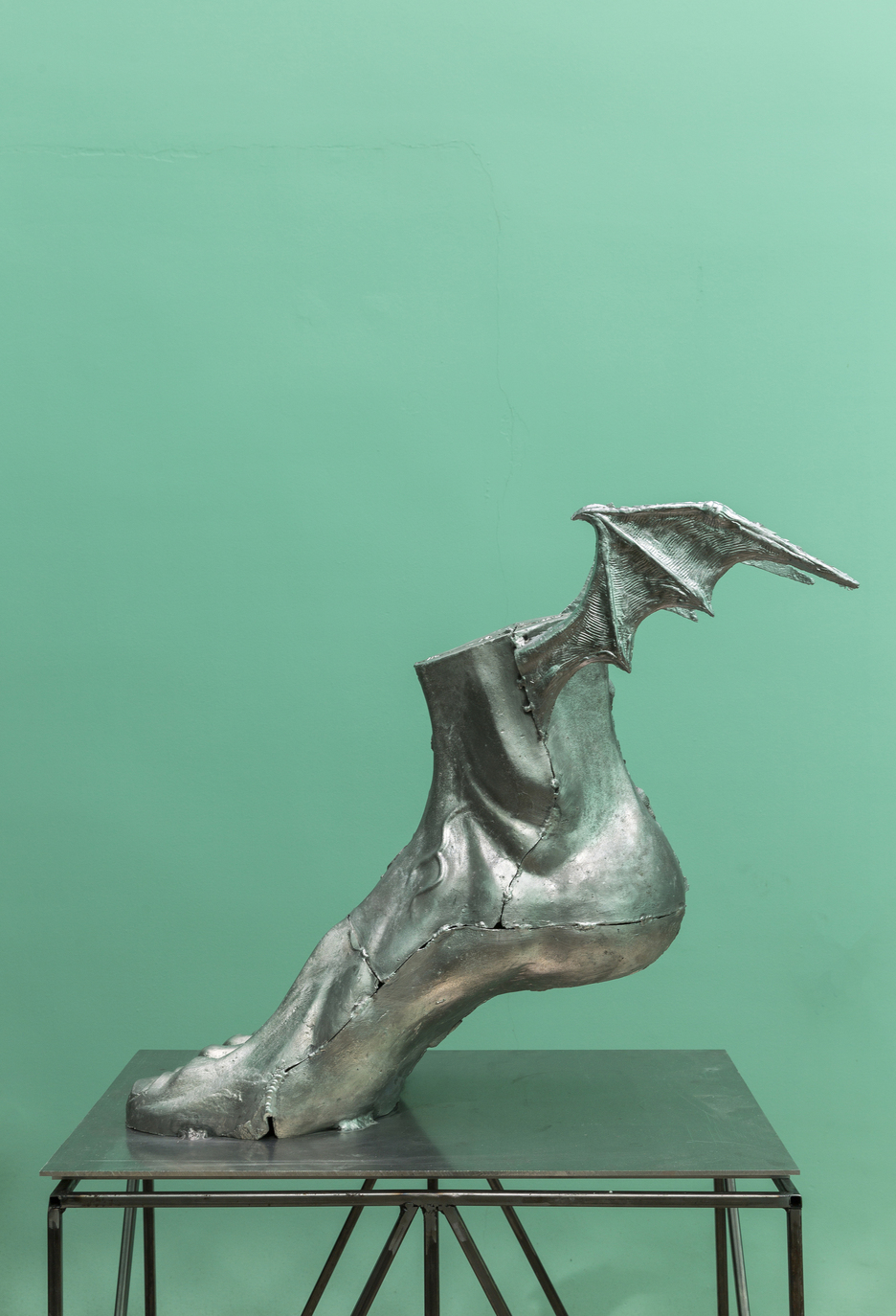
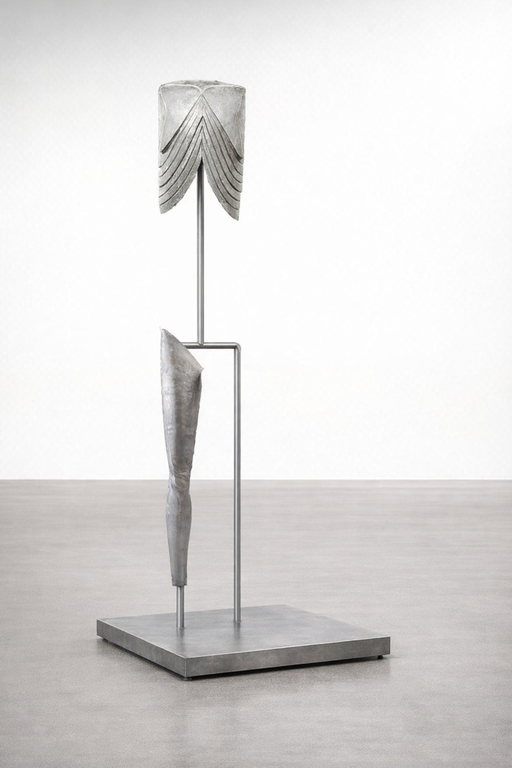
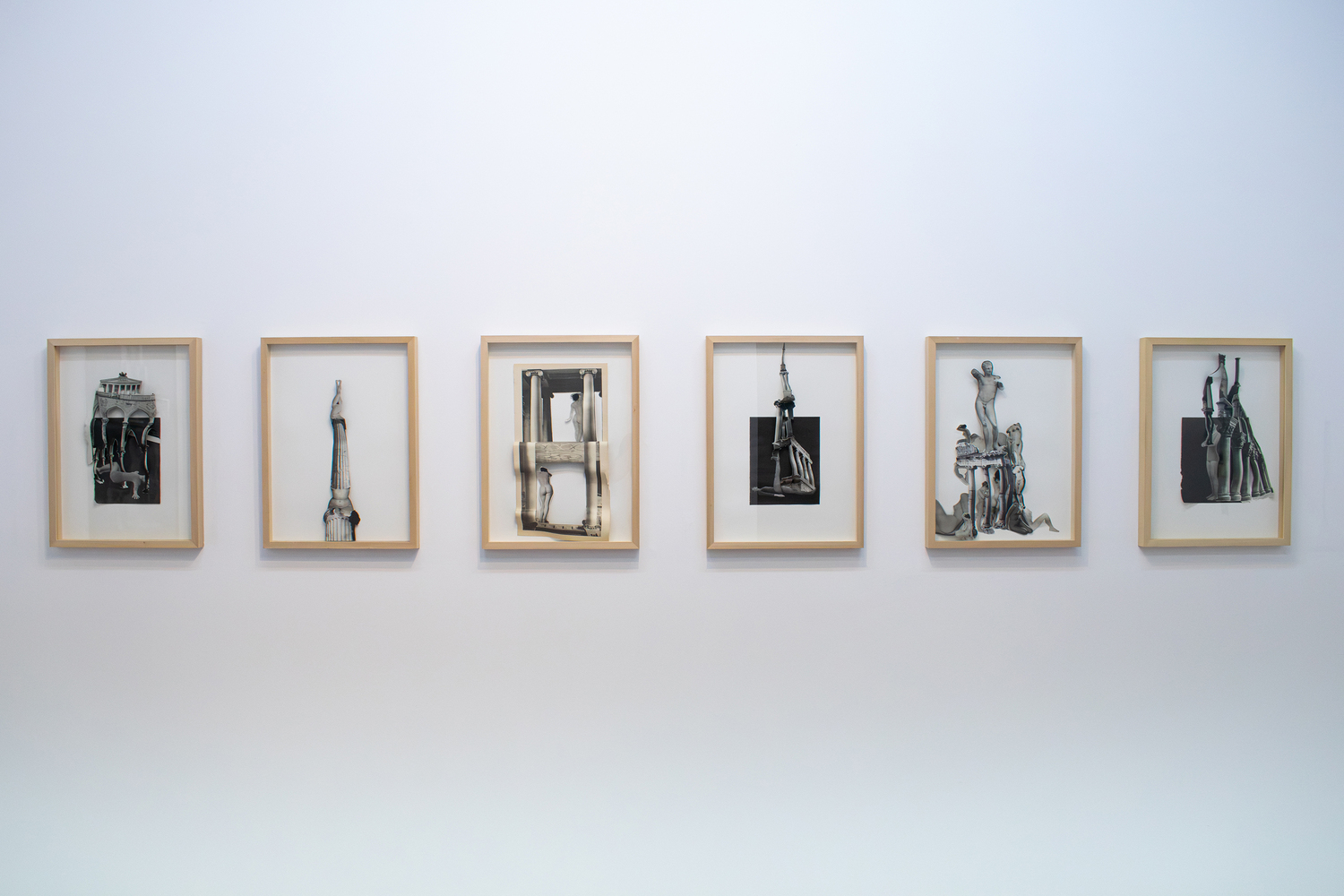
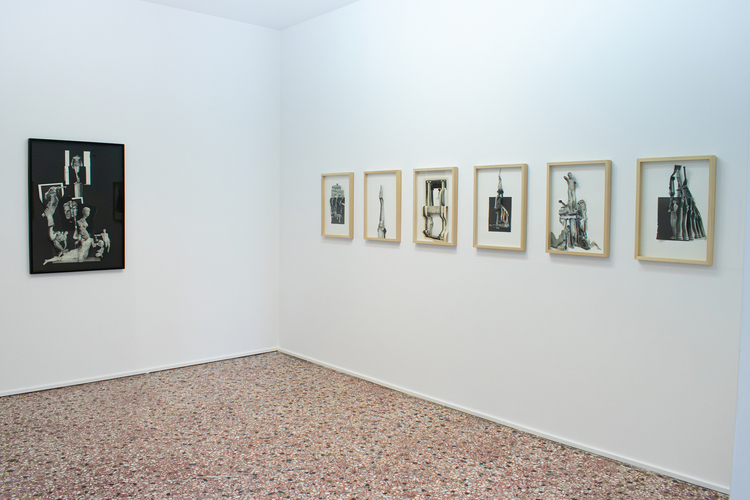
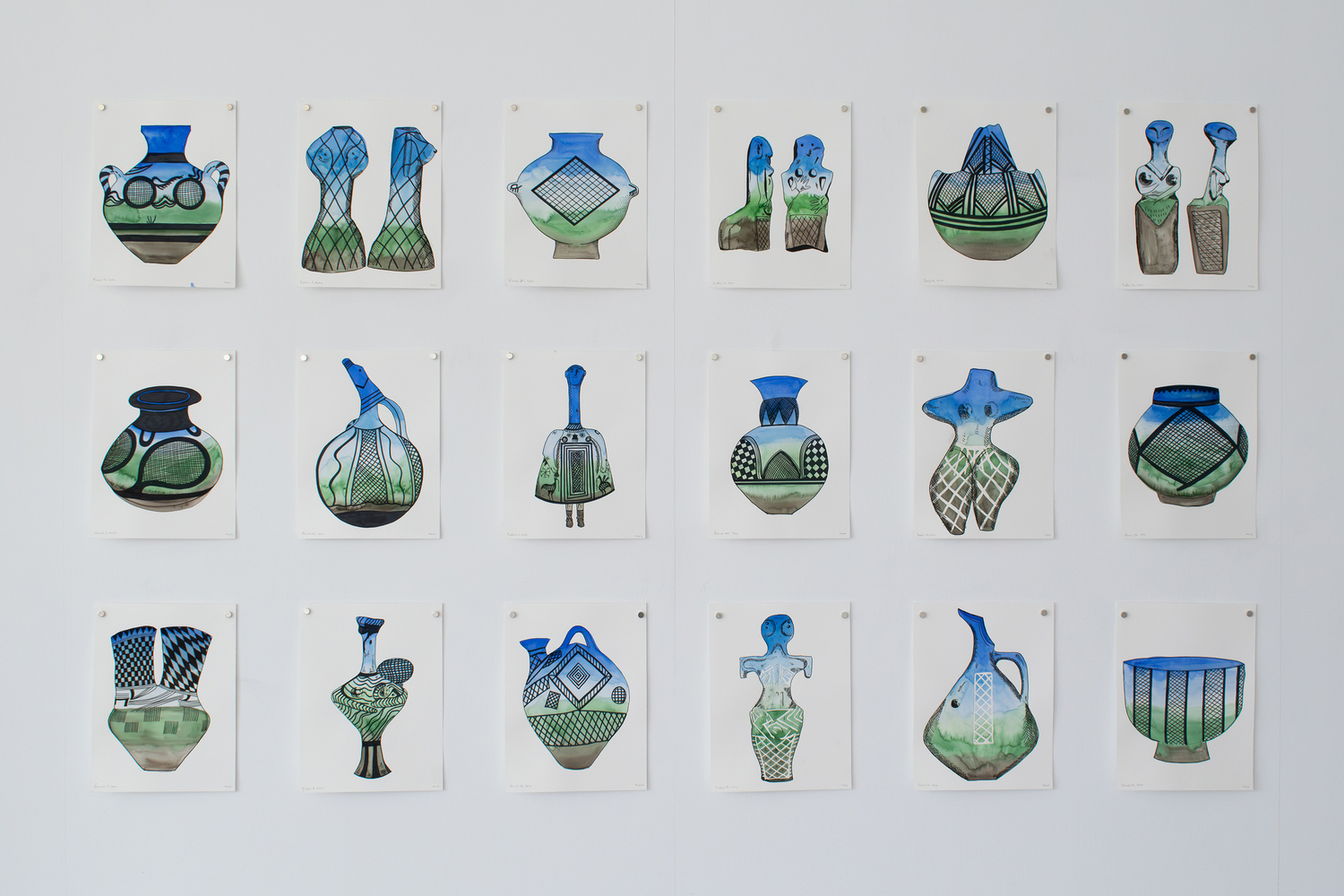
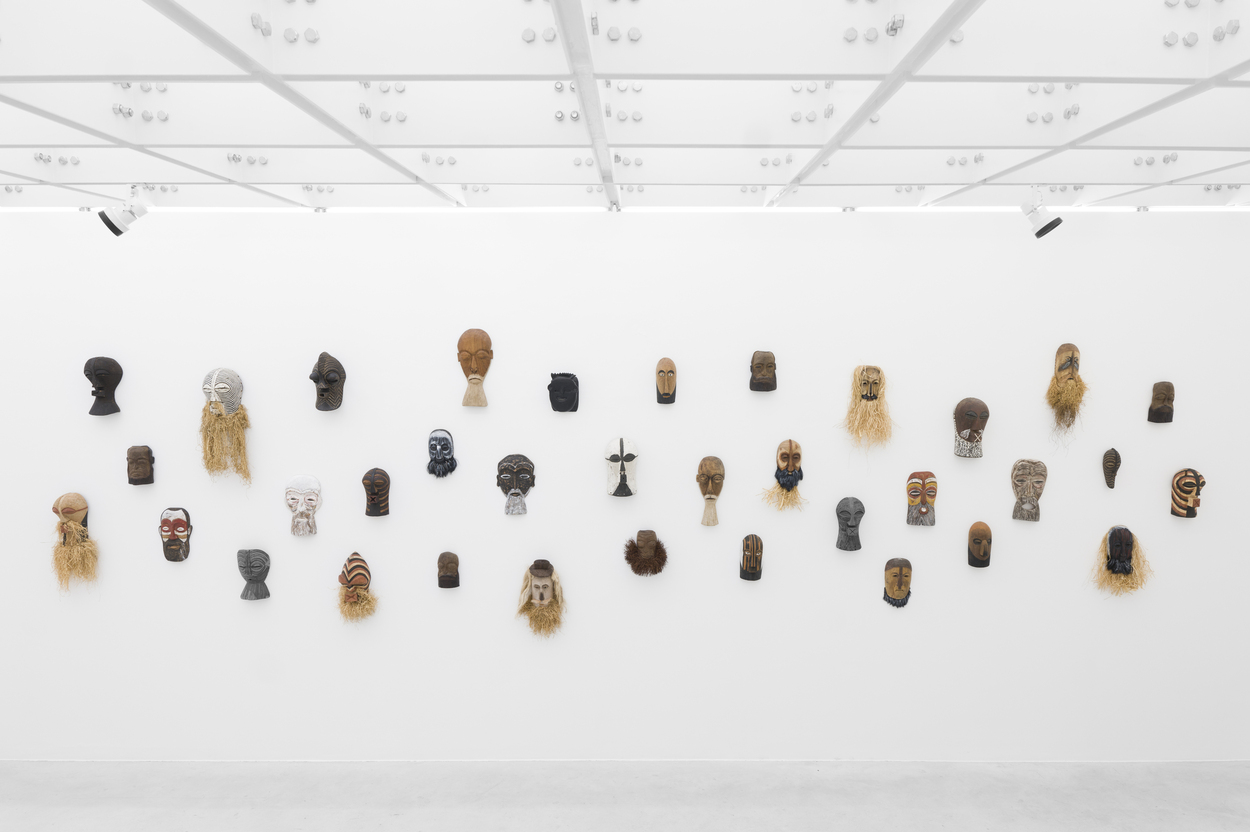
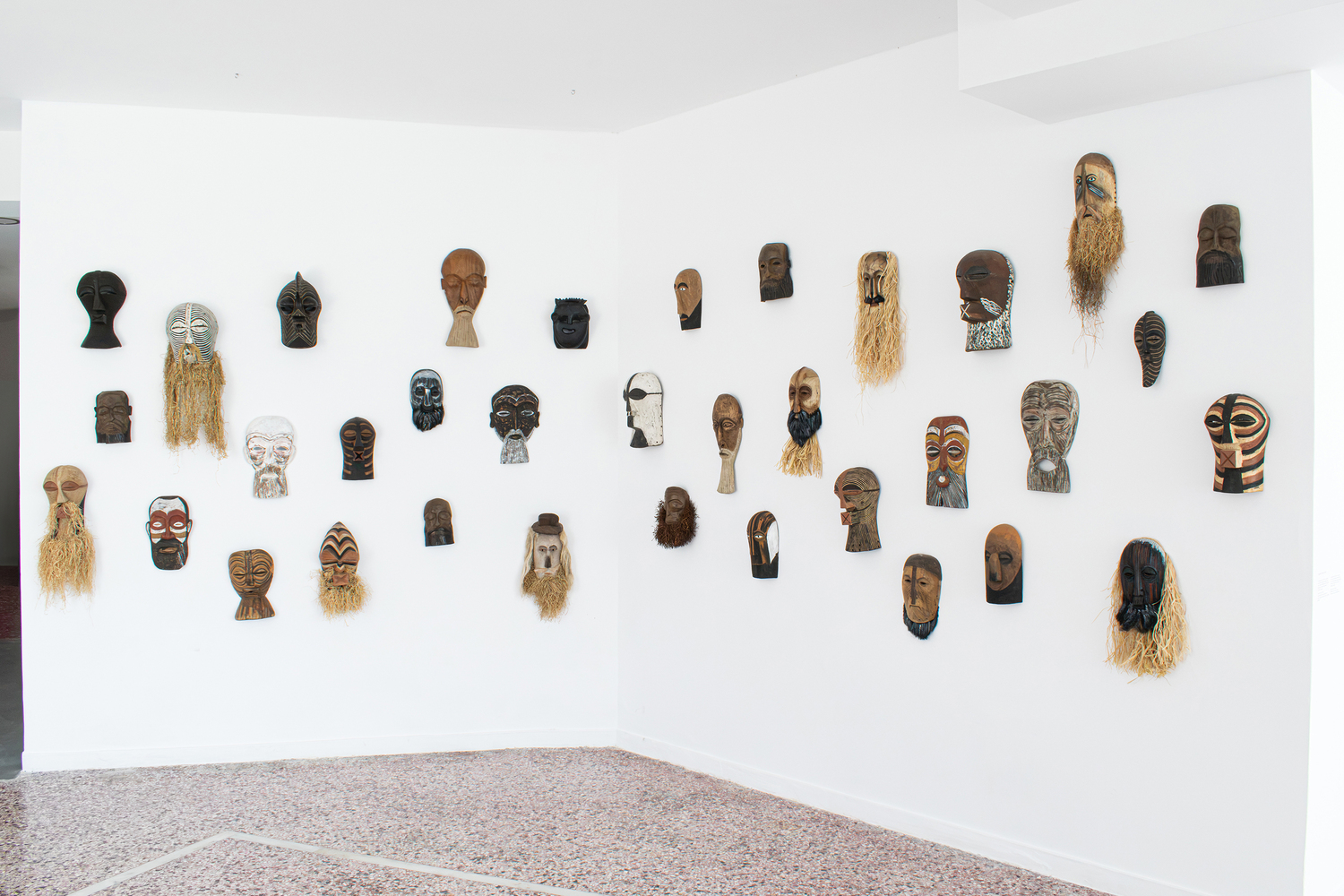
The group exhibition Fragments and Futures brings together contemporary artists from Greece and abroad who explore the visual languages, material and cultural traces, and mythological narratives of classical archaeology. Through painting, sculpture, installation, moving image and digital media, they reflect on the ways in which ancient forms and archaeological finds continue to shape the contemporary cultural imagination.
The exhibition examines what it means to “excavate” the past today. How are traces of antiquity reinterpreted through contemporary inquiries into identity, heritage and historical narrative? Rather than treating classical archaeology as a fixed canon of beauty and harmony, it approaches it as a field of dynamic interpretations, shaped by absence, imagination, reconstruction and the politics of memory.
Following the 2025 Schwarz Foundation exhibition Bridging Cultures: 100 Years of Research by the German Archaeological Institute on Samos, this year’s exhibition turns its focus to the present. Its starting point is the archaeological heritage of Samos, a powerful city-state of antiquity, from which broader questions emerge about the political dimensions of archaeology, the relationship between material remains and historical truth, and its role in shaping national and cultural identity.
The exhibition approaches archaeology not only as the study of the past, but also as an active force in shaping collective memory. In Greece, antiquity is not confined to museums nor experienced as a distant era; it coexists with everyday life, as ruins and contemporary infrastructure occupy the same space. The artists are therefore invited to engage with a living heritage, one that carries immediate political and cultural significance.
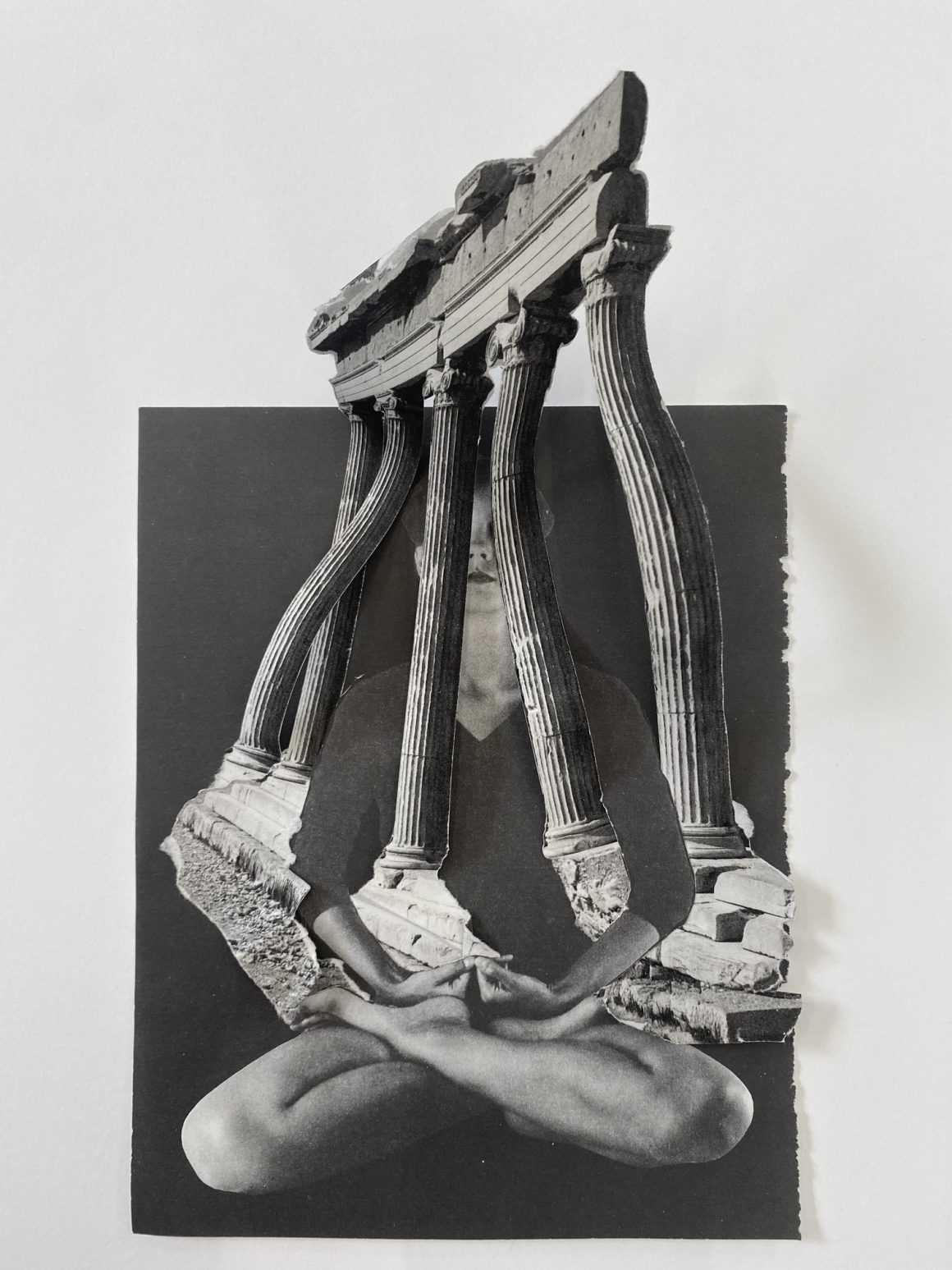
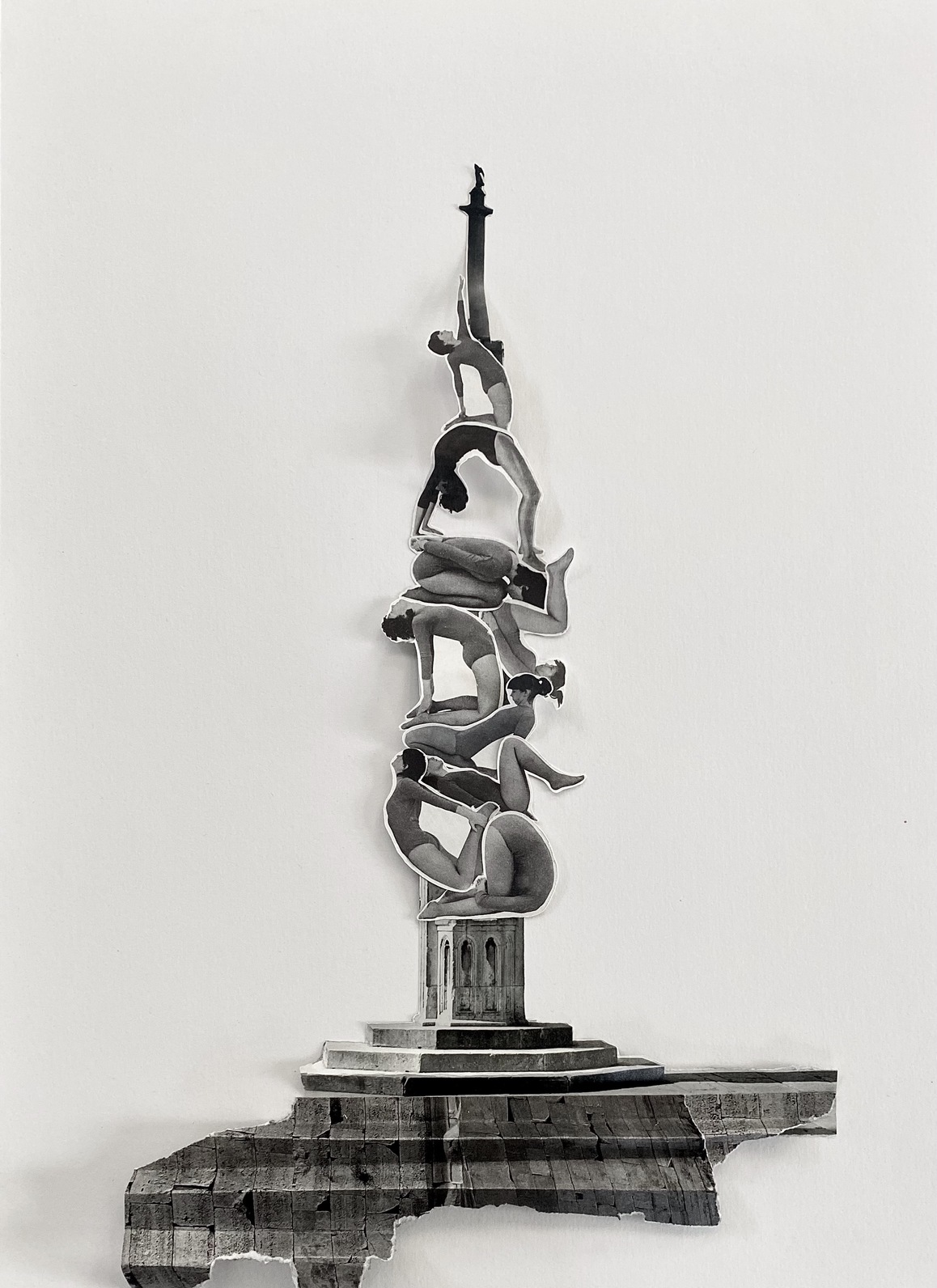
The works in the exhibition explore antiquity both as a material archive and as a metaphorical field. At their core lies a fascination with the fragmentary and the incomplete: with the ways in which what is partial and enigmatic activates the imagination and generates new readings. Ruins are not approached as symbols of loss, but as evidence of resilience, transformation and reinterpretation.
The artists approach reconstruction as both a creative and a narrative act. By embracing decay, uncertainty and subjectivity, they suggest that what survives from antiquity endures not only as material objects, but also as ideas that continue to generate meaning. Antiquity thus emerges as an ongoing dialogue between what has been lost and what we choose to reconstruct.
This understanding of fragmentation gives rise to a new inquiry into the body and myth. The idealised body of the classical period becomes a site of critique and re-examination, while ancient myths are revisited through queer, feminist, deconstructive and postcolonial perspectives. In this way, the exhibition highlights the influence of ancient narratives on contemporary ideas of beauty, power and community.
Figures such as Aphrodite, Apollo and Medusa re-emerge as vessels for contemporary subjectivity. Ancient archetypes are transformed from static symbols into living, critical presences that raise questions about how myths can be rewritten to reflect the conditions of the present, and what it means to live today among the fragments of the past.
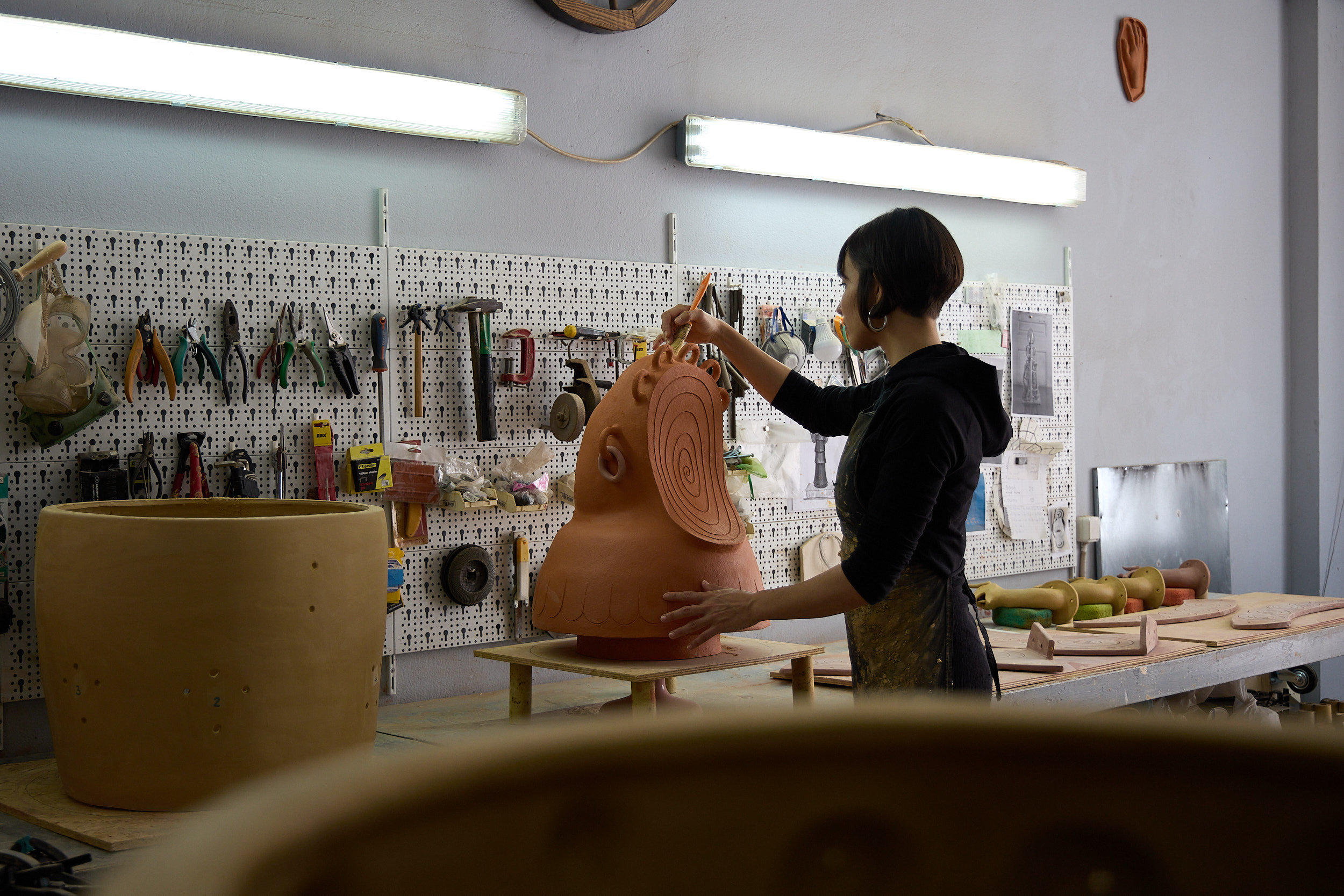
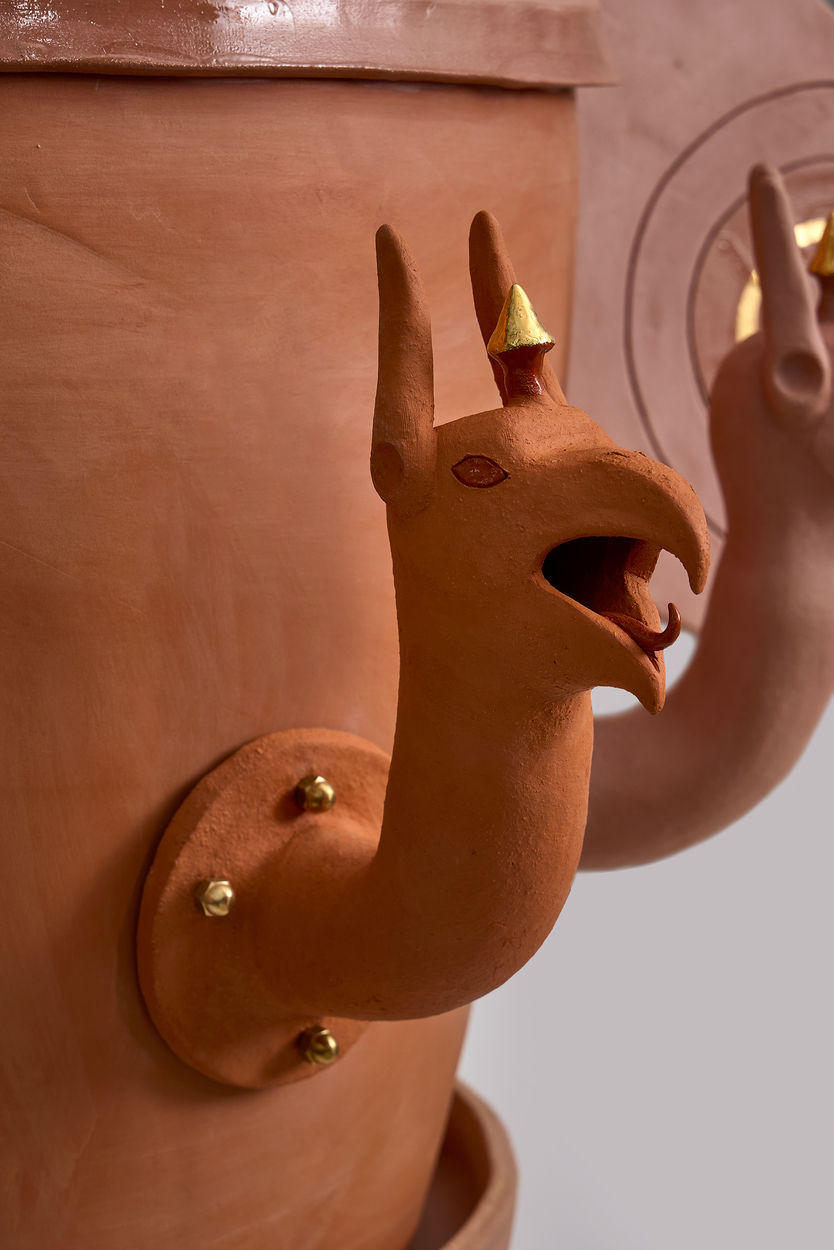
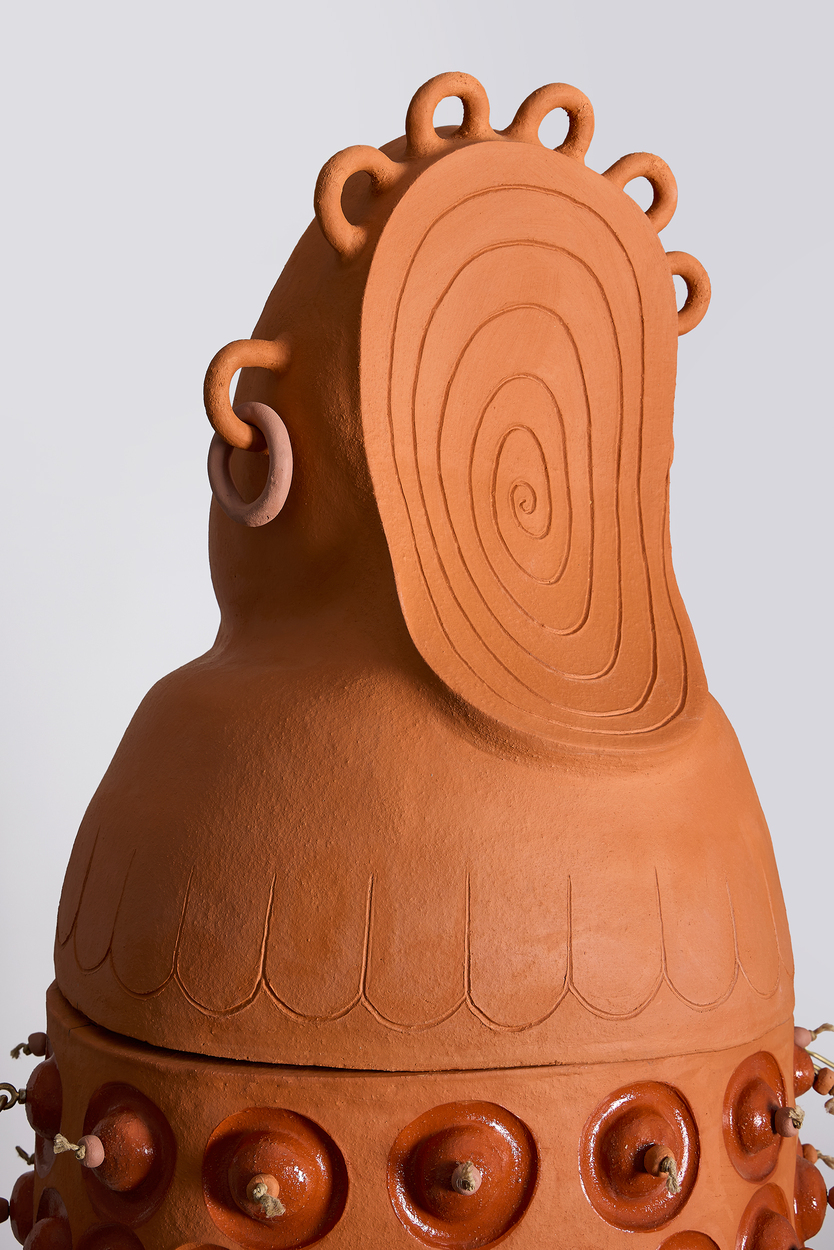
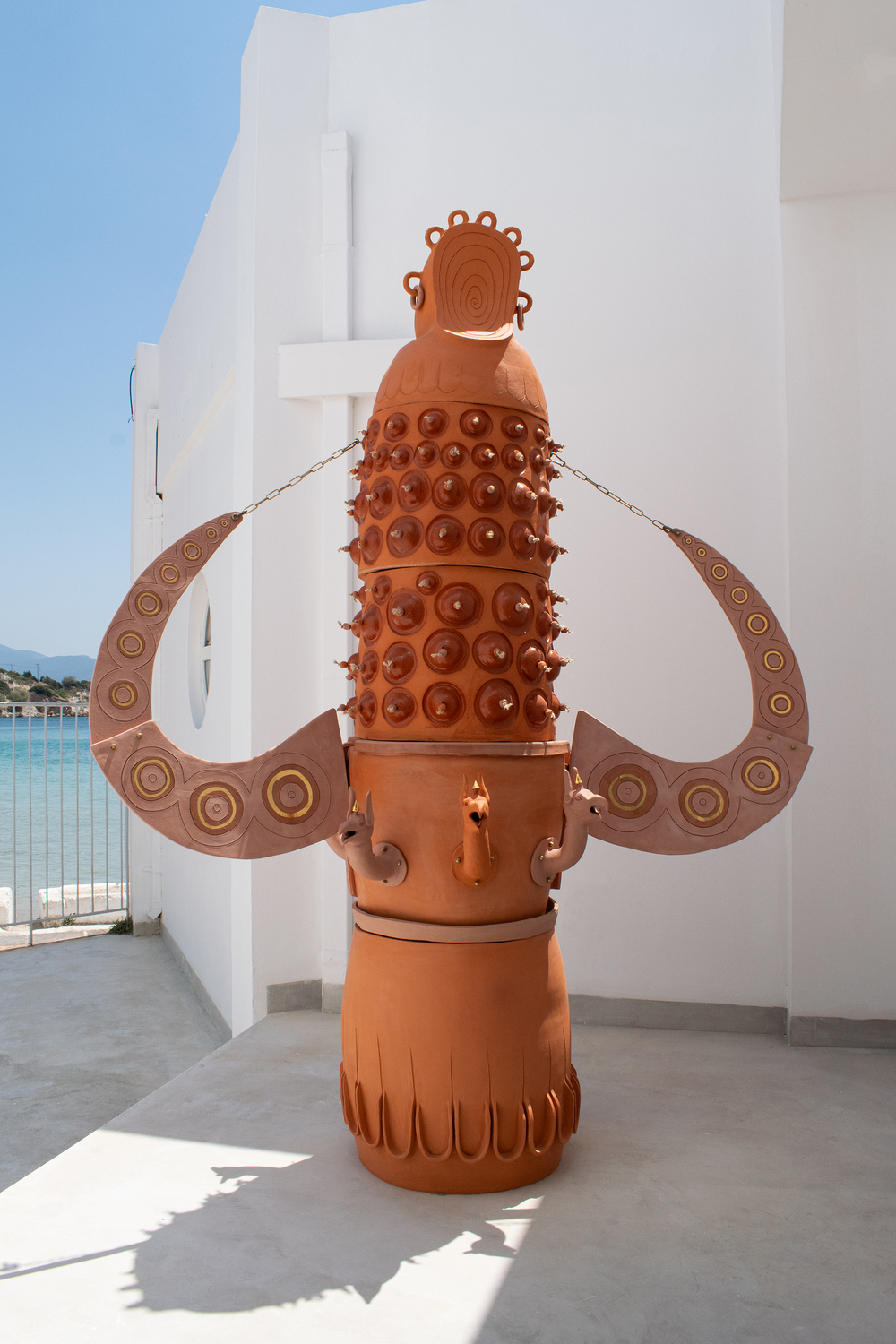
The return to myth is also connected to the material practices of art. The participating artists translate the tactile languages of marble, clay and paint into the vocabulary of digital scanning, projection, 3D printing and mediated imagery. This translation reveals both continuities and ruptures between past and present, while raising questions about authenticity, the original and the preservation of cultural heritage.
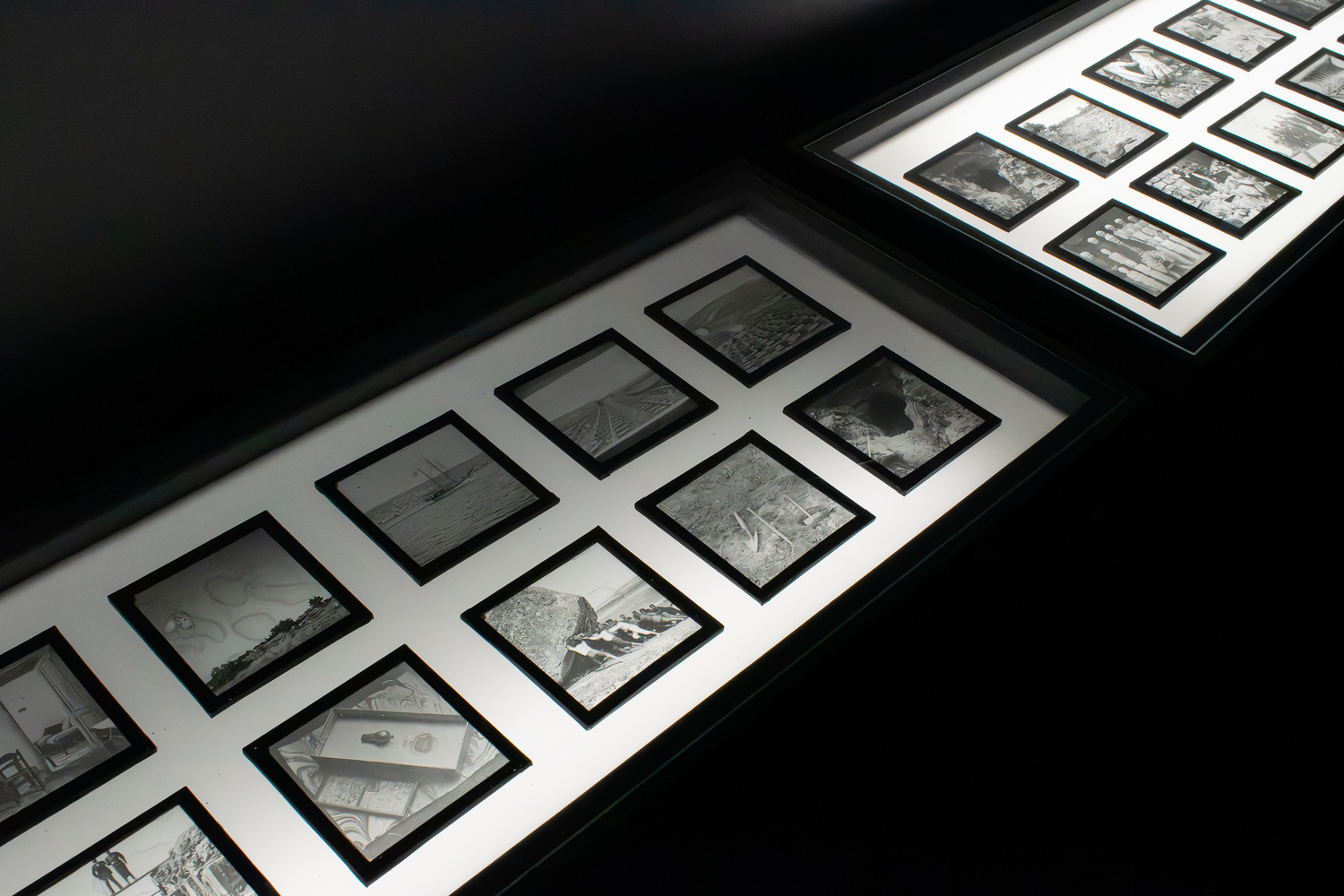
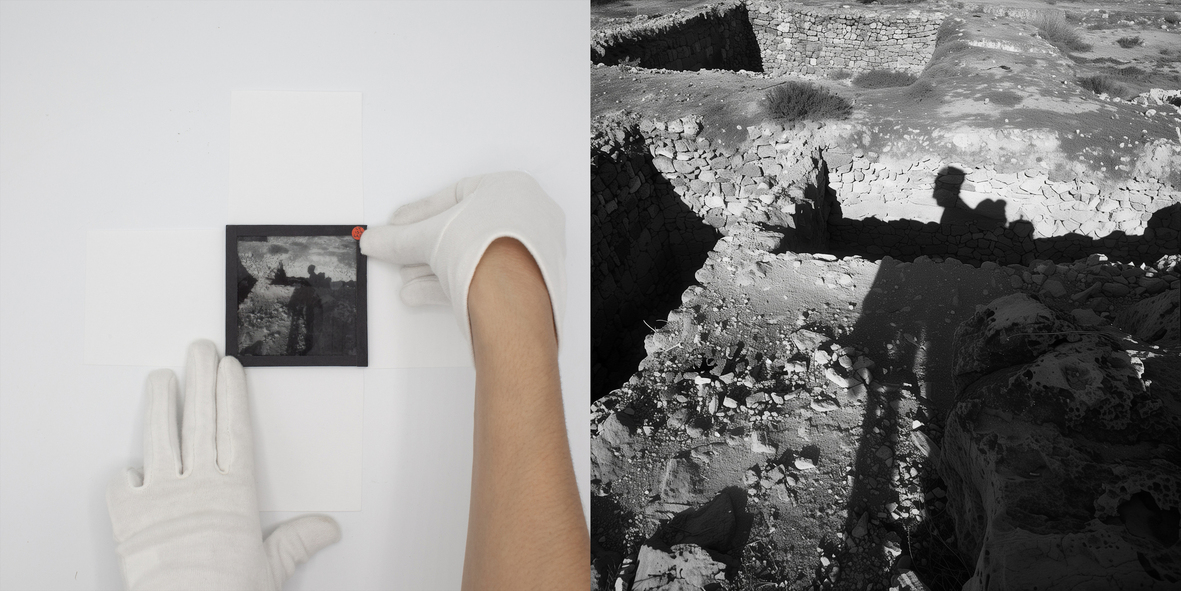
The artists’ practices are grounded in research and often resemble the archaeological process itself. Through archives, documents and material evidence, they excavate history in order to construct new readings of the past. Archaeology itself is presented as a creative act, one that reconstructs the past through the needs and sensibilities of the present.
The exhibition also examines the historical role of archaeology in shaping modern Greek identity. In the early 20th century, archaeological excavations became closely intertwined with the processes of state formation and with the effort to establish continuity between modern Greece and its classical past. At the same time, the exhibition highlights the role of Western European institutions, which contributed to shaping the dominant narratives surrounding Greek antiquity.
Finally, the exhibition turns its gaze towards the museum itself as a site where meaning is produced. Through interventions that challenge the practices of classifying, displaying and interpreting archaeological finds, the artists reveal the ideological and political dimensions of museum authority. Alternative archives, speculative collections and performative approaches bring overlooked or marginalised voices back to the fore.
Ultimately, Fragments and Futures is a reflection on the processes through which history is constructed, translated and reinvented. It highlights the ways in which contemporary artists use the past to comment on the present, exposing the discontinuities, silences and biases that permeate every historical narrative. By opening a creative dialogue between contemporary art and classical archaeology, the exhibition invites us not only to reconsider what the ancient world has bequeathed to us, but also to reimagine its future.
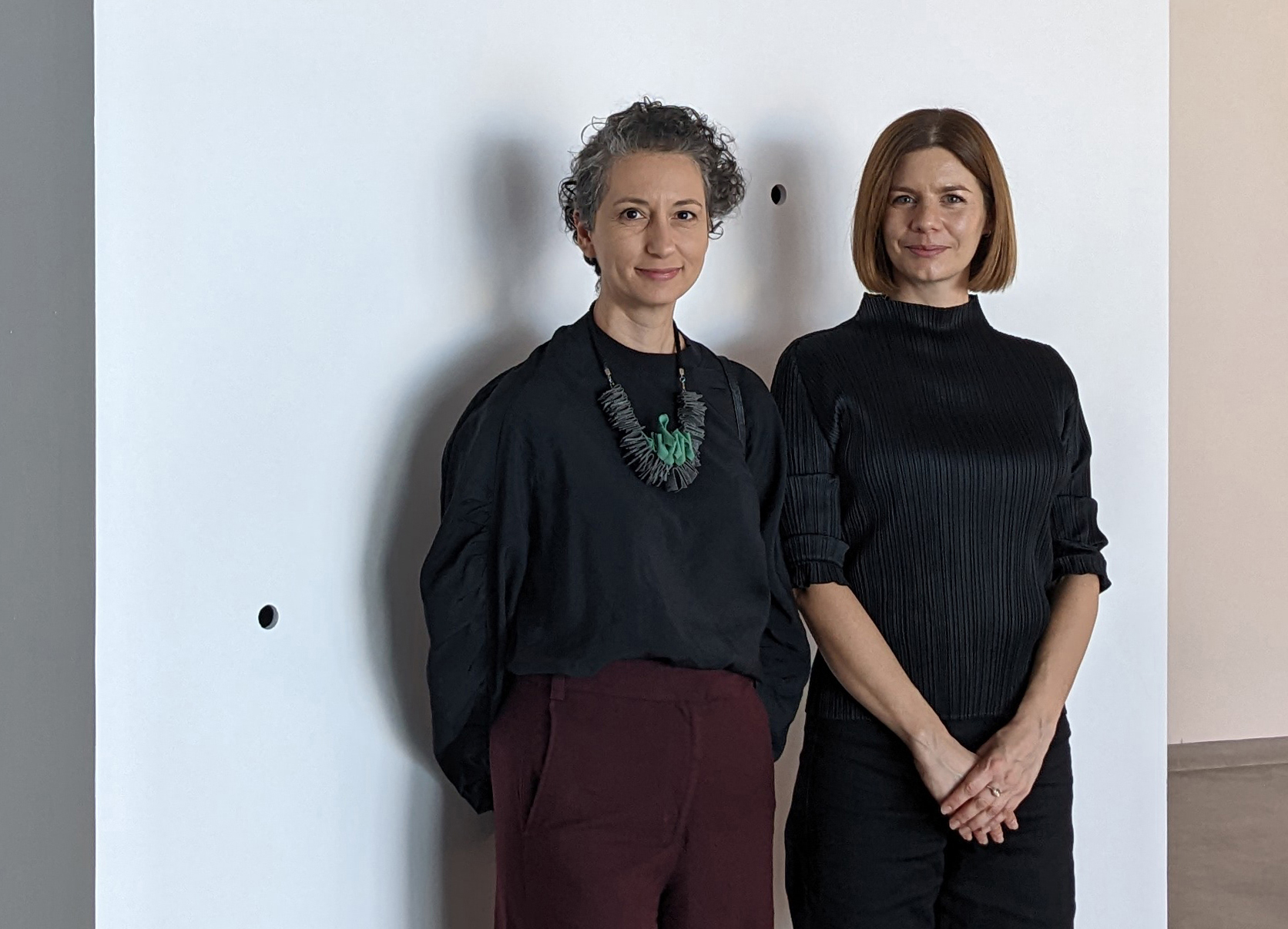
The exhibition marks the 10th anniversary of Katerina Gregos’s appointment as curator of the Schwarz Foundation’s Visual Arts Programme, in collaboration with Ioli Tzanetaki.
Artists:
Rosella Biscotti | Navine G. Dossos | Alexis Fidetzis | Giannis Hatziaslanis | Hadjithomas & Joreige | Natalia Manta | Chris Marker and Alain Resnais | Petros Moris | Panos Profitis | Theopisti Stylianou-Lambert and Alexia Achilleos | Lucia Tallová | Maarten Vanden Eynde
The Venue: Art Space Pythagorion
The exhibition is hosted at Art Space Pythagorion, the Schwarz Foundation’s exhibition space in Samos, which opened in 2012 and has since presented some of the most significant voices in international contemporary art.
As Artforum noted in a feature on the space, Art Space Pythagorion is “one of the most interesting examples of regional cultural intervention in Europe”, while Monocle has described the Schwarz Foundation’s summer exhibitions as “rare examples of high-quality curatorship and genuine dialogue with local and international history.”
Since 2012, the space has welcomed internationally acclaimed artists, while its annual exhibition has established itself as a major summer fixture on the Greek and international cultural calendar.
Schwarz Foundation
The Schwarz Foundation is an independent non-profit organisation that, since 2011, has promoted intercultural exchange between East and West, with a focus on contemporary art, research, history and reflection. Through exhibitions, festivals, grants, lectures and educational programmes, it strengthens Greece’s presence within the international cultural dialogue, with Samos as its point of reference.
Art Space Pythagorion, Pythagorion Harbour, Samos
Until Friday, 2 October 2026