Estudio Campana and Venini’s Sculptural Work in Venice

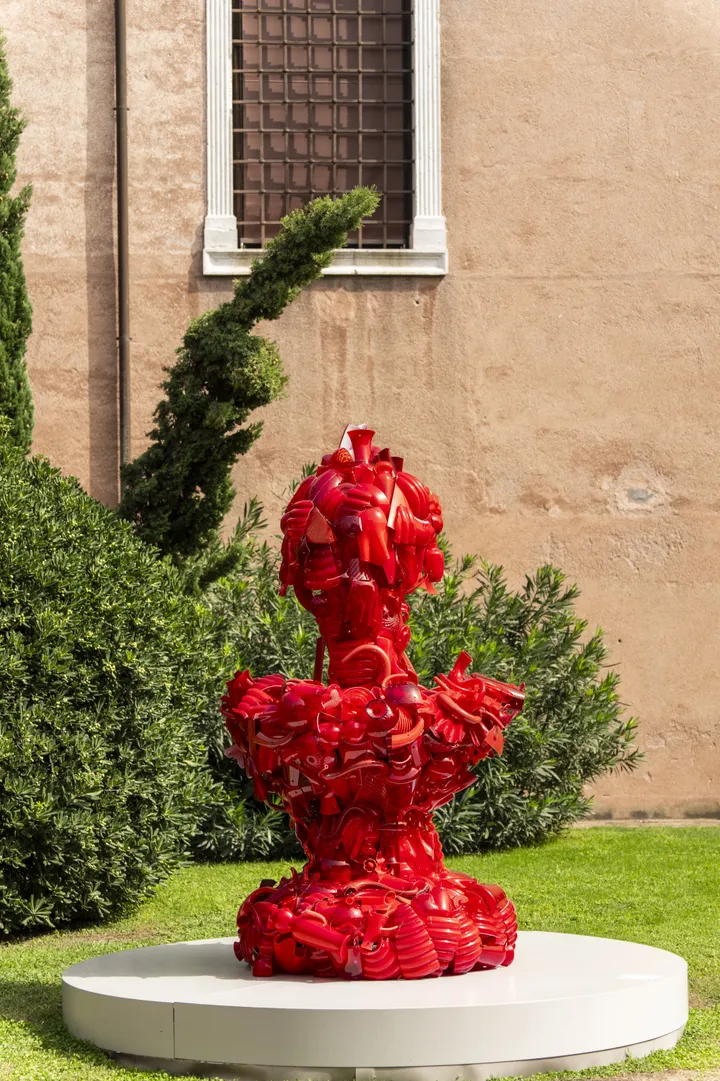
Recognisable fragments of historic creations, assembled and held together by copper wire: the ‘Rivivo’ installation at the Giorgio Cini Foundation to mark the Homo Faber Biennial

Venini glass fragments form the sculptural work by Estudio Campana, on display in Venice as part of the fourth edition of the Homo Faber Biennial, the international event celebrating human talent and excellence in contemporary craftsmanship, taking place from 1 to 30 September 2026 at the Fondazione Giorgio Cini, on the Island of San Giorgio Maggiore.

Curated by renowned British artist and designer Es Devlin, Homo Faber 2026: An Island of Light invites visitors to explore the fundamental relationship between light, matter and the human hand. Across 15 immersive installations, the Biennial brings together more than 500 craftspeople from over 70 countries and more than 700 works, creating a journey that places artisanal knowledge in dialogue with a contemporary, multisensory vision.

Inspired by the archipelago of the Venetian lagoon, Es Devlin’s artistic direction unfolds as a narrative in which each craftsperson represents an island of talent and expertise. Light becomes a means of revealing and celebrating human creativity: not only the finished objects, but also the gestures, tools, materials and processes that bring them to life.

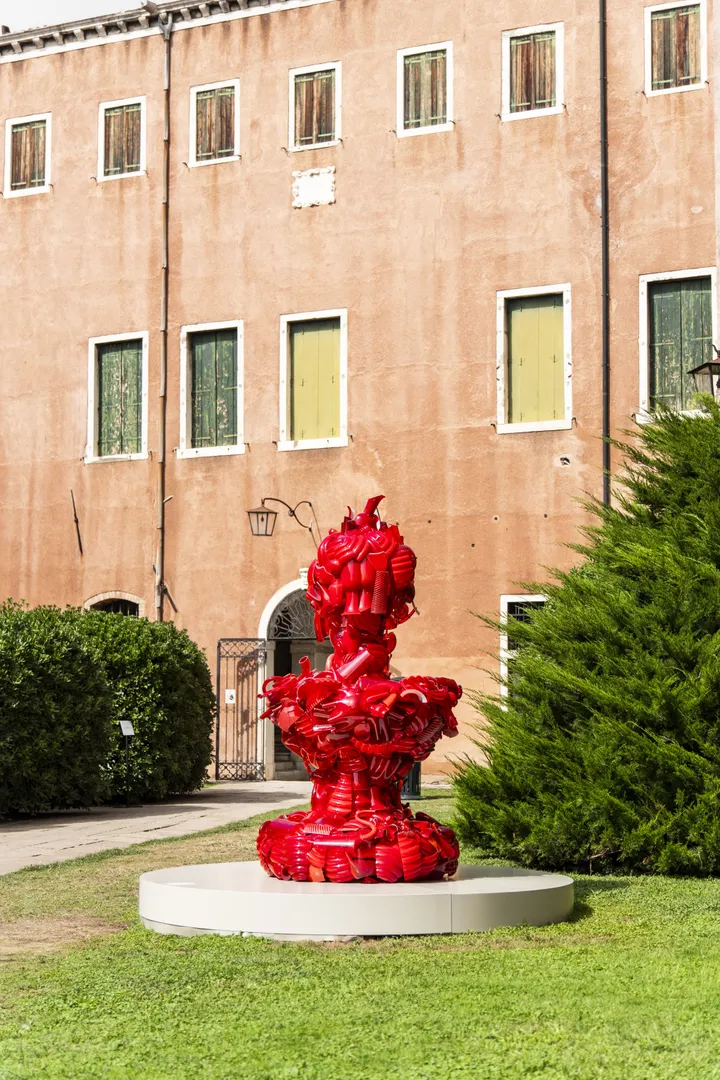
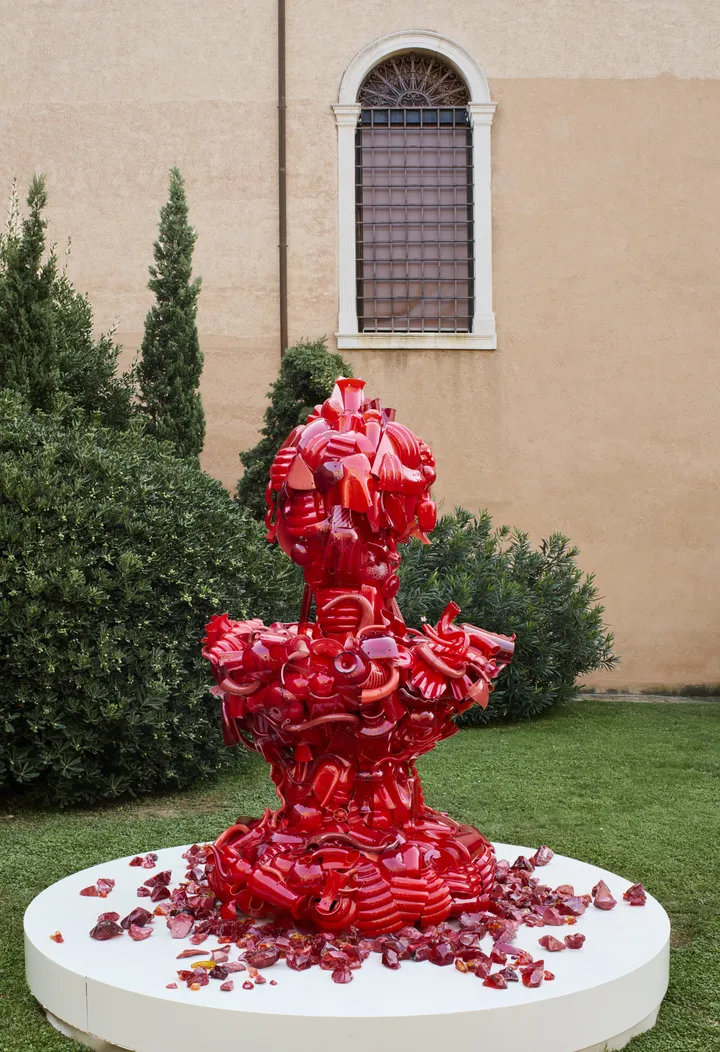
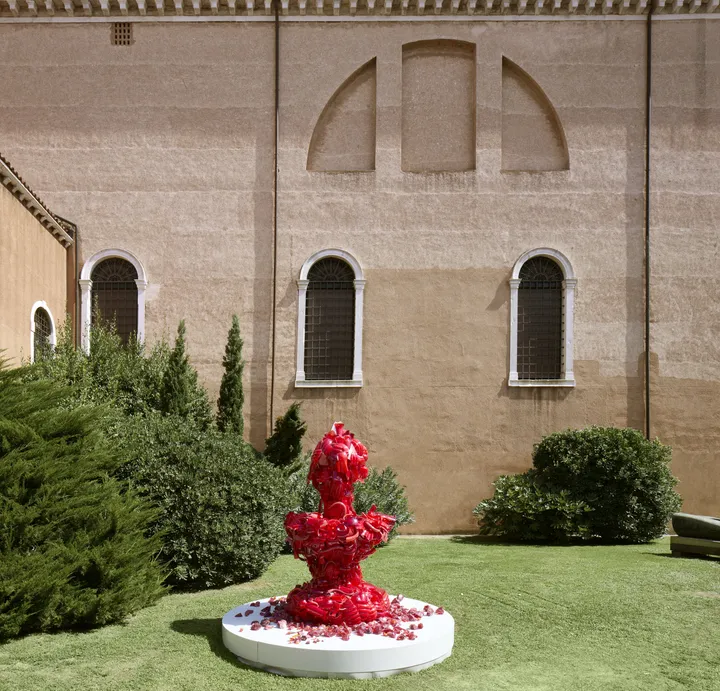
It is within this dialogue between matter, knowledge and transformation that Venini’s participation takes shape. The Maison draws from its archive to bring Rivivo, a sculpture created in 2010 by the Estúdio Campana, back into focus. The work is presented outside the An Atelier Alive room.

The choice reflects Venini’s desire to present its archive not as a static collection of works from the past, but as a living heritage – one that continues to generate research, reflection and new interpretations.

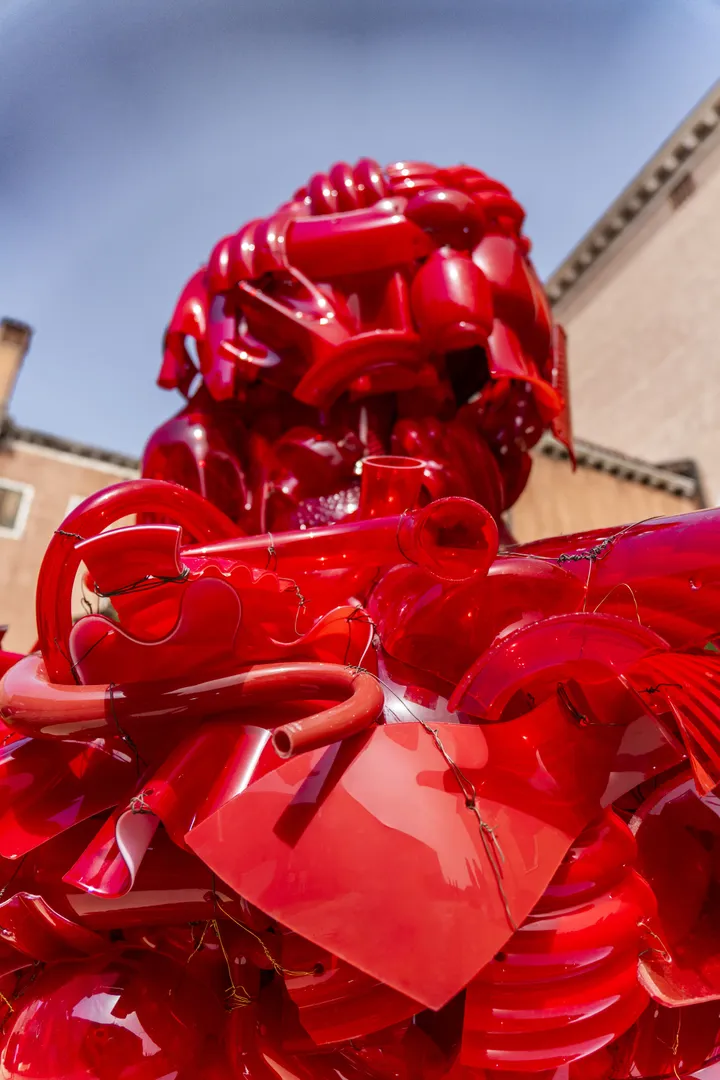
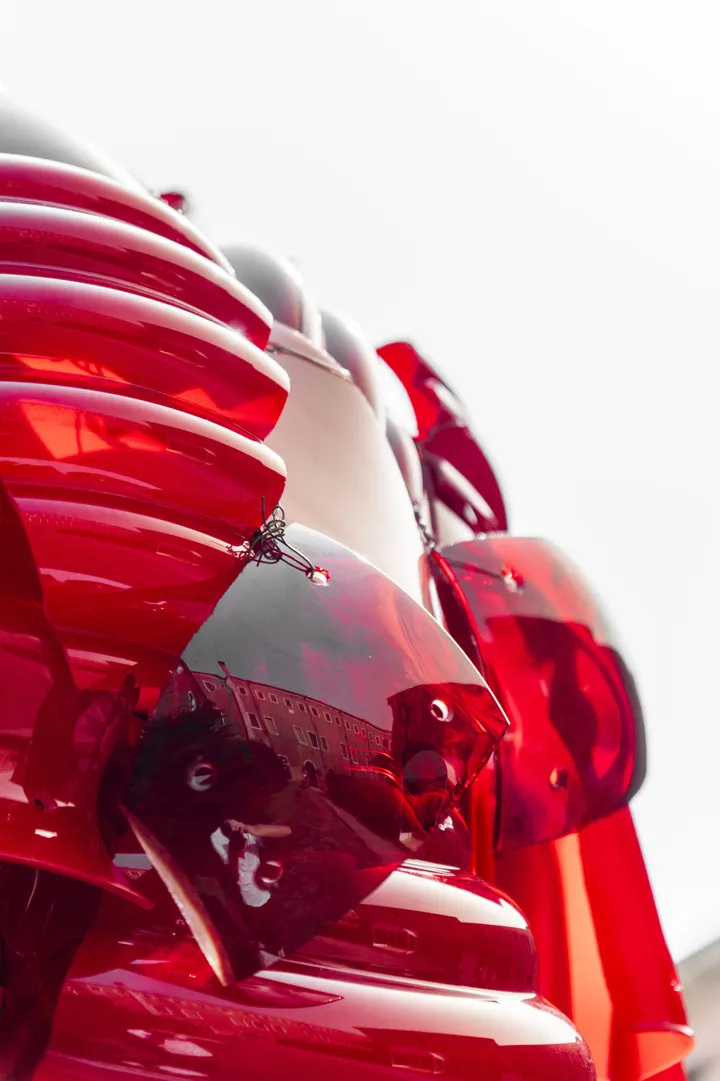
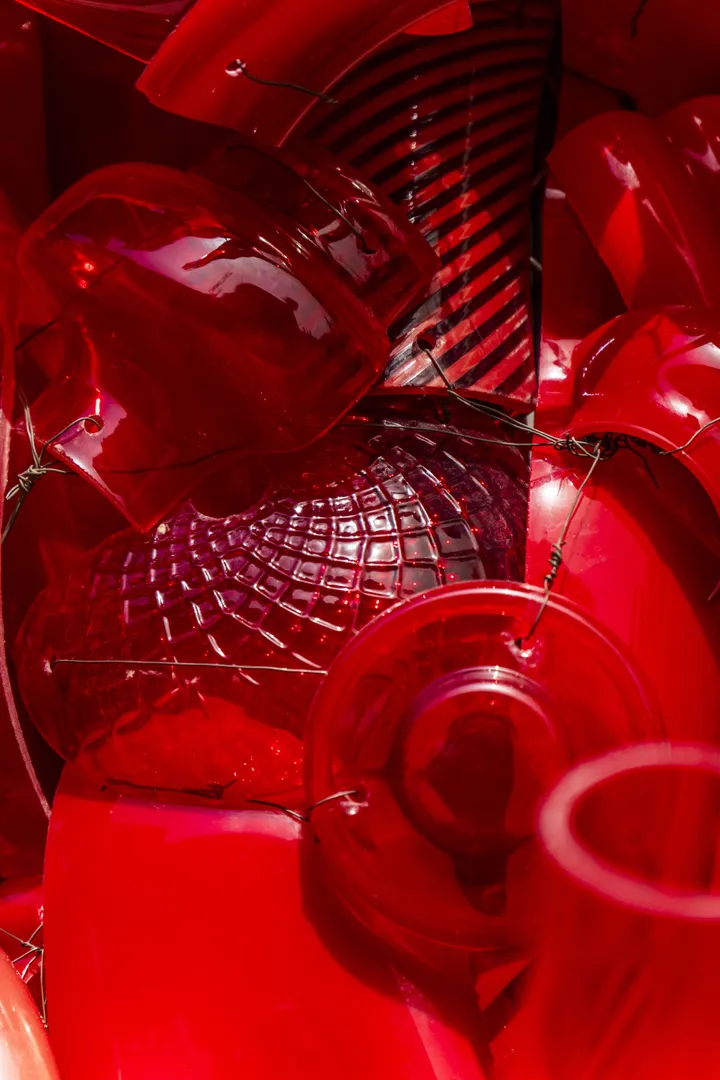
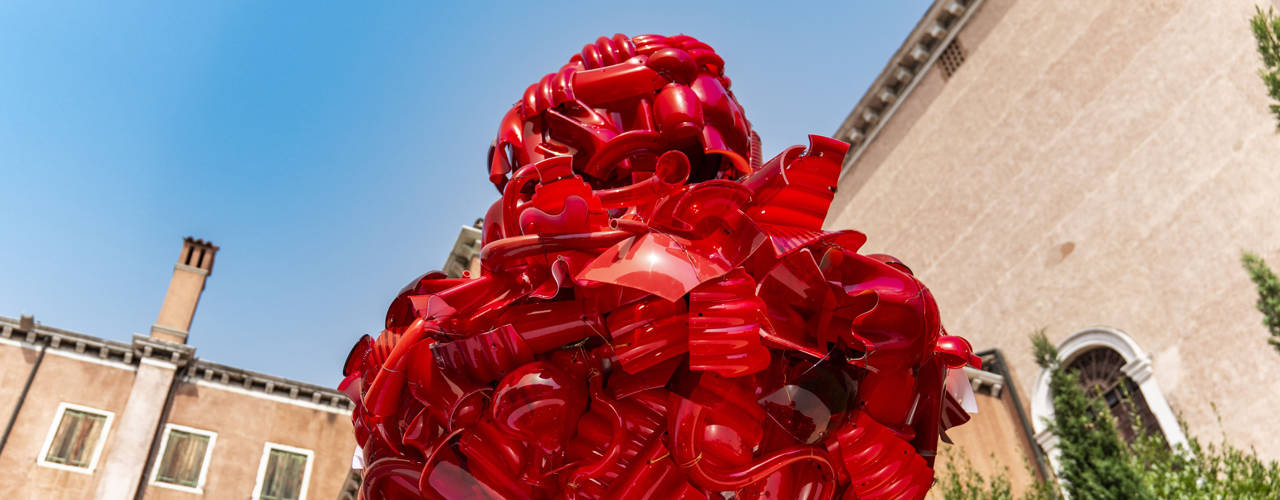
 Originally conceived as a fountain, the work embodies, in its very name, the idea of matter and memory being brought back to life. At the base of the composition are cotissi, raw glass blocks extracted from the furnace crucibles and distinguished by their irregular surfaces. Within the structure, recognisable fragments of historic Venini creations are incorporated, assembled and held together by copper wires.

The result is an organic and powerful sculpture in which the history of the furnace is not simply preserved but reassembled and transformed. Fragments of forms and processes belonging to Venini’s collective memory become part of a new narrative, inviting the viewer to pause and discover details that, almost like an archaeological exploration, reveal traces of a broader heritage.

Venini’s participation in Homo Faber 2026 thus reaffirms the Maison’s commitment to celebrating its historical legacy while highlighting the value of Italian craftsmanship and the culture of Murano glass within the international landscape of design and contemporary craftsmanship.


Rivivo by Estudio Campana and Venini – photo Alessandra Chemollo – credit Michelangelo Foundation

enini

Author