What do you consider the most significant milestones in your journey, the ones that brought you to where you are today, and what defines the DNA of your activities?

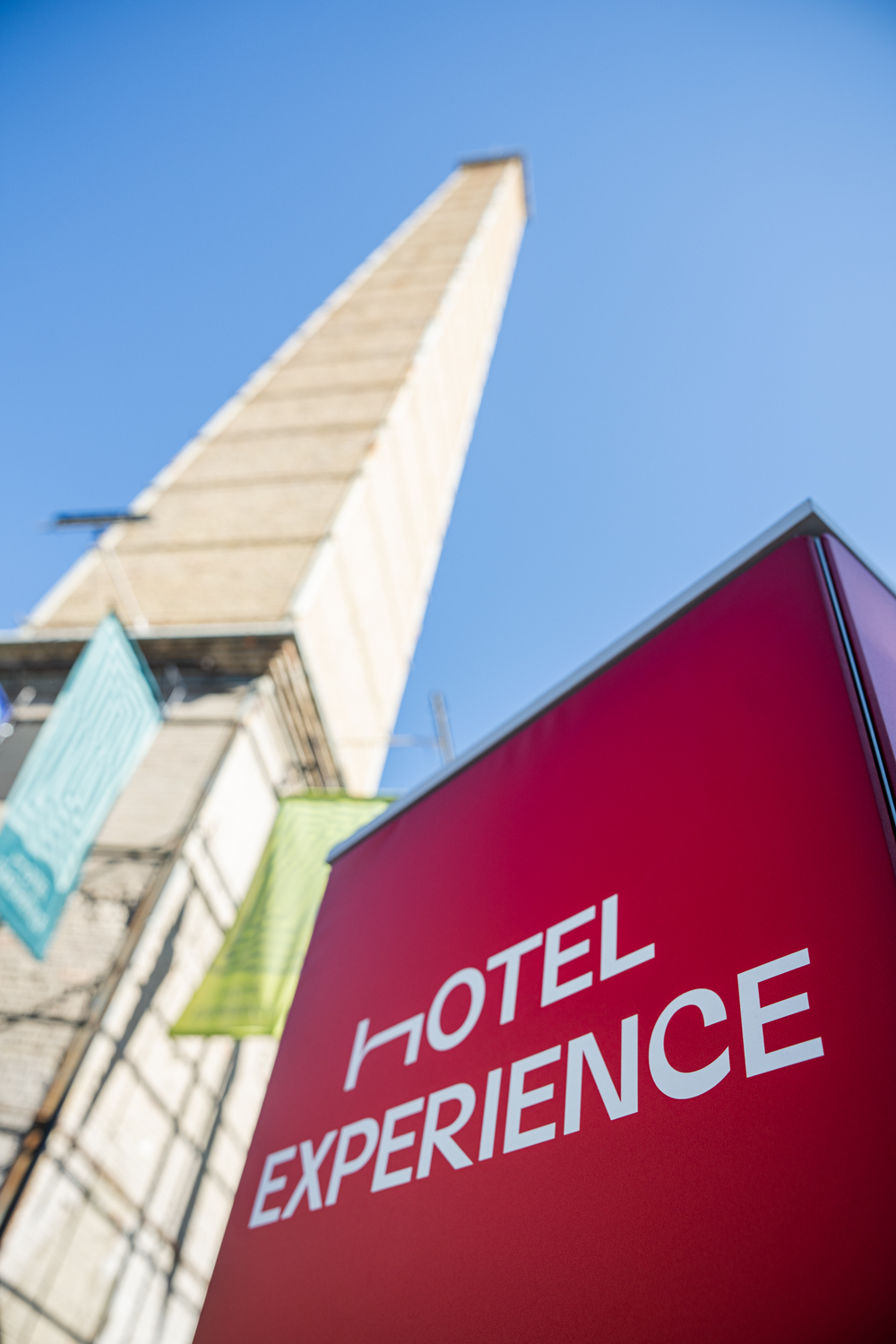
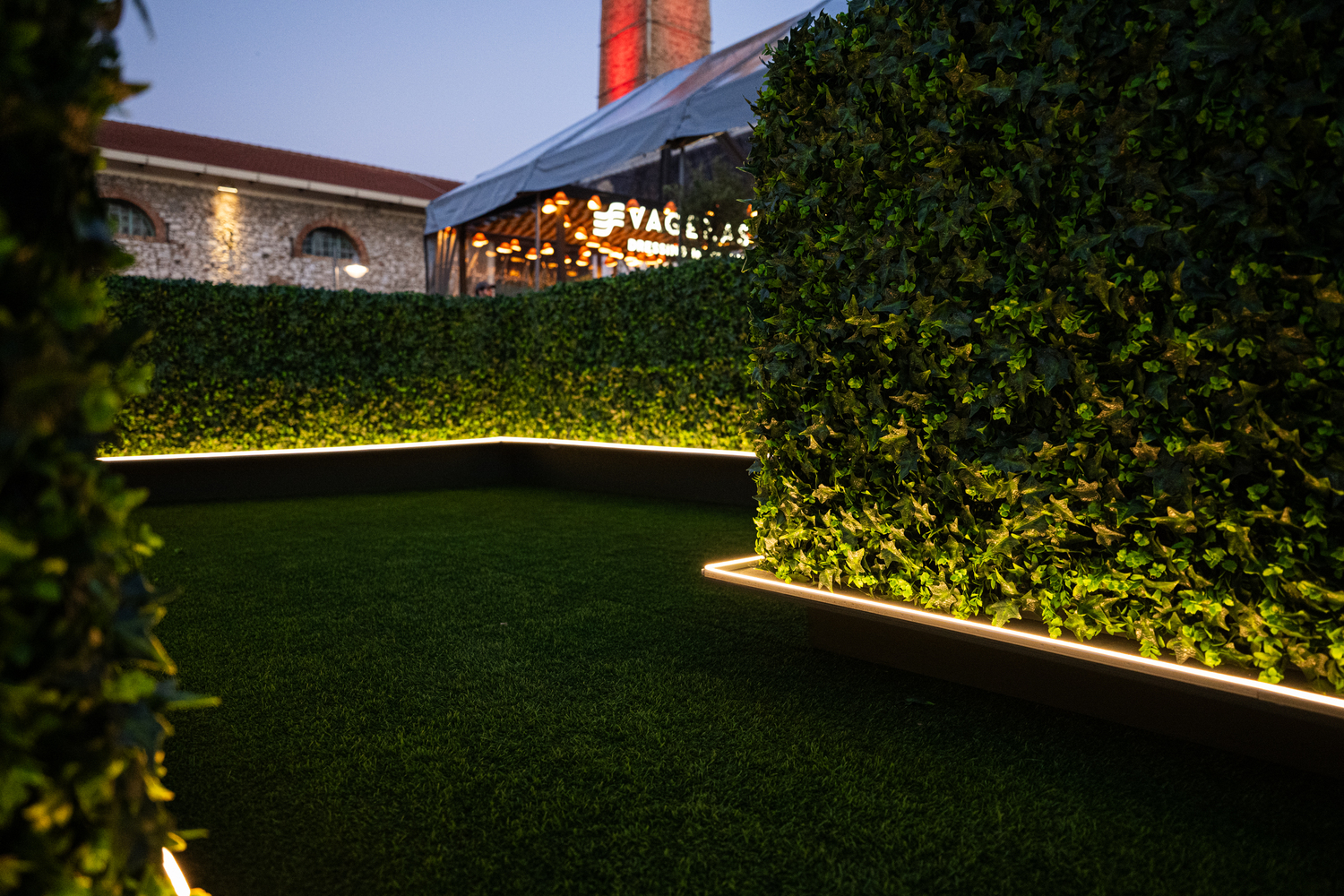
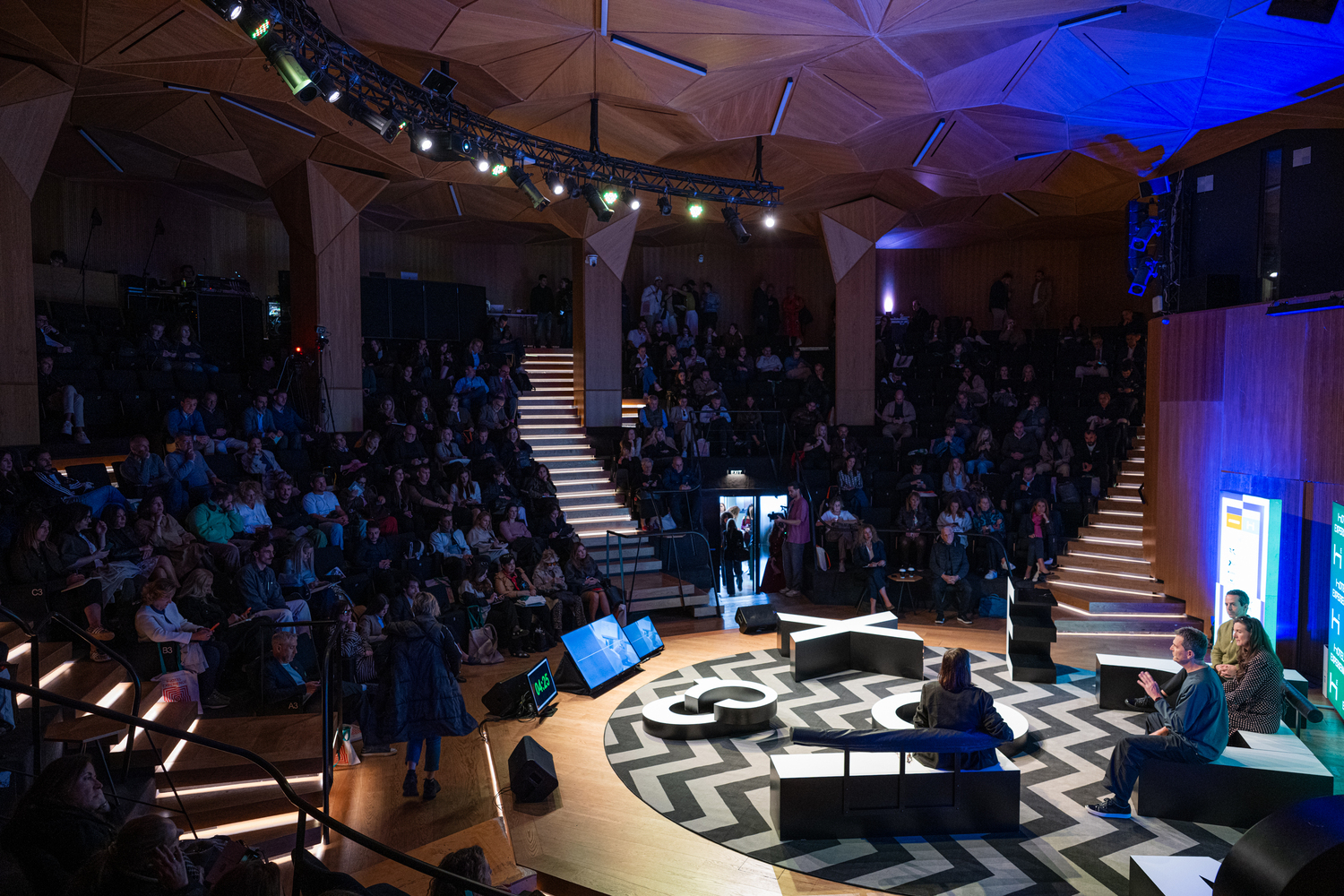
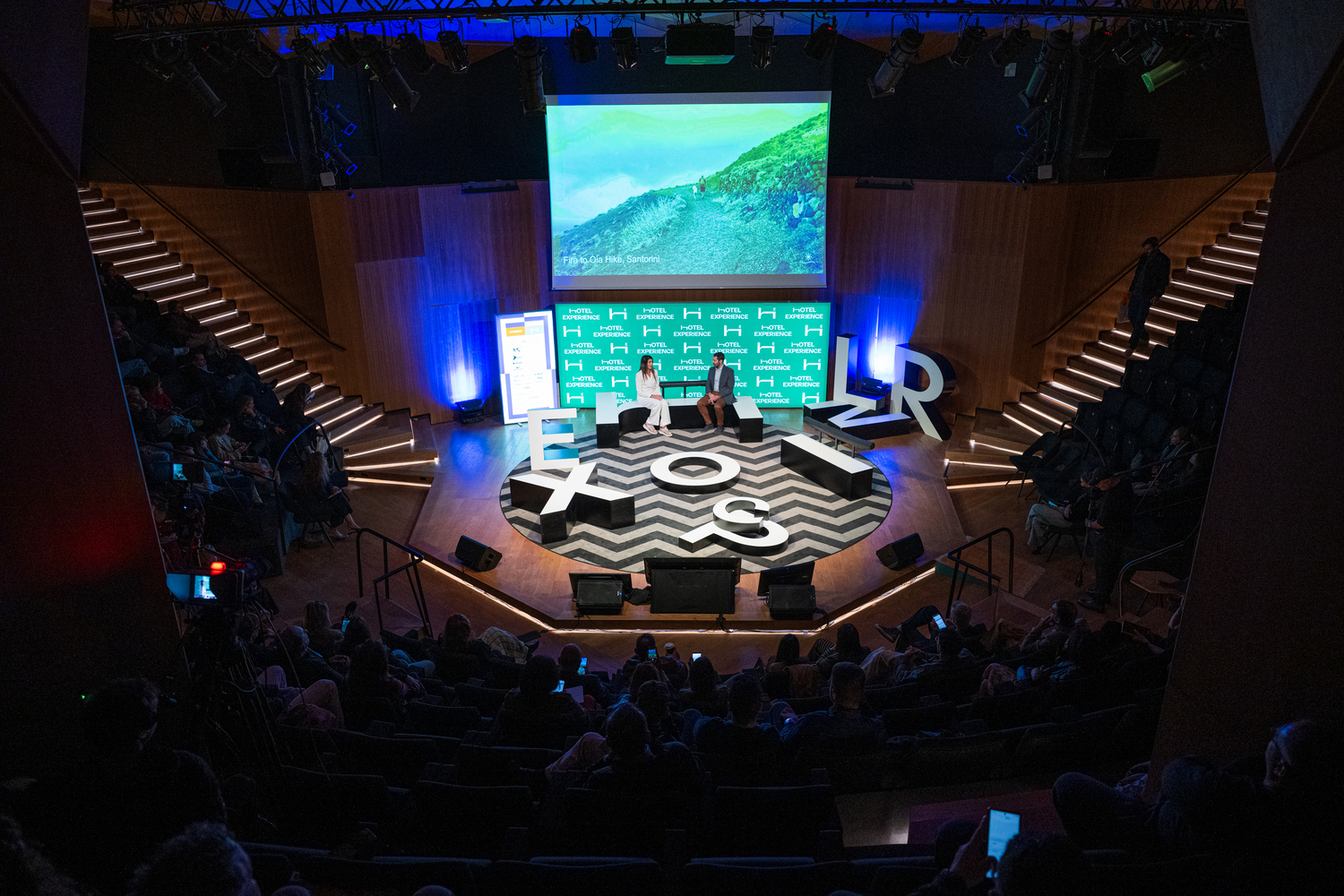
I would start with Hotel Experience, because it offers a fairly clear picture of where this journey has led. For me, the aim is to create a productive environment for outward-looking exchange: bringing together people who have a reason to work together, exchange knowledge, challenge one another’s perspectives and develop collaborations. The event itself needs to support what is being discussed on stage through its setting, curation and the encounters it makes possible.

At Hotel Experience, a hotelier can gain insight into how an architect thinks, an investor can better understand the demands of day-to-day operations, and a creative professional can meet someone willing to support an idea. I also value the disagreements that emerge between them. They often reveal the real challenges, the things that remain invisible in a polished presentation of a completed project.

That is how I understand a think tank. Its value lies in the questions it raises, the people it brings together and the work that can follow. Making this happen requires preparation: knowing the subject, selecting participants whose experience complements that of others, and giving them a meaningful reason to sit around the same table.

Looking back, the constant throughout my journey has been this desire to create the conditions for encounters that lead somewhere. To recognise potential connections between people and fields that may not yet have found a common language. This also defines our activities today: a curiosity about what is happening in architecture, design, culture and business, coupled with a responsibility to give these fields space, a public voice and opportunities for collaboration.

How did architecture, design and hospitality become the guiding pillars of everything you create, and how do you believe these fields can be supported and developed through Archisearch?

I see Archisearch as a publication dedicated to architectural intelligence. I am interested in exploring the thinking behind a space: what need gave rise to it, who took the initiative, and which economic conditions and social perceptions shaped the decisions behind it. Its collectible print edition, recognised with a Red Dot Design Award, reflects this broader editorial approach. A completed project provides the starting point for investigating the forces and ideas that shape architectural production.

In Greece today, tourism is the main driver of this production. It influences where we build, what we repurpose, which areas attract investment and how the everyday lives of their residents change. Engaging with hospitality therefore inevitably leads us to questions about habitation, landscape, infrastructure and the way space is managed.

This is where the think tank we seek to cultivate comes into play. Through editorial research, discussions and collaborations, we aim to bring architectural knowledge into the places where decisions are made. Supporting the sector means highlighting the work of its creators, but it must also involve understanding the conditions in which they operate.

In collaboration with Design Ambassador, our mother brand, this work is expanding through an exhibition dedicated to architecture in Greece and the launch of Design Democracy. The latter is a programme of discussions that positions architecture as an equal participant in the social, philosophical and institutional debates surrounding contemporary issues.

Take social housing, for example. Architecture has a role to play from the moment we begin discussing whom a policy serves and what kind of life it should make possible. The same applies to public space, where questions arise around who has access, who feels welcome and which activities are accommodated. I want architecture to claim its place in these conversations while the choices are still open.

By creating opportunities for creative minds to meet and exchange ideas, what new horizons can emerge, and what are your greatest ambitions?

In a globalised environment, we want our creative professionals to gain greater negotiating power, competitiveness and access to international collaborations. Our ambition is to expand their influence while safeguarding an identity that evolves through exchange without losing its own distinctive voice.

What would you highlight as the defining moments of this year’s event, and what did you achieve that sets it apart from previous editions?

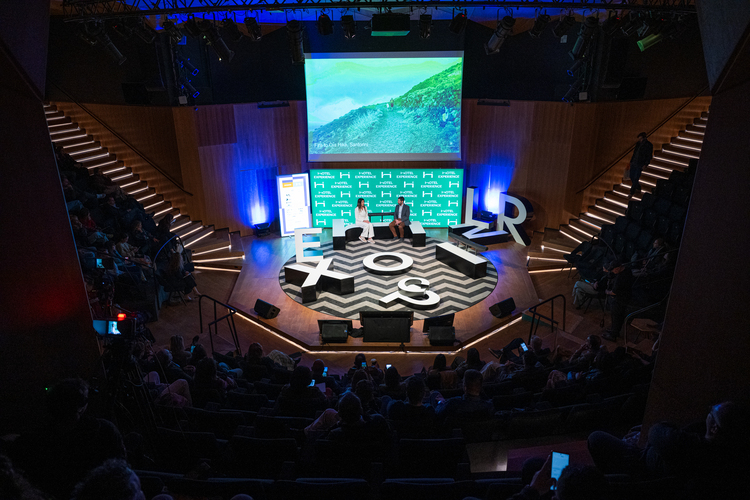
This year, attendance nearly doubled, and Hotel Experience became a point of reference for two industries: architecture and tourism. The step forward compared with previous editions was that the conversation between the two went deeper into the decisions they make together, from investment and design to operations and their relationship with place.

I would single out several contributions that deserve to be carried forward: the open invitation to businesses to join an alliance for the revitalisation of mountain regions; the insistence that promoting a destination presupposes an experience it can genuinely deliver; and the connection between authenticity and the survival of local producers and knowledge. Another idea carries particular weight in the age of artificial intelligence: how much room do we leave for visitors to experience spontaneity, discovery and participation? These ideas are already informing the next edition and, more importantly, the work that needs to happen between now and then.

What comes next, and what do you envision for the future?

We are preparing international events that will open up new opportunities for collaboration for our creative professionals. At the same time, we are actively working towards the establishment of an architecture museum in Greece, a prospect we hope will secure a permanent place in the country’s cultural life following the Exhibition of Architecture in Greece.

How would you describe the state of Greek architecture today? Is there a meaningful connection with the past, and do the younger generations inspire optimism for the future?

Greek architecture today speaks in many voices. Its connection with the past lies in how it reinterprets inherited knowledge: the relationship with the land and climate, the economy of means, and the transitions between private and shared spaces. This heritage remains fertile ground as long as it is open to new interpretations.

Younger generations bring international experience, a spirit of research and a heightened sensitivity to the environment and adaptive reuse. They give me reason to be optimistic, but they also need opportunities to test their ideas against different scales and needs.

I would like to see the remarkable output in private projects continue with undiminished momentum, while architecture expands its reach into everyday housing, workplaces, education and, of course, public space. The quality we recognise in a hotel or a private residence should be an equally fundamental expectation for a school, a public square or a care facility. This requires public commissions guided by architectural criteria, competitions and opportunities for younger practices to take on projects of real responsibility.

What has maturity brought to your work?

It has made me more willing to listen and more attentive to the people I work with. Every collaboration involves different ambitions, needs and personal journeys. I want to understand what each person hopes to achieve and ensure they, too, have a reason to continue working with us. I am more aware of how much work it takes to do something properly, but also more courageous in standing by what I consider meaningful and beautiful.

How would you like to see Archisearch evolve over the next ten years?

I would like it to remain a point of reference that people return to because they trust its judgement and know they will encounter something they had not considered before. I imagine more stories, new publishing formats, greater freedom to experiment and space for voices still searching for their language. Above all, I want it to keep the conversation between architecture, art and creativity alive, even when that conversation challenges our certainties.

Three places you love returning to, and why.

Elafonisos, for holidays and the tranquillity it offers, allowing me to step away from the pace of work for a while. I return to London and Venice primarily for their exhibitions. I enjoy taking the time to engage with the work of other creative minds, following the evolution of their thinking and leaving with new questions.

And Berlin, where my children live and where Design Ambassador began.

How would you define beauty?

I am moved by things that understand their time and have the honesty to respond to it in their own language. In beauty, I look for a sense of proportion and a genuine consideration for people: how something makes them feel, what it allows them to experience and how much space it leaves them. I often recognise beauty when I sense that someone has thoughtfully considered the person who will encounter their work.

Is authenticity a challenge that can be won?

Authenticity evolves as long as people retain the freedom to create. Today, homogenisation and the dominance of a cultural monoculture are narrowing that freedom. The same images, materials and promises are being repeated everywhere.

Preserving the distinctiveness of a place requires room for new ideas, fair compensation and viable prospects for those who produce and create, from craftspeople and farmers to architects and hospitality professionals. They need incentives to continue, pass on their knowledge and experiment with something new.

A staged version of a place can be reproduced impressively by anyone with enough money. What cannot be imitated lies in its relationships, accumulated knowledge and the personal choices that shape it every day. This is what requires conscious support. And it is from this that something future generations will recognise as authentic can emerge.

Photos: Aphroditi Houlaki x Design Ambassador

Vassilios Bartzokas

Author