A charming, endearing city where centuries of history echo at every turn, Lisbon unfolds through palaces and captivating stories, a sea breeze, seemingly endless light, and the warmth of its people, whose gentle manner and smiling eyes make you feel welcome from the moment you arrive. Always ready to help, they lend the city an easy, unassuming grace. Far removed from the bustle of Europe’s larger capitals, Lisbon possesses a quiet grandeur, reflected in its imposing architecture, that invites you to discover its past. As you wander through its streets, something beautiful or intriguing is always waiting to catch your eye.
Its cobbled lanes, lined with elegant stonework, tell tales of seafarers and distant voyages. Houses clad in colourful azulejos, their façades painted in the most unexpected shades, leave an indelible impression, making the city’s architecture impossible to forget. With music that goes straight to the heart, warm smiles and captivating places to linger, Lisbon has an intoxicating charm. It is a little jewel of a city, sailing serenely and with quiet dignity at the edge of the Atlantic for centuries, expressing itself in its own singular, colourful way. A city whose authenticity has the power to enchant.
Here is a guide to the places and experiences worth discovering up close.
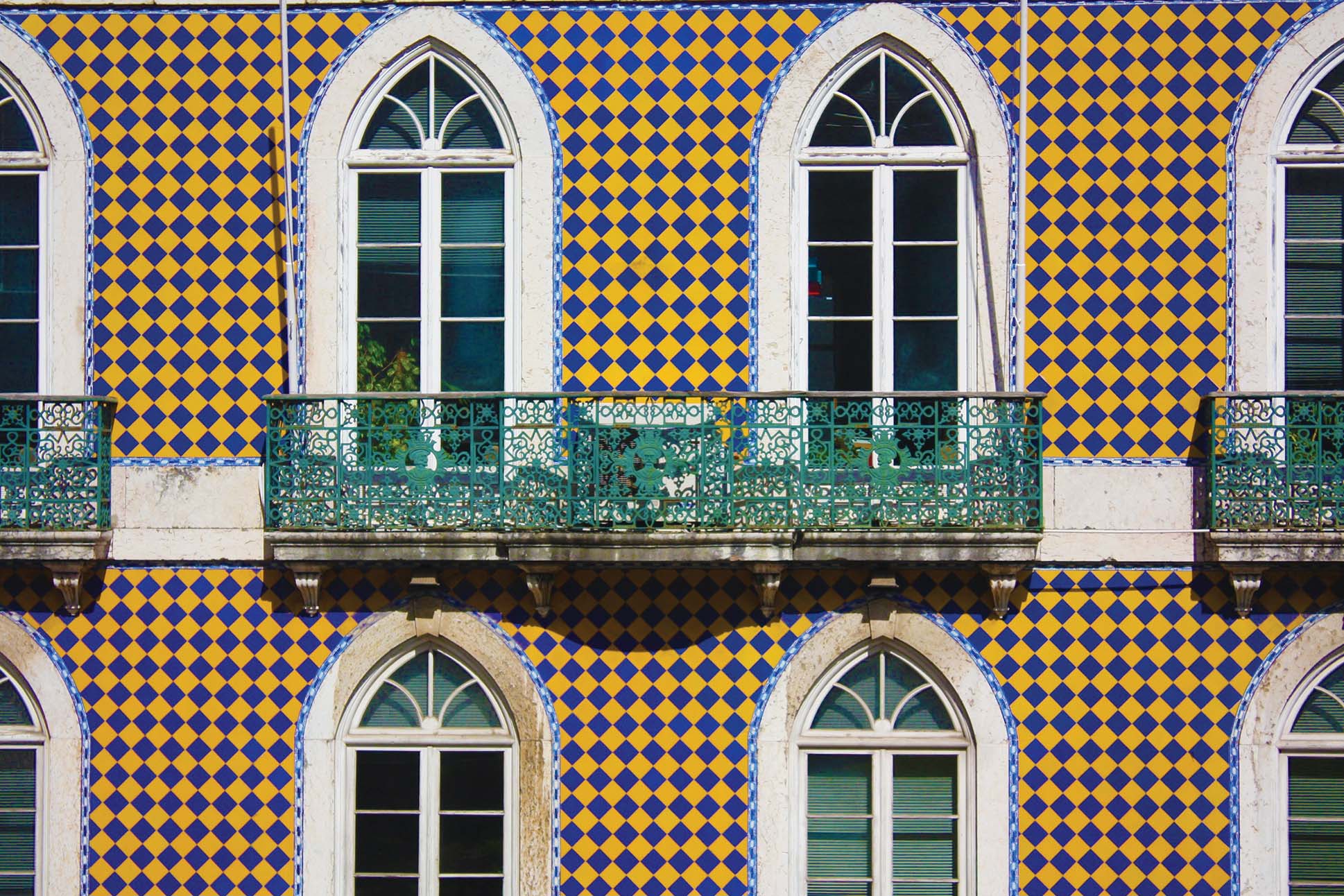
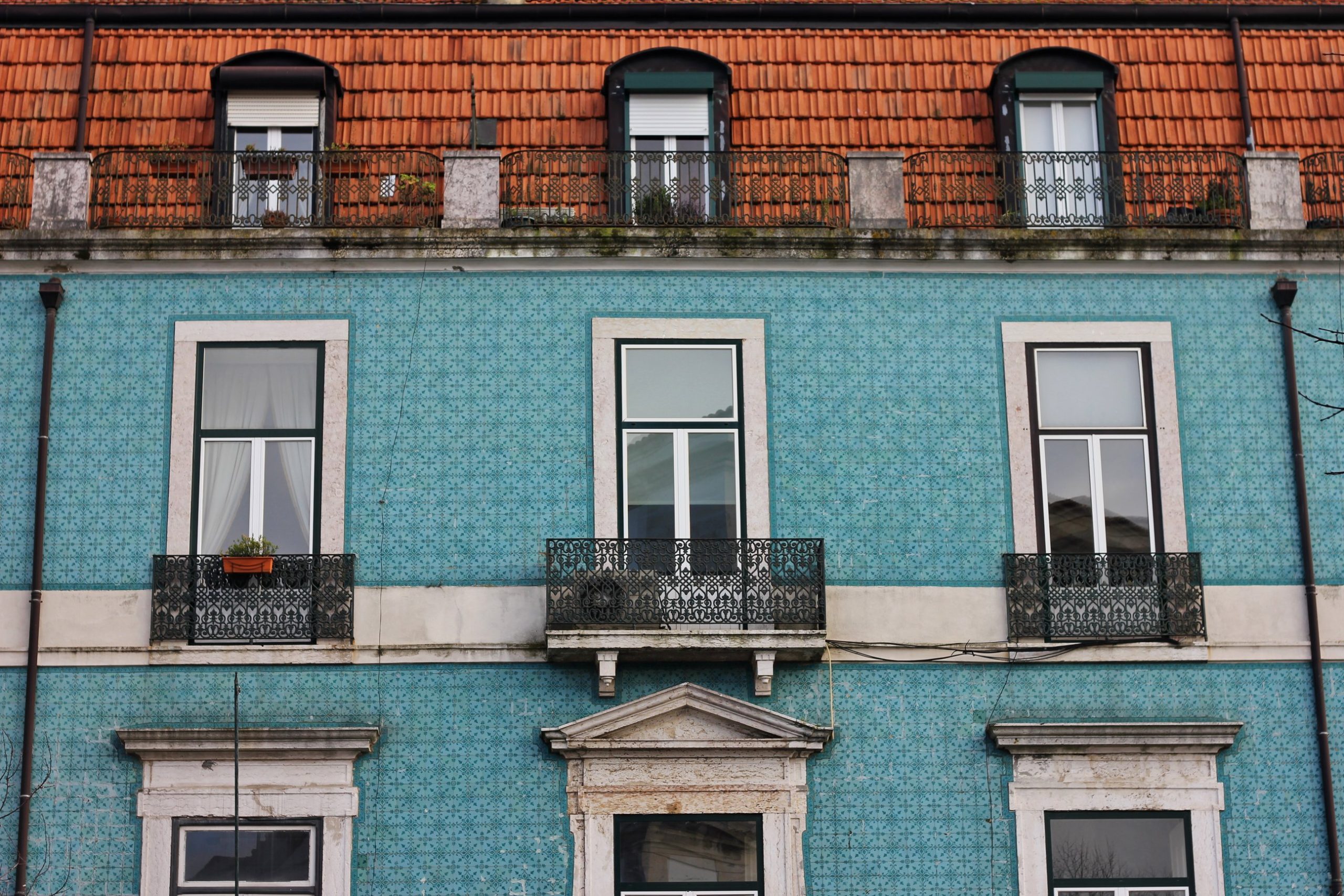
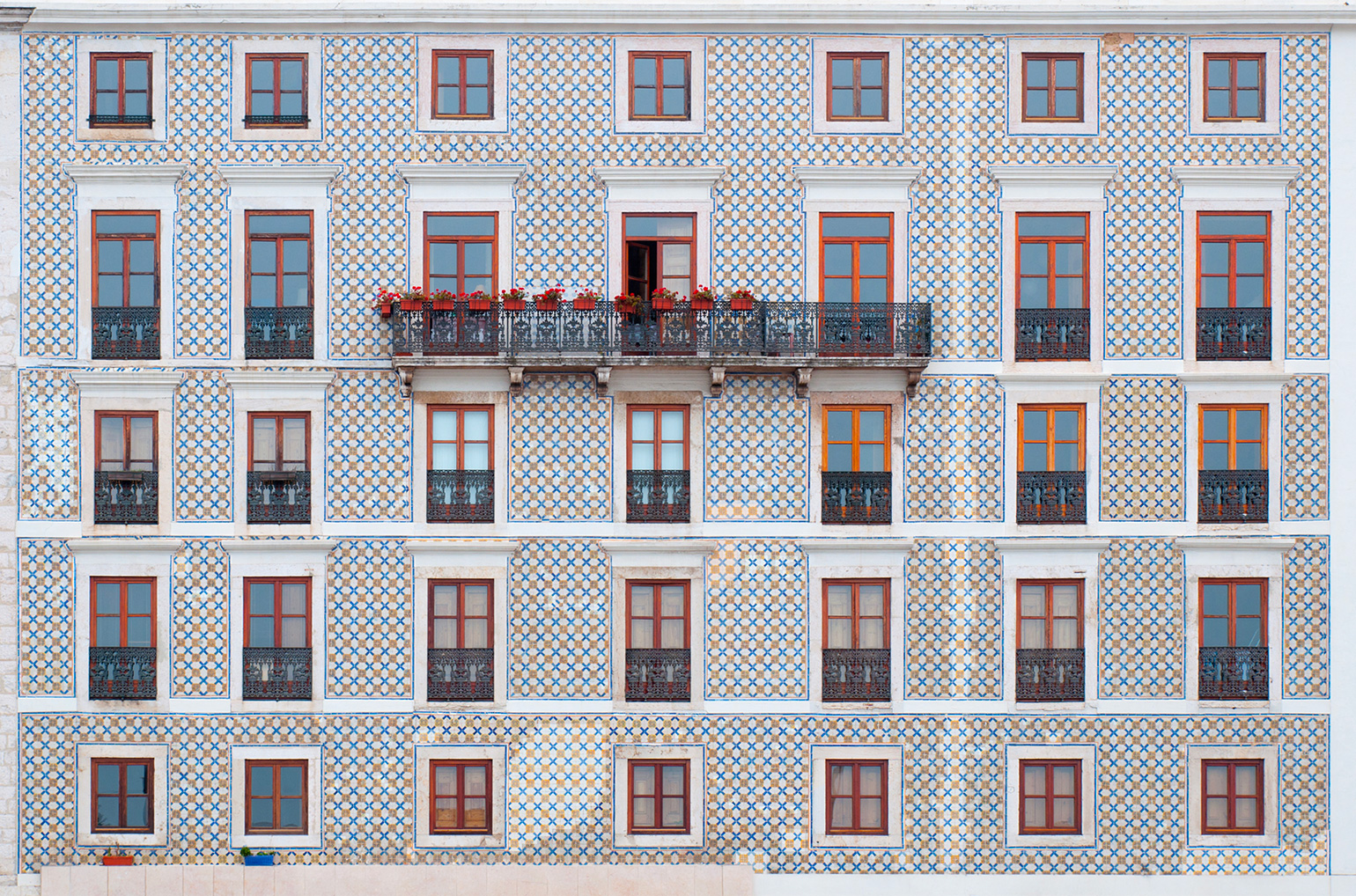
Azulejos: The Living Facades of Portugal
Of all the forms of expression that shape Portugal’s identity — from fado and wine to light and silence — few possess the same tangible presence as azulejos. They appear on walls and façades, along everyday routes, quietly accompanying the life of the country without demanding attention, yet rarely going unnoticed.
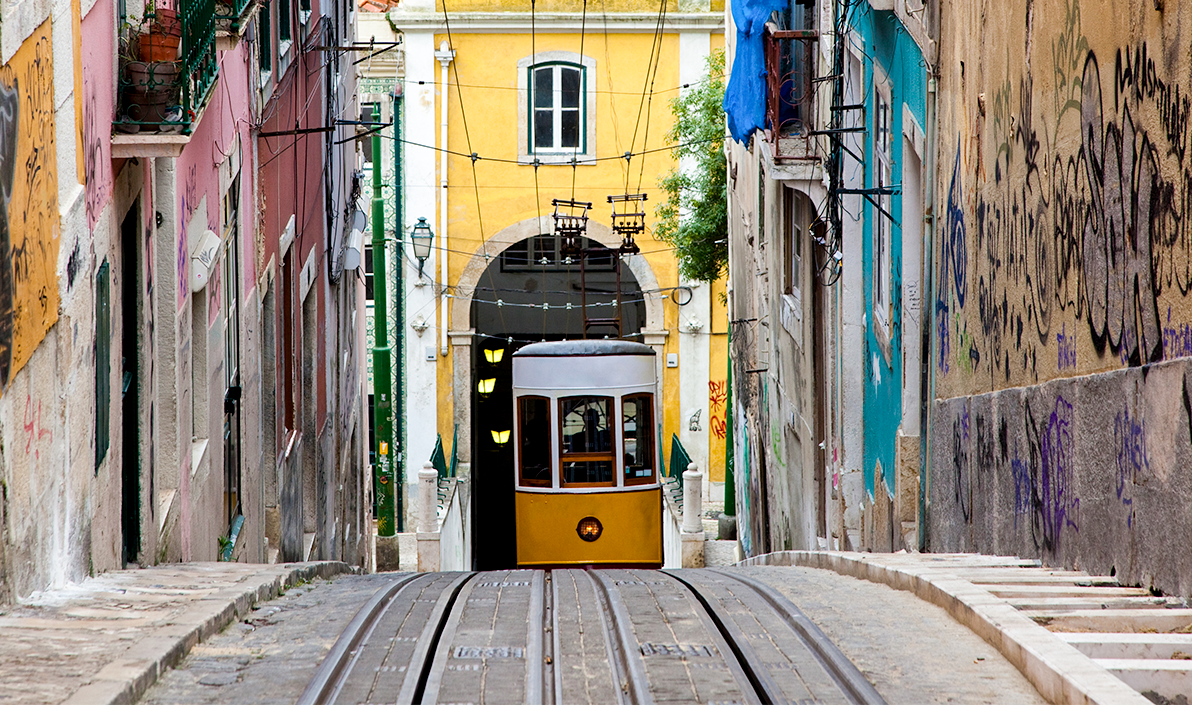
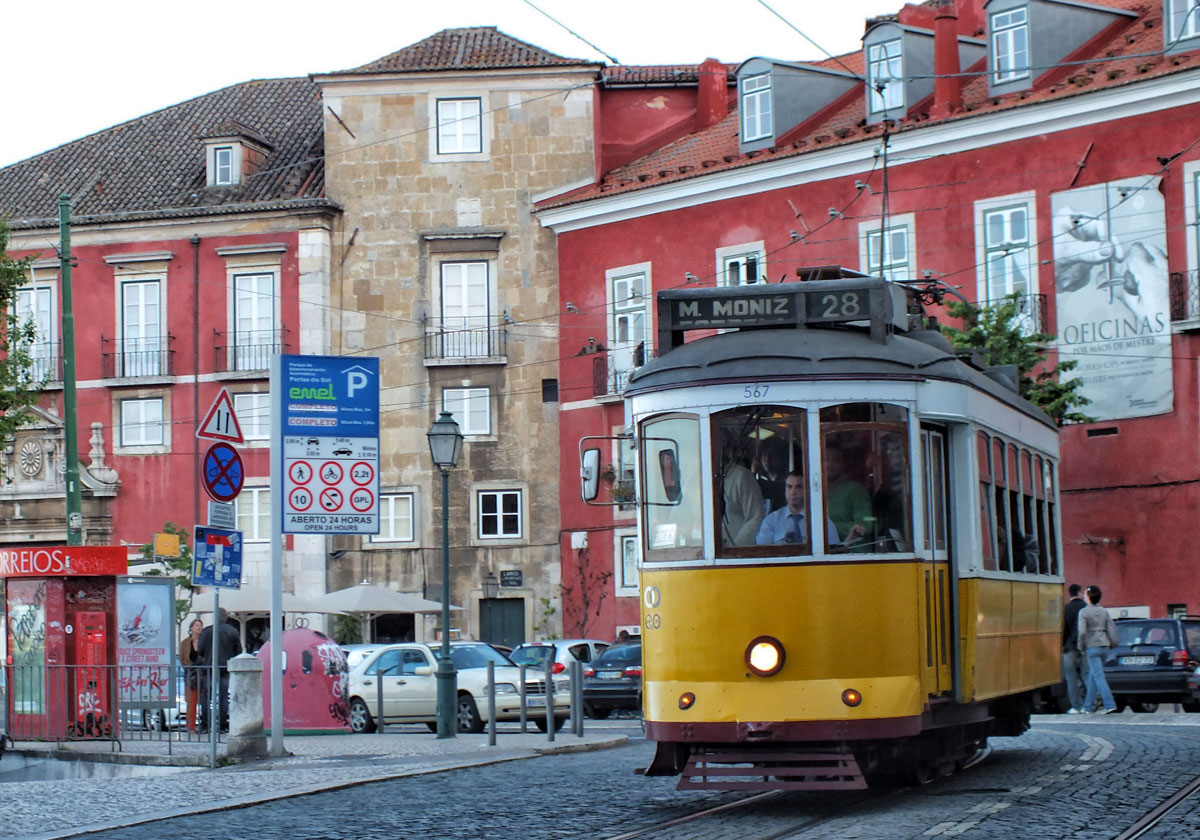
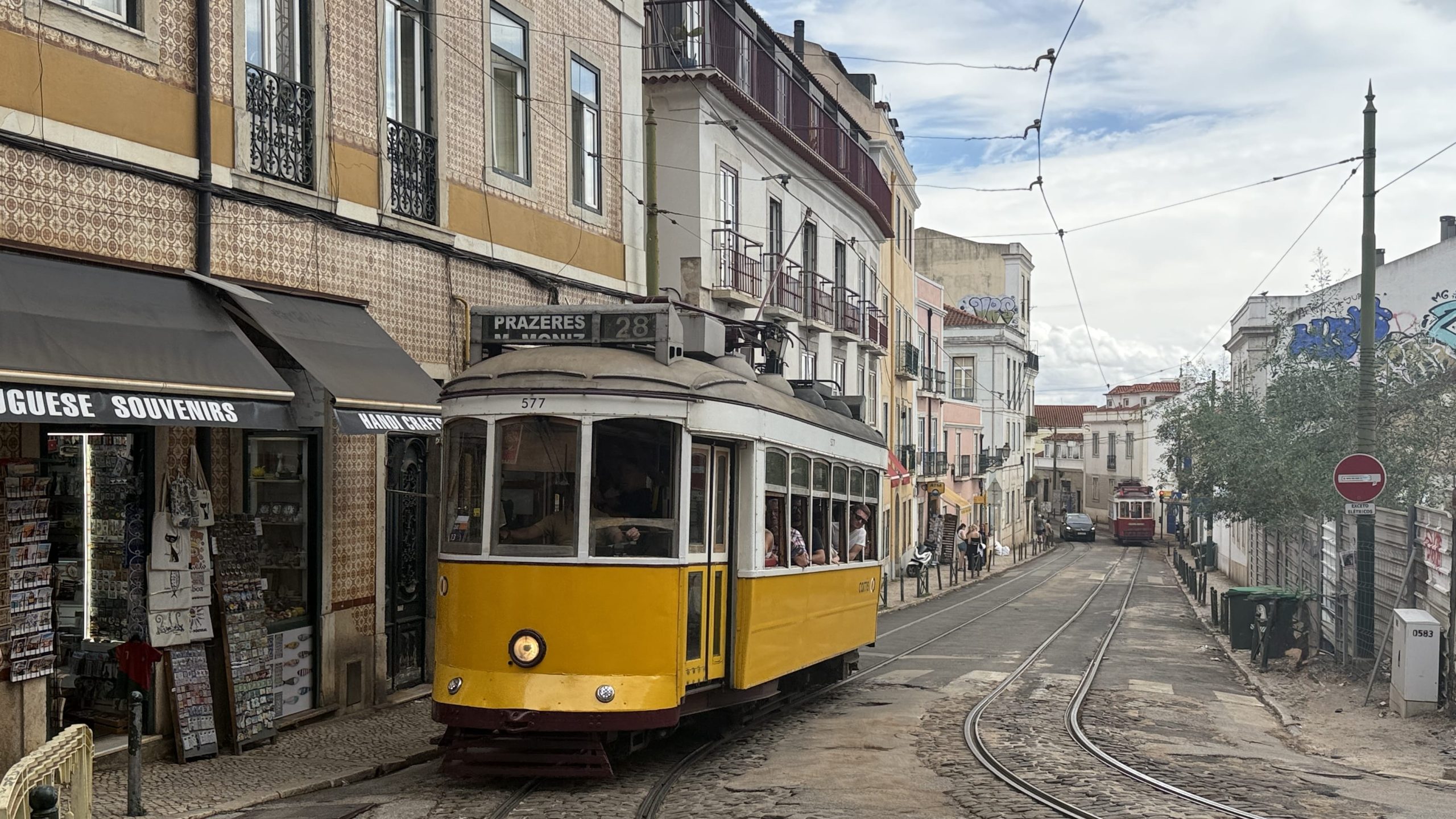
Lisbon’s Iconic Tram 28
One of the most atmospheric ways to discover the Portuguese capital, Tram 28 winds its way through historic neighbourhoods, its vintage yellow carriages passing tiled façades, narrow streets and steep hills, revealing some of the city’s most beautiful views along the way.
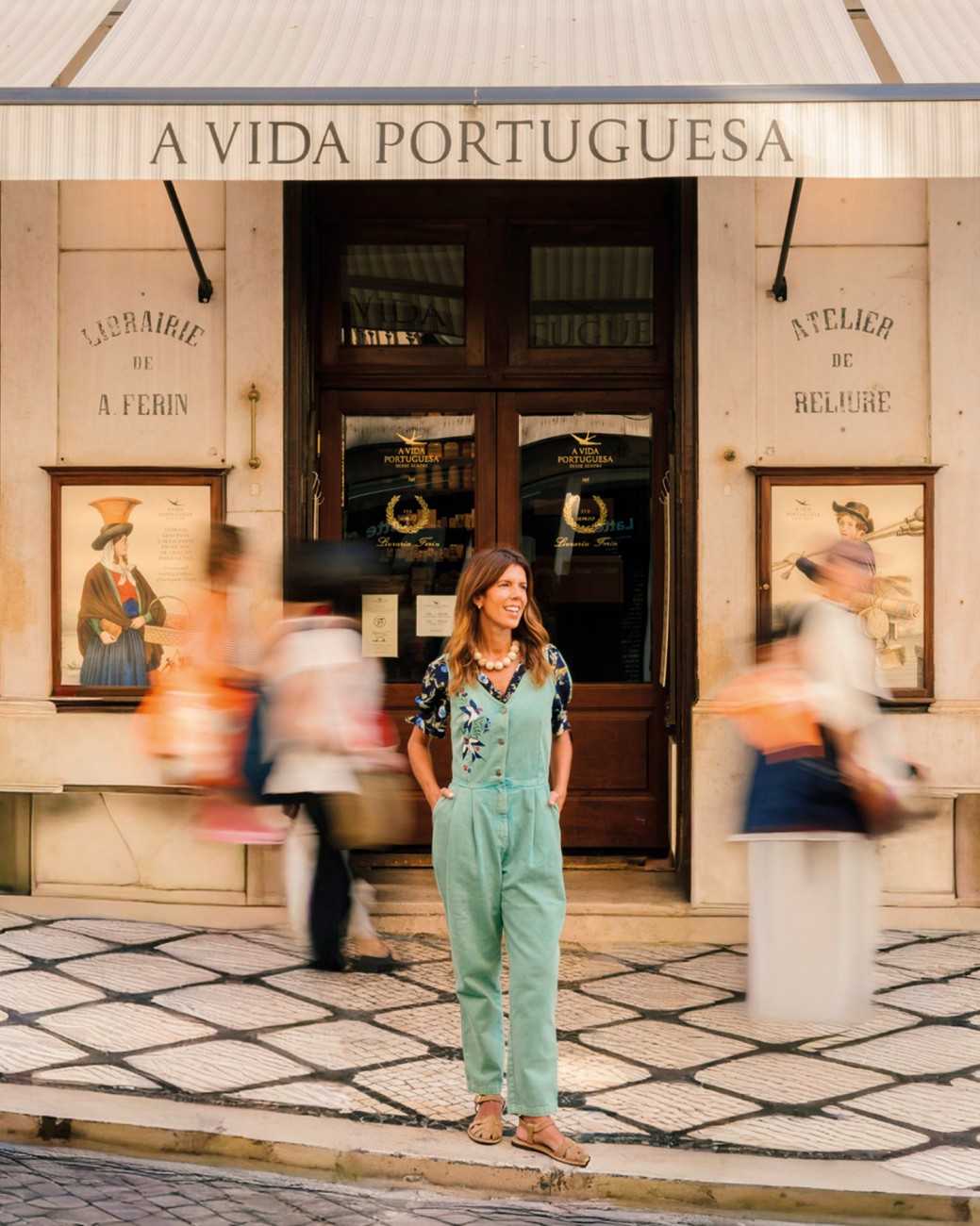
A Vida Portuguesa
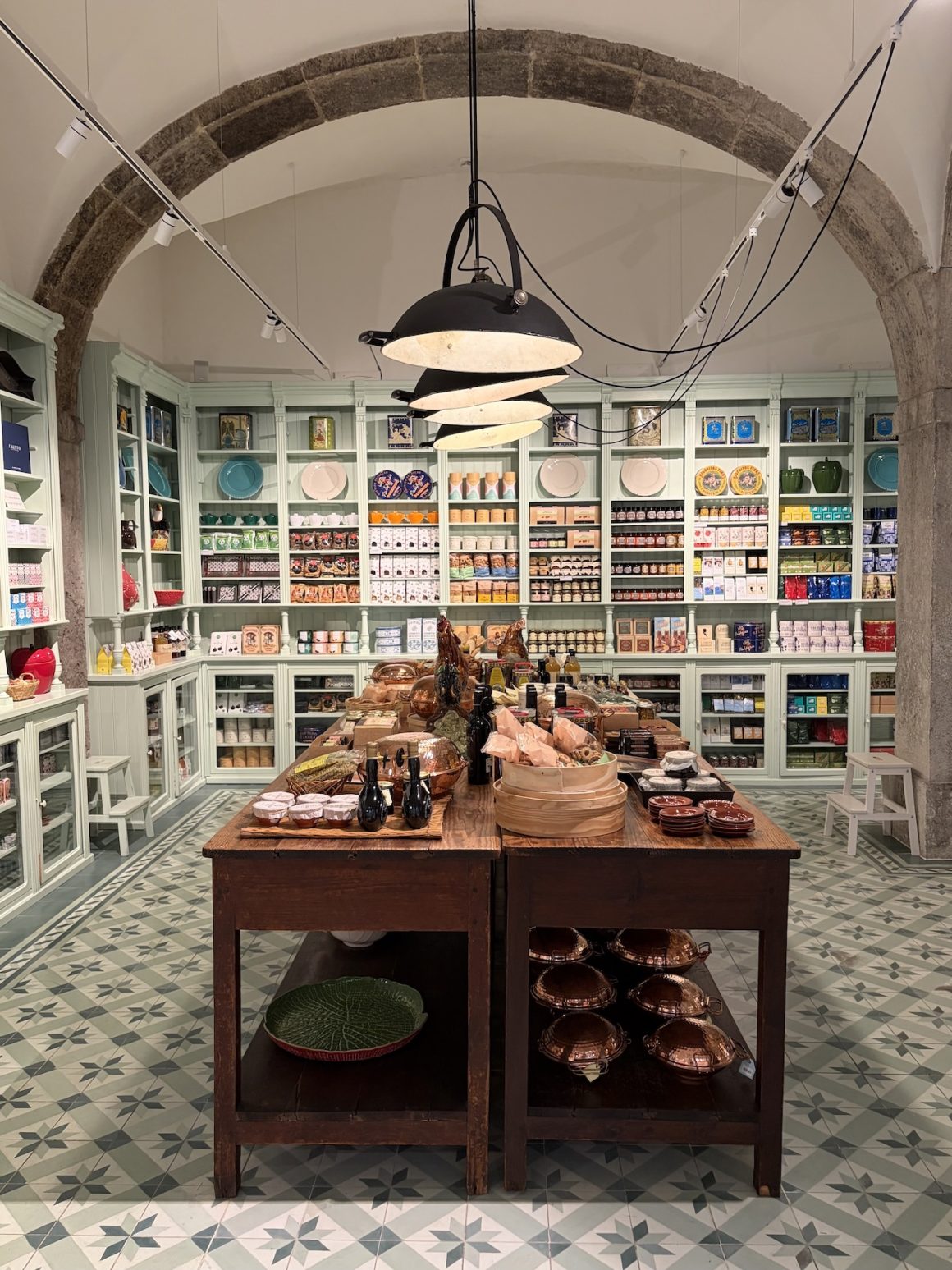
A particularly rewarding stop in Lisbon for anyone wishing to discover Portuguese aesthetics through everyday objects, traditional products and heritage brands. Its name translates as “Portuguese Life”, reflecting a philosophy centred on preserving and celebrating local craftsmanship, homegrown production and the country’s cultural heritage.
The concept grew out of journalist Catarina Portas’s research into historic Portuguese products that had retained their original packaging and traditional methods of production. Since 2007, A Vida Portuguesa has been bringing craftsmanship, local creativity and cultural memory to the fore through a carefully curated selection of soaps, ceramics, stationery, textiles, homeware and gourmet products.
For a more immersive experience, visit its Chiado store, housed in the historic Livraria Férin bookshop. Here, books, fragrances, design objects and traditional products from across Portugal come together in a thoughtful celebration of the country’s distinctive material culture.
Pastel de Nata
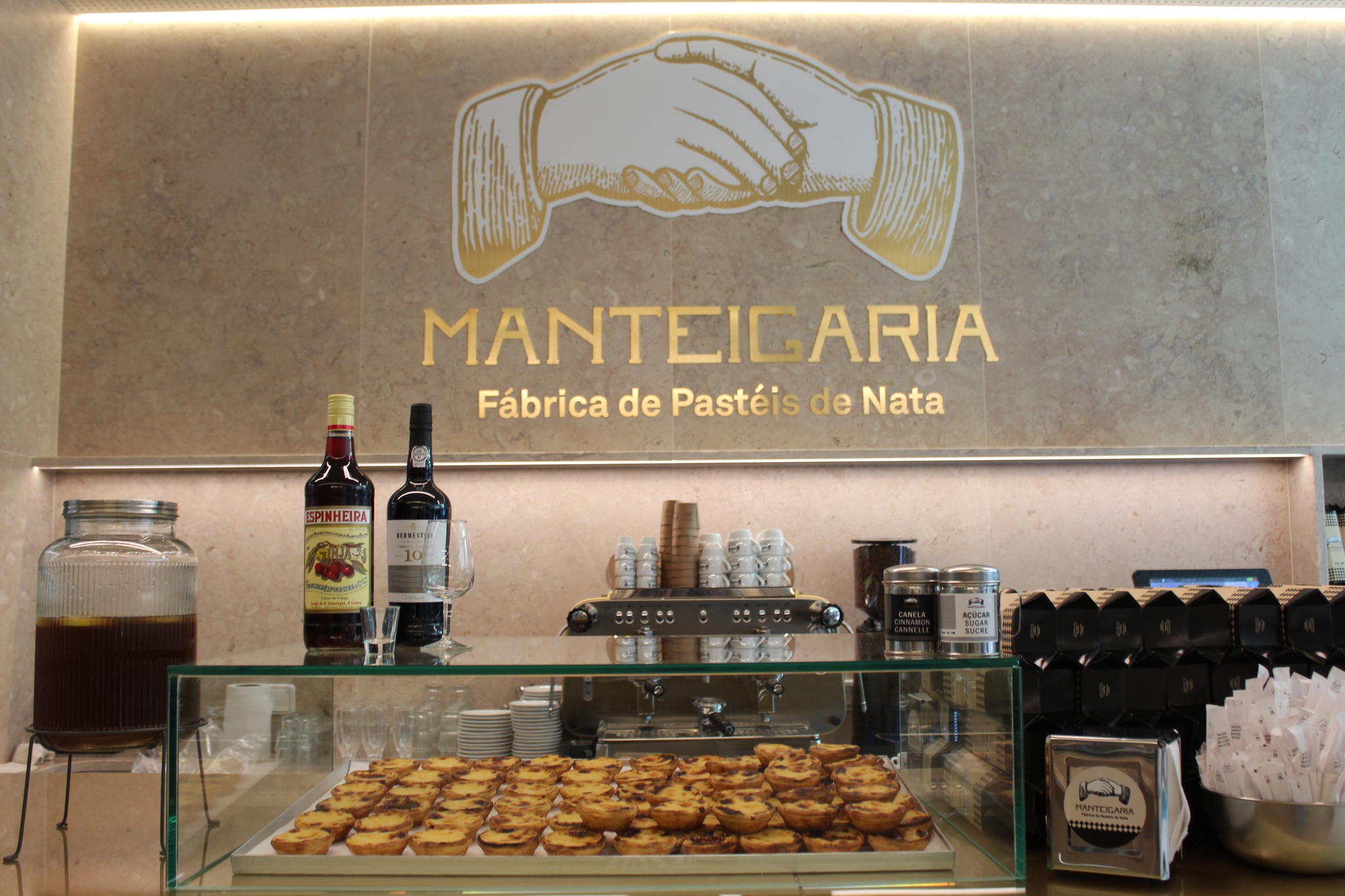
In Lisbon, Manteigaria is an essential stop for anyone wishing to savour one of Portugal’s most iconic treats: the pastel de nata. With its delicate, crisp pastry and velvety custard filling, this little tart is best enjoyed warm, straight from the oven.
Here, the experience is as much about the making as the tasting. Visitors can watch the entire process unfold, from shaping the pastry and filling each case with custard to baking the tarts to golden perfection. Whenever a fresh batch is ready, the distinctive ring of a bell announces its arrival, inviting passers-by to enjoy the pastry at its most irresistible.
The first Manteigaria opened in 2014 in Lisbon’s Chiado district, in a historic building with an Art Nouveau façade. The location preserves a connection to the former Manteigaria União, a butter-trading cooperative — a fitting reference to one of the essential ingredients of Portugal’s beloved custard tart.
The original shop is at Rua do Loreto 2, in Chiado, near Praça Luís de Camões. Other locations can be found throughout Lisbon, including on Rua Augusta and inside the Time Out Market.
Zara Lisbon: A Flagship in the Heart of the City
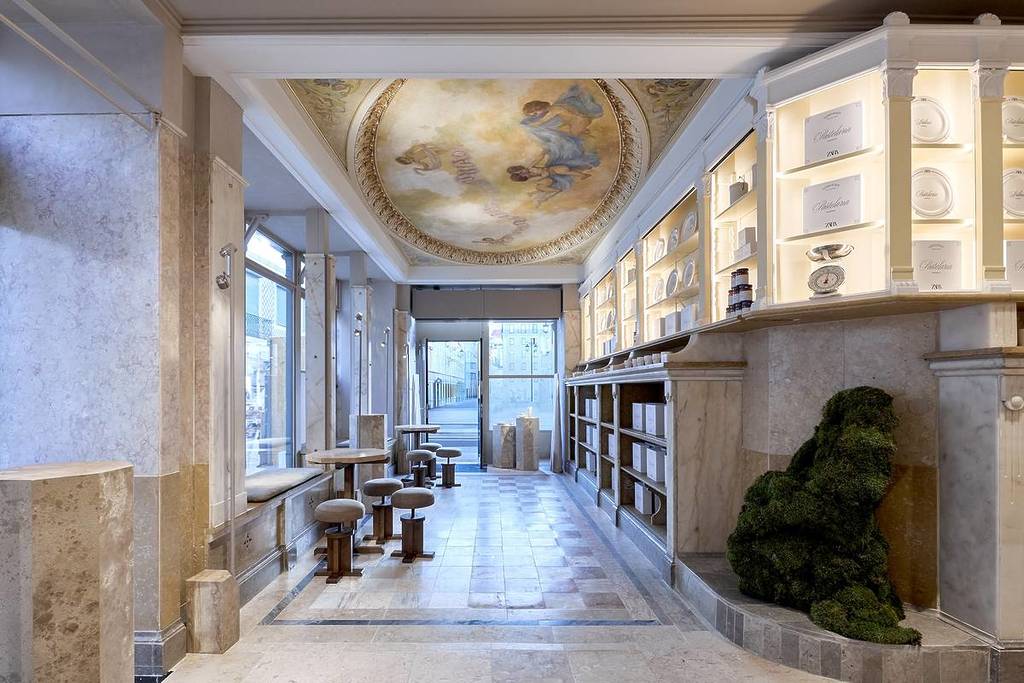
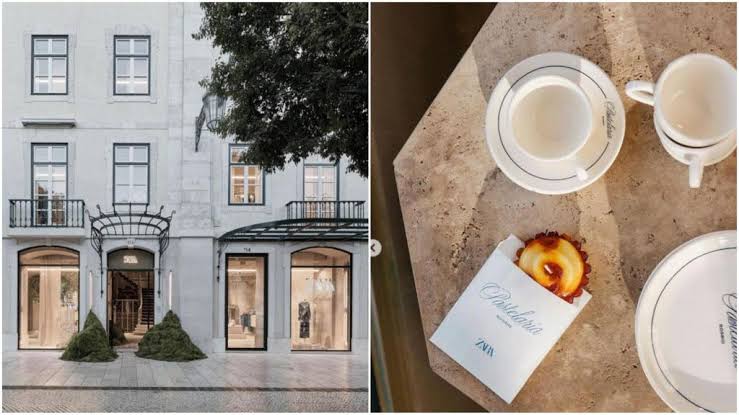
In the heart of Lisbon, on the iconic Rossio Square (Praça D. Pedro IV), Zara occupies an impressive multi-storey flagship that brings contemporary retail into dialogue with the historic character of the Portuguese capital. Presented as one of the brand’s most emblematic stores, the space celebrates the building’s architectural heritage while drawing on local craftsmanship through a contemporary design language.
The architectural vision of Elsa Urquijo Arquitectos brings together the site’s historic identity and Zara’s distinctive aesthetic, creating an environment where fashion, architecture and cultural heritage converge.
JNcQUOI Lisbon: A World of Food, Fashion and Design
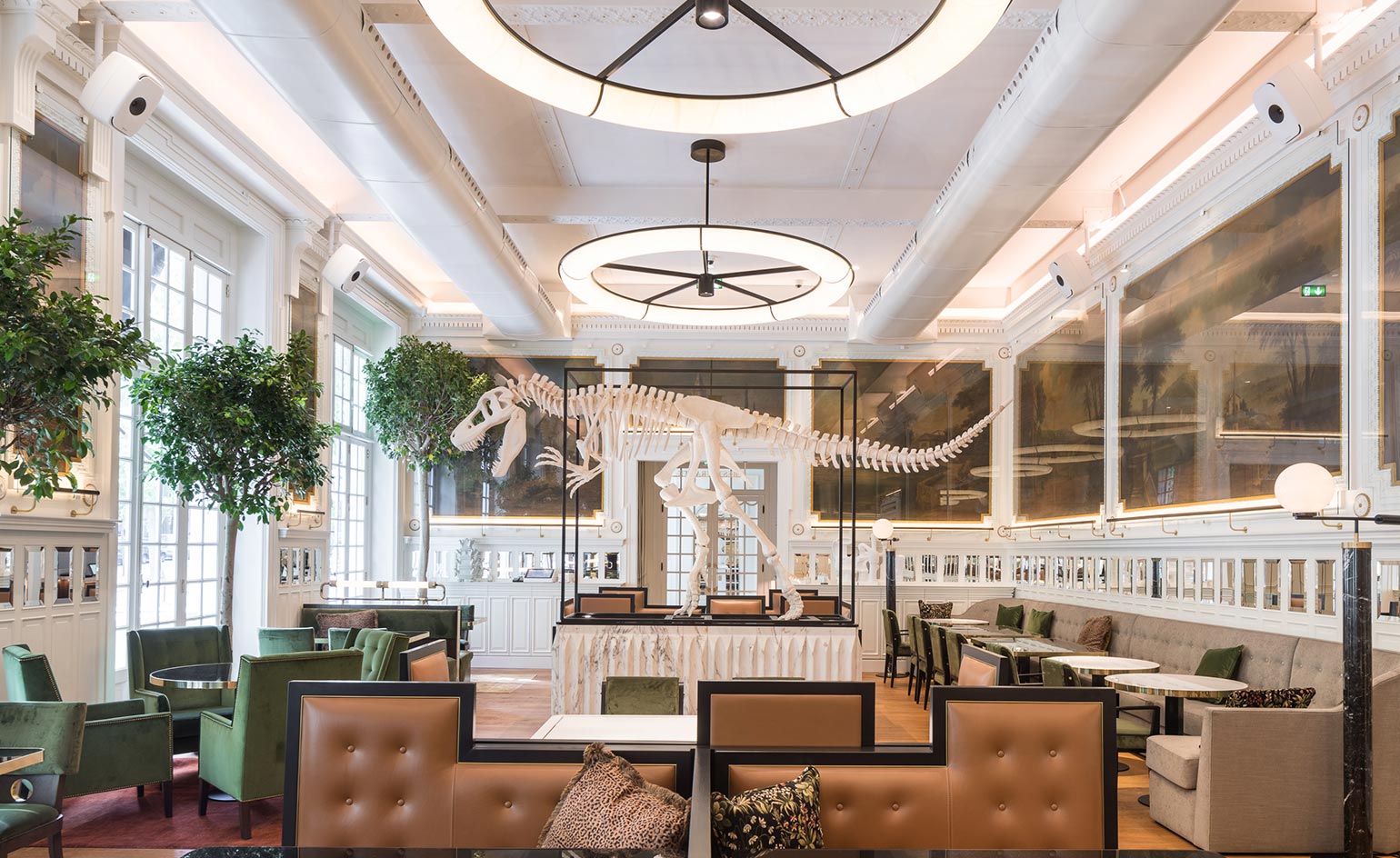
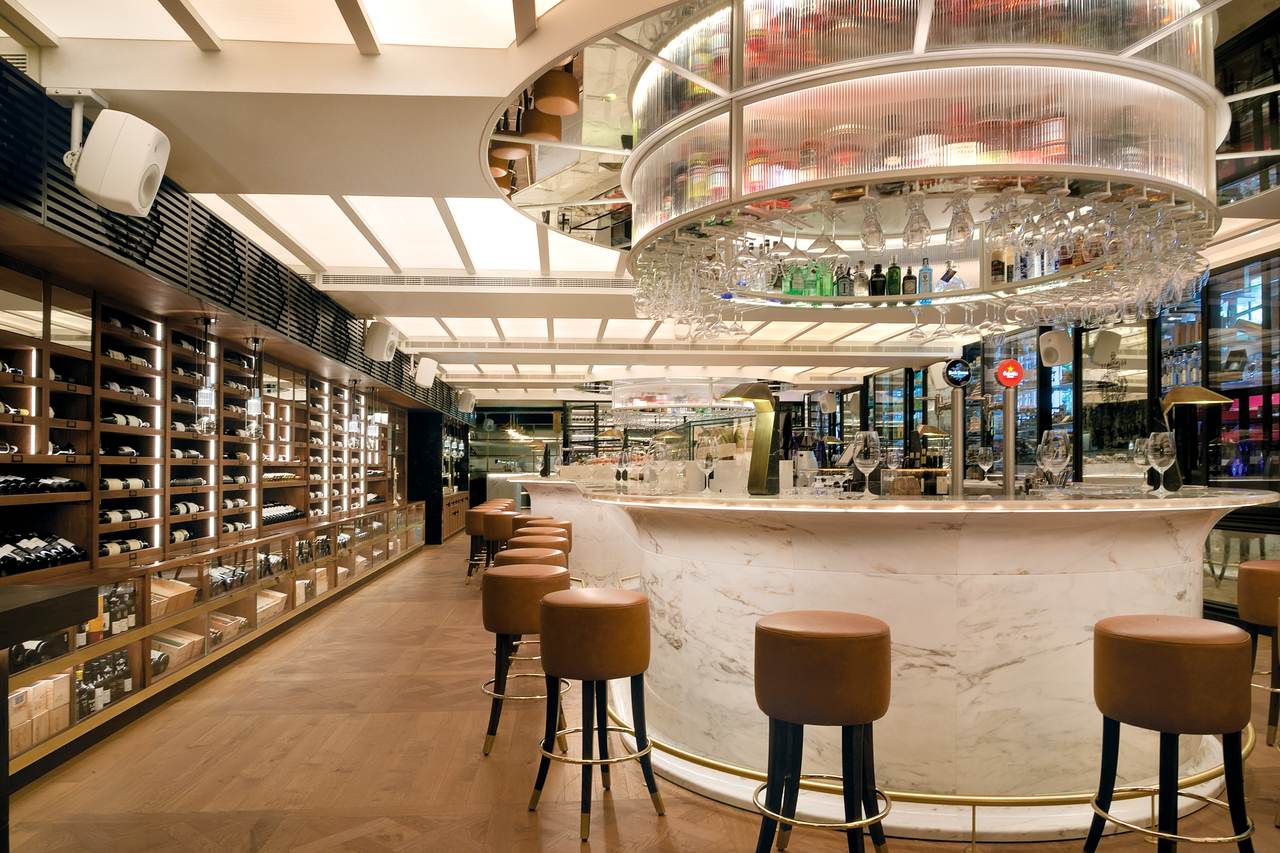
Set along Avenida da Liberdade, within the historic Tivoli Theatre building, JNcQUOI is one of Lisbon’s most distinctive luxury lifestyle destinations. Bringing together gastronomy, fashion and culture under one roof, it offers an experience that extends well beyond the traditional restaurant setting.
The complex encompasses a restaurant reinterpreting Portuguese and international cuisine, Delibar, with its selection of fine wines and gourmet products, as well as carefully curated offerings from publishing house Assouline, French pâtisserie Ladurée and fashion boutique Fashion Clinic.
For travellers drawn to design, architecture, fashion and gastronomy, JNcQUOI offers an intriguing glimpse into the cosmopolitan side of the Portuguese capital.
Café A Brasileira: The Literary Heart of Lisbon
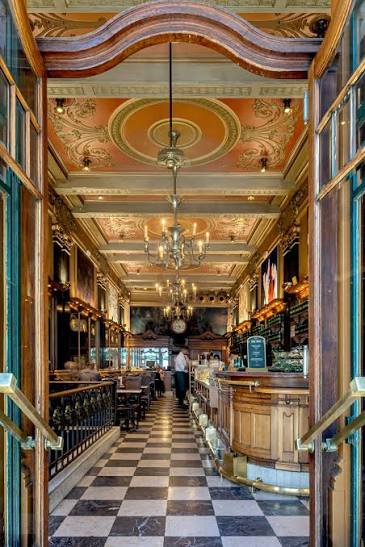
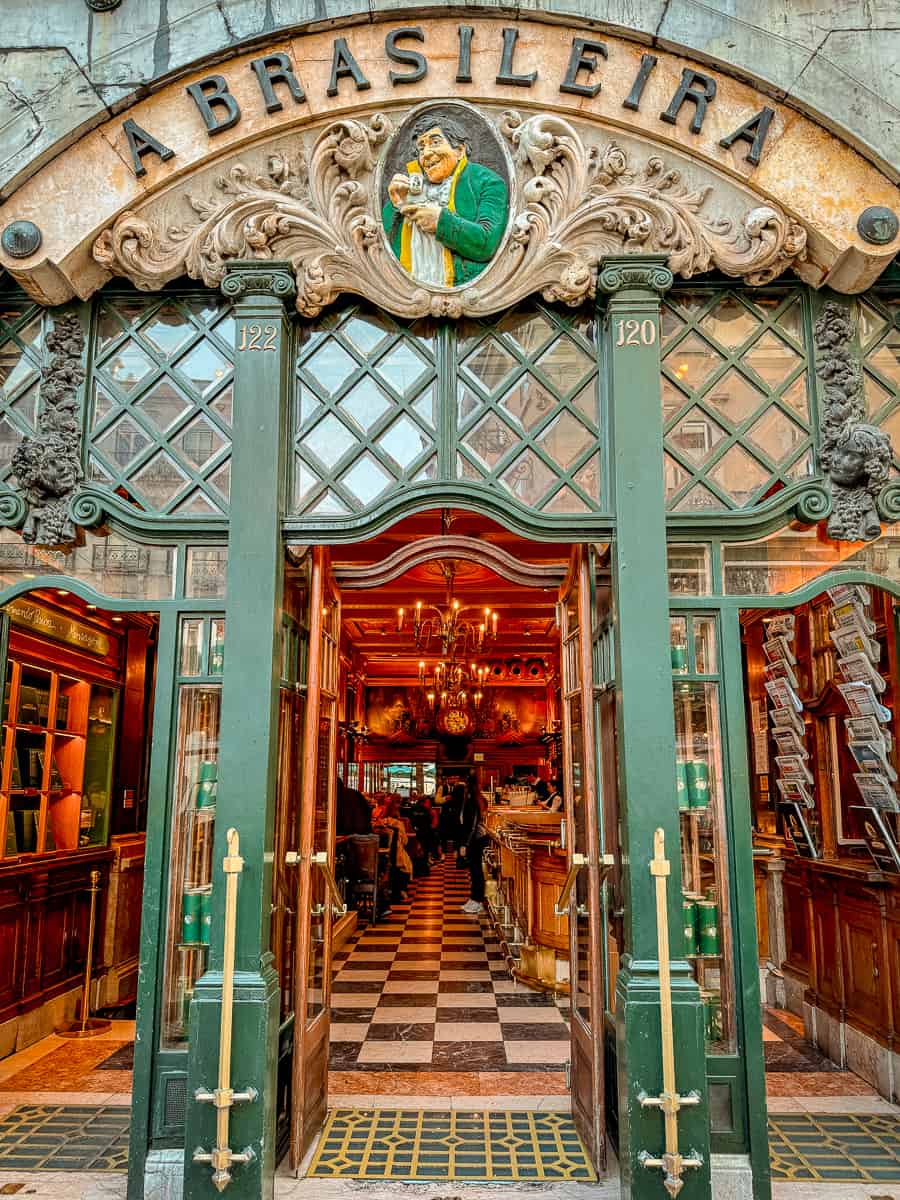
In the heart of Chiado, Café A Brasileira is one of Lisbon’s most iconic historic cafés. It opened in 1905 with the aim of introducing Brazilian coffee to the city’s residents, and soon became a gathering place for writers, poets, artists and intellectuals.
Among its most celebrated patrons was the poet Fernando Pessoa, whose bronze statue now sits at an outdoor table, making it one of the city’s most recognisable landmarks. The café was also associated with the literary circle Orpheu, which played a significant role in the development of Portuguese modernism.
With its historic interiors, decorative details and lively atmosphere, A Brasileira preserves something of the cosmopolitan spirit of another era. It is a place to pause for a bica — the Portuguese word for an espresso — and step briefly into the literary memory of the city.
Palácio Fronteira: A Masterpiece of Azulejos in Lisbon
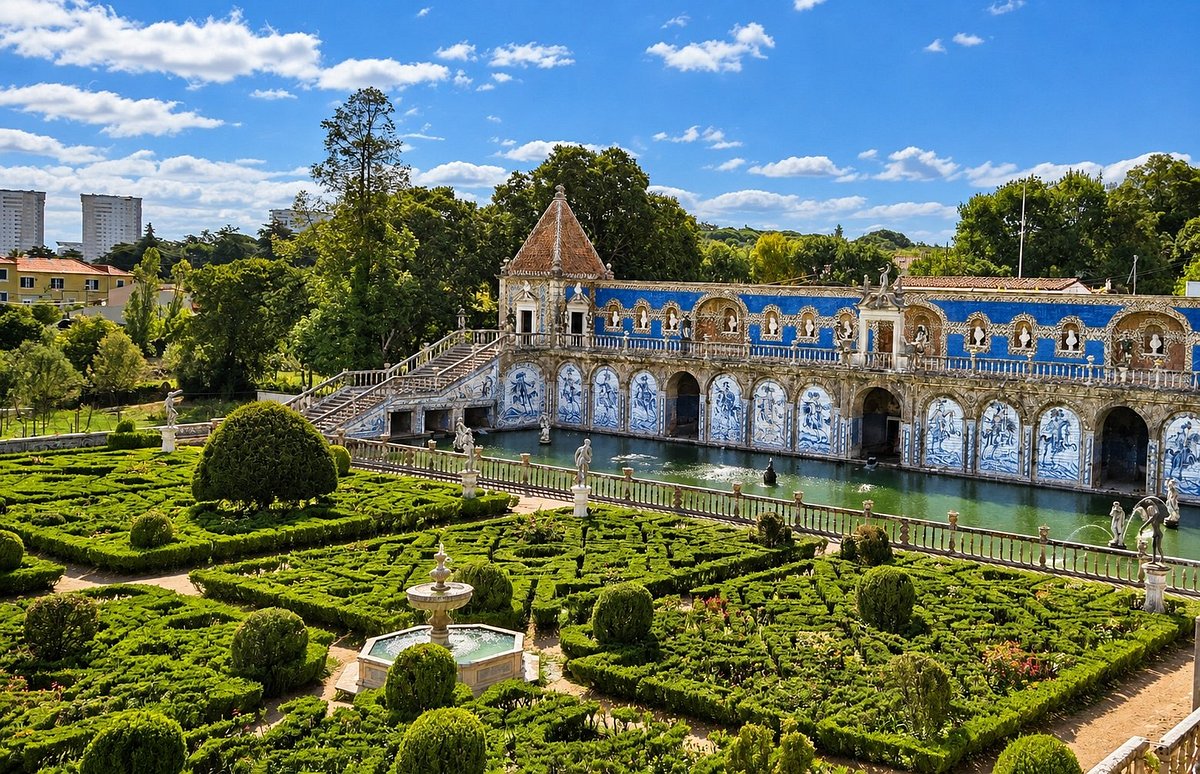
In a quieter corner of Lisbon, away from the bustle of the historic centre, Palácio Fronteira is one of the most remarkable places to discover Portuguese azulejos in their original setting. Built around 1670 as a country residence and hunting pavilion for the Mascarenhas family, the palace preserves one of the finest collections of 17th-century tiles still in situ, in the very places for which they were originally created.
Its history unfolds through blue-and-white compositions that adorn the rooms, corridors and exterior façades. Mythological scenes, historical events and pastoral landscapes sit alongside intricate ornamental patterns, while the grand tile panels in the Sala das Batalhas (Hall of Battles) recount episodes from the Portuguese Restoration War, fought to regain the country’s independence.
The palace gardens are equally captivating, with azulejos in dialogue with fountains, pools, sculptures and carefully ordered planting. Among their highlights are the Galeria dos Reis (Gallery of Kings), lined with busts of Portuguese monarchs, and the great ornamental pool, whose ceramic panels depict twelve knights believed to represent ancestors of the family.
What makes Palácio Fronteira particularly special is that it remains more than a monument to the past: it is still inhabited by descendants of the family that created it. A living historic residence where art, architecture and everyday life remain inextricably intertwined.
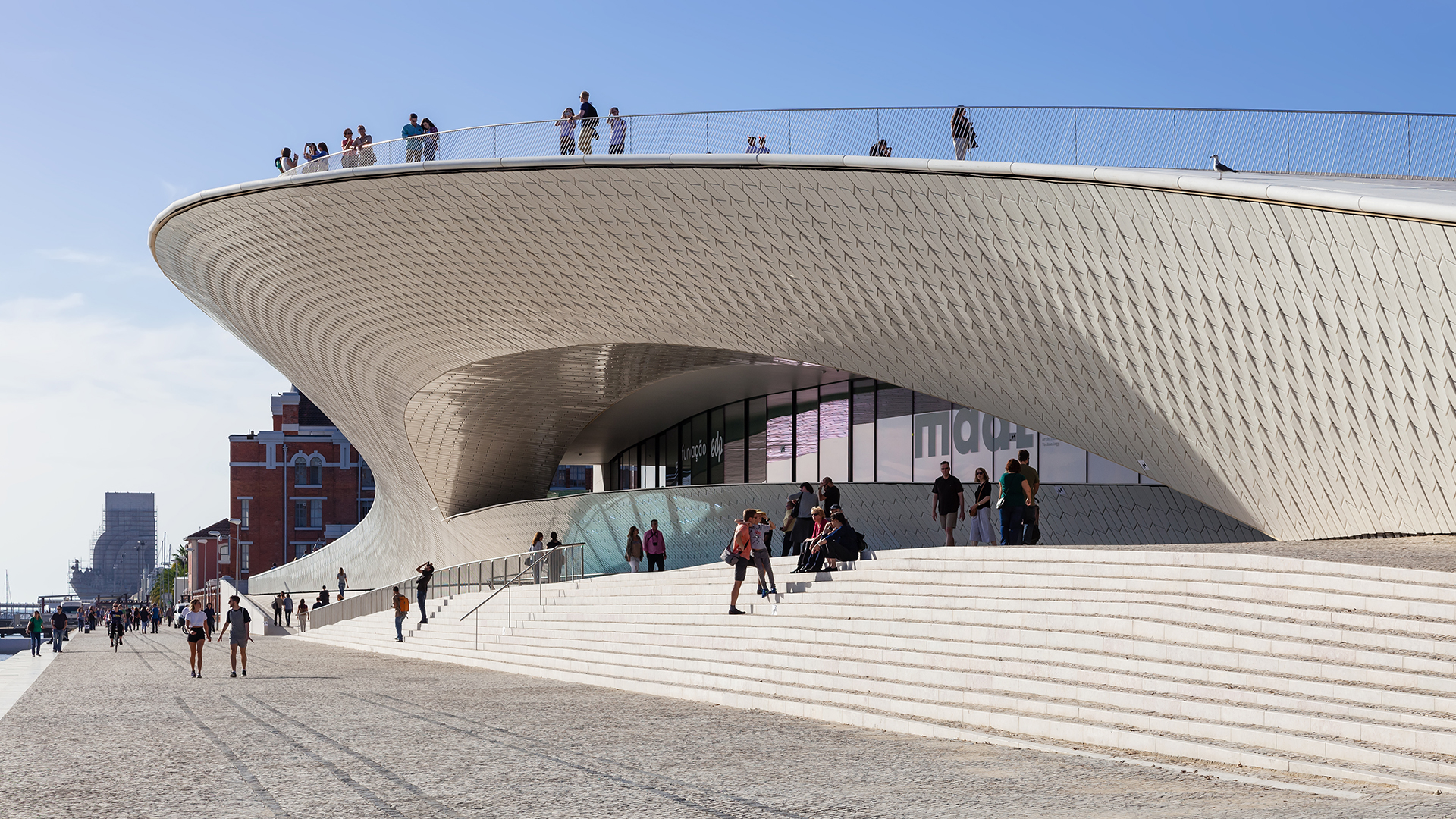
MAAT Lisbon: Where Art, Architecture and the Tagus River Converge
Set on the banks of the Tagus in Lisbon’s Belém district, MAAT — the Museum of Art, Architecture and Technology — is one of the Portuguese capital’s most distinctive contemporary cultural destinations. Inaugurated in October 2016, it was conceived as a meeting point for art, architecture and technology, bringing them into dialogue through exhibitions and programmes that explore our relationship with the world around us and the environment.
Designed by Amanda Levete’s architectural practice, AL_A, the MAAT Gallery building stands out for its low, organic form, flowing curves and white ceramic cladding, which reflects the changing light. Its architecture appears to emerge seamlessly from the landscape, while its accessible rooftop extends the public realm, offering panoramic views across the river and towards the 25 de Abril Bridge.
The experience continues at MAAT Central, a former power station dating back to 1908, where industrial architecture and historic machinery preserve the memory of Lisbon’s energy heritage. The two buildings are connected by the MAAT Garden, an open-air space stretching along the Tagus and hosting artworks and outdoor cultural events.
For those with an interest in contemporary architecture, MAAT is more than a museum. It is a meeting point between building, landscape and city, where architecture itself becomes an integral part of the cultural experience.
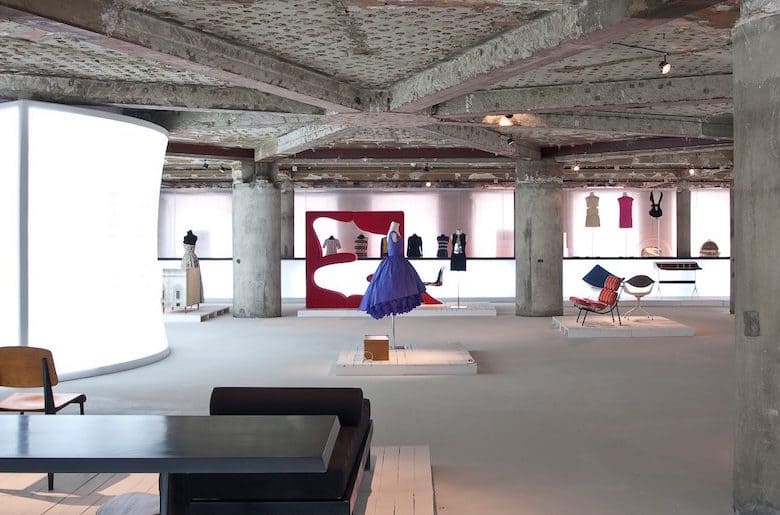
MUDE Lisbon: The Museum of Design and Fashion
In the heart of Lisbon’s historic Baixa district, just a few steps from Praça do Comércio, MUDE — Museu do Design is a key destination for anyone interested in design, fashion and the ways in which objects shape everyday life. Housed in the former Banco Nacional Ultramarino building on Rua Augusta, the museum reopened to the public in July 2024, following an extensive renovation.
Its collection spans a wide range of design disciplines, from furniture, lighting and everyday objects to fashion, jewellery and graphic design. Through a changing programme of exhibitions, the museum explores the evolution of Portuguese and international design, raising questions about how objects are conceived, made and communicated — and how, ultimately, they find their place in our lives.
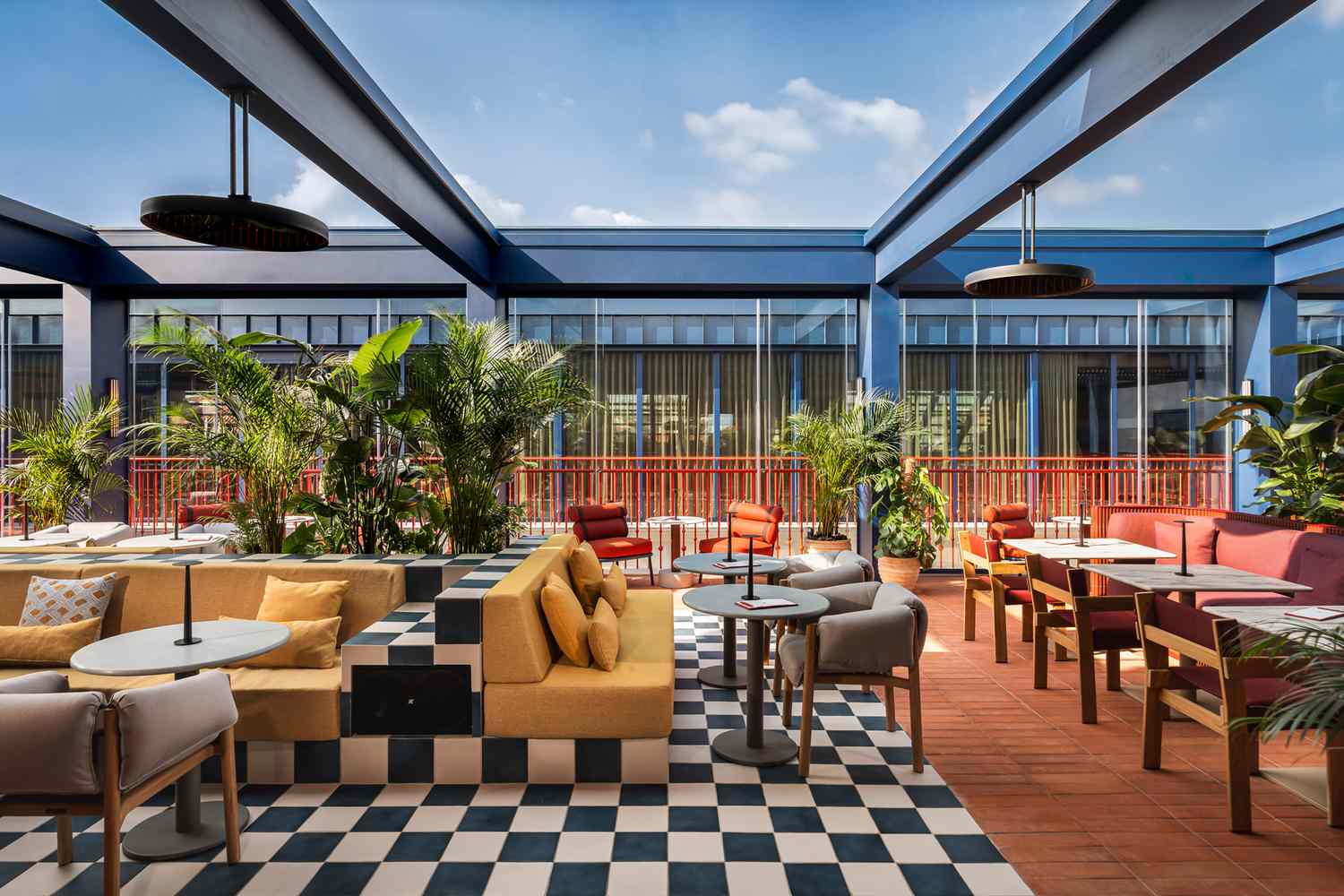
Andaz Lisbon: A Contemporary Expression of Portuguese Identity
In Lisbon’s historic Baixa district, just steps from Praça do Comércio and the Tagus River, Andaz Lisbon brings a fresh perspective to contemporary luxury hospitality in the Portuguese capital. Hyatt’s first Andaz-branded hotel in Portugal opened in March 2026, occupying a collection of historic buildings in the heart of the city.
The interiors were designed by Studio Urquiola, under the creative direction of Patricia Urquiola, in collaboration with Mörschel Arquitectos. Drawing inspiration from Lisbon’s layered cultural identity, the design brings together traditional Portuguese materials — including cork, stone and ceramic tiles — with bold colours, distinctive textures and contemporary artworks. The result strikes a balance between historical memory and a more daring, contemporary aesthetic.
The hotel features 170 rooms and suites, while its culinary offering unfolds through two distinct experiences. On the rooftop, Luzzi reinterprets Lusitanian cuisine through a contemporary lens, drawing inspiration from Portugal’s historic connections with destinations such as Goa, Macau and São Paulo. On the ground floor, Andaz Lounge evokes the atmosphere of Lisbon’s traditional kiosks, creating a convivial meeting place for Portuguese flavours and cocktails.
Read More https://theauthentics.gr/andaz-lisbon-designed-by-patricia-urquiola/