Housed in a 1920s building on Tsimiski Street, The Trilogy House is reintroduced through the renovation of its existing rooms and the creation of eight new ones. Now comprising 18 rooms, along with a renewed entrance, reception and communal areas, The Trilogy House further develops the distinctive aesthetic that has defined it from the very beginning. Colour, original design pieces and a mix of different materials remain at its core, this time with an even more striking presence throughout the building.
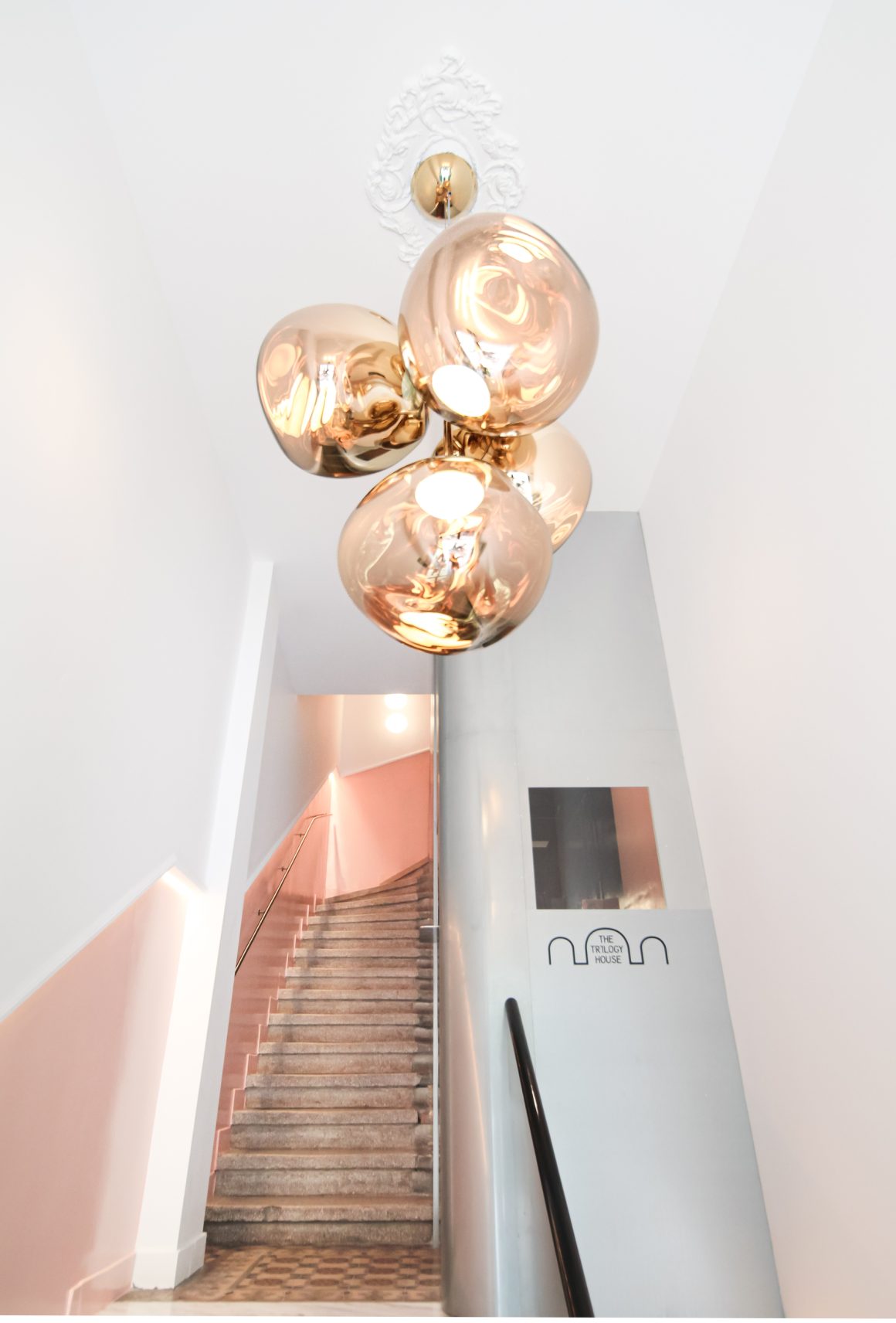
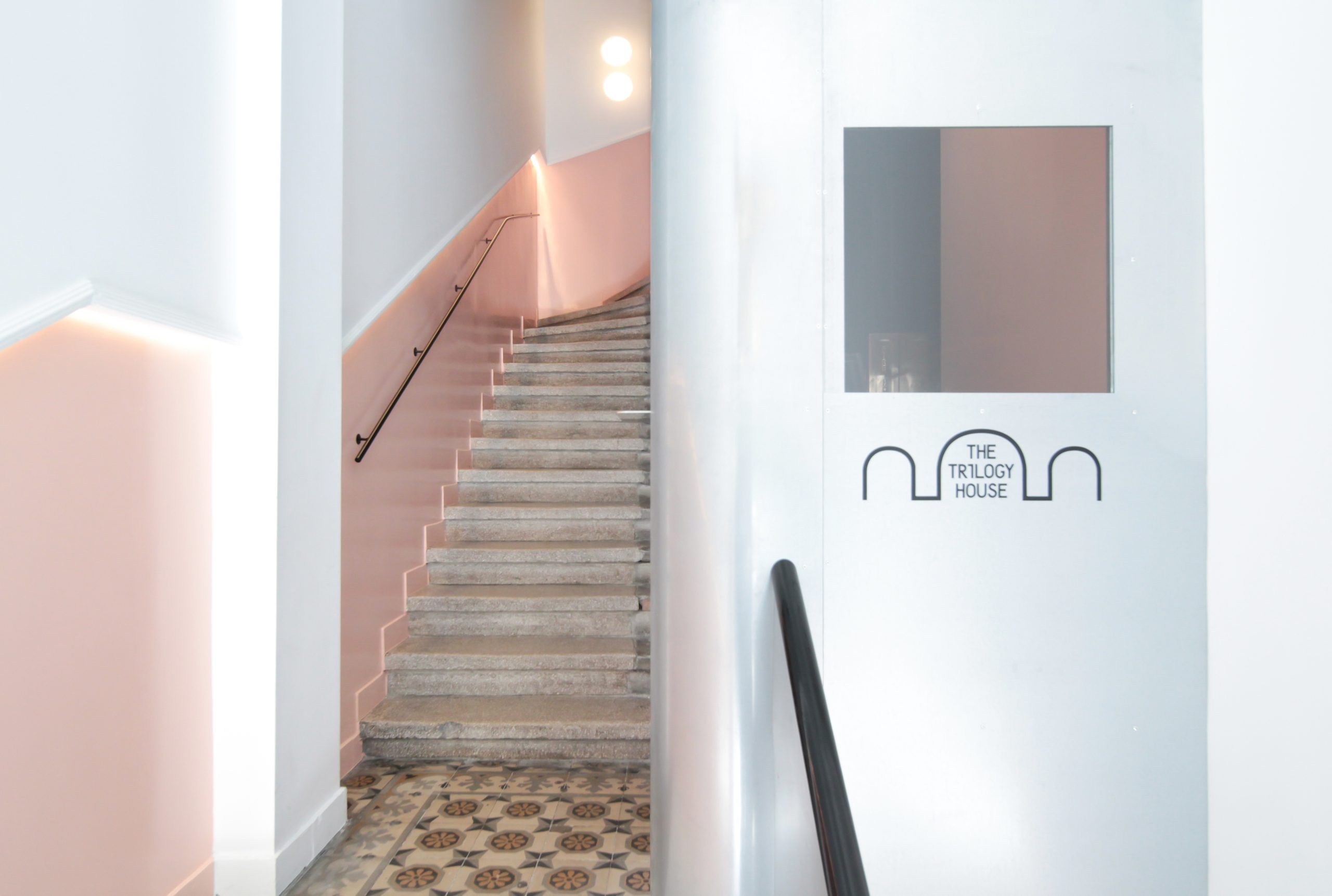
The transformation is already evident from Tsimiski Street. At the renewed entrance, galvanised sheet metal becomes the key material, shaping a curved metal structure with an almost sculptural presence that adds depth and volume to the reception area. Above the entrance, a golden Melt Chandelier by Tom Dixon can be seen from the pavement, extending The Trilogy House’s bold design identity out onto the street.
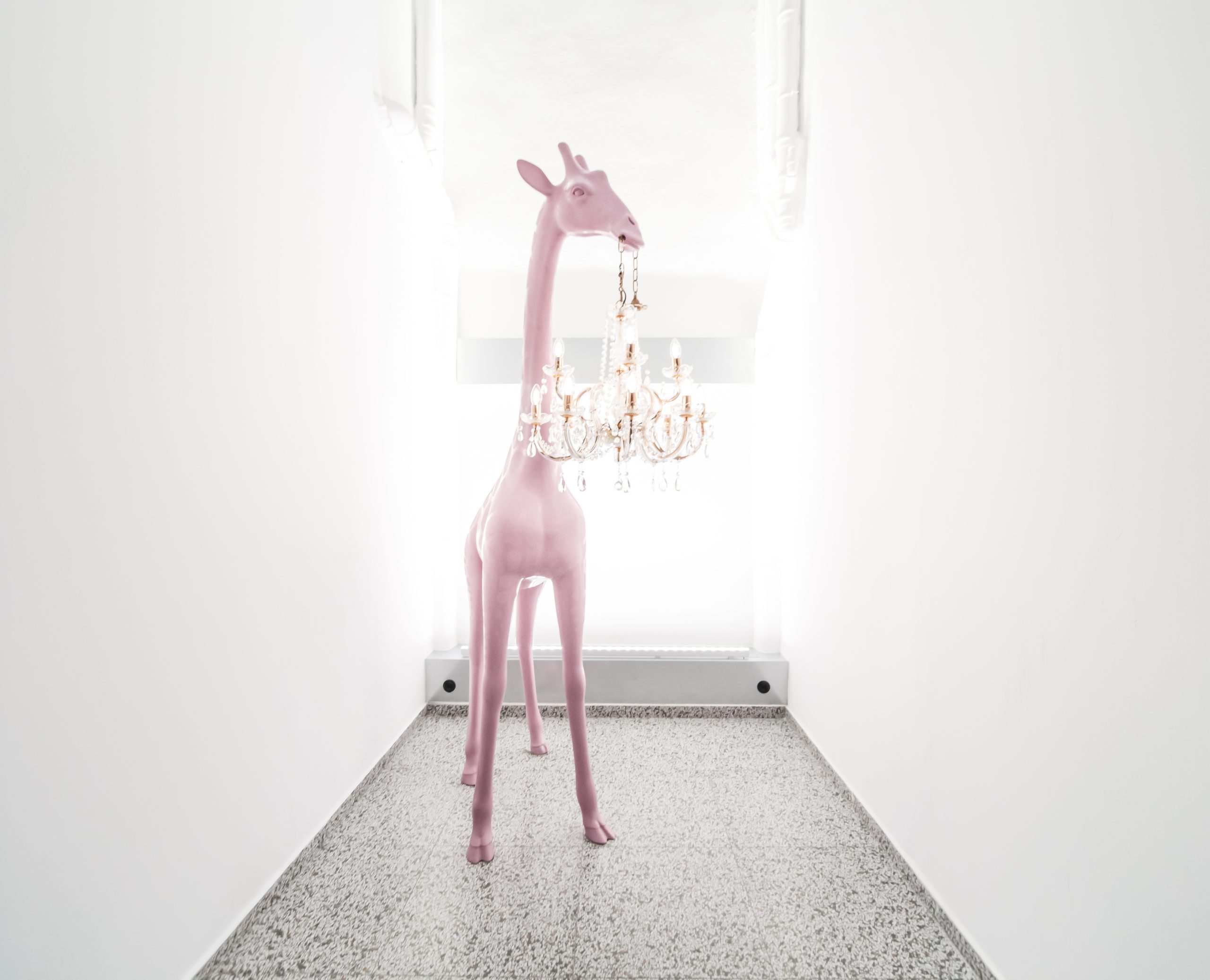
On the first floor, the atrium returns with an entirely new look and a more pronounced artistic approach. A pink Giraffe in Love Chandelier, designed by Marcantonio for Qeeboo, presides over the renewed atrium, which extends vertically towards the upper floors and remains visible from some of the rooms, with the giraffe becoming part of the view into the interior of the building.
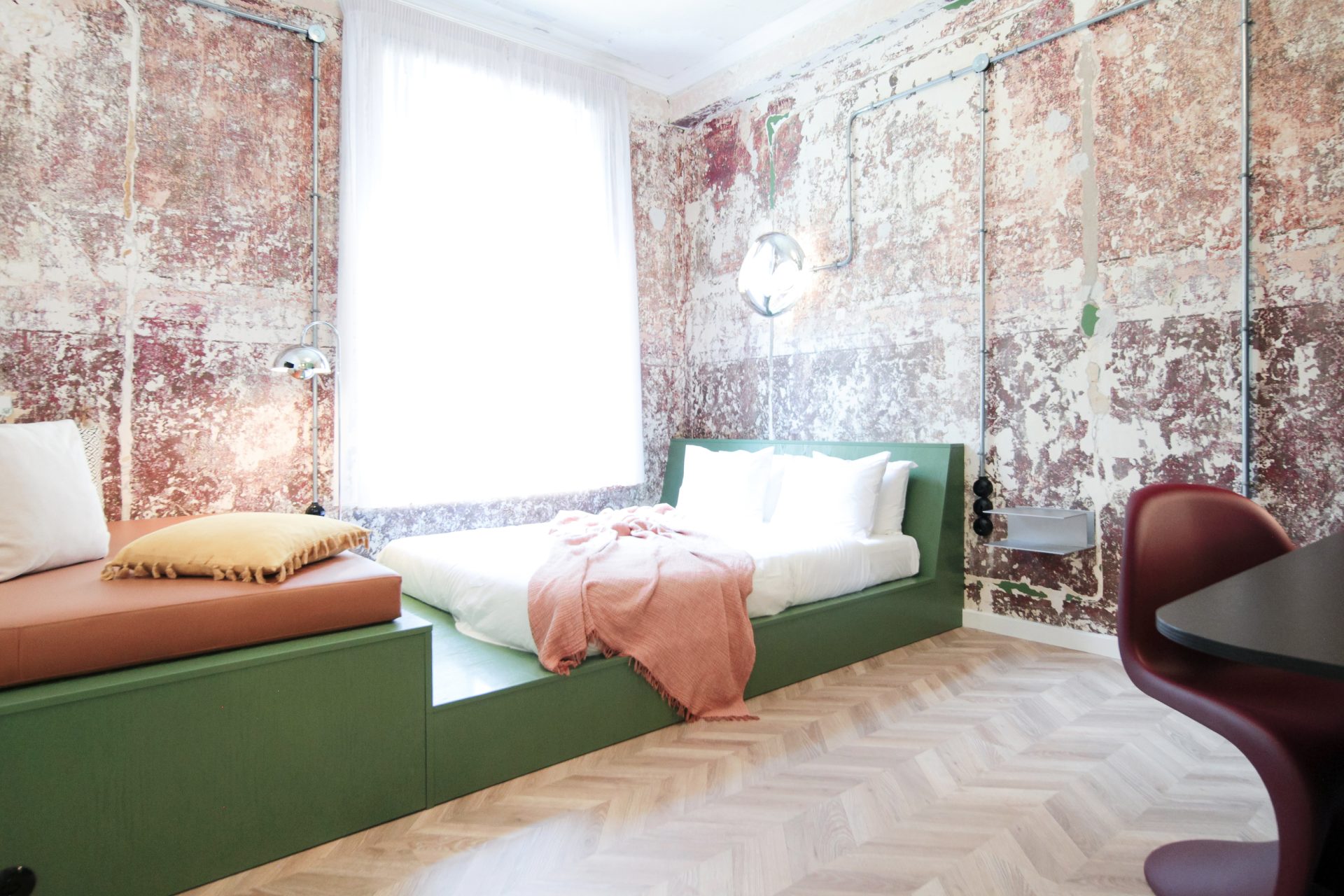
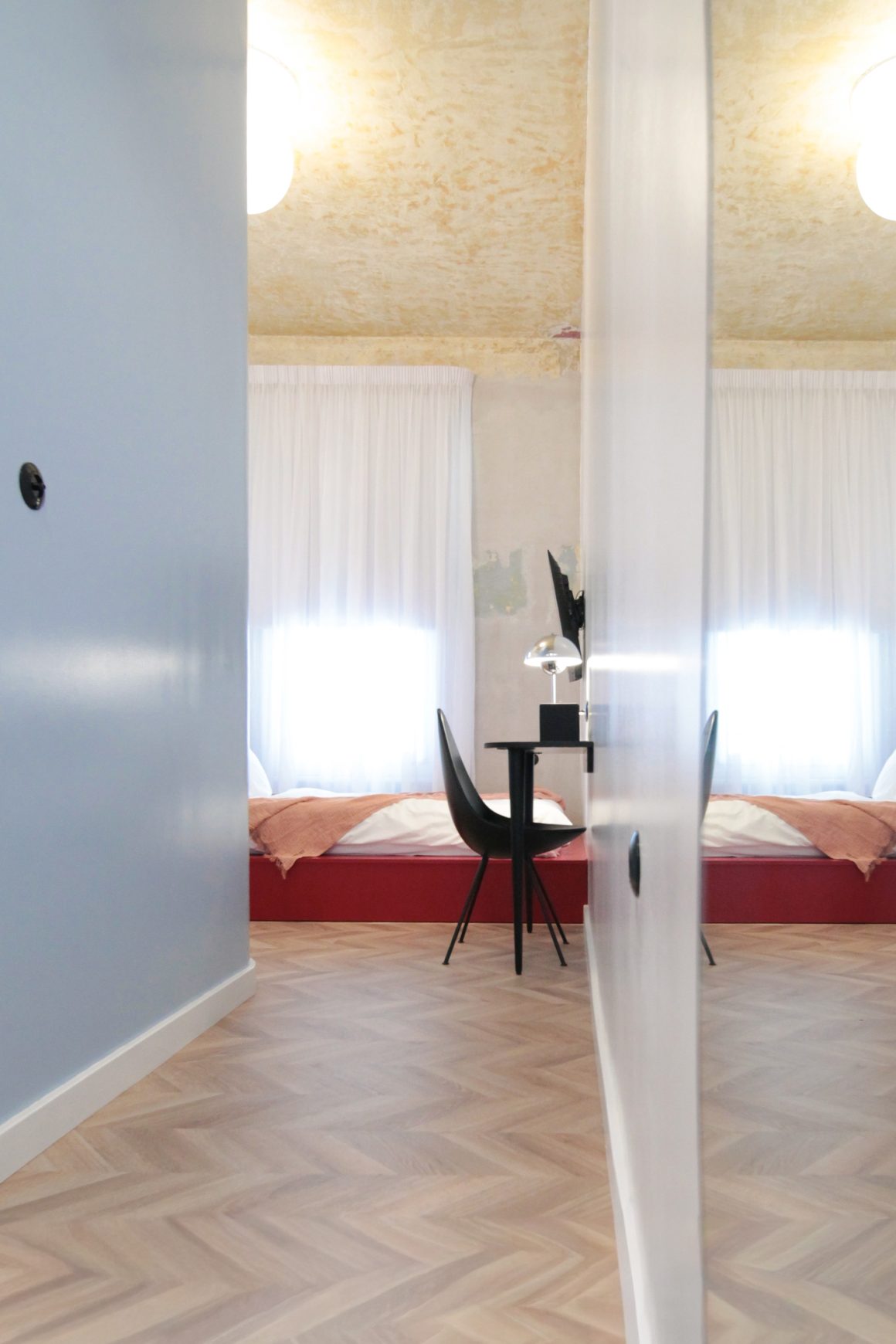
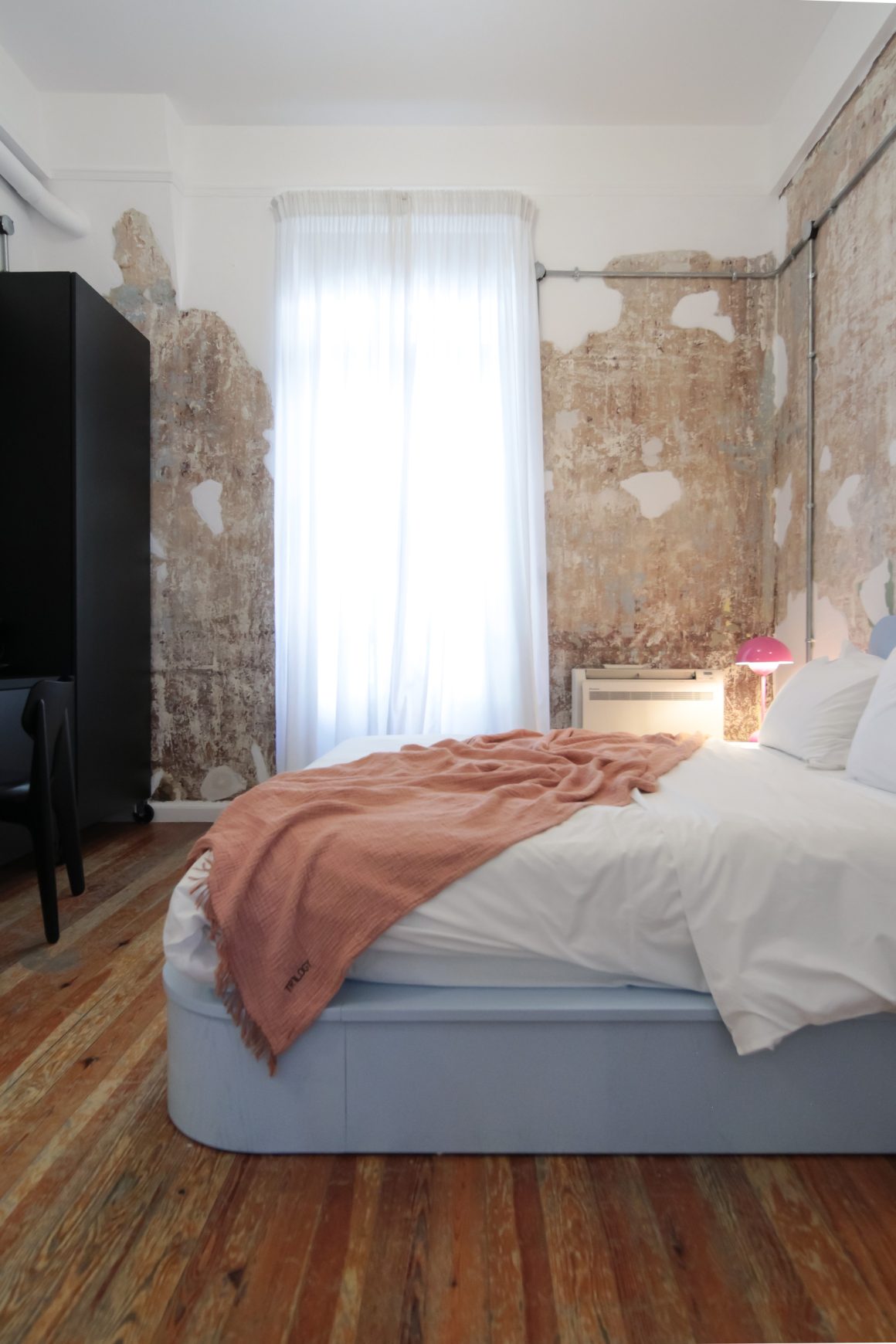
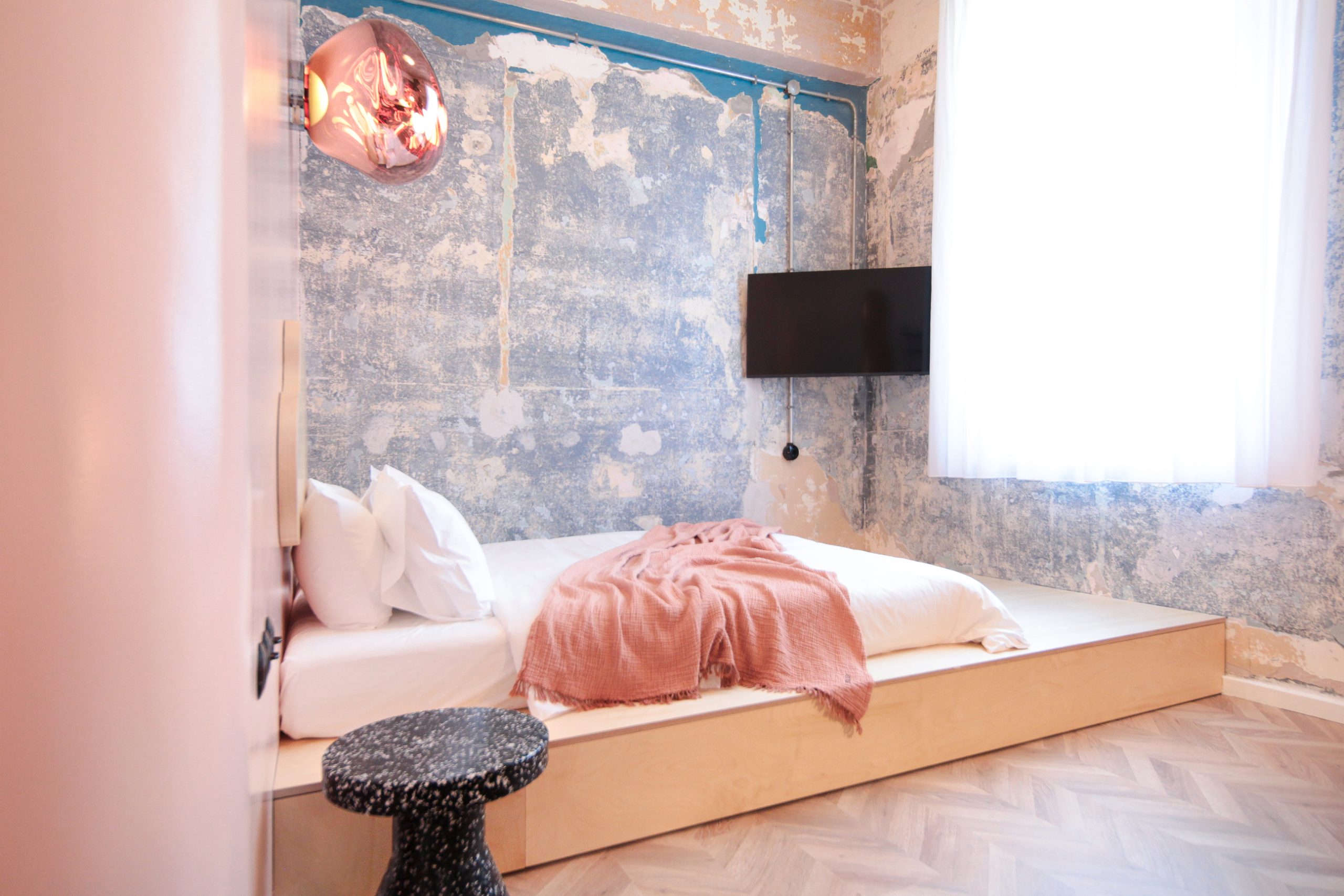
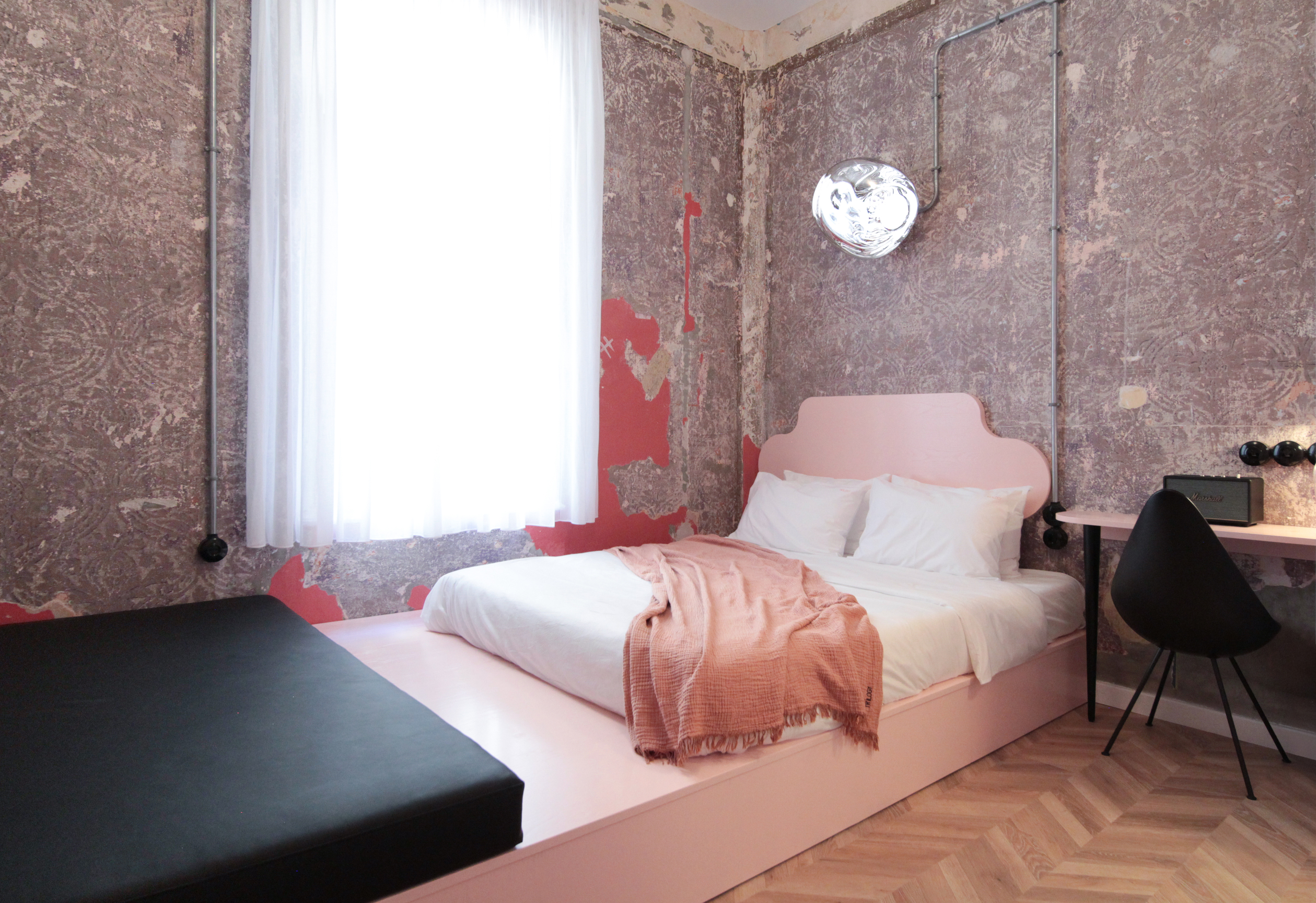
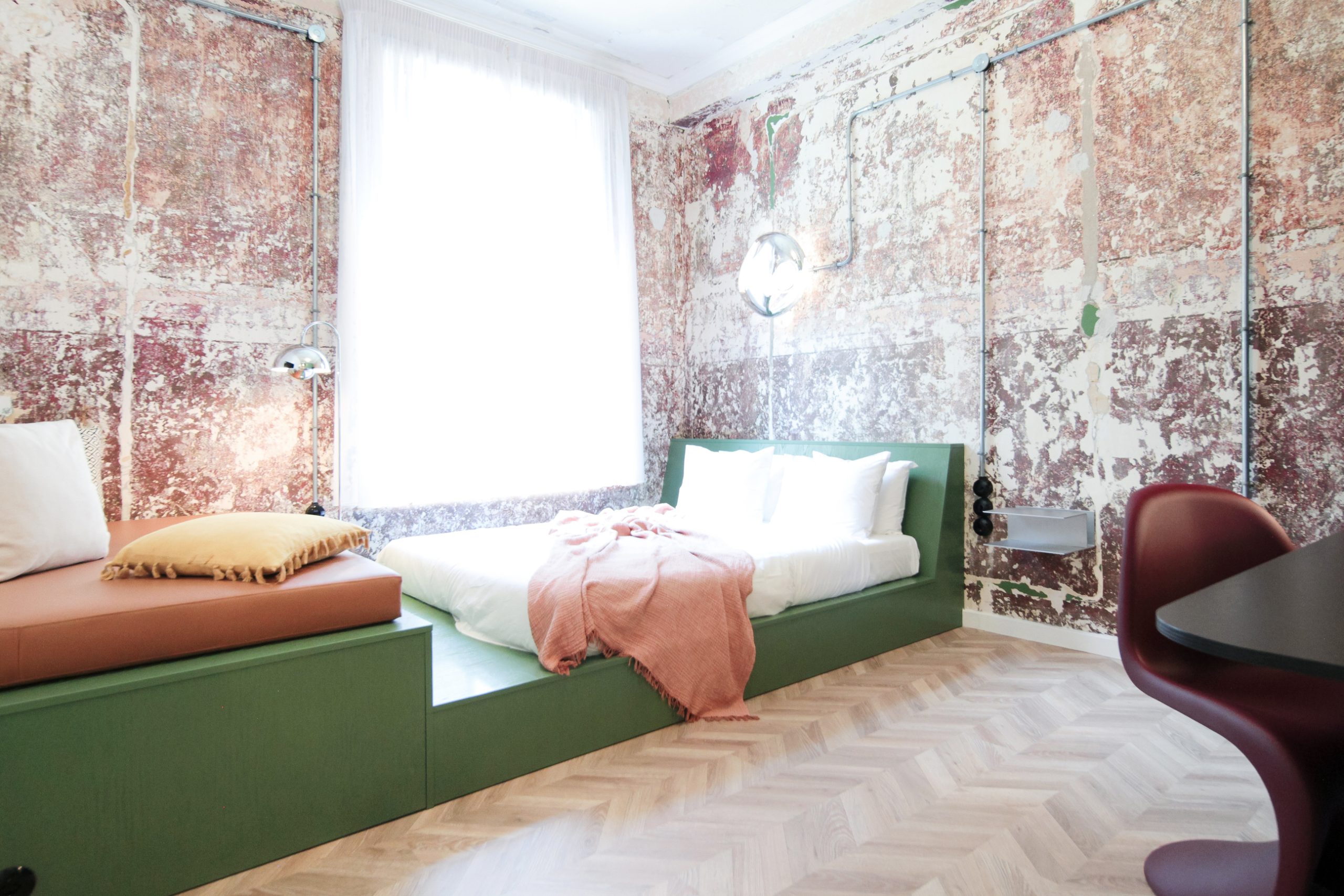
Pink now dominates the colour palette of The Trilogy House, shifting in tone from one space to another and appearing throughout the rooms, lobbies, staircases and communal areas. Two of the new rooms are defined by Bubblegum Pink and Salmon Pink tones, while the new bed headboards introduce larger areas of colour, with Japanese Red, Moss Green, Dusty Pink and Lavender standing out among the different compositions, giving each room its own distinctive identity.
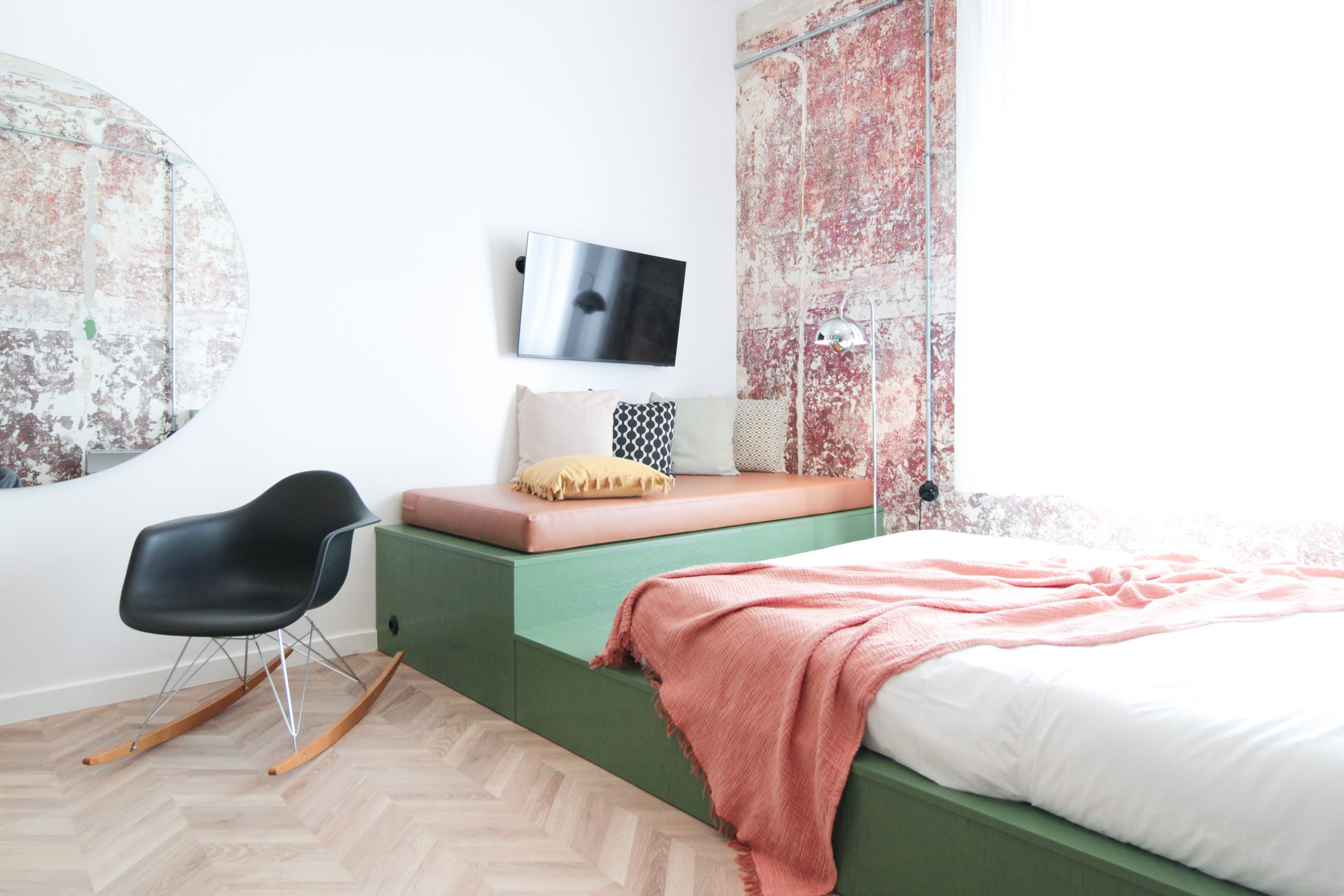
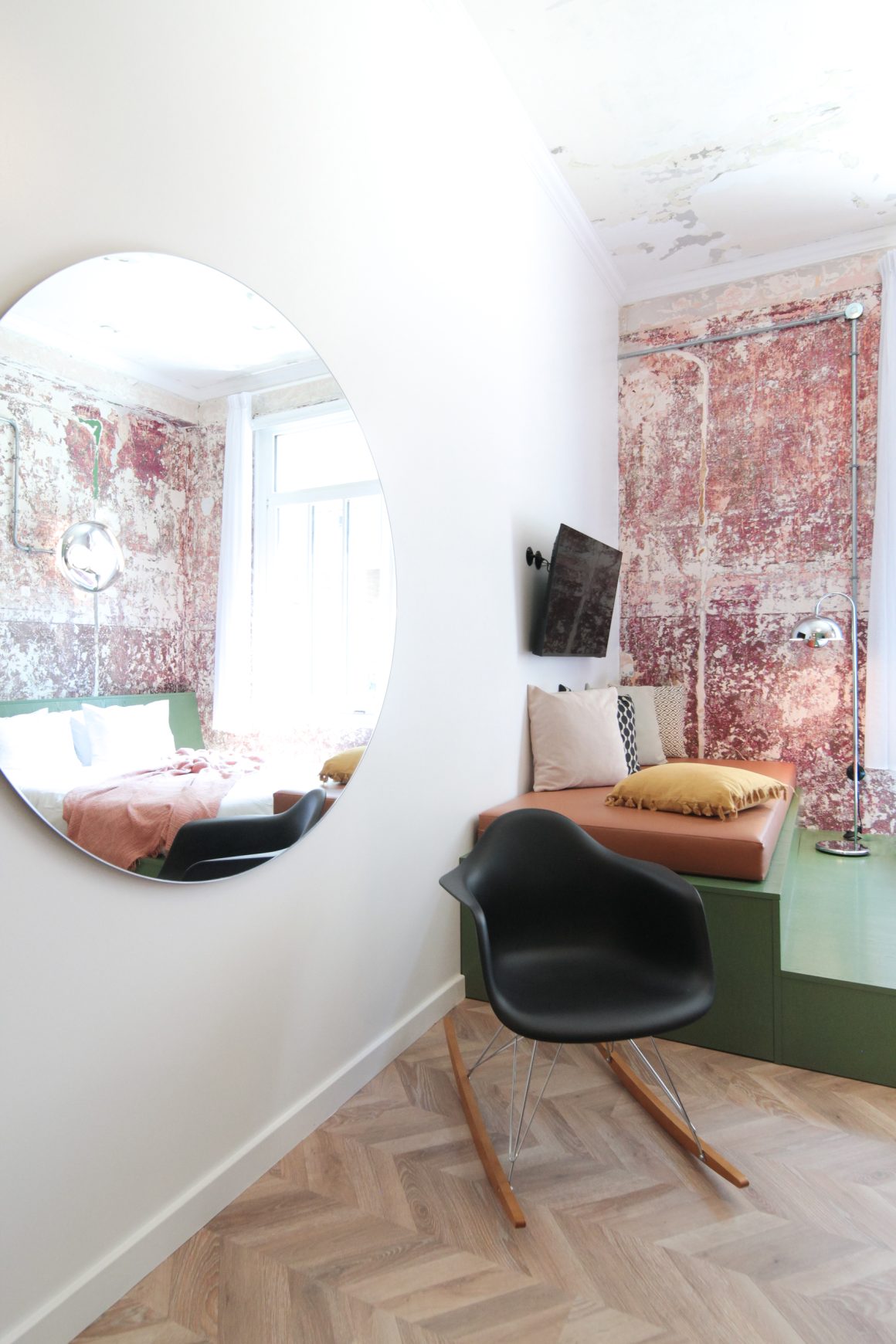
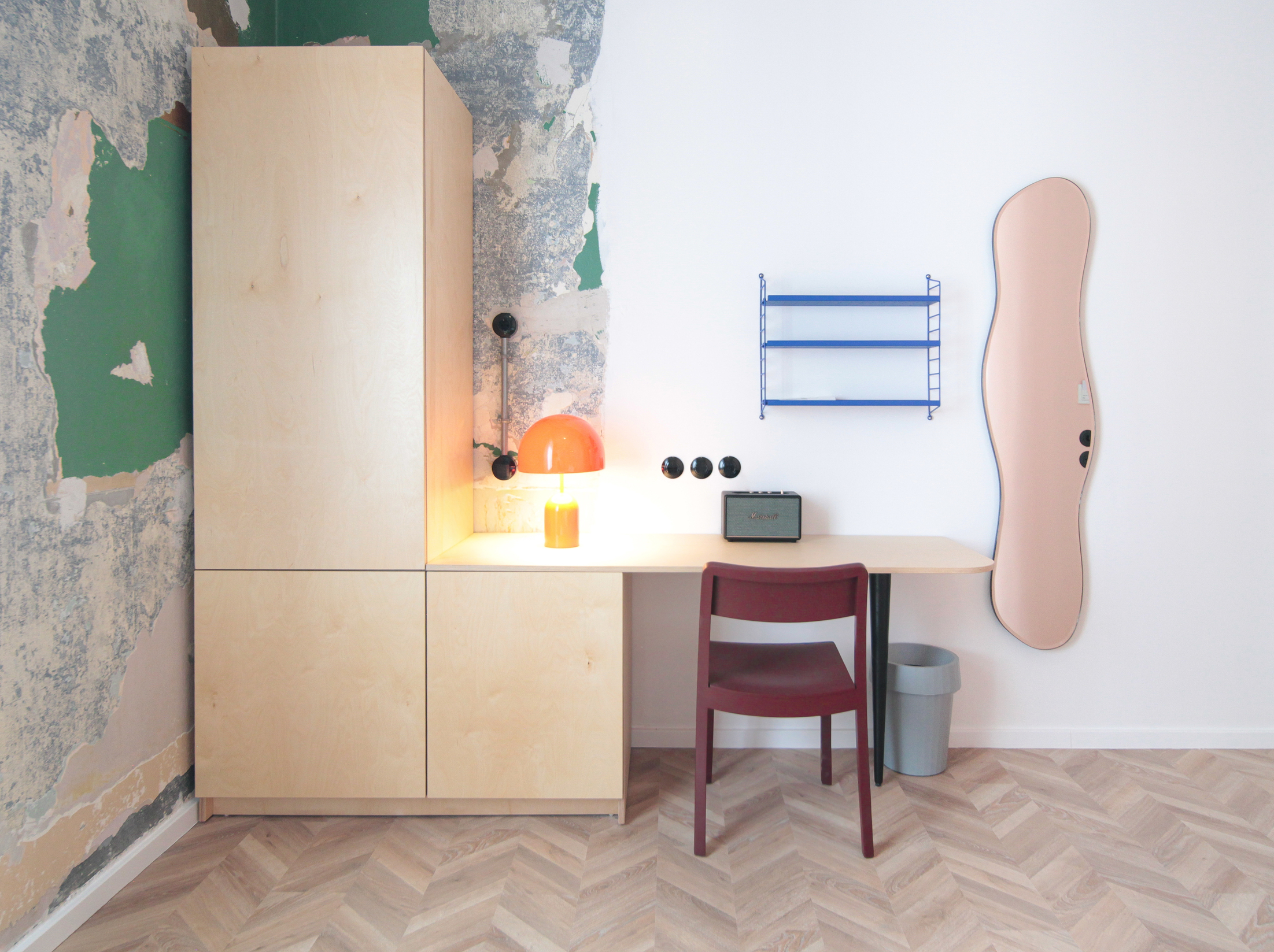
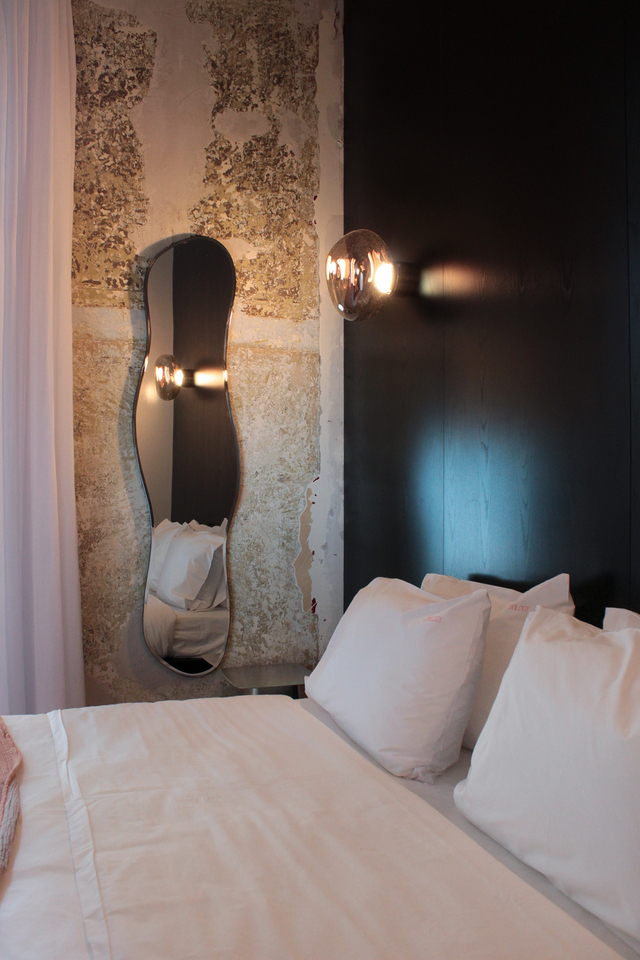
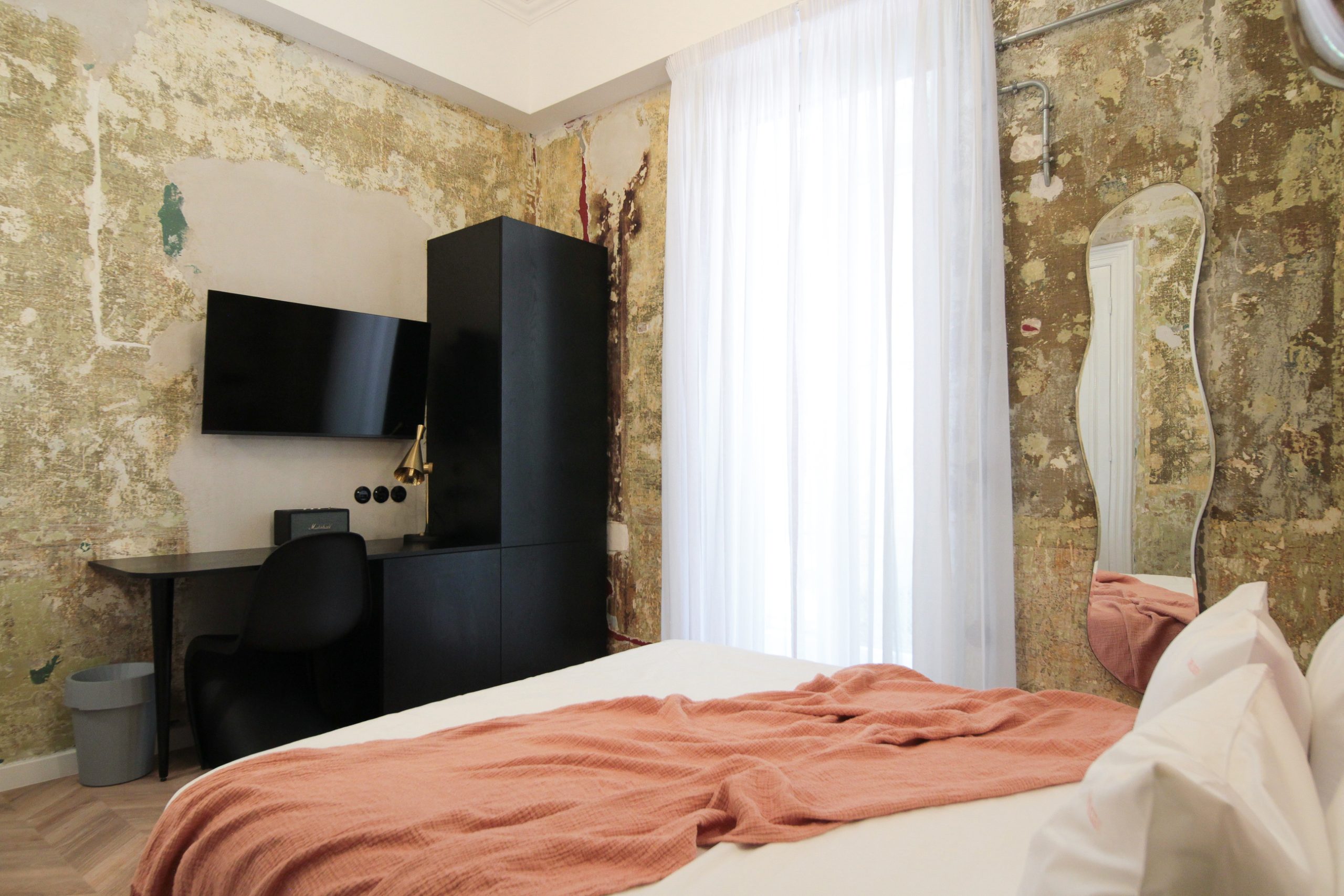
The same emphasis on colour and material continues in the bathrooms. Terrazzo floors, pink Corian surfaces and white porcelain tiles are paired with Ferm Living’s Pond mirror, whose distinctive asymmetrical form appears repeatedly throughout the property. The mirror is not limited to the bathrooms but can also be found in the rooms and communal areas, becoming one of the key design objects that reappears in different scales and settings throughout The Trilogy House.
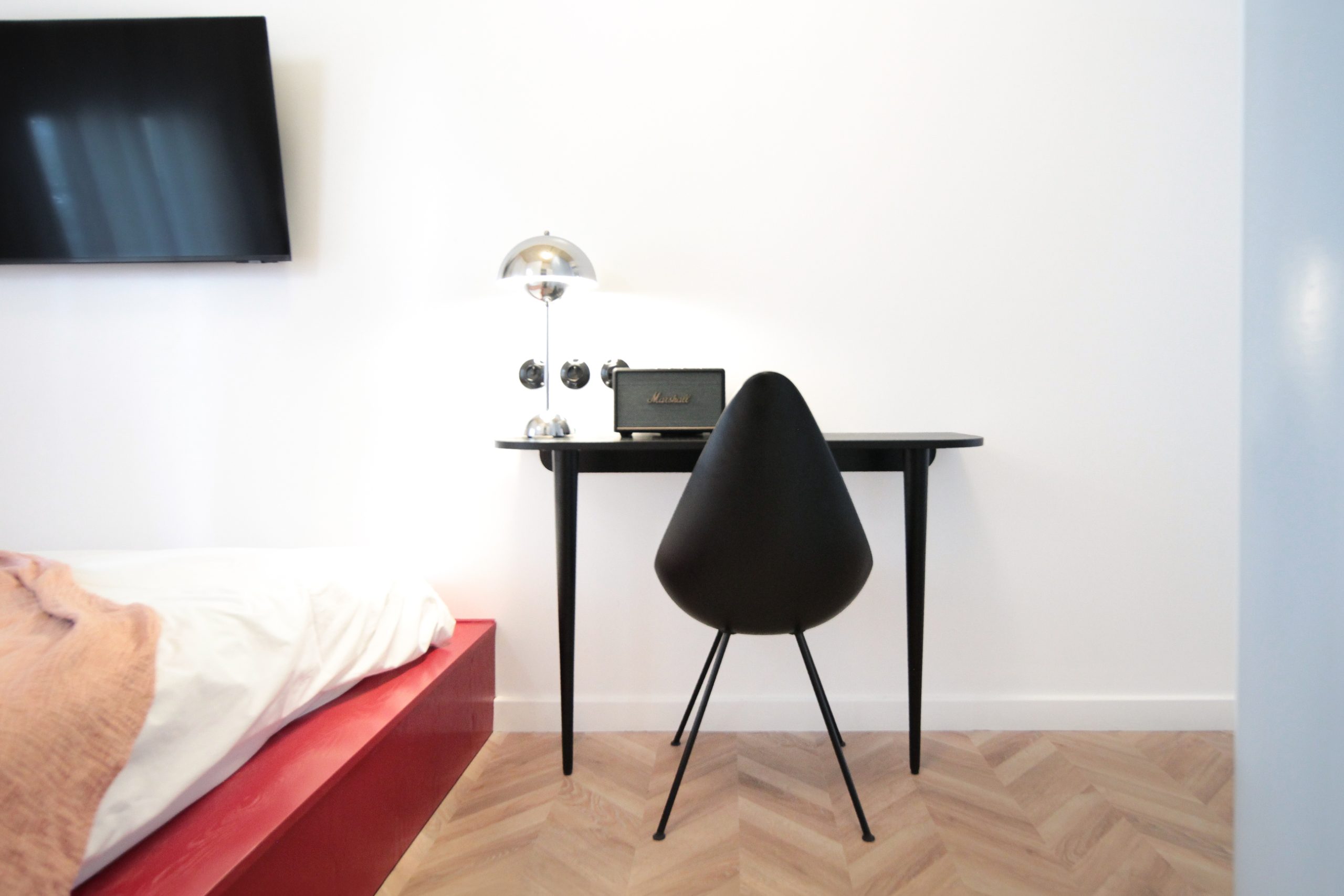
The selection of furniture and lighting by 2nd Floor S.A. remains an integral part of The Trilogy House. Different design icons are combined and reintroduced throughout the building, creating a different composition in each setting. Charles and Ray Eames’ Eames RAR chairs meet Panton Chairs in burgundy and black, while Flowerpot lamps and Wire Stools bring even more of Verner Panton’s distinctive design language into both private and communal spaces. His presence takes on particular significance in 2026, marking 100 years since the birth of the Danish designer.
Lighting is equally important to the overall selection, with Tom Dixon taking centre stage, complemented by carefully chosen pieces from HAY and &Tradition. Bit Stools by Normann Copenhagen, along with furniture and objects by Vitra, HAY and Ferm Living, move seamlessly from the rooms into the lobbies and communal areas, while Marshall speakers complete the setup in each room.
The Trilogy House has now evolved into a complete hospitality experience, with the stay beginning long before guests reach their room. From the entrance and atrium to the communal areas and 18 rooms, innovative industrial design, colour and original design pieces come together to create a distinctive approach to hospitality for visitors to Thessaloniki.
The Trilogy House was reimagined by Tolis Koumparos, with a selection of furniture and lighting by 2nd Floor S.A.
Photo Thodoris Mavropoulos