Casa A2O was born from the restoration of a historic rural stone building dating back to the late nineteenth century, nestled within the Mediterranean scrubland of the Itria Valley, just a few kilometres from Ostuni. Designed by architect Antonio Giuseppe Martiniello of Keller Architettura, the project unfolds across a five-hectare estate accessed via a private country track bordered by traditional dry-stone walls, in a landscape that still preserves the most authentic character of the Apulian countryside.
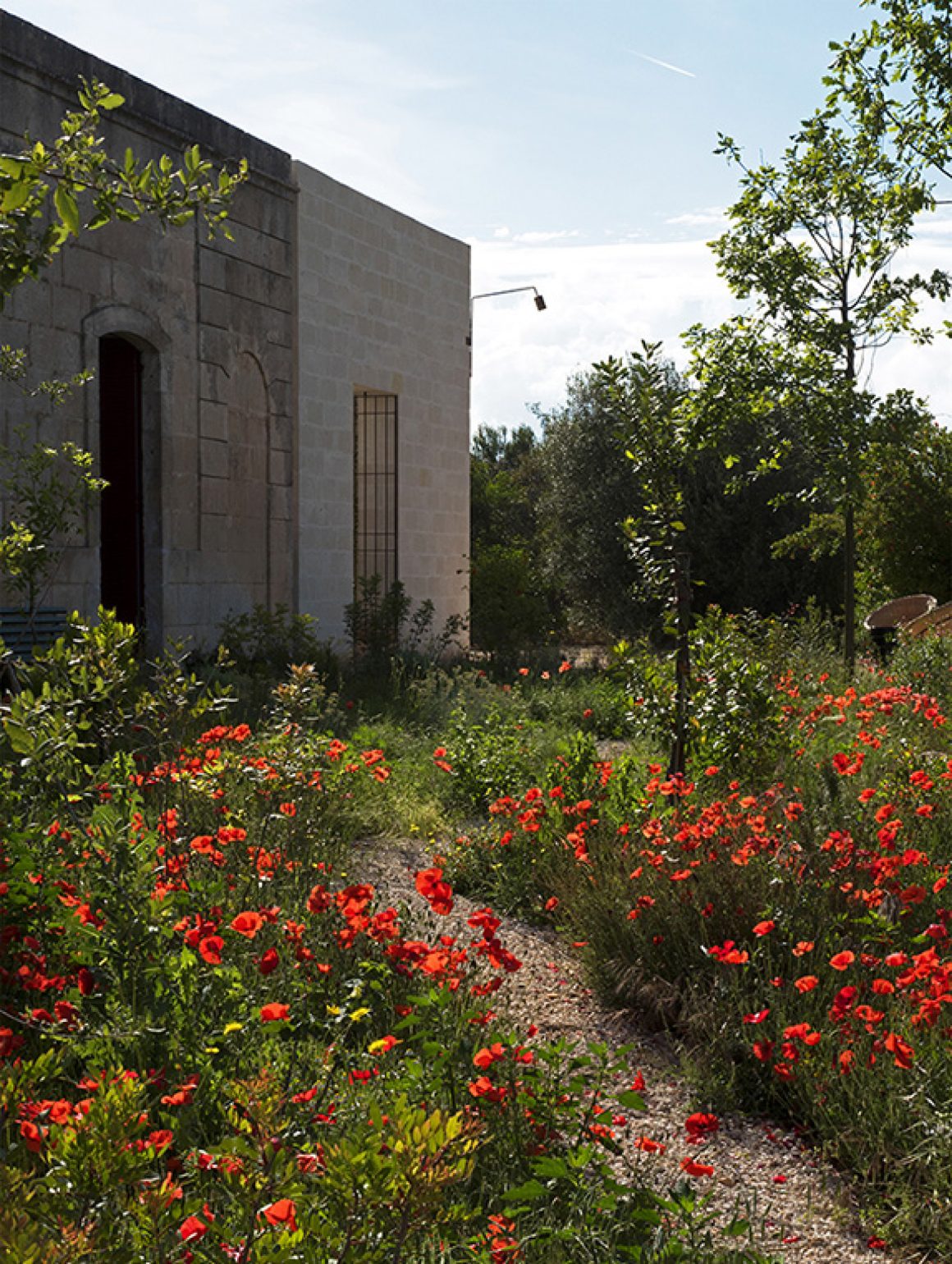
When first discovered, the building was almost entirely concealed by wild vegetation. Despite decades of abandonment, it retained the defining elements of local rural architecture: an intricate water-channeling system, large stone cisterns for collecting rainwater, and an ancient citrus grove enclosed by stone walls—the productive and symbolic heart of the property.
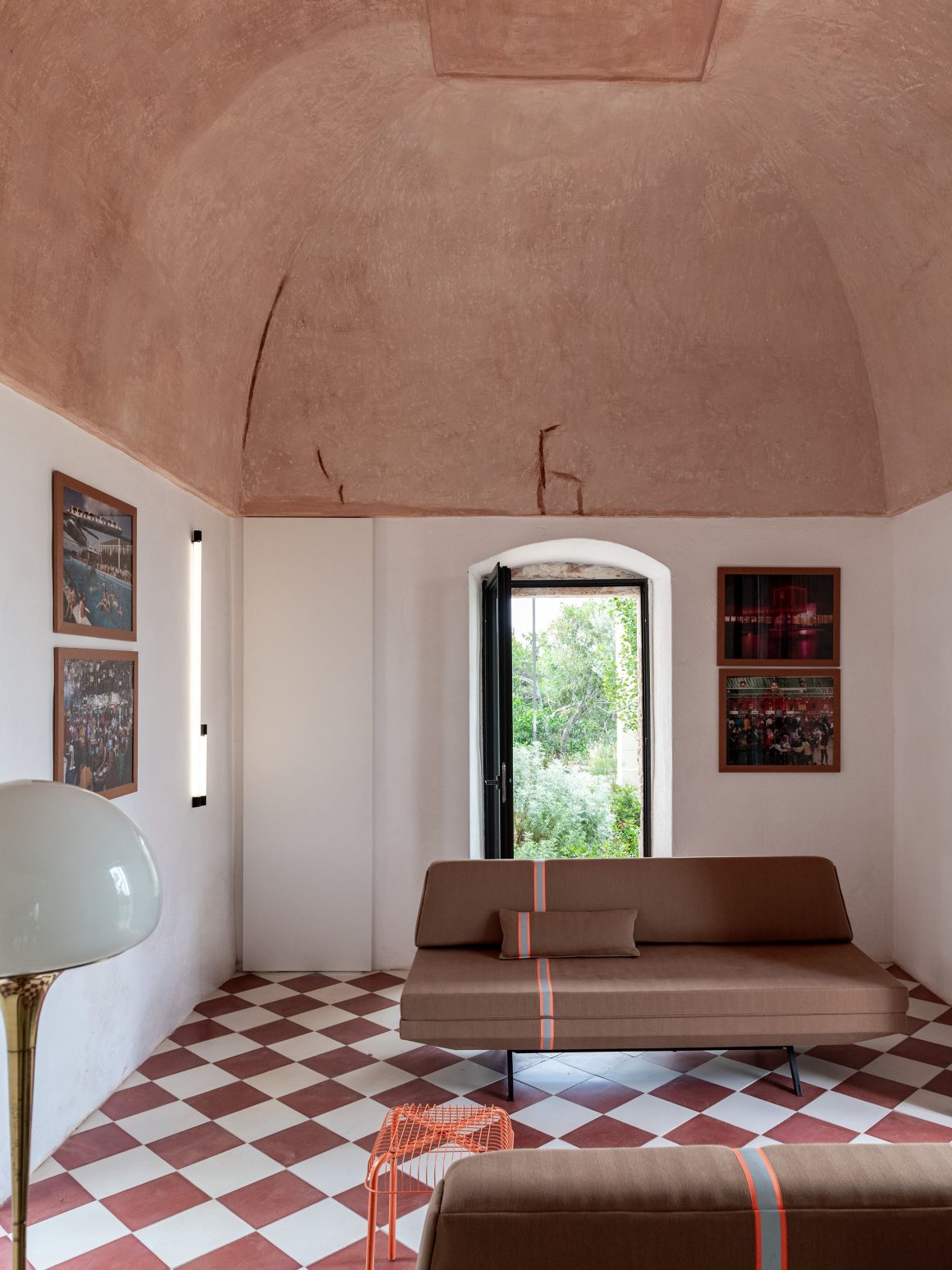
The intervention began with a careful reading of the site and its history, favouring a respectful and almost archaeological approach. The original structure was fully restored and complemented by new volumes that reinterpret the principles of the vernacular architecture of the Itria Valley through a contemporary lens. The result is a cohesive architectural ensemble that preserves the memory of the original rural settlement while extending its story into the present.
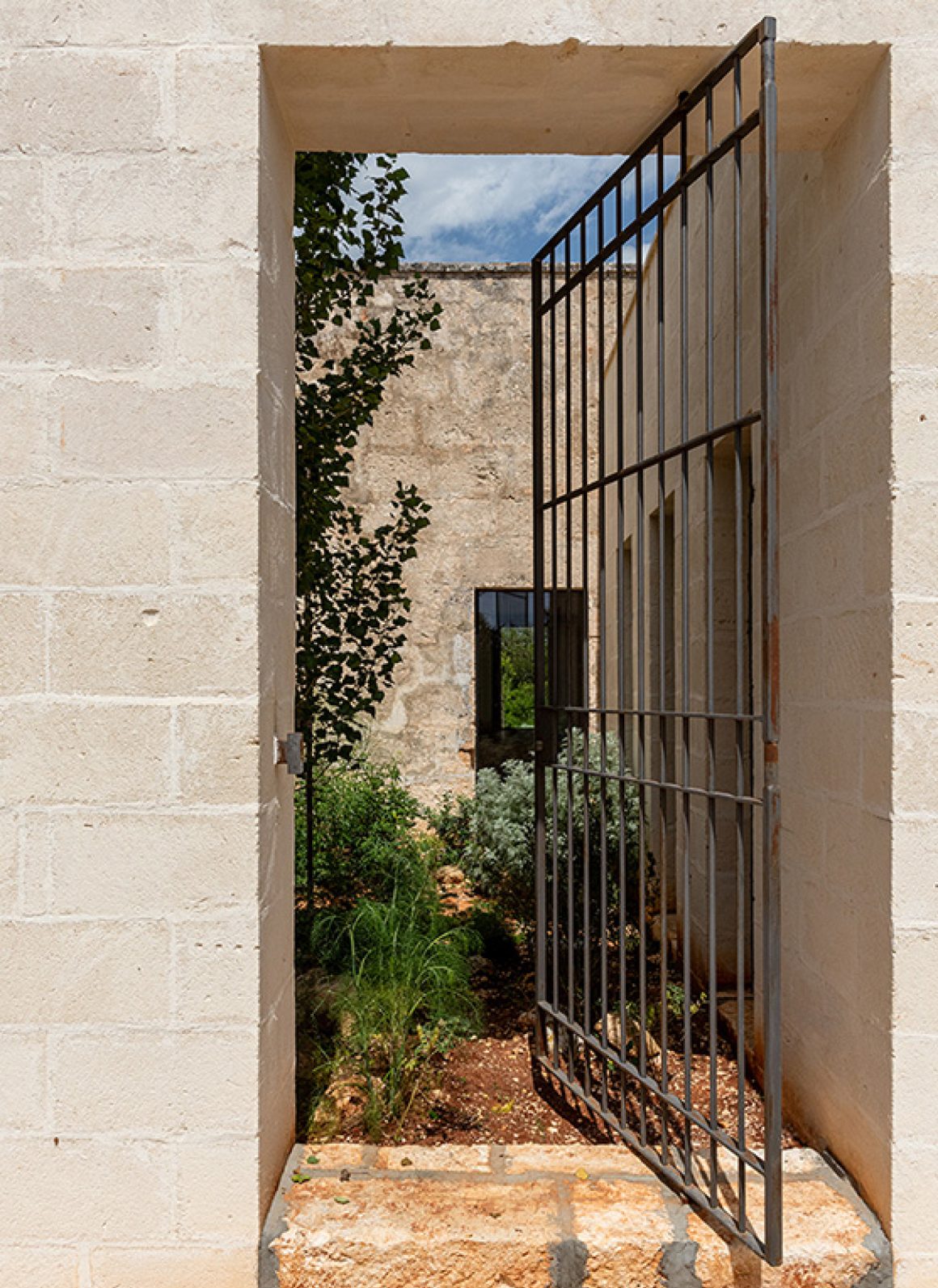
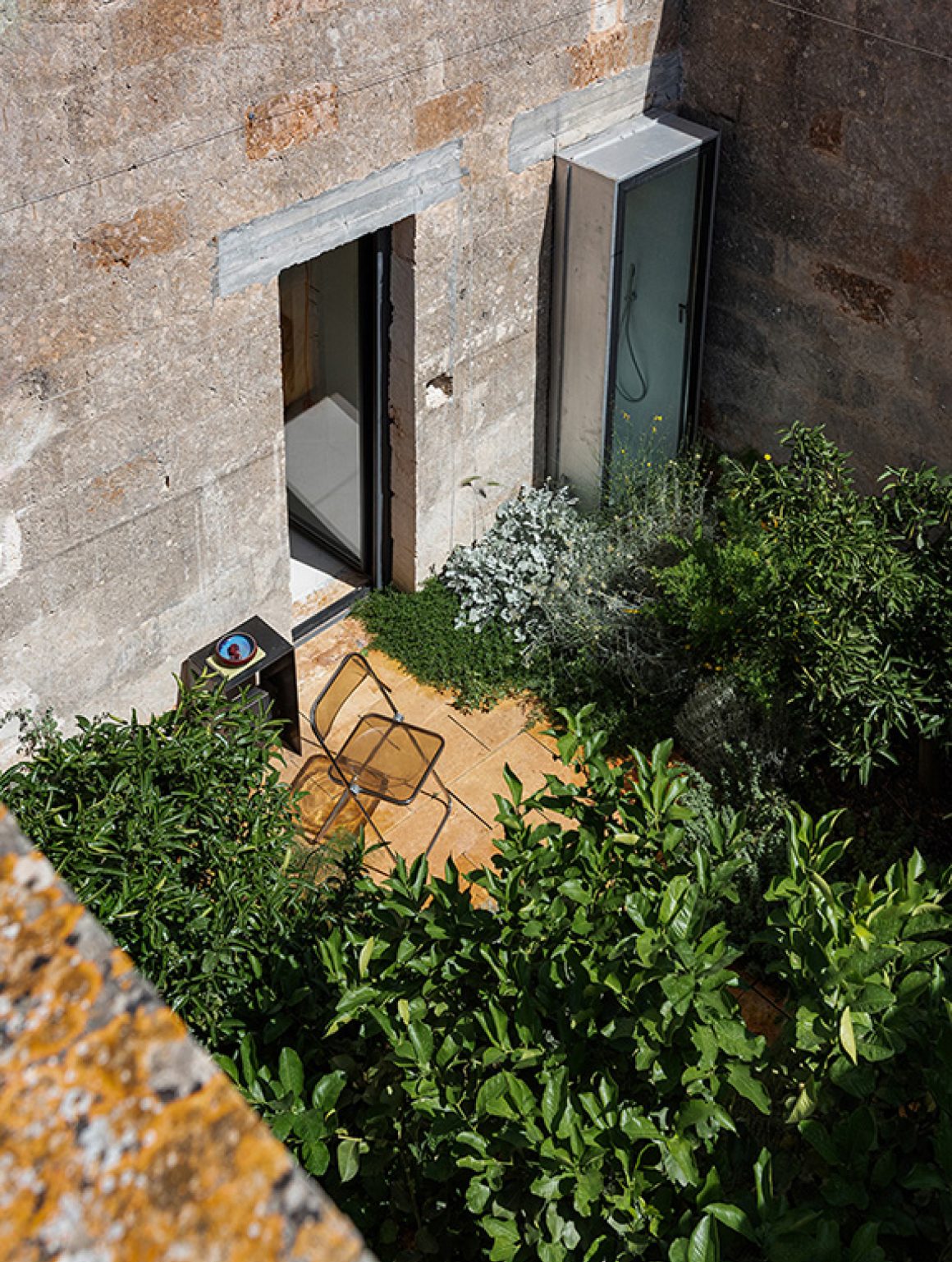
At the centre of the project lies the restored citrus grove, transformed into an hortus conclusus around which the home’s main living spaces are arranged. Reimagined as a contemporary impluvium inspired by Mediterranean traditions, this central courtyard becomes a place where architecture, nature, and everyday life converge. A second garden, opening towards the surrounding countryside, continues this dialogue and is home to a majestic poplar tree that pierces through the roof, becoming an integral part of the architectural composition.
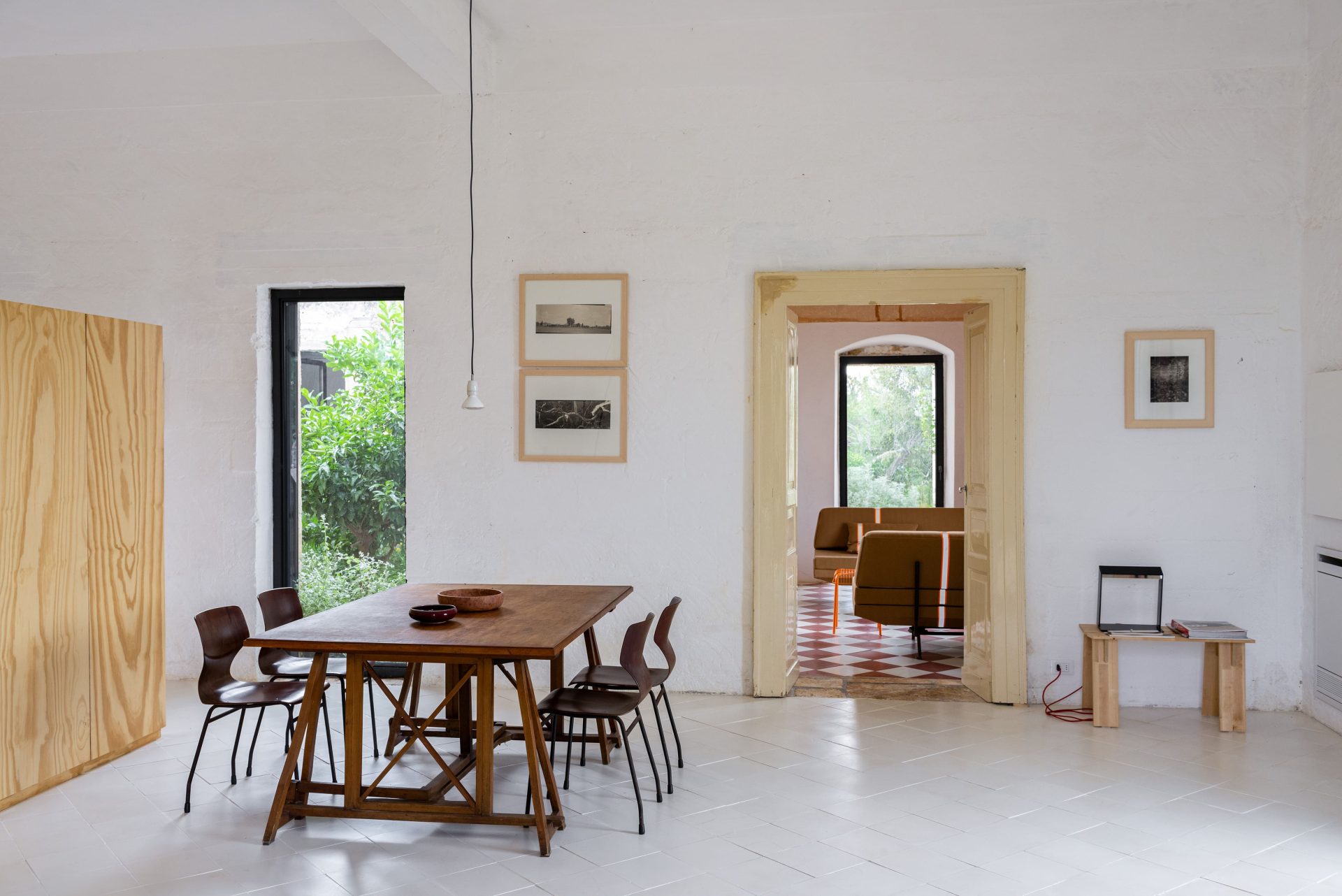
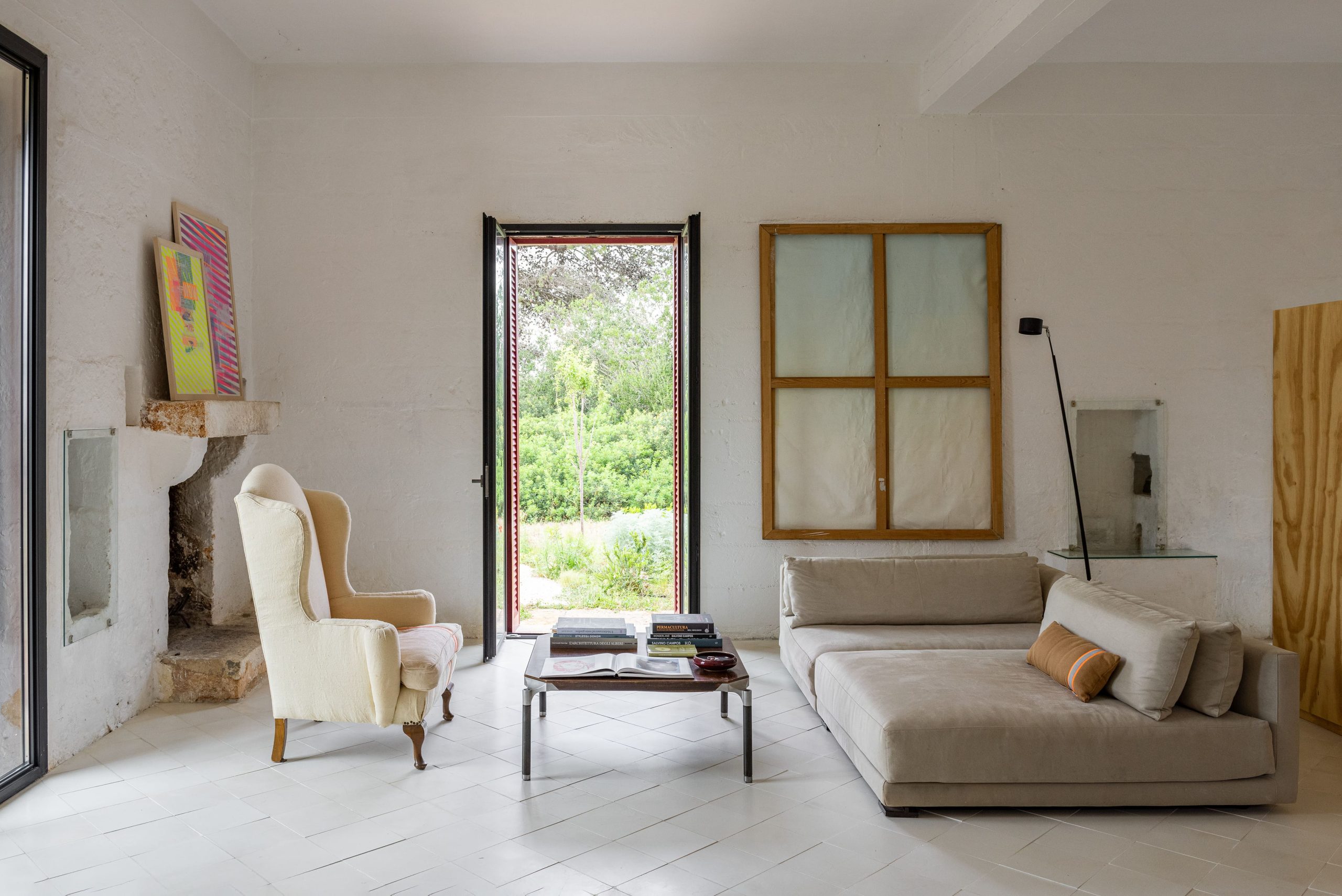
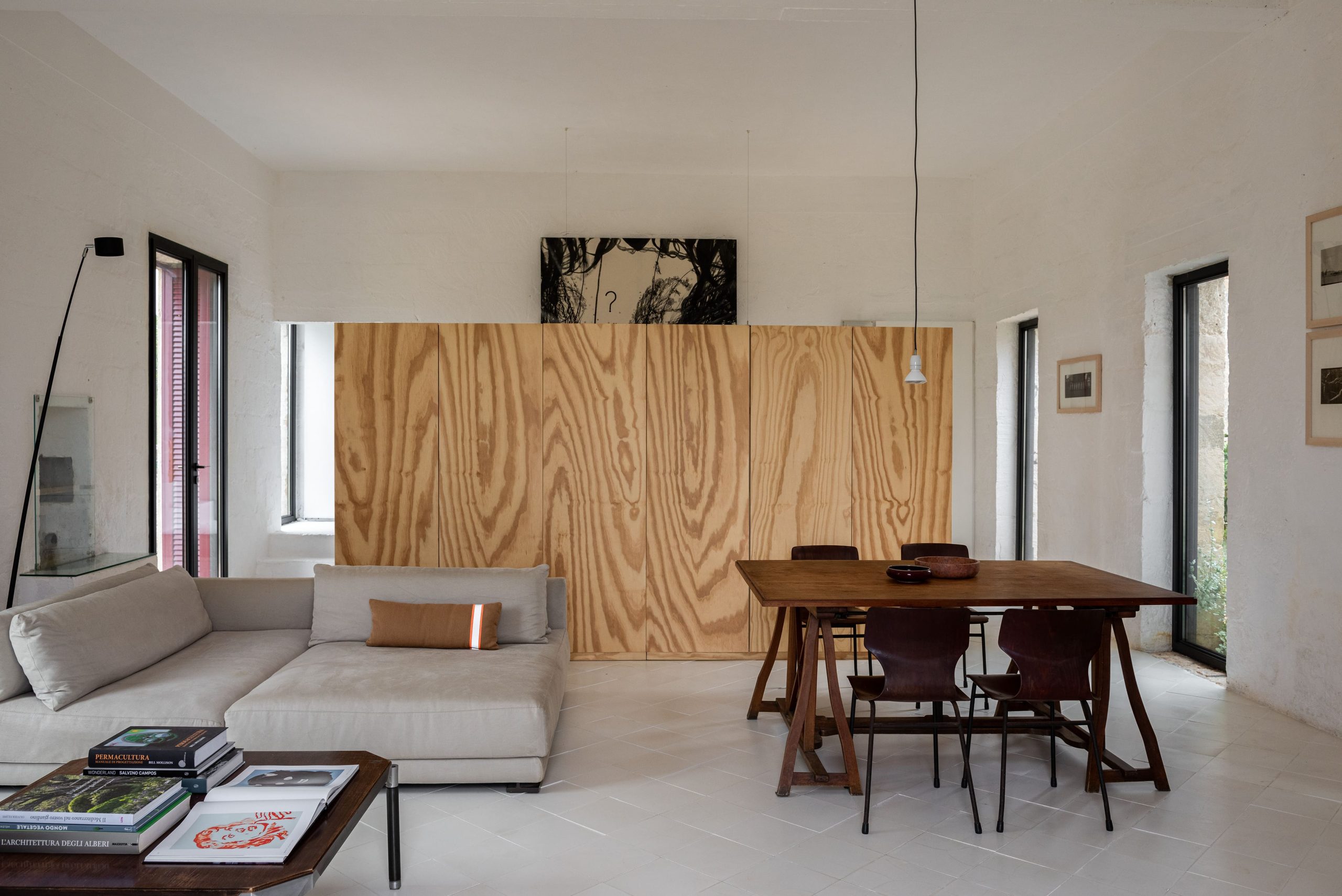
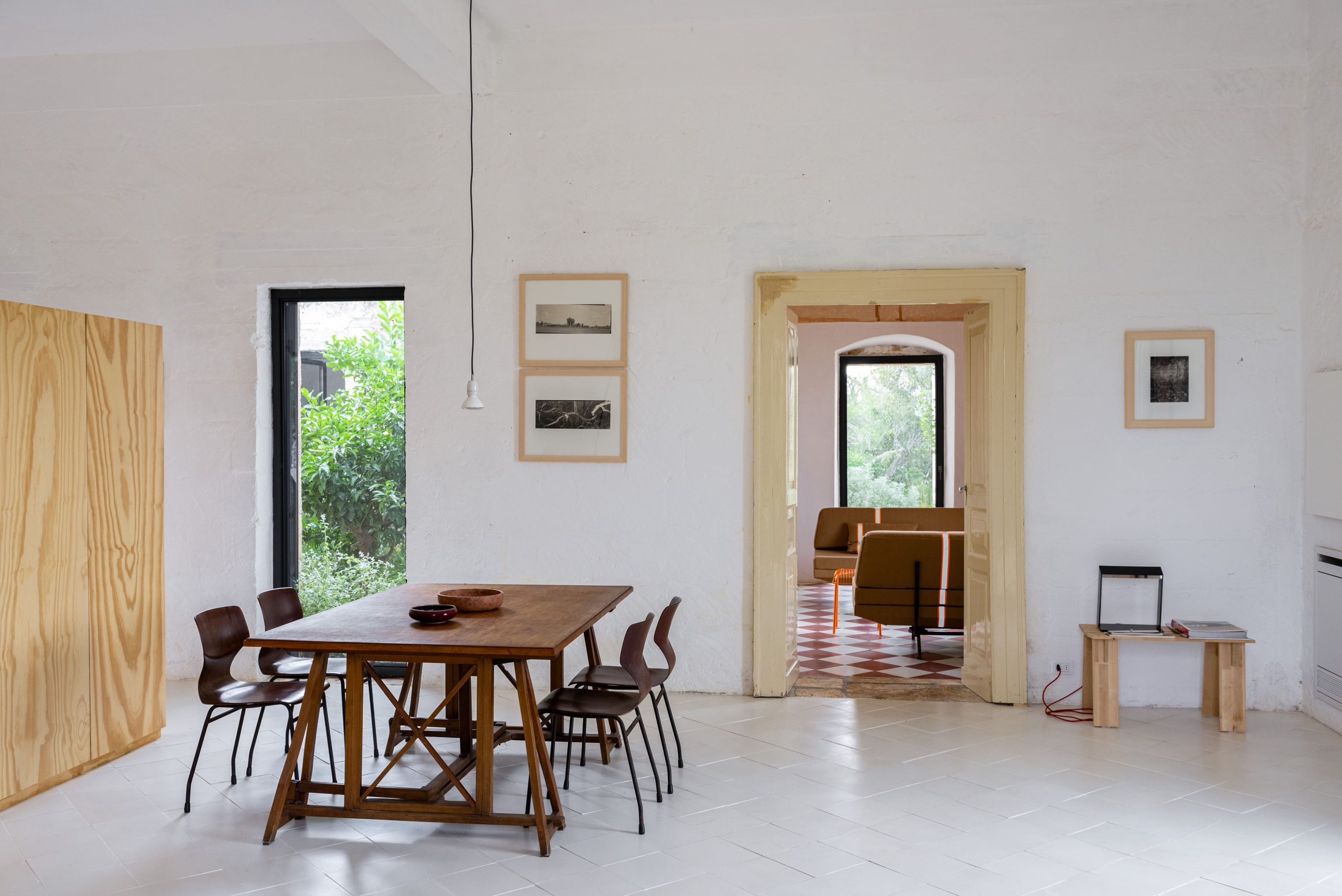
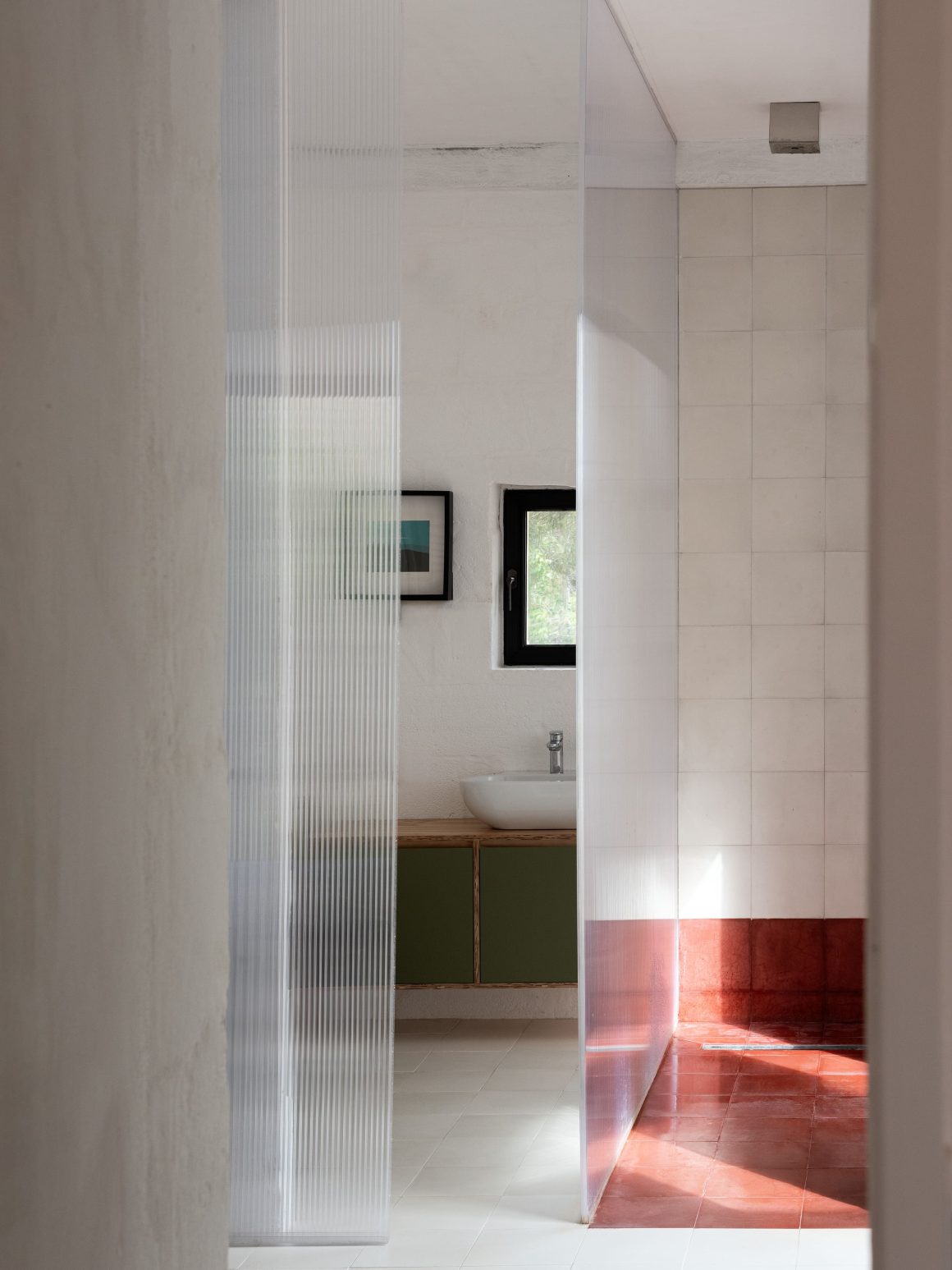
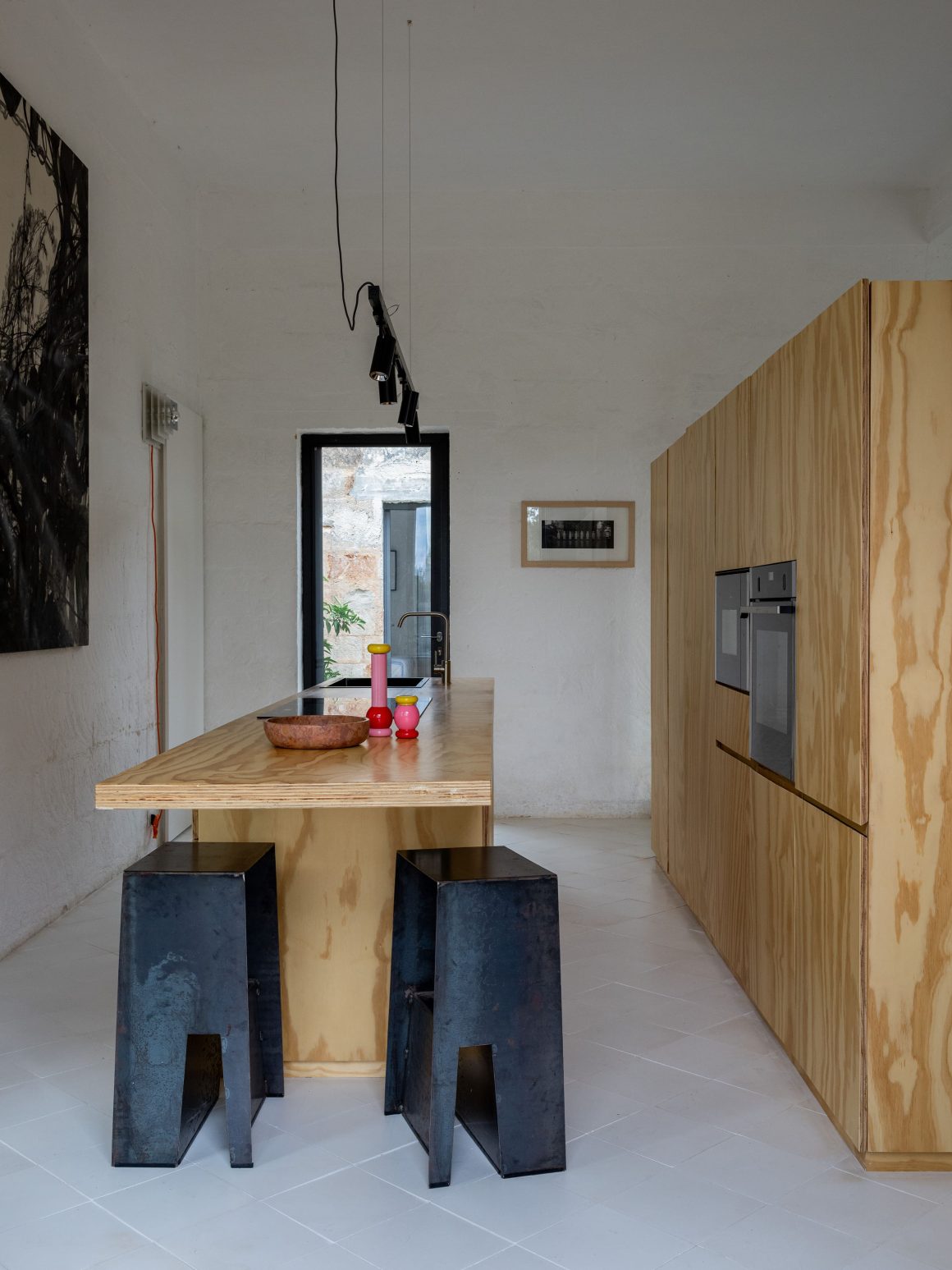
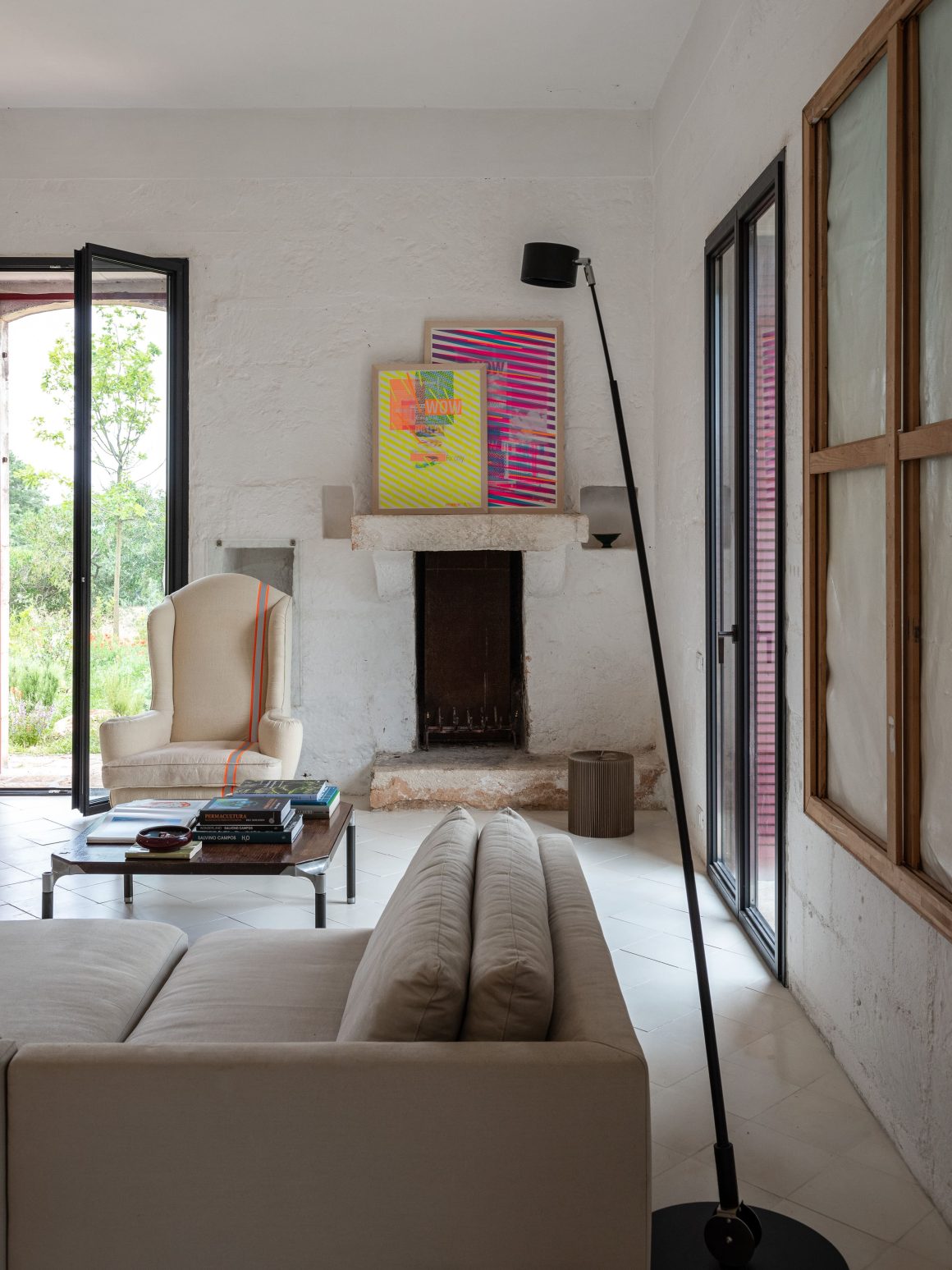
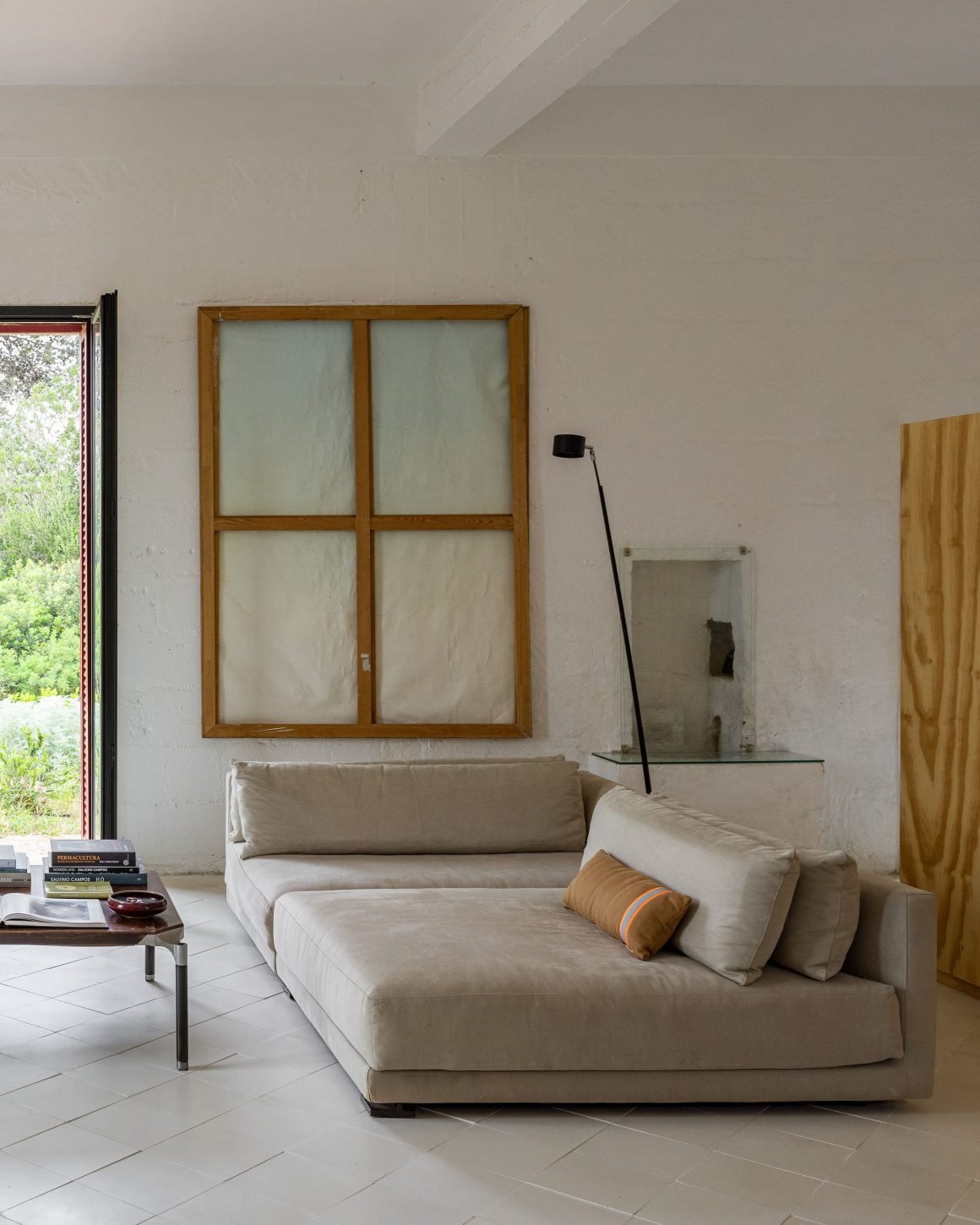
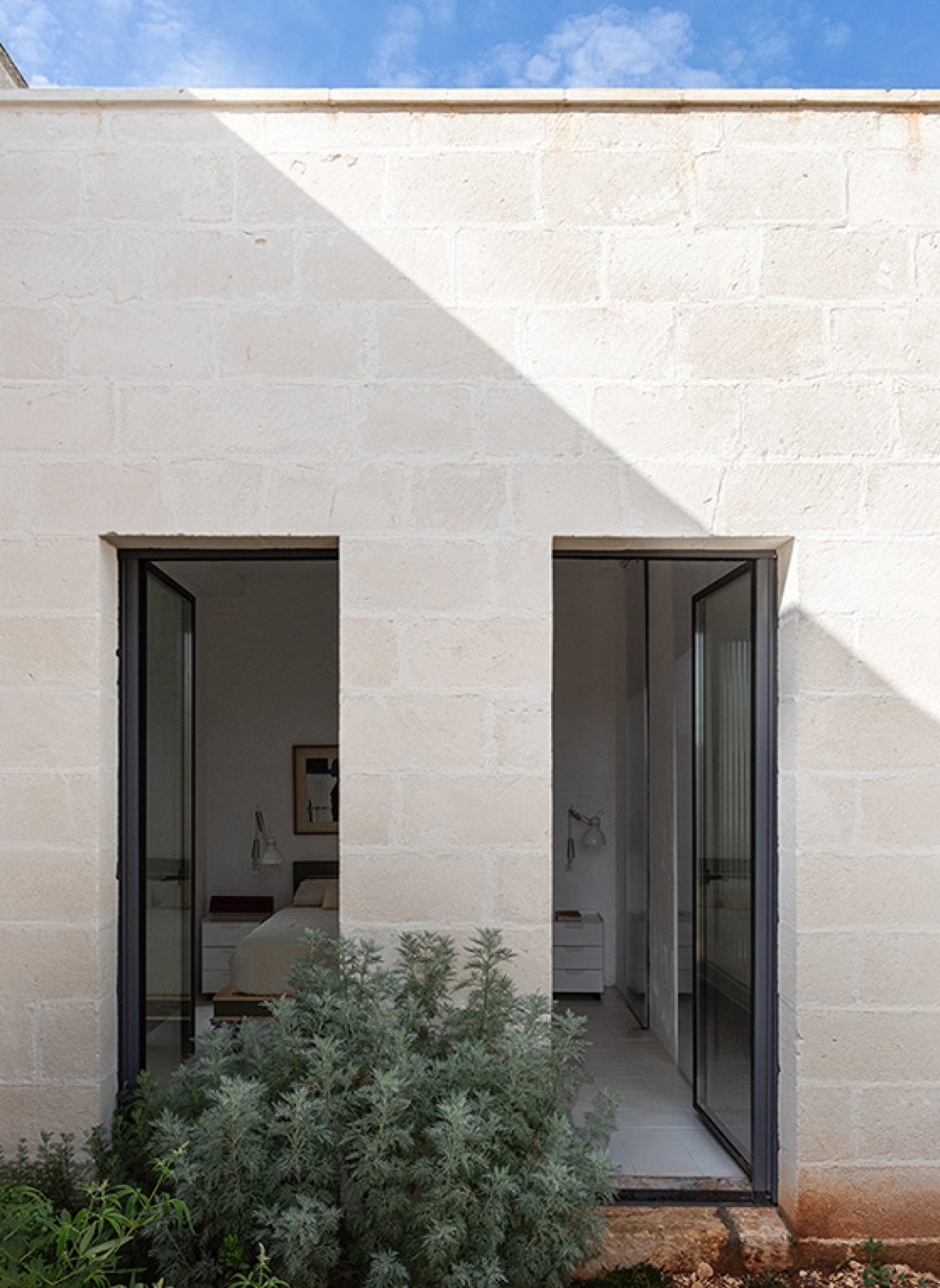
The interiors, covering approximately 150 square metres, include a spacious living area with a bespoke kitchen, two en-suite bedrooms, a study, and a guest bathroom. New openings establish a continuous relationship with the landscape, allowing nature to become a constant presence within the home.
Sustainability is one of the project’s guiding principles. The historic cisterns have been restored and reintegrated into the functioning of the house, while the entire water-management system has been redesigned around the recovery, reuse, and recycling of rainwater for both domestic and agricultural purposes. Energy self-sufficiency is ensured by a photovoltaic system seamlessly integrated into the architecture, achieving a discreet balance between technological innovation and respect for the surrounding landscape.
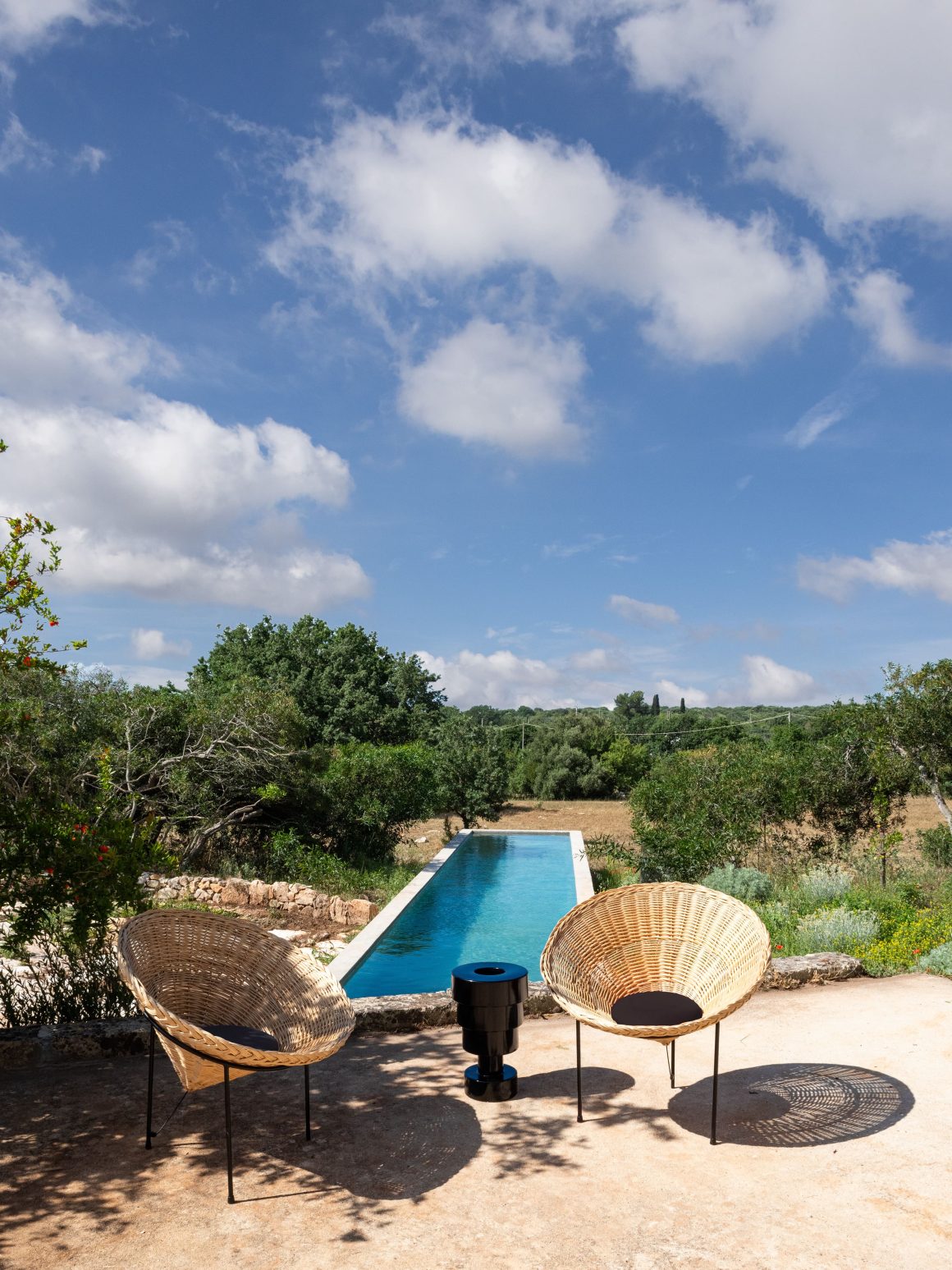
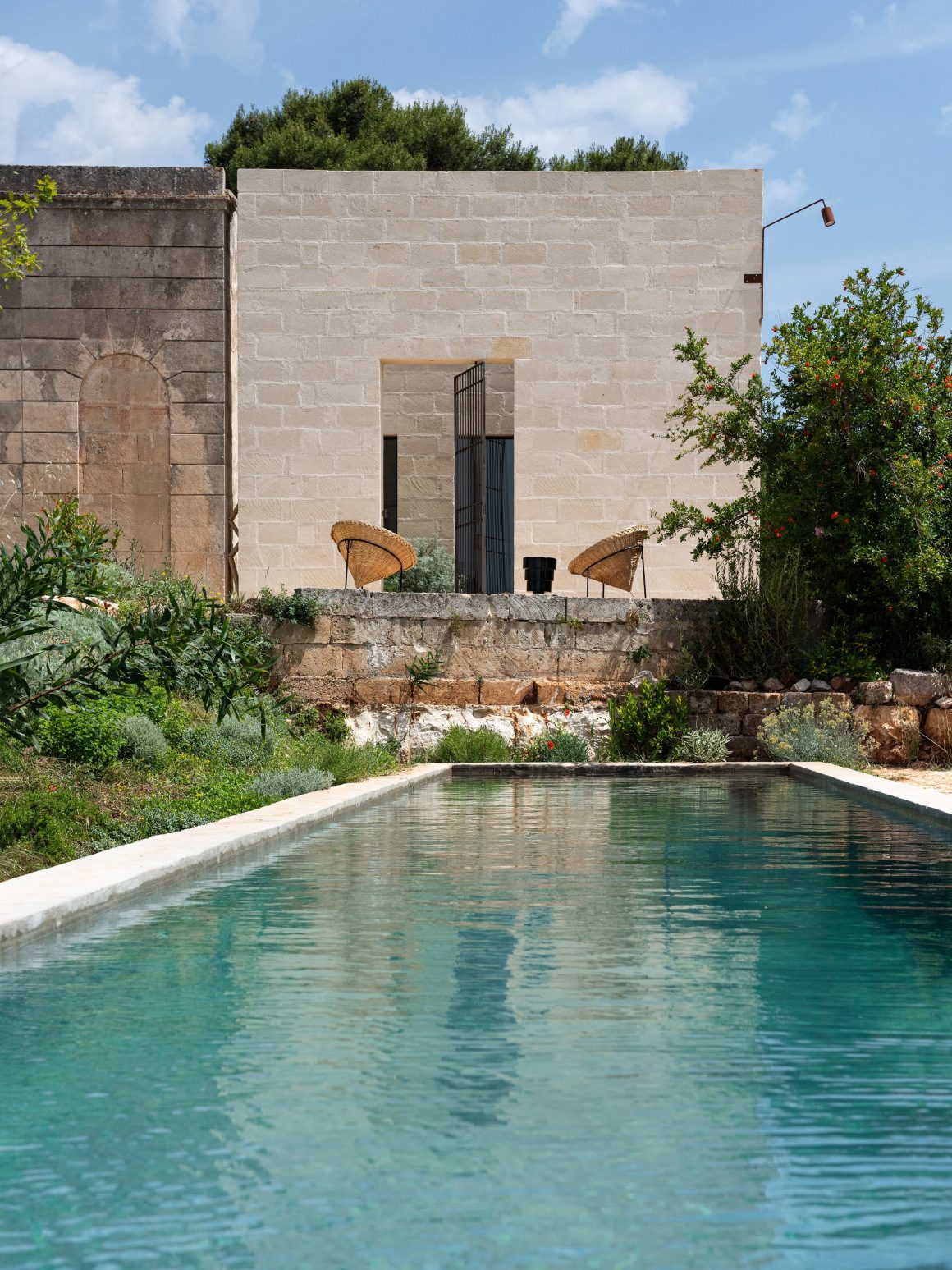
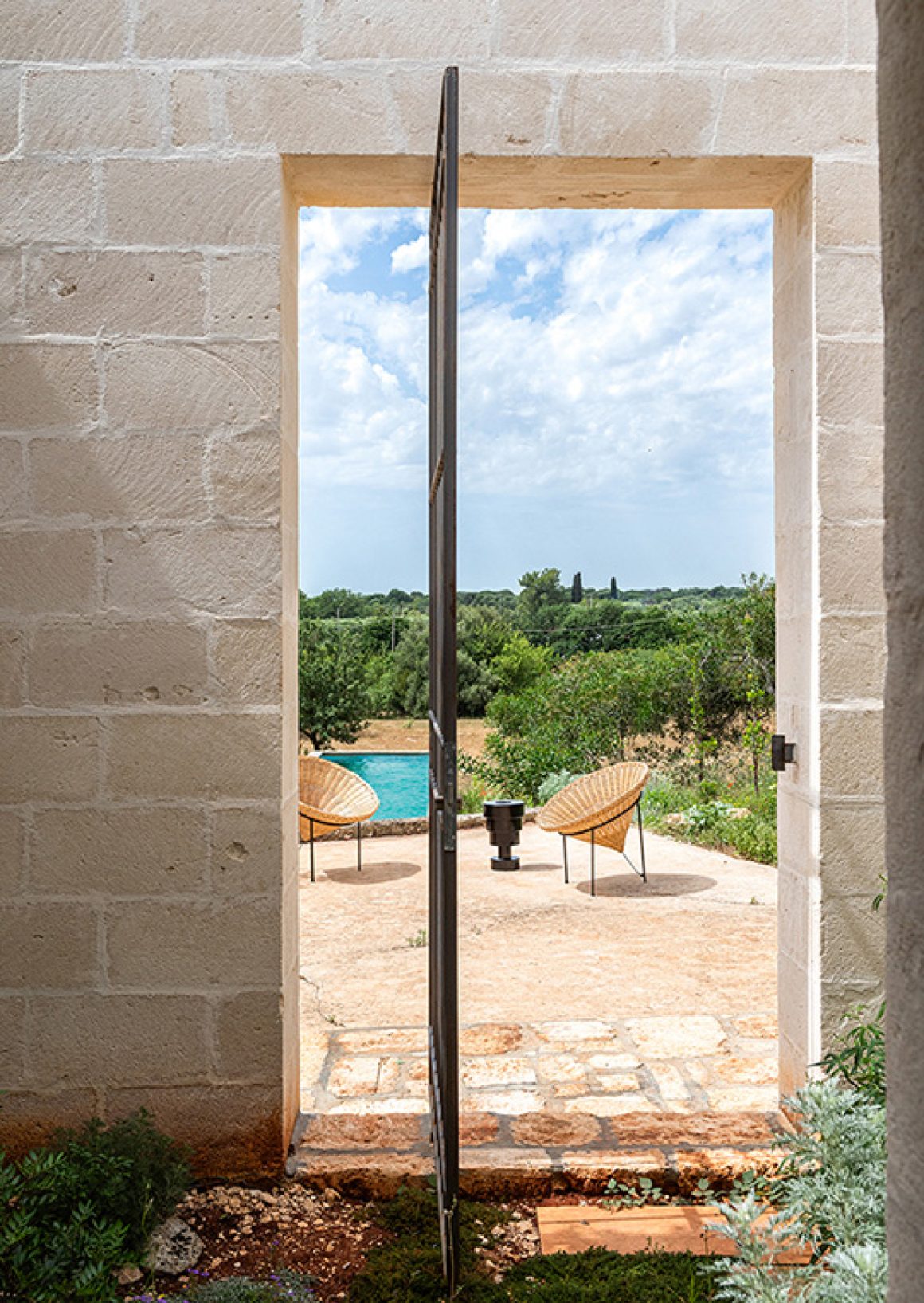
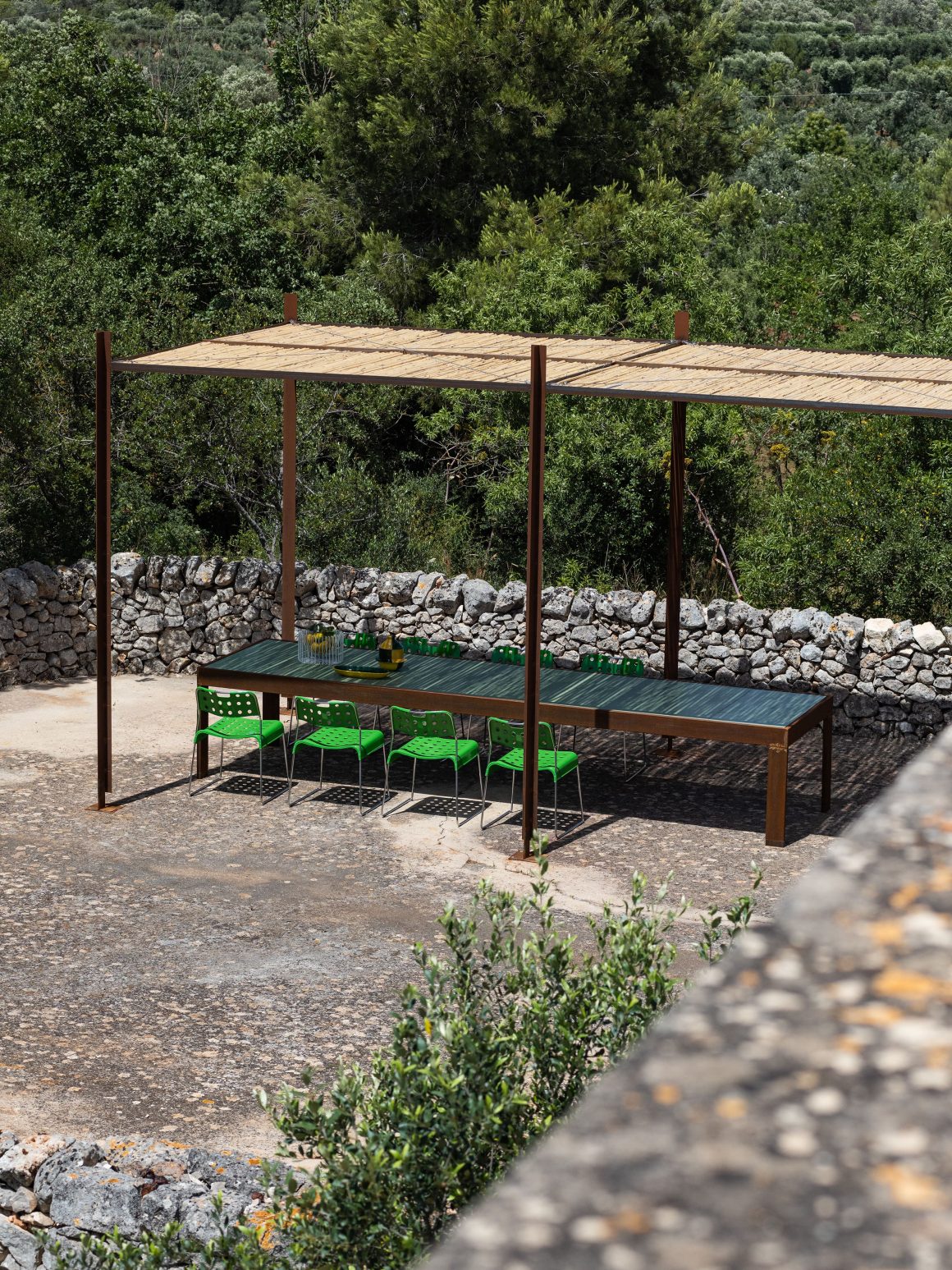
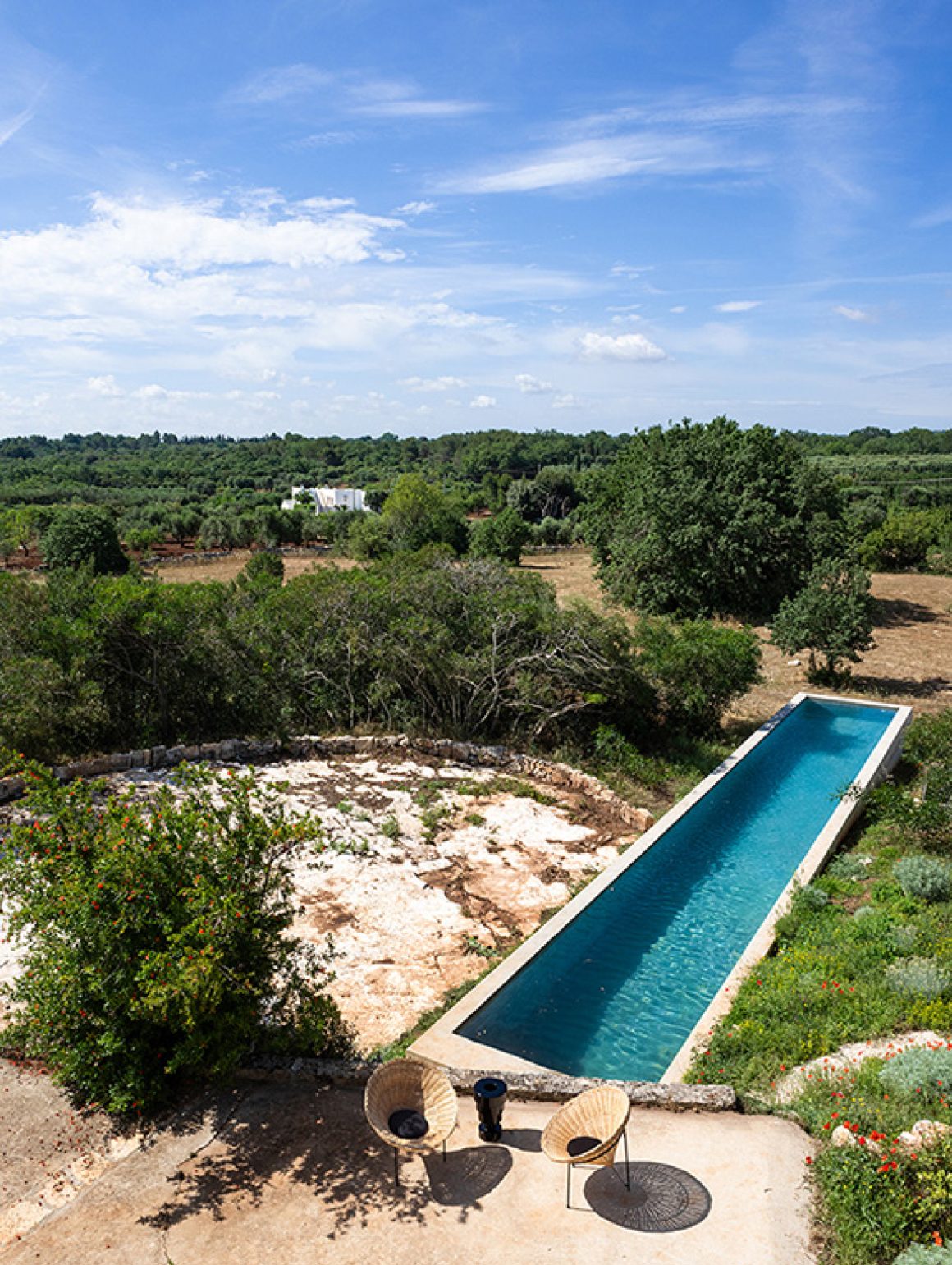
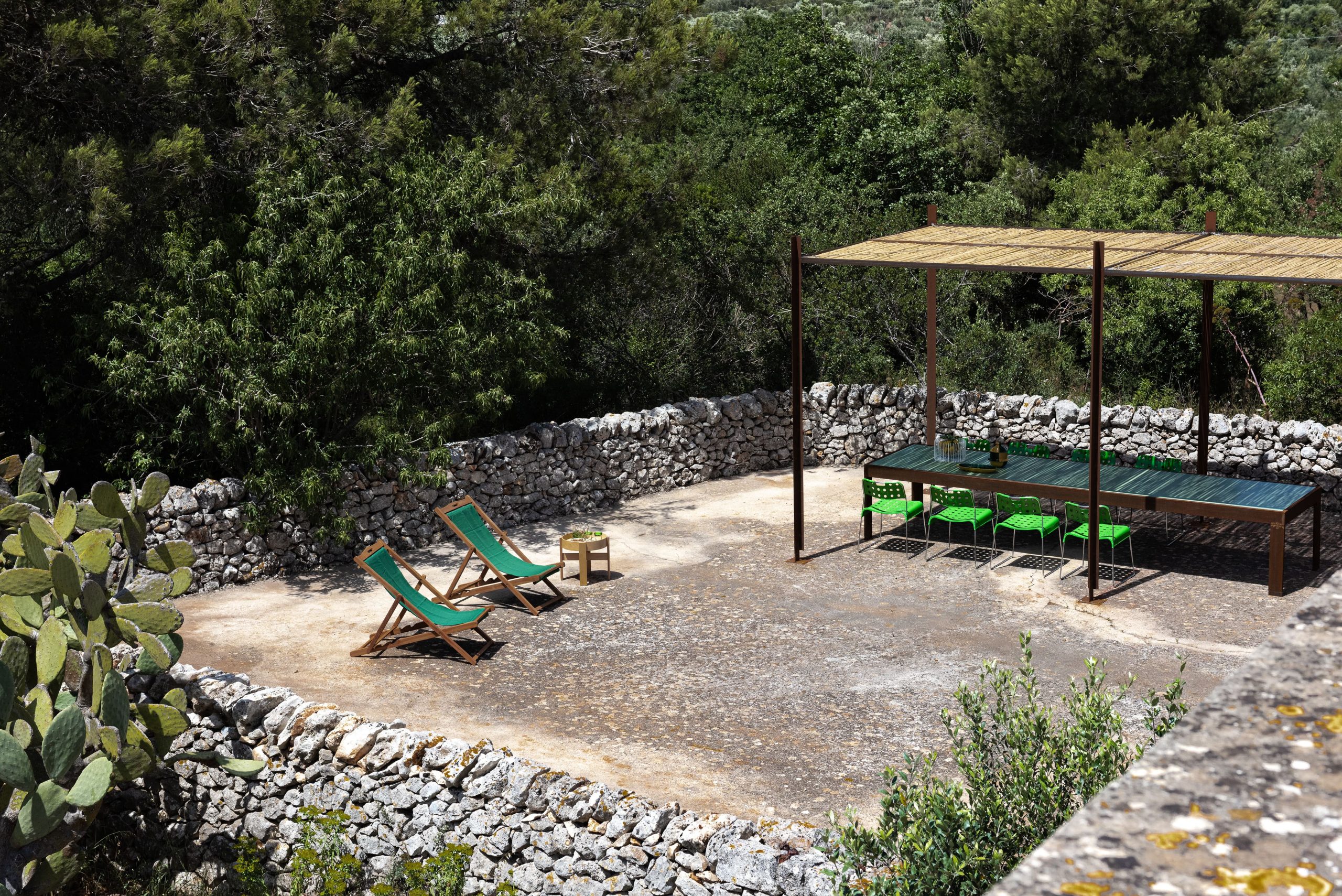
During construction, an ancient stone threshing floor was also brought back to light, carefully restored, and transformed into an outdoor gathering space. Nearby, a swimming pool set within the vegetation evokes the memory of traditional rural water reservoirs, creating yet another connection between the contemporary project and the site’s agricultural heritage.
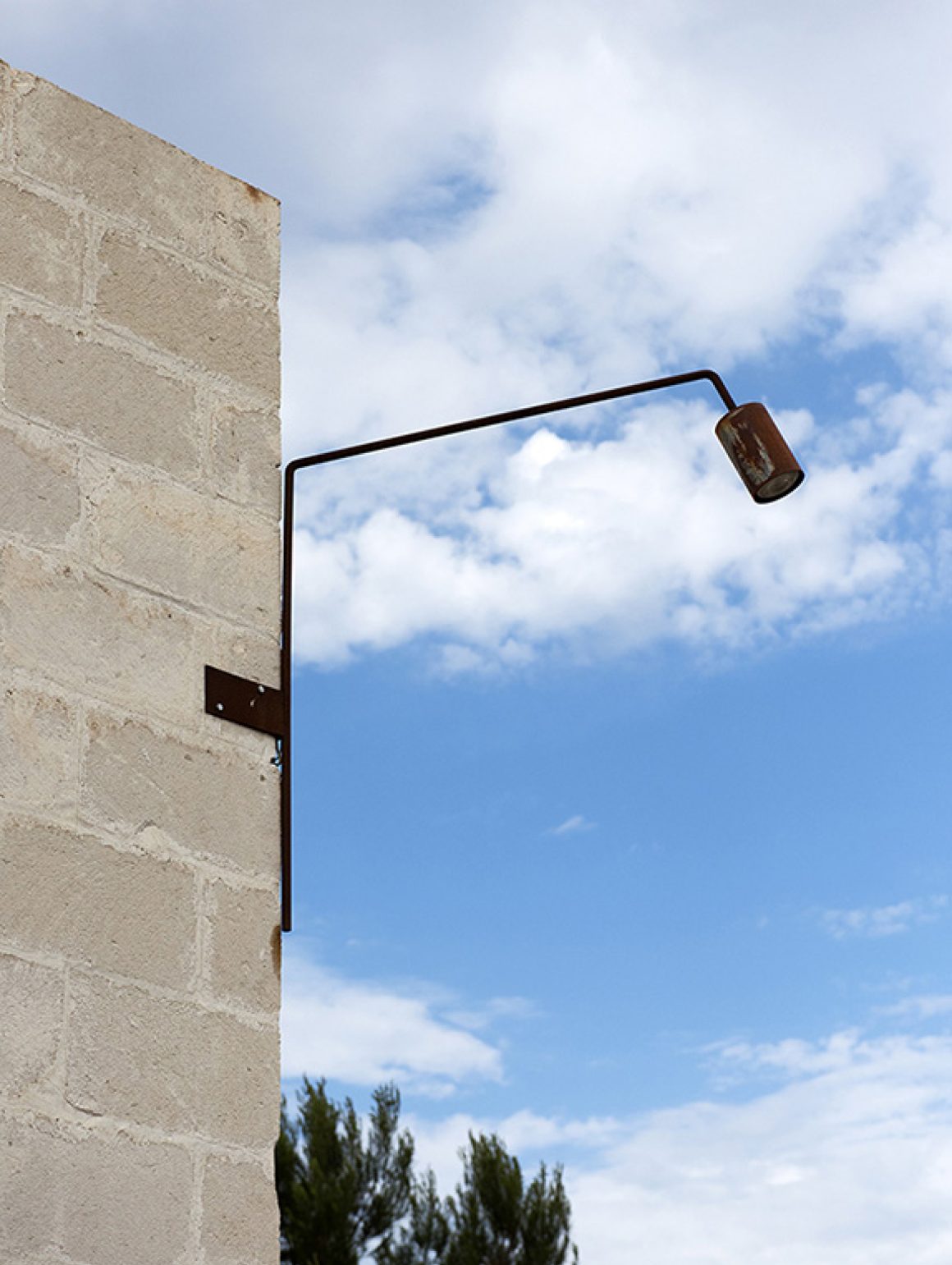
Every design decision was guided by the desire to preserve the identity of the place. Earthen pathways, the use of local materials, minimal night-time lighting, and the protection of native vegetation all reflect a commitment to intervening without disrupting the existing ecological and cultural balance.
More than simply a residence, Casa A2O represents a thoughtful reflection on the relationship between architecture, landscape, and sustainable agriculture. It is a place where memory and innovation coexist, shaping a way of living that is deeply rooted in its territory while remaining fully responsive to contemporary needs.