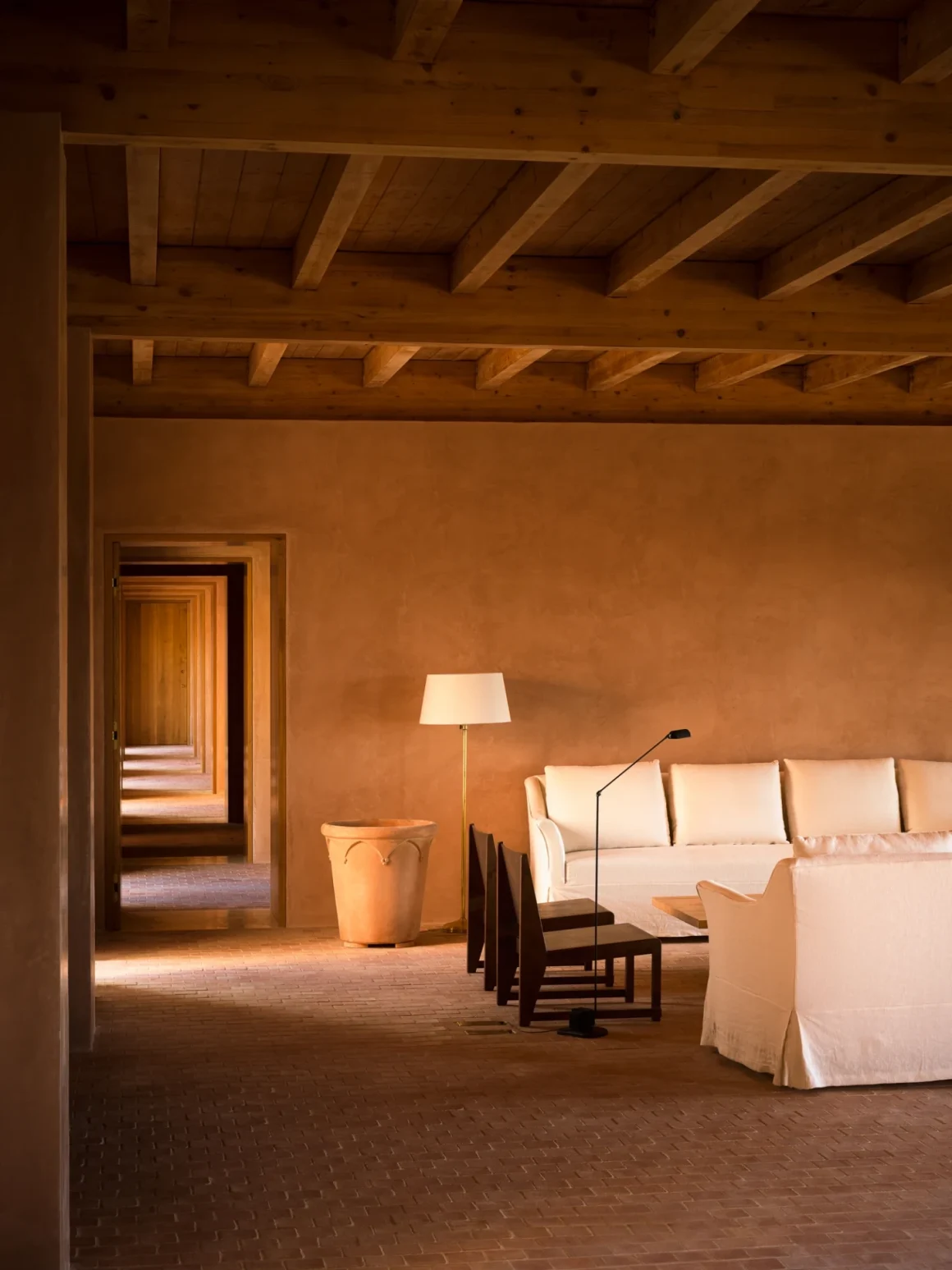
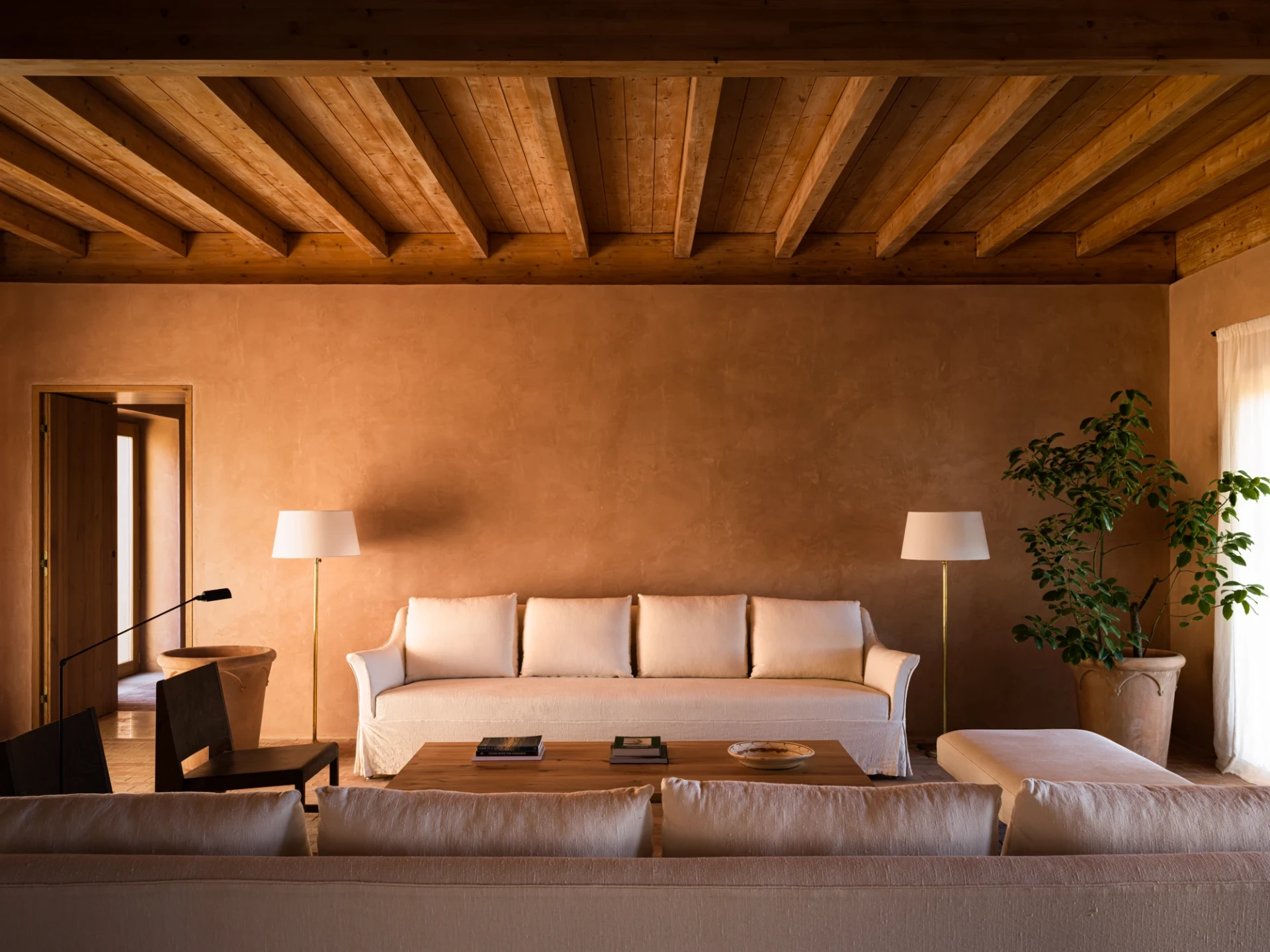
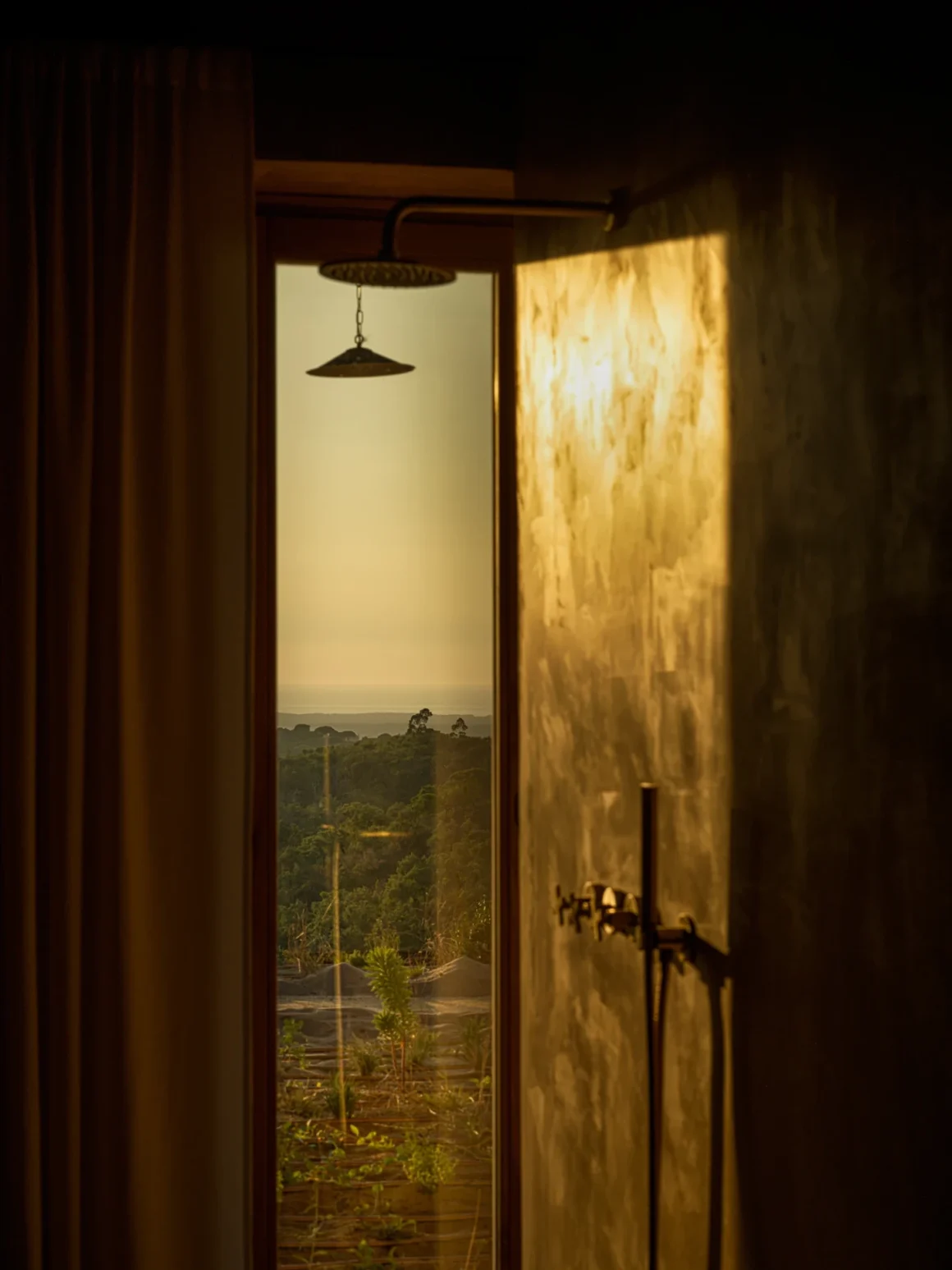
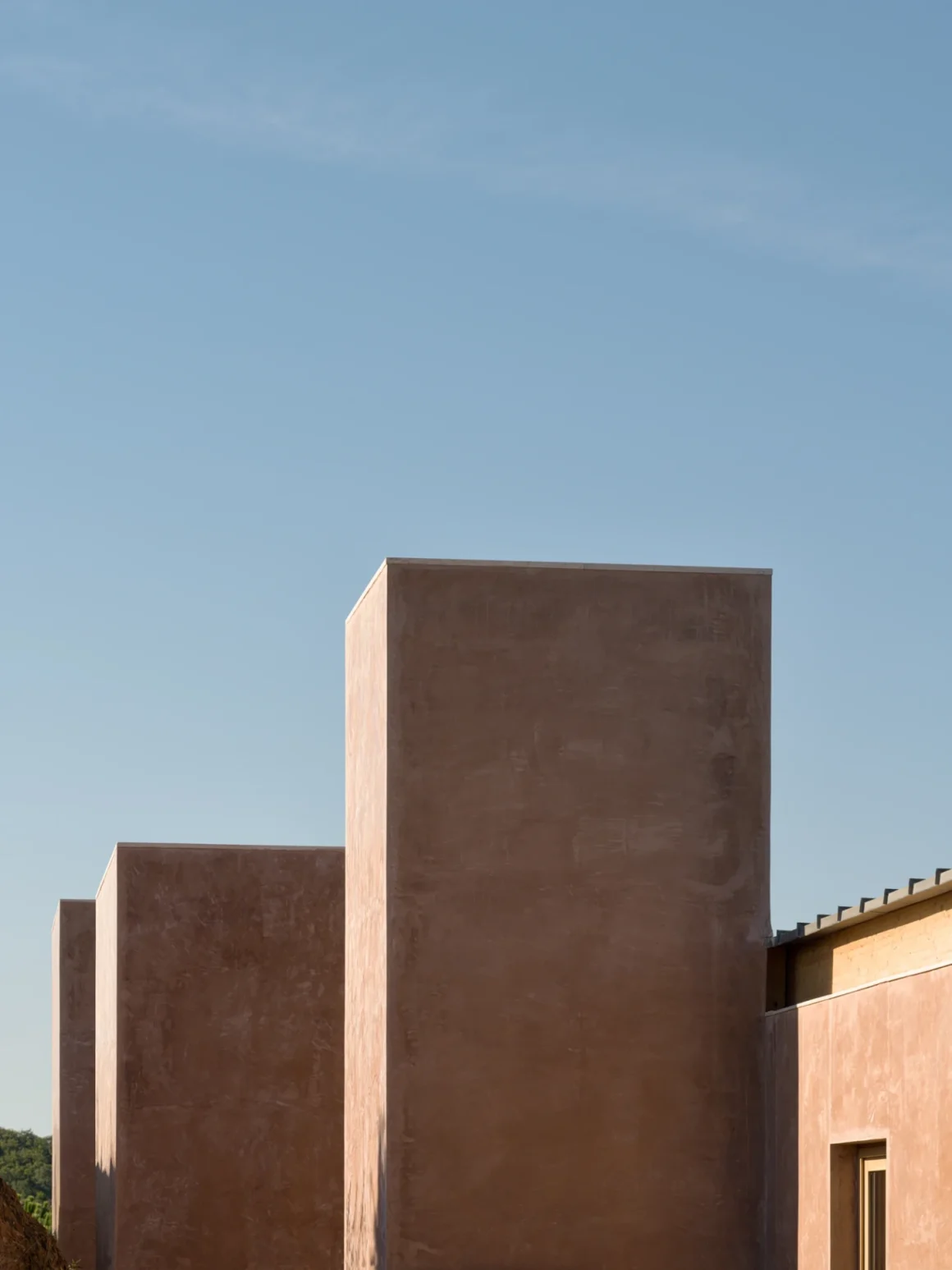
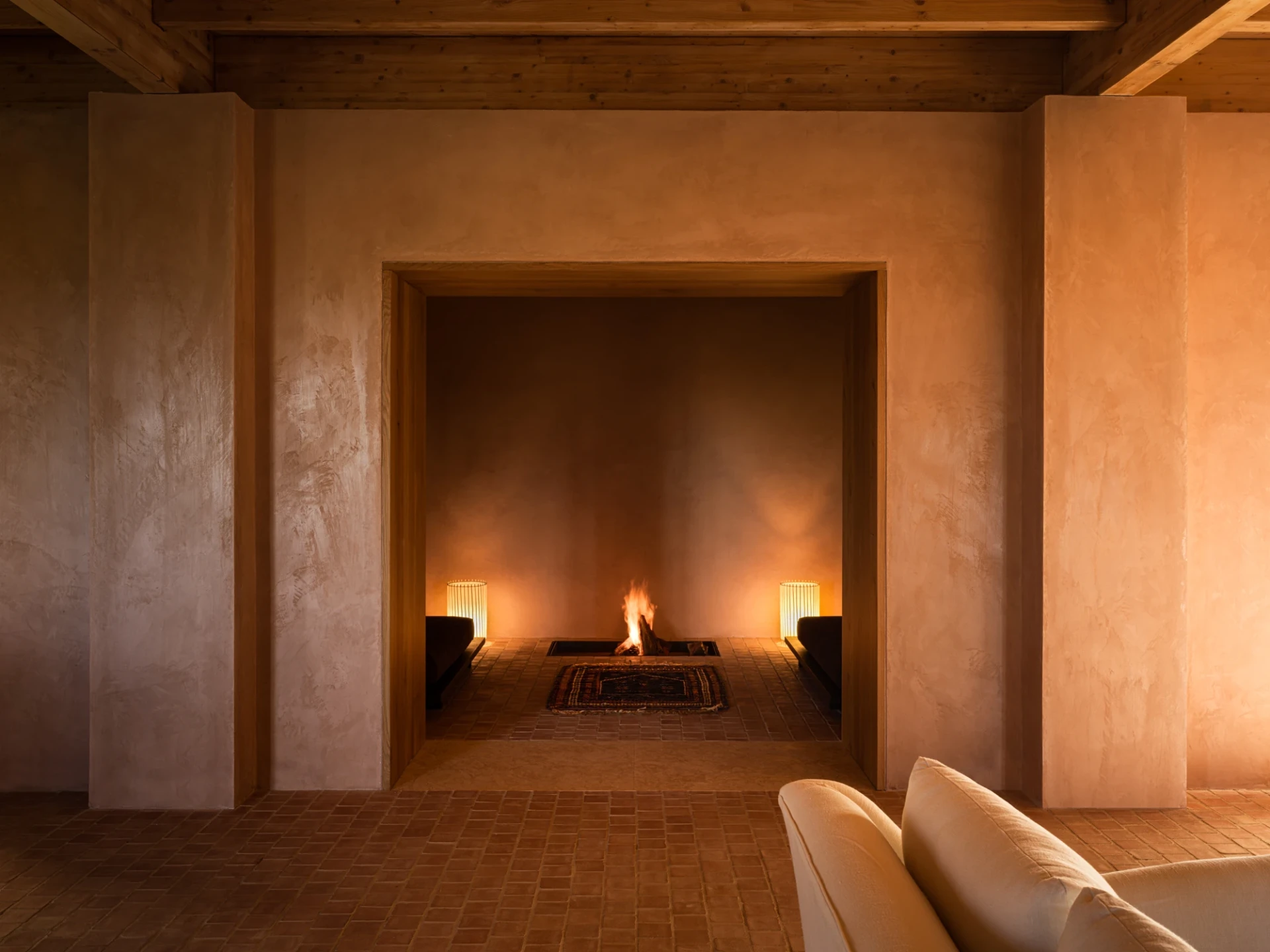
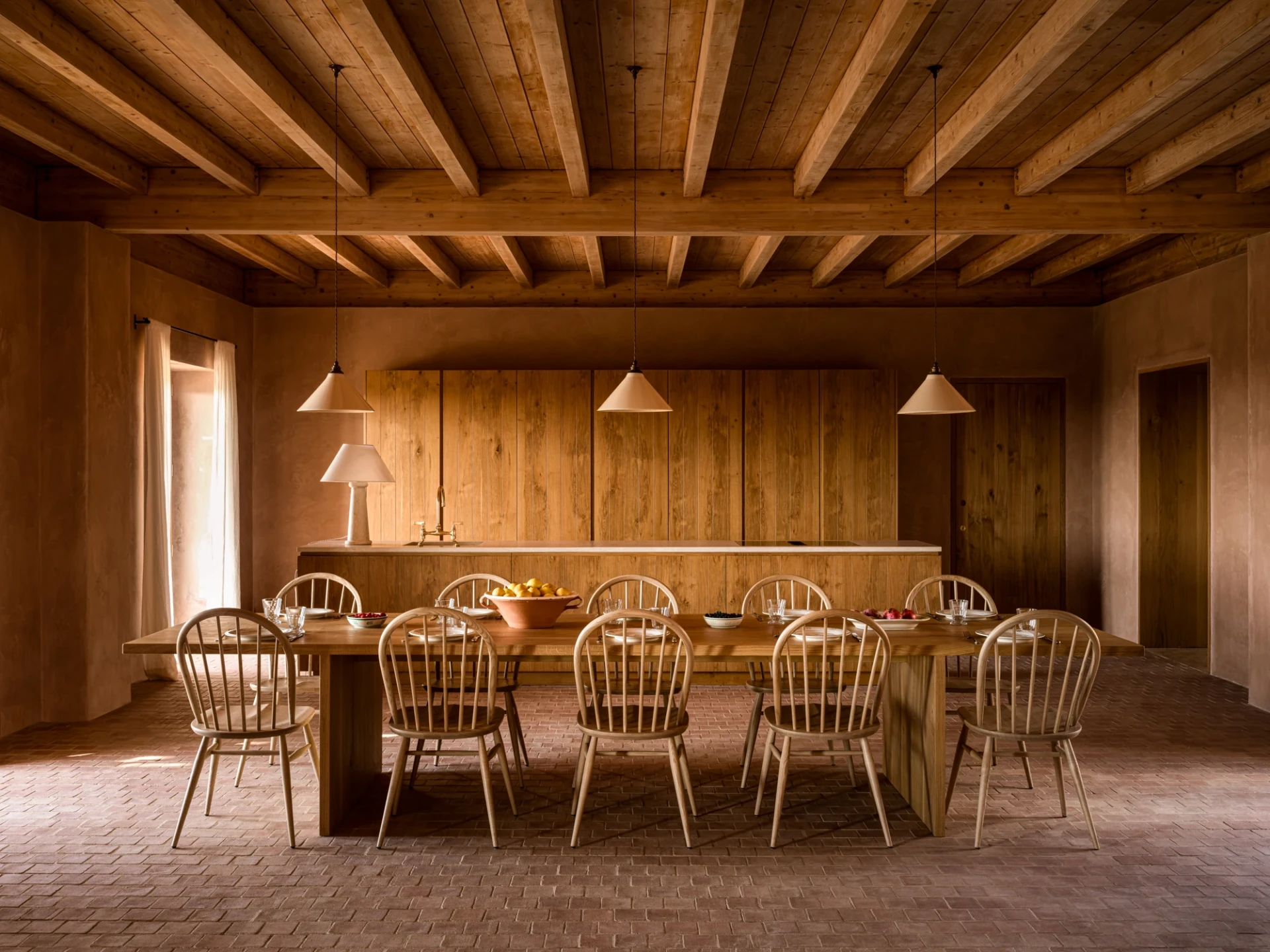
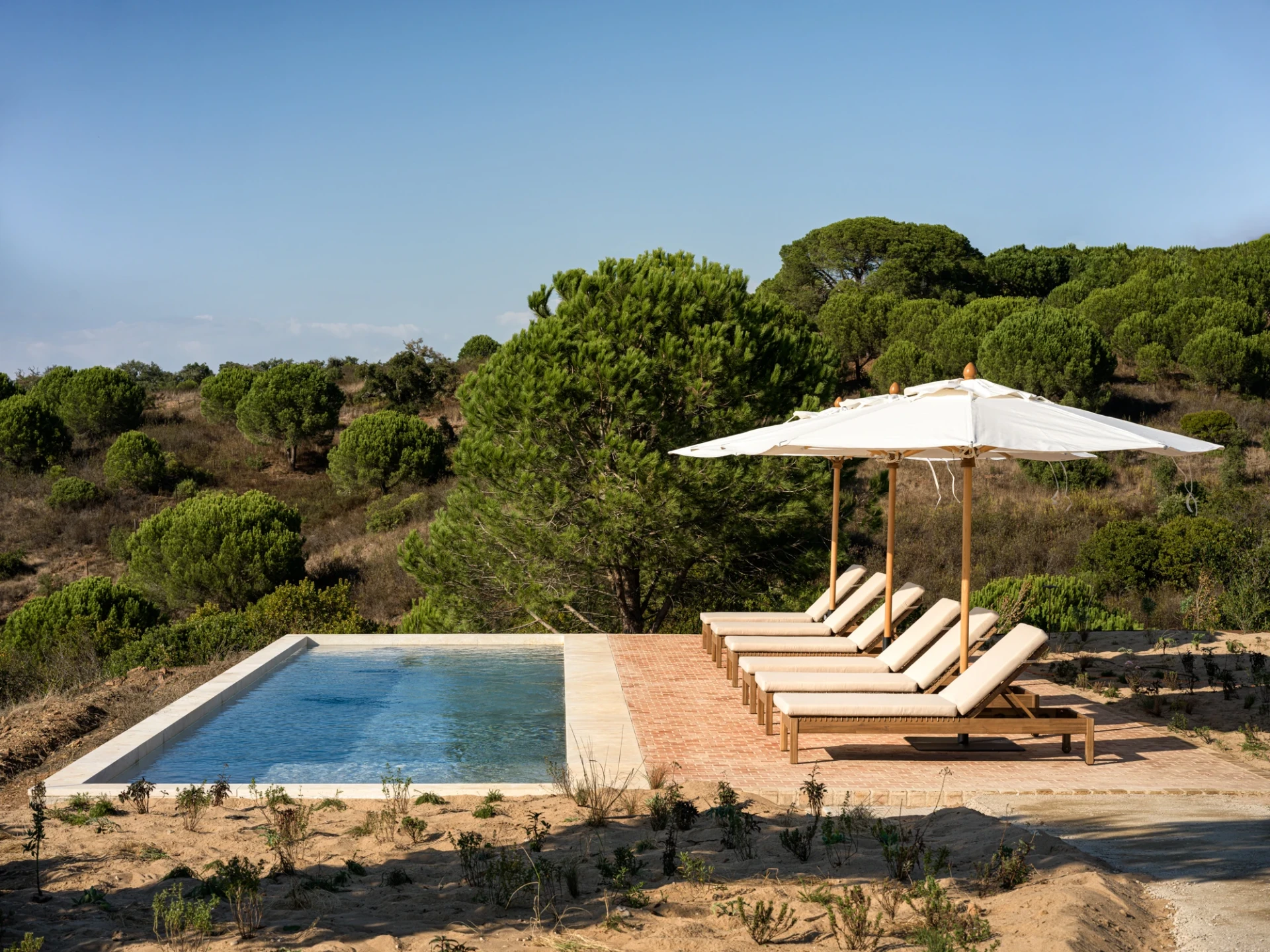
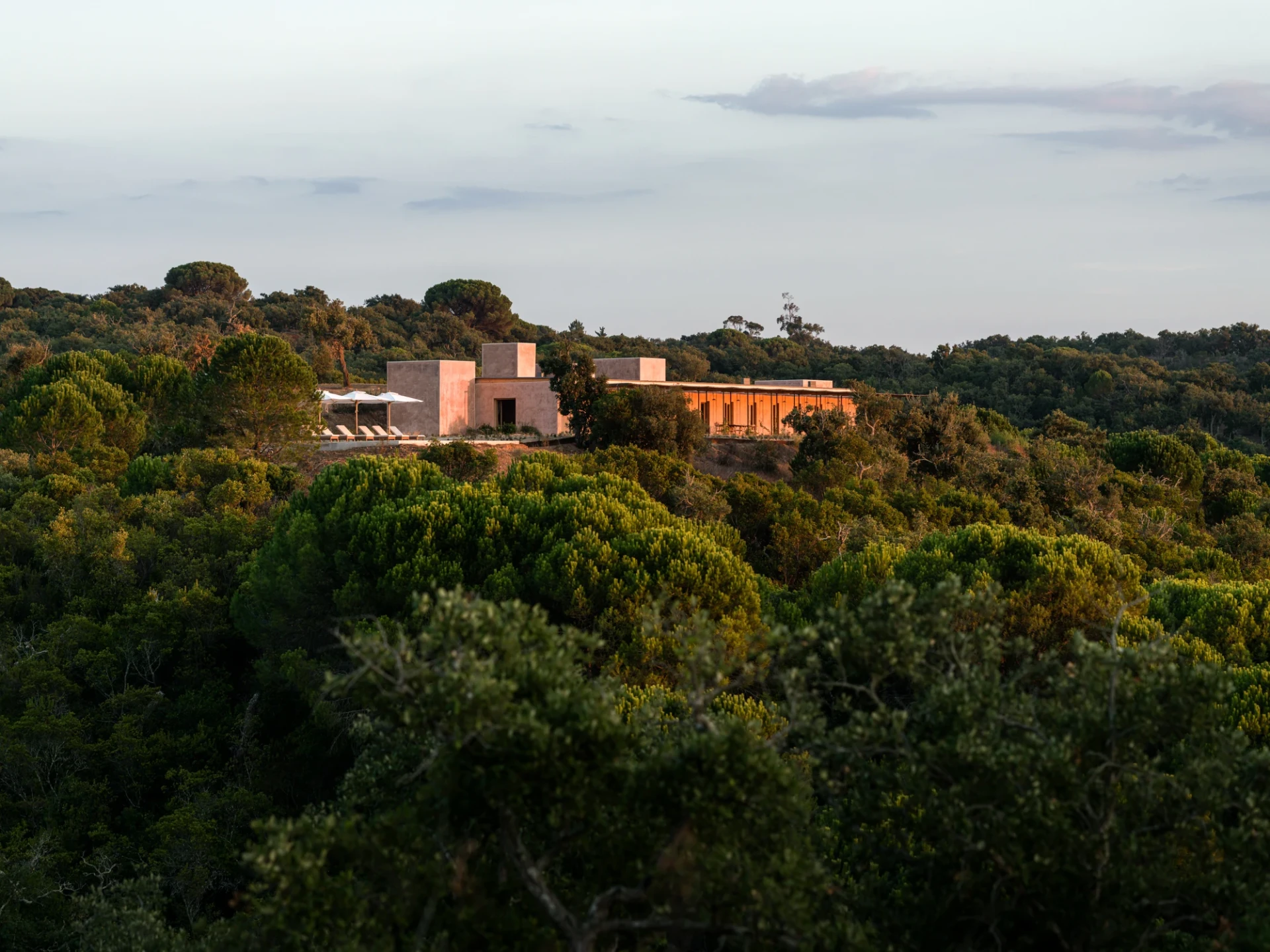
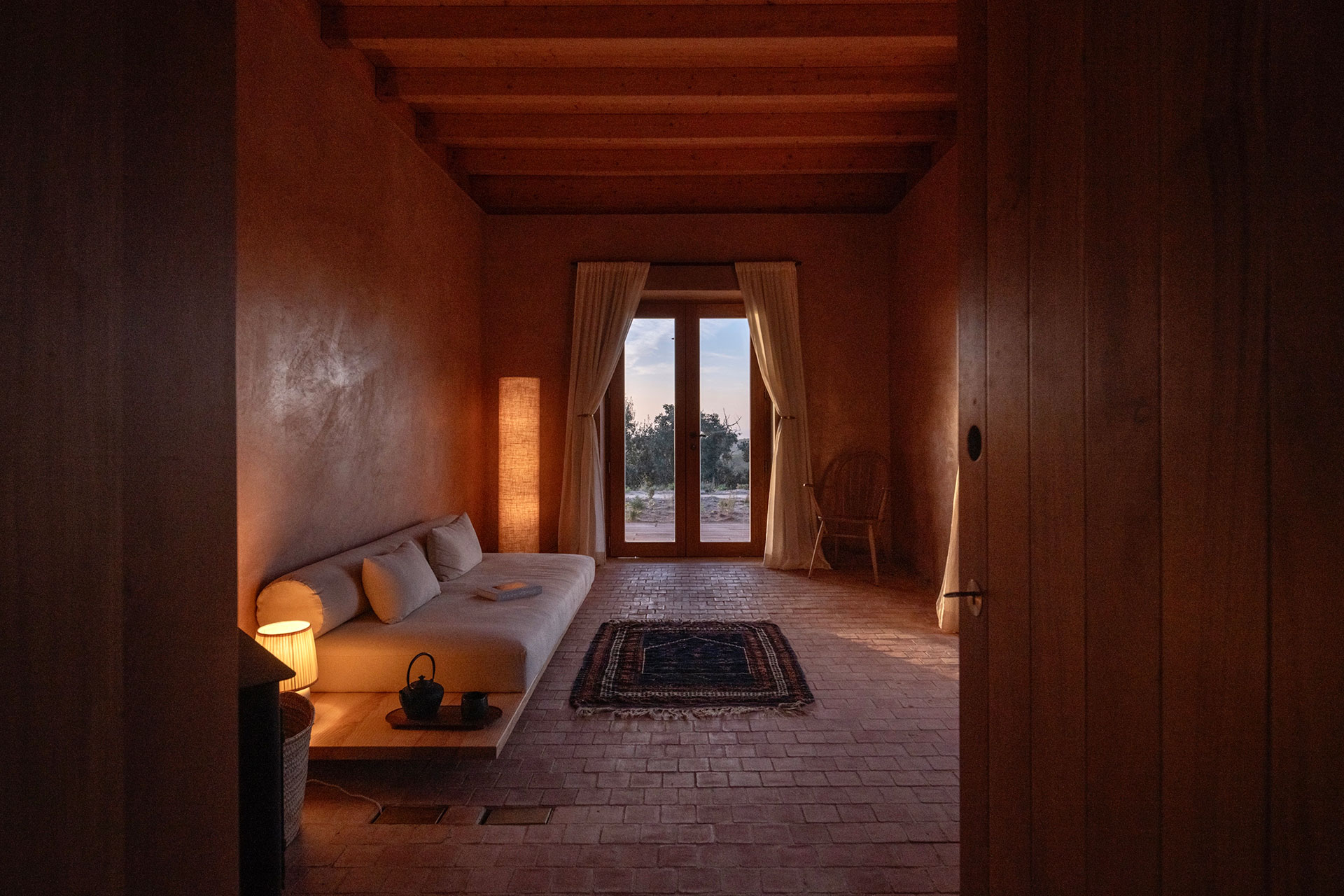
Between forest and ocean light, the rammed-earth sanctuary in Melides on Portugal’s Alentejo coast invites its visitors on a path of recalibration, awe, and pleasure. Time expands, senses sharpen, and nature distills under the spell of RockRose, a living system of spaces and rituals designed by architect Manuel Aires Mateus.
Refined and radical, RockRose lies at the intersection of culture, ecology, and longevity. The spirit is rooted in the free-thinking of art, emotion and poetry. They stand in reverence to nature — guided by the belief that it underpins the strength of human health and society.
The rammed earth house designed by Manuel Aires Mateus guides every ritual and interaction. Aligned with vernacular wisdom, this ‘living system’ enacts the science of neuroaesthetics. Each step questions how sensorial beauty drives our brains, emotions, and nervous systems.
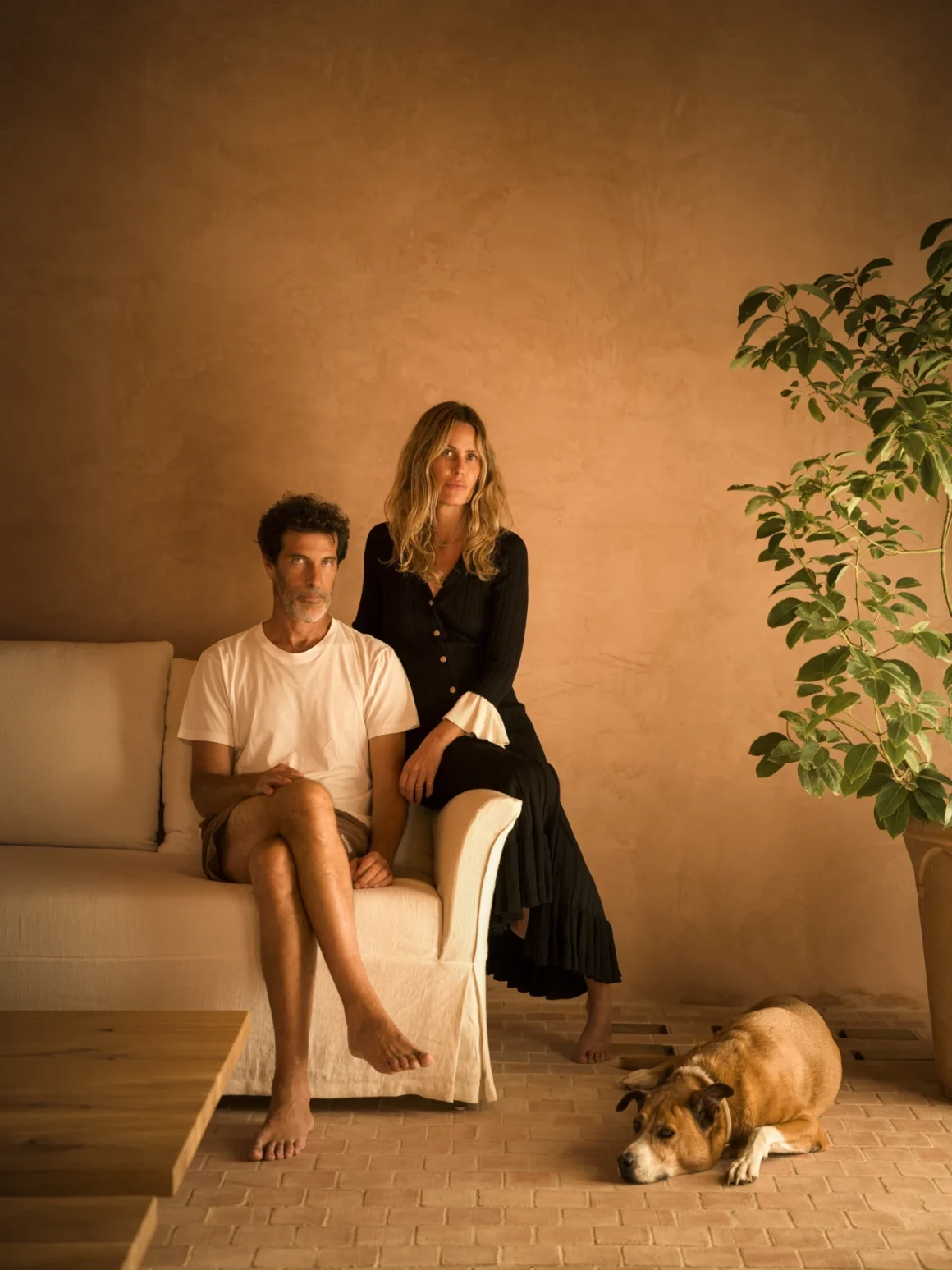
RockRose is the creation of founders Marta Alvim and Vasco Maya. Alvim is a visual artist, filmmaker, and researcher with a PhD in Cultural Studies, whose practice moves across art, the non-human, neuroaesthetics, and consciousness. Maya is a pilot, captivated by the forces of nature, who flies gliders in his spare time, observing the environment from above.
Together they developed RockRose in Melides, in their native Portugal, as an intellectual, living inquiry into the biological nature of aesthetics. They commissioned architect Manuel Aires Mateus to design a monastic house, attuned to the environment and the senses — an architecture grounded in sharing, learning, and expansion.
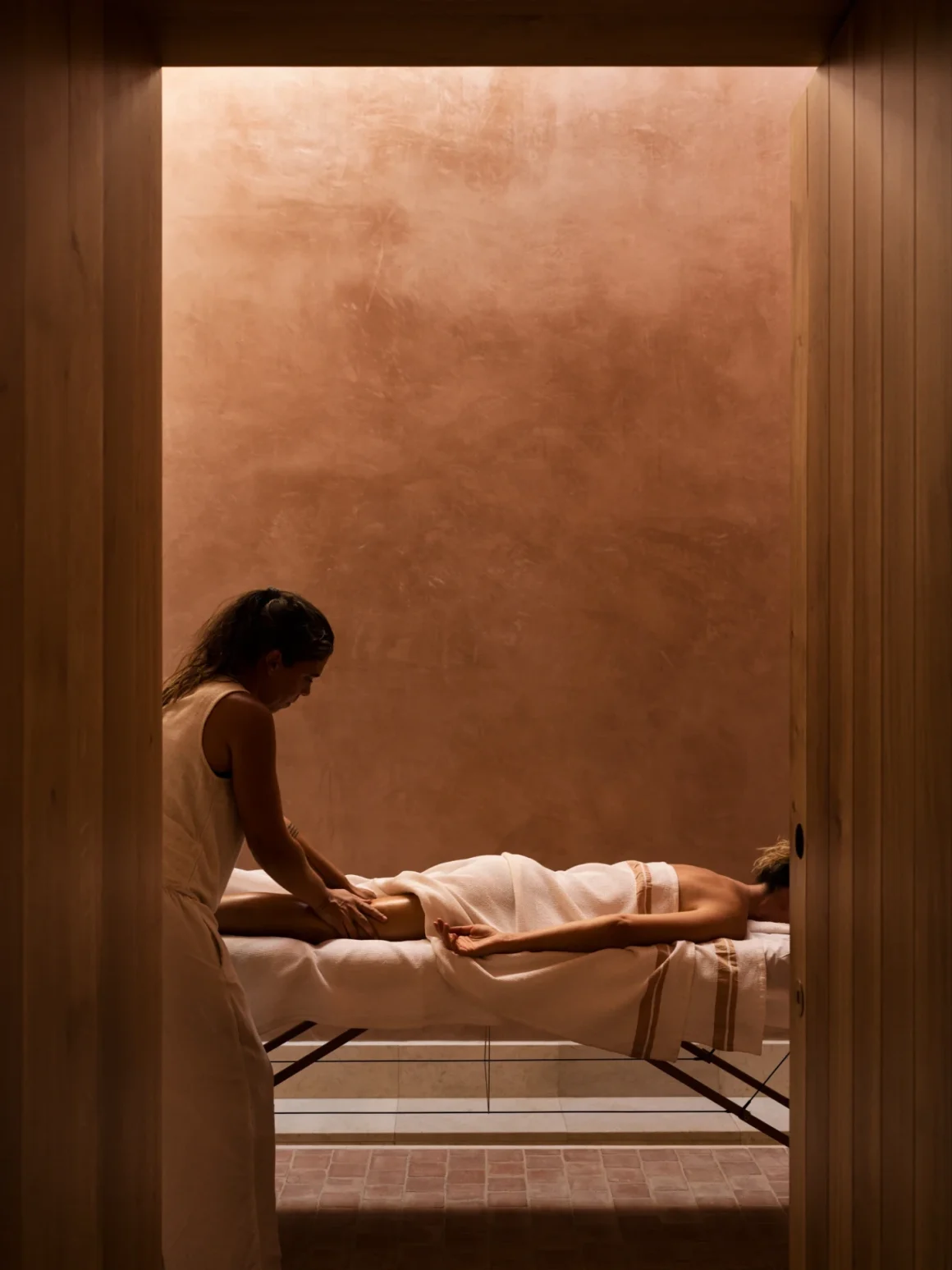
RockRose proposes a new model for the wellness and hospitality landscape — one that moves beyond treatment-based approaches towards environmental transformation. As well as offering well-being as a service, it creates the conditions through which the body can naturally restore itself, where the inner life is shaped as much as the outer one.
Quietly engaging with a cultural shift, RockRose returns to a more discerning form of living. One that values time over speed, depth over display, and presence over performance. It is the first expression of a wider vision: to develop environments that support long-term human flourishing through beauty, intelligence, and respect for natural systems.
“Building from scratch with rammed earth presented a fascinating challenge driven by the degree of precision and the specific metrics demanded by the material construction. We developed an architecture grounded in modularity, from which the spatial rationale and visual identity emerged.” — Manuel Aires Mateus
Portuguese architect Manuel Aires Mateus composed RockRose from rammed earth, natural materials, proportion, silence, and light. Emerging from the land, the house expands existence beyond the immediately measurable. It initiates a gradual return to balance, following nature and the principles of neuroaesthetics.
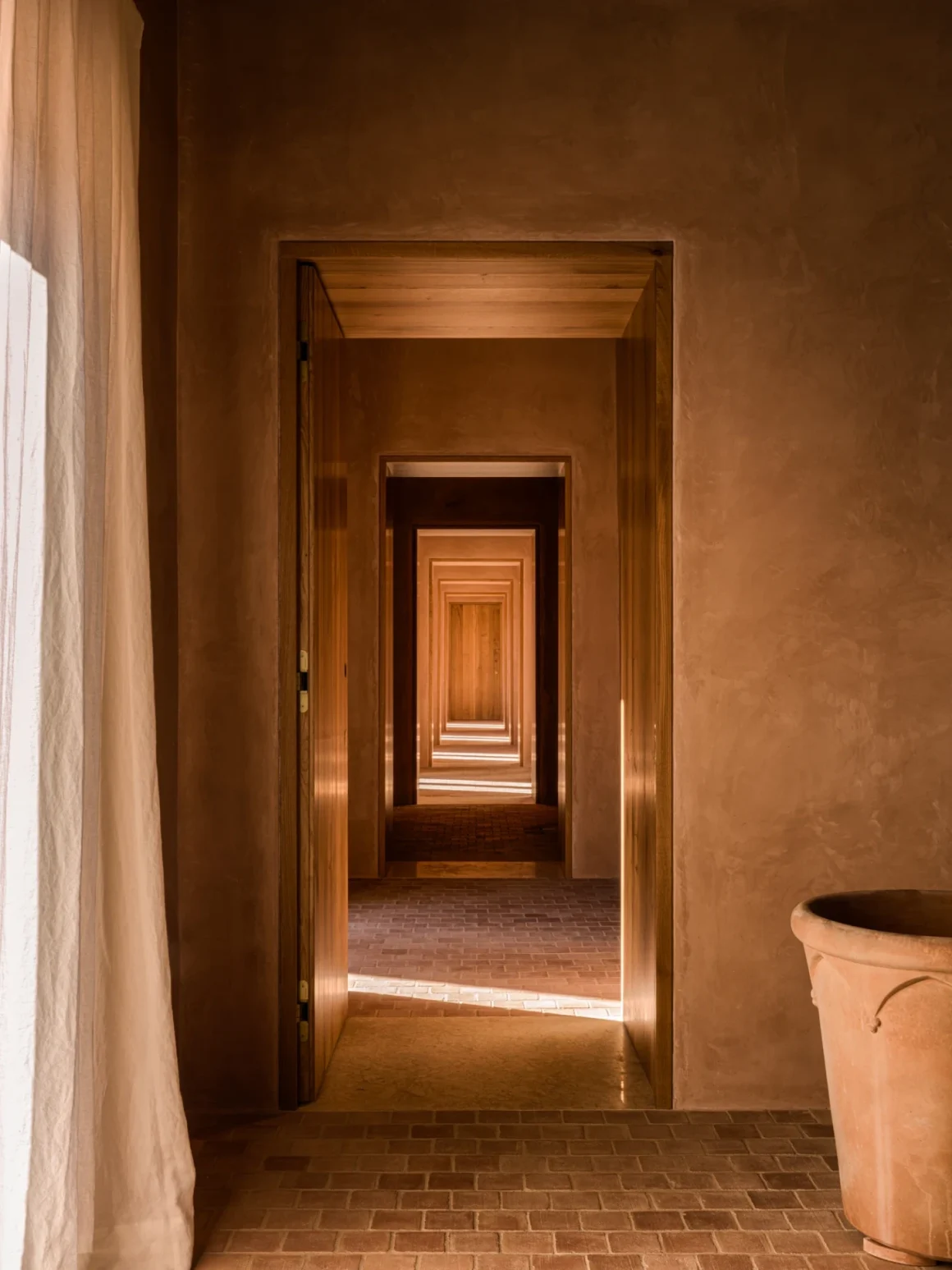
Shaped by hand and compacted layer by layer, the rammed earth commanded patience and rigour. What emerged was a rational spatial plan that engages with symmetry, repetition, and proportion. An austere echo of ancient mountain monasteries and sacred spaces. A metaphor for the enduring comfort of order and coherence.
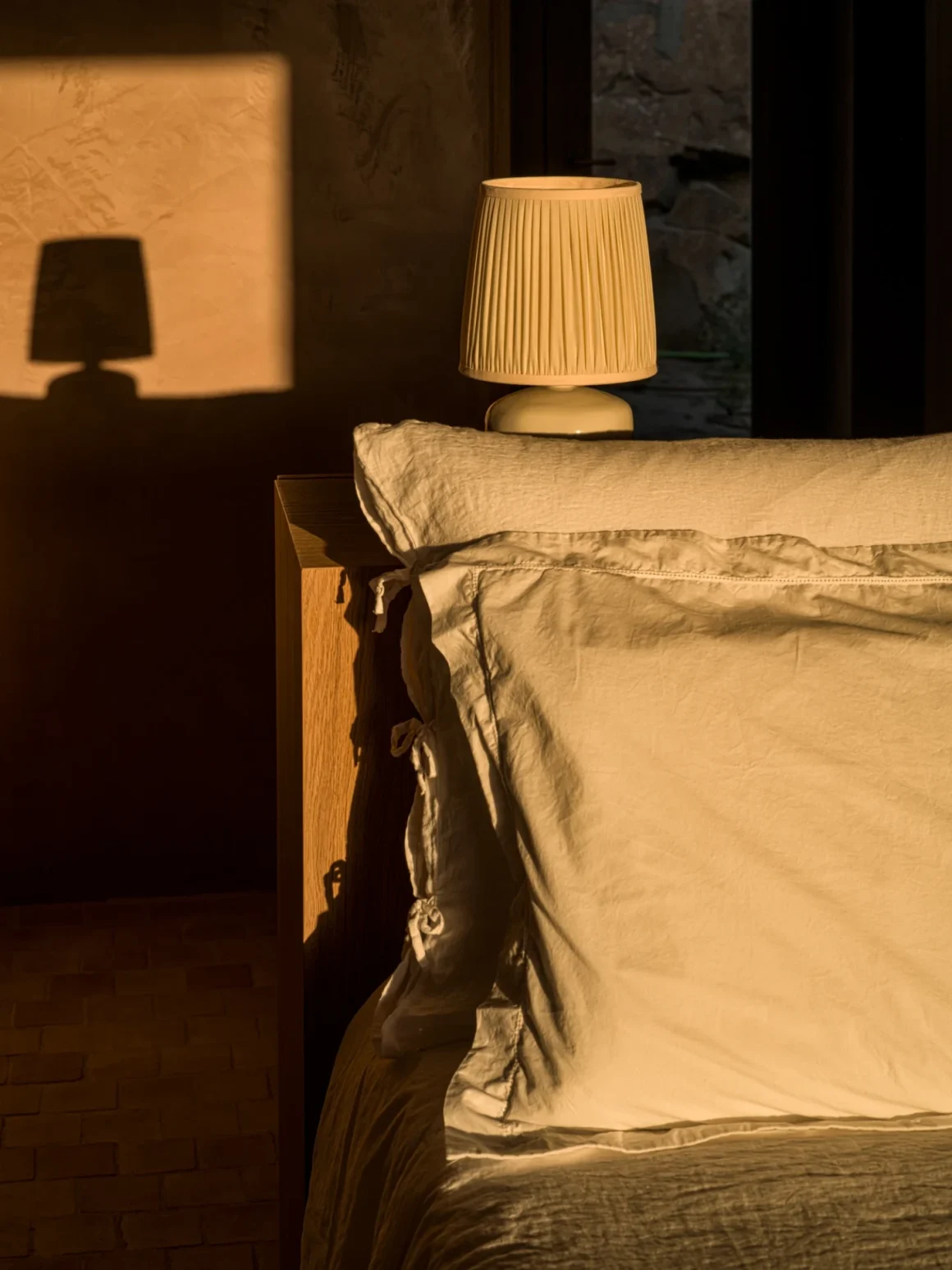
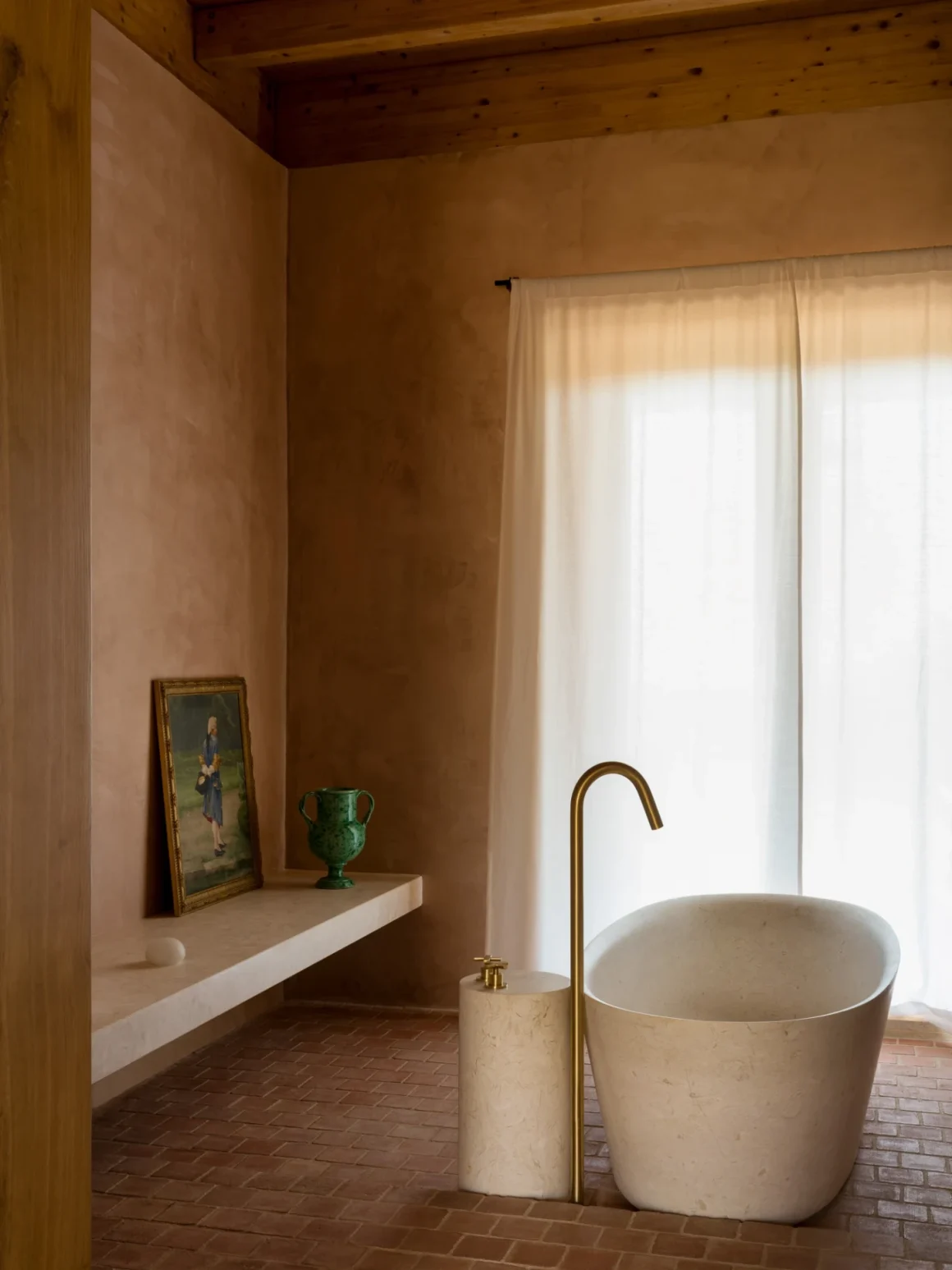
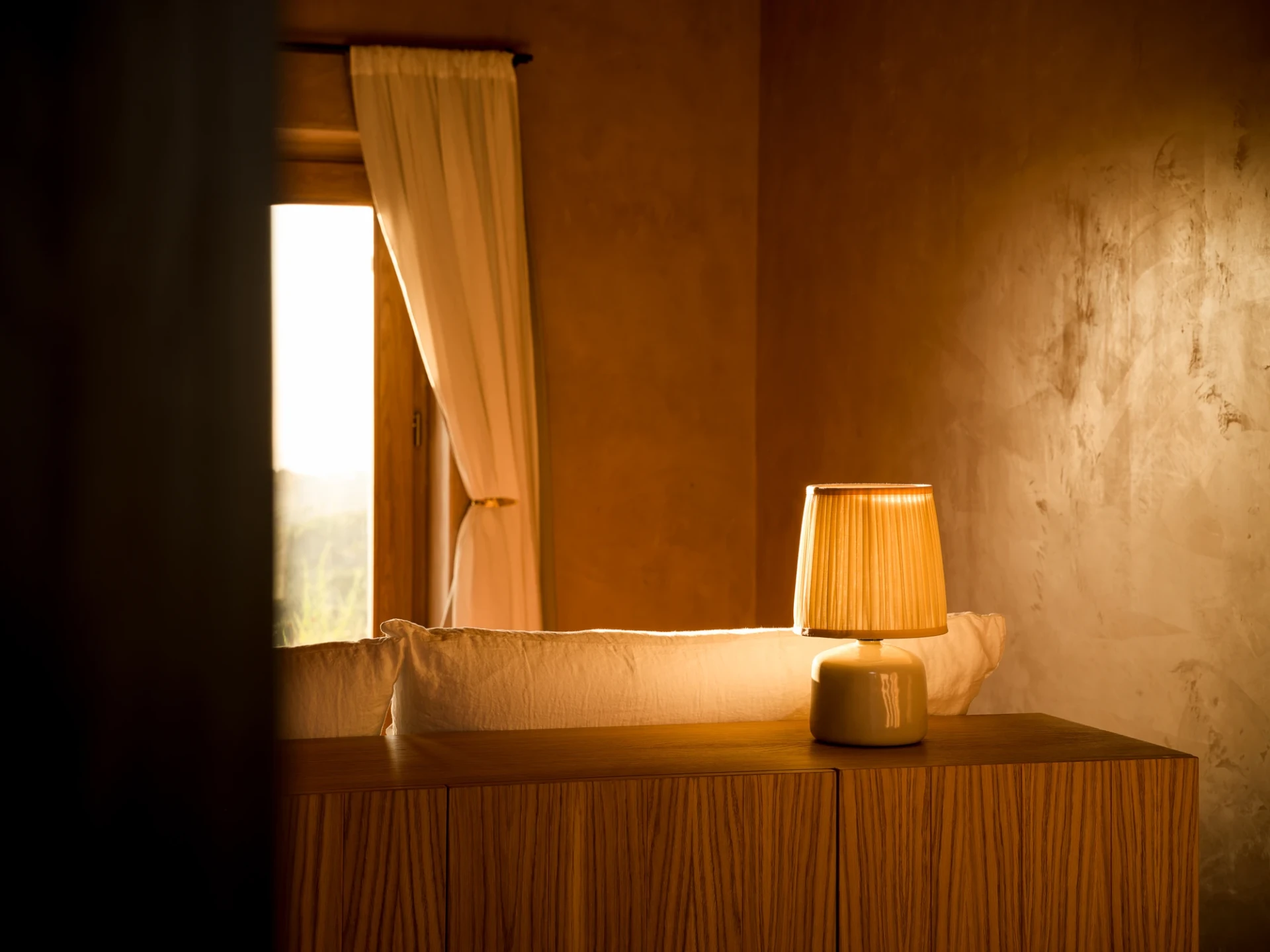
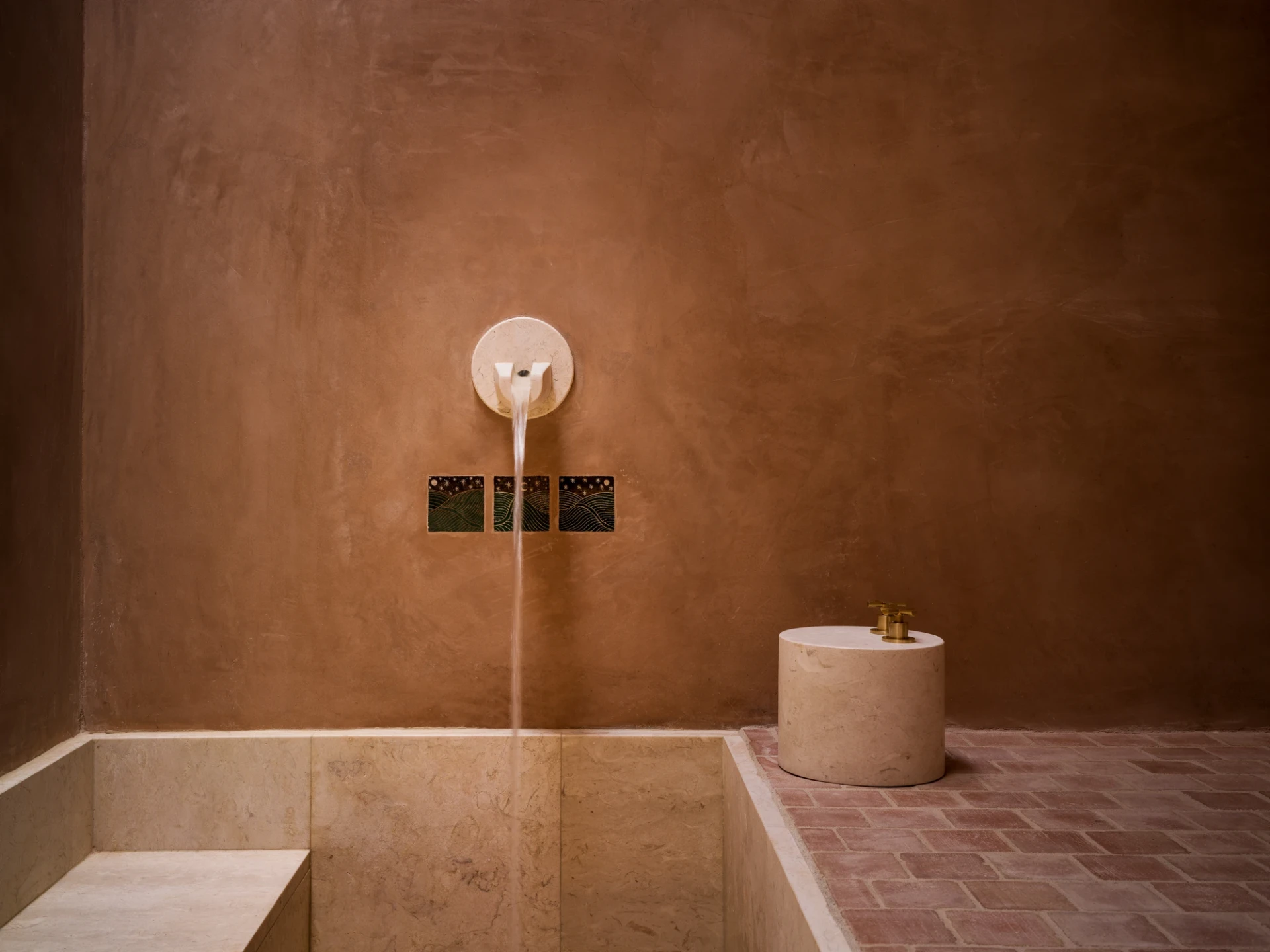
The tactile materiality of rammed earth situates the body within the intelligence of nature and the landscape itself — its mass, temperature, and mineral presence forms a sensory field that supports calm and regulation. European oak, lioz stone, and Venetian stucco reinforce this with the capacity to age, breathe, and anchor the body in a deeper perception of time.