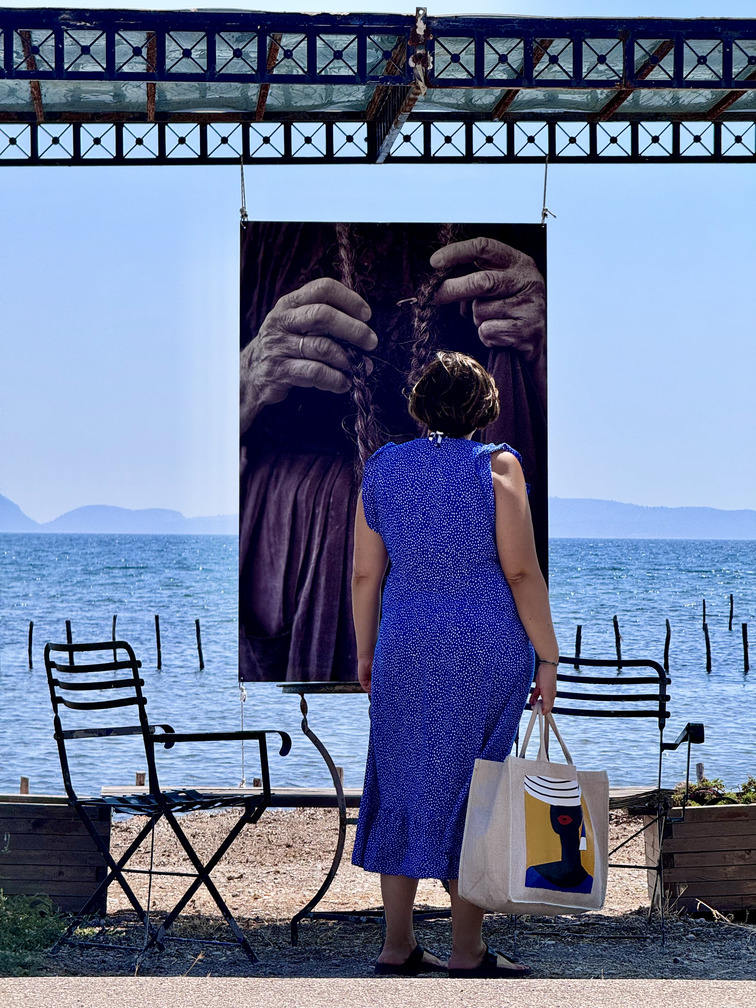
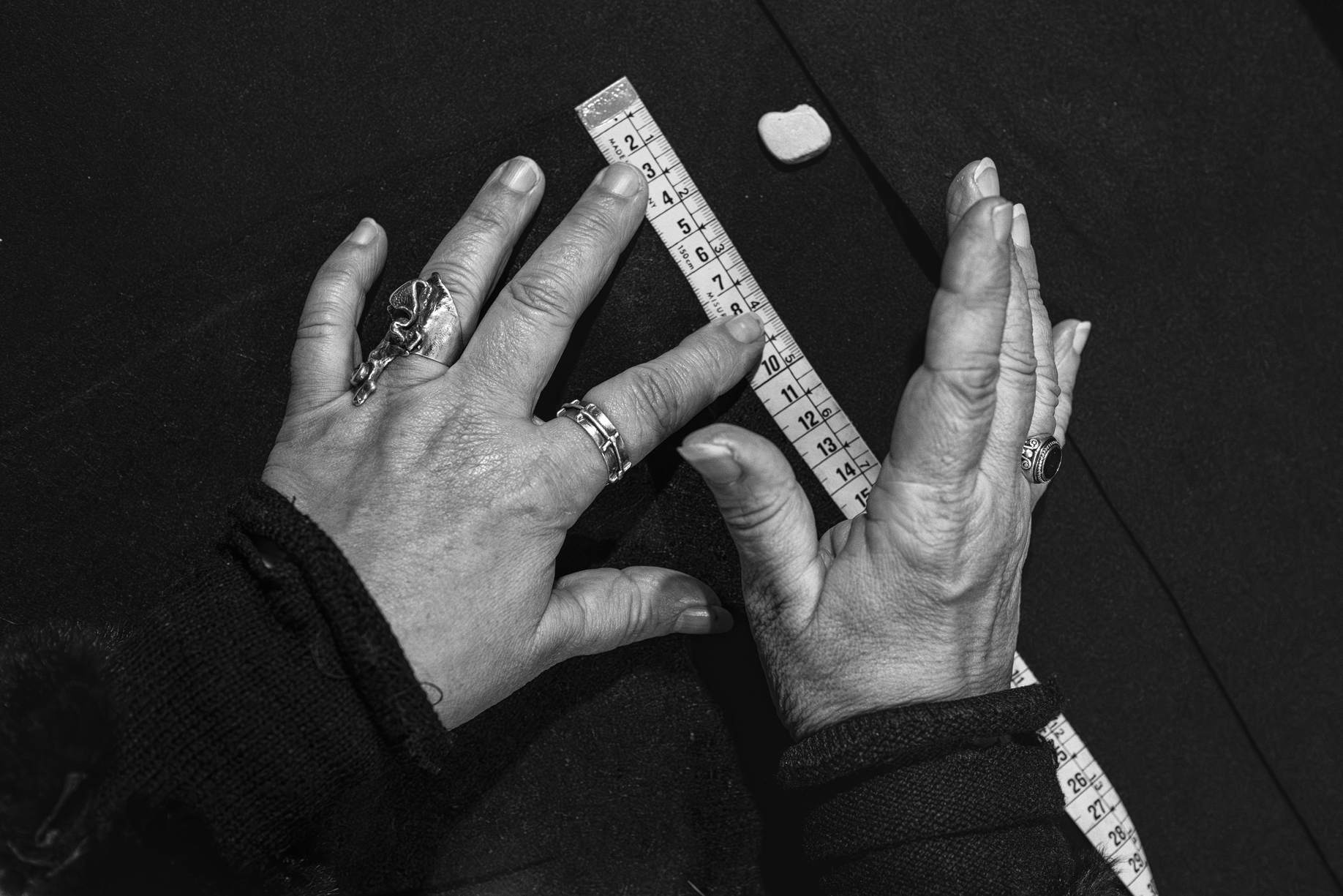
“A strange reverence takes hold of me when I look at people’s hands. In their movements, I discern an ancient language, a choreography that very often unfolds without our awareness. Gestures that travel from body to body, from one generation to the next. Primordial choreographies that transcend our understanding.
When human beings first stood upright, they lifted their faces towards the sky. They wanted to introduce themselves to the universe. Their hands had no need for such introductions. Through touch, they had already mapped everything they encountered. They had felt stone, dug into the earth, drunk water from their cupped palms, sensed the fire, caressed another body.
When hands touch, the world is transformed.
The years pass over them, leaving behind small roads, creases, veins rising like roots after the rain. Hands that have sown, dug, woven nets, cut bread. Hands that have held a newborn and, one day, closed the eyes of the dead. The same palm contains both beginning and end.
Perhaps that is why I photograph them.
Once, in Messolonghi, I was watching the hands of an old fisherman. He was doing nothing remarkable. He was tying a rope. And yet there was something ancient in his movement, as though he were repeating a gesture that had been made thousands of times before him and would be made again long after he was gone. For a moment, I could not tell whether I was looking at a man or at time itself working through his fingers.
That moves me.
A human being is often greater than the small story they tell about themselves. They are permeated by something greater than themselves. By those who came before them. By the earth they have walked upon. By the words they heard as a child. By gestures they learned without anyone ever teaching them.
Something passes from body to body.
A grandmother rests her hand on a child’s forehead. A father places his hand on his son’s shoulder. A farmer takes a handful of soil and rubs it between his fingers to know whether it is thirsty. An old man strokes the trunk of an olive tree. In these movements lies a kind of knowledge without books.
And a melancholic echo.
Like the sound of a cracked bell drifting from afar. The crack does not take away from the truth of its sound. It gives it depth. It makes it human. Each time it rings, you hear within it the echo of what has been lost.
Perhaps this is what happens to hands as they grow old.
Their wrinkles are furrows. Water, sweat, blood, and salt have passed through them. They have held things that no longer exist. They have touched people who have become memories. And yet, each morning, they continue to open, to seek the light, to reach for another hand.
This opening of the palm moves me profoundly.
Because we enter the world with our hands closed, and one day we leave it with them open. Between these two gestures lies almost our entire life: what we wanted to hold on to, what slipped away from us, what we eventually learned to let go.
I look at the hands of the elderly and think that perhaps this is where the humblest form of immortality lies.
A hand is gone.
The gesture remains.”
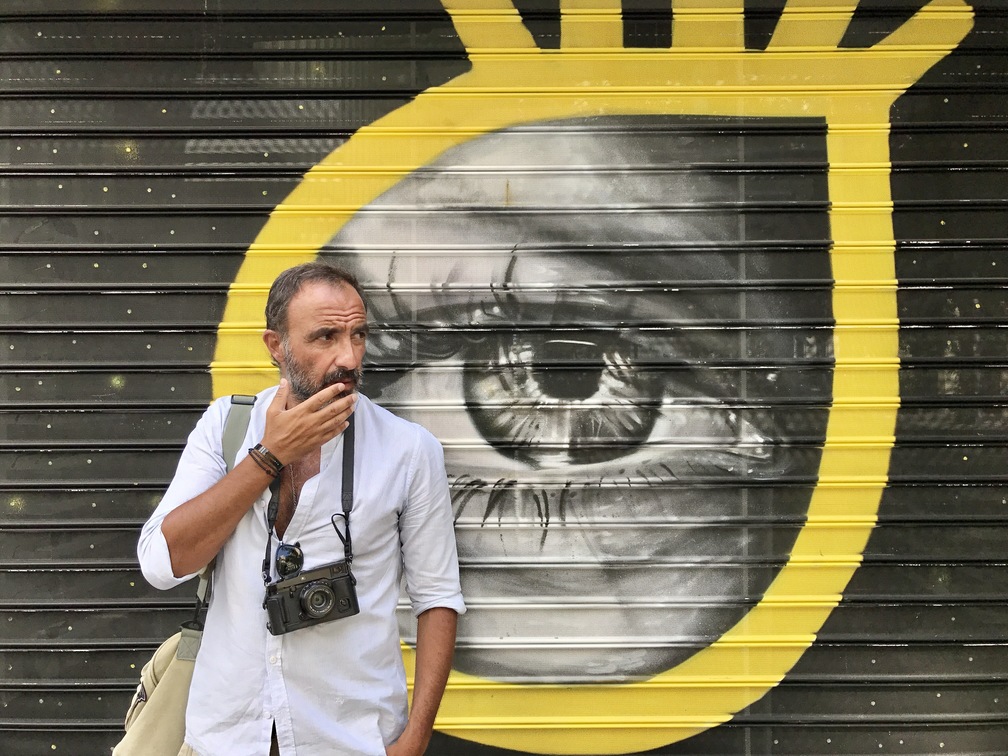
Nikos Aliagas
Nikos Aliagas Returns to the Lagoon of His Ancestors
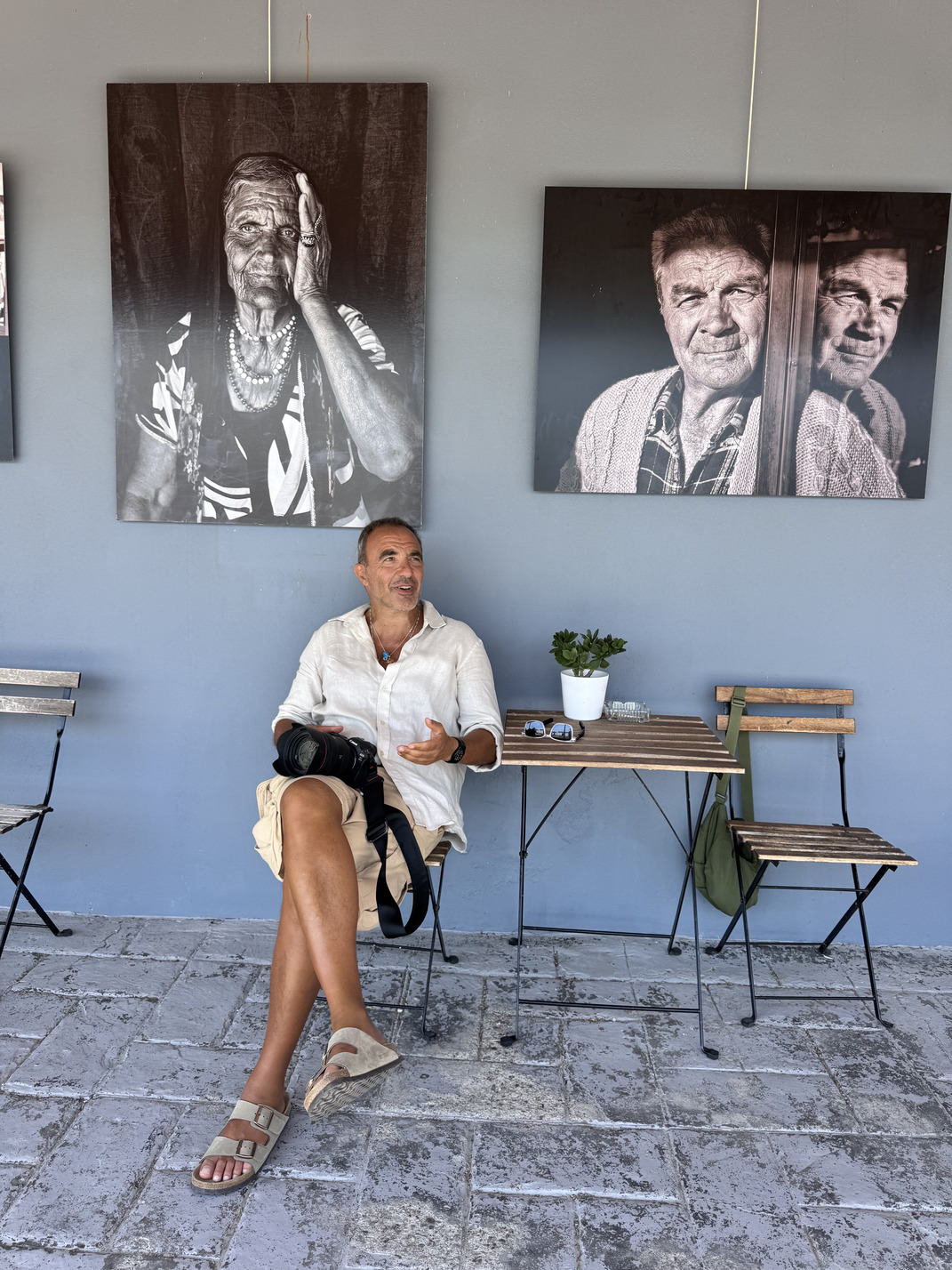
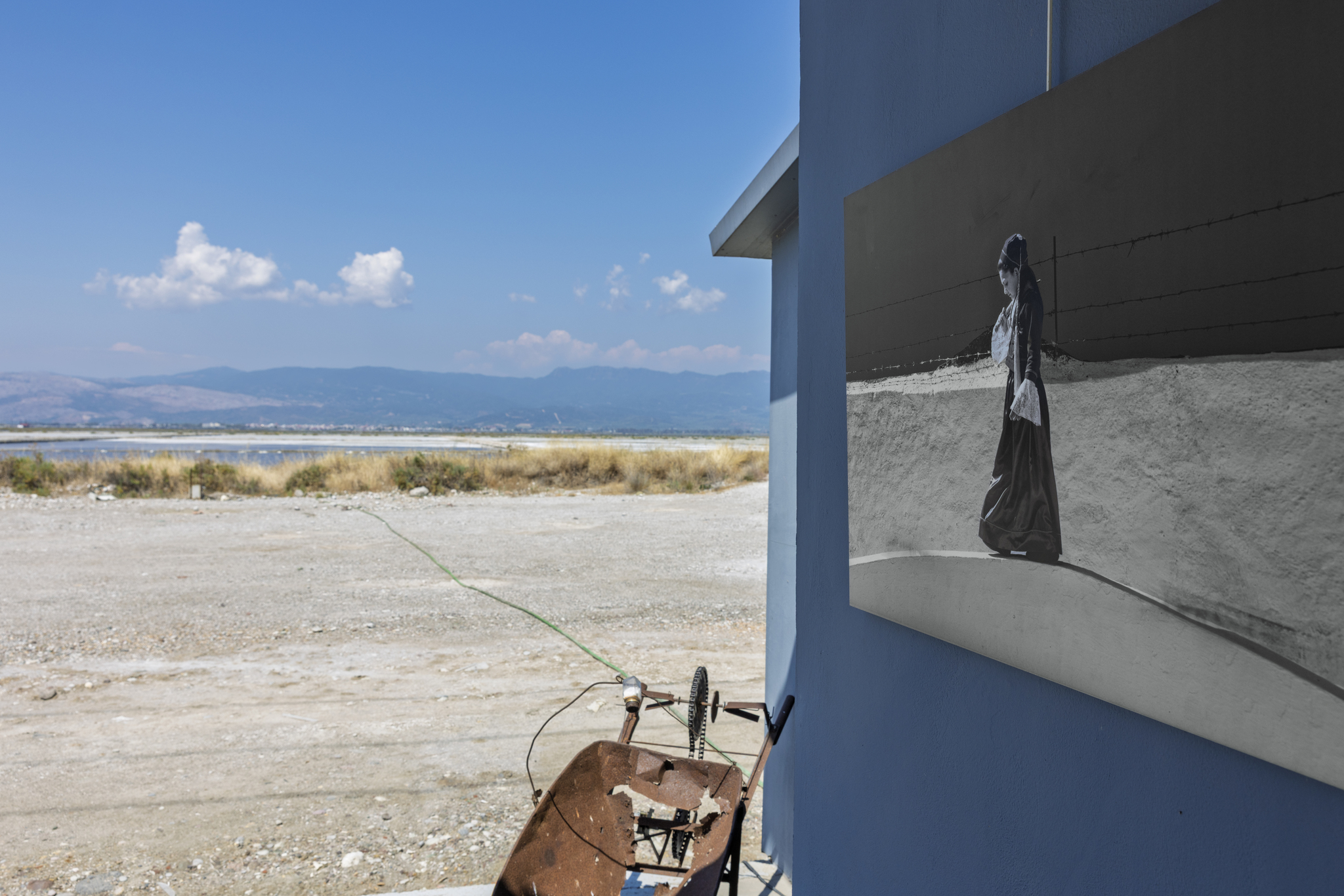
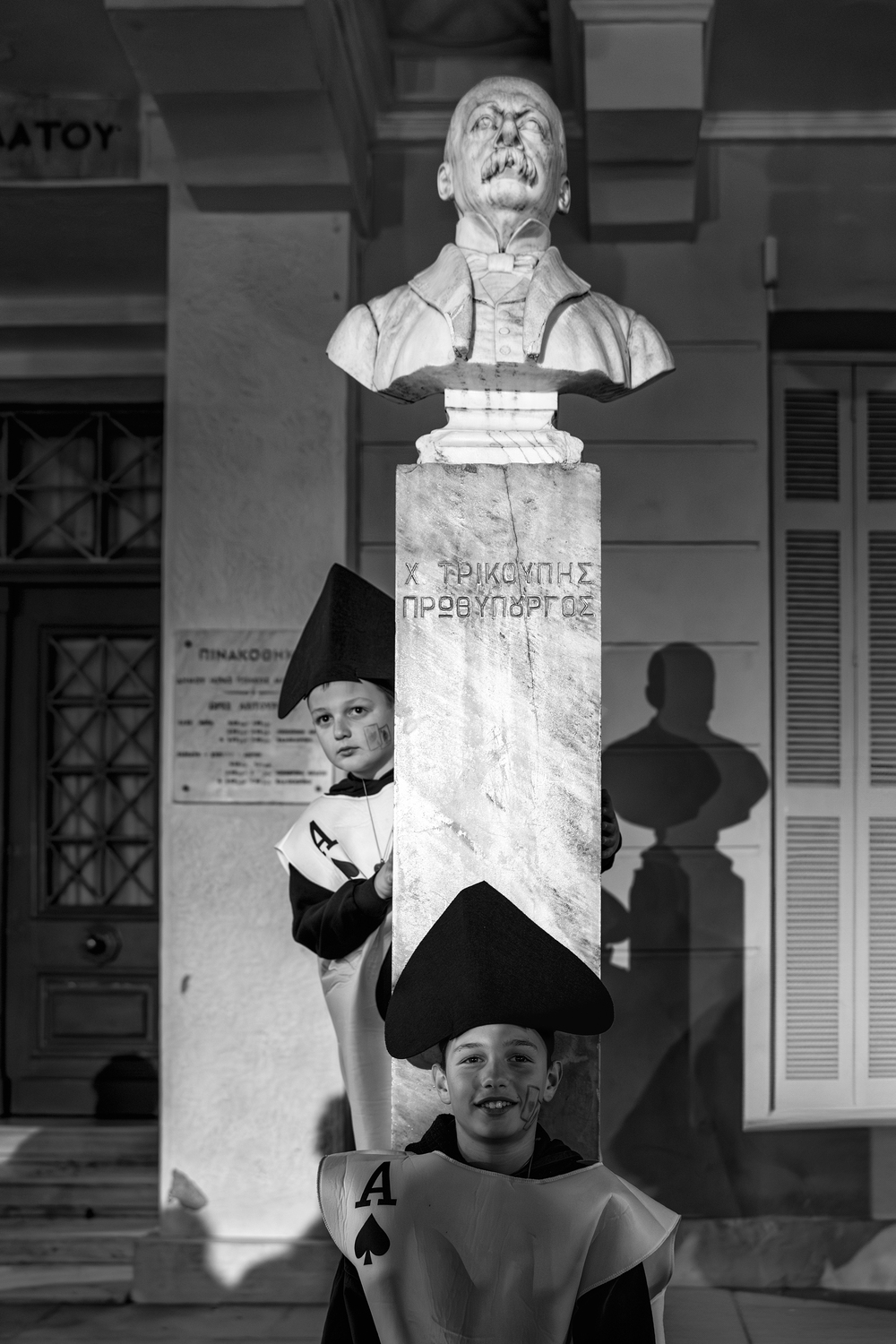
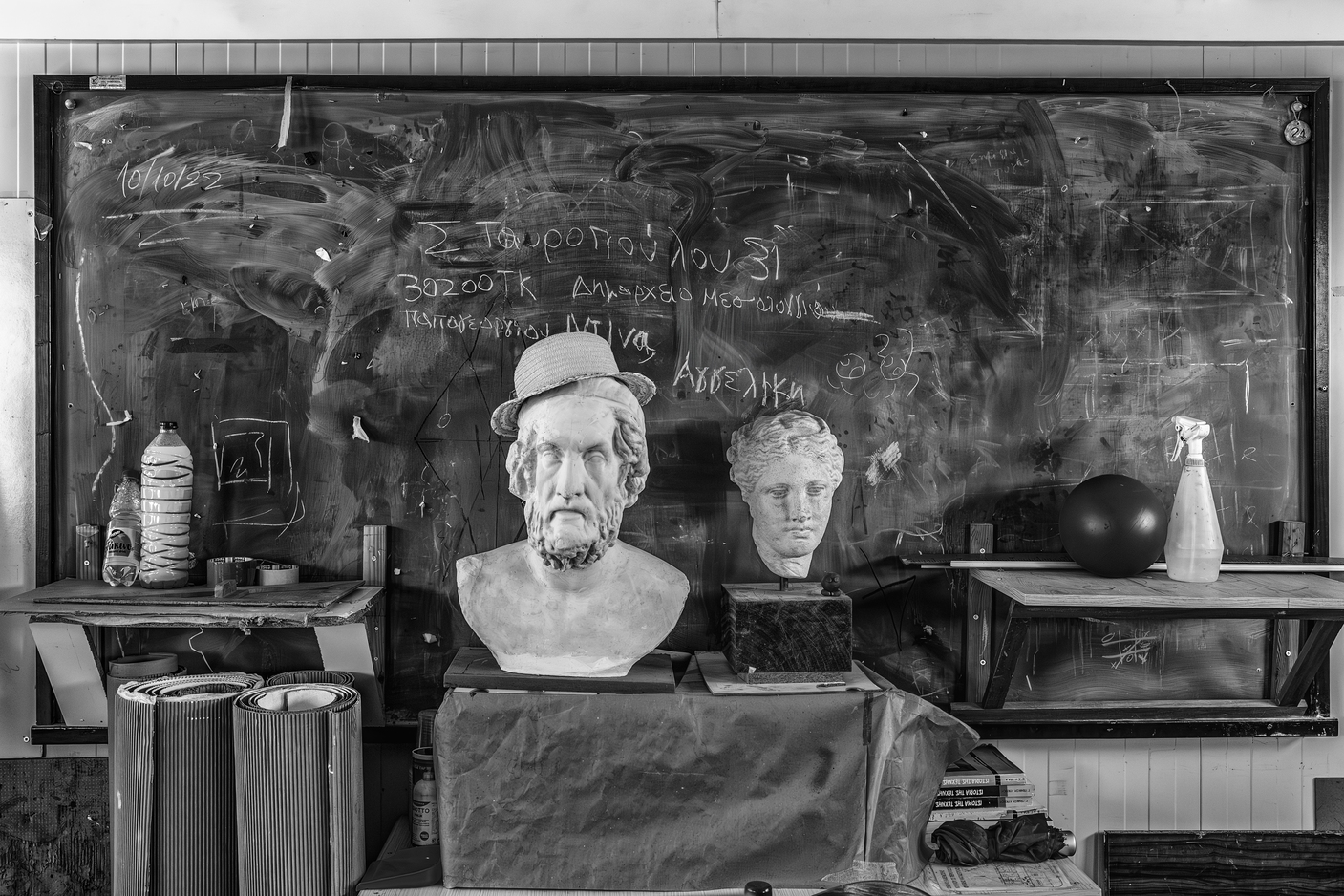
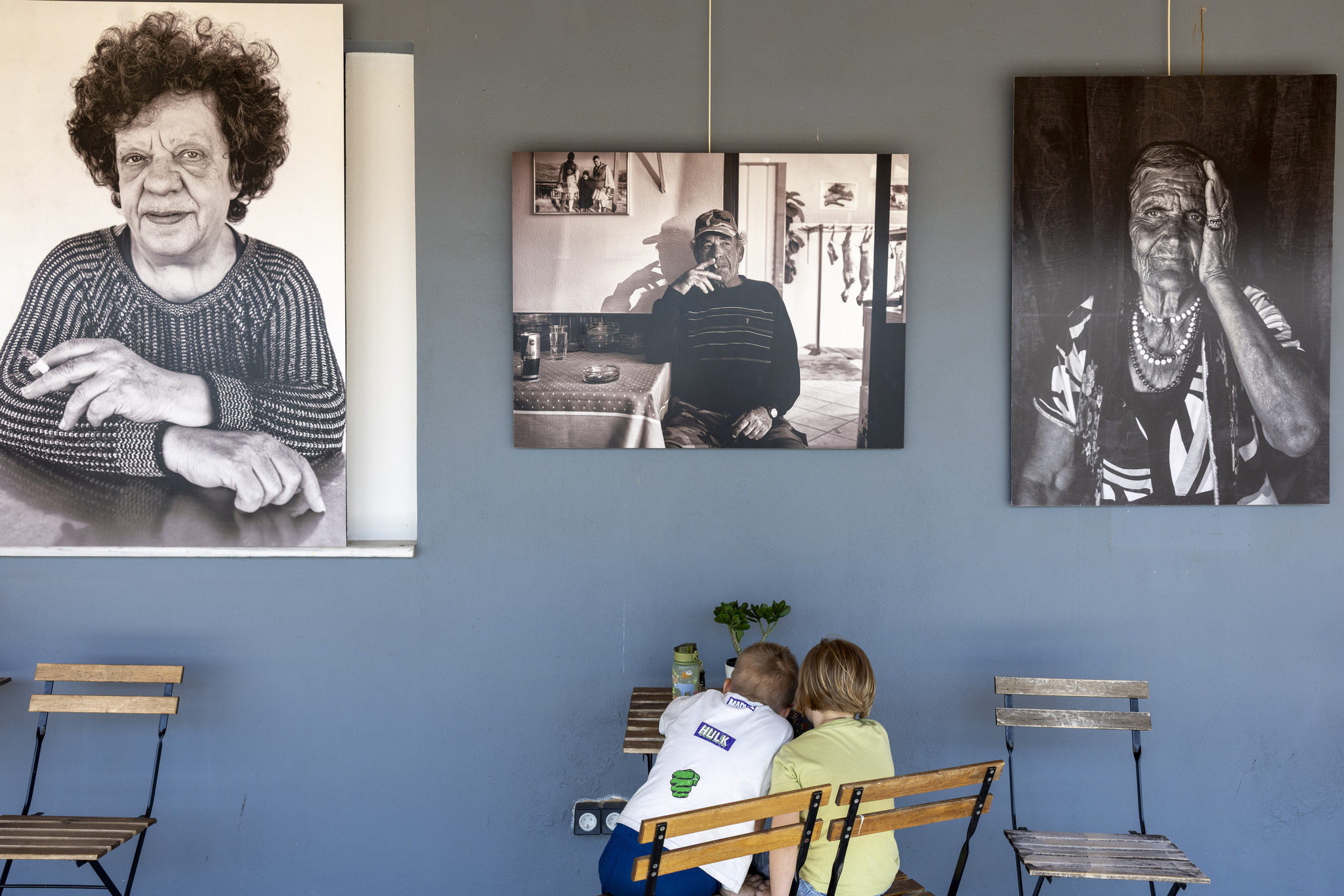
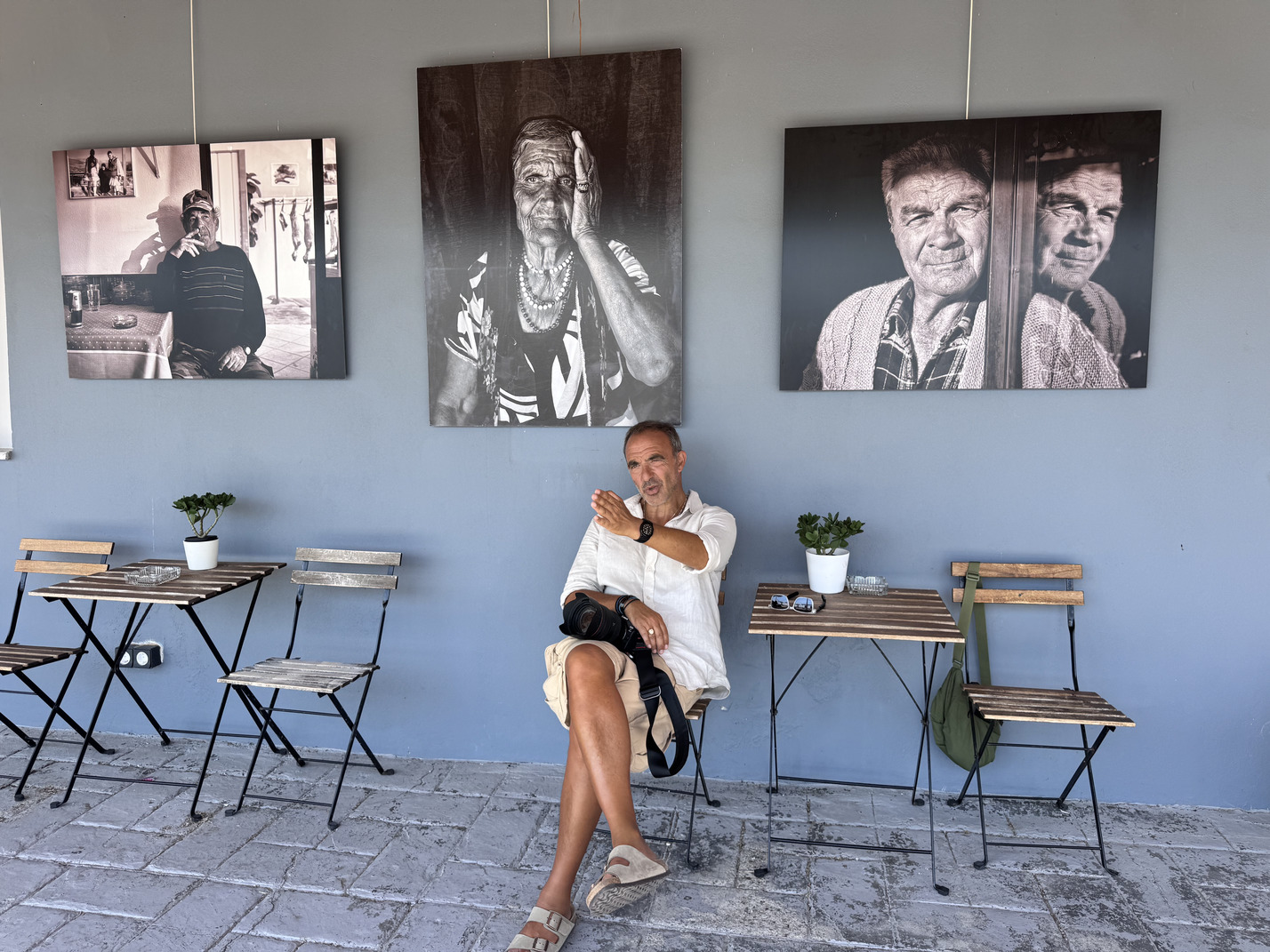
For nearly two decades, photography has occupied an ever-growing place in Nikos Aliagas’s life and creative journey, alongside his prominent presence in the French media. As he prepares to present The Greek Spirit at Château de Waroux in Belgium, and while his exhibition The Great Ages continues to draw audiences at the Musée de l’Homme in Paris, where it will remain on view until January, Aliagas has chosen to return to the land of his ancestors. At the Salt Museum in Messolonghi, he presented a restrained, moving, and deeply sincere exhibition, imbued with poetry and humanity.
A return to the first light, to the ark of an original inspiration. A place where the horizon does not merely define the landscape, but offers the promise of an inward journey. For Nikos Aliagas, Messolonghi is a place of catharsis, allowing him to rediscover his centre and reconnect with something ancient that has lived within him from the very beginning.
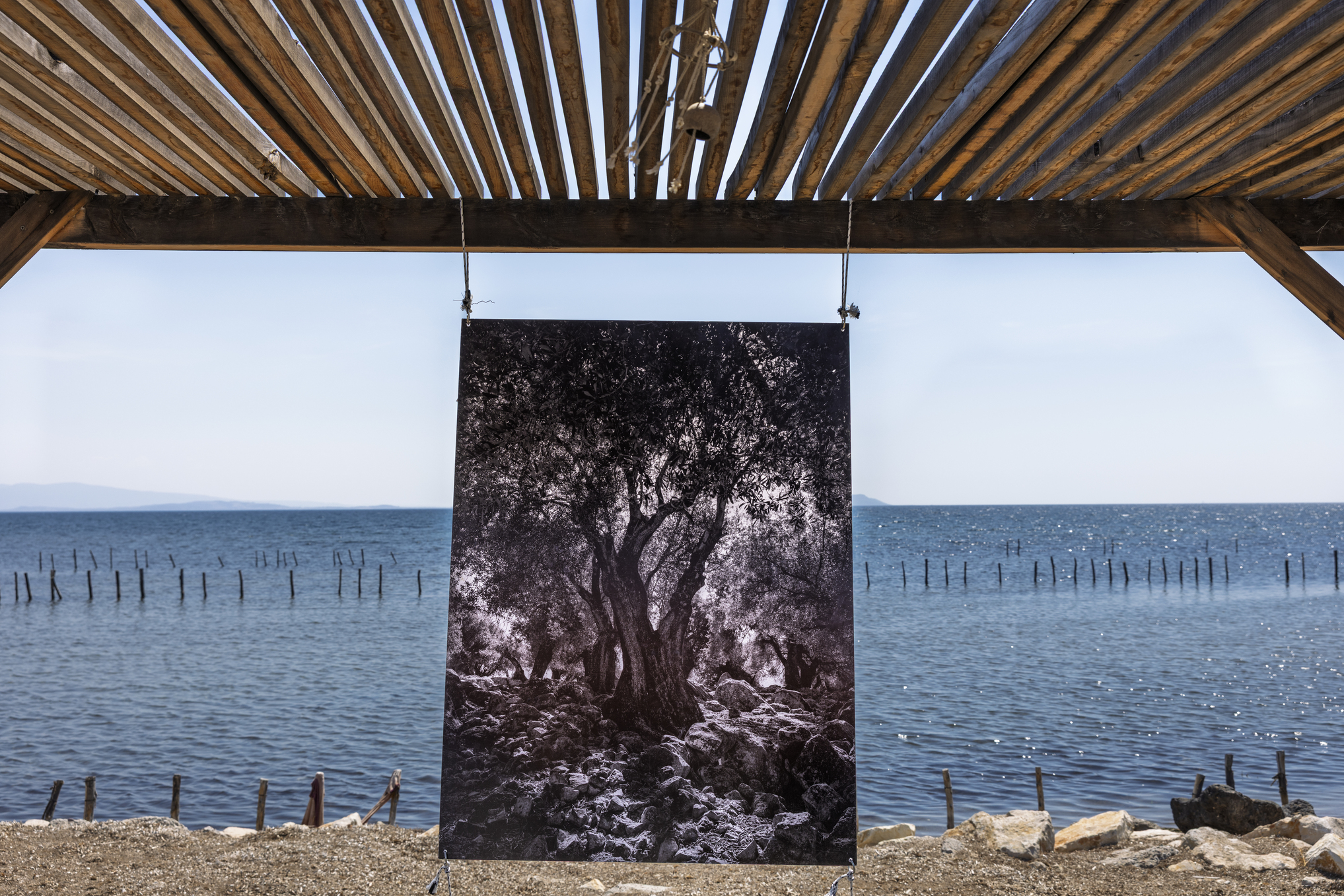
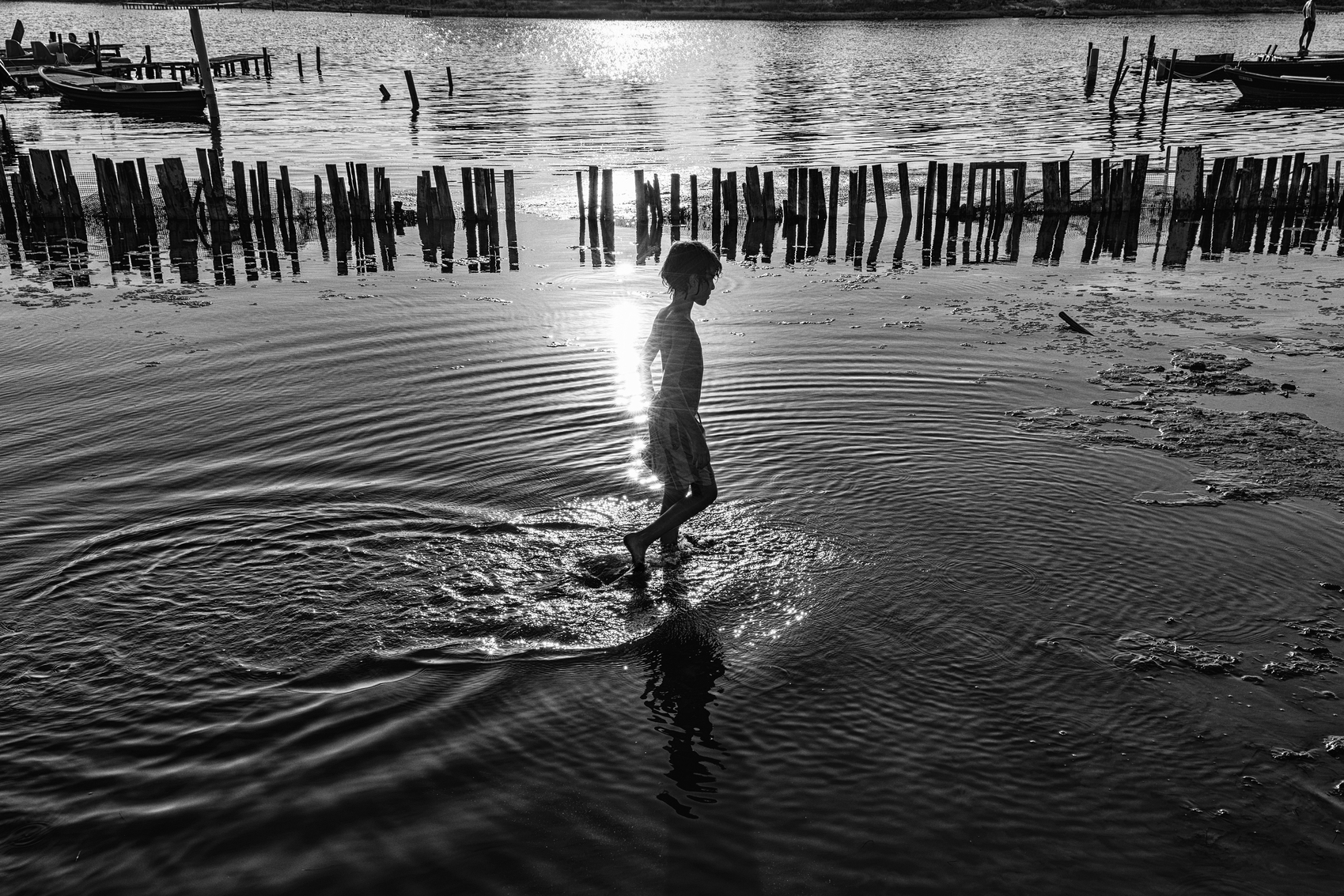
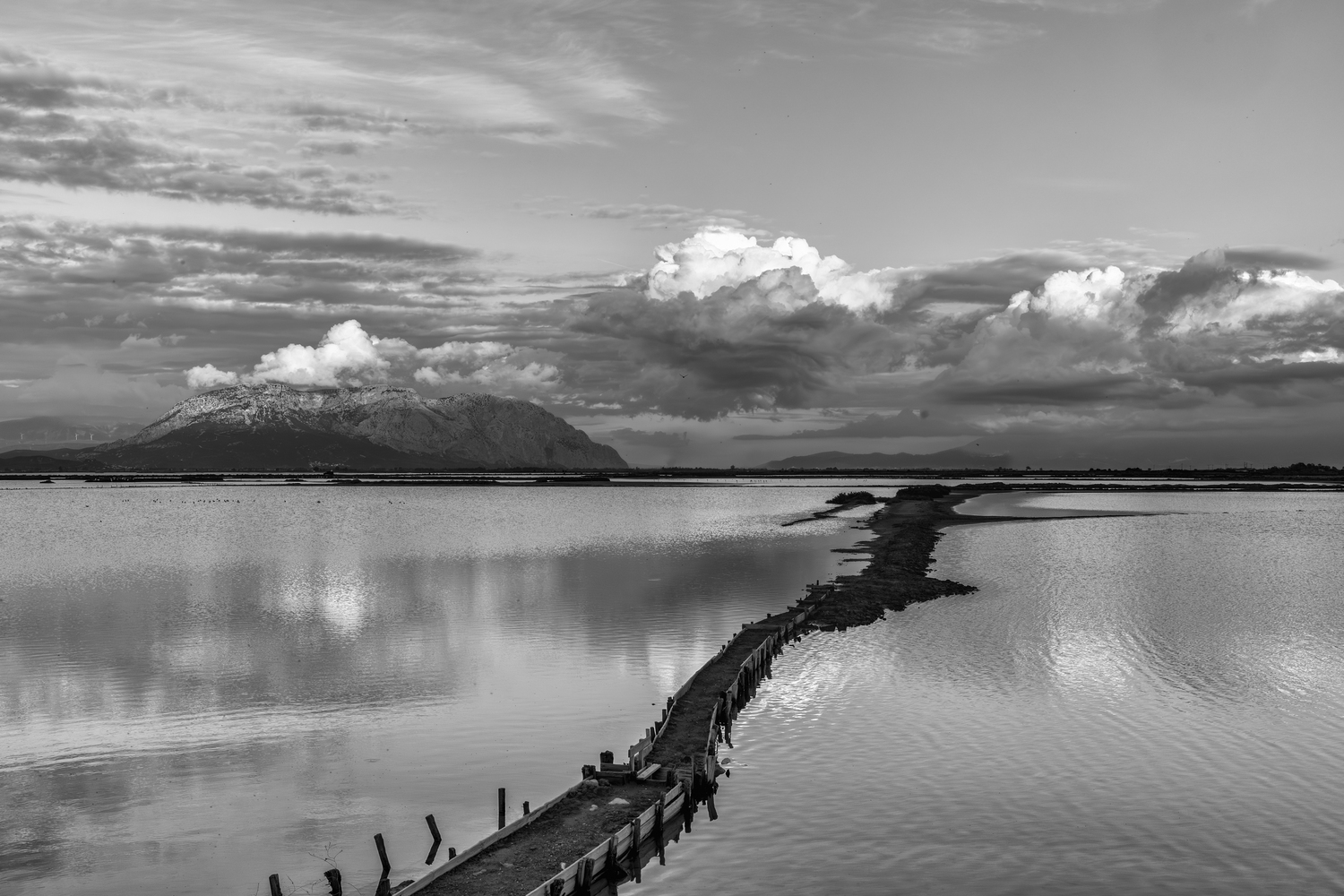
Here, the lagoon does not appear as an idyllic backdrop, nor as a photographic pretext for beautiful images. It is a living organism, a world in which human presence, water, mud, wind, and light coexist in a fragile equilibrium. Everything seems still, and yet everything is moving imperceptibly: the clouds above the water, the reflections, the shadows, time etched onto faces.
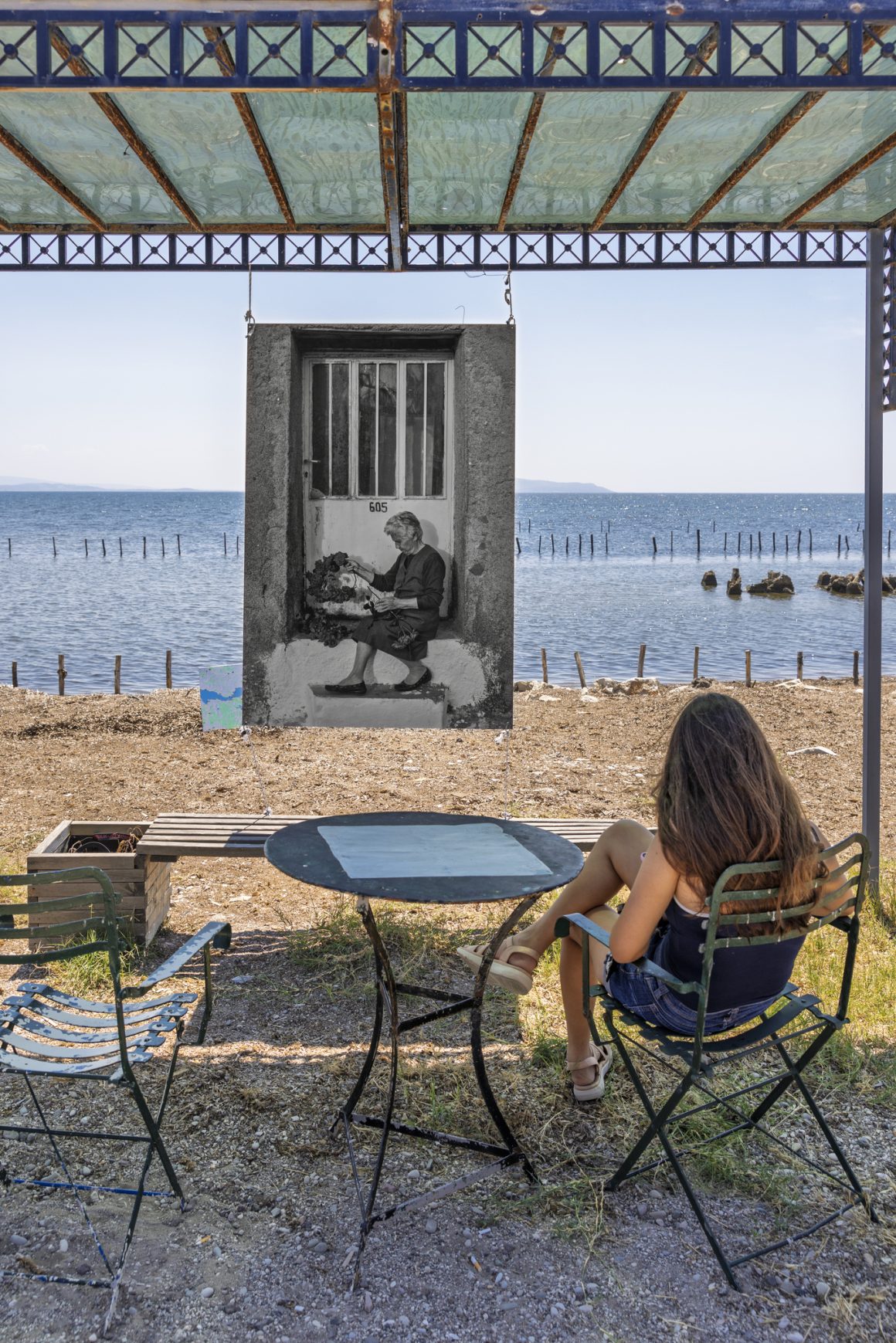
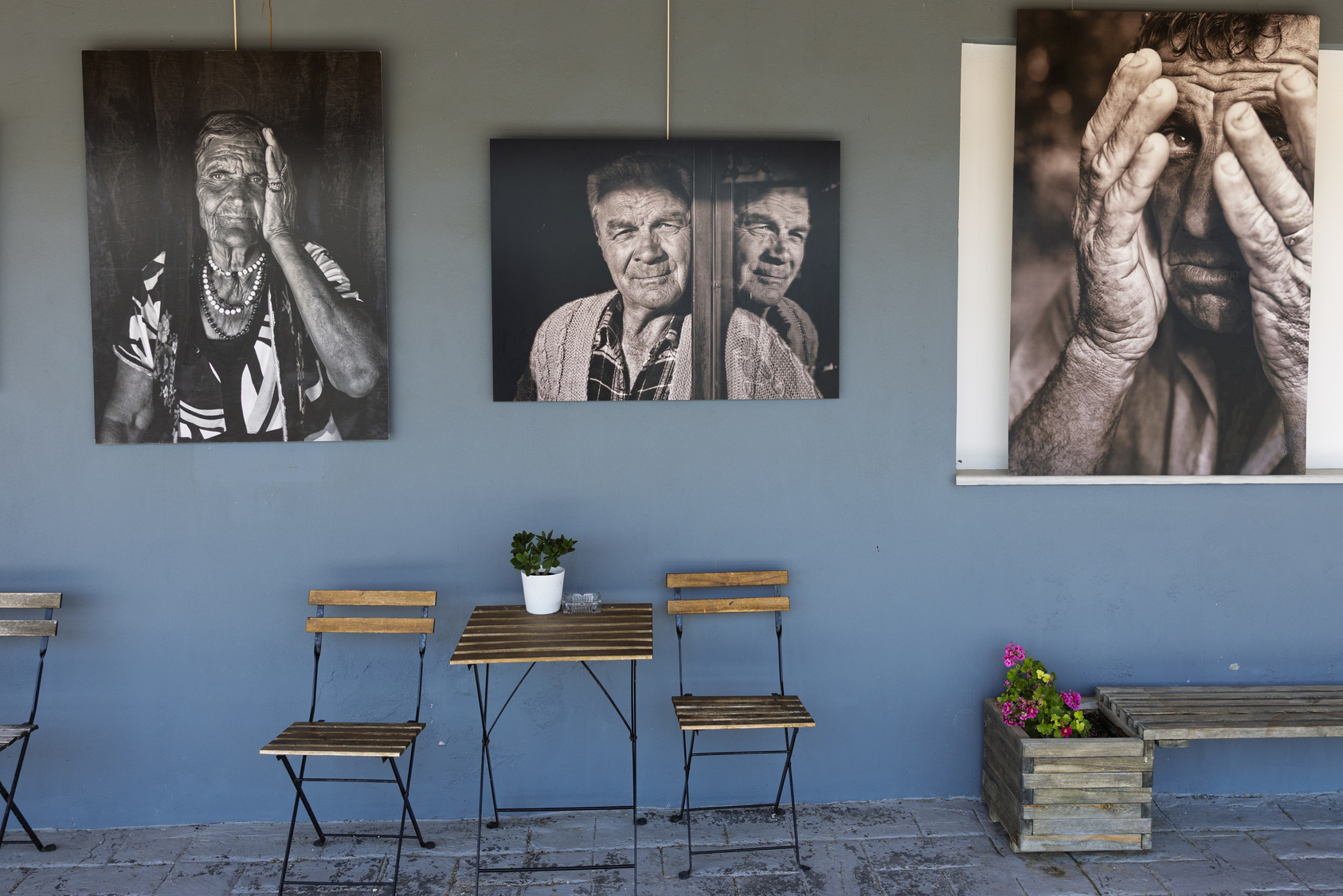
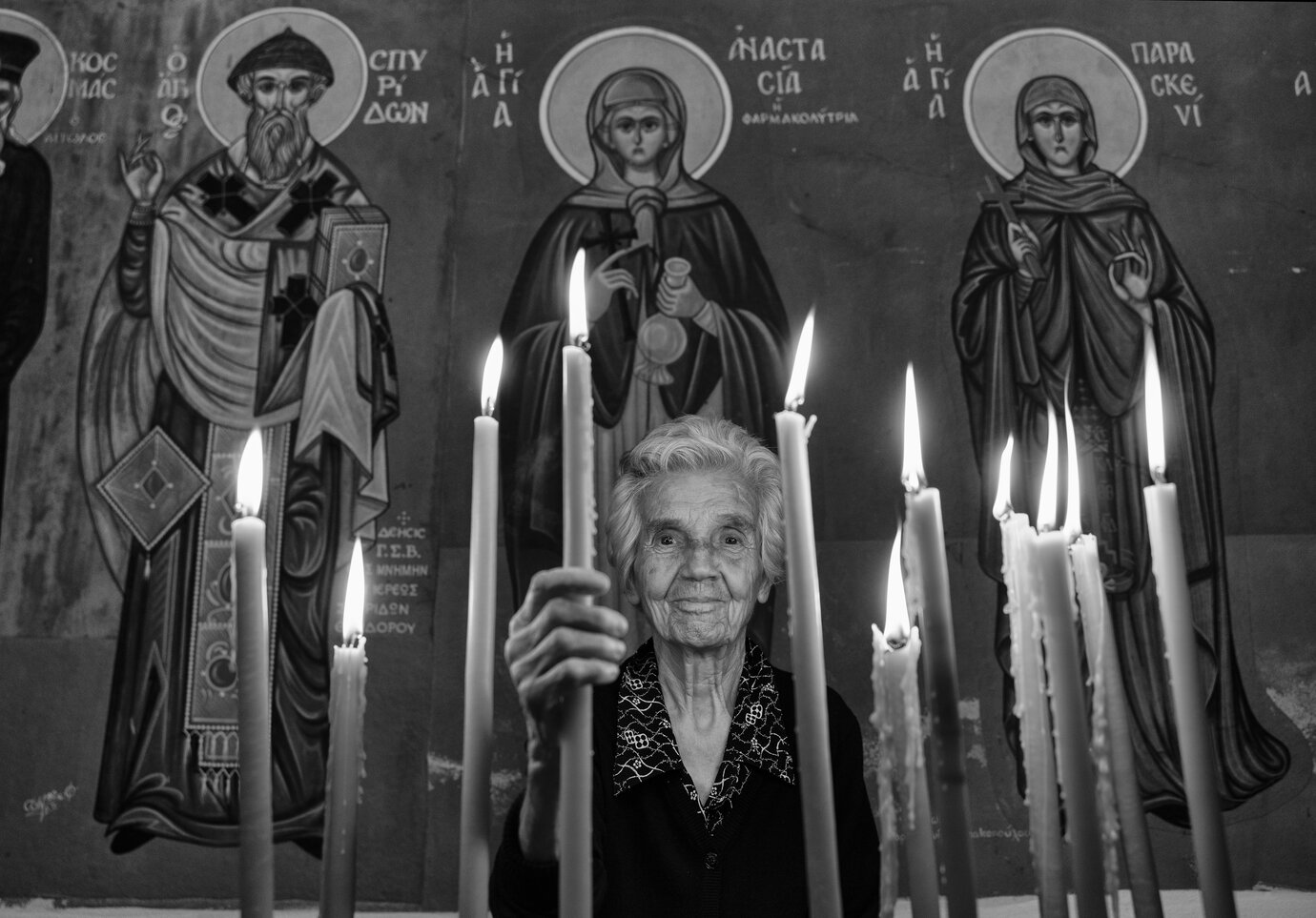
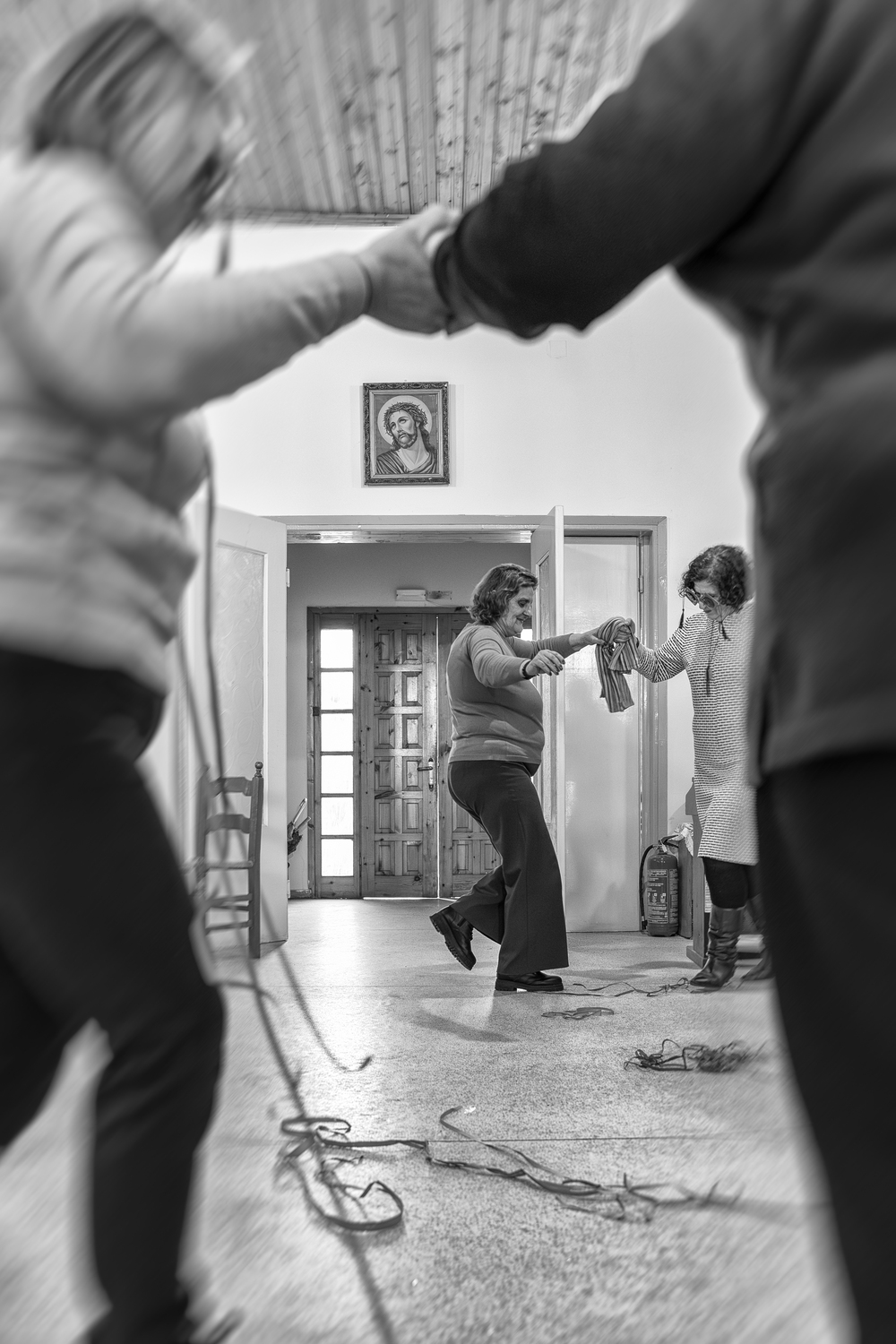
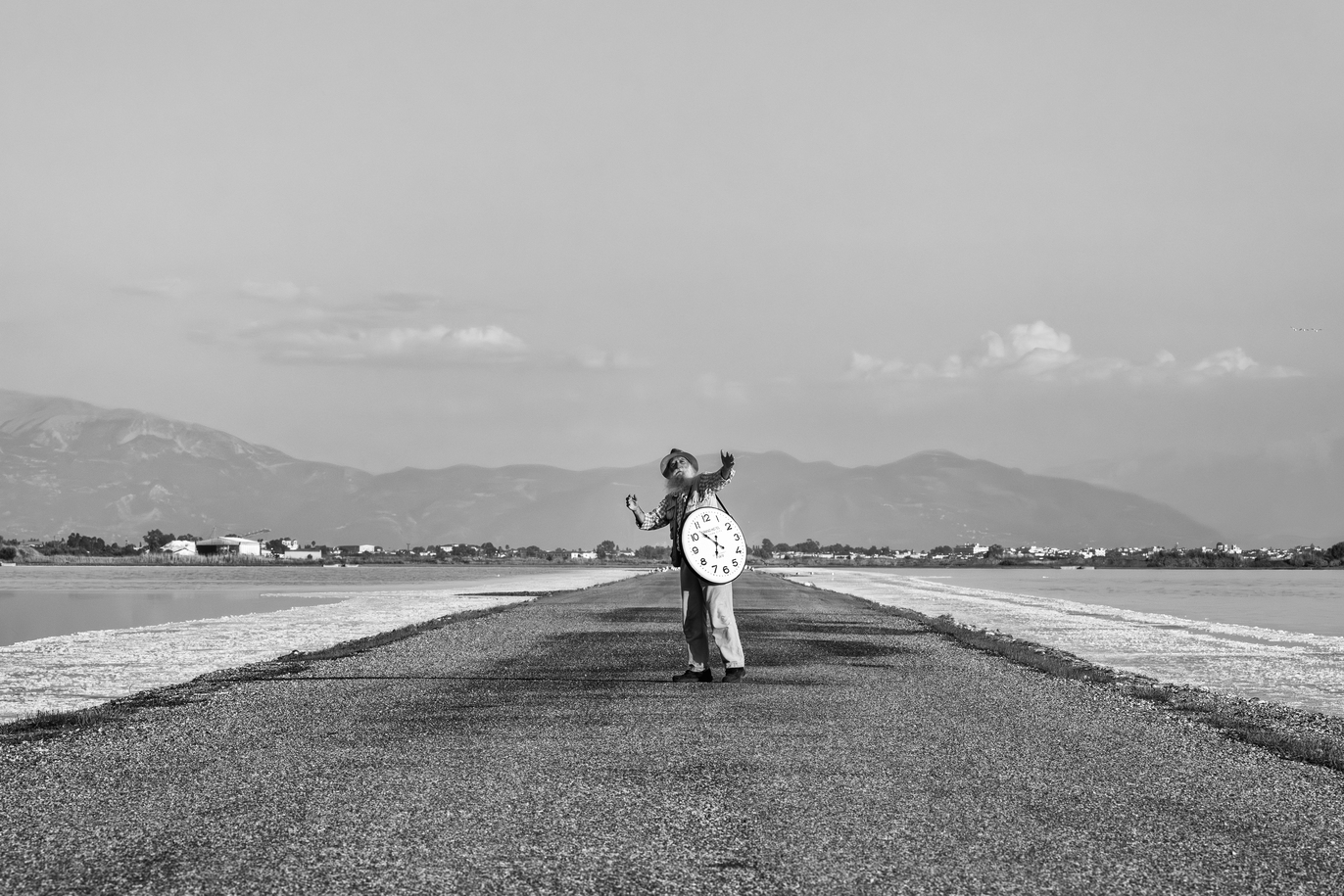
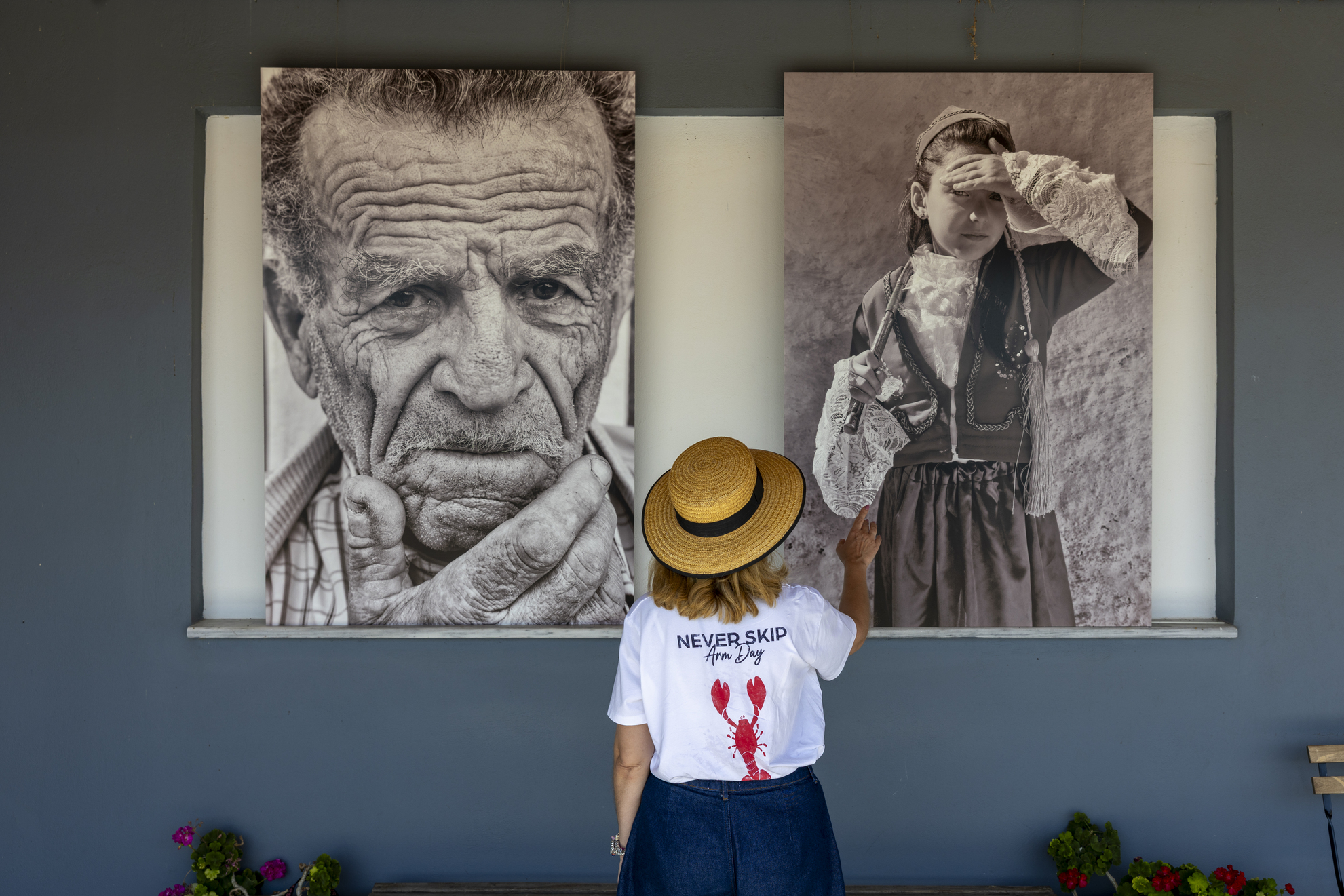
Aliagas does not photograph Messolonghi as a visitor. He looks at it as someone returning to a place that has always existed within him. In his images, he does not seek proof of his origins, but traces of time, the elusive nature of existence. A gesture, a gaze, a hand holding fishing nets, a body marked by labour, a silent figure facing the open horizon. His lens approaches them with discretion, allowing them the space to simply exist. Fishermen, farmers, elderly people, children, women and men carry the memory of the place in their skin.
The photographer’s black-and-white imagery strips away the noise and holds on to the essence. Salt becomes light, mud becomes primordial matter, and water becomes a mirror of a memory that needs no artificial words. These photographs do not arrest time; they reveal its secret flow as it moves through every living thing.
In Messolonghi, history is everywhere without ever needing to raise its voice. It lives in the wind, in the silence of the lagoon, and in the dignity of its people. The memory of the Exodus and the sacrifice is ever-present. It continues to live through everyday life, through the struggle for survival, and through the quiet persistence of those who remain bound to their land and their sea.
The presentation at the Salt Museum therefore takes on a particular symbolism. Salt is born from water as it recedes, leaving its crystallised essence behind. It preserves, protects, and safeguards. Aliagas’s photography seeks to do much the same: to strip away the superfluous in order to preserve the trace of a presence before it disappears into the whirlwind and relentless rhythms of our time.
Between major European exhibitions and the demands of a life lived in the public eye, this intimate exhibition in Messolonghi possesses the power of a quiet confession. It is a gesture of gratitude to the place that shaped his gaze, to those summers when his parents, living abroad, would return to their homeland.
“Here, I learned to see, to listen, to pay attention,” says Nikos Aliagas. “Here, I connected with something greater than myself. And that connection helped me find my way. Because here, it is not only me who looks at the lagoon. The lagoon also observes me, inviting me to seek the light within myself.”
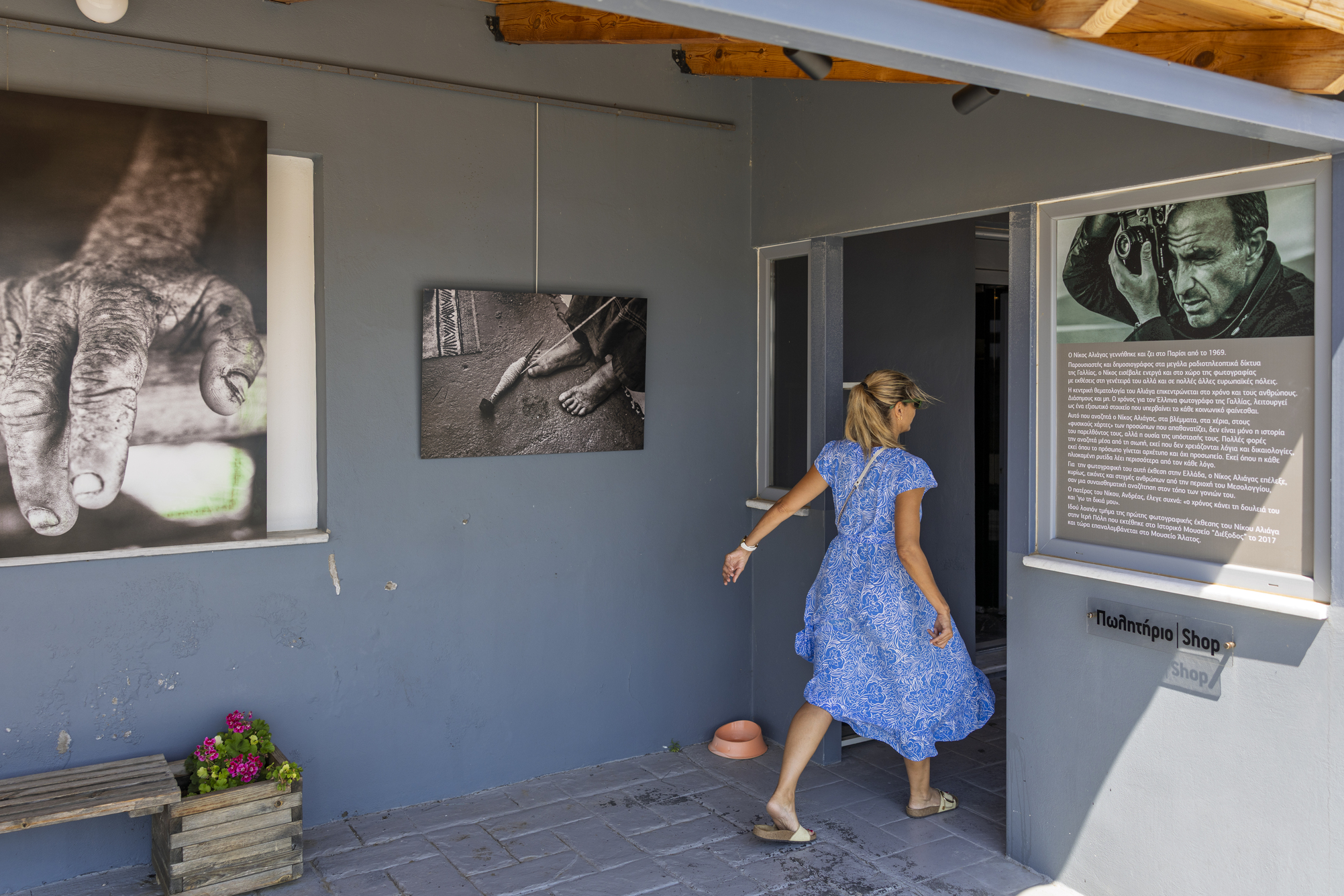
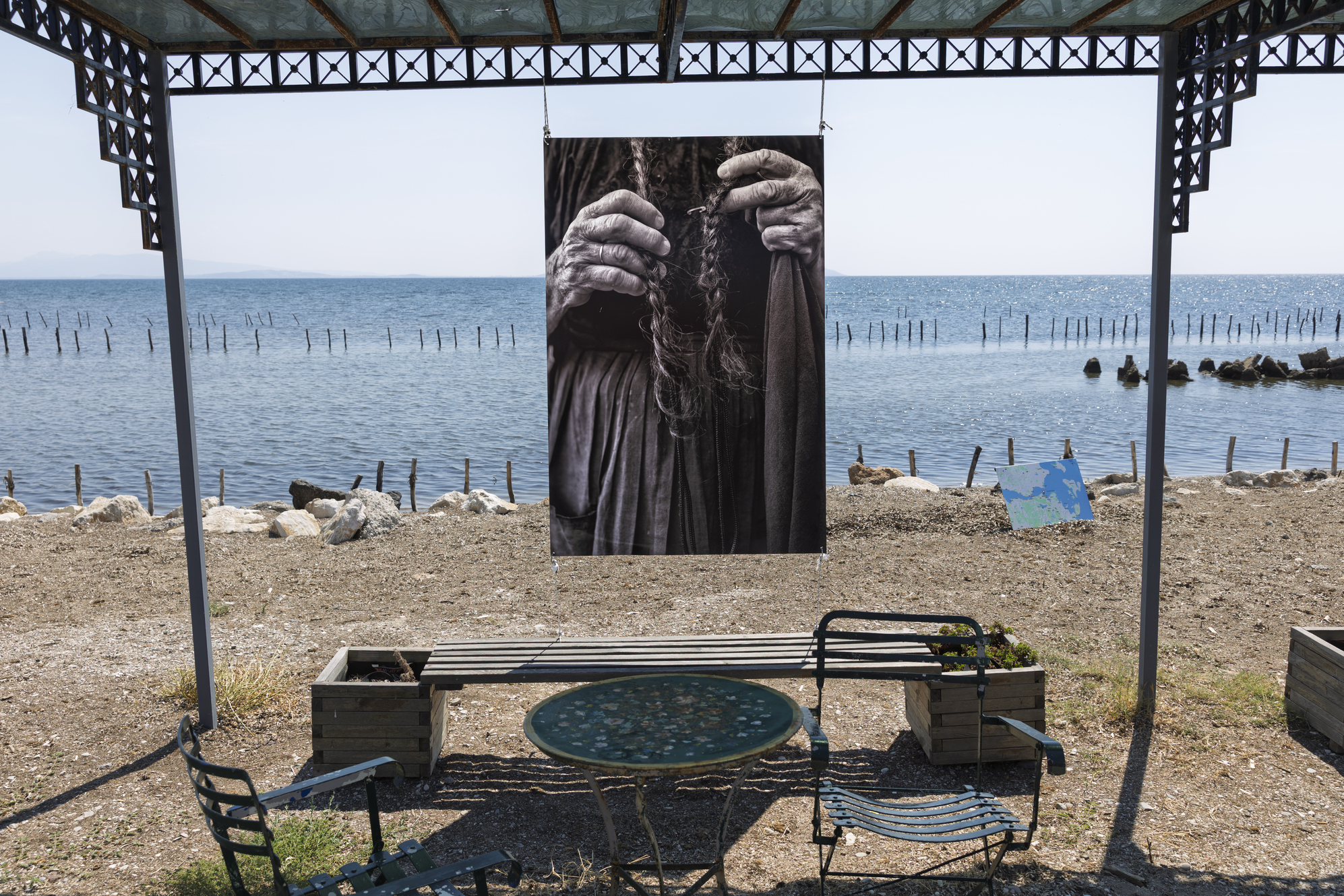
Among the subjects he continually returns to in his exhibitions abroad, hands occupy a central place. “The hand is the instrument of instruments,” Aristotle once wrote. A strange reverence takes hold of me when I look at people’s hands. “I discern in their movements an ancient language, a choreography that very often unfolds without our awareness. Gestures that travel from body to body and from one generation to the next,” the photographer observes.
And perhaps it is within this almost mystical dialogue, this mutual act of recognition, that the deepest truth of his images lies. A person may move away from their place of origin, yet they continue to carry within them its first light—their essence, like a consciousness that quietly shapes every step they take.
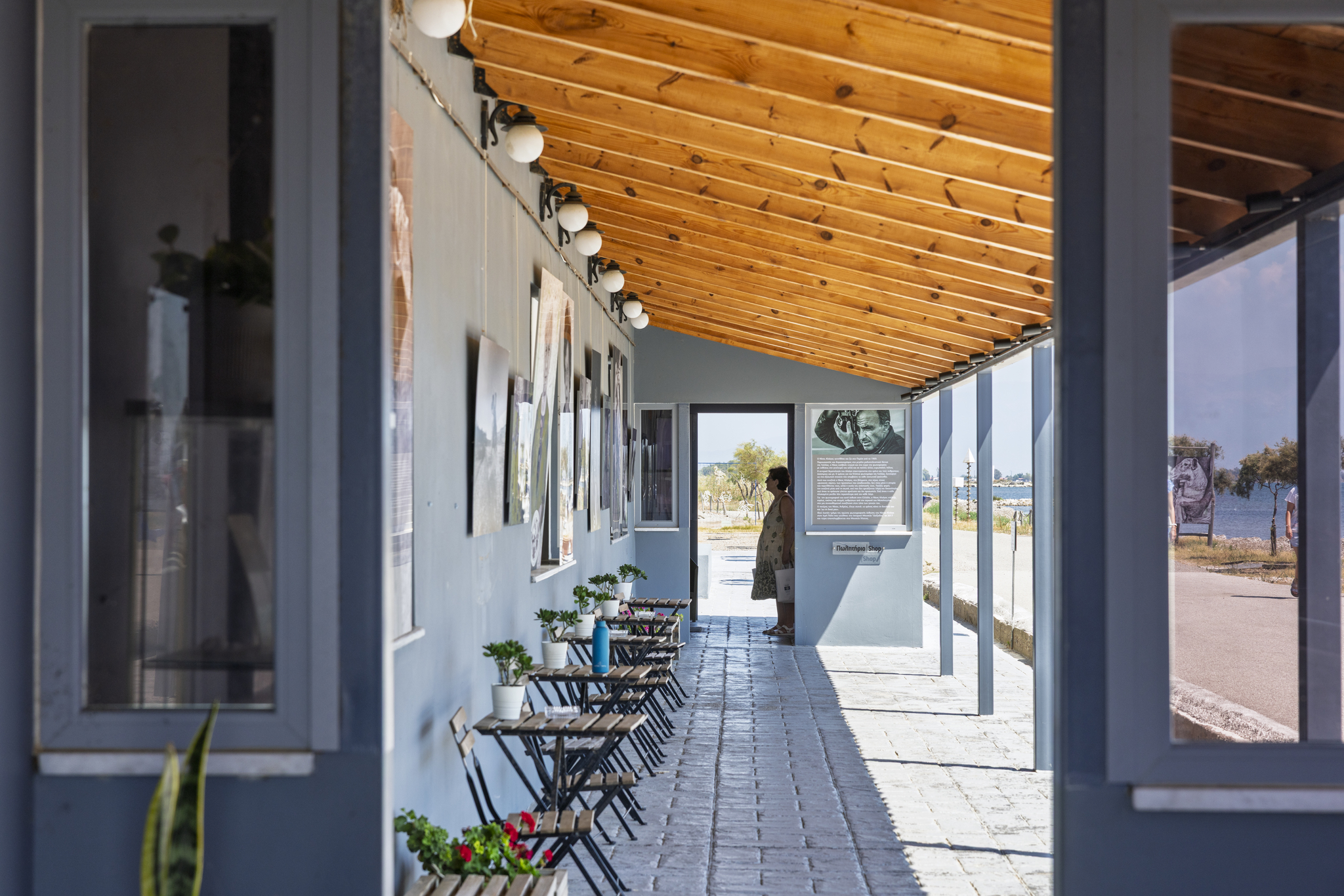
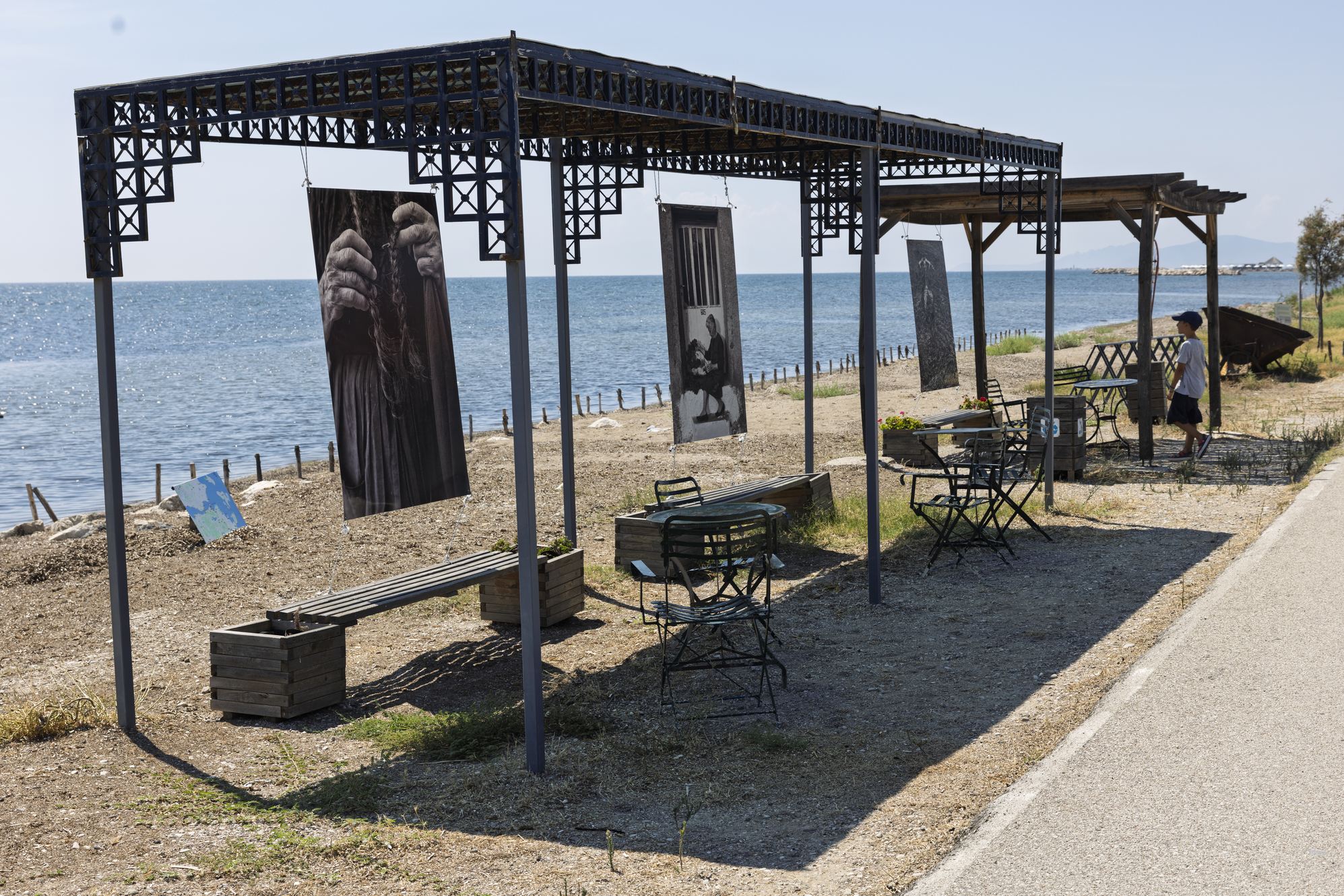
At the Salt Museum, amid earth, water, and salt, his photographs found a setting that seemed almost to have been waiting for them. The Salt Museum is housed in a historic building dating back to 1946, known as the “Chamber,” where salt workers once lived. Abandoned for decades, the building was granted to the cultural organisation Diexodos by the Municipality in 2010 and transformed, through the initiative and personal contribution of Diexodos founder Nikos Kordosis, his family, and his collaborators, into Greece’s first Salt Museum.
The museum opened its doors in September 2020 and tells not only the story of salt production, but also its deep connection to the life, labour, and collective memory of Messolonghi. Within this distinctive landscape, Nikos Aliagas’s photography exhibition opened on August 8, presenting images that return to the people and lagoon of his ancestral homeland.
The exhibition runs through September 30, 2026.