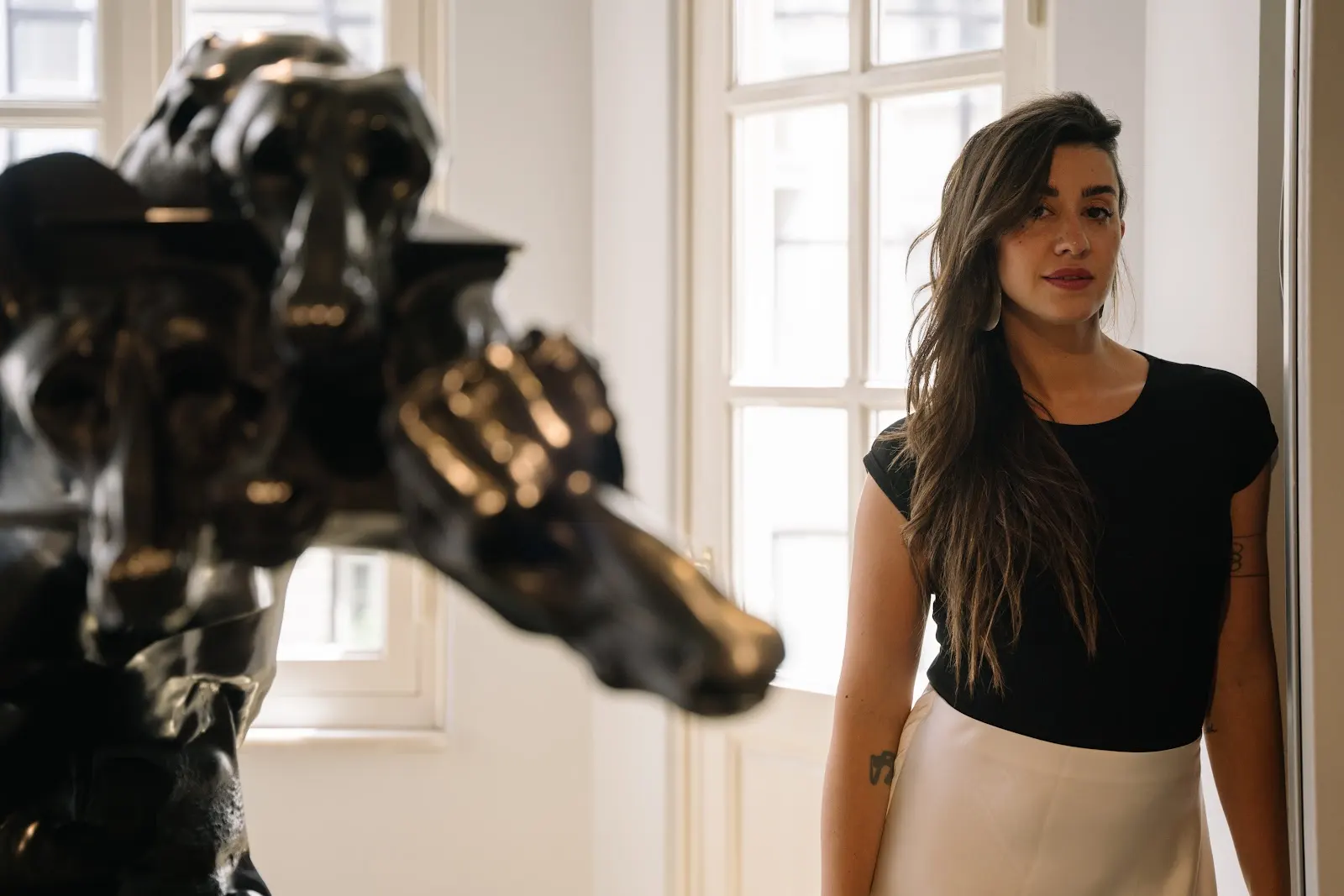
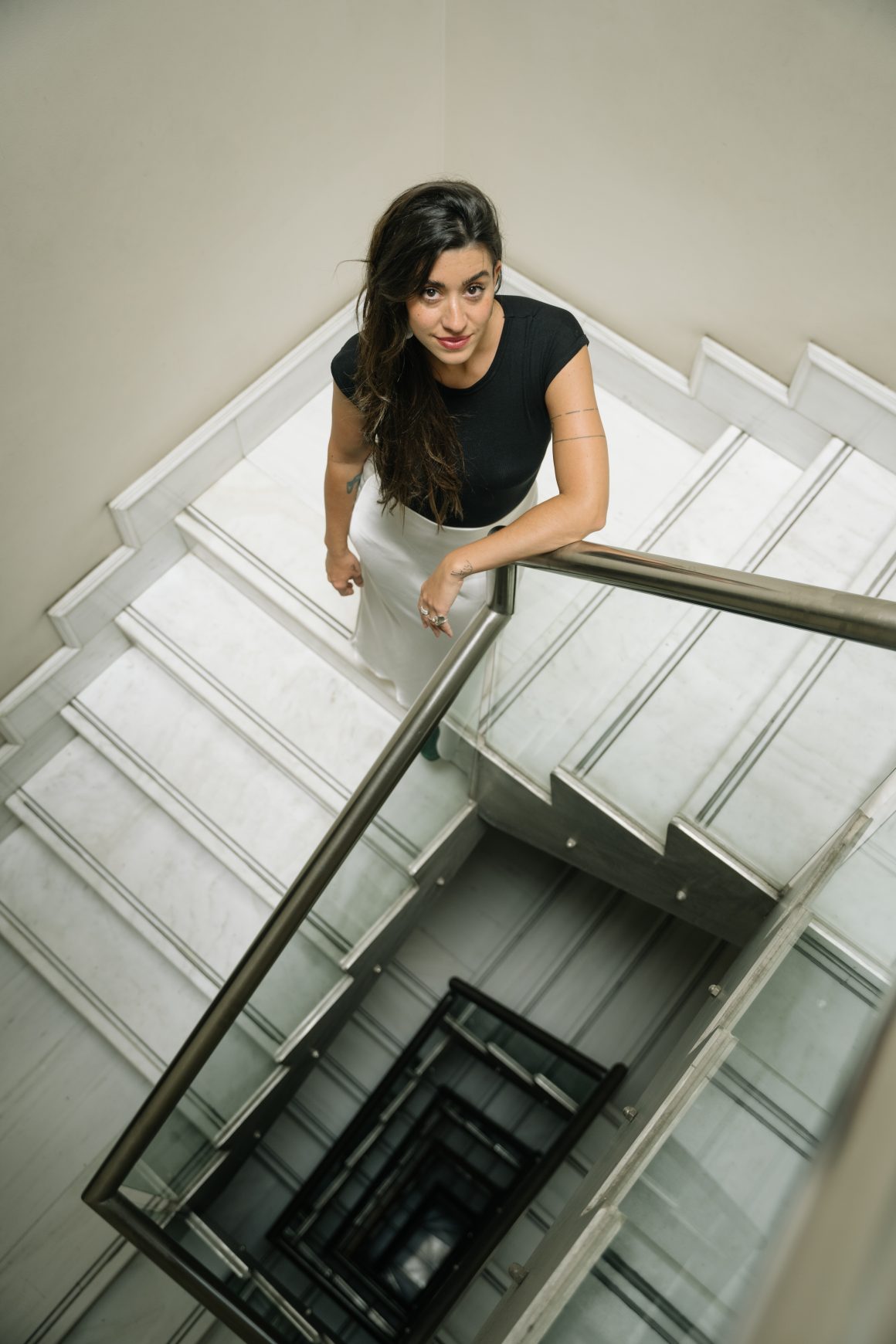
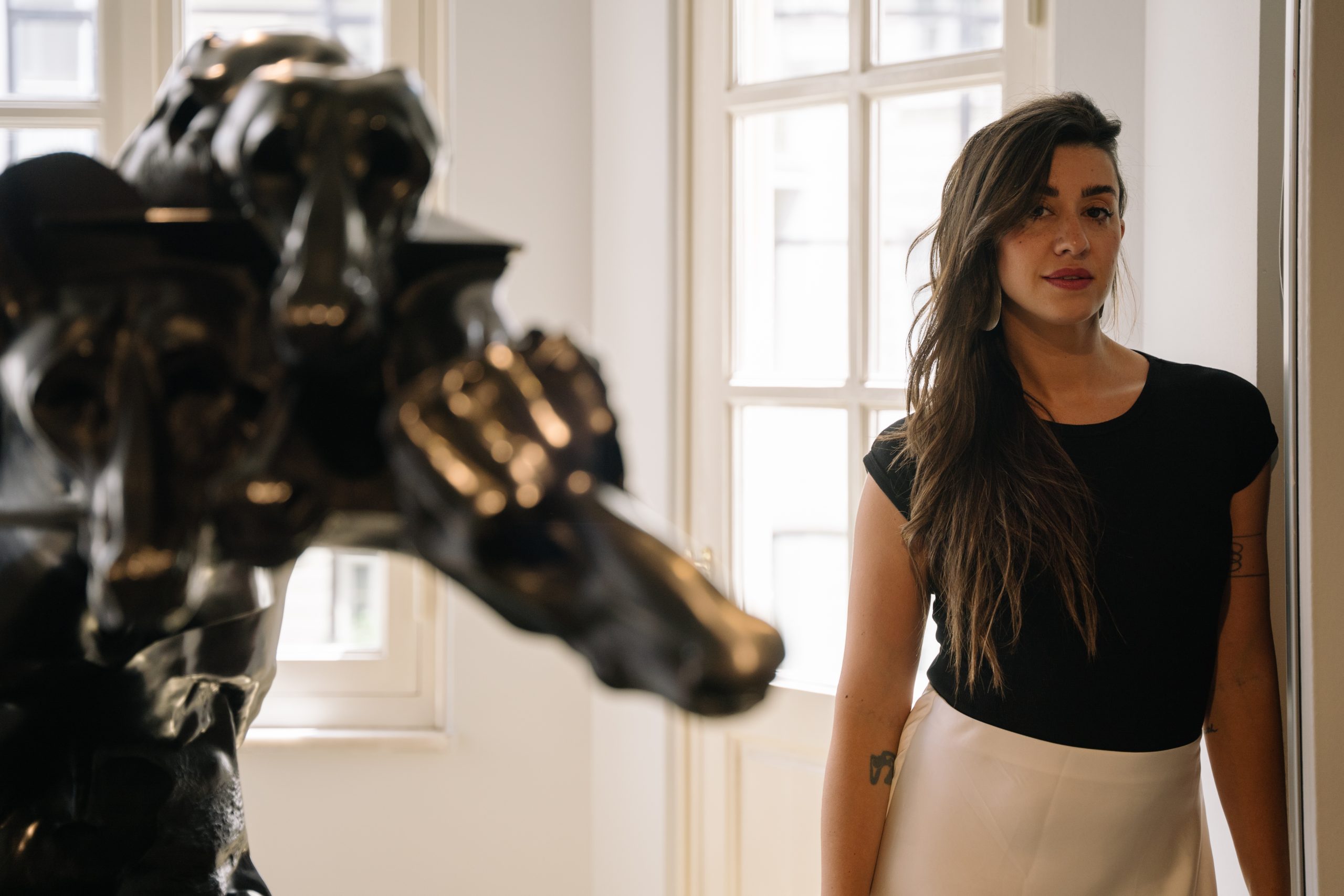
Tell us about your creative journey and which achievements you hold closest to your heart.

Having grown up in a home filled with art, with my grandfather painting constantly, my relationship with art began very early on. Art was never something separate from everyday life for me, but rather a way of confronting my own existence and understanding the world around me. From a young age, art history, painting, and dance became forms of expression and release — a tender yet complex way of communicating, sometimes almost silent, but deeply emotional. Perhaps it was this need to translate the world around me through non-verbal means that ultimately led me down this path.

After school, I studied in London for two years and then moved to Chicago, where I lived for seven years to complete my studies and later work in museums such as the Art Institute of Chicago, the Museum of Contemporary Art, and finally the Block Museum of Art at Northwestern University, where I worked as a curatorial assistant. It was in Chicago that I began to truly understand the meaning of museum practice, historical research, and the responsibility embedded in the DNA of institutions dedicated to promoting art.

I returned to Athens when I was invited to work on documenta 14 as ASFA Liaison and Curatorial Assistant for two years. I later collaborated in production and tour management with the pioneering Greek-Swiss choreographer Alexandra Bachzetsis.

This path eventually led me to the B. & M. Theocharakis Foundation for the Fine Arts and Music. It felt like both a natural and conscious return — an opportunity to make use of everything I had learned, experienced, and been given, and to share it with the artistic community around me. If there is one thing I hold onto from this journey, it is the awareness that I have been incredibly fortunate. And with that awareness comes responsibility: to make the Foundation more open and outward-looking, to actively support the artistic scene, and to create real opportunities for new collaborations. For me, this act of sharing is a way of giving back what has been given to me.

What is Art to you, and how did you immerse yourself in this field?

For me, art is a way of remaining alive in a world that constantly tries to numb you. I do not see it as something elitist or detached from reality. On the contrary, I believe art can be awakening and deeply penetrating because it can change the way you think, feel, and perceive the world around you. I am interested in art that does not function merely as an image for consumption, but as an experience. Art that looks at the past, respects it, reexamines it, and translates it into the present. Art that creates cracks in what is considered fixed. Art that makes you feel a little freer, a little more exposed, a little more sensitive, a little more human.

Perhaps that is why I could never separate art from life itself. I see it in music, dance, visual arts, in the light of a city, in a political gesture, in a pause. When art is genuine, it does not lull you into comfort. It consoles you while simultaneously unsettling you. And perhaps only then do you begin to understand that nothing truly meaningful is ever entirely black or white.

My relationship with this field developed gradually through studies, experiences, and years of work. What always interested me was a space where art history is not treated as something static or purely academic, but as something alive that continues to engage in dialogue with the present. Since childhood, I loved studying art history and, above all, the social and political conditions that pushed artists to create. I was deeply moved by the idea that behind every artwork there is a human being trying either to understand the world around them or resist it. And perhaps that is still what I seek today: the contemporary expressions of that same need, the ways history returns, transforms itself, and continues to exist within today’s artistic creation.

I have enormous respect for artists. I believe it takes a deeply devoted mind and a very “strong stomach” to dedicate your life to something so uncertain. To isolate yourself for hours in a studio, working on something without knowing whether it will survive through time, whether it will ever find an audience, or whether it will truly be understood. There is something profoundly courageous in that choice, in that persistence to continue creating while the world around you moves increasingly in the opposite direction. And perhaps that is what moves me most about art: that in its purest form, it is born not out of ambition or strategy, but out of necessity.

What is the Theocharakis Foundation, what are its goals, and what do you consider non-negotiable in the way you manage its vision?

For me, the B. & M. Theocharakis Foundation for the Fine Arts and Music is far more than a cultural institution. It is a space where art history, contemporary thought, and human experience come together. It is an organization with a deep relationship to modernism and an important cultural legacy, which nevertheless must remain active and connected to the present.

What interests me most is ensuring that the Foundation does not operate as a closed institution that simply presents exhibitions, but rather as a space with a genuine presence in the cultural and social life of the city. A place where historical research, contemporary artistic practice, music, education, and public dialogue can coexist naturally and without pretension.

For me, quality and integrity remain non-negotiable. There must be genuine purpose behind every exhibition, every collaboration, and every decision. We should not operate through spectacle or cultural consumption, but with consistency, depth, and respect toward both artists and audiences.

Our goal is to create exhibitions and collaborations with lasting impact. To bring important works and artists to Greece while simultaneously actively supporting the contemporary art scene and the people within it. I care deeply about this exchange between Athens and the international environment.

And perhaps most importantly, the Foundation must never lose its ability to move people emotionally, to inspire thought, and to bring people genuinely closer to art.

What are your most important achievements in this field?

For me, the most important achievement is that a clearer and more contemporary identity is beginning to emerge for the B. & M. Theocharakis Foundation for the Fine Arts and Music. It is an institution that continues to honor its relationship with and appreciation for modernism, while at the same time seeking to engage meaningfully with the needs of the present day. It has always been very important to me to respect the identity and history the Foundation has built over the years, without allowing that respect to become stagnation. I am interested in an institution that is alive, open, and outward-looking — one that is not afraid to evolve, collaborate, and create new bridges between art history and contemporary artistic thought.

The Foundation’s recent exhibition is the retrospective of the great Stephen Antonakos. Tell us about the challenges, the process, and the masterful outcome of an exhibition that speaks directly to the heart.

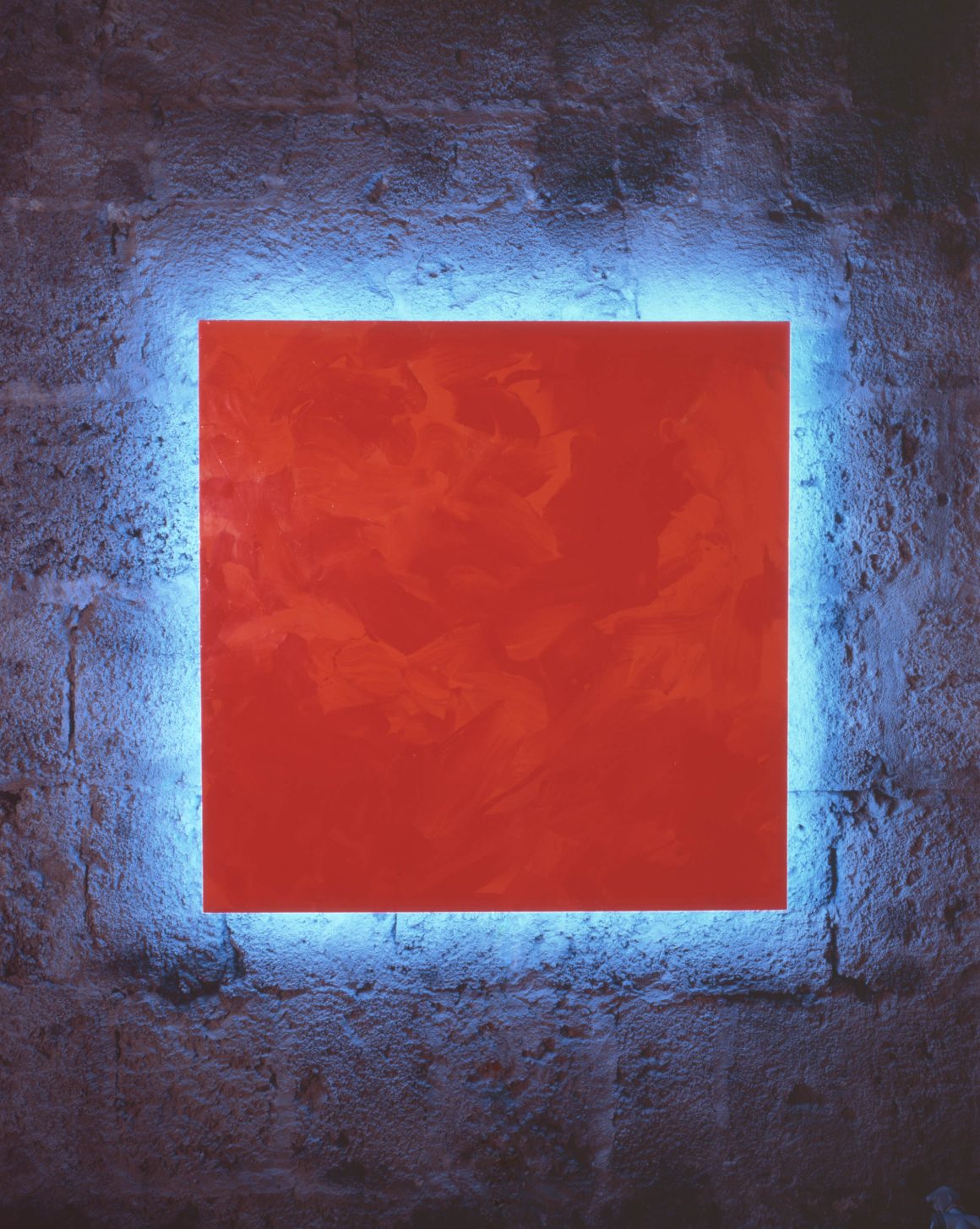
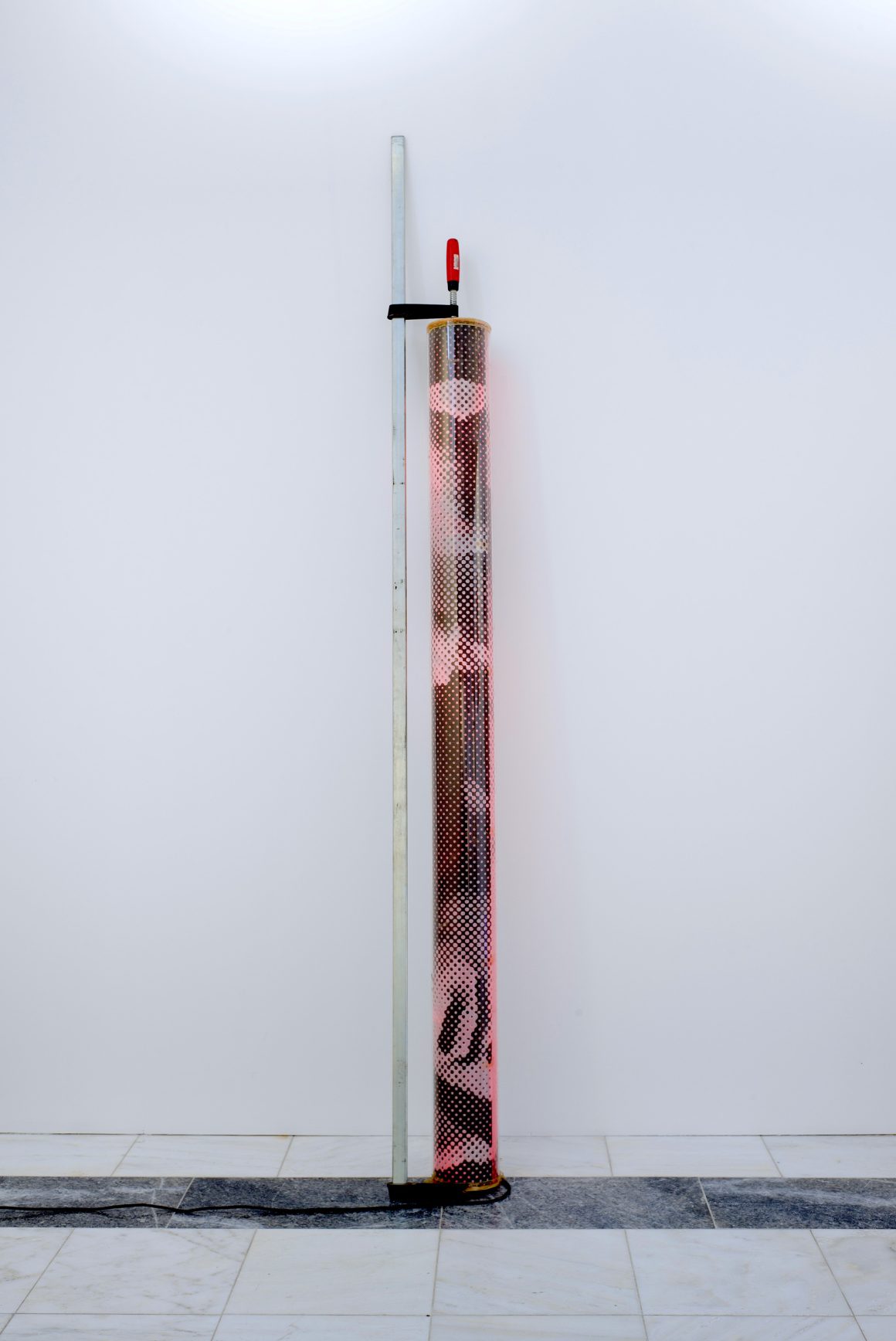
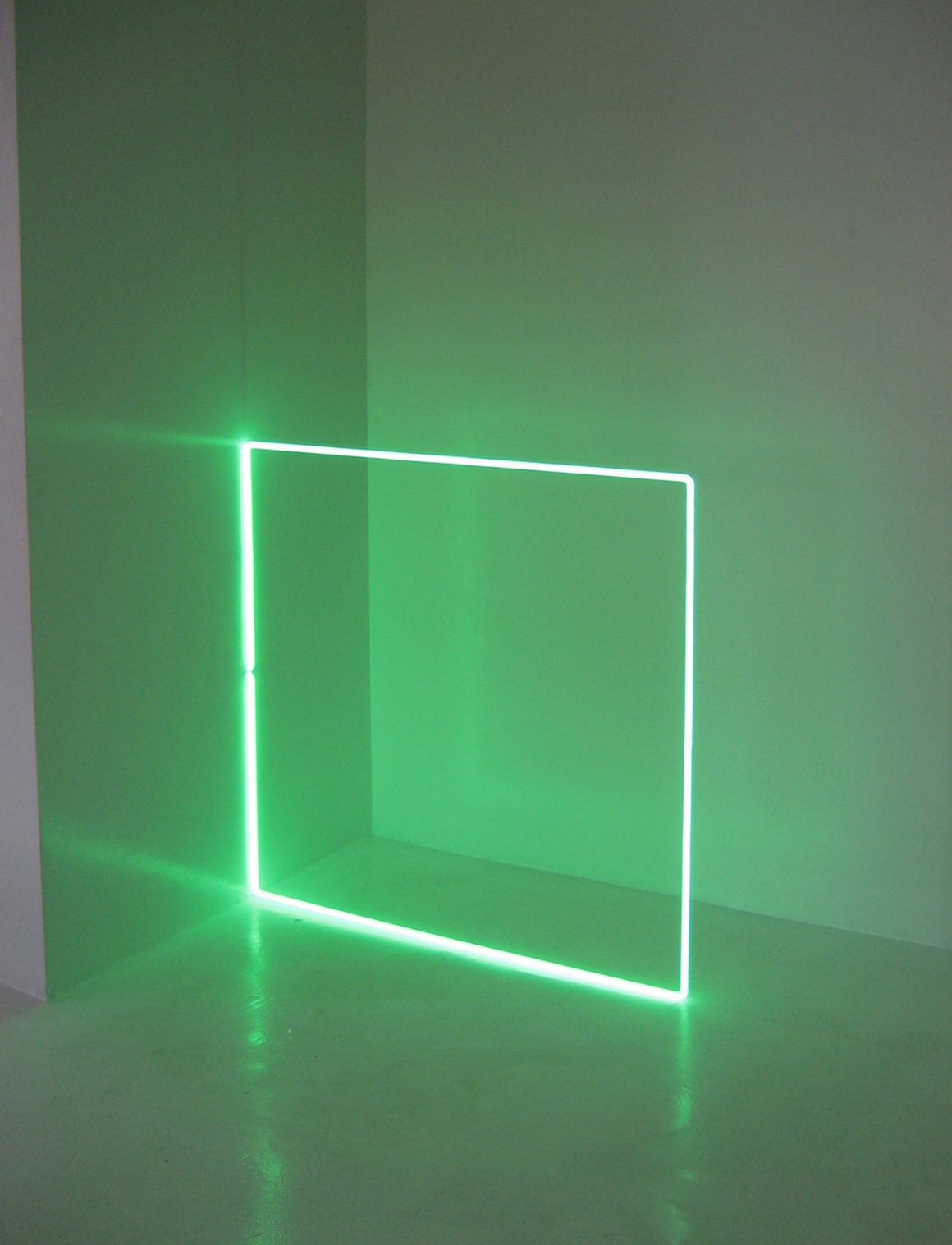
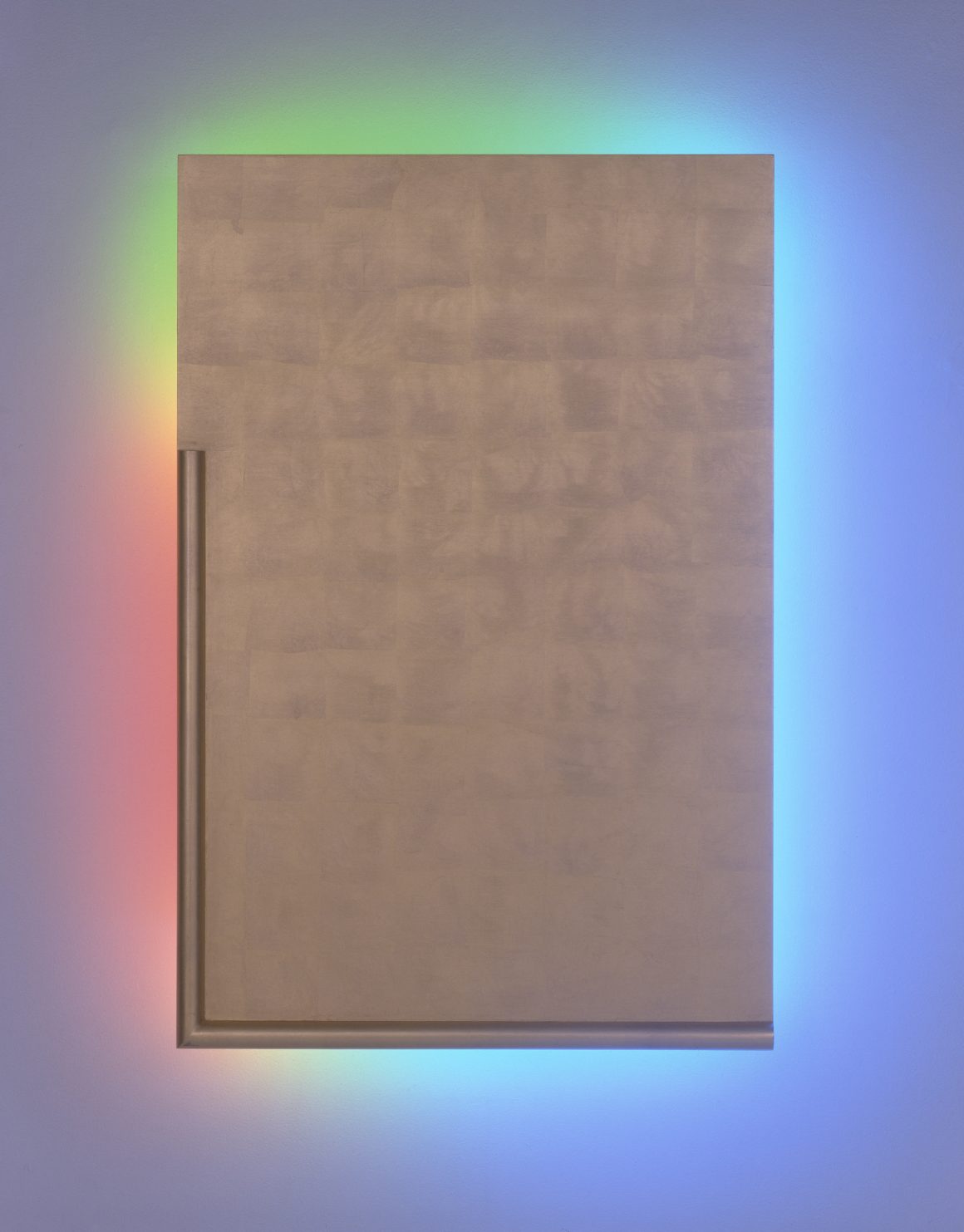
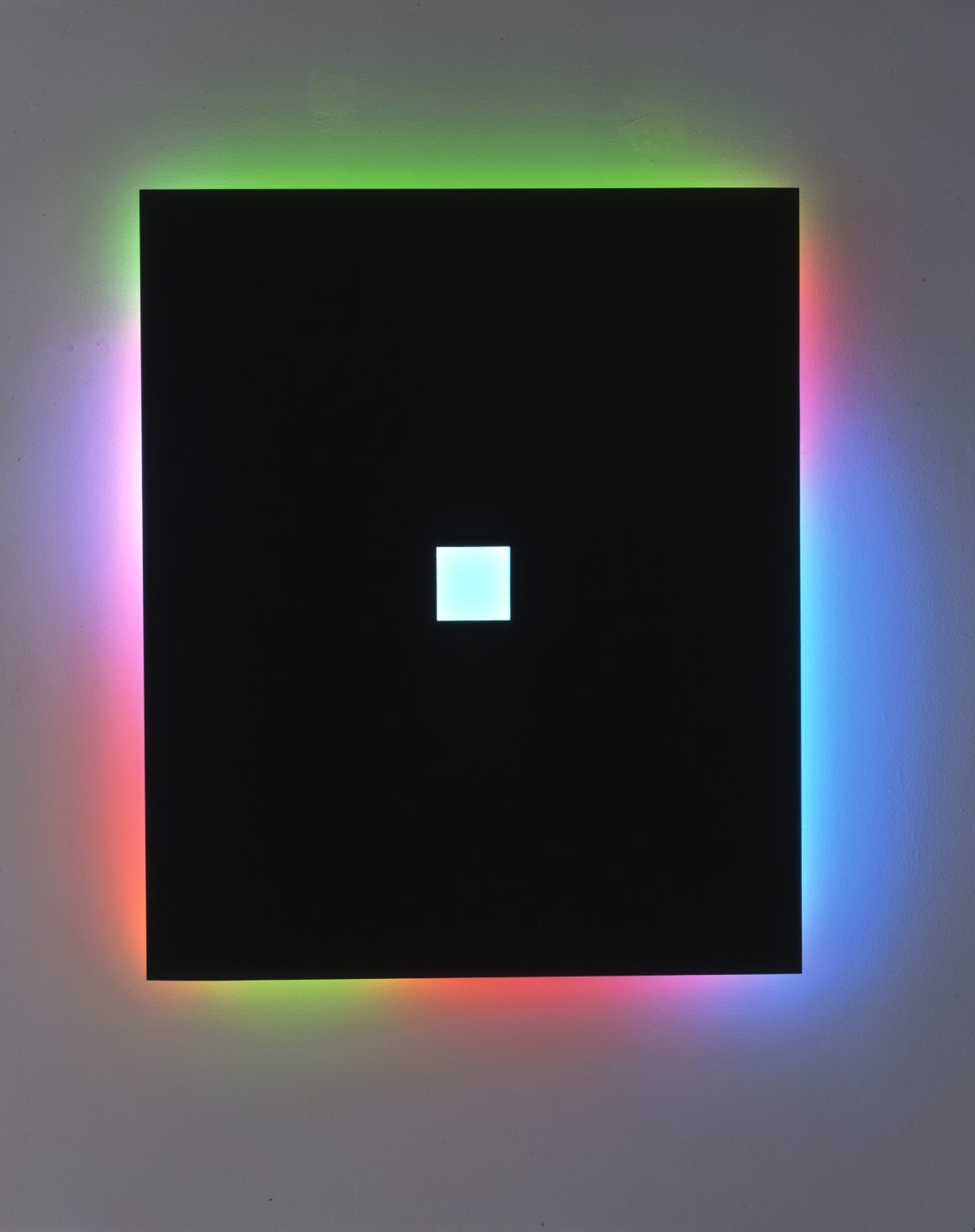
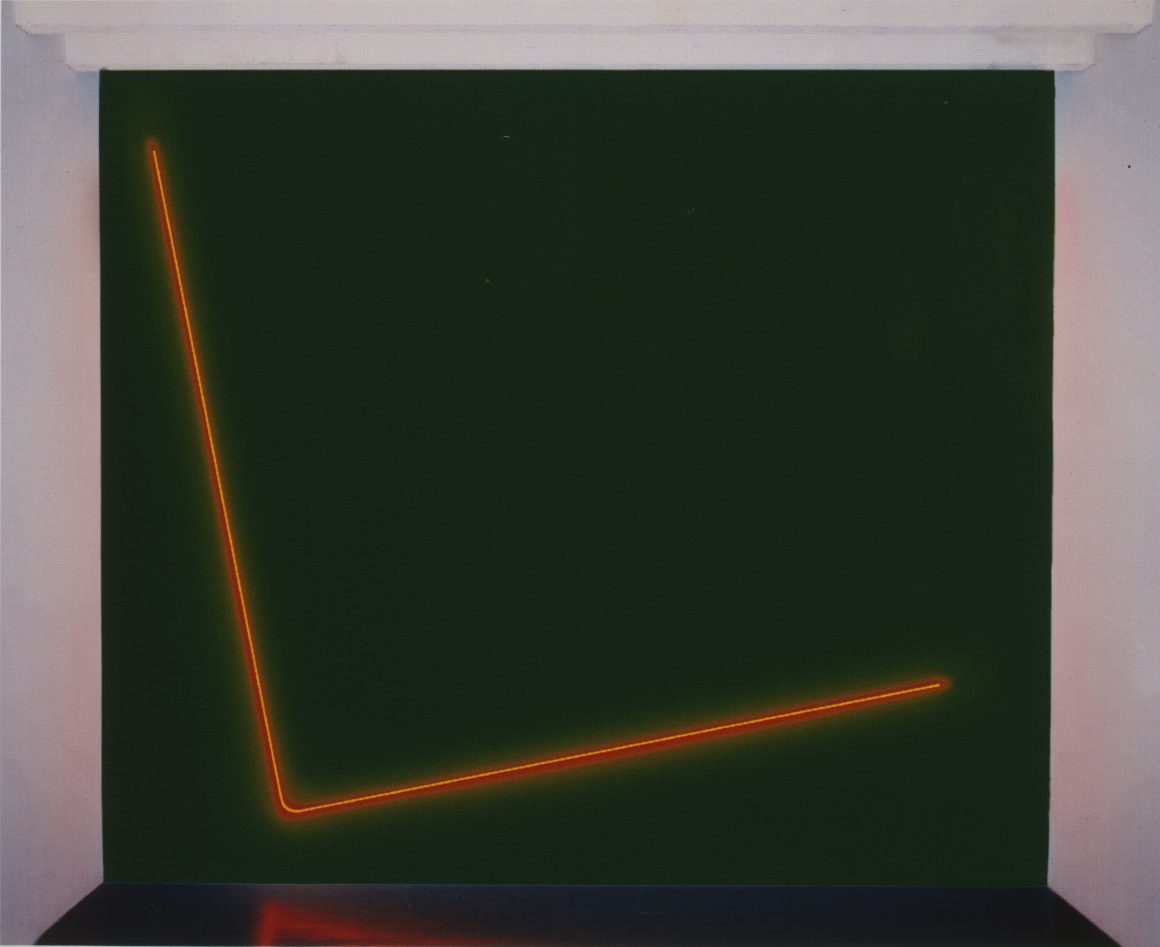
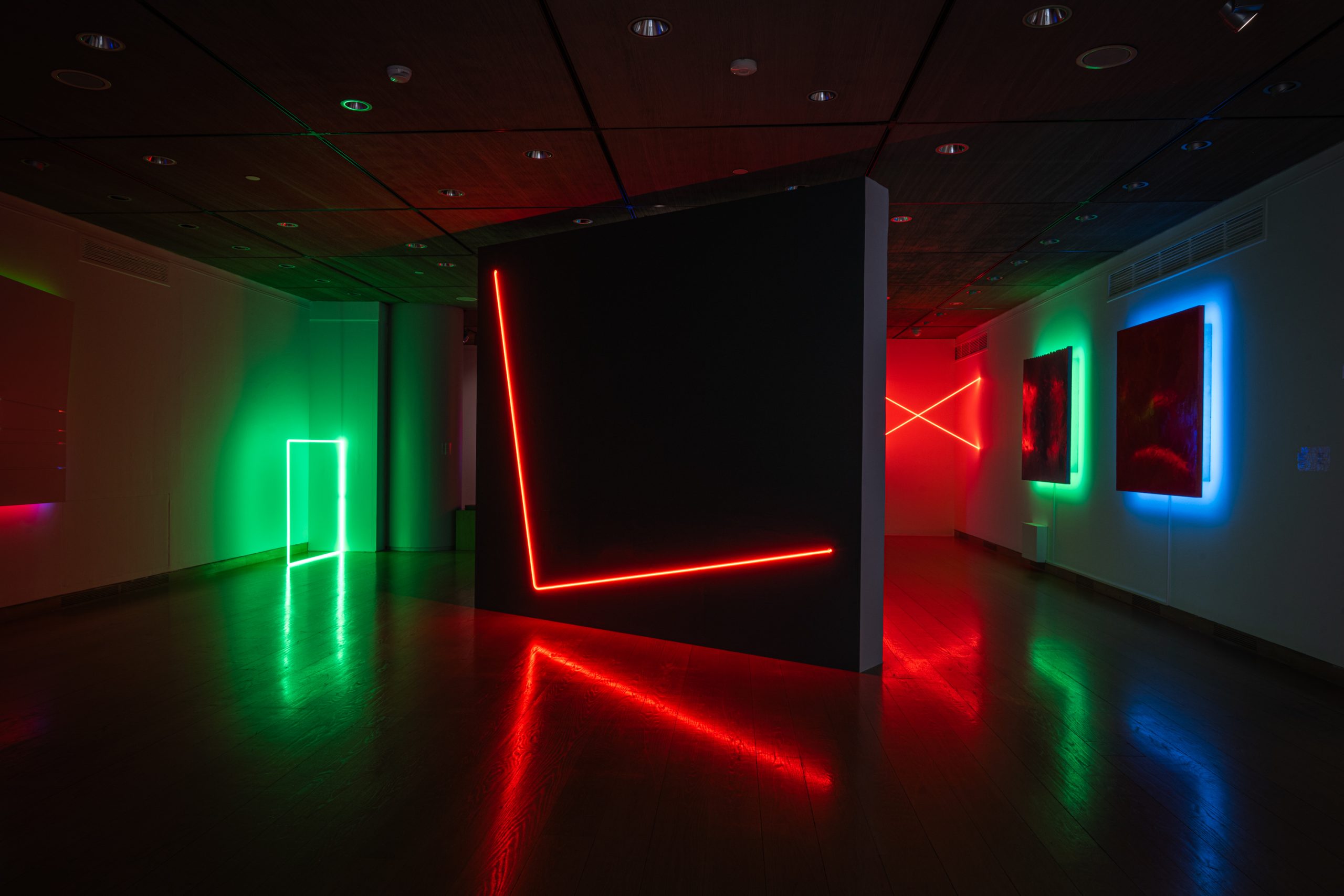
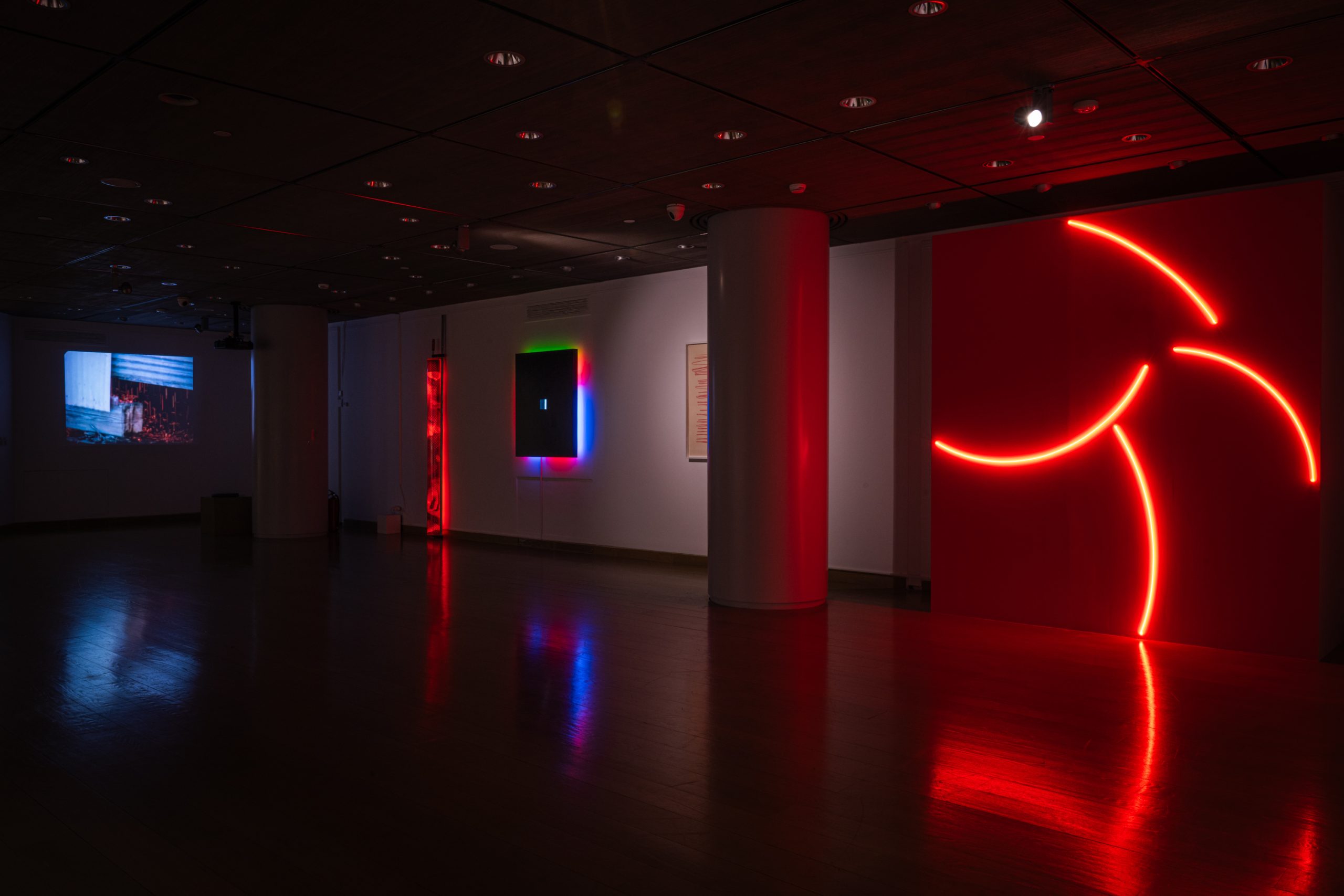
The retrospective exhibition of Stephen Antonakos is a very important moment for us, but also an exceptionally demanding process. There were major international and local loans from different collections, estates, and institutions, as well as significant technical requirements surrounding the works themselves, alongside the responsibility of presenting the work of such important artists with seriousness, clarity, and respect.

What I consider especially important is that the exhibition does not approach Antonakos in isolation.

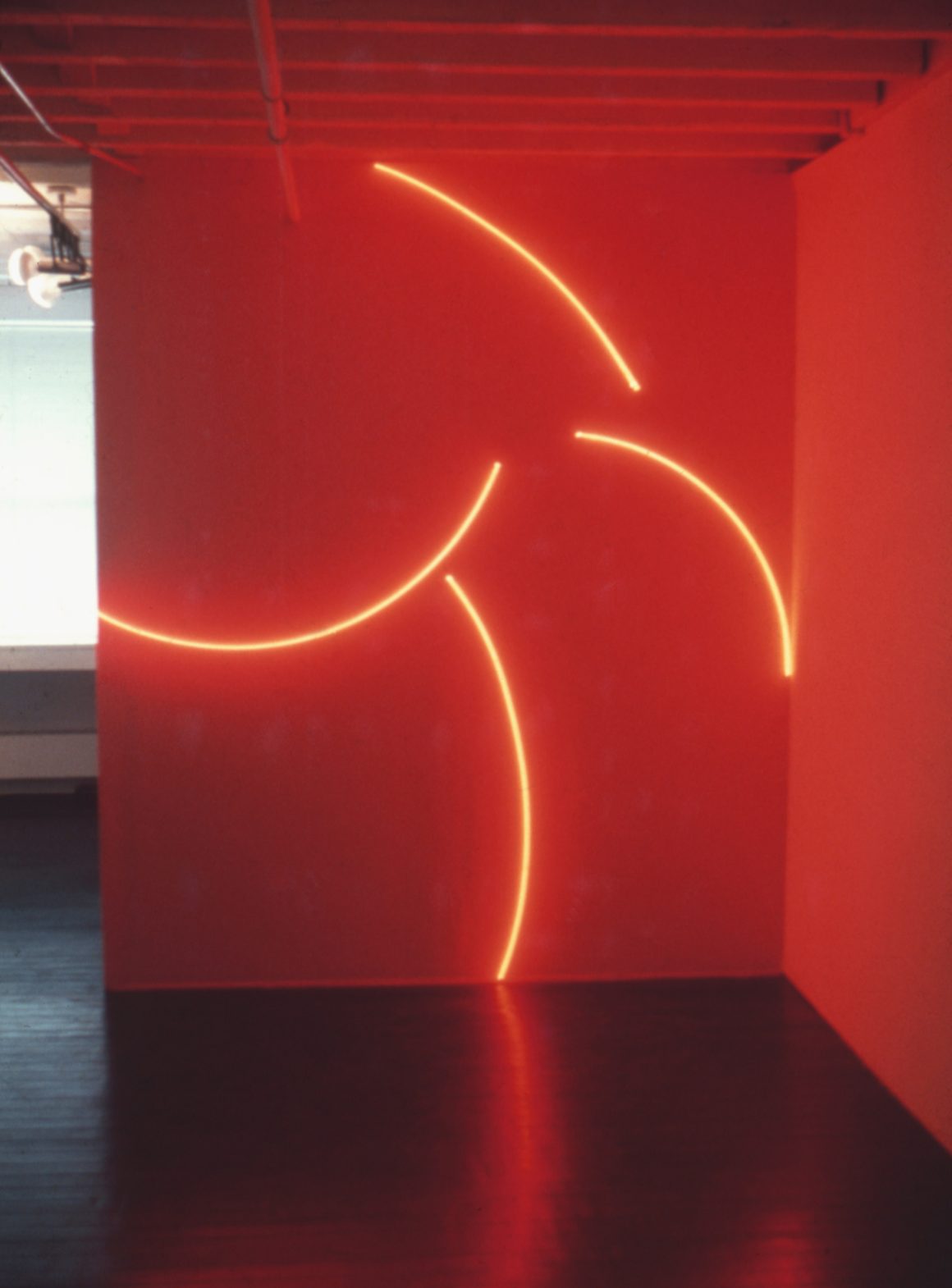
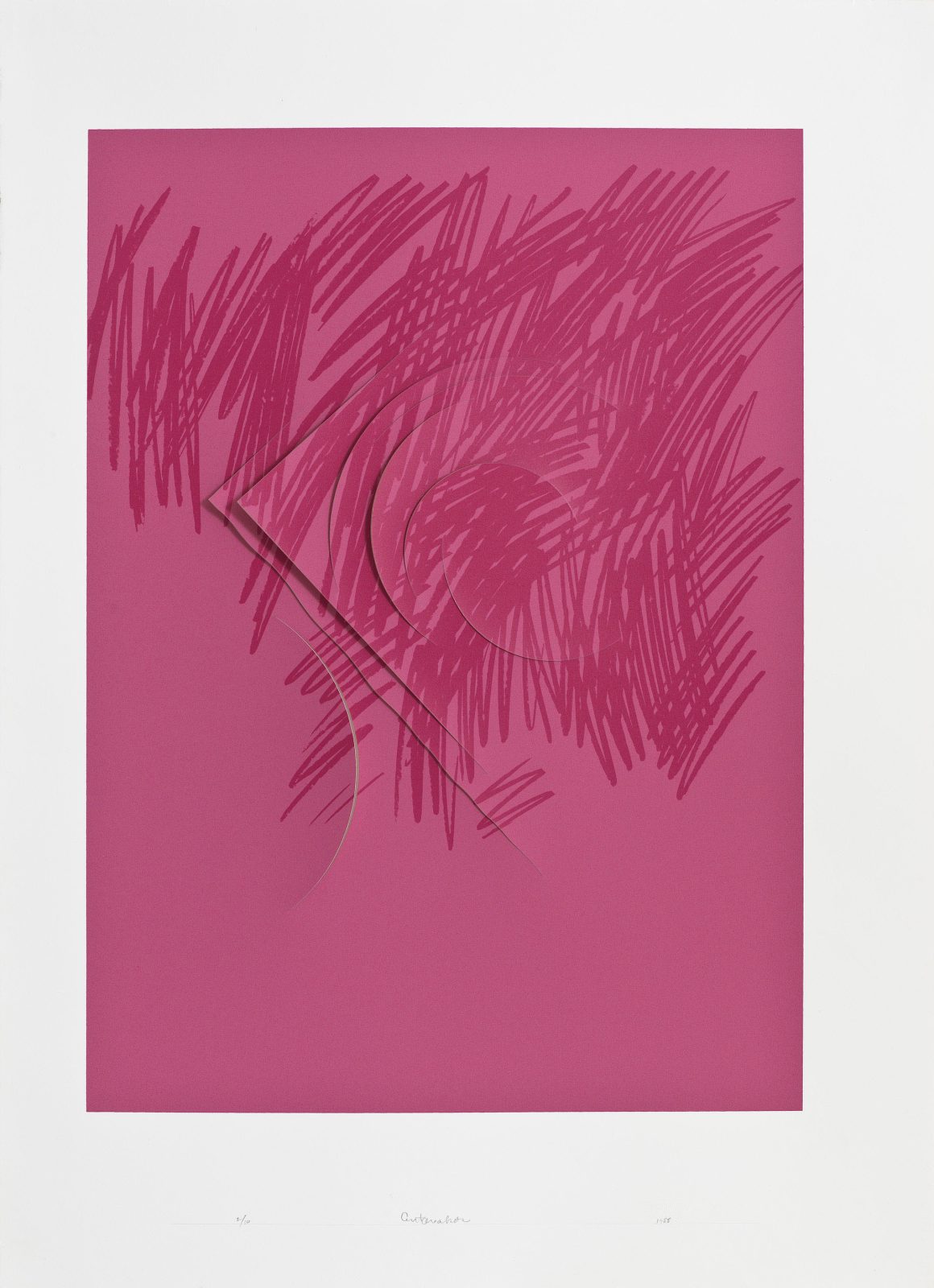
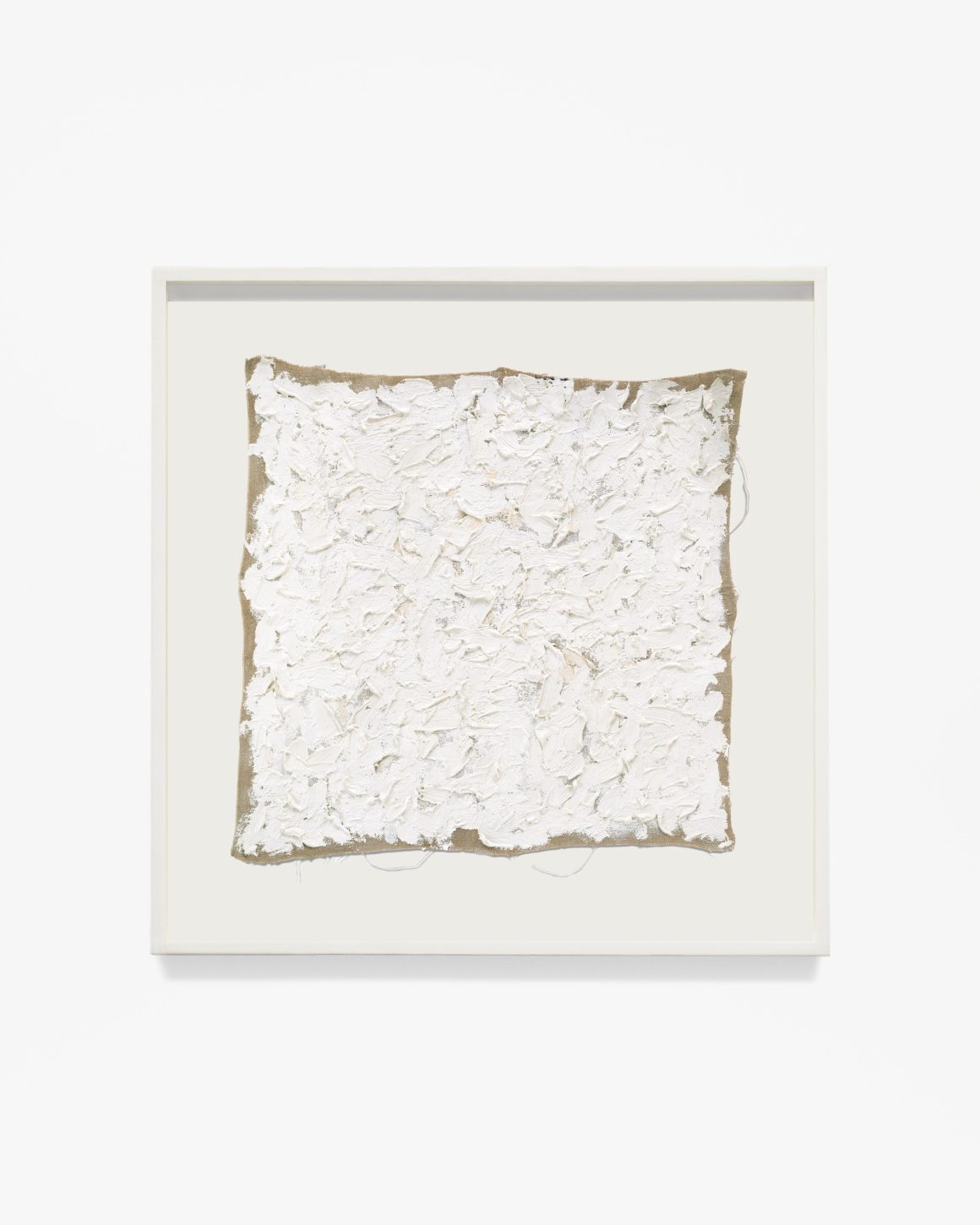
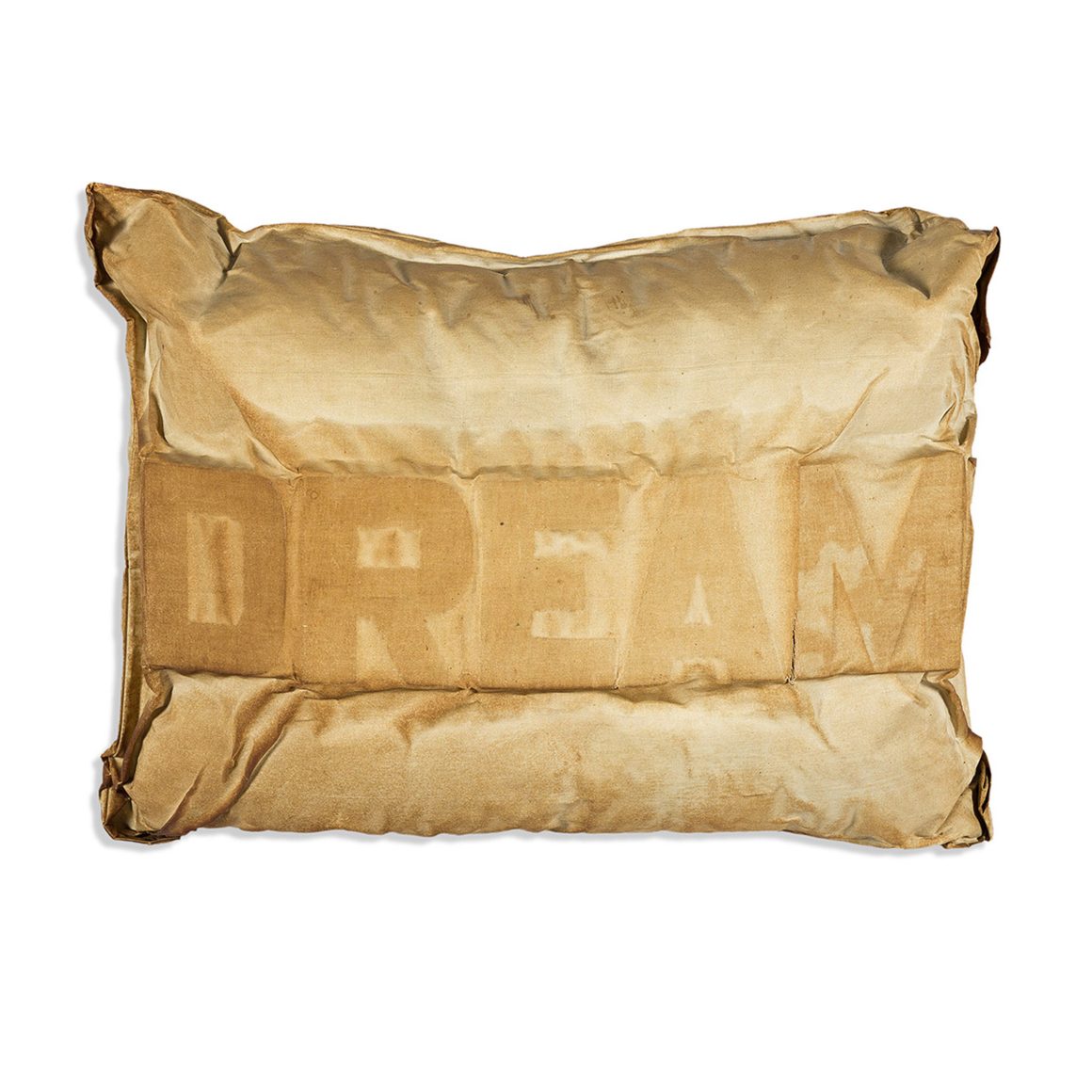
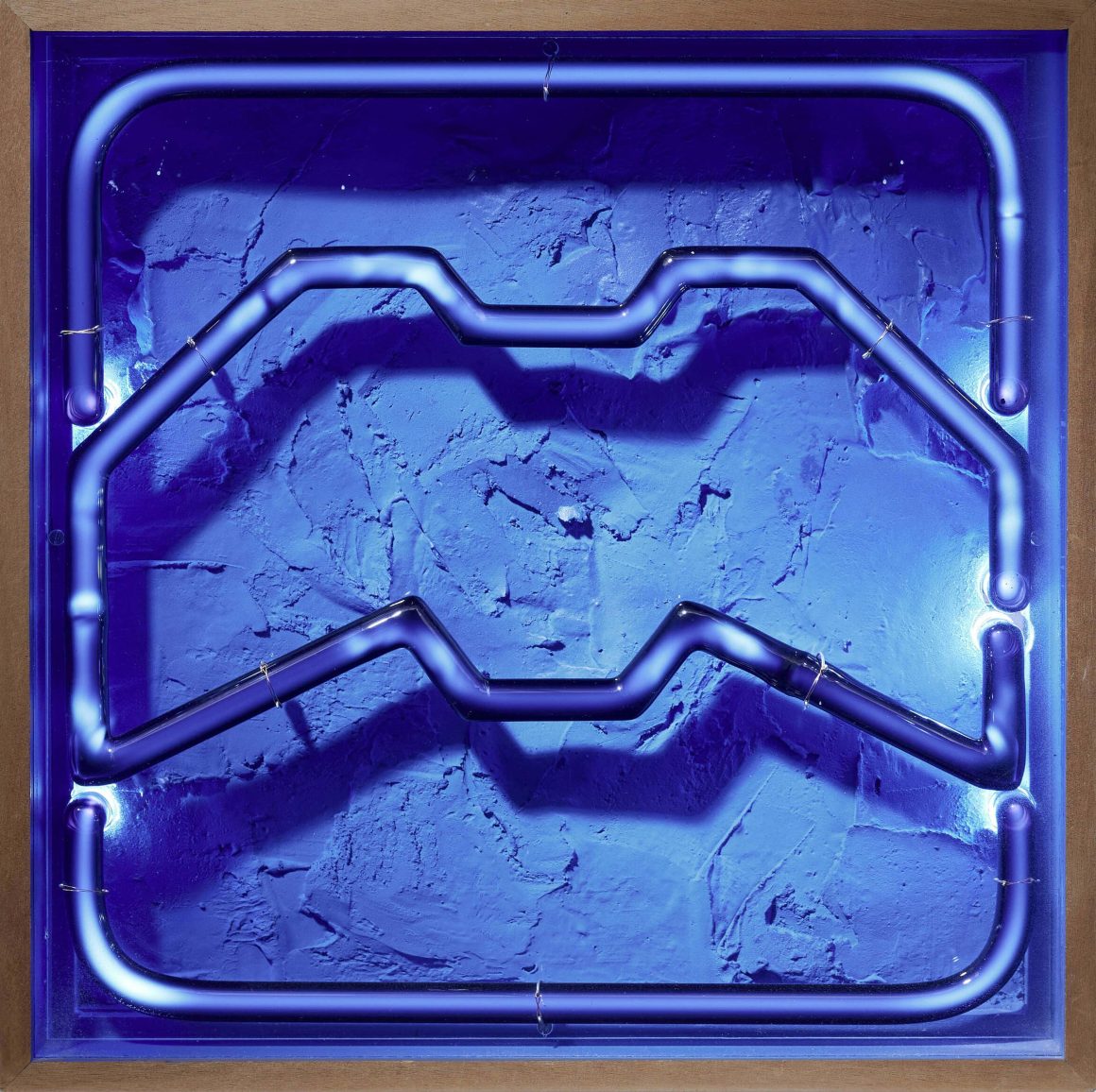
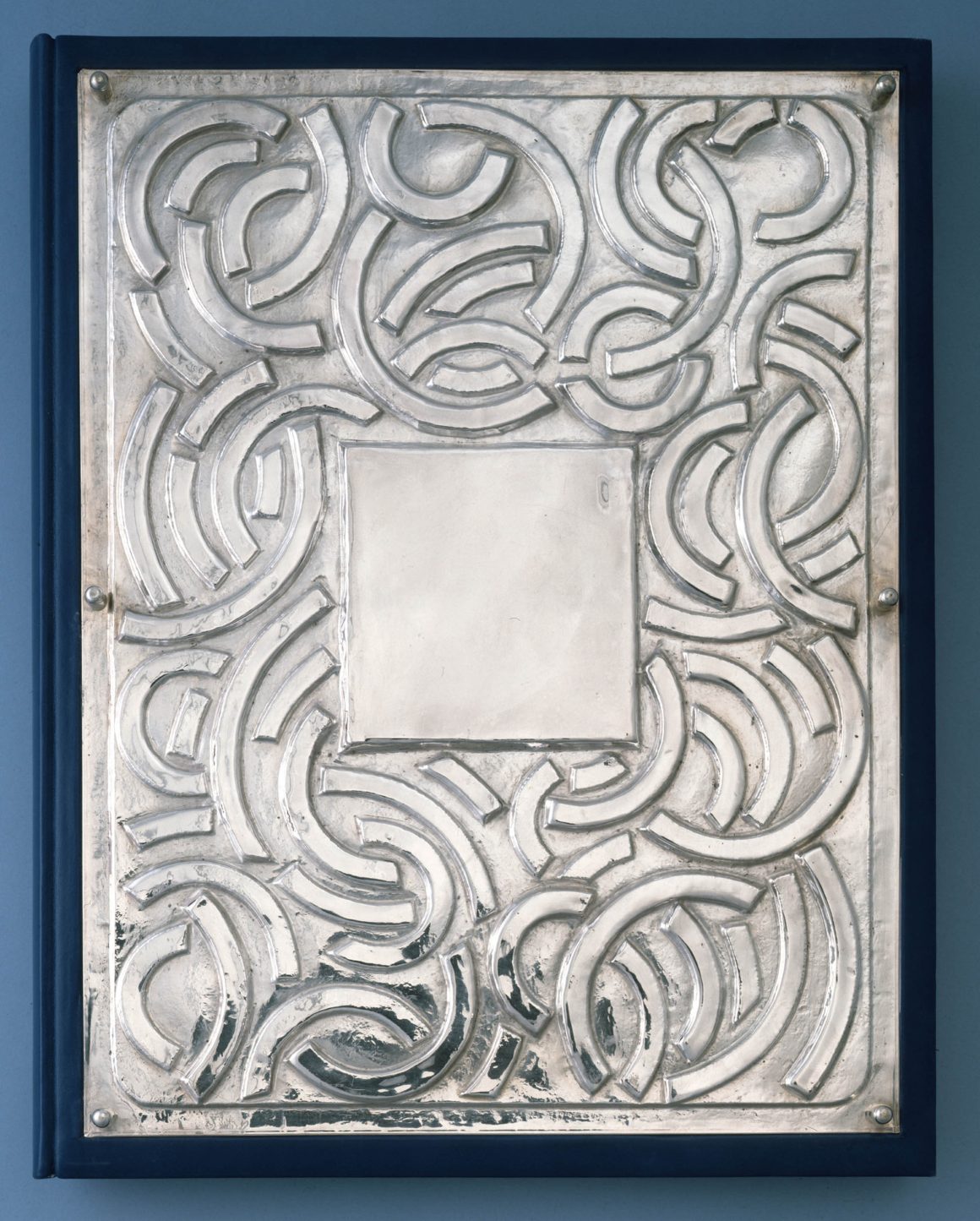
His work enters into dialogue with artists such as Francis Alÿs, Christo, Chryssa, Lucio Fontana, Ray Johnson, On Kawara, Kazimir Malevich, Gordon Matta-Clark, Robert Ryman, and others. In this way, the exhibition opens a broader conversation around light, space, geometry, conceptual art, and the silent power of abstraction. It functions not only as a historical retrospective, but also as a living statement about Antonakos’s place within the history of contemporary art.

I believe the result carries the balance we hoped for from the beginning. It has historical weight, but it is not heavy-handed. It has precision, but it is not cold. It allows the viewer to see Antonakos not only as a major artist, but as a creator who continues to engage meaningfully with the art of the 20th and 21st centuries. For me, that is also the exhibition’s most moving quality. It does not try to impose itself on the viewer. It simply invites you to stand a little more quietly within the space and see light, architecture, and time in a different way.

What has the public response been like? What have you sensed and what feedback have you received?

The public response to the Stephen Antonakos exhibition has been truly moving. From the very first weeks, we saw a very high level of attendance and genuine interest from people of different ages and artistic backgrounds. What impressed me most, however, was not only the number of visitors, but the way people experienced the exhibition.

Many visitors told us they returned for a second visit, or that the exhibition gave them a different rhythm within the intensity of everyday life. I think that is perhaps the most beautiful comment an exhibition can receive.

How important is it for younger generations to have the opportunity to experience works and artists of such invaluable significance firsthand?

It is extremely important to us because, through this exhibition, we succeeded in bringing truly remarkable works to the Foundation — works I never imagined I would see in Greece. While living and working in America, I had the opportunity to experience major artworks and exhibitions on a daily basis, and I often reflected on how different one’s relationship with art becomes when it is experienced physically in space, rather than only through books or screens.

That is why I feel particularly happy that we are able to share this opportunity with the Athenian public and especially with younger generations, many of whom may be encountering works of such historical significance for the first time.

The physical presence of an artwork changes the experience completely. The scale, the light, the brushstrokes, the materiality, even the silence surrounding it, create a relationship that cannot be translated digitally. And I believe these experiences can stay with you and influence the way you see art — and the world itself.

Tell us about the collaborations you have developed and how they have evolved over time.

A great deal has changed at the B. & M. Theocharakis Foundation for the Fine Arts and Music over the past years. But if I were to focus on the most meaningful changes, I would primarily speak about the new dynamic that has emerged through my collaboration with Stelios Vasilakis, the Foundation’s director. There is now greater openness, a more international orientation, and more boldness both in our programming and in our collaborations.

I strongly believe that cultural institutions cannot remain static. They must evolve alongside their time without losing the seriousness and identity they carry. For this reason, Stelios and I decided to open the Foundation to new voices and different creative disciplines.

In music, we collaborate with curators such as Stavros Gasparatos, Lorenda Ramou, and Michalis Paraskakis, creating concerts and sound projects that engage in dialogue with our visual art exhibitions. At the same time, together with Katerina Kafetzis (Kafka), we developed the discussion series The Book That Read Me, an idea of hers that I deeply love because it transforms conversations around art and creativity into something more personal and experiential.

At the same time, we have shaped an exhibition program extending through 2030, inviting guest curators according to the theme of each exhibition. I care deeply about this idea of specialized curatorial practice and genuine collaboration — something already realized in our last two major exhibitions: Geometric Abstraction: Opy Zouni, Etel Adnan, Samia Halaby, Saloua Raouda Choucair, Ebtisam Abdulaziz, Lubna Chowdhary, curated by Yannis Bolis, and Stephen Antonakos: Epilogues of Time and Space, curated by Sara Reisman.

And of course, one aspect I deeply love is the Foundation’s educational programs. That is where the true purpose of a cultural institution becomes visible. Seeing children, teenagers, and even people who may never have had a close relationship with art engage with it in an open and experiential way is something that continues to move me profoundly.

What do you love — and what do you not love — about the field you work in?

What I love most about the art world is that, at its best, it can create genuine encounters. It can bring together people, ideas, and ways of thinking that might otherwise never meet. There is something deeply alive and profoundly human in that. I also strongly believe in collaboration between cultural institutions. And I feel truly grateful because there are organizations in Athens that have supported the Foundation with generosity, operating in a way that proves culture does not need to be based on competition, but on collaboration and exchange. I admire that greatly.

What I sometimes find difficult is when the field becomes too closed in on itself — when small circles and repetitive networks are formed, and opportunities seem to revolve around the same people. I think art loses part of its power when it functions through distance, pretension, or a kind of elitism that ultimately limits rather than expands dialogue.

Personally, I prefer to work in a more direct and simple way. To look at people and their work with clarity, instinct, and a democratic spirit. I believe deeply in seriousness and quality, but I do not believe they require arrogance in order to exist.

What are your next plans?

I am very excited about our upcoming exhibition collaborations. The Foundation’s next exhibition opens in October 2026, and the three exhibition spaces will be shared between two completely different curatorial approaches.

The first is a solo exhibition by Canadian artist Kylie Manning, curated by Akis Kokkinos. The second, curated by Giorgos Tzirtzilakis in collaboration with the architectural collective Askhseis Edafous, is dedicated to the acclaimed architect Christos Papoulias, who recently passed away.

I am interested in exhibitions that carry historical weight while remaining alive in the present. Exhibitions that do not end the moment you visit them, but continue to work within you afterward — leaving behind an image, a thought, or even a feeling that unexpectedly returns over time.

What would be a dream project for you?

What I am doing today.

I feel very fortunate to have the opportunity to work around art in a way that is alive and constantly evolving. Of course, there are still artists, collaborations, and exhibitions that I dream about, but for me the real dream project is building something with longevity, identity, and a genuine impact. And I feel that we are already in that process.

An exhibition you will never forget

One exhibition I will never forget was A Lot of Sorrow by Ragnar Kjartansson at the Art Institute of Chicago. I saw it while living in Chicago, and I still remember the almost disorienting atmosphere it created within the space. The National performed the same song over and over again for six consecutive hours, and somewhere within that repetition, time itself began to bend.

What was especially remarkable was that you could enter and leave the exhibition at any moment throughout the 24-hour cycle, as though it existed outside ordinary time and daily life.

What moved me so deeply was the way the work used something incredibly simple — repetition — to ultimately speak about human endurance. Not in a heroic or dramatic way, but almost biologically. You watched the body, the voice, and emotion gradually transform over time, until the song itself lost its original form and became something entirely different. It felt like a meditation on persistence, exhaustion, melancholy, and also on the strange beauty of continuing. That exhibition did not simply ask you to observe it. It asked you to endure alongside it.

Give us your own definition of beauty

Beauty is when something remains tender without becoming weak.

What do you consider authentic today?

Simplicity with depth.

Author