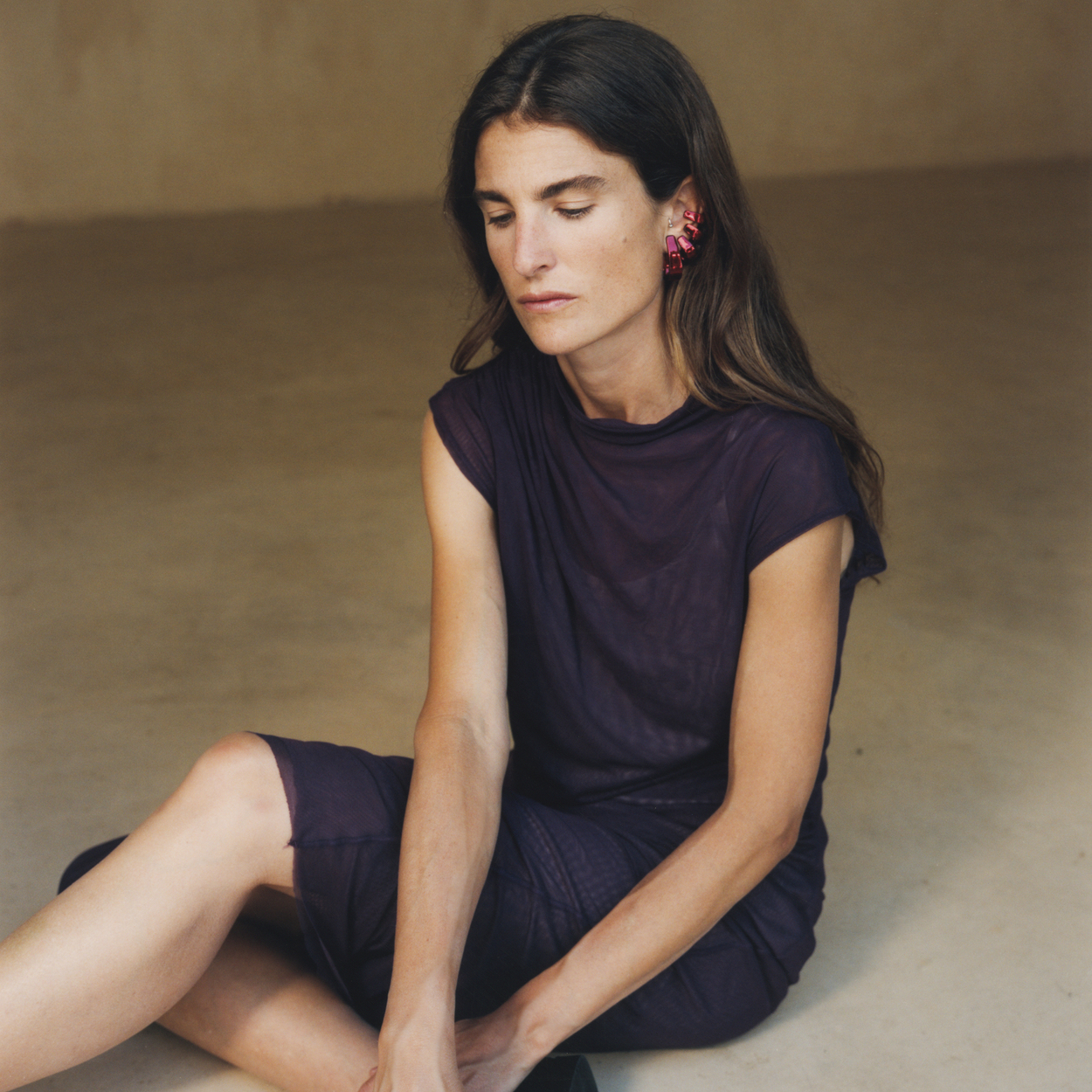
Could you take us through the highlights of your journey so far? What have been the key milestones that have brought you to where you are today?

I grew up in Florence, surrounded by beauty and craftsmanship, and by the example of my family, especially my grandfather. During my internships in the family factories I learned to work with leather, and to respect it as something alive. When I was nine, my mother gifted me a red shoebox with beads, copper wire and tweezers, and I never stopped: that is when I discovered my passion for making jewellery and working with my hands. Then I studied architecture at Politecnico di Milano, which gave me a method, and later jewellery design at Central Saint Martins in London.

These three things together brought me to the idea of SO–LE STUDIO. In 2013 I found a piece of abandoned leather of extraordinary quality in the family factories and instinctively turned it into a necklace. From there to where I am now, it has been a series of yeses said with passion, a certain dose of stubbornness and resilience, and many incredible people I have the chance to work with.
Some milestones along the way: opening the studio in Milan in 2019, with production in Tuscany, and this year the move into the home, first with Lucemuta at Milano Design Week and now with Oracle.

Your approach to jewellery-making is truly distinctive, bringing together architecture, sculpture and wearable art. How would you describe the philosophy behind your creations, and how does sustainability inform your creative process?

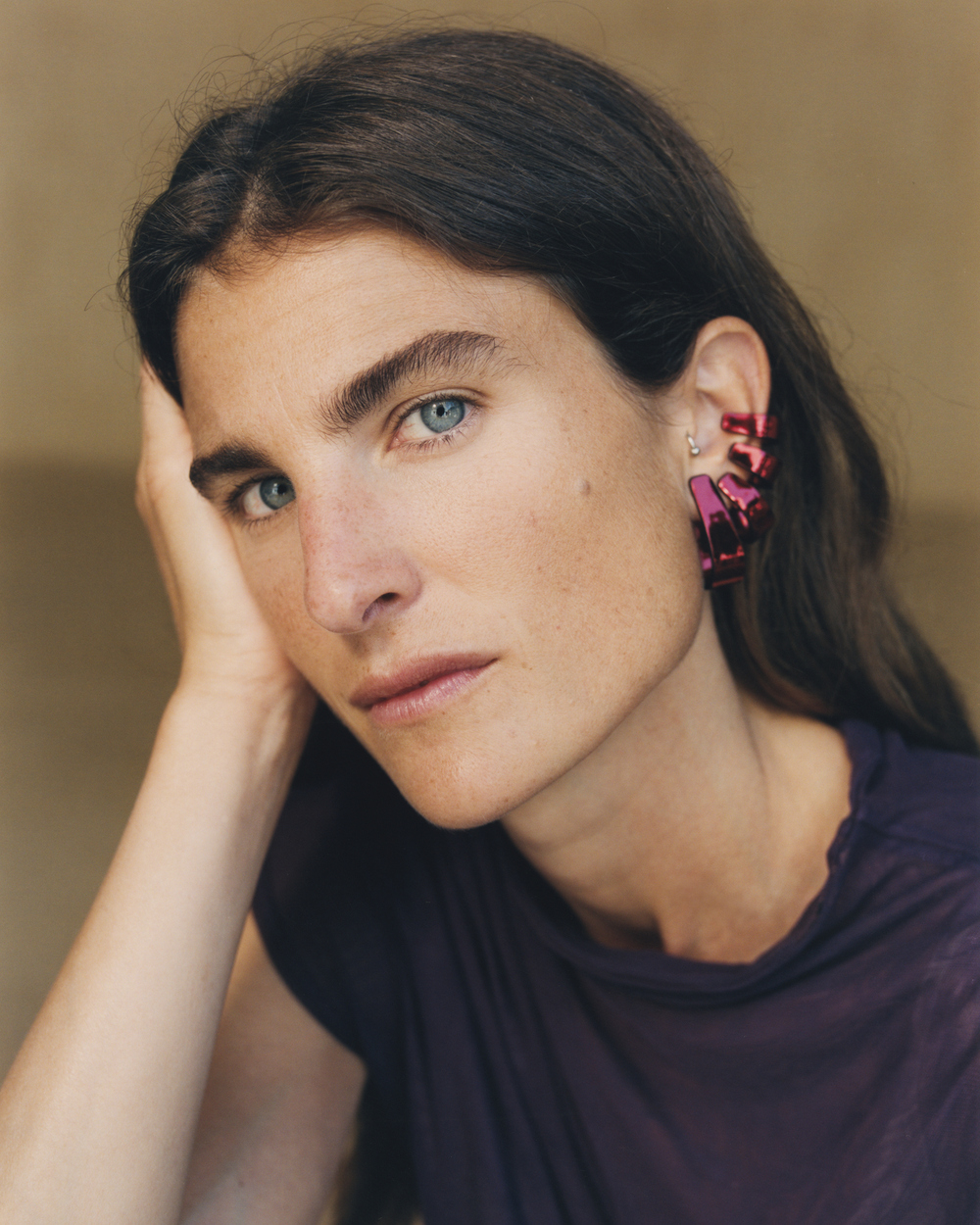
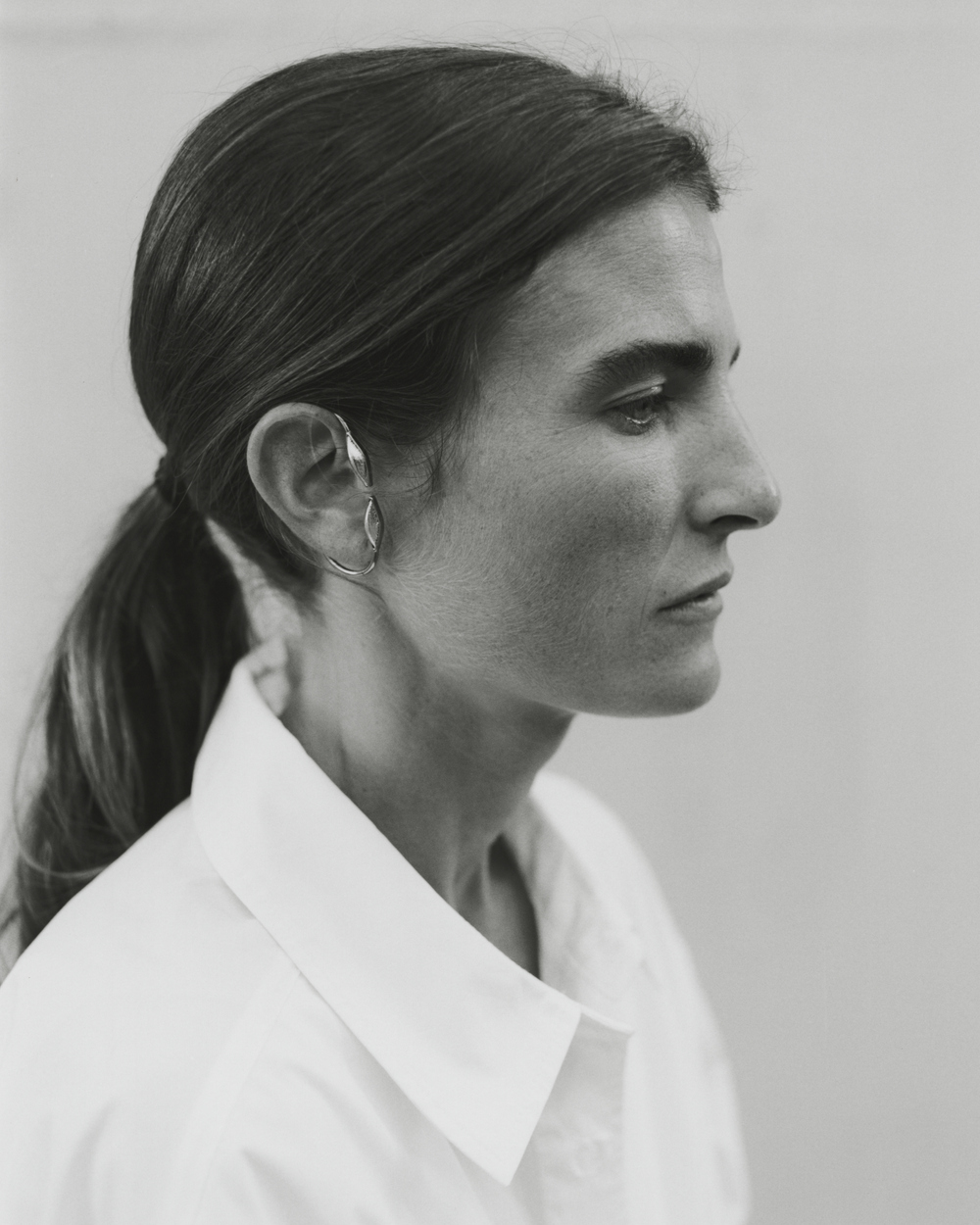
I think of my pieces as wearable architecture, small buildings that live on the body, but also objects that can stand on their own on a table. Each jewel is an organism, with its own structure, tension and life. Nothing is purely decorative: every element has a function.
I want them to be outfit makers, pieces that change the same look every time you wear them, playing with illusion and lightness. They look heavy and metallic, yet they are light leather. Statement pieces, but comfortable and practical, made to be lived in.

Sustainability is always in the back of my mind. I like to see it as a horizon rather than a destination: the closer you get, the further it moves, and there is always something more that you can do, knowing that you’ll never be done. In practice it means working only with available materials: leather from the deadstock of major houses and brass shavings from metal manufacturing, treated not as waste but as a resource that already exists. Scarcity becomes a design principle, and each piece is naturally limited in number.

Could you tell us the story behind Oracle? What was the inspiration for its creation, and what does it represent?

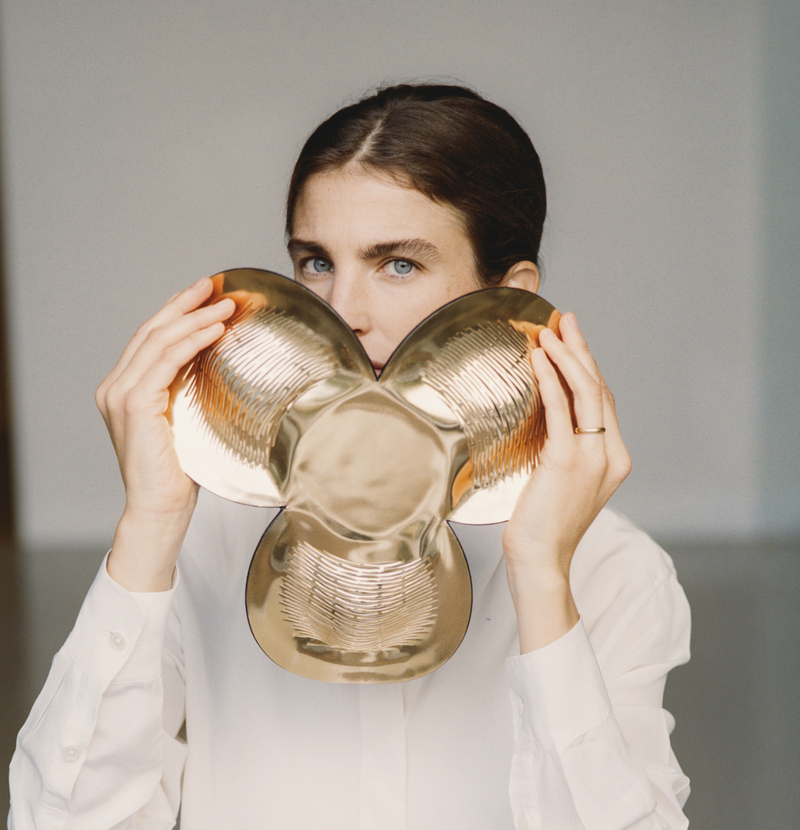
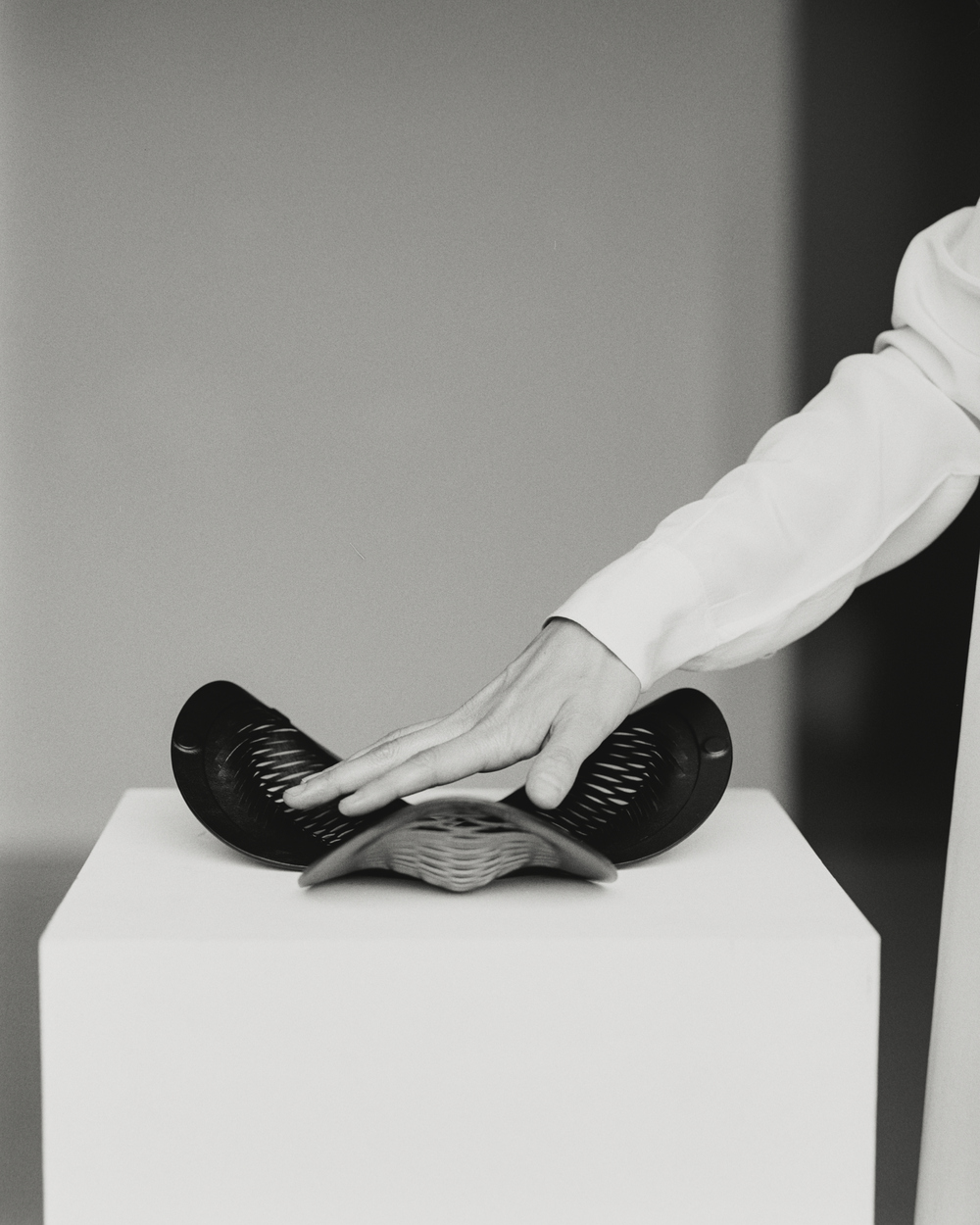
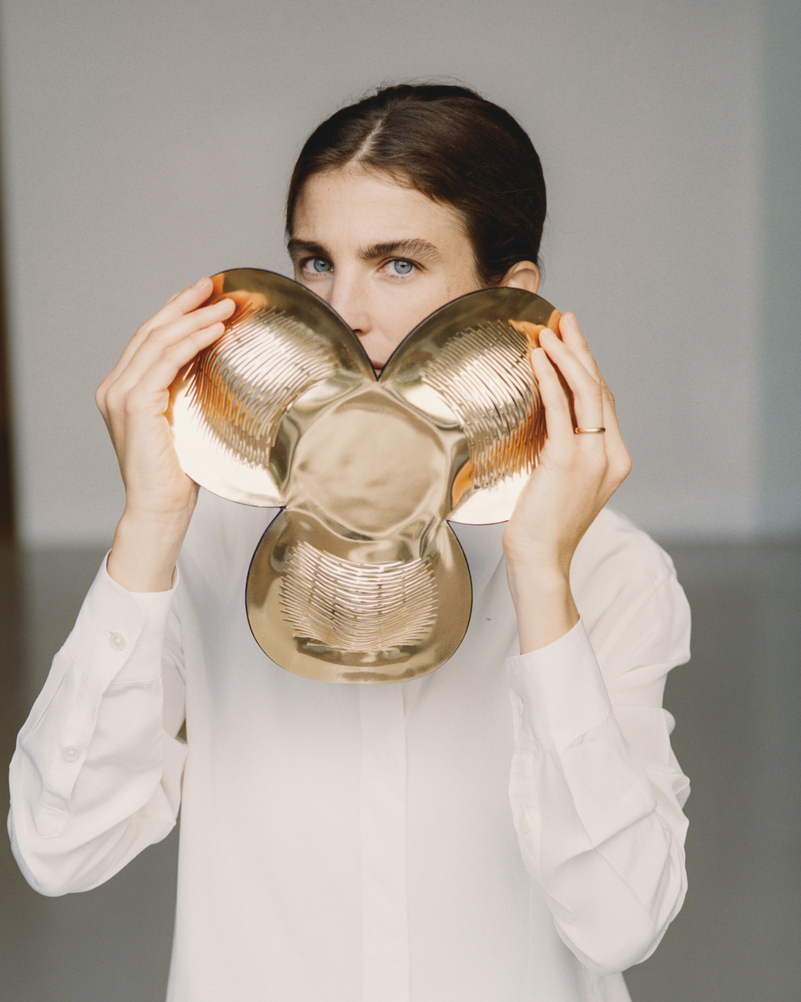
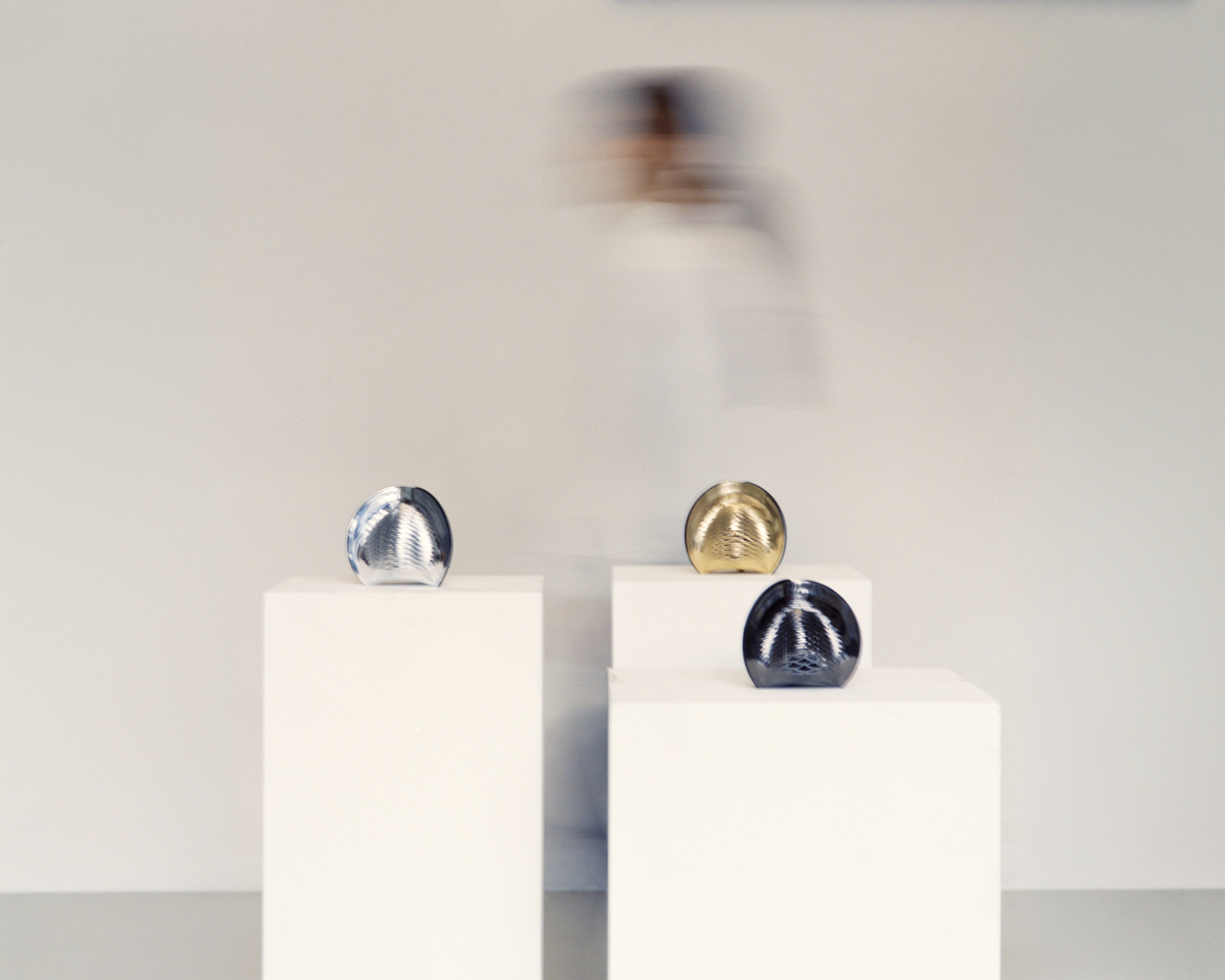
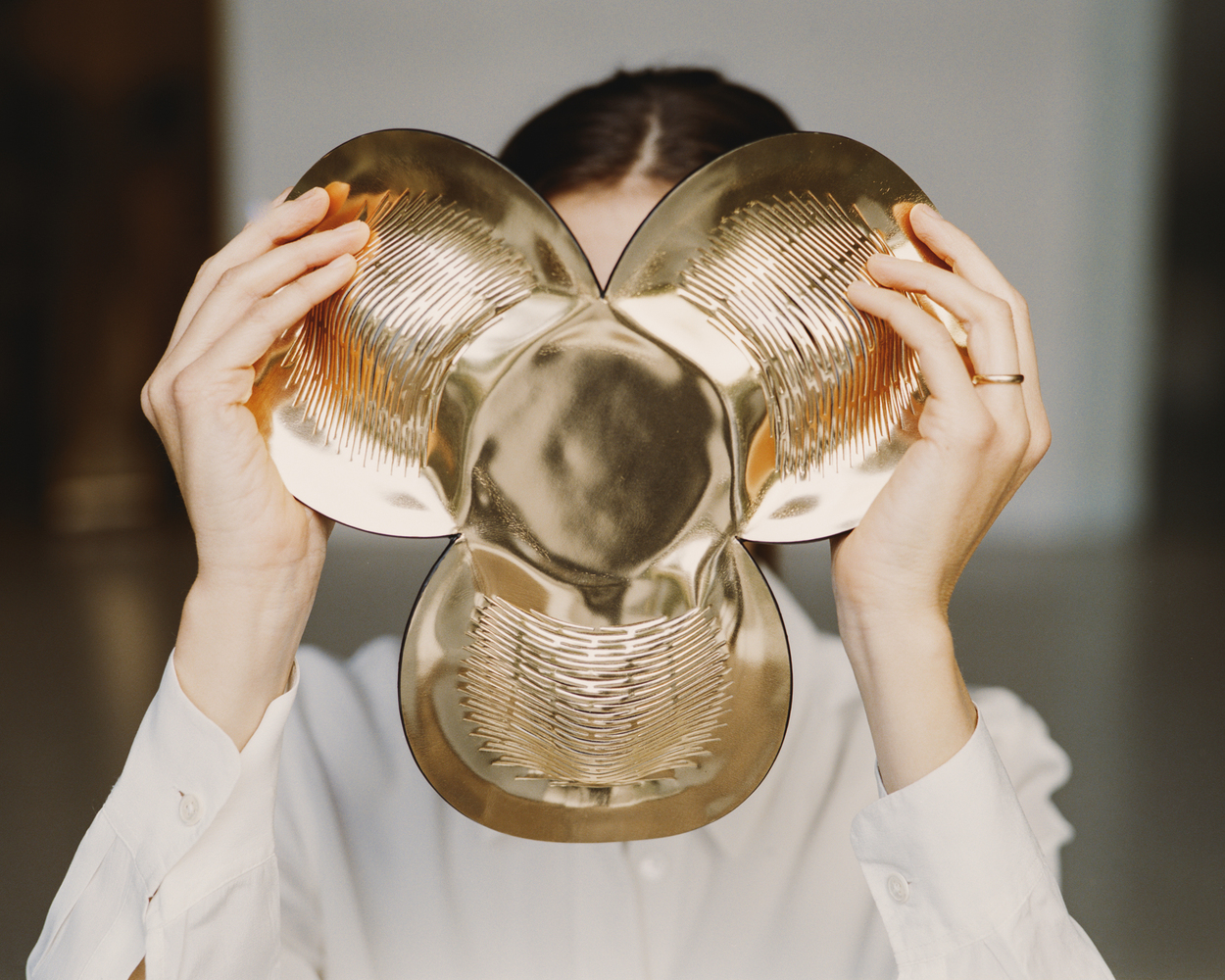
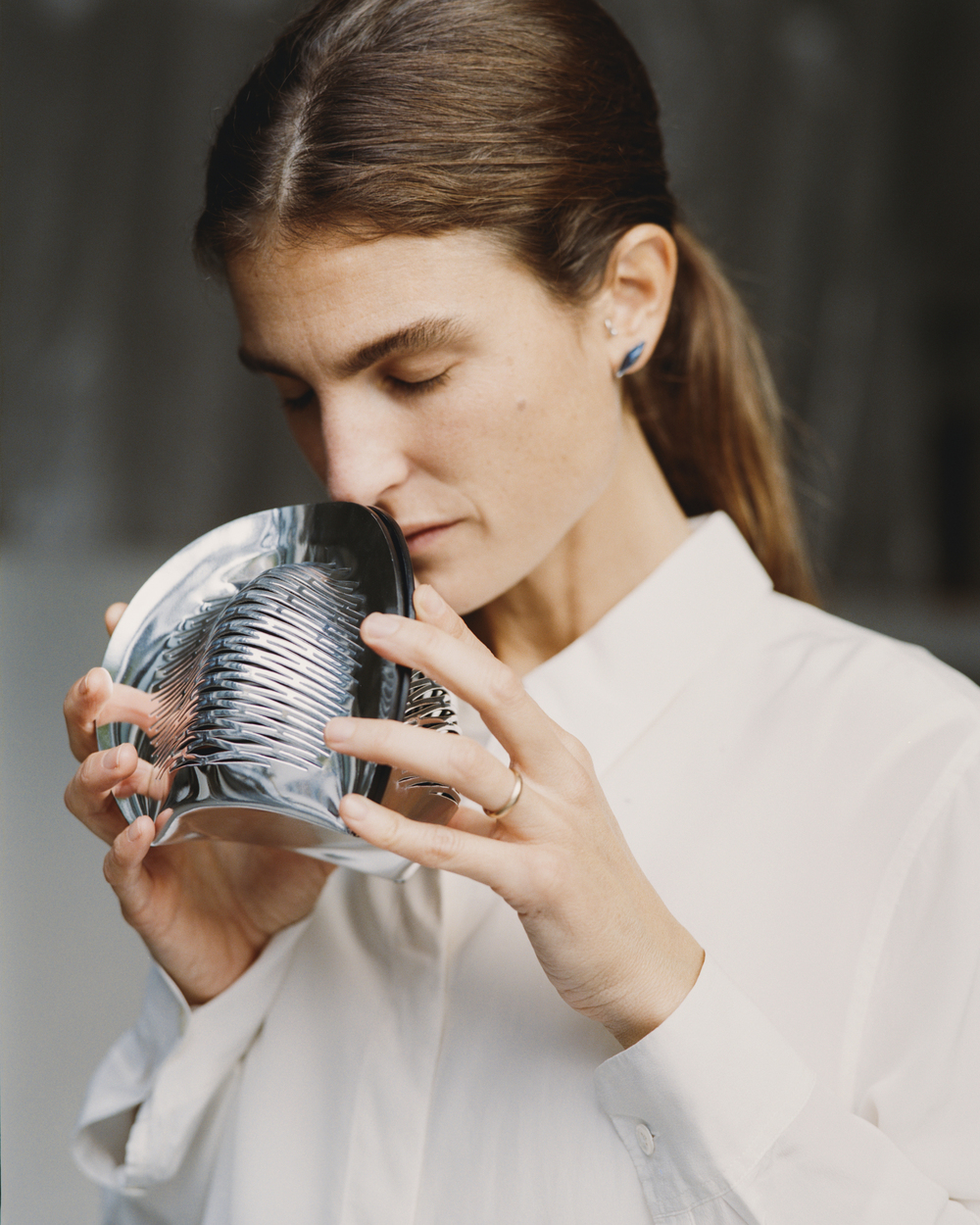
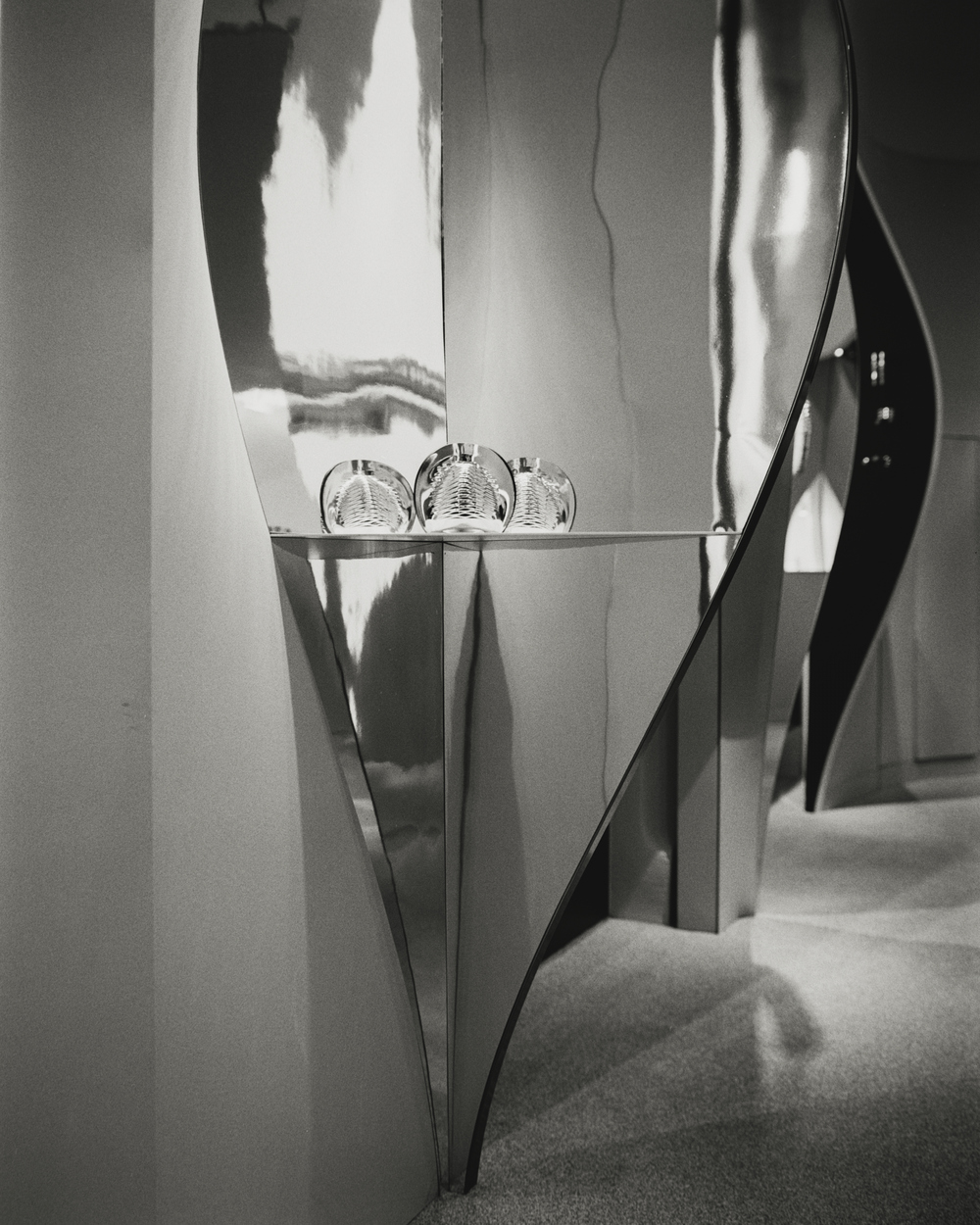
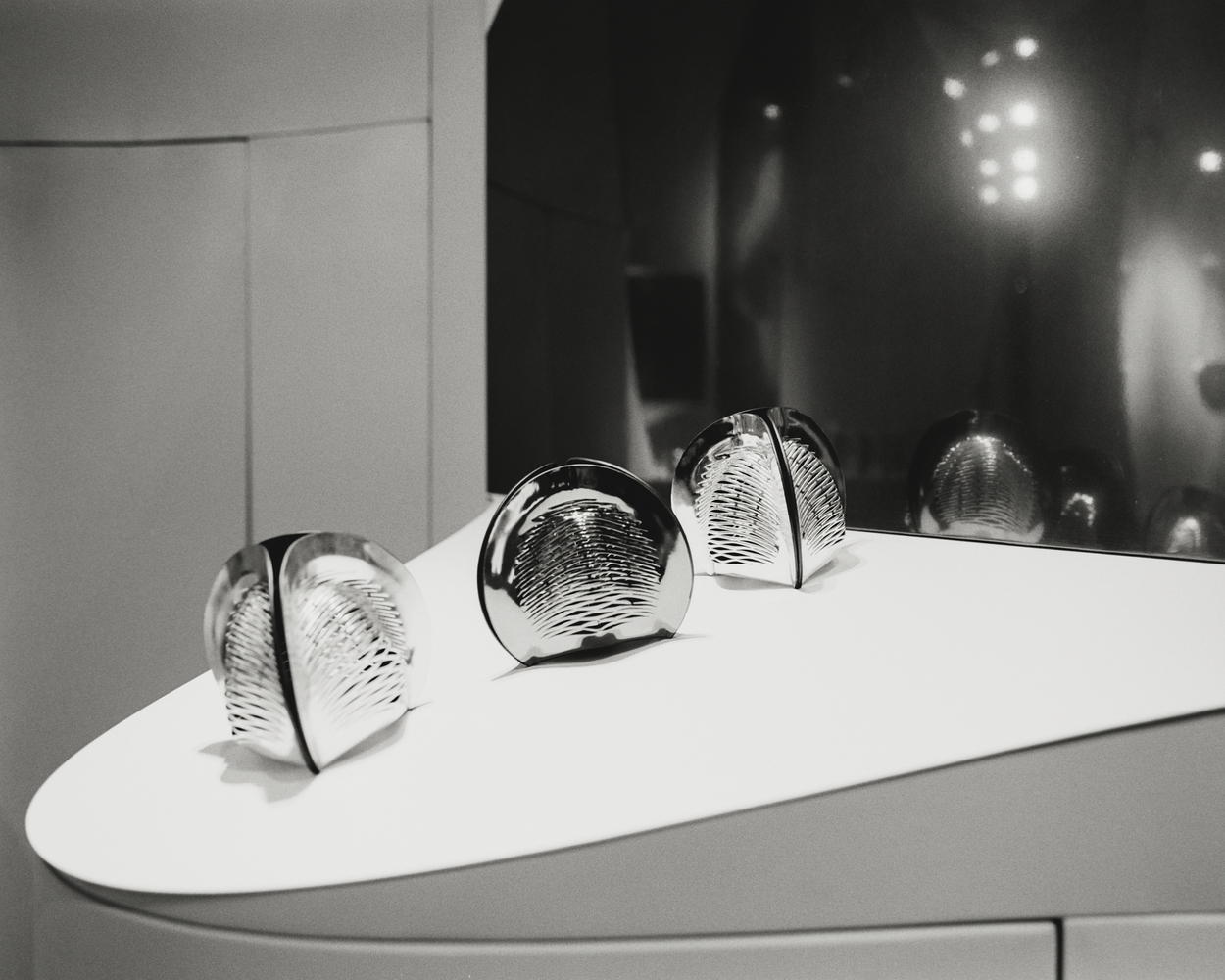
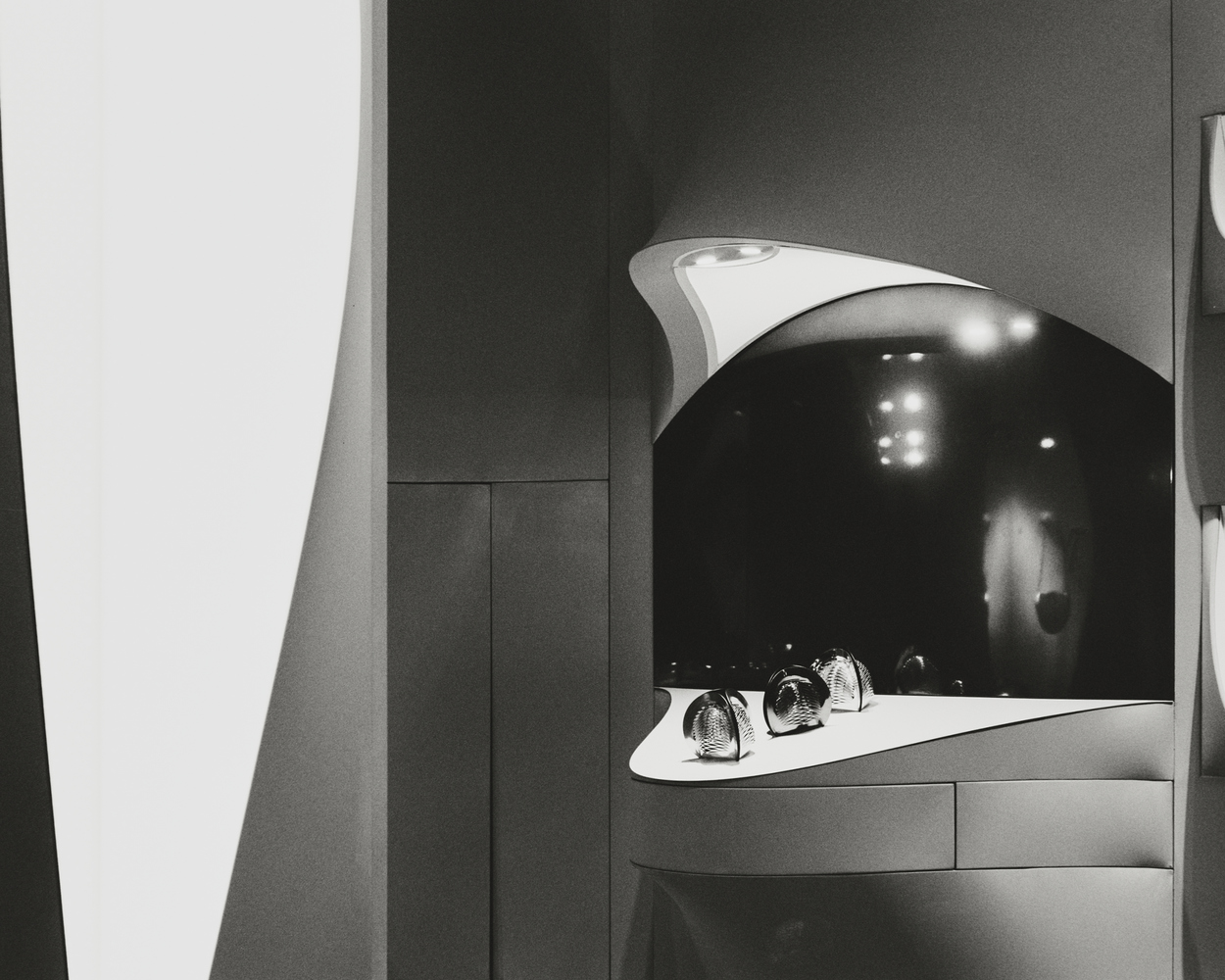
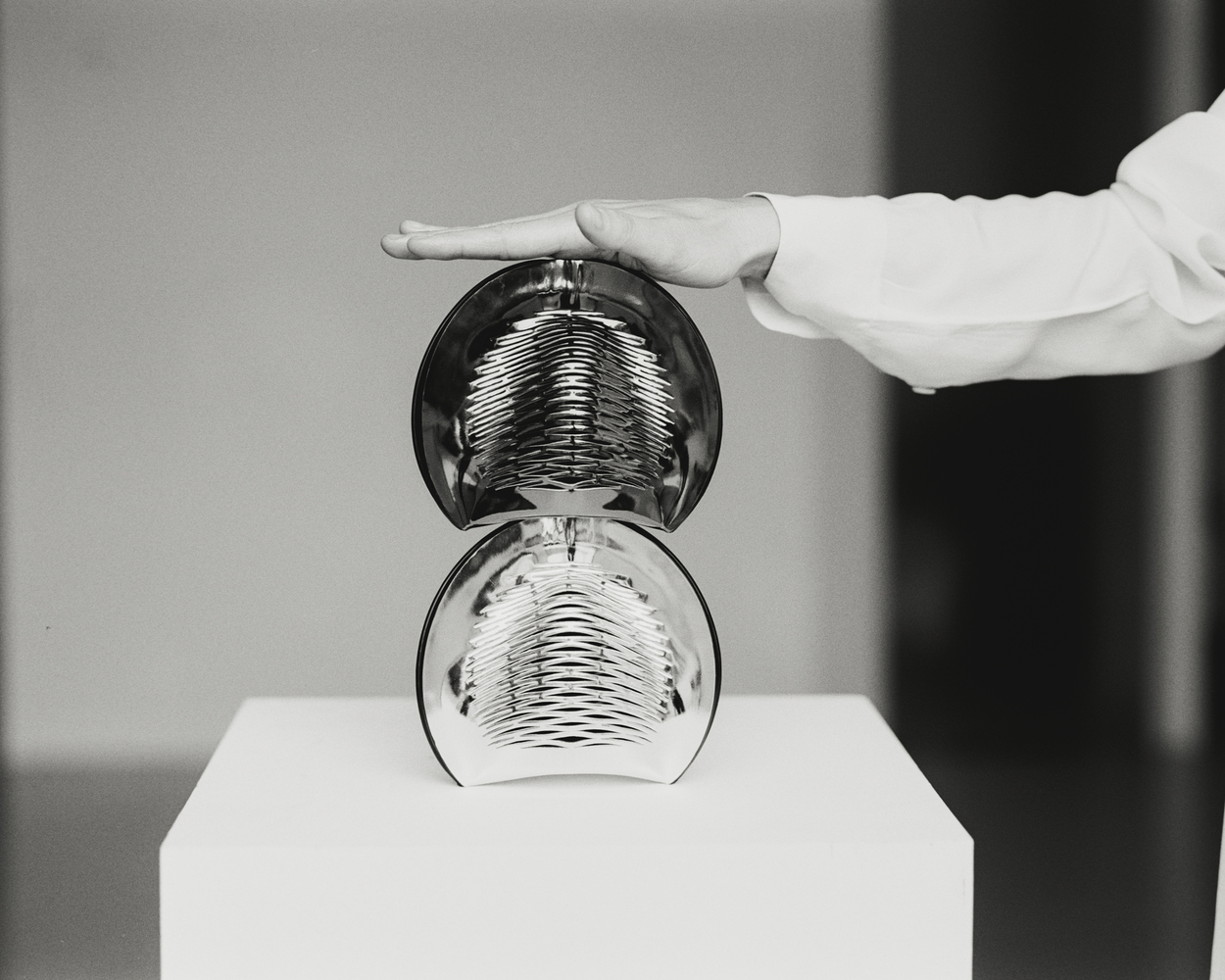
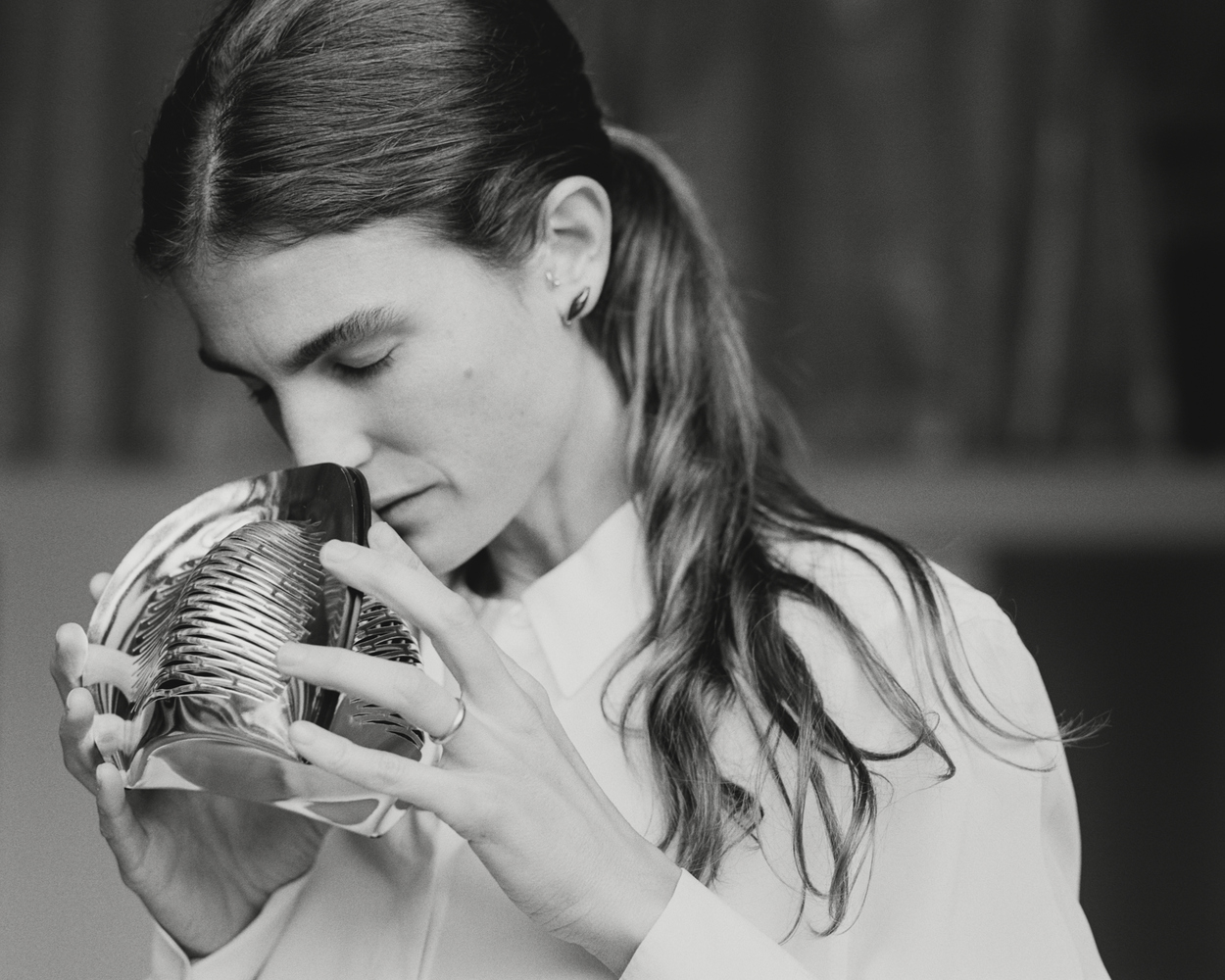
It started from smell, the sense I use most after sight: whenever I hold something new, I smell it first. I wanted to bring it into my work and carry SO–LE STUDIO’s principles through a sense beyond sight and touch. Oracle is a scented sculptural object for the home, in foil leather on a brass structure. Open, it is a flower, the most immediate image of scent. Closed, it becomes a sphere: an egg, a pomander, an envelope that protects something precious. The sphere is a form I keep returning to: it pushes outward and draws the surfaces around it. Three cuts shape the petals, and six hidden magnets open and close the object without visible fastenings.

Inside, a vegetable-tanned leather potpourri comes in three fragrances, each one a principle of the brand. Cuoio Reale is leather, warm like the workshop in Tuscany. Optical Illusion is clean and light. Grigio Minerale is earthy, metallic and botanical, closer to stone and brass. The fragrances were developed in Italy alongside the object, and each piece comes with a small spray to revive the potpourri over time.

How did perfume find its way into your collection, and what other creative directions or new additions can we look forward to?

Perfume came naturally, the same way light did before it with Lucemuta, our first lamp made with Bottega Ghianda. Meeting Romeo Sozzi and the craft of Bottega Ghianda made that first step into the home possible. Leather already has its own scent, and scent shapes a space as much as an object does.
I would like to keep exploring the home, with furniture and objects that carry the same research I apply to jewellery, bringing the care of a jewel into the objects that frame our daily rituals. And one day I would love to explore sound. For now it is only a wish, the project needs the right circumstances to happen.

How do you feel your aesthetic has evolved over time?

It has consolidated around precise principles: the cut, tension, and the deformation that turns a flat surface into volume. What has grown is the vocabulary of materials. Brass entered my work by chance, when I noticed buckets of discarded shavings in the factory that makes our metal components. With Castoni, leather offcuts are set in metal like precious stones. It is important
to me that my pieces are recognisable without a logo, from their form, not from a name. Some designs from 2017 are still among our bestsellers, which tells me the language was there from the start and has only become clearer.

How has your creativity, and the remarkable work it has brought to life, shaped you as a person? What has the creative process taught you, and what have you gained from it along the way?

My work makes me very attentive to the reality around me. To look closer and deeper, never take things for granted, be curious about everything. When I create, I have those rare moments when my mind is truly present. It stops thinking of a million things and focuses only on what I am doing.
And the process has taught me to always look for another solution when the first one doesn’t work, and to stay open to the unexpected. My work is a ping-pong between models and drawings, with many iterations: some ideas get stronger every round, others quietly disappear or evolve. A leather fan I worked on for a long time never came to exist, but its research gave birth to Iride, our bag made from a single disc of leather folded once. Some of my favourite forms were not designed, they were noticed.


What are the core values that remain non-negotiable in your work?

Respect for the material: I work with what already exists, and I treat a leftover with the same care as something precious. Quality without compromise: our artisans are in Tuscany and everything is made in Italy. Longevity: pieces designed to last beyond trends, with one evolving collection where core designs are reinterpreted rather than replaced. Time: I don’t launch a piece unless I am fully convinced by it, because every new piece should earn its place in a world that already has enough things.

How has your design philosophy evolved over the years?

The principles haven’t changed. What has changed is the scale: from the body to the space around it. I have always thought of a jewel as an object in its own right, so the passage felt natural. What connects everything is not the category of object but the approach. The work moves between fashion, design and art, but for me it is the same language at different scales. An aesthetic can become dated, a method endures. And I try to keep the attitude I had at the beginning: the sense that there is always something to learn and something still to discover.

What gifts has maturity brought into your life, both personally and creatively?

I don’t feel that mature yet. Jokes apart, I try to keep the eye of a child, to look at reality with wonder and curiosity, because that is where new ideas spark. What time has given me is the confidence to choose my own rhythm and to protect it. I have also learned to enjoy the side of the work I didn’t choose at first, running a company, out of a sense of responsibility towards my team and the artisans we work with.

How would you define beauty in your own words?

I like a phrase often attributed to Plato: beauty is the splendour of truth. It is never only surface. It leads to good, and it makes you feel well. My grandfather used to say that there is no limit to beauty, no saturation point in design, no end to the material. I also believe there is a silent beauty in unnoticed things, and part of my work is bringing it back to light. What makes

something precious is not what it is, but what you choose to do with it.

Author