Katerina, you had the good fortune to grow up in a family where art and theatre were its light and its very breath. What was that experience like, and what has been most deeply engraved in your memory as a legacy from your parents — two remarkable people of the theatre who have made history?

My family shaped me. First of all, I was fortunate to grow up in an environment filled with love. My parents, as well as my grandparents on my mother’s side, were for me both a source of protection and a springboard toward independence.

Our life unfolded within Art — Theatre, of course, but also Music, Opera, Literature… Although as a small child I often felt that I missed my parents, looking back I feel that their dedication to Theatre ultimately passed into me in a healthy and creative way.

What has shaped me most from what my parents gave me is that they never tried to “teach” me anything — I mean that they never pressured me, imposed anything on me, or forced me to do something (except for piano lessons from the age of six, which after a few years I absolutely did not want to attend and they practically dragged me there!). They encouraged me to carve out my own independent path in whatever field I chose.

With remarkable dynamism, and despite the heavy legacy of your background, you managed to forge your own personal journey along the same path. Was it a matter of character, determination, or an inner need to overturn your given circumstances?

I have worked — and continue to work every single day — very hard to get where I am, and whatever small or great things I achieve are a combination of inheritance, perseverance, and above all my deep love for theatre and for life within the theatre.

However, I wouldn’t endure any of this without companionship — my partner and my close friends. I also owe a great deal to those who believed and continue to believe in me and support me along this demanding journey: my collaborators, the theatre-loving audience, and the people who entrusted me with something meaningful along the way.


With your distinctive directorial vision, you have the ability to reinterpret and reconstruct theatrical works in unexpected ways — sometimes provoking shock, sometimes earning acclaim. Is there anything you have not dared to attempt?

I believe that after completing my tenure at the Festival, I am now entering a new phase in my directorial work. I feel more rested and able to devote myself fully to rehearsals and to the preparation of the productions I am working on.

I had missed being able to focus almost exclusively on the world of each work that engages me, and at this moment I am deeply enjoying that. I am certain that this new phase will lead to interesting things — perhaps even things I have not yet dared to attempt.

You took over the Epidaurus Festival and elevated it to new heights. What was different about your approach compared to what had been done before, and what made your tenure so successful? How do you view the institution now that you have some distance from it, and what do you wish for its future?

I cannot speak about our work myself; I still do not have the necessary time distance from the end of my tenure. I approached the Athens Epidaurus Festival as a complex, long-term artistic project, structured around strong dramaturgical axes.

We opened up to new fields of activity and felt the need to create large-scale works — not only artistic productions but also infrastructure projects. We focused carefully on renewing the legacy of Ancient Drama and on fostering dialogue between Greek creators and major artistic voices from the international scene.

Finally, we succeeded in bringing together an unprecedented number of sponsors and supporters, who gave us wings for an extensive and bold program. The audience’s response also lifted us up. I am truly grateful for what we achieved with our team, and I look forward to the summer, when I will be able to enjoy the festival as a spectator.

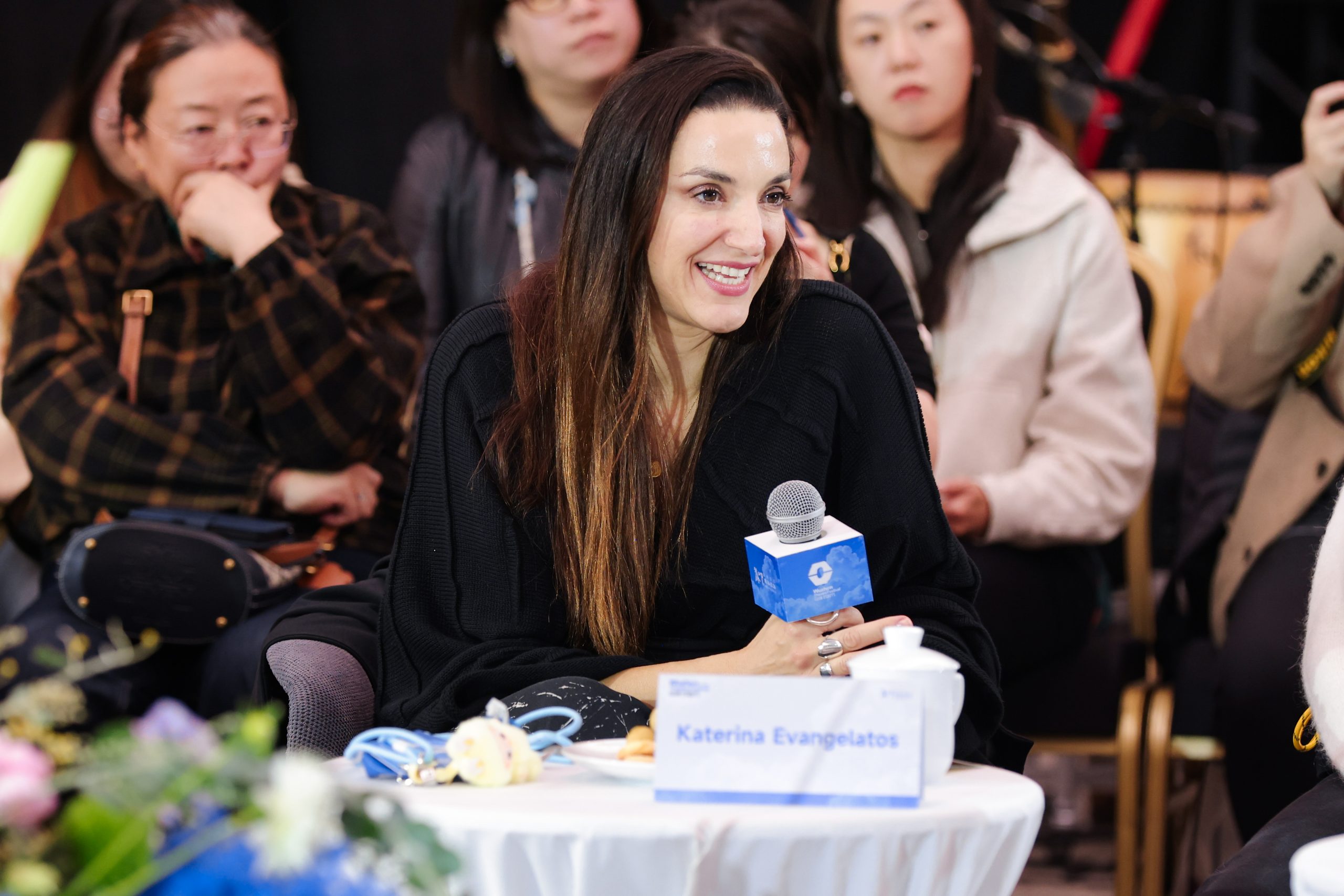
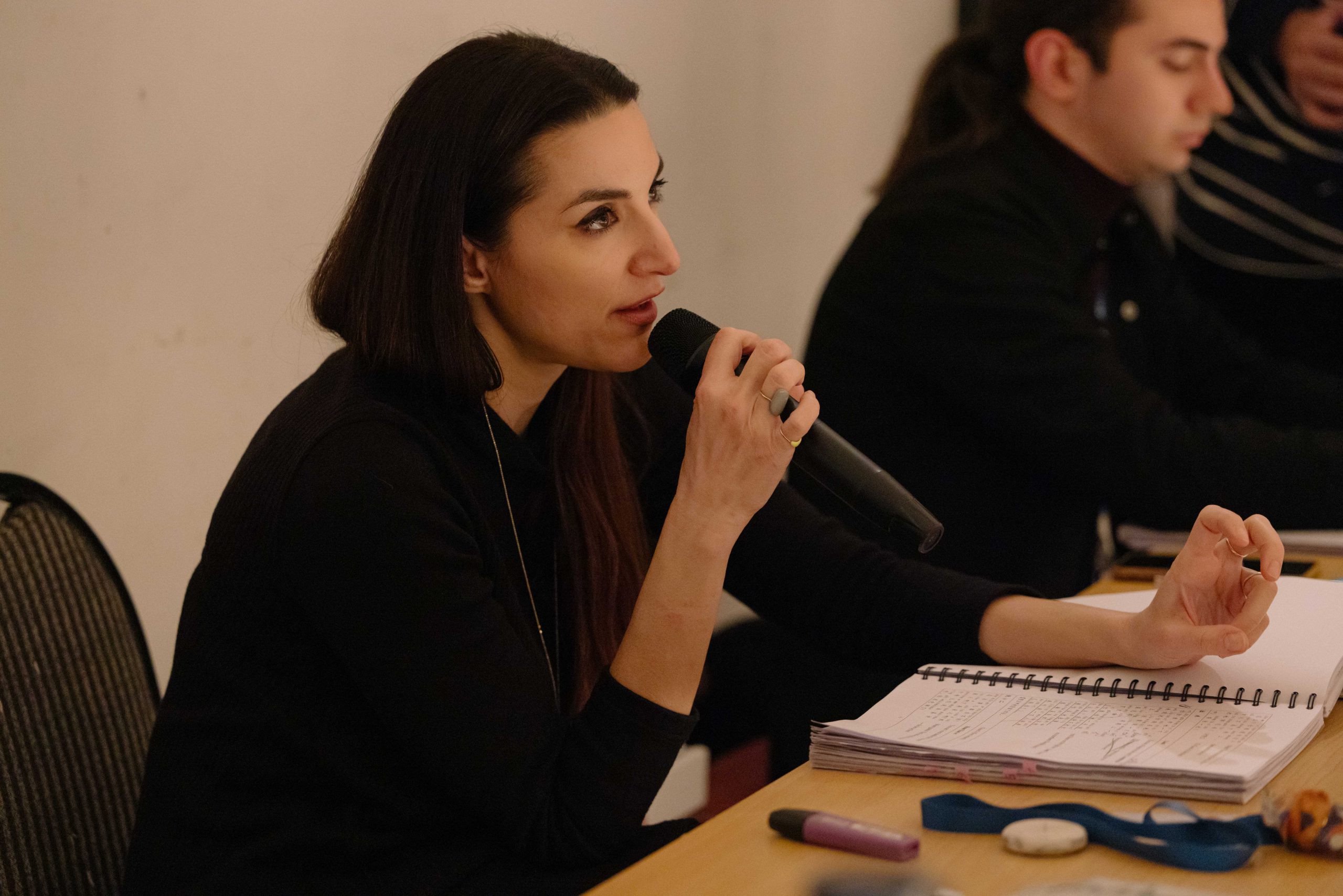
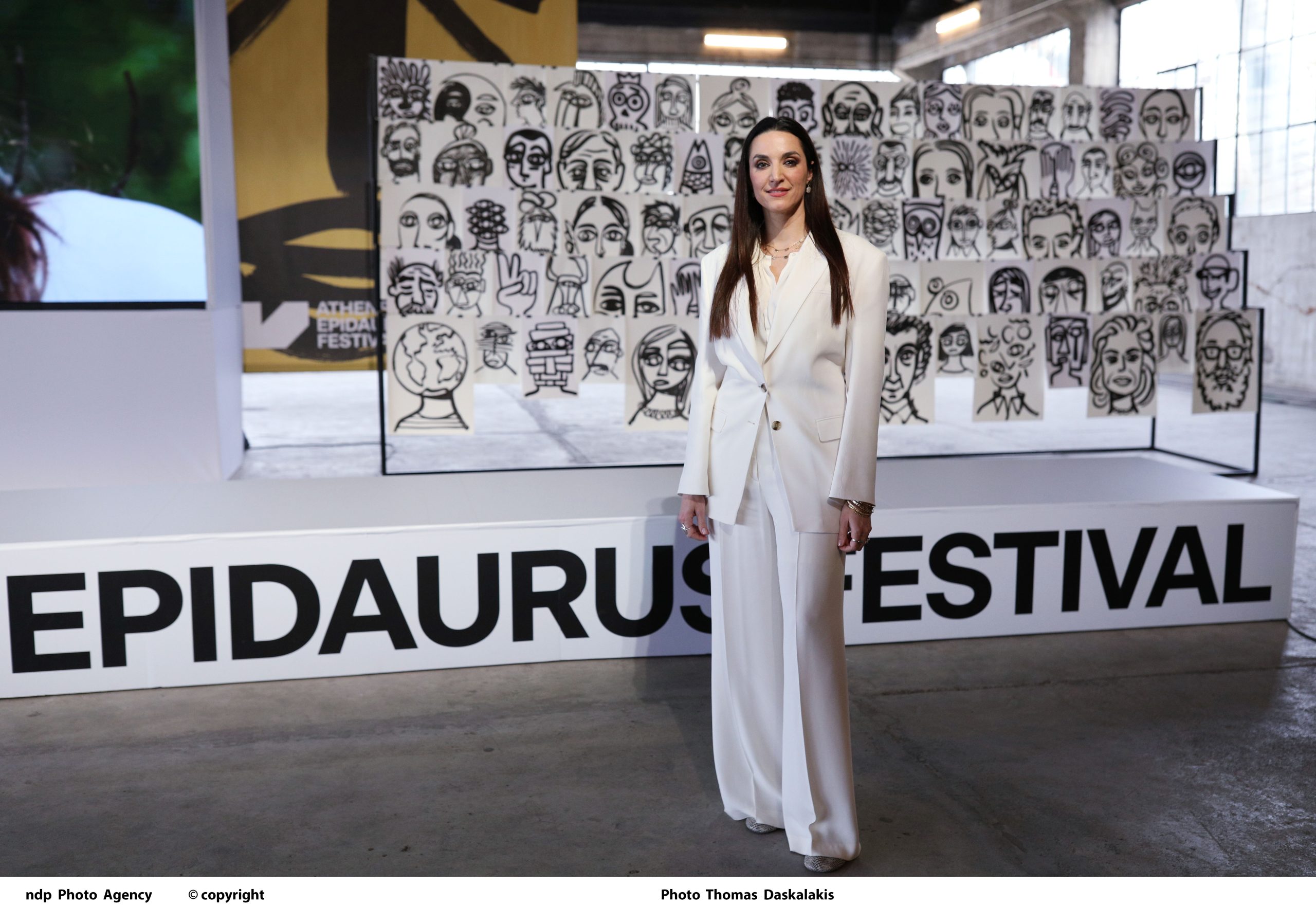
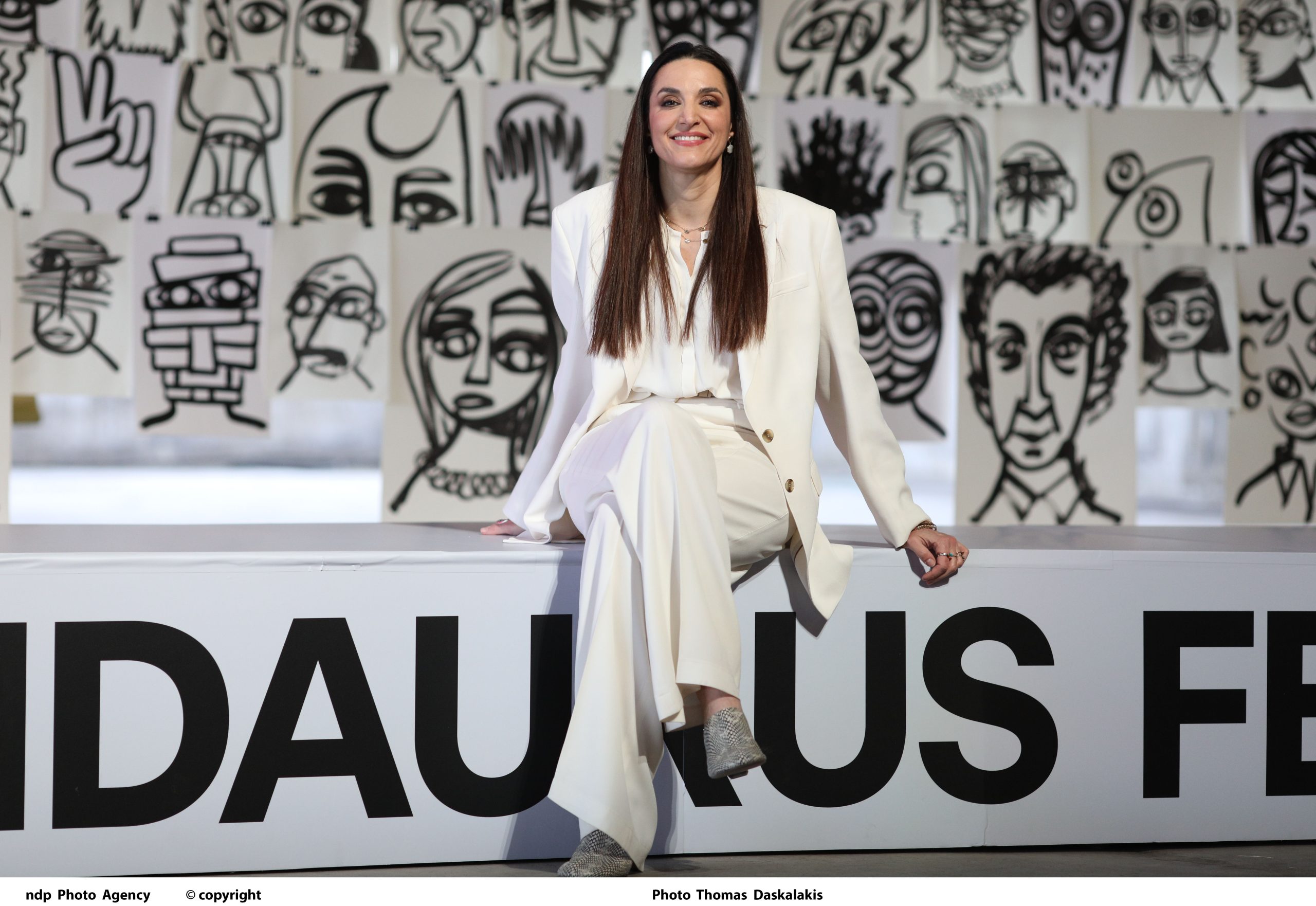
At the presentation of the anniversary program of the Athens Epidaurus Festival last April
Guest speaker at the prestigious Wuzhen Theatre Festival last October in China

Do Greeks readily embrace the new, or are we skeptical?

Look, I think we like to believe that we are open to what is new — generally speaking, to new consumer trends, fashion, or ways of entertaining ourselves. At times, I would even say we can be somewhat superficial. However, when it comes to matters concerning our traditions, I believe that, unfortunately, we are a deeply conservative people.

We are often afraid to look behind things, beneath the surface. To accept the different person next to us, the new role of women in society, the teenager who lives in a different universe from the one we grew up in and protests what they have inherited. Most of us do not tolerate the “dethroning” of ancient ideals. We resist radical reinterpretations of ancient works at Epidaurus. We still have a long way to go, and we need to completely rethink both our educational system and the way we raise our children.

What are your current plans? What exactly are you doing in Shanghai?

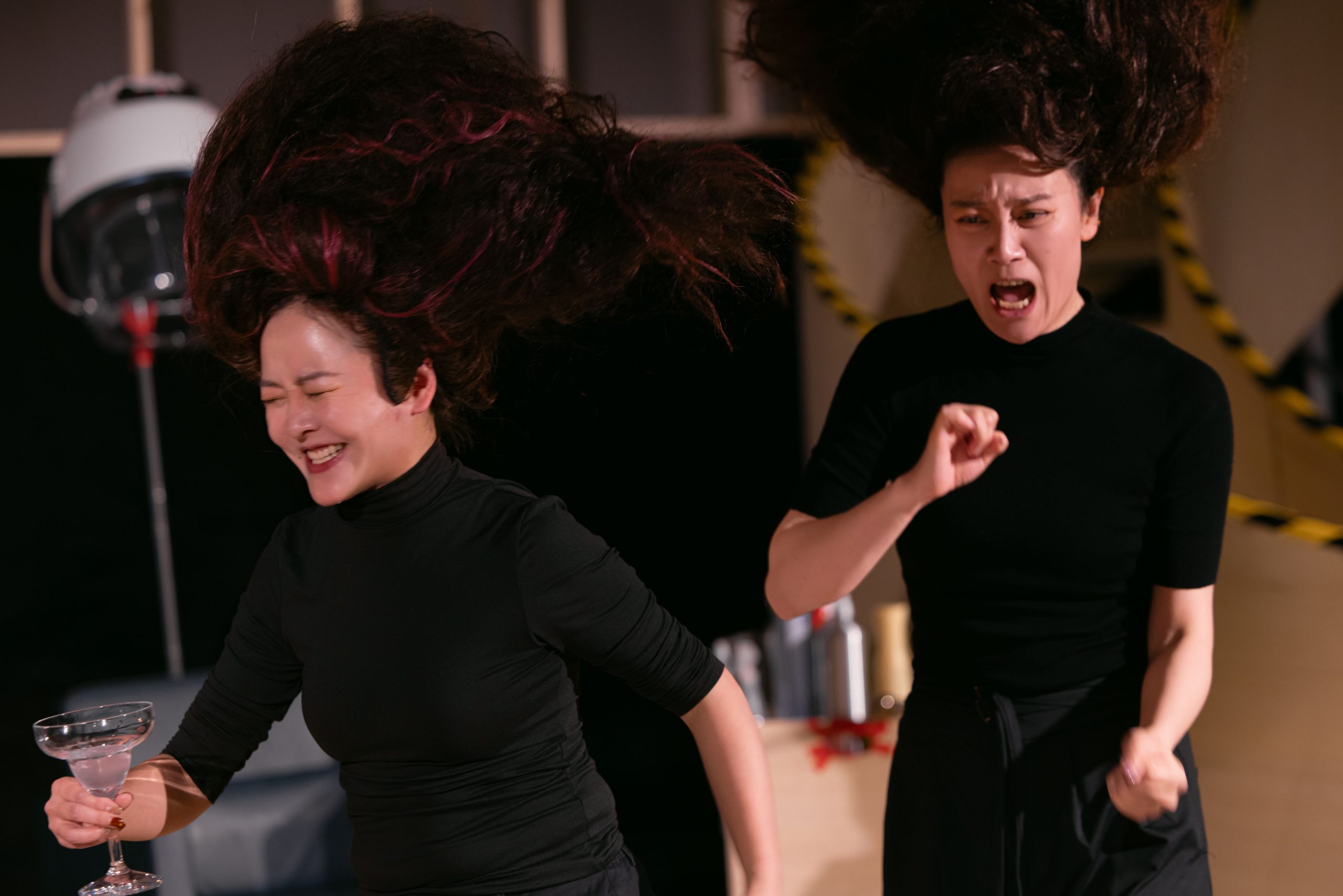
I have been in Shanghai for the past two months, working on Lysistrata by Aristophanes. It is a tremendous challenge. We are guests of the Shanghai Dramatic Arts Centre, the National Theatre of Shanghai, and the Hong Kong Arts Festival, who are co-producers of this major undertaking. The production is large-scale: we are working with a cast of twenty Chinese actors and a very large technical team, and it will be presented in Hong Kong, Shanghai, and other cities.

We have been working on this production for about nine months — on research, preparation, adaptation, translation, and then rehearsals. I am thrilled with life here and am currently in the final rehearsal phase before our premiere on March 27.

I am here with my outstanding Greek collaborators: Alexandros Drakos Ktistakis (music composition), Patricia Apergi (choreography), Eva Manidaki (set design), Vasiliki Syrma (costumes), and my assistant Alexandros Panou.

We have the opportunity to spend the entire day together, working on this unique play — discussing, striving, and then unwinding late at night by taking walks and discovering contemporary Chinese culture alongside the actors. It is a fortunate moment. We are proposing a contemporary staging with abundant music and dance, and a surreal perspective on the work. The dramaturgy focuses on gender inequality and the differing perspectives between men and women.

Lysistrata by Aristophanes, a co-production of the Shanghai Dramatic Arts Centre Shanghai, and the Hong Kong Arts Festival

How easy is it to inspire Asian audiences to love Ancient Comedy, and what has your experience been so far?

It is important to say that Lysistrata has never before been presented in Asia, and I feel immense joy that we are the ones bringing it to the forefront here. Aristophanes is not particularly well known in this part of the world — audiences are somewhat more familiar with the tragedians, though even then there is no broad knowledge of these texts. Productions of ancient Greek works are extremely rare.

There is therefore a strong sense of curiosity and thirst around this field, and we are witnessing how much surprise is sparked by the bold handling of themes such as erotic life by an ancient writer.

How important is it nowadays to collaborate with people who share a common language and aesthetic? How often does that happen, especially in such a demanding field as yours?

As I mentioned, I have the joy of working here with my beloved collaborators, with whom I have been deeply connected for about fifteen years now. Carrying with us wonderful collaborations in Greece and abroad, we continue to move forward creating works together, with mutual respect and undiminished enthusiasm. At the same time, I consider it essential that we share many common values about life itself.

If you’d like, give us a glimpse of what exciting plans lie ahead.

Next, we will be working on Macbeth by William Shakespeare, in a translation by Nikos Hatzopoulos. The production will be presented at the Amphi-Theatre of Spyros A. Evangelatos in November. Starring are Giorgos Gallos and Karyofyllia Karabeti. I am very happy about this collaboration and truly look forward, after this Aristophanic adventure in Asia, to plunging into the darkness of Shakespeare.

At the presentation of the anniversary program of the Athens Epidaurus Festival last April.
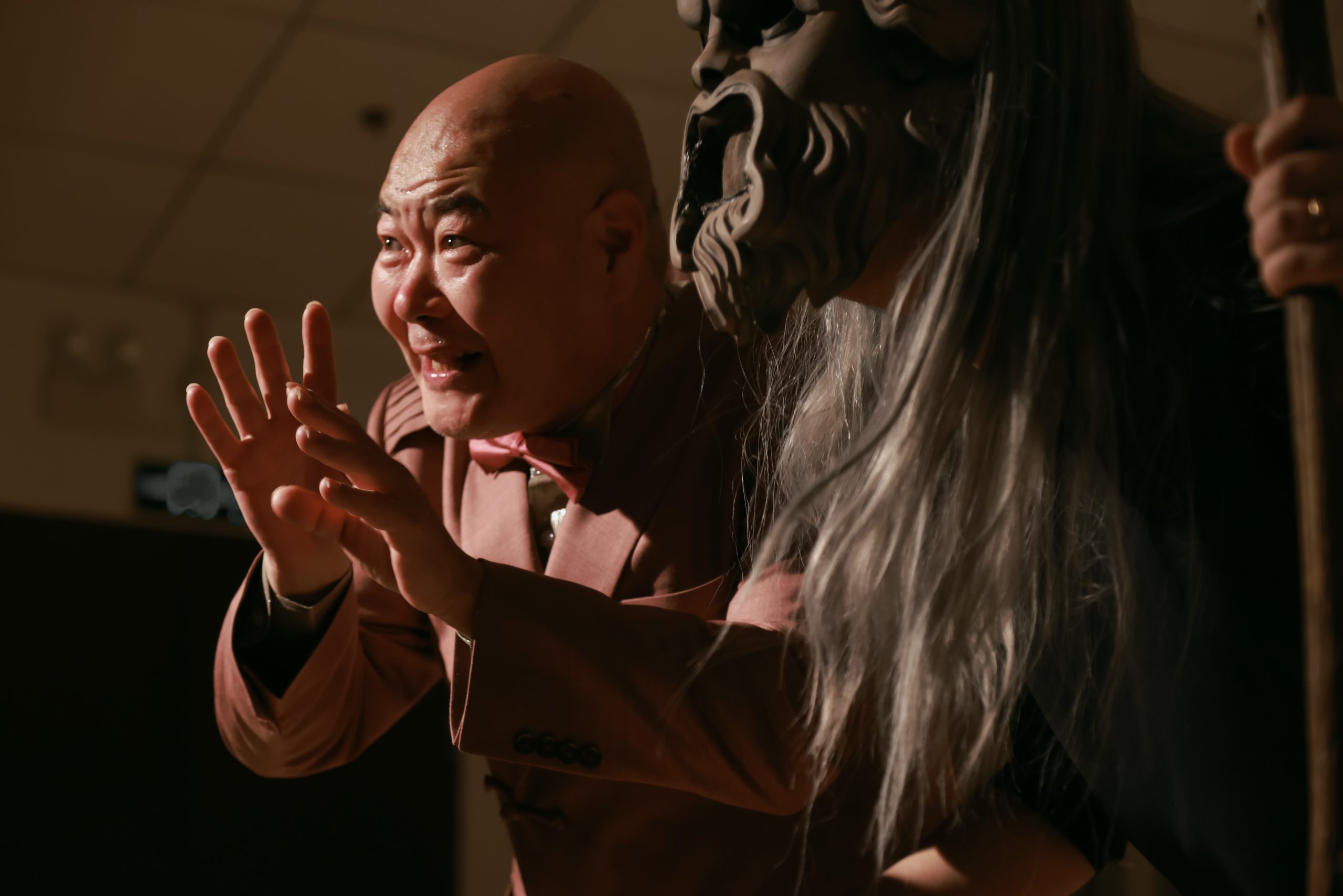
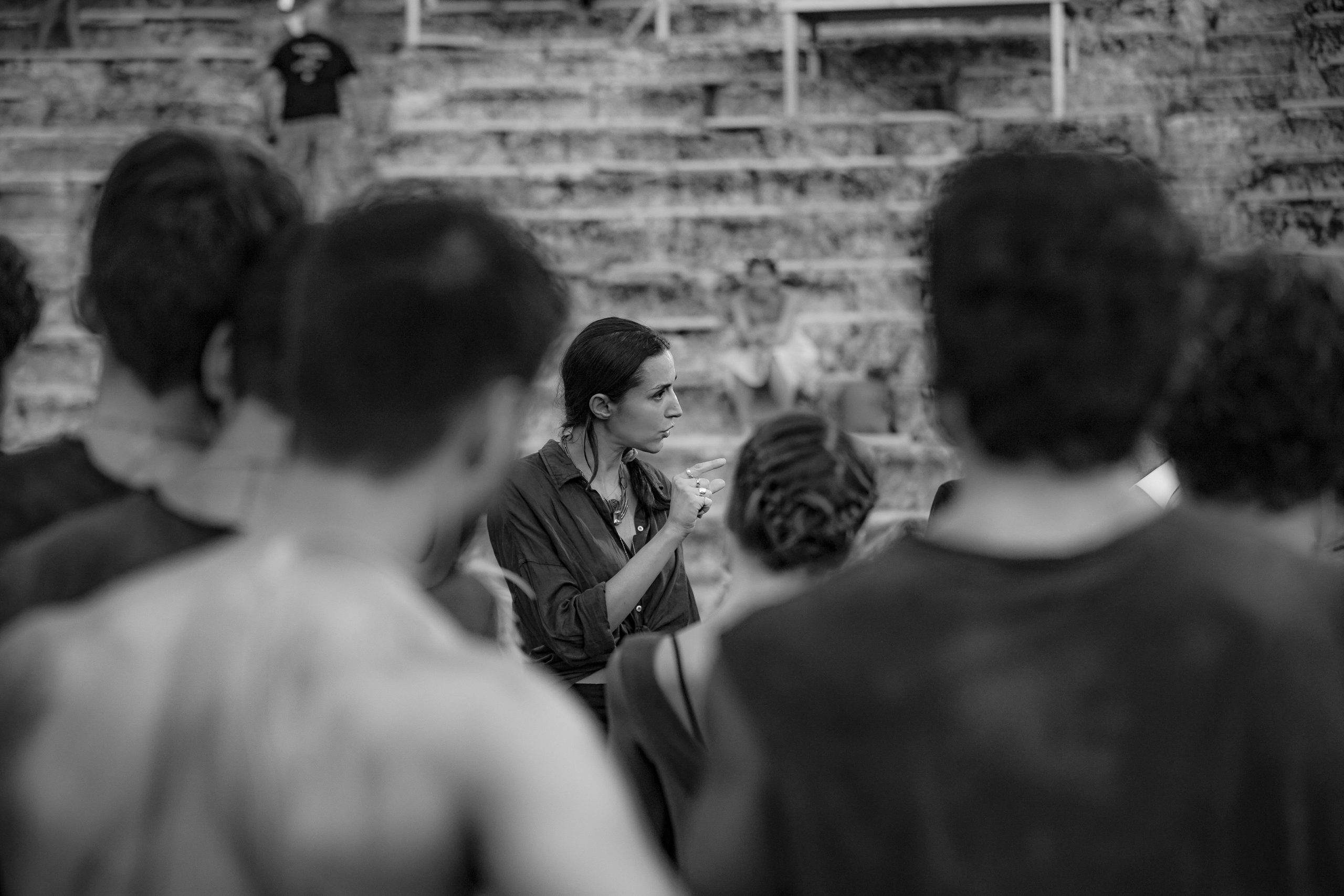
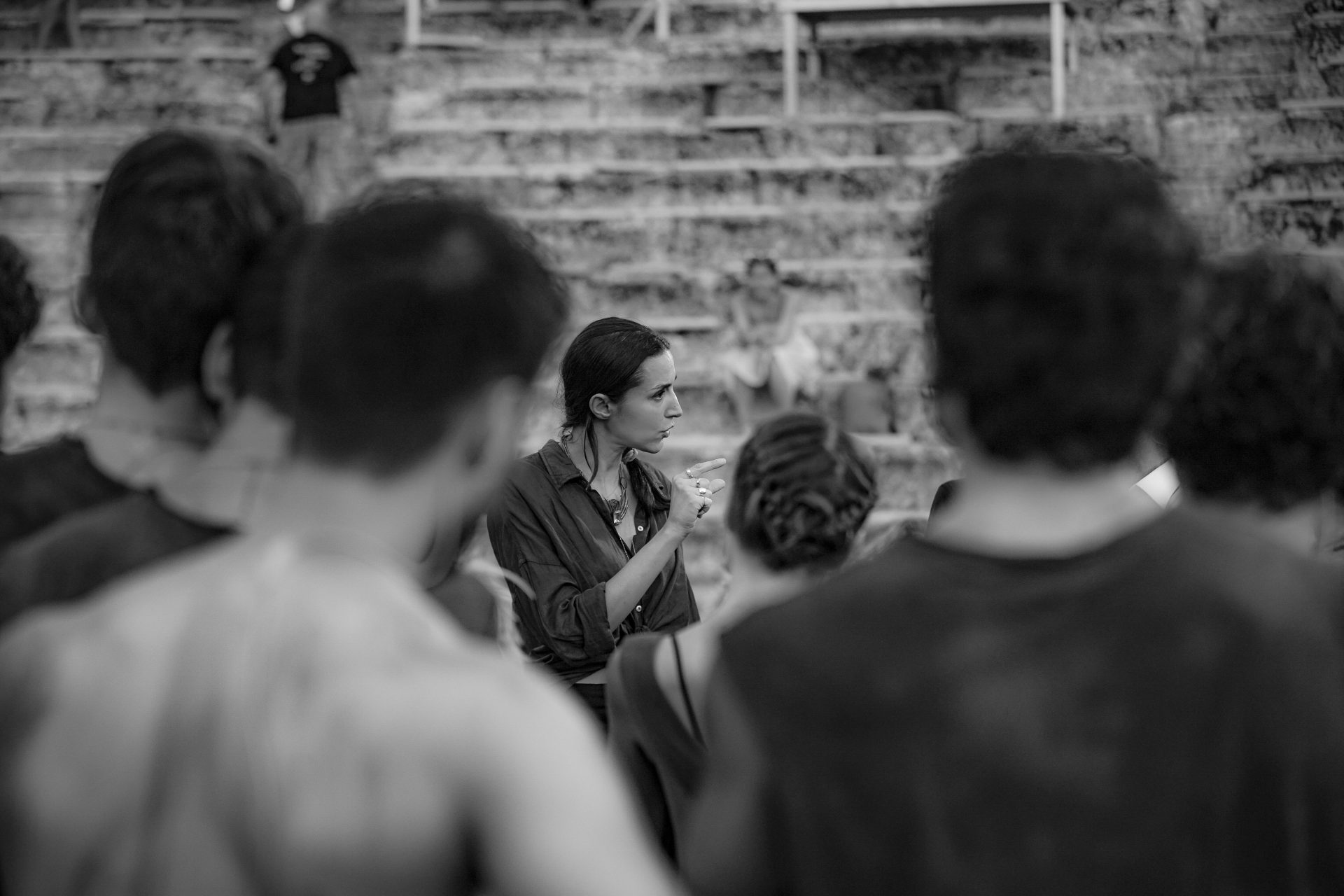
Epidaurus 2023 – General rehearsal of Hippolytus

Author