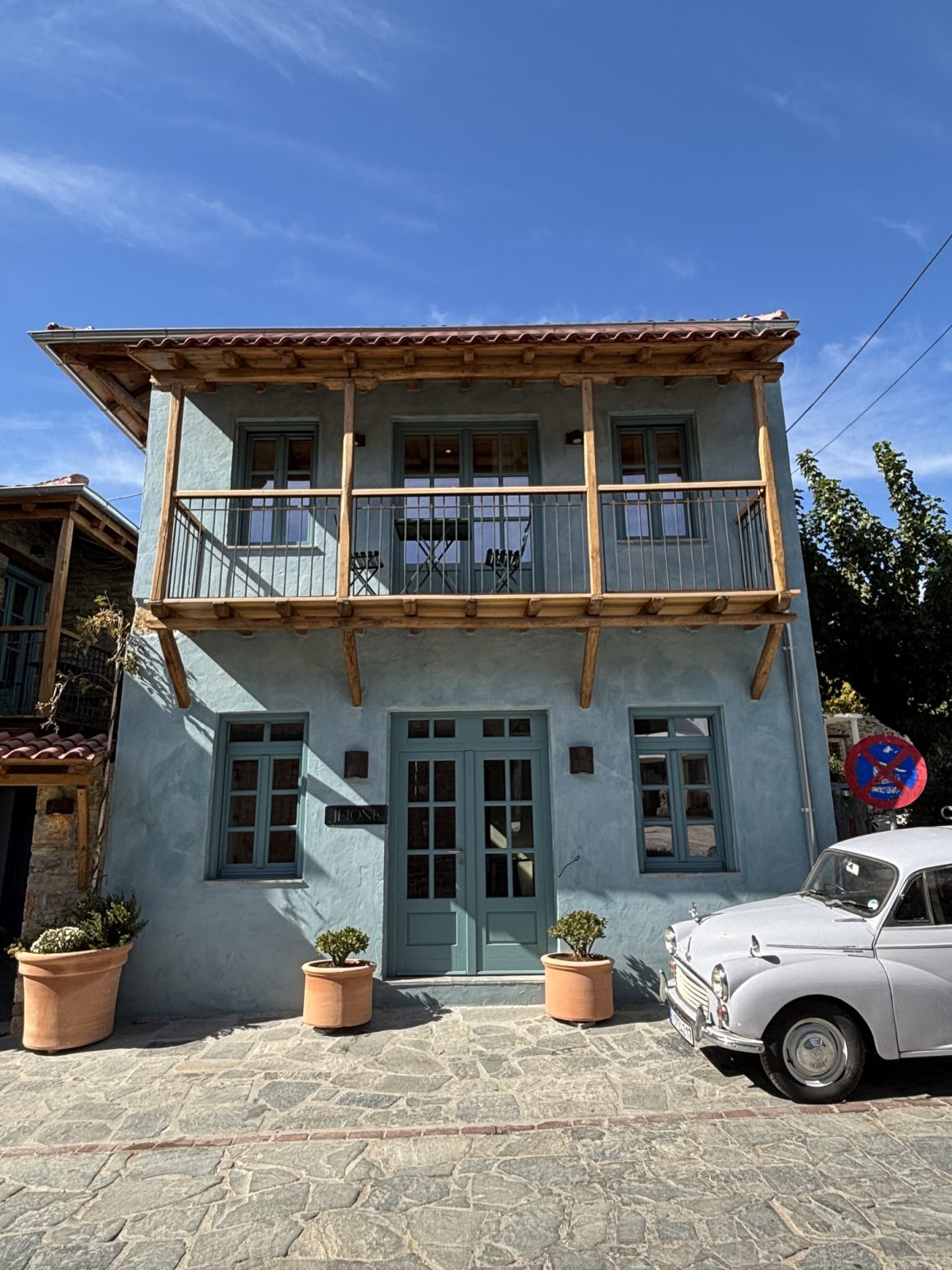
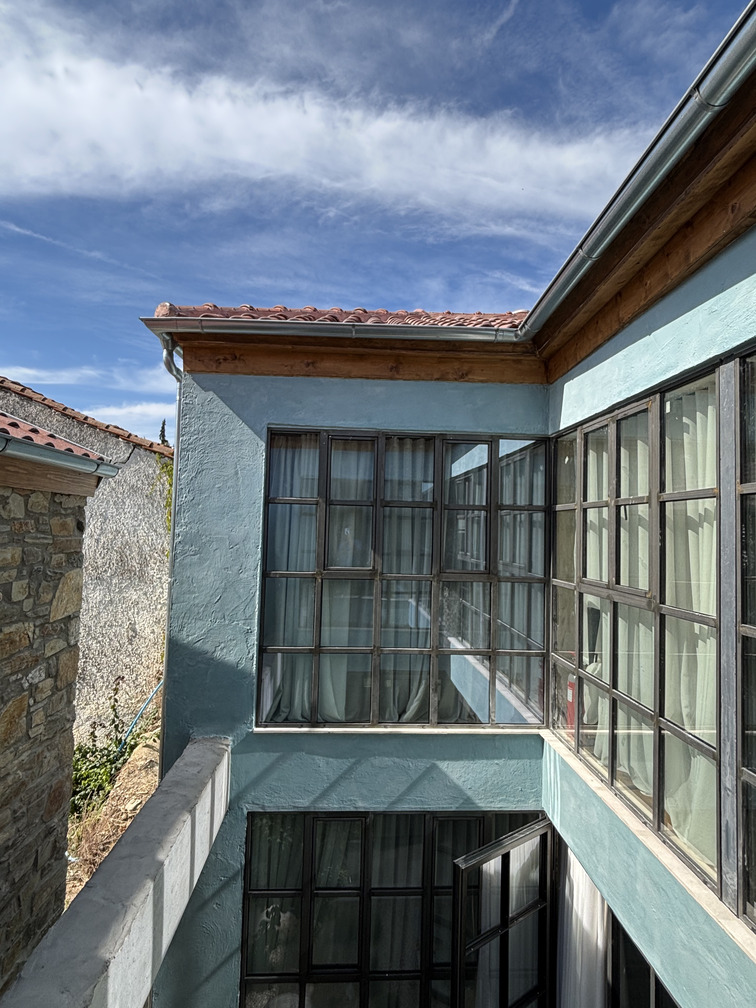
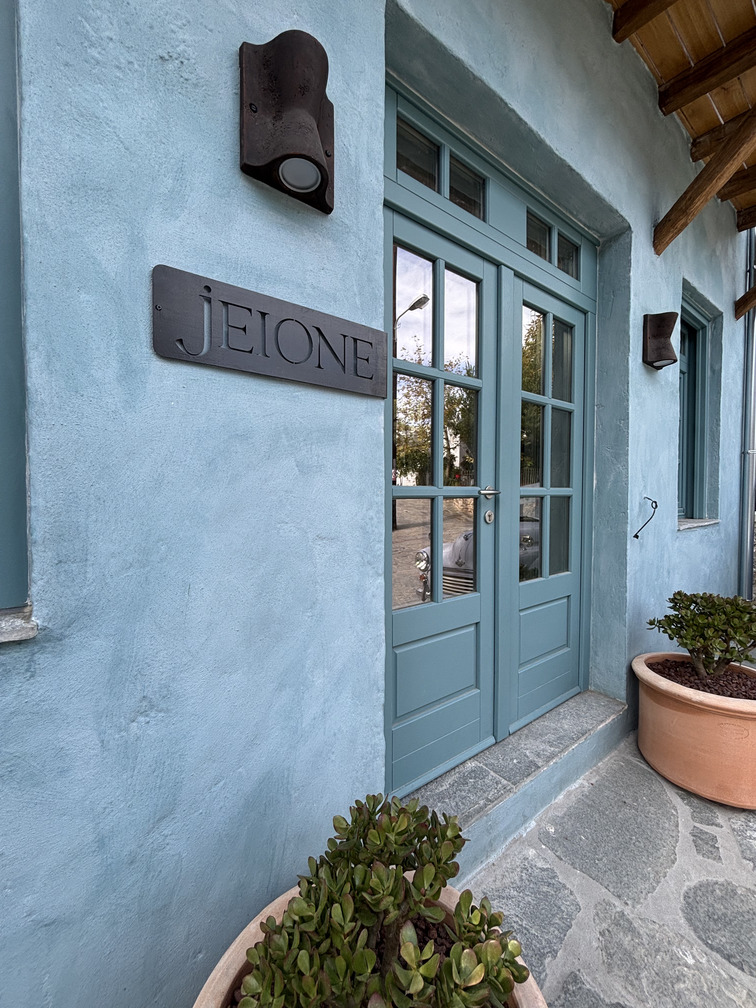
The roots of the village of Nikiti lie in a story of resilience: families who retreated from the coast inland to find a safe haven. The Jeione building, 150 years old, stood at the heart of this narrative as the beating heart of the village – here operated the post office, the telephone exchange, and the barbershop.
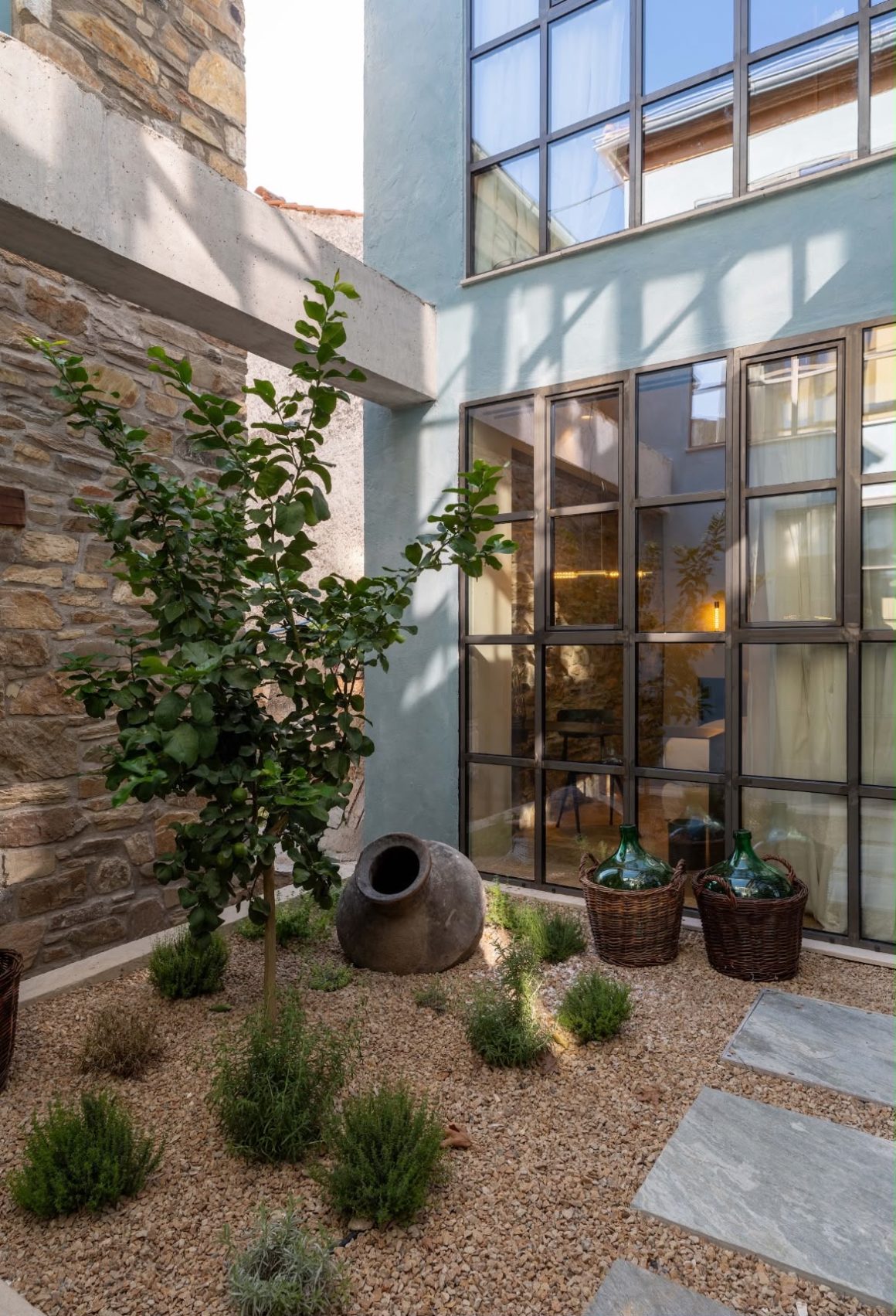
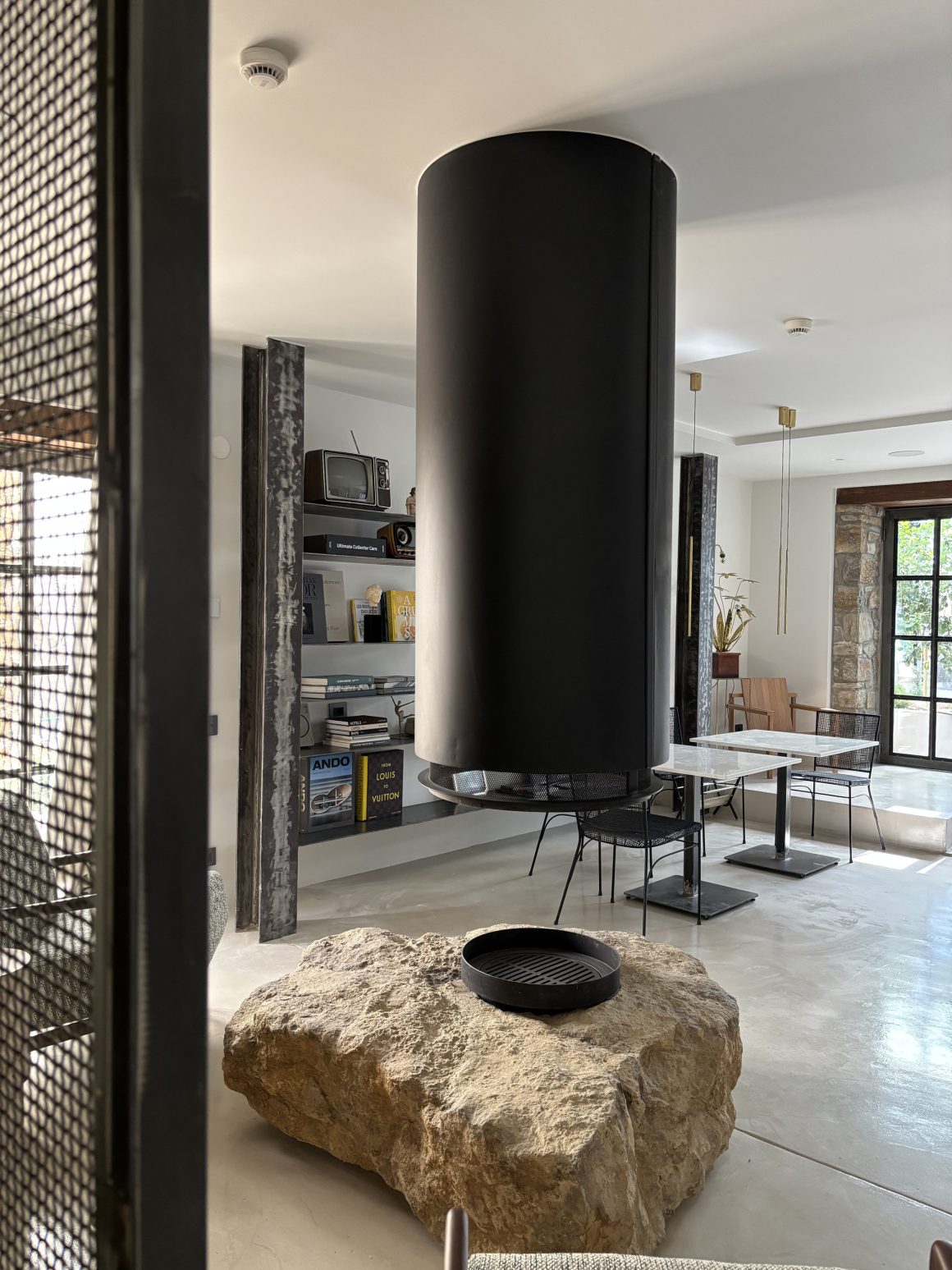
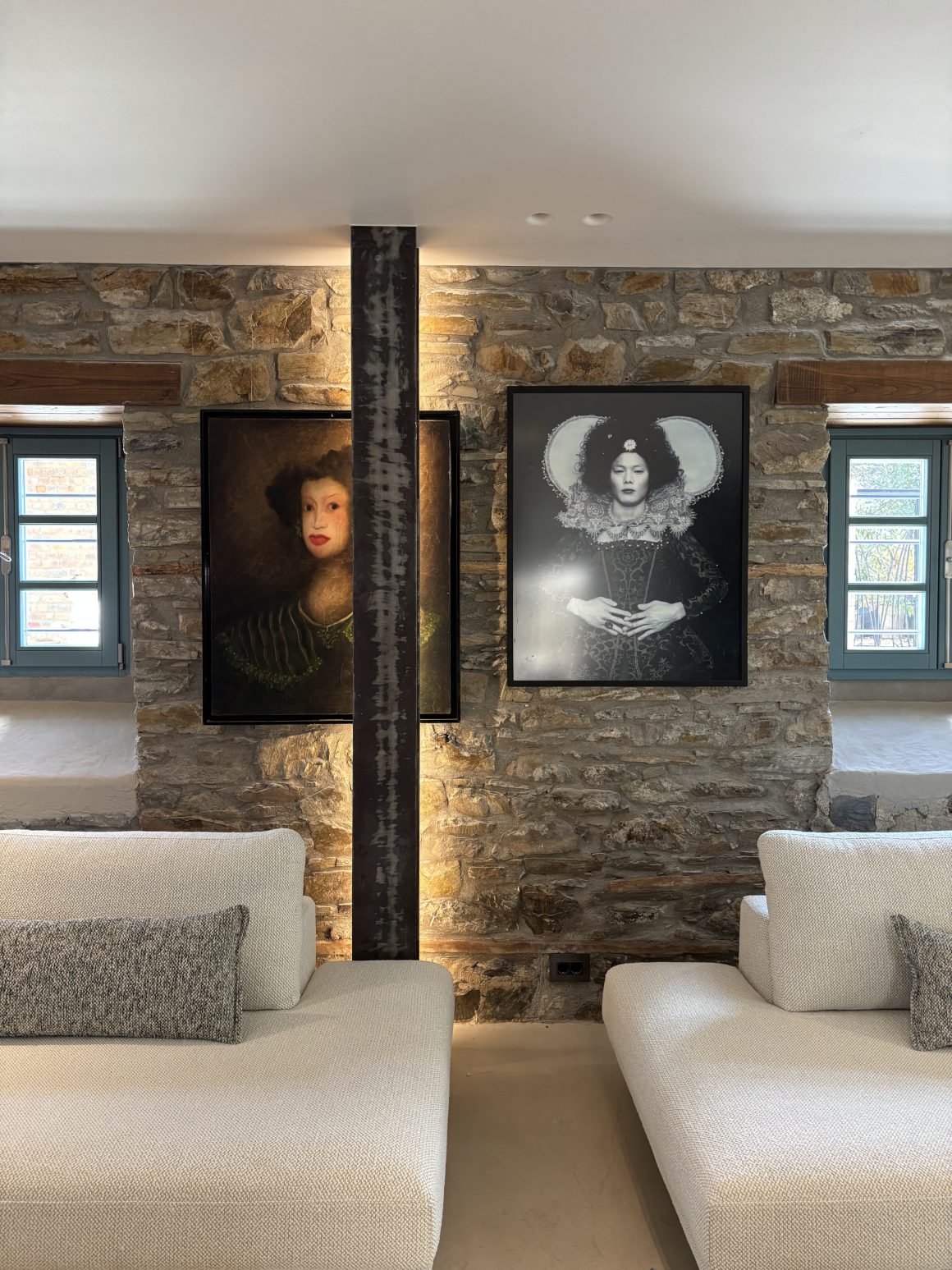
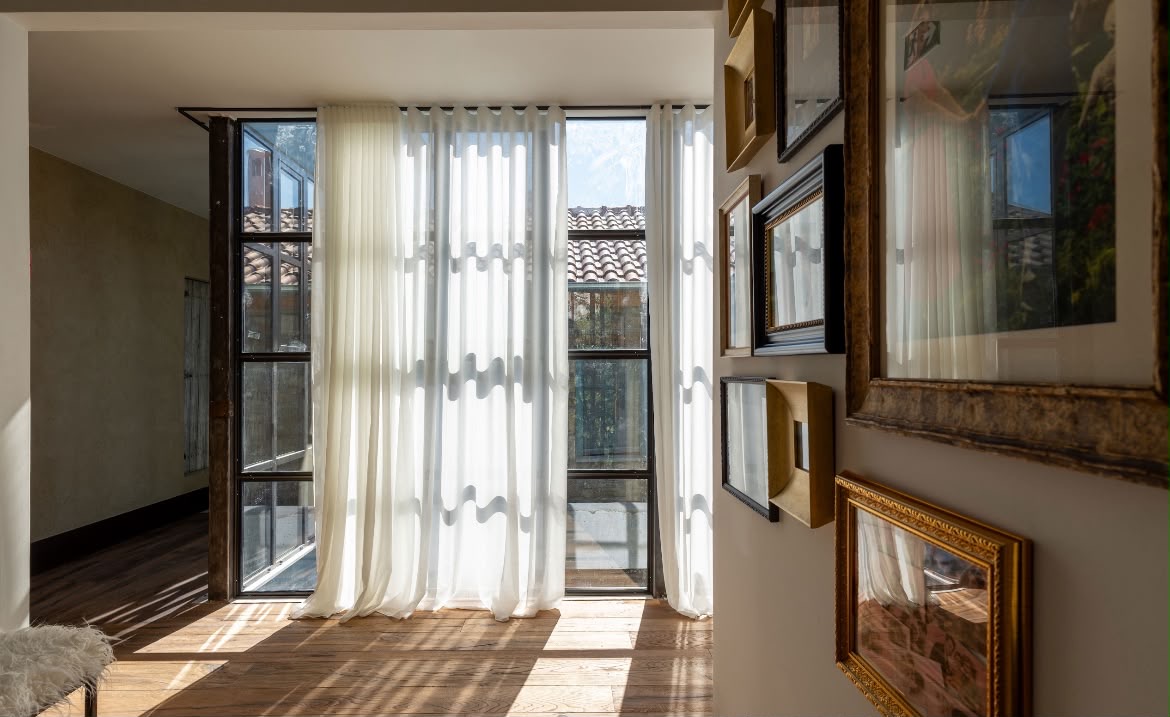
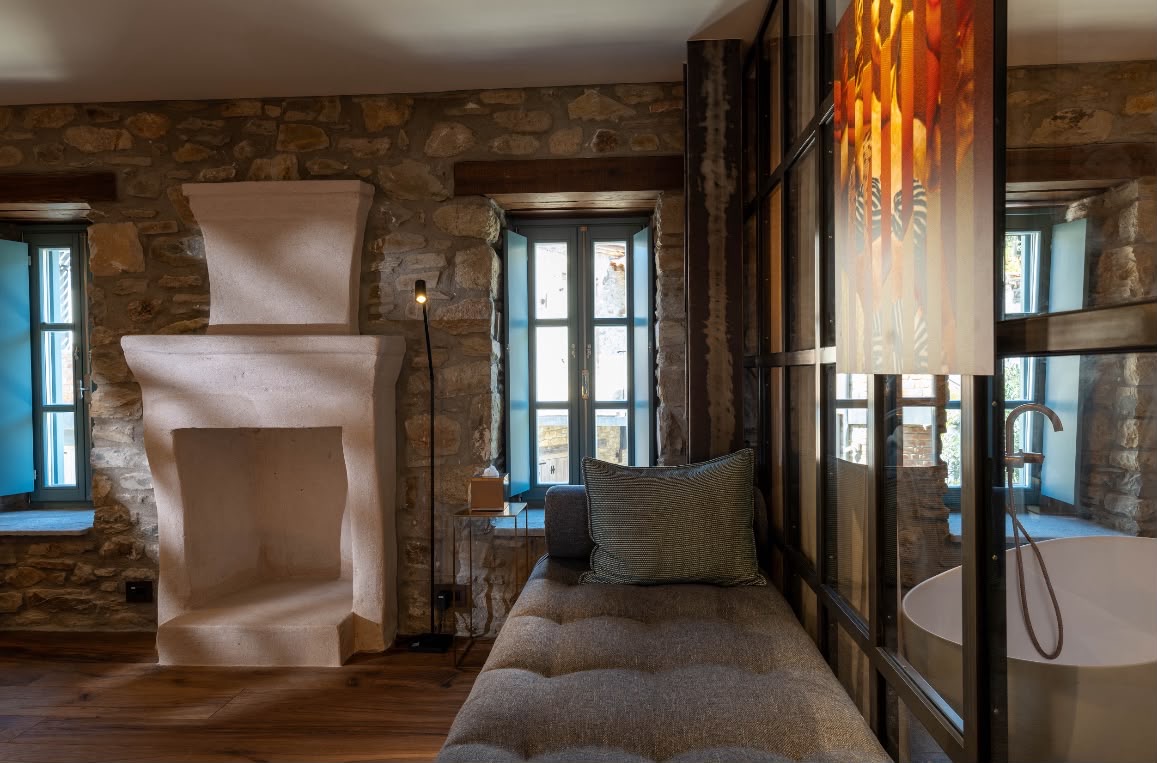
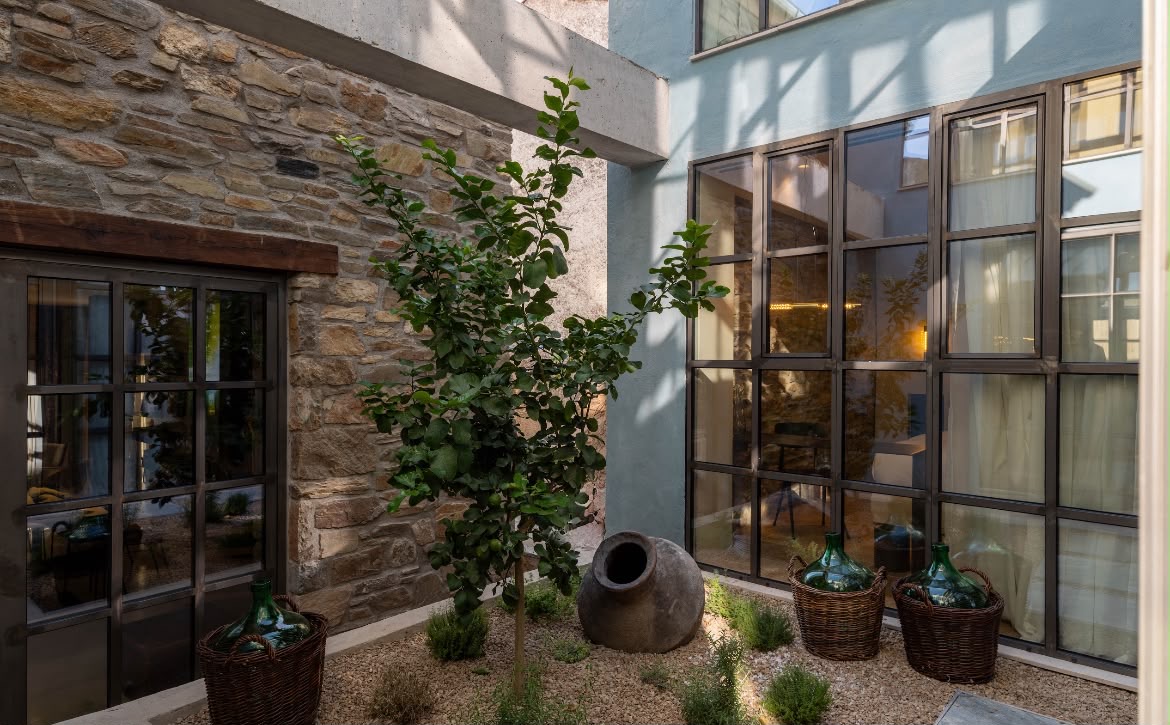
Jeione is the new chapter, one that doesn’t restore, just continues the story. It preserves the “stones that remember”, the light that slips through worn glass, and the surfaces that have absorbed the touch of generations.
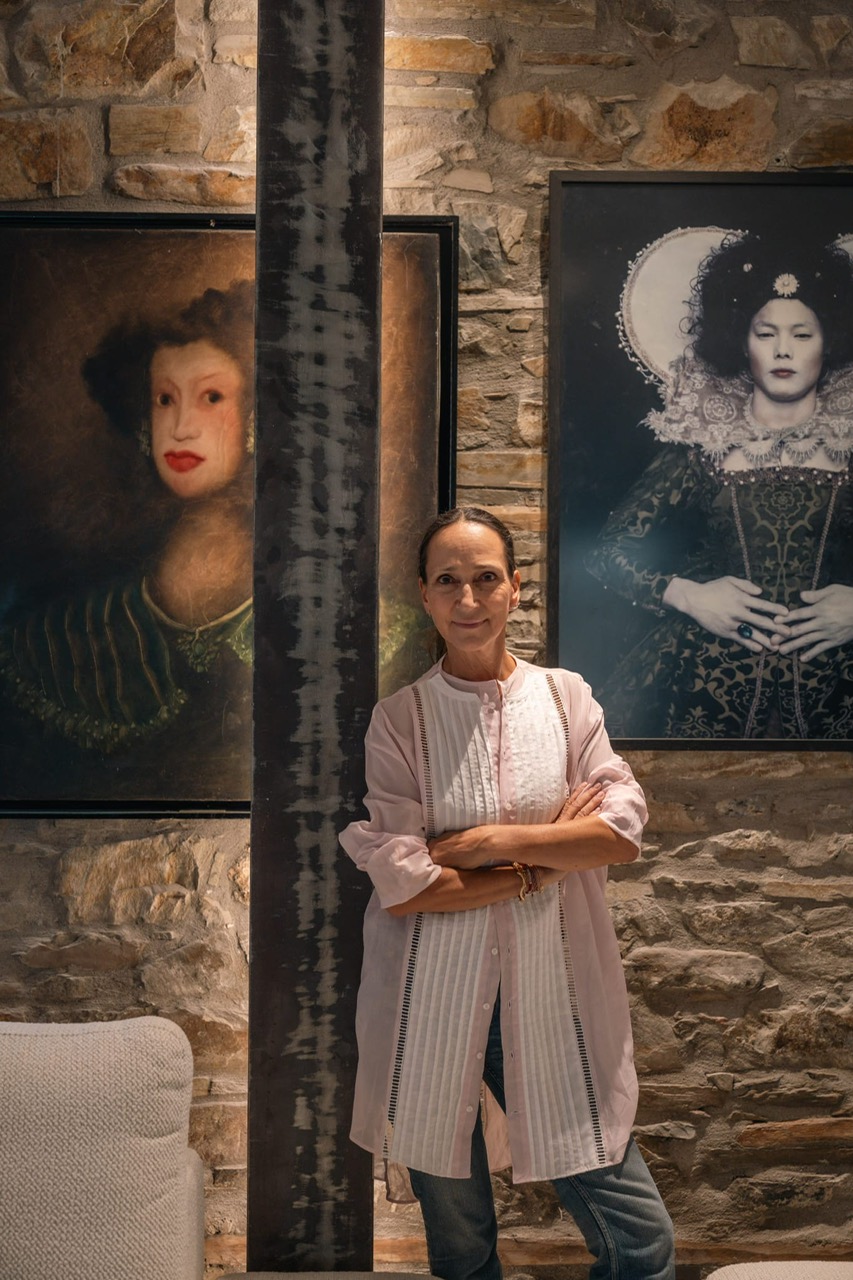
At Jeione, the guest does not merely stay, but is gently held by time itself. Josephine Verine stays at the heart of it…
Could you tell us a little about your background and how you found your way to Nikiti? What was it about the place that made you fall in love with it?
Having worked in fashion for over three decades, I have always found a deep personal necessity in nature and secluded retreats. After many years immersed in the vibrant energy of Ibiza, I felt a quiet call to find a truly hidden, secret sanctuary in Greece—a place where raw, untouched nature and profound tranquility could intertwine. That rare discovery was the village of Nikiti and its enchanting surroundings, and it was instant love.
As someone who has travelled extensively and is truly a globetrotter, what is it about this particular corner of Greece that feels so special to you and keeps you drawn to it?
My professional life takes me exclusively into highly constructed, urban landscapes of Tokyo, New York, and Seoul. While that relentless pace is deeply inspiring and fuels me with an incredible creative energy, it creates an intense counter-desire in my private time. On weekends, I crave the profound stillness of nature and greenery—the simple luxury of walking for hours, enveloped by the scent of trees and wildflowers, as a restorative counterbalance to the urban rush of my everyday world.”
What was the dream behind Jeione? How did the idea first come about, and how did you turn it into reality?
There was never a grand, premeditated dream of opening a hotel behind Jeione. Rather, it began with a piece of local history sitting right in front of our private home in Nikiti: an old, dilapidated building that had once been the village’s heart—functioning as the hotel, the barbershop, the post office, and the telephone exchange all at once. It was where the entire community used to gather more than hundred years ago. When the building fell into total disrepair and faced the very real threat of being demolished, with friends we felt a strong duty to save it. That shared impulse to preserve its soul is what brought us together to renovate it.
Stepping into Jeione feels like entering another world, one infused with international scents and influences, yet deeply rooted in its surroundings. How did you manage to create this balance?
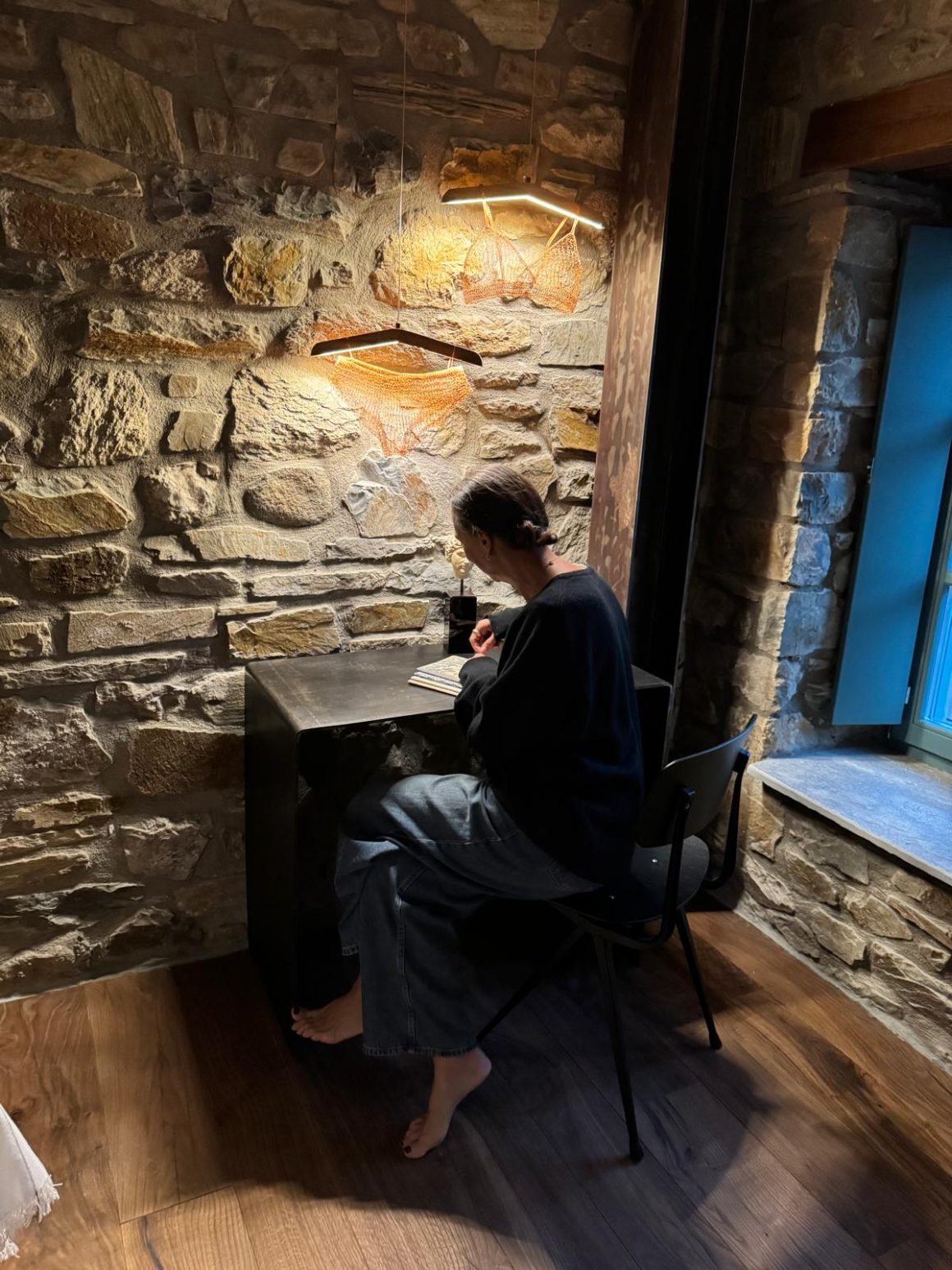
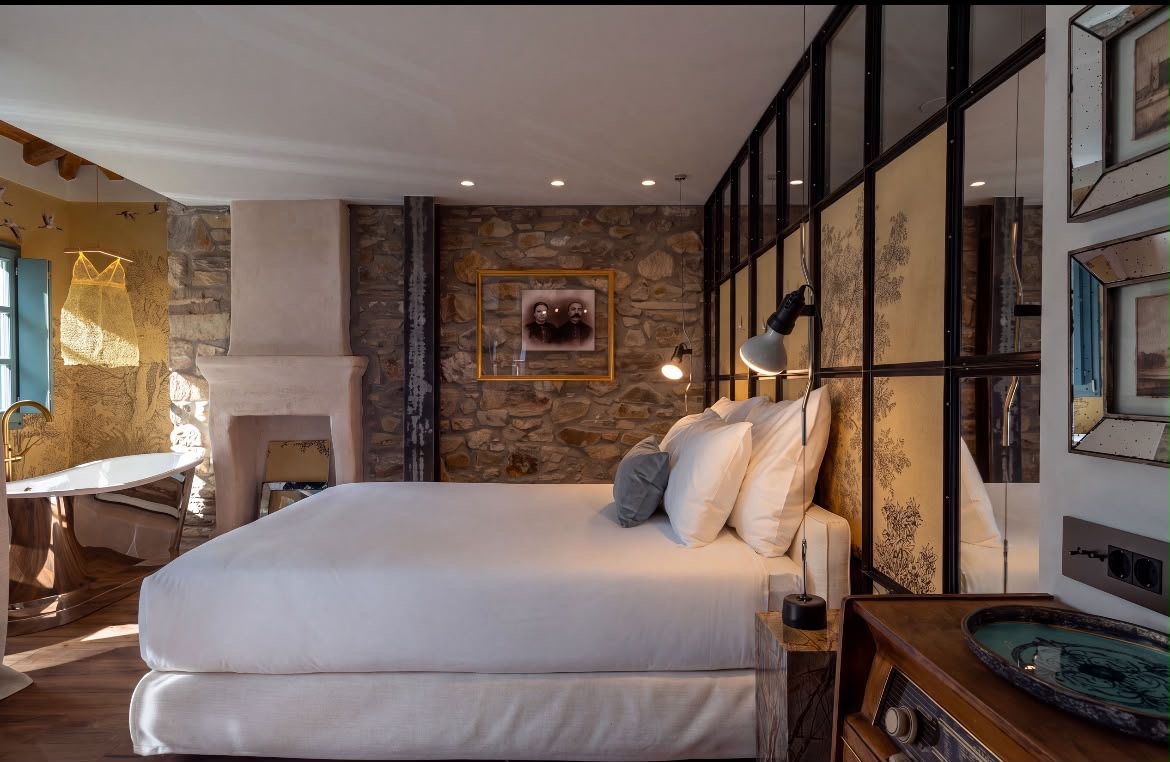
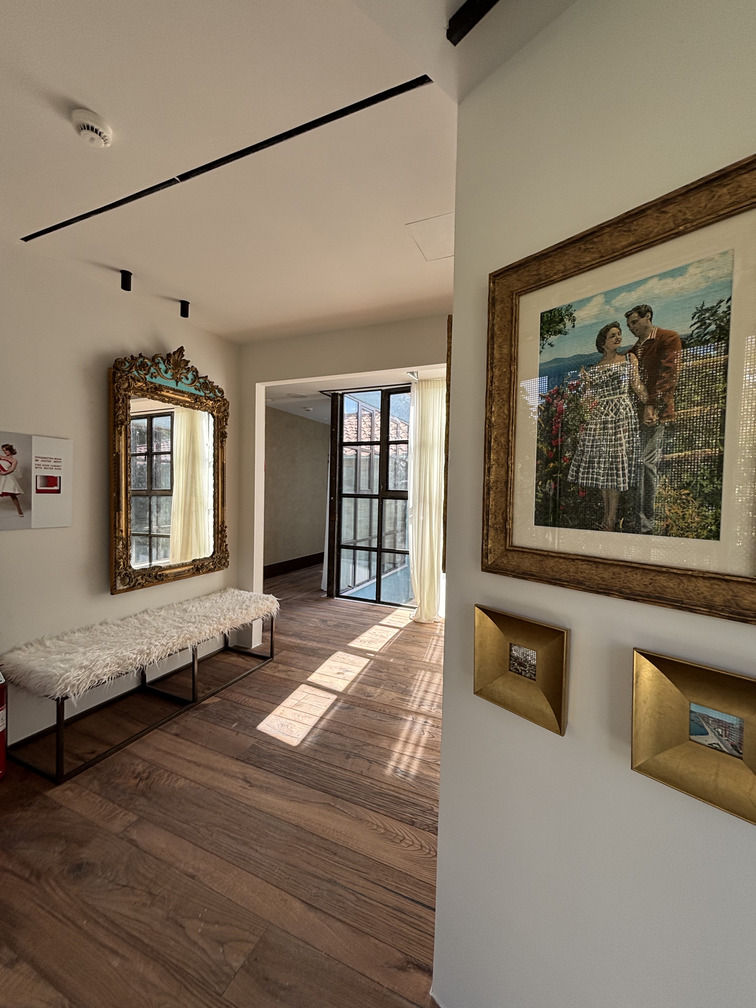
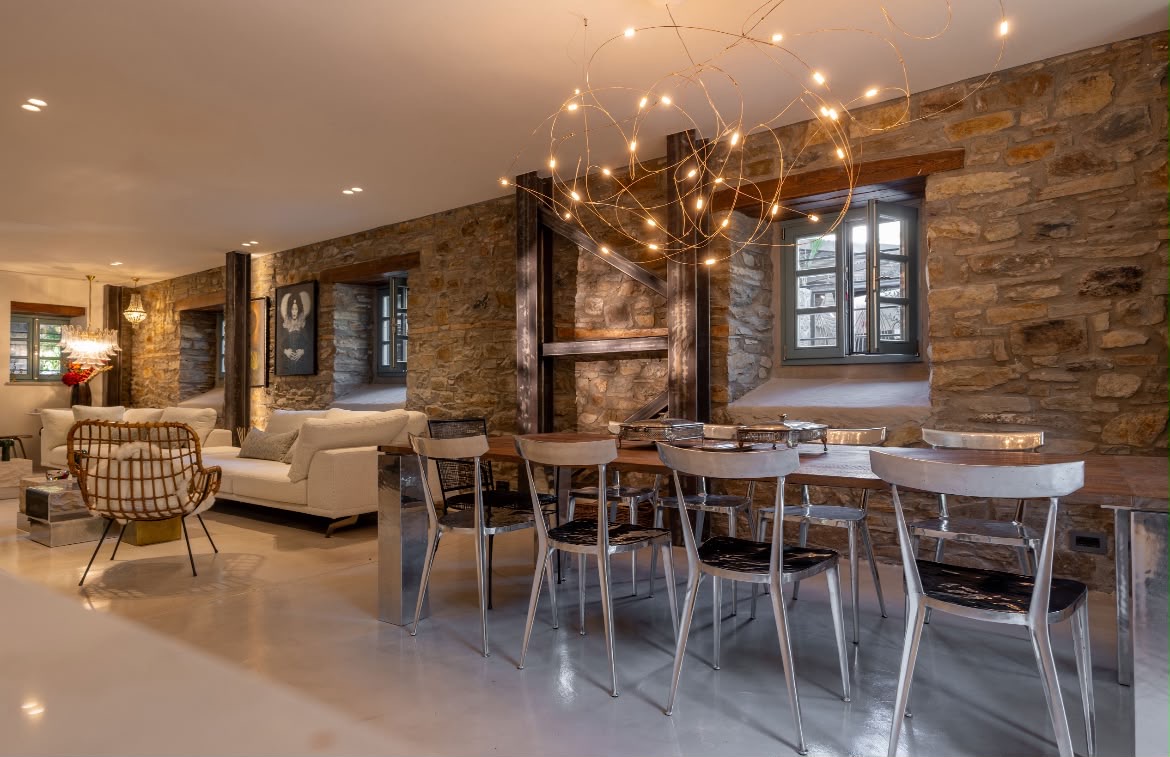
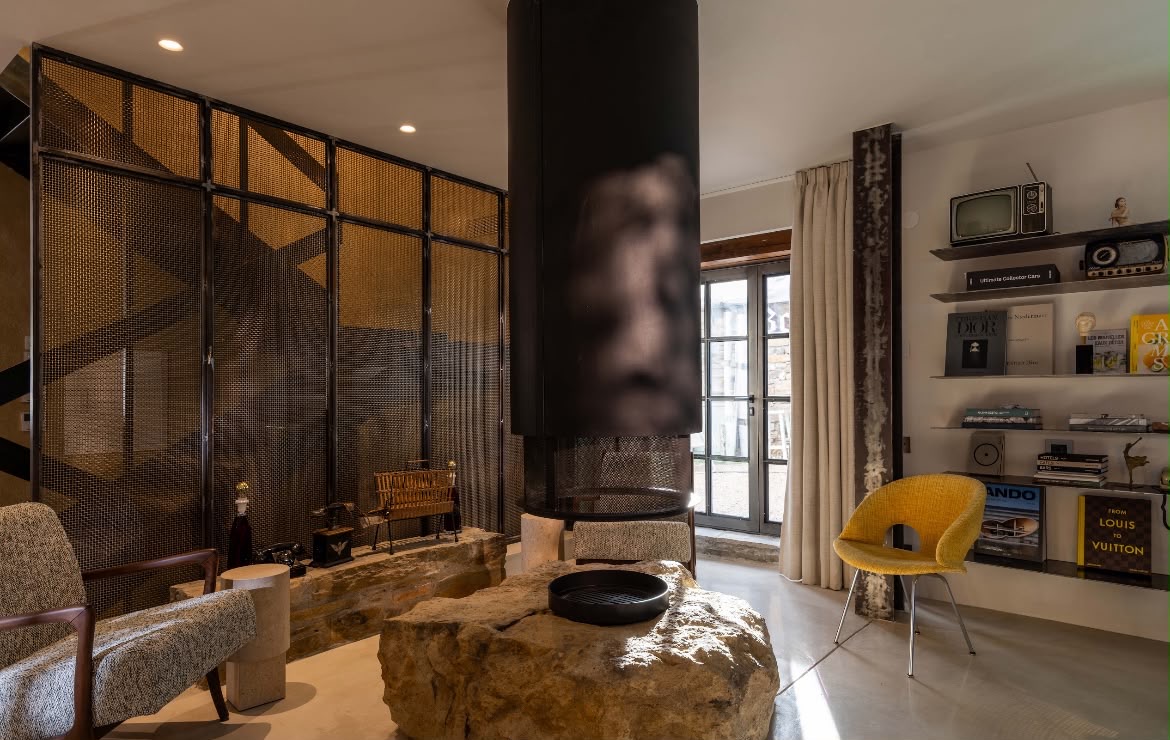
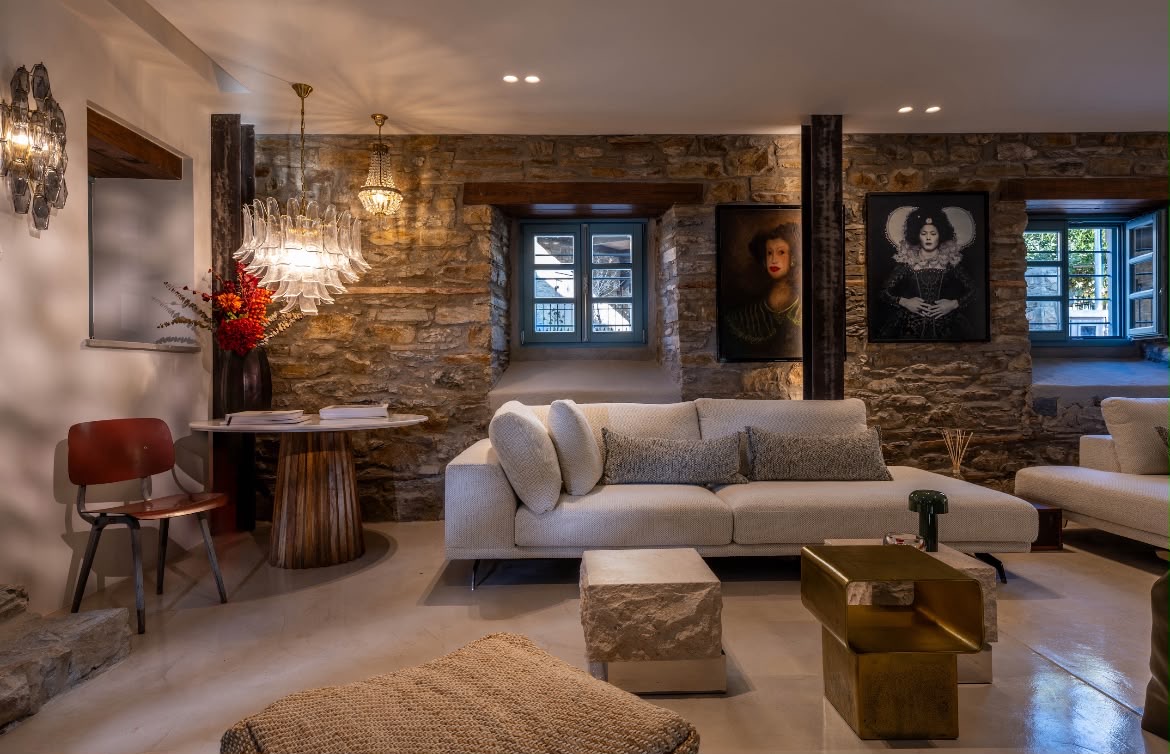
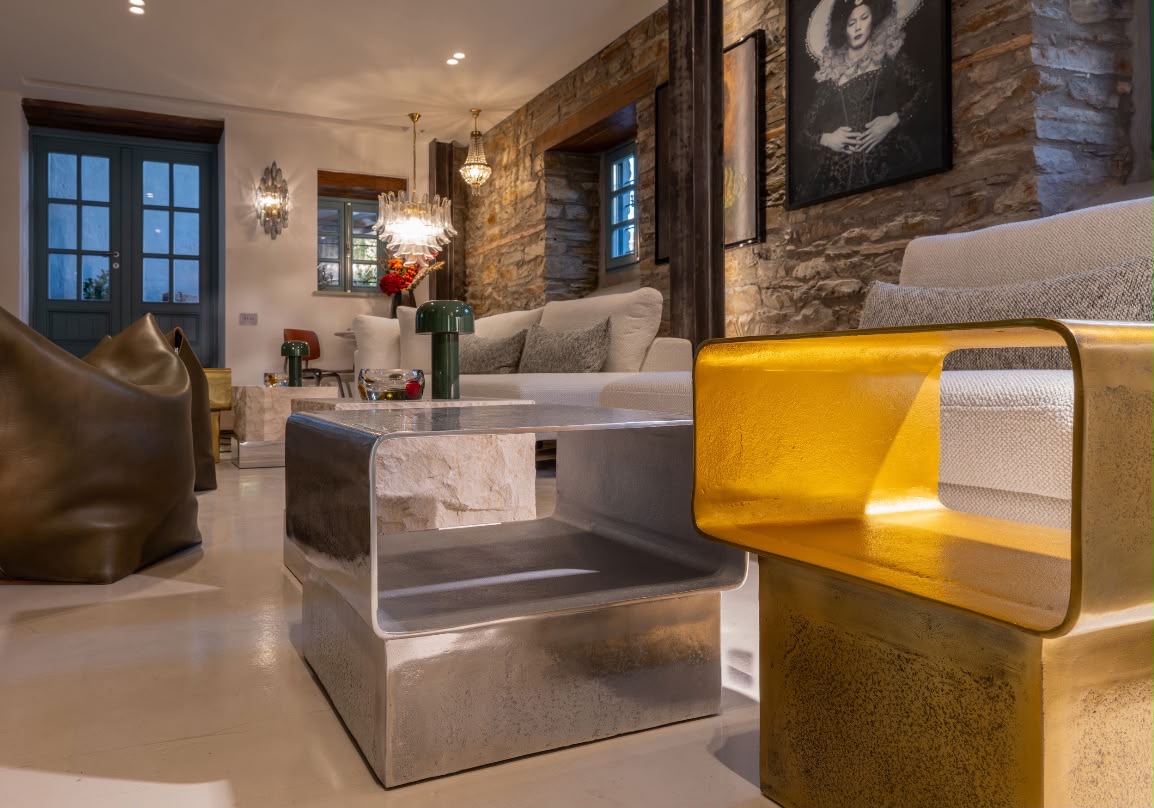
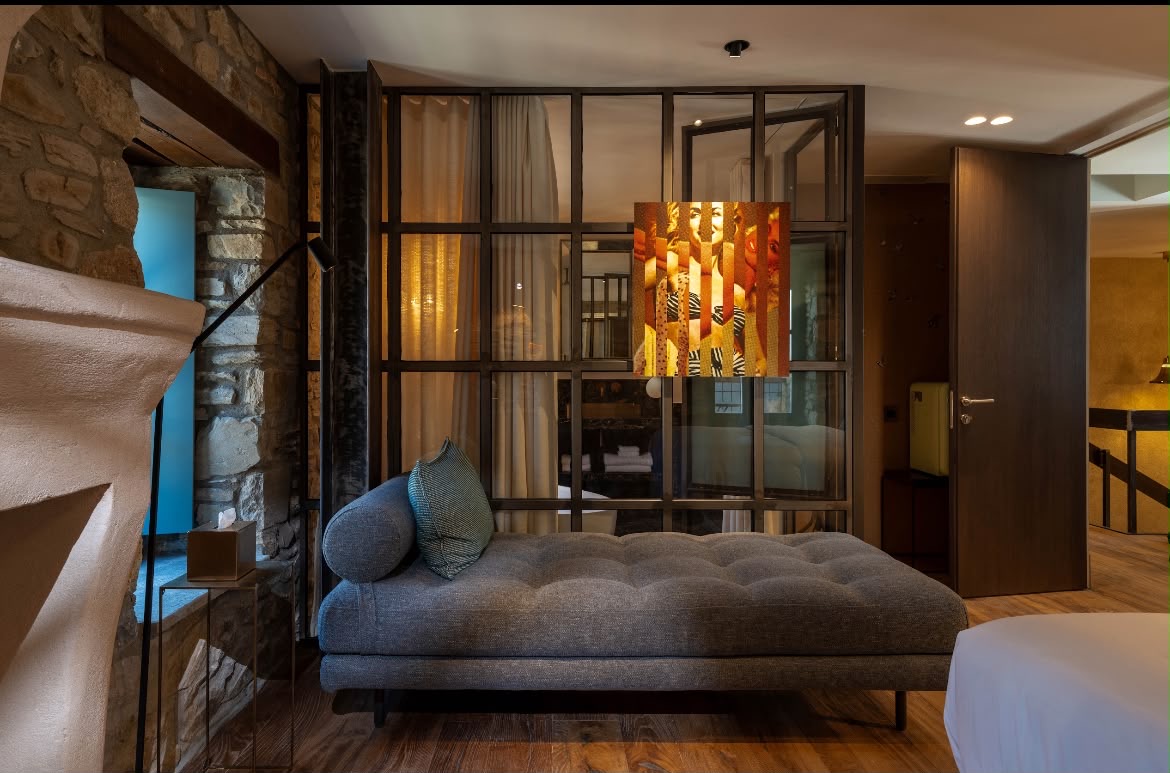
When we undertook the renovation, it was vital for us to honor the building itself by using exclusively local materials—stones and marbles quarried directly from the region. We wanted it to remain deeply rooted in its surroundings. Yet, at the same time, we envisioned it as an inherently international space. I did not want to create a purely traditional Greek venue. While it is undeniably Greek in its location, its stone walls, its roof, its marble, and its woods, I wanted the interior and furniture to reflect a global dialogue. Pieces come from England, France, and Germany, blending Bauhaus, Art Deco, and 1950s design. I wanted this vibrant mosaic of cultures to live harmoniously side by side.
What is your philosophy of interior design? How have objects and pieces collected or brought from around the world found their place within the spaces?
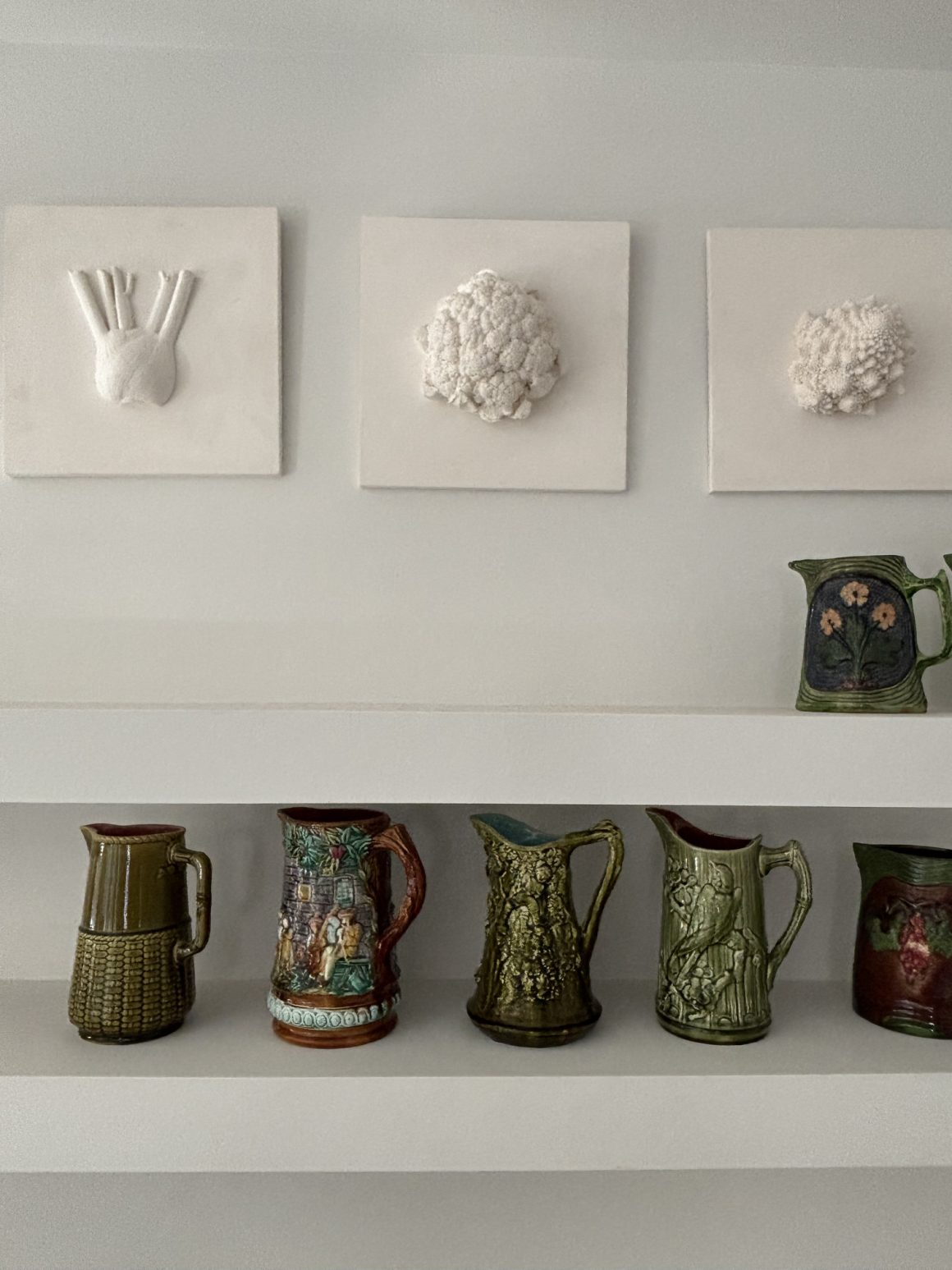
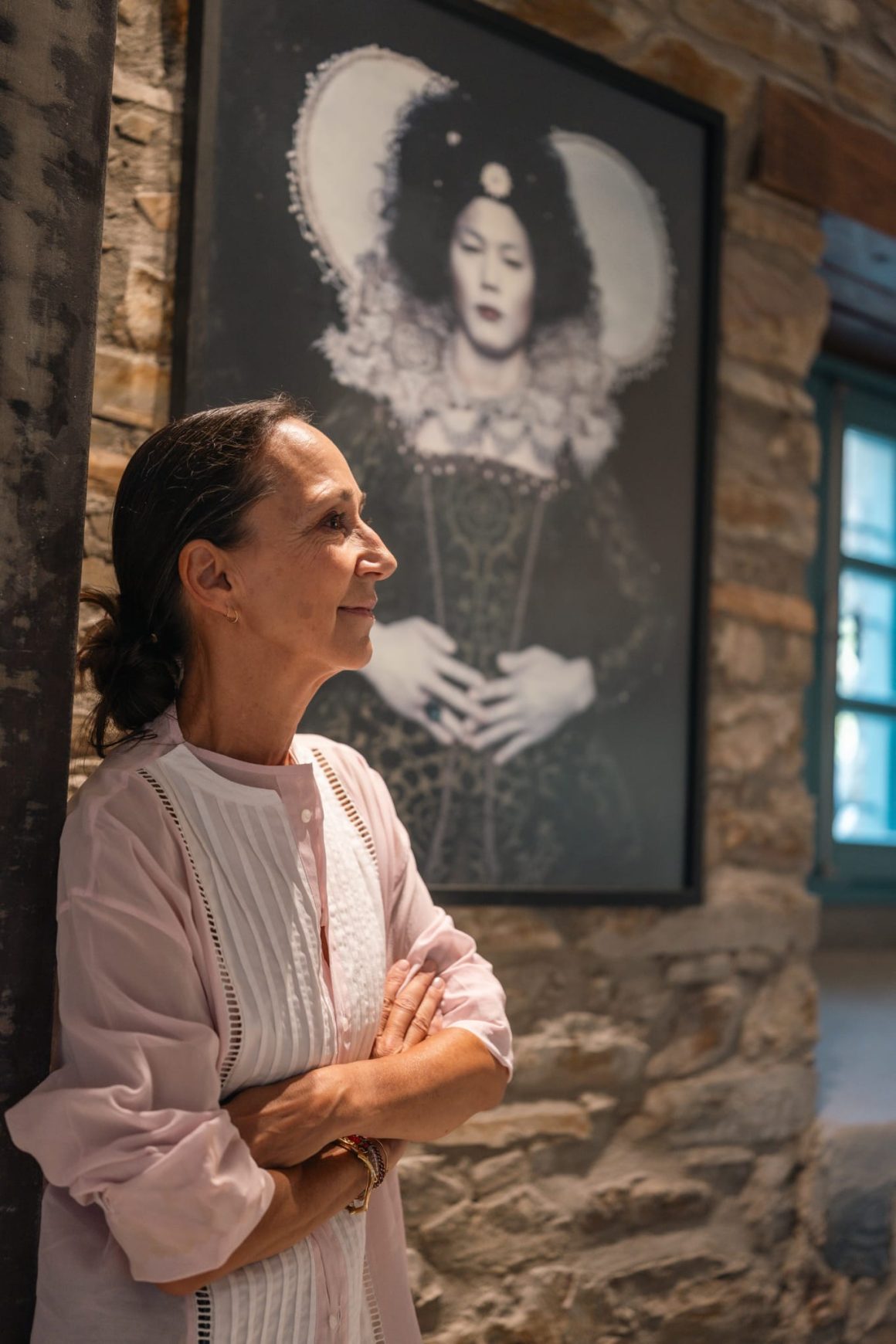
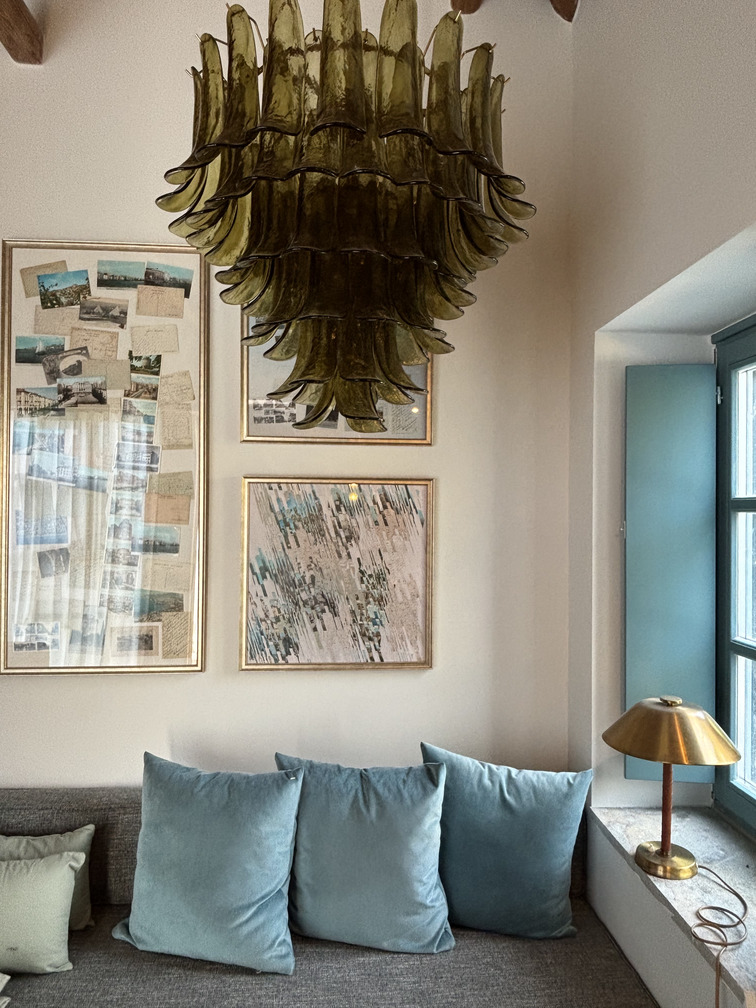
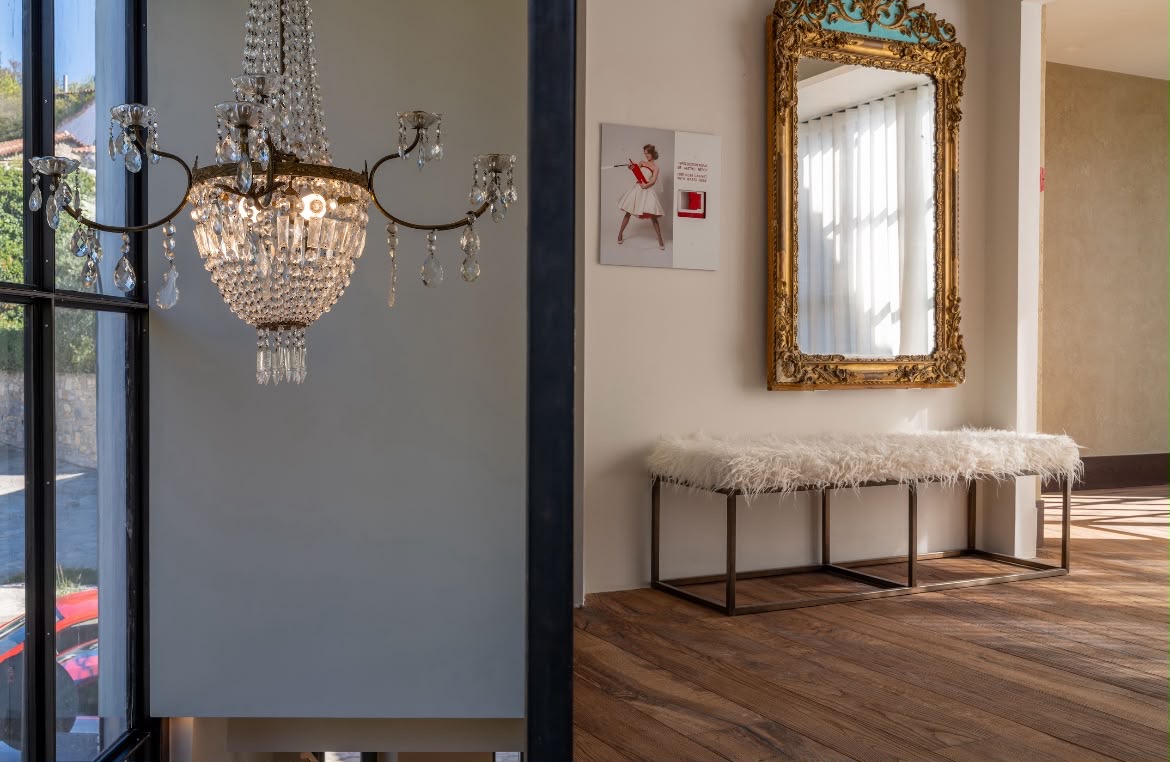
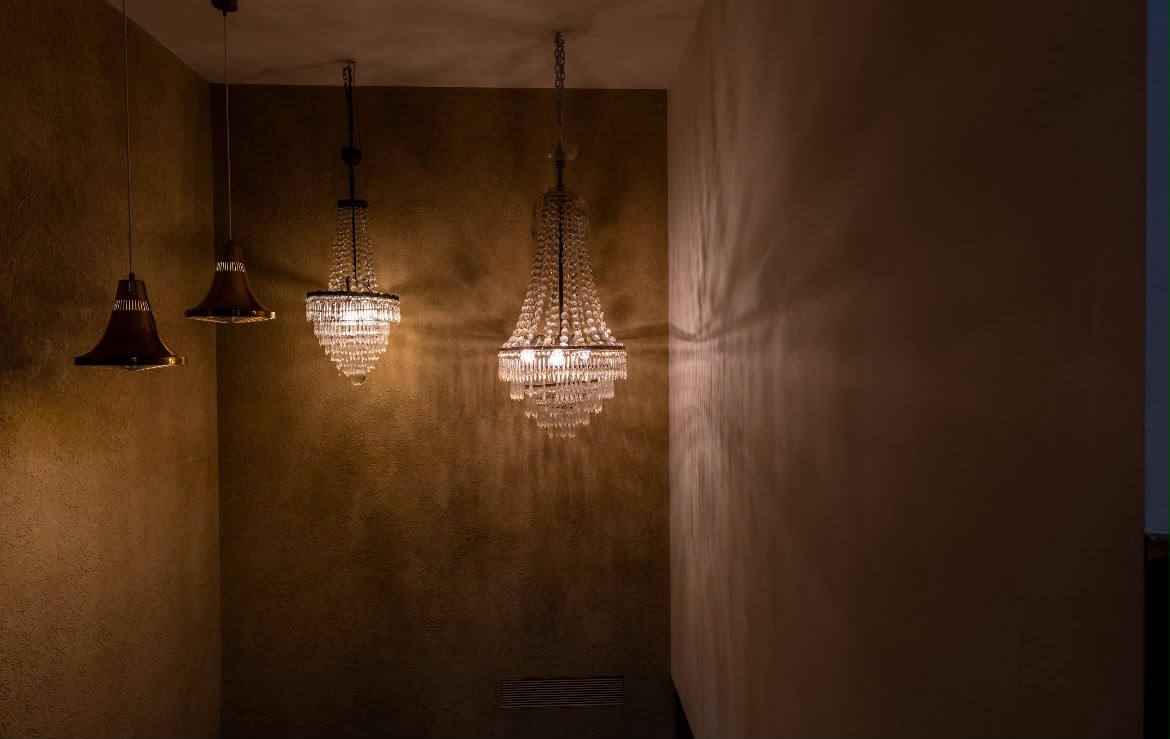
For me, interior design is entirely about giving a space a soul. I firmly believe that a soul cannot be bought in standard furniture shops—when you do that, a place ends up looking like a sterile showroom, decorated by designers who simply purchase beautiful objects off-the-shelf. Instead, it is essential to weave in pieces collected from all over the world: treasures from flea markets and antique shops, vintage lamps, or deeply personal items—like the crystal chandeliers here at Jeione, which belonged to my mother and have traveled with her from South Africa to Ibiza and Germany. It is that intimate dialogue between vintage history and modern design that brings a space to life.
Each room has its own distinctive character. Do you have a favourite, and if so, what makes it particularly special to you?
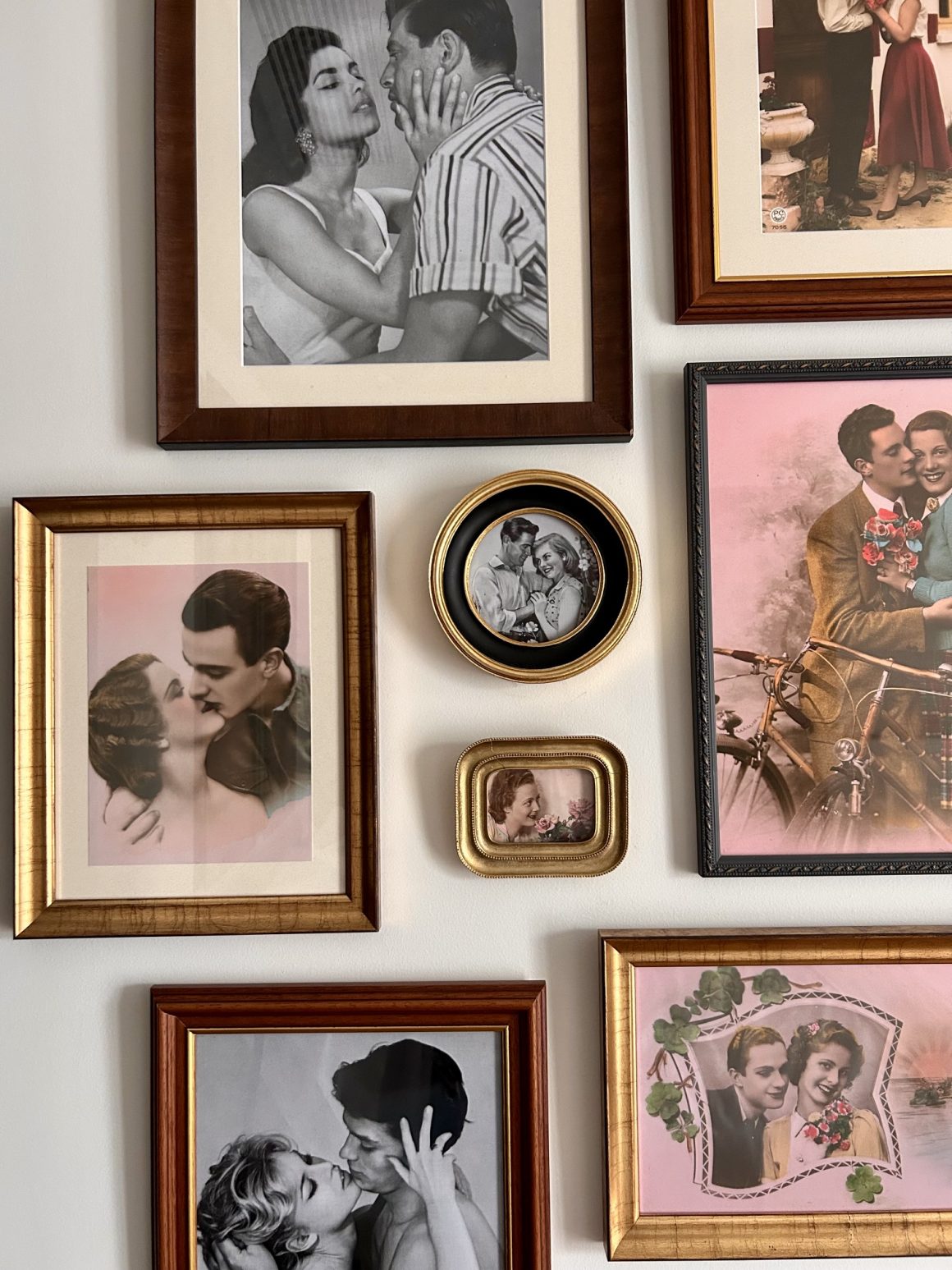
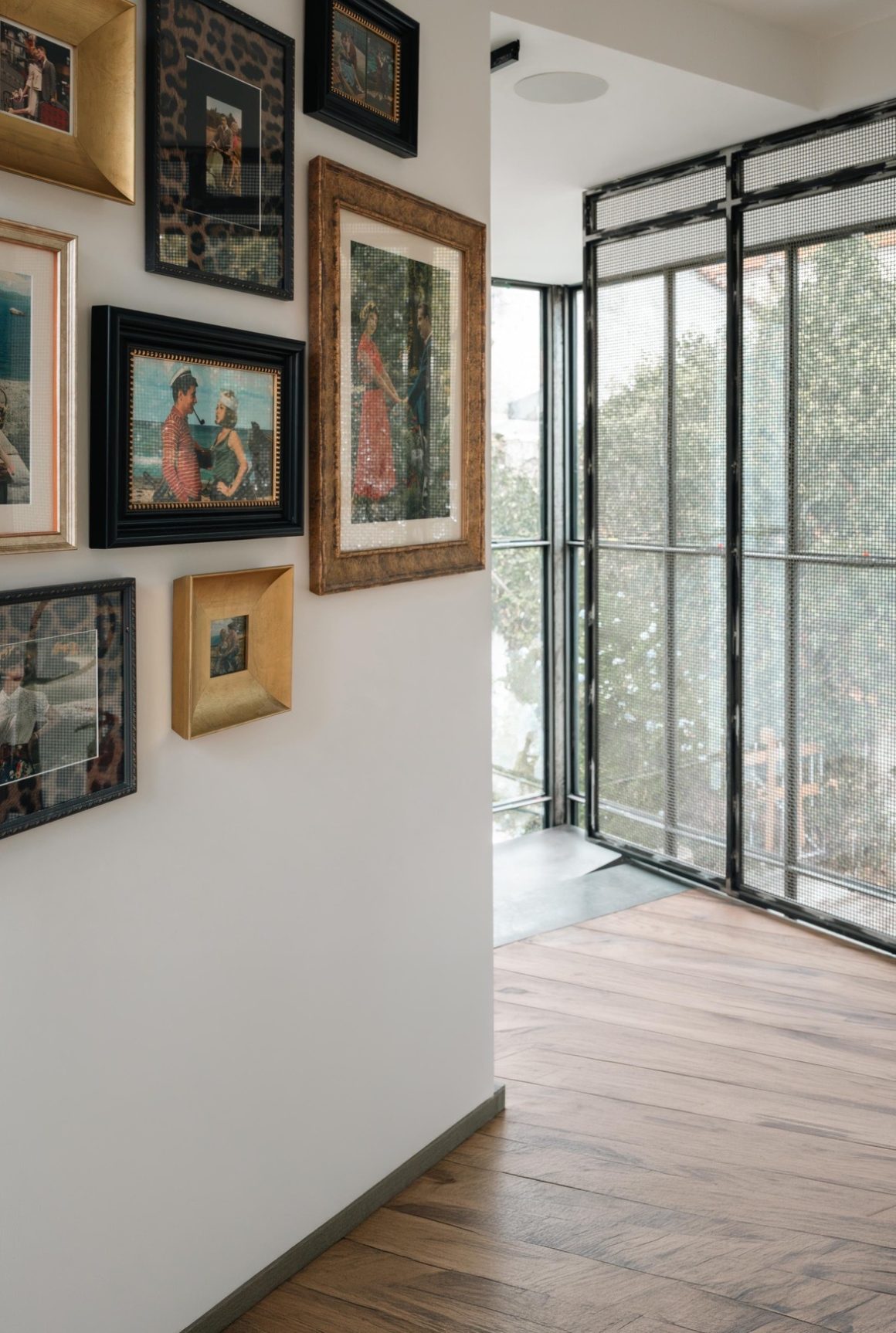
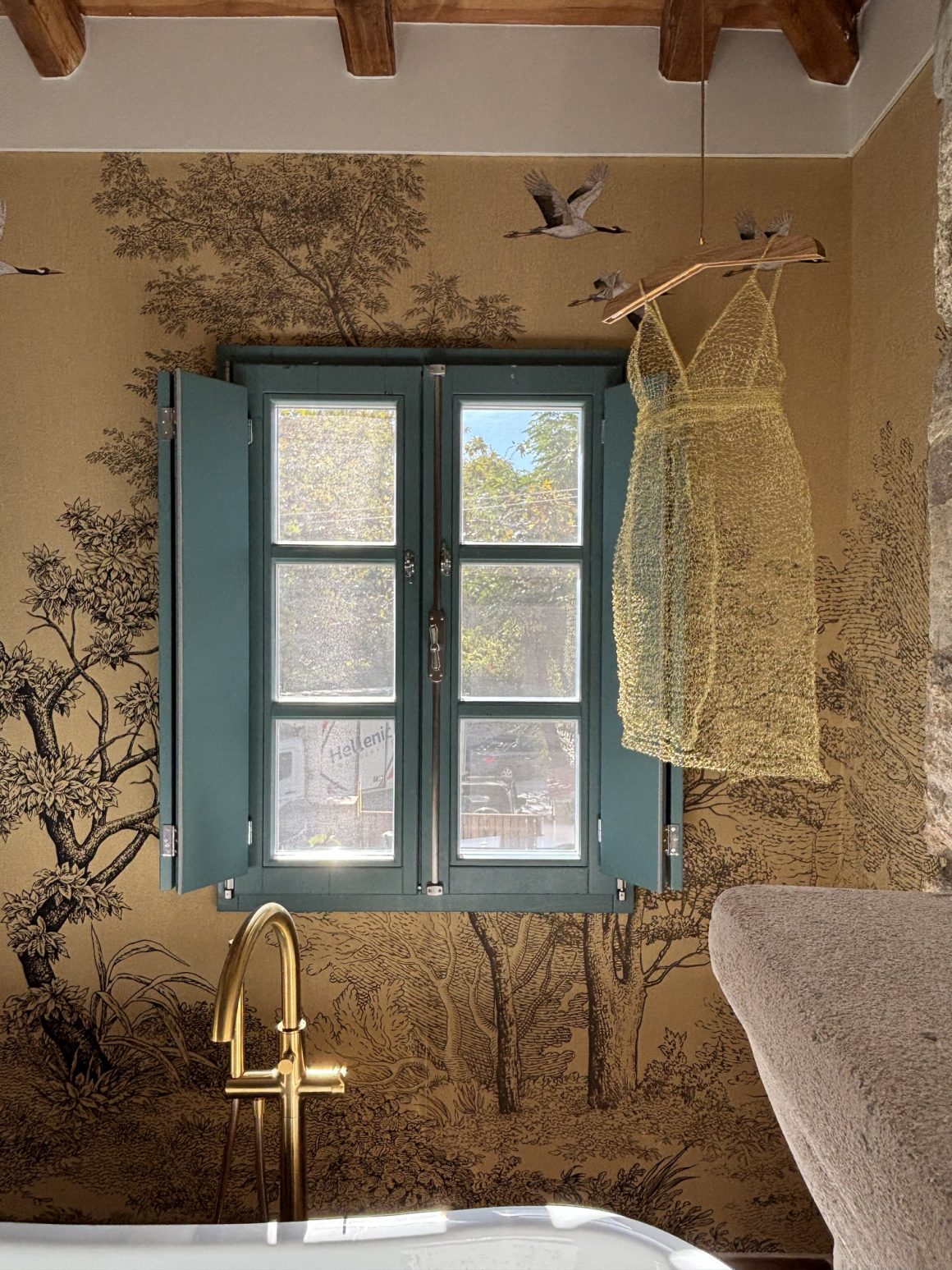
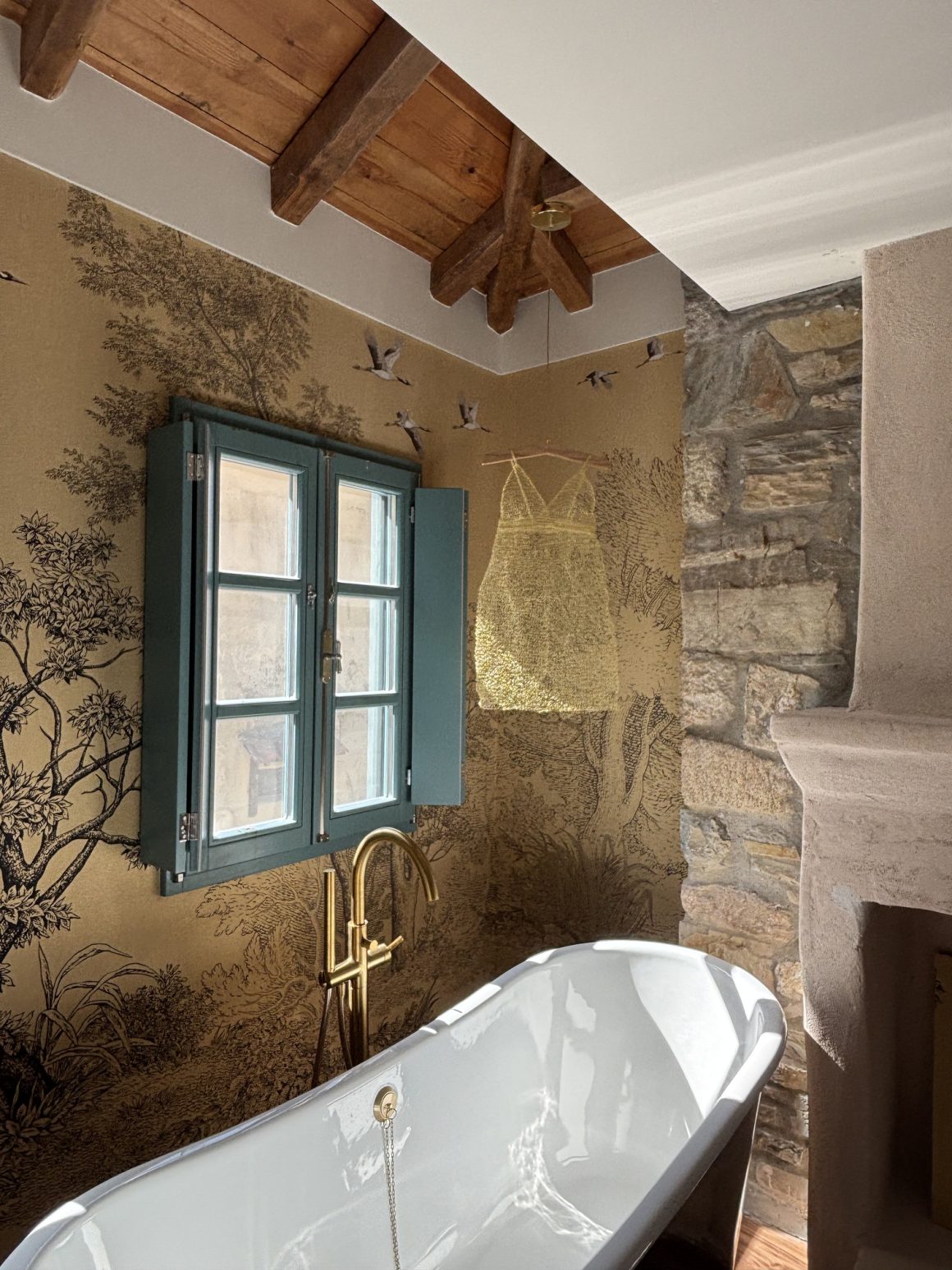
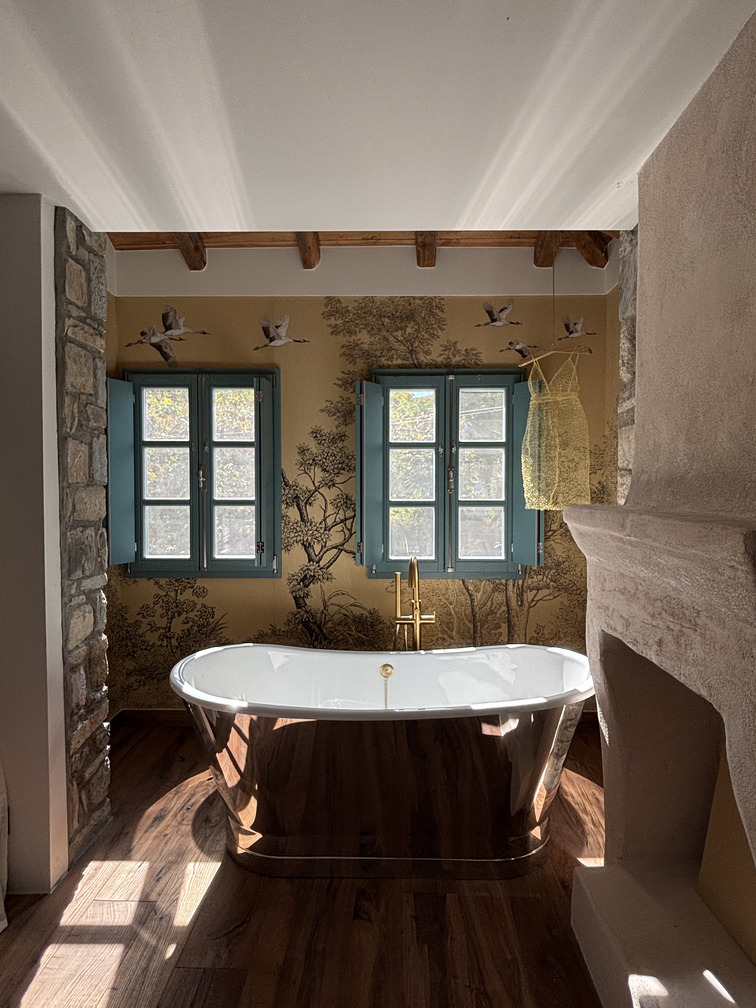
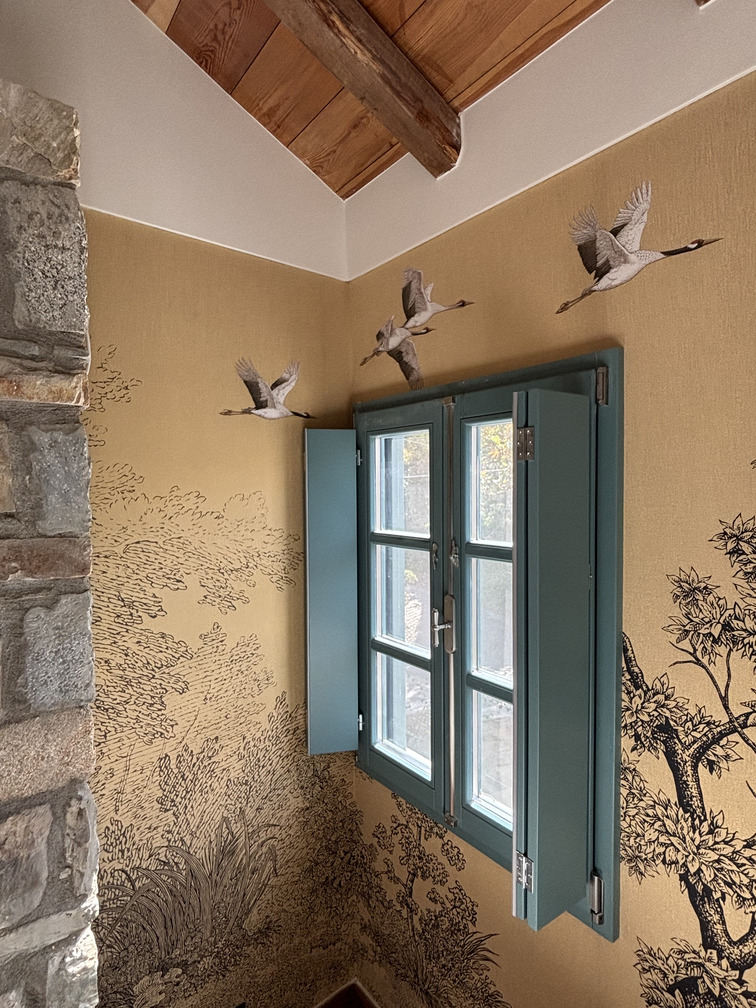
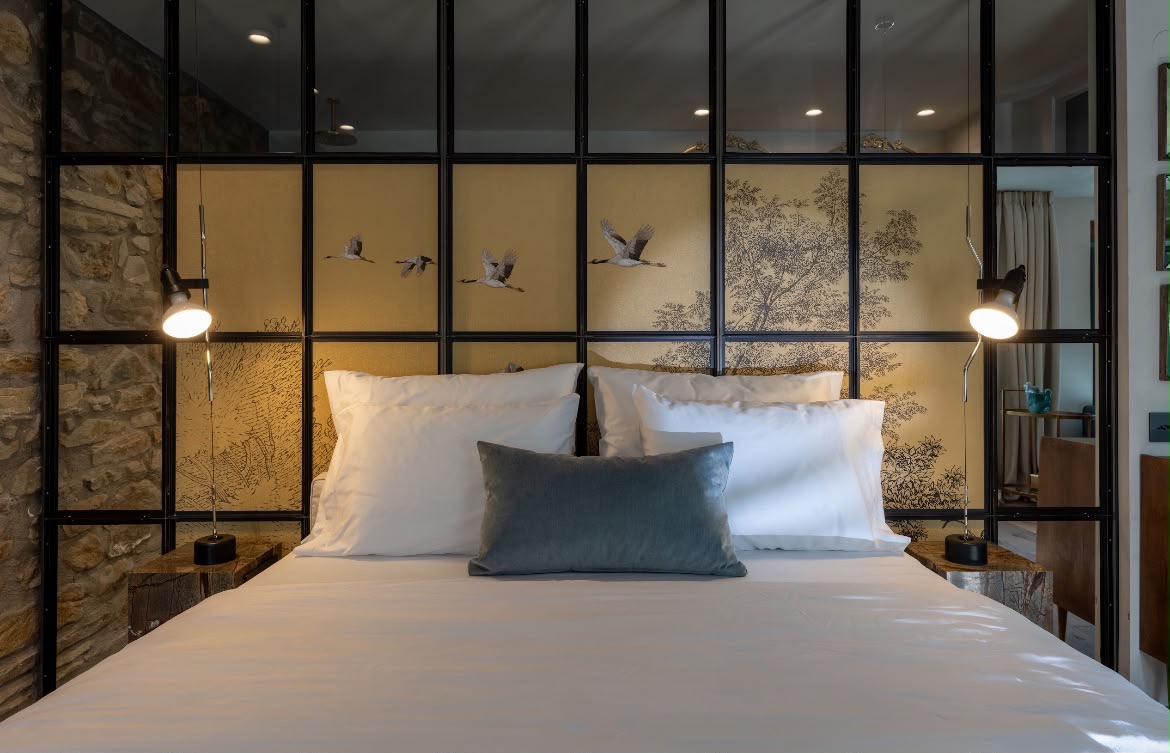
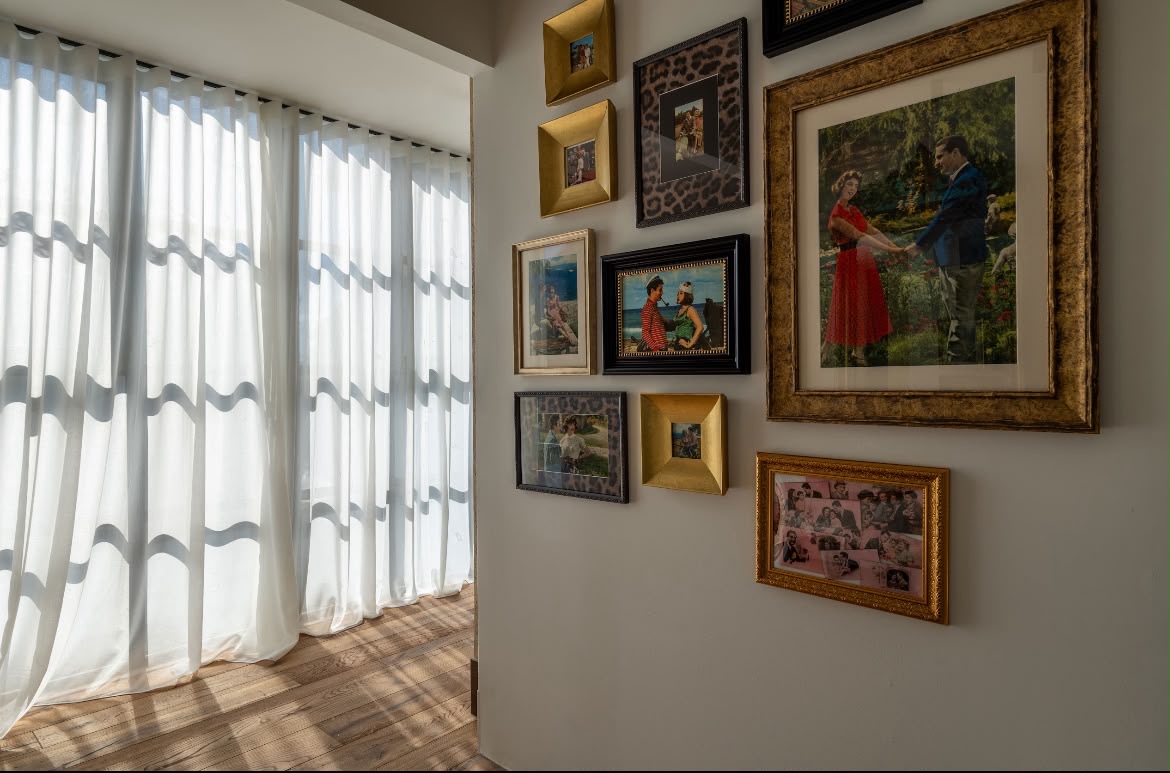
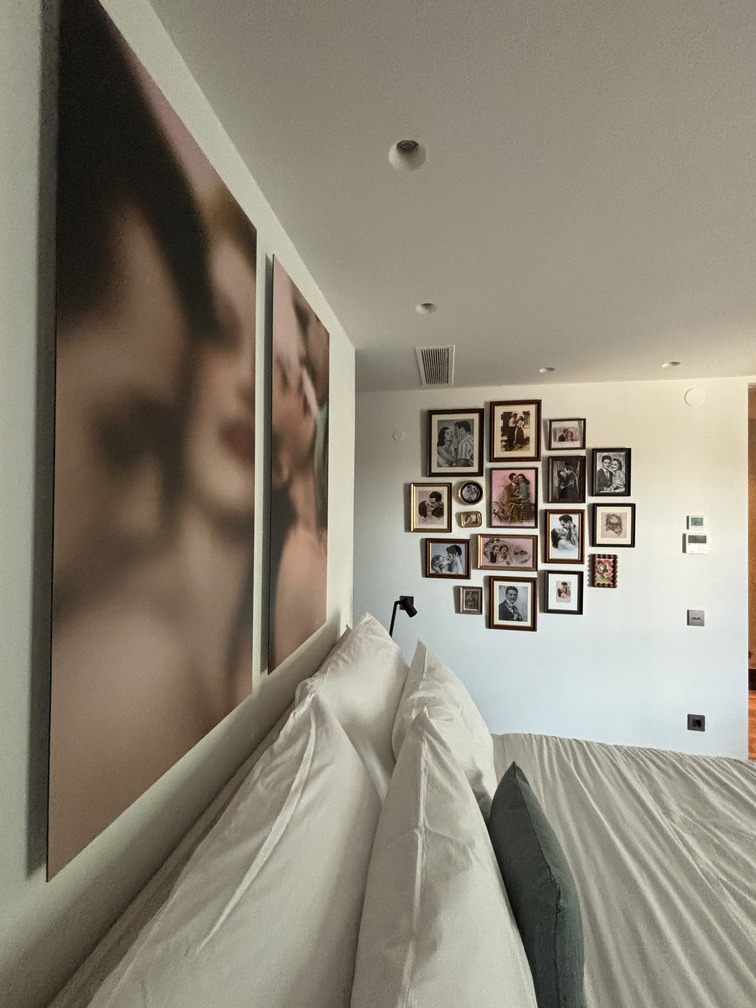
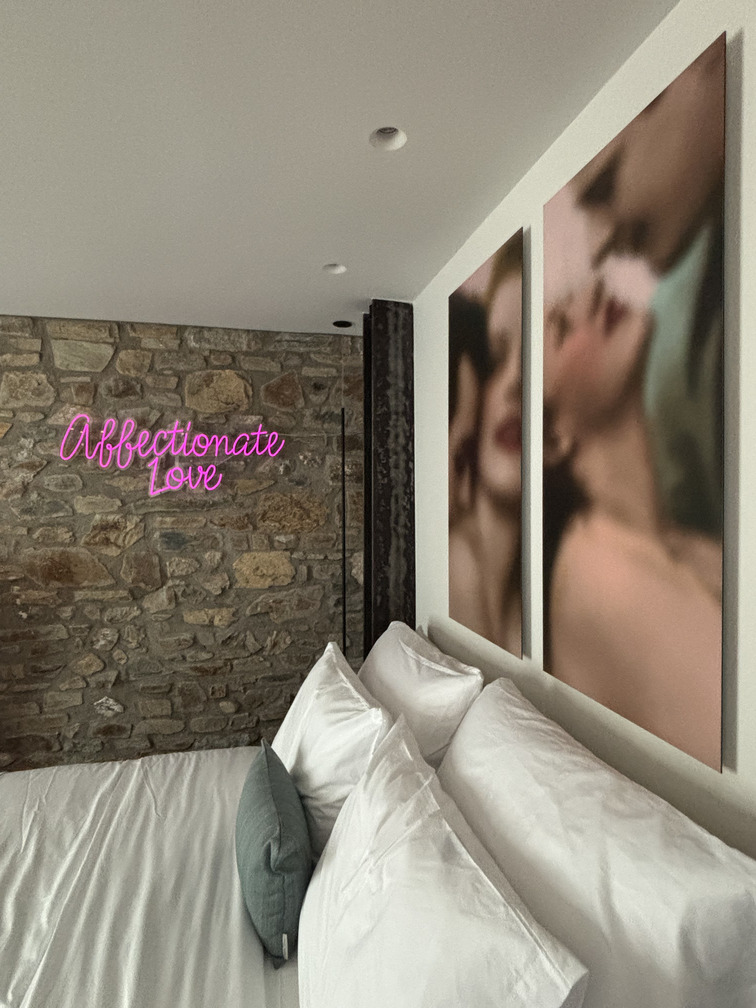
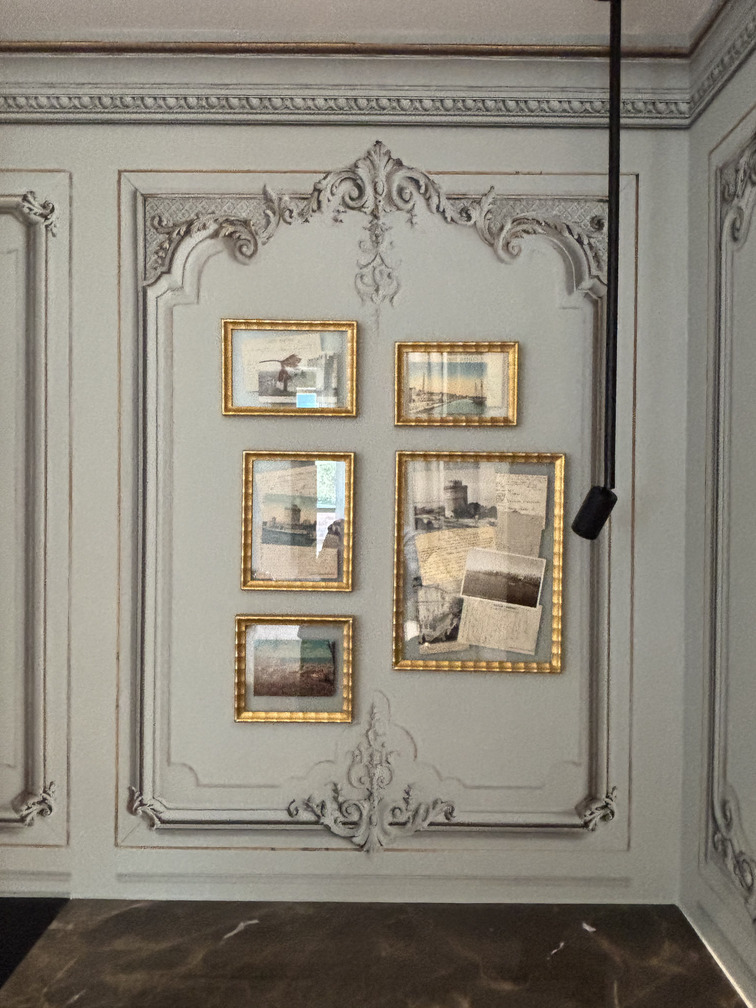
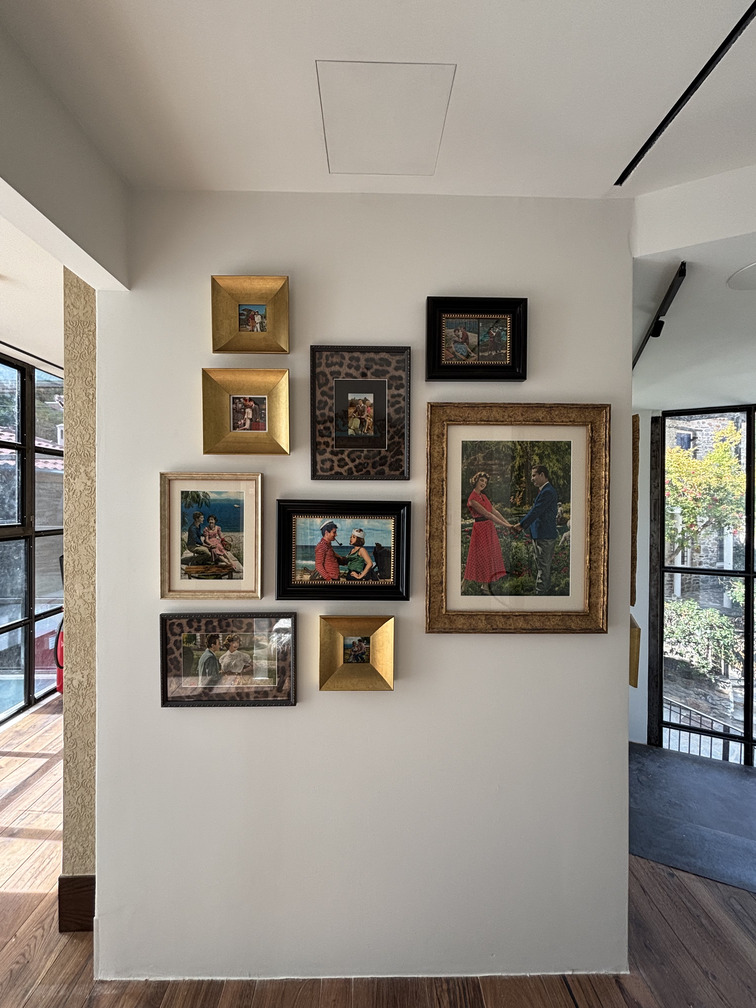
My actual favorites are the smallest and the largest room in the house. The smallest room is special because its entire narrative is told through vintage postcards featuring couples from the 1950s and 60s; it represents the electric beginning of love, full of romance and fleeting moments. Then there is the largest room—our matrimonial suite—which features golden wallpaper and a silver bathtub. That space is a tribute to enduring marriage and a timeless bond meant to last a lifetime. I love the poetic contrast between the two: one celebrates the fresh spark of young love, while the other honors eternal love.
Tell us about the shop. What have you created there, and what kind of objects, experiences or discoveries can visitors expect?
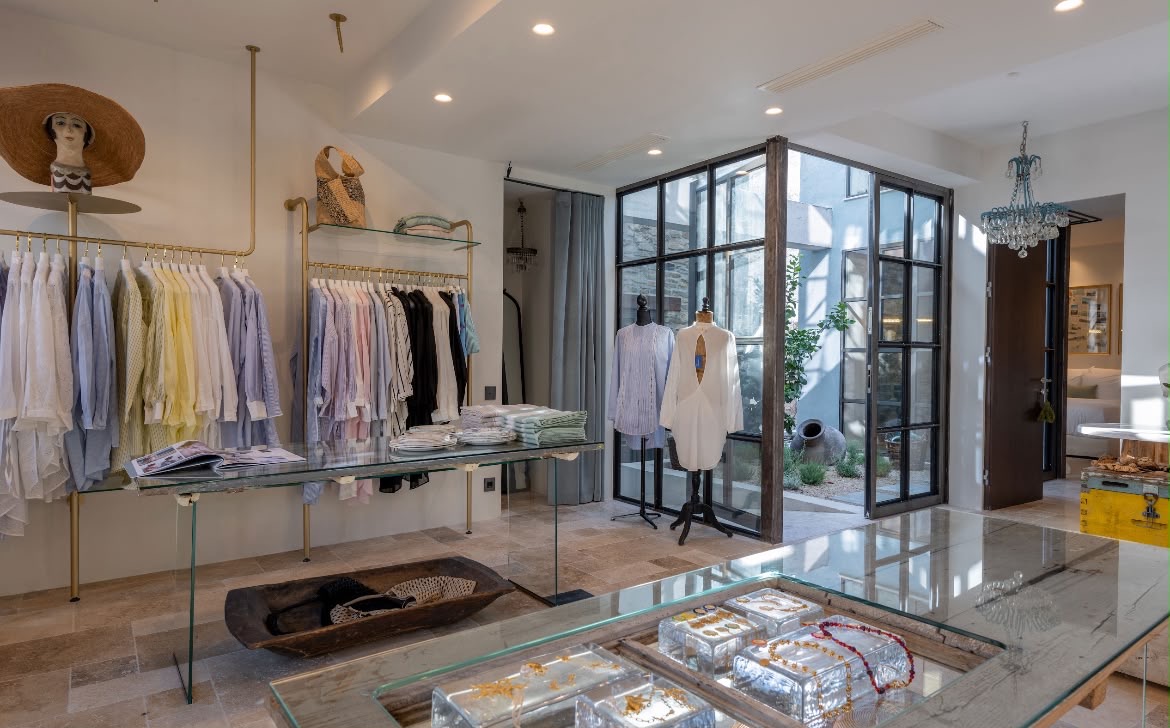
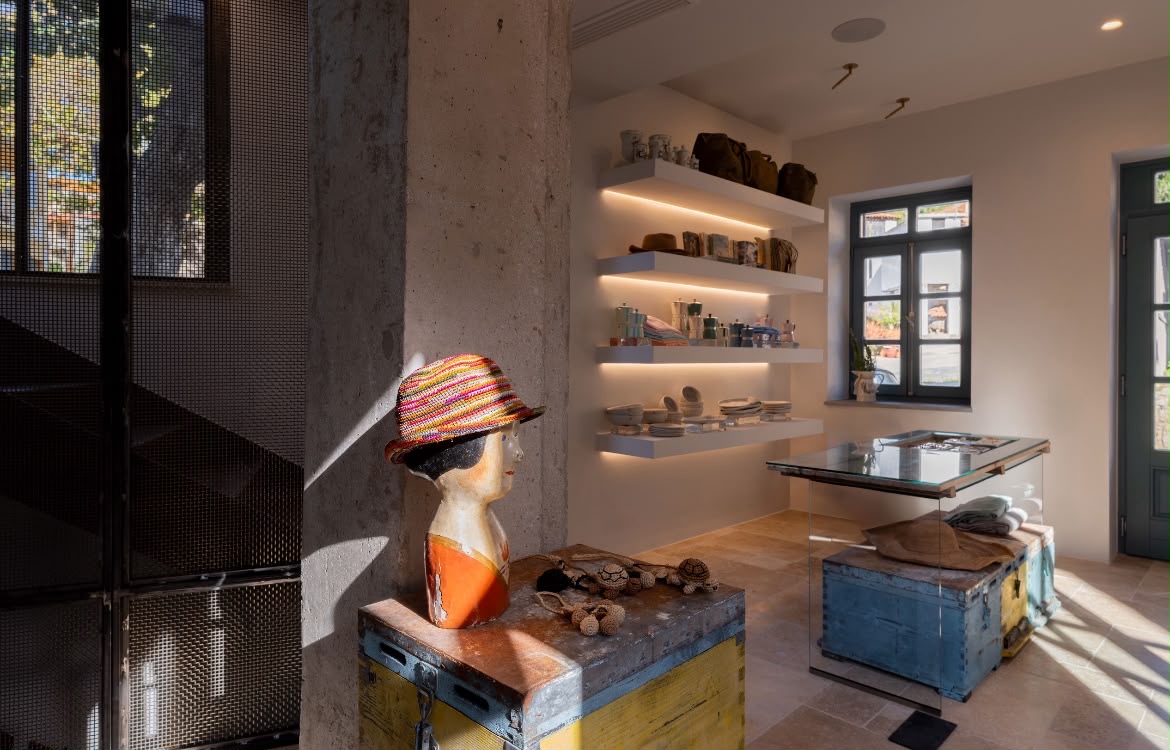
In our little shop, I wanted to curate a very specific, international selection. I deliberately avoided opening a typical Greek souvenir shop, as there are already so many wonderful ones in the area. Instead, I wanted an international feel—bringing together ceramics from Portugal, jewelry from France, and other unique gifts from England or Italy. More than that, the boutique features a collection of women’s shirts-dresses inspired by men’s tuxedo shirts, which I designed myself and developed alongside a friend. They are produced locally in Thessaloniki by women artisans using upcycled fabrics. These are precisely the kinds of dresses I want to wear in Greece during the summer—whether at the beach or out for dinner—garments that are effortlessly sexy yet understated because of their masculine tailoring.
What makes Jeione stand out, and what would you say makes it worth visiting? What kind of experiences or possibilities does it offer its guests?