Ismini, while holding the demanding position of Chief Operating Officer at Tor Hotel Group and the even more demanding role of mother to two young girls, you still find time to keep your other great love, books and reading, alive. How do you manage to make time for it, and what does reading offer you?

I don’t always find the time in the ideal way. I do most things in a rush, running between work, helping the girls practise their spelling and all those endless journeys back and forth. I always have a book in my bag and read constantly. It is also the last thing I do before I go to sleep and the first thing I do when I wake up. I listen to audiobooks in the car and while I’m walking or cooking.

I have been an avid reader since I was a child, and books have such a constant place in my life that I always find my way back to them. It is a pleasure that is entirely my own: for a little while, I can step outside my everyday life and enter someone else’s world.

You had a wonderfully original idea and took an initiative that you brought to life very quickly. How did the idea for Silent Book Party come about, and what happened next?

The traditional book club didn’t quite suit me. I like choosing what I want to read for myself and being able to put a book aside if, at that particular moment, another one draws me in more. At the same time, I really wanted to meet people who love reading.

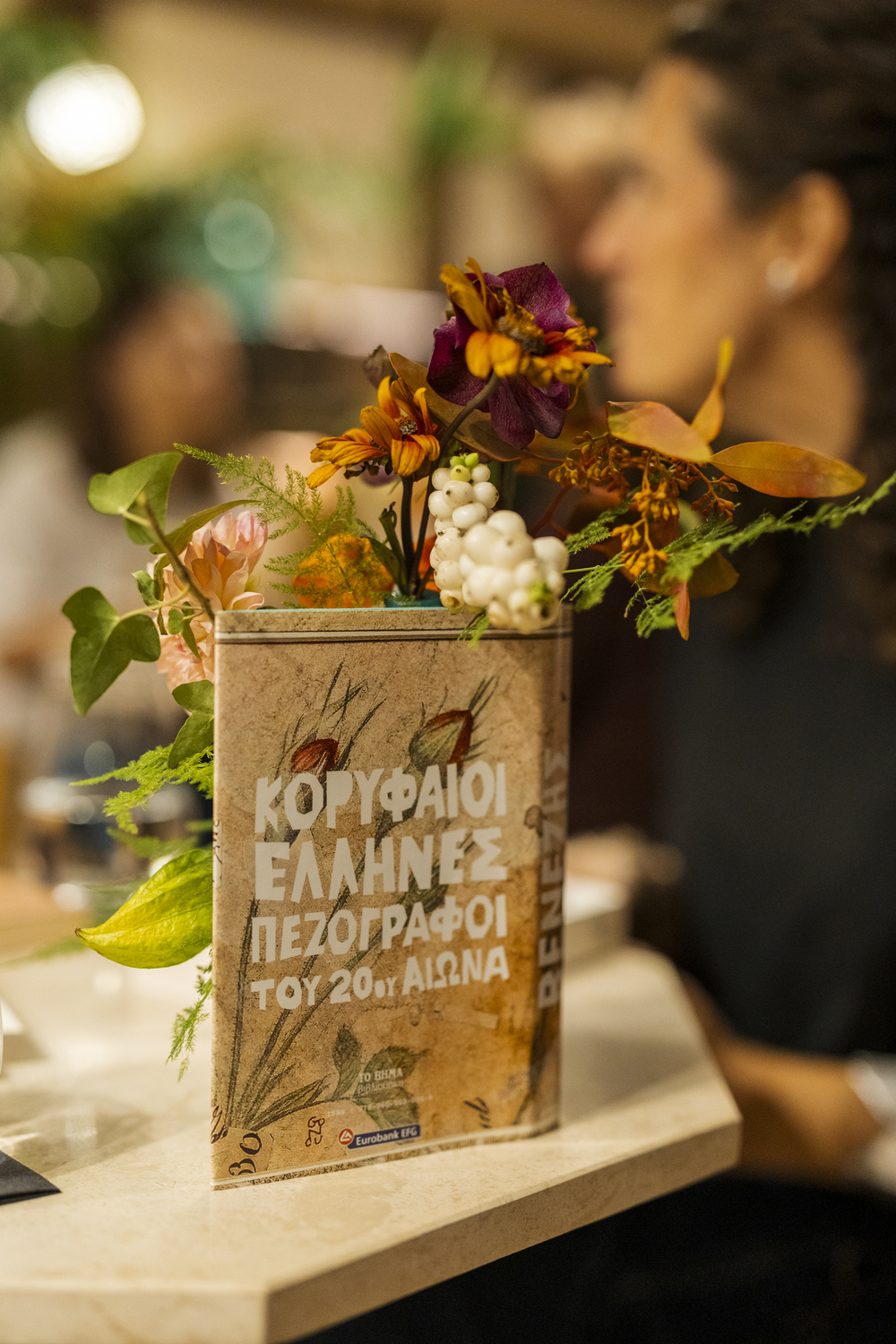
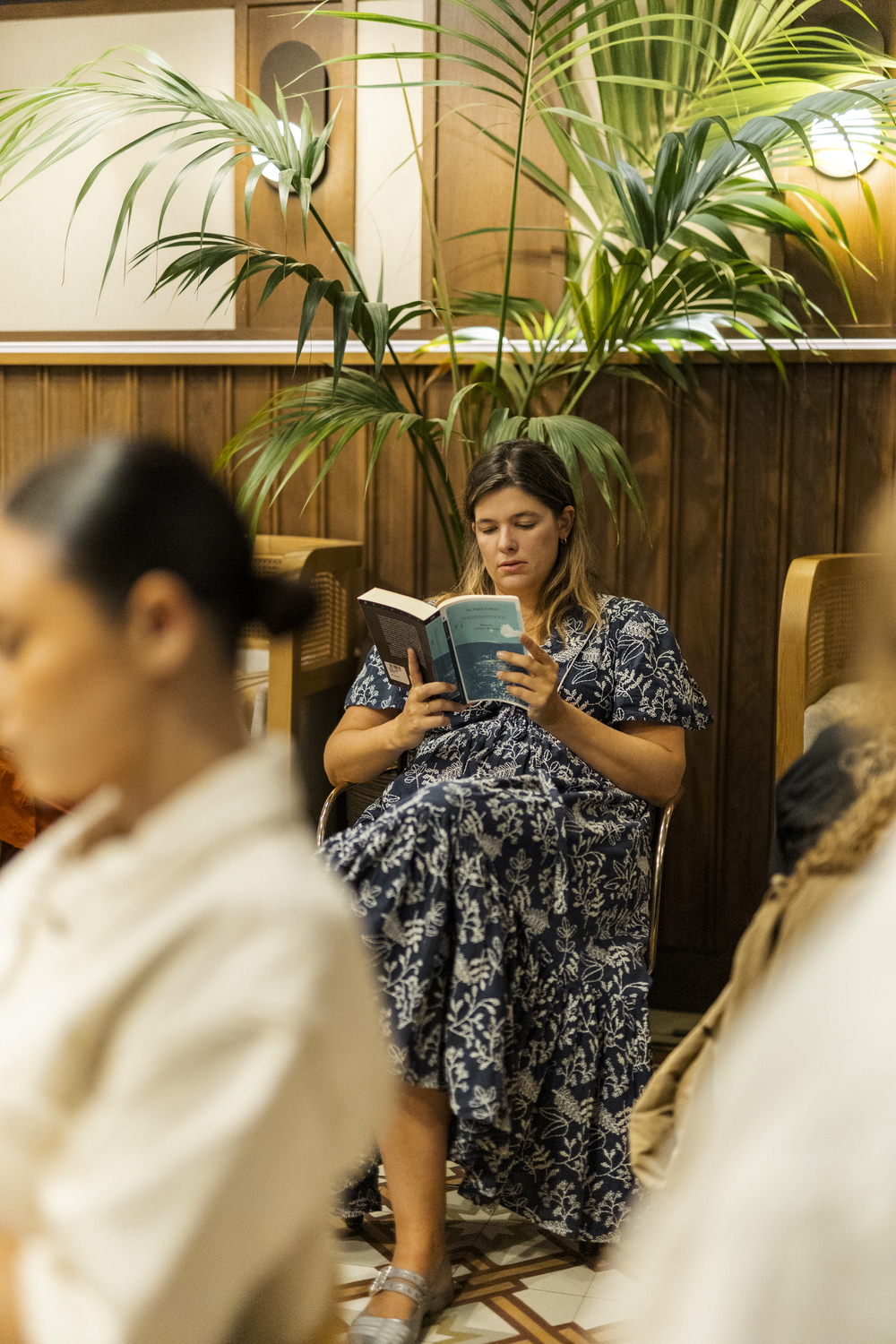
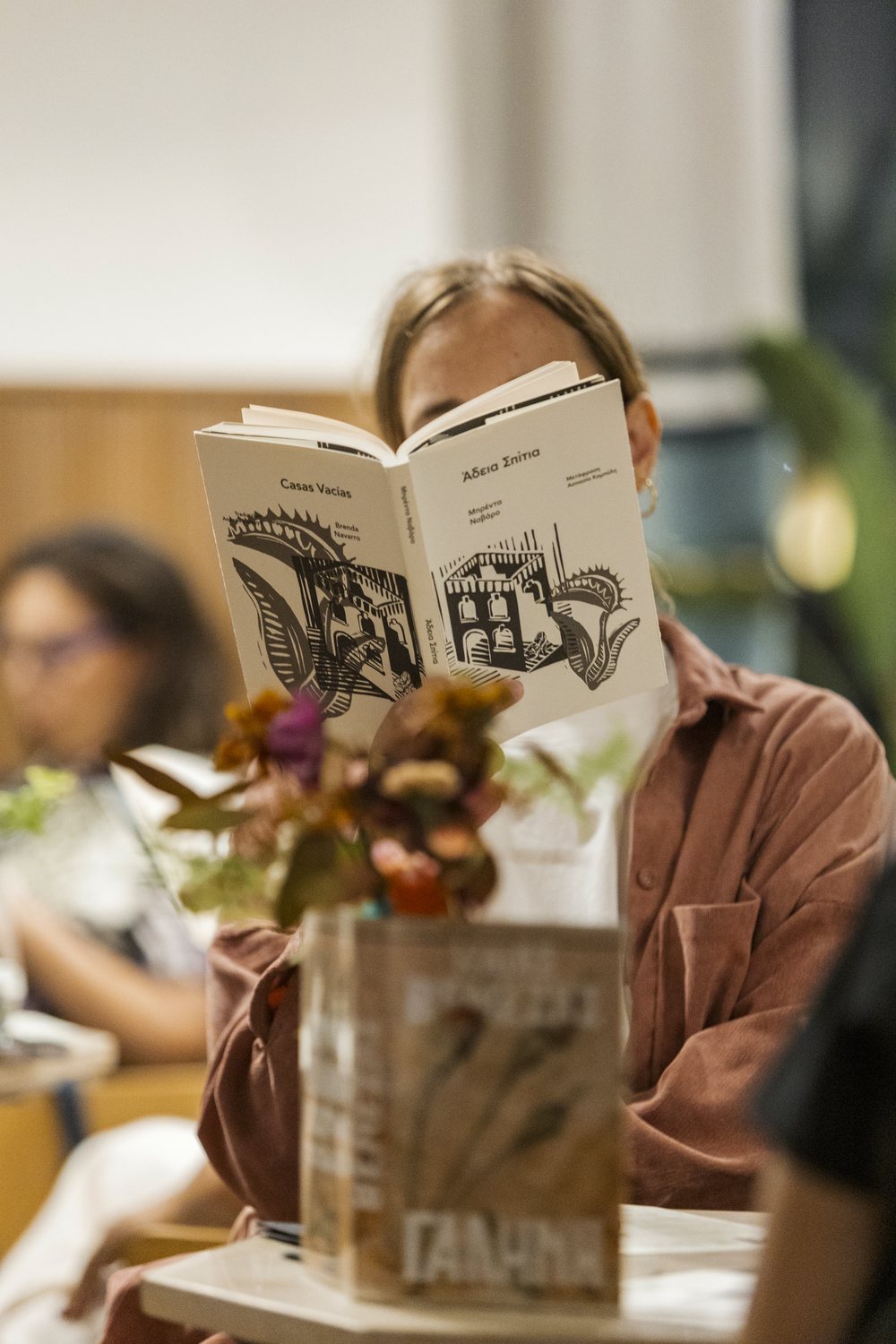
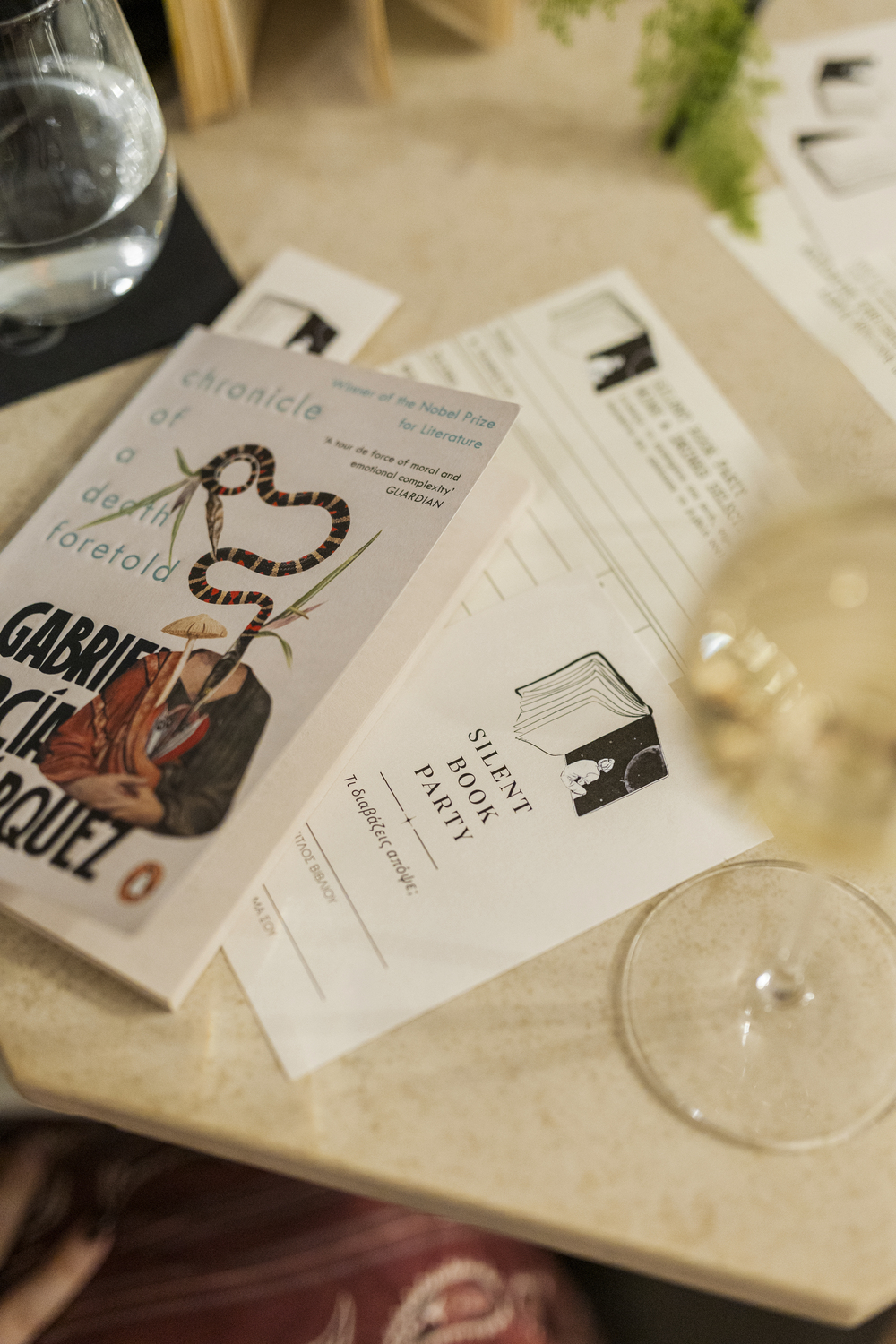
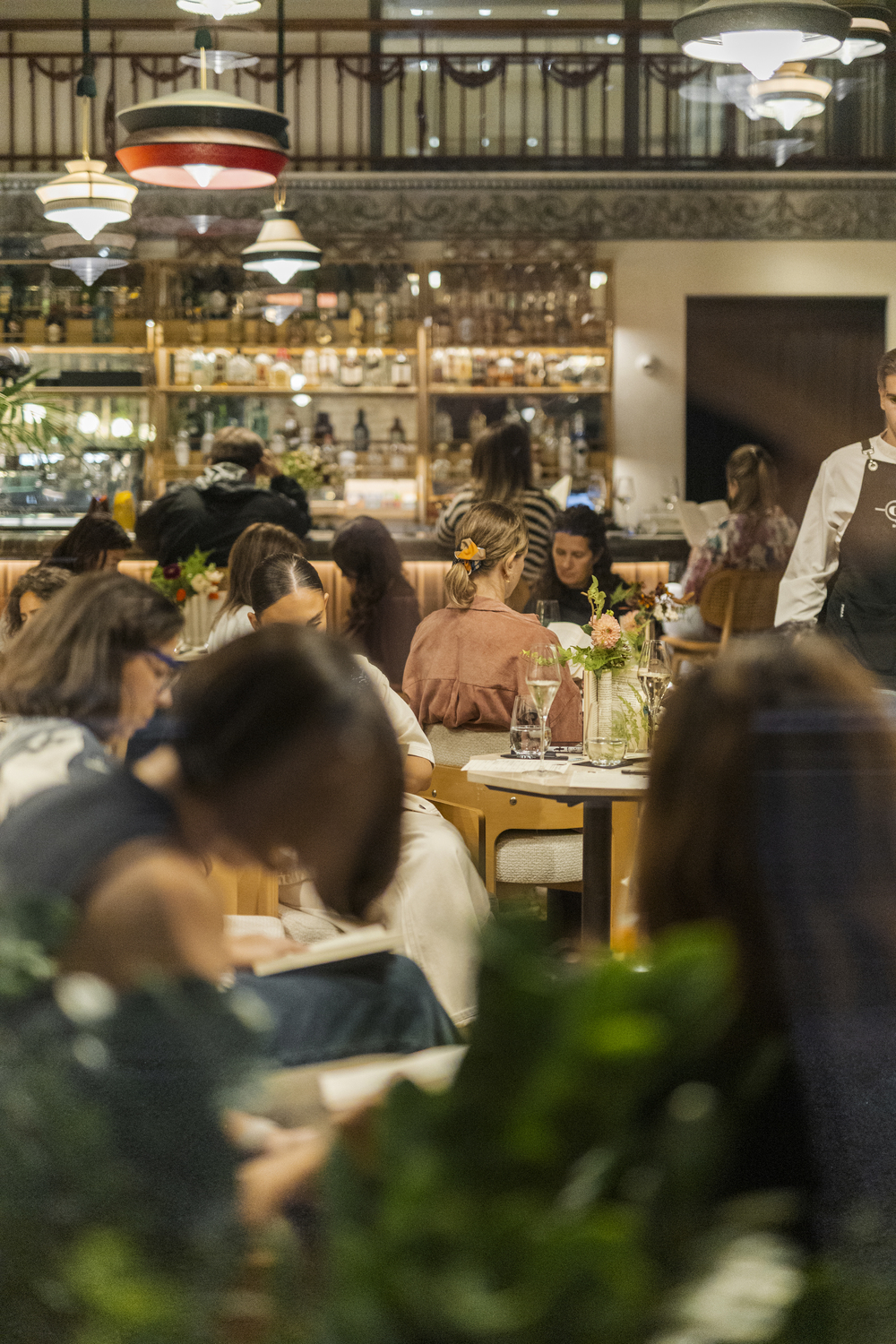
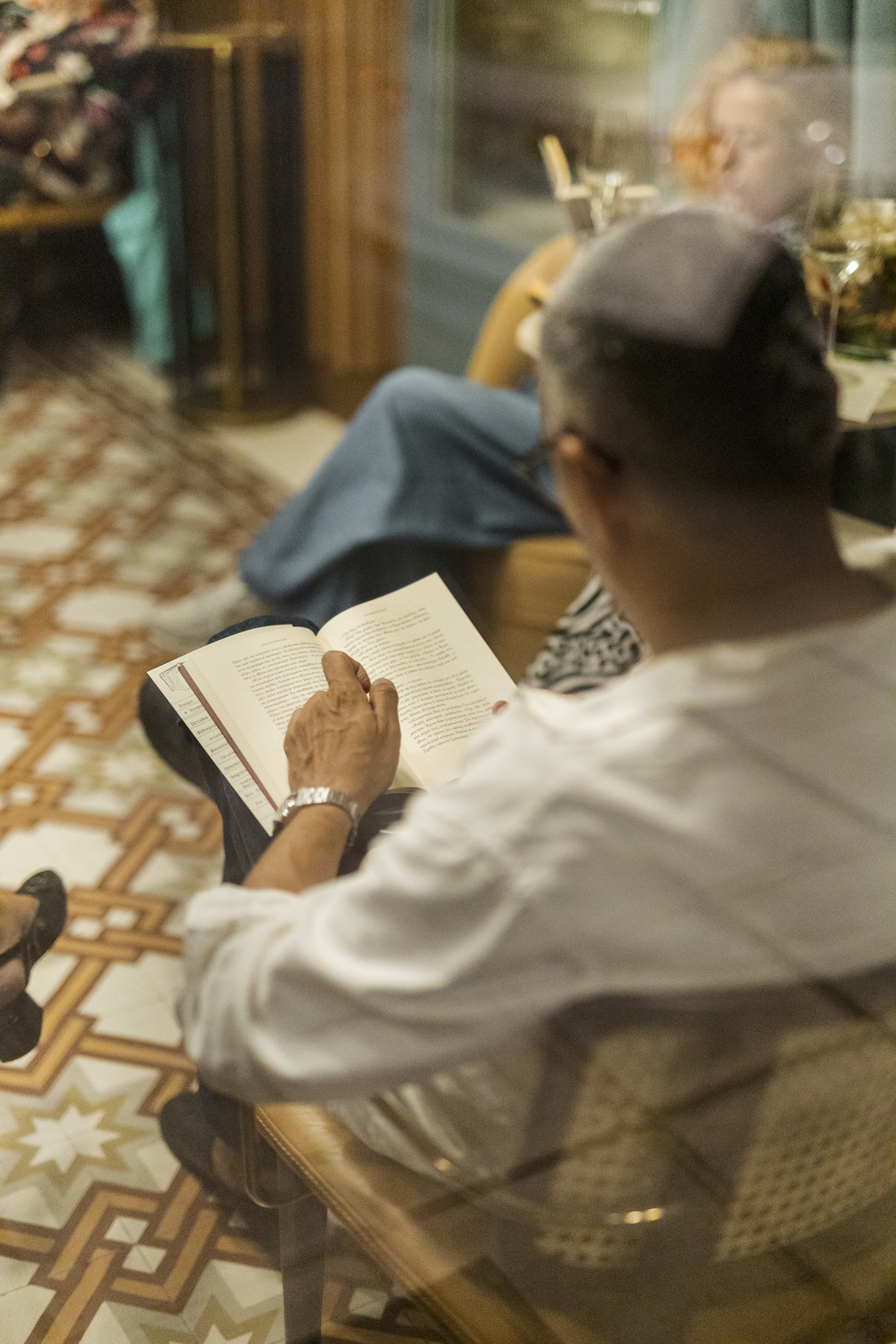
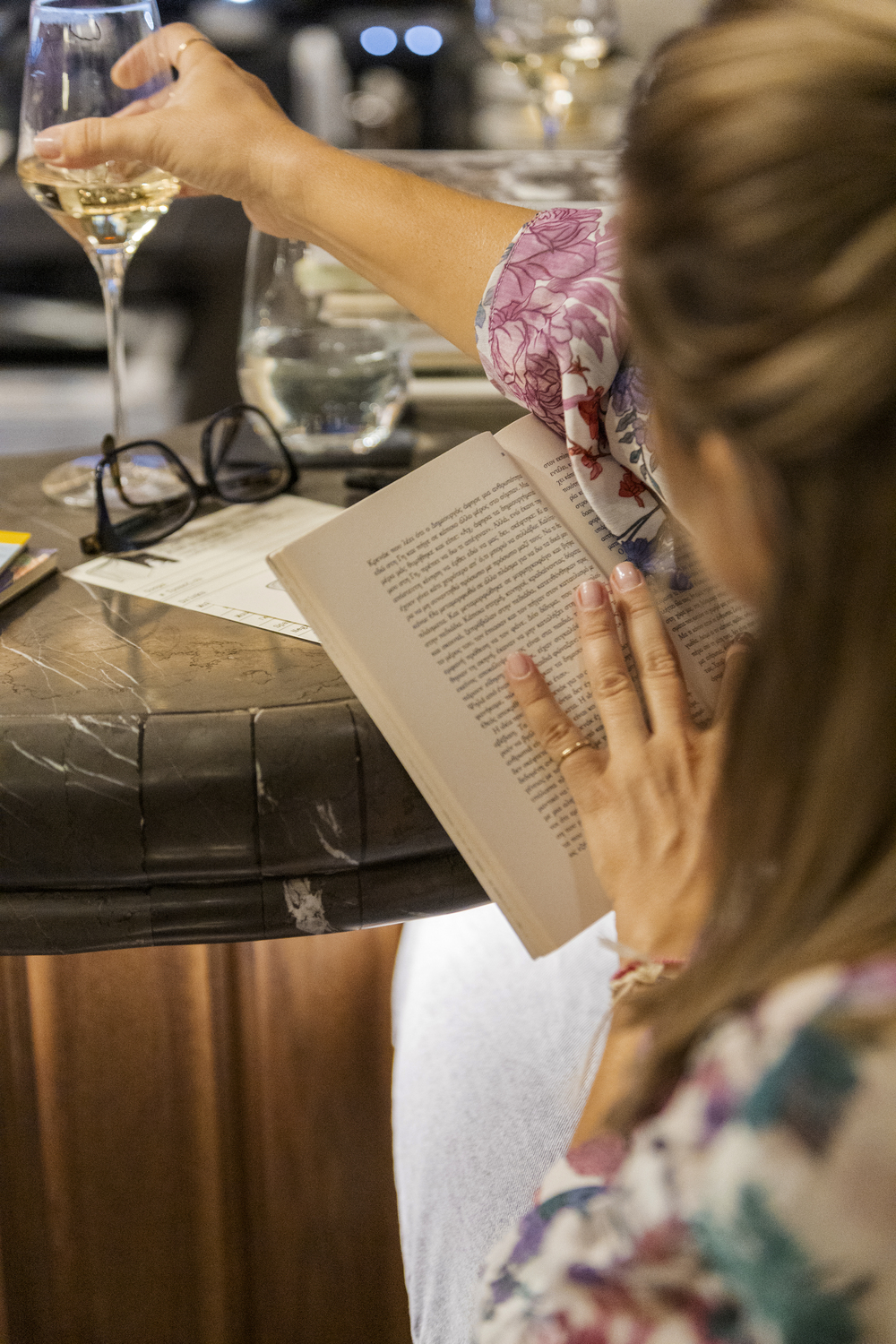
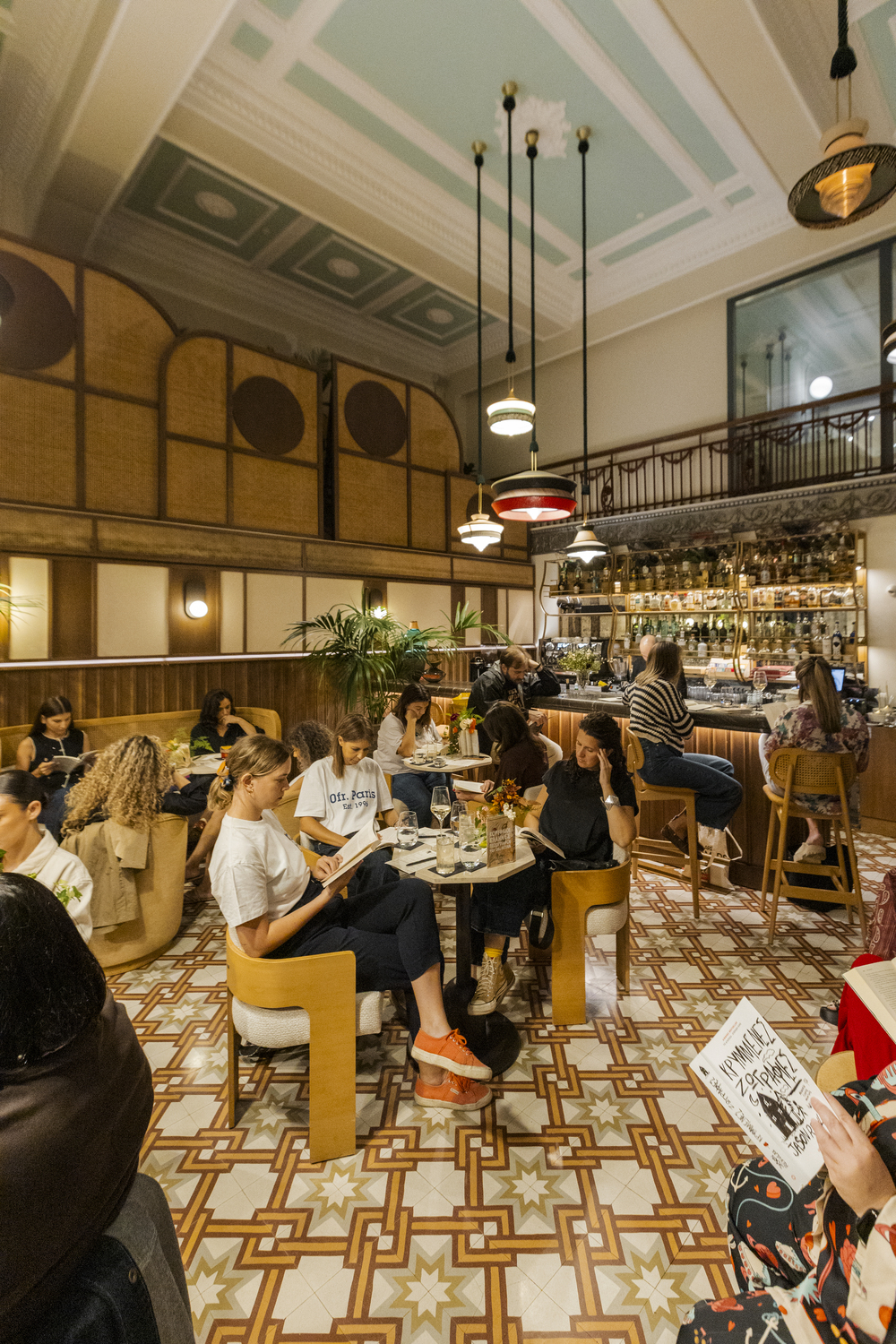
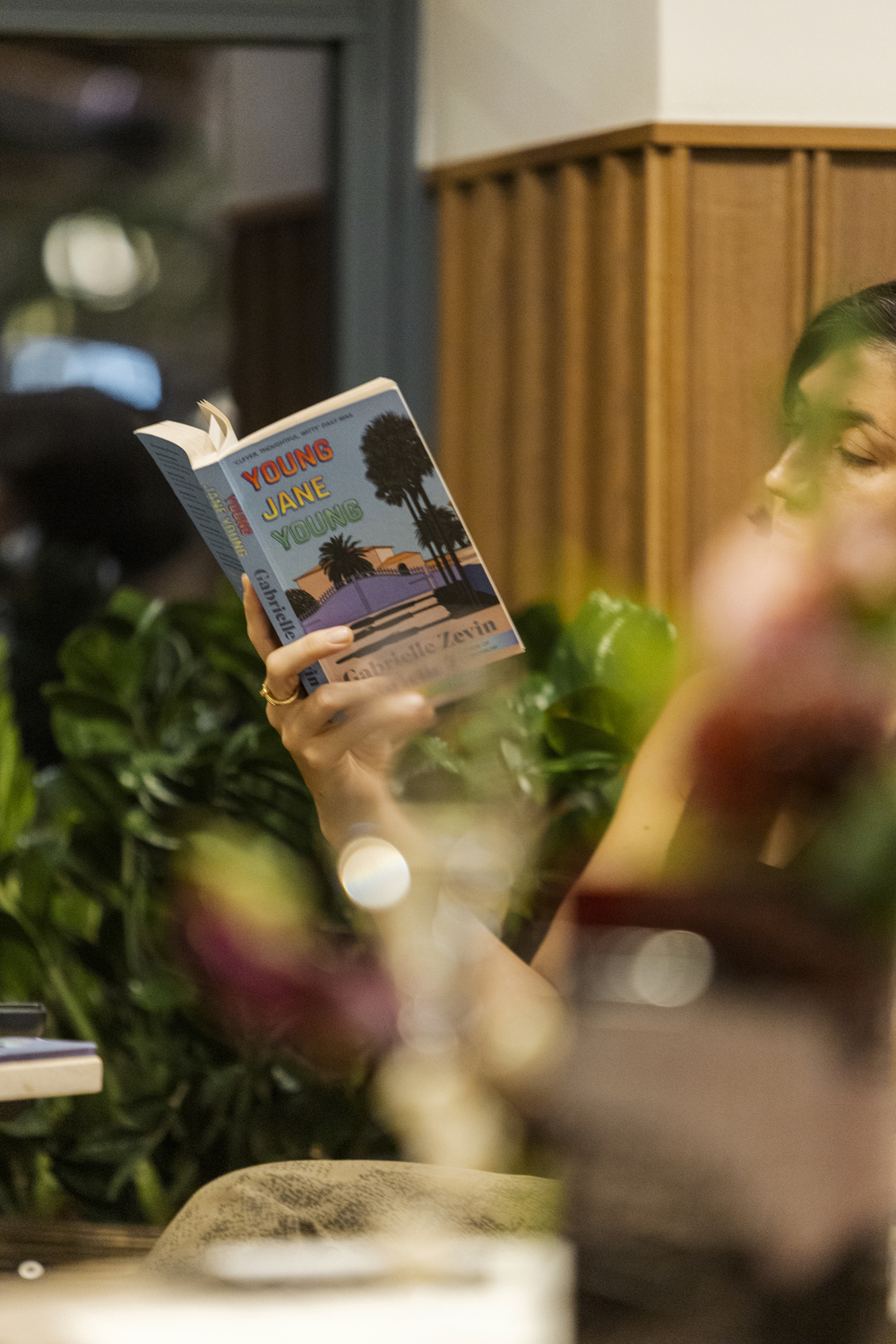
Through my Instagram account, where you can find me as @isminious, I had already started talking to quite a few of them, and I was thinking about how we could meet in person. That is how Silent Book Party came about: we come with whatever book we want, read together in silence and then, if we feel like it, talk about it afterwards.

The response was much faster than I expected. The first gatherings filled up, and ideas started coming in—including the idea for my very first Silent Book Party in Athens.

How did you experience it as the person behind Silent Book Party, and what will stay in your heart forever from that first gathering?

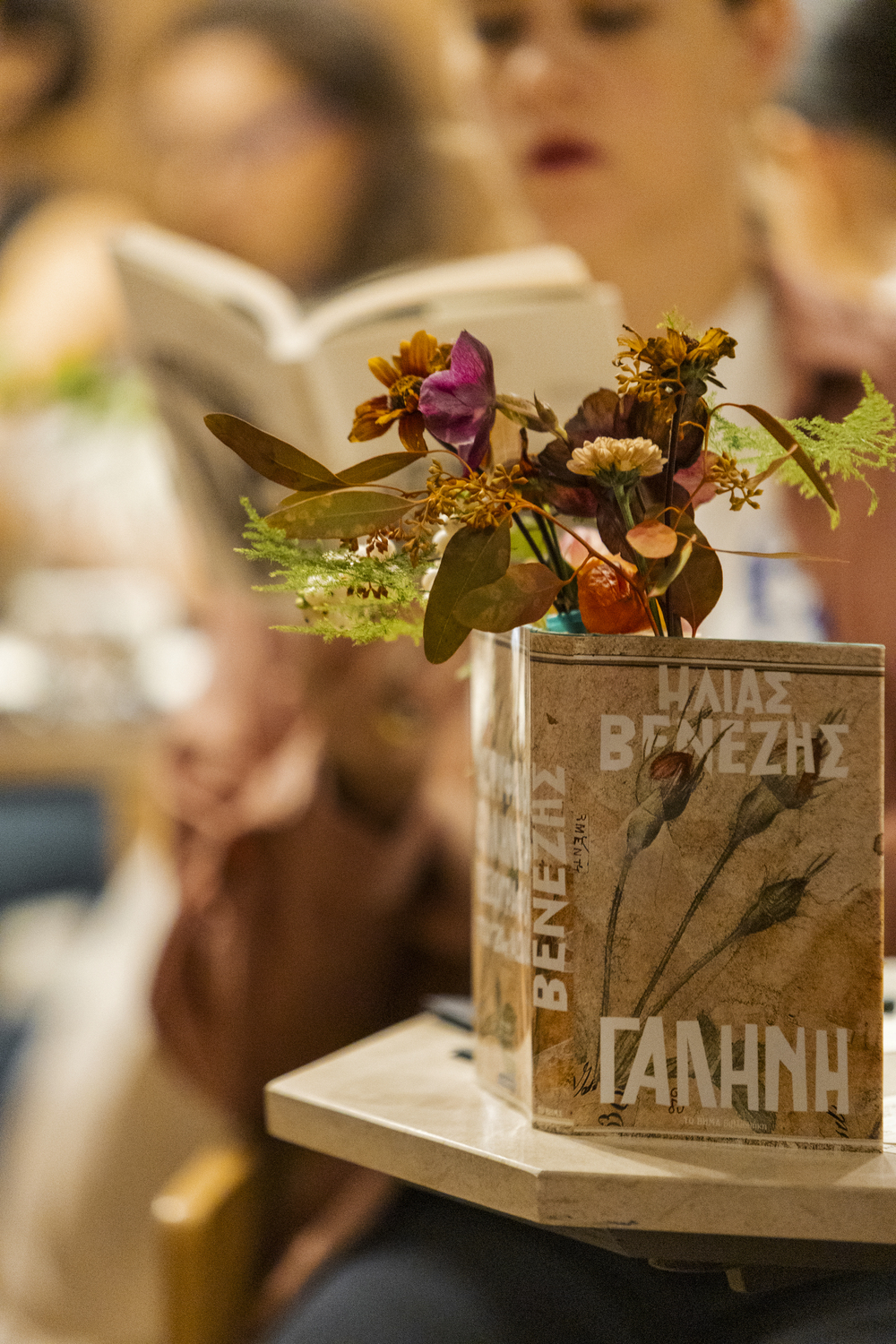
At first, I was anxious. I wondered whether people would come, whether they would feel comfortable, whether the silence would seem strange to them. And then I saw everyone there. They were incredibly lovely, and I started picking up their books and looking at them. Some were old acquaintances; others belonged to people I was meeting for the first time.

I relaxed, let go and had a wonderful time. And I met some truly fantastic people.

Is this something you would like to establish as a regular event, and what else are you thinking of bringing to life? What are your bigger plans?

Yes, I really want it to continue. I would love to see Silent Book Parties taking place in Thessaloniki and elsewhere, but above all, I want there to be a reason for us to keep meeting.

For now, I have scheduled them every Tuesday, and I hope the participation will be strong enough for me to be able to continue. I am also thinking about other book-related events that I could organise. The community that has already begun to form, little by little, is already coming up with wonderful ideas.

My bigger plan is to create a vibrant community of readers in Thessaloniki—and beyond.

What is it that literature offers you that is so special and irreplaceable, and how easy is it to encourage younger generations to read?

Literature allows me, for a little while, to live inside another person’s mind. A good novel can change the way I see something I thought I already understood, while also helping me better understand myself—what preoccupies me and the things I sometimes think I am alone in experiencing.

When it comes to younger people, I think it helps to start with the pleasure of reading. To give them the space to choose for themselves, not to be afraid of comics or audiobooks, and to accept that they don’t have to finish every book they start. If reading becomes associated only with obligation, it loses a great deal of its magic.

Can technology and reading coexist, or is the traditional way of reading an irreplaceable part of the experience? What are the advantages and disadvantages, and what do you personally prefer?

I combine the two. I love the printed book, the feel of it and the fact that I can have it beside me, go back to a page, lend it to someone. But I also listen to audiobooks, which allow me to continue a story when I can’t hold a book in my hands. And through Instagram, I have met people and discovered books that I might never have encountered otherwise.

Technology can be a wonderful tool for a reader.

Have you met people who share the same love of books as you do?

Yes, and that is perhaps the most beautiful thing that has happened to me through this whole experience. You can start a conversation with someone because they are holding a book you love, and a few minutes later you are talking as though you have known each other for years.

You don’t even have to agree about the book. Some of the best conversations begin when the same novel has left us with completely different feelings.

What are your five all-time favourite books?

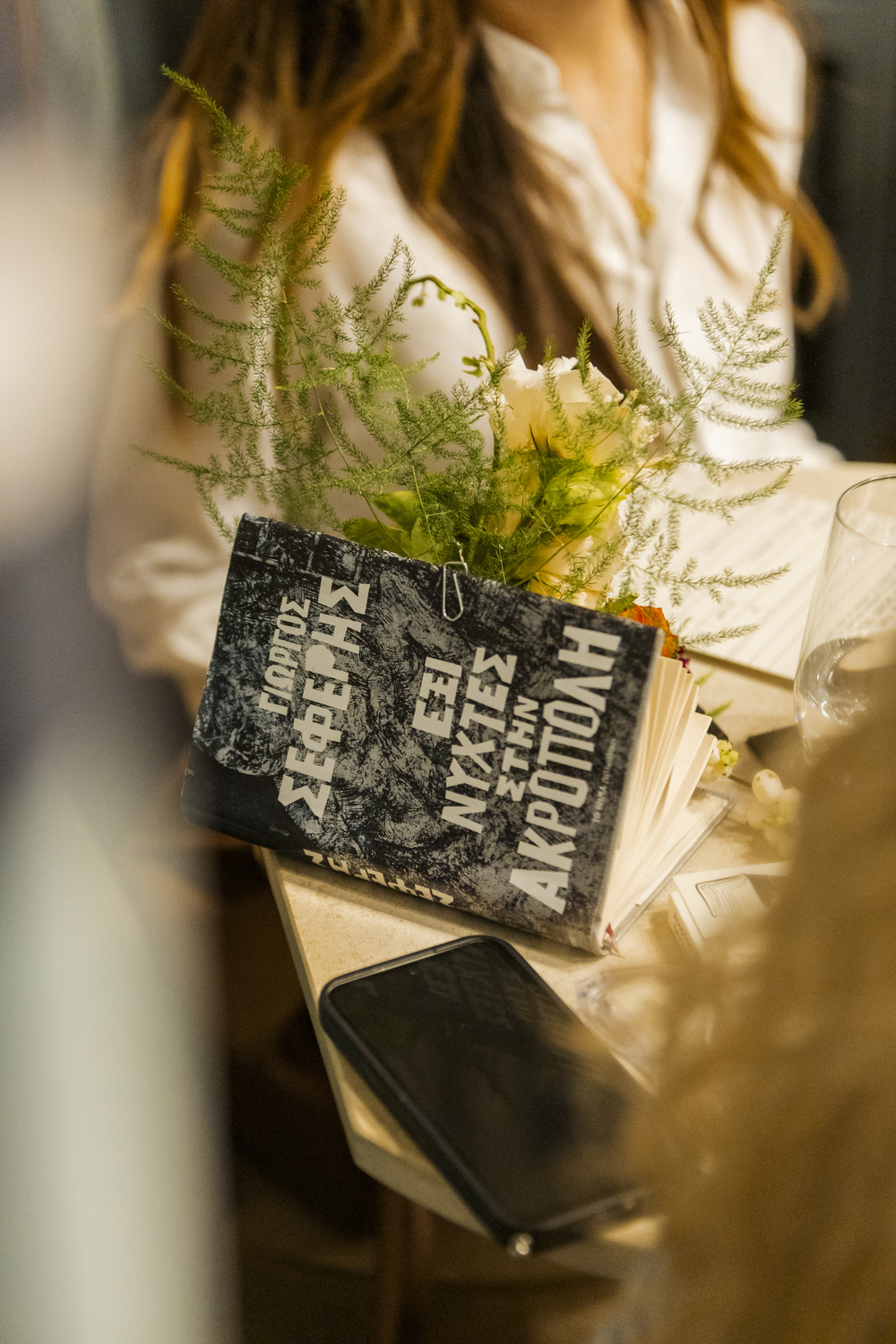
I can’t possibly limit myself to five! I would say One Hundred Years of Solitude by Gabriel García Márquez, The Magus by John Fowles, The Cunts by Amanda Michalopoulou, Saturday Night at the Edge of the City by Soti Triantafyllou, Zigzag Through the Orange Trees by Ersi Sotiropoulou, and The Blind Assassin by Margaret Atwood.

How do you choose a book? Is instinct a good guide, and what kind of books are you most drawn to?

I have a lot of trust in certain publishers, both small and large, that I know consistently make good choices. I follow the books on the Booker Prize lists, read reviews and also look at Goodreads. I take recommendations from people I love. But very often, I will simply choose something that catches my eye in a bookshop—I absolutely love bookshops! And if I fall in love with a writer, I want to read everything they have written.

I mostly read fiction, as well as quite a lot of crime fiction. But every now and then I try to step outside my usual territory: pick up a biography, a fantasy novel or a graphic novel.

Having written books yourself, what is it like to cross over from reading to writing, and what are your plans in that direction?

When you write, you realise how many decisions lie behind a page that, as a reader, you can read in two minutes. It is difficult, but I love it.

At the moment, I am working on a novel that I am completely absorbed in, set in a historic hotel. I want to give it the time and work it deserves, and I hope I will have the pleasure of sharing it with others soon.

Have you passed your love of books on to your daughters?

Above all, I try to make books a natural part of our lives. To let them see me reading, choose their own books and listen to stories together.

I don’t believe all children will love the same books or read in the same way. But I want them to know that a story can become a source of joy, comfort, adventure or the starting point for a great conversation.

What is your own definition of beauty?

For me, beauty is something that makes you stop for a moment and pay attention. It can be a space created with care, a perfect sentence fluttering somewhere inside a book, or my children completely absorbed in something of their own.

Beauty is also what you want to hold on to, photograph, write down, so that in some way you can keep it from ever disappearing.

What do you consider authentic today?

To me, authenticity is when someone can speak in their own voice, expressing as clearly as they can how they see life from their own perspective. To meet others with an open heart, curiosity and a willingness to listen. And to share something with them that might make them feel a little less alone.

That is what I try to do in my work, in my family, in my book and within this community of readers.

Photography: Aris Rammos

Ismini Tornivouka

Author