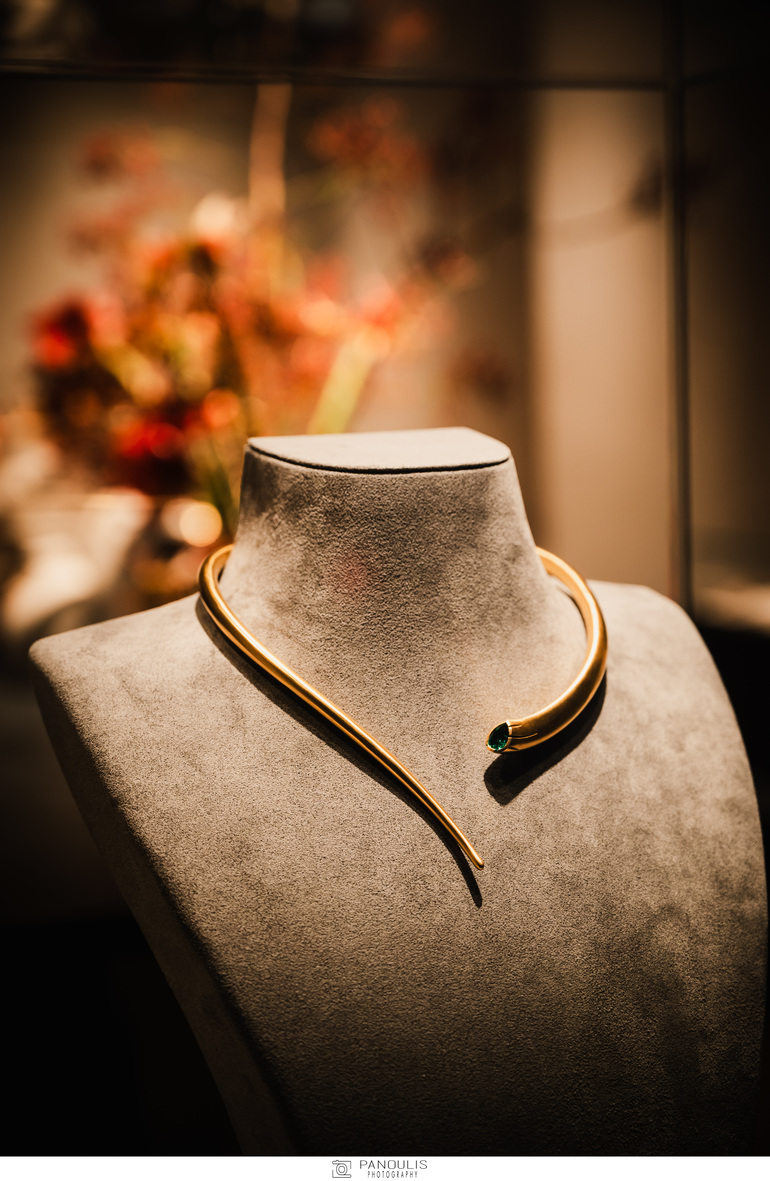
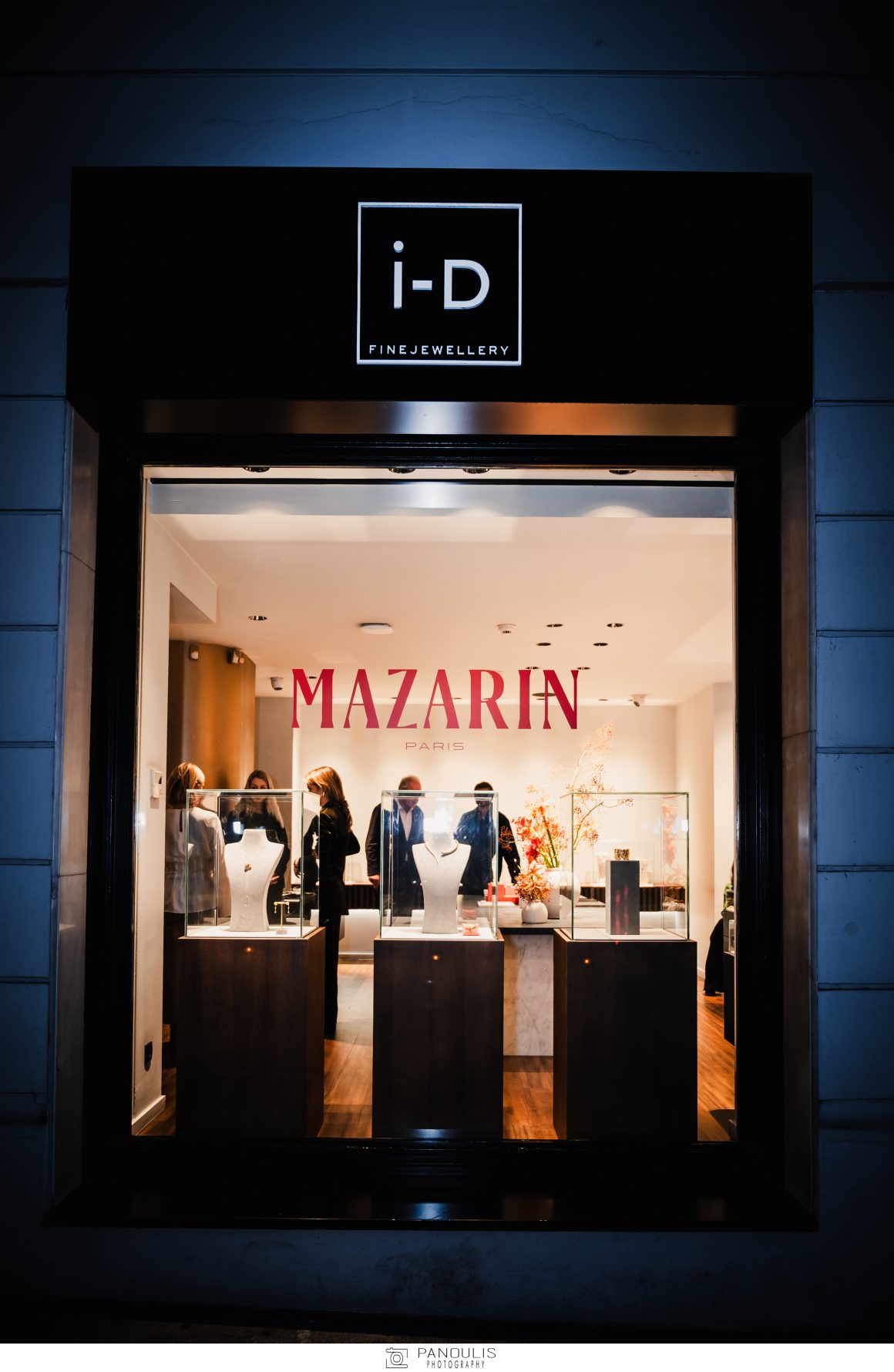
The story of MAZARIN Paris begins with the friendship between its two founders, Louise de Rothschild, a member of the historic Rothschild family, and Keagan Ramsamy, who first met at the auction house established by the renowned collector Pierre Bergé, sharing a common passion for art, history and precious gemstones. The house takes its name from Cardinal Mazarin, one of the most important collectors of exceptional diamonds in the 17th century.

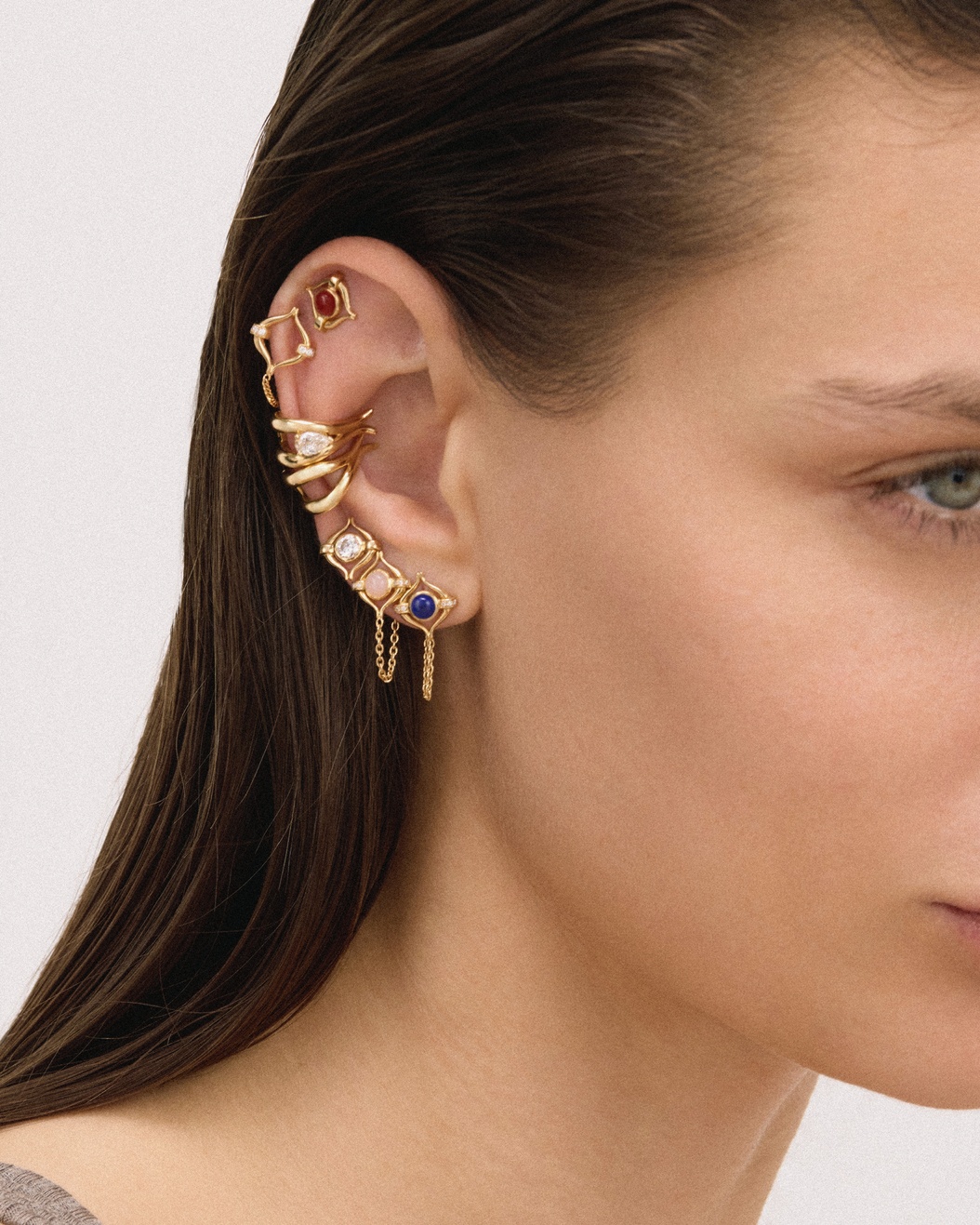
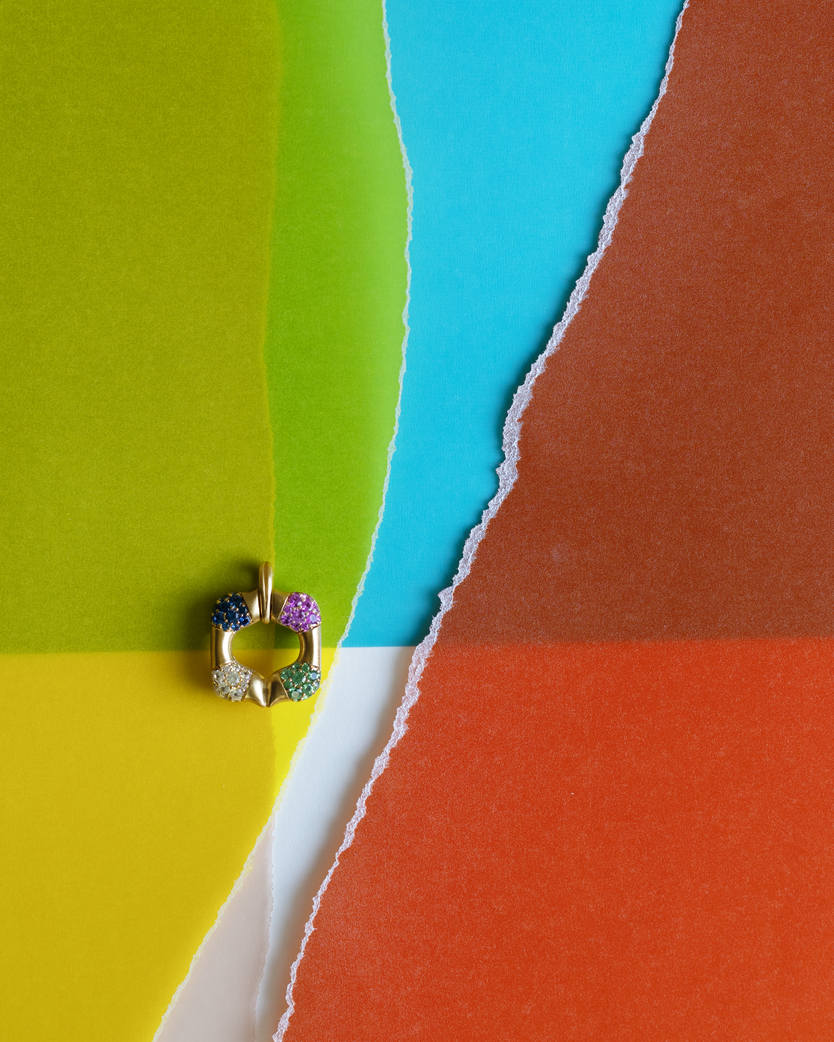
Deeply rooted in the French tradition of high jewellery and the legacy of Place Vendôme, MAZARIN Paris brings together historical heritage and a contemporary design approach. Inspired by the effortless beauty of nature, its creations begin with Keagan Ramsamy’s designs and are brought to perfection through Louise de Rothschild’s creative vision and the exceptional craftsmanship of the house’s artisans. Gold and precious stones are thus transformed into jewellery defined by sculptural forms and a distinctive identity.

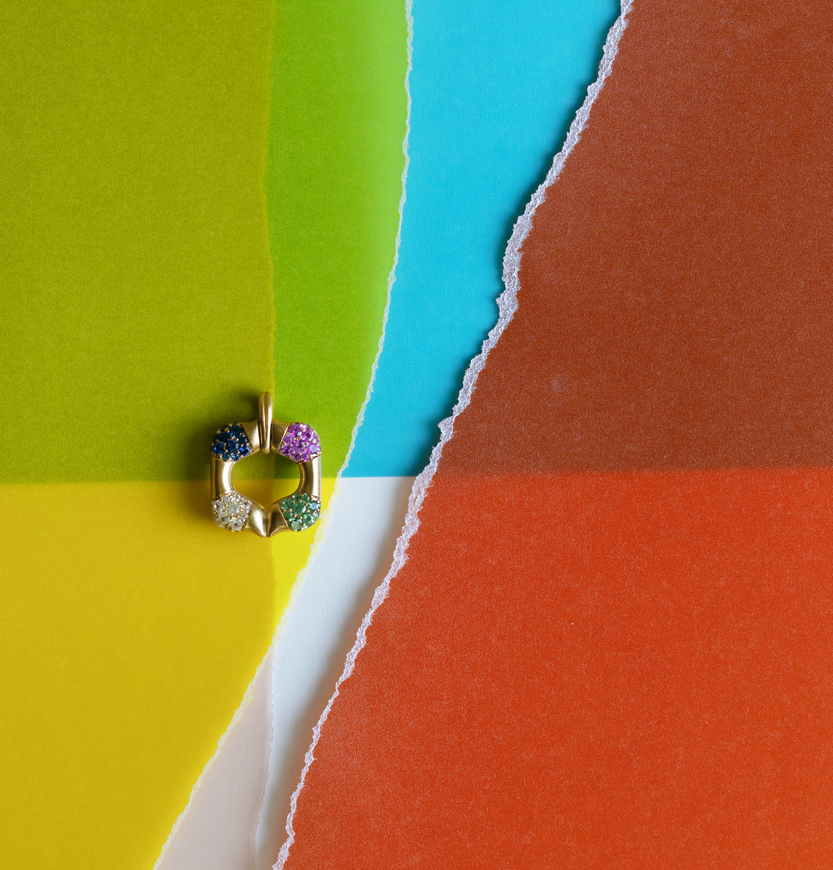
Marking an exciting chapter in their collaboration with i-DFINEJEWELLERY, the exquisite creations of the high jewellery house have just arrived in Athens to showcase their new collection, Voltige, and the Maison’s iconic pieces. The house’s founders share the story of their creative journey and offer an insight into the philosophy behind the Parisian Maison.

You come from different backgrounds and bring distinct sensibilities to MAZARIN. Could you tell us about your individual journeys, how you first met and what inspired you to embark on this shared venture?

Louise: My journey began with a fascination for precious stones and the stories they carry. I spent five years at Christie’s in London before moving into the Parisian auction world, where Keagan and I met. We became friends long before we became business partners. We shared the same curiosity, the same standards and, perhaps most importantly, a desire to build something of our own.

Keagan: I grew up in Mauritius, surrounded by nature and colour, and have been drawing since childhood. My background in art history and gemmology in Paris eventually led me to jewellery auctions, where I spent nearly a decade studying exceptional creations. But I had always felt the need to create, rather than simply admire the work of others.

Louise: What made the idea of MAZARIN so exciting was precisely that we didn’t approach jewellery in the same way. We realised that our differences could become our greatest strength.

You first crossed paths while working in the world of jewellery auctions. How did this experience shape your understanding of jewellery, and what did you recognise in one another that made you feel you could create something together?

Keagan: Auctions are an extraordinary education in beauty. You encounter pieces from different centuries and begin to understand why certain creations remain relevant long after the era in which they were conceived. It’s rarely just about the preciousness of the materials. The pieces that stay with you have a distinctive personality.

Louise: Working in auctions also teaches you to look beyond the object itself. Every jewel has a history, sometimes spanning several generations. You learn what collectors value, what makes a piece exceptional and how emotional significance can transcend material value.

Keagan has a very instinctive, artistic way of looking at things, whereas I tend to see both the creative potential and the path to making it a reality. We recognised in each other the same passion and ambition, but with complementary strengths. It was a natural foundation for a partnership.

How do your different perspectives inform the creative dialogue and the way MAZARIN takes shape? What prompted you to take that step, and what did you feel was missing from the contemporary jewellery landscape?

Louise: We wanted to create jewellery that felt relevant to the way people live today. There is extraordinary beauty in traditional jewellery, but we felt there was room for a more instinctive, contemporary approach. Pieces that could be precious without feeling formal, and distinctive without being ostentatious. Our experience in auctions gave us a strong understanding of heritage, but we didn’t want to be constrained by it. We wanted to create something with its own identity.

Keagan: We also share a conviction that jewellery should be experienced, not simply admired. I approach design through shape, movement and the relationship with the body. Louise brings a different sensitivity, often questioning how a piece will be perceived, desired and worn. We challenge each other’s ideas constantly. That dialogue is essential because it prevents us from becoming too comfortable with our own perspectives.

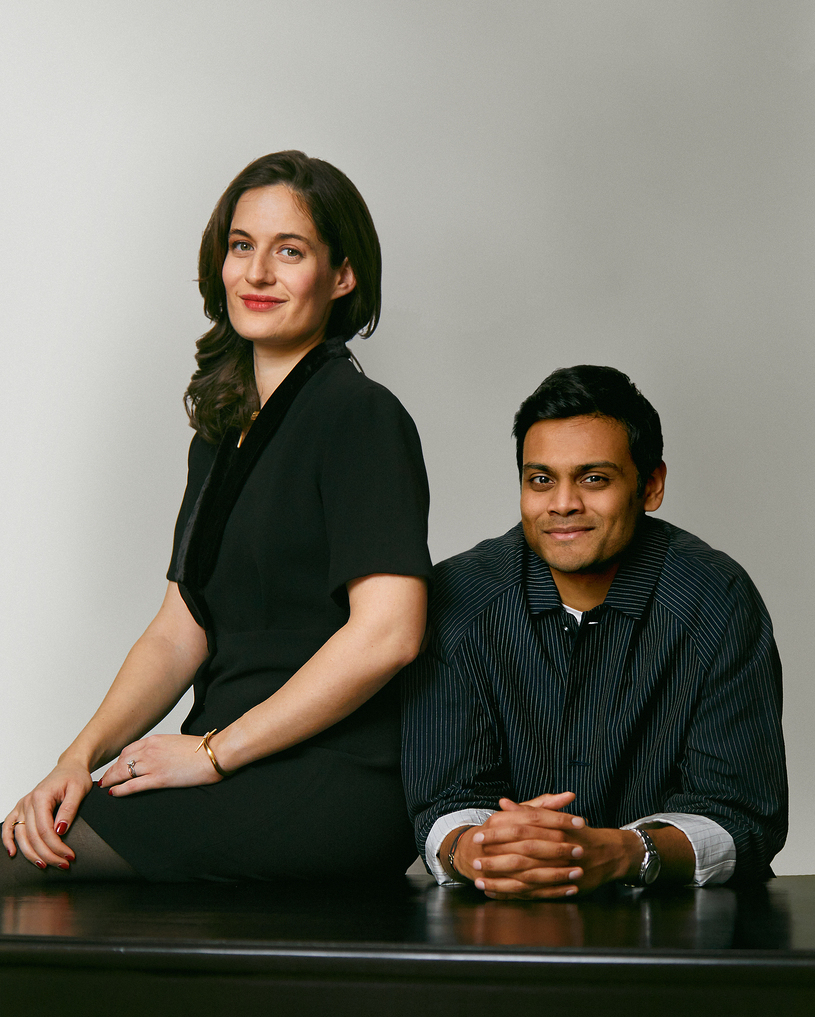
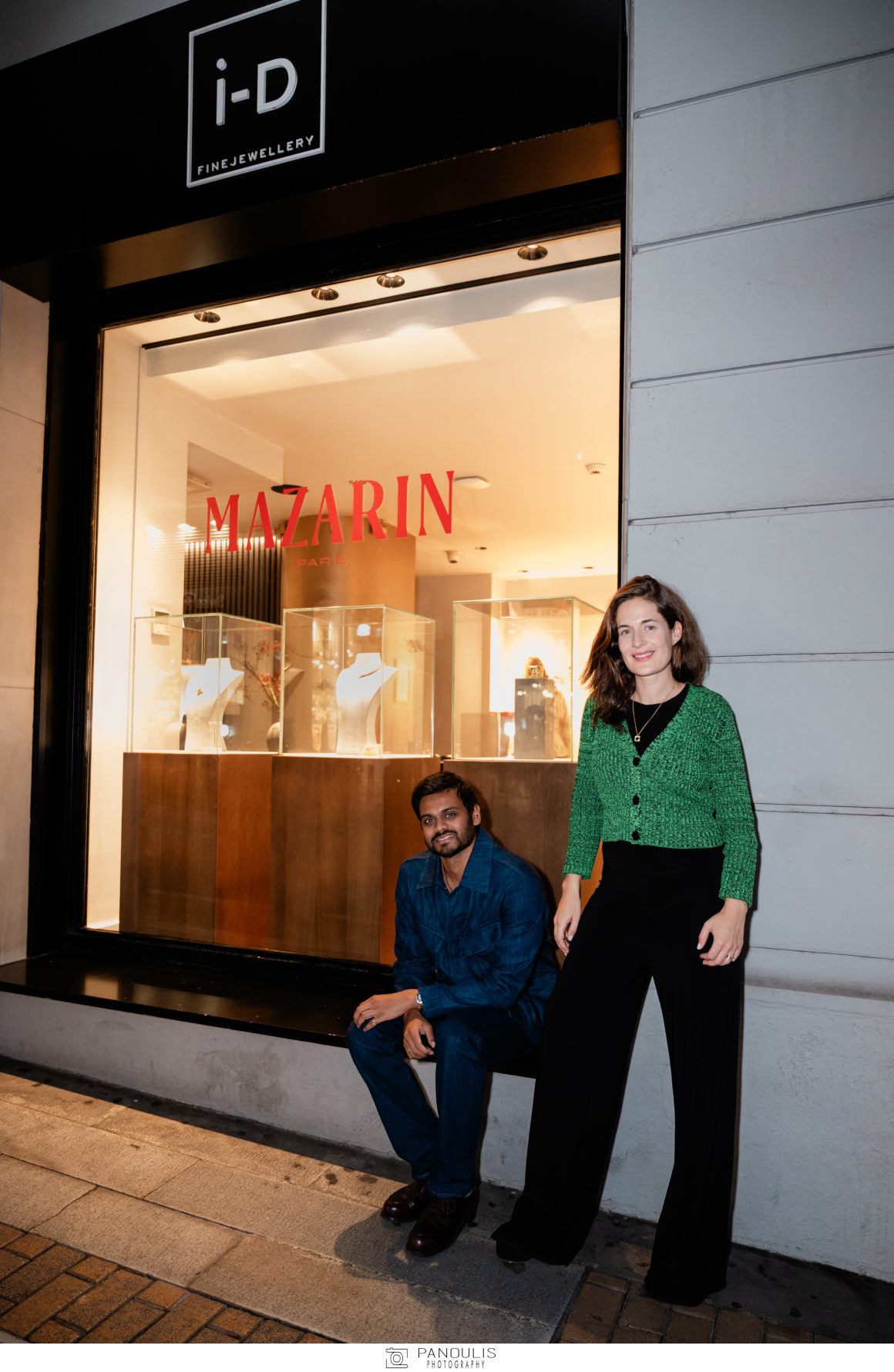
Louise de Rothschil & Keagan Ramsamy, founders of MAZARIN Paris

What is the story behind the name MAZARIN, and what lies at the heart of your vision for contemporary fine jewellery?

Louise: The name is inspired by Cardinal Mazarin, one of the great collectors of the seventeenth century. His legendary collection included eighteen diamonds from Golconda, which became part of the Crown jewels. As gemmologists and former auction specialists, we were fascinated by this connection to the history of precious stones and collecting. But what particularly appealed to us was the idea of a visionary collector, someone whose appreciation of beauty could transcend his own time.

Keagan: We liked the idea of taking that heritage and looking forward rather than backward. We aren’t interested in recreating historical jewellery. We want to imagine what the heirlooms of tomorrow might look like.

Louise: Ultimately, our ambition is to create pieces that belong to their time, but are never defined by it. Jewellery that remains meaningful and desirable across generations.

As nature appears as a recurring source of inspiration, what is it about the natural world that speaks to you, and how do you translate this fascination into jewellery?

Keagan: Nature has always shaped the way I see beauty. Growing up in Mauritius, I was surrounded by extraordinary colours, textures and organic forms. What fascinates me is the intelligence behind those forms: the curve of a tusk, the unfolding of a flower, the balance of seemingly irregular shapes. I don’t necessarily want to reproduce nature literally. I’m more interested in capturing its rhythm, sensuality and apparent effortlessness.

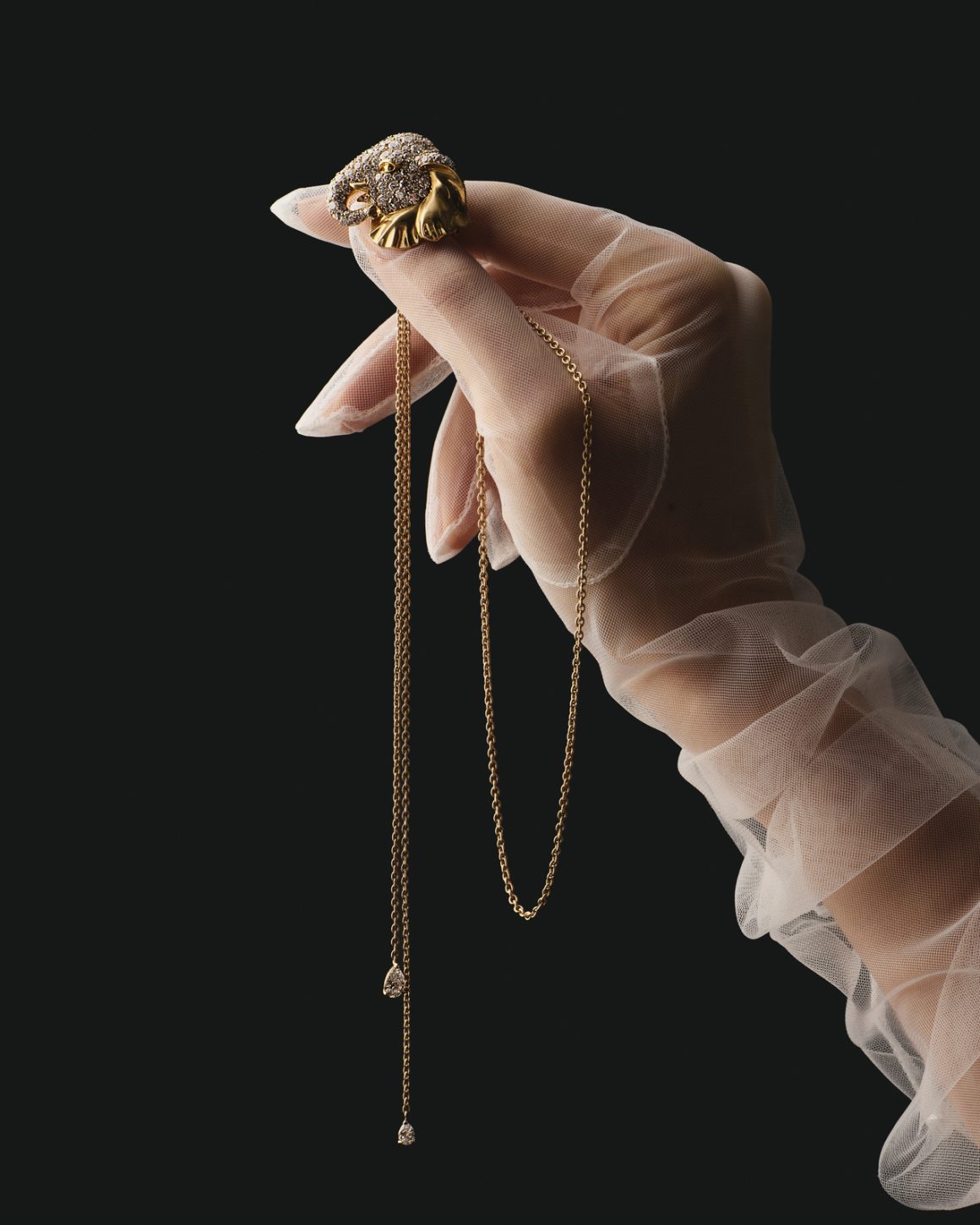
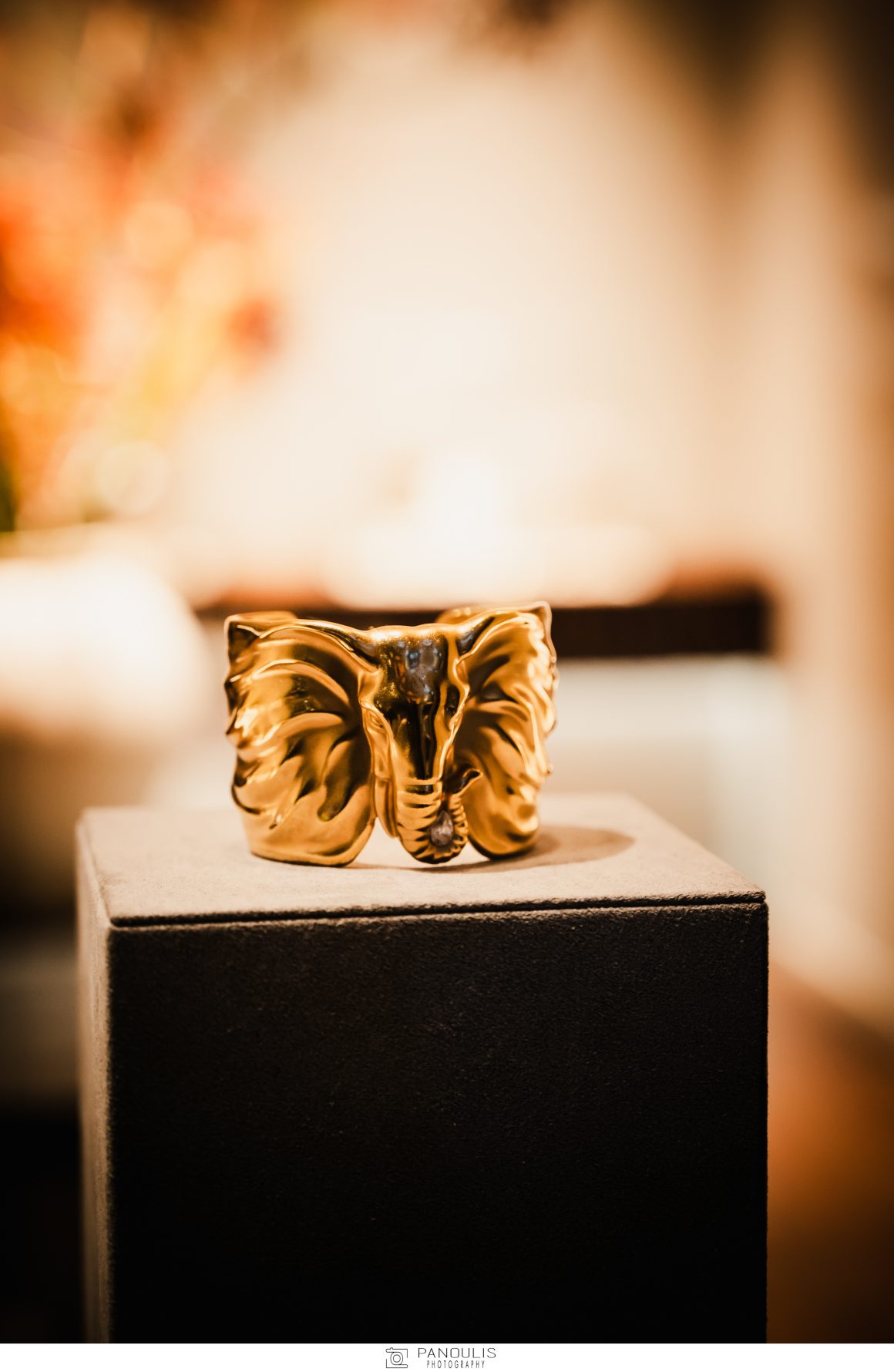
Louise: Nature also carries a rich symbolic language, which is very important to us. The elephant, for example, became our emblem not only for its remarkable beauty, but for what it represents across cultures: strength, wisdom, resilience and memory. There is something universal about these symbols. They allow jewellery to communicate beyond its aesthetic qualities and establish a more personal connection with the wearer.

Your approach brings together sculptural expression, precious materials and Parisian craftsmanship. How do you balance artistic freedom with the technical precision required to create exceptional jewellery?

Keagan: I generally begin with a drawing, allowing myself complete freedom before considering technical constraints. But jewellery is a very particular form of sculpture because it has to interact with the human body. Comfort, movement and balance are as important as the visual result.

Louise: This is where the dialogue with our artisans becomes essential. We work with highly skilled craftspeople who understand both the traditions of French jewellery-making and our desire to explore new forms. There is often a great deal of experimentation behind something that appears very simple. Finding the right curve, the perfect proportion or the ideal finish can require numerous adjustments.

Keagan: The ultimate luxury is when all that complexity disappears and a piece feels completely effortless to wear.


In an era when luxury is increasingly being redefined, which values remain non-negotiable for you, and how do they resonate with women of today?

Louise: For us, luxury begins with sincerity. It’s about the quality of the materials, the excellence of craftsmanship and the integrity of the choices behind each creation. We work with recycled gold and carefully selected natural stones, and we place great importance on our relationships with trusted suppliers and artisans. But luxury is also about individuality. We believe today’s women are increasingly interested in pieces that reflect their personalities rather than simply communicate status.

Keagan: We don’t believe jewellery should impose an identity on the person wearing it. Quite the opposite. A beautiful piece should feel like an extension of who you already are.

Louise: Ultimately, I think the most meaningful luxury is the freedom to choose something for yourself, because it speaks to you, regardless of trends or conventions.

What is your relationship with Greece and Athens? How do you feel about your collaboration with i-DFINEJEWELLERY and the team led by Irene Deros?

Keagan: Greece has such an extraordinary artistic heritage. I’m particularly fascinated by the relationship between sculpture, proportion and the human body in classical Greek art. There is an understanding of harmony and movement that resonates deeply with my approach to jewellery.

Louise: We are delighted to introduce MAZARIN to Athens through i-DFINEJEWELLERY. For an independent Maison, finding the right partners is incredibly important. We want our jewellery to be presented by people who understand not only its aesthetic qualities, but also the creative intentions and craftsmanship behind it.

We are very happy to be working with Irene Deros and her team, and we look forward to developing this relationship and introducing our universe to Greek clients.

What makes the world of MAZARIN so distinctive, and what can today’s modern woman discover through its presence at i-DFINEJEWELLERY?

Louise: MAZARIN is about creating a very personal relationship with jewellery. Our collections are conceived to become part of someone’s life, rather than pieces that remain in a jewellery box waiting for a special occasion. We want women to discover creations that feel precious but natural, with a strong identity that doesn’t overwhelm their own.

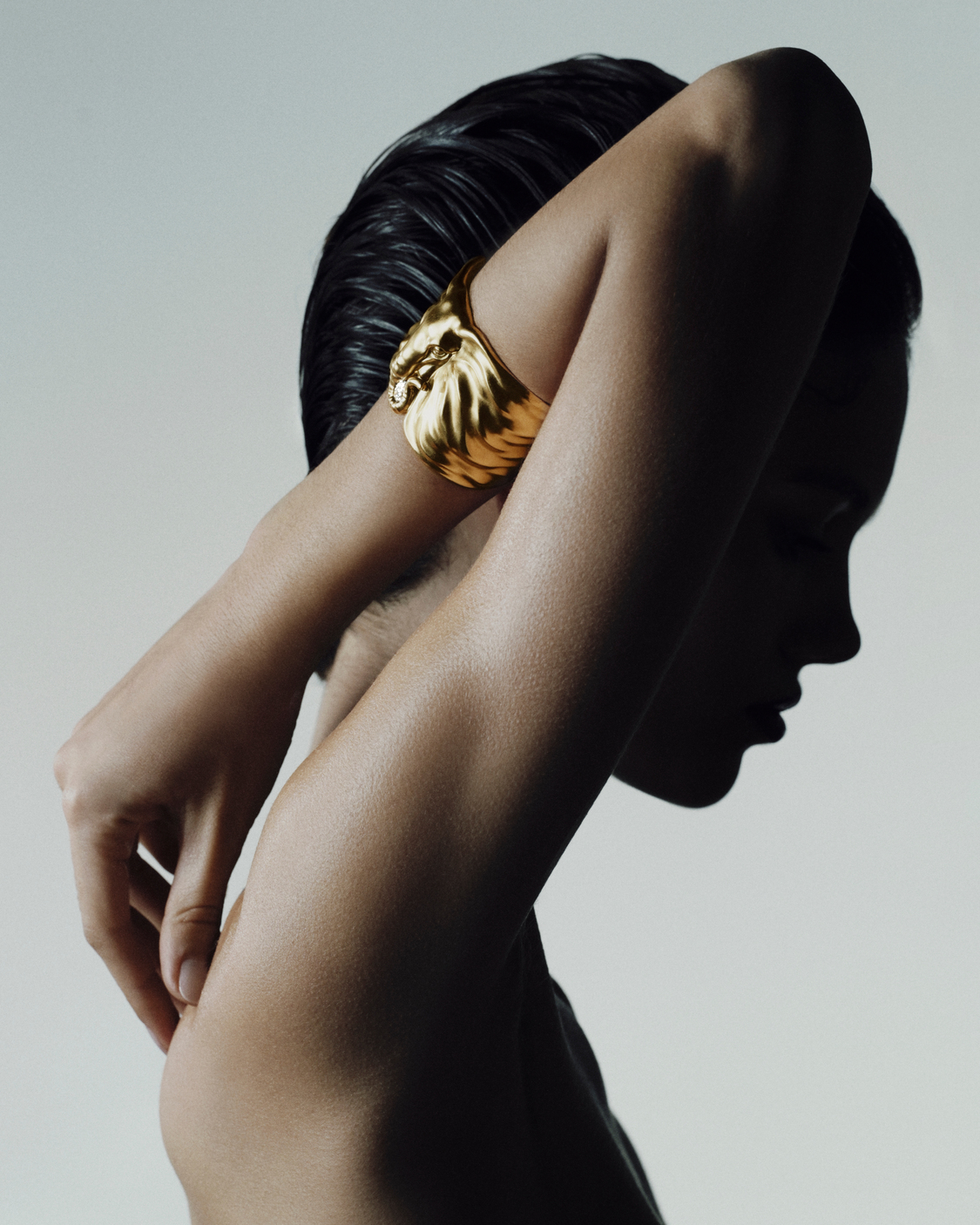
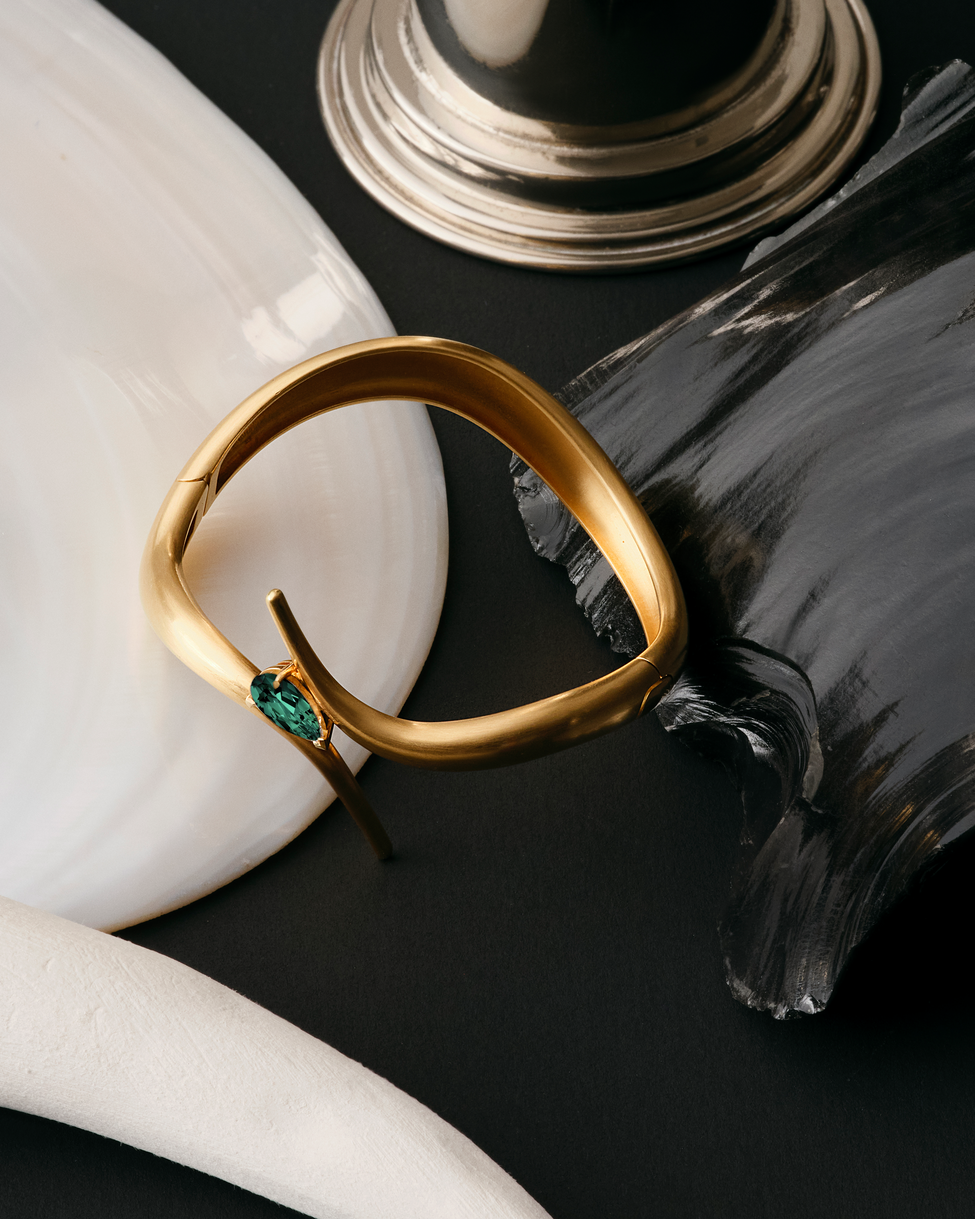
Keagan: Aesthetically, our language is built around sculptural forms, organic curves and a certain tension between strength and sensuality. There is often a play of symmetry, movement and contrasting finishes.

Louise: What I find particularly beautiful is that the same piece can express something entirely different depending on the woman wearing it. That’s when jewellery truly comes alive.

What have been the greatest challenges you faced throughout your creative journey?

Louise: Creating an independent Maison in an industry with such established names is both exciting and demanding. One of our greatest challenges has been building recognition while remaining faithful to our vision. You have to be patient, adaptable and incredibly determined. Every decision matters, from the development of a collection to the relationships you establish with clients and partners.

Keagan: On the creative side, the challenge is to continue evolving without losing the essence of what makes MAZARIN recognisable. There is a fine line between exploring new ideas and diluting your identity.

Louise: And I think we’ve learned that building something meaningful takes time. We are not interested in growing at any cost. We want to build a Maison with substance, one that can endure.

Keagan Ramsamy & Louise de Rothschil
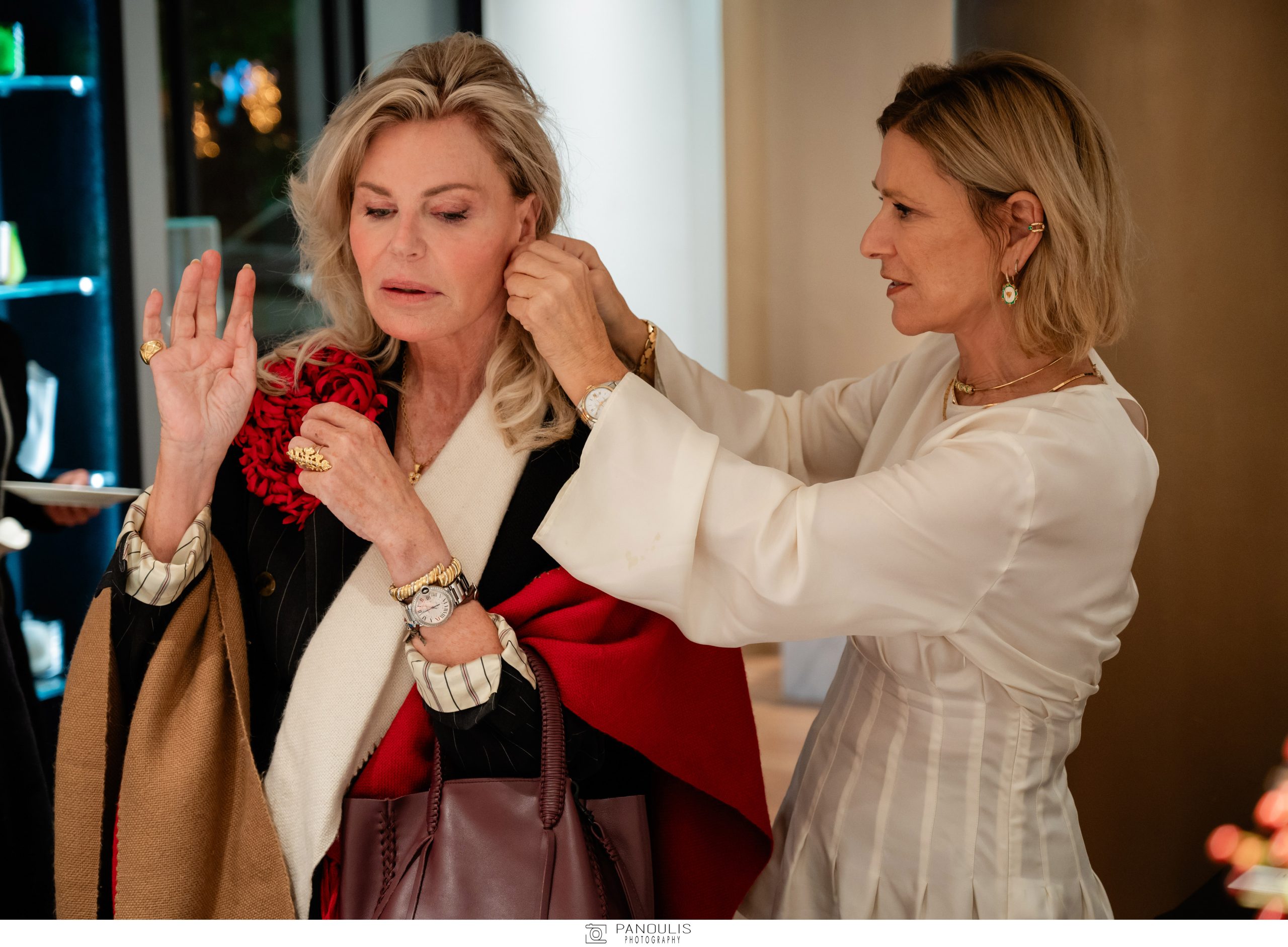
Caroline Bordeaux Groult & Irene Deros
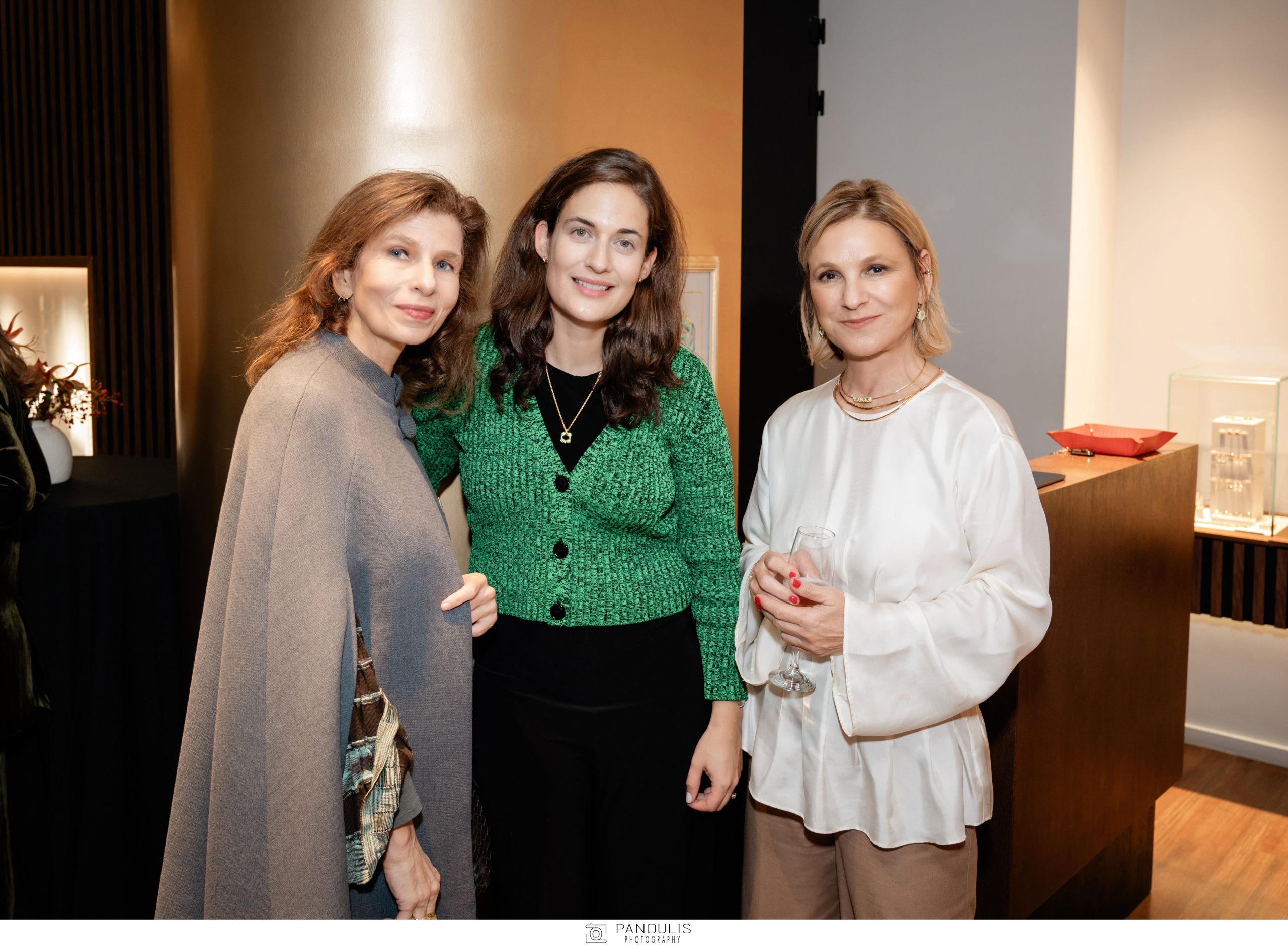
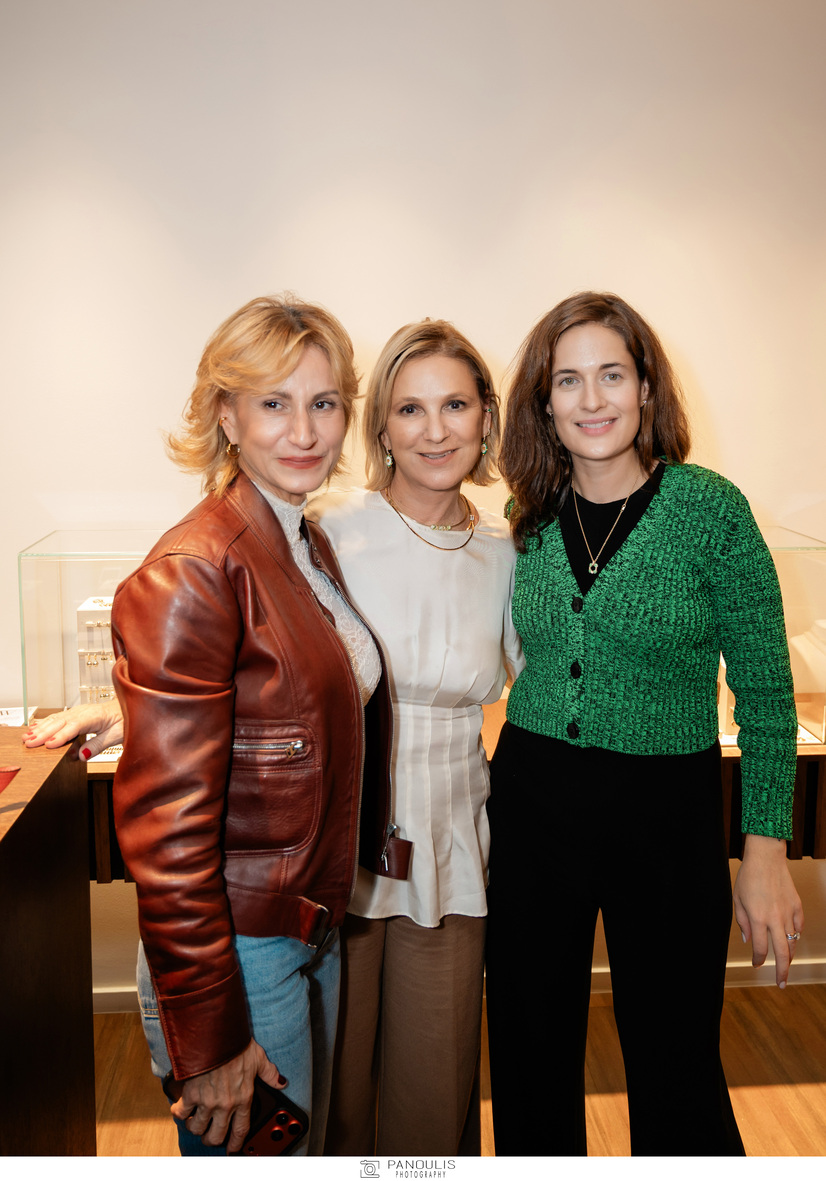
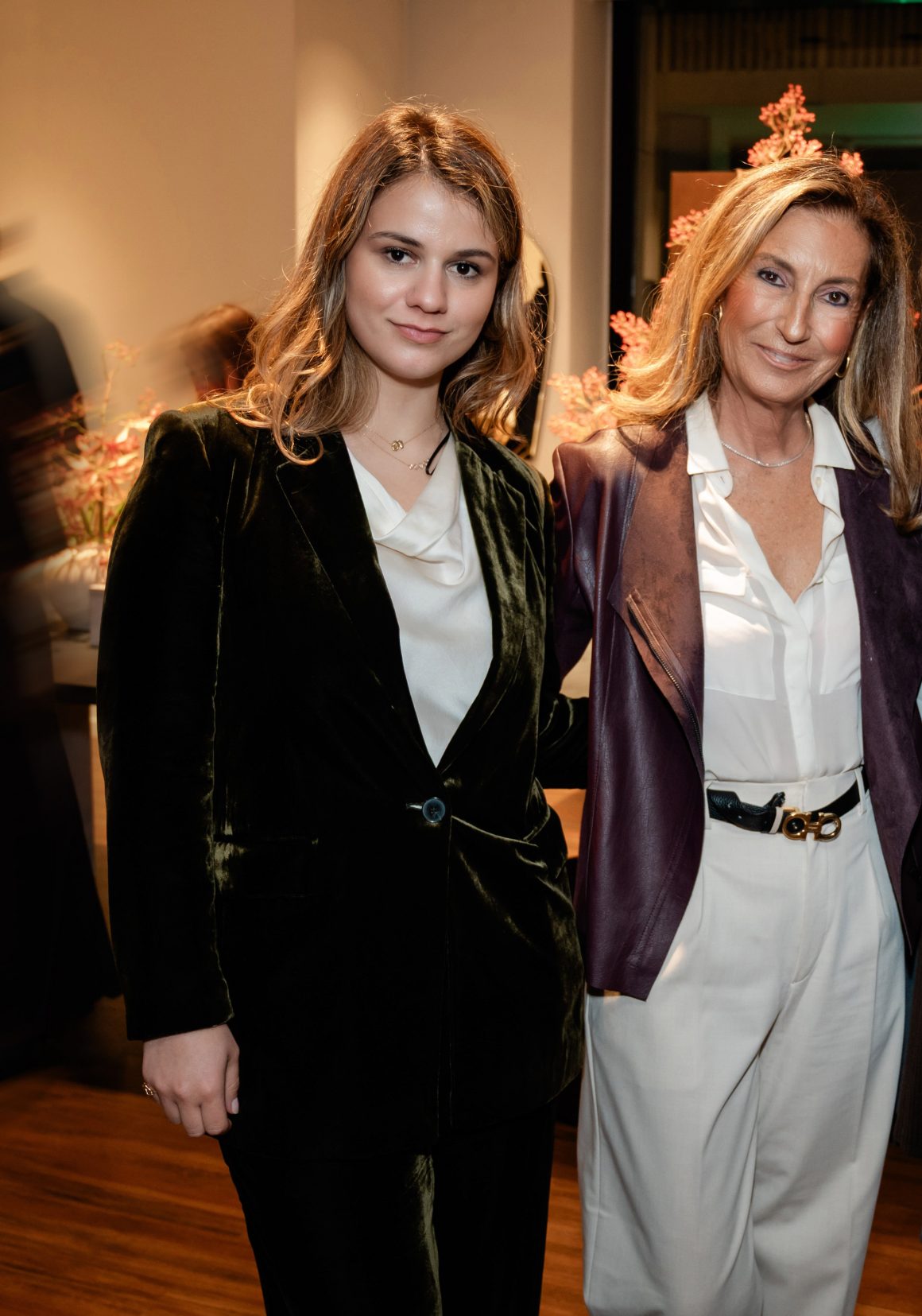
Artemis Zenetou, Louise de Rothschil & Irene Deros
Tatiana Karapanagioti, Irene Deros & Louise de Rothschil
Danae Deros, Christiana Nezer

 What do you hope your jewellery communicates beyond its aesthetic value? Is there an emotion, a memory or a particular relationship with the wearer that you wish to evoke?

Louise: Jewellery has an extraordinary ability to hold memories. A piece might be chosen to celebrate an important moment, given by someone you love or simply purchased for yourself at a particular stage in life. Over time, it becomes inseparable from those experiences. Coming from the auction world, we’ve seen how a jewel can carry the stories of several generations. That emotional continuity is something we find deeply moving.

Keagan: This is also why the elephant, with its association with memory, is so meaningful to us. Beyond the aesthetic object, I like the idea that a jewel can become a silent witness to someone’s life.

Louise: Ultimately, we hope MAZARIN pieces become so personal that their emotional value eventually surpasses their material value. That’s when an object truly becomes an heirloom.

As co-founders, how do you see the Maison evolving in the years ahead? What would you like MAZARIN to be remembered for, and what kind of legacy do you hope to create together?

Keagan: My greatest ambition is to develop a design language so distinctive that someone could recognise a MAZARIN creation without seeing its signature. I would love our pieces to be appreciated not only as jewellery, but as expressions of a particular artistic vision.

Louise: We want to establish MAZARIN as a lasting voice in contemporary French fine jewellery, while preserving the intimacy and creative independence that define us. Our ambition is international, but we want to grow thoughtfully, developing meaningful relationships with collectors and clients who share our appreciation for beauty and craftsmanship. And perhaps one day, some of our creations will find their way into the auction rooms where we first met. There would be something rather wonderful about completing that circle.

What is your personal definition of beauty?

Keagan: Beauty is harmony without predictability. It’s the subtle balance between things that might initially seem contradictory: strength and delicacy, simplicity and complexity, imperfection and precision. I think the most compelling beauty always contains an element of surprise.

Louise: For me, beauty is something you feel before you can explain it. It doesn’t necessarily have to be perfect or conventional. True beauty has a presence, something that makes you stop, look again and remember.

What does authentic mean to you today?

Louise: Authenticity means being true to your convictions, even when it would be easier to follow expectations. It’s about making thoughtful choices and standing behind them, rather than simply communicating a set of values.

Keagan: I think authenticity also requires the freedom to evolve. Being true to yourself doesn’t mean remaining unchanged. It means having a clear sense of who you are while allowing yourself to grow, question and explore.

Louise: And perhaps that’s what authenticity means for MAZARIN as well: remaining faithful to our identity while never losing our curiosity.

Author