To begin with, tell us about the highlights of your journey. What were the key steps that brought you to where you are today?
I’m not sure I can look at my journey through a series of highlights. Usually, you only understand which things were truly important much later on.
I studied Graphic Design & Visual Communication in England, and when I returned to Greece, I really began to understand what it meant to do this work in real life. I collaborated with several advertising agencies and met wonderful people, but I also had collaborations that taught me just as much about what I didn’t want. Around the age of 35, I essentially began working as a one-woman show.
A very important step, of course, was Mozes Creative Agency, which I founded with my sister in Thessaloniki in 2019. We are two very different people, with different ways of thinking, and we had to find a common creative space.
We have changed a lot since then. And perhaps that is what I consider most important: I don’t feel that I have arrived at any particular destination. I’m still exploring what else I want to do.
How did your journey towards discovering a creative perspective through graphic design begin, and how has that initial idea evolved over time?
I have always been very observant. Clothes, packaging, magazines, people, colours, spaces. I realised quite early on that this could become a profession. Graphic design gave me a way to organise all that information—to take something I had in my mind and turn it into an image, typography, colour or an object.
In the beginning, like many young designers, I probably wanted it to be obvious that I was “doing design”. I see it differently now. You don’t always need to prove that you are a designer. Sometimes the best design decision is the one that is almost invisible.
Among the many beautiful things you create, you recently completed a book about Thessaloniki. How did the need for such a project emerge, and how did it take shape?
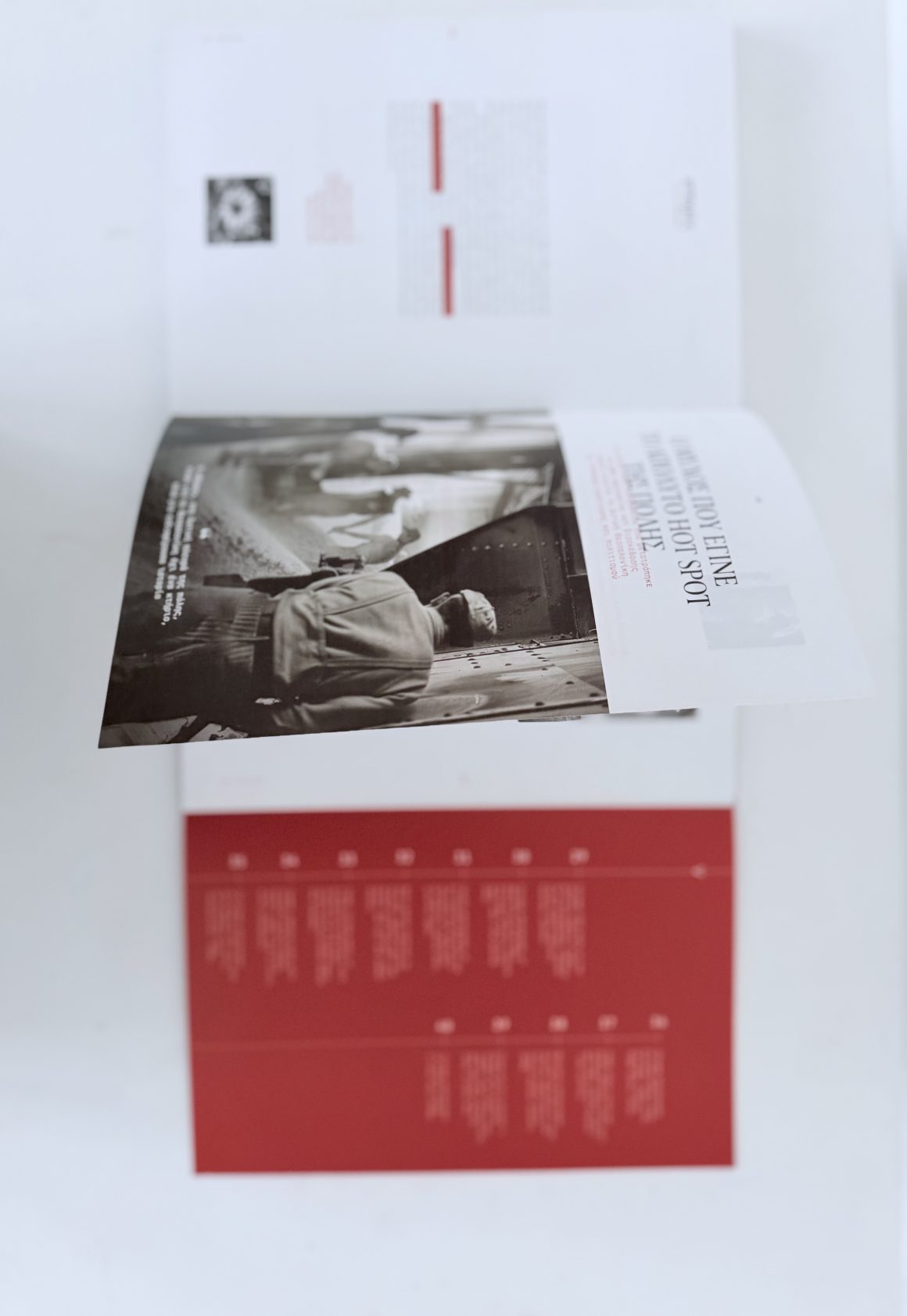
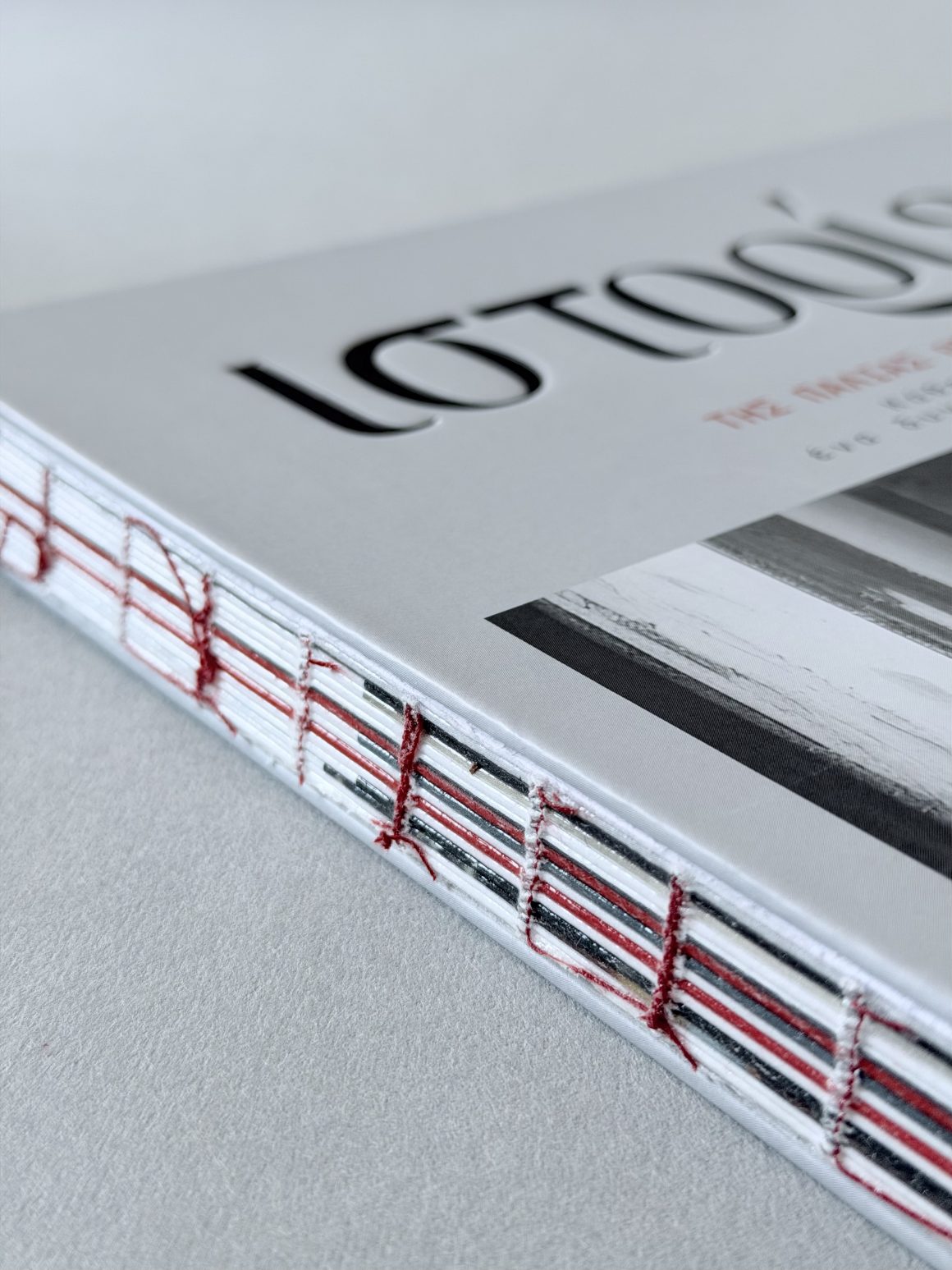
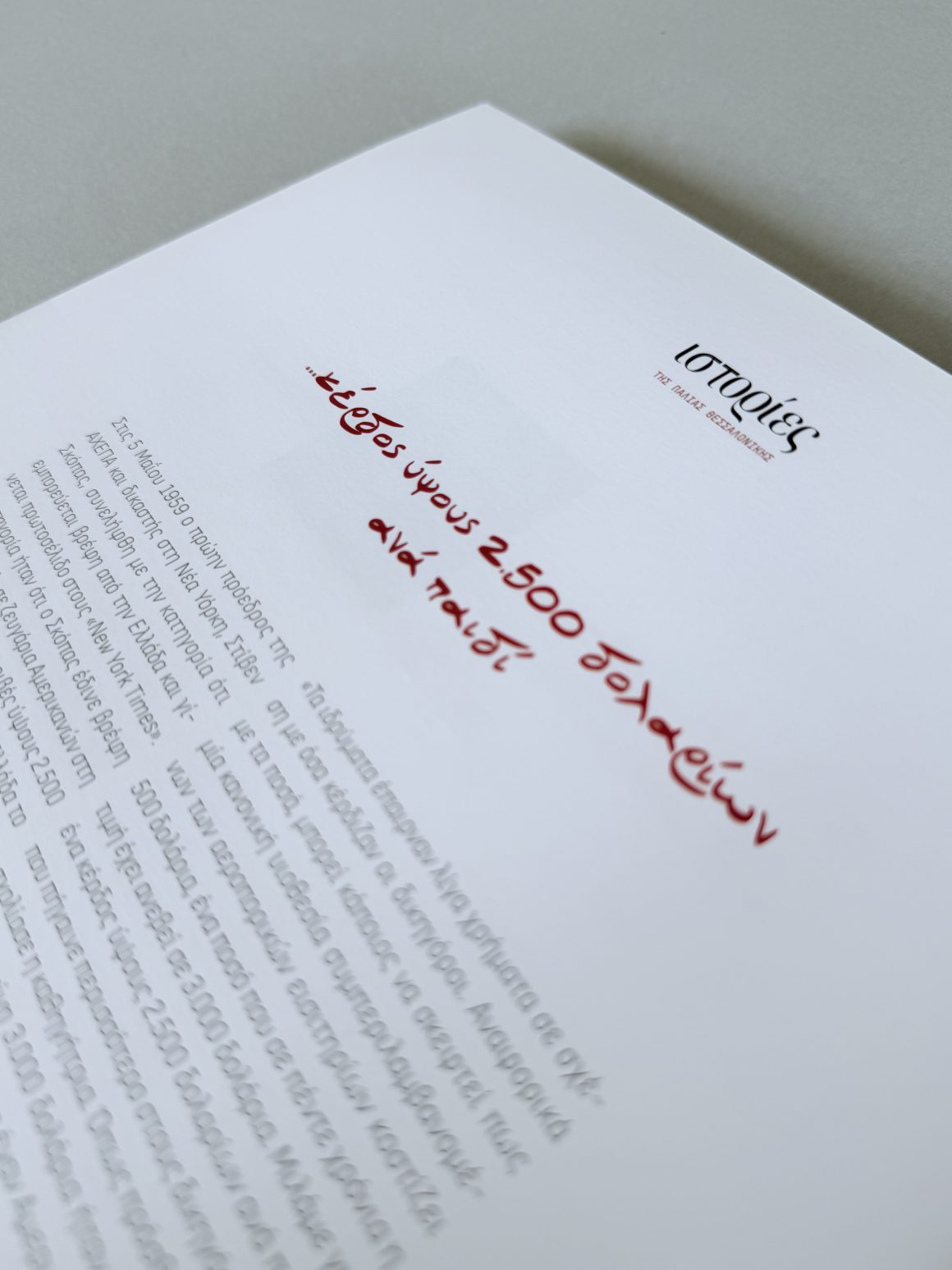
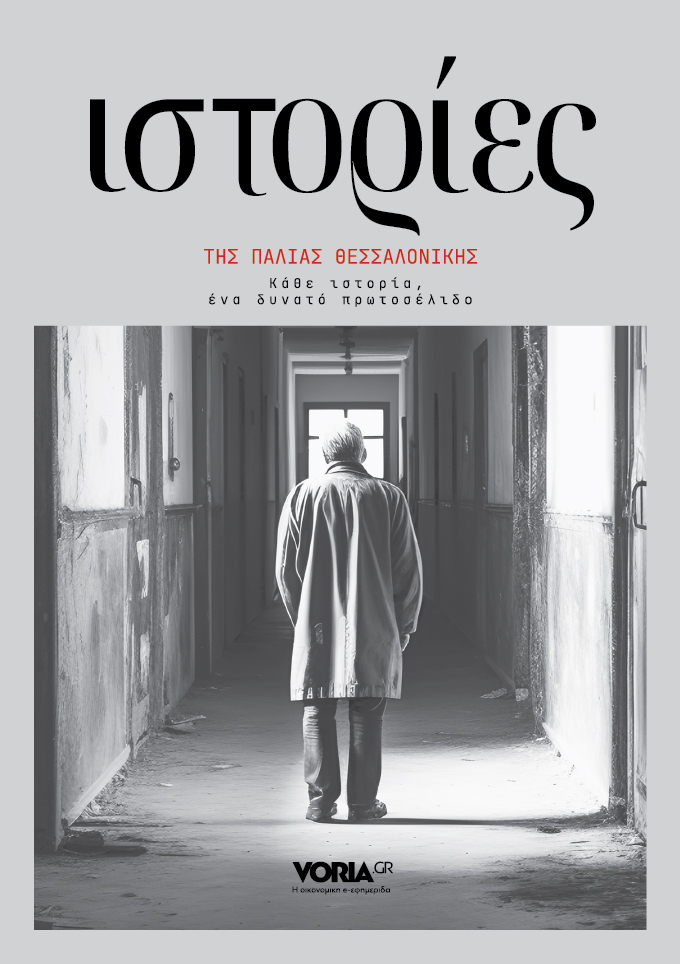
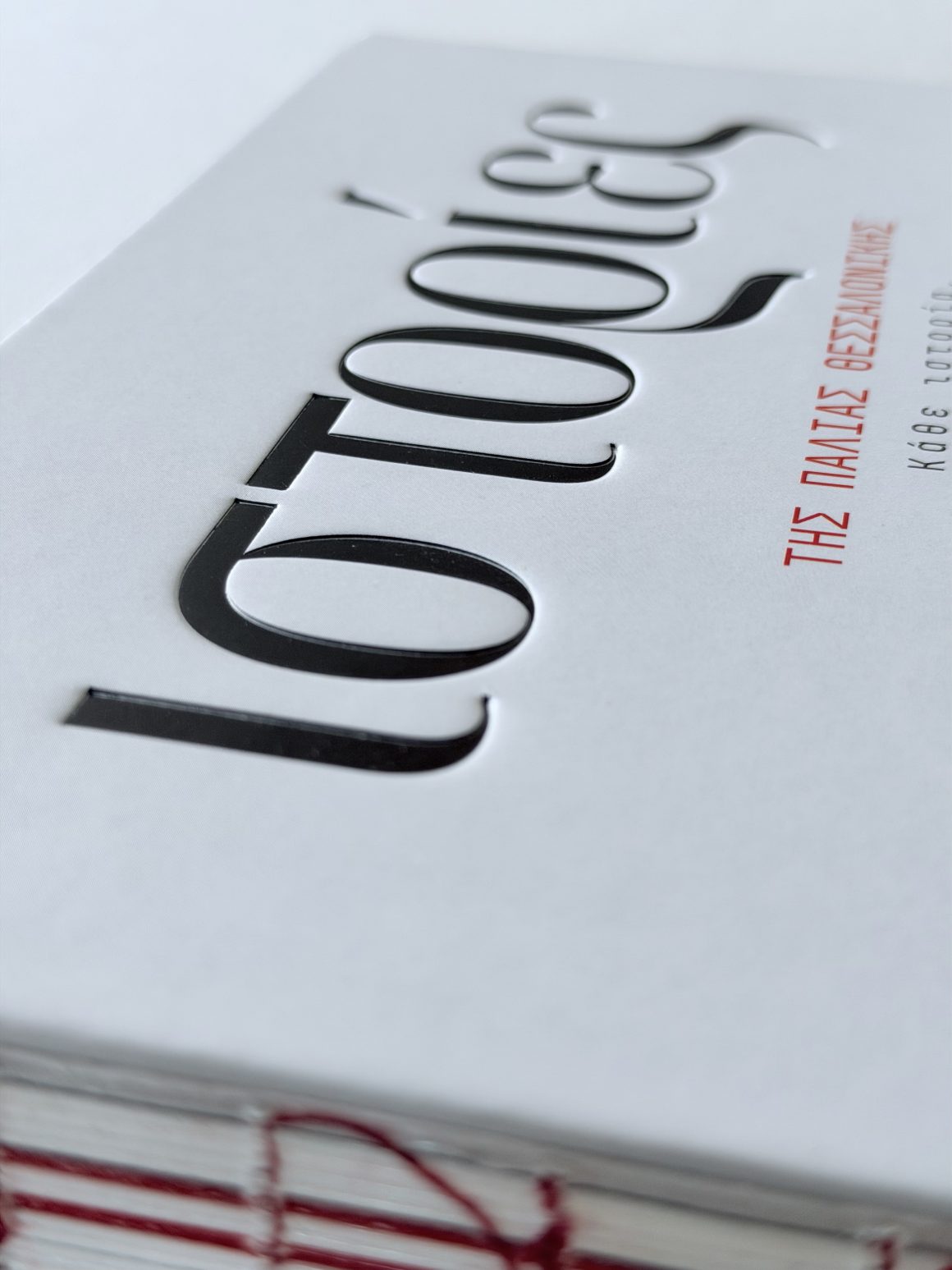
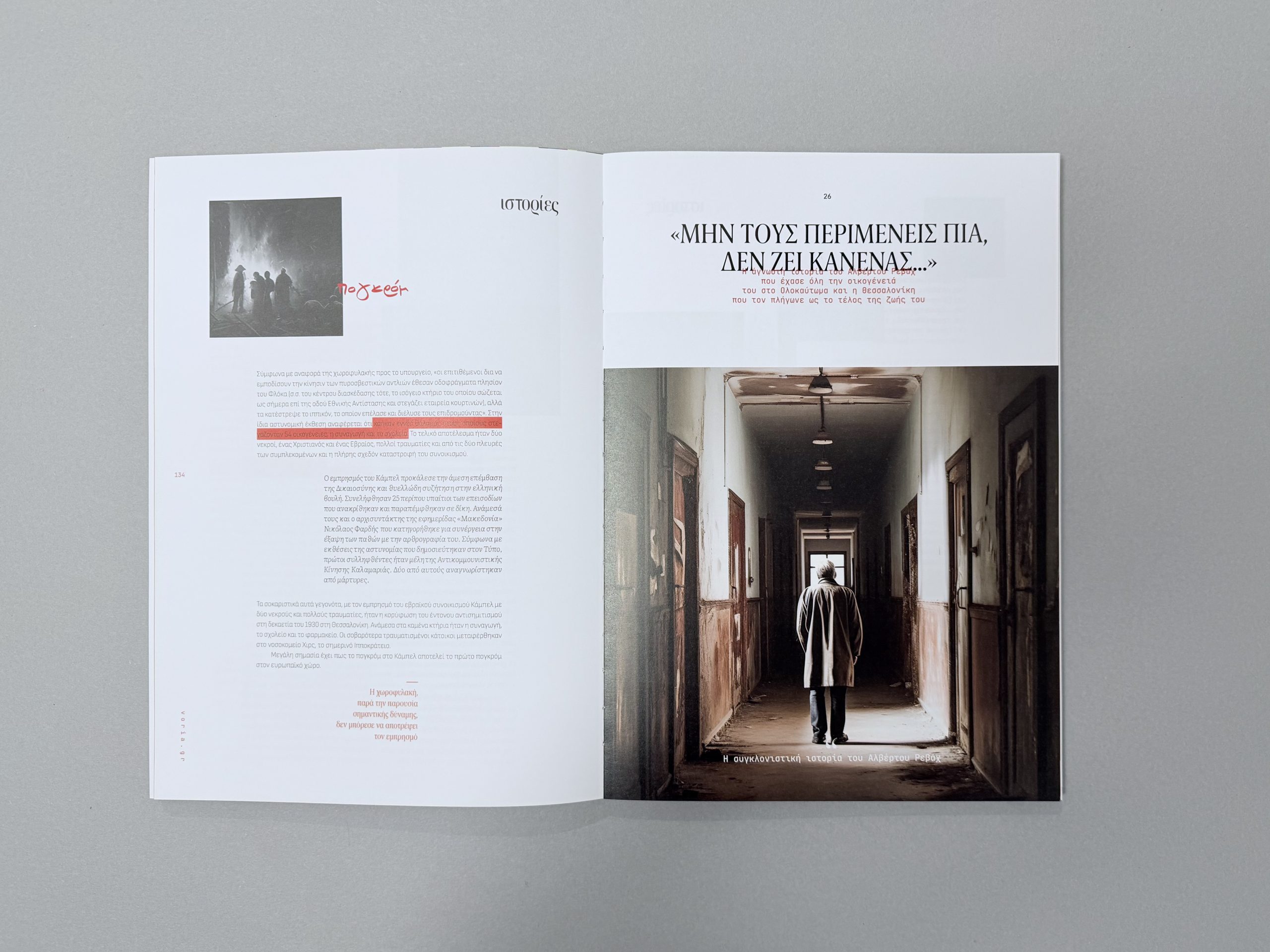
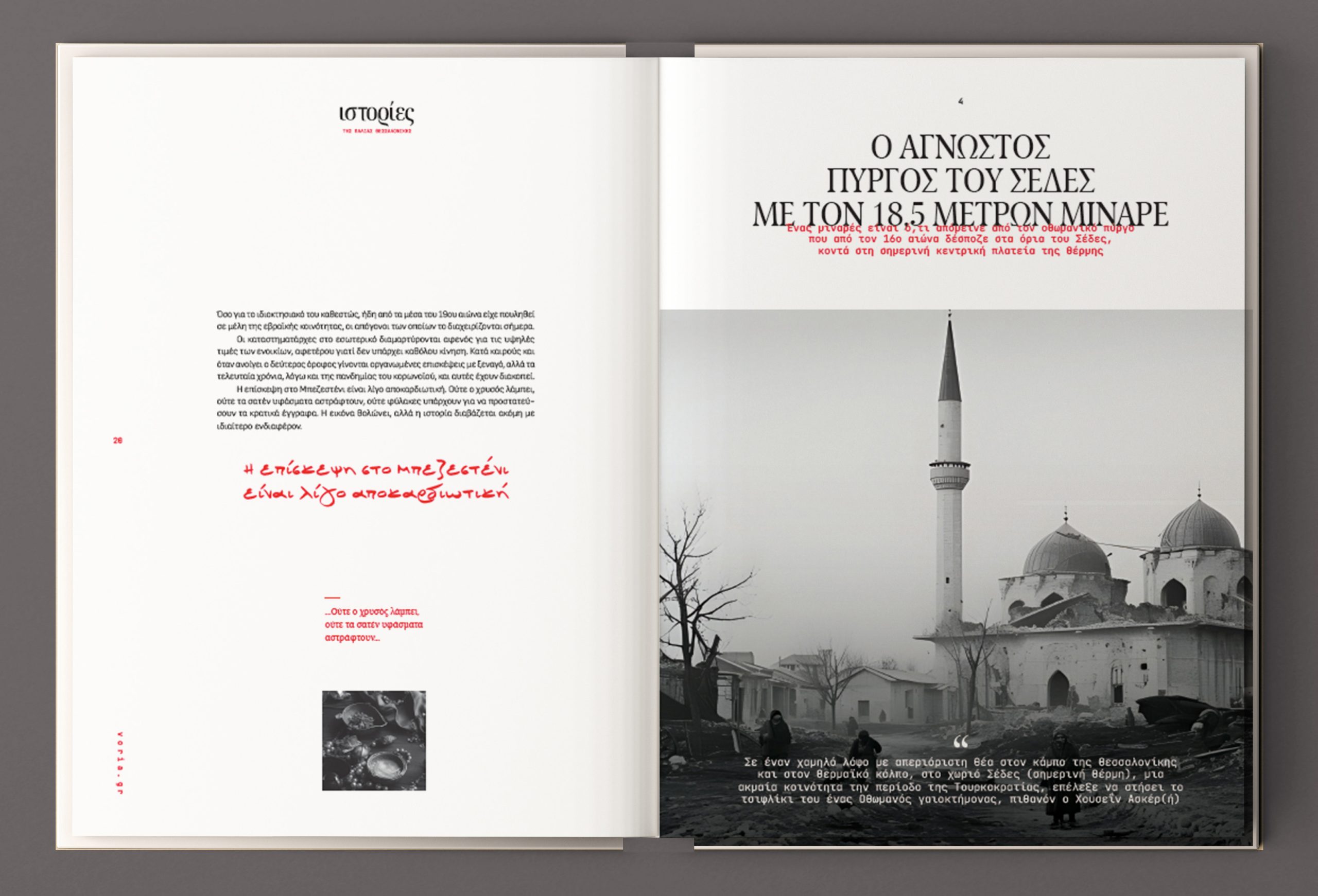
Stories of Old Thessaloniki brings together Voria.gr’s stories about people, buildings, places and events that were once part of the city’s life and today survive through memories, testimonies and fragmentary archival traces. The book began with the question of how you can depict a Thessaloniki that no longer exists. It was an excellent initiative by Voria.gr.
We had stories, people, streets and customs, but we didn’t always have the visual material to support them. And we didn’t want to create either a conventional historical album or something overly nostalgic.
We wanted you to feel, for a moment, that you were actually there.
Somewhere along the way, what began as the design of a publication became a much larger visual storytelling project.
What kind of stories does the book tell, and what particularities shaped its design?
They really are stories of old Thessaloniki.
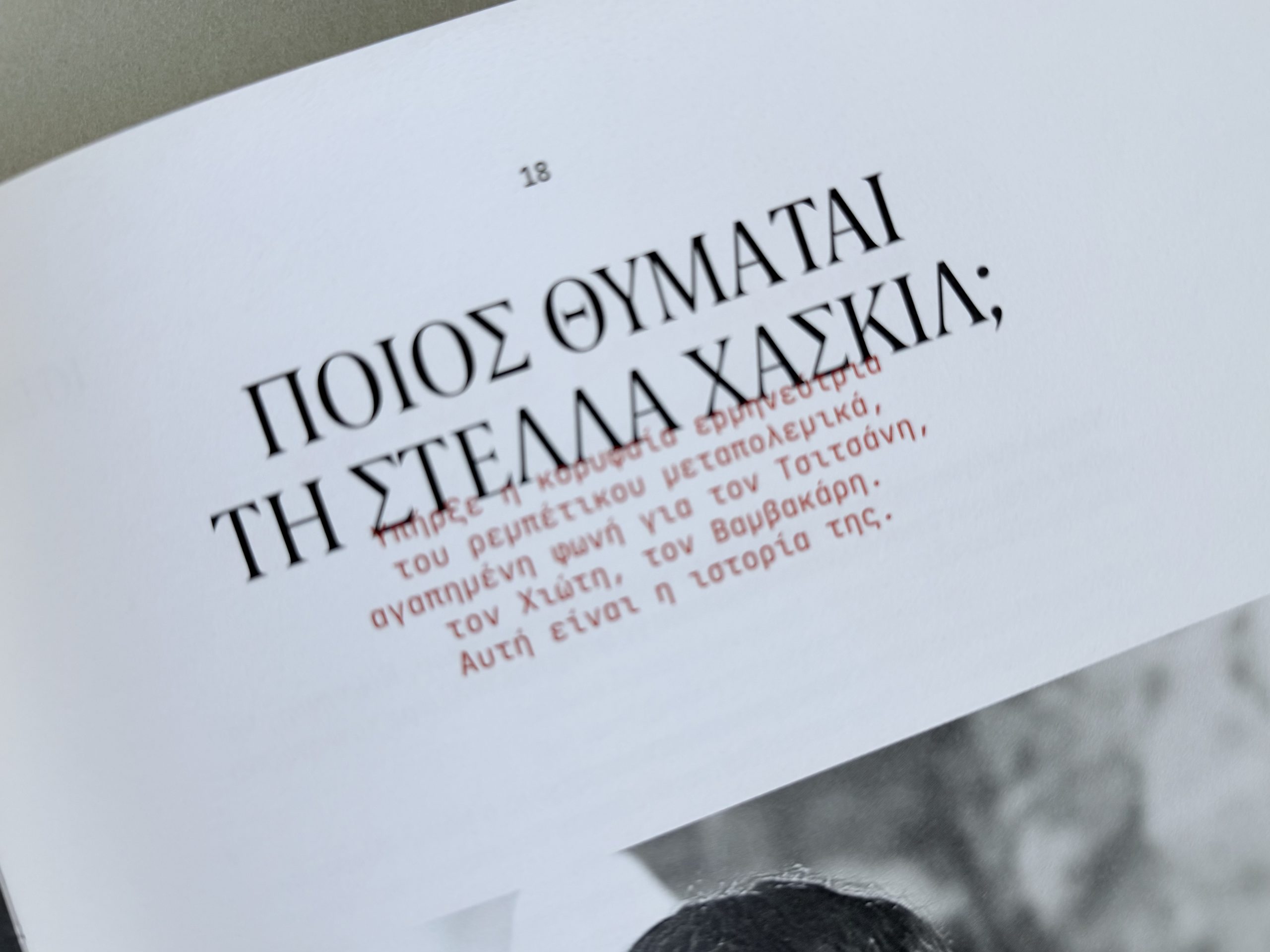
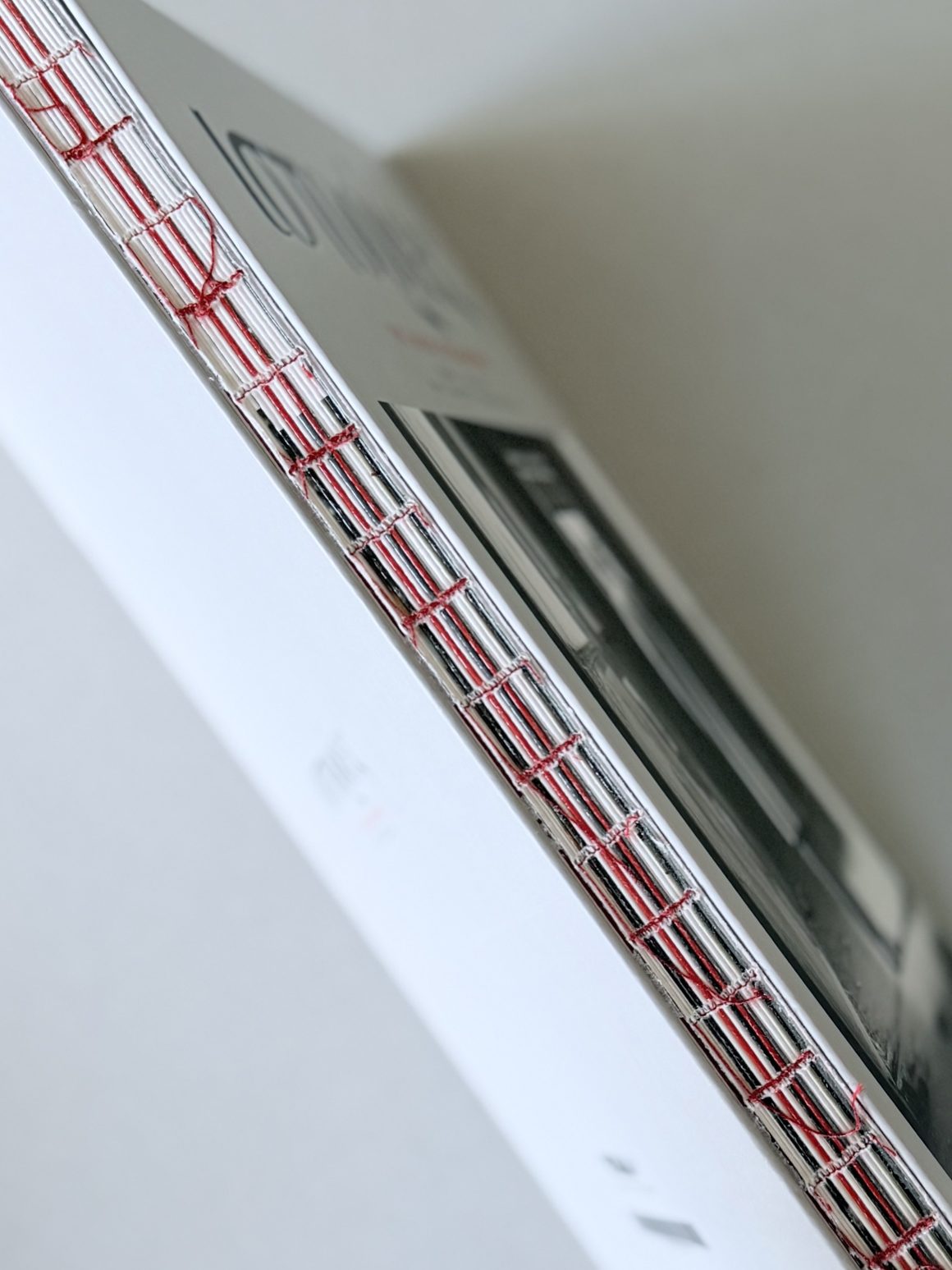
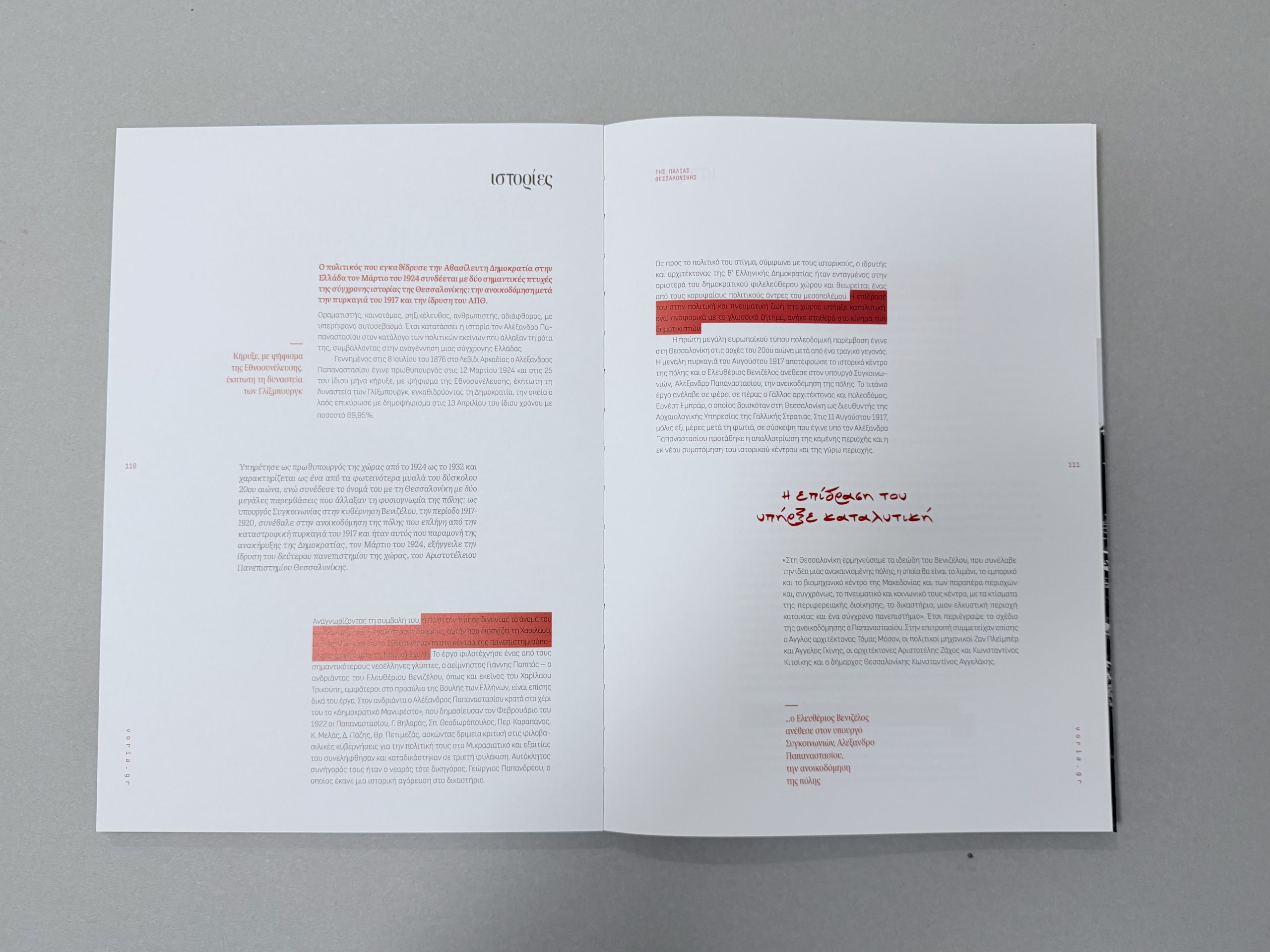
The book evokes a personal research notebook, without literally imitating one. From a design perspective, the challenge was not to let the design overpower the stories. There had to be character, but the book couldn’t become an exercise in showing off.
Handwritten interventions, notes, generous areas of white space and images that seem to have been placed directly onto the page create, at times, the feeling that someone is gathering clues and trying to reconstruct a story.
This aesthetic is not applied mechanically to every page.
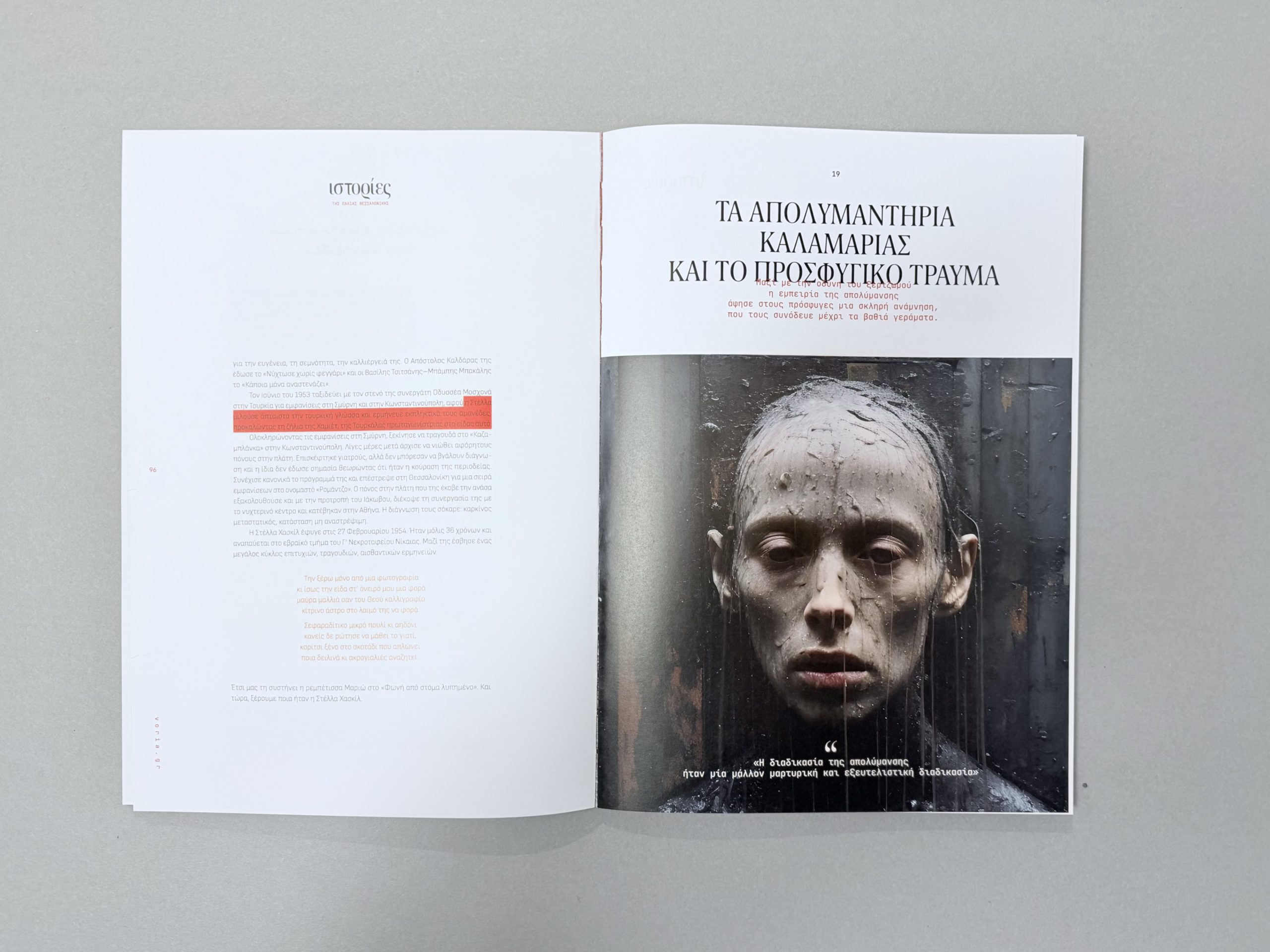
It was a conscious decision not to turn the book into a nostalgic or pseudo-archival object. If you look closely, the beginning of each story resembles the front page of a newspaper. That is where we retained the layout of a classic newspaper and created a connection with Voria.gr.
We didn’t want a book that looked old simply because it was talking about the past.
How easy—or demanding—is it to use AI and new technologies in shaping the images, and how did this process evolve? How much attention is required to achieve a convincing result while maintaining quality?
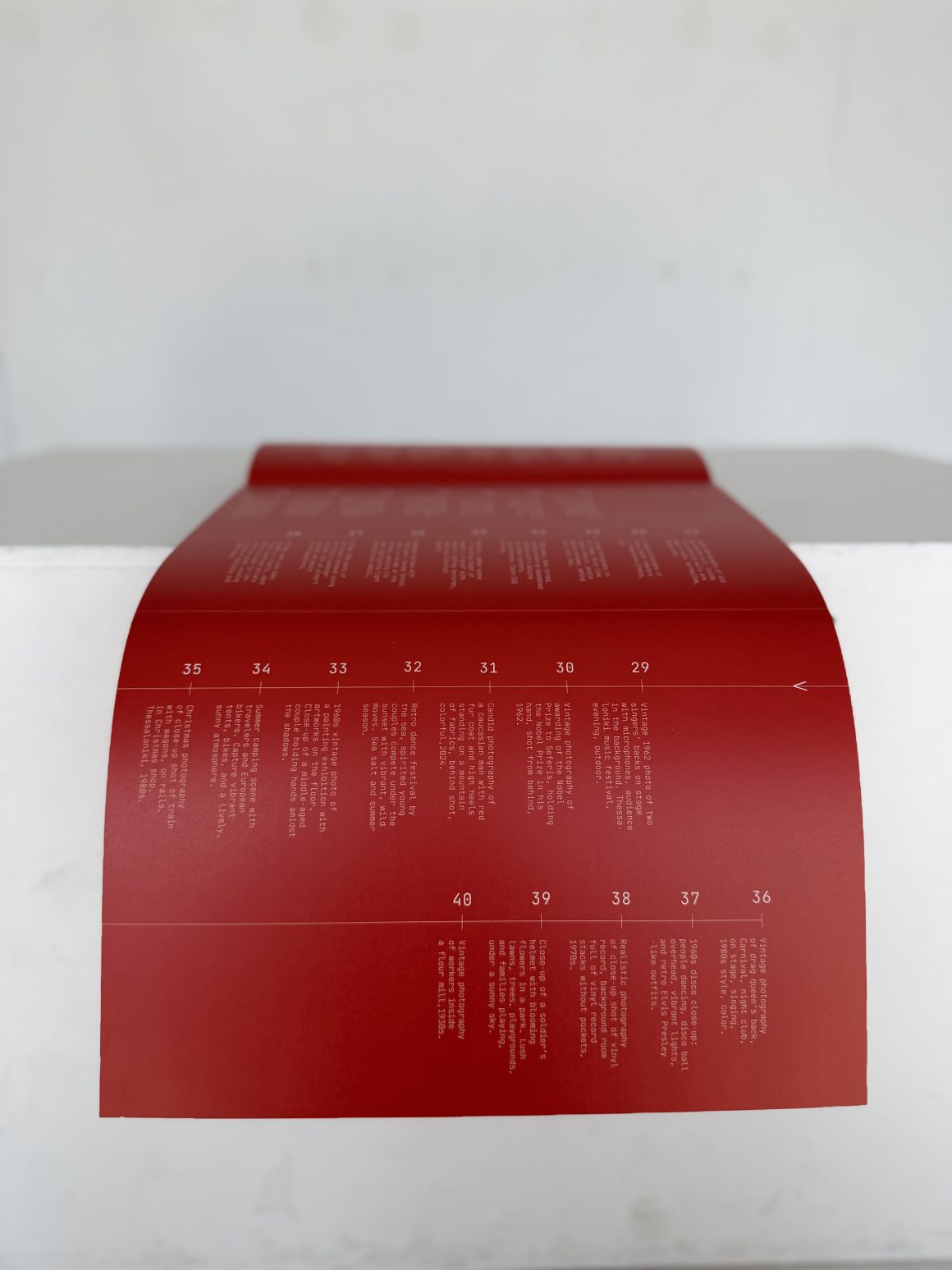
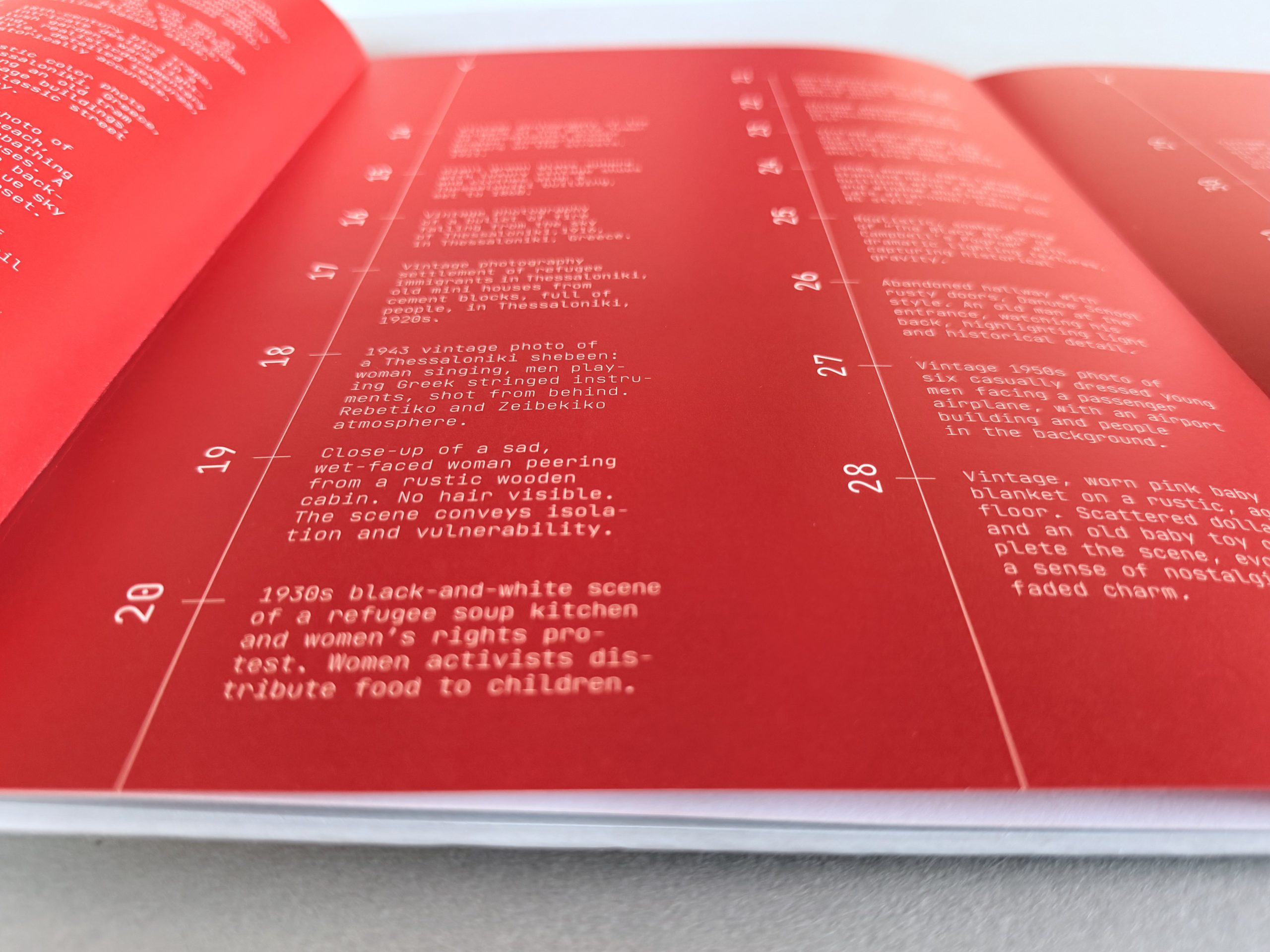
The project coincided with a very particular moment: the early stages of generative AI’s widespread entry into the creative process. We decided to use this new tool not to construct fake historical documents, but to create visual hypotheses—what we call speculative image-making.
The AI-generated images function as prompts for the imagination. Possible atmospheres, places and moments that leave room for the reader to complete the image of the past in their own mind.
And because we wanted complete transparency about how the images were created, we left the prompts visible and designed the book as a contemporary research object.
When you are reconstructing a real city and a specific period, you have to check everything: architecture, clothing, cars, objects, signs, light. A single detail can undermine the entire sense of authenticity.
AI requires a great deal of art direction and research. The tool gives you options; it doesn’t give you judgement.
And I think that the more it evolves, the more important the human eye becomes.
In a little while, this book will reflect the introduction of AI into our lives at the level of illustration. It will be something of a document of its time…
What did this experience teach you, and how easy is it to stay updated in a field that is constantly changing and evolving with new developments?
That we probably have to accept that we will never be fully updated.
By the time you learn one tool, the next one has already come out. If you try to keep up with everything, you probably won’t get any actual work done.
So today, I’m more interested in understanding what each new tool can offer me and when it genuinely makes sense to use it. Much like with people.
Technology is changing incredibly fast. Judgement, aesthetics and the ability to distinguish what is good from what is merely impressive remain far more important.
Did the result live up to your expectations? Is the book what you initially dreamed it would be?
No. And thankfully so. Although it came quite close to what I had initially imagined.
If a project ends up exactly as you envisioned it on the very first day, then perhaps nothing particularly interesting happened along the way.
The book changed many times. We took steps back, reworked things, and discarded ideas we really loved because they simply didn’t work. I find the result rewarding because, in the end, it became better than the original idea. And, most importantly, it developed a character that we could never have anticipated at the beginning.
How has your philosophy and aesthetic approach to graphic design evolved over time, and what do you feel has become particularly valuable today?
As I get older, I take things away. When you’re younger, you want to show that you have ideas. Another idea, another typeface, another twist.
Now I’m more interested in there being a reason behind every choice.
That said, I’m not a person of absolute minimalism at all. I can love something incredibly strict and, the next day, something completely excessive, theatrical or even slightly kitsch. You can see that within this particular publication, too, in the way each story is illustrated. Some are approached more realistically, while others are more surreal.
I think that’s also how I function. I can be very different depending on what I have in front of me, without completely losing my own character.
What do you consider your most important achievements, and what else do you have in the pipeline?
The fact that my sister and I managed to build something of our own without a large organisation or capital behind us is certainly important to me.
I don’t want Mozes to become a huge advertising agency. I want it to have character, to take on work we genuinely like, and to collaborate with people and brands with whom we share a way of thinking. To be part of their team beyond what is formally expected of us.
I now feel that it is entering a new phase. A more mature and more clearly defined one.
And personally, I want to start moving a little beyond the strict boundaries of graphic design. I’m increasingly interested in experience, space, objects, storytelling, and how all these things can work together.
What sparks the steps you take and inspires you to evolve the way you create?
Curiosity.
I don’t have any particular ritual for inspiration. It can be a trip, an event, a restaurant, a film, a personality, a completely random account I discover at two in the morning, or even a simple, personal, spontaneous need.
And I try not to look only at graphic design. If a designer looks only at other designers, eventually they’re just recycling designers.
I’m much more interested in seeing how a director, a fashion designer, an architect, a chef—or people in general—think.
Who are the designers and creative figures closest to your heart, and why?
Irma Boom is one of the most important figures in book design, and I’m fascinated by the way she approaches the book not simply as a vehicle for content, but as an object in its own right.
I’m very interested in the way Jacquemus can build an entire cultural code around a brand at the level of communication.
Wes Anderson, especially for The Grand Budapest Hotel, which I absolutely loved. For me, it is the ultimate combination of the “old” and the contemporary.
And Yorgos Lanthimos, particularly for Poor Things, for the way he builds an entire visual world through set design, colour, costume and exaggeration, without anything ever feeling accidental.
I’m not so interested in which industry someone comes from. What interests me is whether they have managed to create a world of their own.
What are the non-negotiable values that guide your work?
Aesthetics alone are not enough for me.
I want honesty, curiosity, consistency, and people who are open to trying something without needing a guarantee from the outset that it will work.
And as I’ve grown older, I’ve become much stricter about something else: respect. For time, for the work, for collaborators.
I can accept a mistake, a bad idea, a change of mind. A lack of respect is much harder for me to accept.
What would you like to create? What would be your dream project?
I think my dream project is slowly beginning to take shape.
And it probably connects with what we discussed at the beginning: stories, memory, old things and everything that is at risk of disappearing at some point.
I’m interested in not treating them as museum pieces, but in exploring how they can come alive again through design, image, space, sound, technology, perhaps even AI.
In other words, I want to create an entire world, rather than simply a book or an object.
It’s something I’ve already been thinking about quite a lot, and it is probably the most personal project I’ve wanted to undertake so far.
So… coming soon. Although “soon” is a rather relative concept for designers.
Do you think that Thessaloniki, with all its creative potential, has what it takes to make significant changes to the way the city is perceived?
Of course. And that’s probably why we get so frustrated with it.
Thessaloniki has incredible raw material: history, different cultures, food, architecture, universities, a large young population, creatives. I don’t think it lacks ideas or people.
What it lacks, more than anything, is continuity. We often do something wonderful for three days and then go straight back to normality.
I would like to see creativity treated as a genuine part of the city’s identity, rather than as an event.
And I think we should also stop trying to figure out which other European city we want to become. Thessaloniki has enough material to simply be Thessaloniki.
Is art, and creativity more broadly, a path towards becoming better people?
Not necessarily. I’ve met some very creative people who I wouldn’t exactly put in the “better people” category. (laughs)
But I do think art can make you observe more closely. It can allow you to see a person, an era or a situation from a perspective that isn’t your own. It doesn’t automatically make you a better person. But it gives you more opportunities to understand the world around you a little better. And that’s something.
Tell us a story you will never forget.
When my son was seven, we were on a road trip and he asked me, completely puzzled, “Mum, why is your computer hanging from the street poles?”
He was, of course, referring to the mock-ups he would see me designing from time to time, which would then appear on the streets a little later.
Children are a great source of inspiration…
The museum and the work of art that stole your heart.
I can’t choose just one museum that easily; I’ve visited far too many. Two that I love are Poster House and Cooper Hewitt in New York.
That’s where I experience the ultimate blending of the old and the new.
And yet, Ghika’s little figures and installations are among those things that always make me stop in my tracks.
Give us your own definition of beauty.
For me, beauty is something that doesn’t need to be flawless.
In fact, it can have something slightly wrong, slightly strange, something that shouldn’t really work—and that’s precisely why it does.
I love imperfections, the marks left by time, a face with character, an old piece of furniture that has aged beautifully—or not so beautifully—an undone bun, a doodle on a piece of paper, a worn-out T-shirt you wear around the house at night as pyjamas.
Absolute perfection often leaves me a little indifferent.
So I suppose beauty, for me, is something with character that makes you want to look at it for a little longer.
Have you ever designed anything for a home collection? And if not, what would you create?
Do collages and posters/paintings count? If so, yes, I have! And they’re on the walls and shelves of my home, too.
I wouldn’t say I’ve designed a complete home collection, though, but it’s something I would be very interested in exploring.
And I probably wouldn’t start with “let’s make a series of objects”. I would first want there to be a story behind them.
I’m very interested in objects that carry memory: ceramics, textiles, tableware, lighting, old patterns, little things that once existed in people’s homes and have either disappeared or are now considered outdated.
I’d love to take those elements and reinterpret them in a contemporary way, without losing their soul.
Something somewhere between a home collection, a design archive and a small obsession with other people’s things. (laughs)
Right now, I’m designing our new marble garden table. I love Tinos very much!
The surface will feature symbolic representations of significant moments from my life.
What do you consider authentic today?
I think that today, authenticity is anything that doesn’t try too hard to prove that it is authentic.
For me, it is closely connected to the idea of an all-time classic. That doesn’t necessarily mean old. It means something you can return to years later and it still makes you feel something.
It can be a film, an object, a song, a person, a scent, a dish.
I love old things, stories and memories because they have already passed through time. They don’t need to prove very much.
And I think that the more our everyday lives become filled with things that are fast, perfect and designed to immediately capture our attention, the more I appreciate things that have staying power.
That, to me, is authenticity.
And I’ve made it a goal to explore all of this much more.