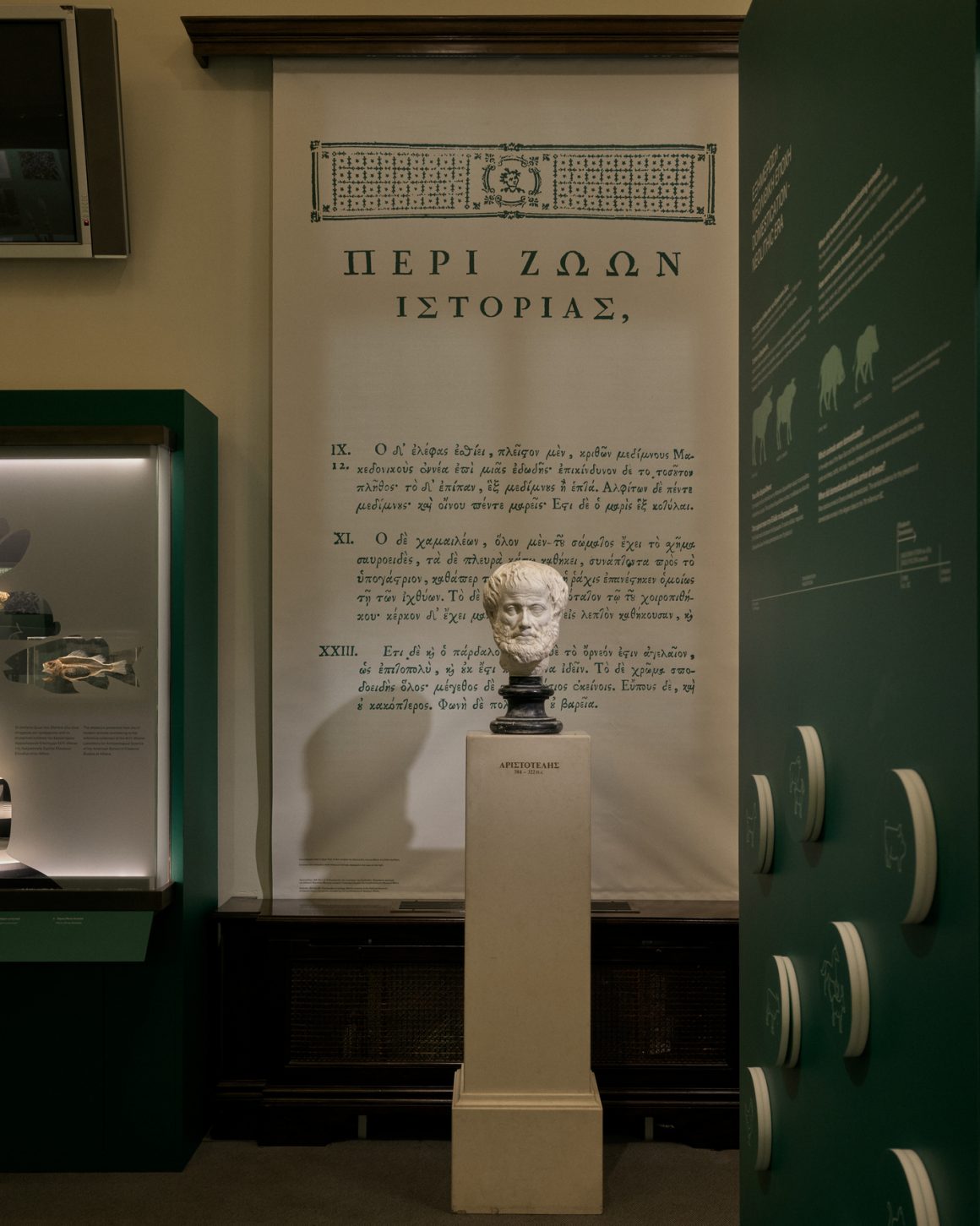
What was the relationship between humans and animals in antiquity? When was the dog domesticated? Did lions and panthers once roam Greece? And what did Aristotle believe about octopuses?
These are just some of the questions explored in the new temporary exhibition Humans and Animals: An Age-Old Relationship, presented at the Goulandris Natural History Museum (GNHM), in collaboration with the Pavlos and Alexandra Kanellopoulos Museum (CAMU).
For the first time, a natural history museum and an archaeological museum join forces to shed light on the complex and enduring relationship between humans and animals.
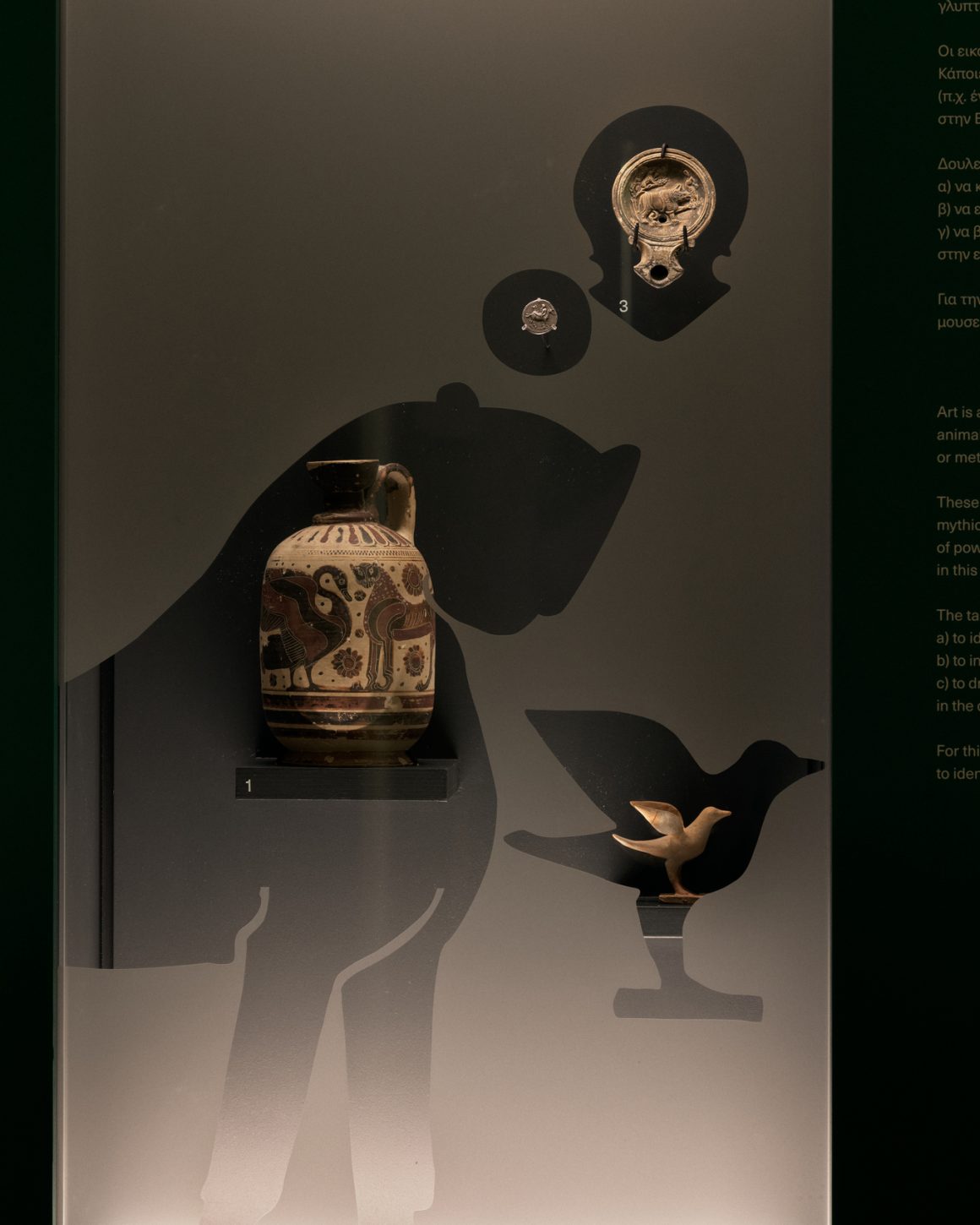
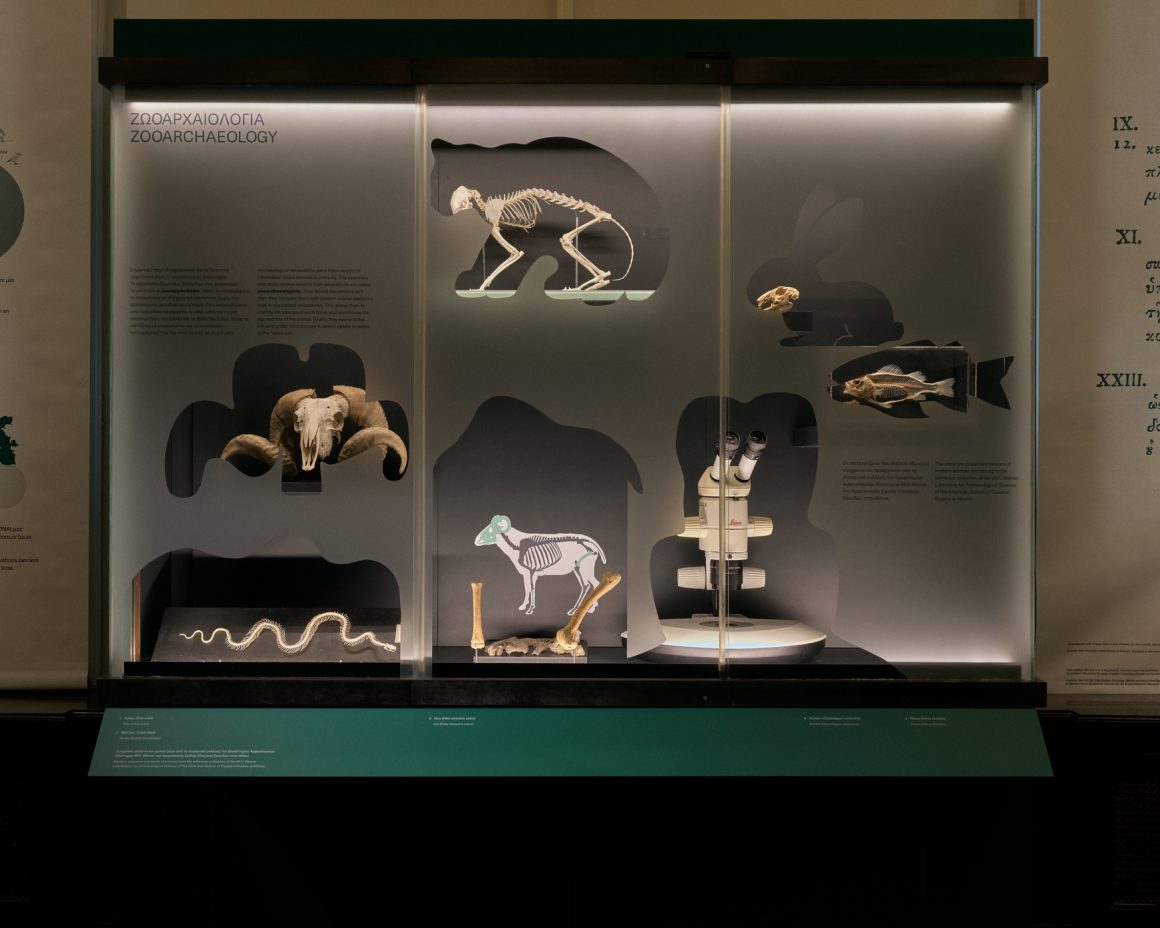
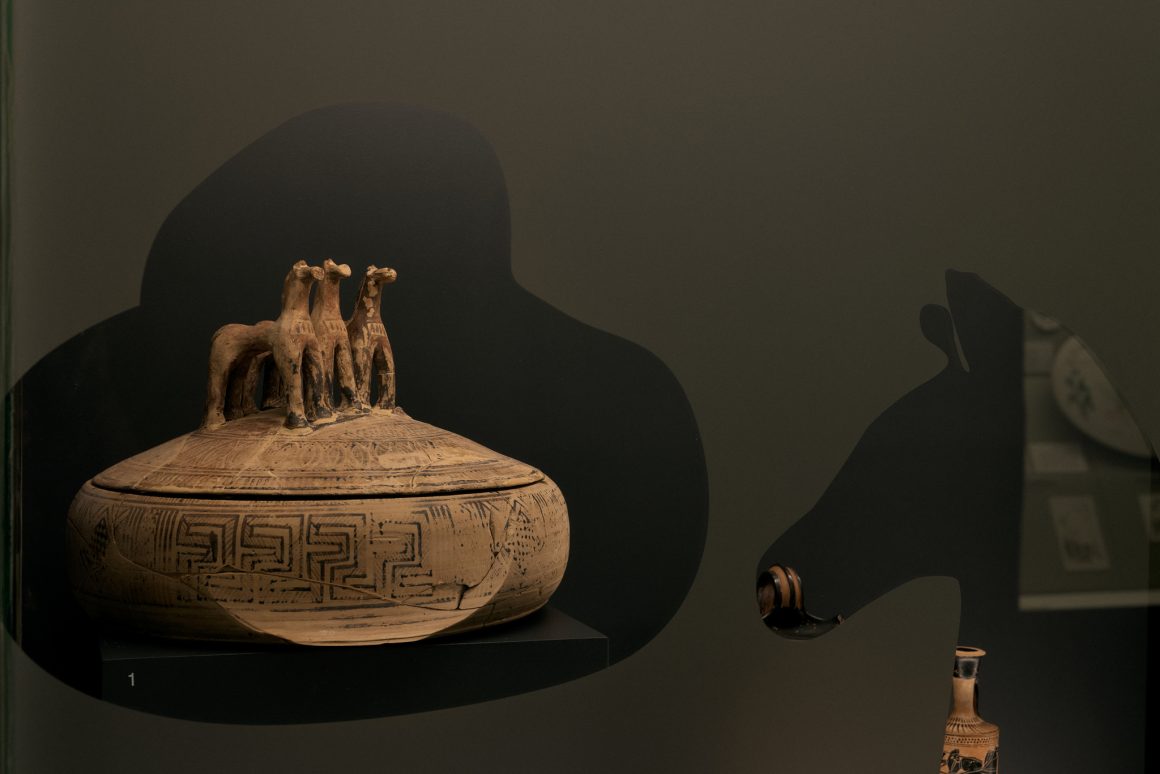
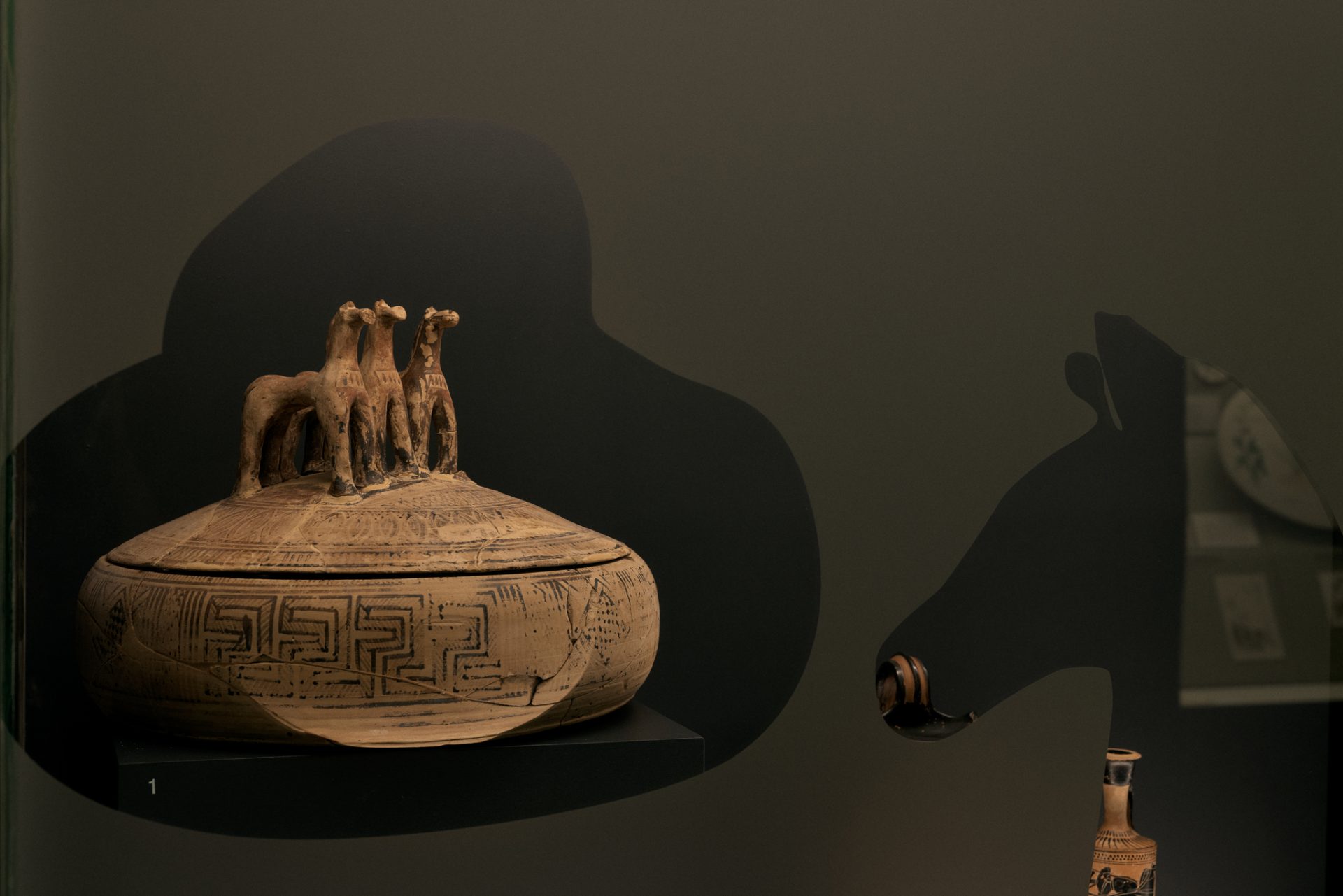
The exhibition brings together more than 130 archaeological artefacts from the collection of the Pavlos and Alexandra Kanellopoulos Museum, in dialogue with exhibits from the permanent collection of the Goulandris Natural History Museum. It also features contemporary zoological remains from the comparative collection of the Wiener Laboratory for Archaeological Science at the American School of Classical Studies at Athens, offering a fresh perspective on how the relationship between humans and animals in antiquity is studied today.
The objects originate primarily from Greece, with selected examples from other regions. Spanning an extensive period, from the Bronze Age to the end of the Roman era, they are organised around themes that reveal the many dimensions of the human-animal relationship — from everyday coexistence and the economy to mythology and religion.
As Nikos Papadimitriou, Director of the Kanellopoulos Museum, notes:
“The exhibition conveys the joy and freshness of an unexpected collaboration. Archaeologists, biologists and zooarchaeologists jointly explored our relationship with animals through time. They learned a great deal from this dialogue and created an exhibition that is both original and thoroughly enjoyable.”
Exhibition Sections
1. INTRODUCTORY SECTION
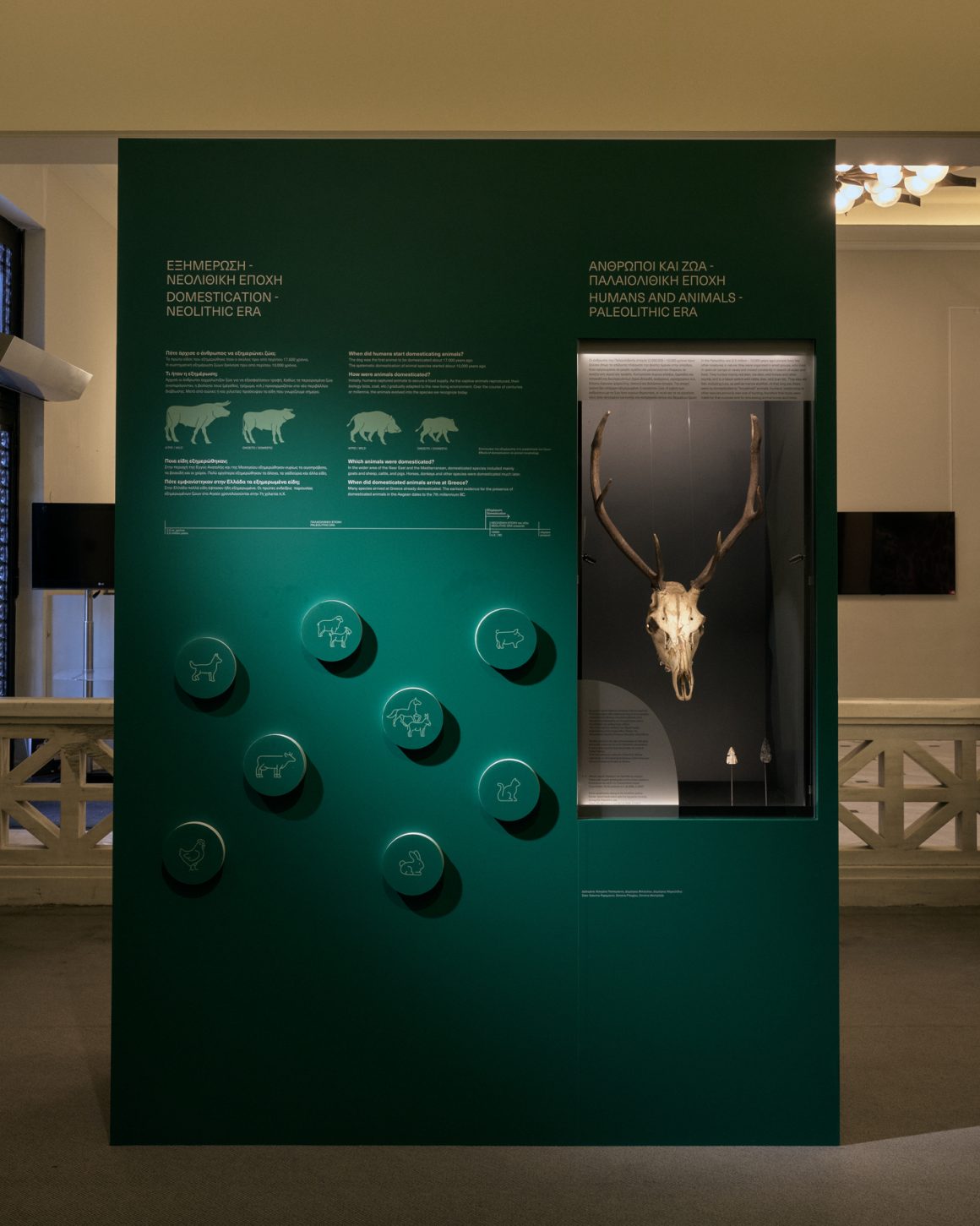
The introductory section unfolds across three galleries of the Museum’s former botanical collection, exploring the enduring relationship between humans and animals in antiquity. Through archaeological objects, written sources, depictions and zoological remains, visitors are introduced to the ways in which this relationship has been studied, as well as the many forms it has taken over time.
The section is structured around five key themes:
Approaches to the study of the past: written sources, depictions, and archaeological and zoological remains
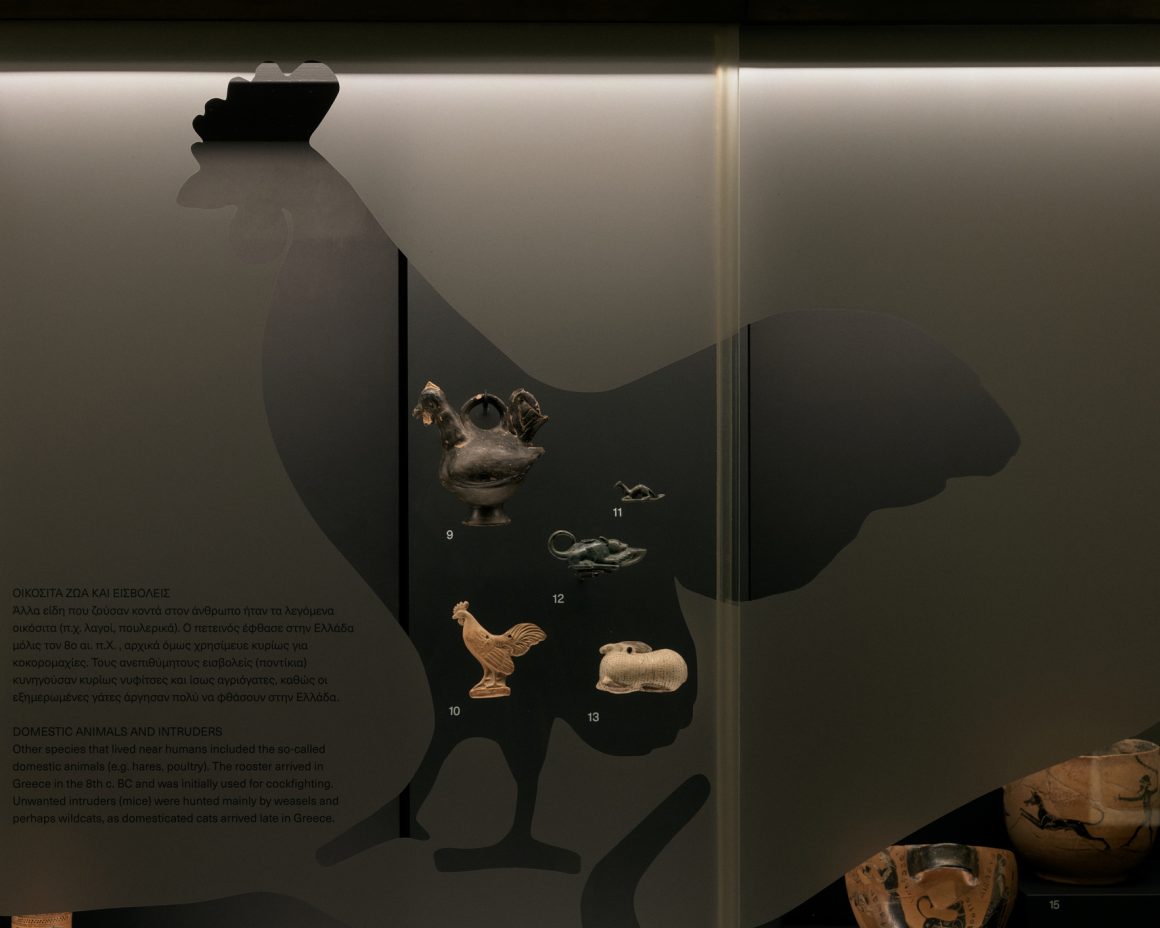
Forms of interaction: the economy, everyday life, animals as companions and working partners, and the relationship between animals and children
Animals as symbols: gods, cities, strength and power, and beauty
Animals in religion
Animals in mythology
2. INTERACTIVE SECTION
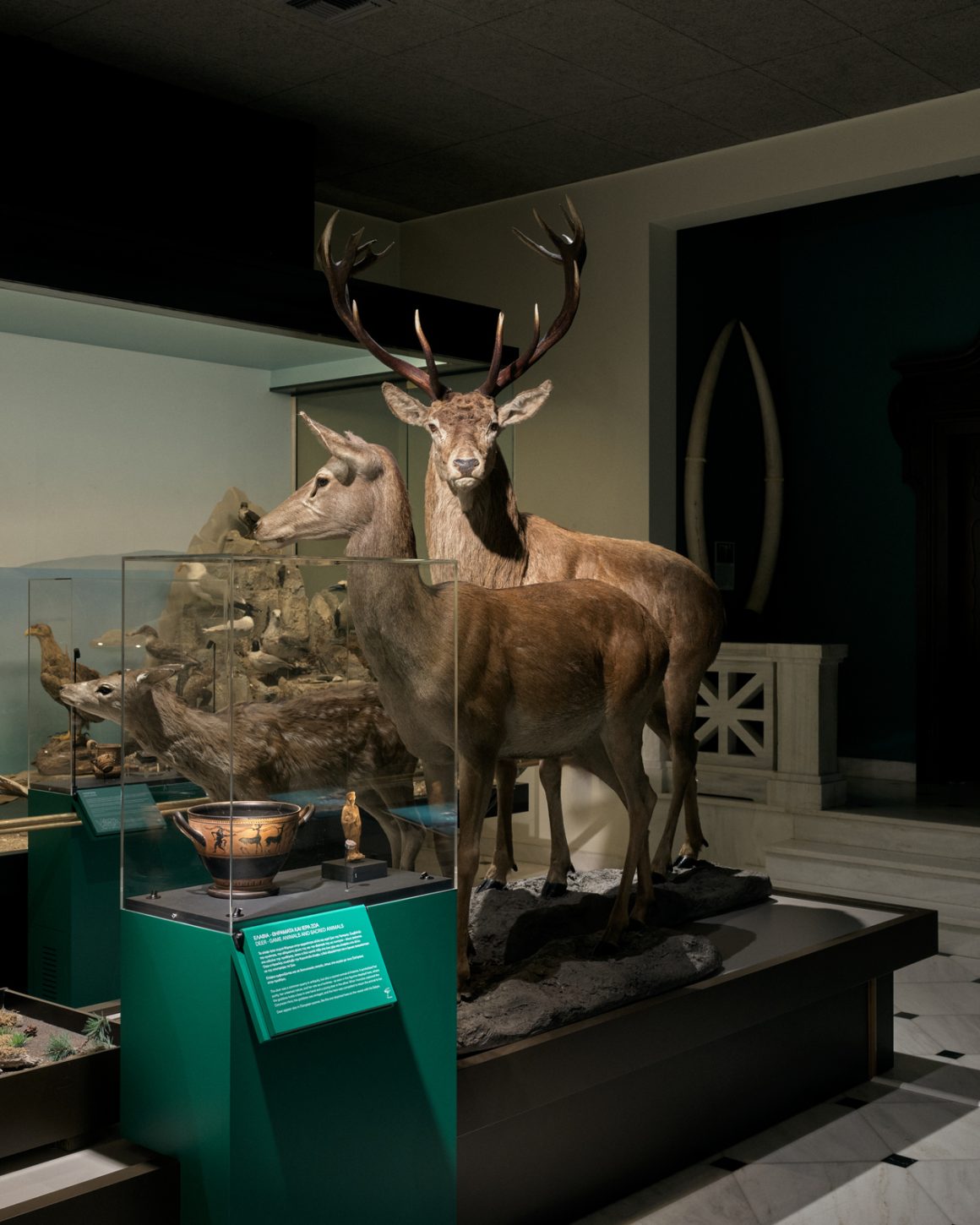
The second section is presented within the galleries of the Museum’s permanent zoological exhibition, where small display cases featuring archaeological finds are placed in dialogue with their corresponding zoological exhibits. Through this juxtaposition, visitors discover the uses and symbolism of animals in antiquity, while having the opportunity to compare ancient depictions with the animals themselves.
An Exhibition for Everyone
The exhibition is addressed to a broad audience. Its programme is complemented by educational activities for schools, events for parents and children, interactive themed tours for adults, as well as inclusive activities and workshops for people with visual and hearing impairments. These initiatives offer visitors of different age groups the opportunity to explore the subject through experiential and participatory experiences.
The exhibition will be accompanied by a special publication featuring introductory texts and a catalogue of the exhibits.
This new collaboration between the Goulandris Natural History Museum and the Pavlos and Alexandra Kanellopoulos Museum creates a unique meeting point for science, archaeology and culture, inviting us to rediscover a relationship that began thousands of years ago and continues to shape our world.
Humans and Animals: An Ancient Relationship
18 November 2026 – 30 April 2027