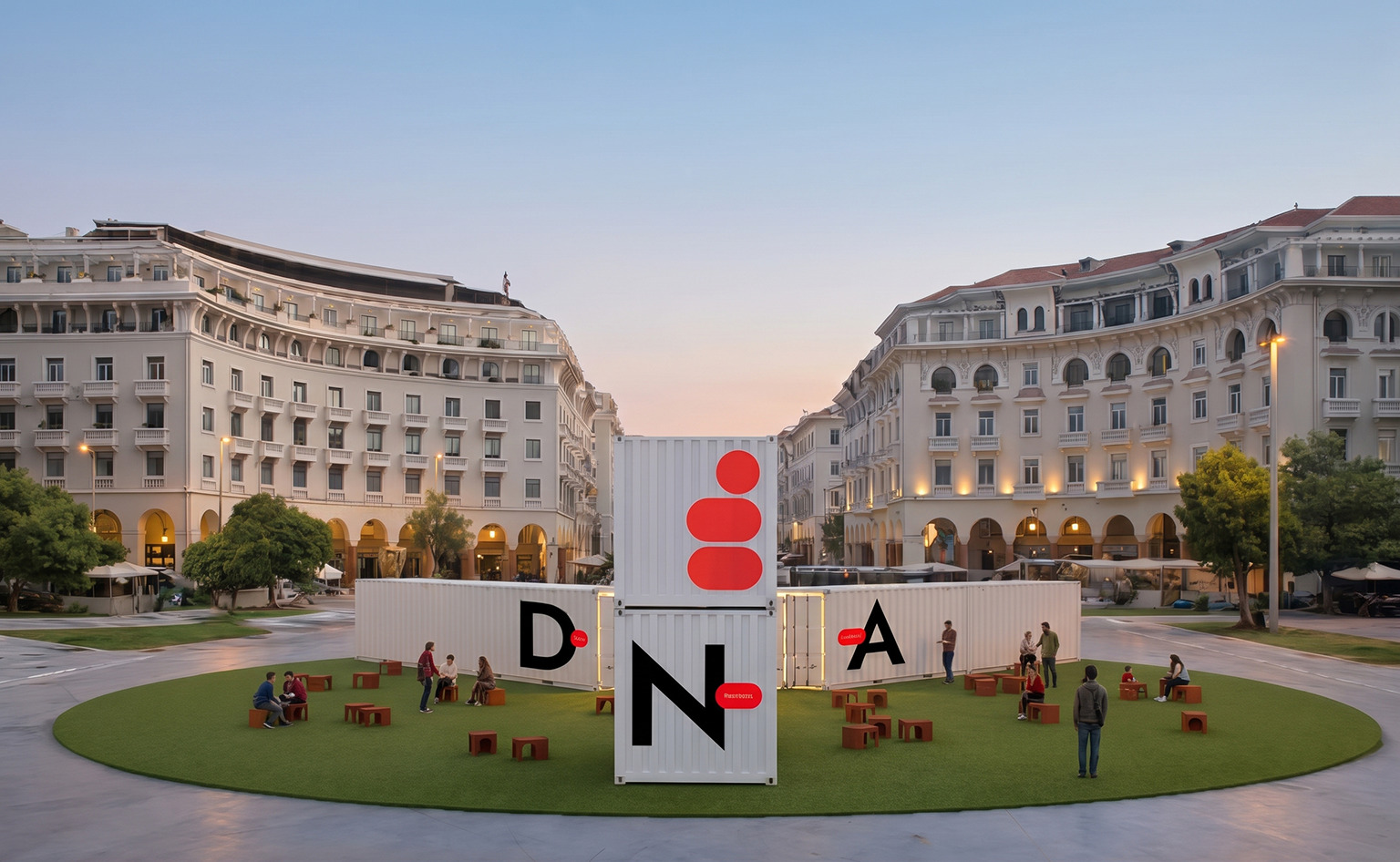
A bold idea, a strong team, a vision that gradually took shape. What is DNA Thessaloniki, what does its name stand for, and how did it come about?

DNA stands for Design Narratives Artifacts and grew out of a shared dream: to see Greece establish a design museum. Several of us had been thinking along these lines long before we met.

What brought us together was the desire to bring design closer to a wider audience. To explain what it is, where it exists, who creates it, and how it shapes our everyday lives.

What lies at the heart of DNA, and how did each member find their place within it? How easy was it to bring all the pieces of the puzzle together and form a team united by a common goal?

From our very first meetings, we realised that we shared the same dream. We often call one another “dreamers”. Each of us brought different experiences and expertise, and gradually, the pieces fell into place. That is how a strong team came together, ready to share its passion for design with the city.

How does Thessaloniki support its own, and which allies have joined you on this journey?

With its strategic location and universities, Thessaloniki offers young people opportunities to broaden their horizons and turn their ideas into reality.

Neither DNA nor the Design Dialogue Days could move forward without allies. First and foremost, there are the members of our association, followed by our donors and other partners.

You cannot imagine how positively the people we approached responded. Each had their own reasons for getting involved, but they all came back to the same sentiment: “Finally, something is happening in this country!” The fact that this “something” brings industrial design and the objects of our everyday lives into focus makes me particularly happy.

What will be happening in our city from November 1 to 8, and what should visitors make sure not to miss?

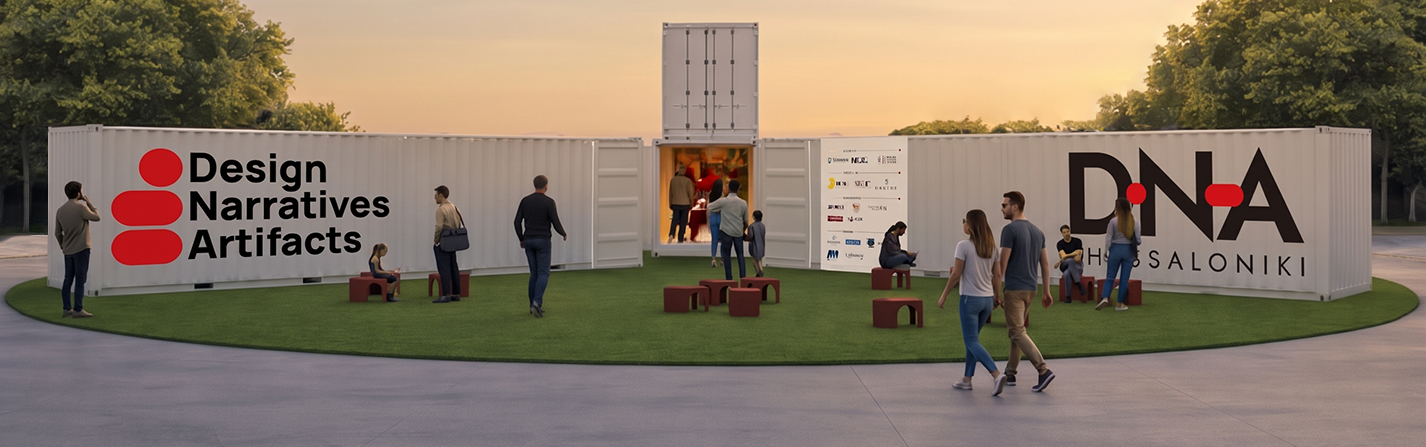
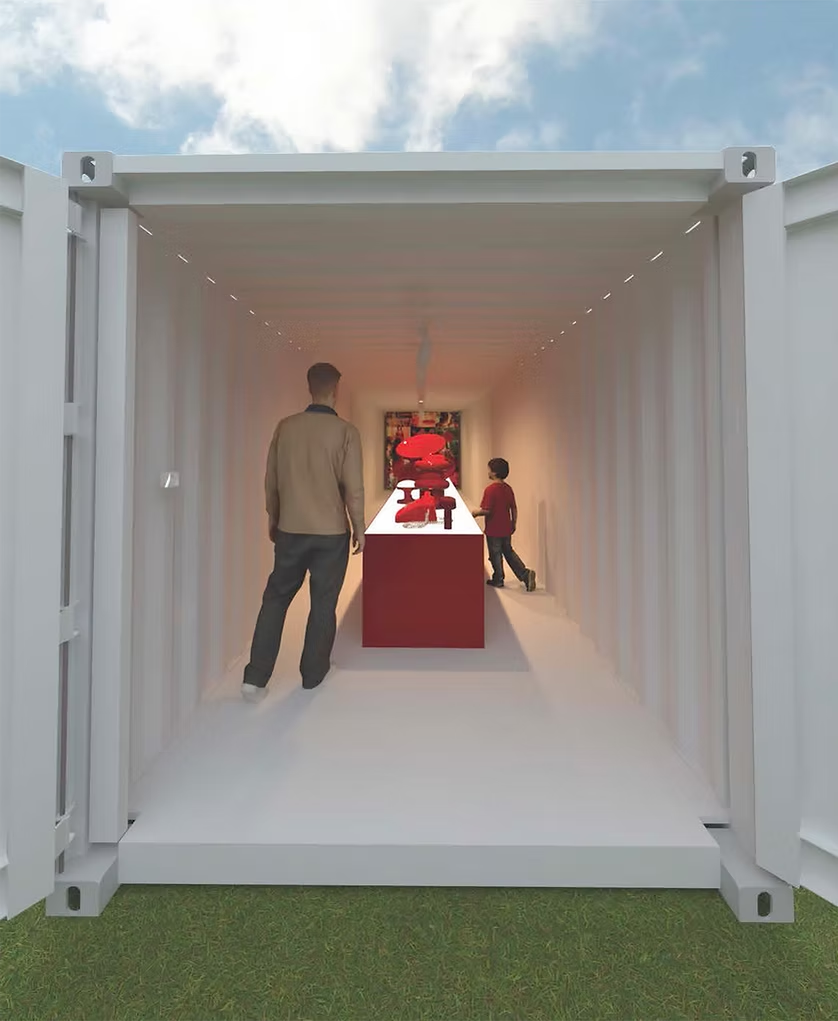
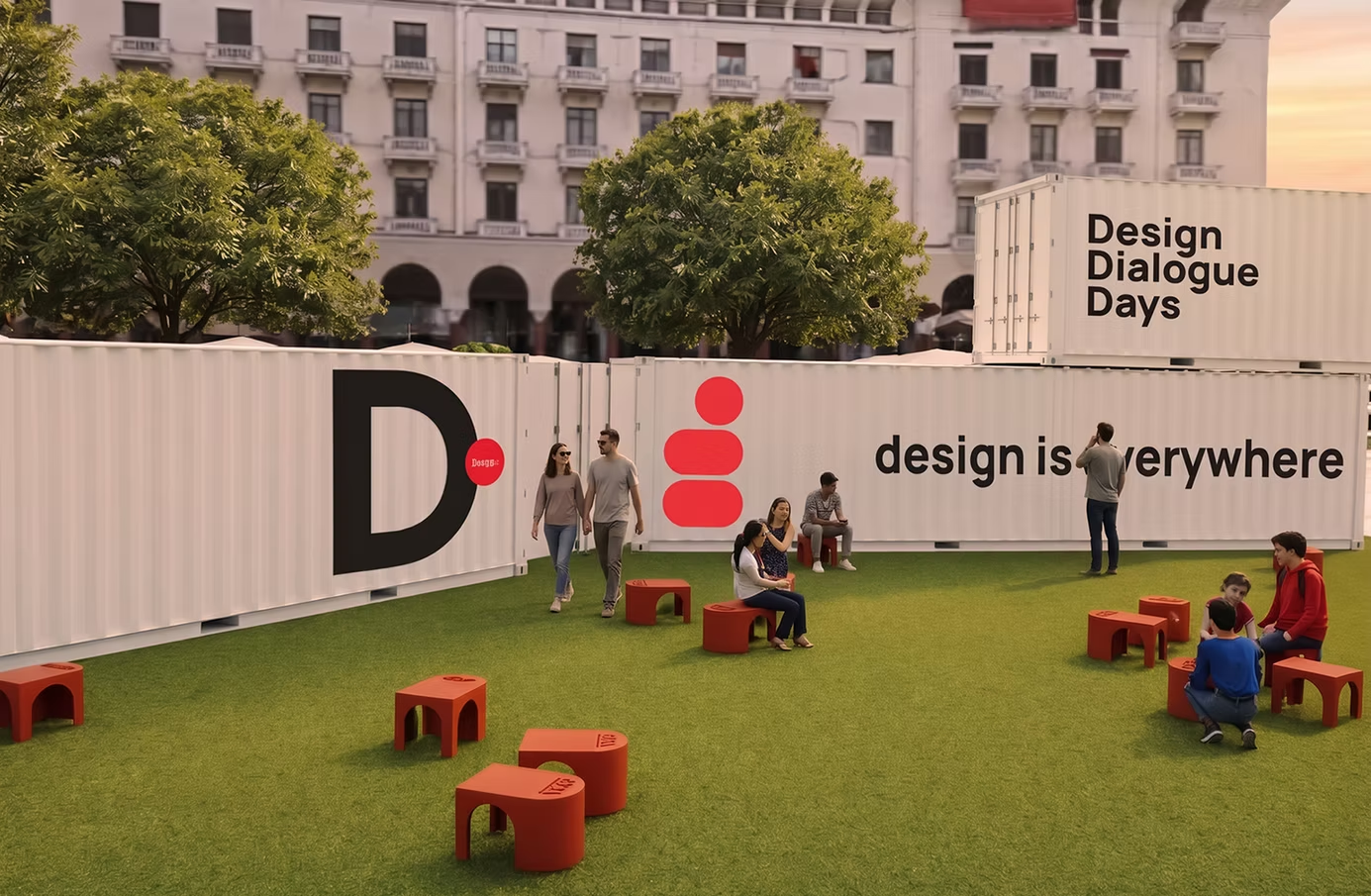
In Aristotelous Square, our central installation will create a temporary design museum. There, visitors will discover just how much thought and research go into the design and production of everyday objects they may already have in their homes.

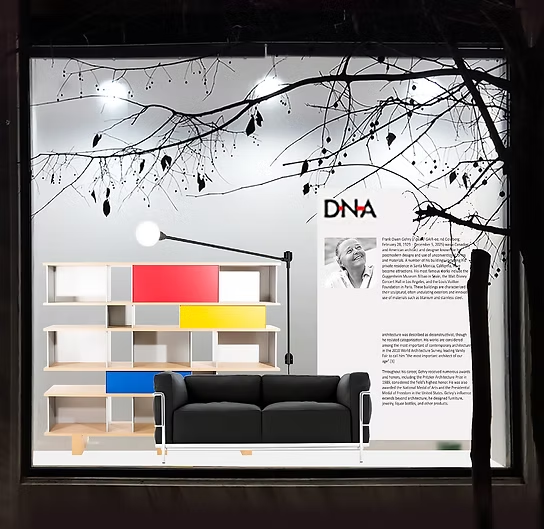
At the same time, businesses throughout the historic centre are opening their shop windows to showcase iconic products with a significant place in design history.

How has the city responded to your initiative, and what does the success of a venture like this depend on?

The response has been overwhelmingly positive, starting with our mayor. Without his support, we would not have been able to bring our plans to life. The success of an initiative like this depends on collaboration and on people who believe in it and actively support it.

How can the people of Thessaloniki contribute to your initiative?

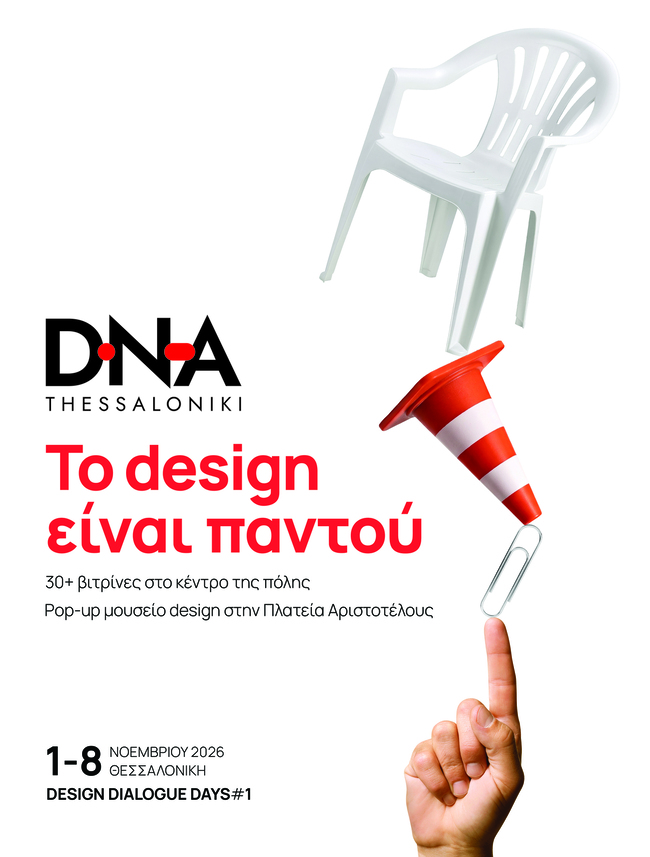
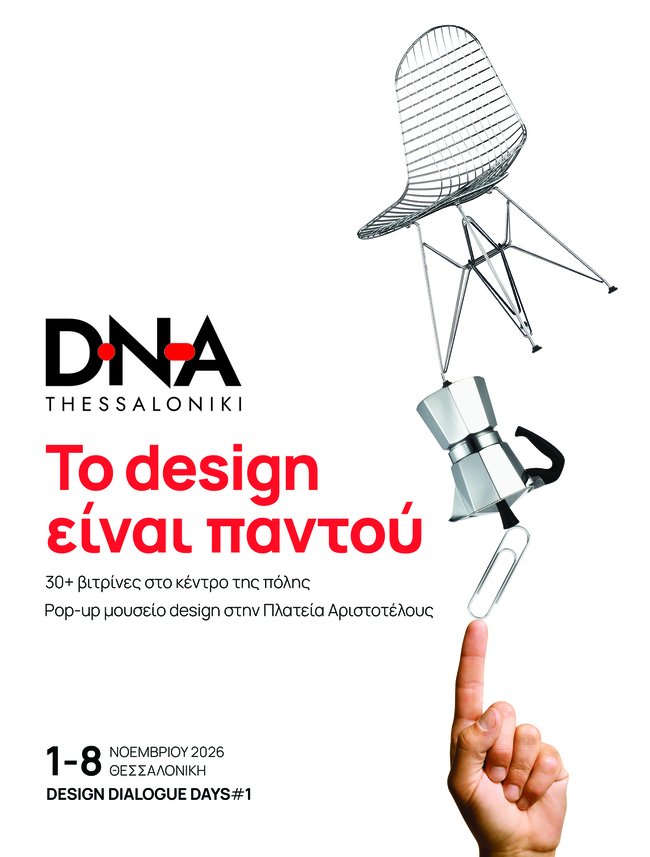
First, we would love them to visit our central installation. It has been designed to open up a dialogue with visitors, prompt questions and help them discover the idea behind our motto: “Design is everywhere.”

We are also preparing activities that will take us deeper into the world of design. We want to bring together people who are eager to participate and continue this journey with us.

What is your ultimate ambition, and where will your focus lie in the next phase?

Our goal is to establish a design museum. We want Greece to have a home of its own for product design, graphic arts, fashion, materials and the many forms of creativity connected to them, whether they come from international or Greek designers and manufacturers.

For now, our priority is to introduce the public to industrial design.

What does design mean to you, what does it bring to our lives, and how essential is it to our everyday experience?

Design is all around me. For me, good design should be simple and functional. If it is beautiful, too, it has every reason to stand the test of time.

Take the BIC pen, for example: lightweight, with a hexagonal barrel for a comfortable grip, transparent so you can see how much ink is left, durable enough for everyday use and incredibly affordable. What more could you ask for?

What is the greatest design object of all time, in your opinion?

Vico Magistretti’s Atollo lamp.

I should mention that Magistretti’s original drawings of the lamp, on display at the ADI Design Museum in Milan, are even more fascinating than the product itself!

Can you share a beautiful, authentic design story that has stayed with you?

Through my work with furniture, lighting and objects for international brands, I have met quite a few people from the world of design. One encounter, however, remains unforgettable.

During a break at a trade fair, I was sitting on a sofa next to a quiet, unassuming gentleman. Decorative bowls and serving trays were displayed in front of us.

“Do you like these products?” he asked me in English.

“I do, but I don’t think they will sell particularly well,” I replied.

“Let’s hope they do, because I need to get paid, too,” he said.

I looked at him more closely and suddenly realised that the man sitting beside me was Mario Bellini, one of the most important industrial designers of his generation.

We exchanged a few more words. Those very products eventually broke all sales records in their category. Little did I know!

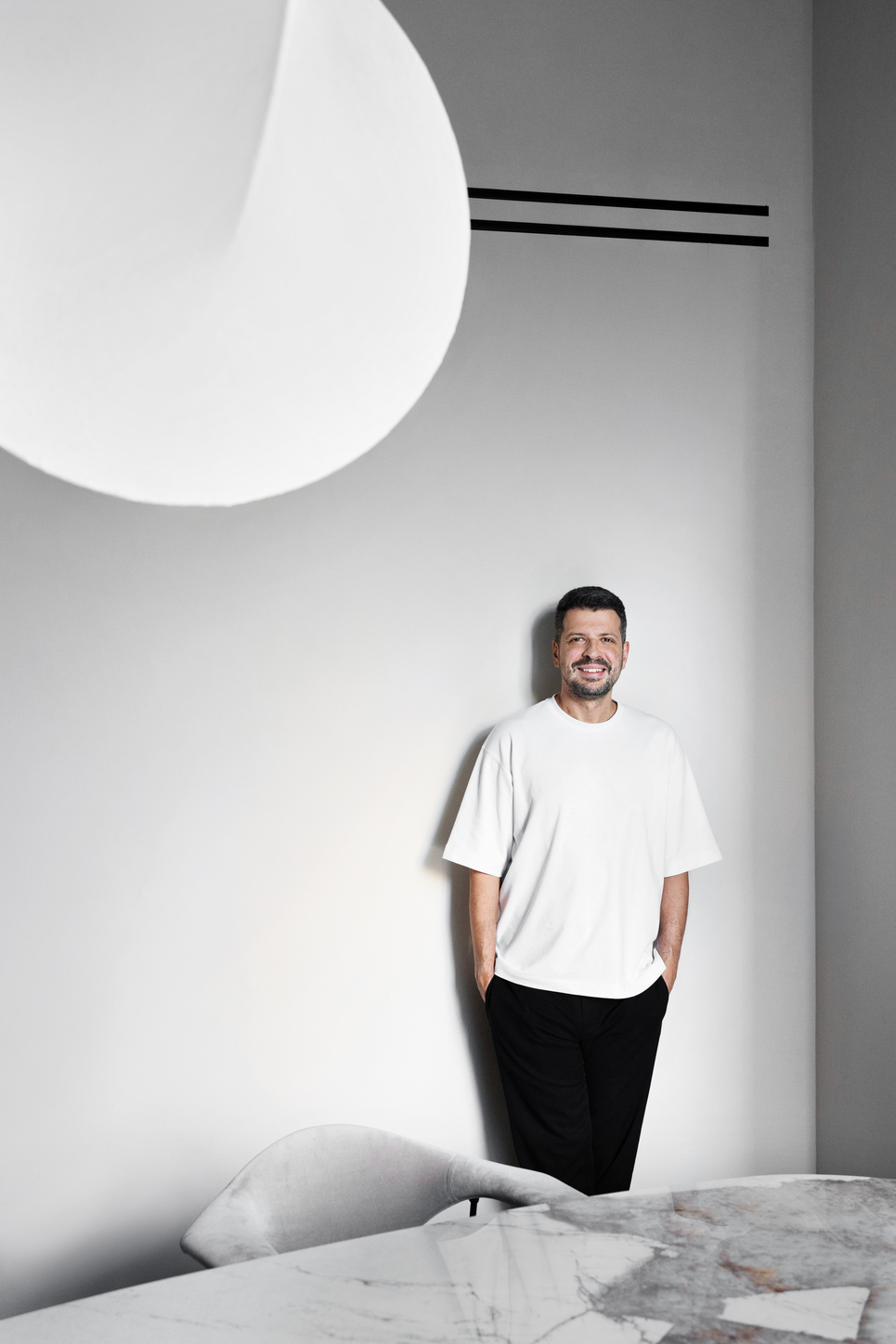
Alexandros Christodoulou, manager Area Domus, founder DNA Thessaloniki

Design Dialogue Days #1 – The Programme
1–8 November 2026

The first Design Dialogue Days begin with a simple idea: to look at the city and the world around us with fresh eyes. To reconsider the objects we use every day, yet may never have stopped to wonder who designed them, why they take the shape they do, what needs they serve and how their design ultimately shapes the way we live.

And the city becomes the museum.

At the heart of the initiative is Aristotelous Square, where an unexpected pop-up design museum opens on 1 November. A temporary space, open to all, becomes the starting point for discovering DNA Thessaloniki.

The pop-up museum unfolds across three themed containers, each offering a different perspective on the world of design.

The first invites visitors to reconsider familiar everyday objects and see them in a new light. In the second, objects appear to emerge from the cinematic red universe of Pedro Almodóvar, while the third presents iconic pieces that have left their mark on design history.

Visitors can explore the installation free of charge, with the guidance of volunteers, before setting off on a different kind of walk through the historic city centre.

Because the museum does not end at the square. From there, a design trail unfolds, with 30 selected shop windows transformed into intimate spaces for storytelling.

Everyday objects take on new meaning as visitors discover the stories behind their design, the people who created them and the needs they were intended to meet. Familiar things begin to reveal a different side of themselves.

As part of the initiative, another small pop-up installation takes shape at the studio of Minas Kosmidis Architects, where designer fabrics engage in a dialogue with design objects, opening up yet another unexpected conversation around design.

And the festivities begin as they should: with a celebration.

On 1 November, Aristotelous Square sets the programme in motion with a party featuring a DJ set curated by Street Outdoors, marking the beginning of a week filled with design, walks, discoveries and encounters across the city.

A week in which Thessaloniki is invited not simply to visit an exhibition, but to walk, observe, discover and take part.

OTE Windows

Author