Lito, when and how the atelier was founded, and by whom?
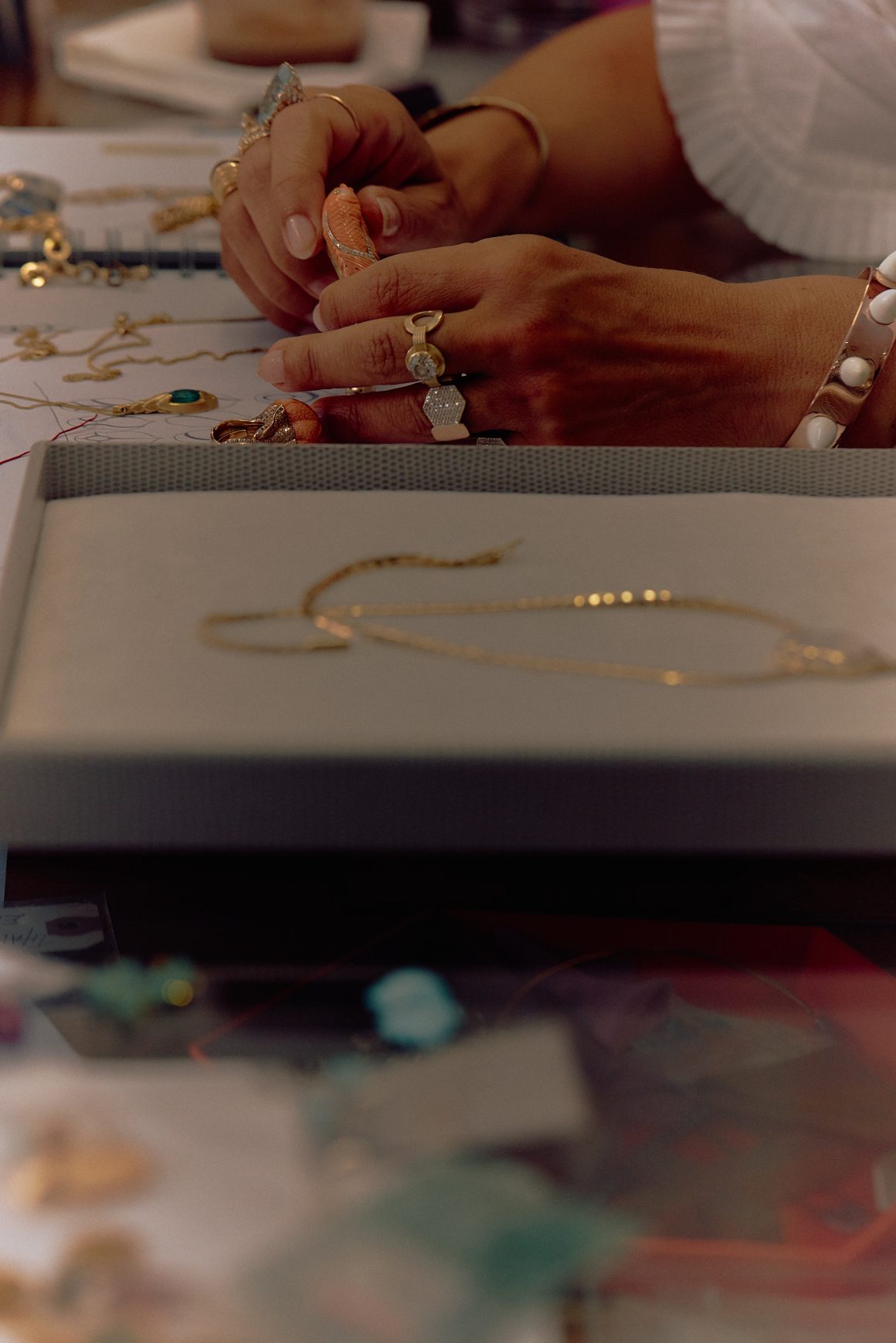
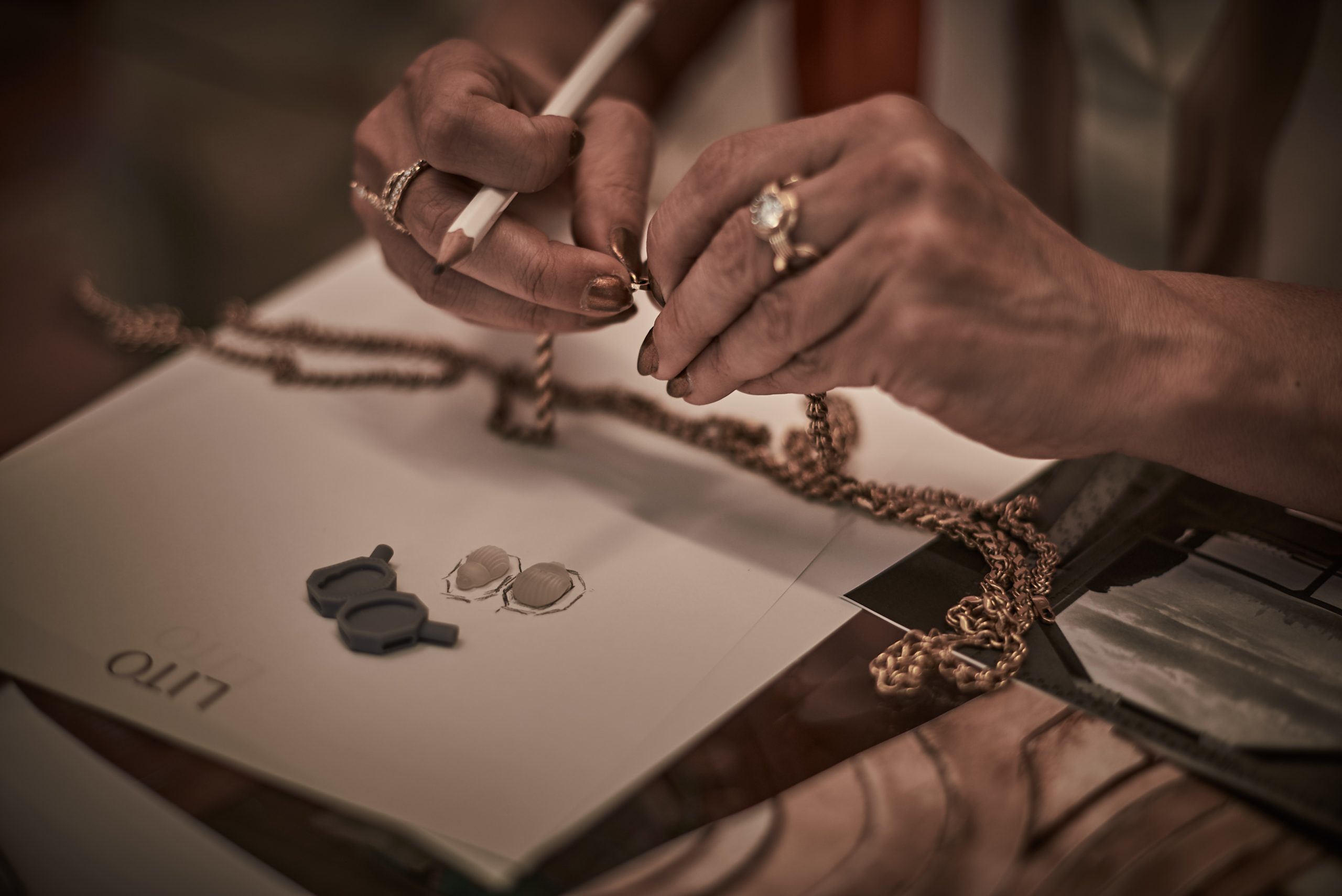
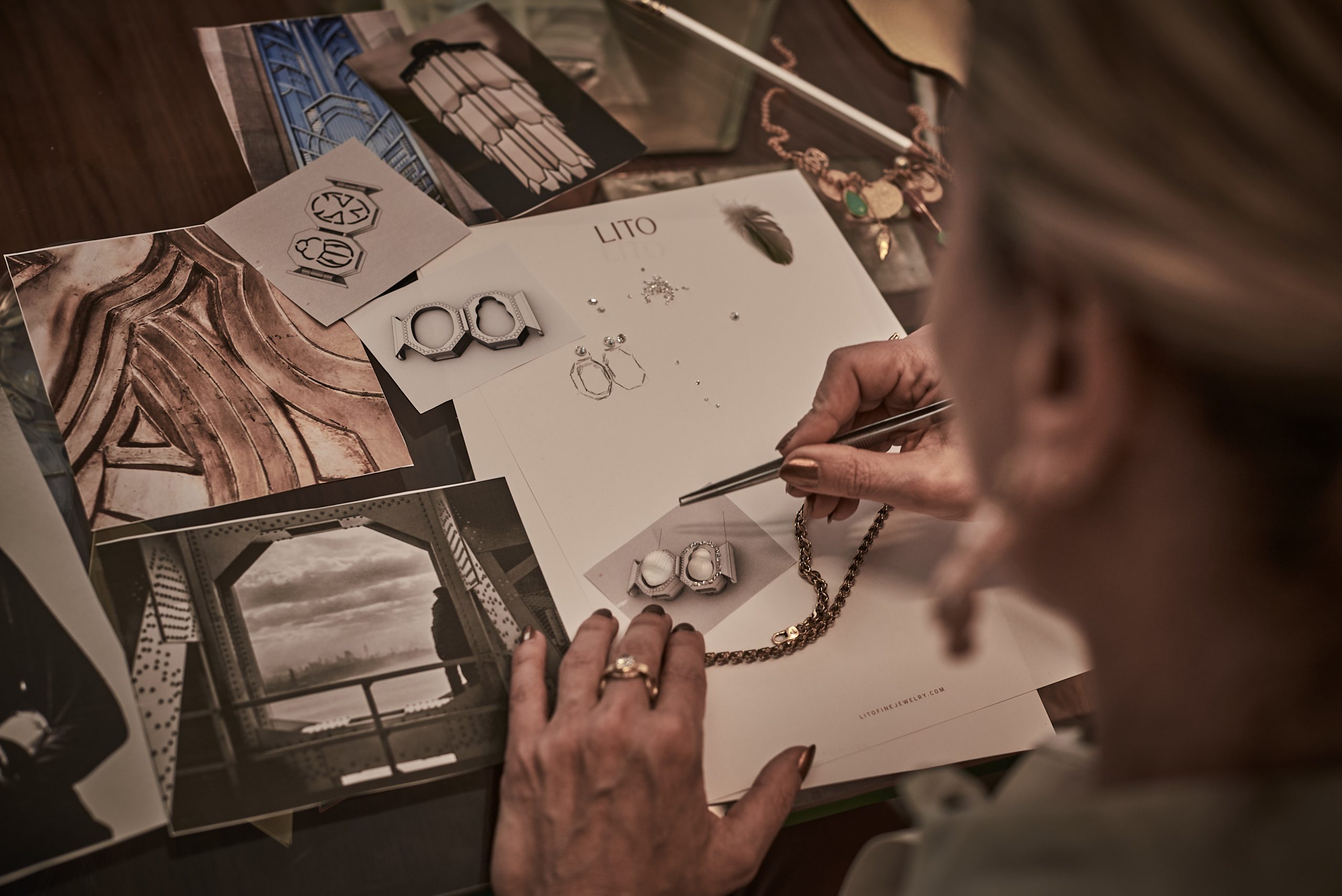
I founded my atelier in 2000 to serve as the creative epicenter for my work as a self-taught jewelry designer. From the very beginning, creating one-of-a-kind pieces required a dedicated space where I could remain intimately involved in every stage of production. Close collaboration with our artisans is the cornerstone of my creative process; By overseeing production from concept to completion, I ensure each piece honors its original design while achieving impeccable craftsmanship. For me, the atelier isn’t just where the jewelry is made — it’s an extension of my creative world, where design and craft grow together.
A sense of the history of the craft at the workshop with anecdotes/historical facts
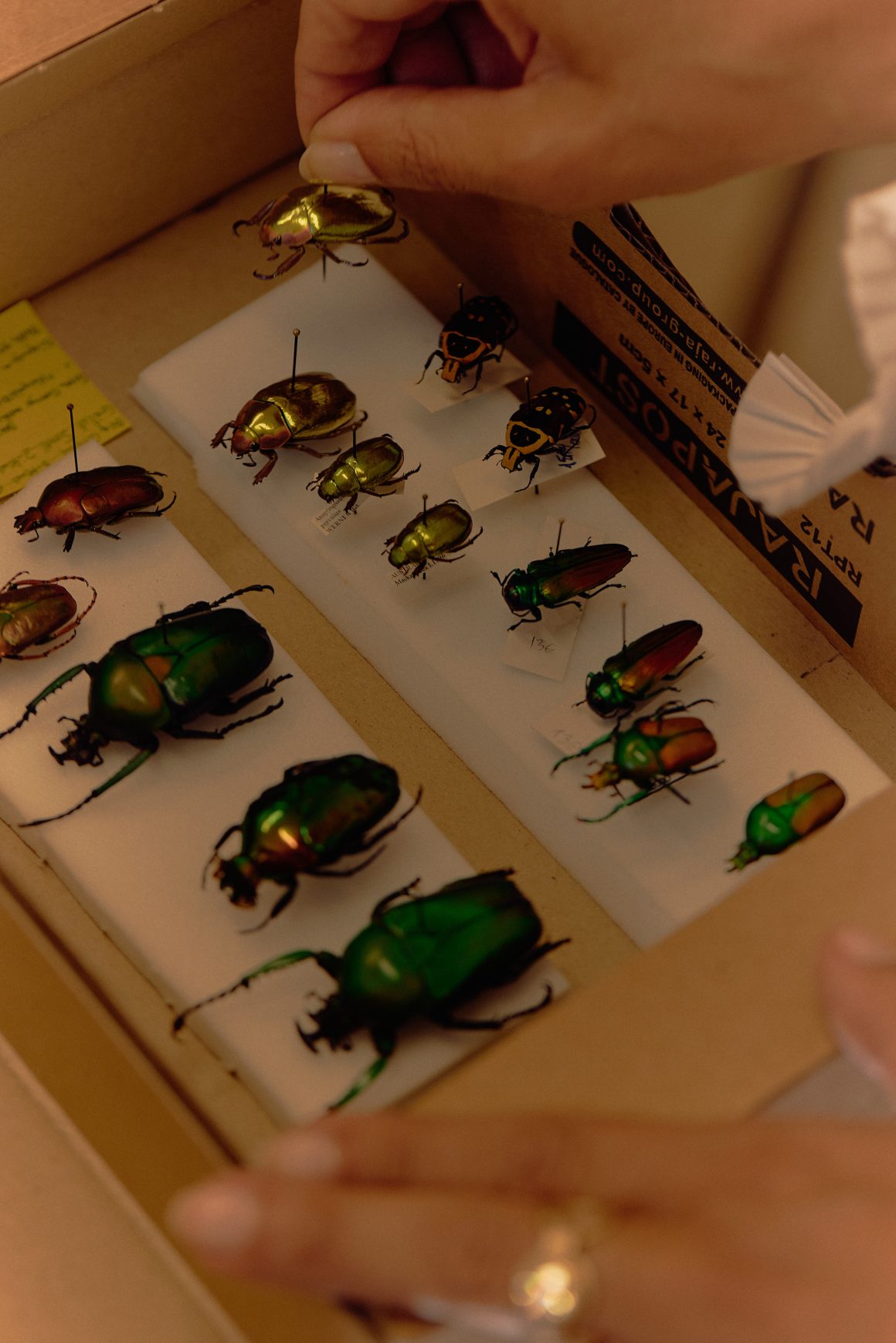
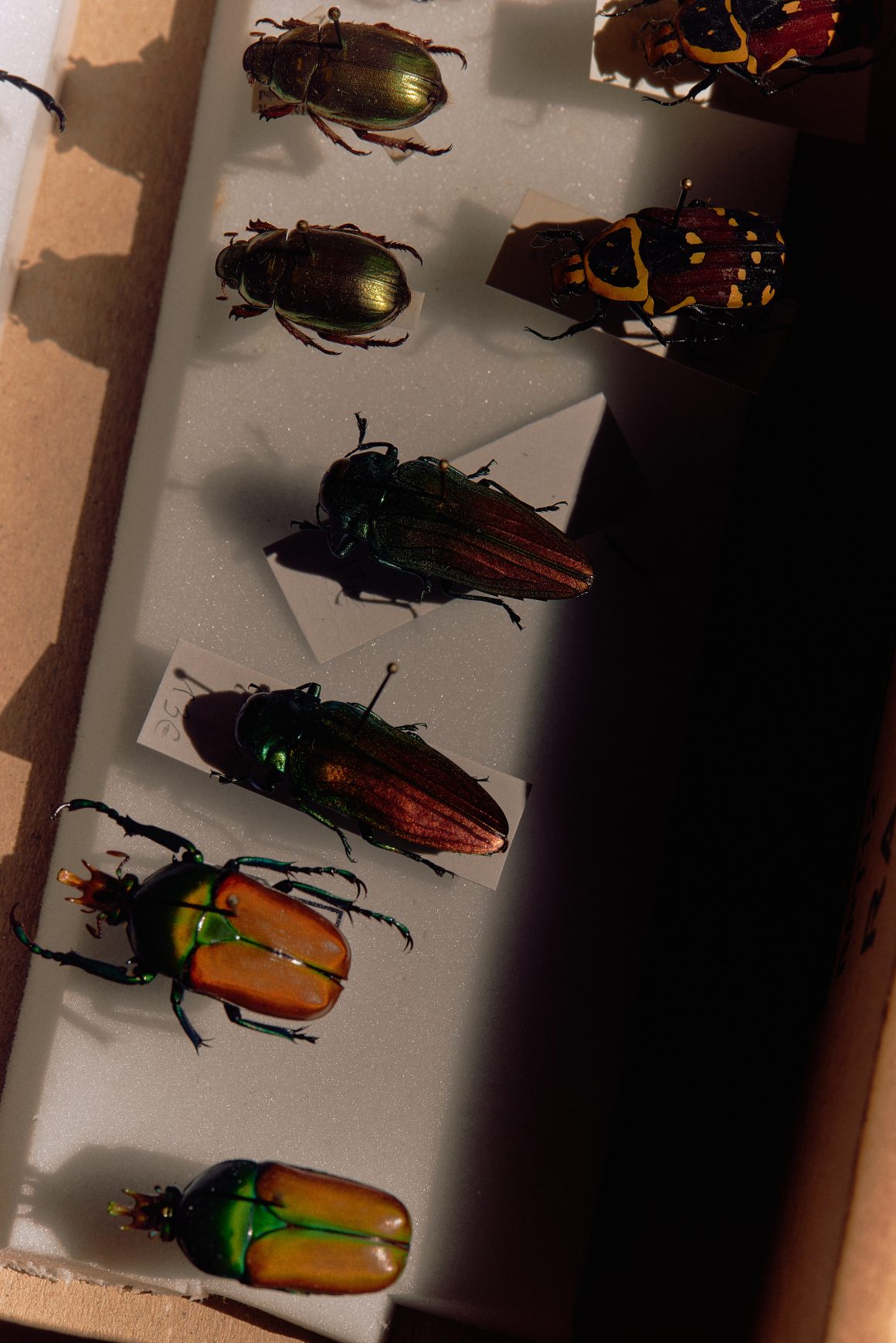
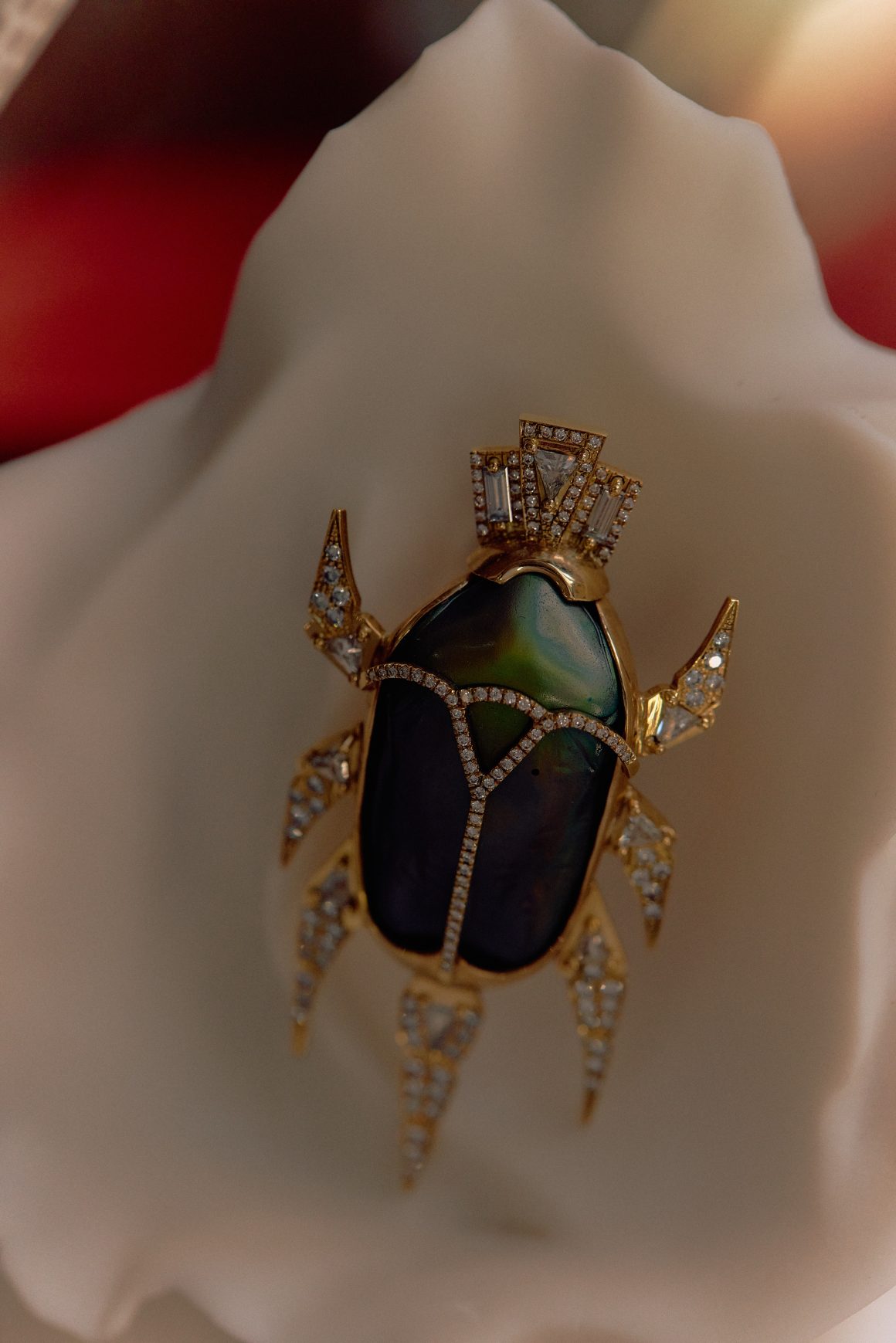
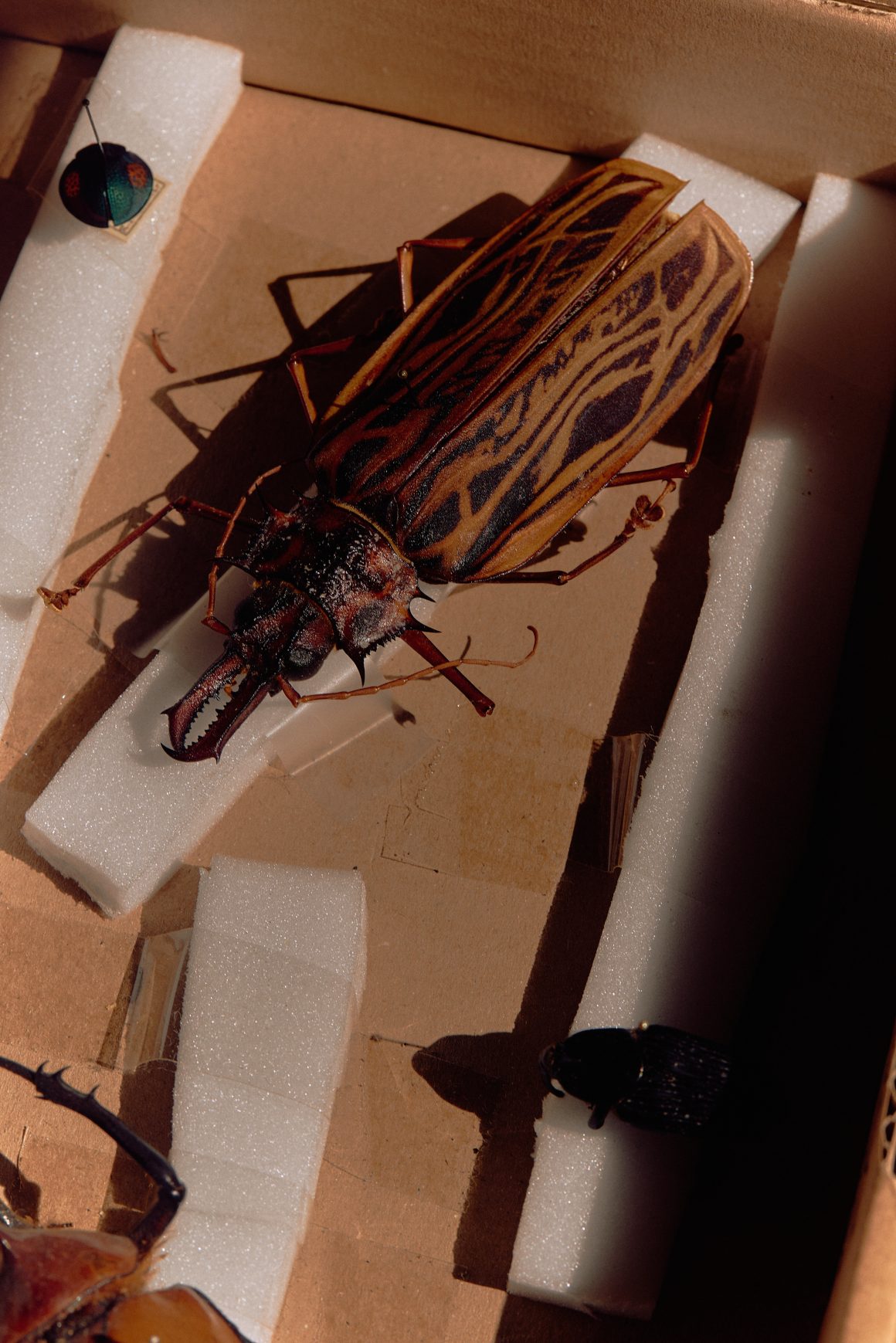
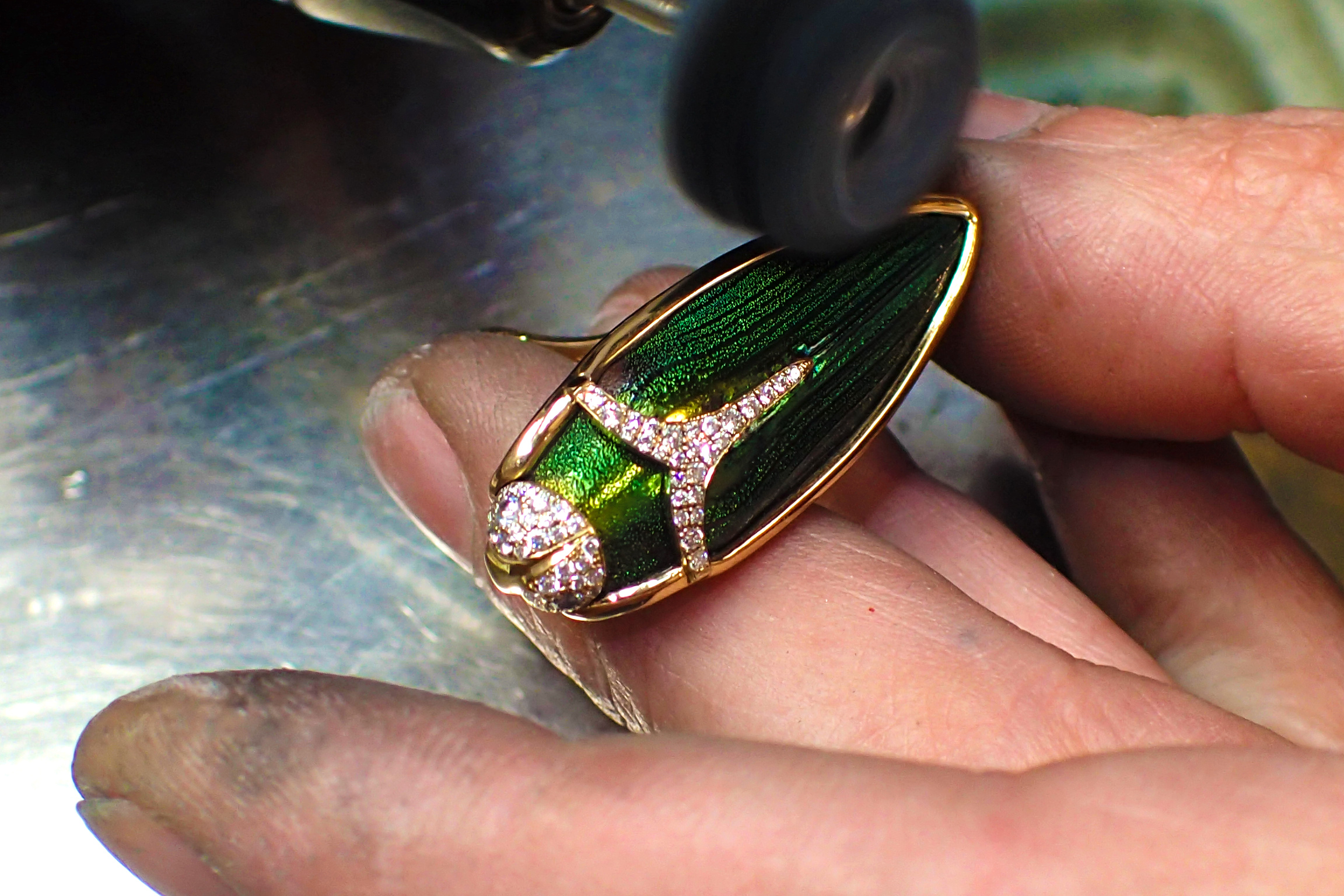
Our creative journey with taxidermized scarabs was sparked nearly two decades ago during an inspiring visit to Deyrolle in Paris. There, I was utterly captivated by a small, radiant specimen from Madagascar—an encounter that inspired my very first scarab talisman for 2008. This singular piece laid the groundwork for Scarabées de Beauté, a bespoke collection designed the following year for Galerie BSL in Paris. The crown jewel of that initial debut remains one of my most cherished creations: an 18-karat gold cage trapping two scarabs mid-escape, serving as a profound commentary on freedom and transformation. Fifteen years after that milestone collaboration, I revisited this profound symbology with Cosmic Guardians. This high-jewelry collection reimagines the protective beetle on a breathtaking, monumental scale, starting with an avant-garde golden tiara inspired by the myth of Isis, cementing the scarab as a modern symbol of eternal renewal.
Particular specializations, characteristics and attributes within cultural context
At the core of my design ethos is the elevation of rare natural wonders into high-concept contemporary jewelry. Fascination with the convergence of nature, art, and heritage drives me to craft pieces that are profoundly sculptural and layered with meaning. The scarab holds an iconic status across cultures—chiefly in Ancient Egypt as an emblem of rebirth, defense, and eternal renewal. With Cosmic Guardians, I translate this historic iconography into a modern visual vocabulary. By pairing the untouched raw beauty of each specimen with precious metals and exacting craftsmanship, I ensure that every individual scarab yields a completely singular, unrepeatable masterpiece.
Inspiring projects or future plans
Cosmic Guardians serves as the prologue to a bold new chapter in my ongoing dialogue between the natural world and haute joaillerie. My vision is to continually scale this creative universe, dreaming up sculptural, wearable forms that dive deeper into mythology, symbolism, and the raw beauty of our planet. Looking ahead, I am drawn to creating even more ambitious collector’s pieces—works that don’t just sit in a jewelry box but act as fine art and true objects of wonder. I look forward to continuing this journey alongside the galleries, museums, and cultural institutions that love, protect, and celebrate exceptional craftsmanship as much as I do.
Any other information that you may think is important for the atelier’s presentation
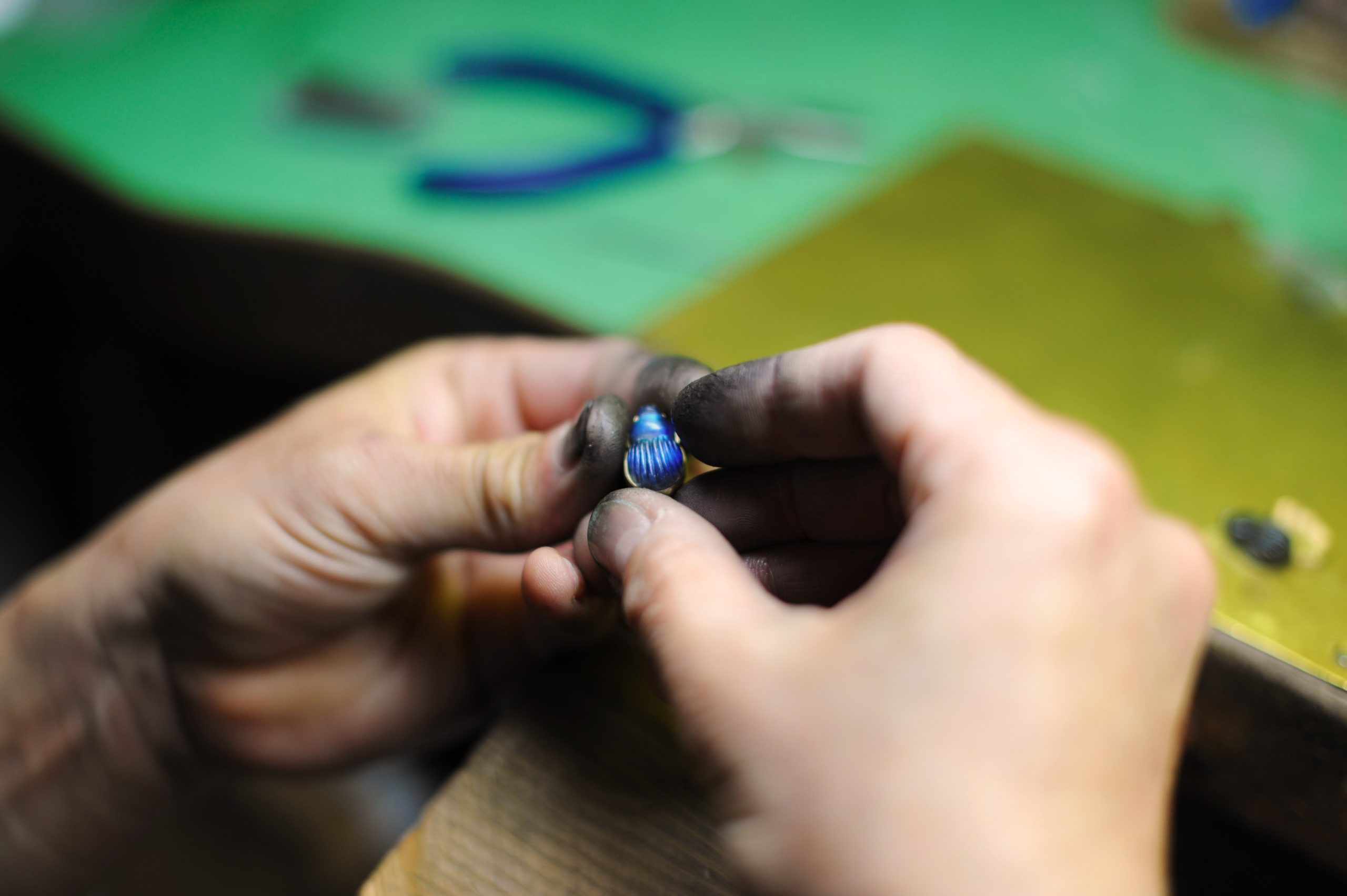
The atelier’s heartbeat is a dedicated team of six elite artisans who collaborate intimately with me on every bespoke commission and one-of-a-kind creation. Our collaborative ecosystem thrives on absolute trust, mutual respect, and a collective obsession with excellence. Every piece emerges from a fluid, ongoing dialogue between conceptual design and technical skill. This symbiotic workflow preserves the distinct identity of each jewel while upholding the rigorous quality and micro-precision that define our heritage. Ultimately, each creation is envisioned not merely as personal adornment, but as a timeless objet d’art—sculpted to endure and be treasured across generations.
The Q&A were sent by Homo Faber to Lito for her introduction
Every creation a bejewelled reverence to the living
Lito Karakostanoglou founded her atelier, Lito Fine Jewelry, in 2000 to serve as the creative home for her work as a self-taught jewellery designer and maker. “For me, the atelier is not just where the jewellery is made, it is also an extension of my creative world, where design and craft grow together,” she explains. At the heart of the atelier is a team of six master artisans who collaborate closely with Lito on every bespoke commission. Trust, mutual respect and a collective obsession with excellence are the foundations of this ecosystem. Each creation is envisioned as a timeless objet d’art, sculpted to endure and be treasured across generations.
At the core of Lito’s design ethos is the elevation of rare natural wonders into high-concept contemporary jewellery pieces. With the Cosmic Guardians high-jewellery collection, Lito reimagines the protective beetle. By pairing the raw beauty of each specimen with precious metals and craftsmanship, she ensures that every individual scarab yields a unique masterpiece. Lito’s fascination with taxidermised scarabs began in the late 2000s during a visit to Deyrolle, the historic Parisian institution specialising in natural observation, taxidermy and entomology. That encounter inspired Scarabées de Beauté, a bespoke collection created in 2009 for Galerie BSL, laying the foundation for a dialogue with nature that continues to evolve today.
THE INTERNATIONAL CELEBRATION OF CRAFTSMANSHIP SHOWCASES 700+ OBJECTS BY 500+ CRAFT ARTISTS FROM 70+ COUNTRIES IN 15 IMMERSIVE INSTALLATIONS BY ES DEVLIN
Homo Faber 2026: An Island of Light is now open to the public at Fondazione Giorgio Cini, San Giorgio Maggiore island, Venice. This fourth edition of Homo Faber Biennial, the international celebration of contemporary craftsmanship, is the most ambitious yet, promising visitors a unique encounter with handcrafted objects from around the world, illuminated by extraordinary installations conceived by Artistic Director Es Devlin.
Curated by the Michelangelo Foundation for Creativity and Craftsmanship, and organised in partnership with Fondazione Giorgio Cini and Fondazione Cologni dei Mestieri d’Arte, Homo Faber 2026 puts the work of international master artisans centre stage through 15 immersive installations within the magnificent rooms and grounds of Fondazione Giorgio Cini. Es Devlin’s creative concept harnesses light, water, mirrors, movement and sound to create a profound narrative that plunges visitors into the world of craftsmanship, from the craft artists themselves to their workshops, tools, materials and the exquisite objects they create. Marking an evolution from previous editions, and with 85 percent of artisans exhibiting at Homo Faber Biennial for the first time, Homo Faber 2026 invites visitors to explore the relationship between light, materials, talent and creativity.
Es Devlin says: “My wish for Homo Faber 2026 is for visitors to shift their perspective. I hope they will come away with an understanding of the etymology of objects, the hands that make them and the conditions in which they are made. I hope they will be inspired to make things themselves, to support those who have devoted their lives to making things, and to never again pick up an object without thinking about the steps that brought it to their hand.”
Hanneli Rupert, Executive Vice-Chair of the Michelangelo Foundation, comments: “When Homo Faber was first conceived, it grew from a simple but urgent conviction: that craftsmanship matters. This fourth edition of Homo Faber Biennial arrives at a particularly important moment. Today, as technology can generate images, imitate voices and reproduce forms with astonishing efficiency, many of us are rediscovering our hunger for authenticity and deeply human values. We continue to seek evidence of the human hand – traces of individuality, imperfection, skill and intention. For Homo Faber 2026, we wanted to create an experience that communicates our ethos not only intellectually, but emotionally. That is why we invited Es Devlin to become our Artistic Director. Es operates like a conductor, imagining entire universes; her practice reminds us that we are the masters of our own universes, with the power to harness technology rather than be controlled by it. At a time when so much feels uncertain, perhaps what we need most are reminders of what human beings can create with their minds, their hearts and their hands.”
Alberto Cavalli, Executive Director of the Michelangelo Foundation, adds: “Promoting artisanship, human talent and creativity means promoting freedom of choice. Those who dream of artificial intelligence are free to do so, but there are other dreams which have the same right to exist: the dream of being able to name those who create the objects we use; the dream of transforming a talent into a profession; the dream of making one’s hands a tool to change the world. Homo Faber 2026 gives visibility to these extraordinary talents and their personalities by telling and celebrating their stories, and doing so with sobriety and truth.”
Gianfelice Rocca, President of Fondazione Giorgio Cini, remarks: “For 75 years, the foundation has been a place where different disciplines meet. Here, conservation and research, art and science, tradition and innovation exist side by side. It is a place where ideas are born, nurtured and transformed: Homo Faber 2026 has the remarkable ability to reveal and celebrate this identity. Here, the ancient enters into dialogue with the contemporary.”
FONDAZIONE GIORGIO CINI, SAN GIORGIO MAGGIORE ISLAND, VENICE
1-30 SEPTEMBER 2026