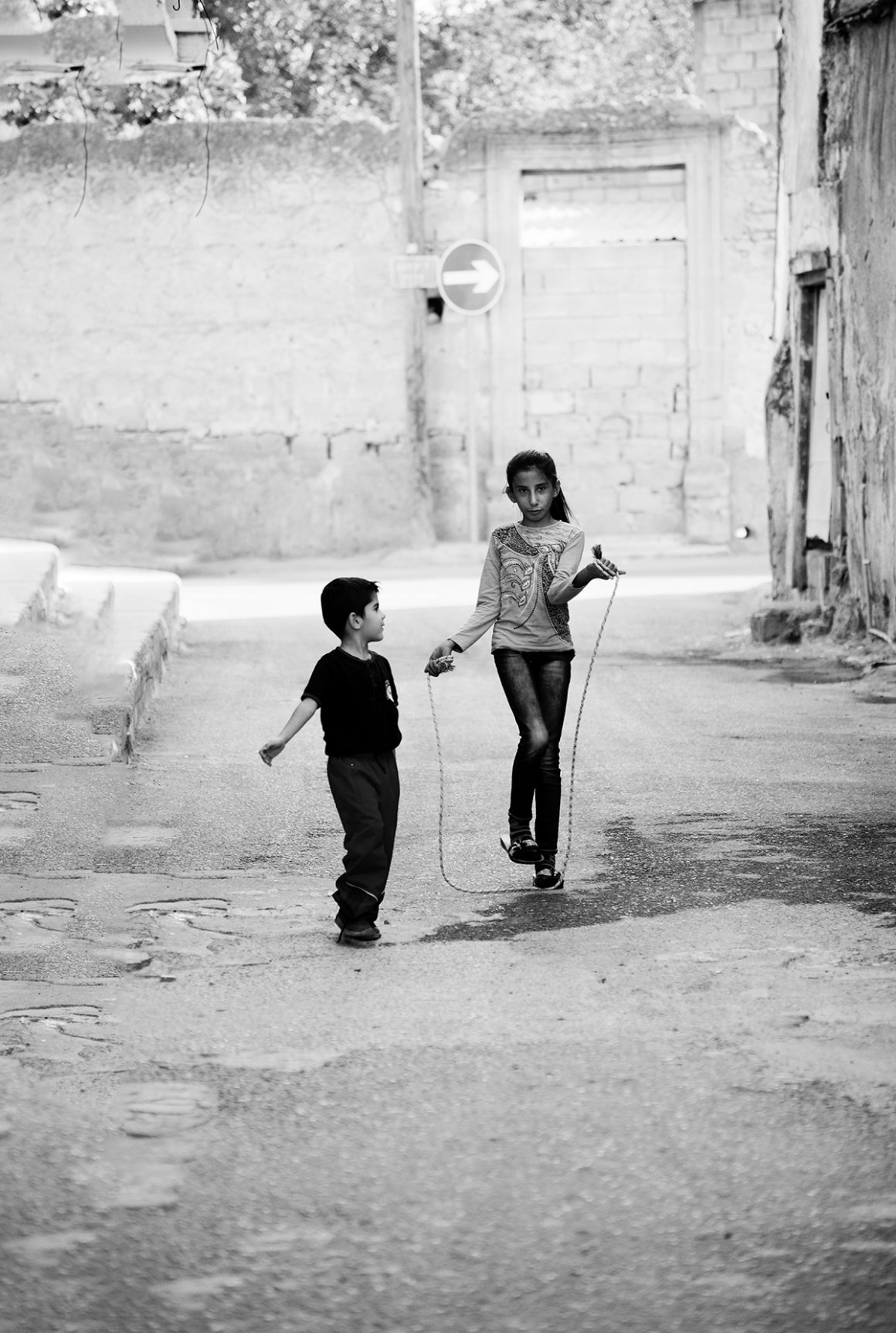
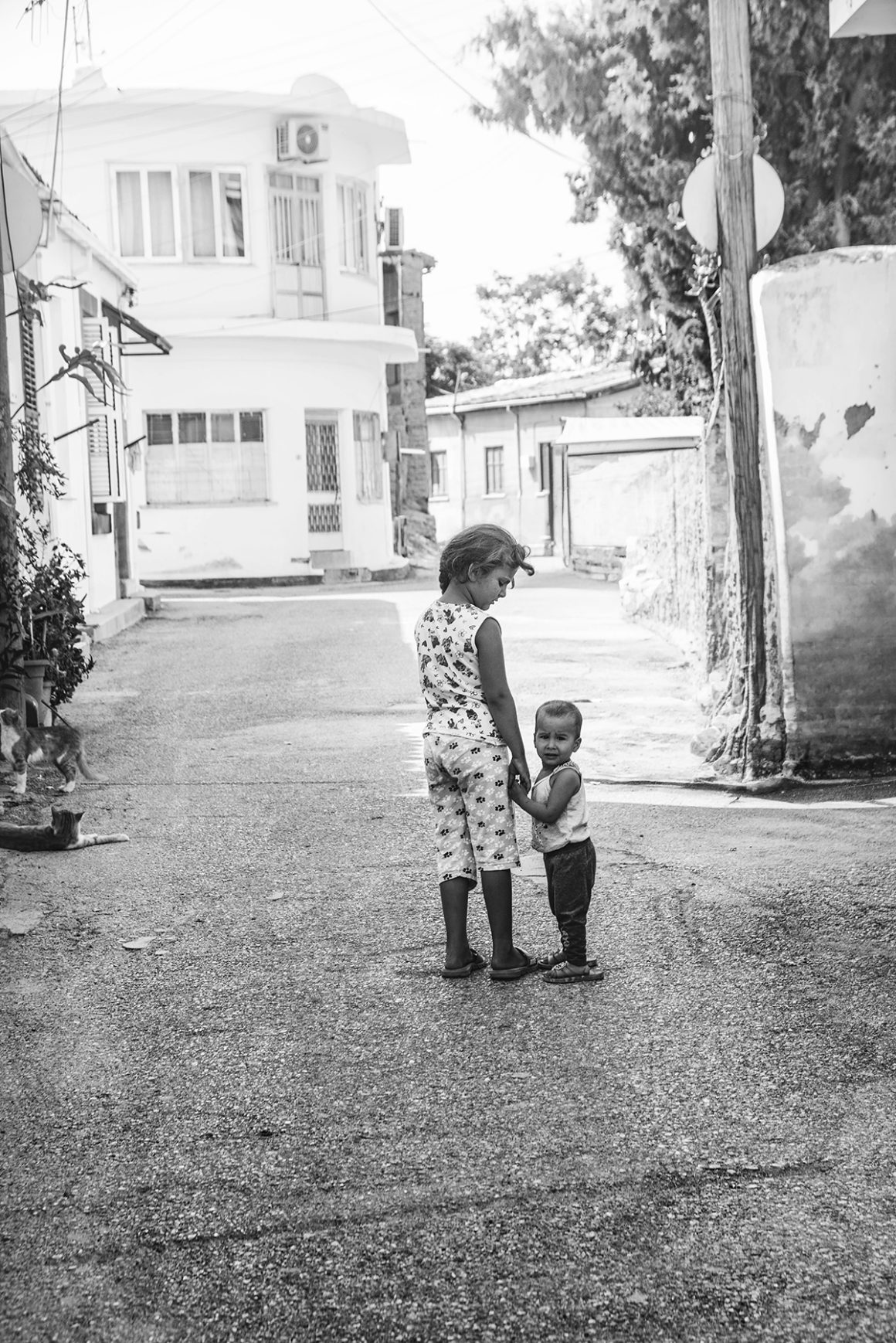
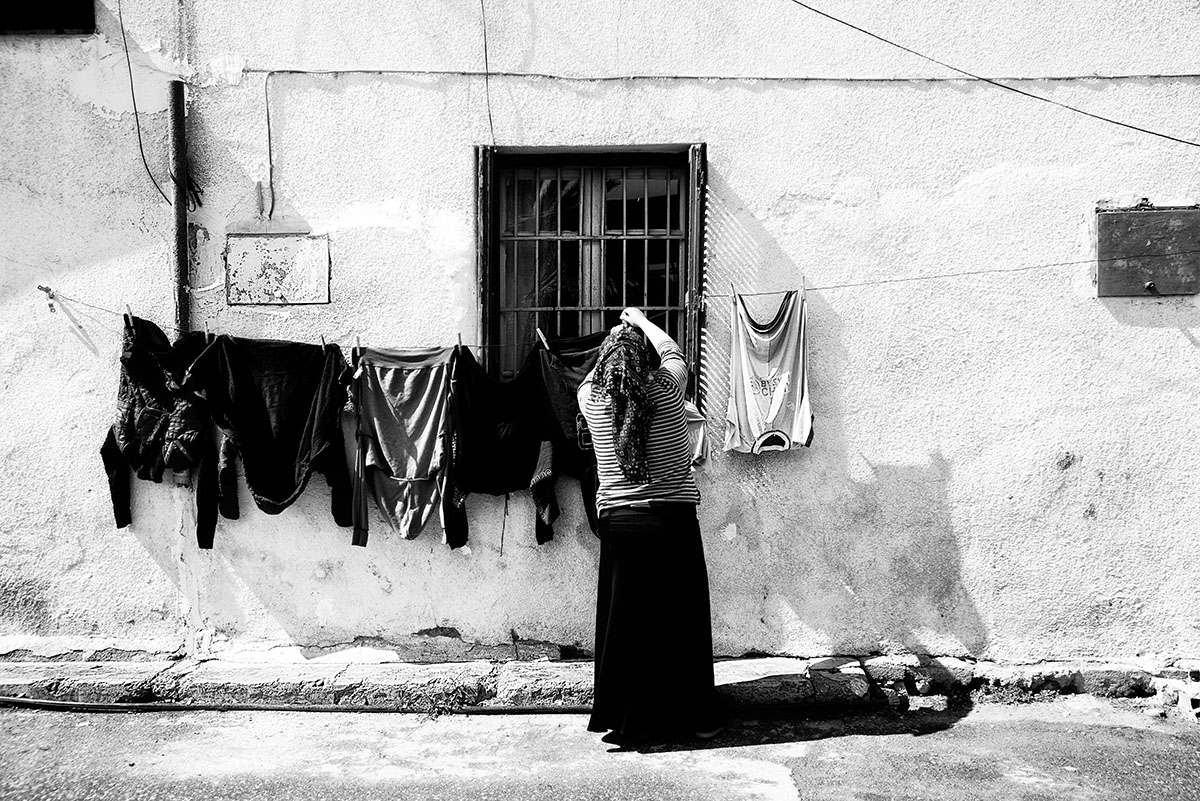
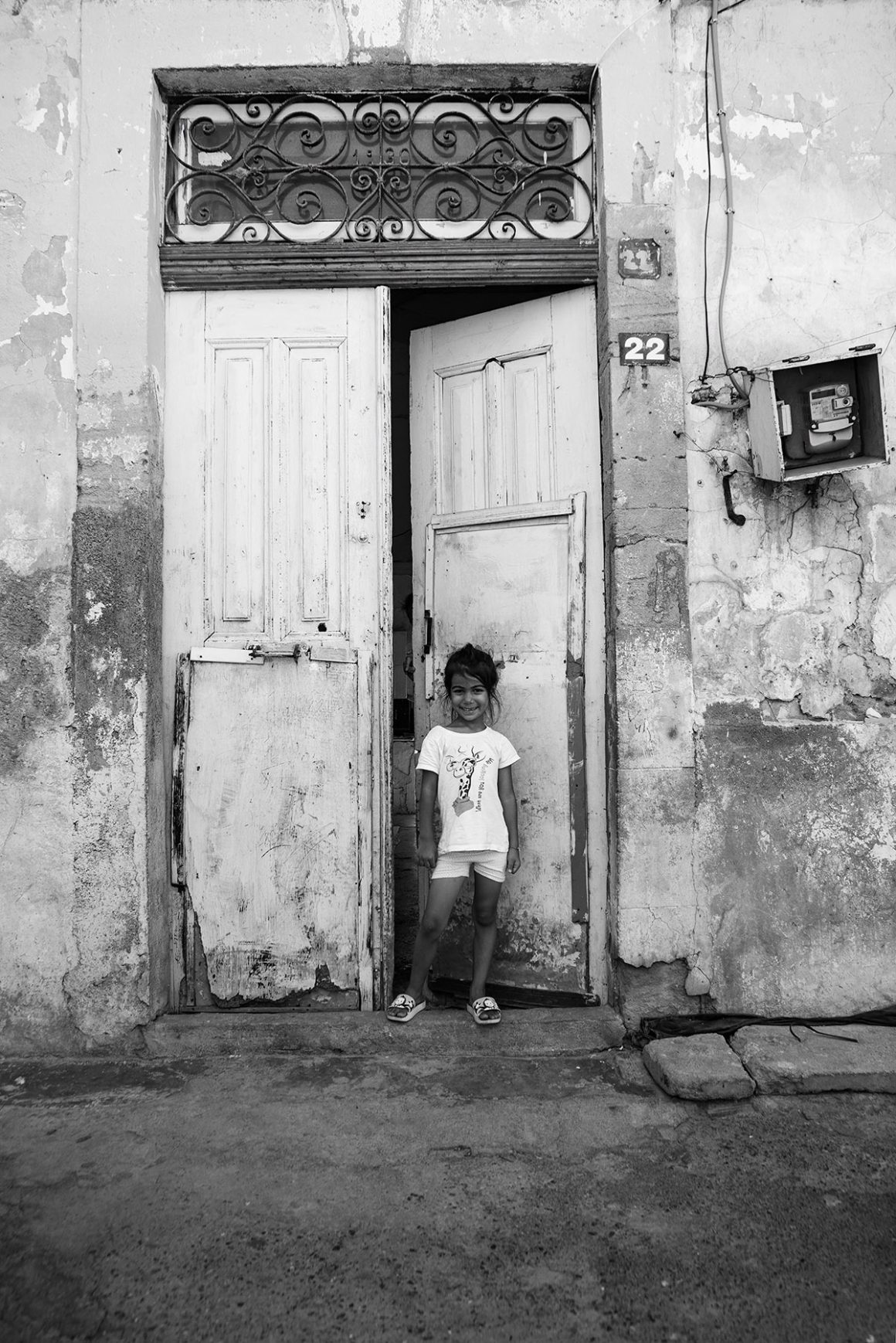
To begin with, tell us about the highlights of your journey. What were the key milestones that brought you to where you are today?
The steps that brought me here have less to do with a succession of successes and more with a constant need to understand what photography and art truly mean to me. Along the way, through exhibitions, international distinctions, travels and encounters with different people and cultures, I began to realise that what I was searching for was not simply a good image. It was that moment when something real, unique and unrepeatable passes in front of the lens and compels you to stop and take notice.
Later, I found in Roland Barthes the words for something I had already been feeling: the absolute Particular, the ultimate Contingency, mathesis singularis—the knowledge of the singular. That is why I do not see my journey as a straight line of achievements, but as a chain of encounters with images, people and moments that have gradually transformed the way I see.
Tell us the story of discovering a creative perspective through photography. How was the first idea born, and how has it evolved over time?
My love for photography and, more broadly, for creativity grew out of a need I had from a very early age: not simply to record what I saw, but to search for something beyond the obvious image. I was fascinated by the idea that a photograph could function as a small, open-ended story, leaving space for the viewer to bring their own memory, emotion and interpretation to it.
Over time, this need matured through literature, cinema and art. I began to look more and more insistently for what lies behind the visible: silence, absence, the passage of time. Photography therefore ceased to be an answer for me and became a way of asking questions.
How do you feel your aesthetic is evolving?
Aesthetic is the way you perceive the world, and inevitably, that changes as you do. It is nourished by our experiences, our joys and sorrows, by what we have lost, what we have left behind and what we have chosen to hold on to. Even by the silences we gather as we grow older.
In my own work, I feel that as the years pass, I subtract rather than add. I am less interested in the “beautiful” and more in what leaves a trace. I am drawn to imperfection, absence, to what remains outside the frame and allows the viewer to complete the story for themselves. Perhaps artistic maturity begins the moment you stop trying to show everything or impress, and simply begin to transform into art what you carry within you.
What do you feel are your most important achievements?
If I had to single out two milestones in my journey, they would be the presentation of my work at the European Parliament in Brussels and Strasbourg, and my participation in the Xposure International Photography Festival in Sharjah, as the only Cypriot photographer taking part in the event. They are two very different experiences, but equally significant to me, as they brought my work beyond the borders of Cyprus and before a truly international audience.
Beyond awards and international exhibitions, however, my greatest achievement remains the fact that, over the years, I have managed to develop my own artistic language—a way of seeing and telling stories that genuinely reflects who I am.
And when one of my images manages to touch someone, awaken an emotion in them, or simply make them pause for a little longer in front of it, that remains, for me, the greatest success of all.
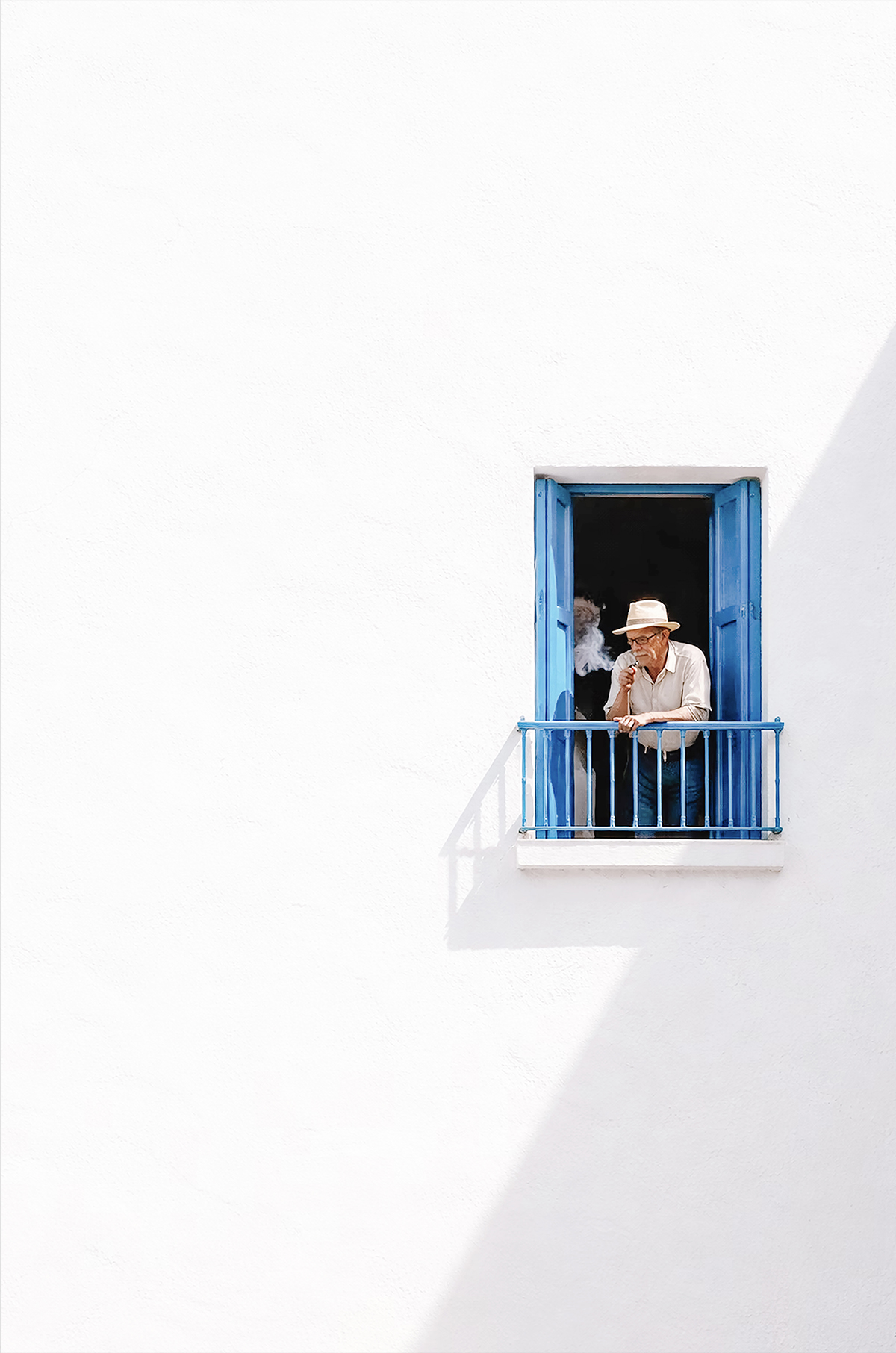
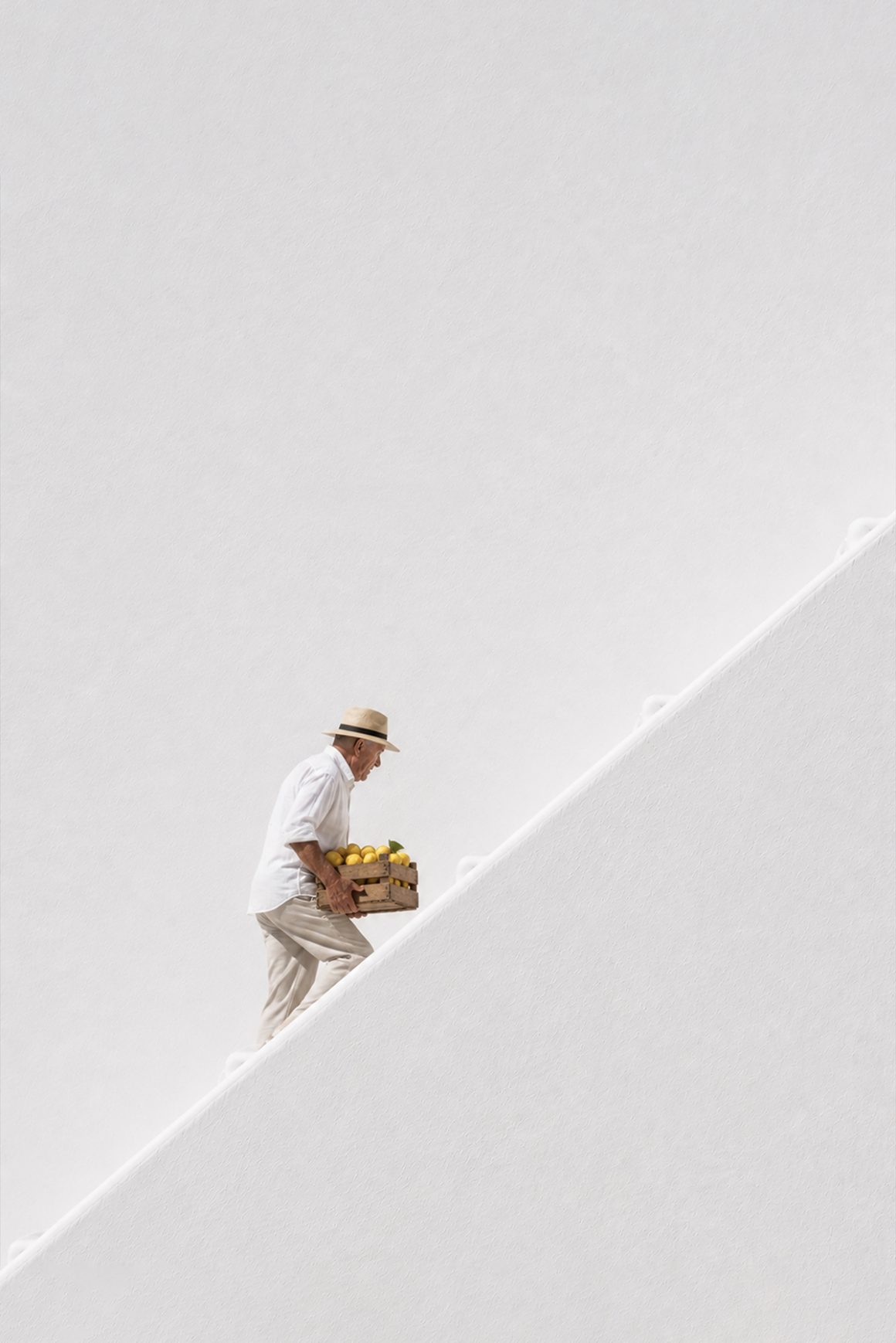
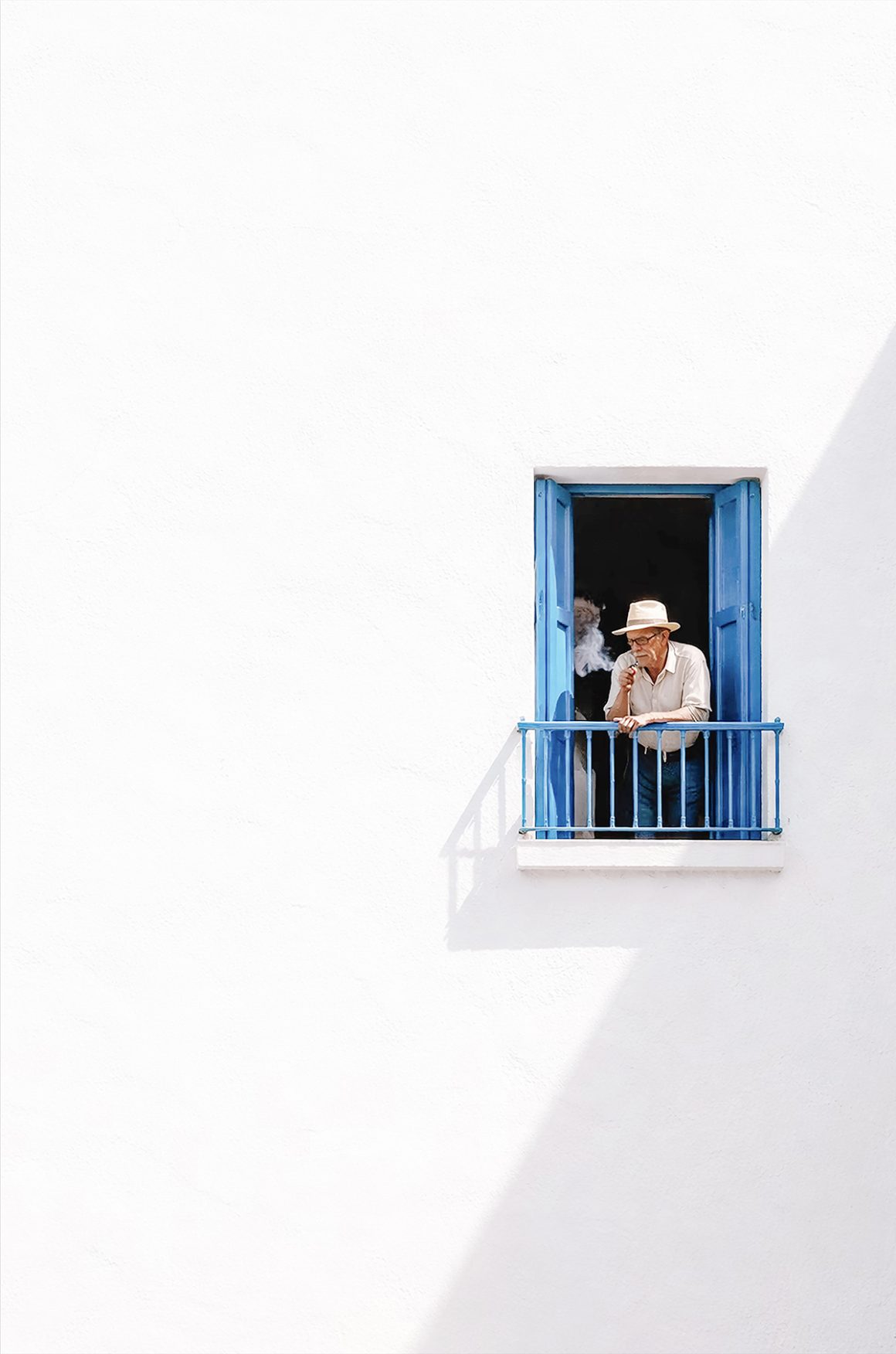
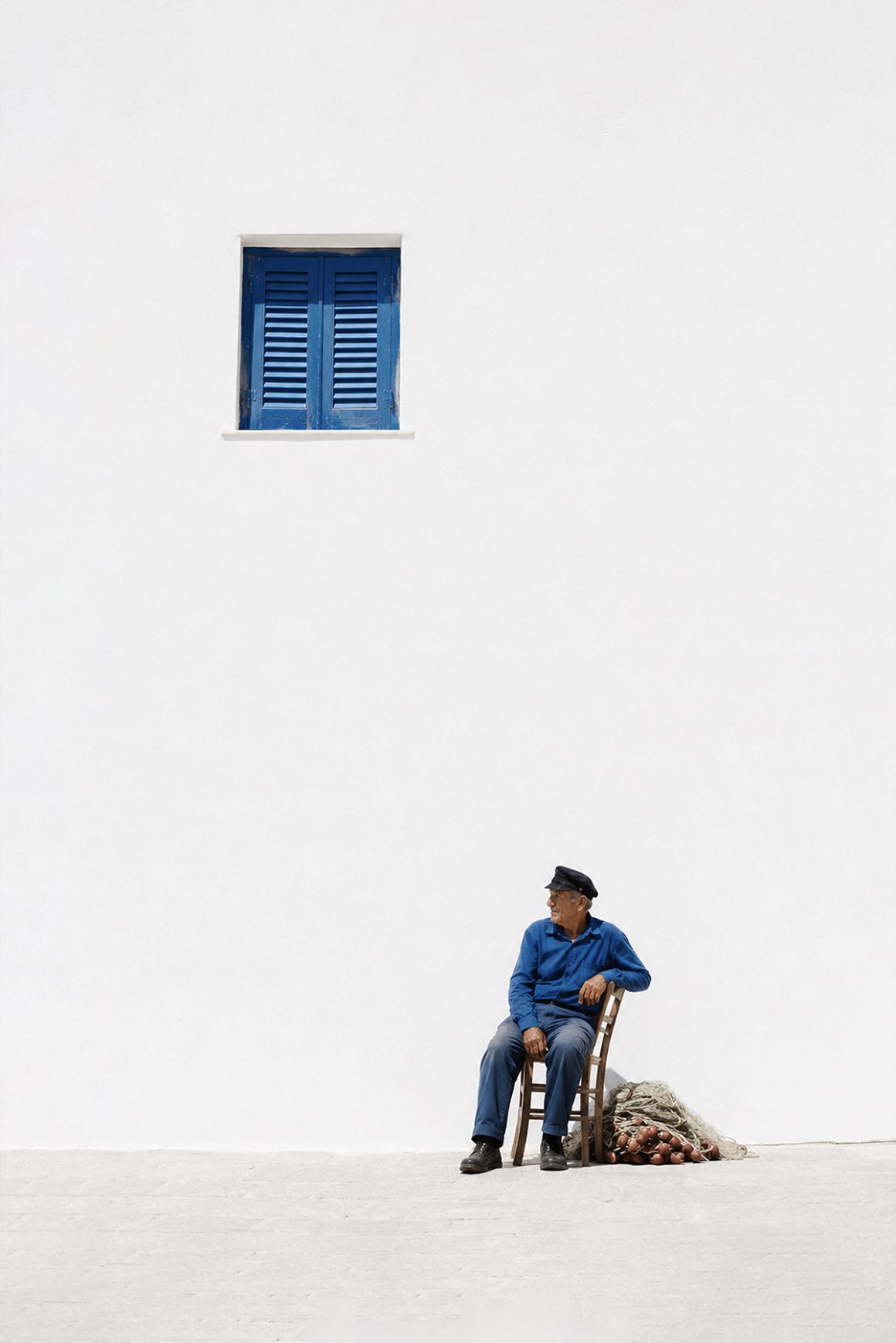
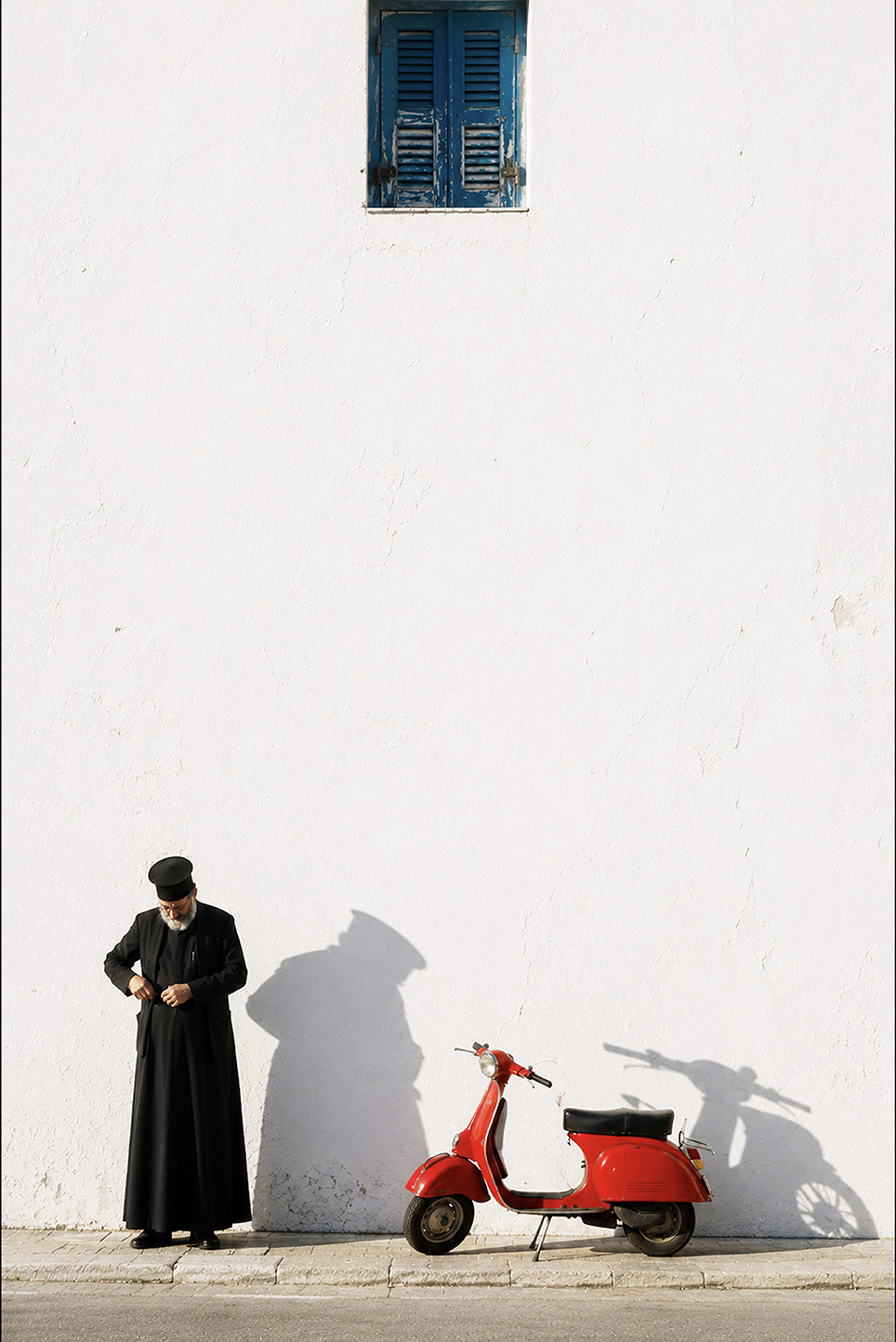
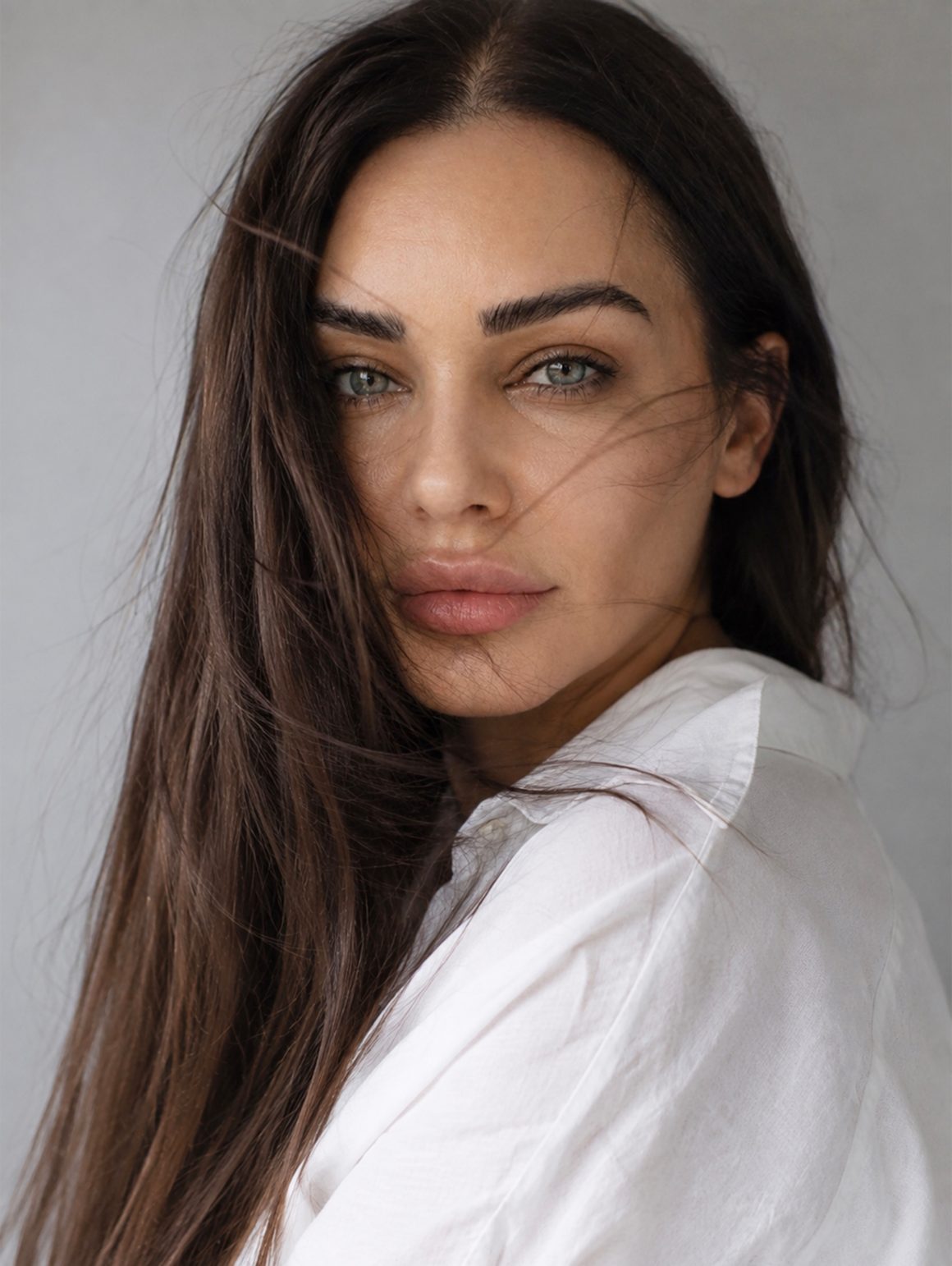
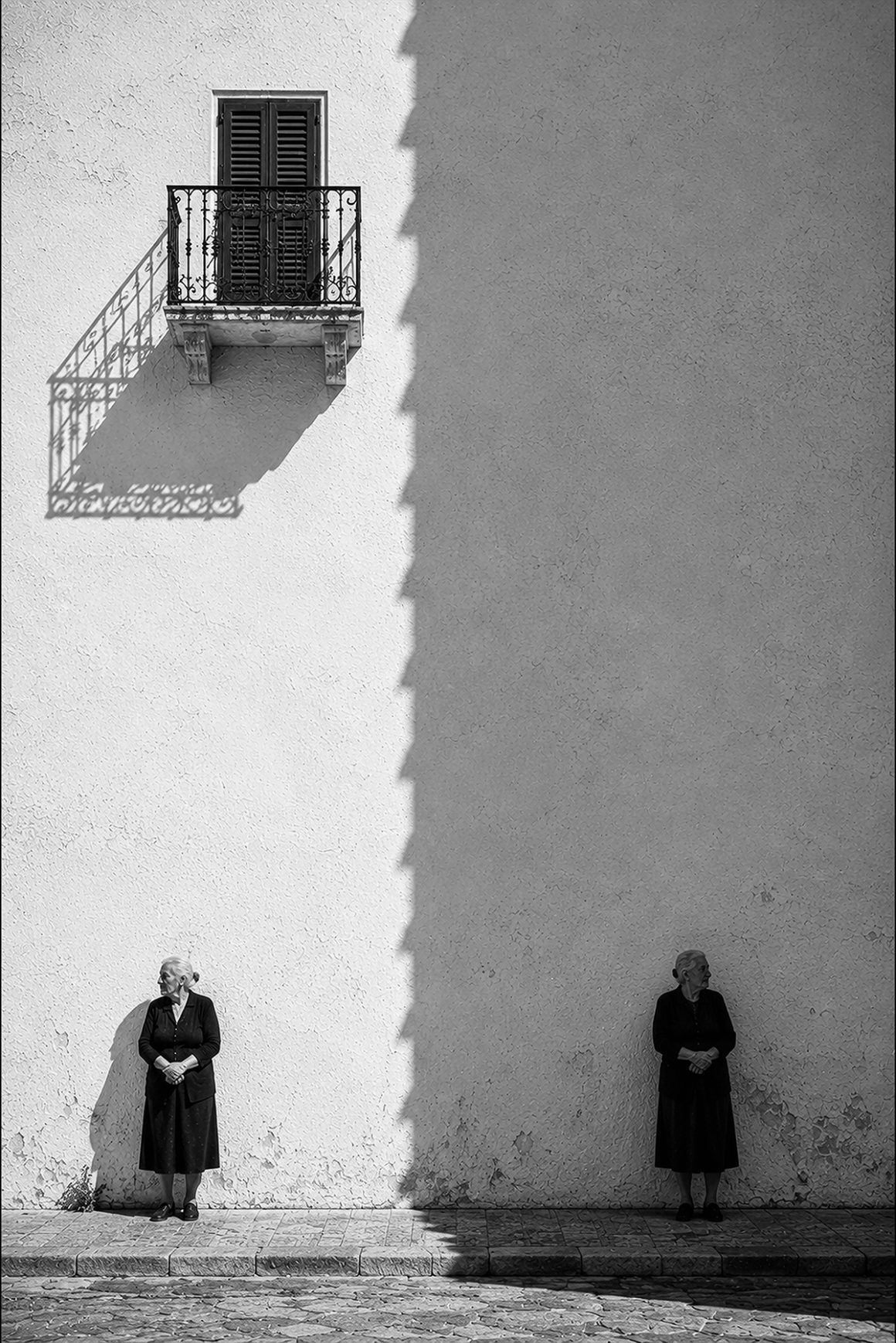
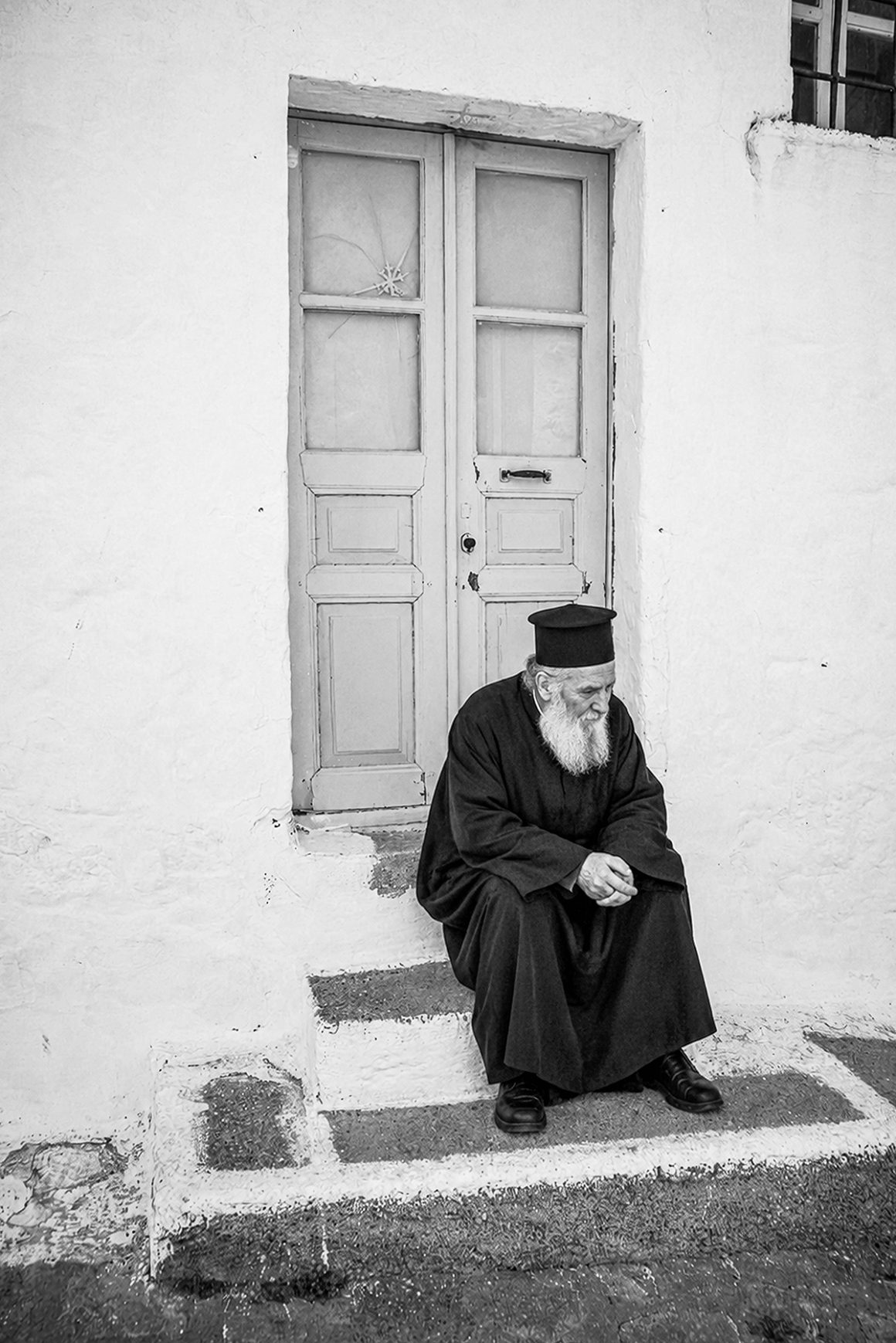
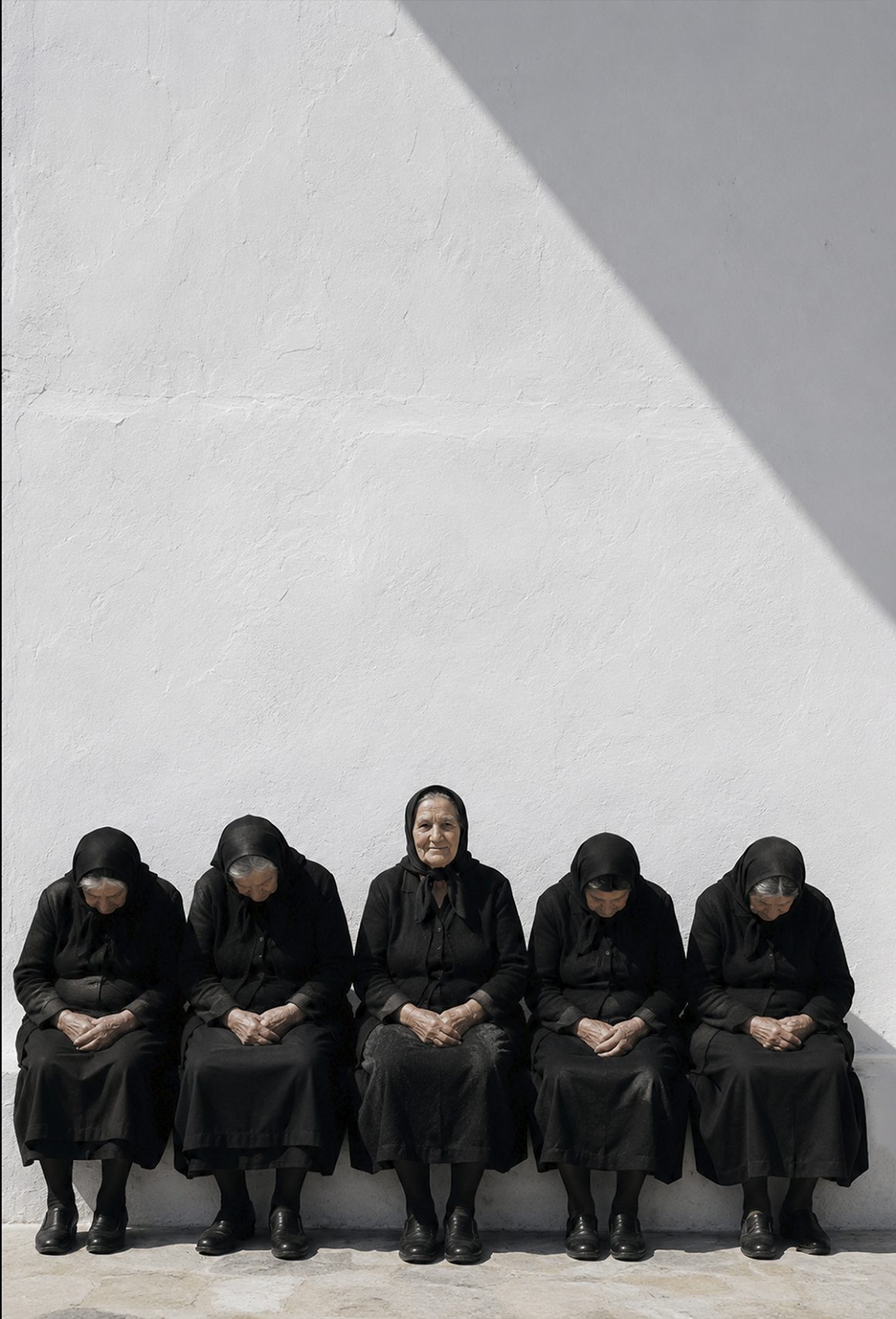
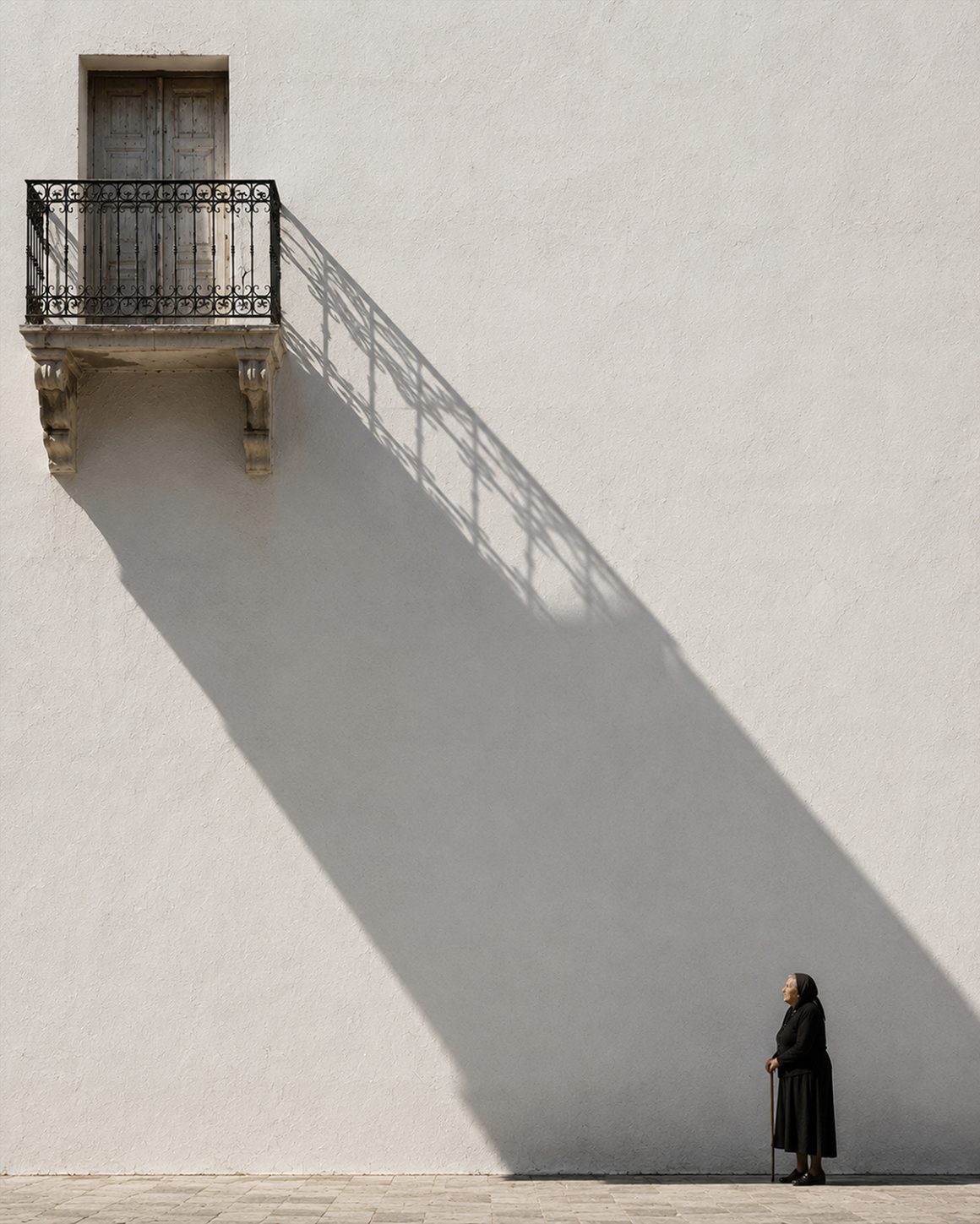
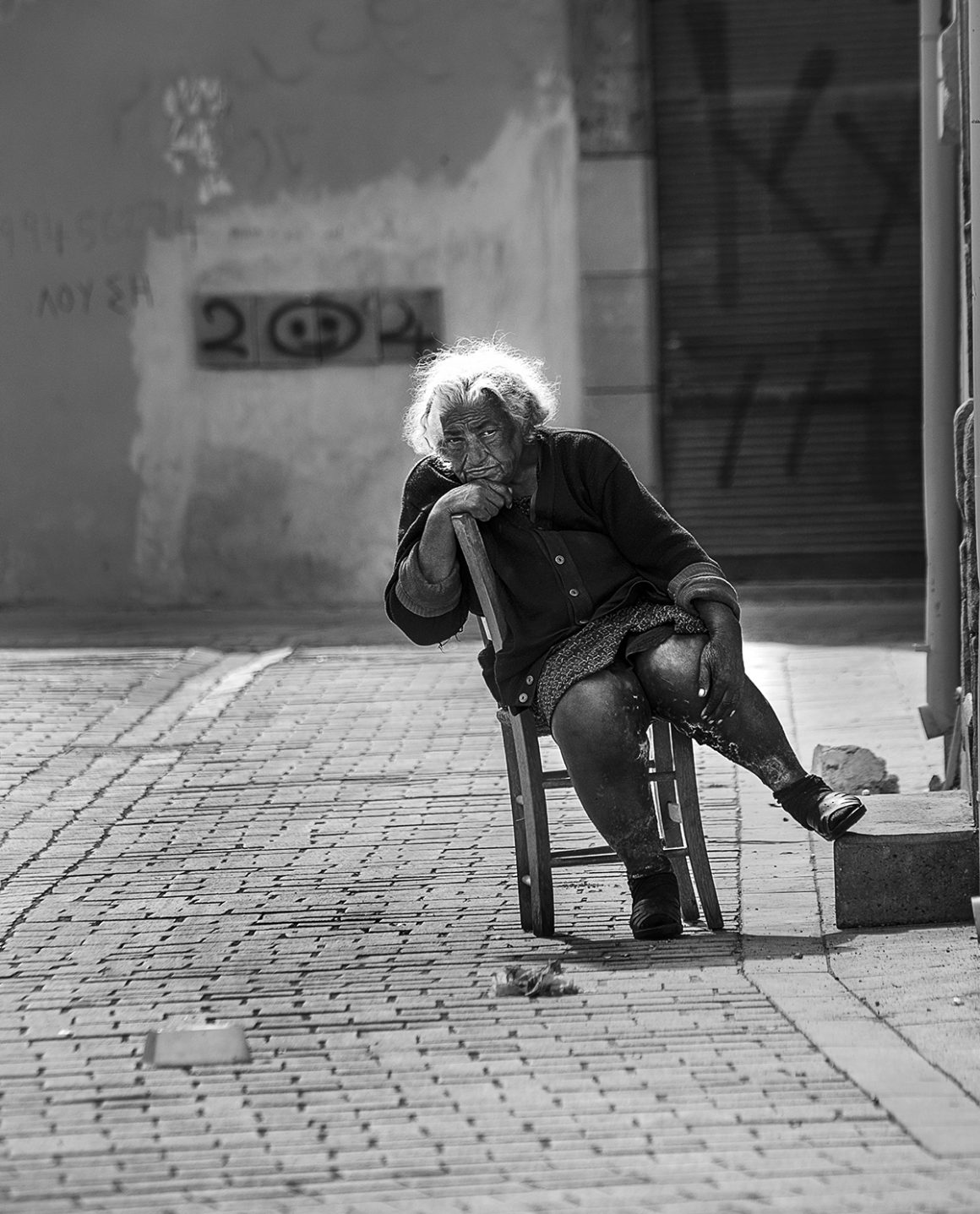
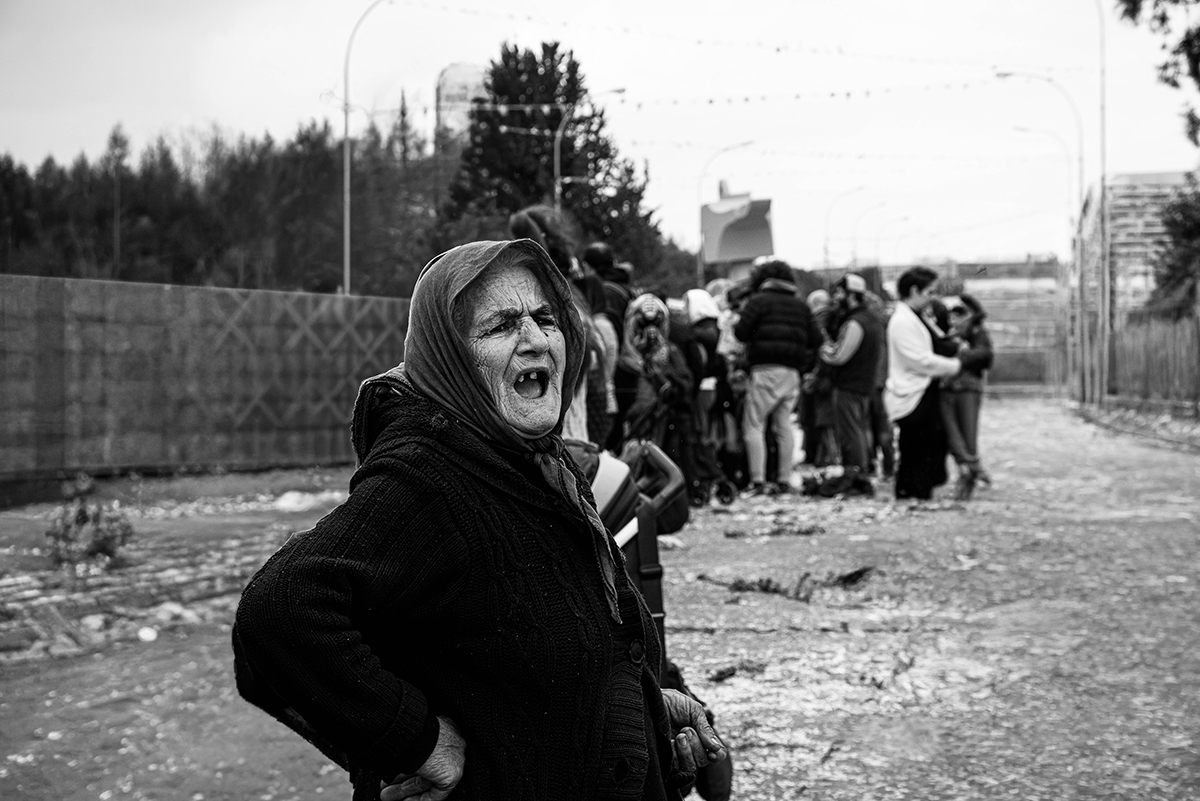
You capture Greece and its people in a truly distinctive way. There is the spontaneous photograph, which preserves the authenticity of a moment, and the photograph that feels more like a carefully staged theatrical scene. Which do you prefer, and how do you approach each?
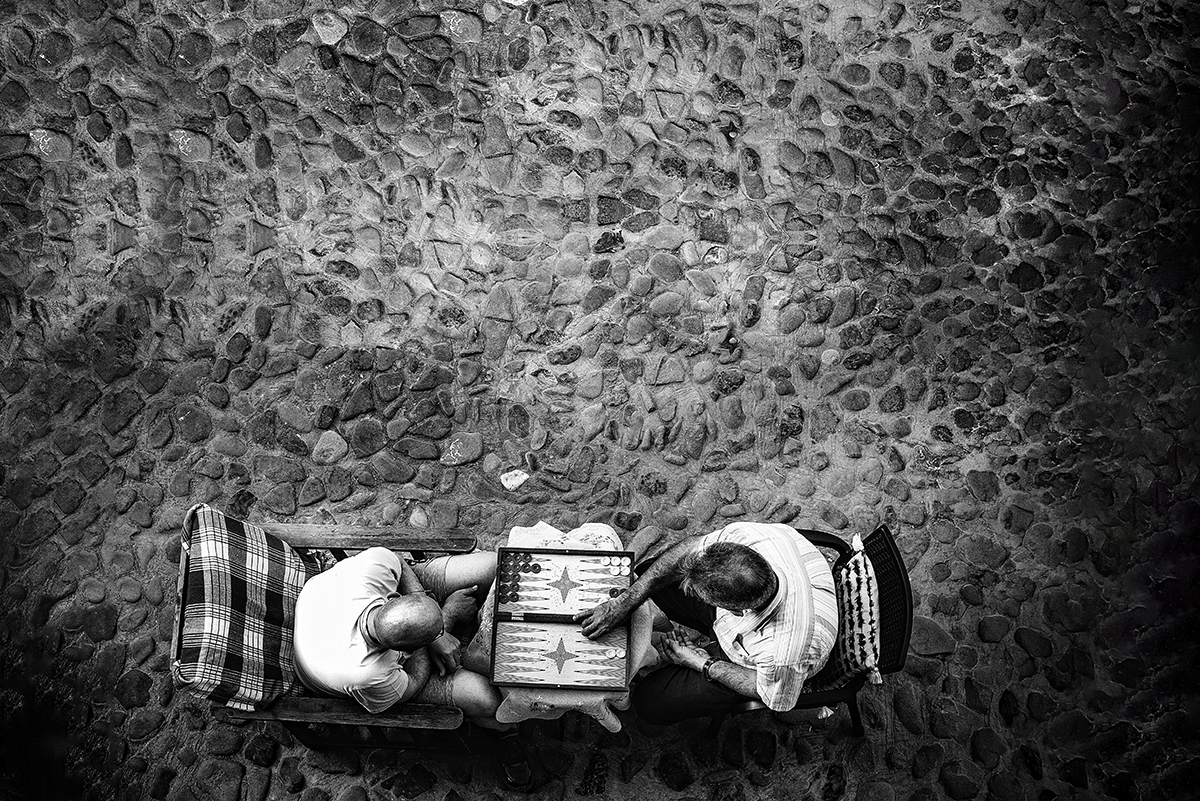
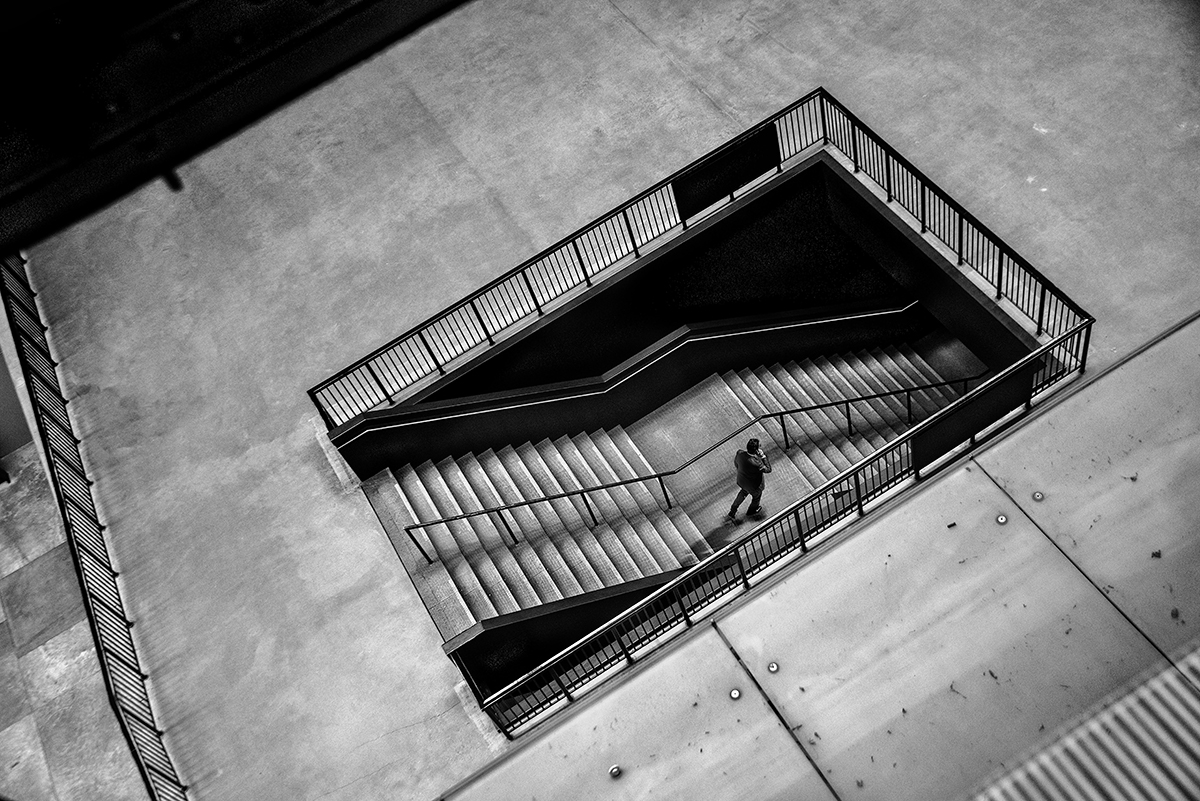
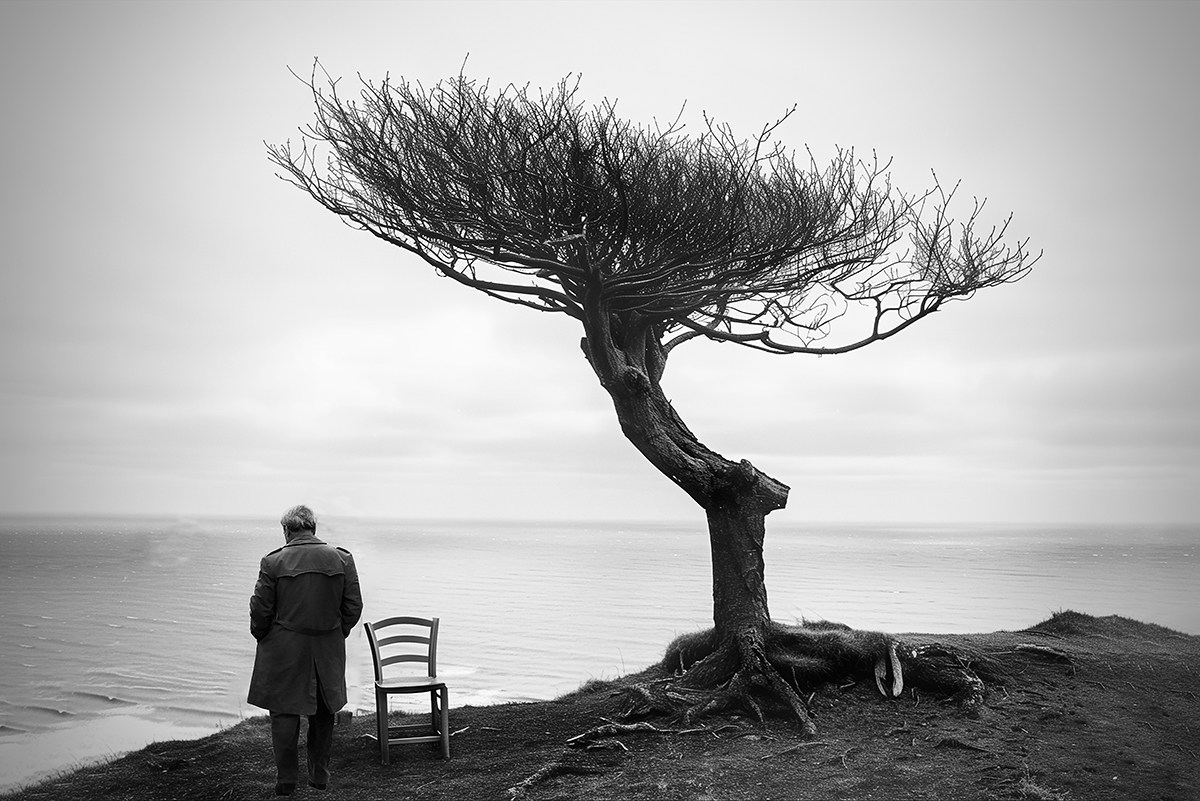
I am interested in both sides. With spontaneous photography, I work more instinctively. I am fascinated by a moment that happens and disappears almost immediately. On the other hand, I also love constructed photography, where I combine images to create something that first exists in my imagination. Often, these images emerge from literature, poetry or cinema, but also from personal reflections, thoughts or questions that preoccupy me and that I want to convey through the image. One way of working narrates what happened; the other, what could have happened.
How much has AI changed the way you work? Is the flawless result of perfection something you embrace in your work, and how do you achieve it?
Technology is now part of our lives, whether we like it or not, and art could not remain unaffected. Constructed photography was already part of my work long before artificial intelligence. What has changed today is that certain things can be done more easily and more quickly.
Nevertheless, the tool itself does not create the image. It requires knowledge, an aesthetic sensibility and, above all, knowing what you want to create—and when to stop. I am not particularly interested in absolute perfection; often, it is imperfection that makes an image feel human. For me, AI is simply another tool, not the creator.
You take part in international events. What do you receive from a global audience in response to your work, and how different is the landscape in Greece?
International events are always important, primarily because they allow you to see how your work communicates with people from different cultural and aesthetic backgrounds. It is wonderful to discover that an image can transcend the language and place in which it was created.
Although I am Cypriot, I can say that I have had very positive experiences in Greece for many years, both in terms of collaborations and exposure through Athens-based media, and I greatly appreciate that. In Cyprus, the artistic landscape is smaller and inevitably operates under different conditions. Personally, I have learned to look outward and allow my work to find the audience and the space where it can truly communicate.
What new story does your latest work have to tell, and what are your immediate plans?
I am currently in a particularly creative phase, with new images and ideas developing alongside one another. One of the most important next steps is my first photography book, which came about through a very interesting collaboration proposal from a French publishing house and is expected towards the end of this year or in early 2027.
It is a project that excites me greatly, because a book allows you to tell a story in a different way; the images no longer function independently but begin to enter into a dialogue with one another. At the same time, there are a few other collaborations in the works, which I would prefer to talk about when the time is right.
What would you like to create—a dream project?
I would like to create a photography book about people who usually remain at the margins of our gaze; ordinary, forgotten people, without much of a voice or visibility, who are fighting their own daily battles for survival. I am fascinated by this side of photography, much as I am by the work of Diane Arbus: this turning of the gaze towards people whom society so often passes by. I would, however, like to approach them through my own perspective and tell their small stories with honesty and dignity. Because sometimes we forget what “a successful person” really means and end up admiring the wrong people.
The photographers who hold a special place in your heart—and why?
Vivian Maier. She moves me like few others. All those negatives she kept in boxes, the photographs she never saw printed, a life that unfolded almost invisibly… There is something so pure, so selflessly artistic about that anonymity. As though she photographed simply in order to see the world more clearly.
Diane Arbus is one of the photographers I carry deeply within me. She was not afraid to look where most people turned away. It is precisely that courage of the gaze that interests me.
Cartier-Bresson had something almost magical. As though he could hear the pulse of the street and press the shutter at exactly the moment when everything aligned. The “decisive moment” was not merely a technique for him; it was a way of being.
I would also add Robert Frank, with that gaze that made America appear at once familiar and foreign, and Nikos Aliagas, who, with an almost tender eye, reveals a hidden Greece, far removed from the spotlight and clichés; a Greece that breathes in the shadows of its streets and in the faces of ordinary people.
Three, five, however many they may be, in the end what moves me is always the same: a person who has found their own way of looking. And that is rare.
Are we what we choose to be?
To a great extent, yes. We do not always choose what happens to us, but we do choose what we do with it. I think that, ultimately, we are shaped more by our small, everyday choices: what we stand up for, what we tolerate, what we walk away from, how we choose to evolve and where we decide to remain.
And perhaps we are equally defined by everything we have chosen to leave behind. Because every choice is, at the same time, a small relinquishment of another version of ourselves.
The last thing you bought and why you chose it
A particular leather armchair that I had singled out and wanted for years. I placed it next to my bookcase, exactly where I had always imagined it. Reading is a small ritual for me, a moment when I can truly disconnect from everything.
The best book you have read lately
Os Strouthion Monazon Epi Domatos by Yannis Tsarouchis, which I reread over the holidays. Even its title, borrowed from Psalm 101, is an exceptionally powerful poetic image of solitude and, perhaps in my eyes, of the solitude that so often accompanies creativity. Tsarouchis is a figure who deeply inspires me, not only as a painter but also for the way he thought and spoke about art, Greek identity, beauty and life.
It is one of those books you return to at different stages of your life and discover something each time that you had not noticed before. I highly recommend it.
One object you would never want to part with
My first camera. Not out of nostalgia for the camera itself, but for the moments it has stored within it. It is connected to that first, almost innocent period when I was discovering that looking does not necessarily mean seeing.
I believe that certain objects preserve versions of ourselves that no longer exist.
The artist you love and would like to own a work by
I have a great love for Yannis Gaïtis. I am fascinated by the apparent simplicity of his visual language and by the way he used his characteristic “little men” to comment on mass society, uniformity and the loneliness of modern man.
For now, I own one of his screen prints, but I would someday like to acquire an original work of his, either a painting or a wooden construction.
In another life, you would like to have been…
Perhaps a psychiatrist. I am deeply fascinated by human psychology. I observe people, their behaviour, their contradictions, what they say but, above all, what they do not say. Perhaps there is ultimately a connection with photography: in both cases, I am fascinated by the attempt to see a little beyond what appears on the surface.
Can art and creativity, more broadly, be a path towards becoming better human beings?
Yes, under certain conditions.
Creating places you face-to-face with something that does not yet exist. It forces you to organise chaos, endure failure, question what you once took for granted and, sometimes, look beyond yourself. Aristotle’s concept of catharsis has always fascinated me for precisely this reason. Art allows us to confront fear, pain, loss and even human greatness through someone else’s experience. In that sense, it can function as a kind of simulation of the human experience and cultivate empathy.
Nothing, however, is guaranteed. There have been great creators who were not great human beings. Art can even become a mirror of narcissism. Ultimately, what matters is whether it opens you up to the world or closes you further within yourself.
The museum and the work of art that stole your heart
The Kunsthistorisches Museum in Vienna and, specifically, The Tower of Babel by Pieter Bruegel the Elder. For me, it is not simply a painting. It is an entire narrative about human ambition, hubris and futility. The more you look at it, the more you lose yourself in its detail, while at the same time you already know the fate of this immense human construction. It is this contrast between grandeur and its inevitable failure that stops me in my tracks every time.
Give us your own definition of beauty
Beauty, for me, is whatever makes you stop without asking you to. It is not necessarily symmetry, light or harmony. It is the moment when something—a face, a landscape, a gesture—forces you to look again because you feel there is something hidden within it that cannot be grasped with the eyes alone.
Sometimes beauty is uncomfortable. It may even appear almost ugly at first. Yet it carries an intensity you cannot ignore. As if it were saying: “I am here. Look at me properly this time.”
That is beauty to me. Not what makes you say, “How beautiful,” but what makes you fall silent.
What do you consider authentic today?
I consider authentic anything that does not need to prove that it is authentic. In an age of excessive exposure, image-making and constant validation, perhaps the most authentic thing is what continues to exist even when no one is looking. Something that is not staged, does not adapt itself to what others expect to see and is not created solely for the purpose of being liked.
It is the person who remains true to who they are, without constructing a more “appealing” version of themselves. Difficult, yes, but for me, incredibly compelling. It is the silence that does not need to be filled, the imperfection that does not need to be hidden, the creative act that emerges from a genuine need for expression rather than a need for validation.
Perhaps that is why authenticity today is almost anti-commercial. And yet, when you encounter it, you recognise it immediately.
It does not shout. It does not try to convince you. It simply exists.