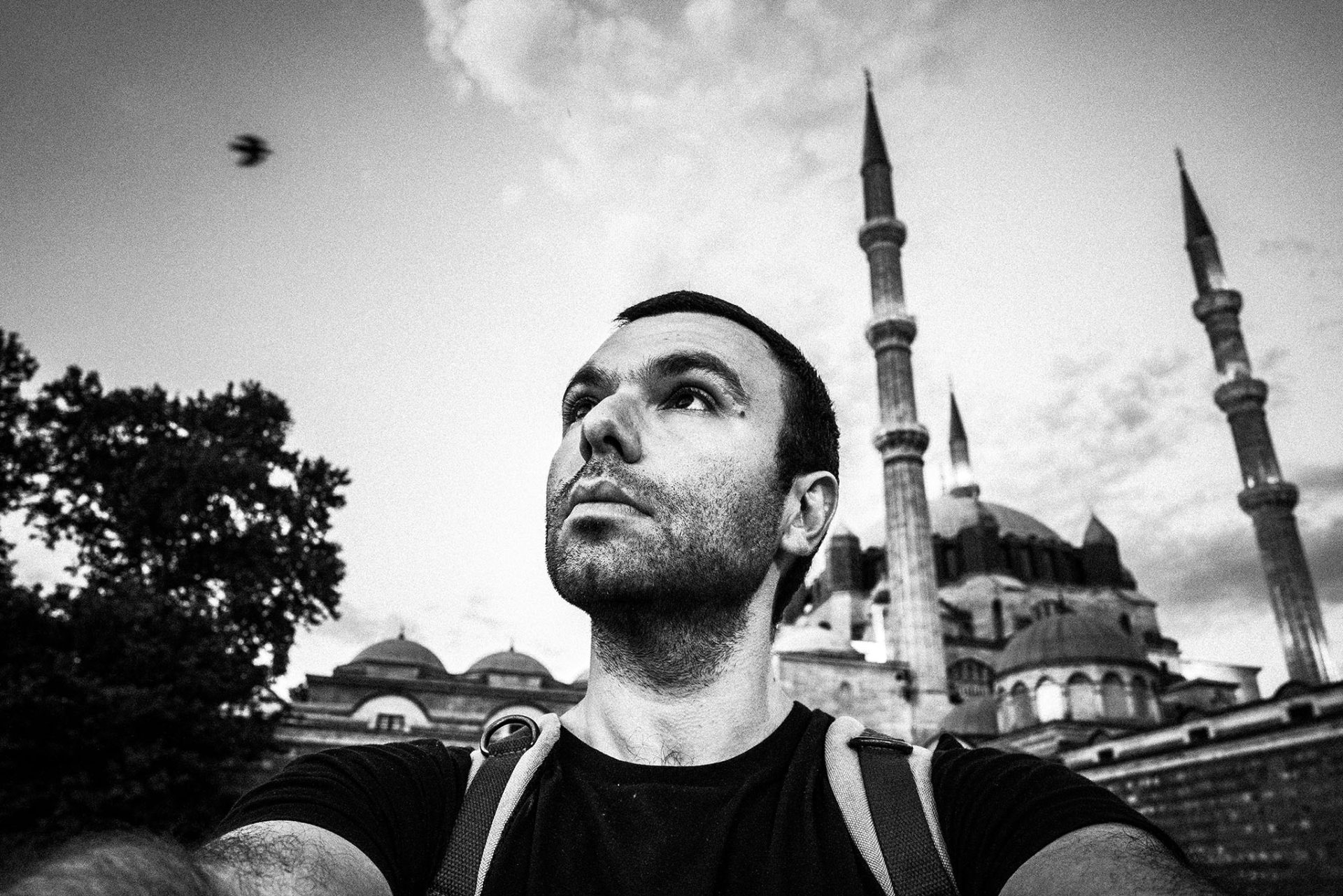
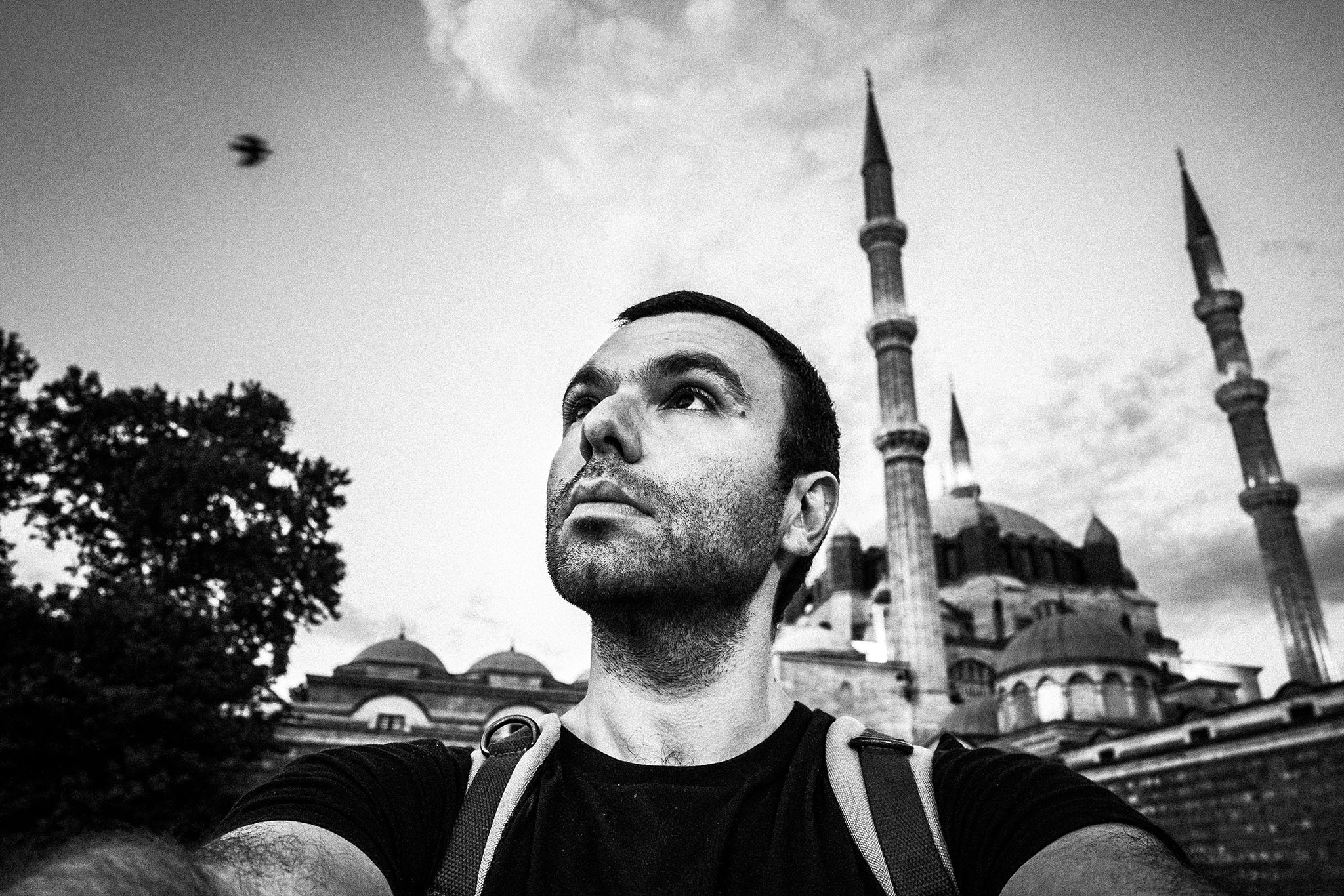
Tell us about your personal story and how your artistic journey, so deeply rooted in culture, began.
I’m not entirely sure what first sparked it. I remember my mother always carrying a Kodak camera, and a neighbour, Mr. Toni, who developed film near my grandfather’s bicycle shop in Kallithea. When I was sixteen, I bought my first camera from him with my pocket money.
Despite that, I chose the safer path. I studied Electrical Engineering in Edinburgh and worked as an engineer for about ten years.
Photography, however, gradually occupied more and more of my life. I built a darkroom at home, immersed myself in the history of photography, and photographed extensively during my business trips. At some point, I realised I could no longer treat it as a hobby. I told my employer I was leaving to become a photographer, without having the slightest idea how I would make a living.
Greek culture initially emerged simply because it was a rich subject that was close to me and something I had deeply missed during the years I lived abroad. Over time, it became an artistic obsession.
Your work is deeply connected to Greek tradition, family and identity. What is your own perspective on this heritage, and how is your inner world reflected in the way you approach photography?
I never set out with the intention of celebrating tradition, nor do I believe that something is valuable simply because it is old. What truly interests me is the relationship people have with what they inherit.
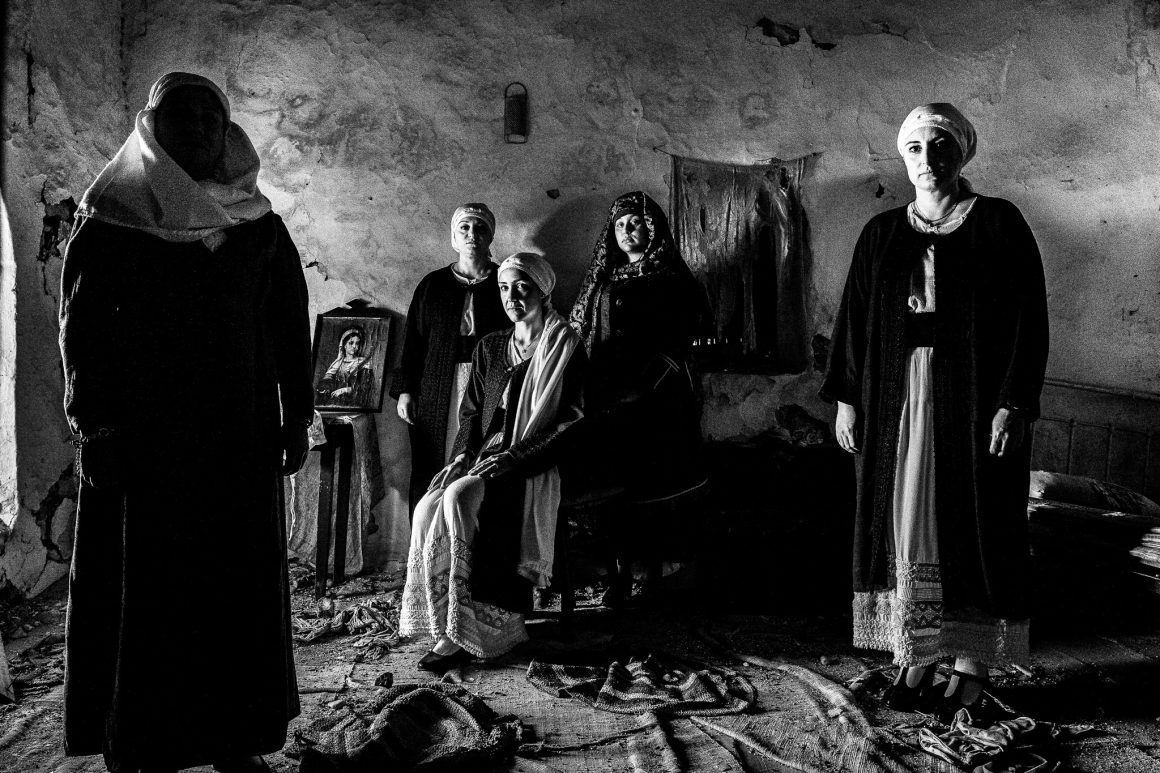
An ancestral home or a traditional costume passed down through four generations is more than an object; it carries memory, responsibility, and identity.
I don’t consciously try to put my “soul” into a photograph. It inevitably finds its way in through my choices: the person, the place, the light, what I choose to include, and what I deliberately leave outside the frame. Even a photograph that appears objective is always the subjective interpretation of the person standing behind the camera.
Your work has an unmistakably poetic quality. How did you shape your creative path so that your work ultimately reflects the vision you were seeking?
You begin with something that draws you in, and over time the work itself reveals what you’re truly searching for.
In my case, limitations have been incredibly valuable. I photograph exclusively in black and white, using only natural light, a single 28mm lens, without cropping my images, and almost always in a horizontal format.
Those constraints don’t limit me—they provide a consistent framework within which I can go deeper.
If there is a poetic quality to my work, it isn’t something I consciously add afterwards. It emerges naturally through composition, rhythm, silence, and, perhaps most importantly, through everything I choose not to show.
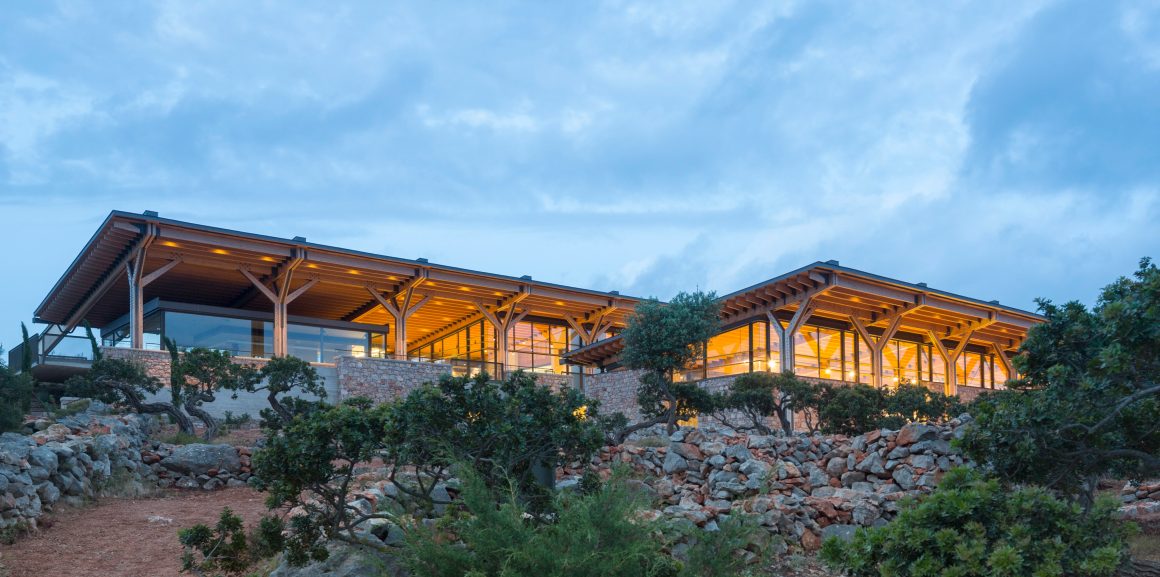
Tell us about your exhibition at the Chios Mastic Museum. What does it feature, and how did it come together?
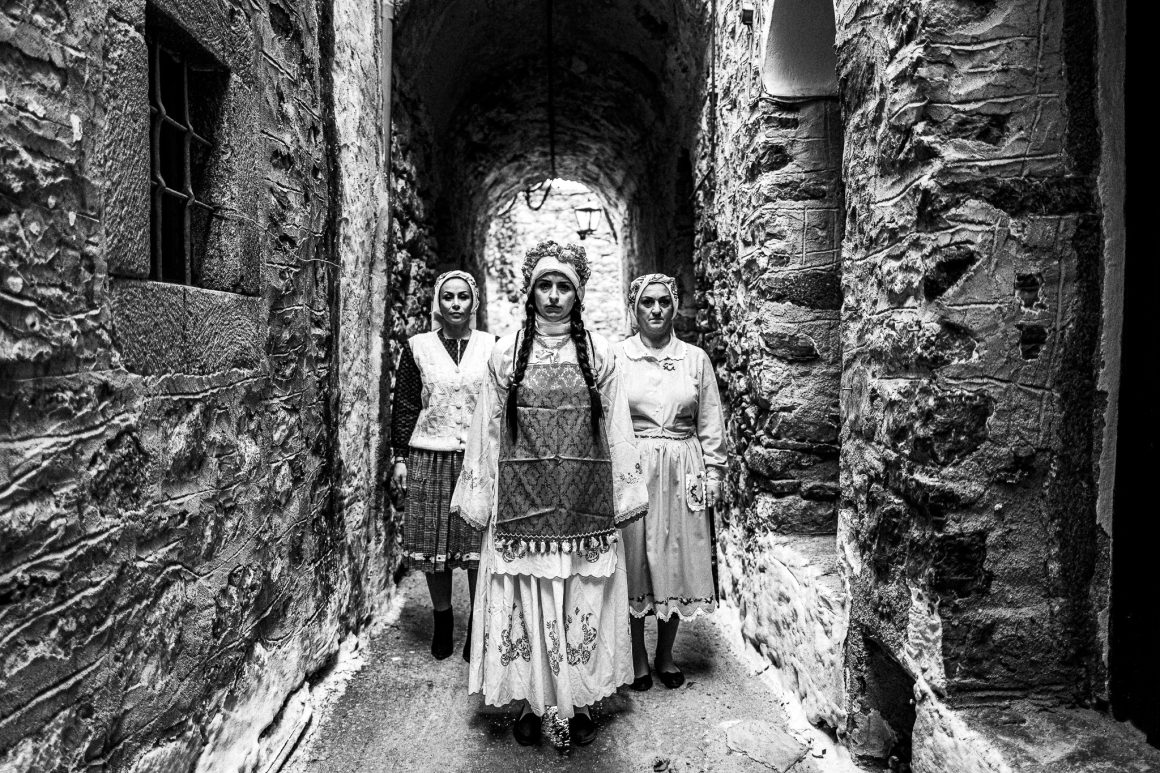
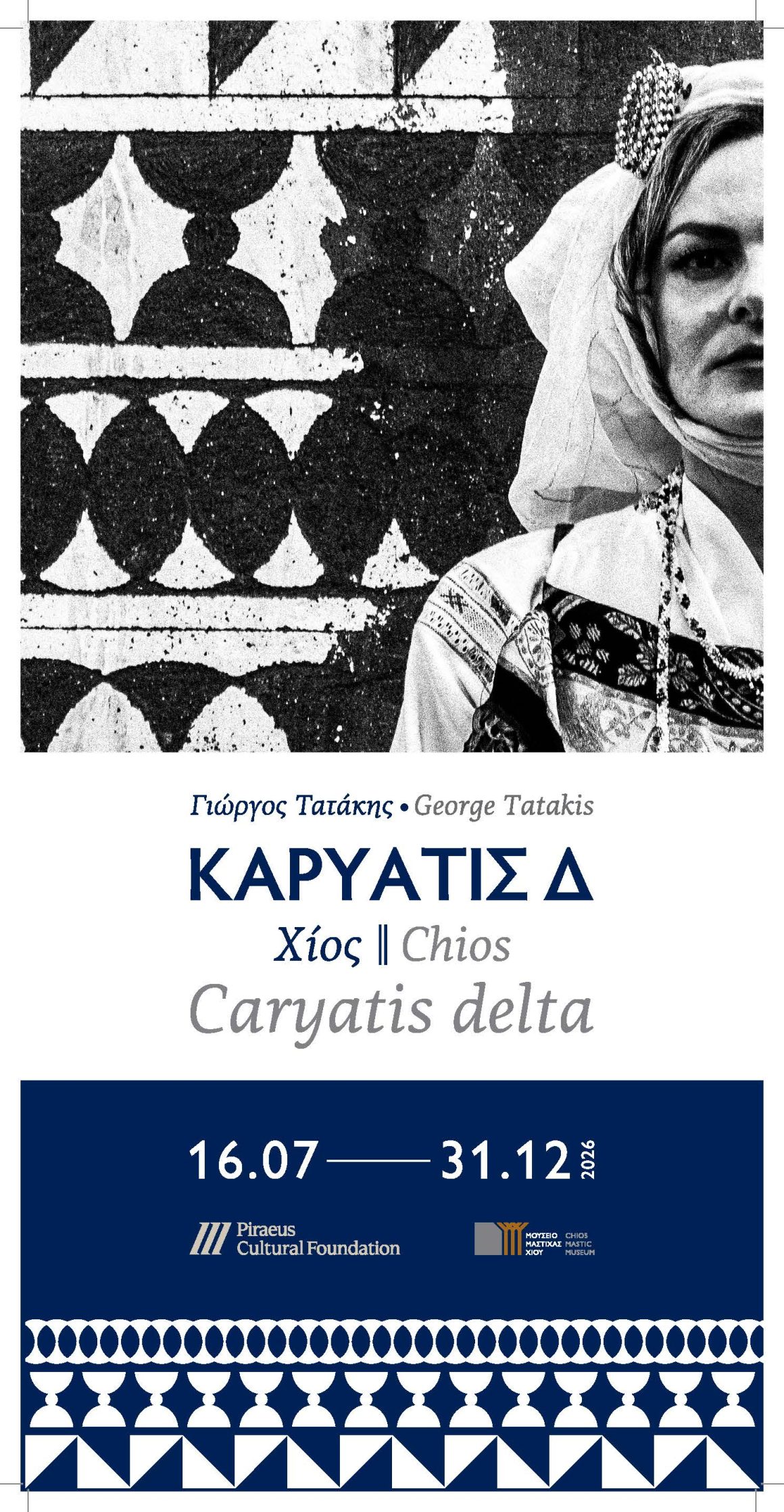
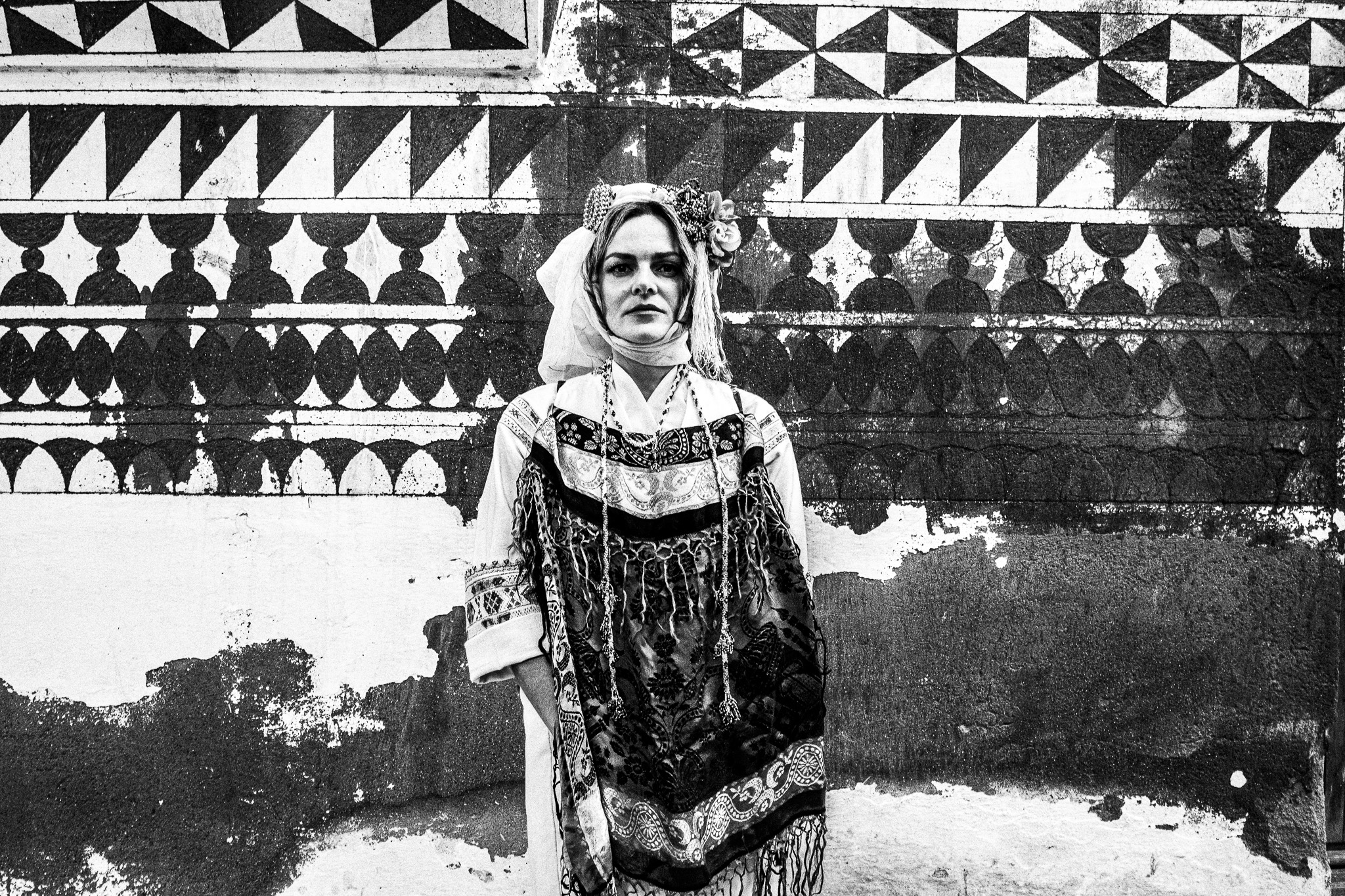
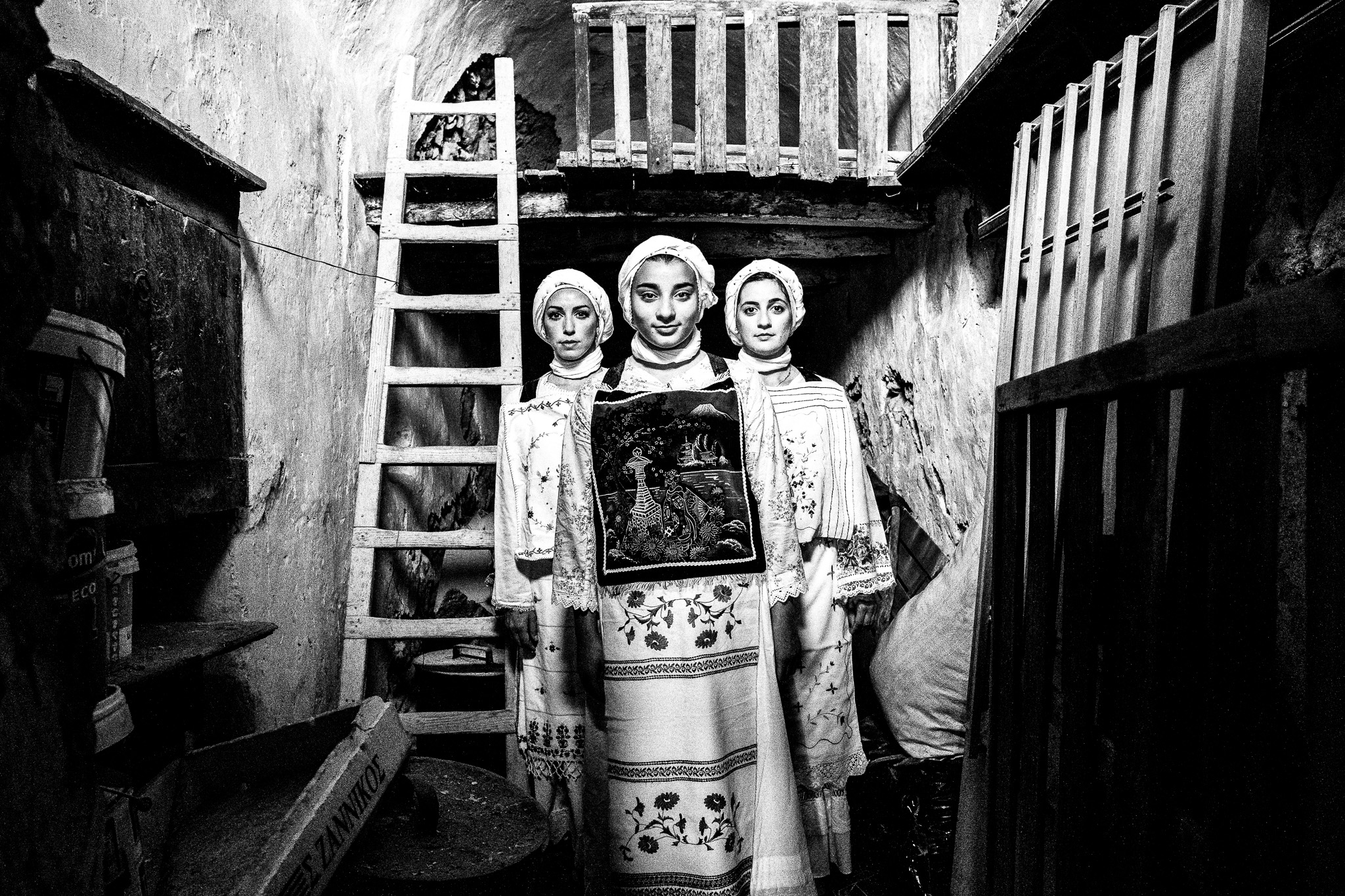
The exhibition, “Caryatis Delta | Chios,” features 36 black-and-white photographs I created on the island of Chios, portraying women from different generations wearing traditional costumes from 21 villages across the island. The photographs were taken in landscapes, medieval settlements, ancestral homes, and historic buildings because, for me, the setting carries just as much significance as the person and the costume.
I have never encountered such a remarkable diversity of traditional dress within a single place anywhere else in Greece. The island’s textile production, trade, and historical prosperity allowed its villages to develop strikingly distinct sartorial identities.
The exhibition continues my collaboration with the Piraeus Bank Group Cultural Foundation (PIOP), which began at the Silk Museum in Soufli, and will remain on view at the Chios Mastic Museum until the end of 2026.
What has been the response from visitors so far?
It is still too early to draw overall conclusions, as the exhibition has only recently opened. What was particularly moving during the opening was the response of the people of Chios themselves. They recognise the costumes, the villages, and, in some cases, even the individuals portrayed, yet they encounter them within a contemporary visual narrative that feels entirely new.
Perhaps that is the most meaningful outcome an exhibition can achieve: allowing someone to recognise something as their own while seeing it as if for the very first time. Visitors from elsewhere, meanwhile, are often surprised by the extraordinary cultural diversity that exists within a single island.
Is there a story behind every photograph? If so, could you share one?
There is always a story behind every photograph, even if it isn’t visible in the final image.
In Kalymnos, for example, I met Dimitris, a real sponge diver who still dives today using modern equipment but had preserved an old-fashioned diving suit with a traditional helmet. I persuaded him to wear it so I could photograph him.
The suit weighed around fifty kilograms. Our original plan was to photograph him in a shipyard, but he needed assistance simply to move while wearing it. In the end, we created the image near his diving school, adapting the concept to the practical realities of the situation.
The finished photograph appears effortless, almost inevitable. Yet behind it lies a chance encounter, persistence, logistical challenges, and, above all, the trust of another human being.
Which is your favourite photograph, and why?
My favourite photograph changes over time because my relationship with my own work evolves as well. One image that has stayed with me, however, is “The Dowry Procession” from Olympos, Karpathos.
It captures a spontaneous moment during the groom’s dowry procession to the bride’s home. Olympos is traditionally a matrilocal society, meaning the husband moves into the wife’s family home.
Within a single frame, the image brings together human gesture, architecture, tradition, and a subtly surreal atmosphere. It is also the photograph that represented Greece in the exhibition “Another Europe,” organised by the European Commission and the Austrian Cultural Forum at King’s Cross in London.
What else do you enjoy photographing?
People remain at the heart of my work, but I am equally drawn to spaces, architecture, landscapes, and the objects that quietly testify to someone’s presence and life.
More recently, I have been exploring still life through a project titled “Chorōs”, where I seek to discover the rhythm and musicality that can emerge from a simple arrangement of objects.
At the same time, I have become increasingly interested in moving image. I don’t see it as a departure from photography, but rather as another way of working with the same elements: people, place, time, and memory.
How important is it today to connect with people who share a similar visual language and sensibility?
It is important to meet people who instinctively understand what you’re trying to achieve, without having to explain everything from the beginning every time. Those encounters often lead to collaborations, new ideas, and the reassuring sense that you are not creating in isolation.
That said, I don’t think it’s necessary to agree on everything. Sharing a common language doesn’t mean sharing identical tastes or constantly validating one another. The most meaningful encounters are often those where there is enough common ground to communicate, but enough difference to challenge and expand your perspective.
How has your thinking evolved in relation to your work, and what comes next?
My thinking doesn’t always precede the work. Quite often, I take the photographs first and only later understand what I was truly searching for.
Ethos led me to Caryatis, Caryatis led me towards staged photography, and that, in turn, has brought me to moving image.
At the moment, the major Caryatis monograph is being prepared by Oxy Publications, while the project continues to travel through exhibitions. At the same time, I am developing Chorōs and searching for a personal cinematic language through films and longer visual narratives.
I don’t want the next step to be merely a change of medium. I want it to feel like the natural evolution of the same way of seeing.
When you walk into a space, what is the first thing you notice?
The light. Where it comes from, where it ends, which surfaces it touches, and what it leaves in shadow. Light is the only element that truly creates a photograph.
Next, I observe the geometry of the space: its lines, openings, the relationships between objects, and how a person might inhabit it. I never see a space as a mere backdrop. A space shapes the person within it, just as the person changes the way we perceive the space.
What makes you feel good in a space, and what inspires you?
I’m drawn to spaces with personality—places that bear the traces of life. Natural light, balanced proportions, an object that exists there for a reason, or the kind of wear that hasn’t been hastily concealed.
I’m not necessarily interested in flawless or luxurious interiors. Quite often, an old wall, a curtain, or a piece of furniture that has been used for decades can possess a far stronger presence.
I feel most at ease in spaces that don’t try too hard to impress me—spaces that leave me the time and freedom to discover them.
How much of Greece exists within your work?
As a subject, Greece is everywhere in my work. Aesthetically, however, I hope it isn’t confined by geography.
I’m not interested in reproducing the familiar, postcard version of Greece. Greece is my raw material: its people, landscapes, architecture, rituals, and traditional dress.
Beyond that, my photographs speak about more universal themes—memory, family, heritage, time, and the human need to belong. I would like someone who knows nothing about Greece to stand before one of my images and still feel that it speaks to something deeply personal.
What is the greatest lesson your journey has taught you?
Start before you feel ready, and keep going for far longer than seems reasonable.
Inspiration is valuable, but you can’t rely on it. Consistency, self-imposed constraints, and dedication are ultimately what shape your own visual language.
I’ve also learned that you can’t wait for someone else to discover you. You have to create the work, stand behind it, find ways to present it, and accept that it may fail. Audiences almost instinctively recognise work that carries genuine personal investment.
What would be your dream project?
I would love to see the entire Caryatid project brought together in a major exhibition of around two hundred works—not simply as photographs displayed on walls, but as a fully immersive experience combining image, text, sound, and moving image.
Ideally, it would open in a major cultural institution in Greece before travelling to leading museums abroad. My dream isn’t simply to stage an impressive exhibition, but to create a body of work with lasting significance—one capable of representing contemporary Greek cultural identity internationally.
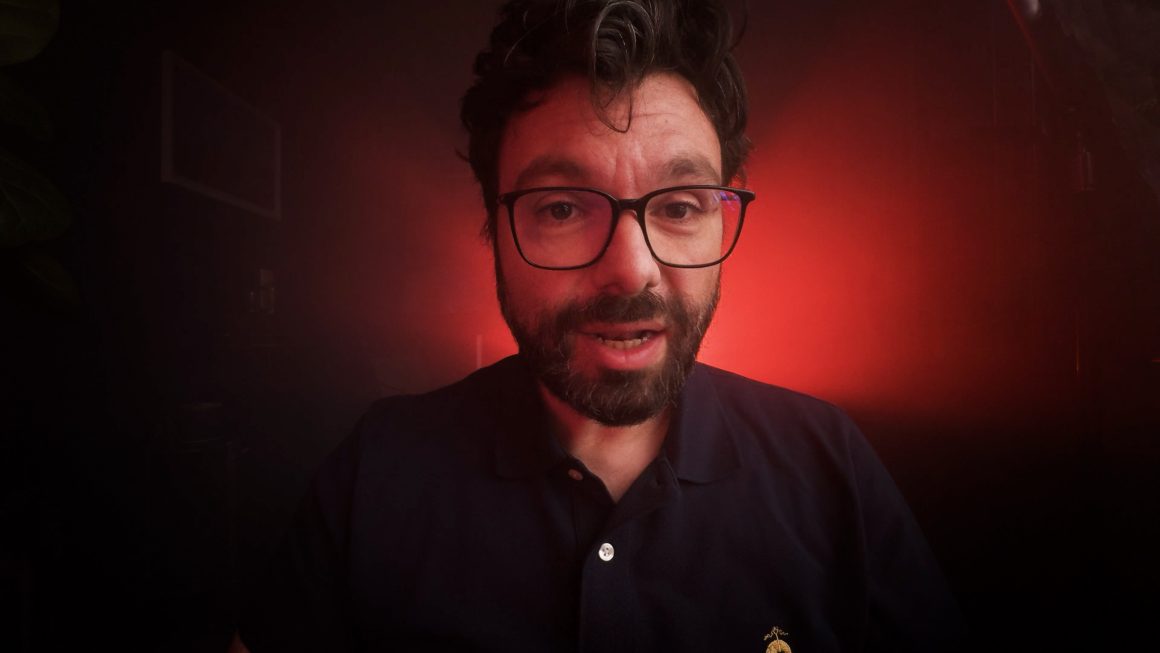
At the same time, I hope to further develop my cinematic ideas through my new YouTube channel, which I see as a natural step toward future creative projects.
Three places you always love returning to, and why.
I don’t really have three fixed places that I always long to revisit. I enjoy travelling almost anywhere, especially to places I haven’t explored before, because discovery is usually the most rewarding part.
That said, there are a few places with which I’ve formed a particularly close connection.
Olympos, on the island of Karpathos, is one of them, because tradition remains an integral part of everyday life.
Chios is another, as each village has its own distinct architectural and cultural identity, and I continue to discover something new every time I visit.
And then there’s Macedonia, where I especially enjoy travelling during winter and the Christmas season, when many of Greece’s most remarkable customs and traditional celebrations come to life.
What is your own definition of beauty?
Beauty is a form of order that still leaves room for mystery.
If everything is perfect, symmetrical, and immediately understandable, I tend to lose interest quite quickly. I need a slight imperfection, a contradiction, or something that refuses to reveal itself completely.
In photography, beauty is the moment when every element seems to occupy the only possible place it could belong, yet the image still doesn’t fully explain why it moves you. It simply holds your attention longer than you expected.
What does authenticity mean to you today?
Authenticity is anything that isn’t created primarily to appear authentic.
It’s a person who doesn’t feel compelled to constantly perform a version of themselves; a home shaped by the lives lived within it rather than by trends; a tradition that still serves a genuine purpose within its community.
In art, authenticity doesn’t mean inventing something entirely unprecedented—almost everything has already been said. It means being honest about what truly matters to you and pursuing it with enough persistence that the result could not easily belong to anyone else.