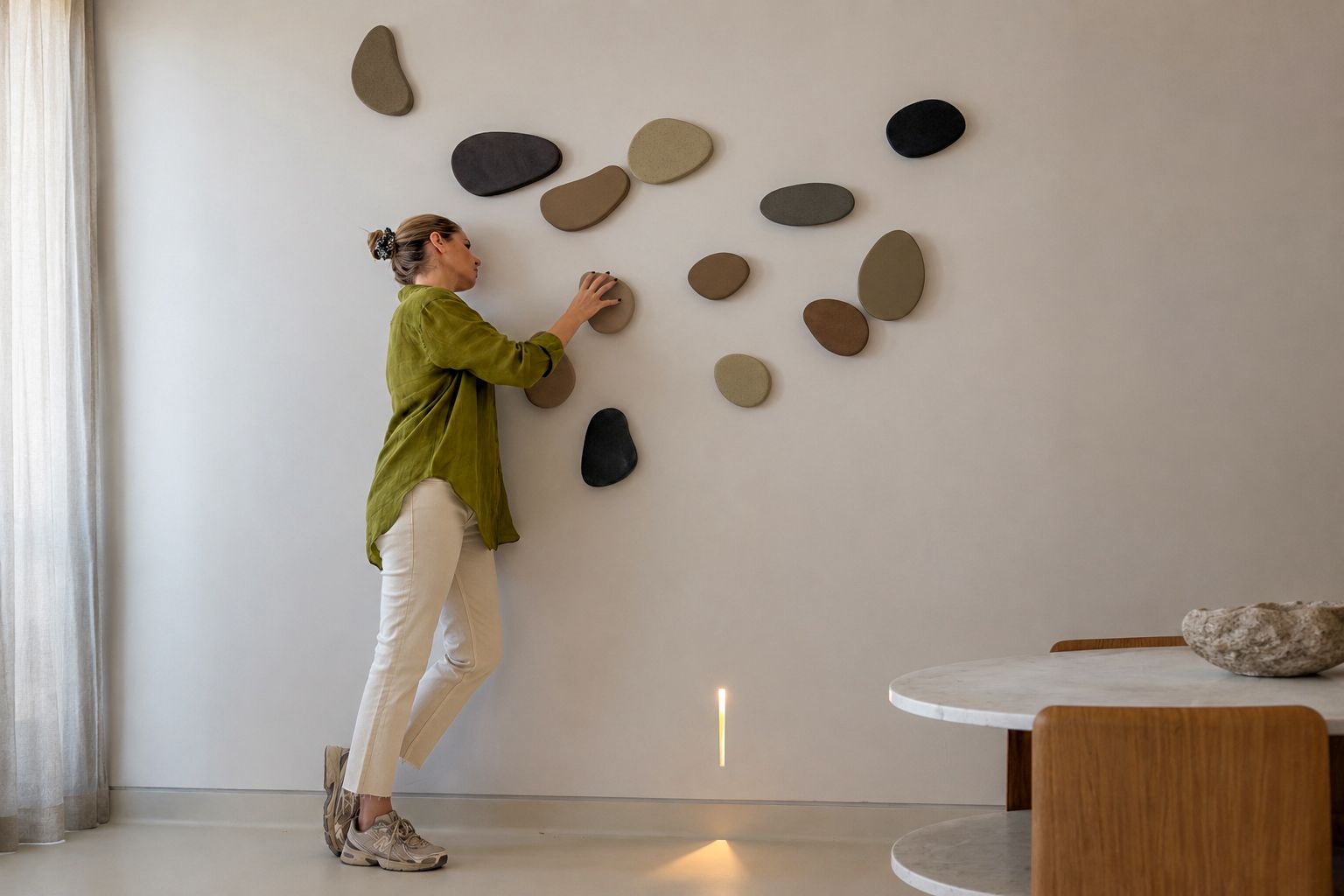
You work across galleries, curatorial practice, and art projects in hospitality spaces. How do you see the role of art in shaping the experience of a place today, and how is the hospitality sector responding? Do you think audiences are becoming more engaged with art, and is there still room for growth?
The hospitality sector has begun to recognise the power of art in a much more meaningful way. A hotel is no longer simply a place to stay—it is an experience, a narrative, an identity, a memory. Art plays a fundamental role in shaping that experience, adding depth to a space and creating a more personal connection with its guests.
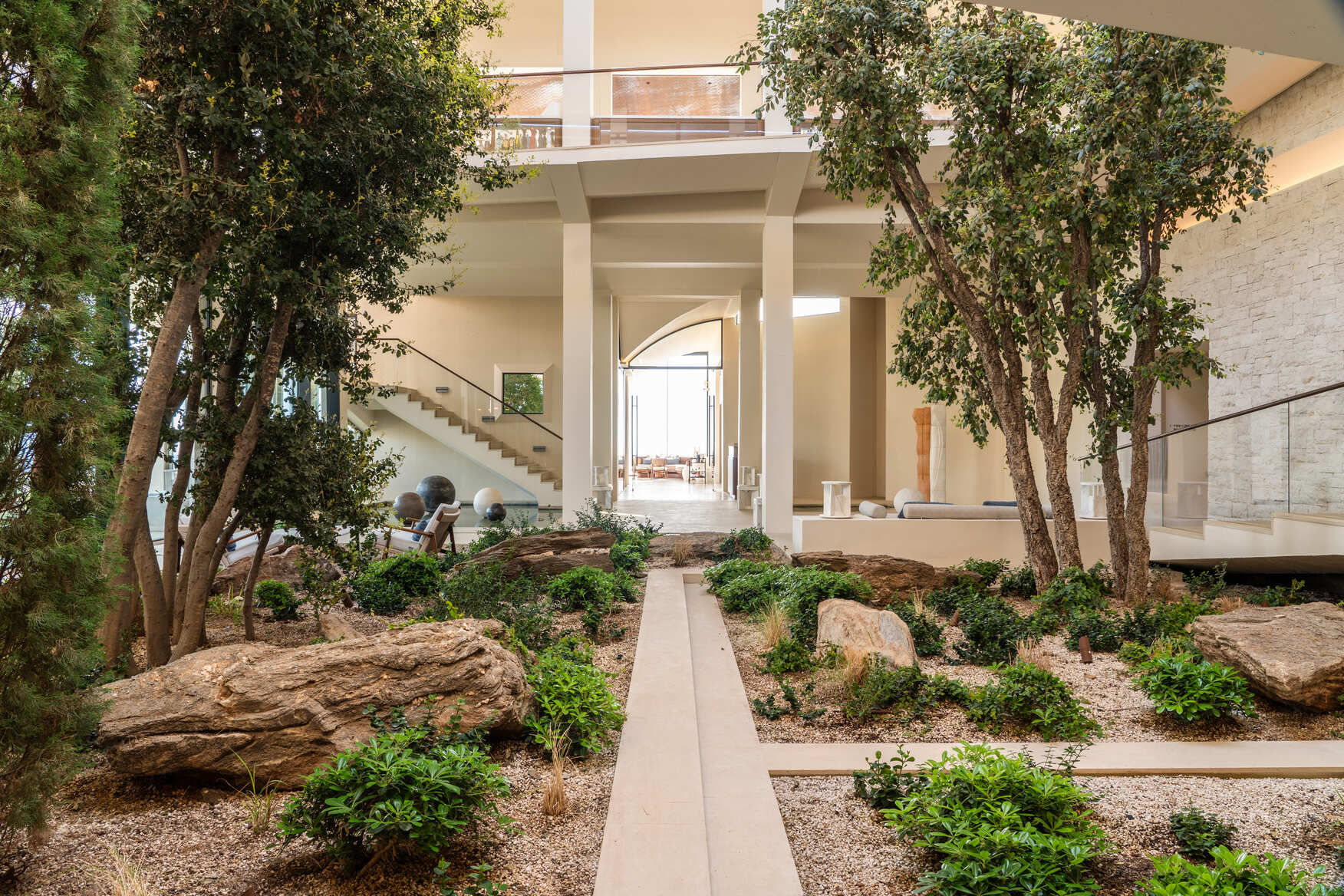
There is a German saying that translates as “space educates,” and I believe deeply in that idea. The environments we inhabit are never neutral—they shape us, influence us, and teach us how to see. That’s why art within a hospitality setting is much more than a decorative element. It becomes a way of cultivating experience, sensitivity, and cultural awareness through everyday encounters.
When guests encounter artworks in a lobby, a guest room, or a shared space, they engage with art in a far more natural and unforced way. They don’t need prior knowledge. They can simply pause, observe, feel something, and perhaps become curious enough to learn more.
At the same time, we shouldn’t overlook the fact that many guests at high-end hotels are already familiar with art. They are often collectors or passionate art enthusiasts. For them, thoughtfully curated artworks create a sense of familiarity and dialogue. It’s as if the space itself communicates that it shares the same values of sensitivity, culture, and quality.
What is ArtSpark? How did the idea come about, and what has it contributed to this field?
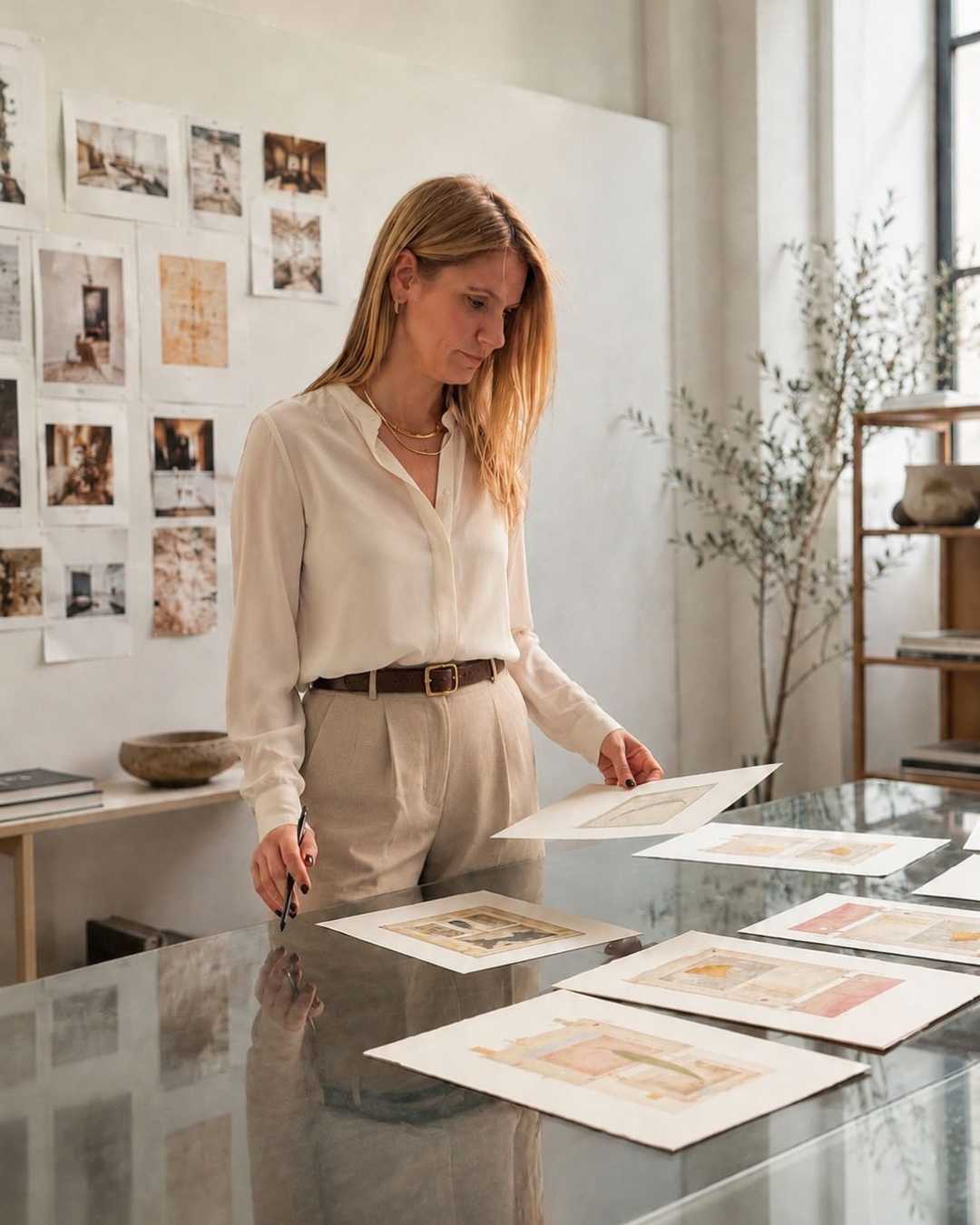
ArtSpark is an art consultancy specialising in the curation of comprehensive art programmes for hospitality, corporate, and residential projects. Our work begins with developing the concept and artistic direction and extends through artwork selection, artist commissions, production, and installation.
The idea had been with me for years. I was always struck by how much investment goes into creating beautifully designed spaces, while art was not always approached with the same level of care, often resulting in interiors that failed to realise their full potential. I realised that this was largely due to the lack of access to specialised art professionals who could bridge that gap.
ArtSpark had existed as an idea for a long time, but the pandemic became the catalyst that allowed it to take shape. As exhibitions came to a halt, I finally had the time and clarity to develop the concept properly. It has been incredibly rewarding because I strongly believe that works of art are meant to be lived with. Through ArtSpark, we are able to place exceptional artworks in exceptional spaces where they are experienced by much wider audiences. At the same time, we enjoy the freedom to collaborate across the entire art ecosystem.
Art tells stories. We help hospitality projects tell their own stories through art, allowing them to communicate their unique identity within an increasingly competitive luxury hospitality landscape. At the same time, we connect each project to its local culture and heritage, while creating an entirely new stage for artists by introducing their work to audiences who may never have encountered it otherwise.
For me, ArtSpark is exactly what its name suggests: a spark. A starting point for new relationships between art, people, and places.
Tell us about the exhibition you’ve curated at Moxy Athens. What story does it tell, and how important is it to create opportunities for emerging artists to present their work in such a thoughtful setting?
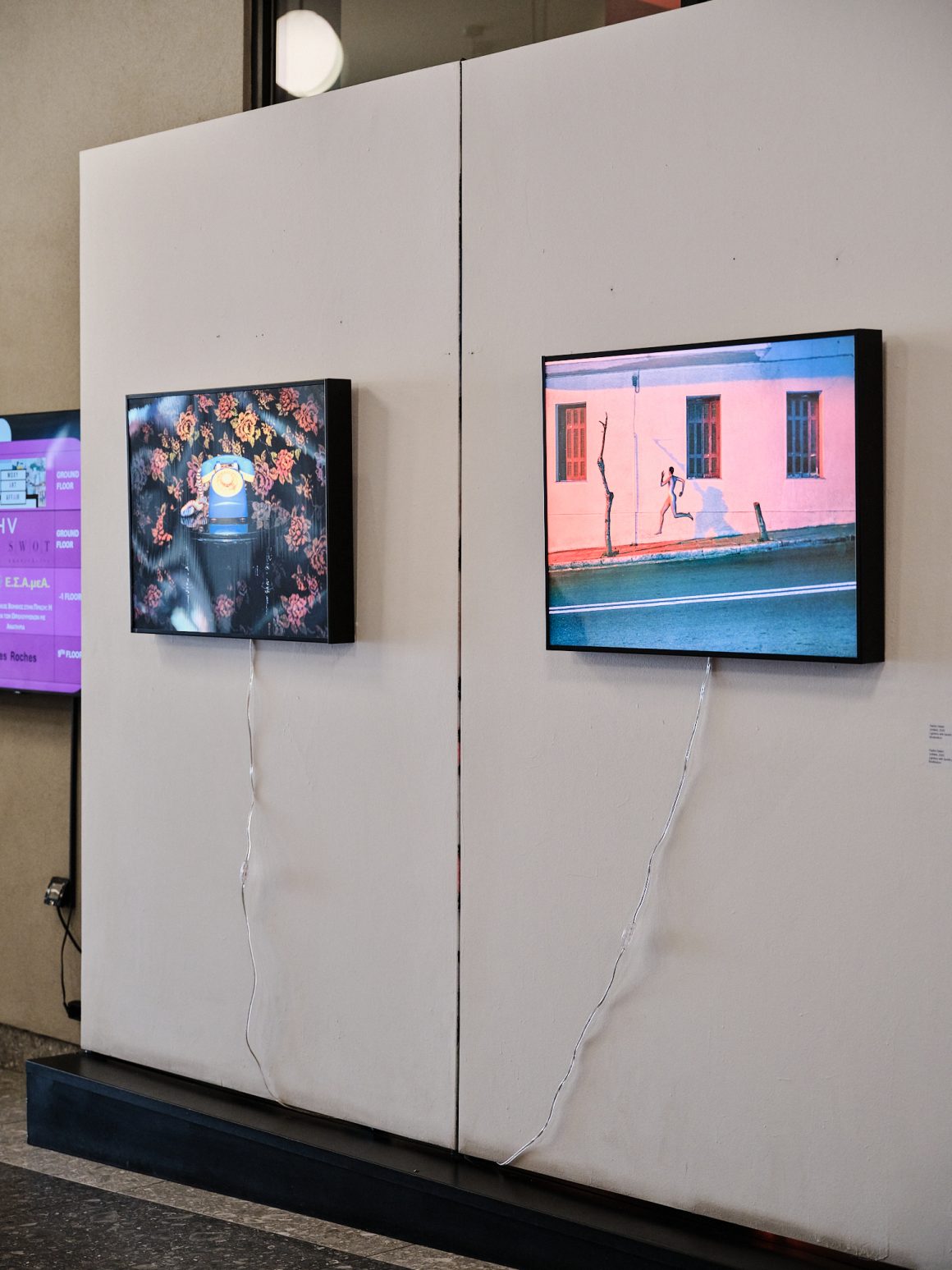
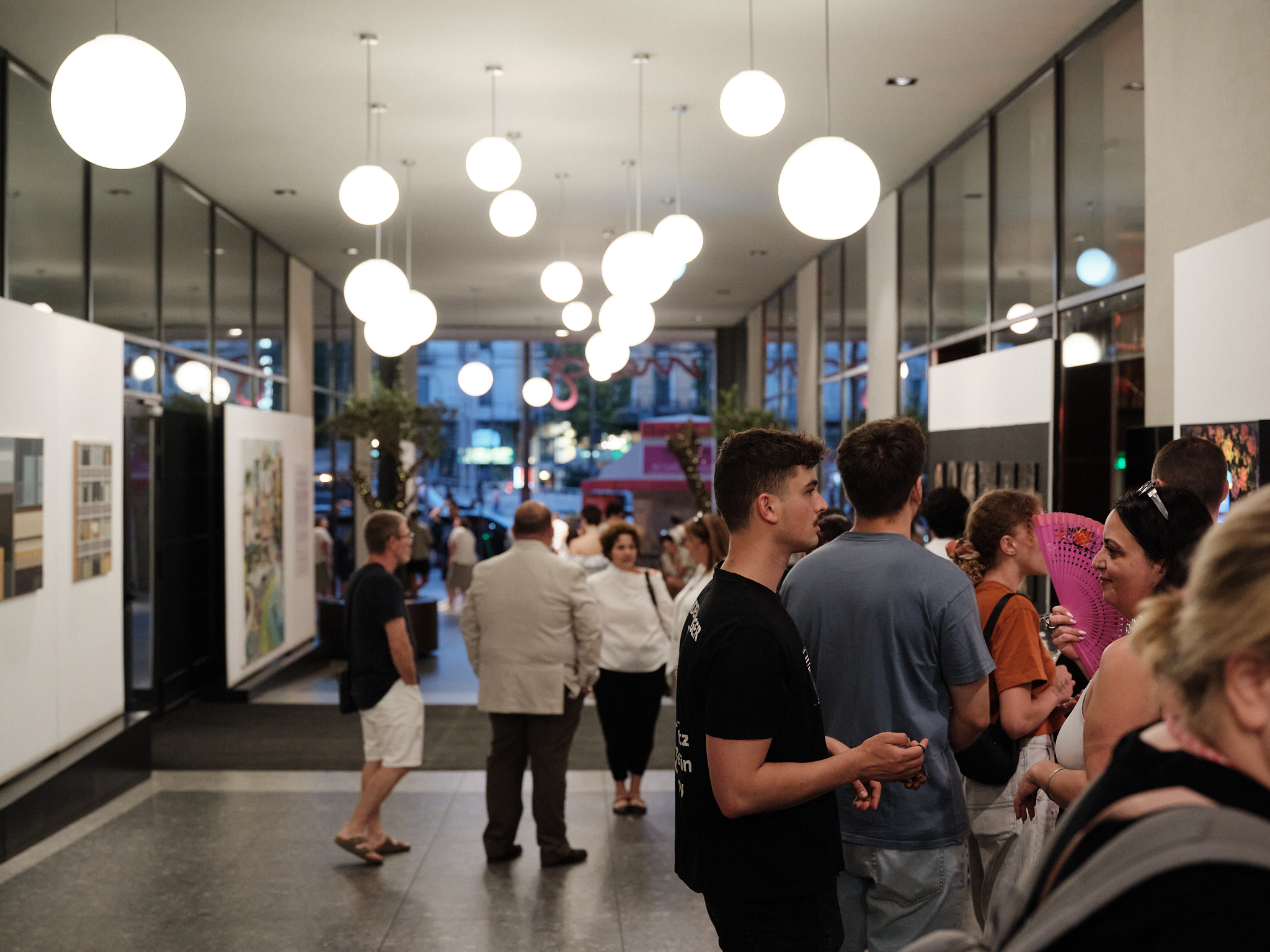
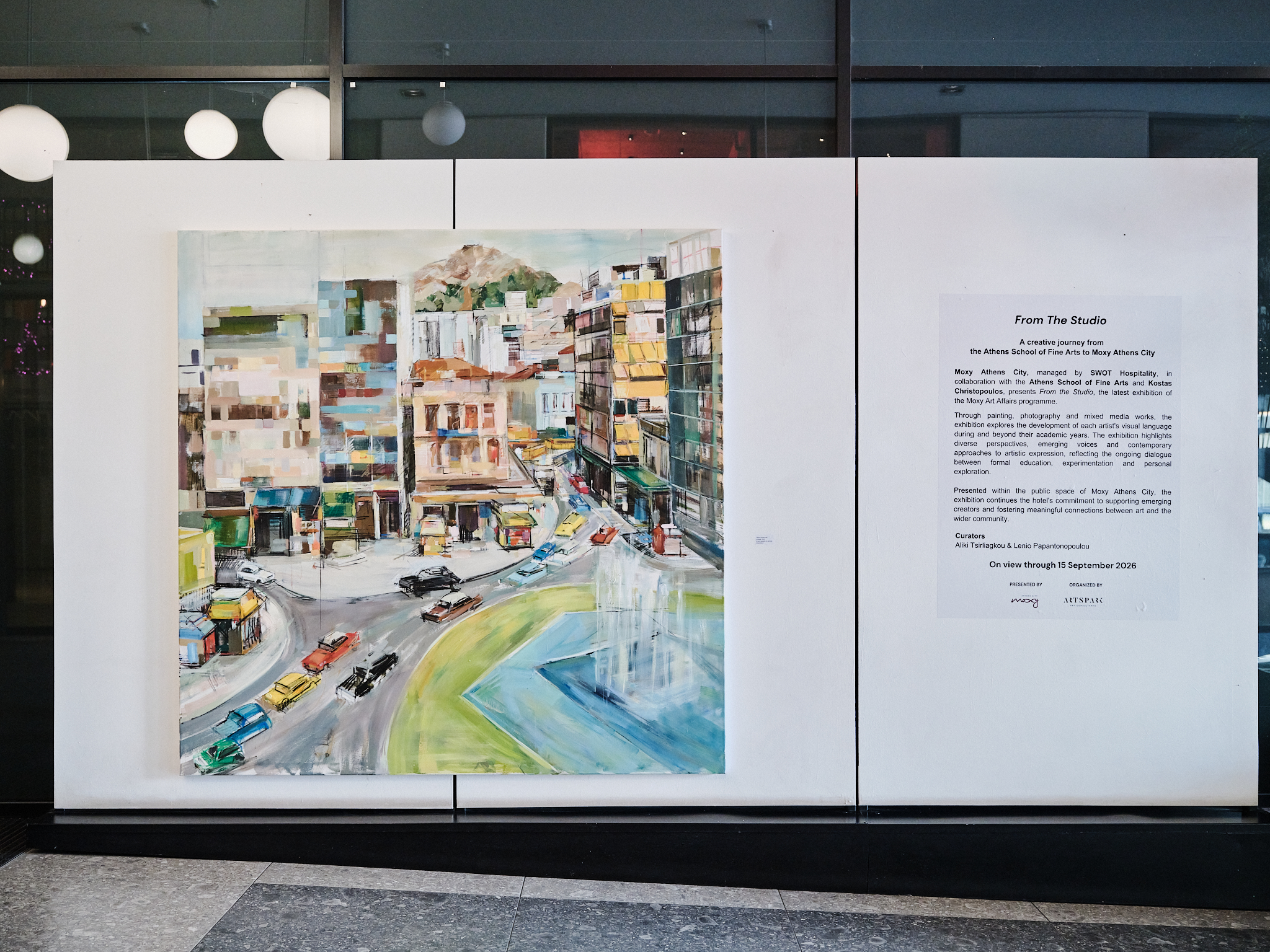
From the Studio at Moxy Athens City is a particularly meaningful project for us because it is part of an ongoing collaboration between Moxy Athens City, SWOT Hospitality, and ArtSpark, which we have been developing over the past few years.
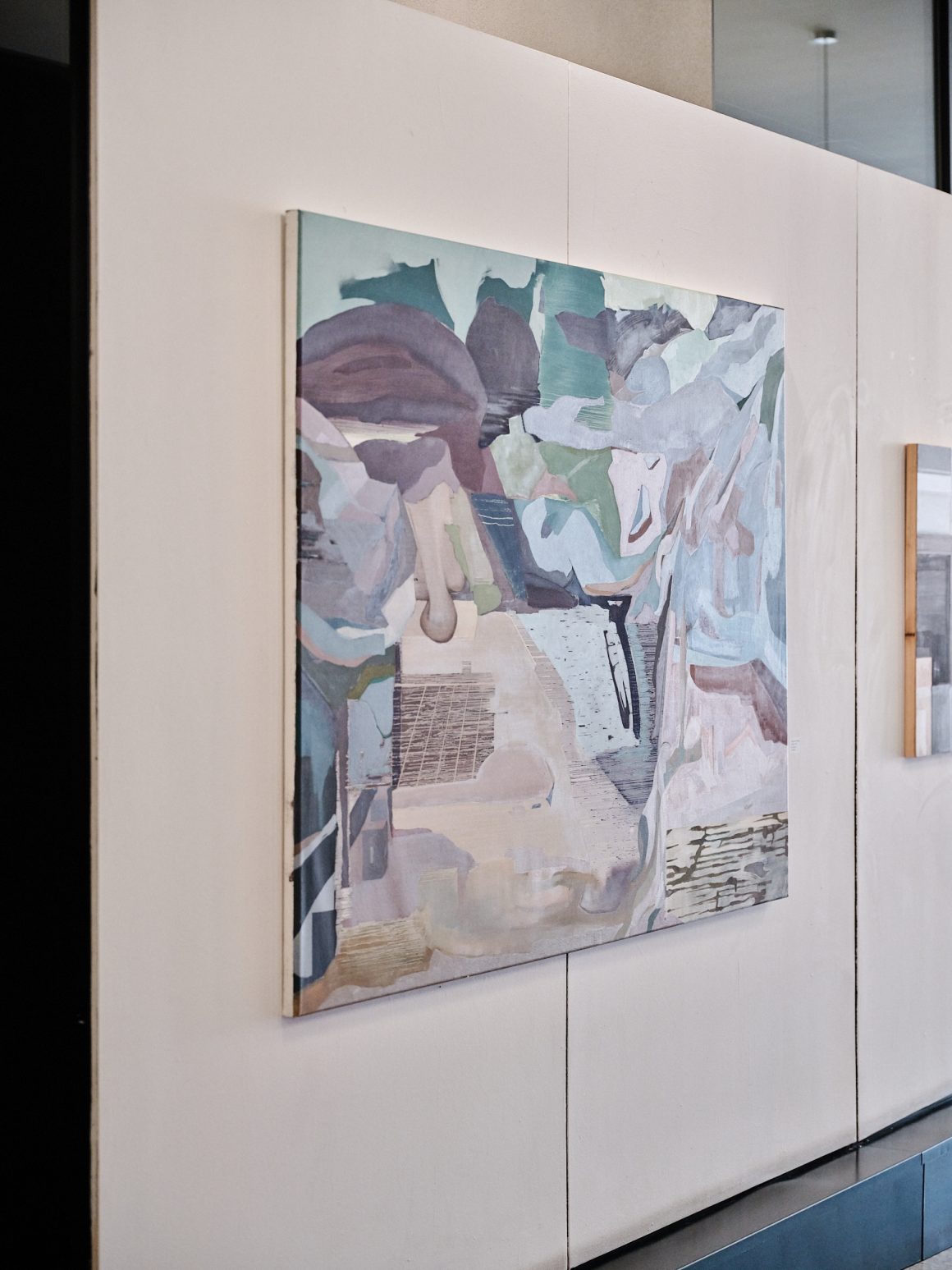
The exhibition presents the work of five recent graduates from the Athens School of Fine Arts: Phaedra Galani, Phaedra Kazantzaki, Anastasios Klis, Konstantinos Korakis, and Andriana Fakino. They represent five distinct artistic voices, each with a unique visual language and personal perspective, offering a compelling insight into how a new generation of artists thinks, experiments, and expresses itself today.
Through painting, photography, and mixed media, the exhibition showcases works that still carry the energy of the studio—the spirit of exploration, the early formation of a personal visual language, and the desire to communicate something genuine and deeply personal.
The exhibition has been realised in collaboration with the Athens School of Fine Arts, and in particular with Kostas Christopoulos, whom I would personally like to thank for his generosity and invaluable contribution to making this project possible.
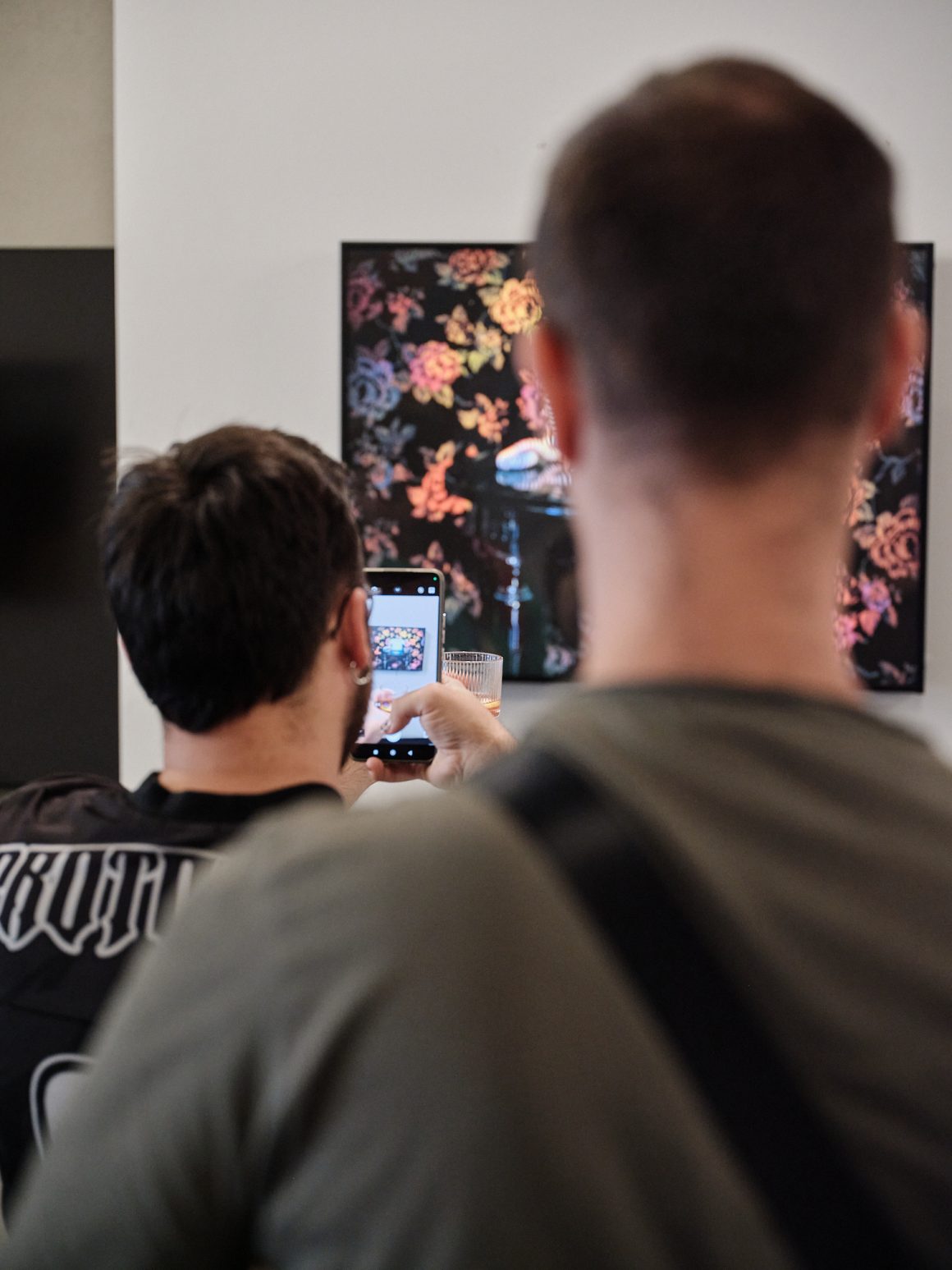
What makes this exhibition especially relevant is the way it shifts contemporary art beyond traditional institutional settings. Here, art is not presented exclusively to audiences actively seeking it out; instead, it encounters people naturally in the rhythm of the city—visitors, residents, travellers, and creative professionals. Moxy becomes a vibrant, open place for hospitality and exchange, allowing a more immediate and authentic relationship to develop between people and the artworks.
For us, supporting emerging artists is incredibly important, particularly when those opportunities are accompanied by thoughtful curation, professional presentation, and genuine care, as they are here. Young artists don’t simply need walls on which to display their work—they need a context that highlights its value and introduces it to audiences in a meaningful and lasting way.
What does art mean to you? How have you carved out your place within the art world, particularly in Athens, and how important are artist representation and exhibition curation to you?
Art, for me, is both a way of breathing through life and a profession. I’m not sure I would describe my journey as having “broken into” the art world. That’s not really how I think about it. What matters to me is creating small ecosystems where people can work together, collaborate, and generate meaning. There is room for everyone. Once you share that with the public, it becomes an invitation, naturally attracting those who connect with what you’re creating.
Championing artists and curating exhibitions are, to me, two sides of the same coin. On one hand, you introduce an artist’s work to new audiences. On the other, you place that work in dialogue with a space, an idea, a story, or other artists, opening up new ways of seeing and interpreting it.
Beginning with Nitra Gallery in Thessaloniki, tell us about your creative journey. Which moments do you consider your greatest achievements?
Nitra Gallery began in Thessaloniki as part of my family’s long-standing involvement in the art world, but over time it became something deeply personal—a way of building relationships between artists, artworks, and audiences.
Looking back today, I can understand that journey with much greater clarity. At the time, however, it was driven largely by instinct. There wasn’t always a carefully defined plan—there was curiosity, openness, and a constant desire to evolve.
Seen from today’s perspective, it’s a story full of unexpected plot twists. Nitra in Thessaloniki initially developed alongside our presence in Istanbul, opening a dialogue with the East. There were art fairs, exhibitions, international collaborations, and a growing sense that a gallery from Thessaloniki could engage confidently with a broader international art scene.
Political instability in Turkey eventually brought me to Athens during the period of Documenta. That’s when we opened Nitra’s second space, formed new partnerships, and expanded our field of activity. Shortly afterwards, the pandemic forced all of us to rethink the way we worked.
It was during that period that ArtSpark was born—the natural next chapter of that thinking. I wanted to explore how art could move beyond the traditional gallery setting and become meaningfully integrated into the spaces where we live, work, travel, and gather, focusing on curating art collections for lived environments.
If I had to identify my greatest achievement, it would be creating my own structures within a field that rarely offers predefined paths. Despite all the twists and turns, I’ve built a role that allows me to engage with art joyfully, creatively, and with a sense of purpose—not only for myself, but also for the artists and collaborators I work with, while making a meaningful contribution to the artistic community.
What have been the defining moments of your career, and what has become non-negotiable for you today?
I would probably say my most meaningful moments rather than my most glamorous ones. The most memorable experiences are rarely the ones people imagine when they think about the gallery world. They are the moments when you experience a genuine connection with an artwork, an artist, and the extraordinary potential of human creativity.
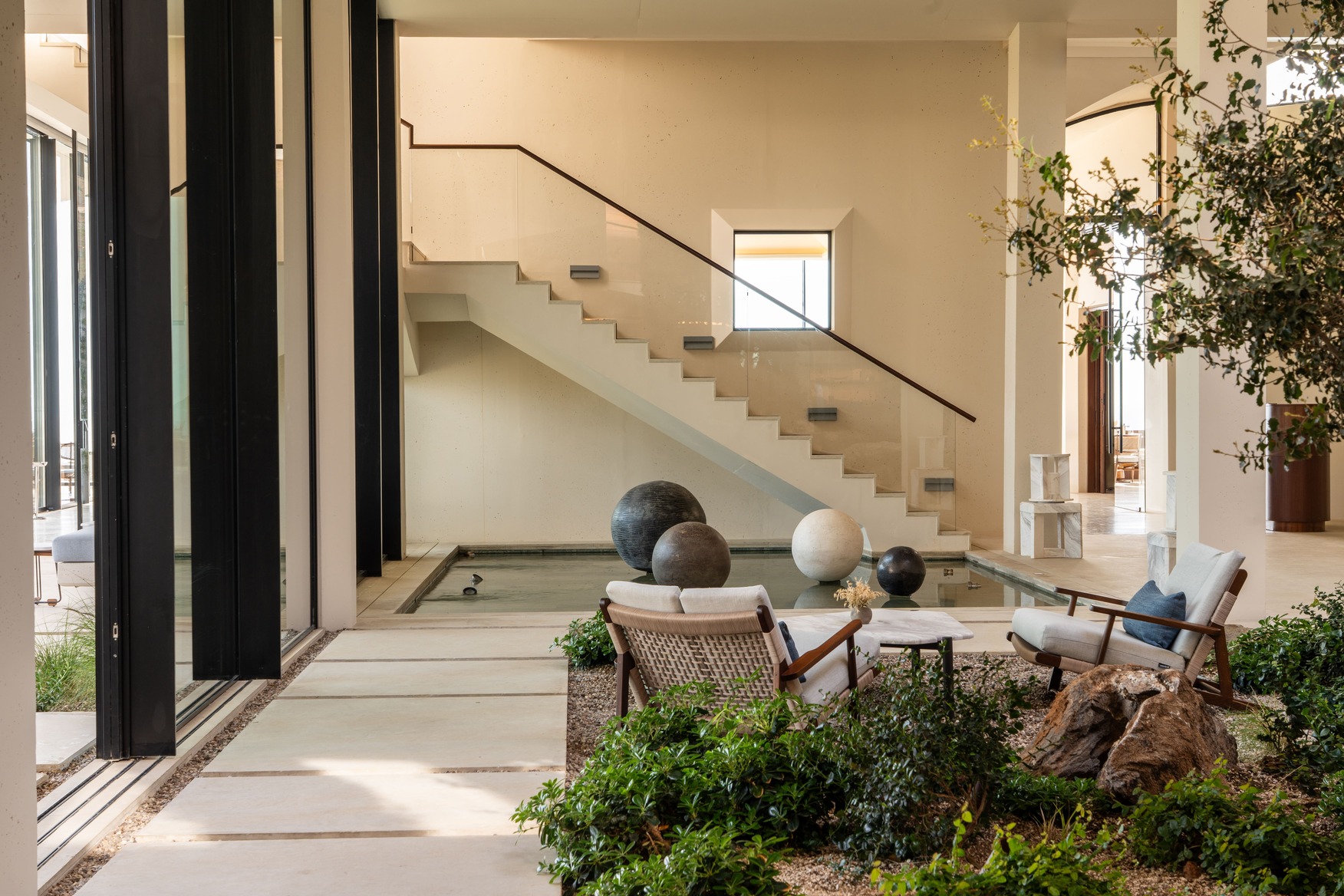
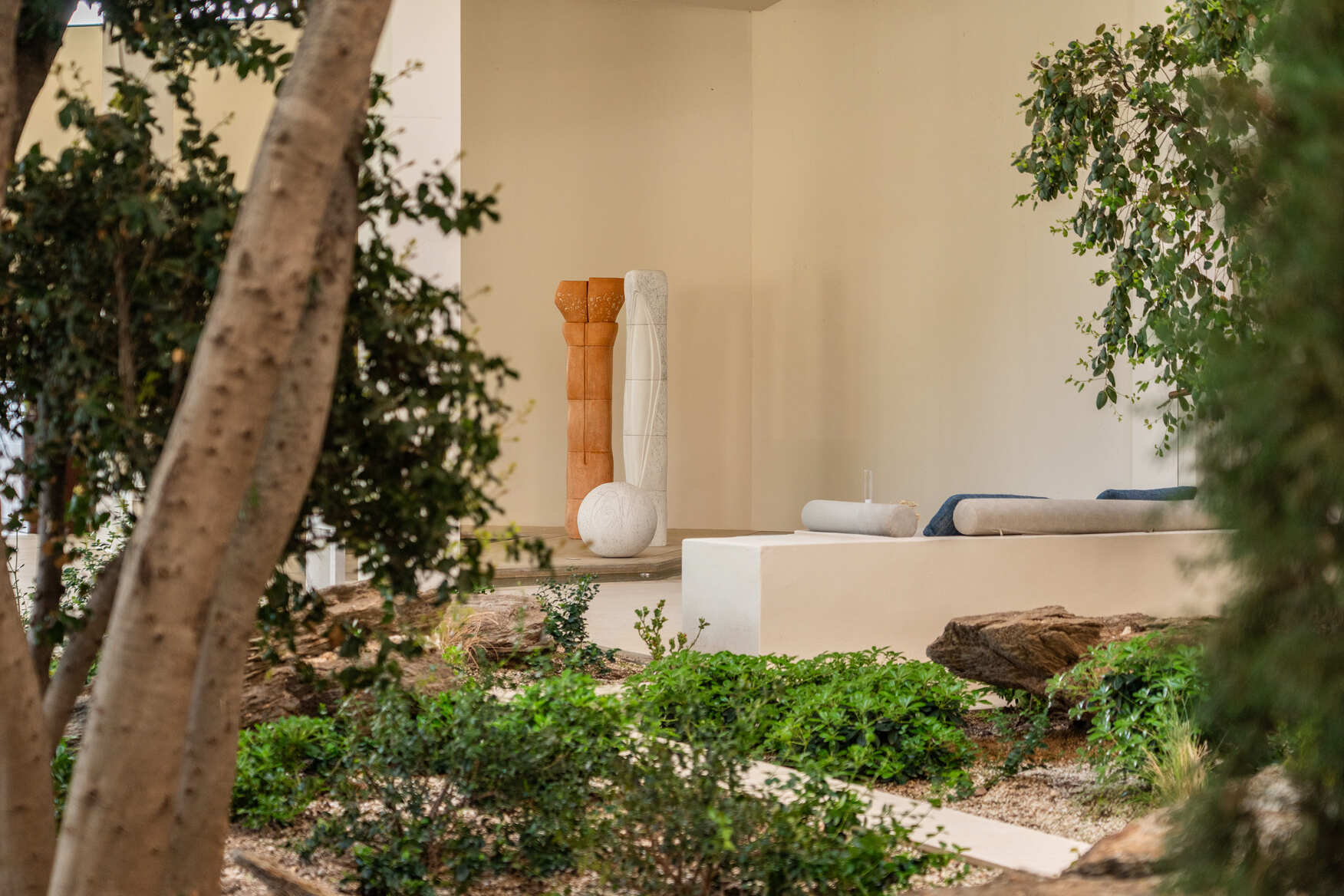
That said, if we’re talking about landmark achievements, one particularly significant moment was receiving the Hospitality Design Award in Las Vegas for our curatorial work with Maria Vlanti at One&Only Kea Island. It was an important international recognition of years of demanding, often solitary work in a field that was still pioneering by Greek standards.
What has become completely non-negotiable for me is that everyone who forms part of our ecosystem—artists, collaborators, clients—shares one essential value: finding joy in art.
The art world can be demanding, challenging, and at times exhausting. That’s why it’s so important to surround ourselves with people whose values allow us to preserve that sense of joy and curiosity. After all, that’s exactly why we’re here and why we do what we do.
What do you love most about the world you work in, and what do you find most challenging?
What moves me most is witnessing the moment when people genuinely connect with an artist’s work and decide to believe in it. I love the collaborations that emerge through art—not because they serve a business purpose, but because people recognise a shared sensitivity in one another and choose to pursue a common vision.
What saddens me is that, particularly in Greece, the art world still lacks the structures that would allow people to grow with continuity and security. Too often, the pressures, uncertainty, and competitiveness of the field create a culture that doesn’t always help people flourish. Art is inherently liberating, and I wish the environment surrounding it reflected that spirit more often.
Do you believe Thessaloniki has the potential to take a more prominent place on the contemporary art scene? How would you compare it with Athens?
Thessaloniki has enormous potential. It has history, remarkable artists, strong academic and intellectual foundations, and an audience capable of supporting art in a meaningful way. What it often lacks is continuity, international outreach, and the confidence to claim a more prominent place on today’s cultural map.
Athens, on the other hand, has gained tremendous momentum in recent years. It is more international, more dynamic, more open to collaboration, and has become the centre of much of Greece’s creative energy. There is greater visibility, a stronger market, and a faster pace.
That said, I don’t see the two cities as competitors. Thessaloniki possesses a very different quality—more introspective, more contemplative, more human. If it continues to embrace that identity while looking confidently towards the future, I believe it can make remarkable progress.
What are you currently working on?
At the moment, we’re completing an exciting project at CLYO Silversands in Mykonos, while also working on several new developments in Greece, including Six Senses Porto Heli, as well as projects abroad.
In September, we’re also preparing a photography exhibition by Tassos Vrettos at Nitra Gallery in Athens.
One of the questions that constantly inspires me is how we can build meaningful bridges between artists and increasingly diverse audiences—through exhibitions, collaborations, and new formats. Ultimately, my goal is to find different paths that allow art to reach people in more accessible and engaging ways.
What would your dream project be?
A true dream project would be to create a place where art is conceived as an integral part of its identity from the very beginning.
A place with artist commissions, residency programmes, exhibitions, studio visits, and cultural initiatives, all deeply connected to the local community. A place where art—from its creation to its presentation—is fully woven into the lived experience of that destination.
Tell us the most beautiful story of your career.
The most beautiful story isn’t a single event—it’s the journey from saying “I have a dream” to saying “We are a team with a shared vision.”
That “we” is what means the most to me. It’s something I’m deeply proud of.
Is there an exhibition you’ll never forget?
Without question, the solo exhibition by Gülsün Karamustafa at our gallery in Athens.
Not only because of the significance of the artist herself, but because of the remarkable sequence of encounters and coincidences that led to it.
We first met years earlier in Thessaloniki, when, as a curator for PhotoBiennale, I was asked to give her a guided tour while she was in the city as a guest of the Thessaloniki Biennale of Contemporary Art, where she was producing a new work.
A few years later, I happened to visit Istanbul during an art fair, at the same time she was presenting a solo exhibition at SALT. I attended one of her guided tours and, rather shyly, reintroduced myself. Not only did she remember me, but she also told me that she had incorporated material from our exhibition in Thessaloniki into one of her works.
That encounter marked the beginning of a wonderful relationship, which eventually led to her solo exhibition at our gallery in Athens.
I treasure that experience because it embodies something I deeply believe: the most meaningful collaborations are not born solely from professional opportunities, but from the way you look at an artist’s work, the way you listen, and the way you build genuine human connections—regardless of how established the artist may be.
She placed her trust in me, and I will always be grateful for that.
Tell us something people don’t know about you.
Despite dedicating my life to art, I can’t even draw a simple little house.
What is your definition of beauty?
Beauty is the fullness of the senses—the moment when you are completely present in what you see, hear, touch, or feel.
What does authenticity mean to you today?
Authenticity is something that doesn’t try to imitate anything else, but has the courage to exist at its own pace, with its own truth and its own imperfections.