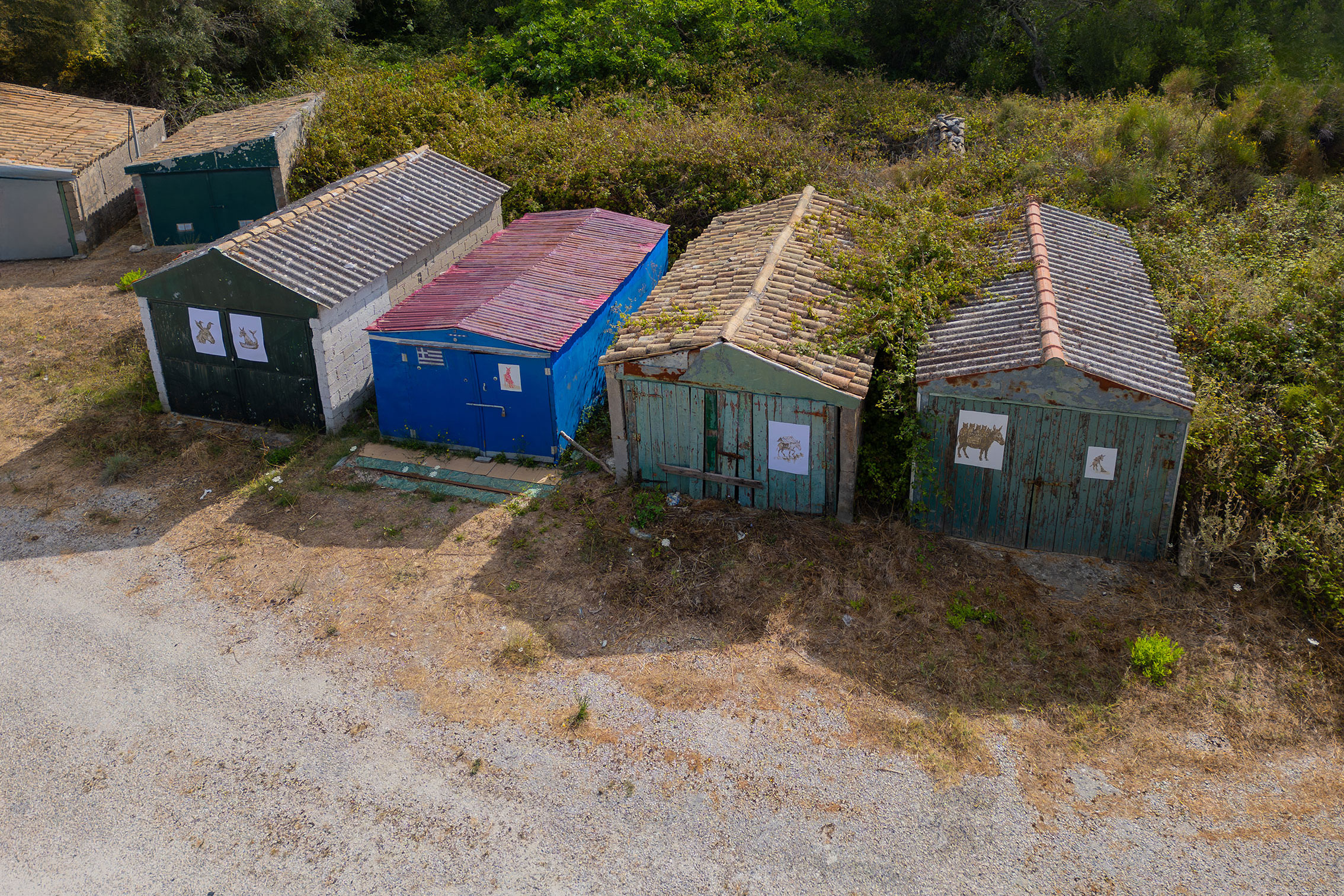
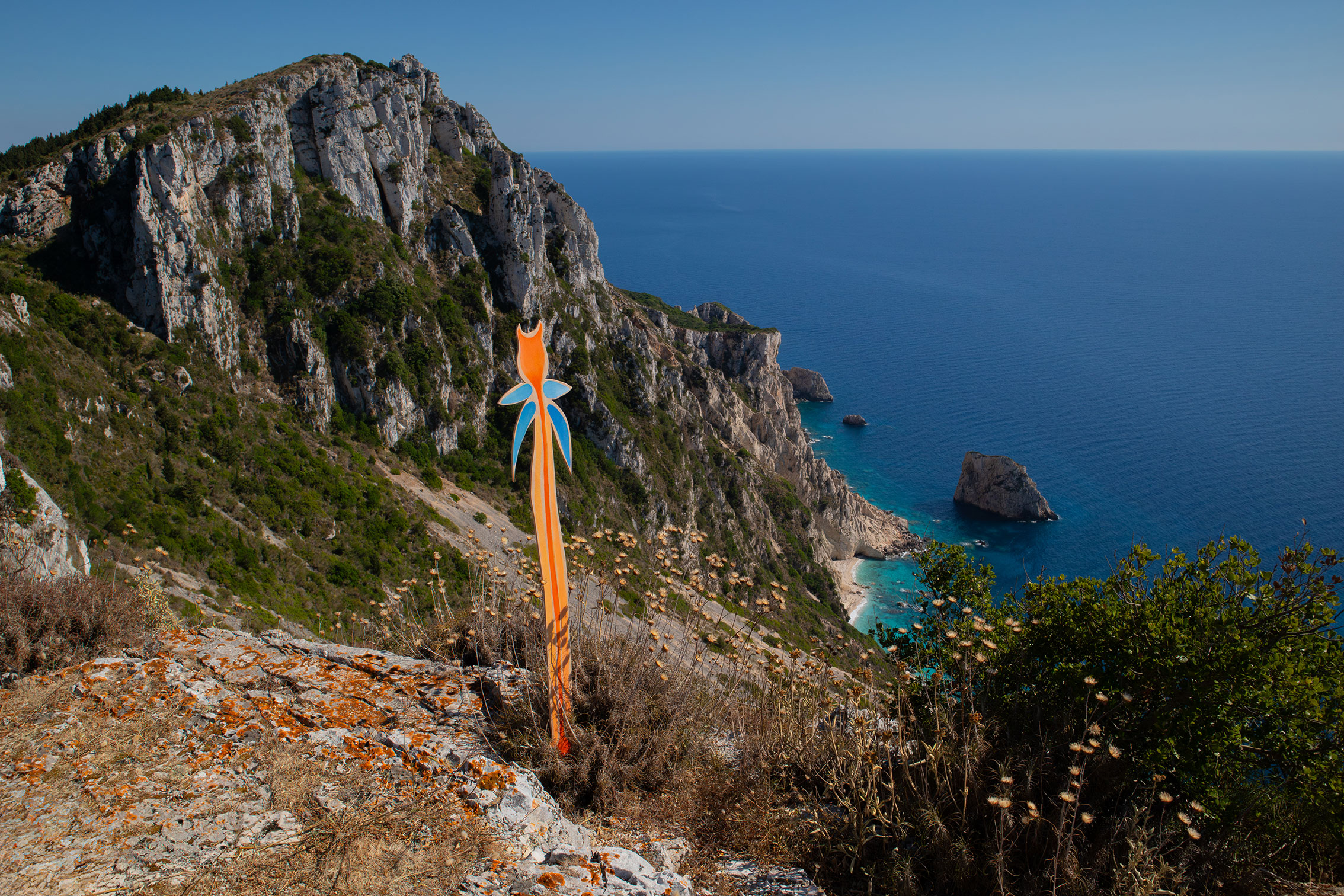
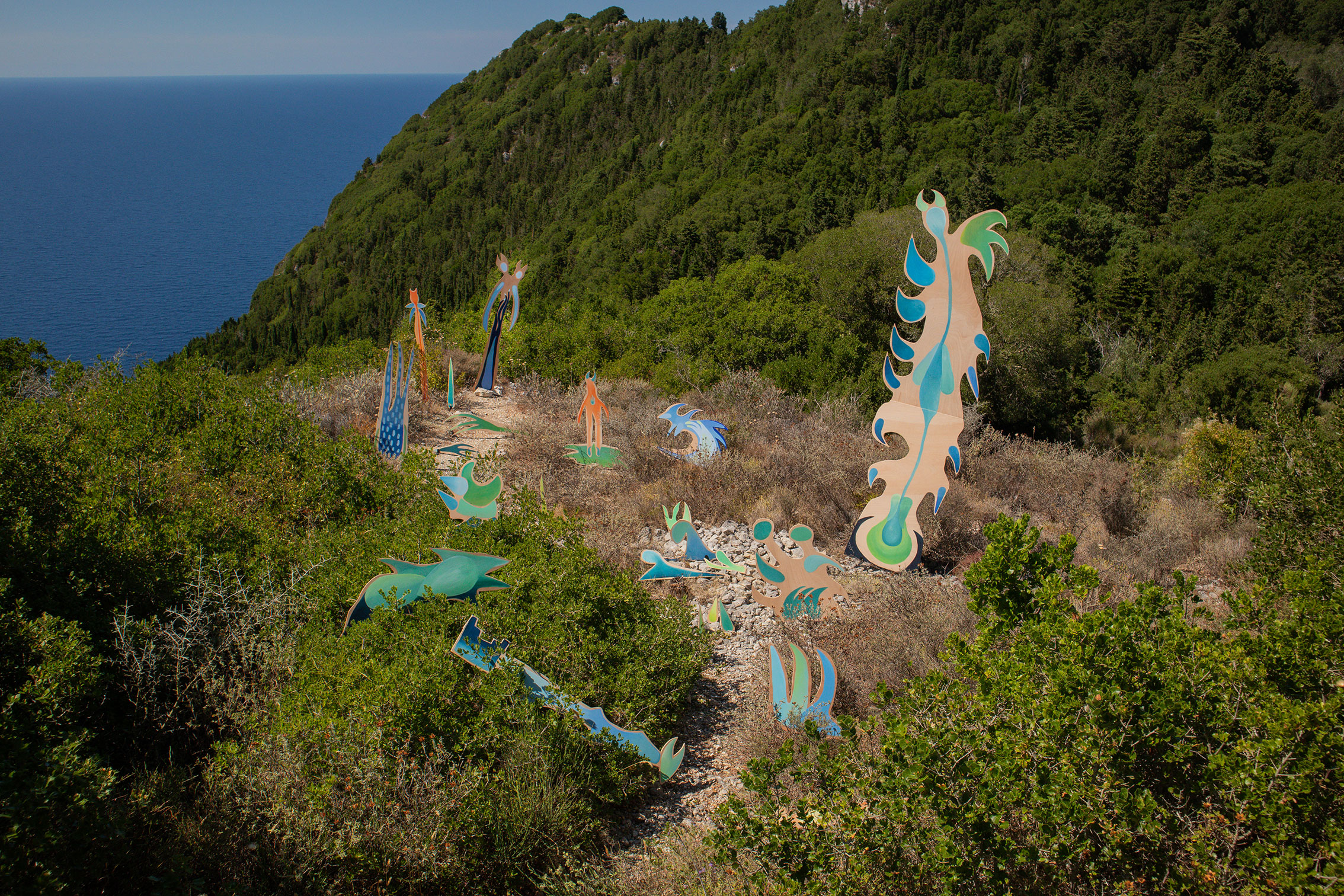
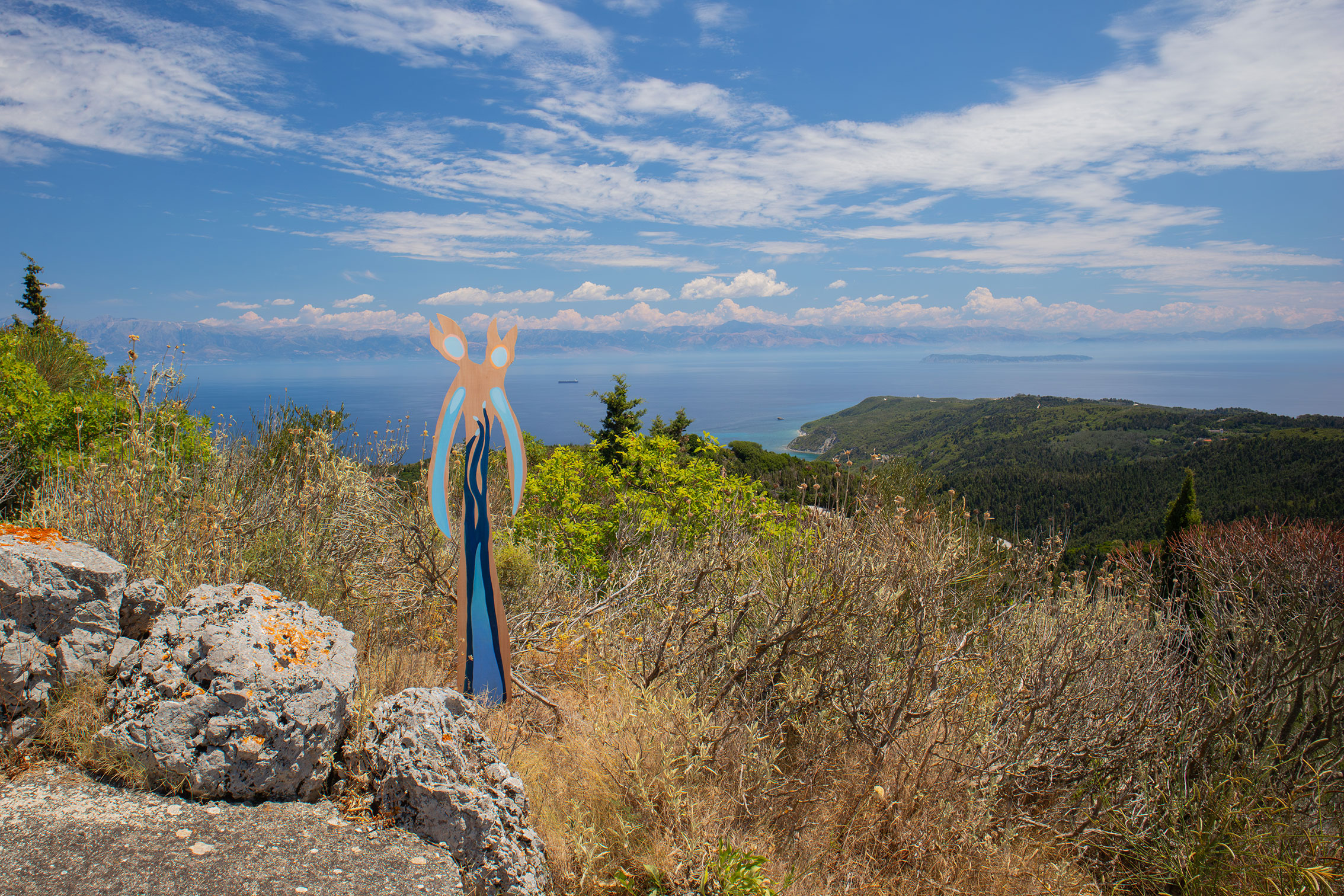
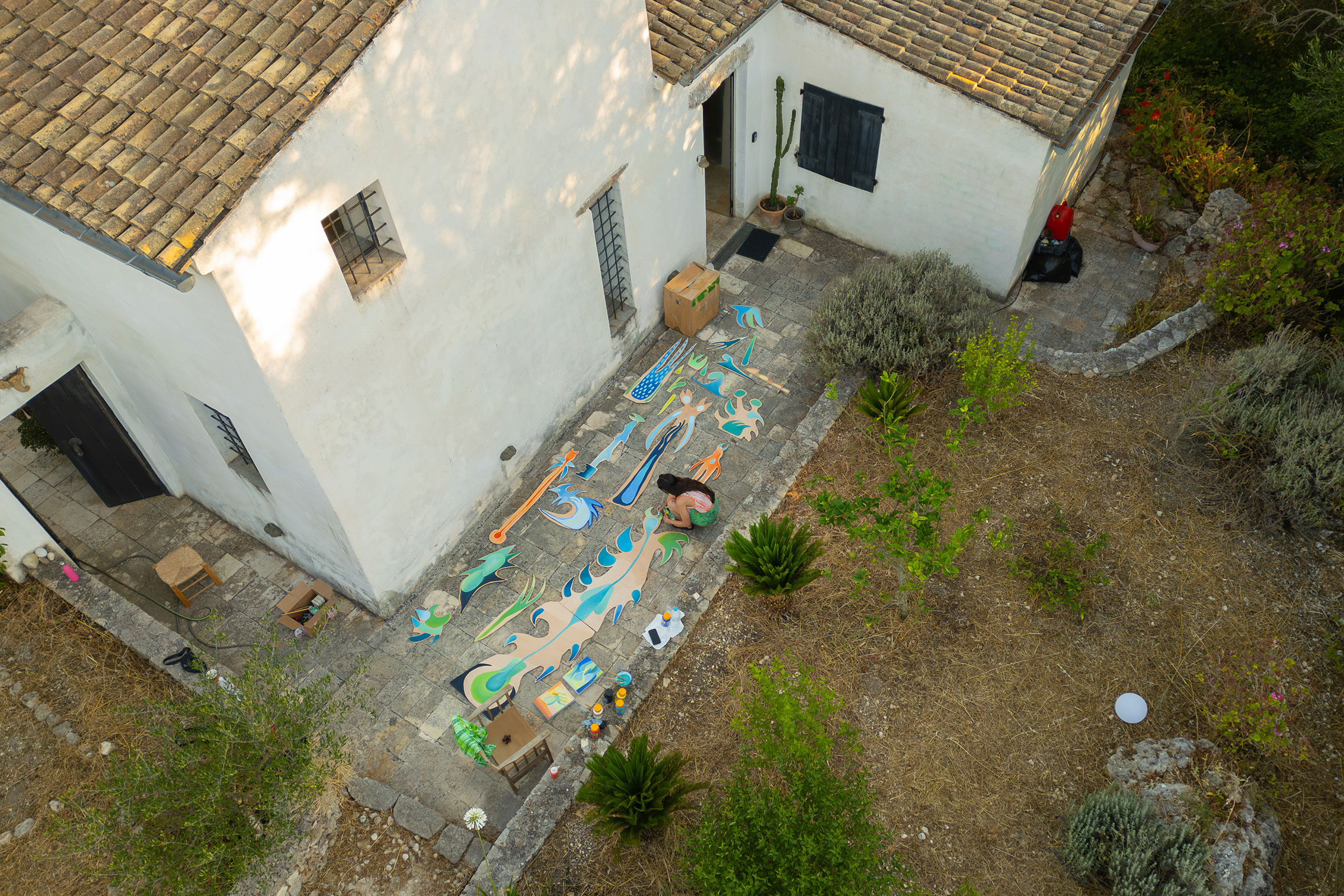
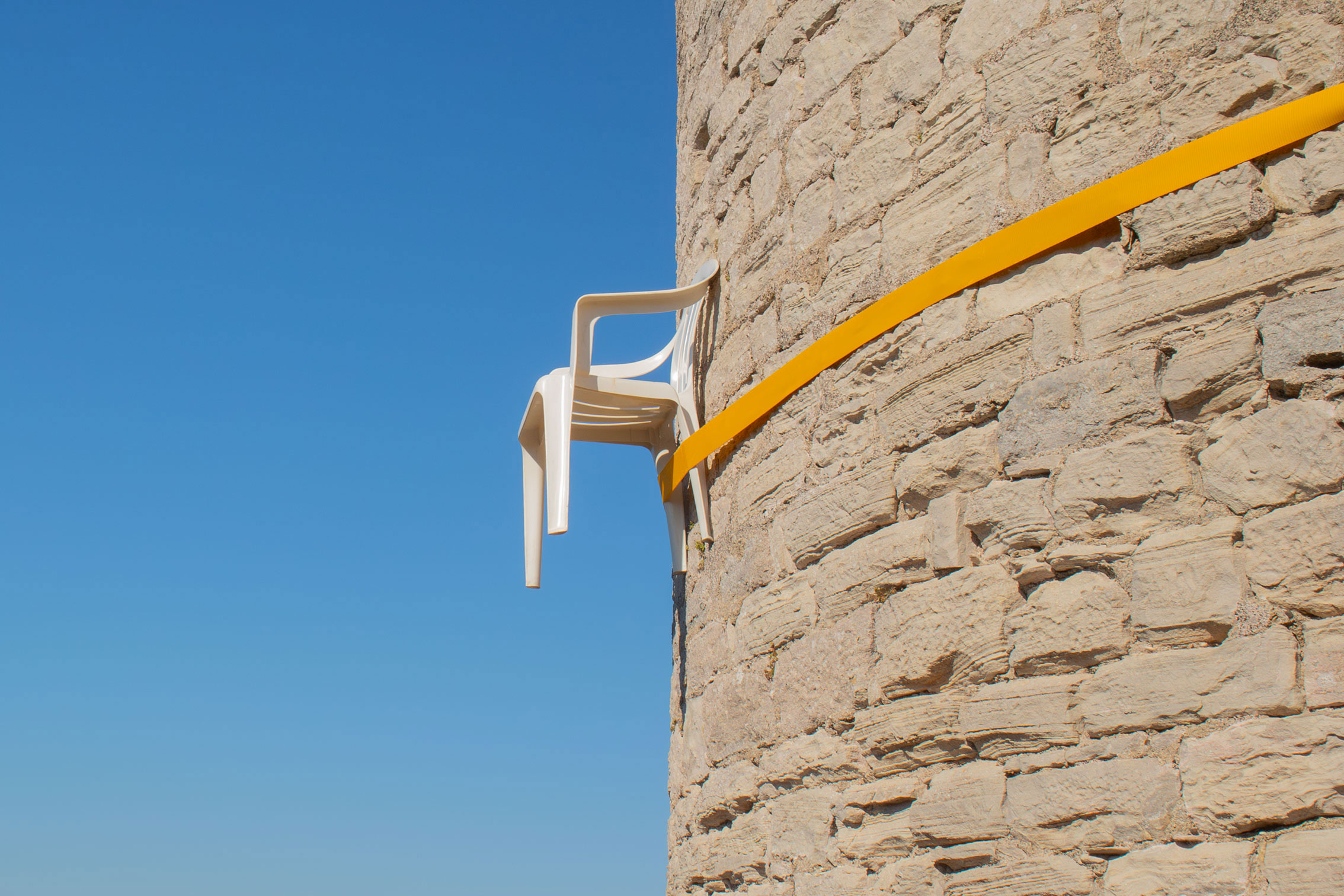
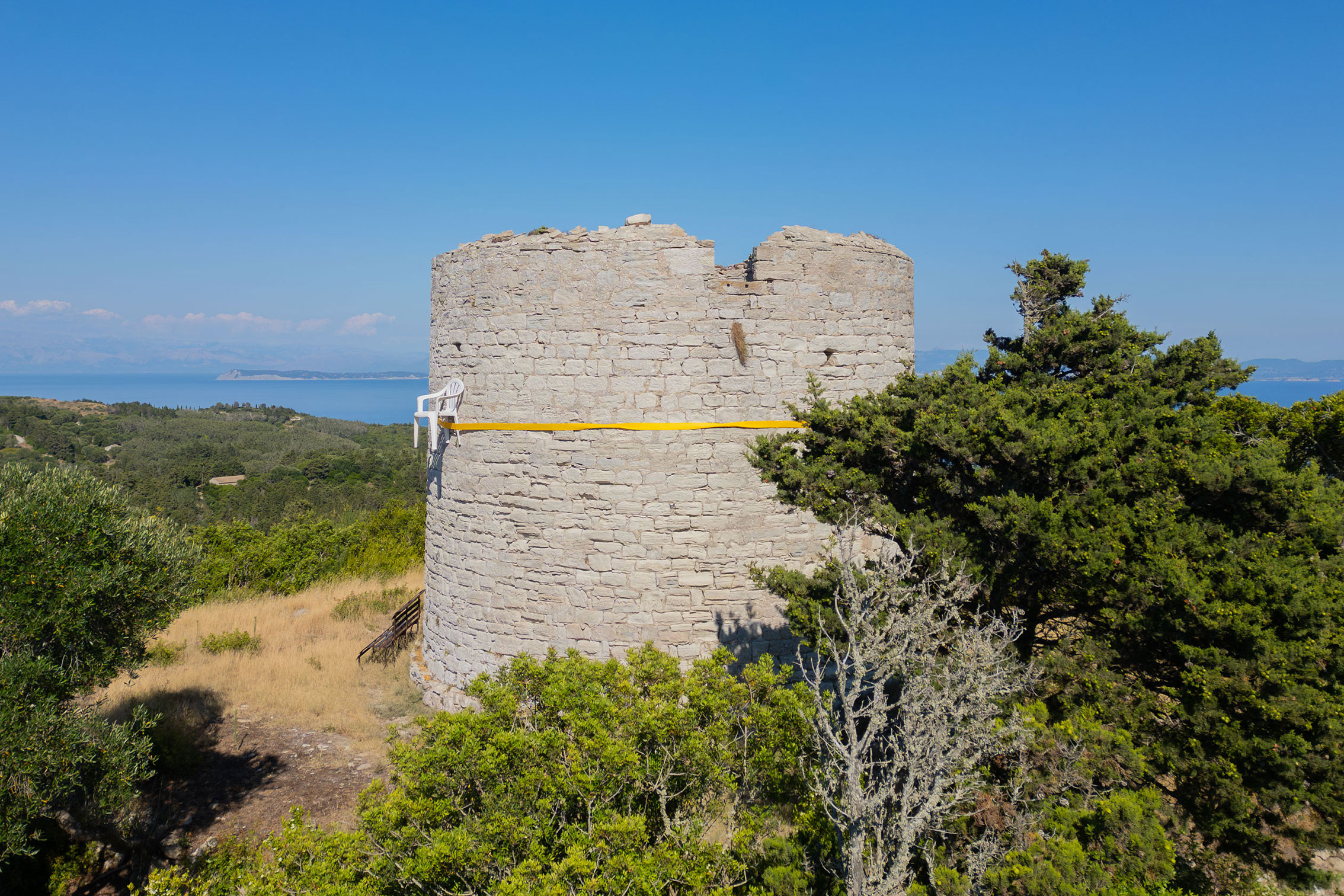
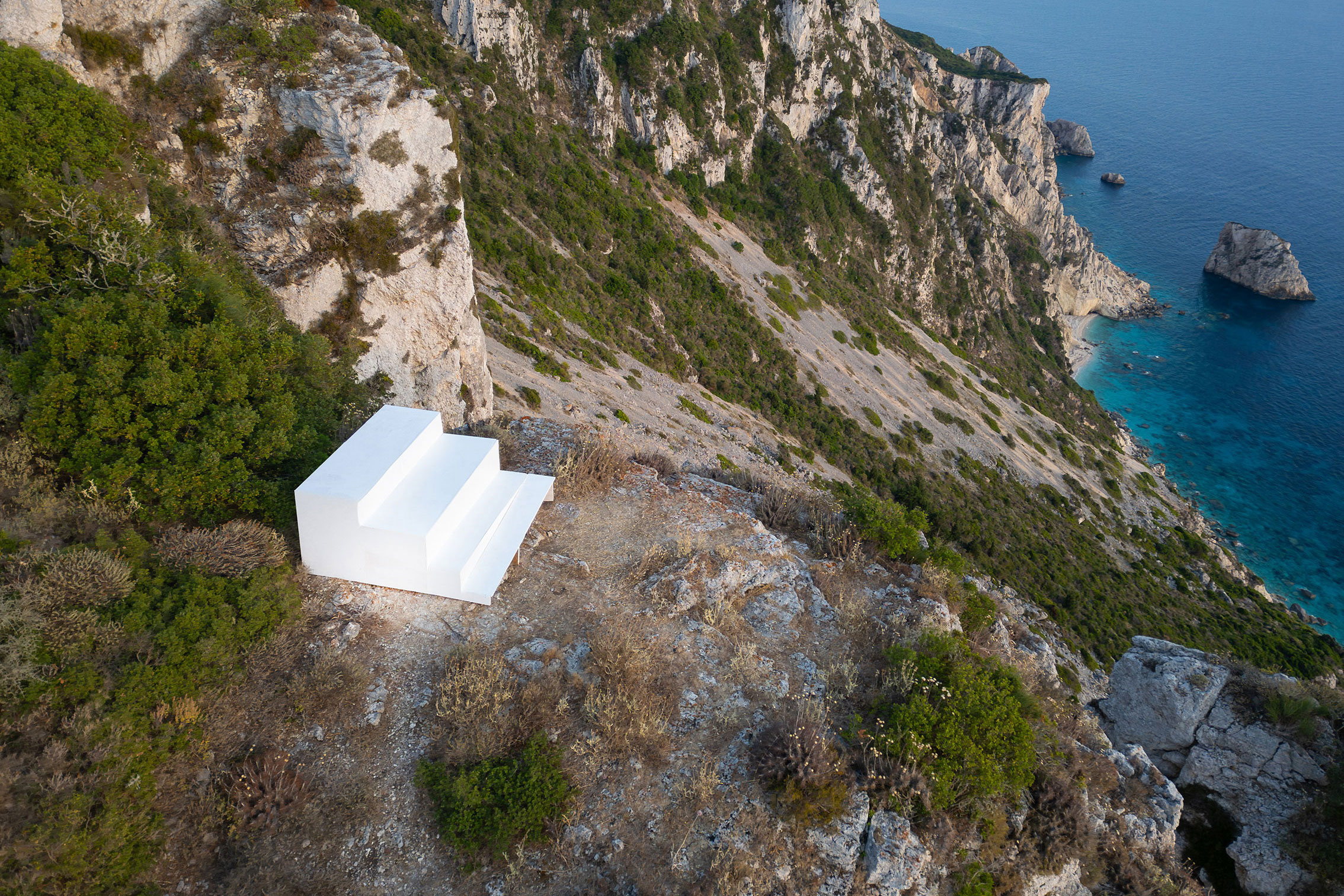
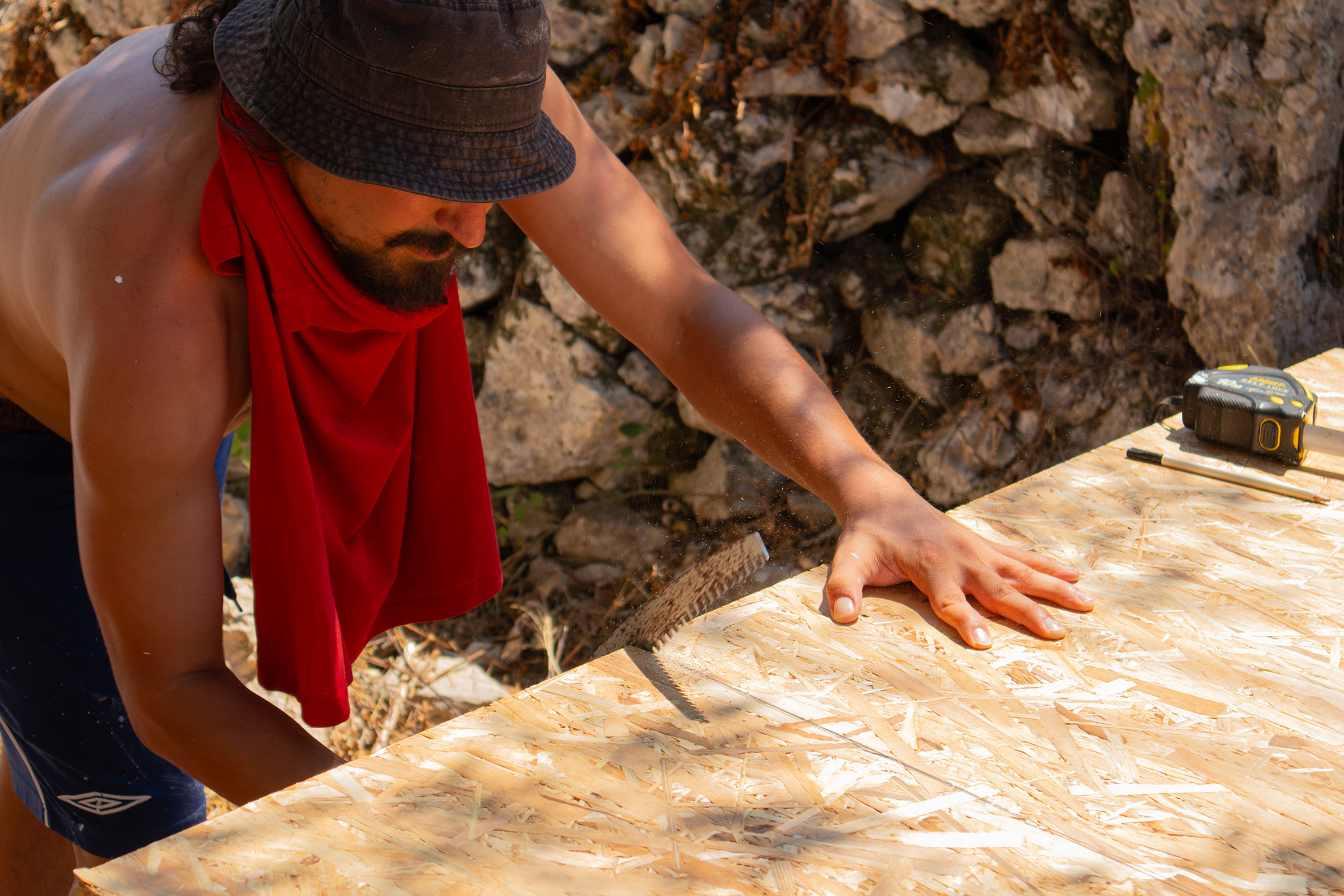
Four artists, Vassiliki Koukou, Dimitris Kontodimos, The Krank and Dionysis Christofilogiannis, have each left their own artistic imprint on the island of Othonoi, creating works that engage in dialogue with both the local community and the island’s striking landscape. Speaking on behalf of Ionian Lab, Dionysis Christofilogiannis reflects on the vision behind this ambitious initiative.
How did the idea for Ionian Lab come about, and why did you choose Othonoi as its first destination?
The idea grew out of a shared ambition between Space52 and Kalogerou to create something beyond a traditional artist residency. We envisioned a platform for research, artistic production and the exchange of ideas, where the place itself would actively shape the creative process. Othonoi—the westernmost inhabited point of Greece—embodies history, geopolitics, ecology and mythology. It is far more than a beautiful island; it is a geographical and cultural frontier.
Ionian Lab is the result of a collaboration between Space52 and Kalogerou. How does this partnership work?
Kalogerou provides the place, the experience of everyday life on the island and its hospitality, while Space52 is responsible for the artistic direction, curatorial framework, artist selection and international network. The collaboration is founded on the belief that contemporary art can generate new narratives for remote places while connecting them to a wider international cultural dialogue.
I would also like to express my sincere gratitude to Dionysis Dimoulitsas, founder of Kalogerou, for the trust, generosity and unwavering support he has shown from the very beginning. Without his belief in the project and his deep connection to Othonoi, IONIAN LAB would never have taken the form it has today.
The four participating artists work in very different ways. What brought them together?
We were not looking for similarity but for complementarity. What unites them is their understanding of landscape as a carrier of meaning.
Vassiliki Koukou approaches Othonoi through mythology and ecology. Her series The Nymphs of Ogygia imagines hybrid figures born from water, vegetation and the island’s collective memory.
Dimitris Kontodimos investigates geography as a political condition. His works Not to Touch the Earth, Not to See the Sun and West/End explore the desire for escape, the notion of borders, and the West as both a promise and an ideological construct.
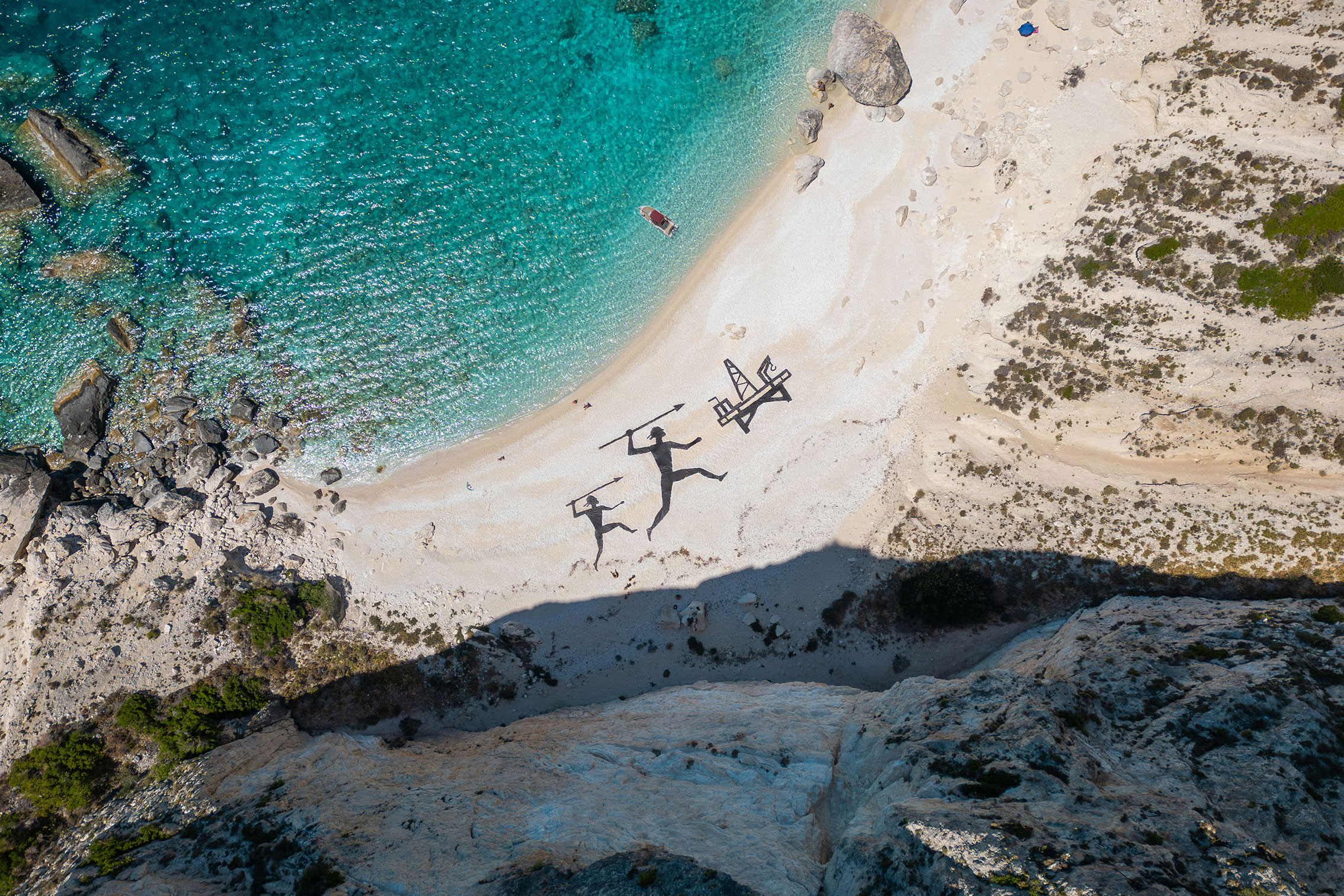
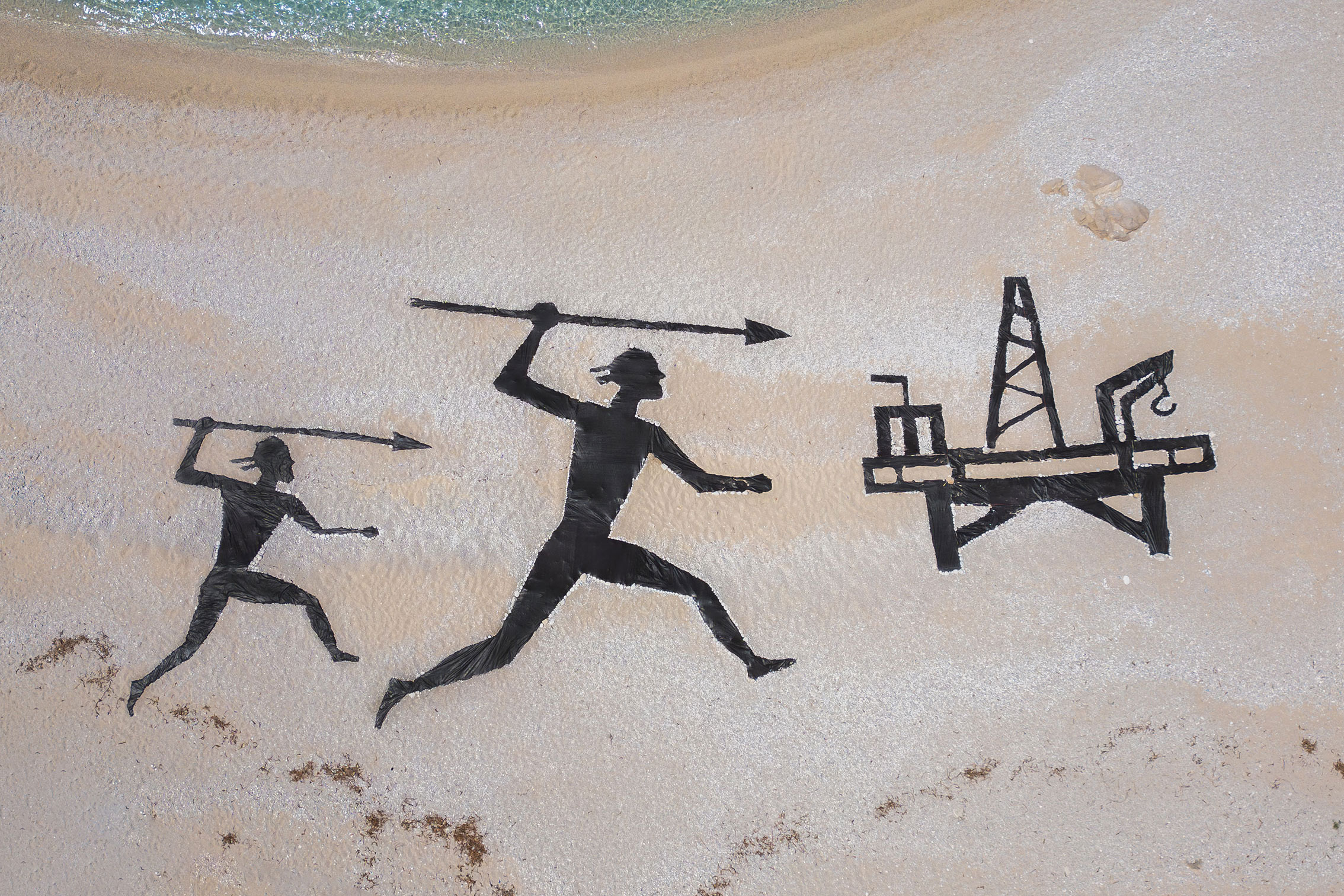
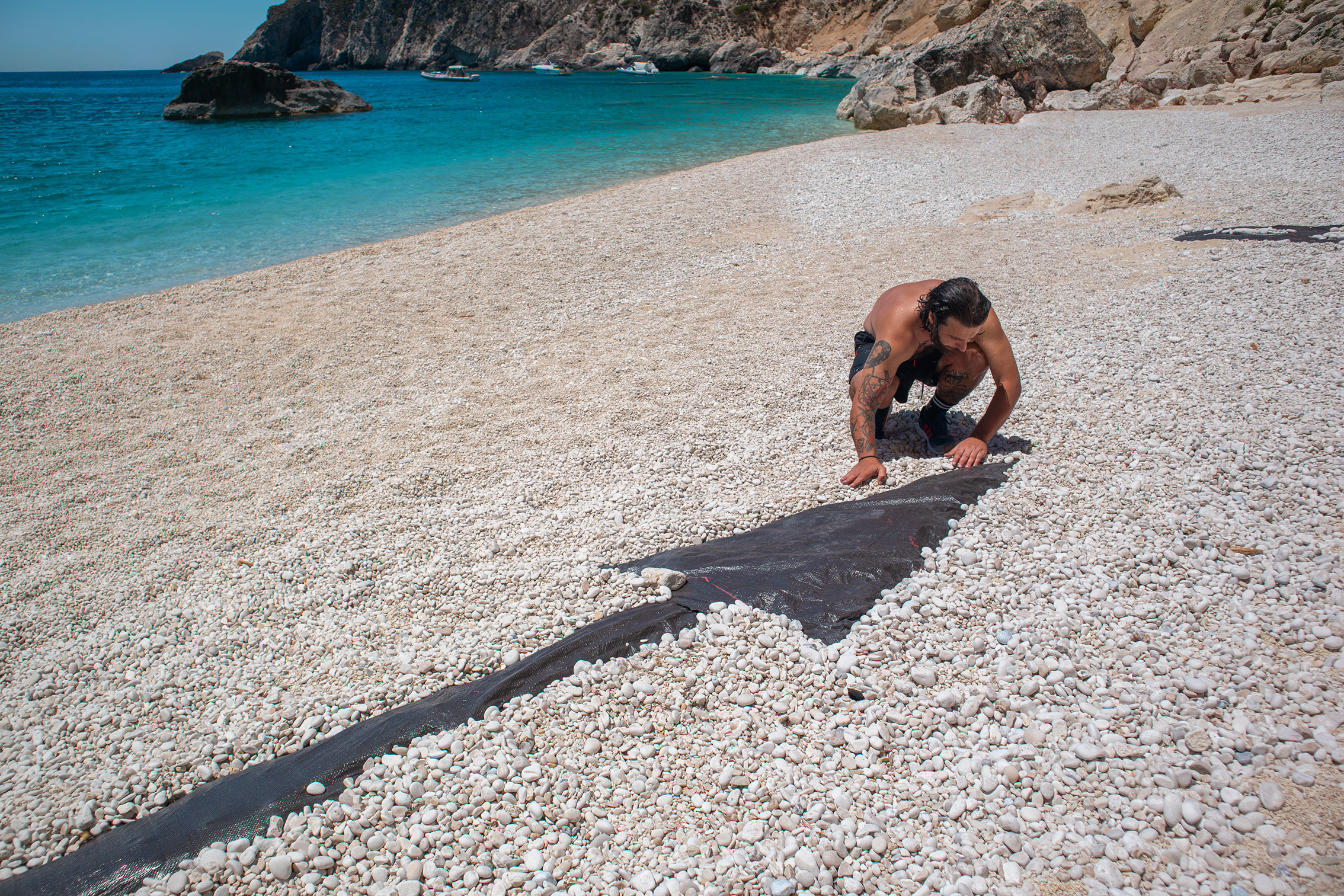
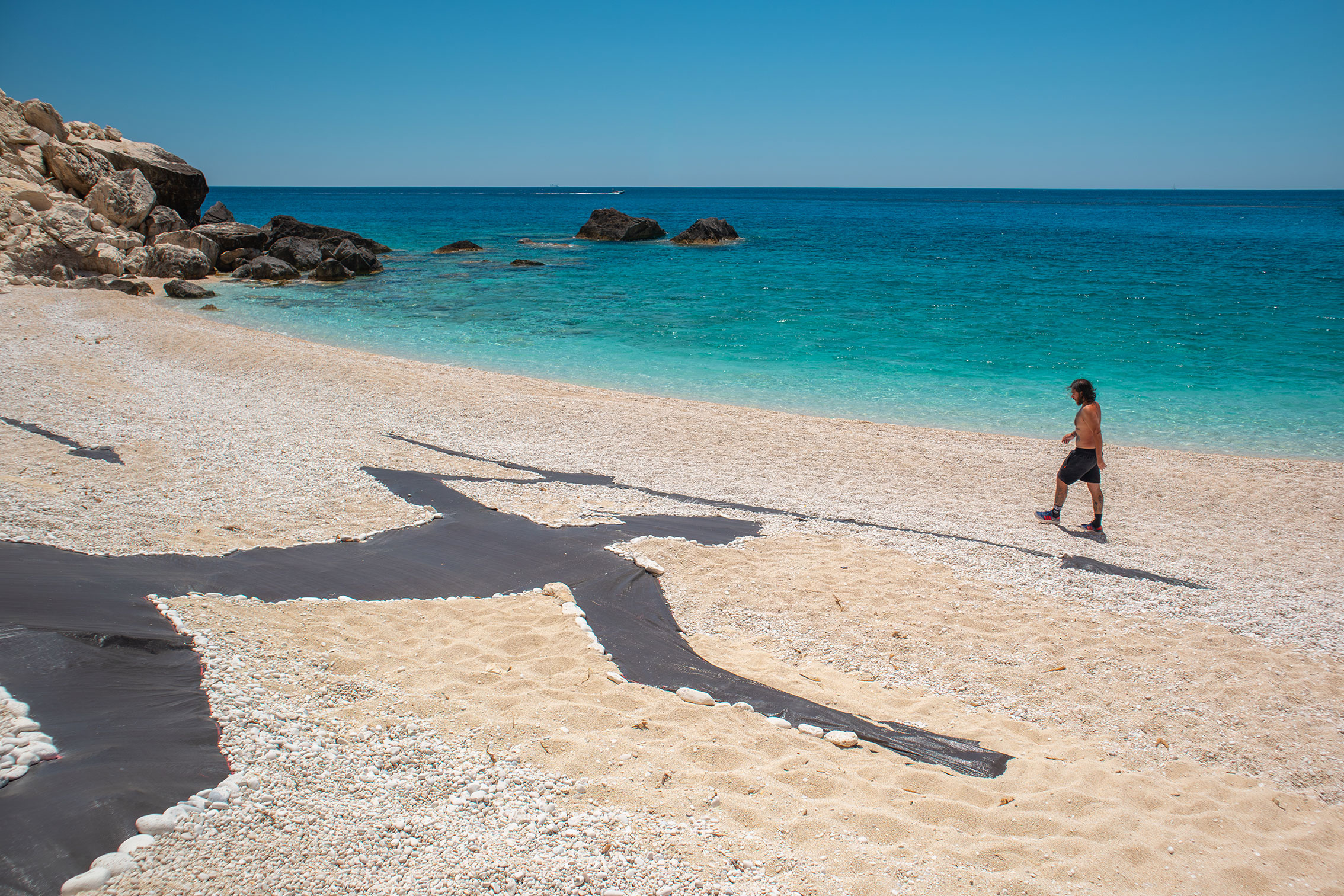
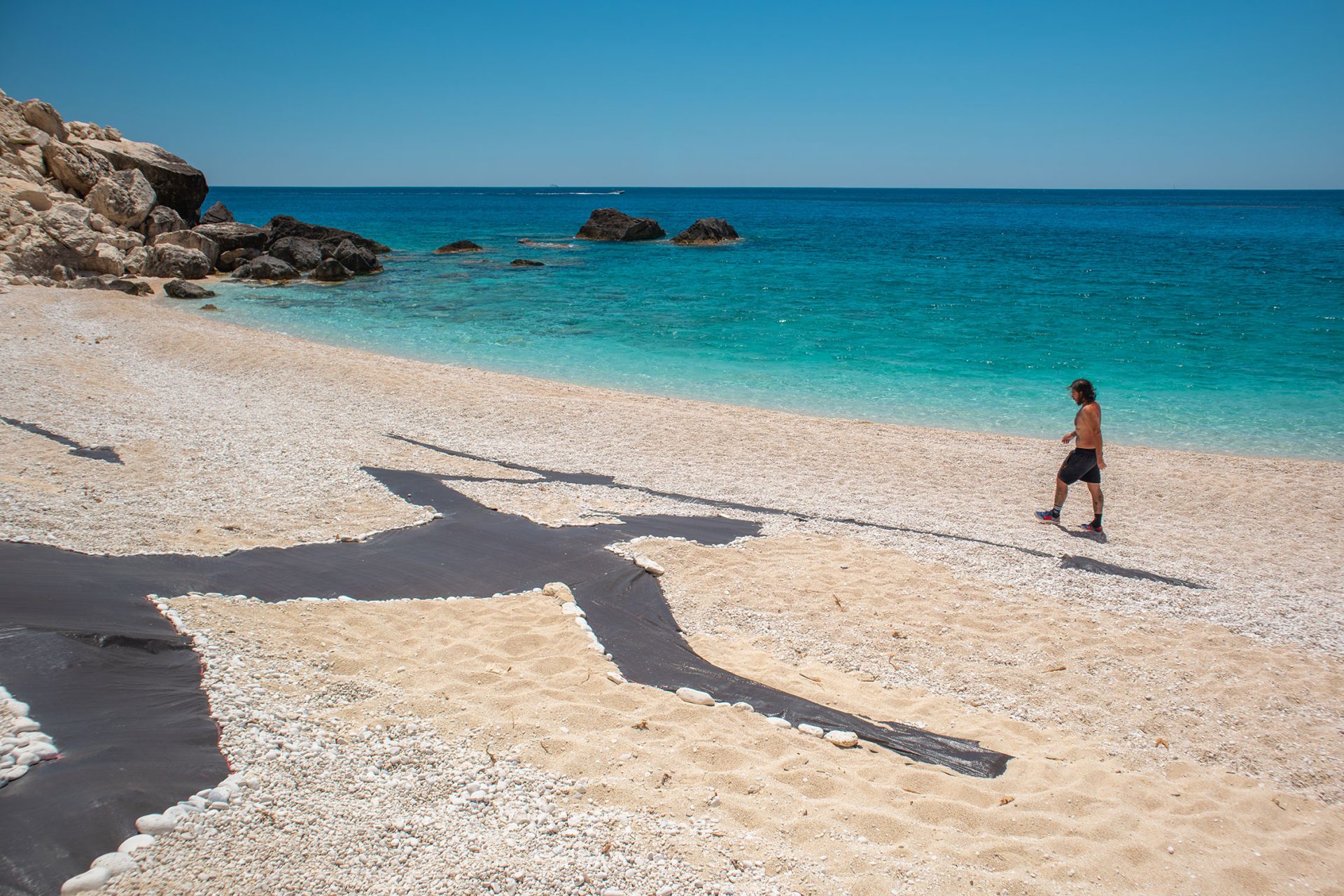
The Krank employs land art to initiate a public conversation around the planned hydrocarbon exploration in the Ionian Sea. His work The Hunt transforms the shoreline into a symbolic battleground between the prehistoric hunter and contemporary industry.
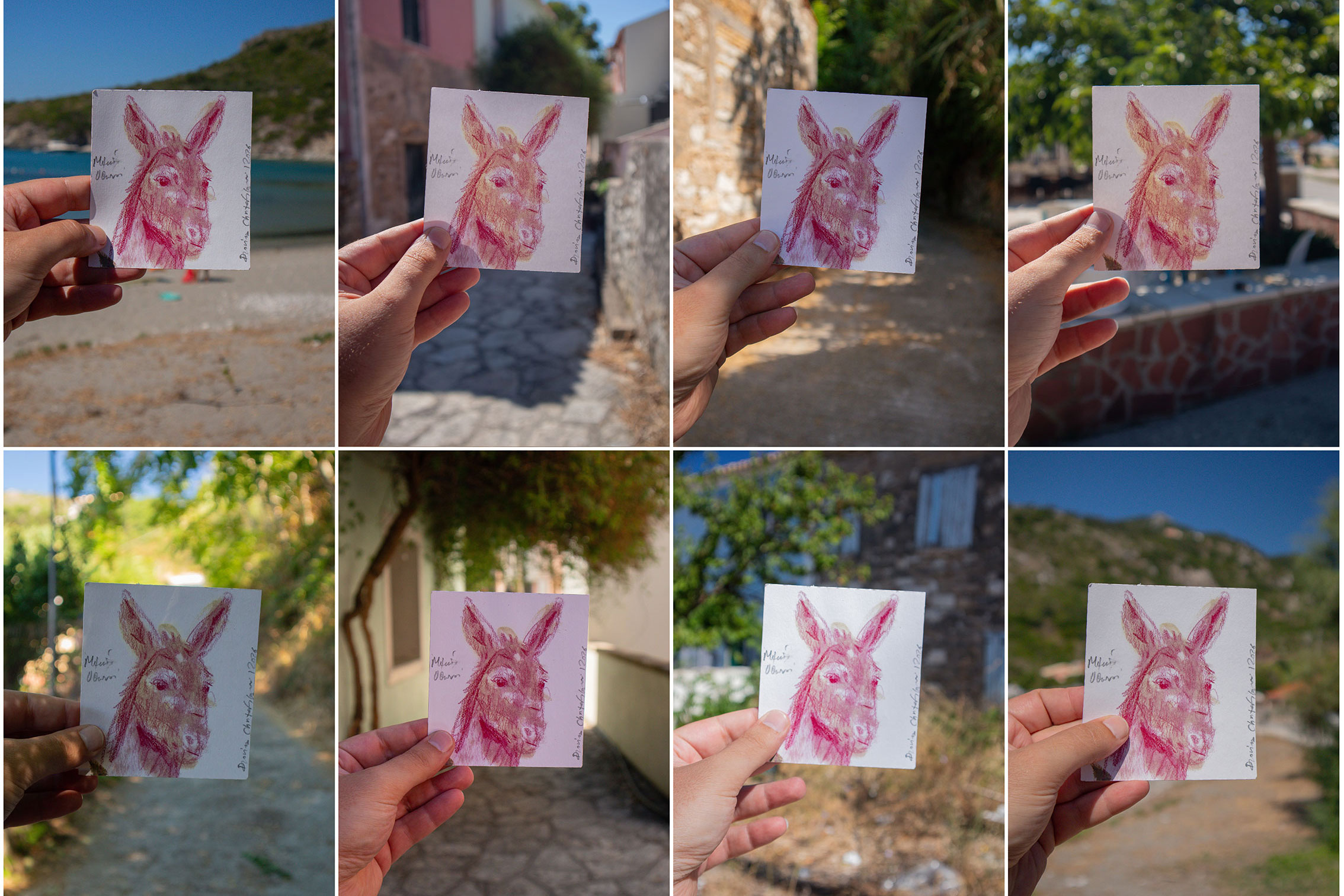
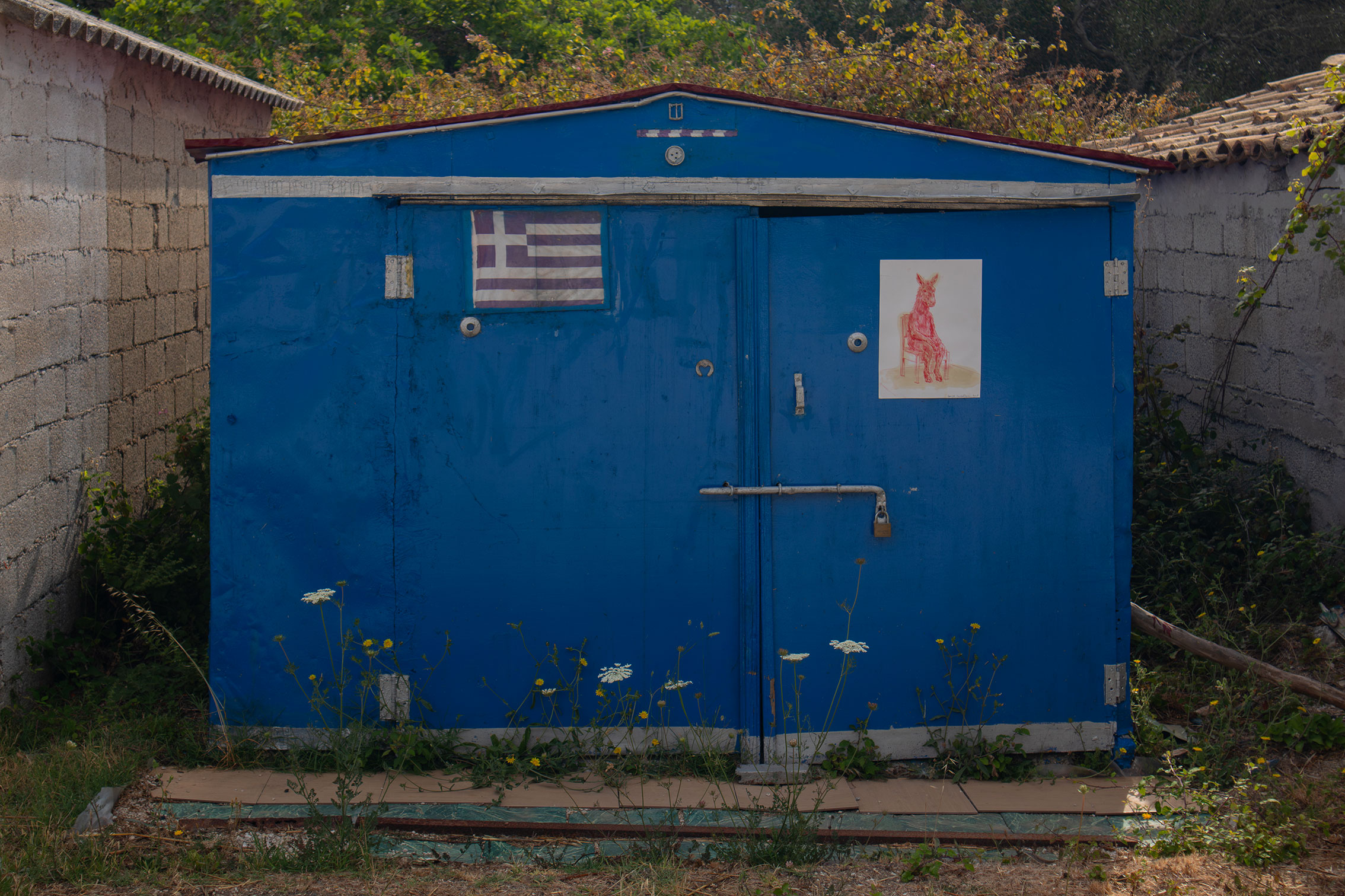
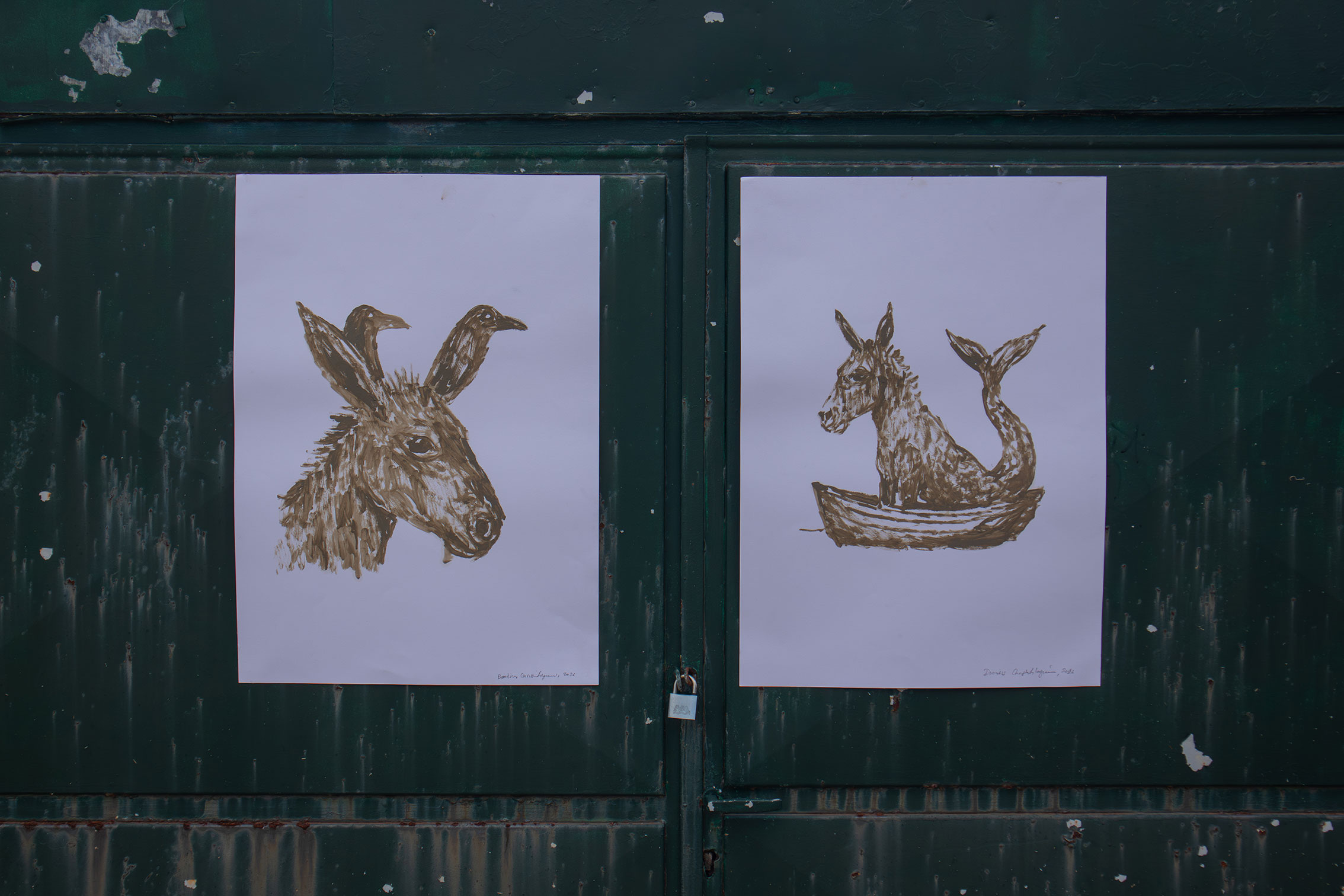
My own work explores Othonoi through the lens of collective memory. The drawing series Mimi, dedicated to the island’s last donkey, becomes an allegory for a community and a way of life that is gradually disappearing.
Is there a common thread that connects these very different bodies of work?
Yes. They all explore the relationship between people and place. Some do so through memory, others through mythology, politics or ecology. None of these works could have been created in quite the same way anywhere else. Othonoi is not simply the setting in which they were produced—it is the very reason they exist.
What is particularly striking is that the works extend beyond the boundaries of the art world and engage directly with the local community. Was that always part of the vision?
Absolutely. We never wanted this to be a closed residency. Conversations with local residents, everyday encounters, walks across the island and personal stories all became part of the research process. Even moments of curiosity—such as beachgoers asking The Krank about the black geotextile fabric installed on the shore—became integrated into the work itself. That dialogue with the public was always essential to the project.
What is the greatest ambition of Ionian Lab?
To demonstrate that contemporary artistic thinking of the highest calibre can emerge from the periphery. We are accustomed to believing that the most important cultural ideas originate in major urban centres. We believe the opposite can also be true: that a small island on Greece’s western frontier can become a site of international dialogue, critical thought and artistic production.
Is this a one-off initiative, or the beginning of something larger?
It is only the beginning. Ionian Lab was conceived as a long-term institution rather than a single project. Our ambition is to establish an international network of residencies and collaborations connecting the Diapontia Islands with artists, curators and cultural institutions from around the world. We want Othonoi to become a place where contemporary art does not simply visit, but takes root, evolves and grows together with the island itself.