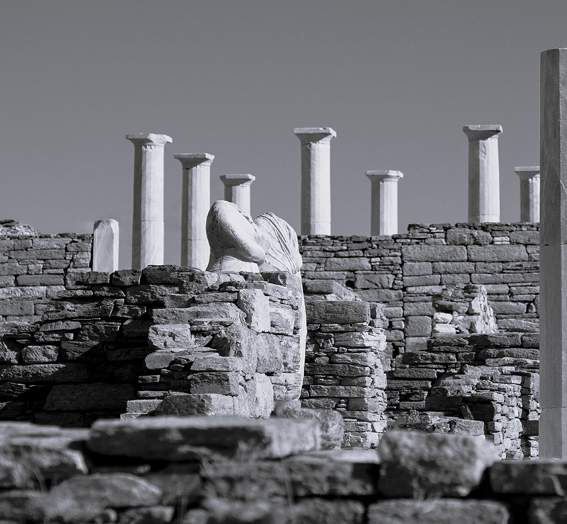
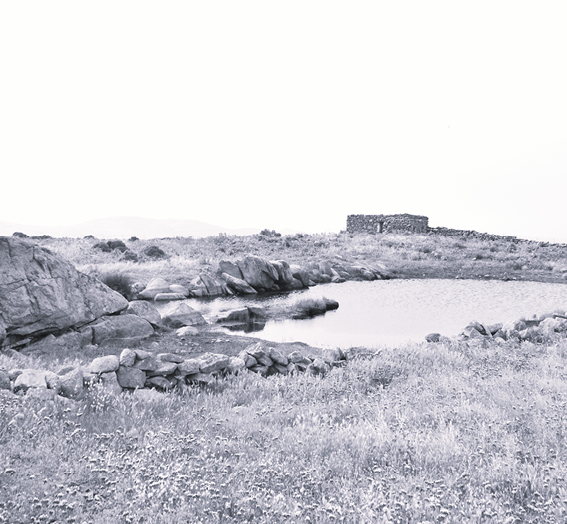
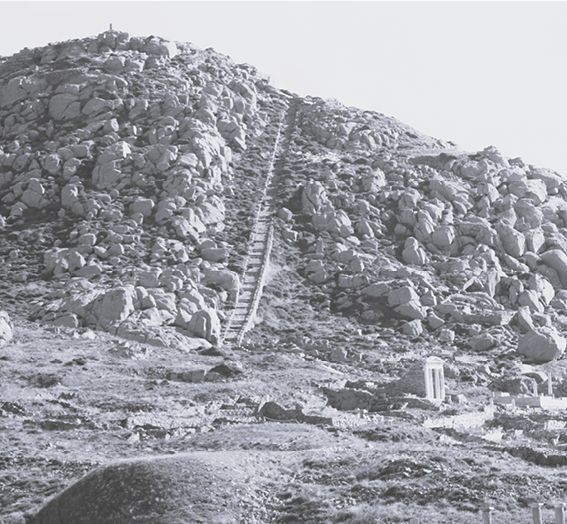
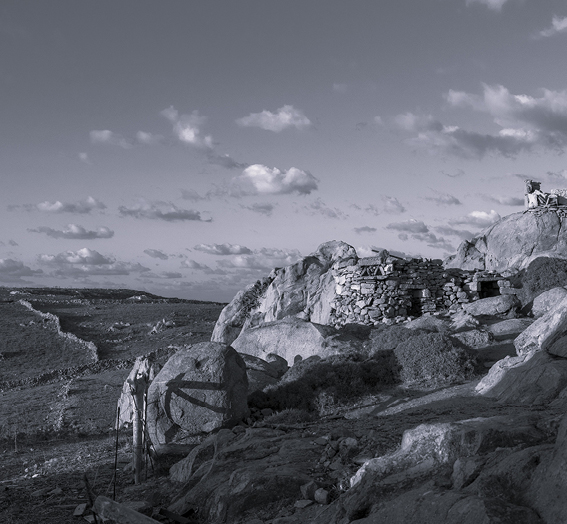
What was everyday life like for farmers, guardians, workers and archaeologists on Delos during the 20th century?

How did a distinctive identity and local micro-community—the “Delians”—emerge through the coexistence of agricultural life and archaeology on the island?

Descendants of farmers, excavation workers and archaeological guardians, as well as families who lived on Rineia and Delos, provide answers through the ethnographic research funded by Cycladic Identity, the programme of the Museum of Cycladic Art. The project, titled Adilos: Ethnographic Research and Experiential Action on Delos, was carried out by Boulouki (Travelling Workshop for Traditional Building Techniques) in collaboration with social anthropologist Despina Nazou.

Through the collection of oral testimonies, the project sheds light on a lesser-known aspect of Delos’s modern history: the lives of the people who inhabited and worked on the island and helped shape its distinctive social and cultural landscape during the 20th century. The accounts of 12 farmers, shepherds, workers and families connected to Delos form a valuable archive of memory, contributing to the preservation and recognition of the intangible cultural heritage of the Cyclades.

They were local residents whose parents were farmers and archaeological guardians, who spent their childhoods on Delos and often returned as adults to live and work on the island themselves—as guardians, craftspeople and labourers.

The research brought to light a distinctive cultural identity that emerged from the coexistence of agricultural life and archaeology on Delos from the late 19th to the late 20th century. This ethnography of an “unseen” community traces the everyday lives of people and families who lived and worked on the island over the last fifty years, shaping a unique identity of the “Delians”.

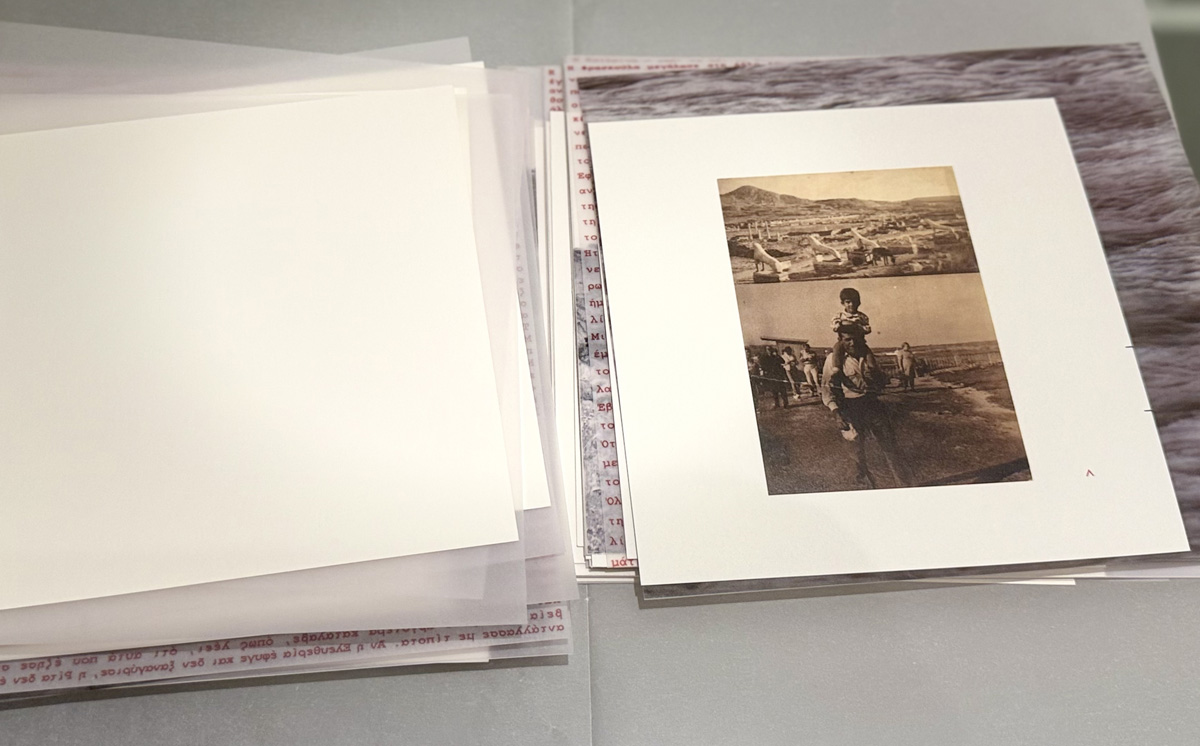
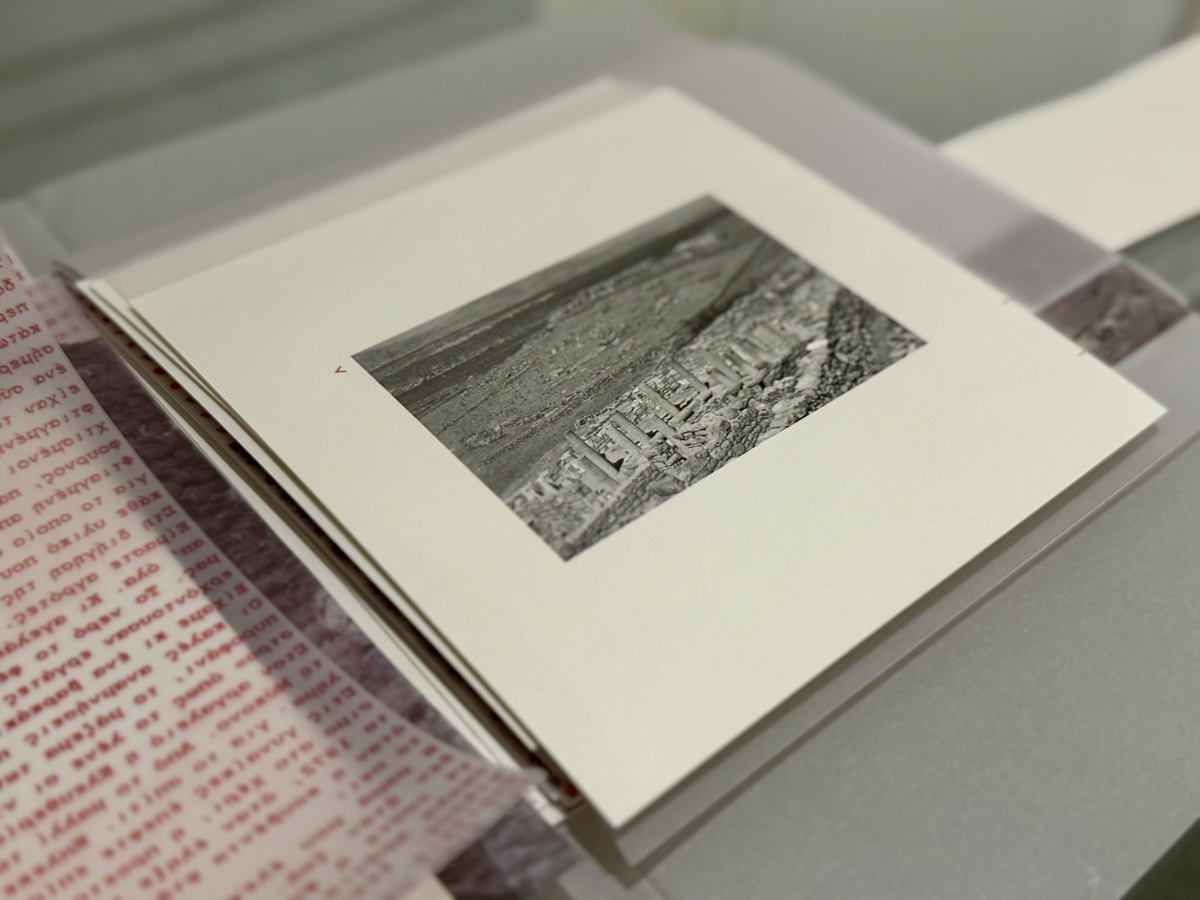
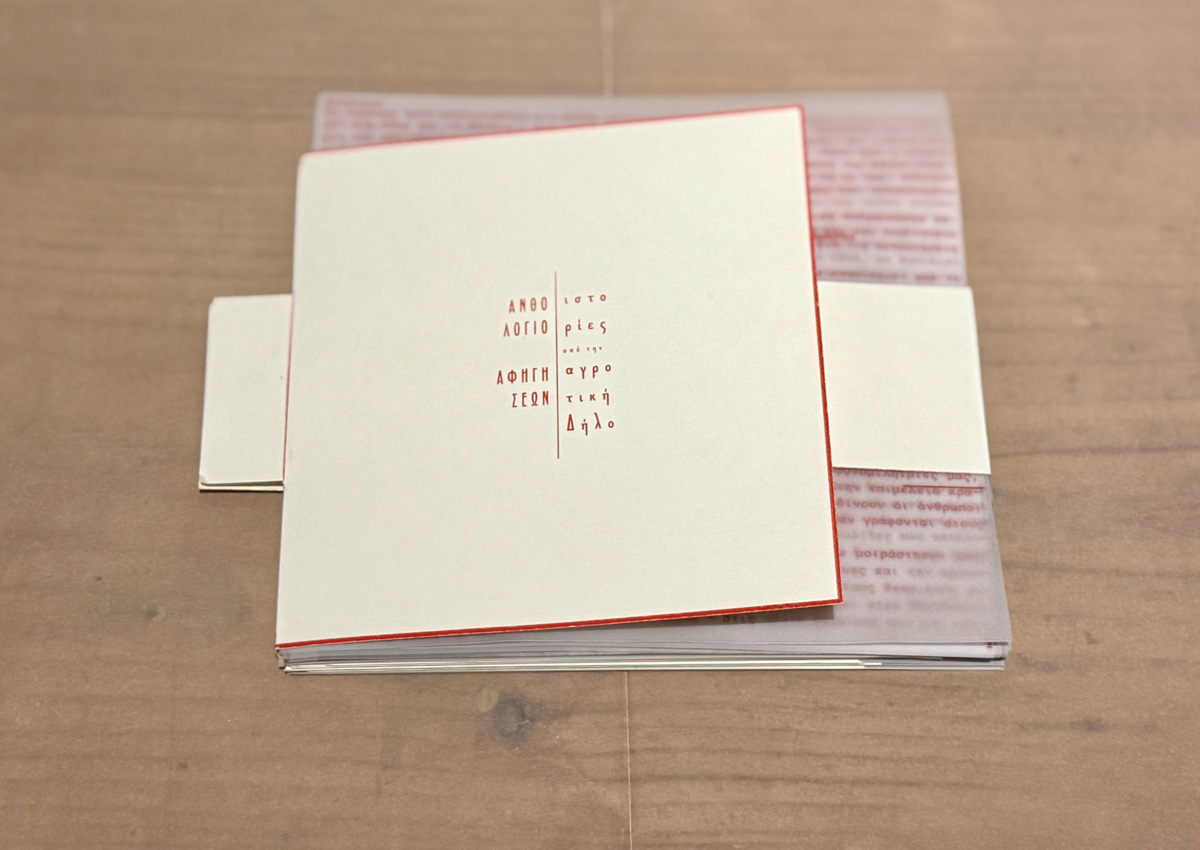
The findings of the research have been brought together in an Anthology of Narratives, featuring the stories of people who shared their memories and experiences of life on Delos. The anthology includes excerpts from the interviews alongside archival photographic material and was presented to the local community, offering an important record of the island’s recent social and cultural history.

The Anthology is available digitally to the public through the websites of Boulouki and Cycladic Identity.

The “ADILOS” Project

The wider “ADILOS” project is organised by the non-profit organisation Boulouki, in collaboration with the Ephorate of Antiquities of the Cyclades and the French School at Athens. The project’s main funder is The J.M. Kaplan Fund.

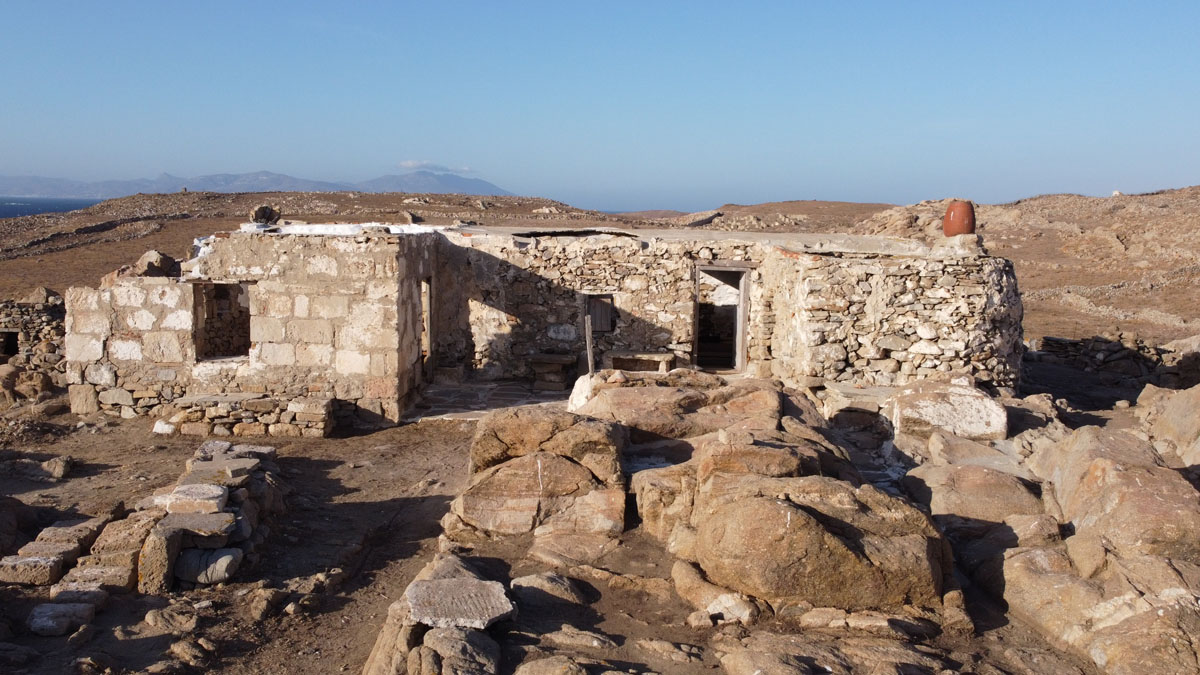
The project aims to restore the “Markos Farmstead” (or “Markos Village”), an abandoned rural complex south of Delos’s main archaeological site, and transform it into accommodation for researchers working on the island. The “ADILOS” activities related to the ethnographic research are carried out in collaboration with anthropologist Despina Nazou and funded by the Stavros Niarchos Foundation Public Humanities Initiative (SNFPHI) and the Cycladic Identity Initiative of the Museum of Cycladic Art.

In the long term, the “ADILOS” programme aims to repurpose the 19th-century rural buildings, thereby preserving an important part of Delos’s agricultural heritage. The island’s rural history remains largely unexplored and is often overshadowed by its ancient Greek and Roman heritage. The project seeks to highlight and preserve this lesser-known legacy, beginning with the Markos Farmstead—a complex of eight buildings dating from the late 19th and early 20th centuries, distinguished by the ingenious reuse of materials such as excavation railway tracks and ancient fragments.

The Cycladic Identity Initiative

Cycladic Identity is an initiative of the Museum of Cycladic Art dedicated to protecting the cultural and natural heritage of the Cyclades and preserving and highlighting their unique identity.

With Culture, Biodiversity and Intangible Cultural Heritage as its three main areas of focus, the initiative operates as a platform for attracting and allocating resources to projects carried out by organisations active on the islands.

Funding proposals are evaluated by the Cycladic Identity Scientific Committee, comprising Dr Dimitris Athanasoulis, Director of the Ephorate of Antiquities of the Cyclades; Dr Michael Boyd, Senior Research Affiliate at the Science and Technology in Archaeology and Culture Research Center, The Cyprus Institute; Dimitris Karavellas, Director General of WWF Greece; and Dr Angeliki Kosmopoulou, archaeologist, strategic storytelling consultant and founder of Story Mentor.

To date, the Cycladic Identity Initiative of the Museum of Cycladic Art has supported 26 projects across 15 Cycladic islands, with 10 new projects soon to be announced.

Author