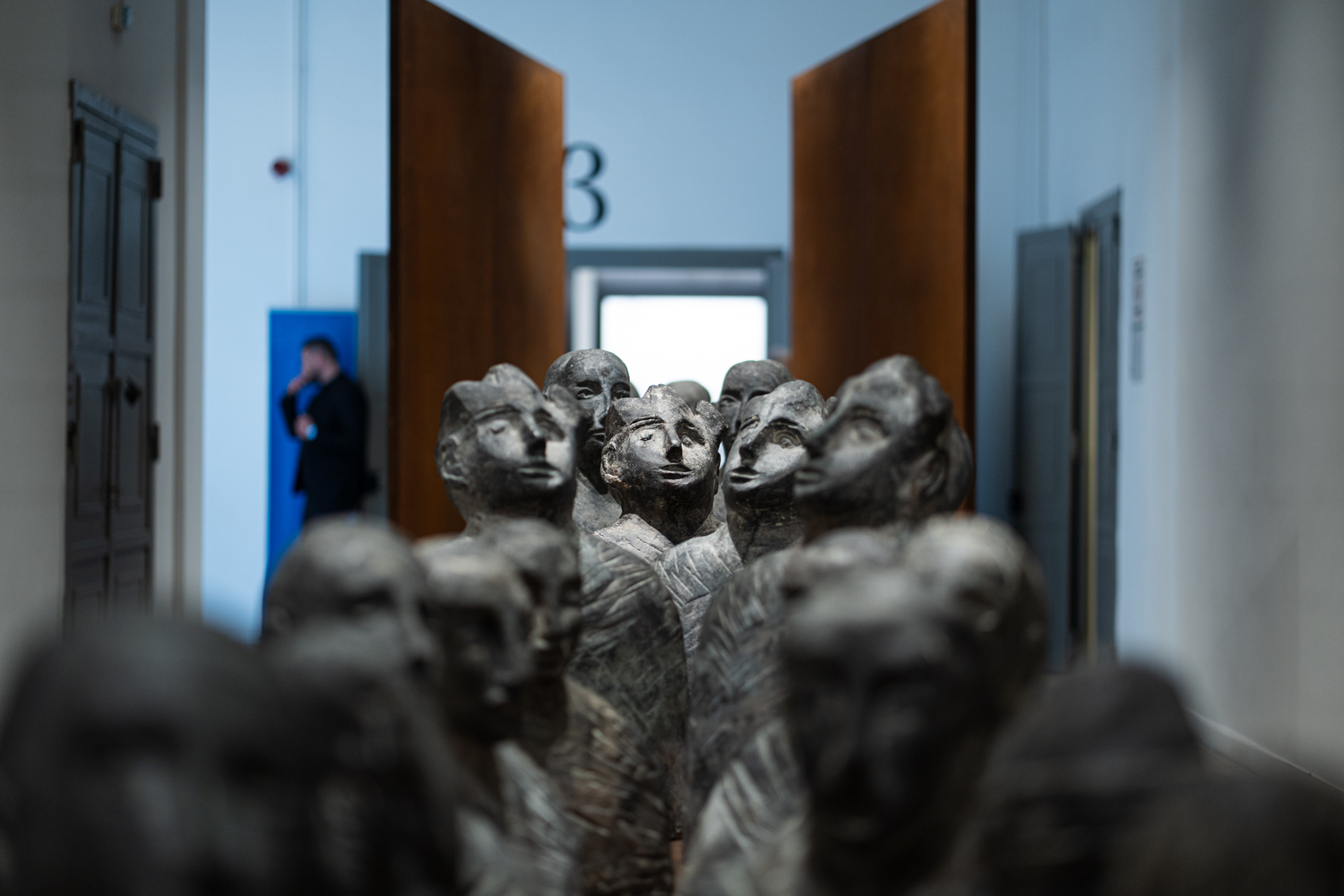
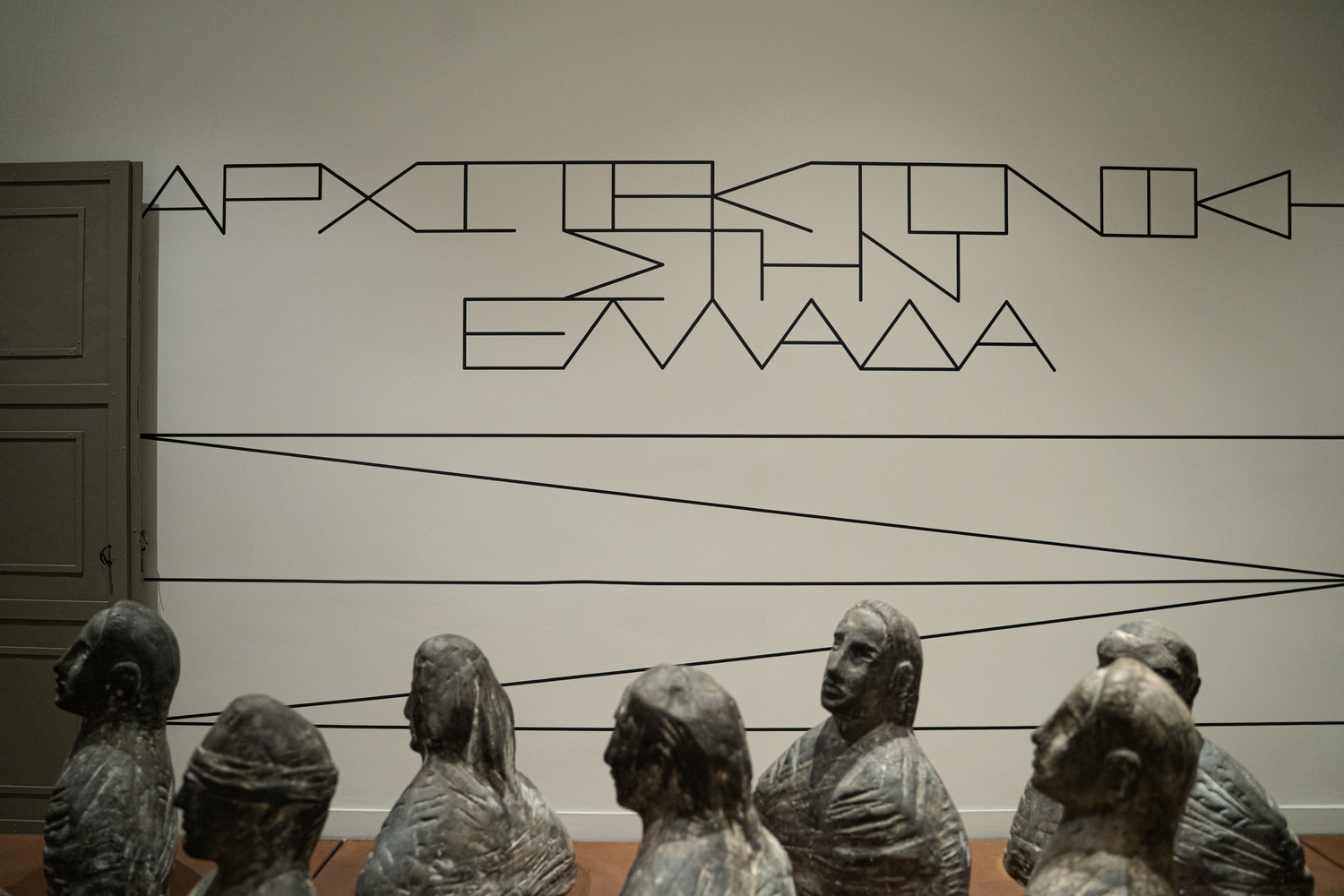
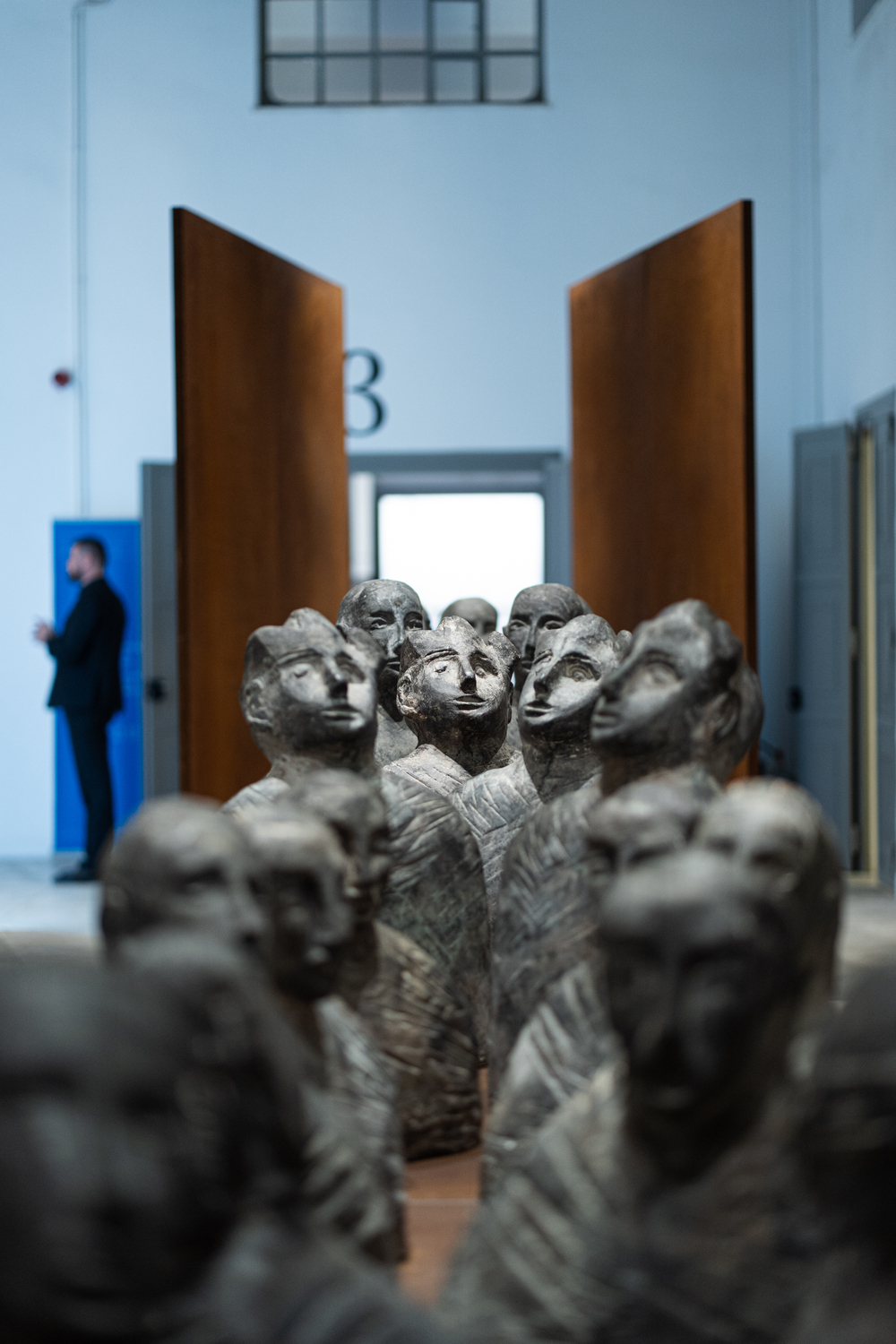
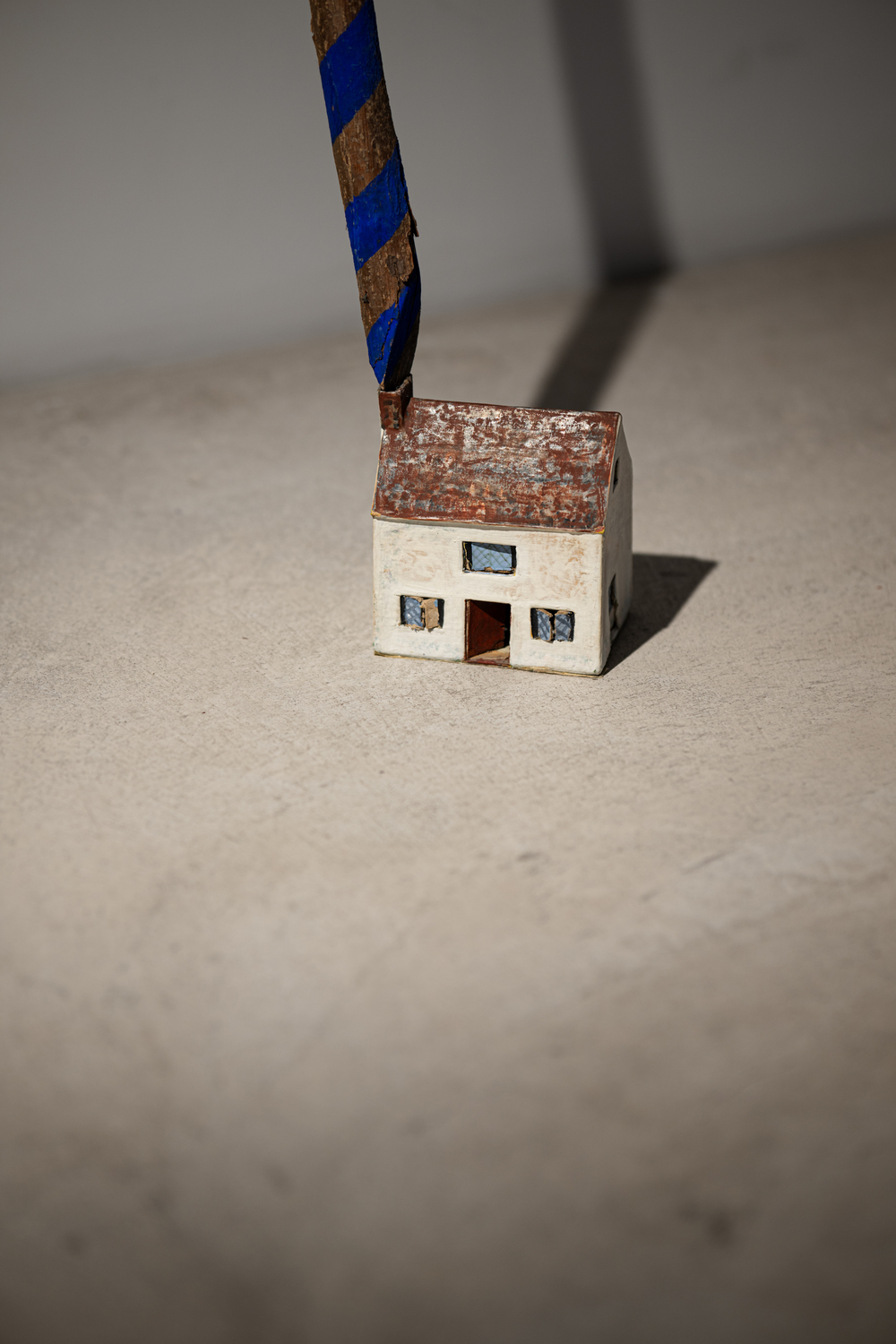
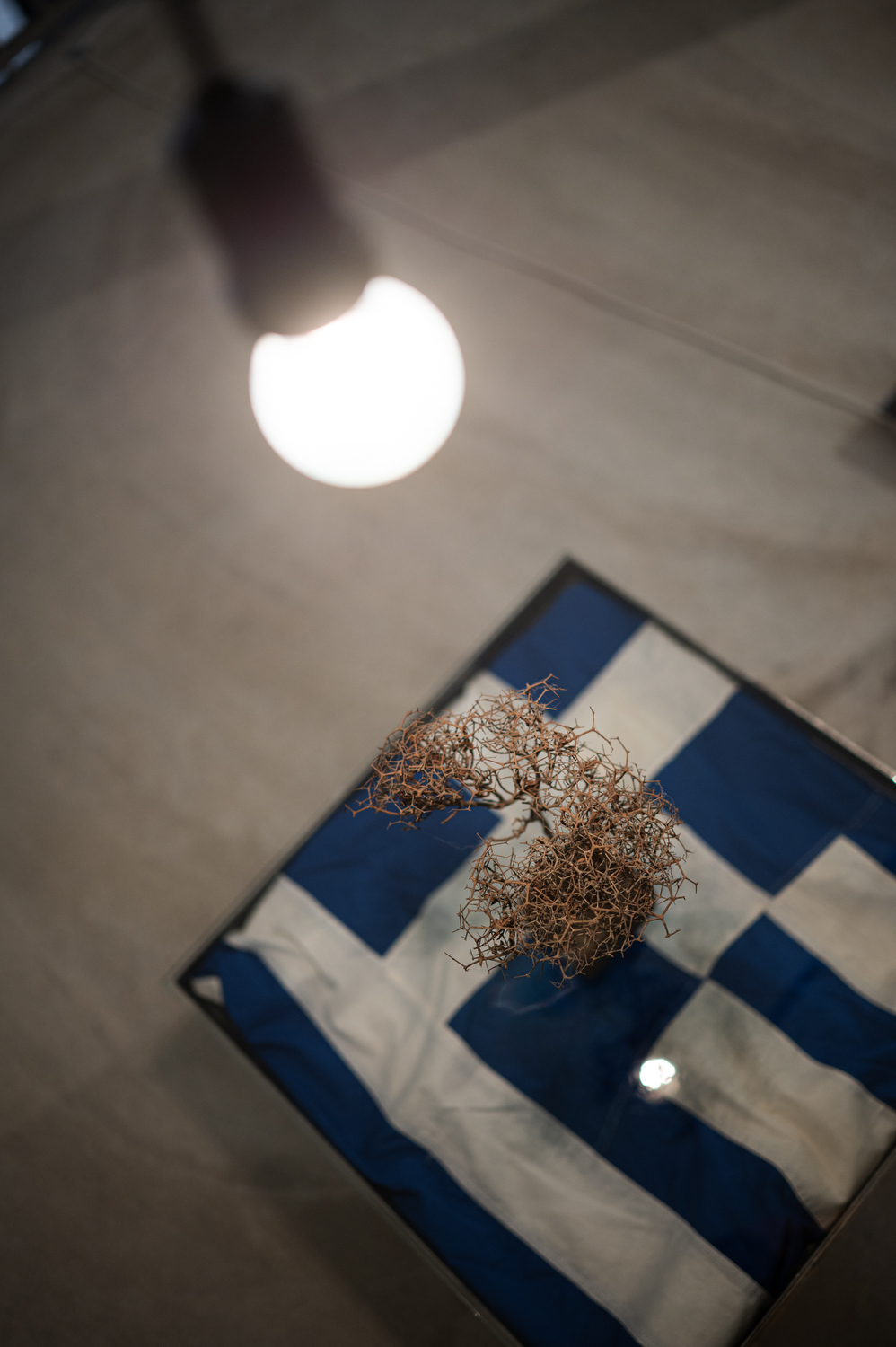
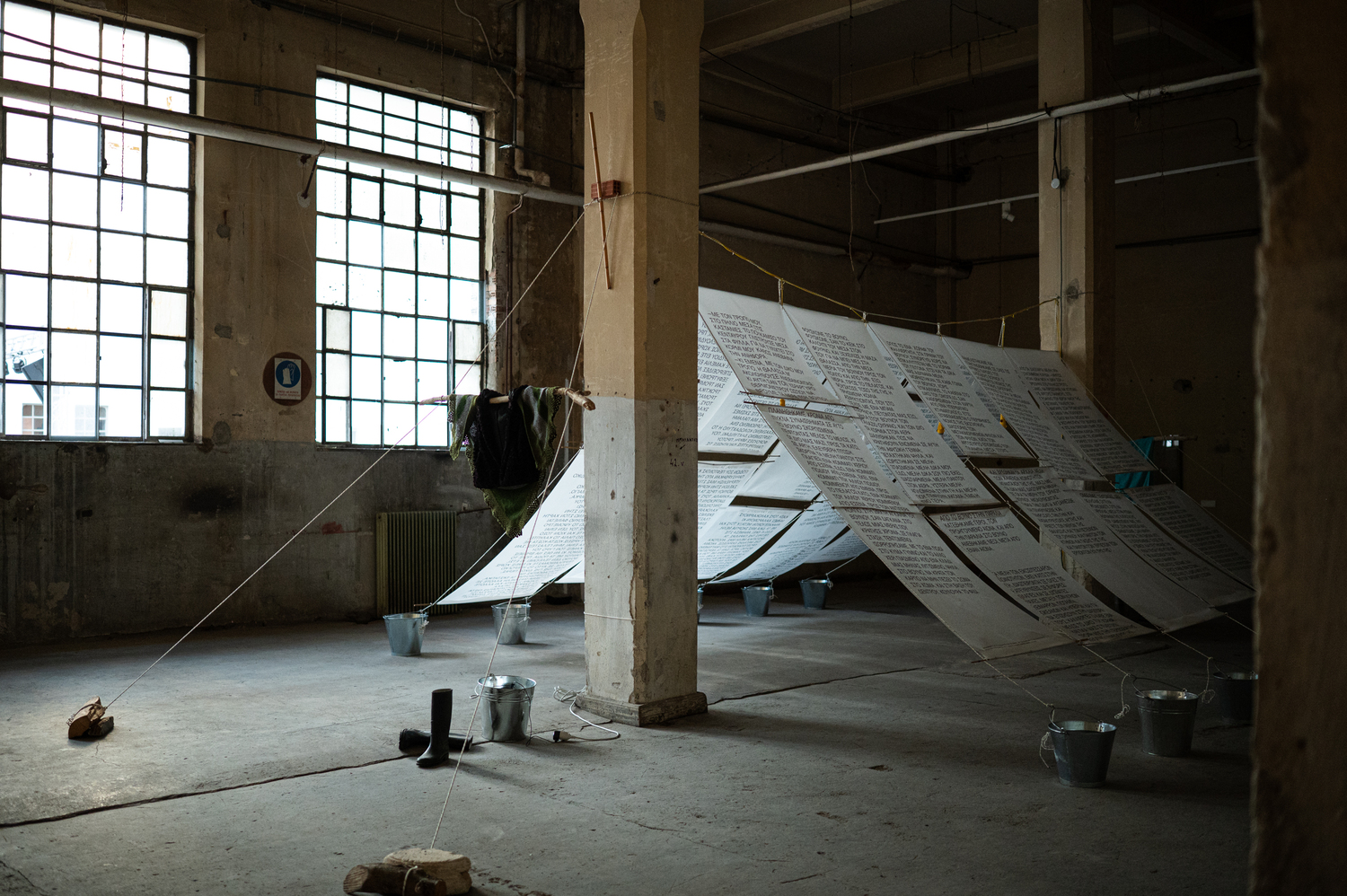
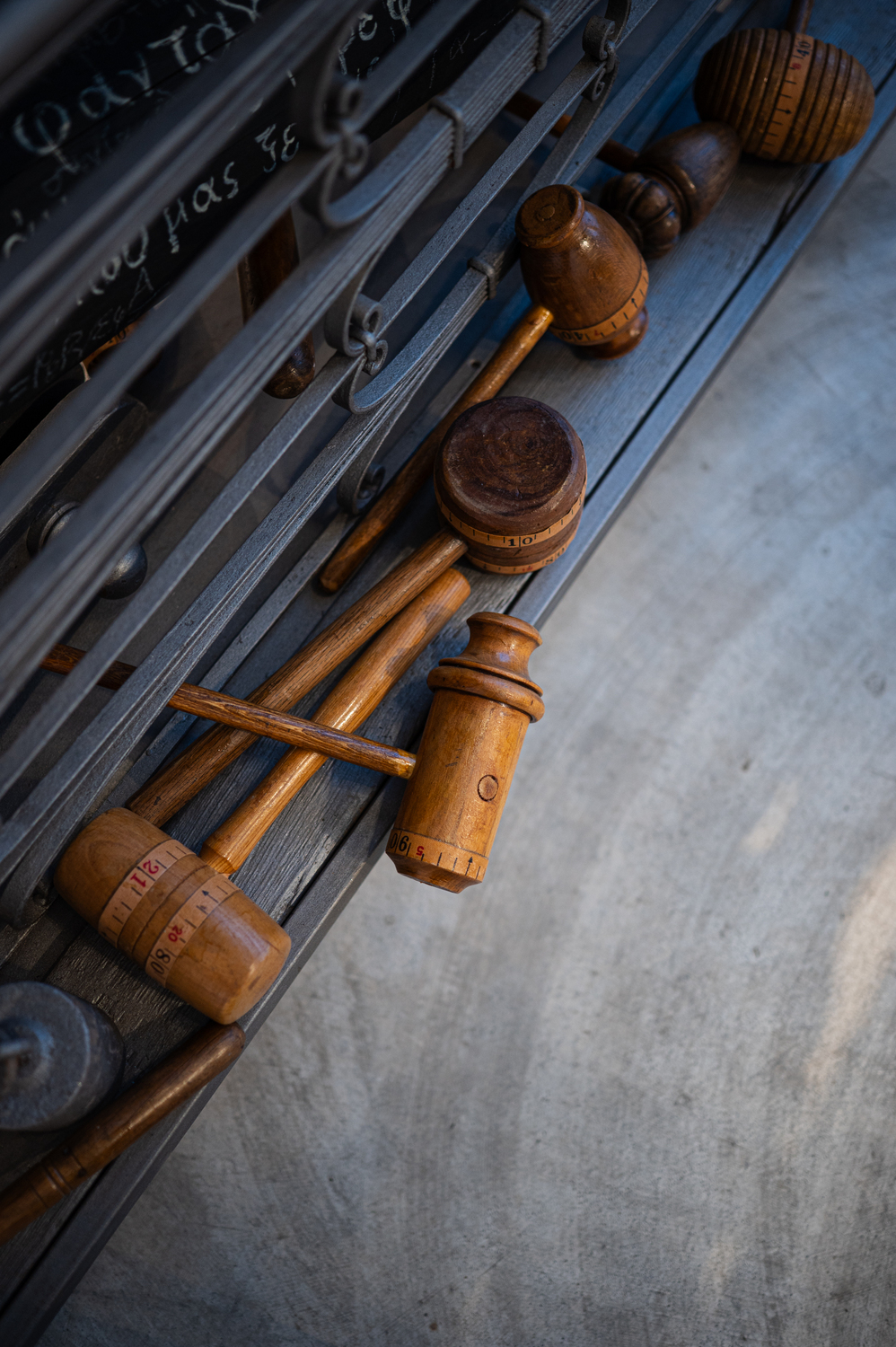
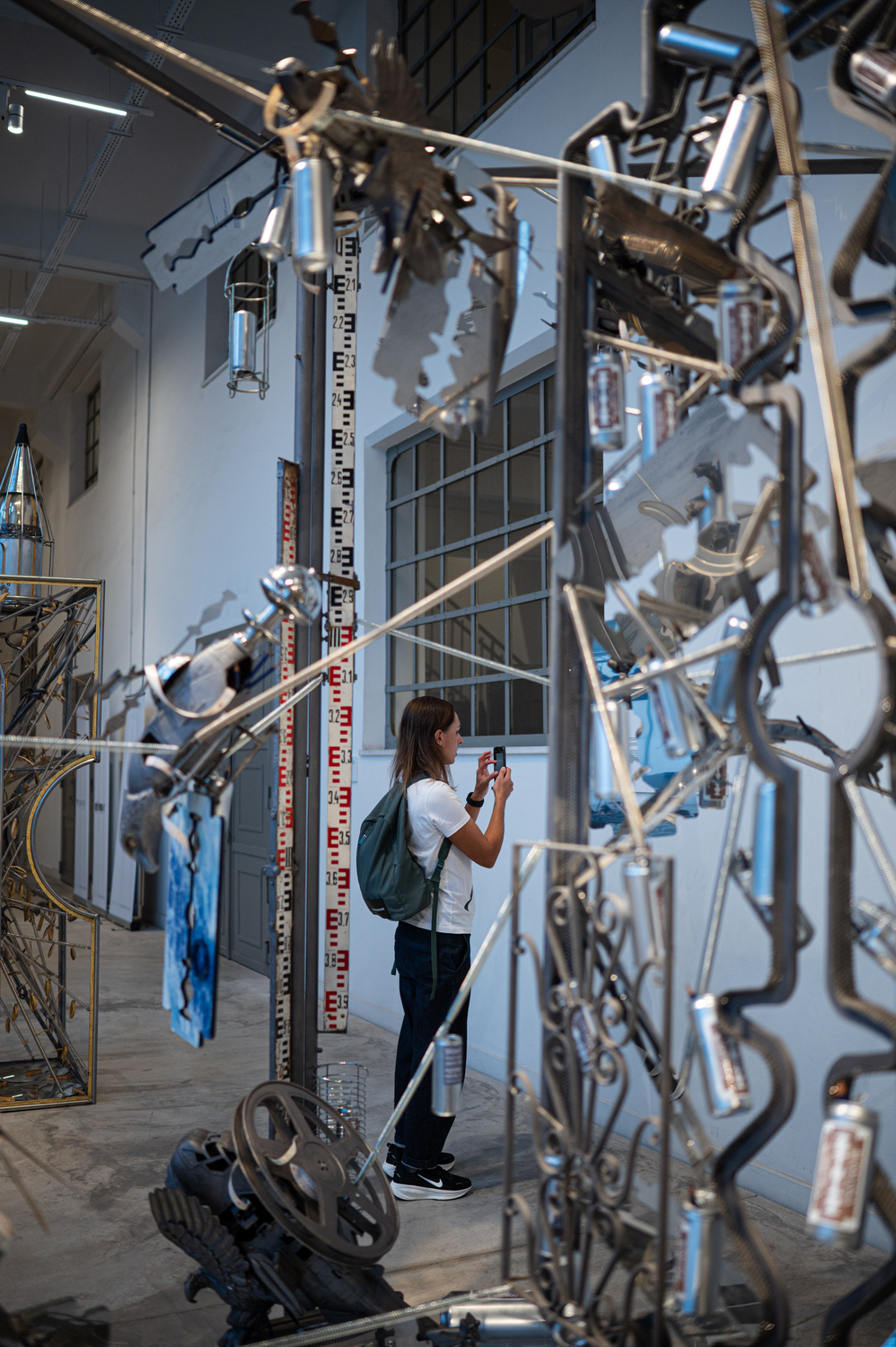
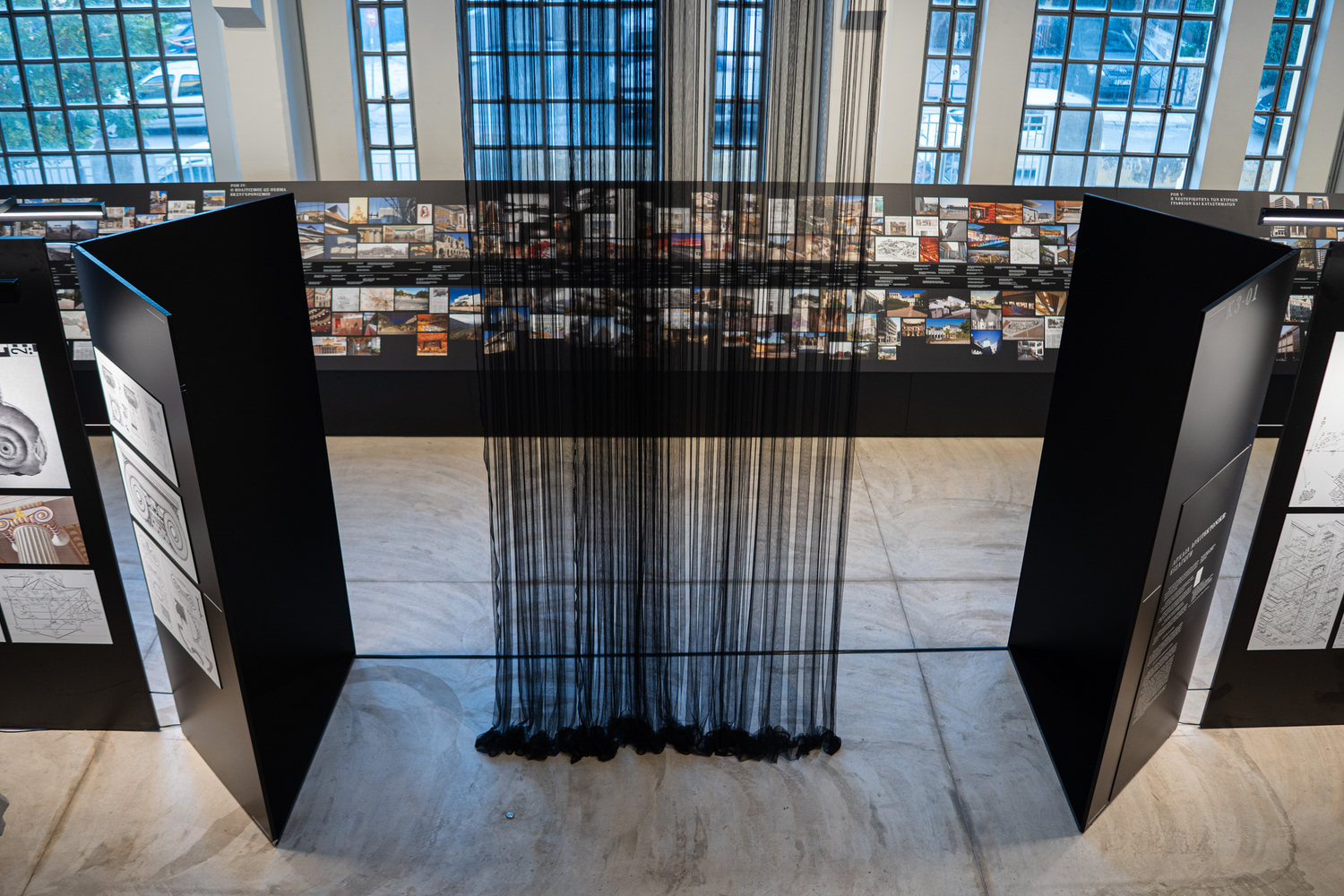
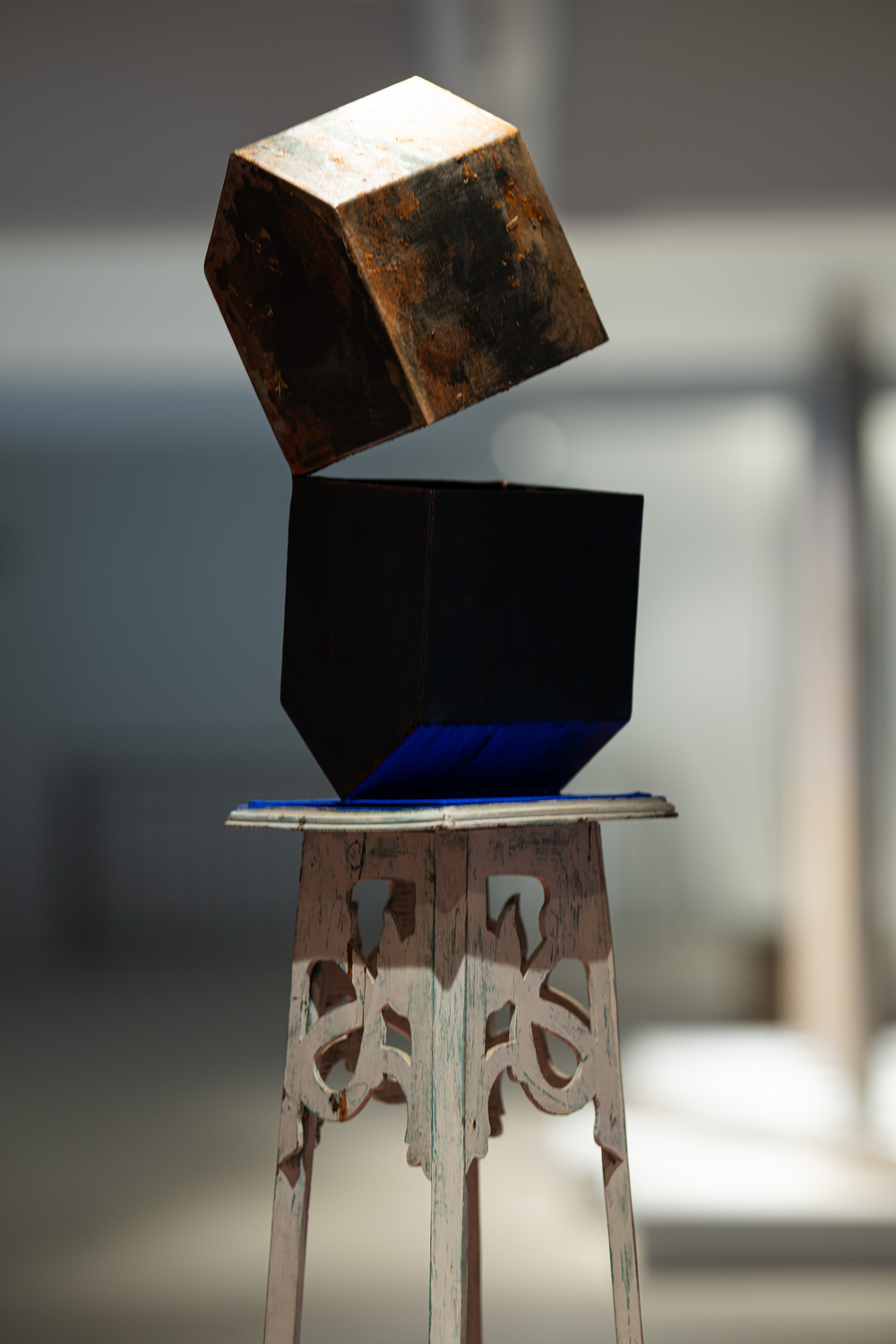
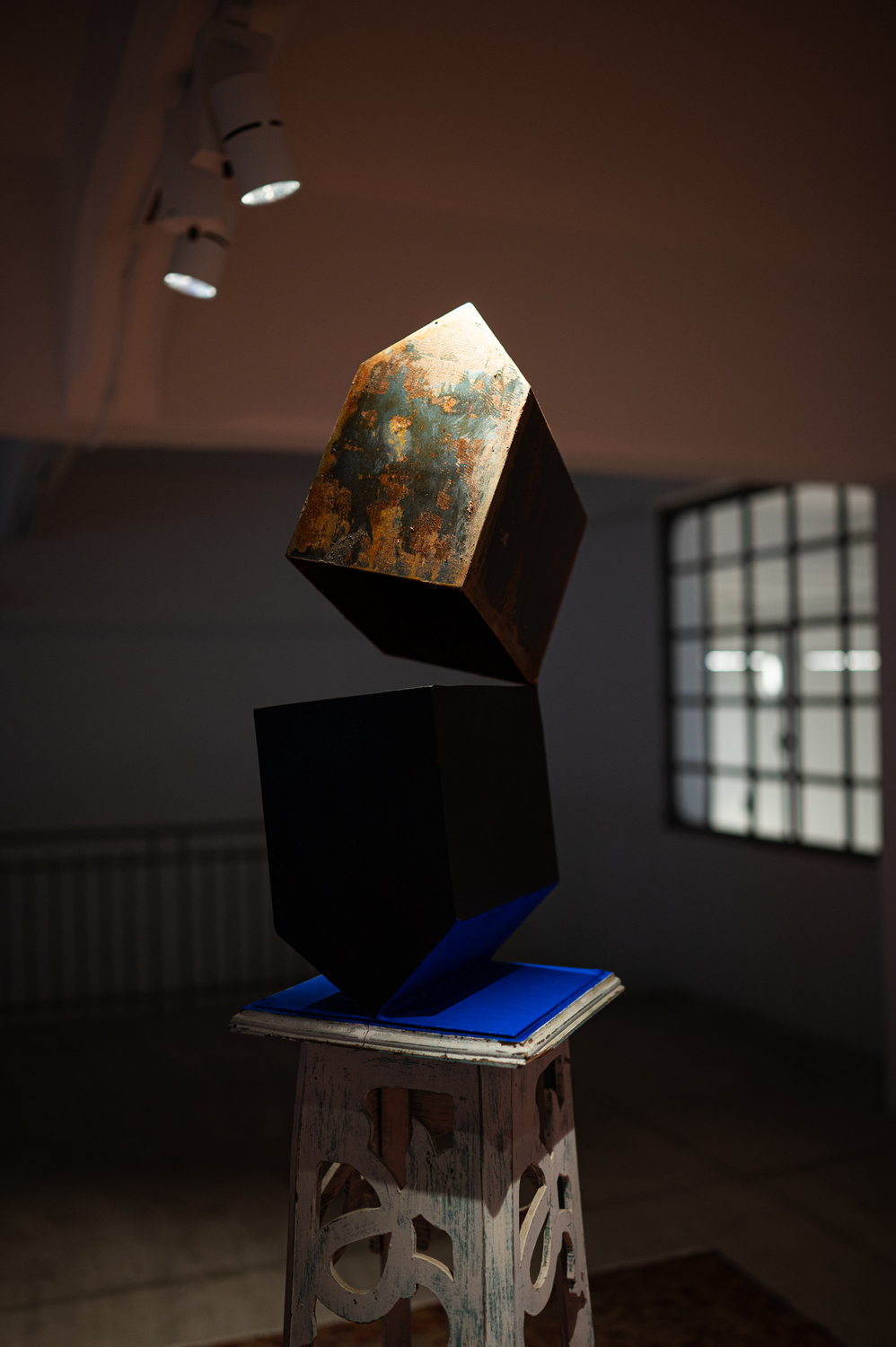
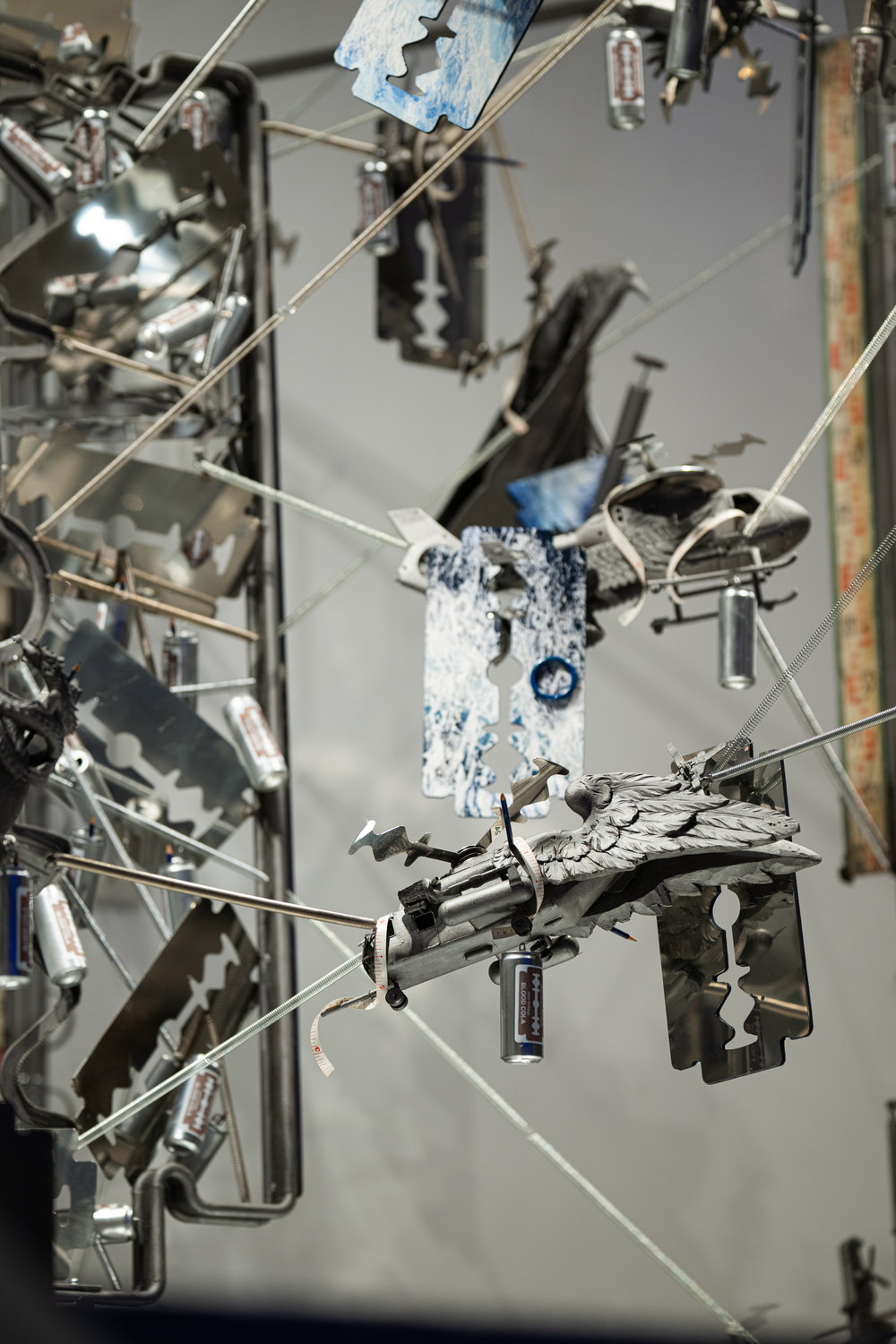
The exhibition Architecture in Greece – The Mystical Language of Form offers a multifaceted reading of architecture as art, science, cultural expression and historical record. Unfolding as a dialogue between works from different eras, from prehistory to the present day, it explores continuities, affinities, ruptures and transformations across time. At the heart of the exhibition narrative lies the thinking of Dimitris Pikionis and his notion of the “mystical language of form” — the capacity of form to engage in a dialogue with history.

The Greek landscape, both natural and shaped by human presence, serves as the unifying thread, alongside the cultural connections that have shaped it. The exhibition also highlights architecture’s enduring dialogue with the other fine arts, traced through forms, materials, techniques and symbolism. Architectural drawings and sketches, models, photographs, artworks, books, periodicals, film excerpts and archival material from significant public and private collections come together to form a rich, multifaceted body of evidence.

Addressing both specialists and the wider public, the exhibition presents architecture as an essential part of Greece’s collective memory and cultural identity.

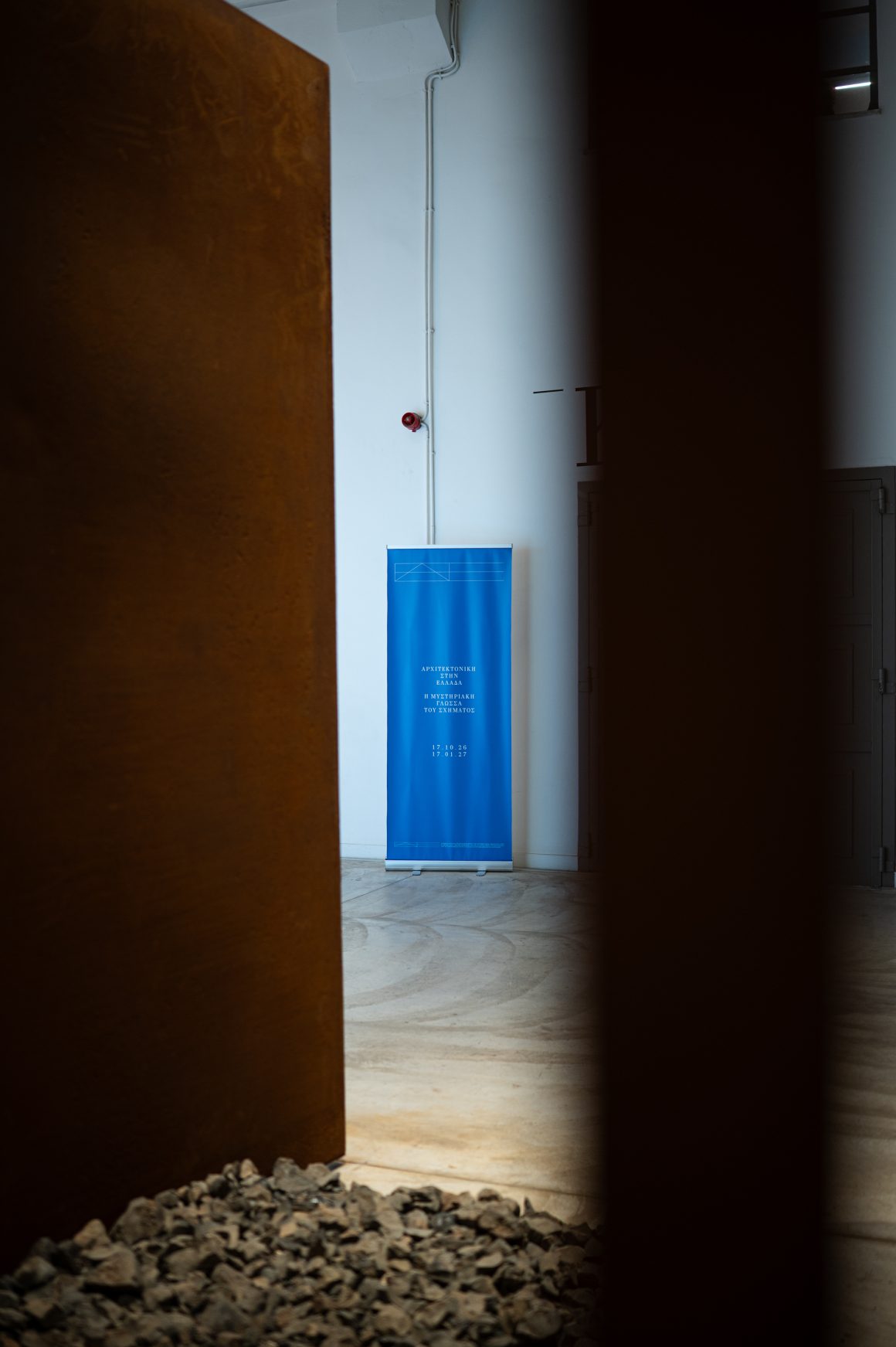
Architecture in Greece | Αρχιτεκτονική στην Ελλάδα

17 October 2026 – 17 January 2027

Opening days: Thursday, Friday, Saturday and Sunday
Opening hours: 11:00–19:00
Venue: Hellenic Parliament’s Τοbacco Factory, 218 Lenorman Street, Athens
Admission: Free, upon presentation of a national ID card or passport
Information: www.architecturegreece.gr

Organised by: Citylab
Co-organised by: Technical Chamber of Greece (TEE)
With the support of: The Hellenic Parliament

Architecture in Greece – The Mystical Language of Form: Exhibition Opens at the Former Tobacco Factory with More Than 2,000 Visitors

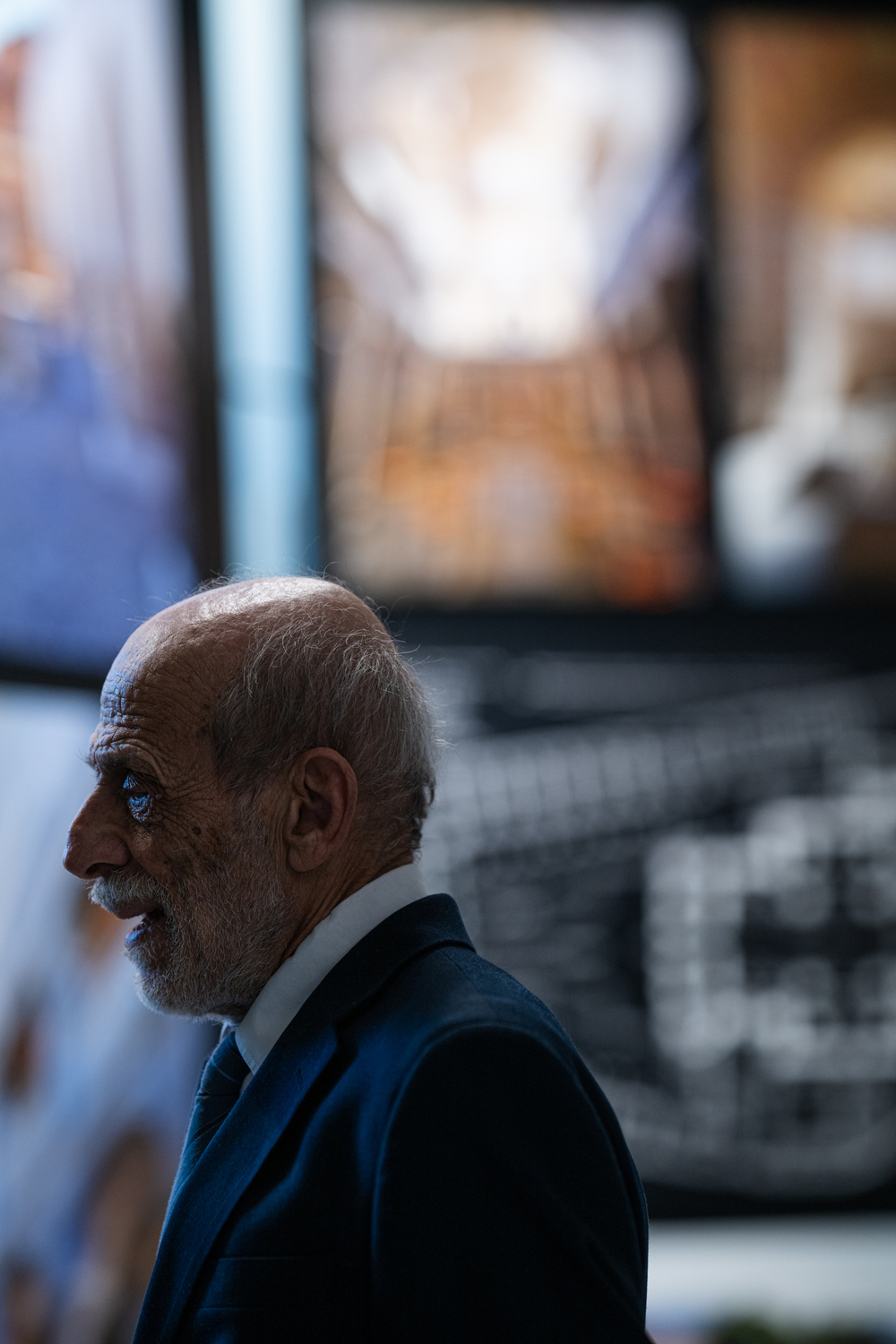
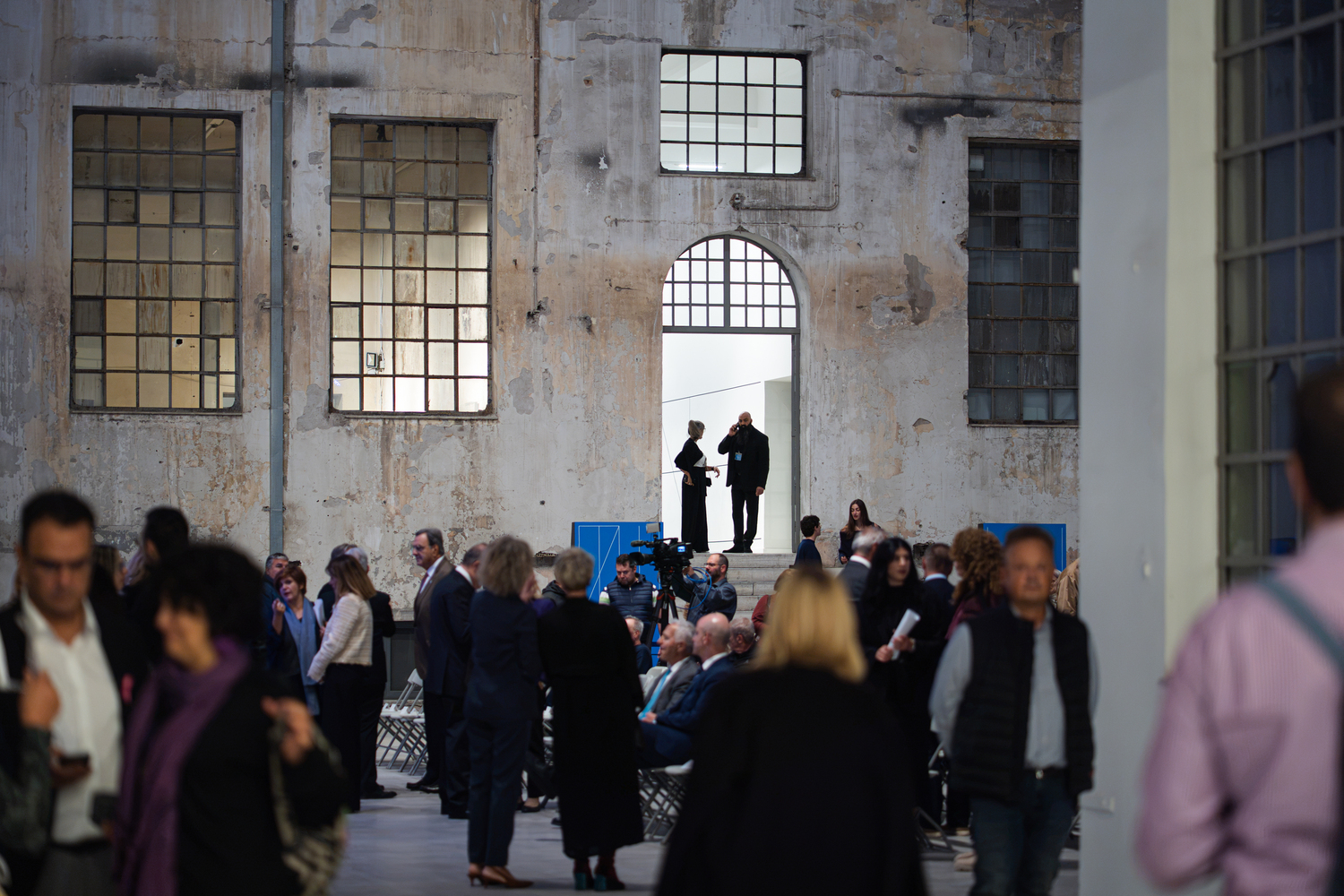
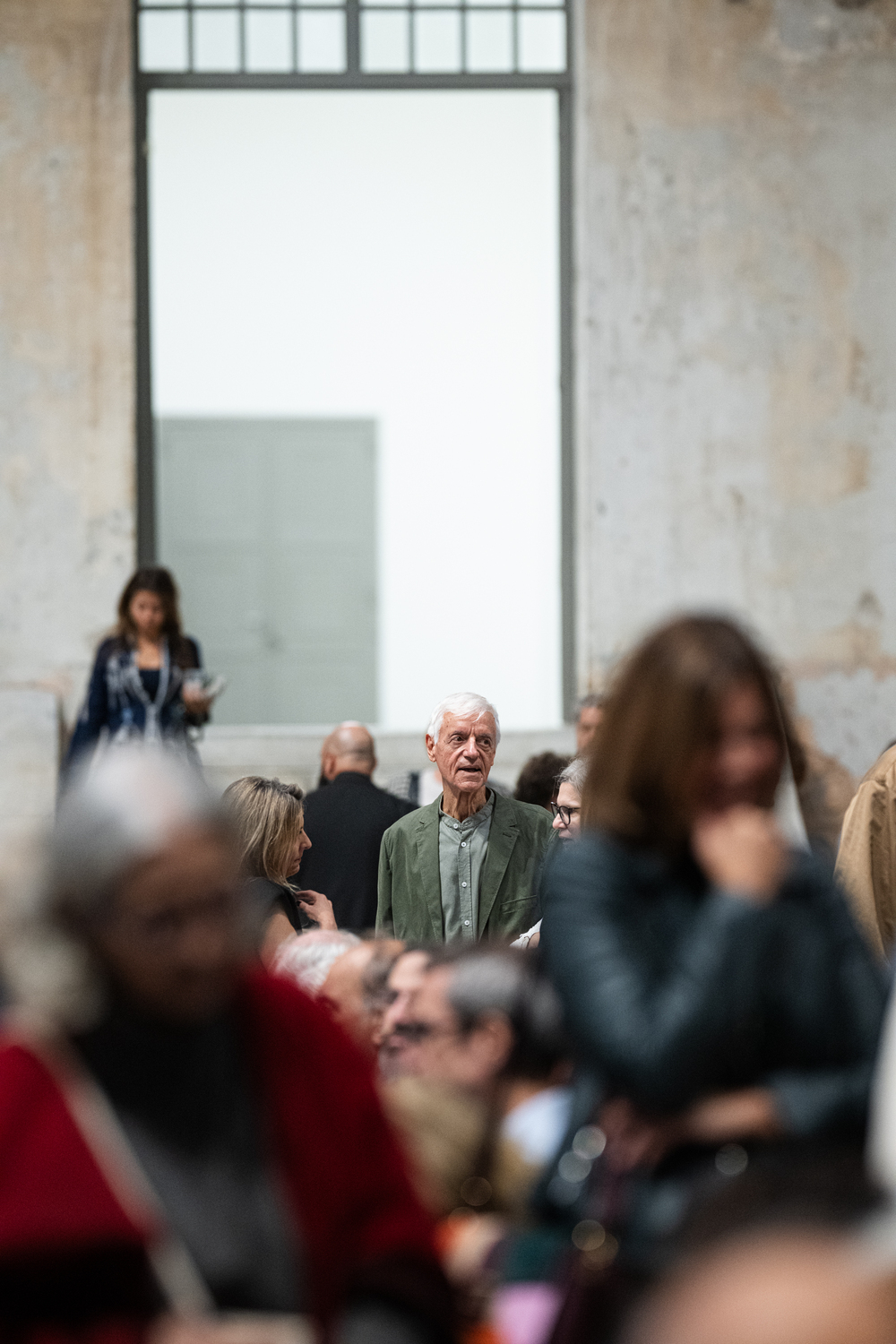
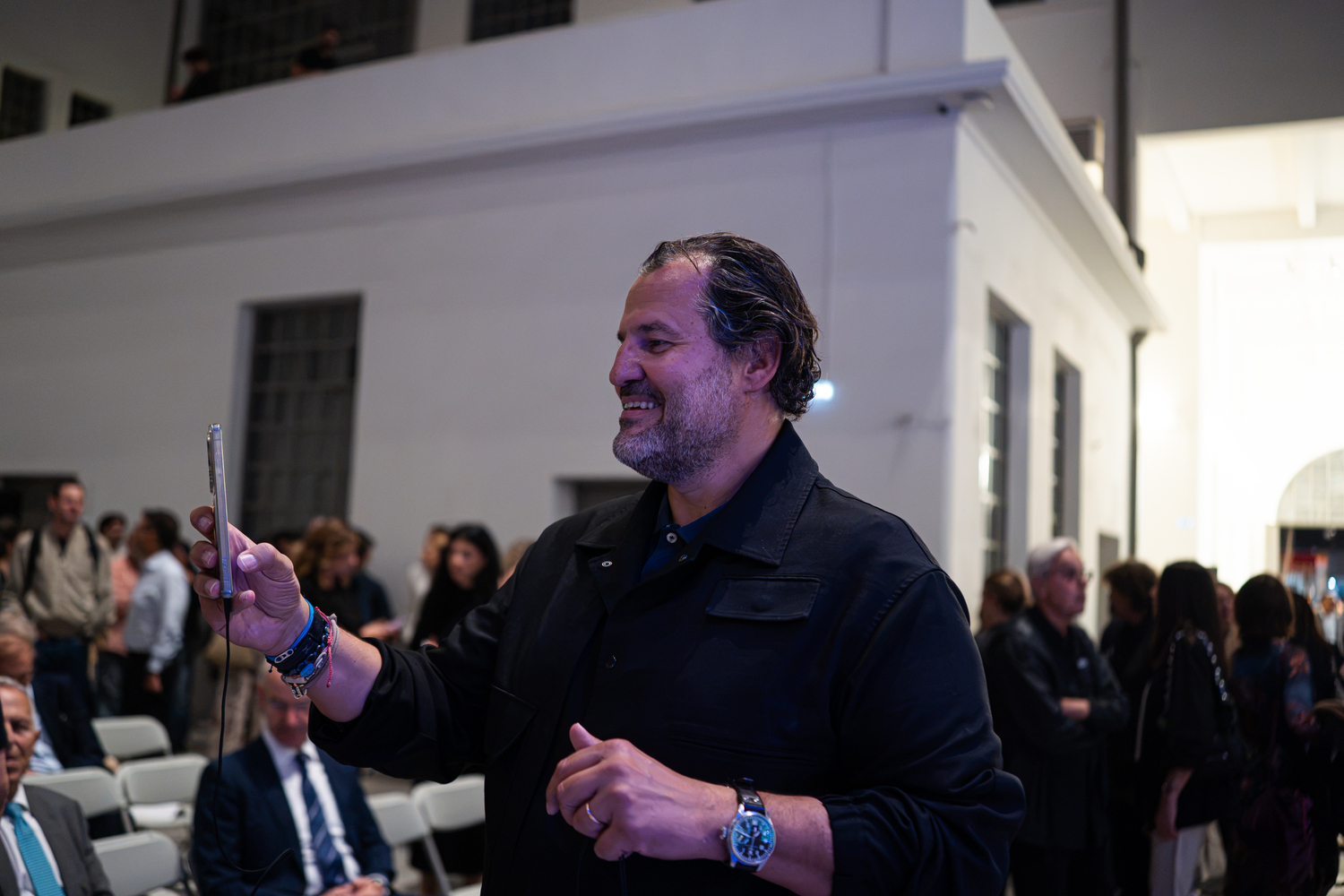
The official opening of Architecture in Greece | The Mystical Language of Form took place on the evening of Tuesday, 20 October 2026, at the Hellenic Parliament’s Kapnergostasio, welcoming more than 2,000 visitors. Representatives of the country’s political leadership, academics, architects, engineers, members of the arts community and a large public gathered for a major cultural and scholarly event organised by Citylab and the Technical Chamber of Greece (TEE), with the support of the Hellenic Parliament. The exhibition will remain open until 17 January 2027.

Declaring the exhibition open, the President of the Hellenic Parliament, Nikitas Kaklamanis, praised its ambitious scholarly and cultural vision, tracing thousands of years of architectural creation in Greece, from prehistory to the present day. “Buildings are never merely buildings. They are silent witnesses to our history, but also active agents in shaping it,” he remarked, bringing to the fore the idea of establishing a dedicated Museum of Architecture in Greece.

As Mr Kaklamanis underlined, the gathering, scholarly documentation and public presentation of this valuable architectural heritage highlight the need for a permanent institution devoted to the history and evolution of Greek architecture. He described the prospect of founding a Greek Museum of Architecture as a worthy ambition that merits meaningful dialogue and collaboration between the academic community, cultural institutions and the state, assuring those present that Parliament would support the initiative.

Reflecting on the relationship between architecture and democracy, the Speaker emphasised that the design of public space is never neutral: it reflects our understanding of coexistence, equality, accessibility and participation. “A democratic society needs spaces that bring people together, not spaces that exclude them. Open, accessible and welcoming spaces that encourage encounter, communication and dialogue,” he concluded.

The opening ceremony began with a welcome from Stavros Alifragis, Associate Professor at the University of West Attica and co-curator of the exhibition. Addresses followed by Antonis Giannikouris, Secretary General of the Assembly of the Technical Chamber of Greece, representing its President, Giorgos Stasinos, and Isidoros Kouvelos, President of the Hellenic Olympic Committee, under whose auspices the event is held.

Focusing on the architect’s social responsibility and architecture’s profound relationship with art, Mr Giannikouris observed that the challenge is not simply to design and build more, but to do so better — with aesthetic sensitivity, responsibility and respect for both people and future generations. “Architectural quality cannot be a luxury for a few; it must be a right for all,” he stated, adding: “Science gives us the ability to build. Art inspires us to create. Architecture has the unique privilege of bringing the two together.”

Mr Kouvelos, meanwhile, spoke about the enduring significance of the Panathenaic Stadium, drawing particular attention to the model created by Professor Manolis Korres especially for the exhibition. “At the Kallimarmaro, architecture preserves history, and history continues to come alive. This enduring value represents a great responsibility for the Hellenic Olympic Committee,” he said. He also highlighted Greece’s exceptional architectural heritage, whose monuments continue to move people around the world thousands of years after their creation. This legacy, he noted, is both a source of pride and an ongoing responsibility to history, with each generation entrusted with preserving and carrying it forward. He expressed the hope that the exhibition would inspire visitors to rediscover Greece’s architectural wealth with knowledge, respect and pride.

The exhibition’s curatorial vision, thematic strands and research journey were presented by its co-curators: Panagiotis Pagkalos, Professor at the University of West Attica; Dimitris Philippidis, Emeritus Professor at the National Technical University of Athens (NTUA); and Manolis Korres, Emeritus Professor at NTUA and Member of the Academy of Athens.

The Prime Minister was represented at the opening by Marilena Soukouli-Viliali, Deputy Minister of Environment and Energy. Also in attendance were Athanasios Bouras, Third Vice-President of the Hellenic Parliament, and Members of Parliament Xenofon Baraliakos, Evangelos Apostolakis and Spyros Bibillas.

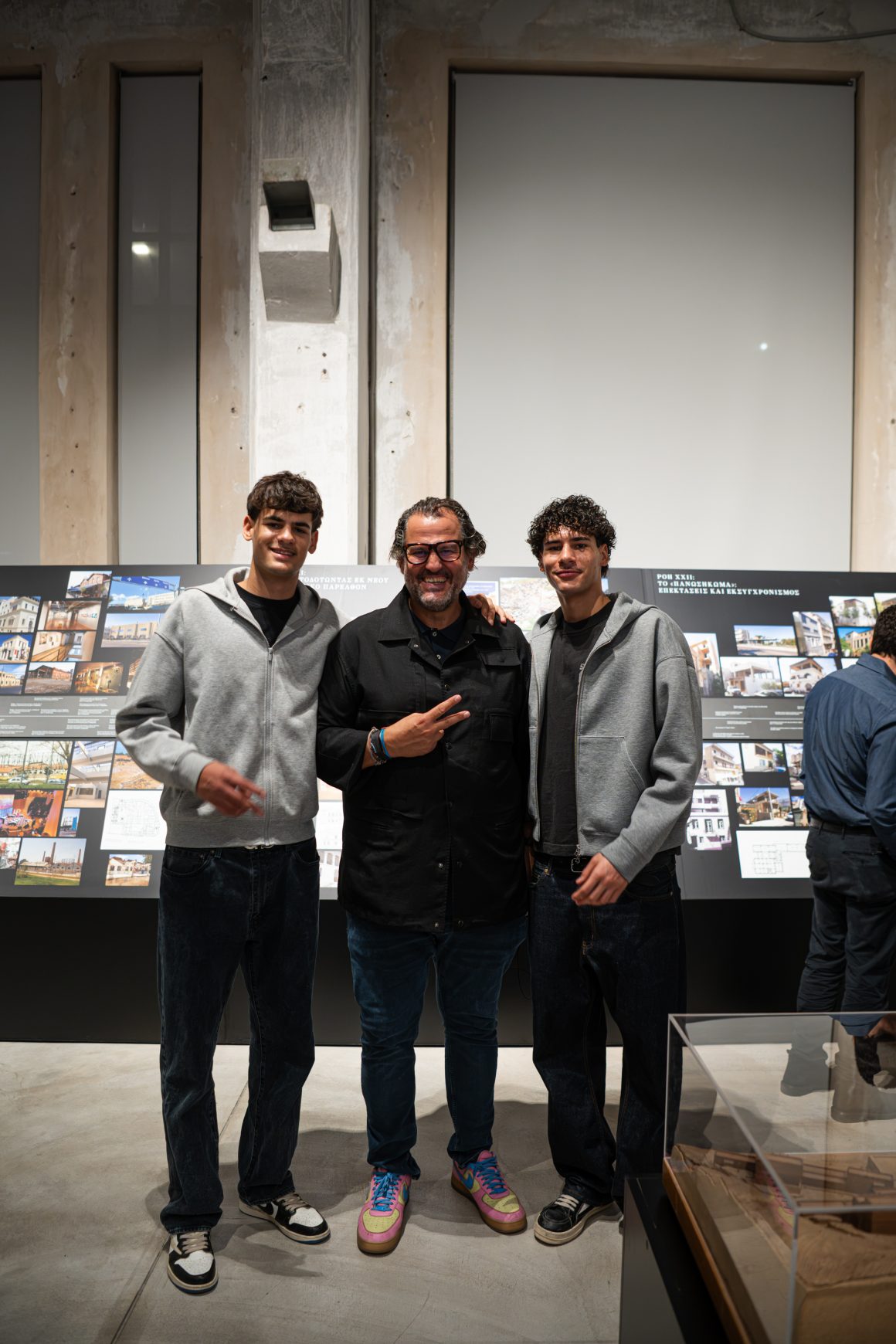
Following the speeches, members of the curatorial team guided visitors through the exhibition. The evening concluded with a programme dedicated to Greek art music, featuring vocalist Maria Stai accompanied on piano by conductor Giorgos Paggiatis.

Author