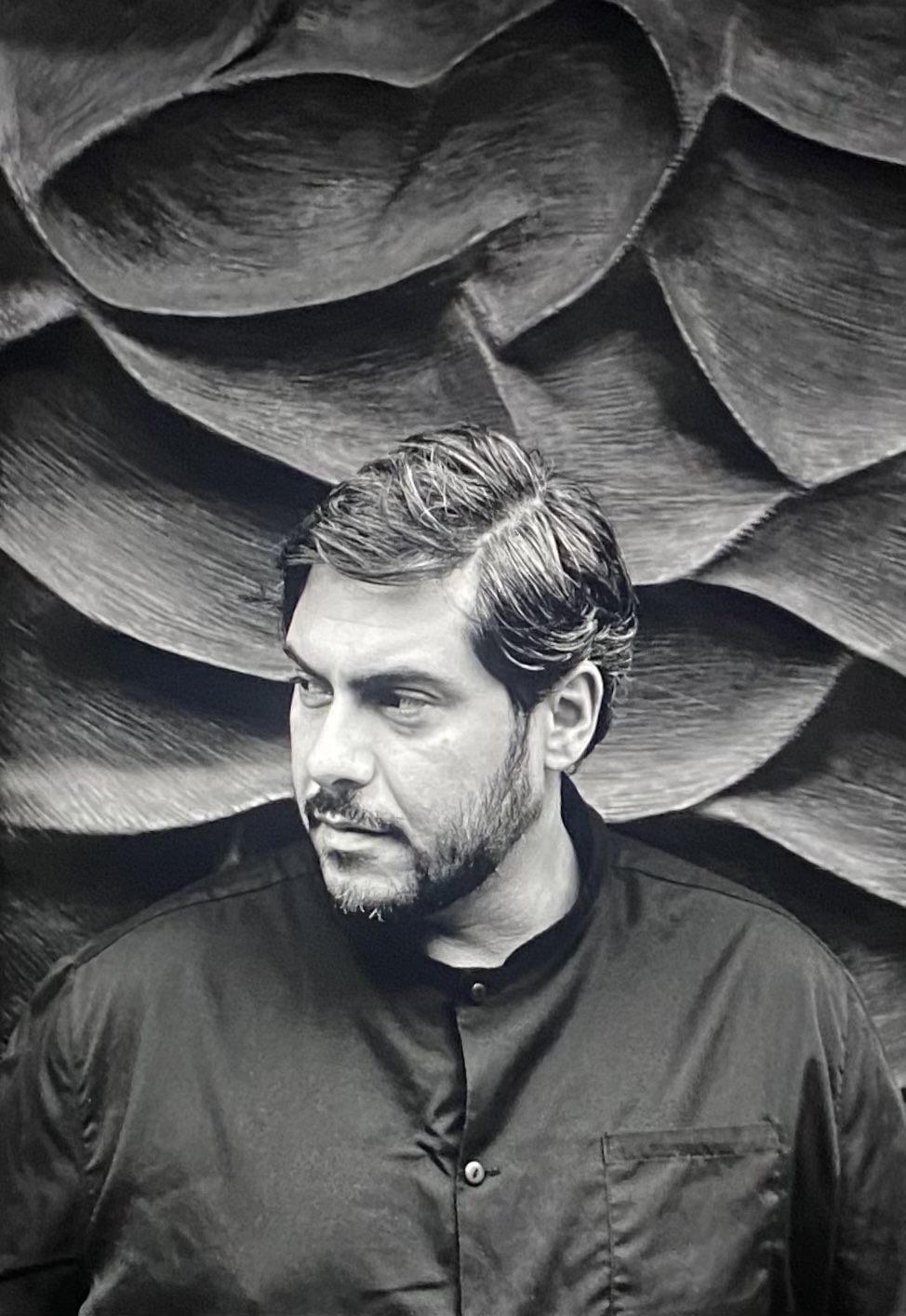
In an era where it’s increasingly difficult to stand out, it feels as though you insist that personal vision and authenticity still claim a strong place in our lives. What do you think makes your work stand out?
I think we simply dared to do something different — to place a mountain destination with a distinctly local character on the international travel map.
Tell us about the storytelling of Manna Arcadia from the beginning until today. What sparked your interest, how did you decide to shape it, and how was the vision realized?
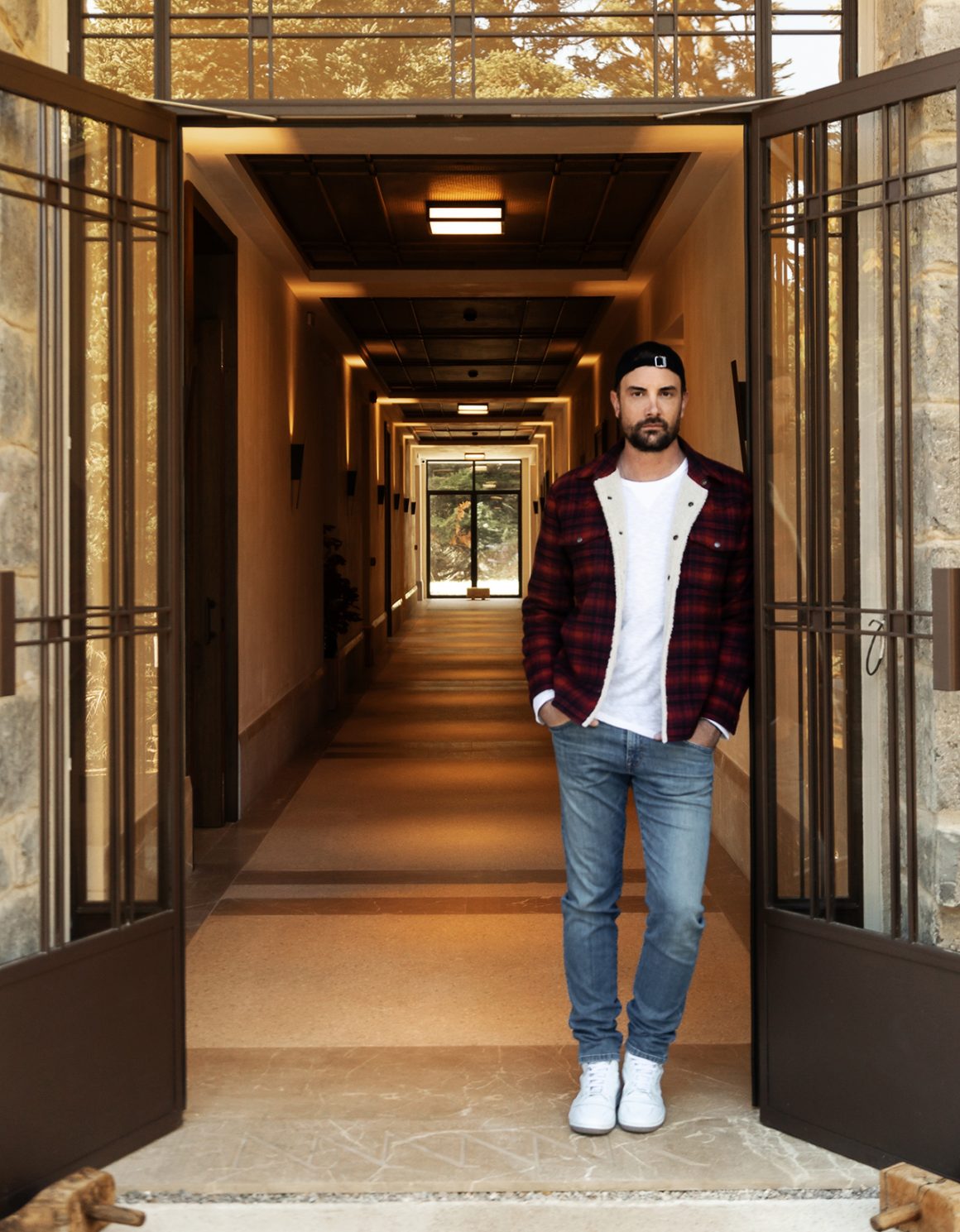
I first encountered the building as a child. I used to attend a summer camp just 1.5 km from the abandoned structure. My friends and I would explore it. Even back then, I felt a desire to save it from collapse and somehow bring it back to life. Many years later, almost 30, I happened to read that the “Manna Sanatorium” was going up for auction. I didn’t think about it for more than a minute, even though I was on a completely different professional path at the time.
Manna Arcadia is an accommodation that goes beyond the ordinary, where everything functions seamlessly within its own sense of time. How did you preserve its authenticity, and what do you consider its greatest strengths?
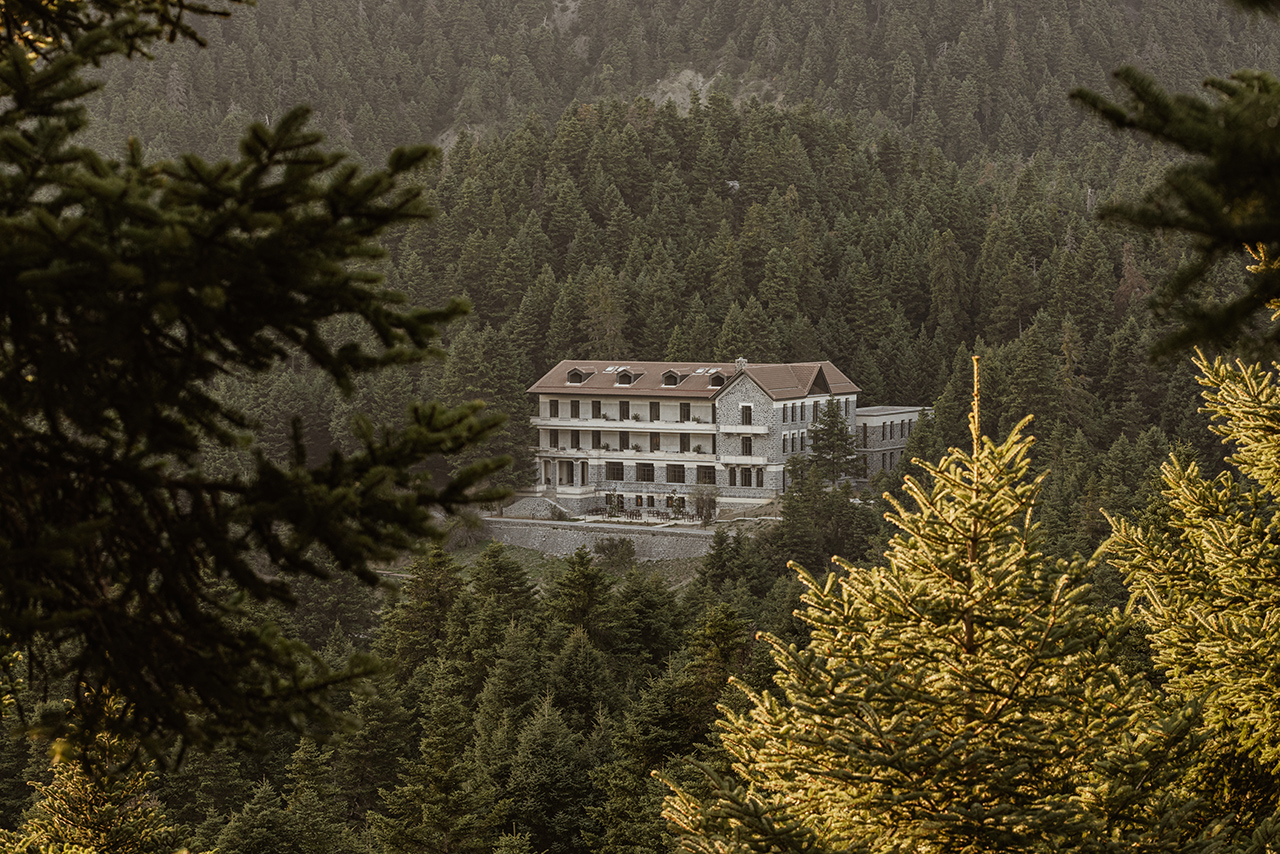
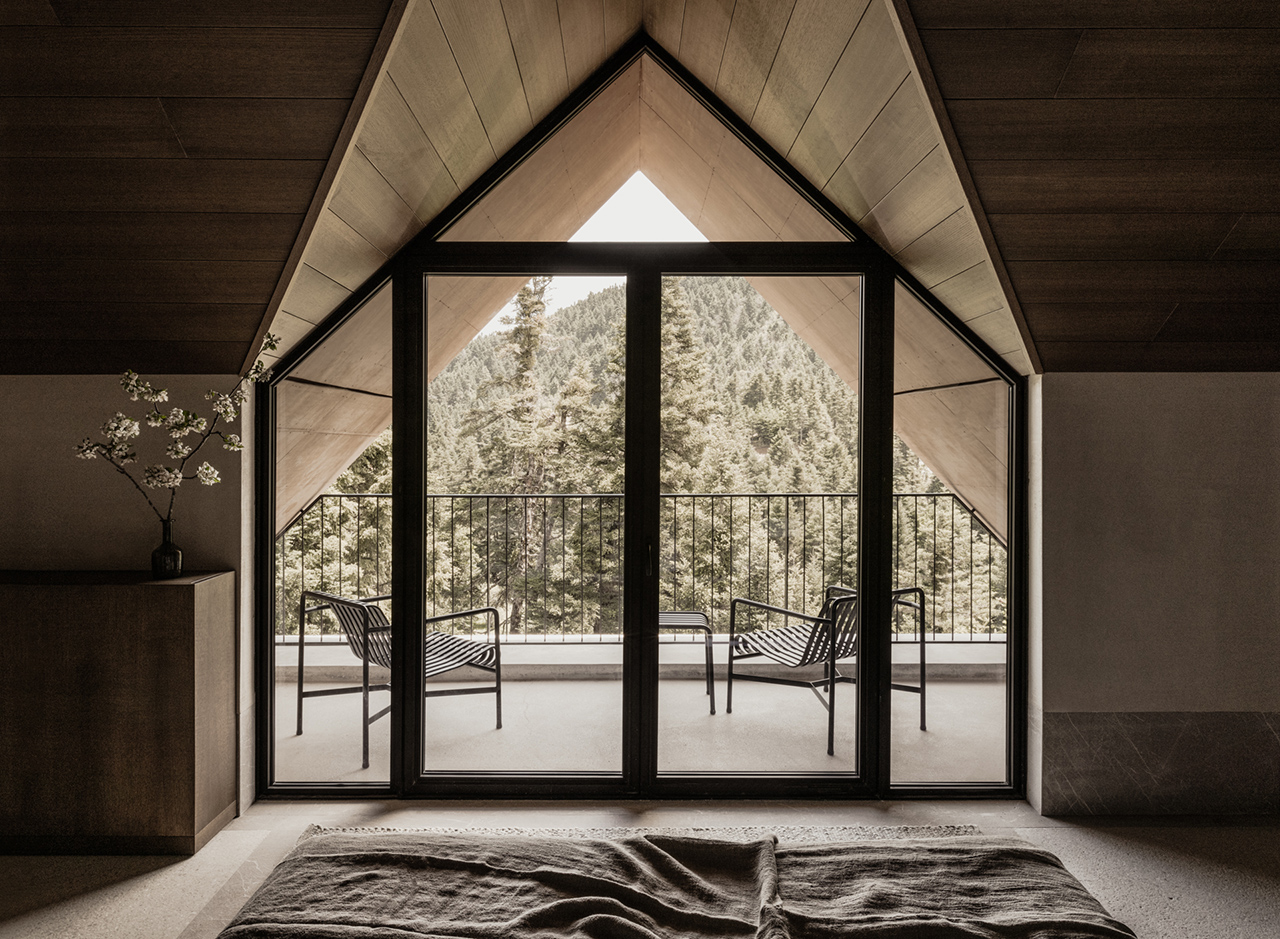
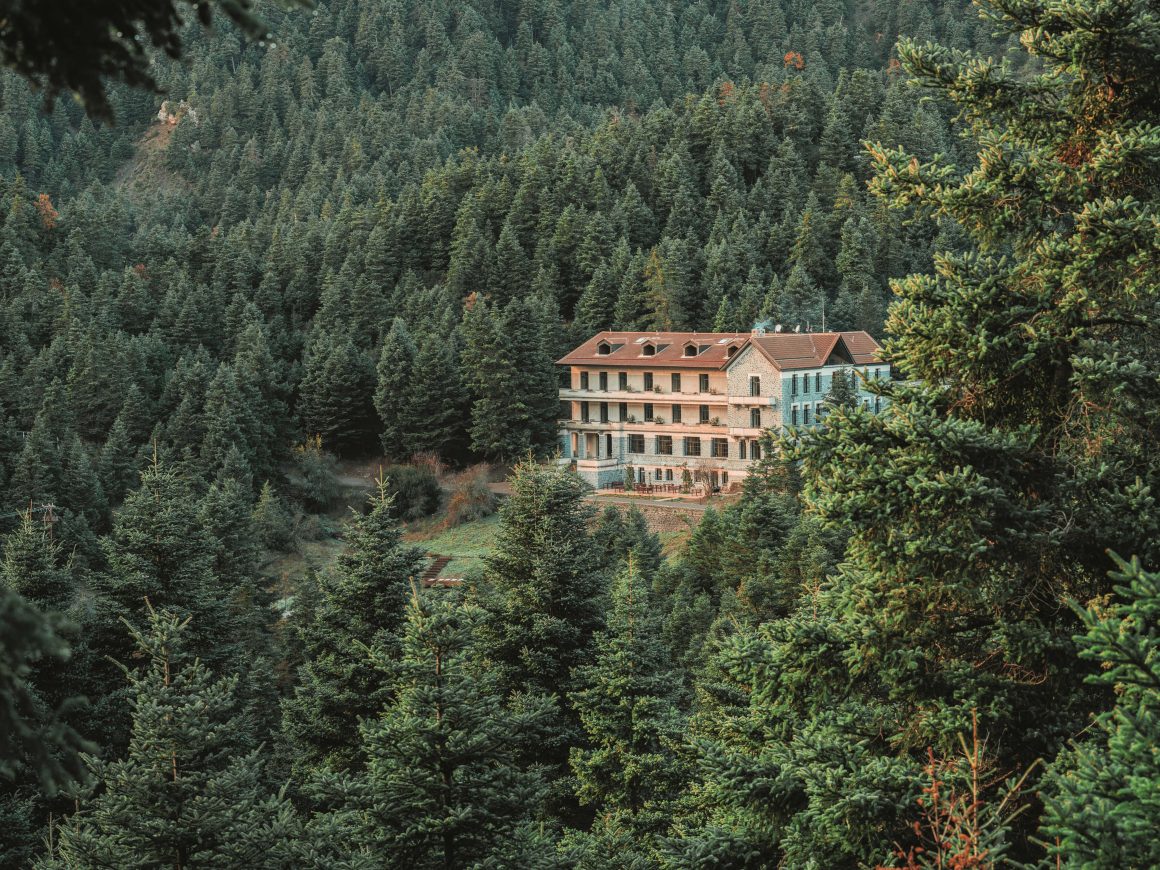
I believe very serious work was done in the restoration process. You feel the presence of the 1920s building, but not at all the feeling of a hospital. Architectural elements from the past were used, but carefully tied to the present. Of course, the location itself enhances the experience, an imposing building in the middle of a forest, with nothing around for kilometers except untouched nature.
What is the most important experience Manna offers its guests? What feedback do you receive?
I think the complete absence of noise and light pollution is, in itself, therapeutic. When the eyes and ears rest, the soul follows.
What is the best season to visit Manna Arkadia?
It may sound surprising, but… summer. The temperature is so pleasant, especially at night, that it leads to such deep sleep that you truly feel rested.
Tell us about the collaborations that shaped the spaces.
I was truly fortunate. Everyone I wanted to collaborate with embraced the project with enthusiasm, from the architectural teams at K-Studio and Monogon Office for Architecture, to H. Pangalou & Associates for landscape design, Eleftheria Deko for lighting, and Athinagoras Kostakos for the culinary direction.
A truly creative dream team, we worked with passion to bring MANNA to life.
How important is it to achieve such a remarkable result? Which milestones in your career are you most proud of?
I was extremely persistent, I would even say obsessive, about this project. There was a strong emotional element; otherwise, I don’t know if I would have had the patience to commit to an eight-year journey for a 32-room hotel if I had seen it purely as an investment.
What is the secret to elevating an everyday space aesthetically?
I believe it’s love. Most guests say this building was created with love — and that it’s visible in every detail. It’s true. There was deep emotion behind every choice and decision.
Who were the most important people you met along the way?
Members of the local community who embraced me and actively supported me from day one.
From your entire journey, what do you hold closest to your heart?
When we entered the building to begin restoration works, I found my initials carved into a wall — ones I had etched 25 years earlier as a child.
Does the hotel’s recognition bring responsibility for maintaining its position at the top?
Absolutely. I feel a great responsibility toward both our guests and our team to meet expectations and continuously improve.
What were the non-negotiable values in this project?
Respect for the building’s history and for the surrounding nature. The memory of the building was not violated, and not even a single branch was cut without reason.
What do you most love hearing from your guests?
That they will return. I think that’s the highest recognition for a hotel.
Has success changed you as a person?
It has made me more responsible — and more romantic.
What do you consider the greatest virtue in a person?
Kindness. I hope to encounter it everywhere.
What is the main wisdom this journey has given you?
I will borrow a phrase from Anna Mela, the woman who created the original sanatorium: “Dreams do not remain dreams.”
What do you notice first in a space — and in a person?
Something intangible. The energy a person or a space emits — it either attracts me instantly or repels me.
What is Greece to you?
My home.
What lies ahead in your plans?
First, I would like to fully complete this project. I feel there is still work to be done before it reaches exactly where I want it to be.
Three places you love returning to — and why?
Mountainous Arcadia, California, and Kastellorizo.
Your definition of beauty?
Have you ever seen a snowflake under magnification? That’s absolute beauty.
What is authenticity to you?
Something that happens effortlessly and without pretension.
About Manna Arkadia
Fulfilling the lifelong dream of its owner and visionary — who spent his childhood summers in the area and long envisioned the rebirth of Manna — the restoration of this unique building was entrusted to K-Studio and Monogon Office for Architecture. The brief: to transform a former sanatorium into a mountain retreat dedicated to wellness and gastronomy.
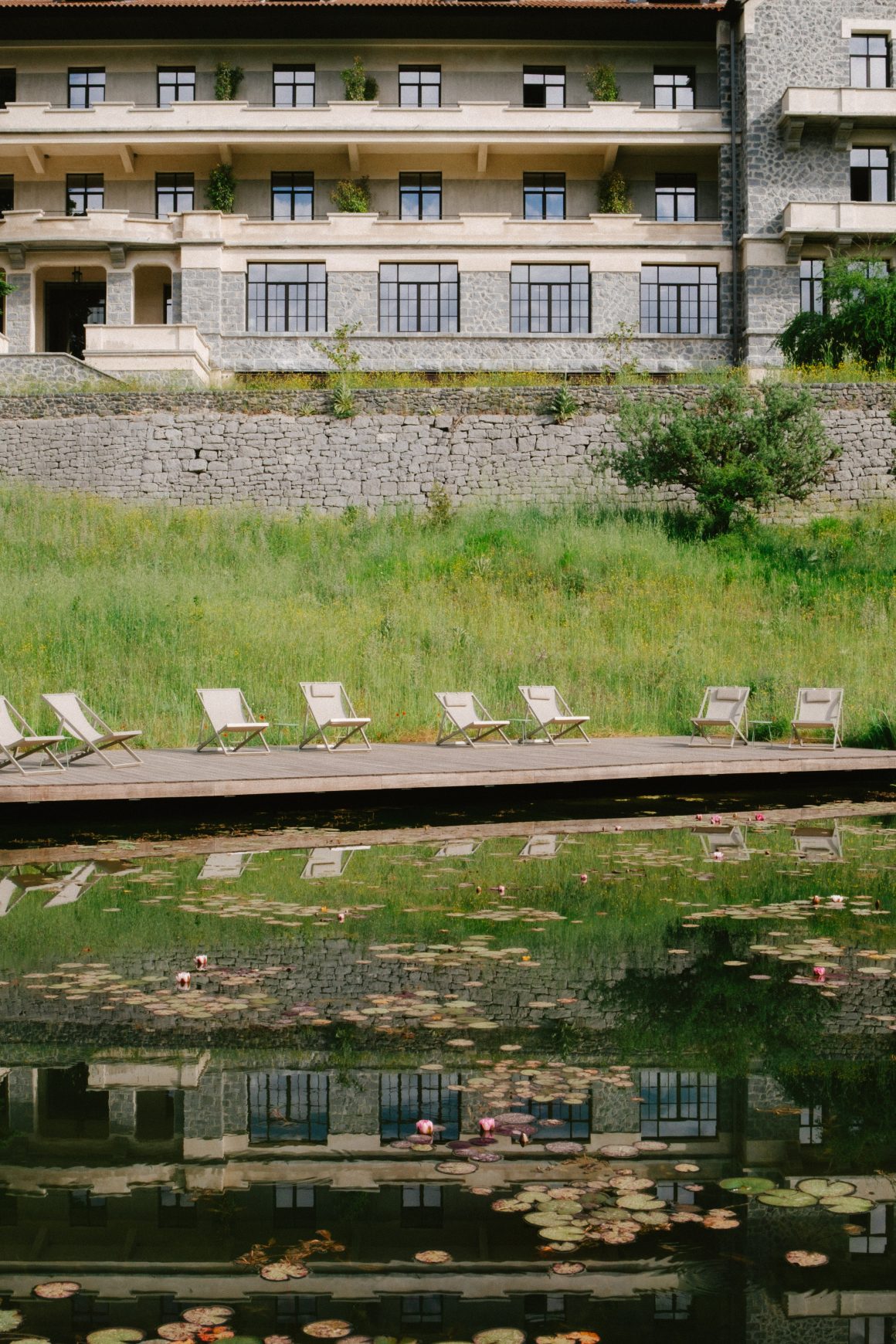
Surrounded by a landscape considered an earthly paradise since antiquity, nestled within a pristine fir forest at an altitude of 1,200 meters, the emblematic listed building dating back to 1929 has been meticulously restored to welcome modern-day seekers of the Arcadian Ideal.
A Second Life Born from Childhood Curiosity
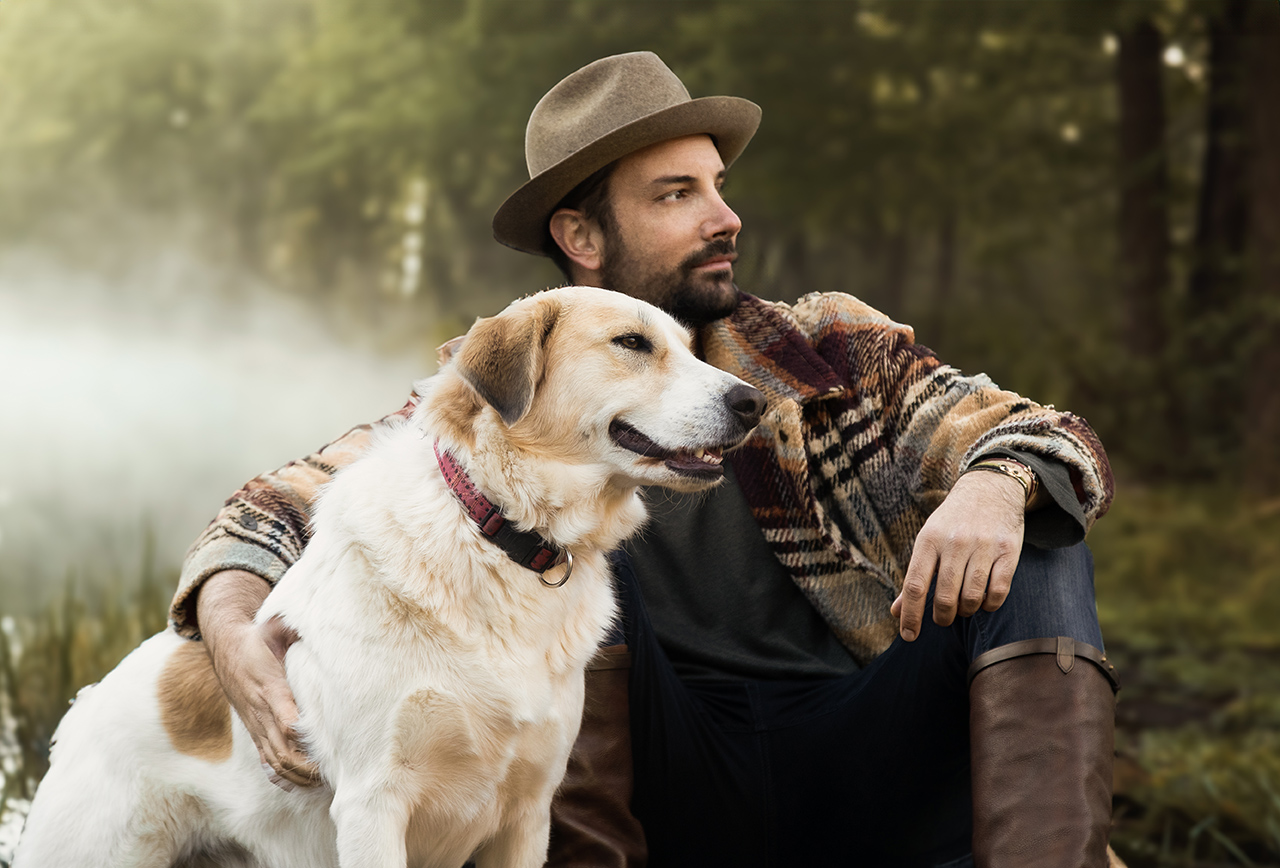
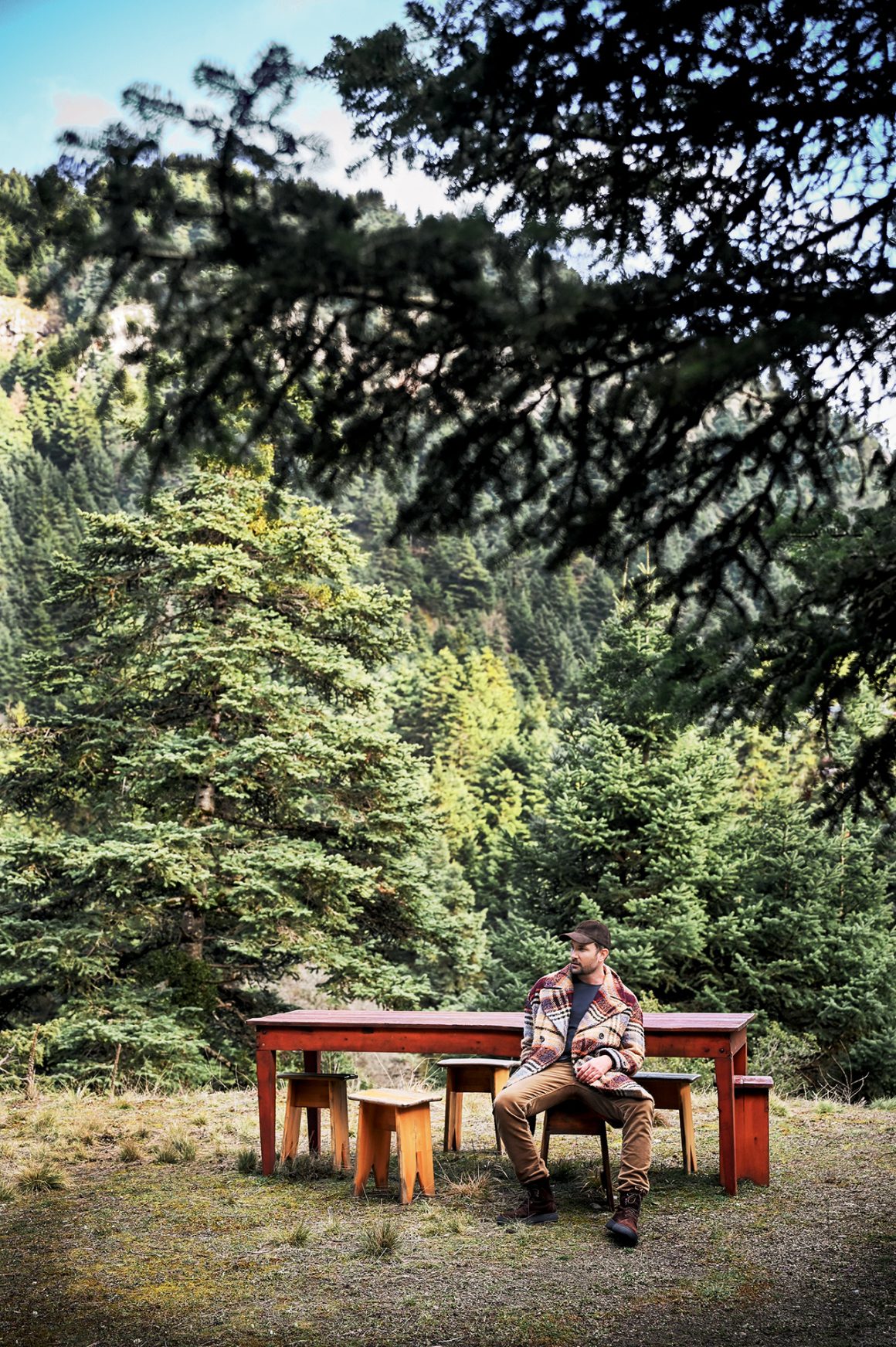
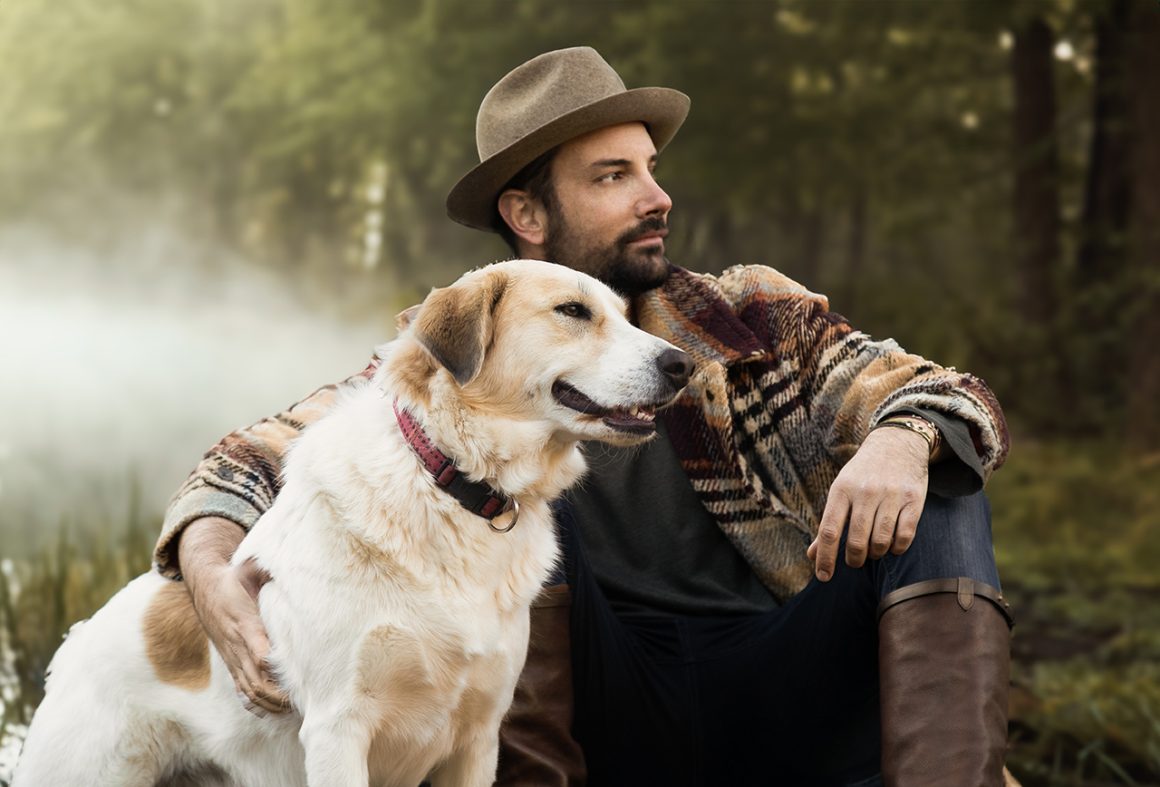
As a child, Stratis Batagias, the current owner, spent his summers in Magouliana, in the heart of the Peloponnese.
“Before dusk, our steps would lead us to the abandoned sanatorium up in the mountain. Even though it was in ruins, I always felt there was a positive energy surrounding the building. From then on, I carried the idea that one day I wanted to bring this place back to life,” he recalls.
History
The story began in 1929 with Anna Mela, sister of Pavlos Melas, who dedicated her life to establishing a sanatorium for soldiers of the Balkan Wars and the Asia Minor campaign. It is perhaps the only building whose construction was funded through donations raised across three continents.
Departing from the neoclassical architecture prevalent in Greece at the time, the building — which welcomed tuberculosis patients from its opening until 1938, when penicillin became widely accessible — reflects architectural influences more closely associated with Central Europe.
After more than eight decades of abandonment, the new Manna has become a reality, restored with deep respect for its past. It encourages guests to slow down and embrace the present moment, to nurture their relationships with others, with nature, and with themselves. Ultimately, “Manna” signifies an unexpected source of nourishment or delight — and here, visitors find exactly that, nestled within an almost untouched landscape.
Architectural Design
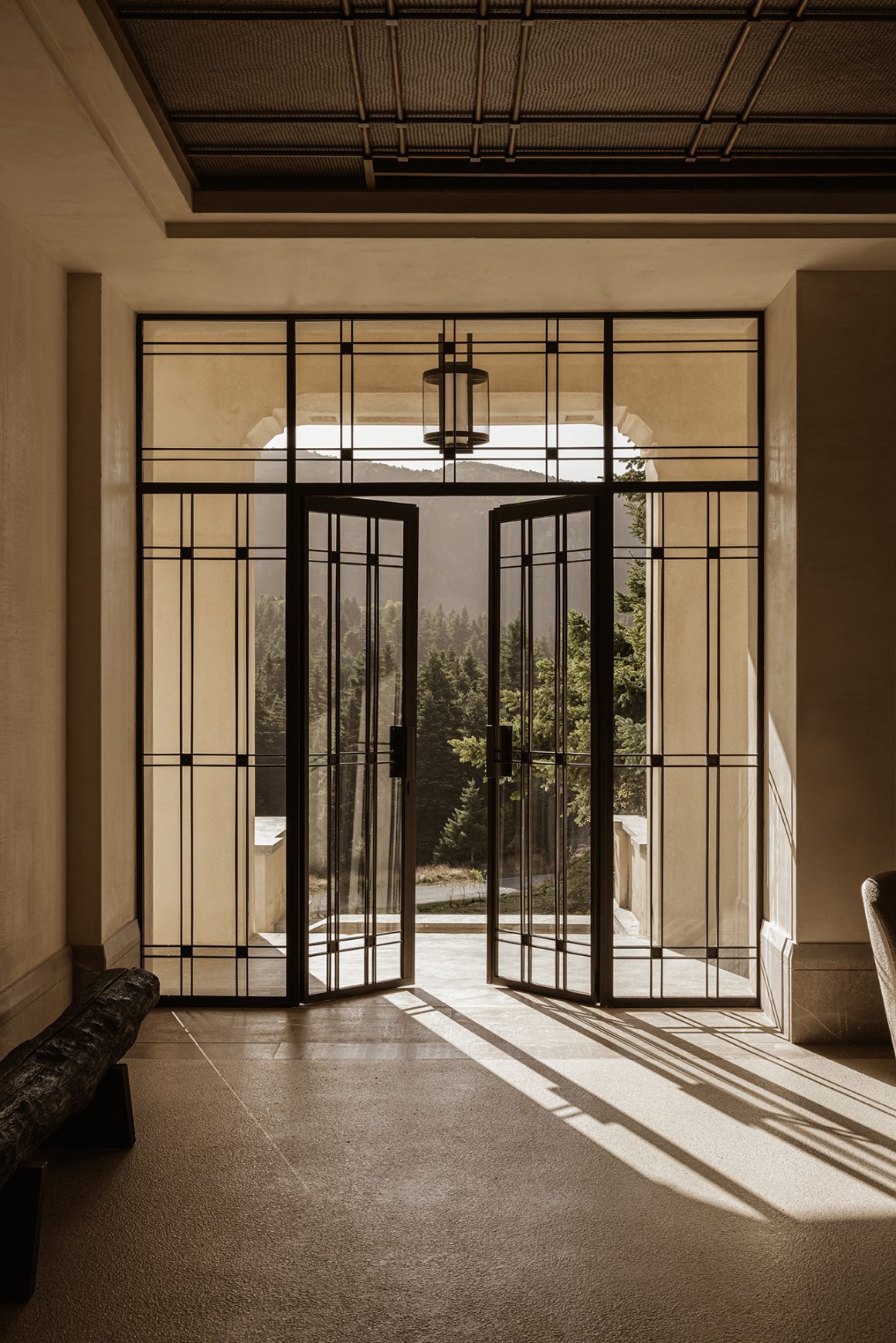
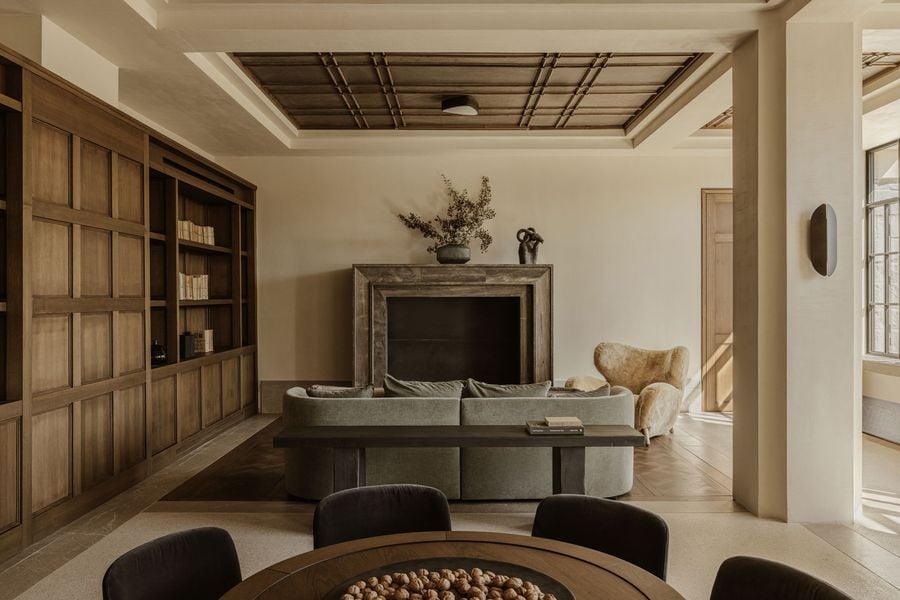
Inspired by the building’s history and its remote setting, the renowned architects and interior designers at K-Studio, together with Monogon Office for Architecture, carried out a historically accurate restoration. Working closely with archaeological authorities and studying archival material to understand the intentions of the original architects, they simultaneously captured the owner’s contemporary vision.
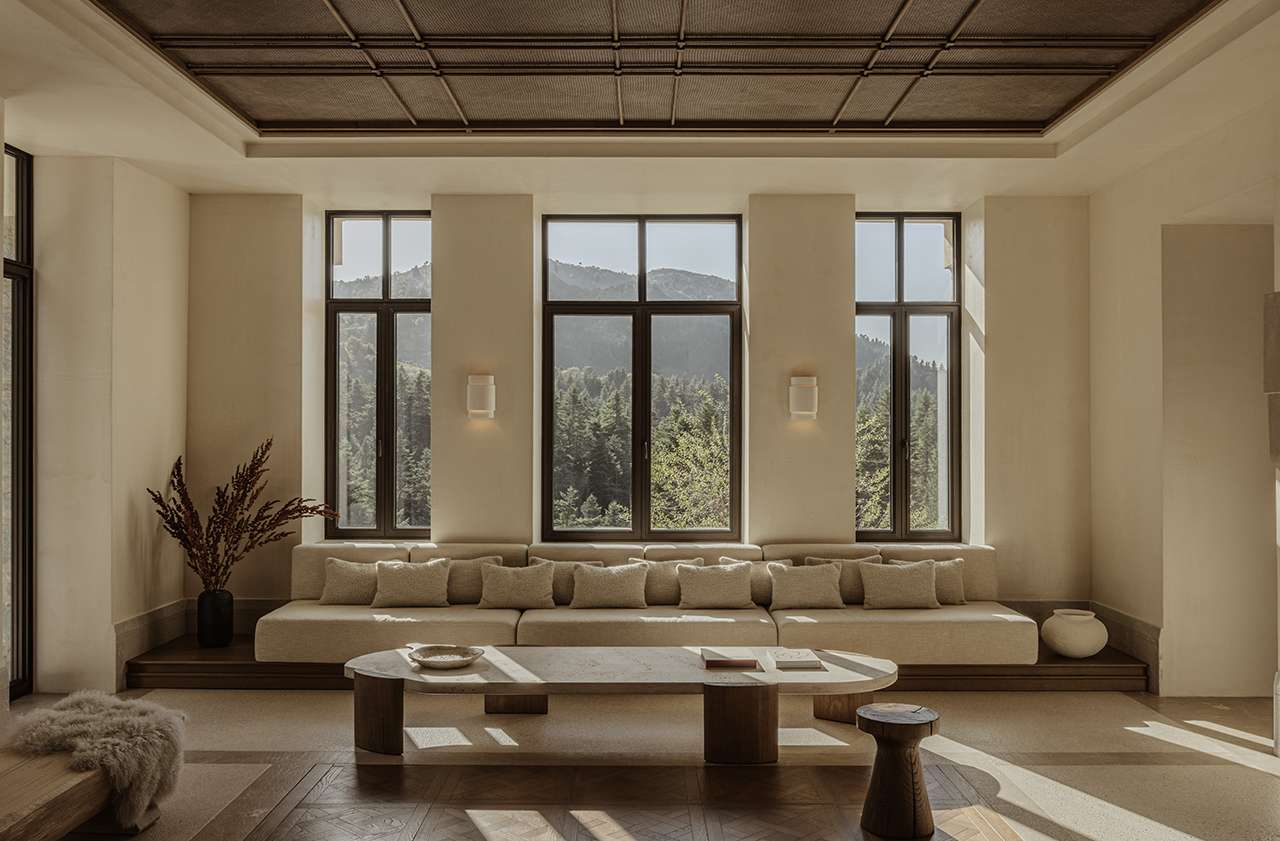
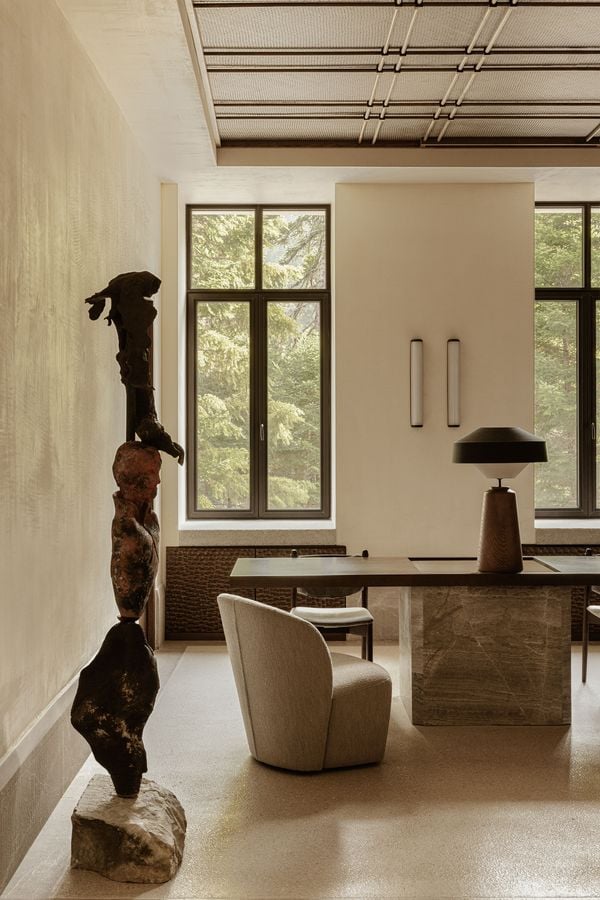
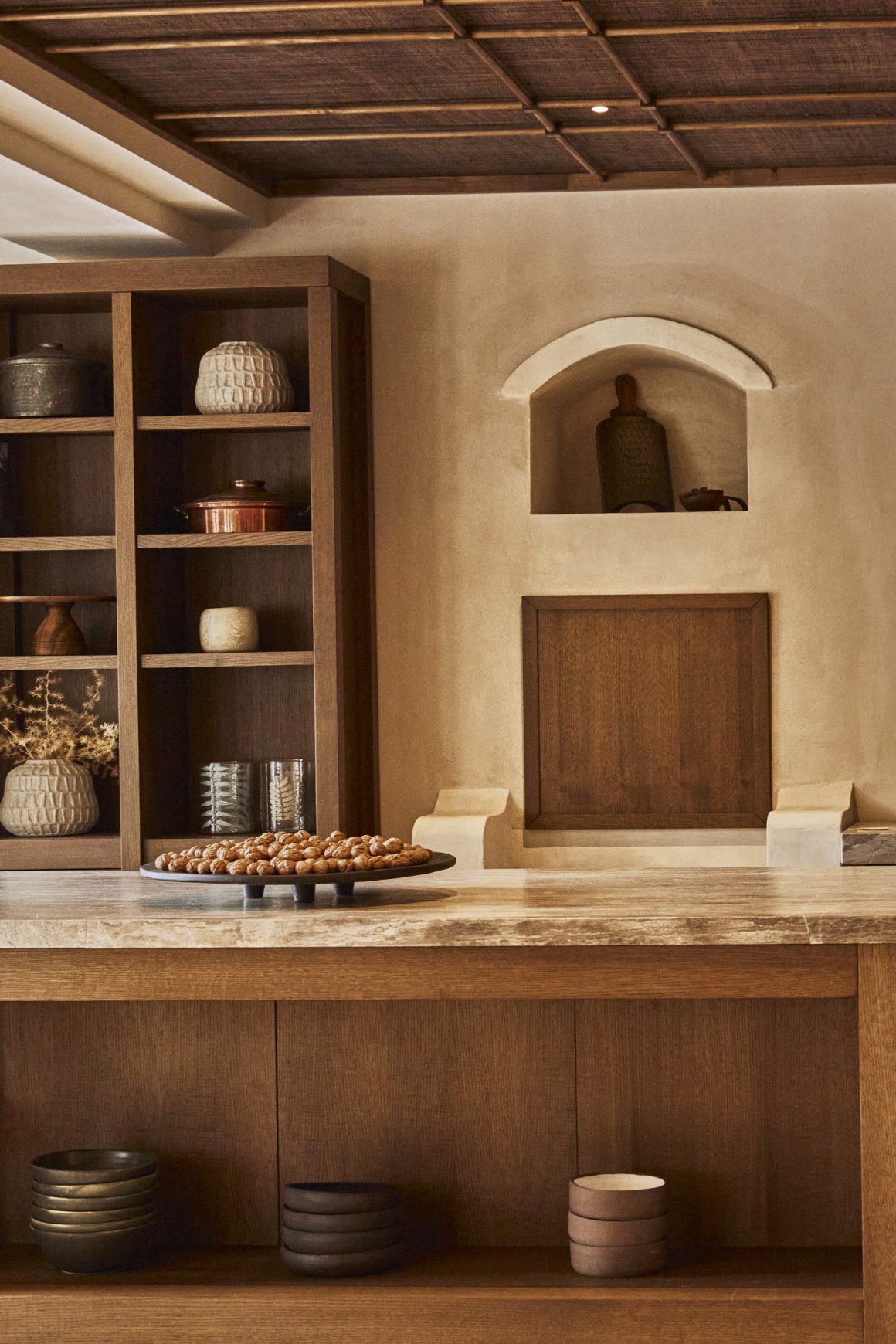
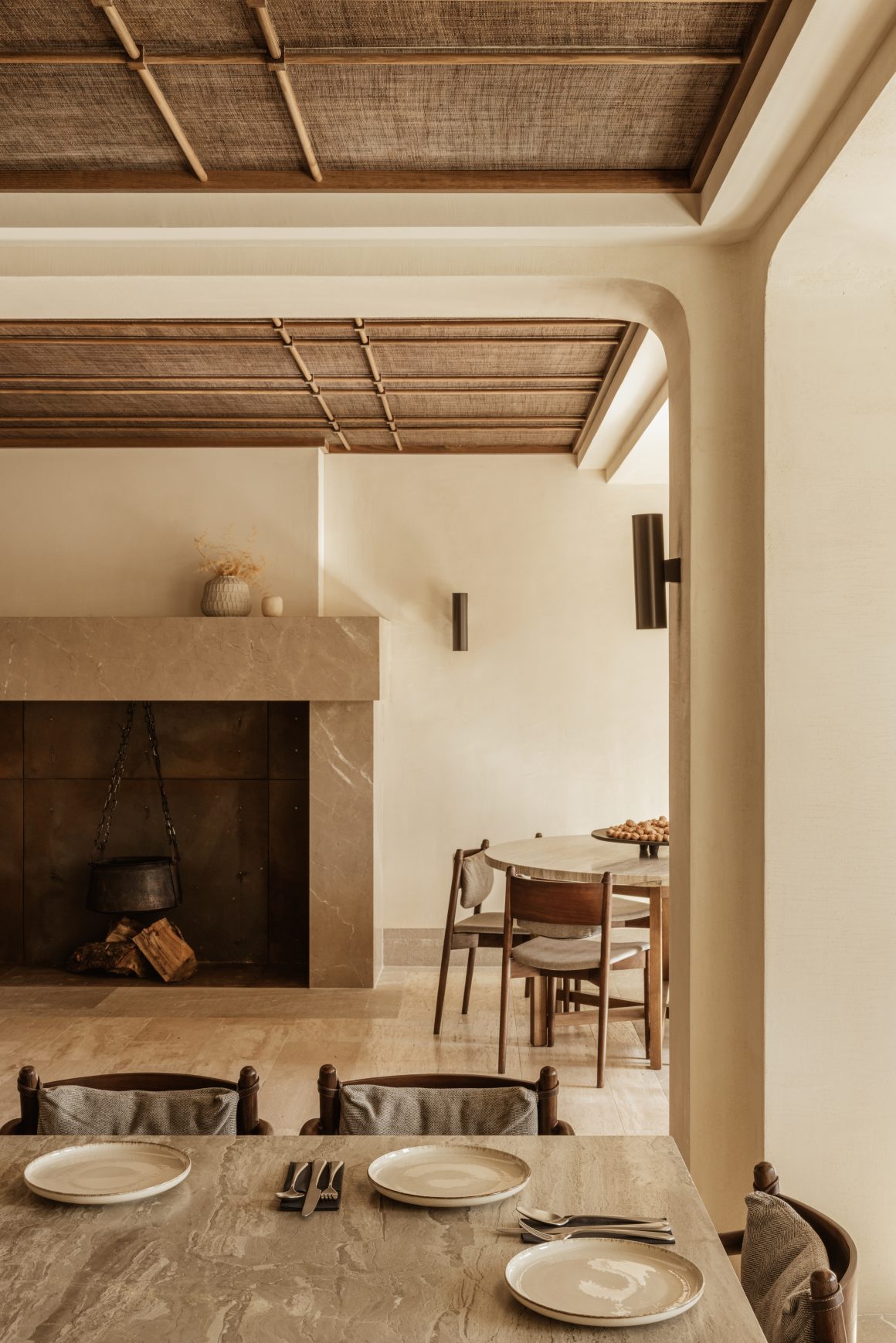
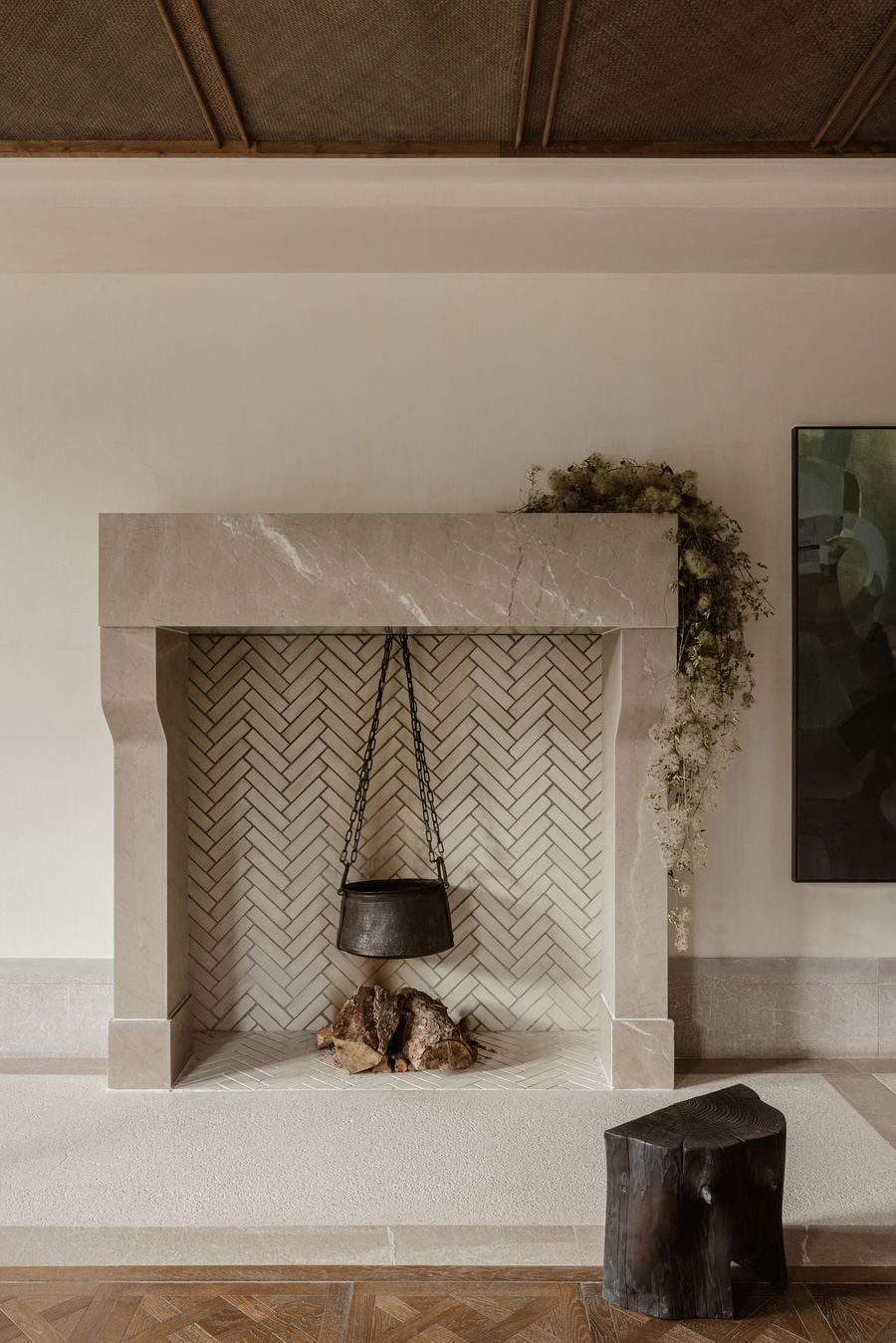
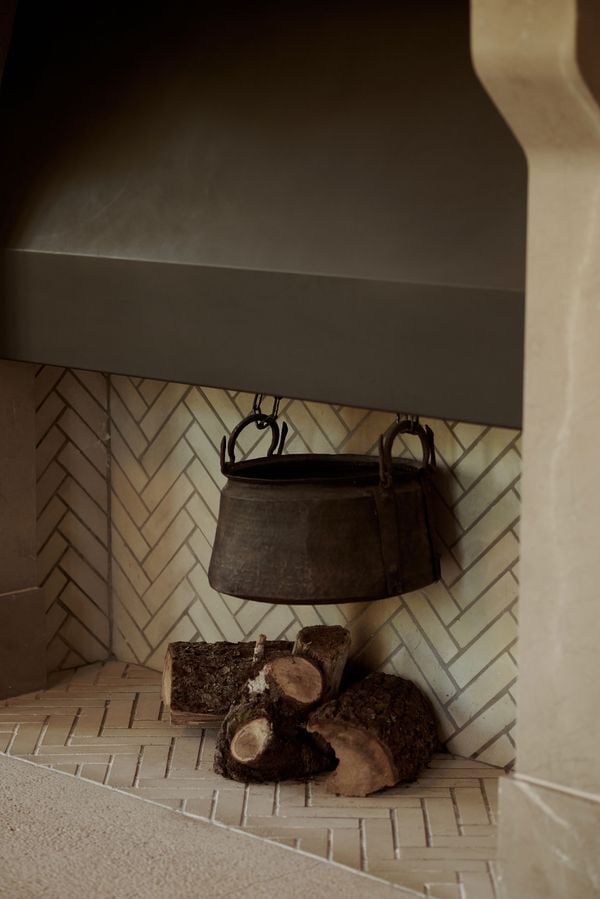
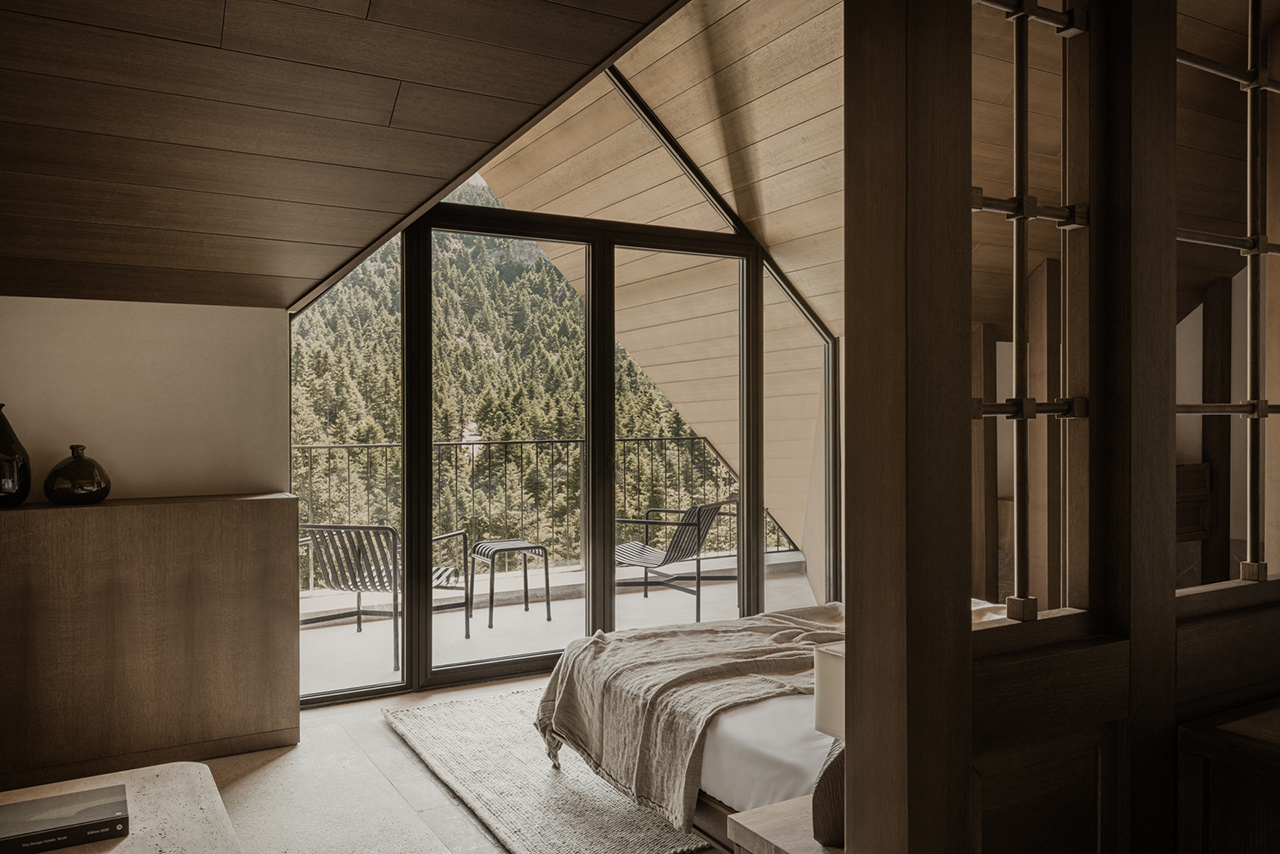
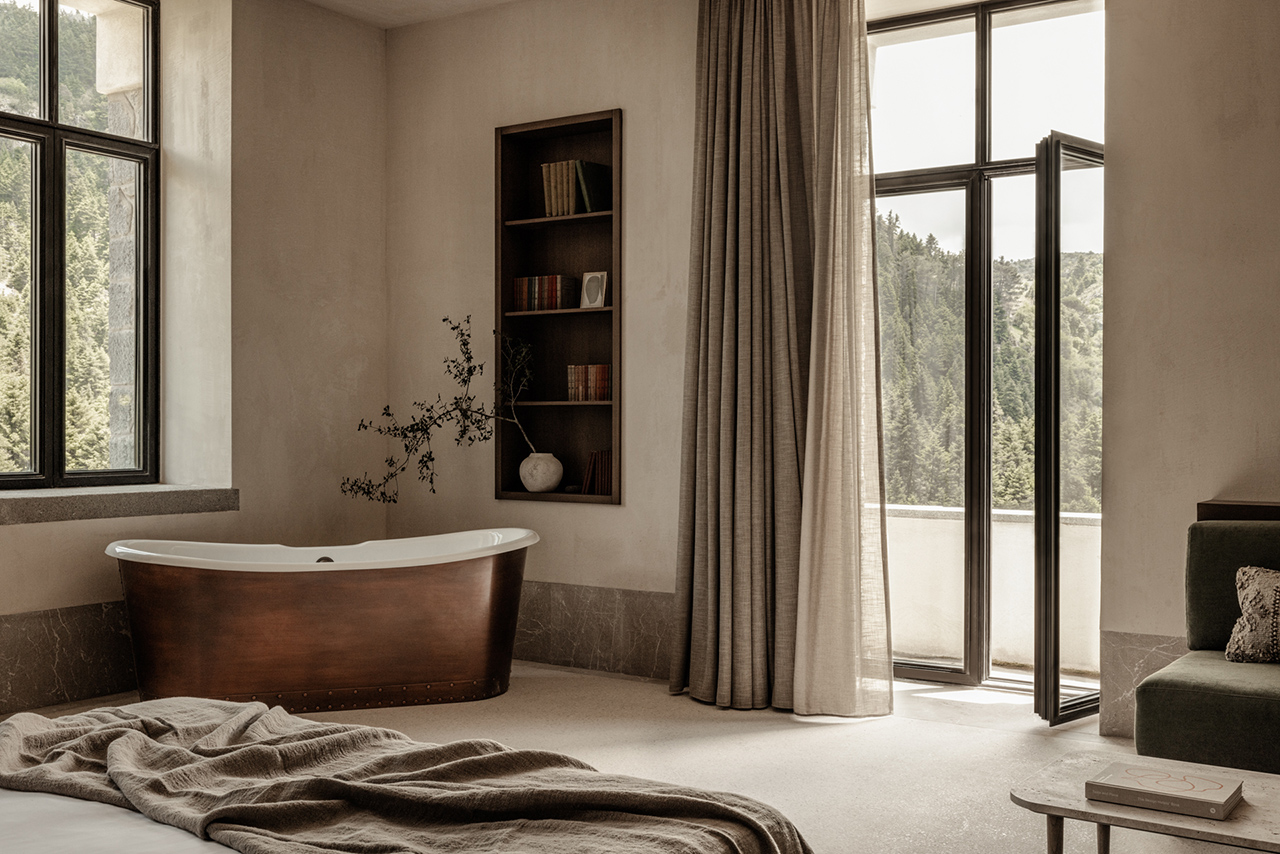
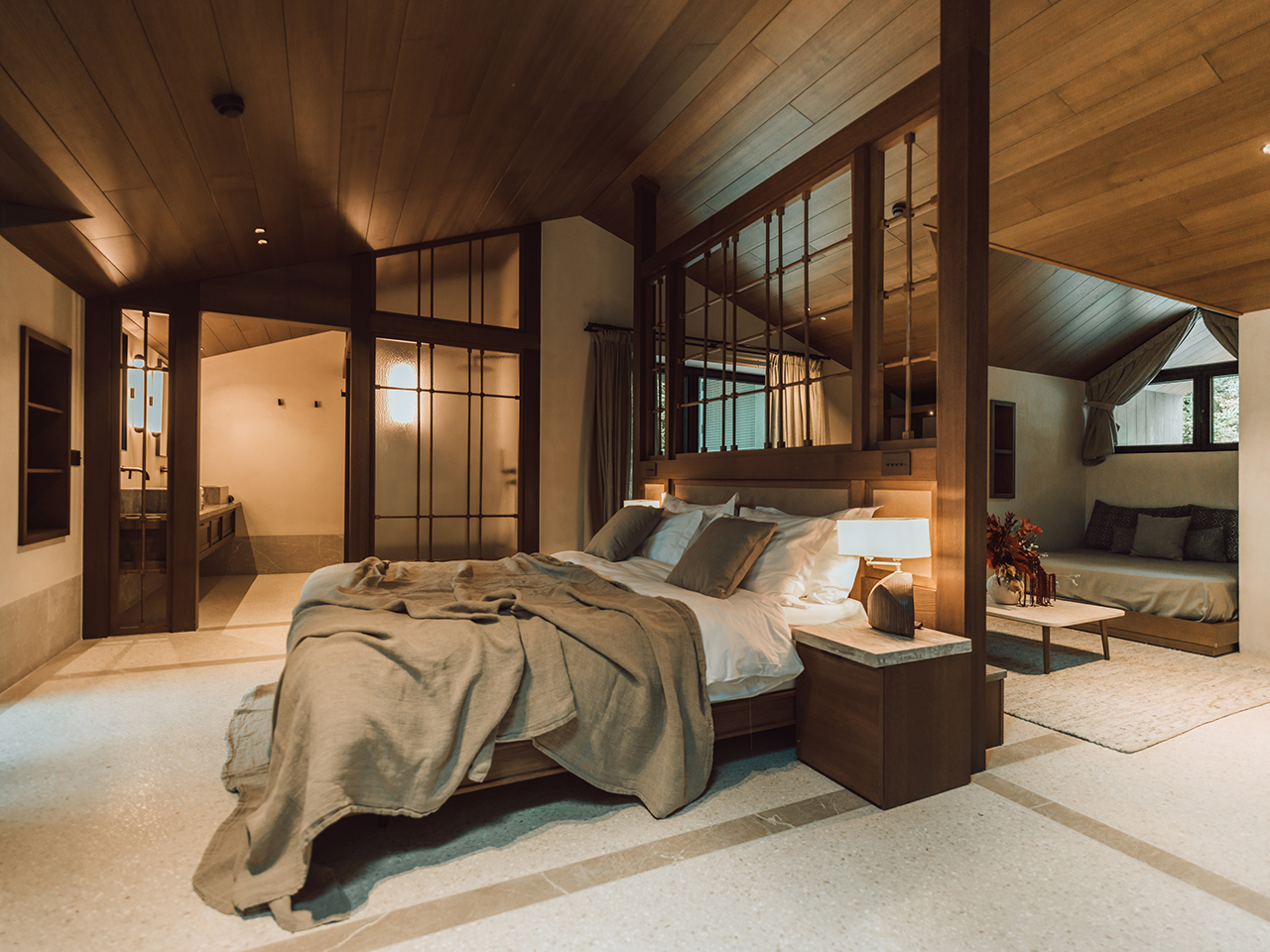
The result is an abundance of preserved grey limestone, wood, and mosaic floors, combined with newly introduced locally sourced stone, terrazzo, and chestnut wood beams. In the evening, the atmosphere is elevated through a subtle lighting design by Eleftheria Deko, the acclaimed lighting designer also responsible for the award-winning illumination of the Acropolis of Athens.
These architectural elements extend into the property’s 32 rooms, where the original high ceilings have been maintained, allowing the surrounding fir forest to visually flow into each interior space.
Gastronomy
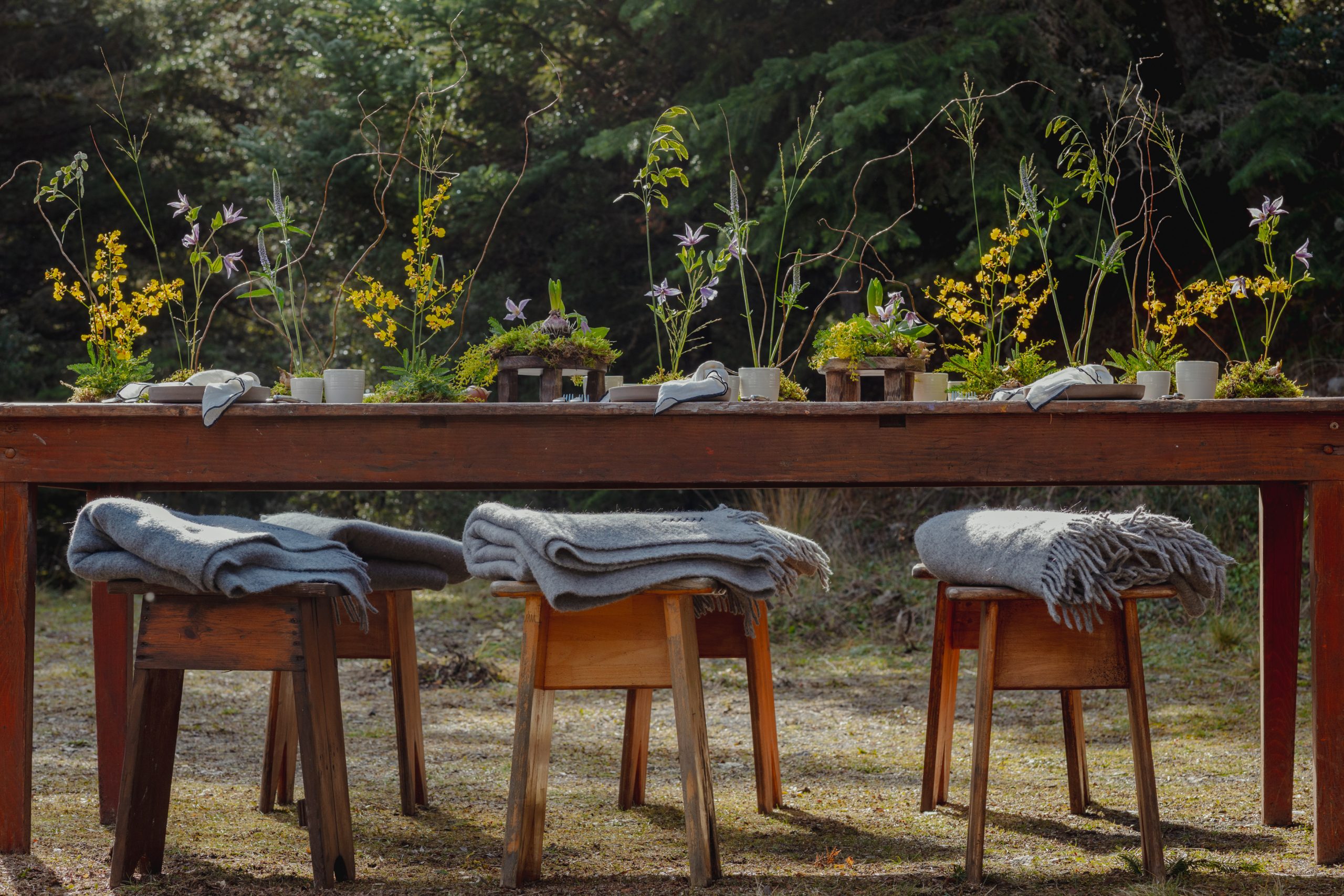
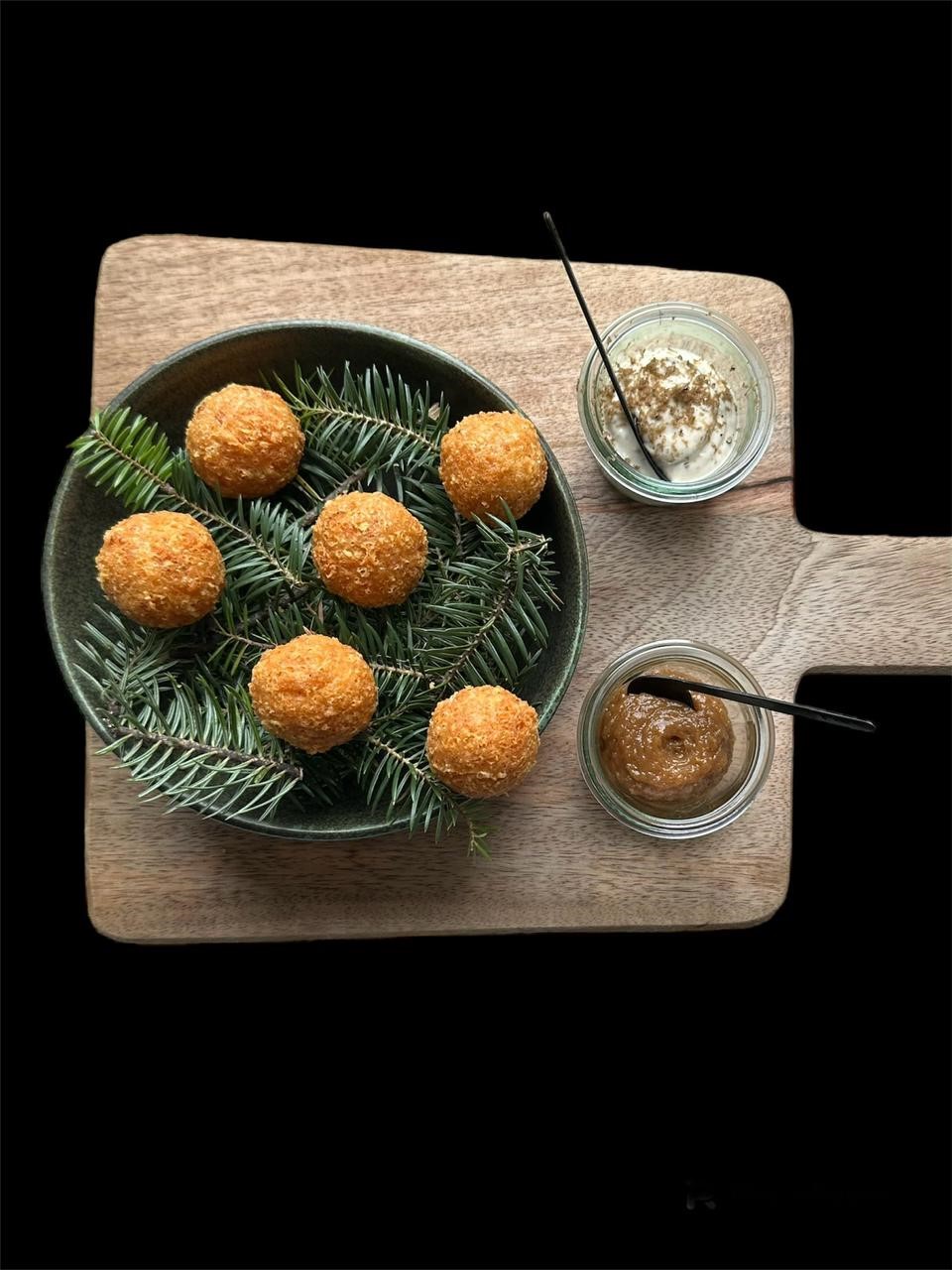
Deeply connected to the land is the award-winning Manna restaurant, where chef Athinagoras Kostakos crafts seasonal menus inspired by Greece and the pure, authentic products of Arcadian soil. In keeping with this ethos, dishes rooted in traditional recipes are prepared using high-quality local dairy products, cured meats, handmade pasta, and regionally sourced meats — celebrating the richness and integrity of the local terroir.
Manna Wellness
At Manna Arkadia, guests are invited to relax and rejuvenate at the Manna Wellness Hub. The facilities include two treatment rooms, an indoor and an outdoor sauna set within the forest, a fully equipped gym, and a cave pool designed to resemble a natural grotto, with skylights that allow sunlight to filter through and dance across the water’s surface.
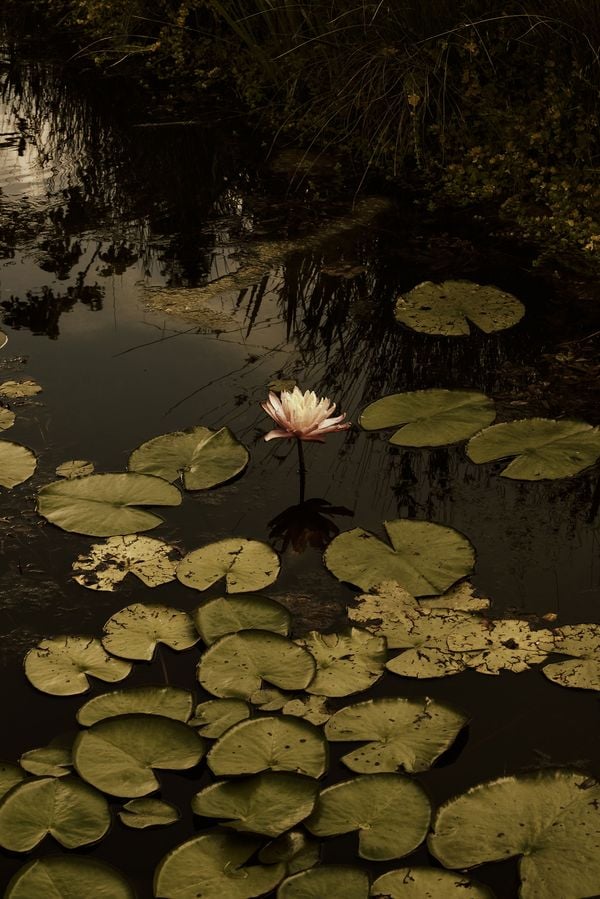
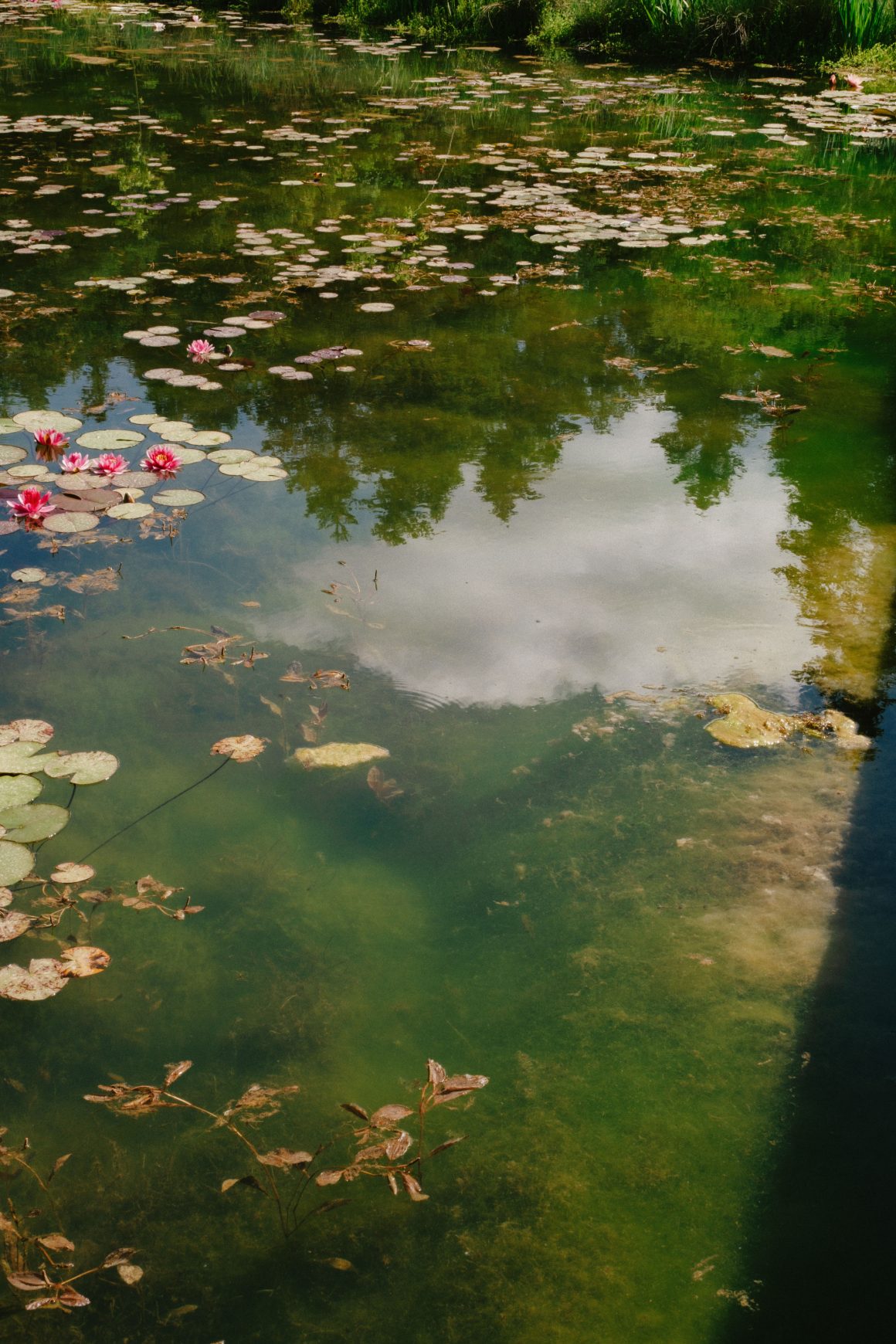
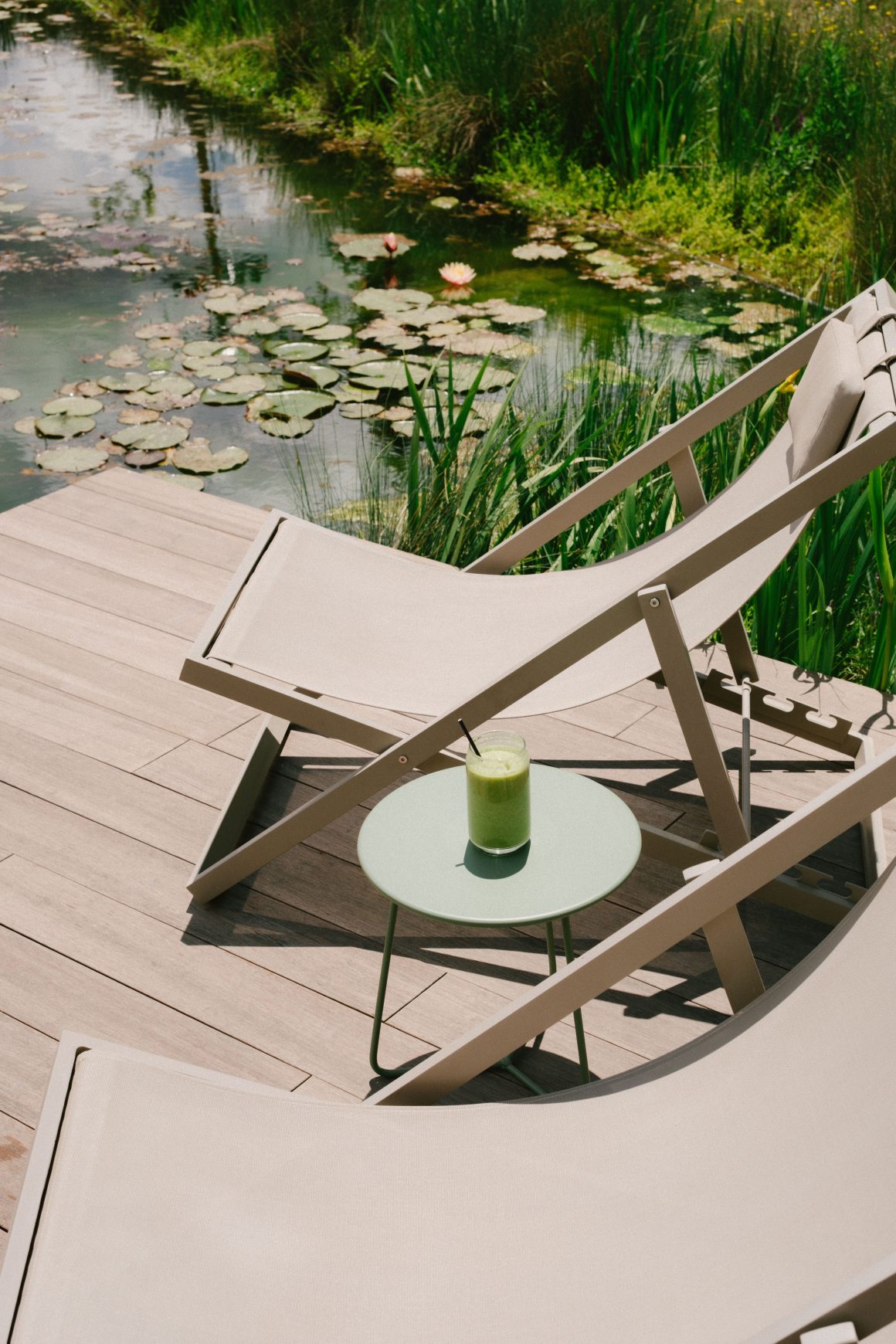
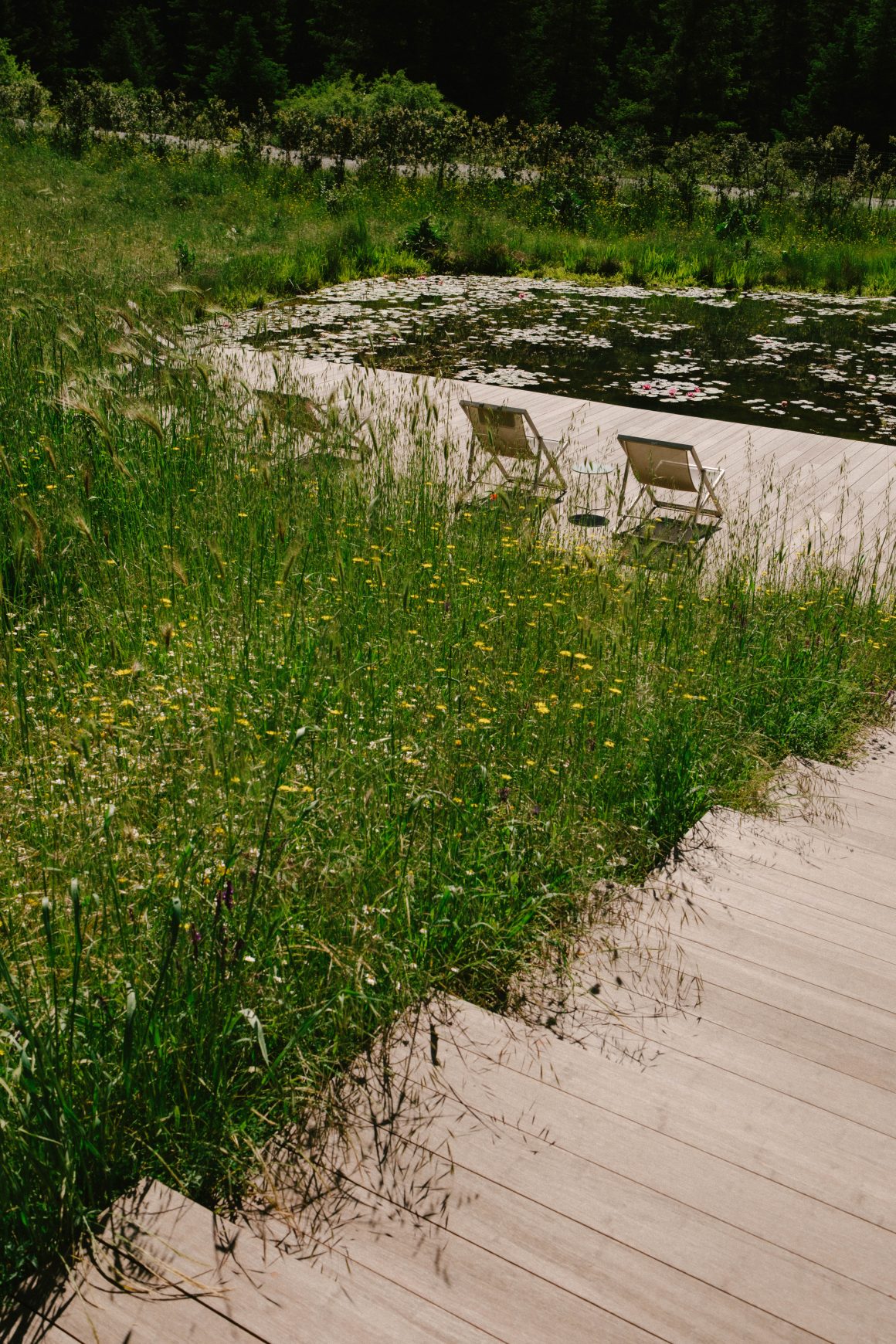
Outdoors, the gardens designed by landscape architect Elli Pangalou create an additional oasis. At the top of a small hill overlooking the lily pond, an open-air lounge with a fireplace offers a serene setting for socializing and meditation. Meanwhile, the wooden deck by the lake, furnished with sun loungers, becomes the perfect refuge for taking in the remarkably clear, star-filled night sky.
Destination
Since antiquity, the region of Arcadia has been regarded as an earthly paradise, inspiring the creation of the “Arcadian Ideal,” later embraced during the Renaissance as the “Arcadian tradition.” Today, the phrase represents a utopian philosophy of living in complete harmony with nature — not imposing upon it — and, in turn, gaining strength, health, and wisdom.
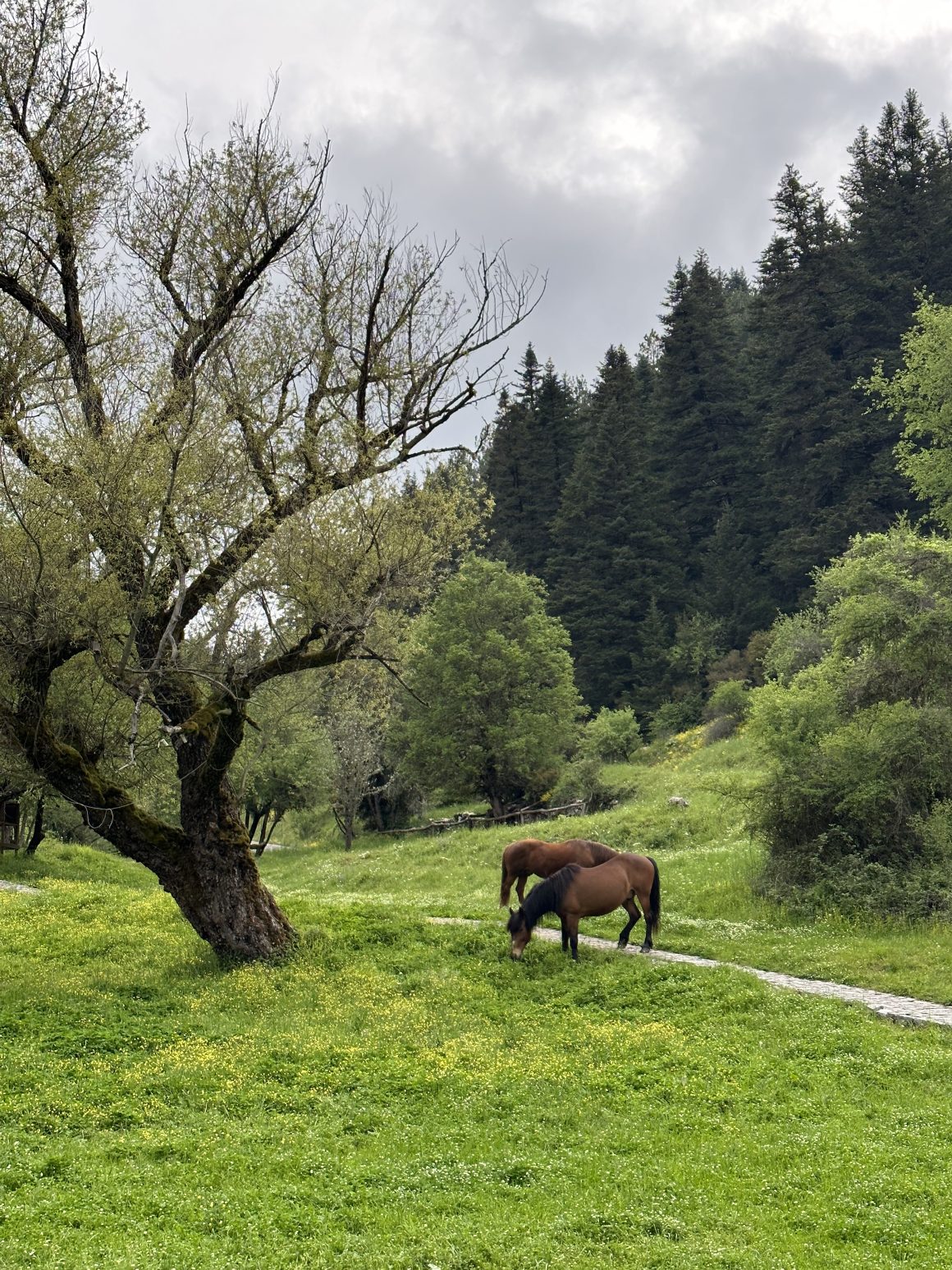
Manna follows this philosophy, encouraging guests to connect directly with the natural environment, including the pristine fir forest of Mount Mainalo and the crystal-clear Lousios River. Outdoor activities include rafting, canoeing, honey harvesting, cycling, horseback riding, skiing, and hiking along the country’s most extensive trail network.
Visitors can also explore nearby award-winning wineries in the region of Nemea, olive mills and dairies, the mountain villages of Magouliana, Vytina, and Dimitsana, as well as historic landmarks such as the cliffside Byzantine monasteries of Prodromos and Philosofos.
The destination is easily accessible, located less than two hours by car from Athens and Athens International Airport, as well as from Kalamata International Airport.
Sustainability
In alignment with the Arcadian Ideal, Manna has installed a geothermal heat pump system to meet its heating and cooling needs through energy drawn from the earth. Single-use plastics are banned throughout the property, with wood used wherever possible instead — including key cards and even elements of the gym equipment.
A comprehensive recycling program has been implemented across the restaurant kitchen and all operational areas, while 75% of the hotel’s team members come from the local community.
Recent Distinctions (within the first year of operation)
-
2nd place worldwide, AHEAD Global 2024 Top 10
-
1st Prize, CREATEURS DESIGN AWARDS 2025 (Best Hospitality Interior Design Project)
-
1st Prize, ARCHELLO Hotel Building of the Year Award
-
1st Prize, MUSE Awards for Interior Lighting
-
1st Prize as Building of the Year and Best Historic Restoration, Grail Awards 2025
Within just its first year of operation, Manna has established itself as an internationally recognized benchmark in design-led hospitality.