Part Three: A Collaboration between the Hellenic Ministry of Culture and NEON
What We Leave Behind Is Not Only What Is Engraved
Michael Rakowitz & Ancient Cultures
Curated by Elina Kountouri, Director of NEON
Old Acropolis Museum
2026–2028
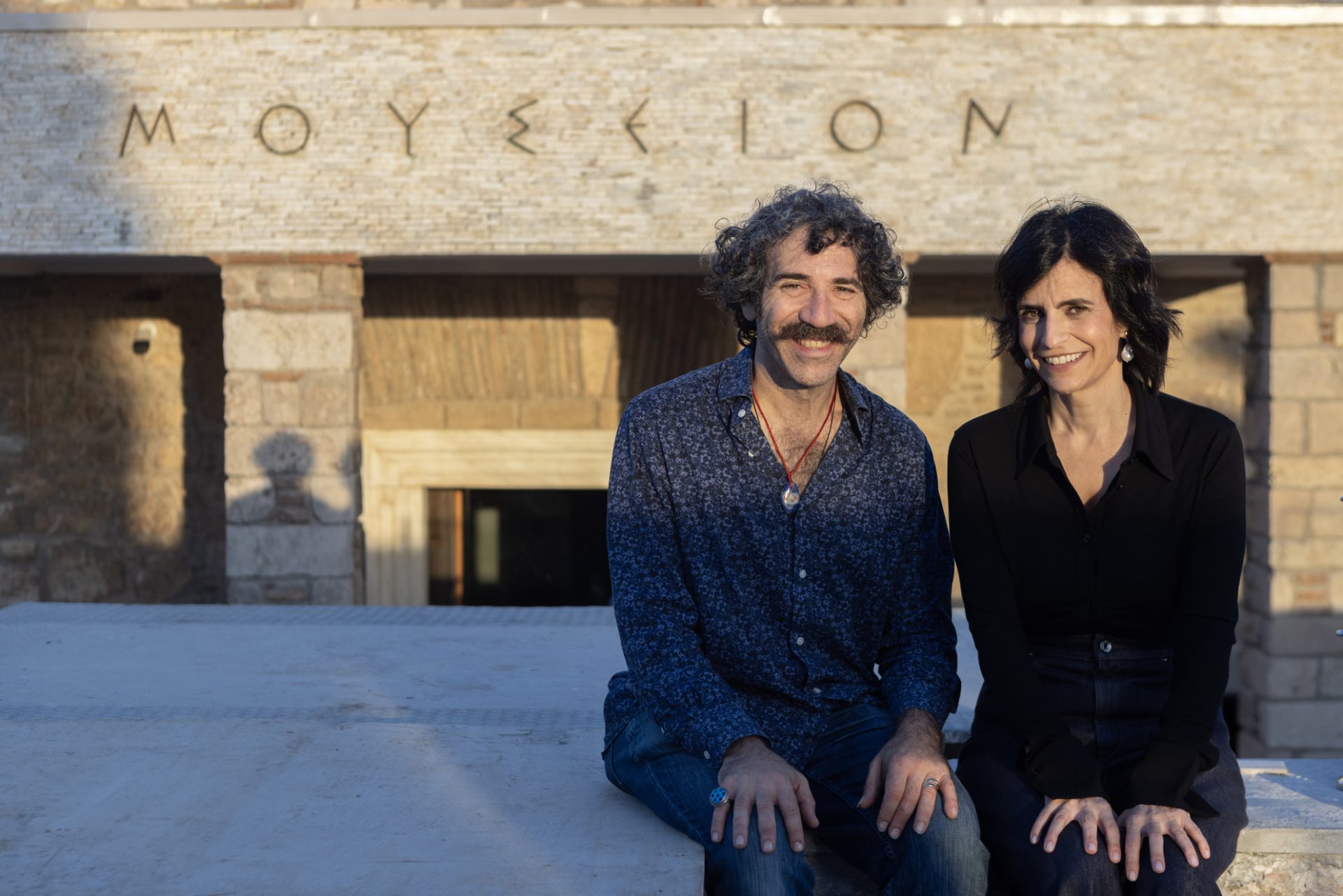
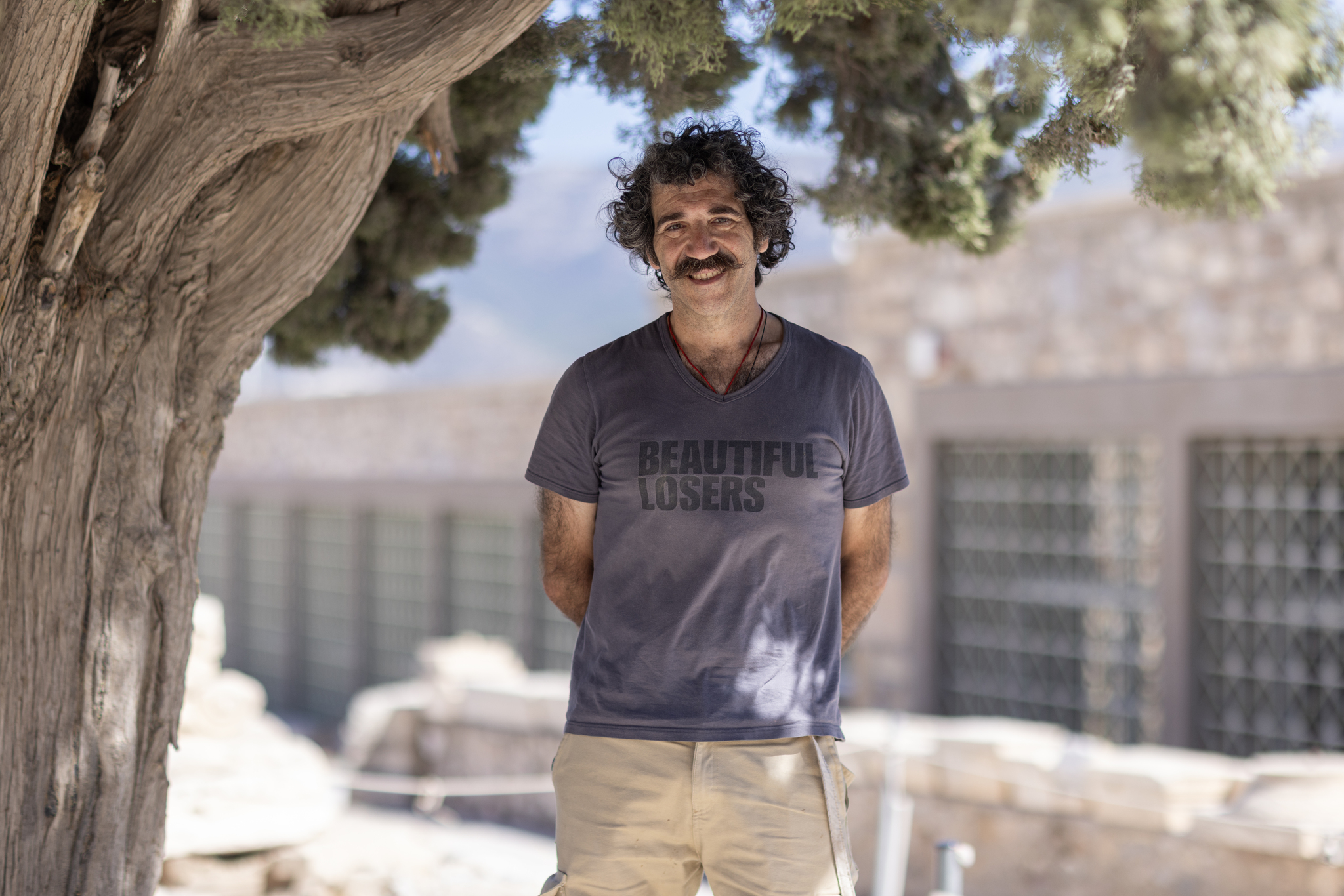
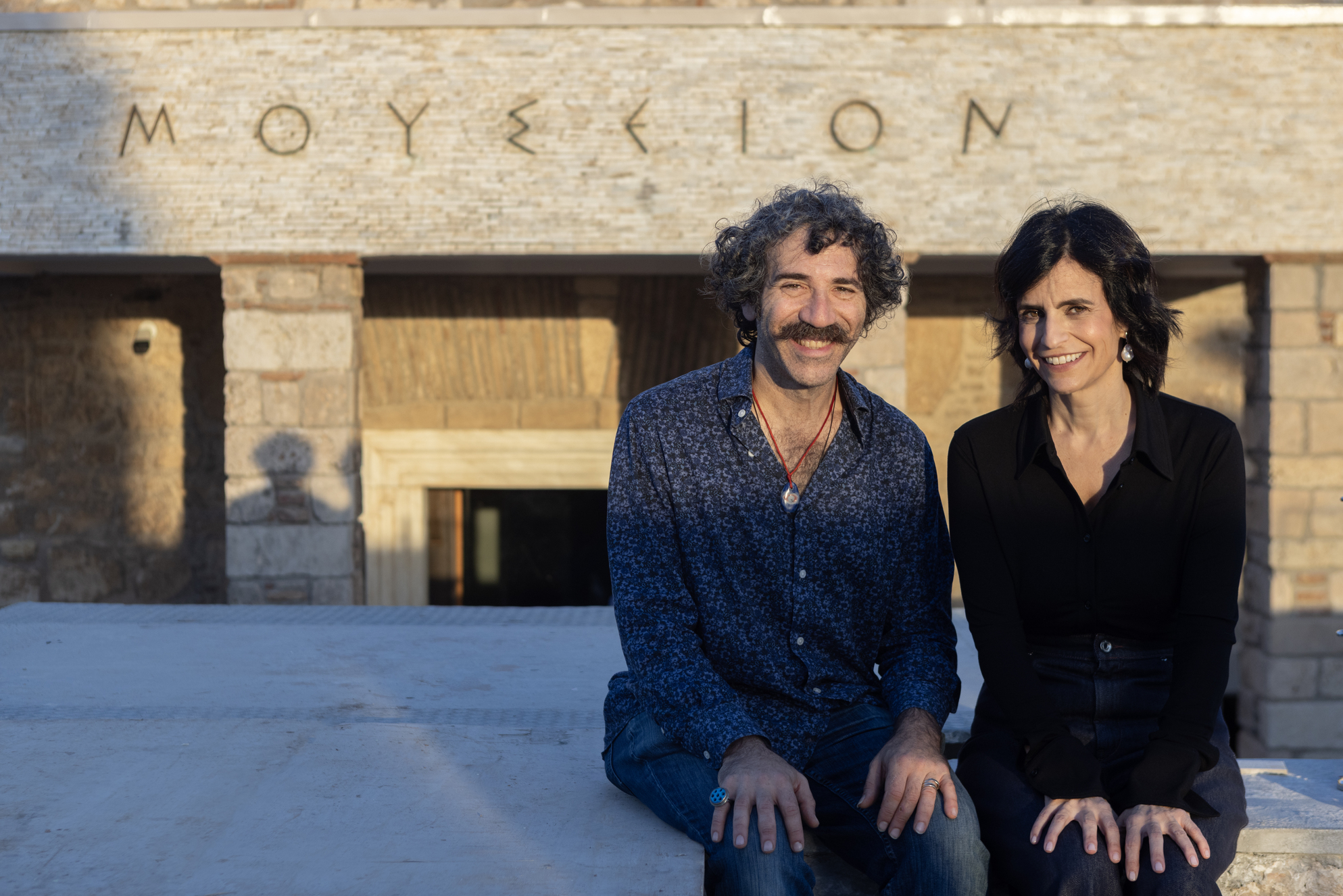
The third instalment of Michael Rakowitz & Ancient Cultures | Presenting Ancient Cultures and Contemporary Art brings contemporary art into dialogue with one of the most emblematic monuments of classical civilisation, at the renovated Old Acropolis Museum. It is the first contemporary art exhibition to take place on the Acropolis Rock and marks a significant milestone in the longstanding collaboration between NEON and the Hellenic Ministry of Culture. Entitled What We Leave Behind Is Not Only What Is Engraved, the exhibition, curated by NEON Director Elina Kountouri, is a new commission by NEON to artist Michael Rakowitz. It explores stories of diaspora and the ways in which objects from different contexts can generate new narratives.
The Minister of Culture, Lina Mendoni, stated:
“For the first time, following the renovation of the Old Acropolis Museum, the Sacred Rock opens its doors to contemporary artistic creation. Within this historic setting, a space for dialogue between past and present is being created. This remarkable openness of a place steeped in history towards contemporary creativity offers a truly distinctive experience. As part of its collaboration with the Hellenic Ministry of Culture to present contemporary artworks in archaeological and museum spaces, NEON inaugurates this new approach with the final instalment of Michael Rakowitz’s trilogy, What We Leave Behind Is Not Only What Is Engraved.
“The title chosen by Rakowitz refers to Pericles’ Funeral Oration, delivered in 430 BC in honour of the first fallen soldiers of the Peloponnesian War: ‘For illustrious men, the whole earth is their tomb. Their memory is preserved not only in the inscriptions on monuments in their homeland, but also in the hearts of people in every foreign land. And this remembrance concerns not so much what they did, as the greatness of their spirit.’
“Through materials, objects and personal testimonies, Rakowitz’s work explores the experiences of people who have endured displacement and migration across time, addressing memory, identity, loss and uprooting – universal themes that connect historical experience with the major social questions of our present. Rakowitz’s work also evokes the image of the Asia Minor refugees who, following their displacement from their ancestral homes in 1922, found refuge here, on the Acropolis Rock. I would like to thank NEON founder Dimitris Daskalopoulos and the organisation’s Director and exhibition curator, Elina Kountouri, for this exhibition and for their longstanding collaboration with the Hellenic Ministry of Culture.”
NEON founder Dimitris Daskalopoulos says:
“The contemporary art exhibition presented here by the Hellenic Ministry of Culture and NEON marks two historic firsts. It is the first exhibition to be held in the renovated Old Acropolis Museum and, at the same time, the first contemporary art exhibition to take place on the Acropolis Rock. For NEON, this exhibition, in a place that forms part of humanity’s shared cultural heritage, represents the culmination of our longstanding collaboration with the Hellenic Ministry of Culture. Our aim has always been to bring contemporary art into a creative dialogue with our classical heritage, offering audiences new ways of engaging with these unique archaeological sites. When ancient cultural heritage meets contemporary art, the possibilities of contemporary artistic creation are also expanded, revealing the enduring nature of art.”
In this exhibition, Michael Rakowitz explores collective and personal memory, loss and restoration, the past and the future. And it would be difficult to imagine a more fitting setting than Athens, a city that has welcomed people and cultures for thousands of years, creatively absorbing their traces into its ever-evolving identity.
The exhibition’s title, What We Leave Behind Is Not Only What Is Engraved, refers to Pericles’ Funeral Oration (Thucydides, History of the Peloponnesian War, 2.43.3). For Rakowitz, Athens’ identity has been shaped by multiple layers of history, identities and movements. His work brings together archaeology, architecture, personal testimonies and the material traces of displacement. The exhibition explores how fragments from different periods, regions and archaeological contexts can be brought together, allowing memories to survive and new communities to take shape. At its heart are brick and clay, building materials associated with the home, which here become materials for constructing stories and vessels of memory. From the foundation of a house, the brick becomes a trace of loss, but also a promise of a new beginning.
Elena Kountouri, Head of the Ephorate of Antiquities of the City of Athens, noted:
“We are delighted by the reopening of the Old Acropolis Museum, a building of exceptional historical and architectural significance, which is itself an important document in the history of Greek archaeology. It was the first museum established by the Greek state, created to house the antiquities brought to light through excavations on the Sacred Rock. Today, it is embarking on a new chapter and assuming a new role.
“Through the upgrading of its facilities and the presentation of both archaeological and contemporary art exhibitions, the Museum is becoming a vibrant space for knowledge, experience and dialogue.
“Michael Rakowitz’s exhibition offers an exceptional opportunity to highlight the creative encounter between archaeological heritage and contemporary art, inviting visitors to explore both the history of this place and issues that continue to concern us today. For the Ephorate of Antiquities of the City of Athens, the reopening of the Old Museum marks a new beginning, with the aim of ensuring that it remains an active cultural space, enriched by new exhibitions and narratives that bring to light the wealth of Athens’ archaeological finds and its enduring history.”
According to the exhibition’s curator, Elina Kountouri:
“Over the past 14 years, through NEON’s work in collaboration with the Ministry of Culture, I have been exploring the relationship between archaeological sites and contemporary artistic creation, not merely as a subject of interdisciplinary study, but as an active field of engagement involving diverse lived experiences, identities and memories. How can we, as visitors to an archaeological museum – and particularly the Old Acropolis Museum – connect with a work of contemporary art that examines enduring stories of vulnerability, our own precarious condition in the present, and the language of a new form of survival?
“The Old Acropolis Museum is a stone-built structure, remarkably restrained in its architecture. The material Rakowitz, too, draws upon to connect with history is earth – brick, not only as a building material, but as a vessel for the memory, stories and legacy of different cultures and movements. The exhibition’s title, What We Leave Behind Is Not Only What Is Engraved, poses a central question: what do people leave behind, and what do they take with them, when they are forced to abandon their homes?
“We are deeply grateful to Michael Rakowitz for his absolute dedication and for the thought he has invested in creating a world founded on profound empathy and solidarity. We would also like to thank the Minister of Culture, Lina Mendoni, for her invitation and vision in bringing contemporary art into the Old Acropolis Museum, as well as the Ephorate of Antiquities of the City of Athens – and especially Elena Kountouri – for their collaboration and for welcoming the exhibition into the Museum’s galleries.”
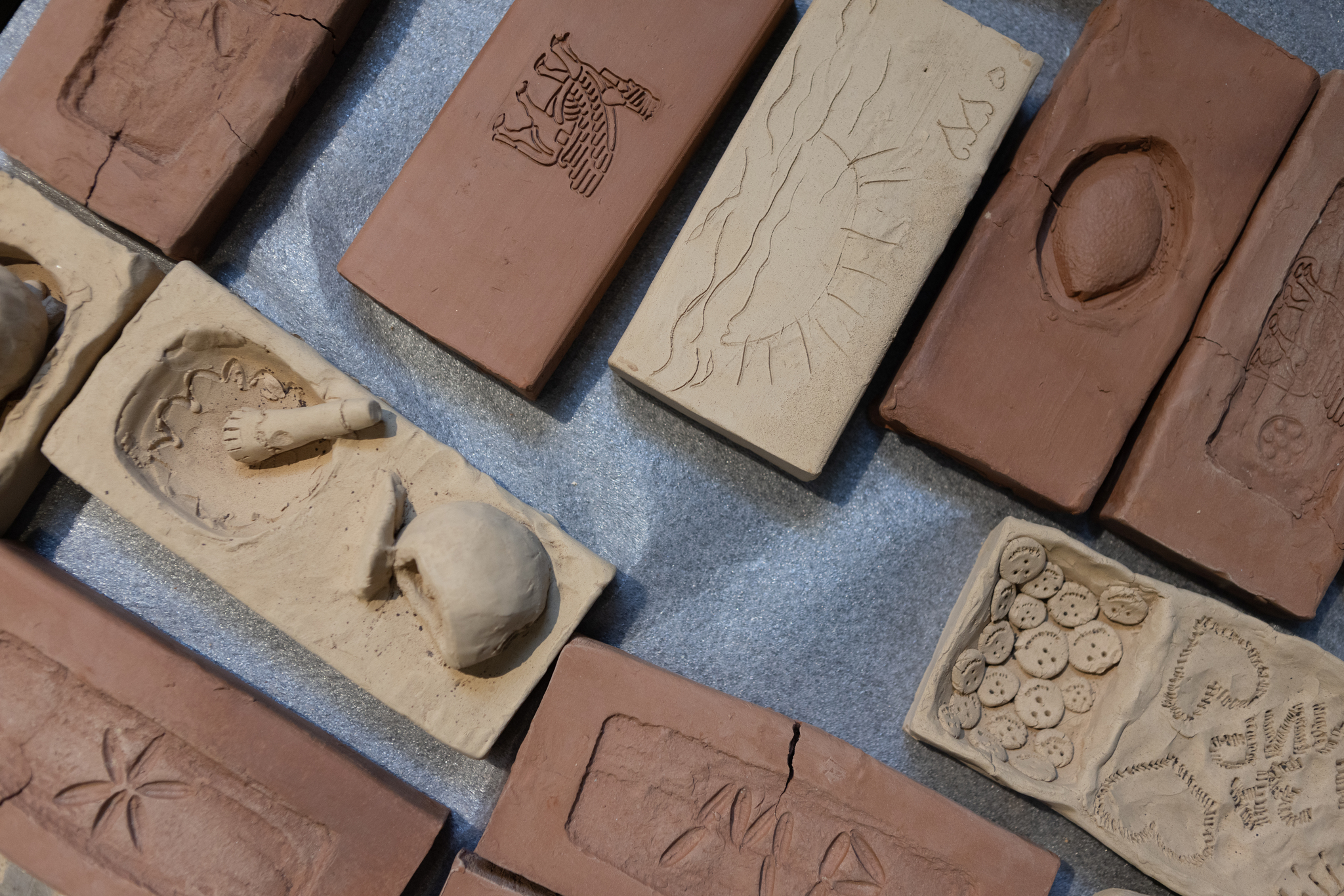
Michael Rakowitz began developing this new work in Athens in early 2026, inviting members of different communities – citizens, refugees and people from the diaspora – to take part in workshops and create imprints of memory.
The first gallery features a short introductory video in which the artist speaks about the project, while the names of all the participants are displayed on the wall.
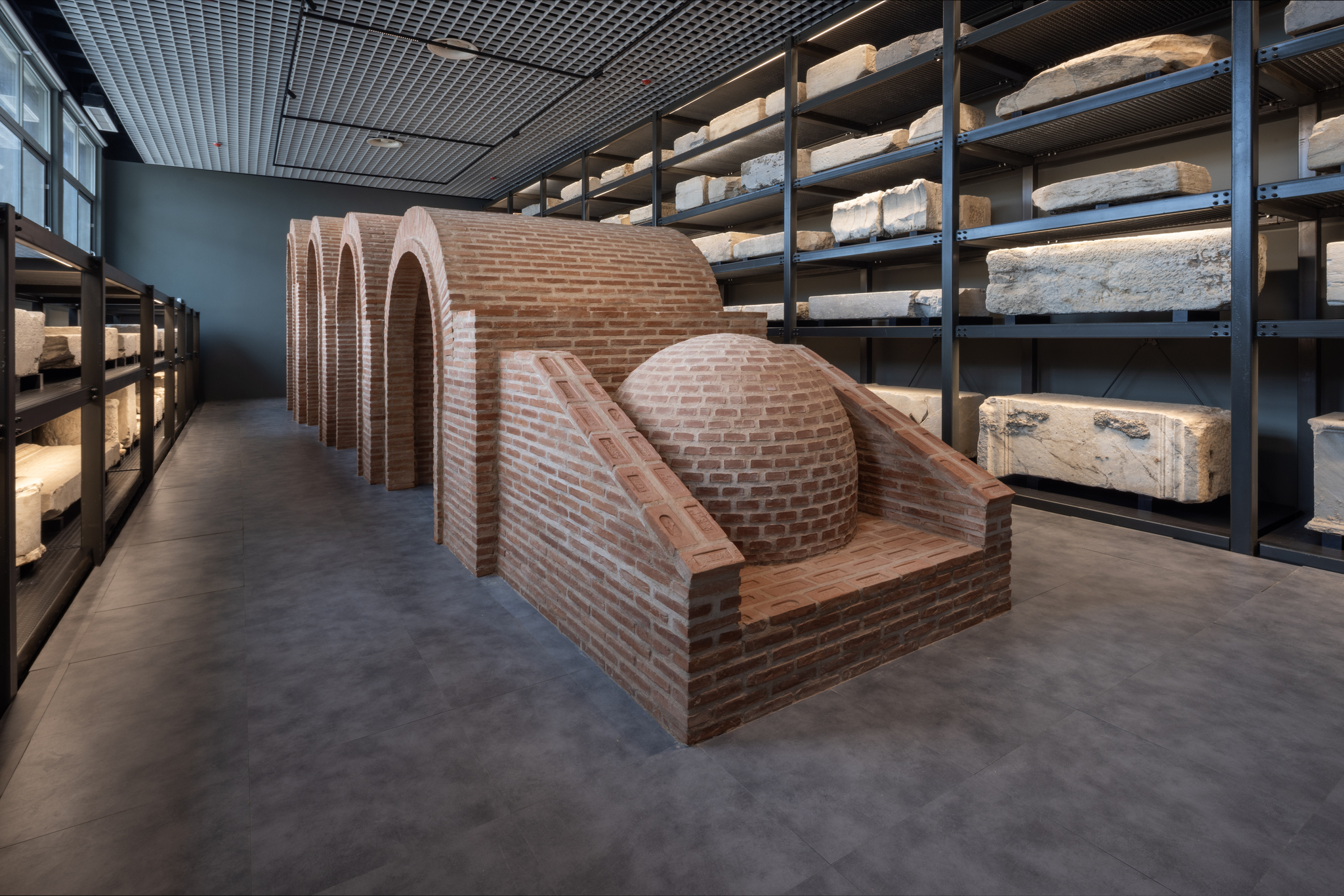
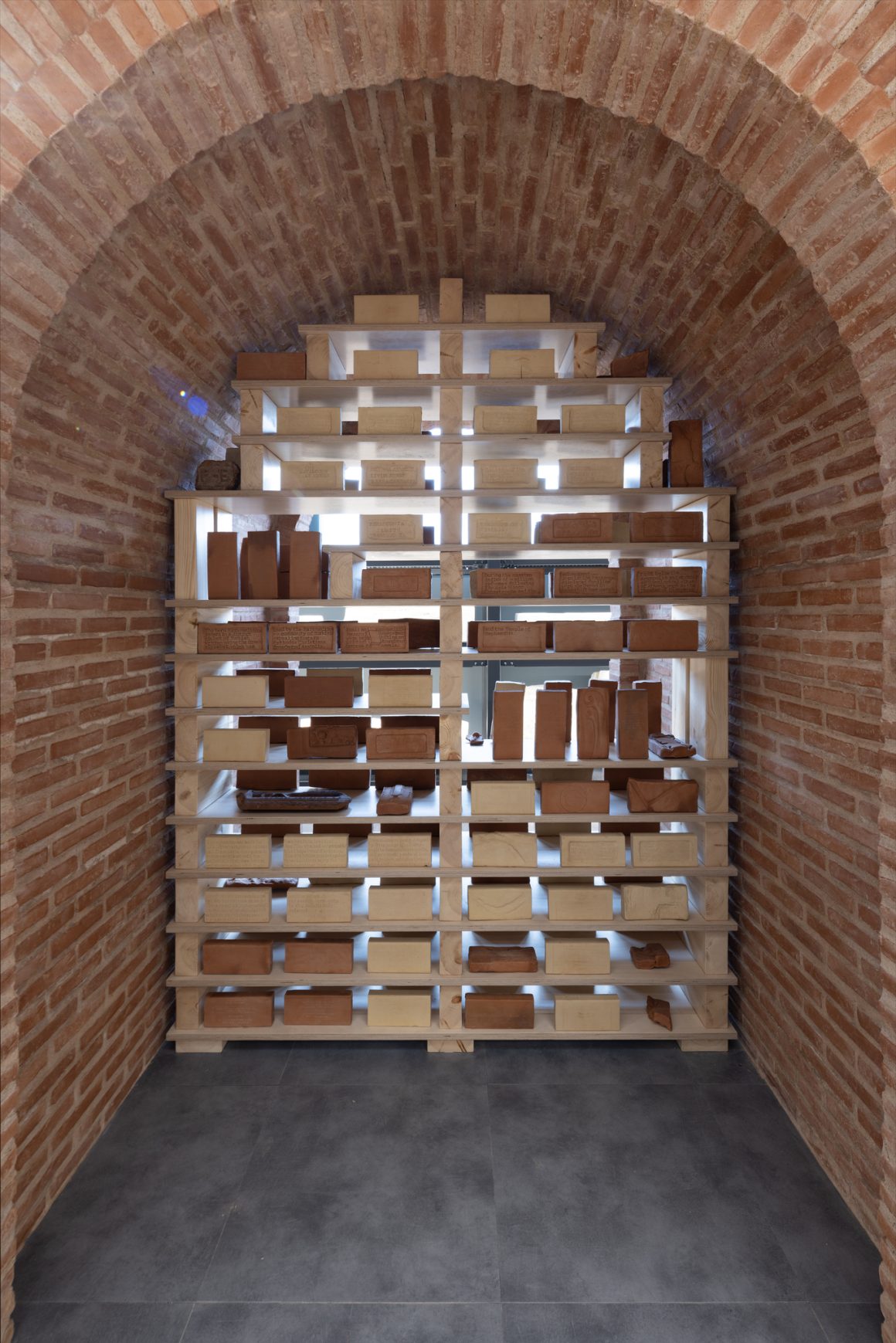
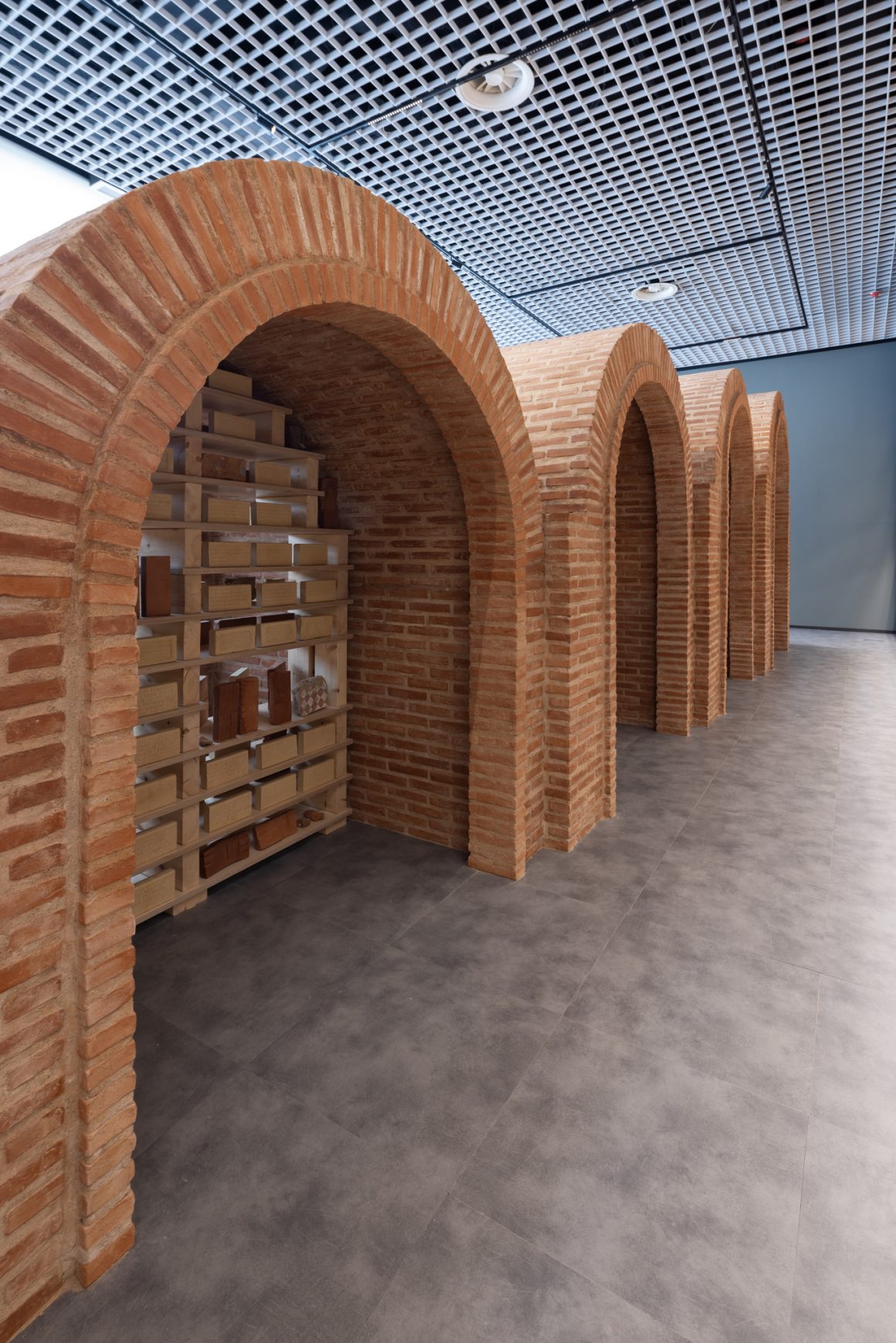
The main exhibition space is devoted to the new commission by Michael Rakowitz. At its centre stands a kiln: a large-scale sculptural structure whose form evokes traditional stepped ceramic kilns. It is made of 11,000 bricks, onto which the artist has reproduced original inscriptions bearing the names of cities in both Greek and Ottoman script. These are the places from which refugees came during the population exchange between Greece and Turkey in the 1920s.
As Michael Rakowitz explains, the inscriptions are particularly revealing: “Greek communities in Asia Minor used Greek letters to write the Ottoman names of cities, while Ottoman populations in Greece used Ottoman script to write the Greek names. These transliterations offer a glimpse into the pluralistic societies that shaped these different places, while the bricks themselves contain clay drawn from the earth, from the soil of those very lands. Through forced migration, the brick changed its meaning: from foundation to ruin, from a component of the home to a component of the diaspora.”
The sculptural structure takes the form of a kiln as “a promise that it can be used and continue to produce bricks for the construction of new homes, which will also serve as a testament to those left behind and those we continue to long for”, says Rakowitz.
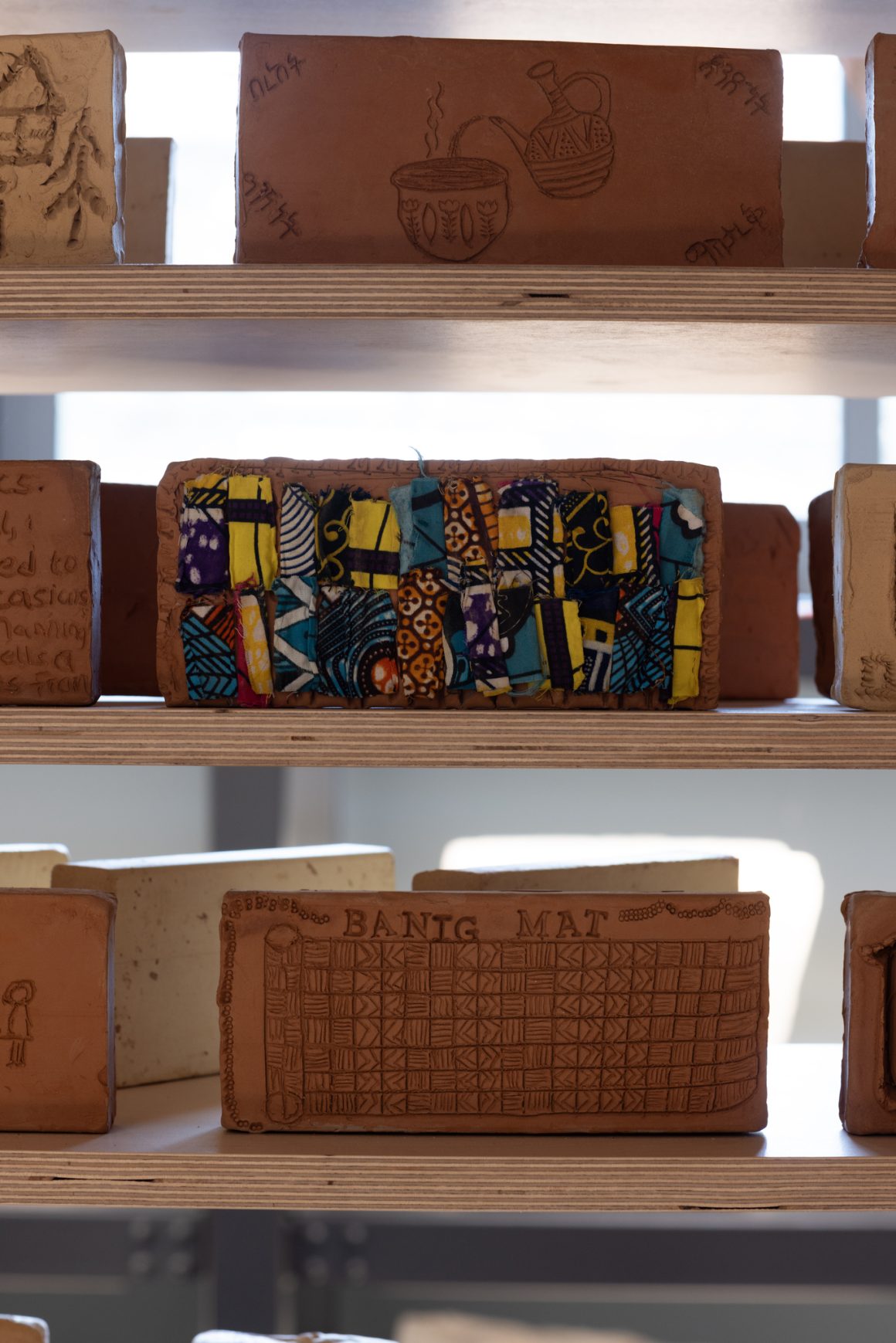
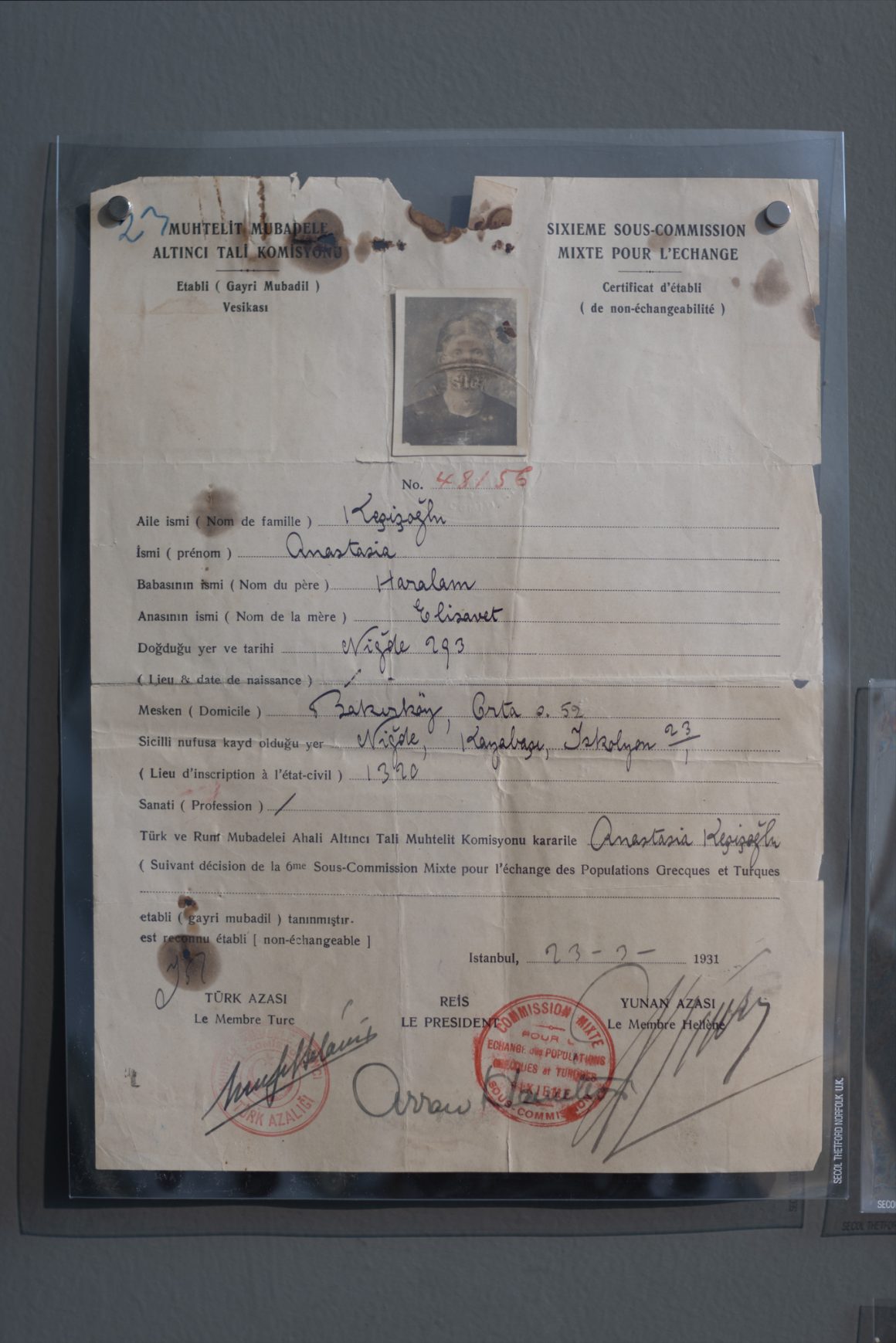
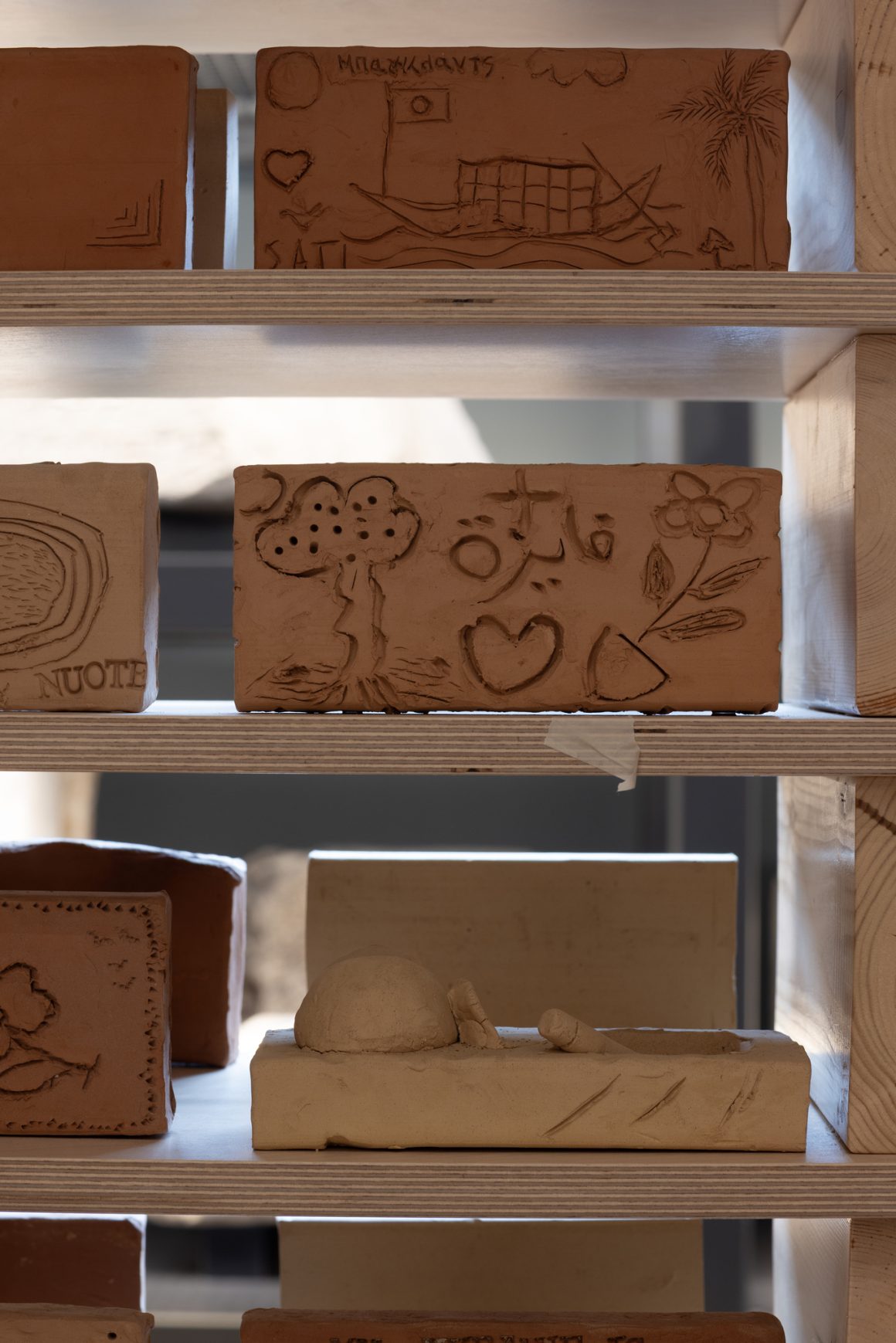
Inside each of the sculpture’s arches, shelves display new bricks bearing the artist’s designs, which incorporate song lyrics, historical and administrative documents relating to the population exchange, poems and literary texts in Karamanli – a form of Turkish written in Greek characters and used by Turkish-speaking Orthodox Christians in the Ottoman Empire. Alongside these are new bricks made by the workshop participants in collaboration with the artist. They include descendants of refugees from Asia Minor and migrants living in contemporary Athens from Ukraine, Palestine, the Philippines, Afghanistan, Iraq, Bangladesh, Morocco, Nigeria and elsewhere. The bricks carry imprints of personal belongings they brought with them, keepsakes from their places of origin, or inscriptions of words that encapsulate the experience of displacement. Also on display are old bricks collected by the artist from the ruins of houses in Greek neighbourhoods of Smyrna and Constantinople.
The installation thus becomes a meeting point for different eras and geographies, with each brick bearing a distinct kind of trace: inherited, documented, imprinted or made by hand.
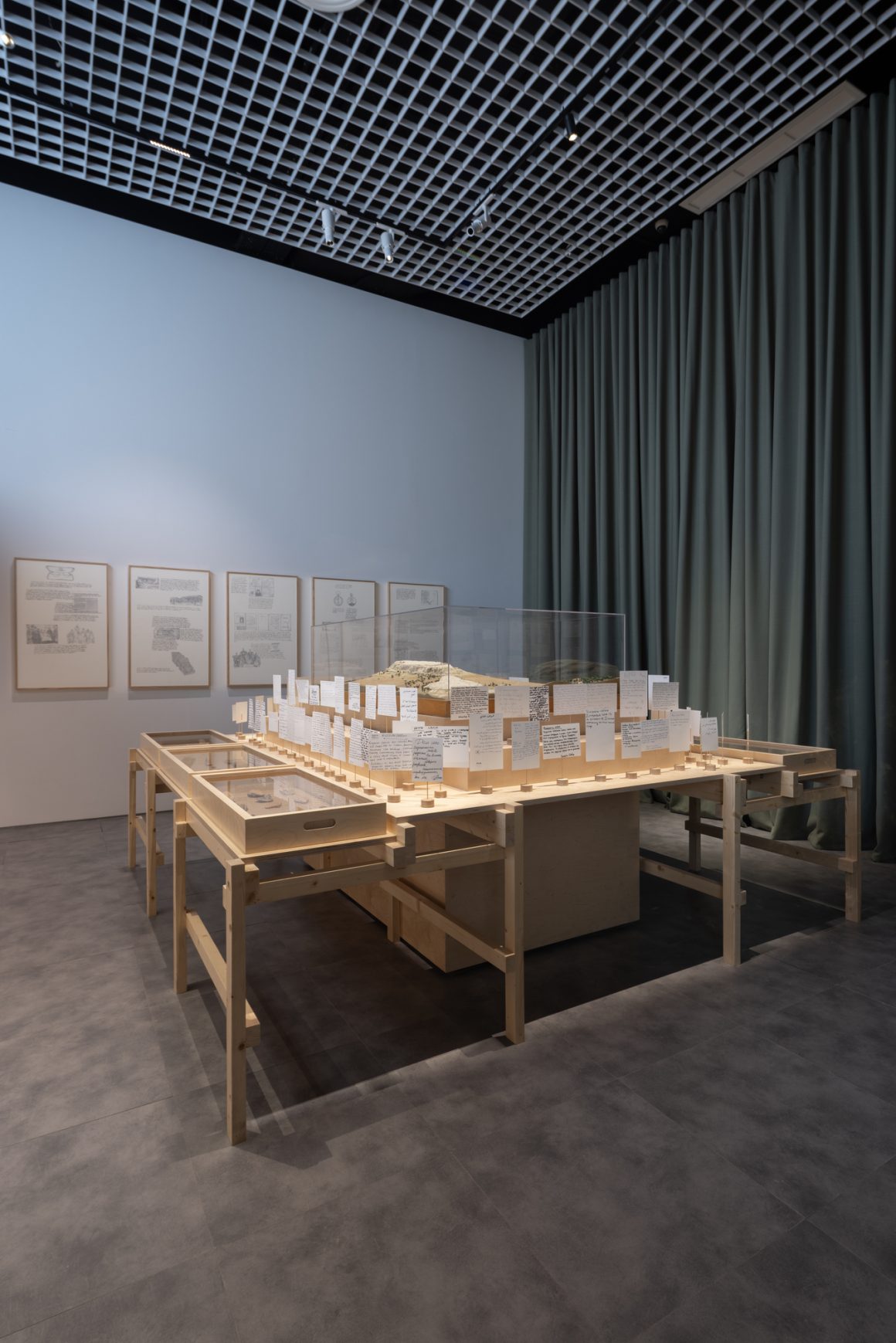
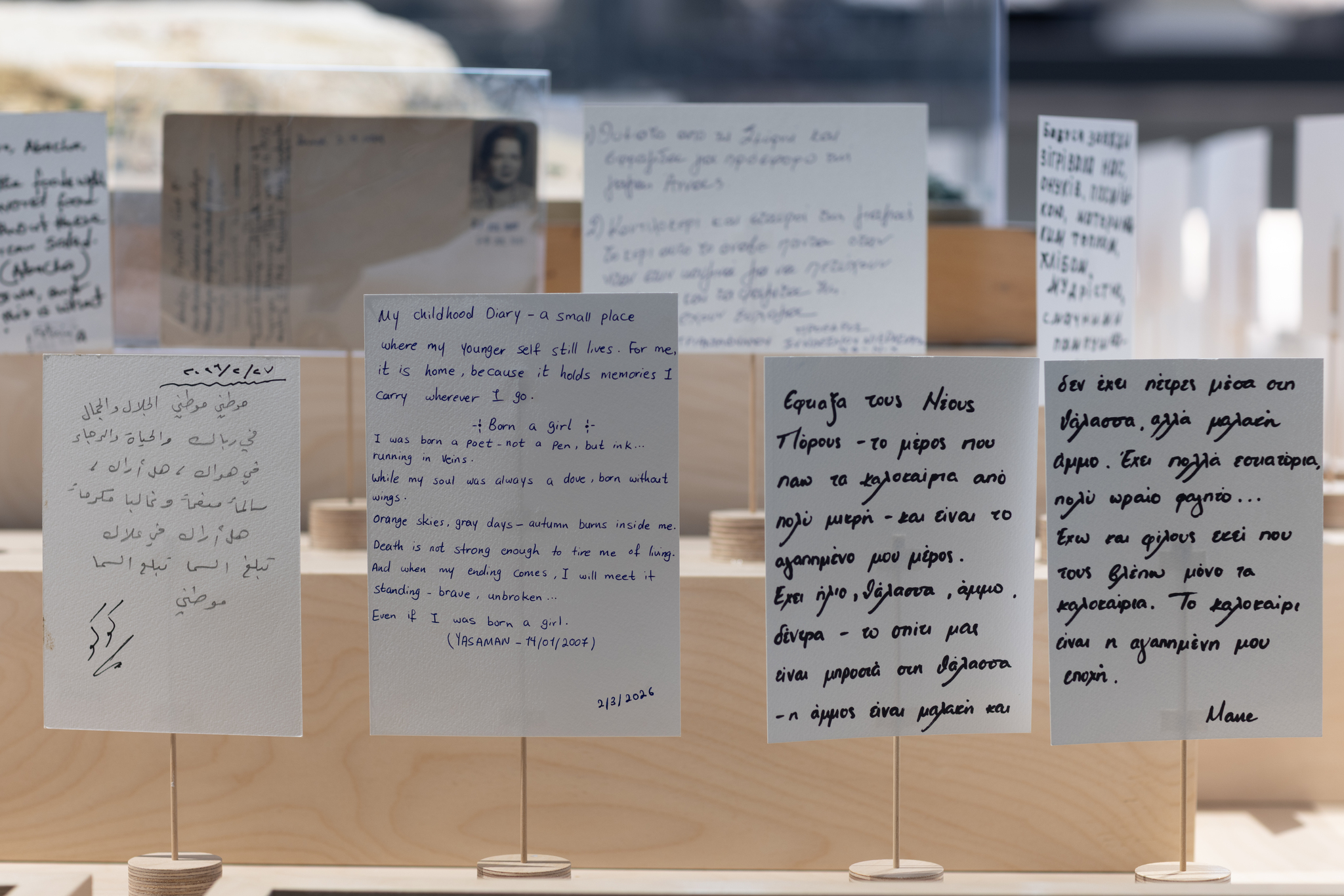
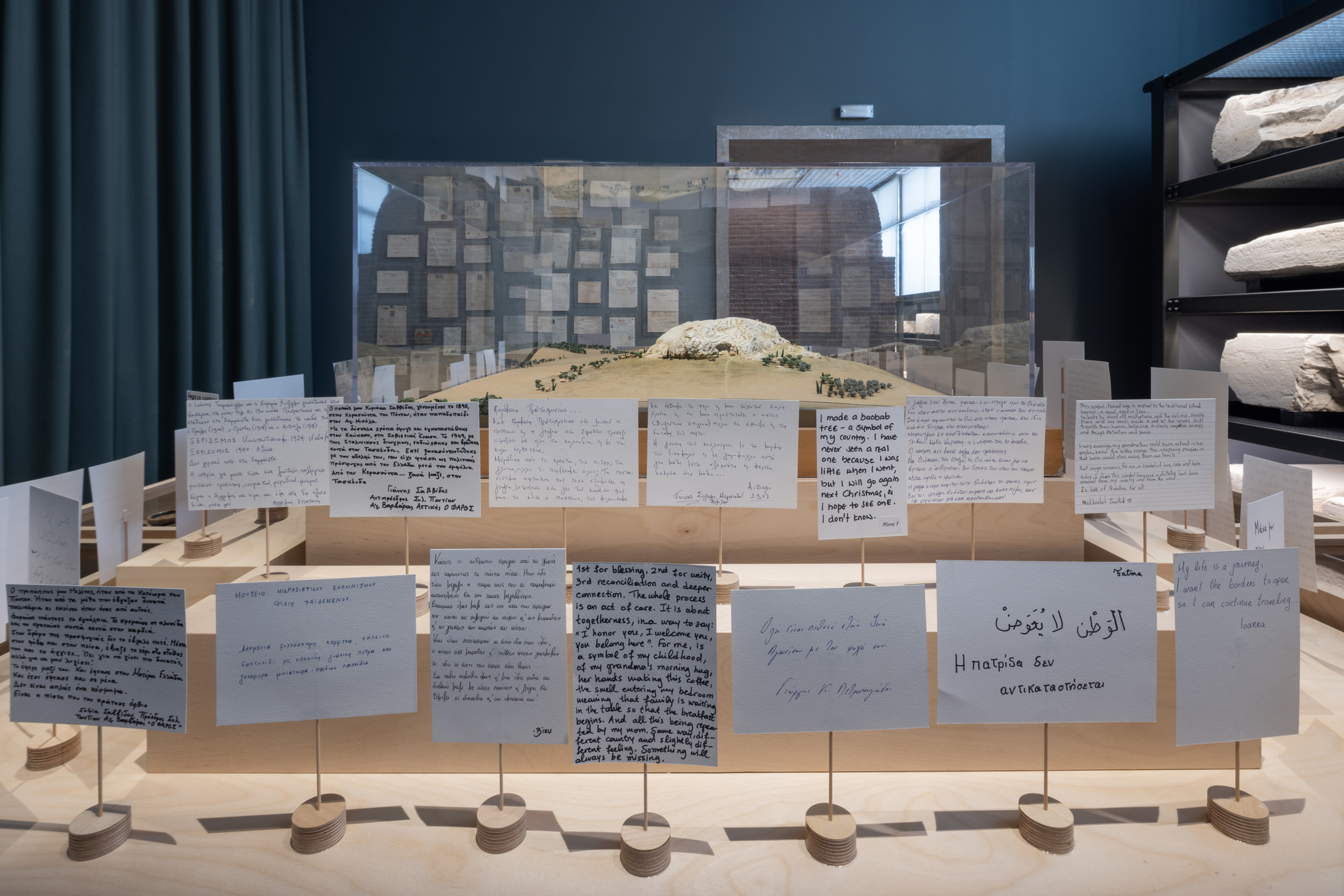
The third gallery centres on a model of the Acropolis Rock as it appeared in the fourth millennium BC, before the construction of the Parthenon. Surrounding it are testimonies from people of different generations and backgrounds who were forced to leave their places of origin and seek refuge in Greece. These accounts are framed by display cases containing pottery sherds from finds at the Ancient Agora of Athens. The gallery will also host a new commission, the performance Shetakha for Athens, a storytelling work in which the artist explores questions of cultural heritage and memory through a selection of specific objects.
A series of the artist’s drawings is displayed on the wall, alongside objects imbued with personal memory and archival material, including administrative and commercial documents, photographs and correspondence. Together, they bear witness to multiculturalism, loss and the need for continuity.
The collaboration between the Hellenic Ministry of Culture, the Acropolis Museum and the Ephorate of Antiquities of Athens, together with NEON, gives rise to an in-depth dialogue between contemporary artworks and ancient exhibits, bringing to the fore enduring themes of cultural heritage, loss and restoration, survival and the creation of culture. Greek antiquities and objects from ancient civilisations of the southeastern Mediterranean and the Middle East engage in a dialogue with the multifaceted work of internationally acclaimed contemporary artist Michael Rakowitz, which lies at the heart of the exhibition.
The first instalment of the trilogy was the exhibition Allspice | Michael Rakowitz & Ancient Cultures, curated by Professor Nikolaos Stampolidis, General Director of the Acropolis Museum, and Elina Kountouri, Director of NEON. Presented in the Museum’s Temporary Exhibitions Gallery – with the conspicuous absence of the Parthenon sculptures creating a space of its own – Greek antiquities and objects from ancient civilisations of the southeastern Mediterranean and the Middle East entered into dialogue with Rakowitz’s multifaceted practice, unfolding stories of colonialism and the looting of museums and their collections.
The second instalment presented The Invisible Enemy Should Not Exist, Lamassu of Nineveh (2018) in the outdoor grounds of the Acropolis Museum. Created as a commission for the Fourth Plinth in London’s Trafalgar Square, Lamassu of Nineveh (2018) is an extension of the artist’s series The Invisible Enemy Should Not Exist. Rakowitz’s Lamassu is made from Iraqi date-syrup cans and “reimagines” the approximately 4.3-metre-long statue of the winged bull, the protective Assyrian deity that stood at the entrance to the Nergal Gate of Nineveh from around 700 BC until February 2015, when ISIS destroyed it along with artefacts in the nearby Mosul Museum.
Part Three: What We Leave Behind Is Not Only What Is Engraved | Michael Rakowitz & Ancient Cultures
Curated by: Elina Kountouri, Director of NEON
Old Acropolis Museum
23 November 2026 – 2028
Περιέγραψε μας με τρεις λέξεις τον εαυτό σου
Παρατηρητική,
Απρόβλεπτη,
Ανοιχτή
3 coffee table books στο τραπέζι σου
Αυτή την περίοδο στο τραπέζι μου βρίσκονται τρία βιβλία που με εμπνέουν για διαφορετικούς λόγους:
- Ένα αφιερωμένο στην Elsa Peretti, που με συγκινεί για την καθαρότητα και την τόλμη της στη φόρμα.
- Το Καλοκαίρι του Albert Camus — ένα βιβλίο που κουβαλά φως, στοχασμό και μια βαθιά σχέση με το τοπίο, τη σιωπή και την ένταση του απλού.
- Και ένα βιβλίο για το Studio KO, το οποίο αγαπώ για τον τρόπο που προσεγγίζουν την αρχιτεκτονική σαν κάτι ταυτόχρονα λιτό, υλικό και συναισθηματικό.
Αν έφευγες εσπευσμένα από το σπίτι ποια τρια πράγματα θα έπαιρνες μαζί σου
Αν έπρεπε να φύγω εσπευσμένα από το σπίτι, χωρίς πολλή σκέψη, θα έπαιρνα:
- Το βραχιόλι της μητέρας μου, που της το είχε χαρίσει ο πατέρας μου — έχει για μένα ιδιαίτερη αξία, γιατί μέσα σε ένα αντικείμενο κουβαλά και τους δυο.
- Τα σκουλαρίκια D, γιατί ήταν το πρώτο σχέδιο που κατασκεύασα μόνη μου και νιώθω ότι φέρουν όλη την αρχική ιδέα και την πρόθεση της δουλειάς μου.
- Και ένα πουκάμισο του συντρόφου μου, που συχνά φοράω — για την αίσθηση οικειότητας και παρουσίας που μου δίνει, σαν μια αγκαλιά που παίρνω μαζί μου.