Tell us about your journey. How did it all begin, and how has your path evolved?

My journey has always been driven by creativity and an innate desire to seek and nurture beauty. I have taken many turns and worn many hats, trusting that one day all that experience and hard work would come together.

This past September marked twenty years since I took my first steps at business school in Milan. I could never have imagined where I would be today, or the journey that would bring me here. From building wings for the Victoria’s Secret Fashion Show to heading marketing for Dolce & Gabbana in the Middle East, I experienced the extraordinary machinery behind fashion. It taught me how to connect imagination with execution, how to collaborate and how much work goes into making something appear effortless.

Over time, I began giving more space to my own artistic voice. Today, my work as an artist and creative consultant brings those experiences together. Looking back, I can see how each chapter helped prepare me for the next.

Having established a creative studio that now works across so many disciplines, what would you say is your greatest strength, and what is the most challenging aspect?

My strength is connecting things: an artistic idea with a business need, a brand with the right collaborator, or a story with the right visual expression. I can move between the overall direction and the small detail that makes it convincing and give it a soul.

The challenge is giving every project the attention it deserves while protecting time for new ideas. When curiosity is your driving force, you also have to learn to be decisive. 

What have been the highlights of your career?

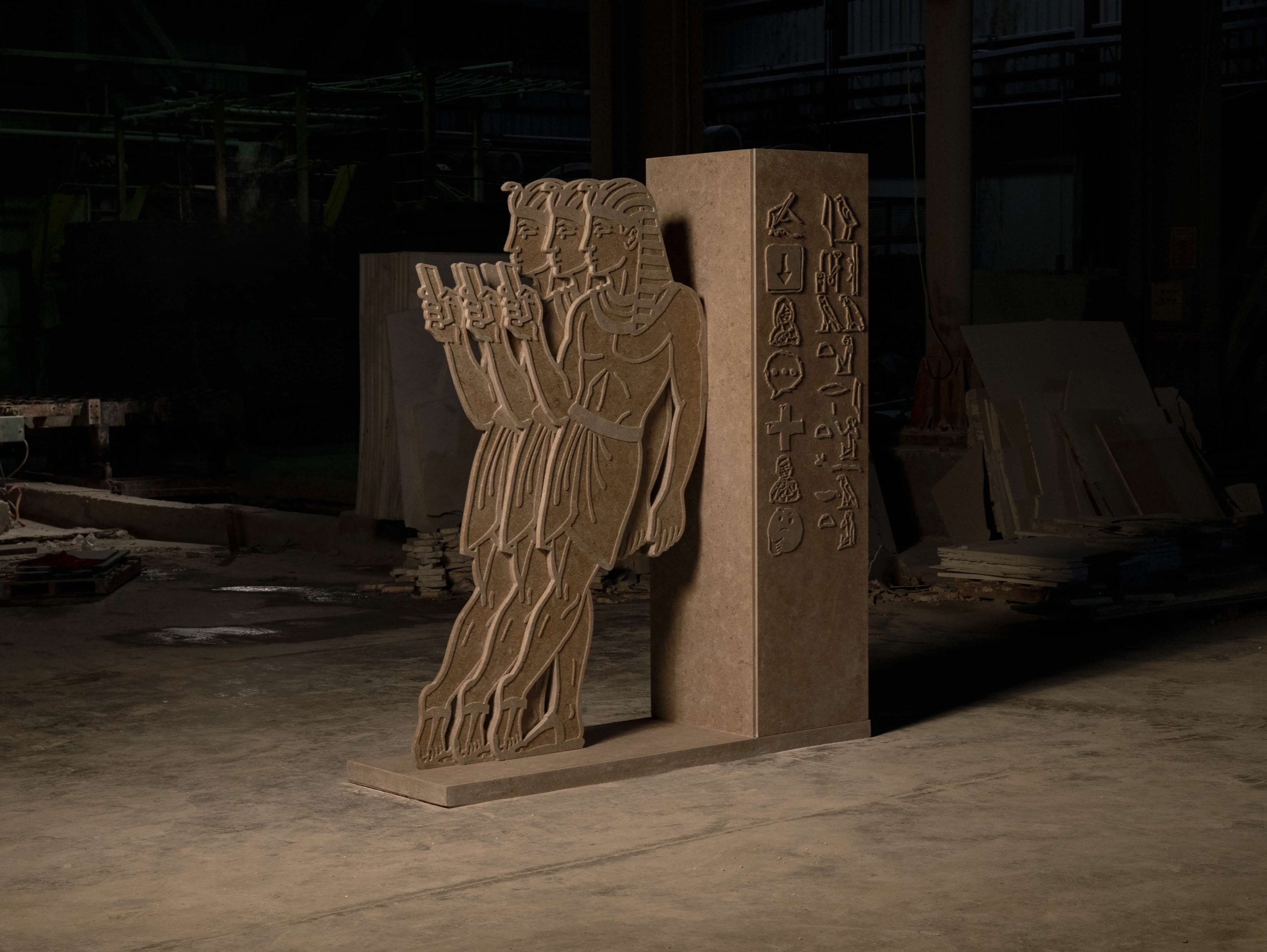
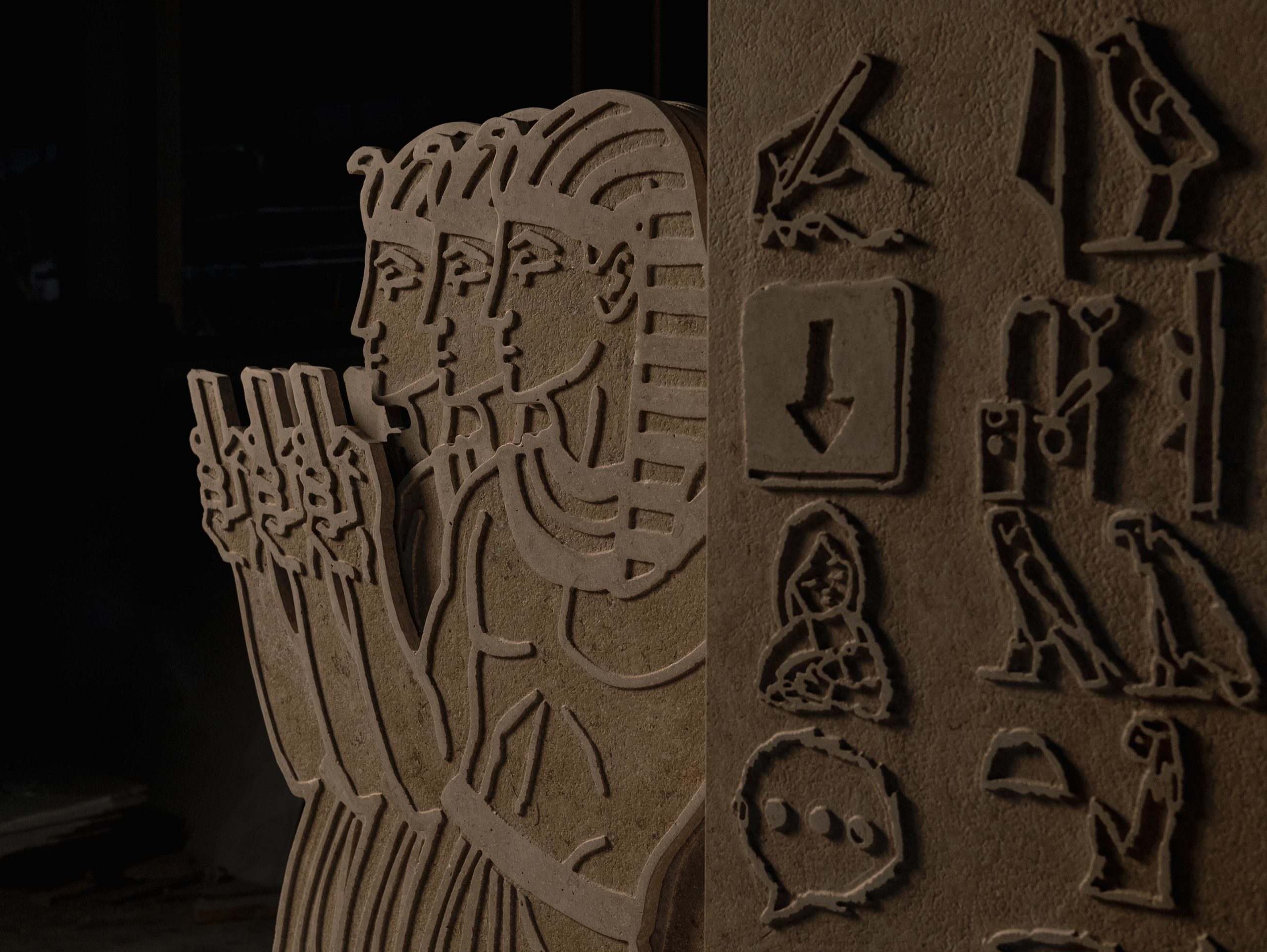
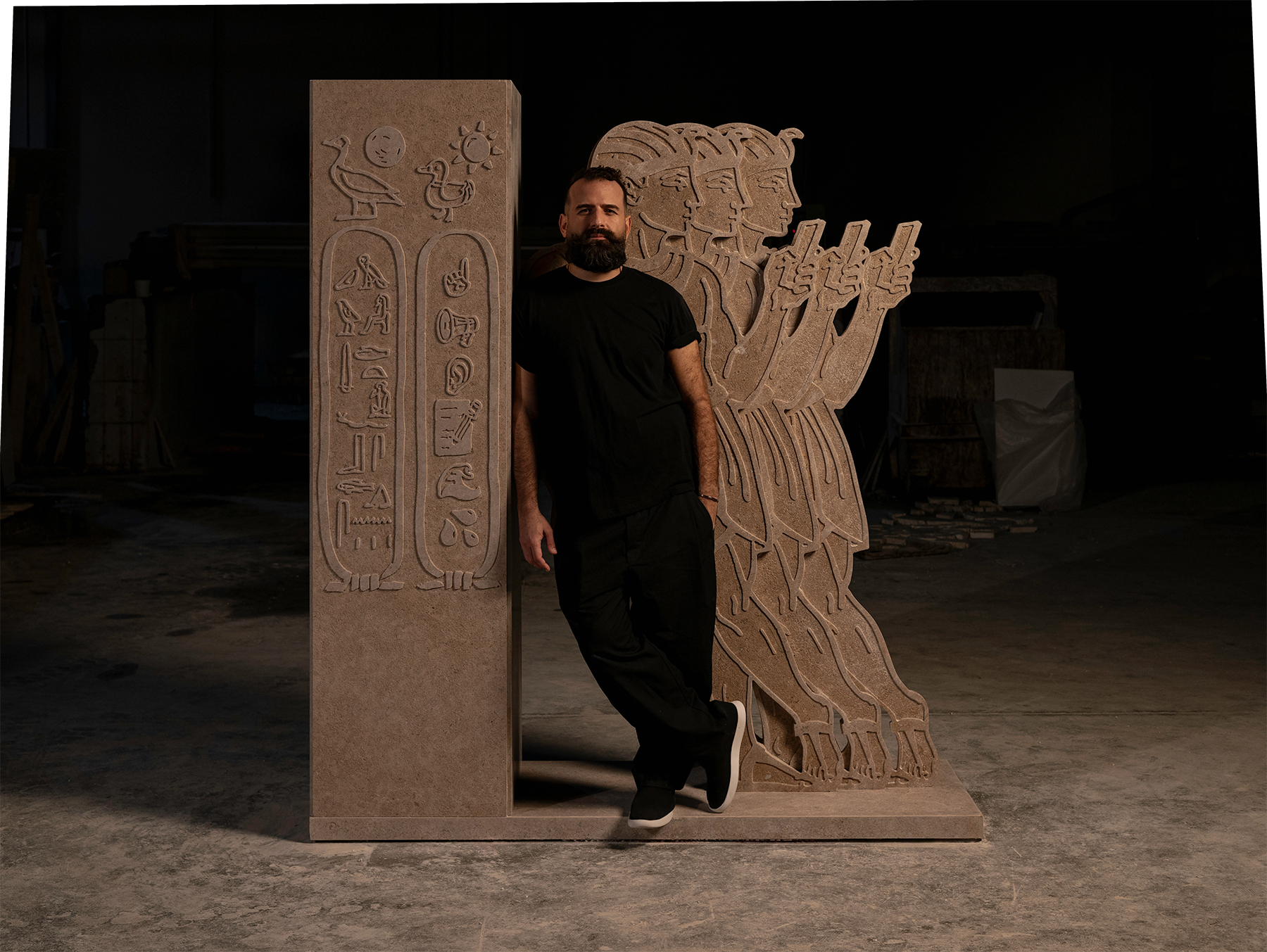
Presenting my sculpture Influencer the 1st at the Archeological Museum in Cairo was particularly meaningful. Mythology has occupied my imagination since childhood, so having my work enter that setting felt extraordinary.

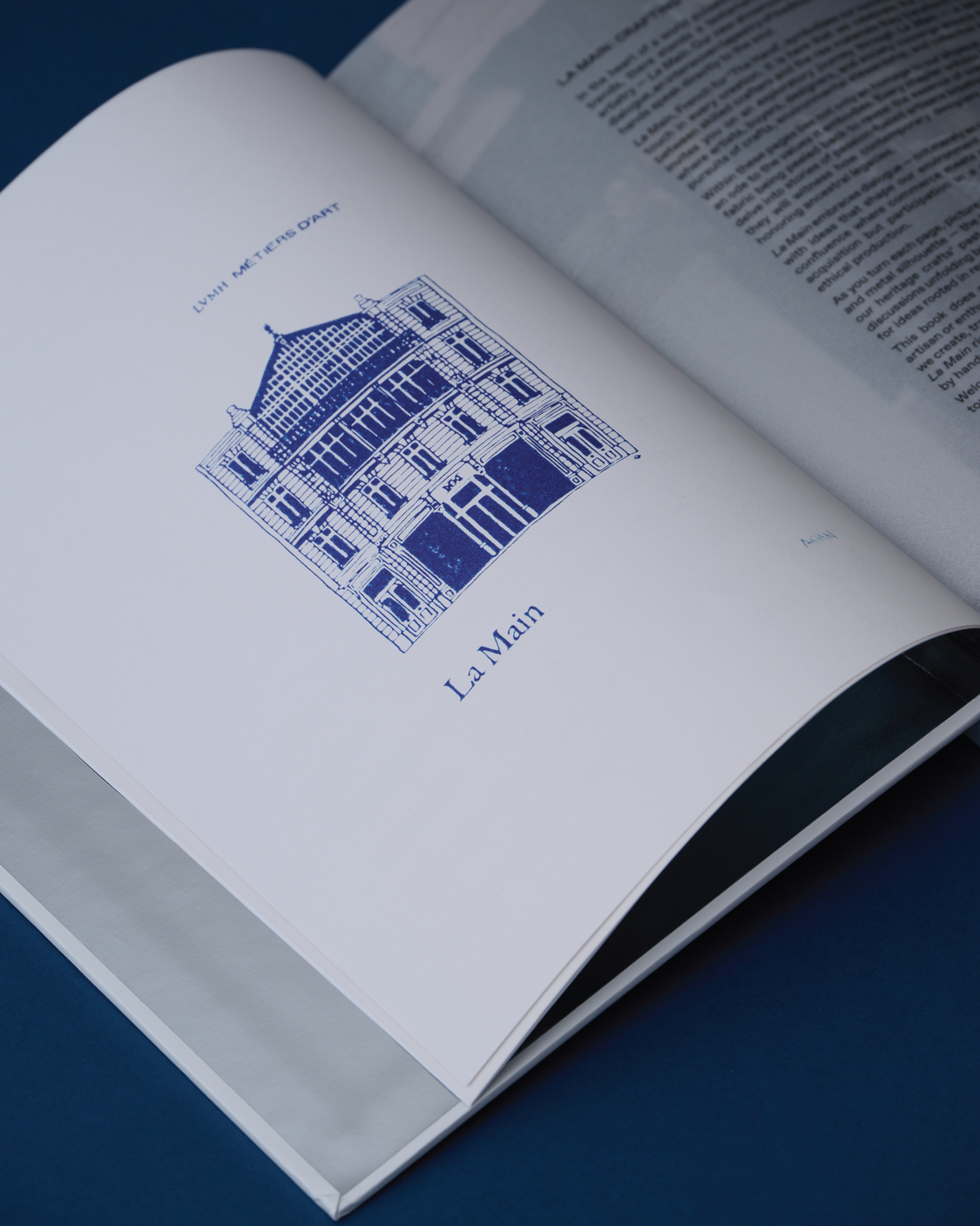
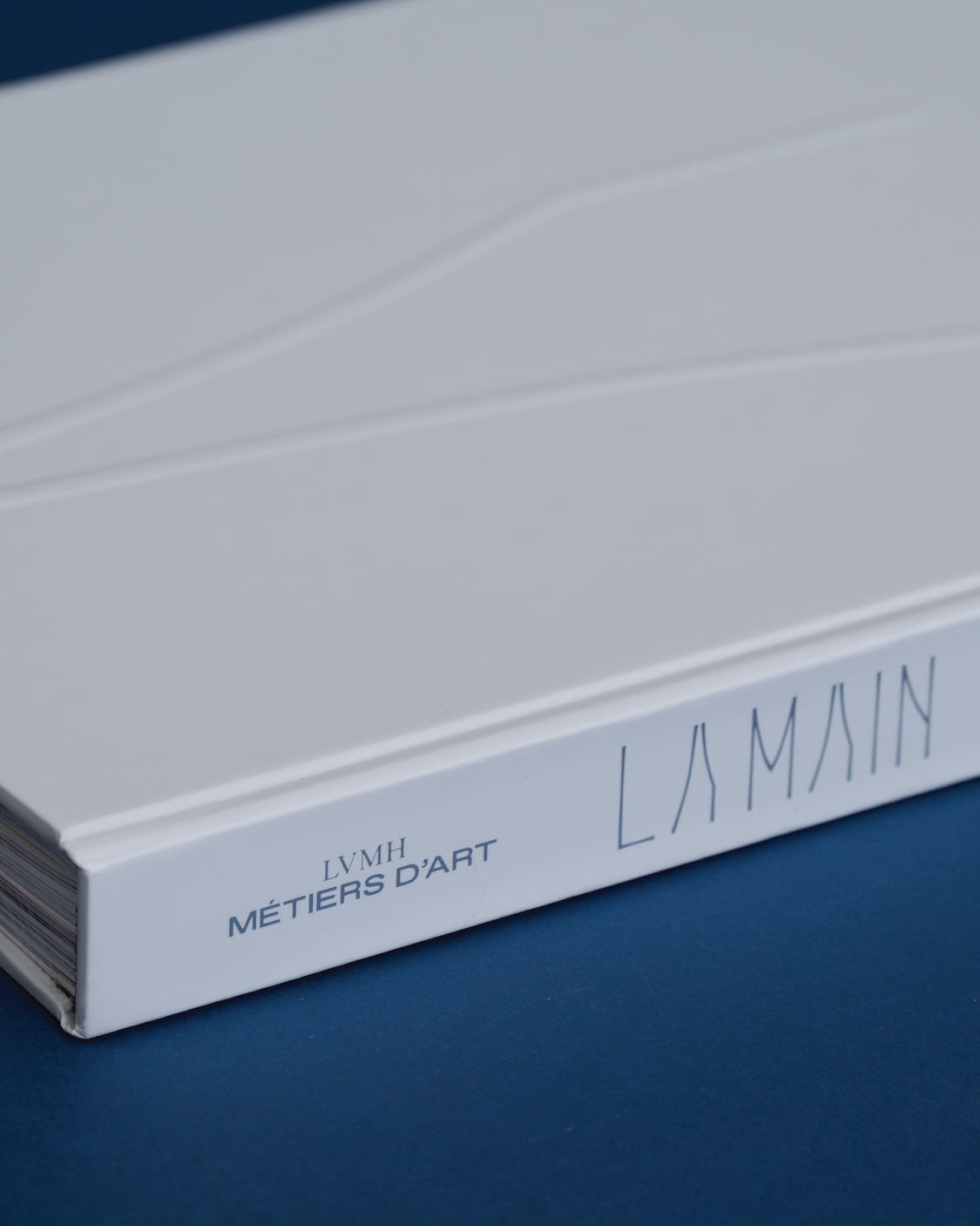
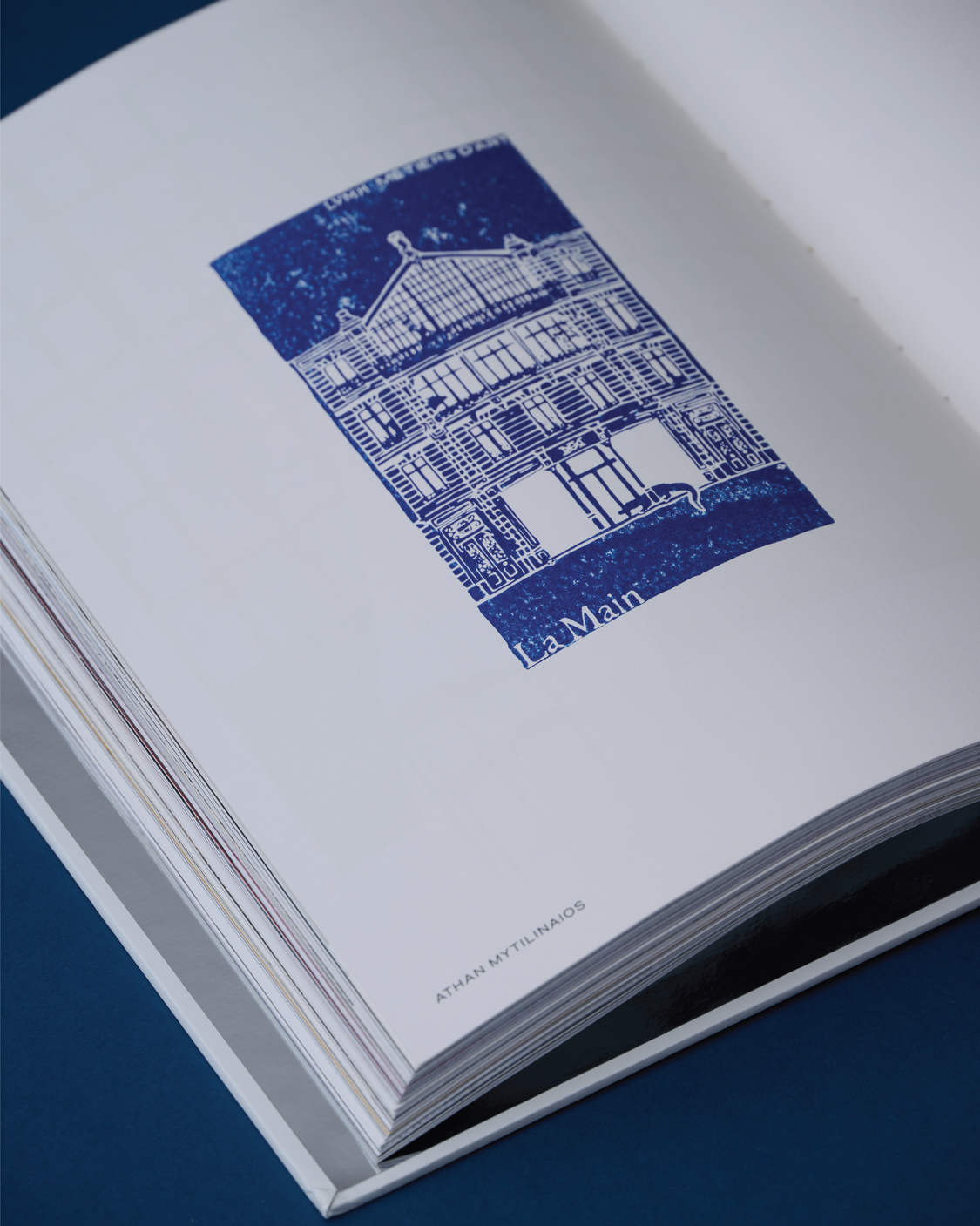
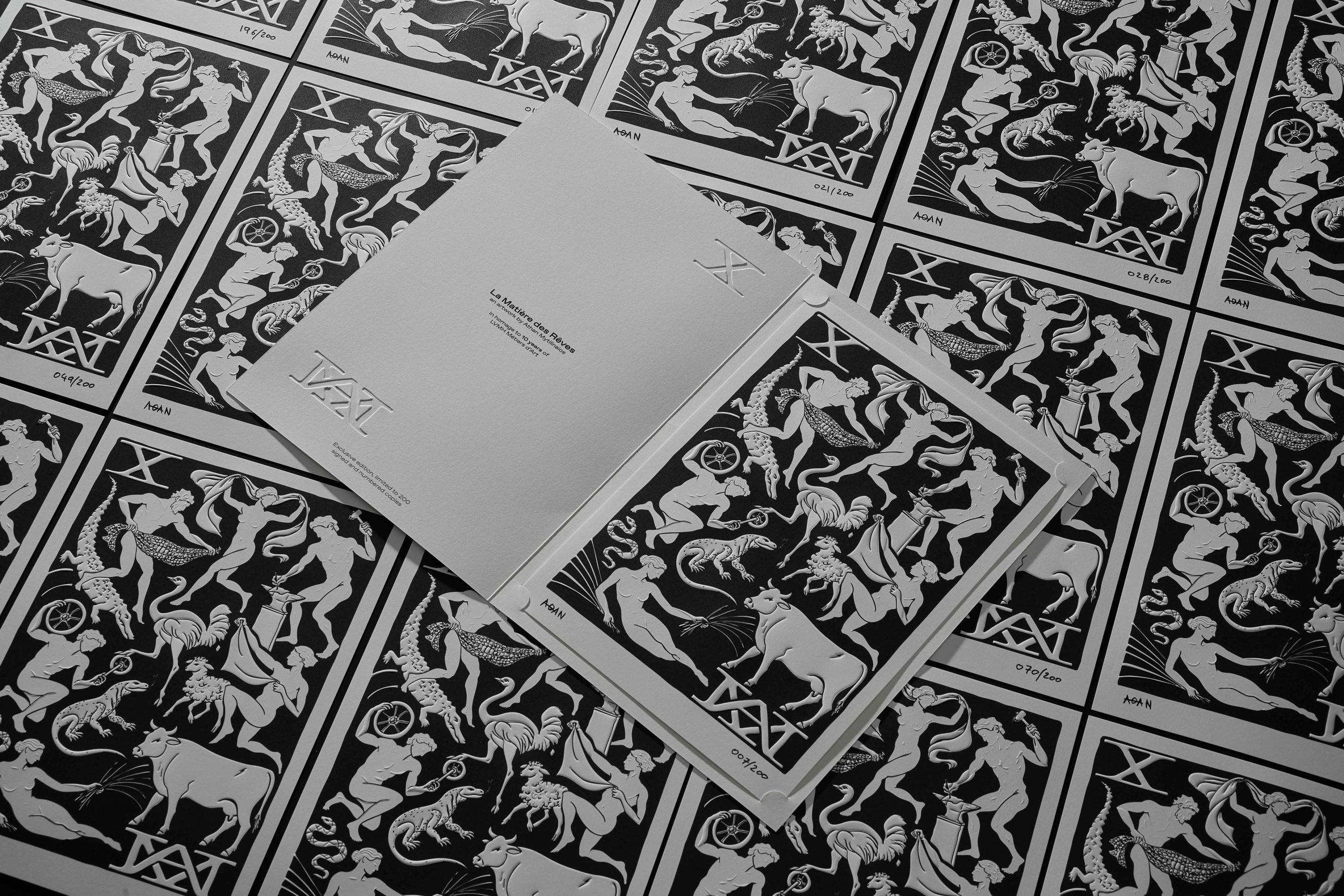
Creating work for LVMH Métiers d’Art was another milestone, as is my ongoing collaboration with Hemmerle.

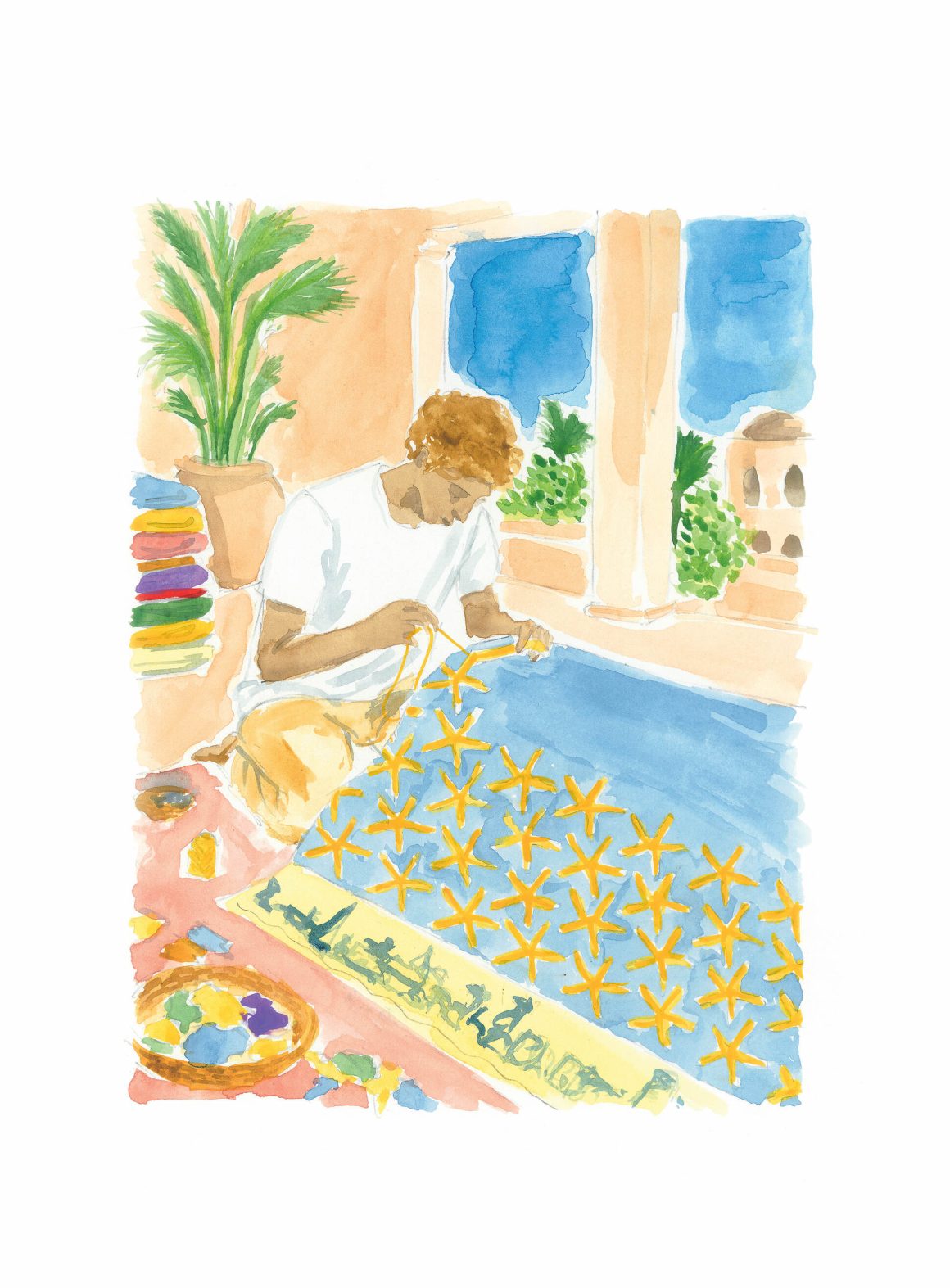
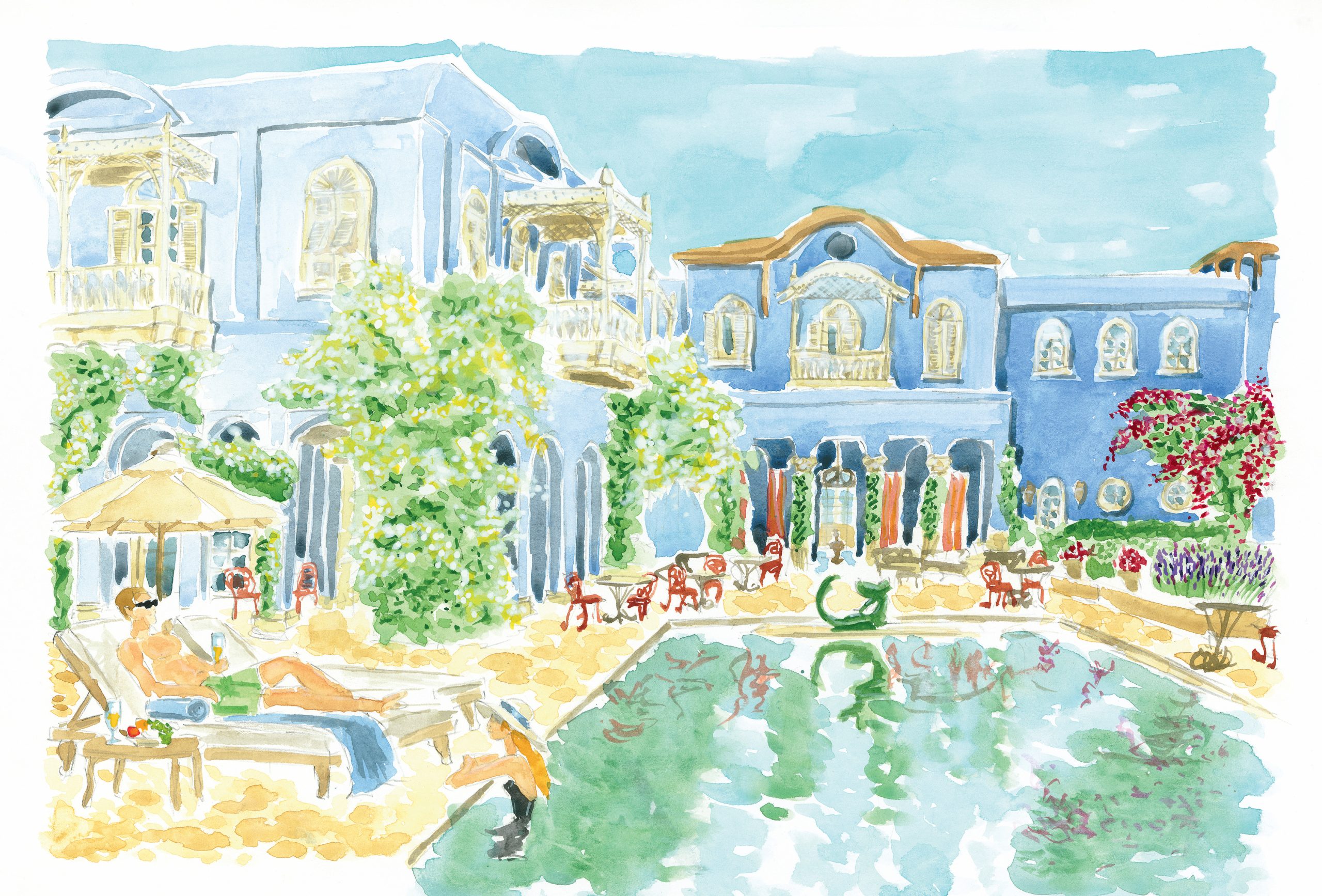
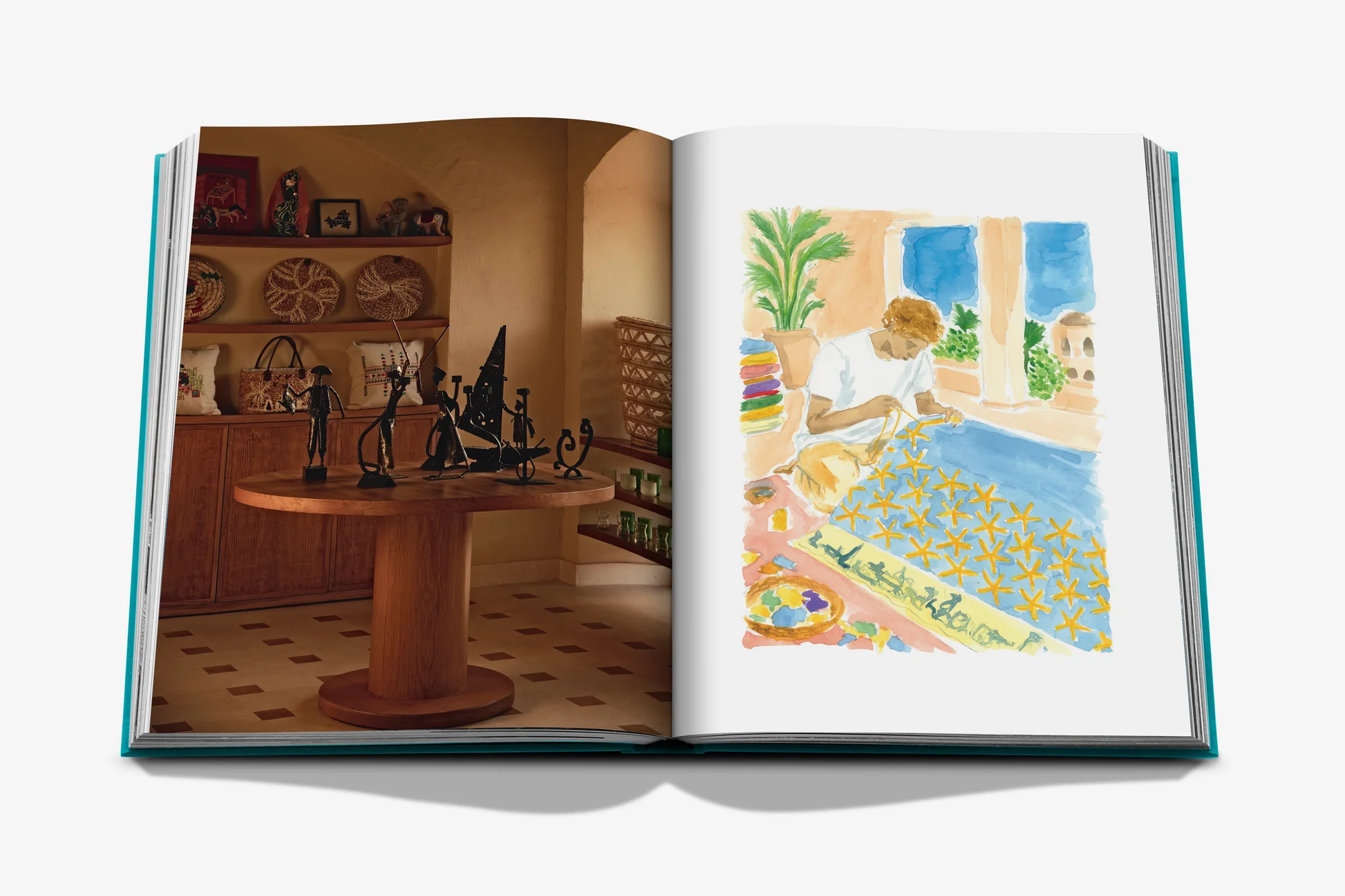
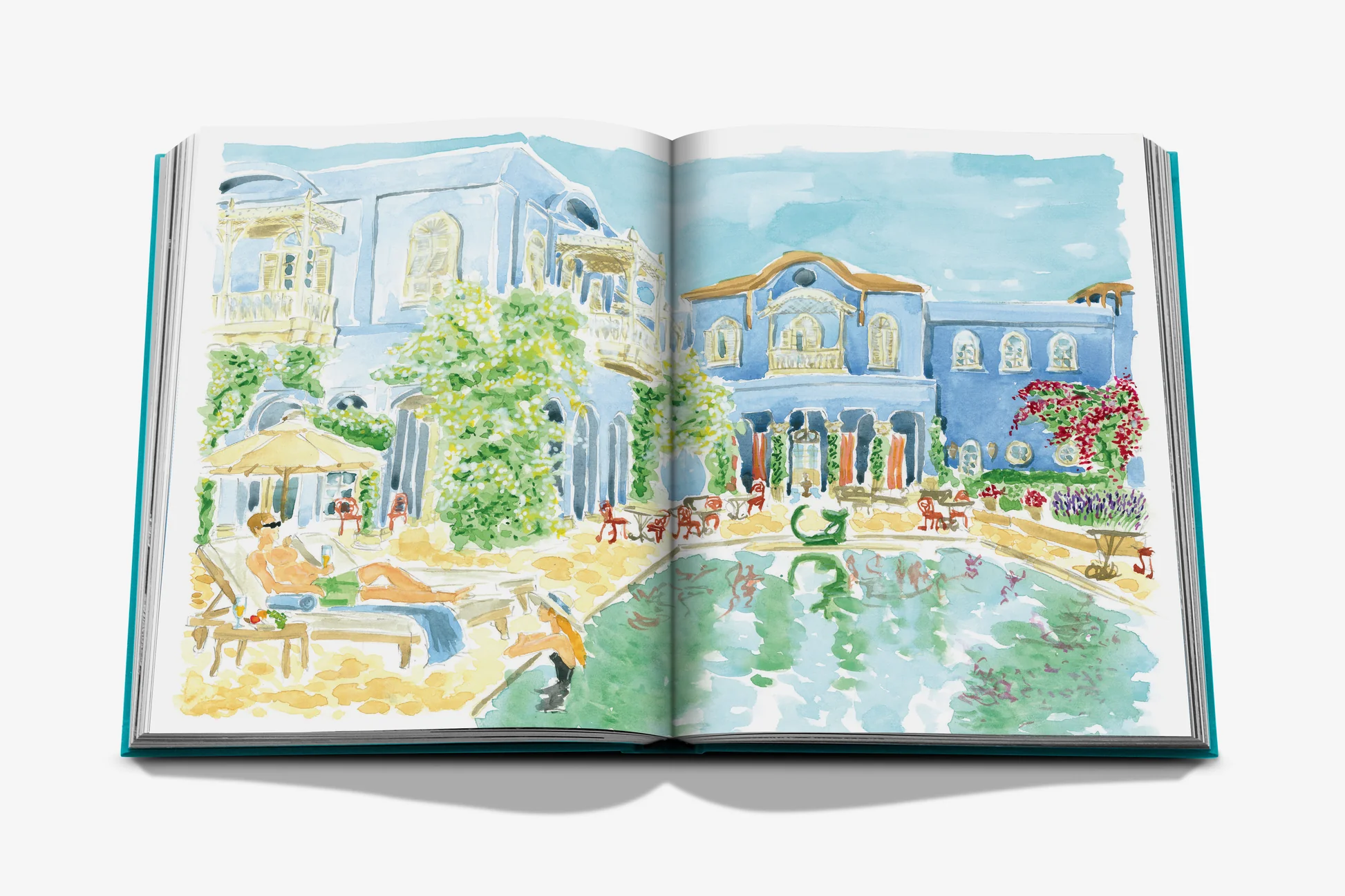
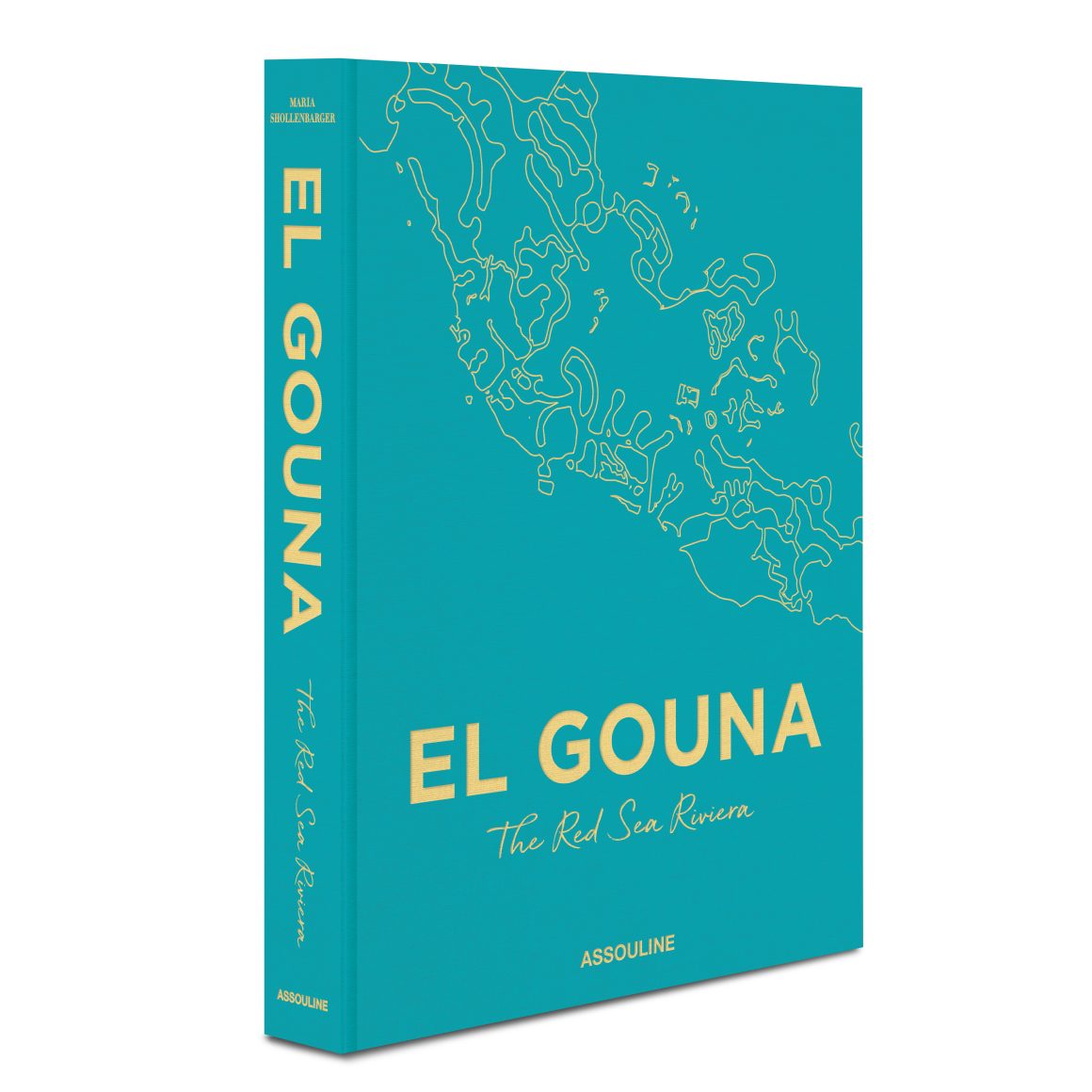
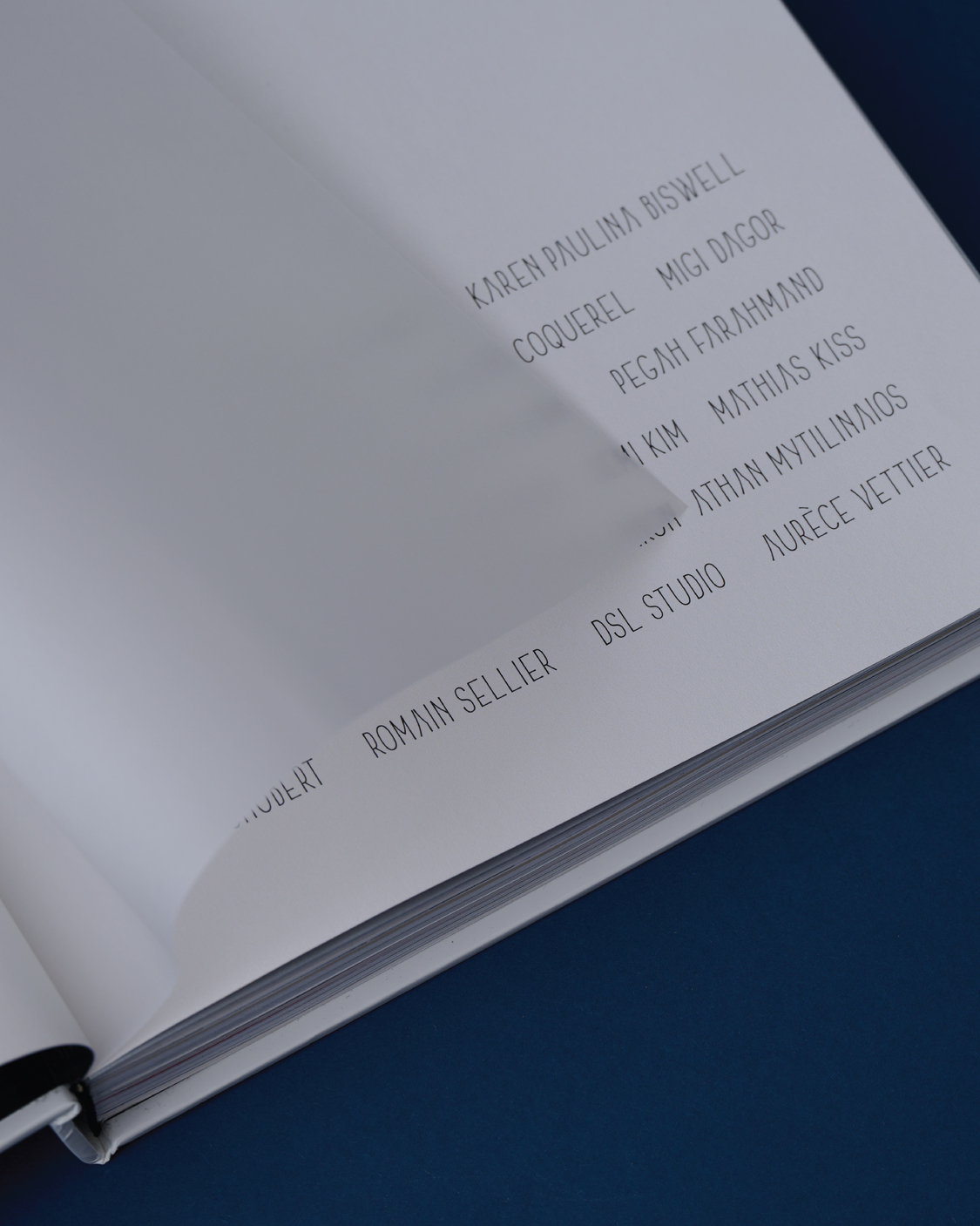
Most recently, designing the cover and illustrations for ASSOULINE’s El Gouna: The Red Sea Riviera has been a very special experience. Working alongside Maria Shollenbarger and Felix Speller, with each of us contributing a different way of seeing the same place, gave the project its richness.

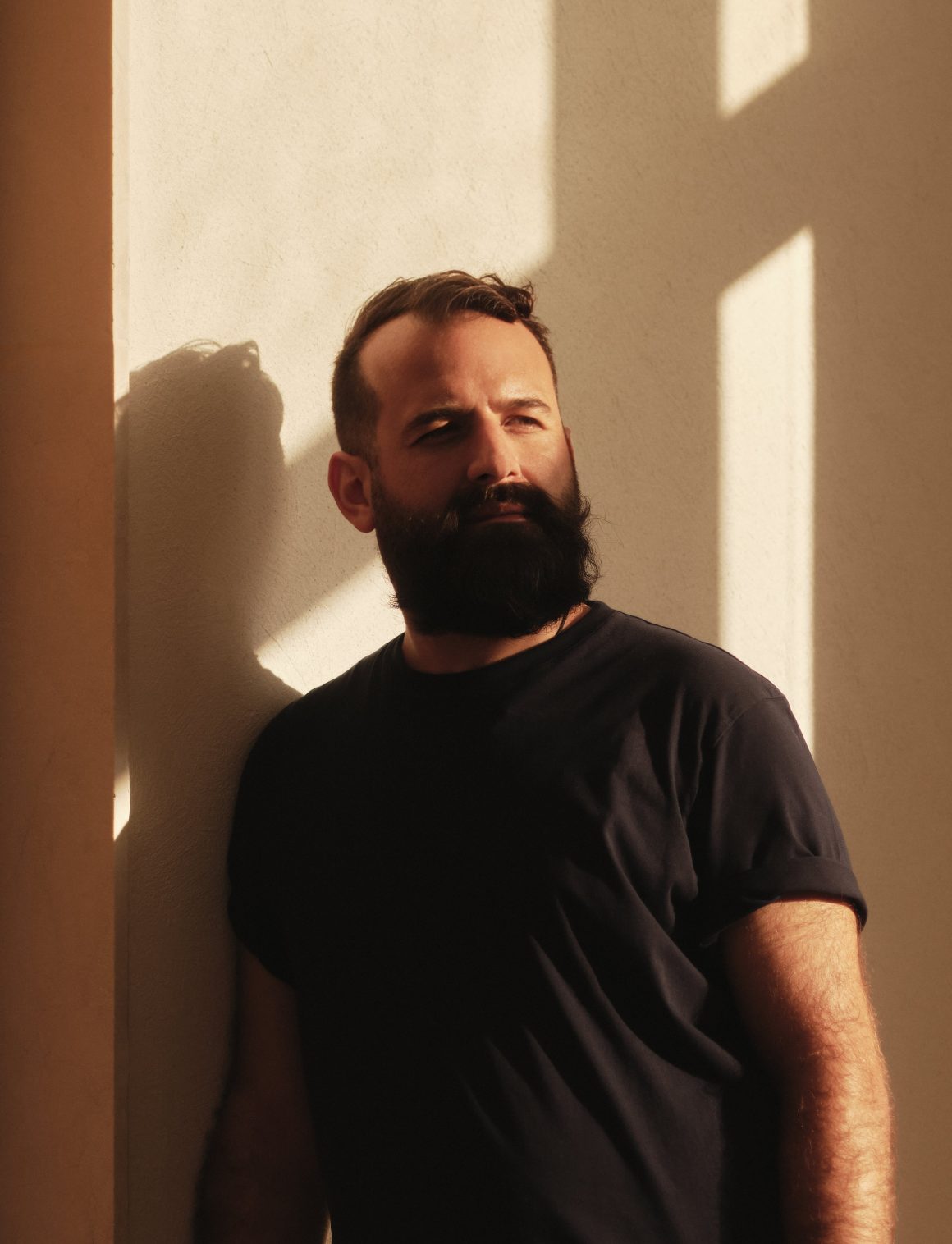
Portrait by Felix Speller
© Courtesy of Athan Mytilinaios

Among your many collaborations, which stand out, and how did you navigate working with major international brands?

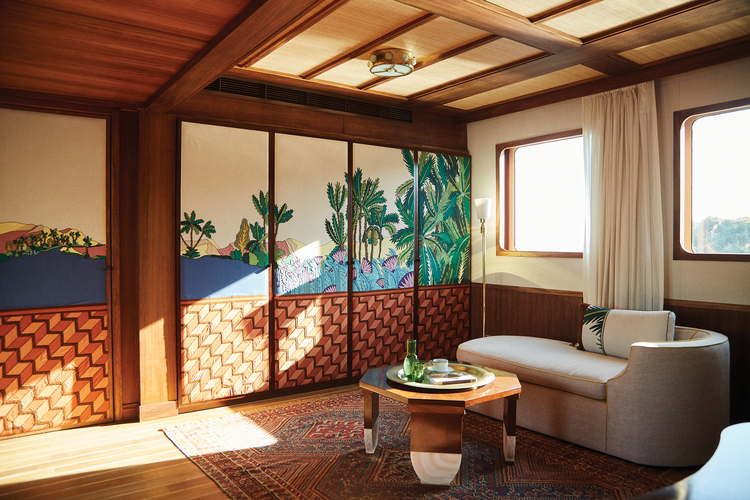
Different collaborations have given me different kinds of freedom. Each brand, each experience, stands out for its own reasons. But one particularly meaningful collaboration is with the talented architect and designer Tarek Shamma. He constantly encourages my artistic expression within highly imaginative projects. From a seven-metre tapestry for a Nile dahabiya to a large watercolour depicting his pavilion at the upcoming NOMAD Abu Dhabi, his projects inhabit a world somewhere between the wonderful, the seemingly impossible and the ethereal. It is a privilege to contribute to that world.

My earlier experience within international houses helps me understand their expectations and internal processes. I have never been particularly starstruck; I have always approached my work with dedication and professionalism. Brands are living ideas, shaped by people, and that is where every relationship begins for me. You have to listen carefully, understand what matters to them and explain your choices clearly. Confidence comes from preparation, and trust is earned through the work.

What have you gained from these collaborations, and what do you consider your greatest achievement?

They have taught me to be both more demanding and more open. You learn to defend an idea, but also to recognise when someone else’s contribution makes it better. My greatest achievement is building a practice in which people trust me with both the thinking and the making. Being invited back matters enormously to me. It means the collaboration worked beyond the final image. I also value having made more room for my own art without abandoning the strategic experience that helped shape me.

Assouline’s El Gouna: The Red Sea Riviera

Is every new project a new challenge? Do you approach something unfamiliar differently? What does your creative process look like?

Every project is an exciting new challenge, and each subtly feeds into the next. Whether the subject is familiar or completely new, that methodology gives me a way in.

A million things happen in my mind the moment a new project is presented to me. I imagine the final result, what it should look like, what it needs to achieve, and work backwards, almost like patternmaking. Memories and references surface, and I start making connections. From there, I move into research, sketching throughout the process. I test rough drafts, explore different directions and gradually refine the ideas until one emerges as the strongest. Then comes the final execution.

There is usually a point when I have to step away from what I imagined and look carefully at what is actually emerging. A material, a technical constraint or a conversation with a collaborator can change the direction. The process needs enough structure to move forward and enough freedom to allow a discovery. But I never forget what my professor Bill Brandt at Parsons told us: “You have to know when to kill your darlings.” However much work you have invested in an idea, you have to recognise when it isn’t right, let it go and begin again.

How do you think Greece has evolved in your field in recent years, and where does it still have catching up to do internationally?

I didn’t grow up in Greece. I chose to move here in 2020 because, during my visits over the years, I kept witnessing a burst of creative spirit transforming the place. Much of that creativity emerged from necessity, and it has continued to evolve. I often wander through Athens with my headphones on, taking in an ever-changing city. There are people building interesting practices with tremendous initiative and resourcefulness.

Greeks sometimes ask me, “Why did you come back?” My answer is always: “I wasn’t here before. I chose to be here.” And I am clearly not the only one who sees its potential.

Greek cinema, art and design are receiving international attention. We share the same stage, and we certainly don’t lack imagination or creativity. What could develop further is the preservation and transmission of our craftsmanship and specialist know-how. There is extraordinary knowledge in the hands of artisans across Greece. Bringing it into contemporary projects gives these skills a future and younger generations a reason to learn them. Our heritage offers an extraordinary starting point, but it also brings a responsibility to develop a contemporary voice. I am interested in what we can contribute now.


LVMH "La Main de Jour" Shot by Giagkos Papadopoulos

Is there something you dream of bringing to life? What would your dream project be?

Well… if I say my wish out loud, it might not come true. But I can tell you it would be big in scale.

What are your next steps?

My immediate focus is the launch of Assouline’s El Gouna: The Red Sea Riviera, alongside my ongoing collaborations. I am also working on a painted tile mural. More broadly, I want to give greater space to decorative art, drawing and sculpture while continuing my work as a creative consultant. I enjoy helping others articulate their vision, and I also have ideas of my own that need time to develop.

What is your absolute favourite gadget, the one you never go anywhere without?

My sketchbook and pencil. I’m a little old school, but I need to let the pencil run across the paper. It’s how I think, explore ideas and make sense of what’s in my mind.

Describe yourself in three words.

Curious, persistent, imaginative. 

What are three books you love?

The Song of Achilles by Madeline Miller. It brings together mythology and deeply human emotion, and I find something different in it each time I read it.

Diana Vreeland Memos, published by Rizzoli. It is fascinating to enter the mind of someone whose vision shaped so much of what followed. With each note, you see the blueprint of an entire industry taking form.

And finally, Harry Potter, in French. It is partly a generational thing, but also my own little madeleine de Proust. It reached me at exactly the right age and was my first truly immersive reading experience. Before that, I looked at books for the images. I hadn’t yet understood that words could transport you to other worlds.

Trompe L'oeil sur le Nil in collaboration with Tarek Shamma Shot by Billal Taright
Sculpture Influencer at Archeological Museum in Cairo

What are three places you love returning to?

Athens, New York and Munich.

Athens because it is now home. New York connects me to an important chapter of my education and professional life. Munich for my ongoing work with Hemmerle, the people there who continually inspire me and the extraordinary museums and collections.

What is one thing you are proud of?

I am proud of having allowed myself to change directions.

When you have invested years in a particular professional path, it takes some courage to acknowledge that you want something different. I am grateful for everything I learned in those earlier roles, and proud that I found a way to carry it forward into a practice that feels more personal.

How do you define beauty?

Beauty holds my attention and makes me feel something before I can fully explain why.

It can exist in an extraordinary object, but equally in a worn surface, an unexpected colour combination or a drawing with very few lines. I am drawn to things that reveal more the longer you look at them.

There is often something slightly unresolved about the beauty that stays with me, like a sketch that is not fully formed. It leaves room for imagination. That is beauty to me.

What do you consider authentic today?

Authenticity, to me, is something that has been given time to develop through hard work, collaboration, dialogue and exploration. It carries the traces of failure, of trying again and refining an idea until it feels right. It cannot be rushed.

The true test of authenticity is time. Something authentic will develop a patina that makes it richer as the years pass.

LVMH 10 years
Archeological Museum in Cairo

Author