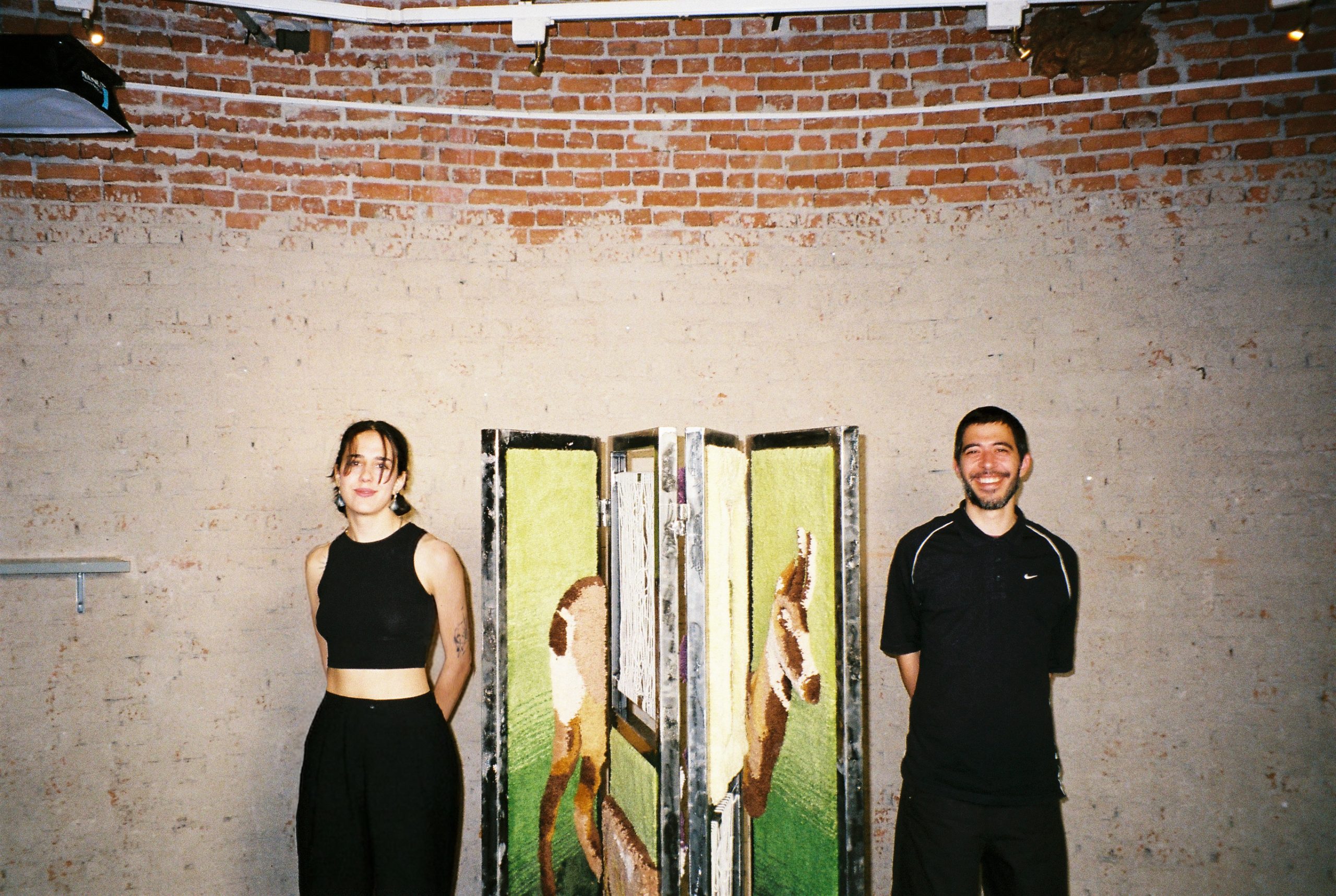
What have been the highlights of your journey? What are the important steps that have brought you to where you are today?

It is all the small steps along the way, the moments when we experiment and study, exchange ideas with one another, and, above all, co-create and shape the final result. Some of these moments happen every day, while others take a long time to emerge.

Creation is a fundamental part of your lives. How did you discover a creative path through weaving, and how did the first idea come about?

We started painting together, intertwining our ideas and individual styles on paper. This sparked a desire to explore further and create something together in a more complete form. During the lockdown, we decided to experiment with the tufting technique. We had always associated woven textiles with traditional aesthetics, so we were fascinated by the possibility of using this technique to express our own character freely, creating large-scale textiles in a contemporary way.

How does your work take shape? Where do you draw your inspiration from, and how does your practice evolve?

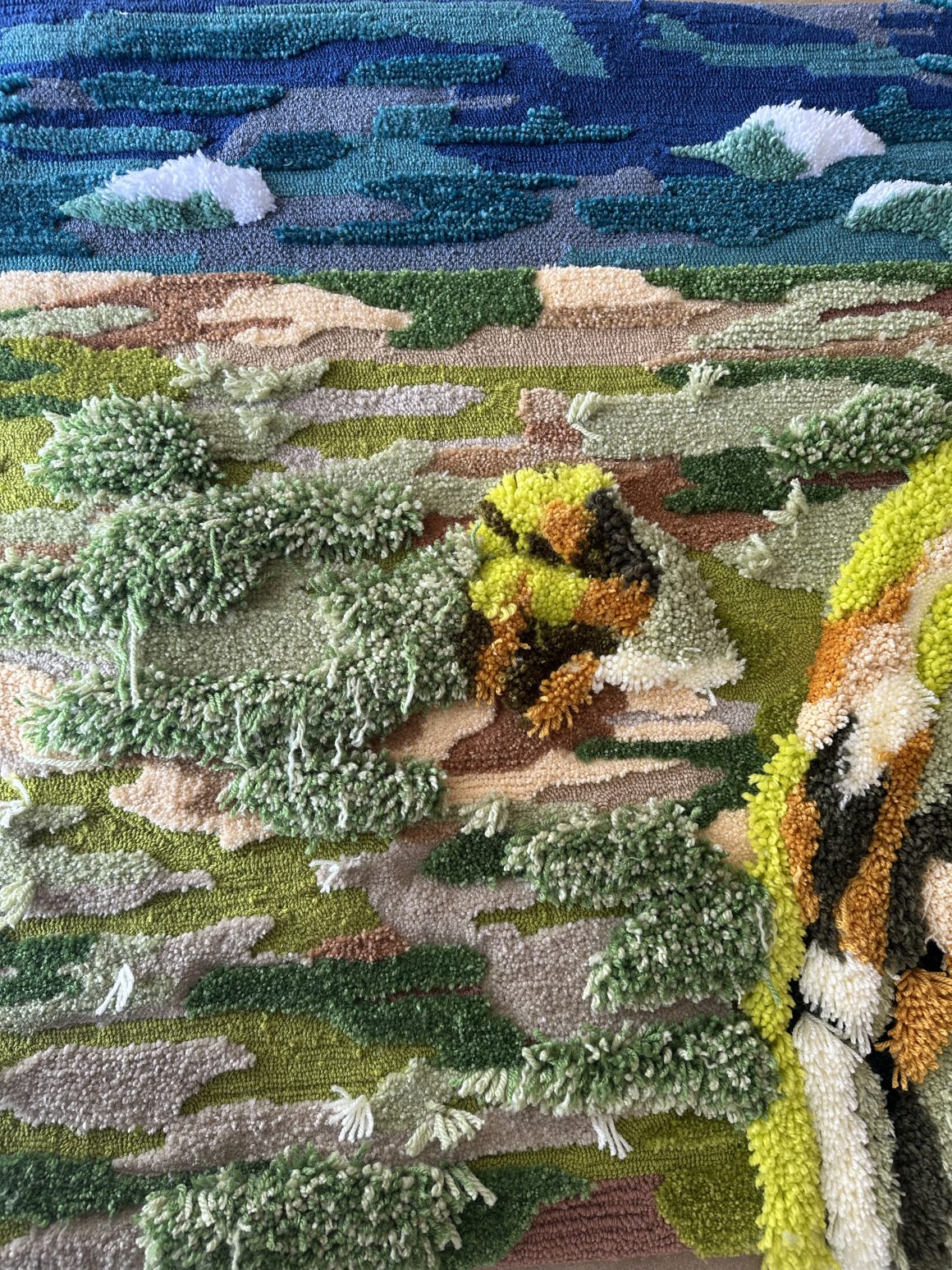
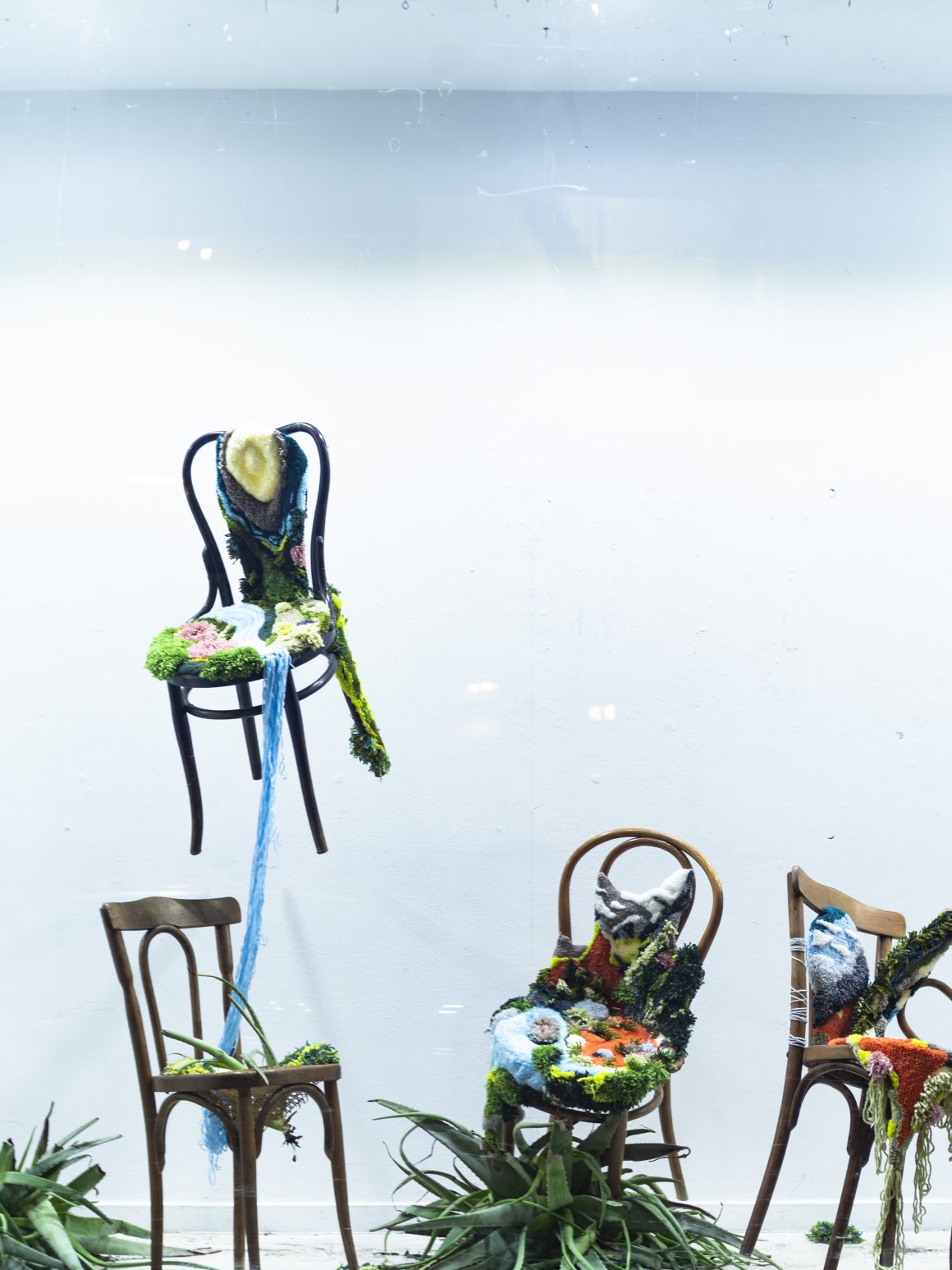
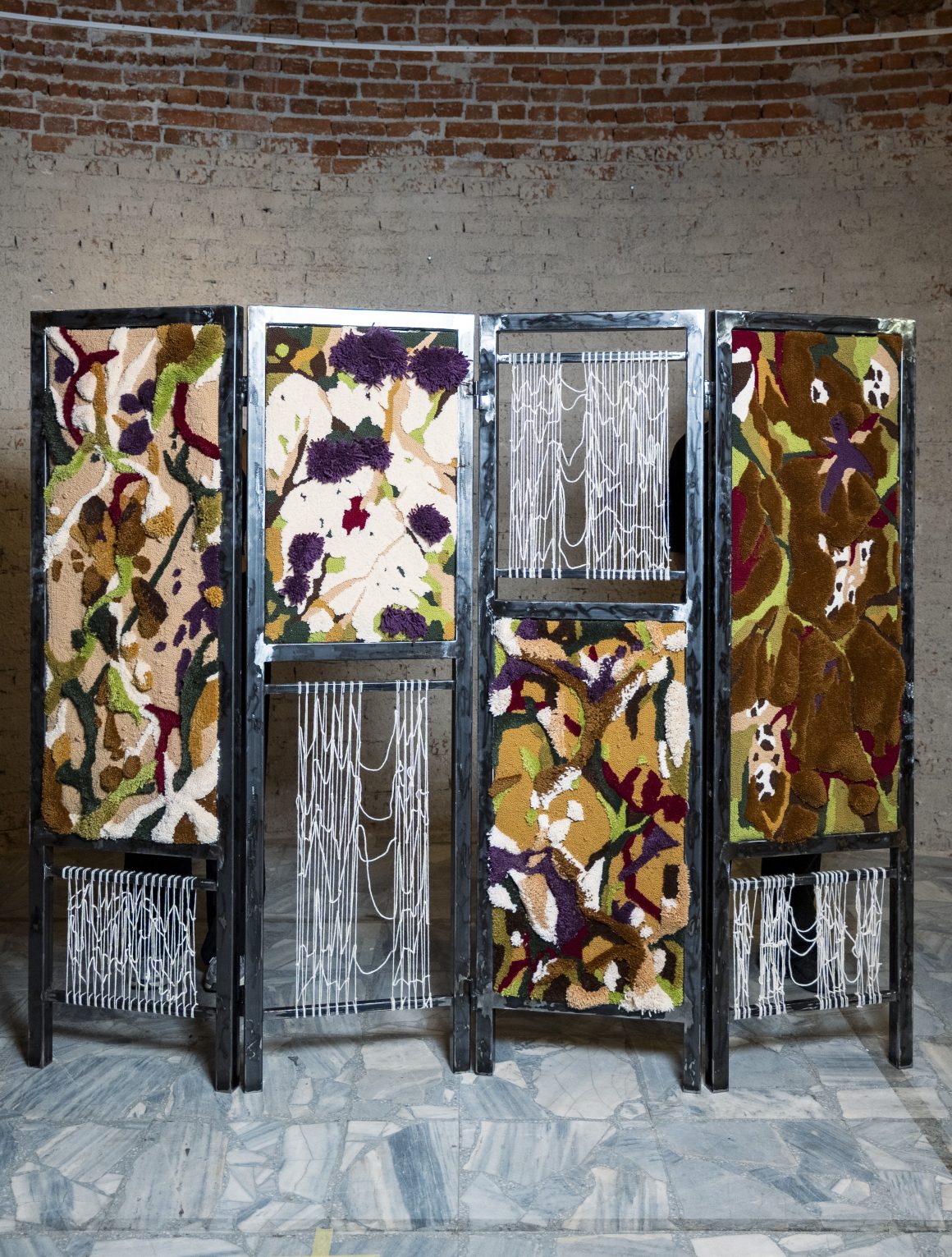
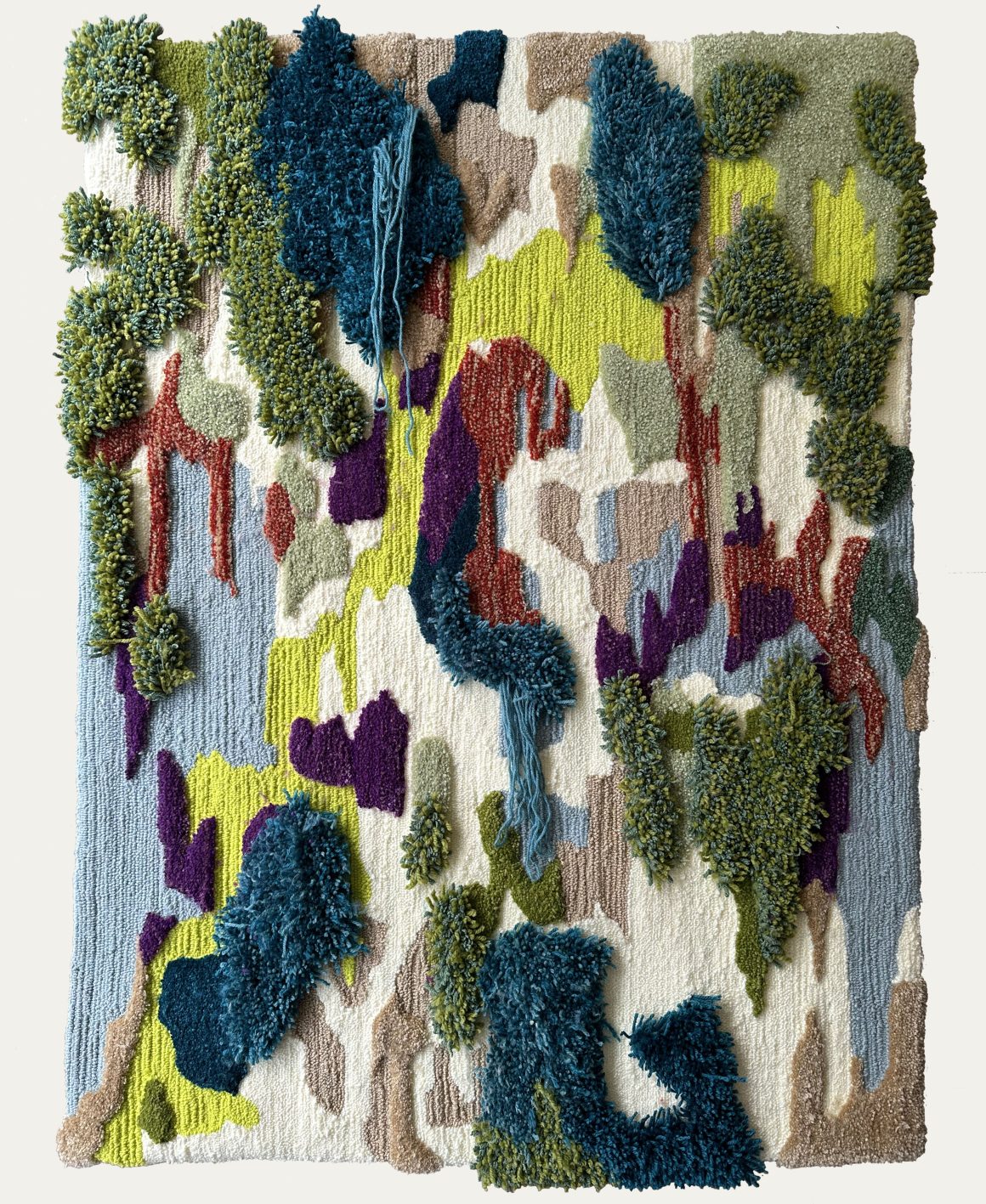
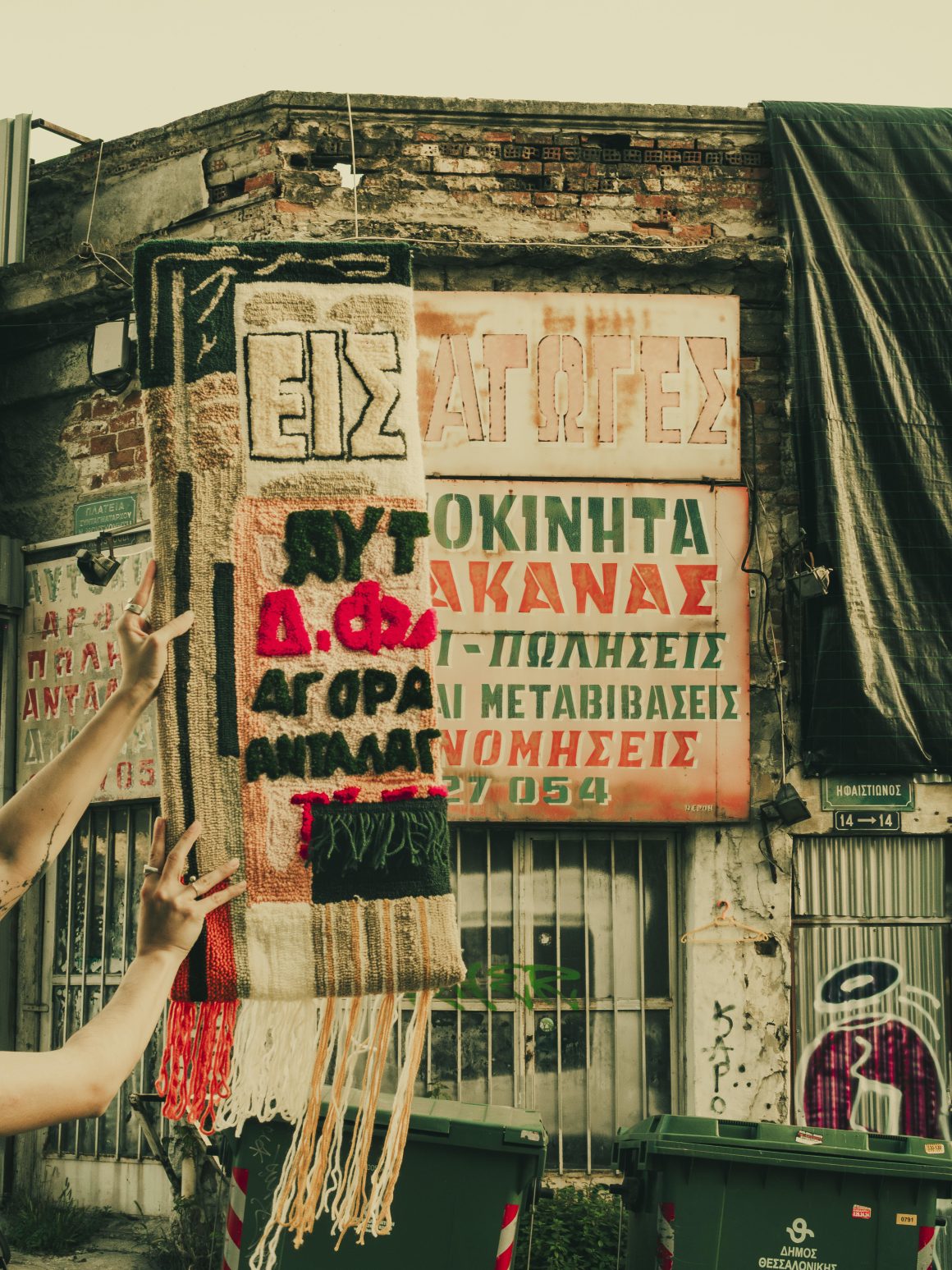
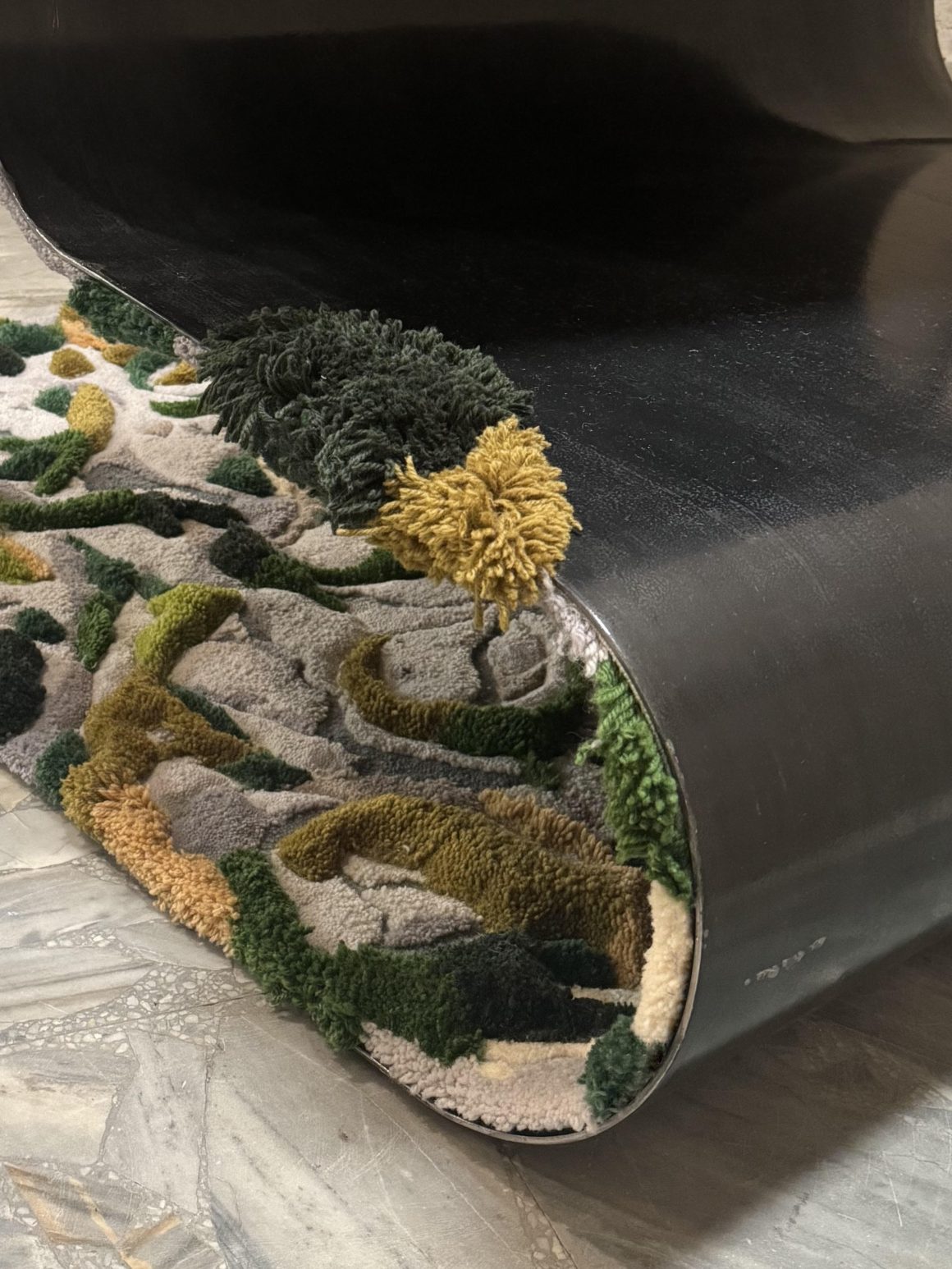
In the beginning, while living in Thessaloniki, our themes usually revolved around the urban environment, viewed through a more imaginative lens. We would add characters and narratives that reflected our own interpretation of everyday life. Over the past year, we have established a new base in Litochoro, driven by a desire to move beyond the purely urban landscape and come closer to nature. As a result, our creative practice is gradually evolving around the natural environment, organic forms and patterns encountered in the mountainous landscape, as well as stories and experiences from our time exploring the mountain.

Your works move beyond conventional forms and become sculptural. What kinds of stories do they tell?

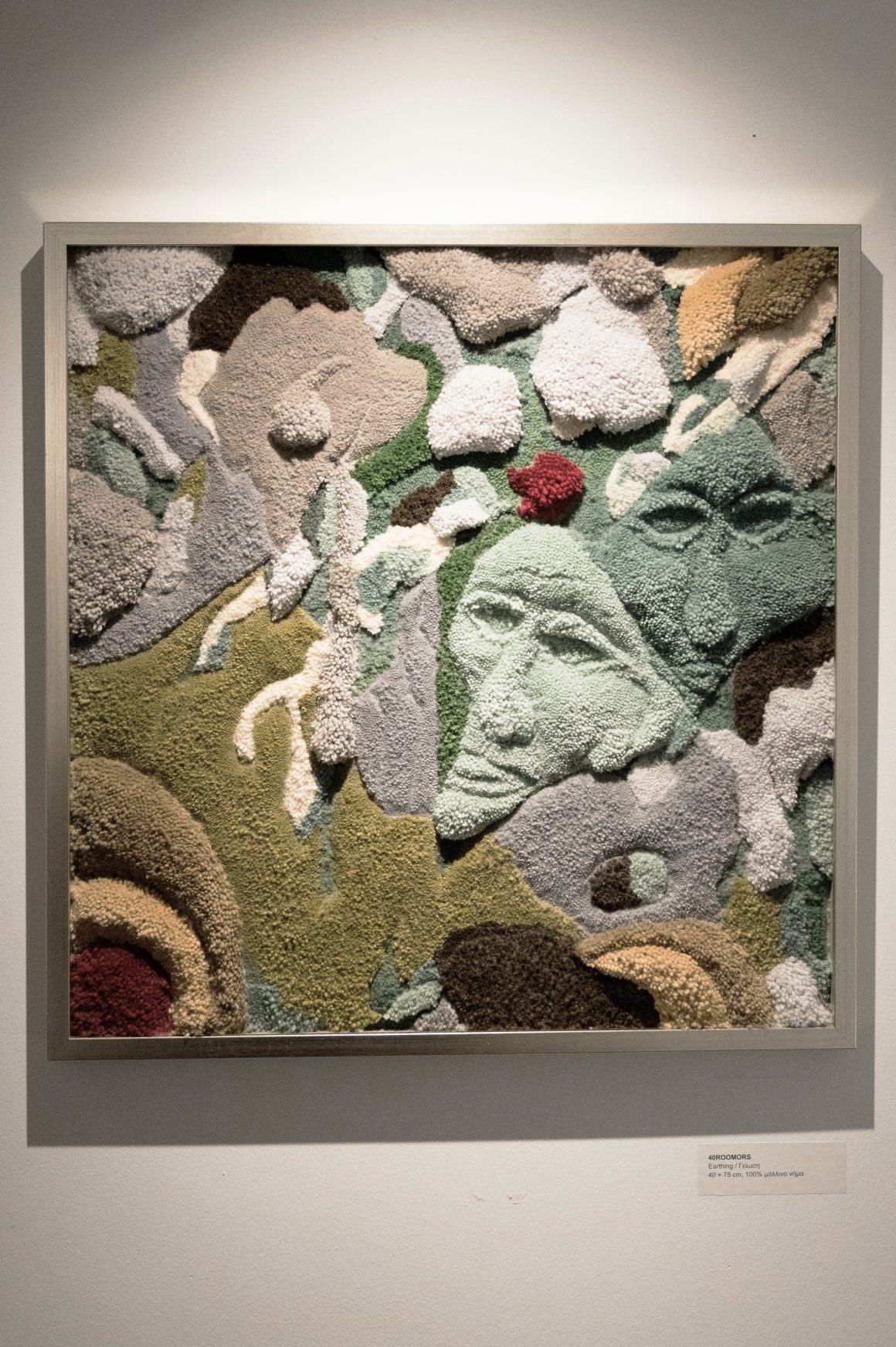
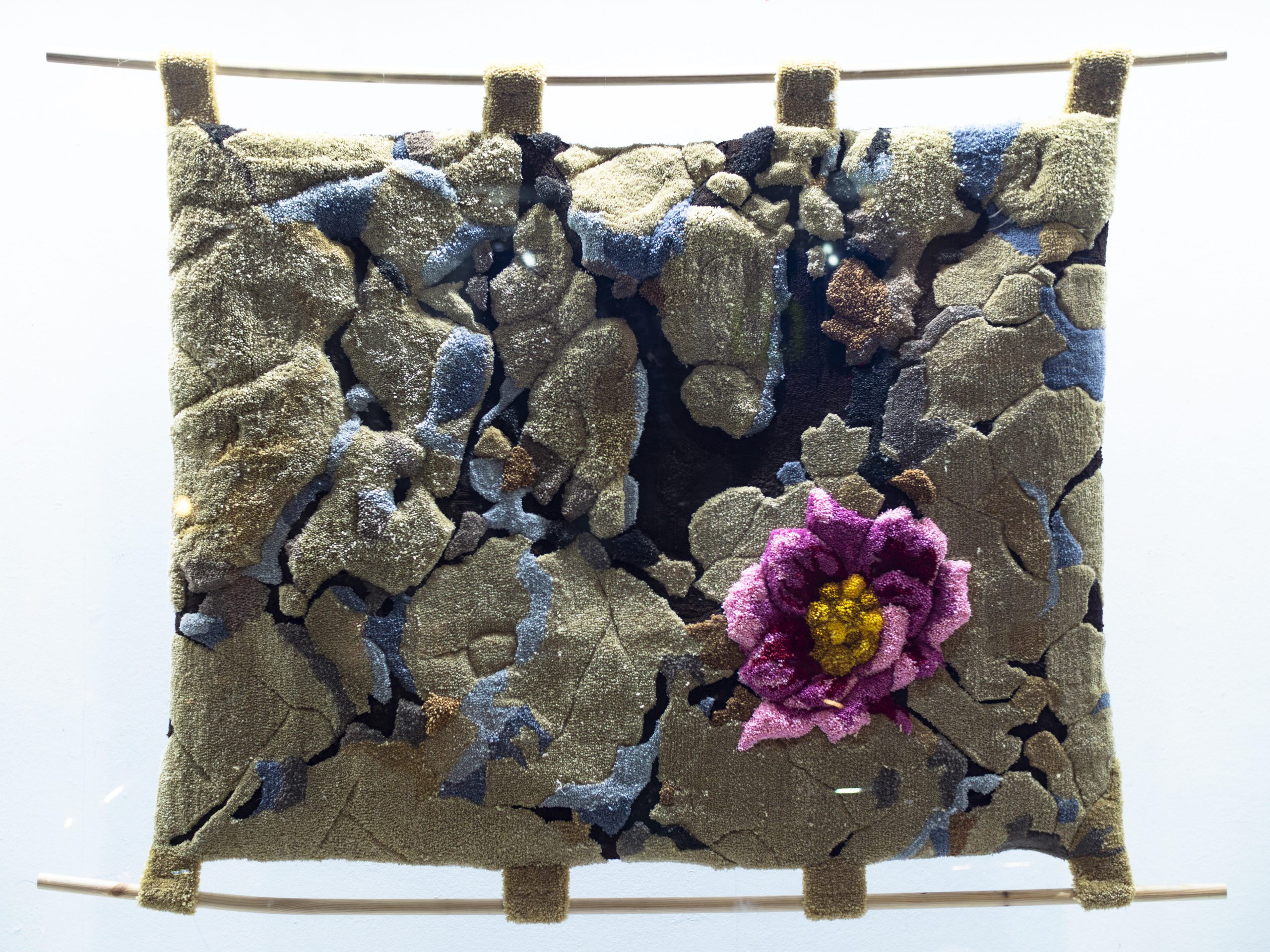
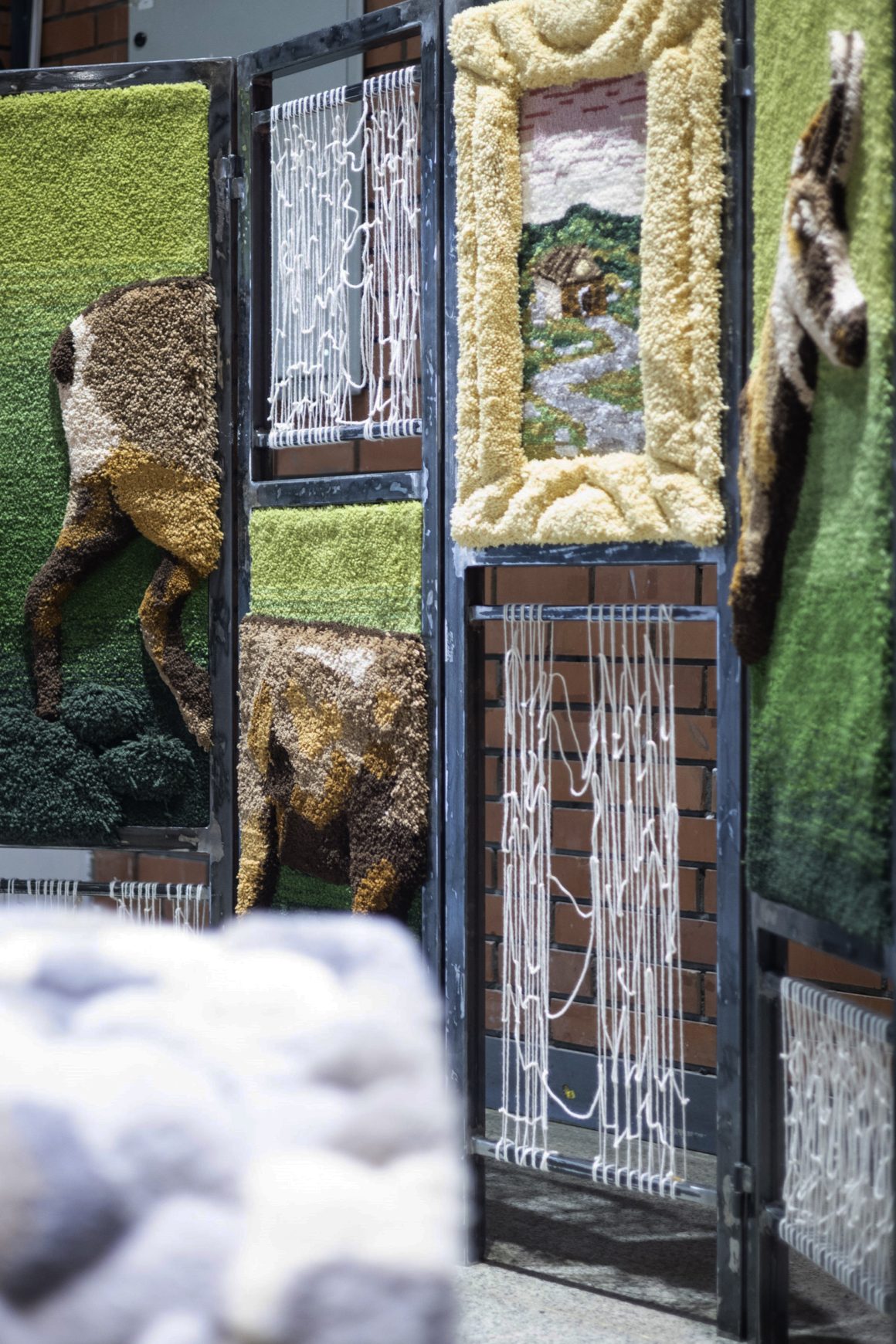
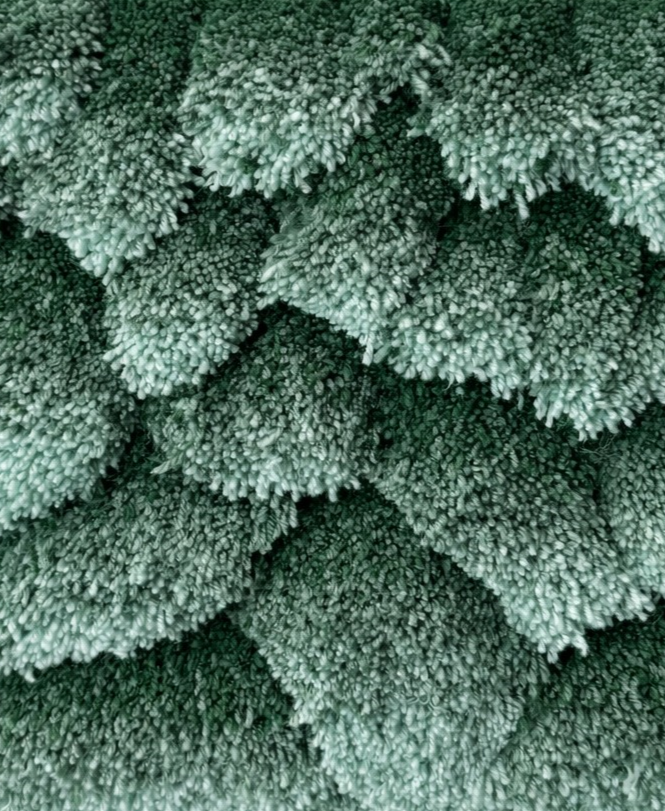
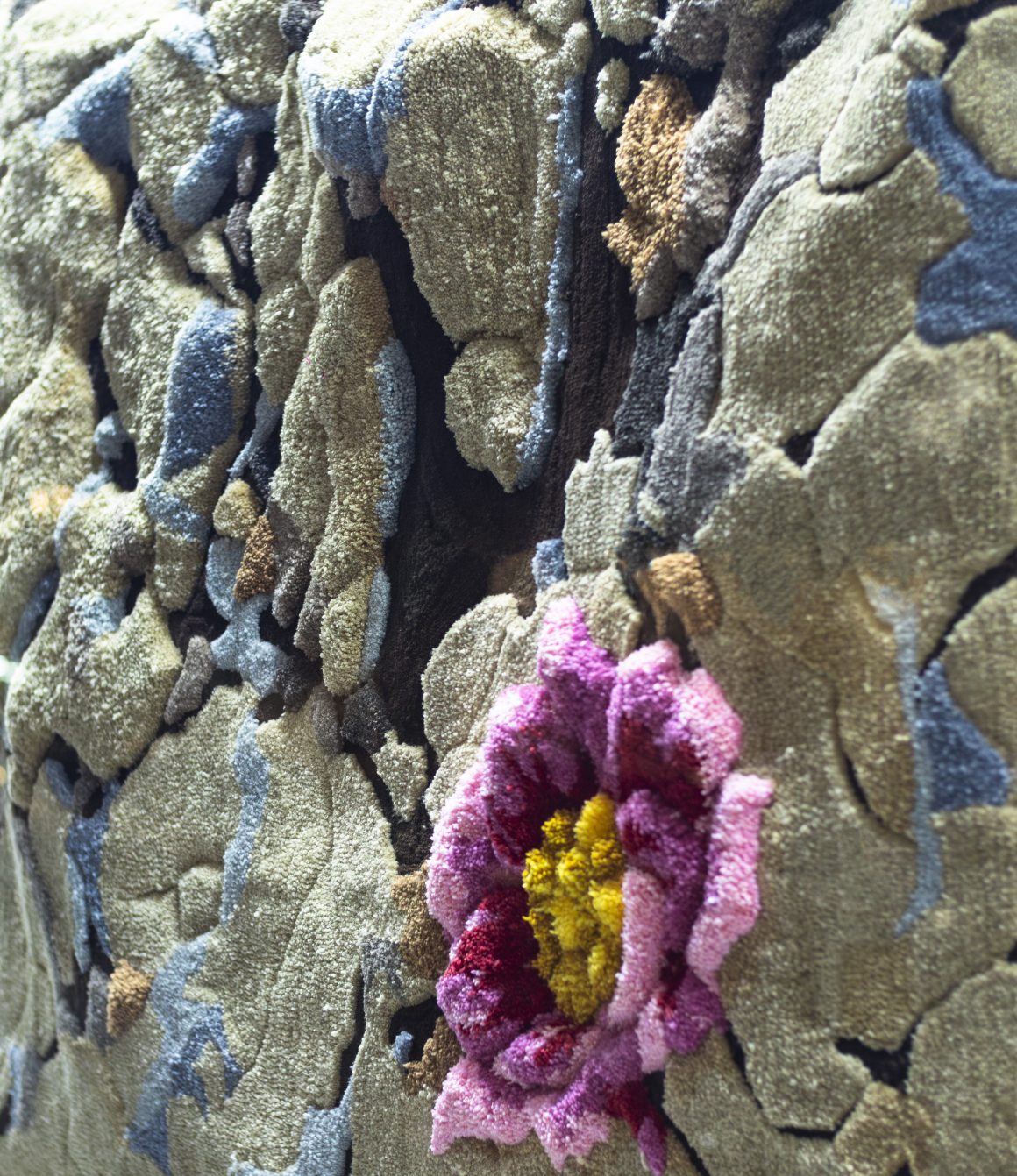
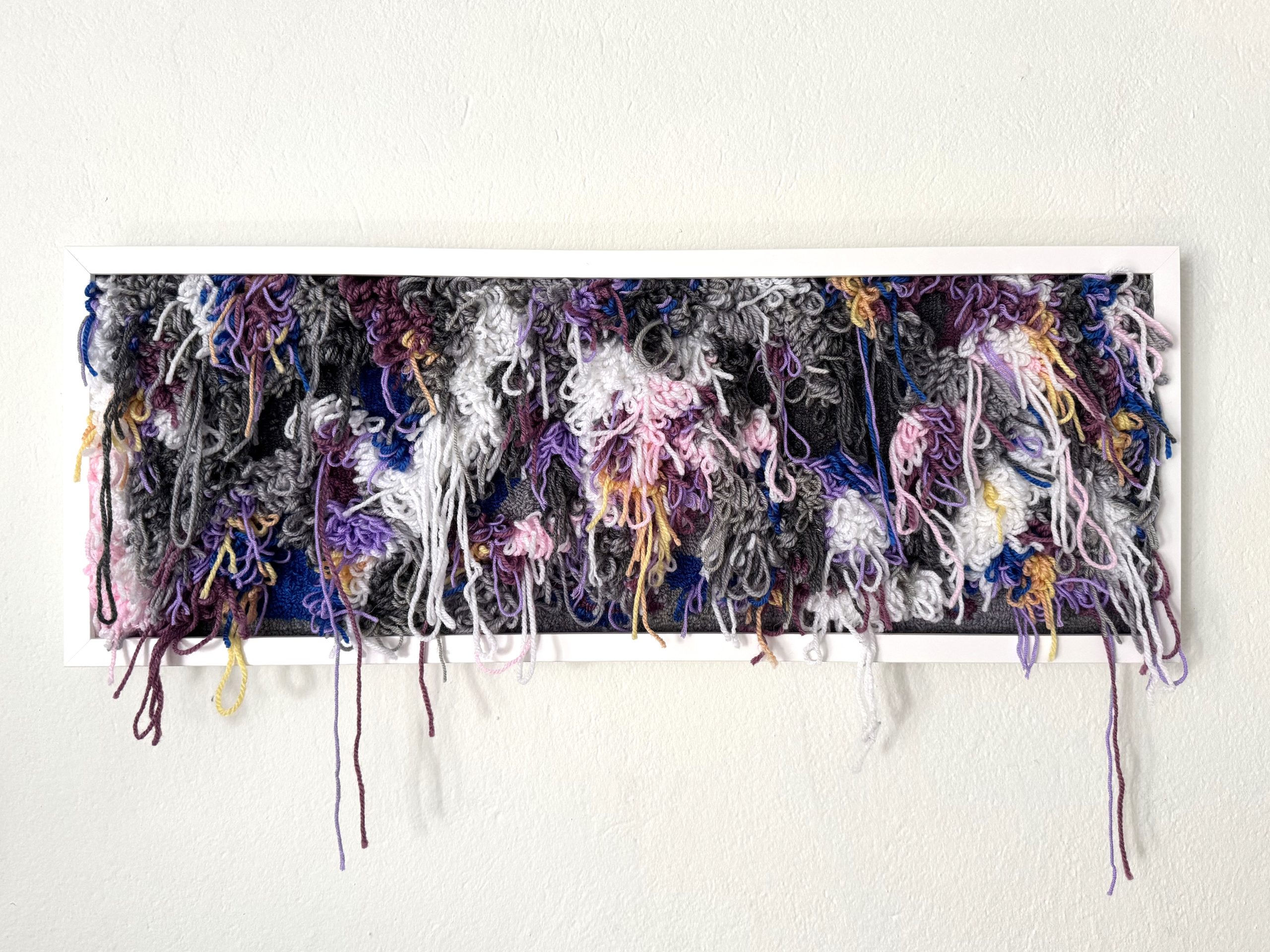
The sculptural quality of our textiles emerged through a long process of experimentation, driven by a need for the narrative to move beyond conventional representation and become more interactive. The imitation of organic forms engages the senses, moving from sight to touch. Once the weaving process on the frame is complete, we sculpt and manipulate the threads, removing and shaping volumes. In this way, we combine different techniques to create a more complex result.

Tell us about your participation in the Cycladic Biennale.

We feel very happy and honoured to have the opportunity to create within such an important cultural context. This year’s Cycladic Biennale, titled What Re-Mains, explores collective memory, interaction, and the reintroduction of elements from the historical archive into the present.

For our work, we chose to reference the marble of the island, presenting it as flesh — as an integral part of the local landscape and as a primary archive of Naxos. The stone, embedded in the landscape, acts as a landmark and a carrier of human presence, connecting the past of the Kouroi with the living tradition of the island today through its art and architecture. By translating stone into the soft material of yarn, its hardness is dissolved and transformed into something more accessible.

What do you most love doing? How much does a new concept intrigue you?

We love travelling and collecting images and memories, exploring and studying the natural landscape as well as the human perspective and relationship within it. Beyond being a source of enjoyment, these experiences are our most immediate source of inspiration.

We get very excited when thinking about new ideas and concepts. The more they intrigue us, however, the more difficult they can sometimes be to organise and bring into focus. Practical factors, such as the cost of realising each concept, often remind us of the importance of setting boundaries and being patient. In a way, this gives the process of making even greater value.

What do you consider the key elements of the design process for achieving a successful outcome, and what are your non-negotiable values?

Over the years, we have developed a few fundamental steps that help an idea become a tangible result, as we envision it. Of course, the final outcome often differs from the initial idea, but that is all part of the process.

It usually begins with a spontaneous inspiration from one of us, or with a theme we want to explore. From there, it naturally takes shape on paper. We then study it together, taking turns making the changes each of us feels are necessary until we reach the final result. Throughout this process of interaction, our non-negotiable values are mutual support and respect for one another.

Having been working in the field for several years, how do you feel your aesthetic is evolving?

Through our continued engagement with these mediums, we have learned how to translate our ideas onto the frame with greater precision and quality, while gradually placing more emphasis on the aesthetics of the final result.

Through conversations and exchanges with other artists, craftspeople, curators and people interested in weaving and art more broadly, our ideas gradually take shape and find their way into our work in a more mature form.

What do you consider your most important achievements and defining moments?

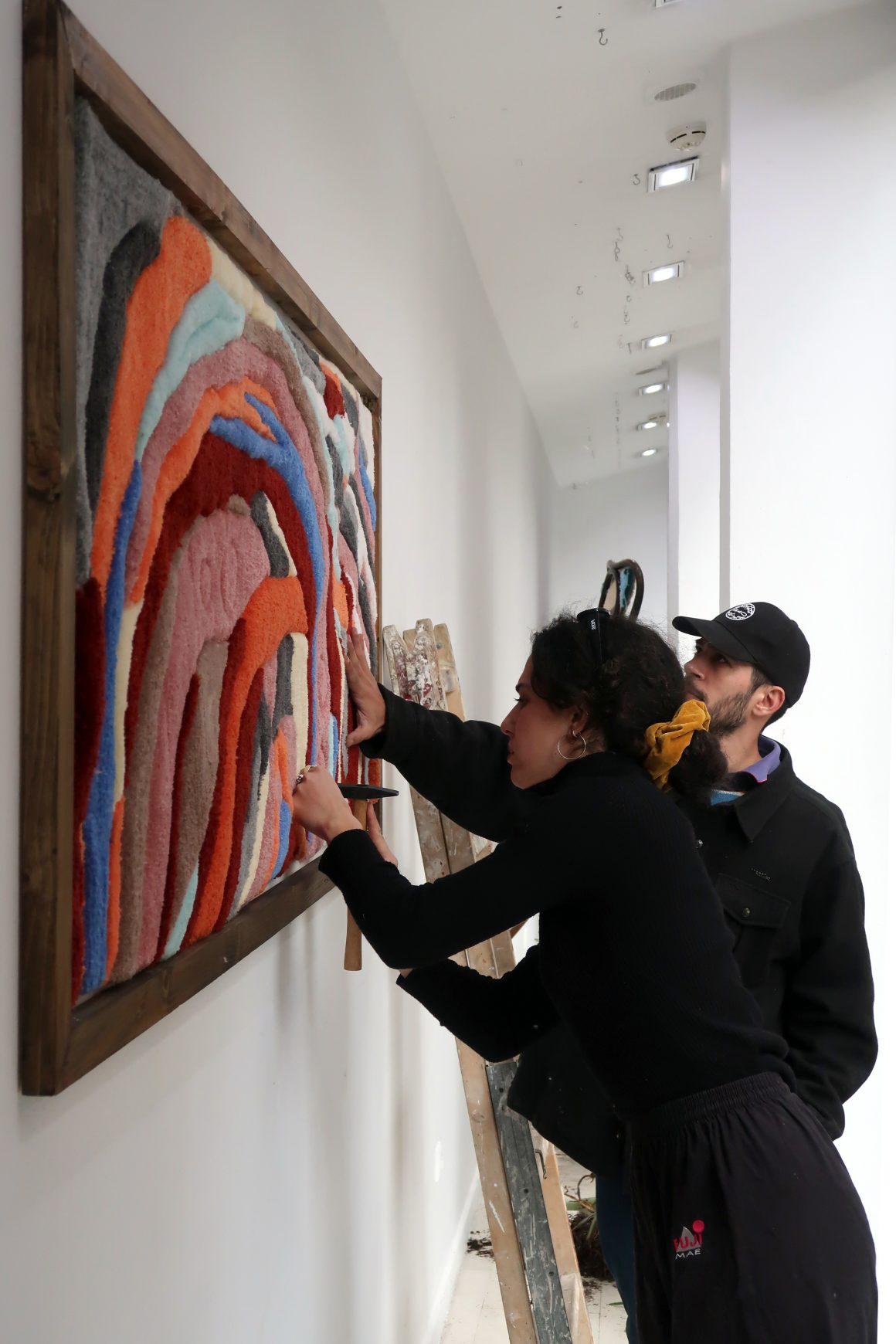
Our solo exhibition Weaving the Urban Space, curated by Anna Margaritidou and presented at Mikrou Gallery in May 2025, was the first presentation that felt complete to us, from the concept through to the final result. The exhibition explored the passage of time and the traces of decay within Thessaloniki’s urban landscape, through a dialogue with the art of weaving.

We have also felt a great sense of joy whenever we complete individual works that we had envisioned long before bringing them to life.

What else is in your immediate plans?

At the moment, we are preparing large-scale works, focusing primarily on exploring the possibilities of working on a larger scale.

How has your philosophy evolved over time, and what do you feel holds particular value today?

It is important to make space and time for genuine thought and not lose our way in the chaotic pace imposed on us. We often get lost in the constant flow of information on social media, as if something invisible dictates the pace at which we need to produce in order to keep up with the wave.

Within all this, it is meaningful to take a step back and remember why we make art and what truly fulfils us.

Do you believe art and creation can be a path towards becoming better human beings?

The creative process certainly places us in an ongoing dialogue with ourselves, encouraging us to delve deeper into ideas and reflect. Experiencing art activates our senses and gives us an opportunity to step outside our own sphere and enter the different worlds of other people.

What do you love and what do you find challenging about the field you work in?

We love the fact that weaving draws from tradition, while tufting, as a weaving technique, gives us the freedom to translate our inspiration in our own way. Through the workshops we organise, we also see how warmly people embrace the technique, giving us the opportunity to share our knowledge with others.

What we find challenging is that it is a costly medium to produce, which means we have to be very precise and consistent in our choices.

Which artists do you love and whose work would you like to own?

Alexandra Kehayoglou, Alexandre Bavard and Faig Ahmed are among the artists who have inspired us and whose work we greatly appreciate.

Three places you love returning to, and why?

Enipeas on Mount Olympus, as it is where we first met, and a constant source of inspiration and a place to recharge.

Latin America, having travelled to several countries across the region, we always make it a goal to return, reconnect with friends and explore new places.

Thessaloniki and Athens, the cities where we grew up and where our families live.

Which museum and artwork have stolen your hearts?

Two of our most recent museum visits that have stayed with us are the Mevlana Museum in Konya and the Museum of Asian Art in Corfu. Although they represent two very different worlds, we were equally impressed by the way both museums highlight cultural traditions through their collections.

The craftsmanship and techniques behind the objects, the attention to detail and the knowledge passed down from generation to generation are elements we deeply appreciate.

Give us your definition of beauty.

Something visible or invisible, often indefinable, that evokes wonder, joy and serenity.

Have you ever designed something for a home collection? If not, what would you create?

We have designed a textile work inspired by the coastline of southern Denmark, using raised textures to depict elements of sandy beaches and dunes. We often imagine textiles that could complement different spaces and interior settings, playing with colour palettes and volumes.

What do you consider truly authentic today?

Anything made with intention, with a beginning, middle and end, as well as remaining faithful to an original vision. The revival of traditional techniques, and craftsmanship more broadly as an element of culture, also preserves the human character within art.

If you were to design something for TheAuthentics.gr, what would it be?

We would create something that captures the flow and movement of air and water, combined with an object or piece of furniture — perhaps a vase or a chair — that would define the spatial setting.


About the Cycladic Biennale

The Cycladic Biennale is emerging in the Cyclades as the first international contemporary art biennale in the Greek island region, based in Naxos, with the ambition of becoming a reference point for artistic research and production in the Aegean.

This year’s edition, titled What Re-mains, explores the processes through which memory is formed and historical narratives are constructed. Taking place from 20 August to 18 September 2026, in collaboration with the Municipality of Naxos and Small Cyclades and under the auspices of the Ministry of Education, the Biennale will unfold across selected historic and public spaces of the island, transforming Naxos into an open field for artistic dialogue and cultural exploration.

20 August – 18 September 2026
Former Ursuline School, Naxos

About 40 Roomors

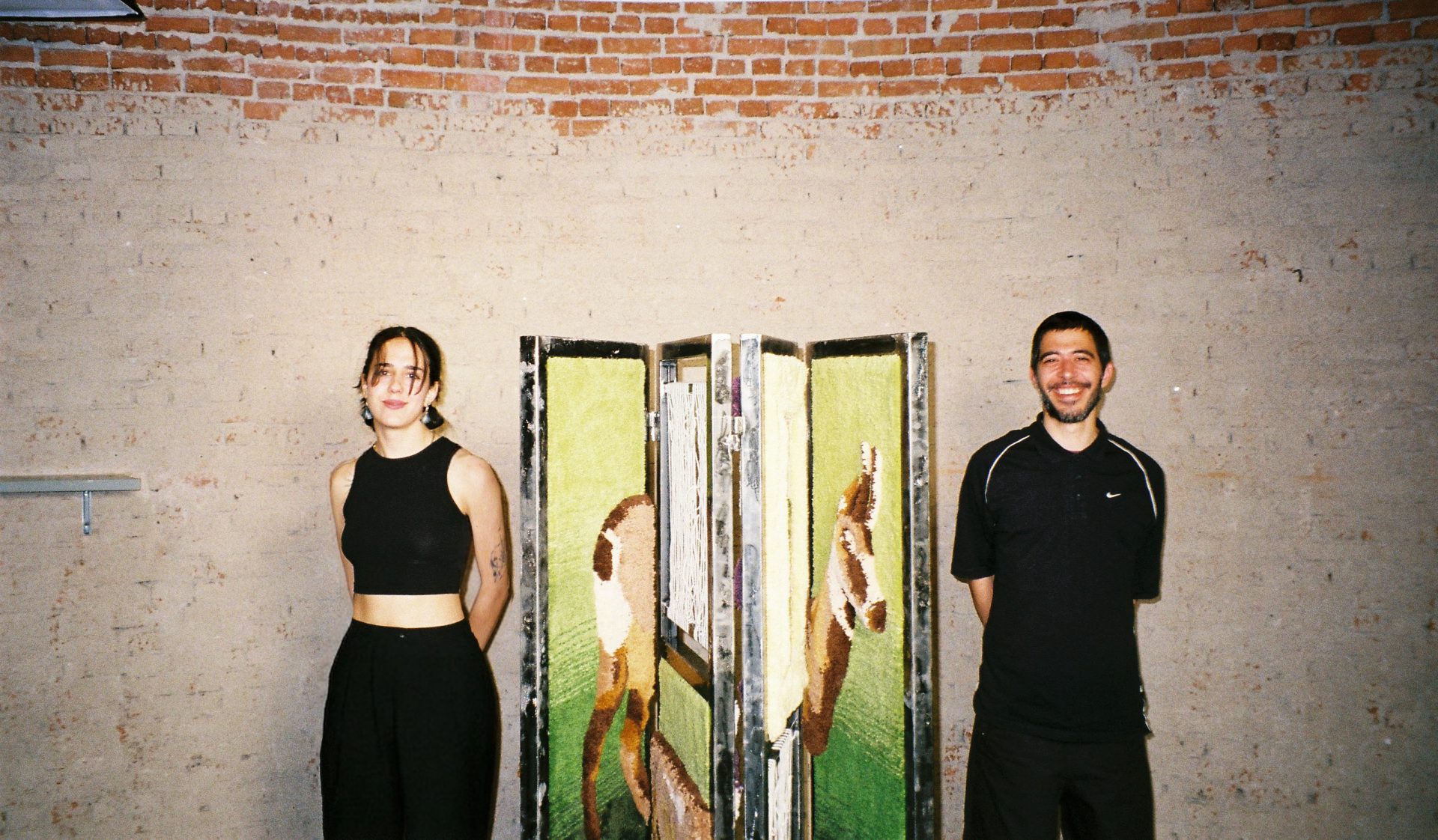
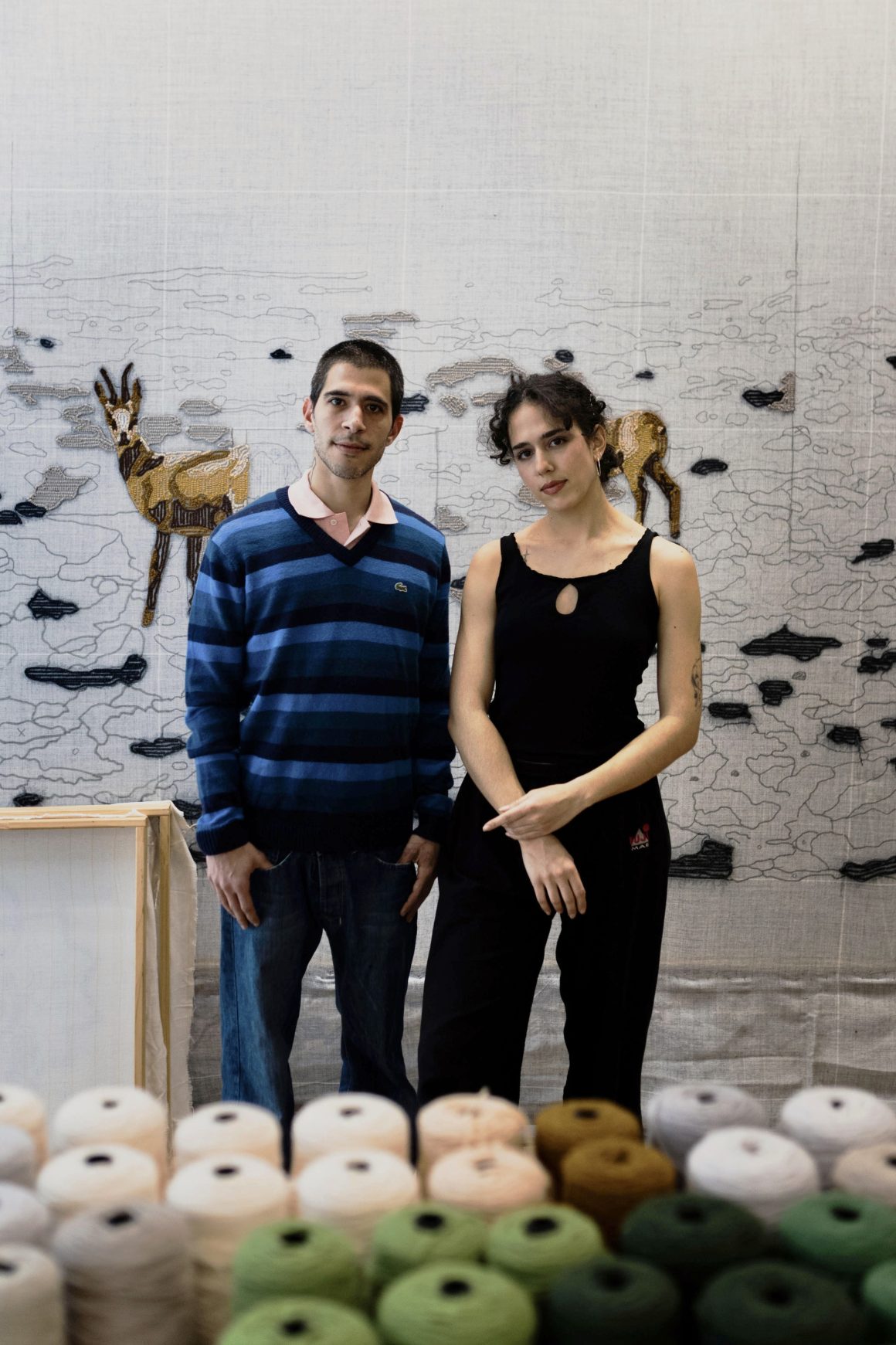
40 Roomors is an art duo based in Thessaloniki and Litochoro, active in contemporary textile art since 2021. The duo consists of Domniki Ntourou, an architect (AUTH) with an interest in artistic expression and interior design, and Yiannis Batsaras, a contemporary artist whose primary medium is graffiti, through which he explores space and composition.

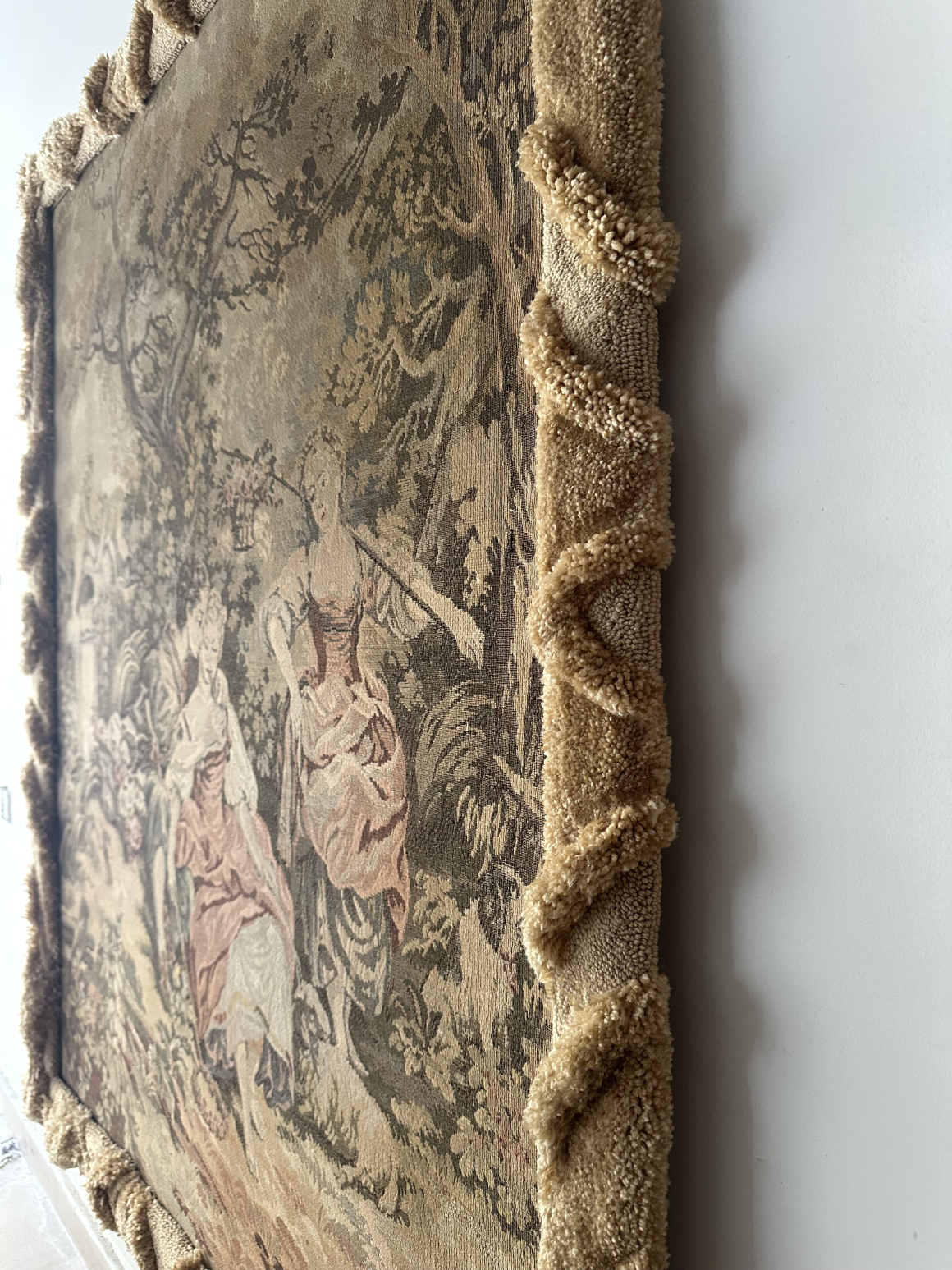
They specialise in tufting and vertical-loom weaving. Their works are characterised by multilayered relief textures and earthy colour palettes, drawing inspiration from natural motifs and the imitation of material qualities through yarn. Their practice encompasses tapestries, large-scale surface coverings and art installations.

Author