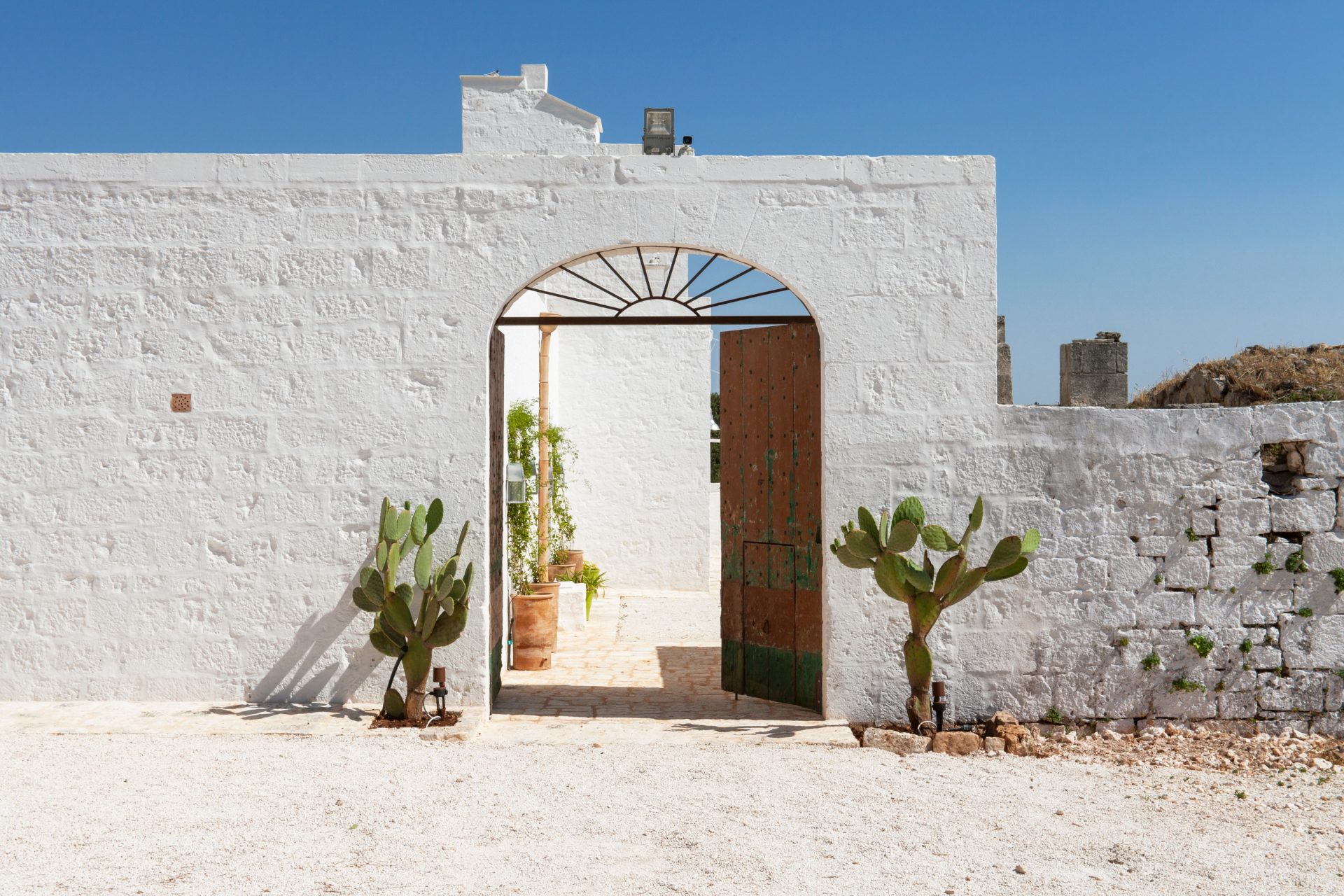
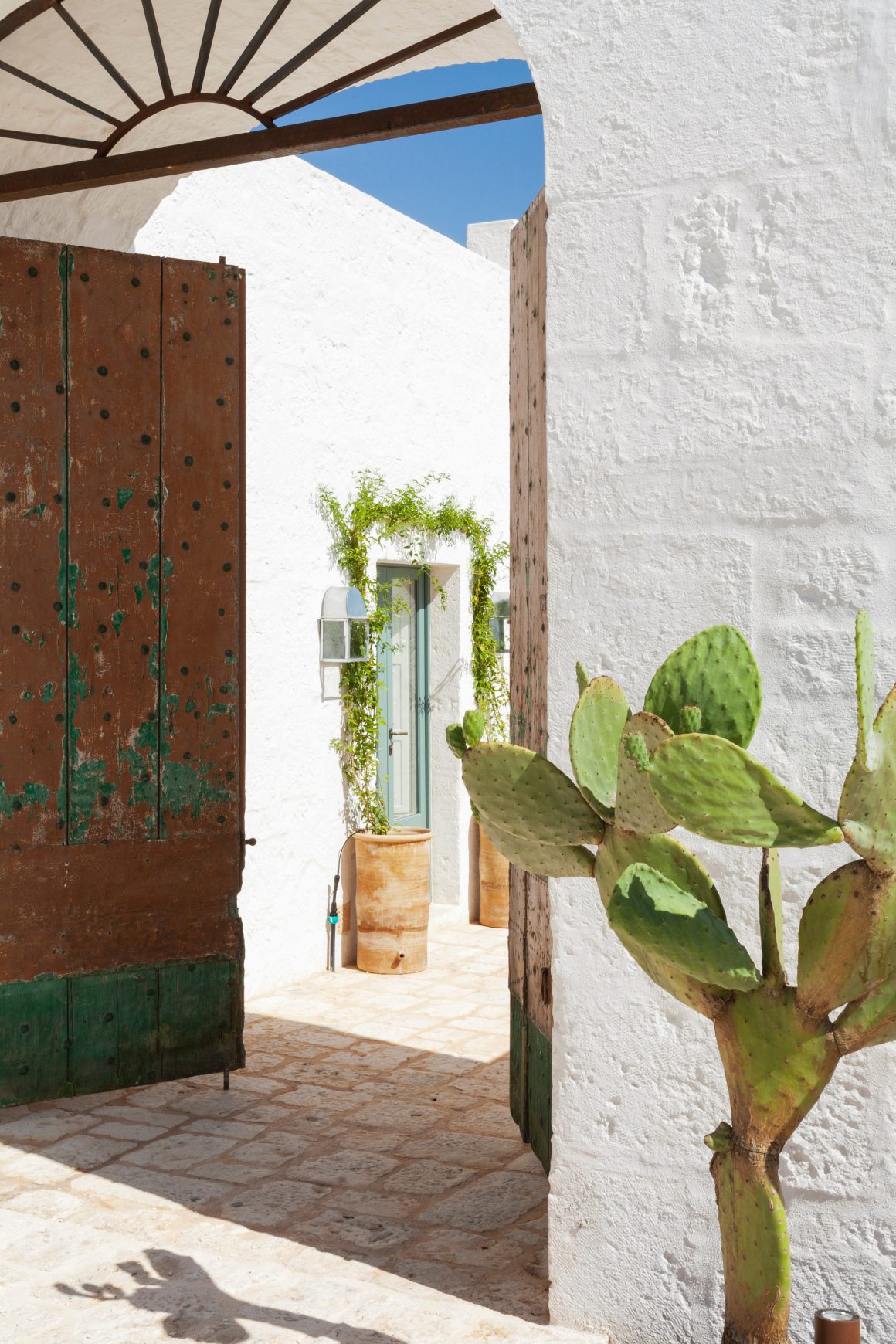
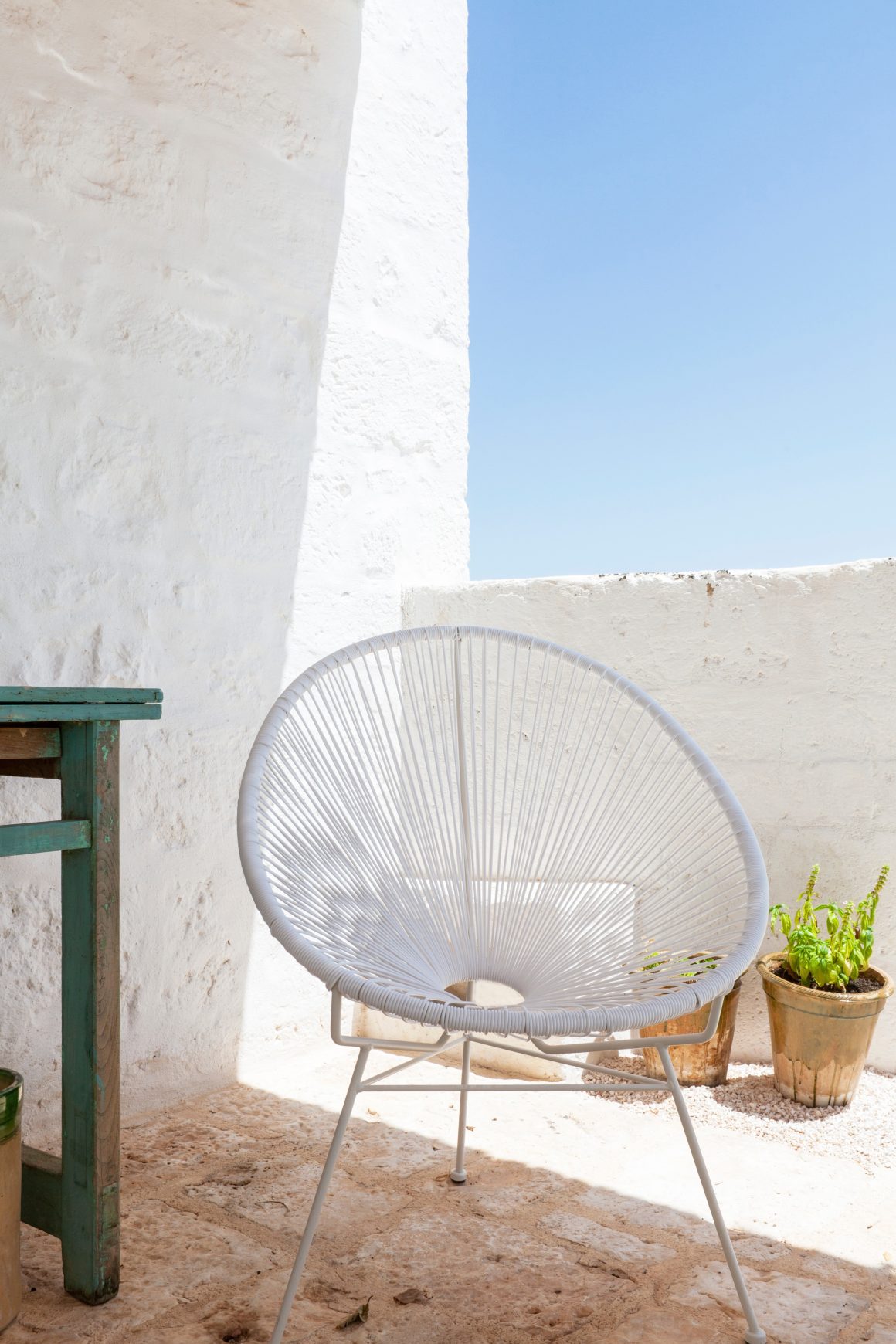
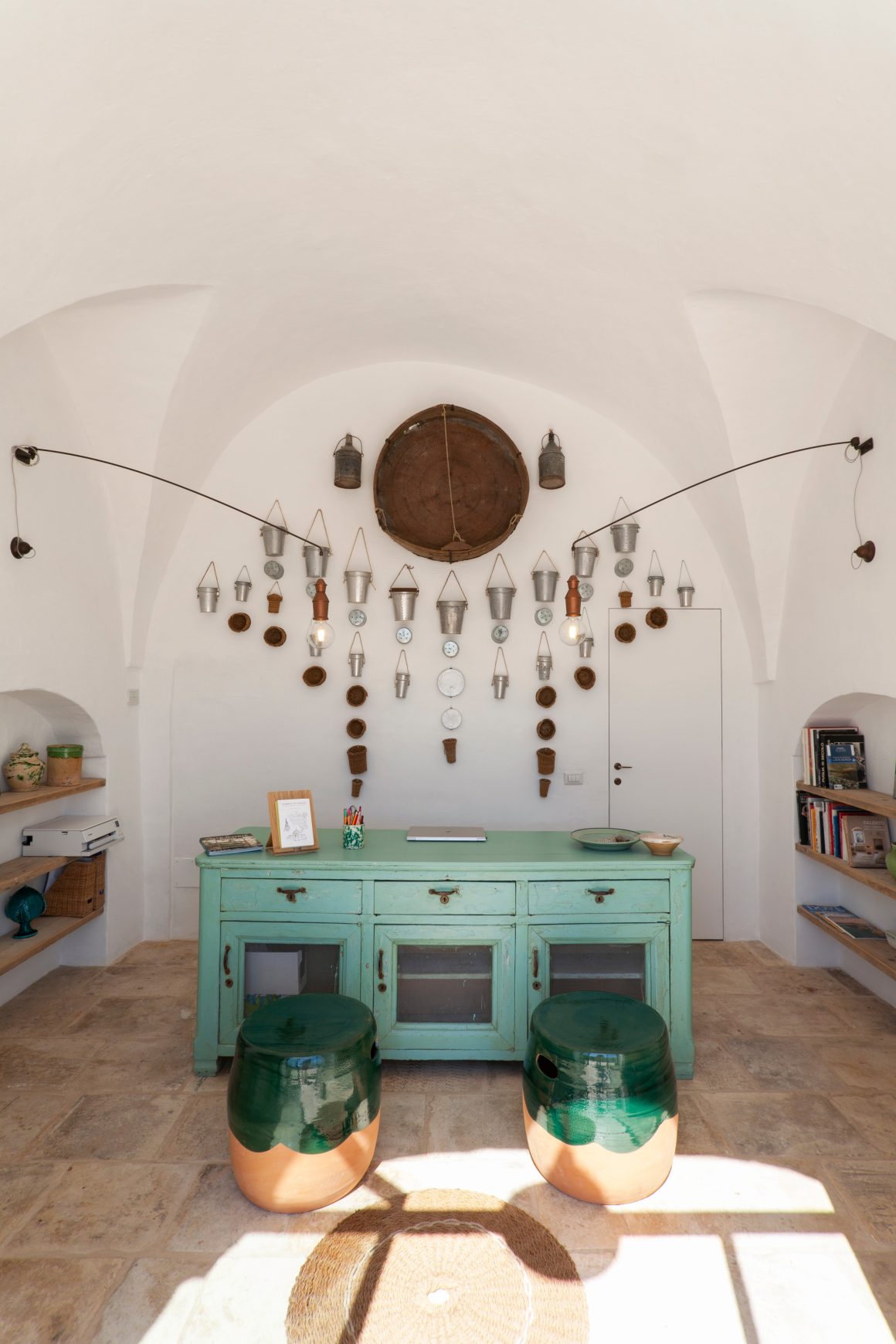
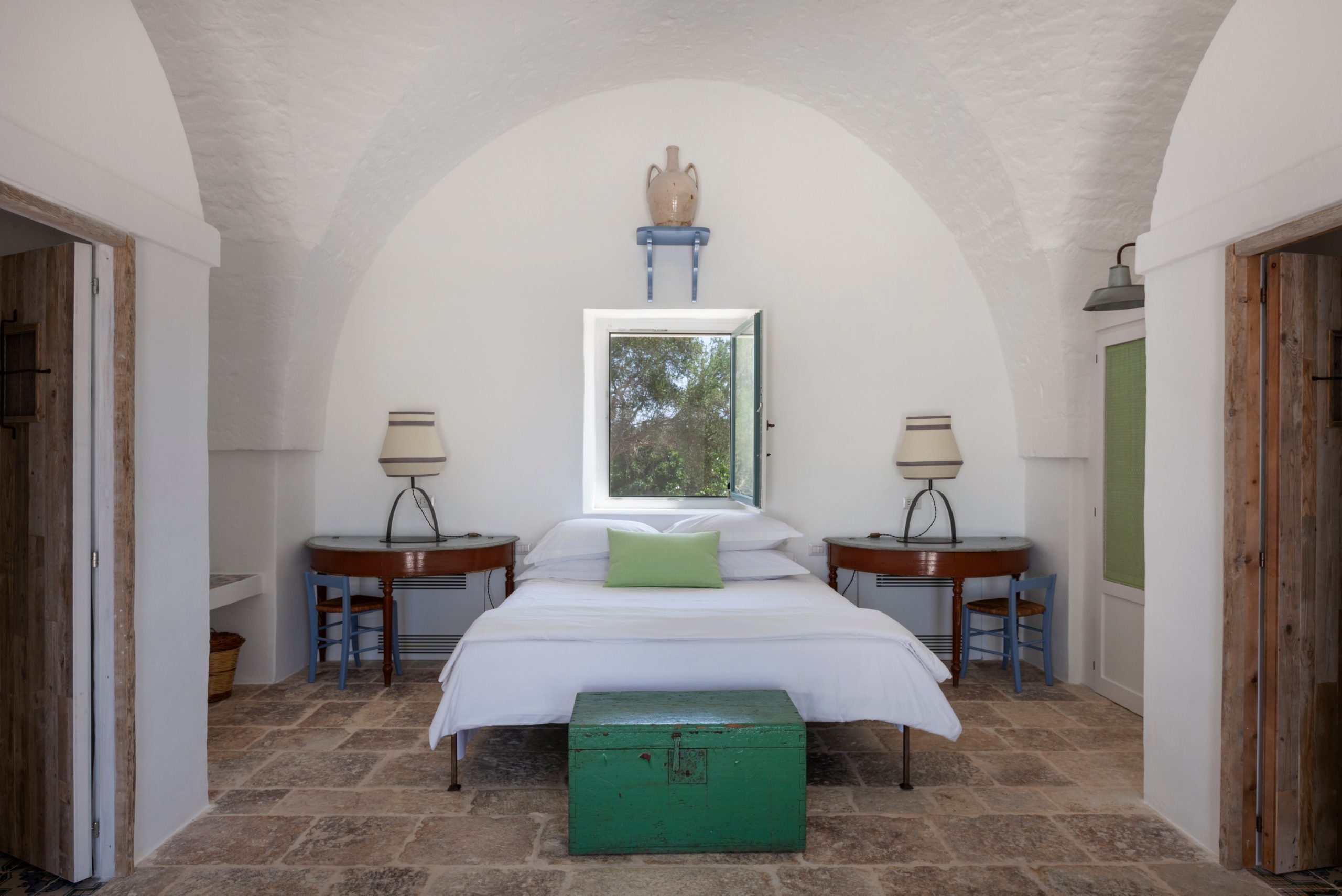
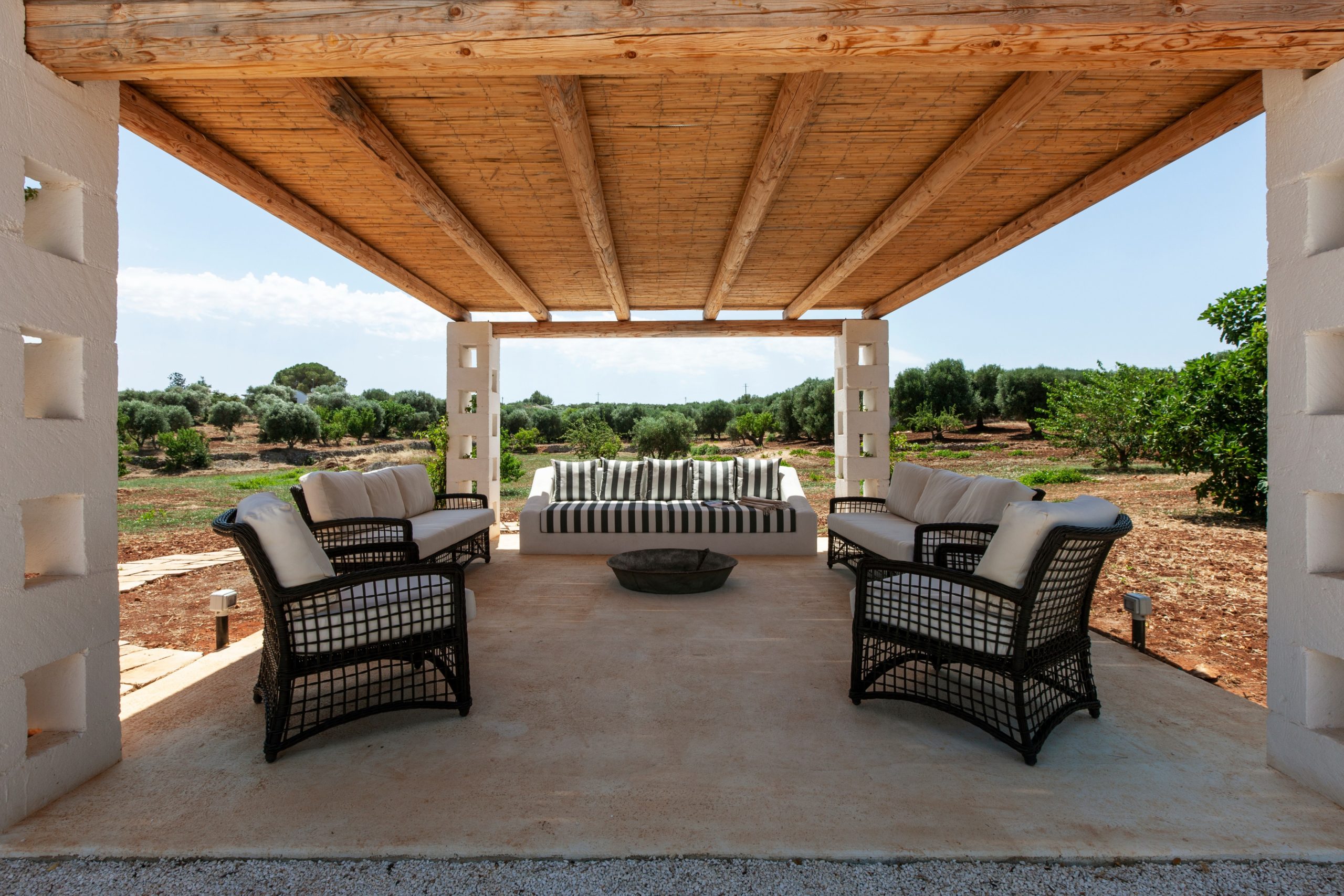
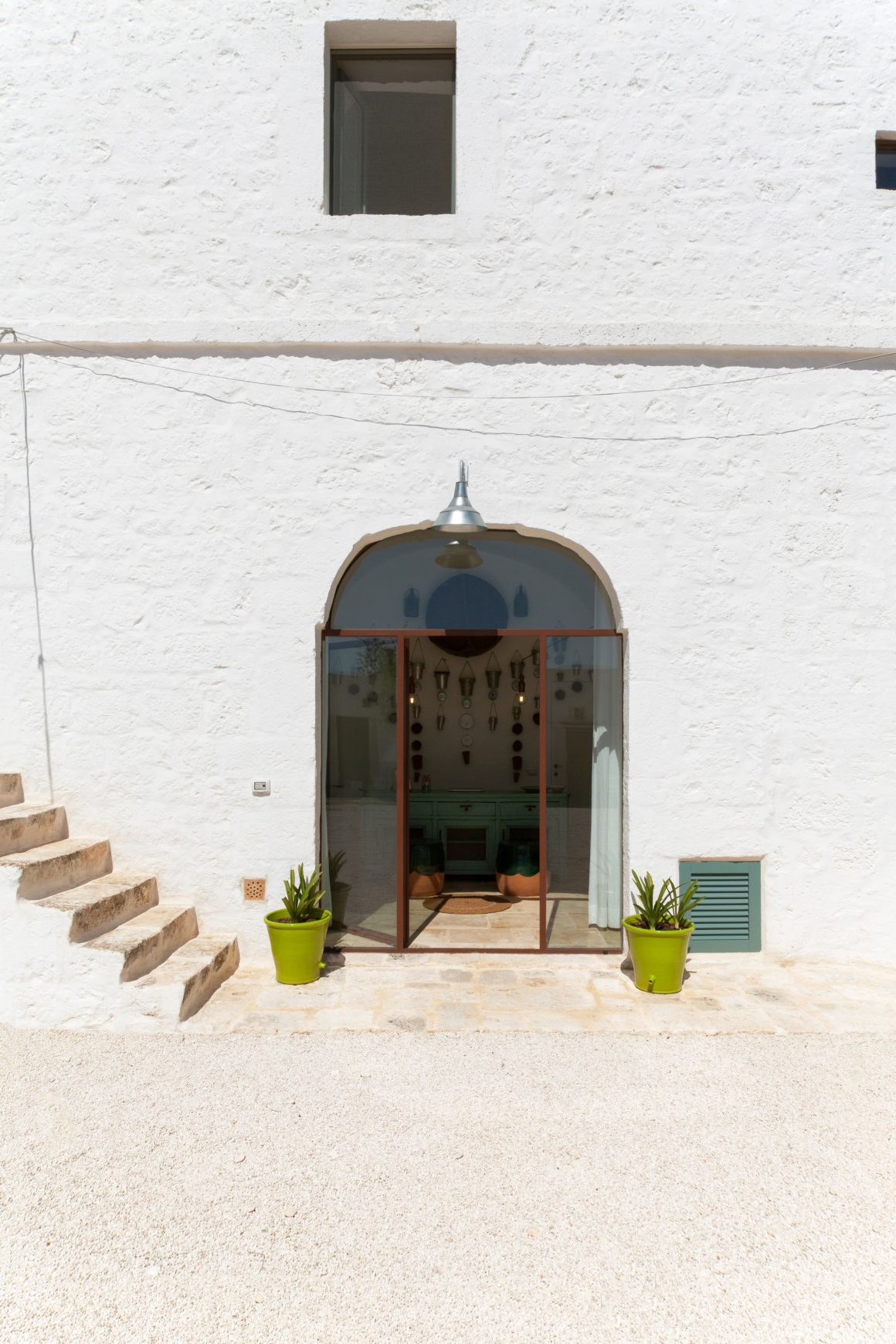
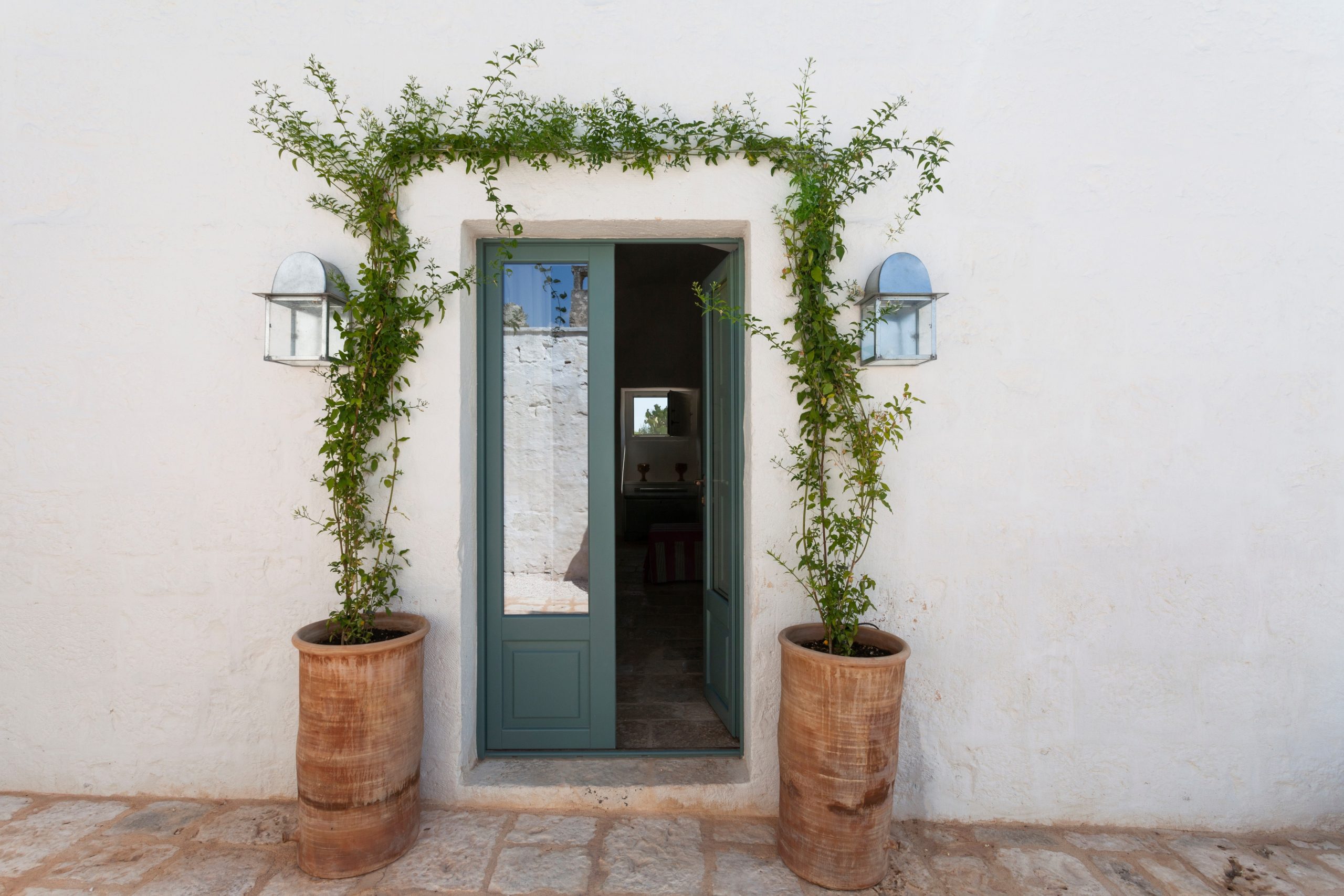
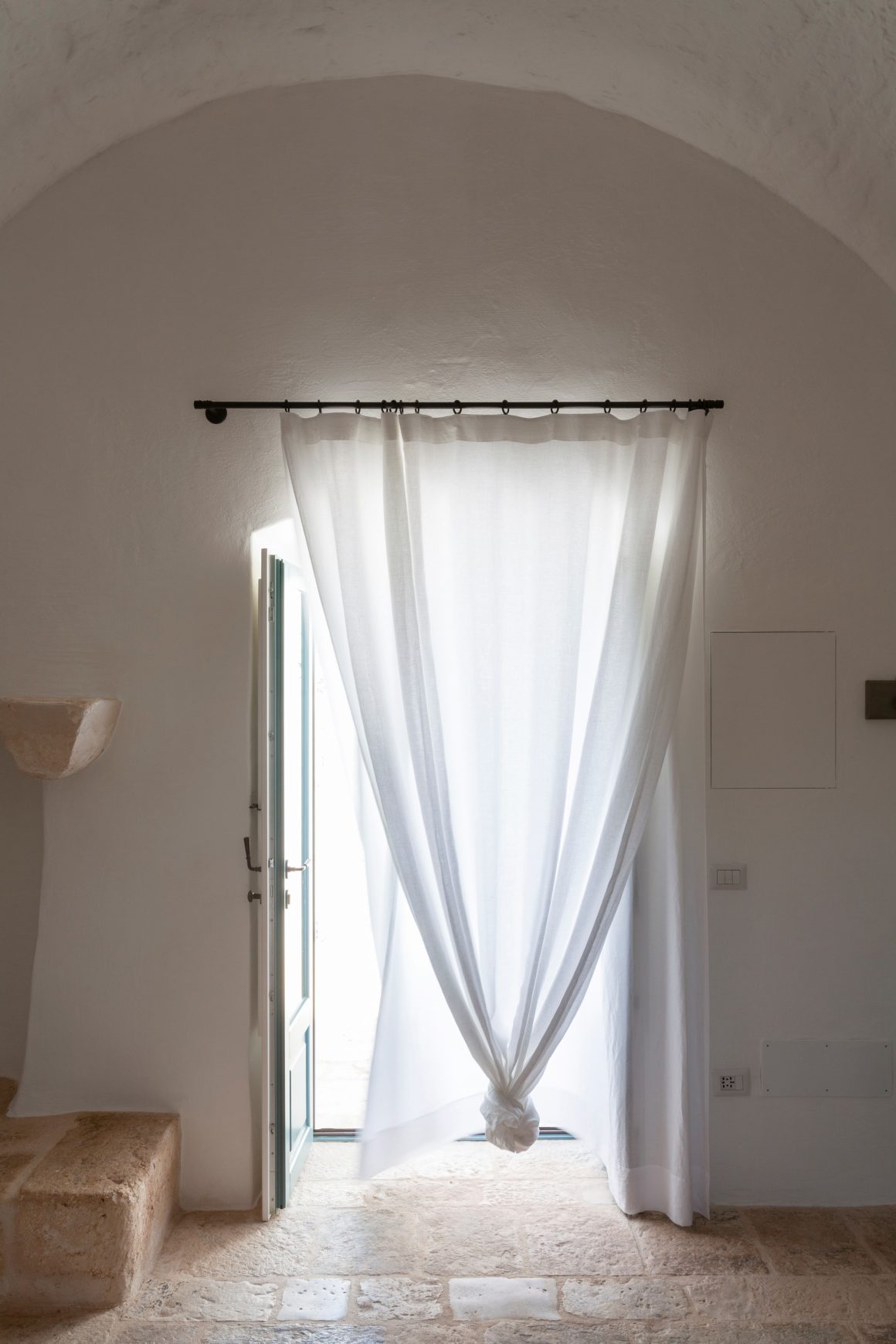
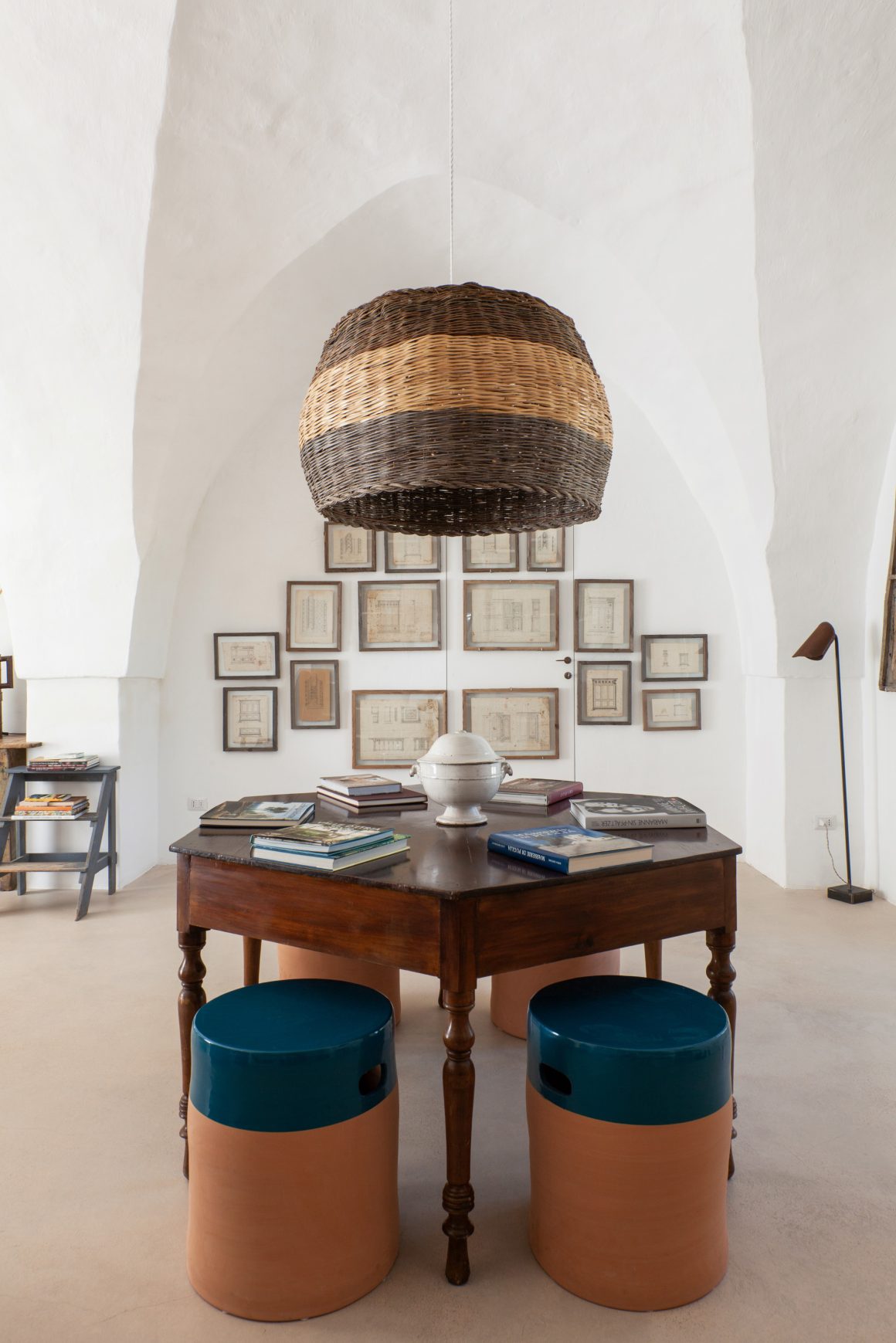
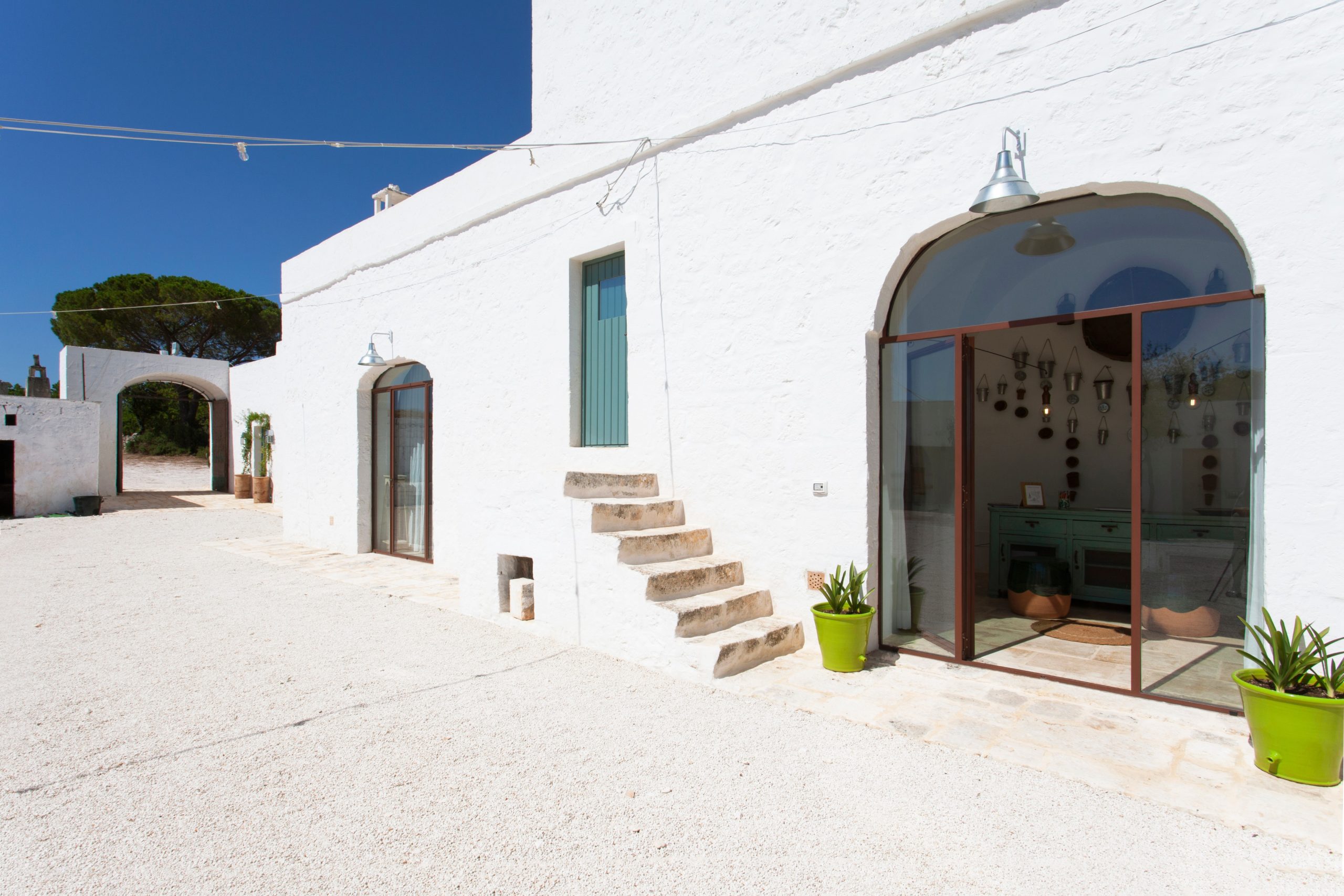
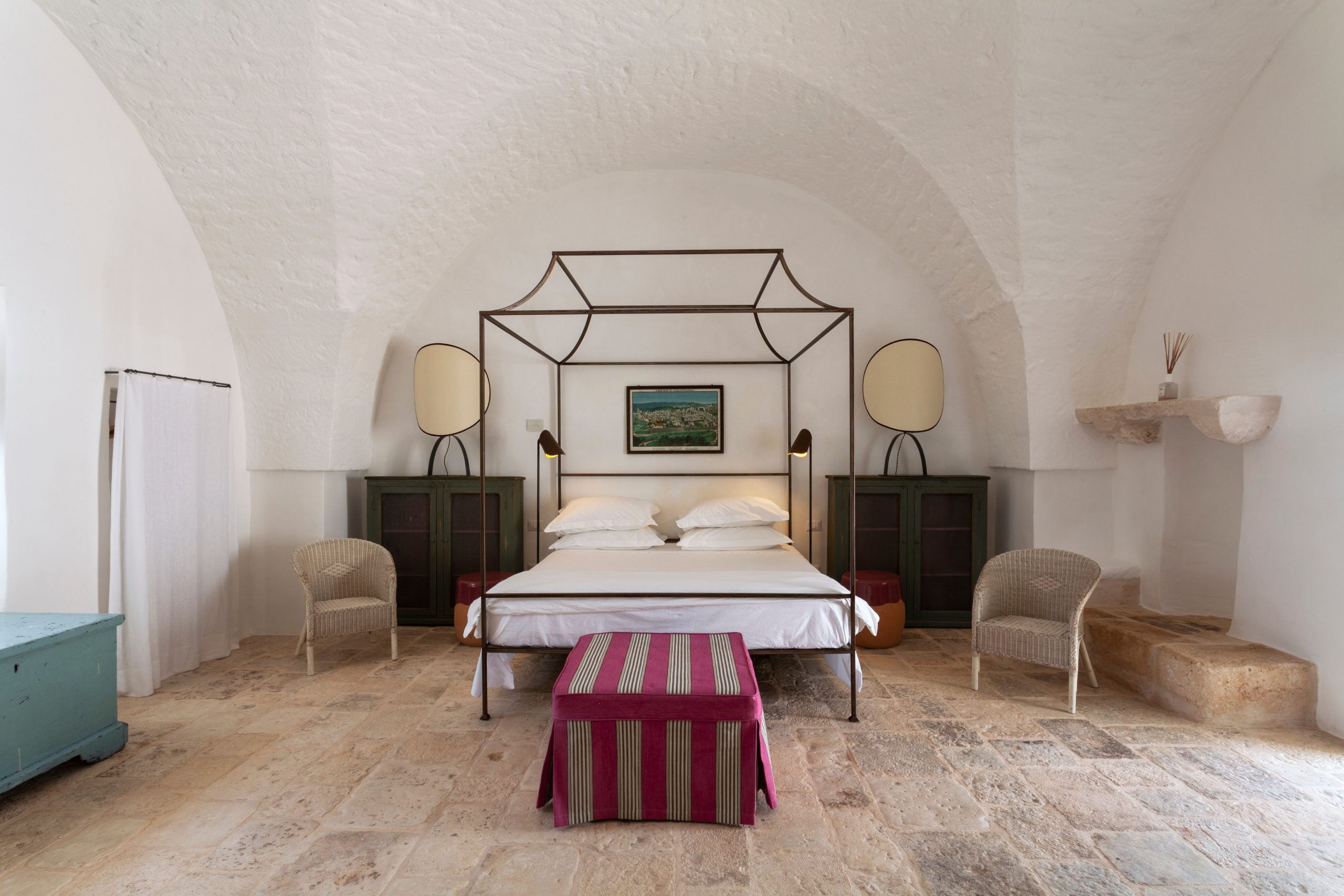
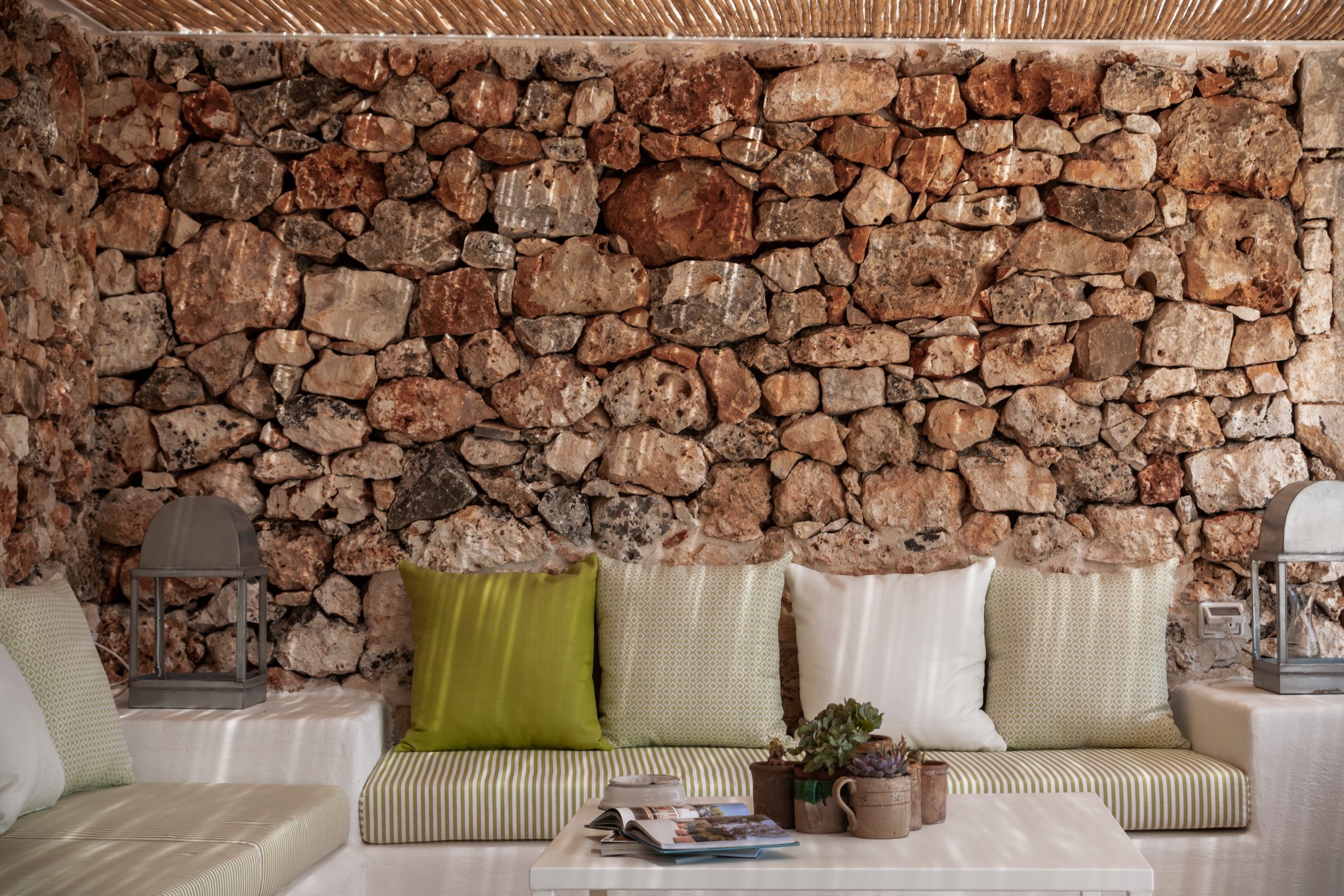
Masseria Paradiso is a careful restoration of a 17th-century agricultural estate that balances historic character with a restrained contemporary sensibility. Rather than transforming the building beyond recognition, the project celebrates its original architecture, preserving vaulted ceilings, thick stone walls and traditional materials while introducing a calm, cohesive interior language. The result is an environment where the building’s heritage remains clearly legible, allowing its proportions, craftsmanship and connection to the surrounding landscape to define the experience.
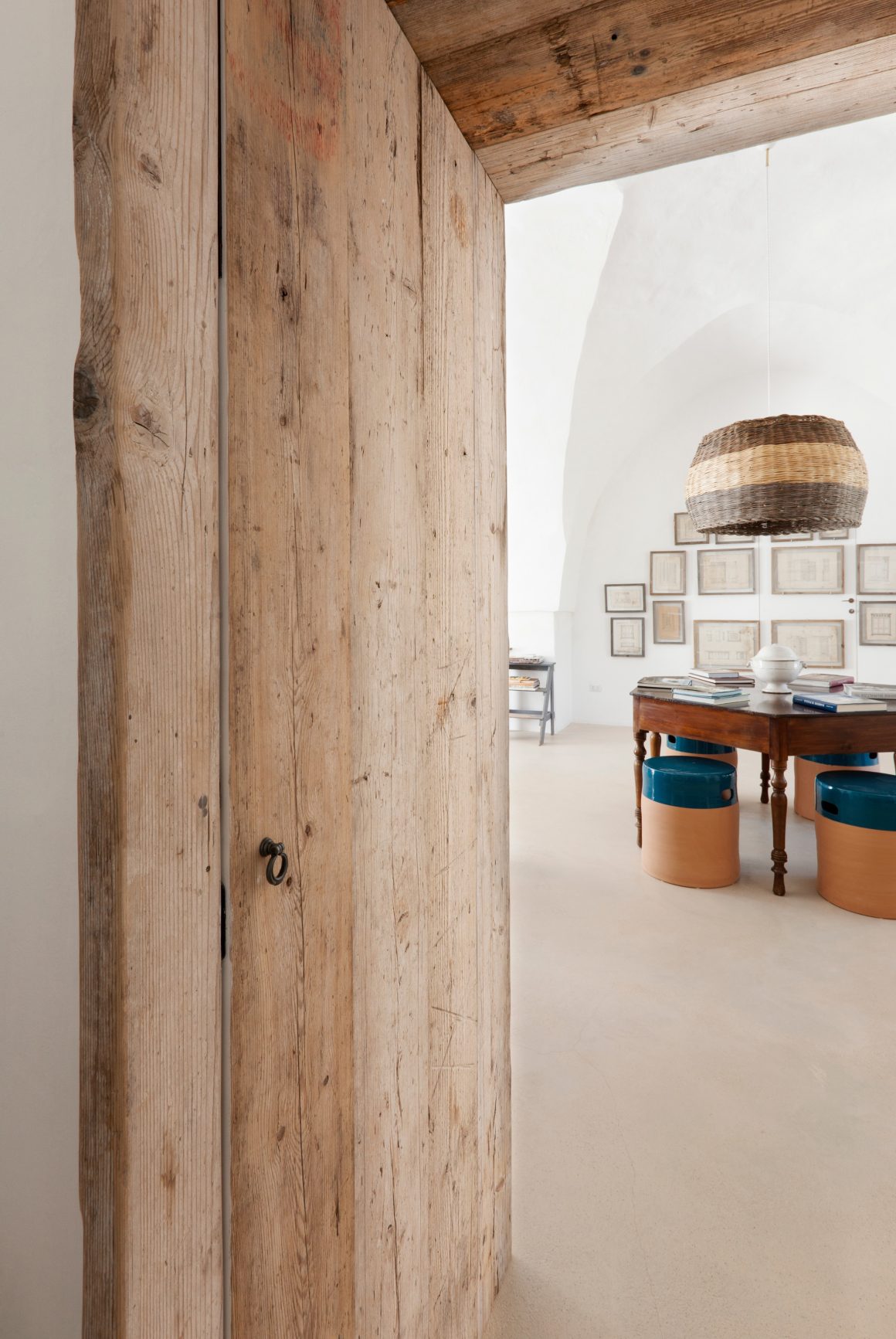
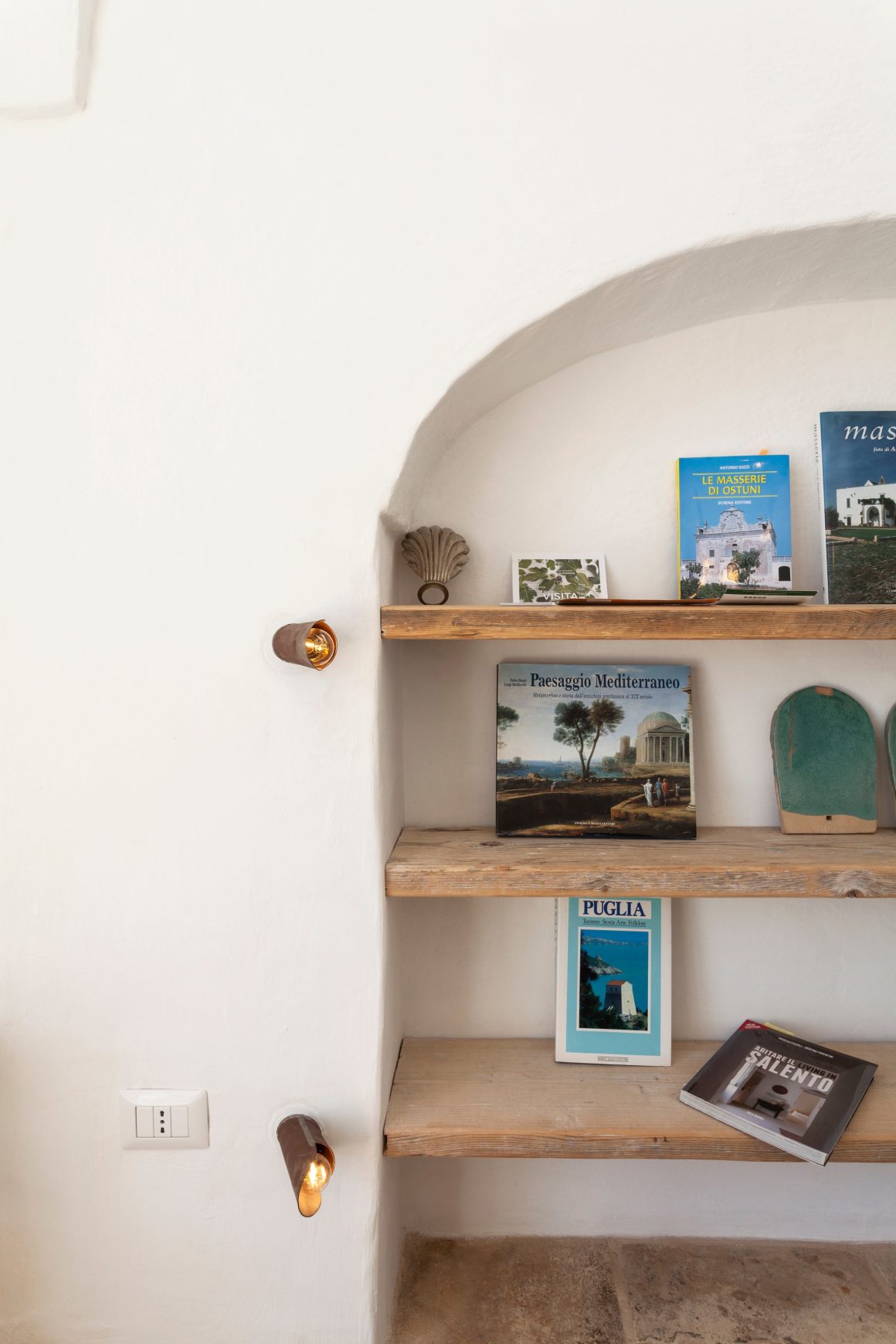
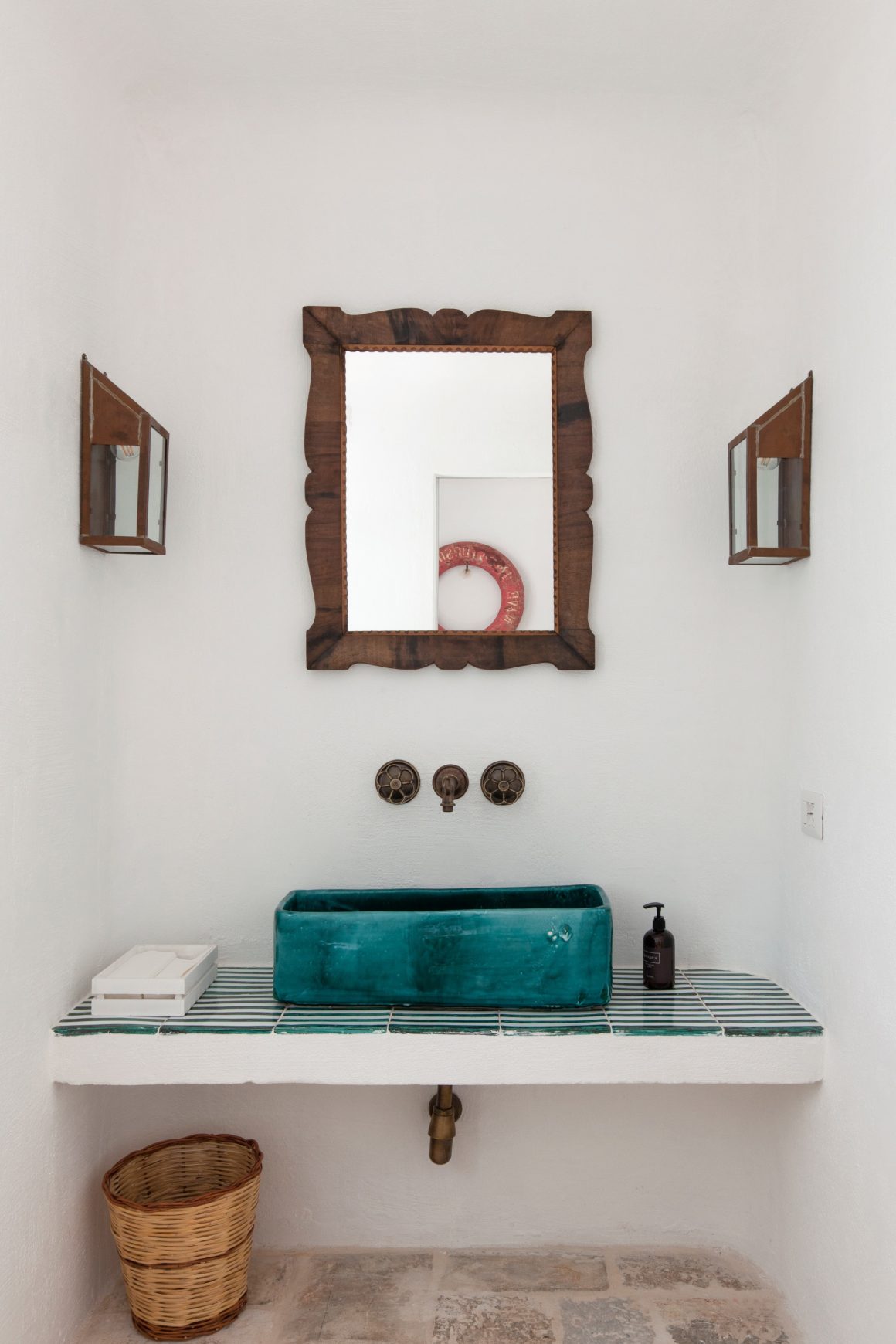
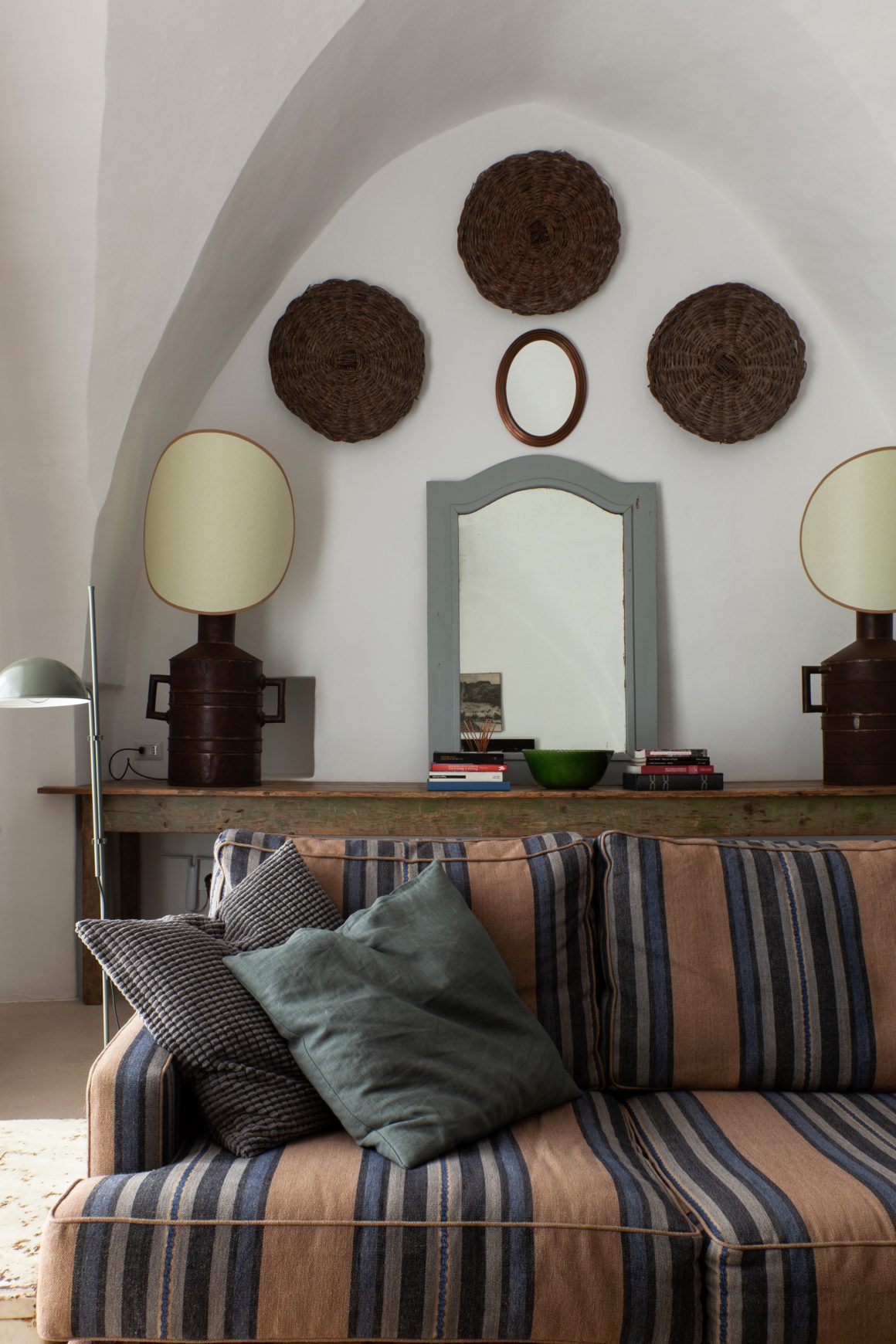
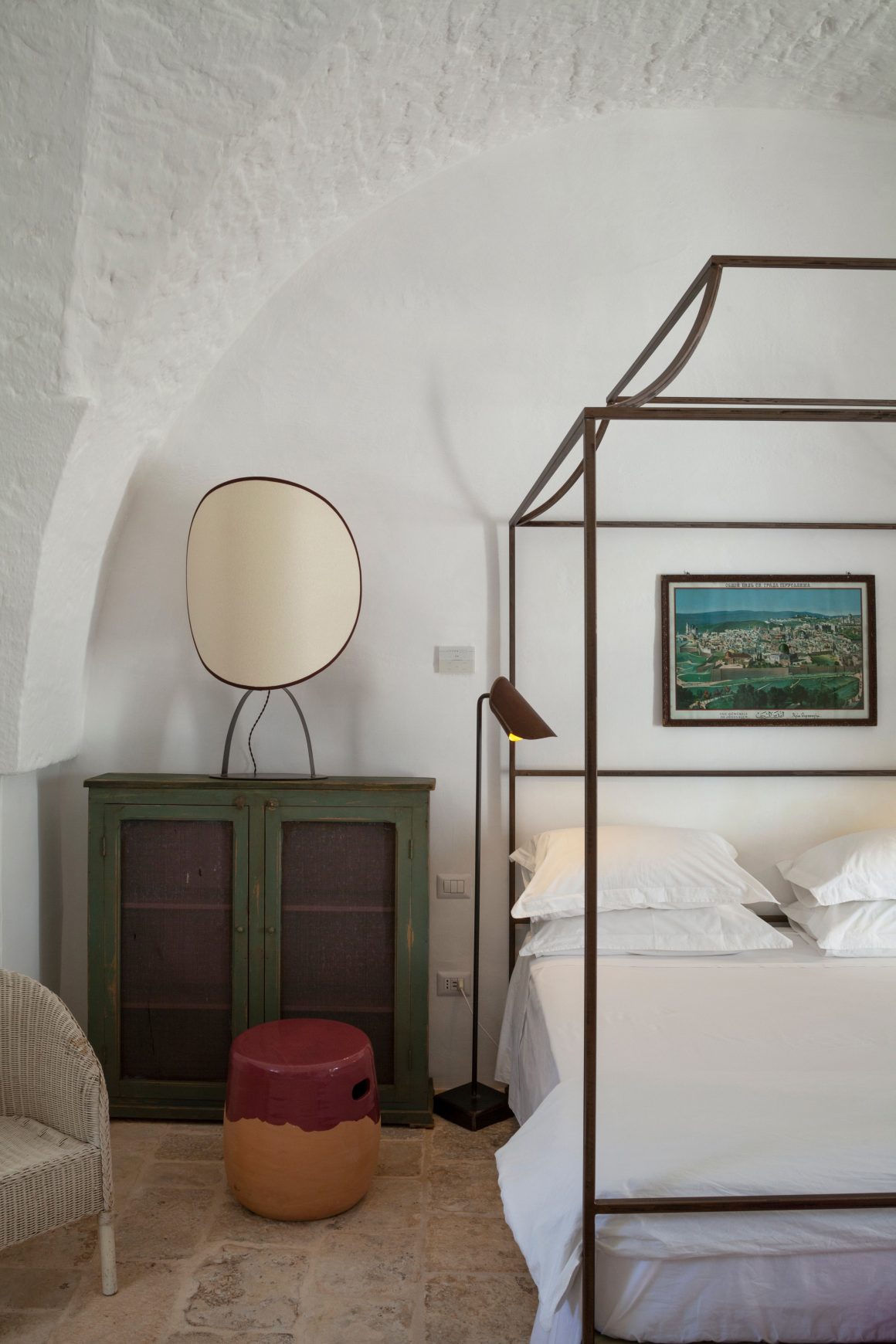
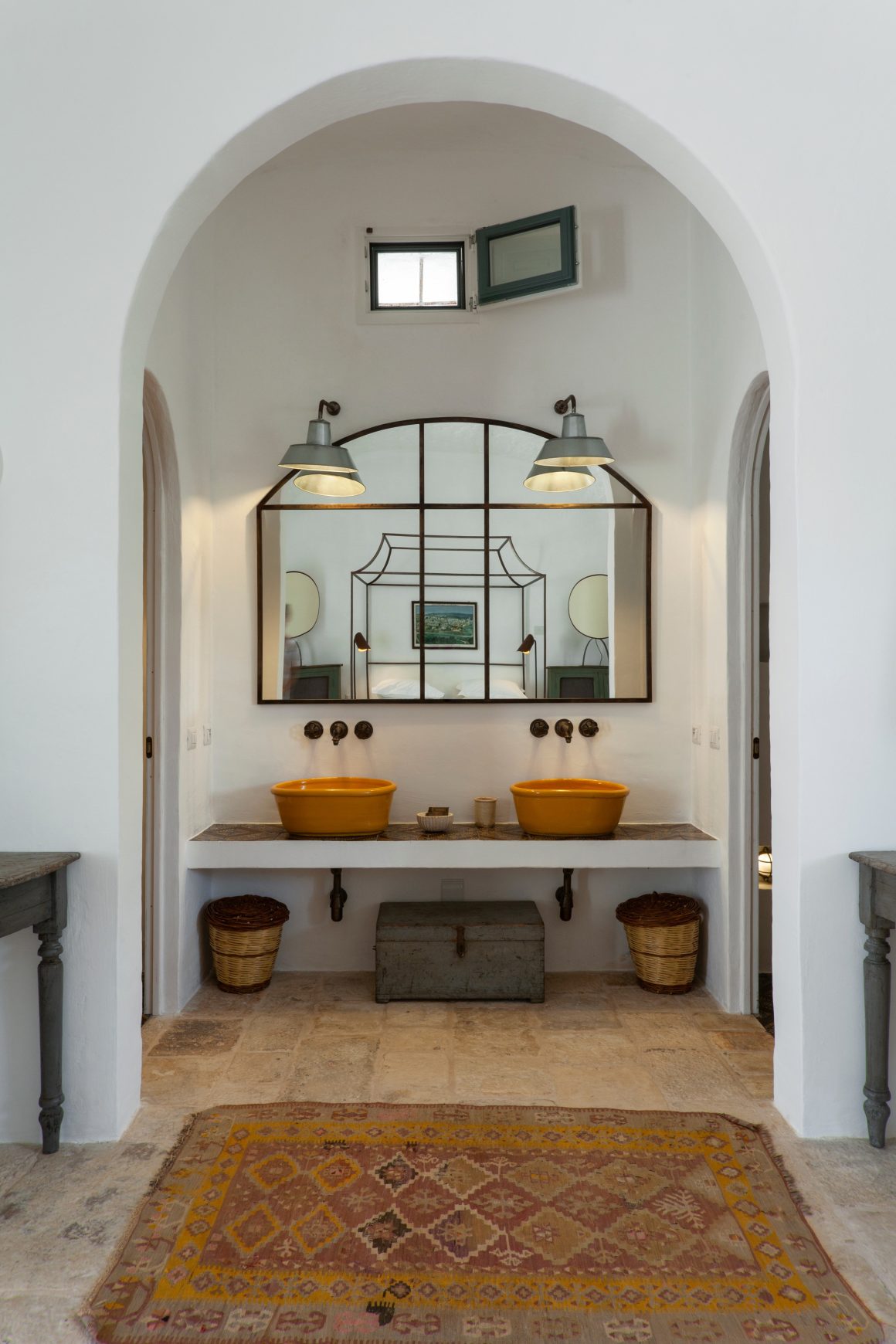
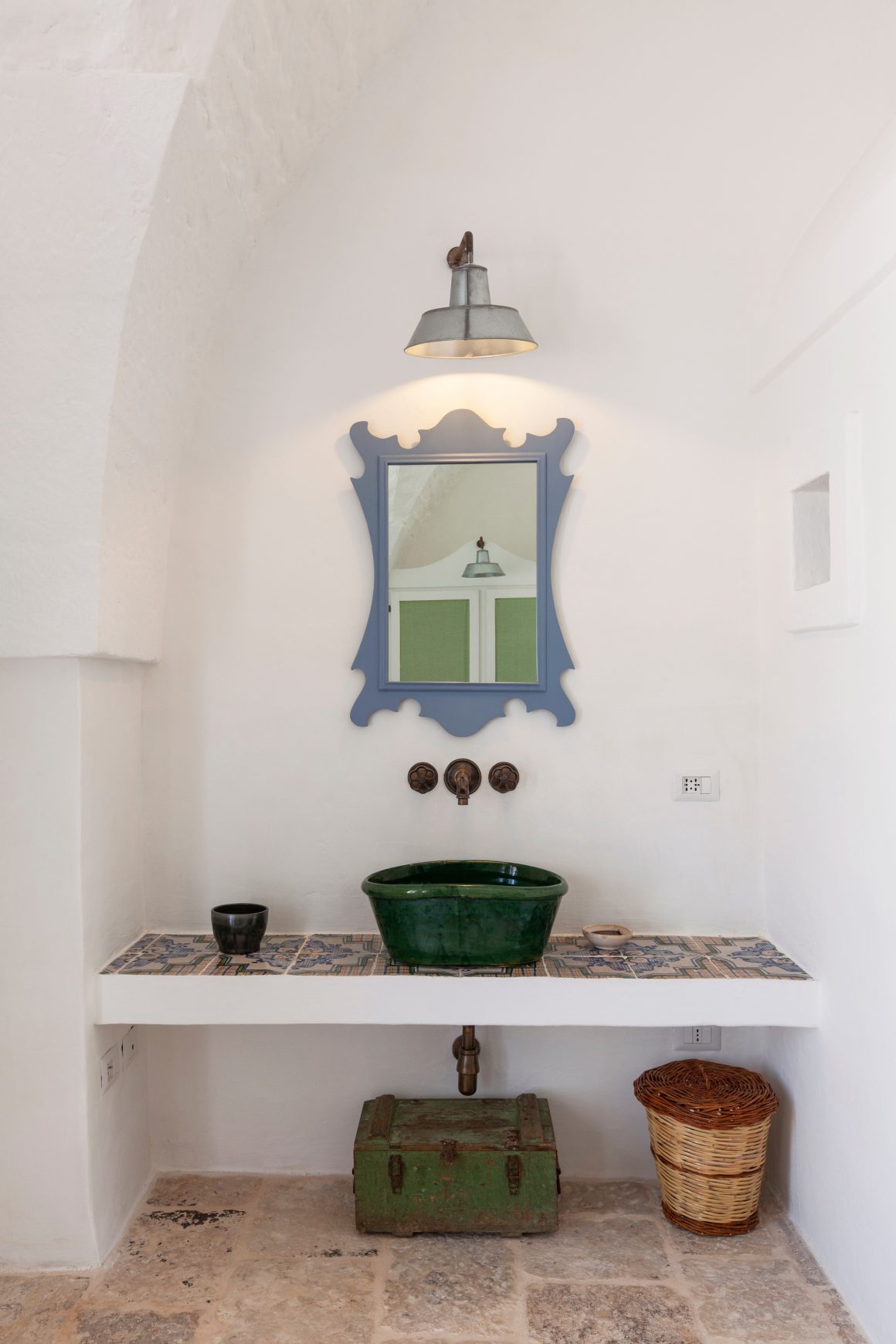
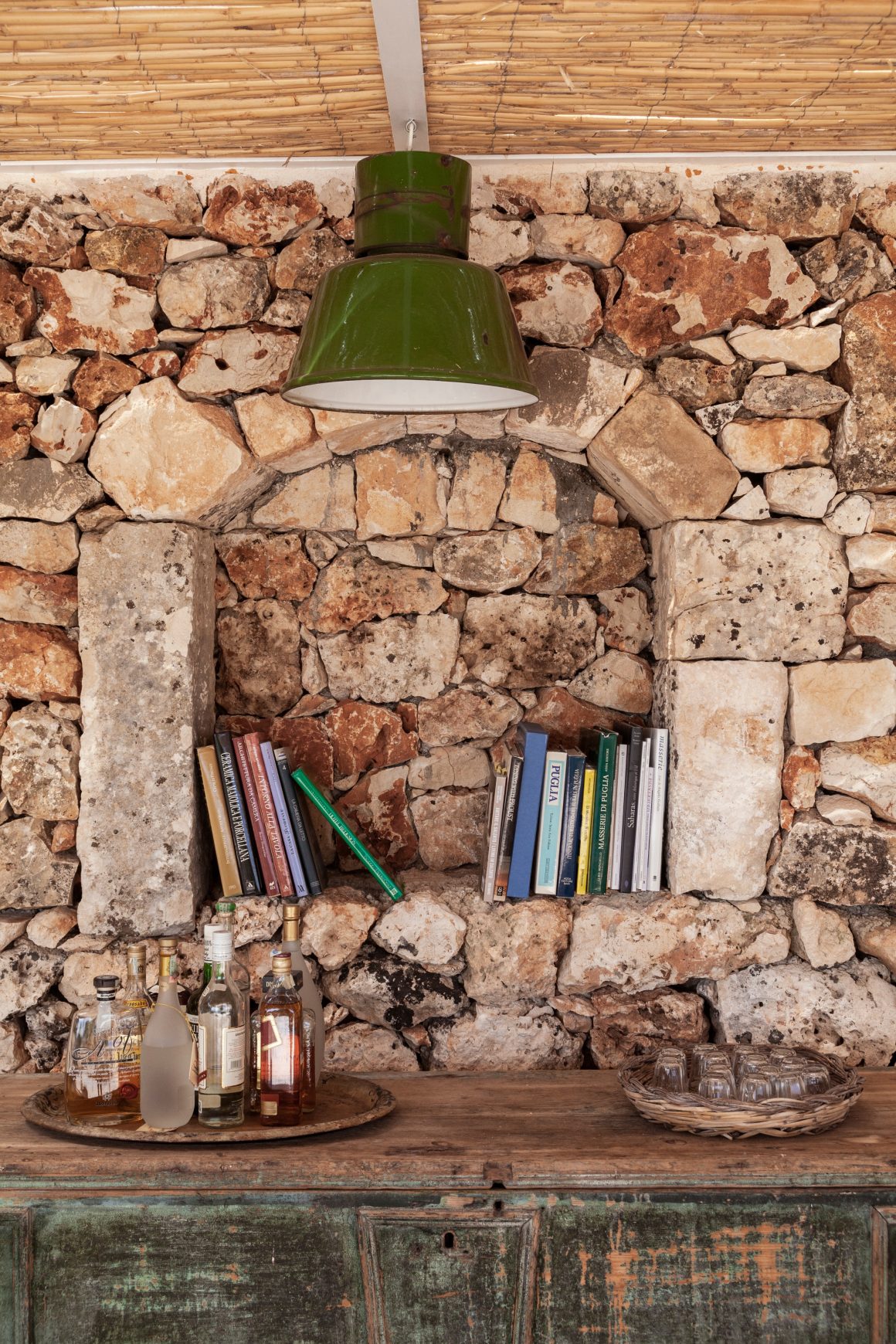
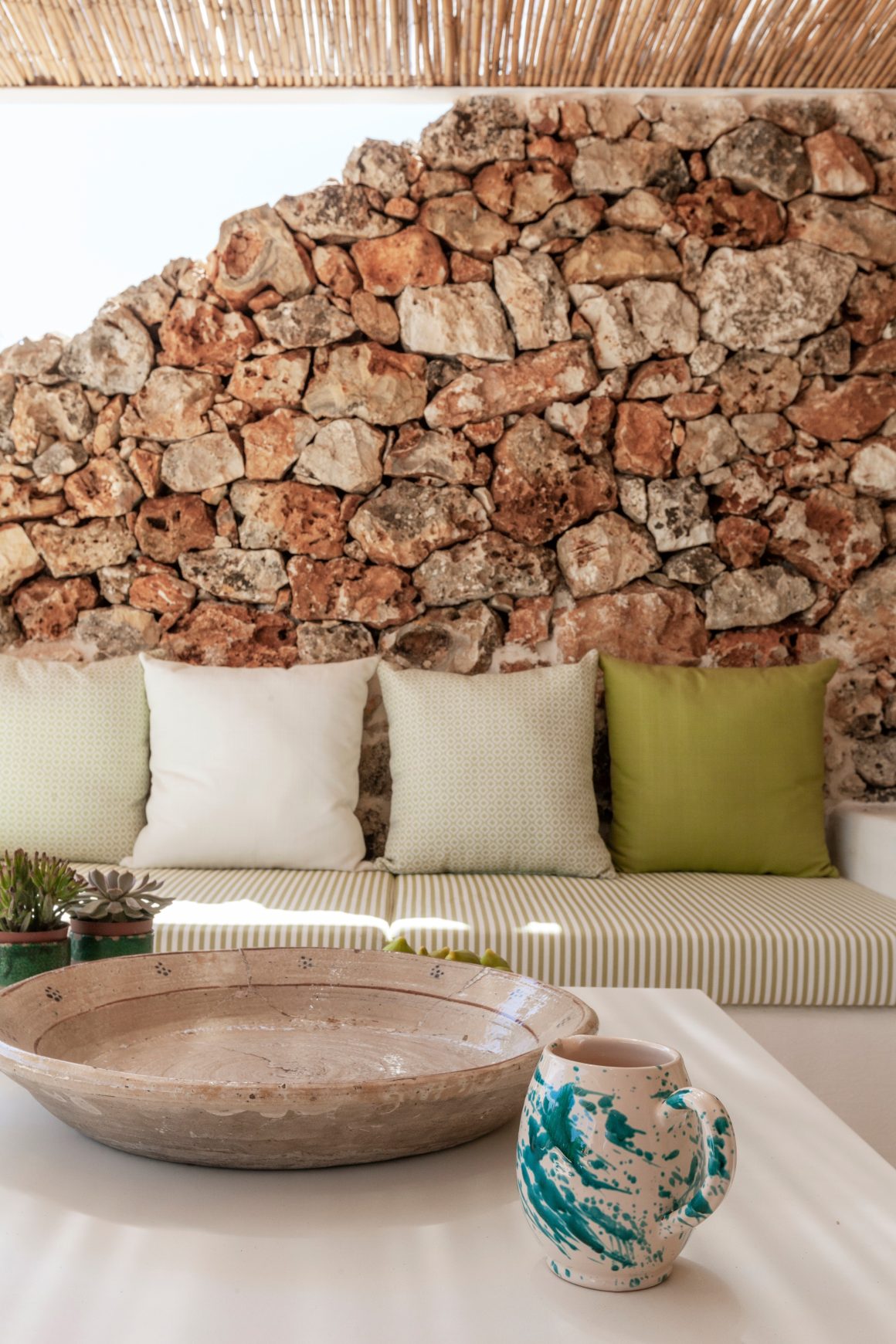
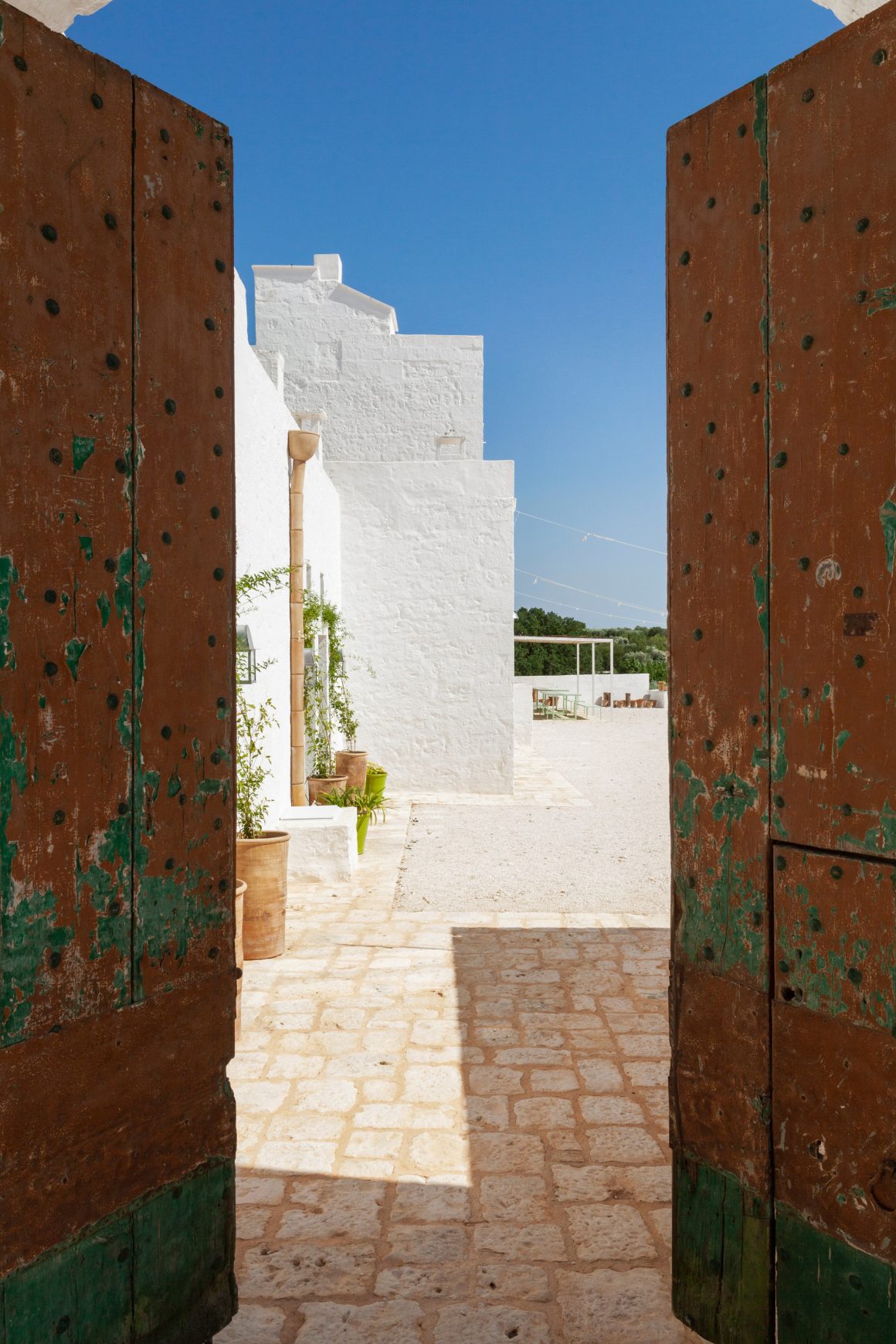
The interiors are characterised by a refined material palette of natural stone, limewashed surfaces, timber and handcrafted details, creating spaces that feel both timeless and quietly tactile. Light enters through carefully framed openings, accentuating the texture of historic masonry and reinforcing the dialogue between interior and exterior. Individual rooms maintain their own identity while contributing to a coherent architectural composition rooted in simplicity, balance and authenticity.
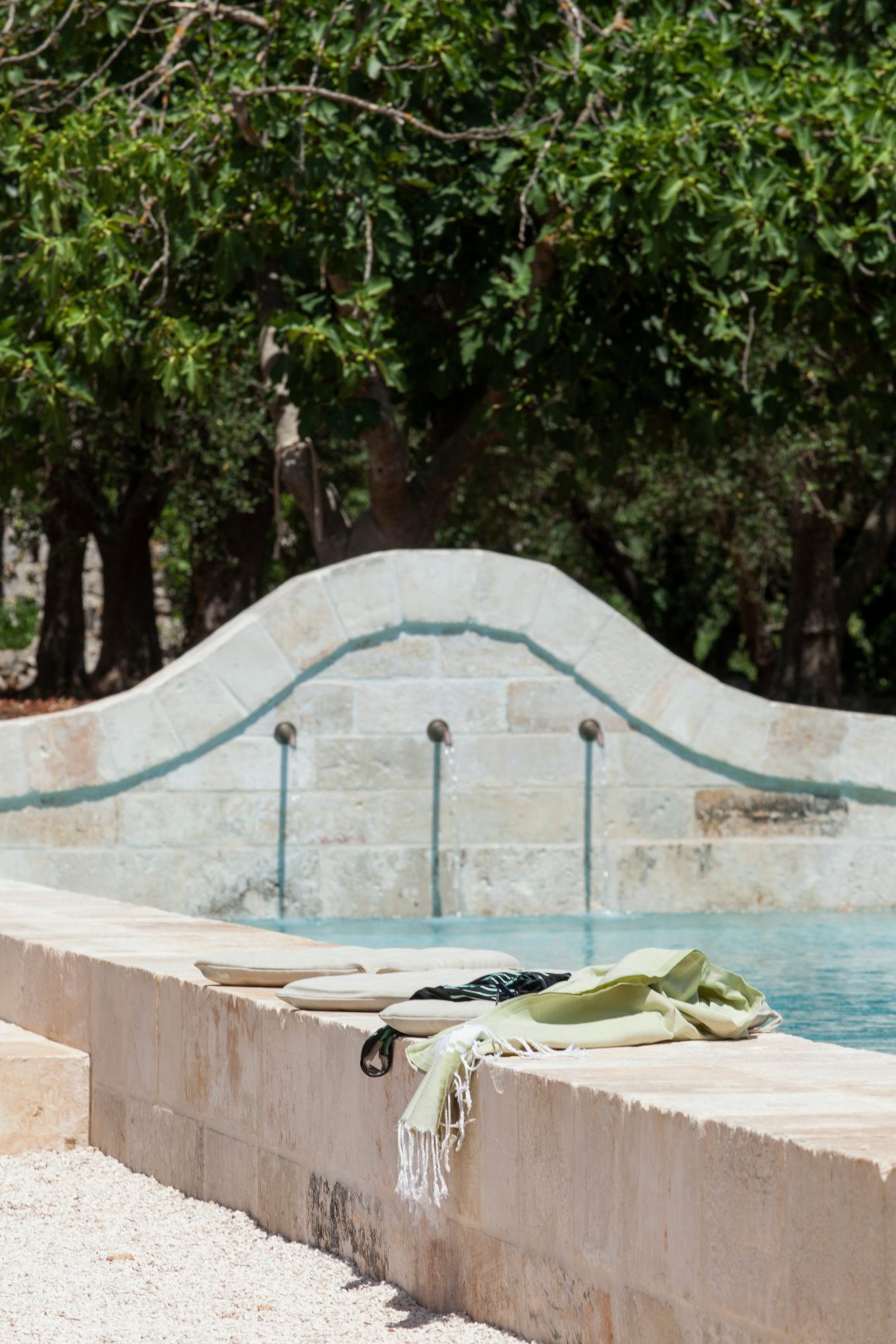
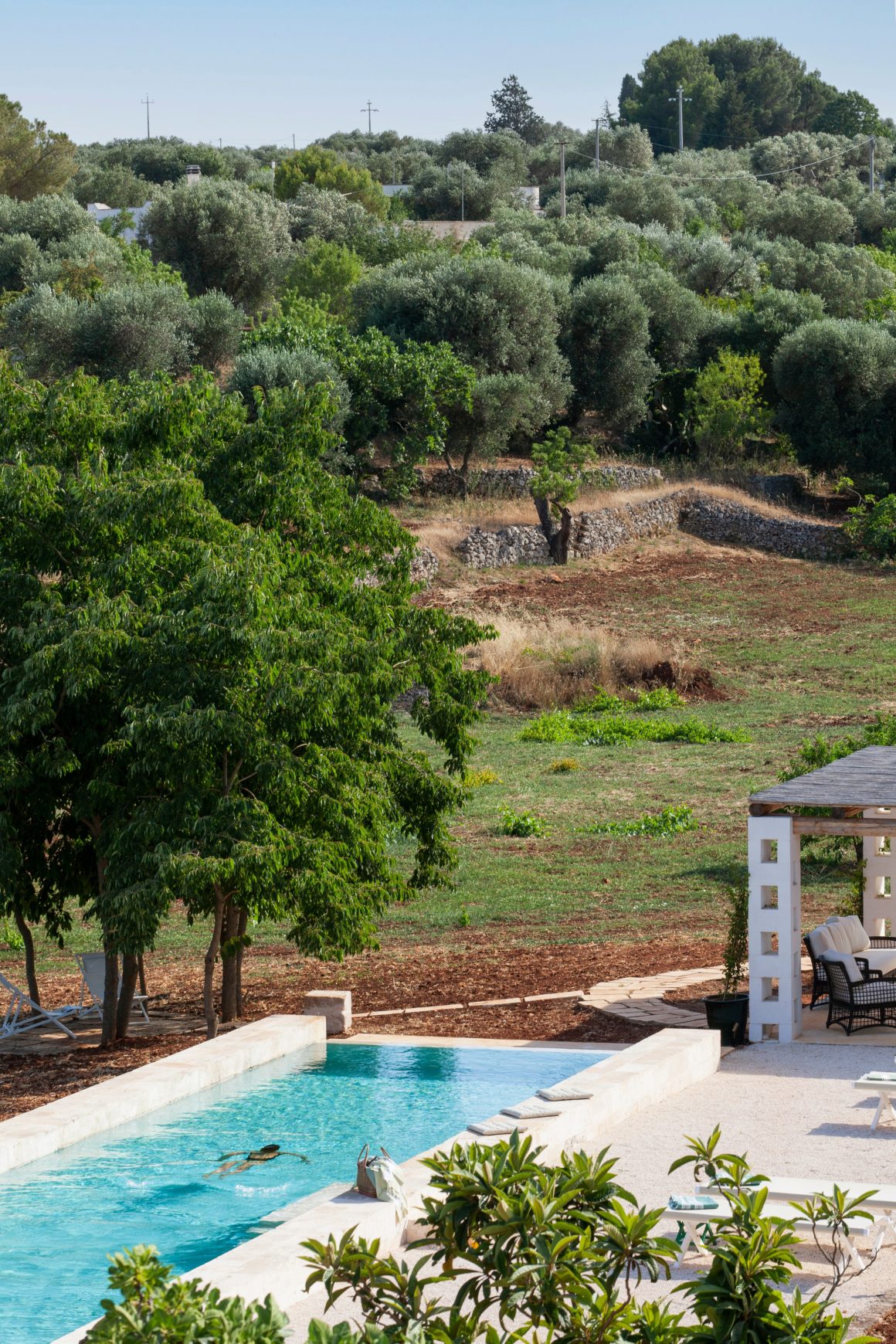
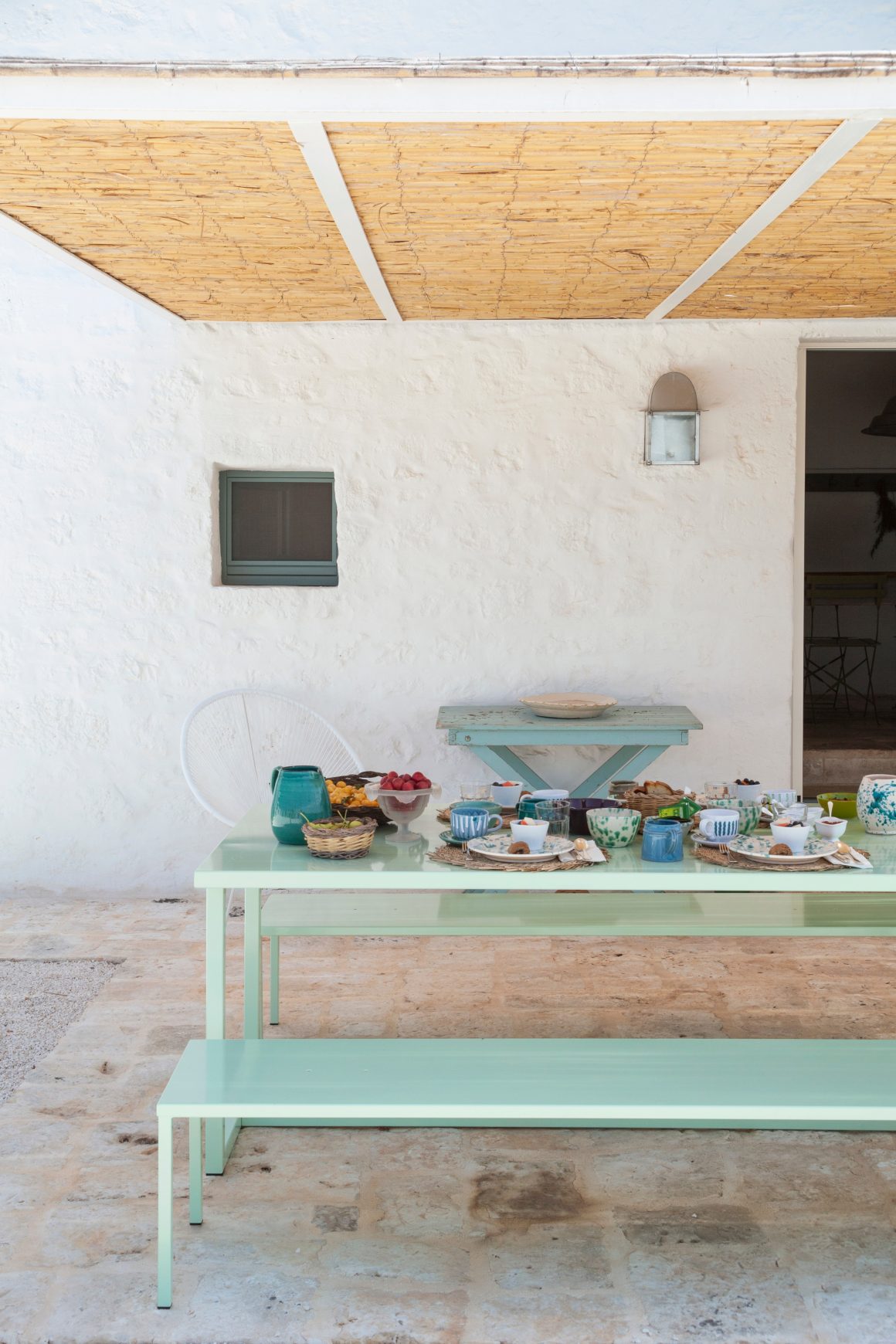
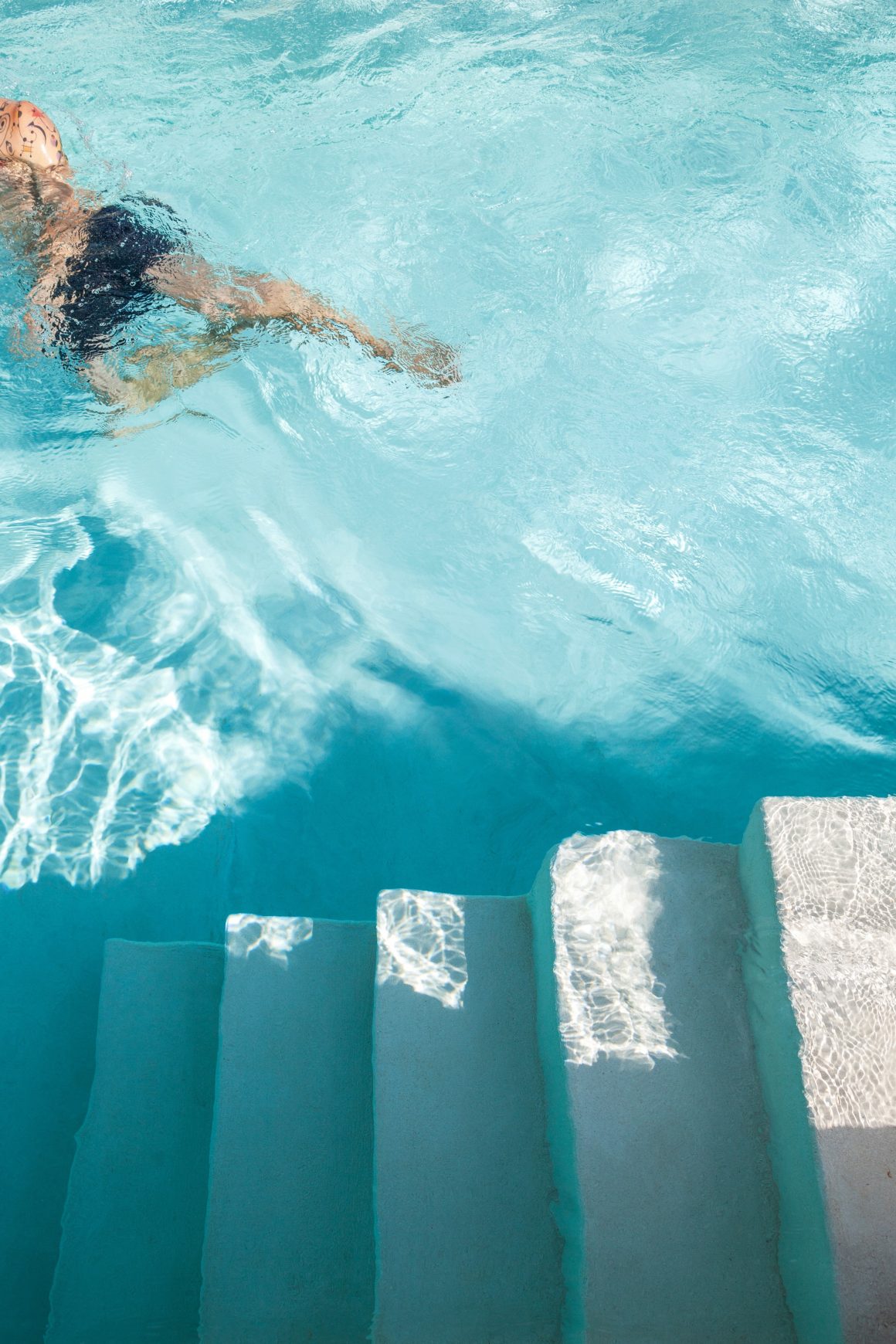
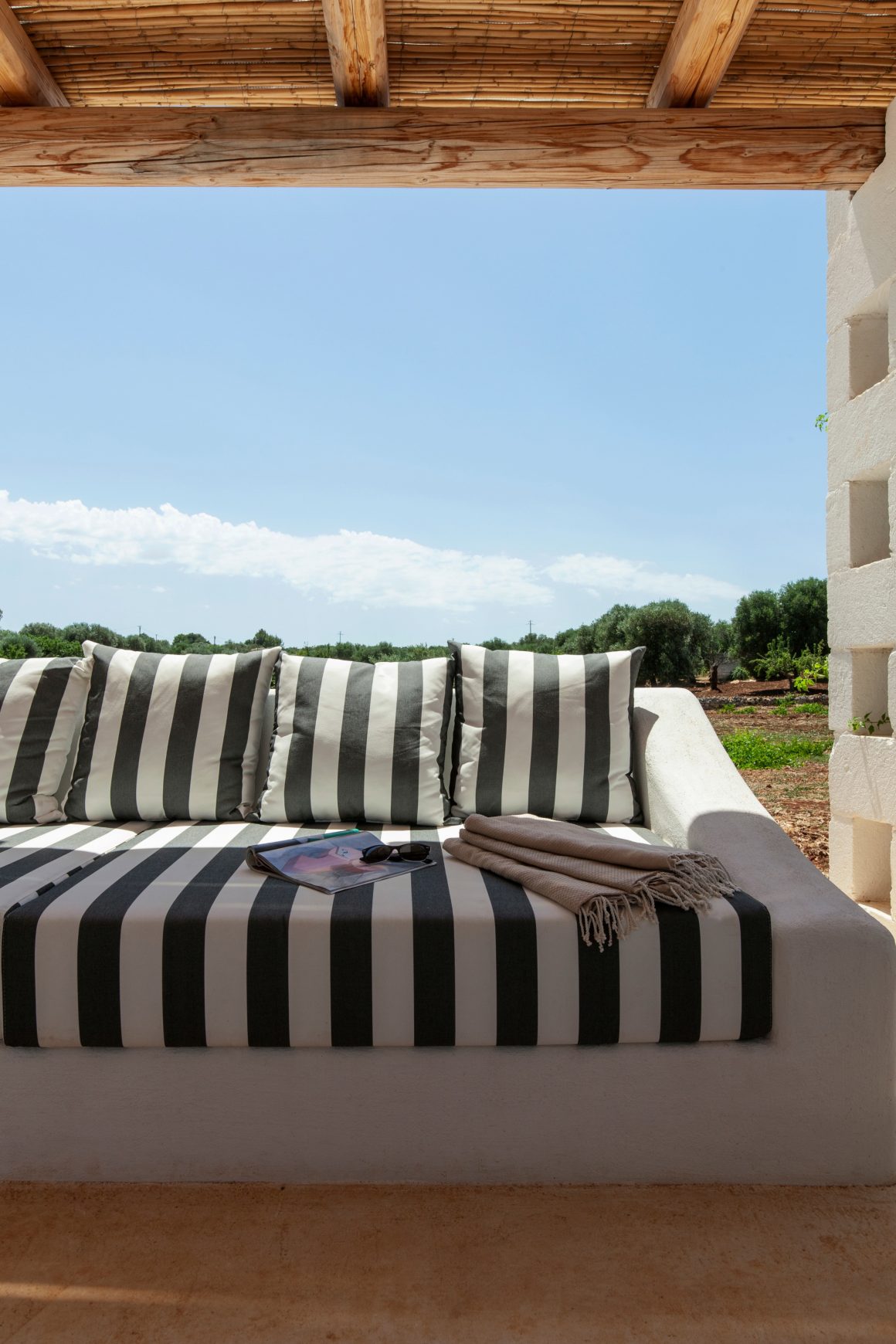
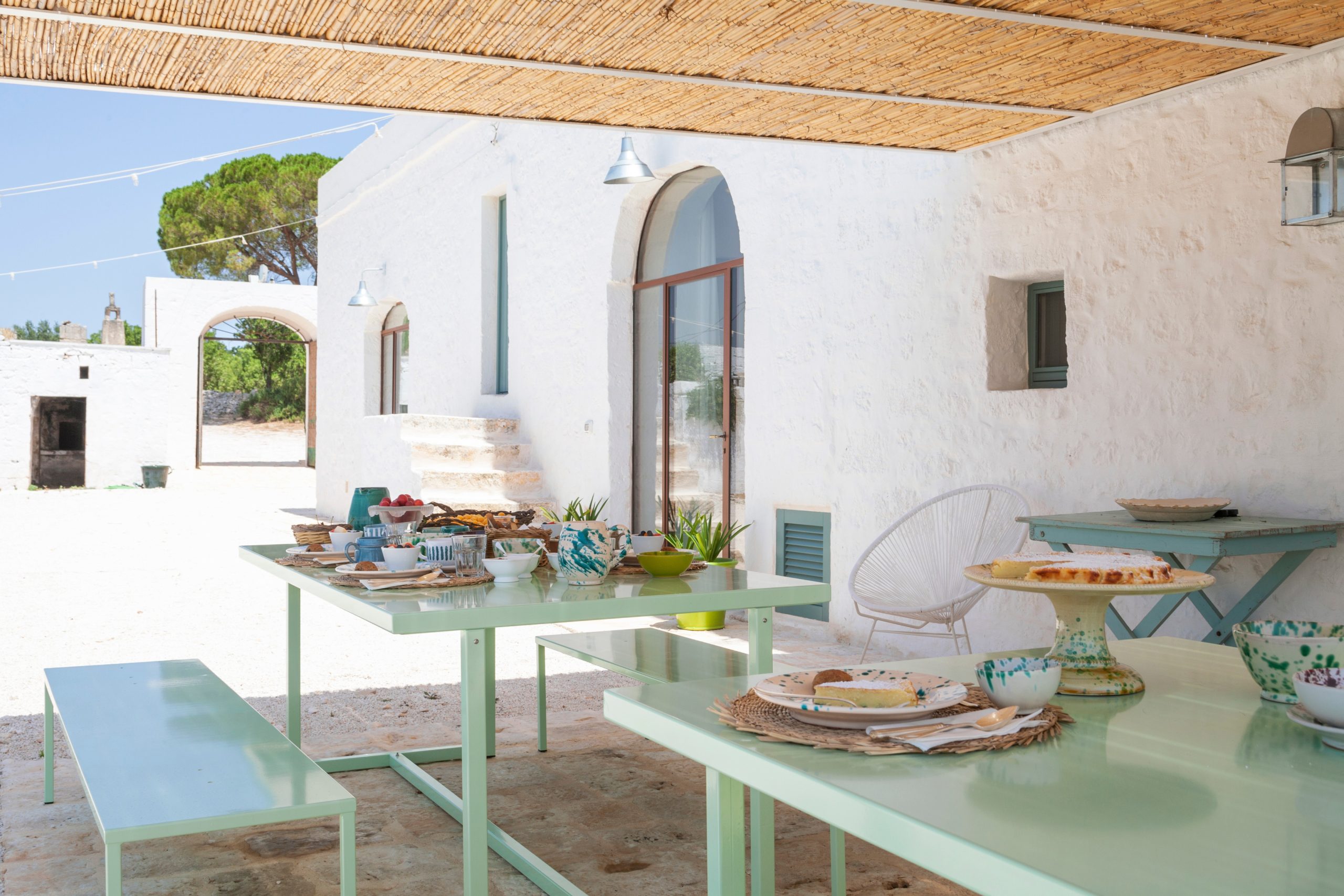
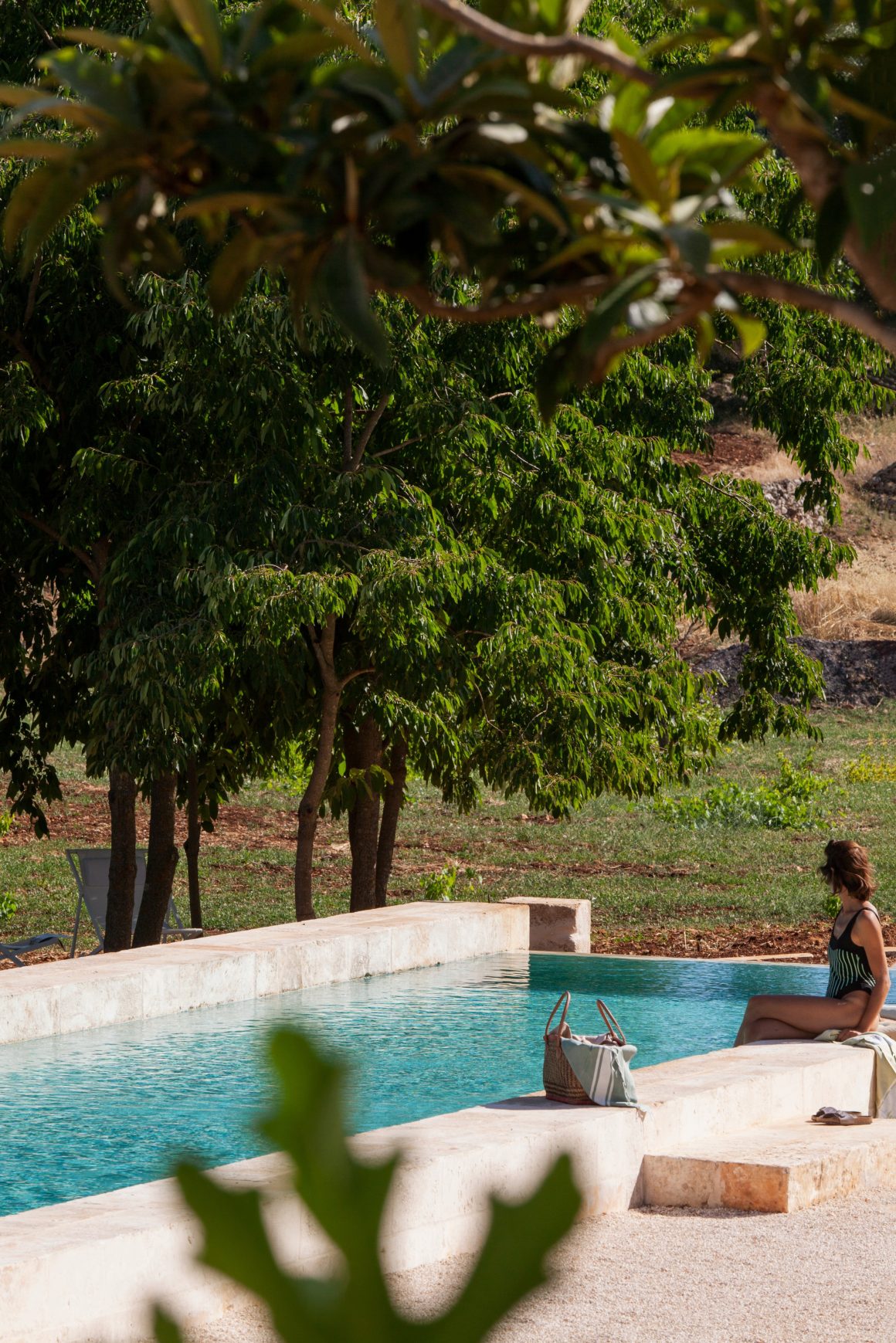
Throughout the project, architecture and landscape remain closely intertwined. Courtyards, gardens and outdoor living spaces extend the spatial experience beyond the historic walls, encouraging a slower rhythm of everyday life. Masseria Paradiso demonstrates how sensitive restoration and thoughtful design can preserve the spirit of a historic rural building while adapting it to contemporary living with clarity, restraint and enduring elegance.
“True luxury is not excess, but beauty, quiet and the feeling of being genuinely welcomed”. Patrizia, Owner
How would you describe Masseria Paradiso in a nutshell?
Masseria Paradiso is a small, quiet oasis in the countryside near Ostuni — a place to slow down and feel at ease from the moment you arrive. With only a few rooms, it remains intimate, calm and personal, never formal.
Hospitality here isn’t standardised, it’s human. We try to understand what each guest is looking for and gently adapt to that. In the end, it’s less about “staying somewhere” and more about feeling good in a simple, natural way.
What is the story behind Masseria Paradiso — what inspired you to create it?
My husband and I were living in Rome but had long felt the need to slow down and build a life closer to nature. We had already restored our trulli nearby, which had become our refuge, and that’s where the idea of moving to Puglia began.
In 2016, we discovered this 17th-century Masseria just 2 km away. It was hidden and almost abandoned, but something about it was immediately clear — its proportions, its silence, its presence in the landscape.
We didn’t begin with the idea of creating a hospitality project. We simply wanted to bring it back to life. Over time, it naturally became something we wanted to share. That’s why Masseria Paradiso feels less like a business and more like a life project.
The project was developed with architect Mirko Ermenegildo Pozzi, whose approach is defined by sensitivity to existing structures and a careful preservation of their original character.
The interiors were also developed together with Mirko Ermenegildo Pozzi, in close dialogue with us. It was never about decoration, but about balance — between memory, materials and comfort — allowing the house to feel lived-in rather than staged.
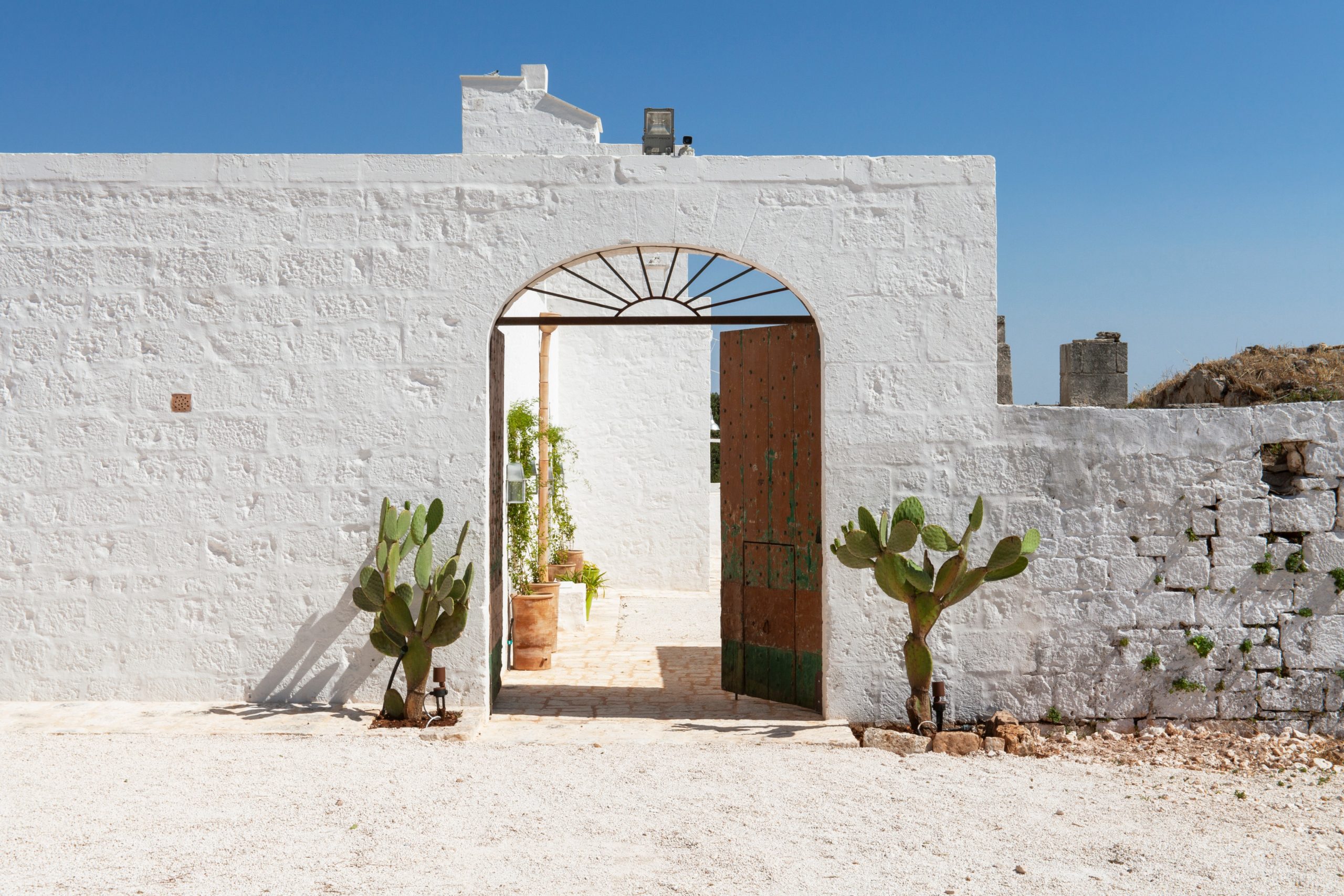
How would you describe the atmosphere and interior design?
The atmosphere is quiet, luminous and intimate. Nothing is designed to impress at first glance. It reveals itself gradually.
Many guests notice a shift when they arrive: you leave behind the movement and energy of towns and roads, and step into a space that feels protected, almost suspended — where everything slows down.
That contrast was important to us. Not isolation, but a pause.
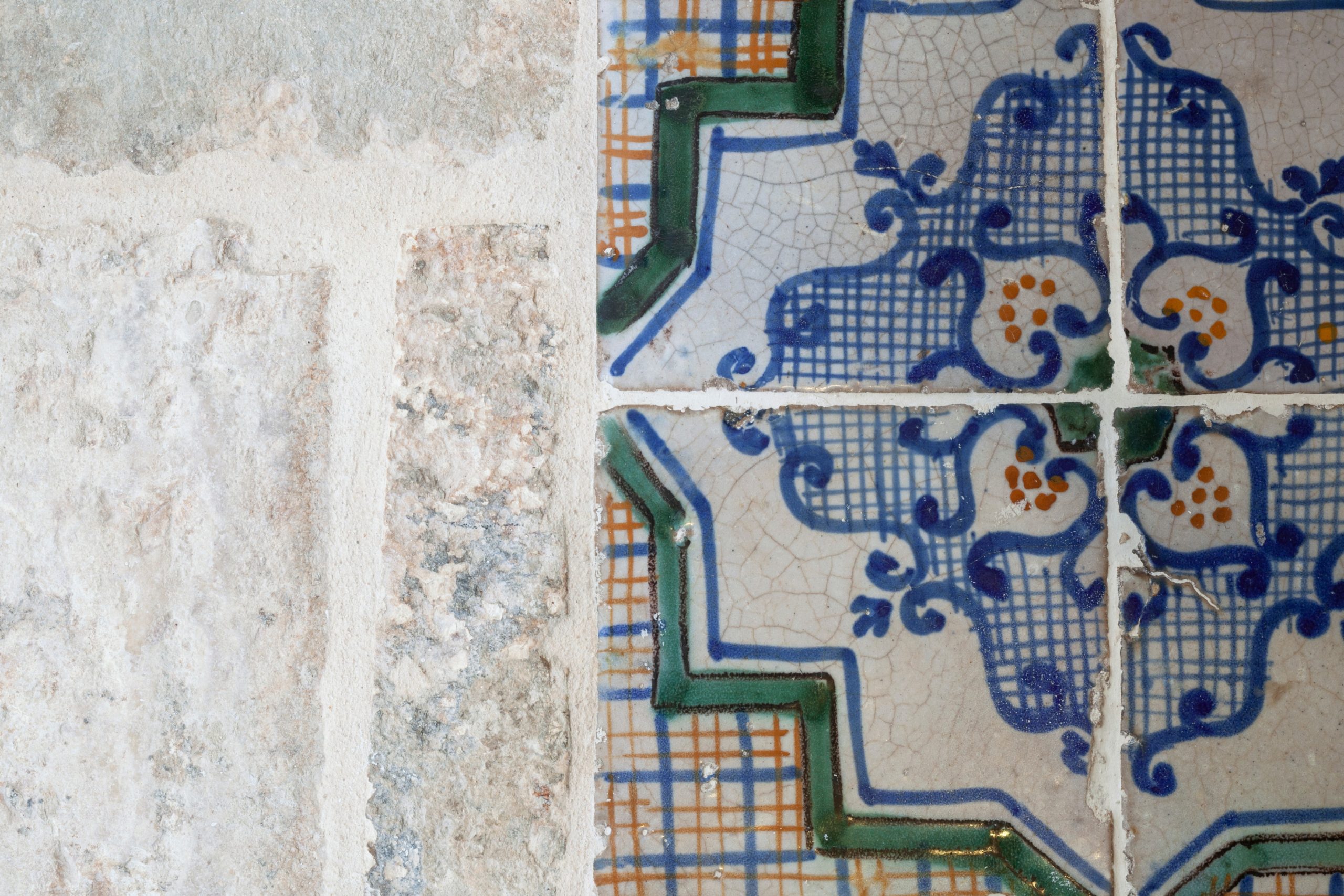
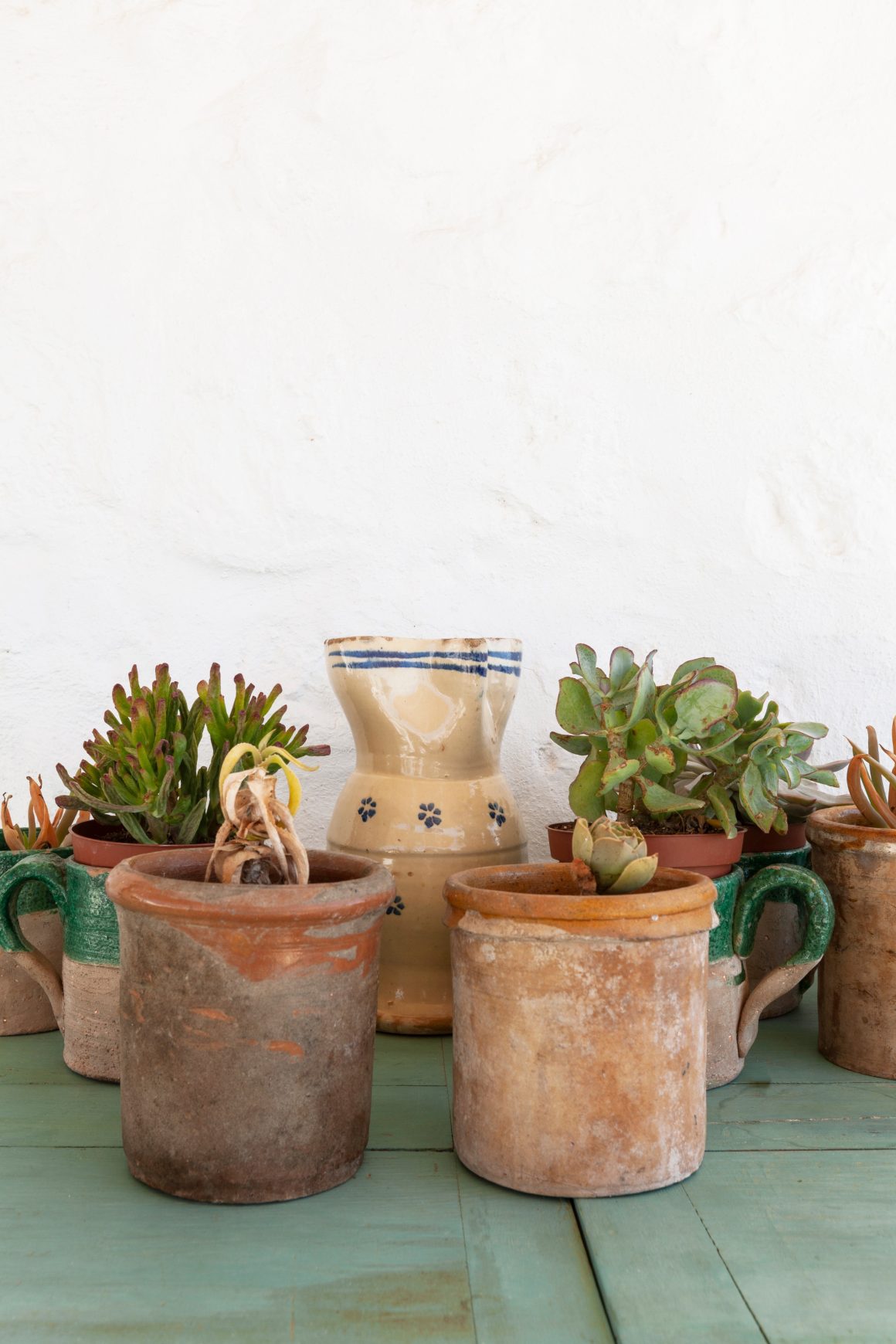
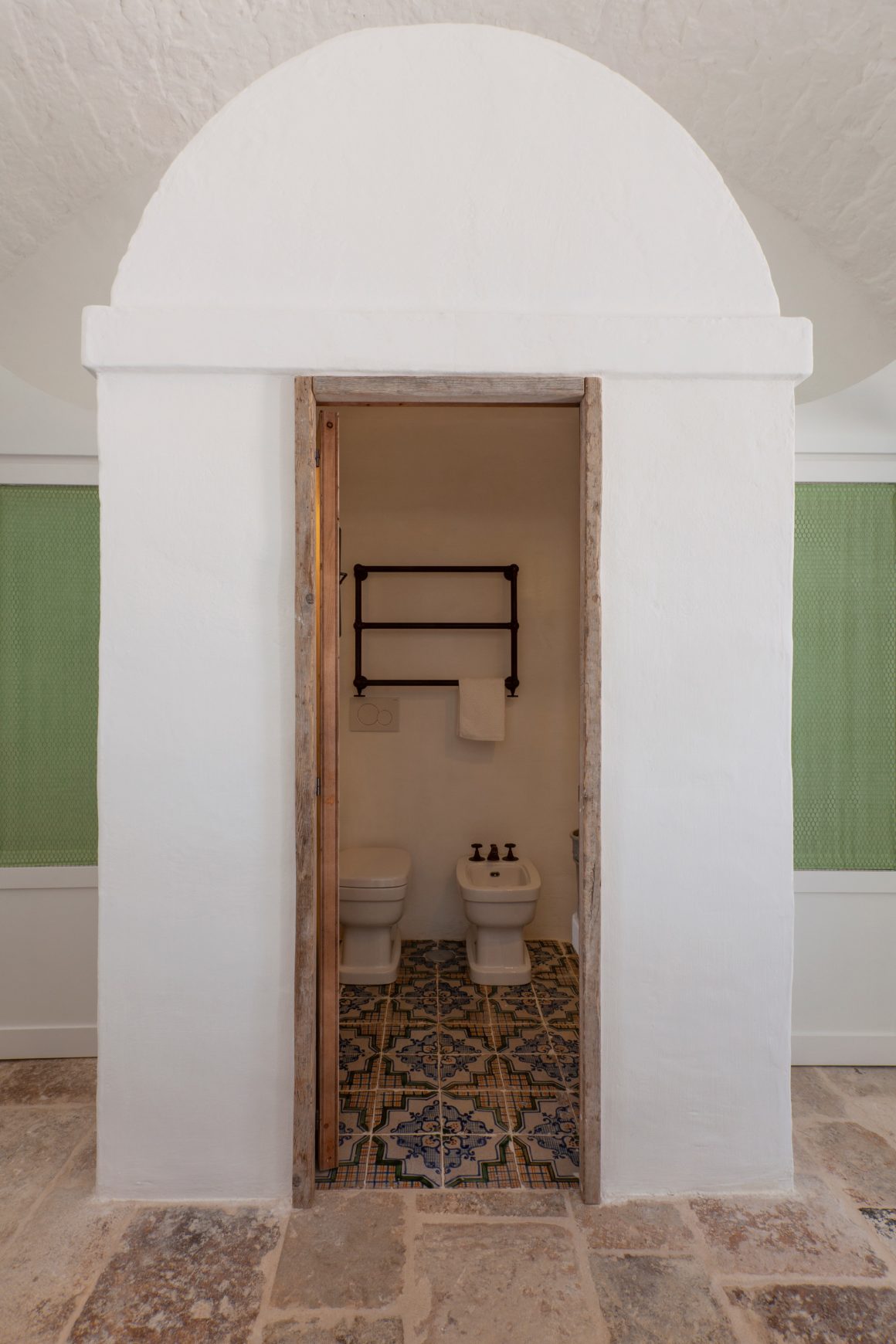
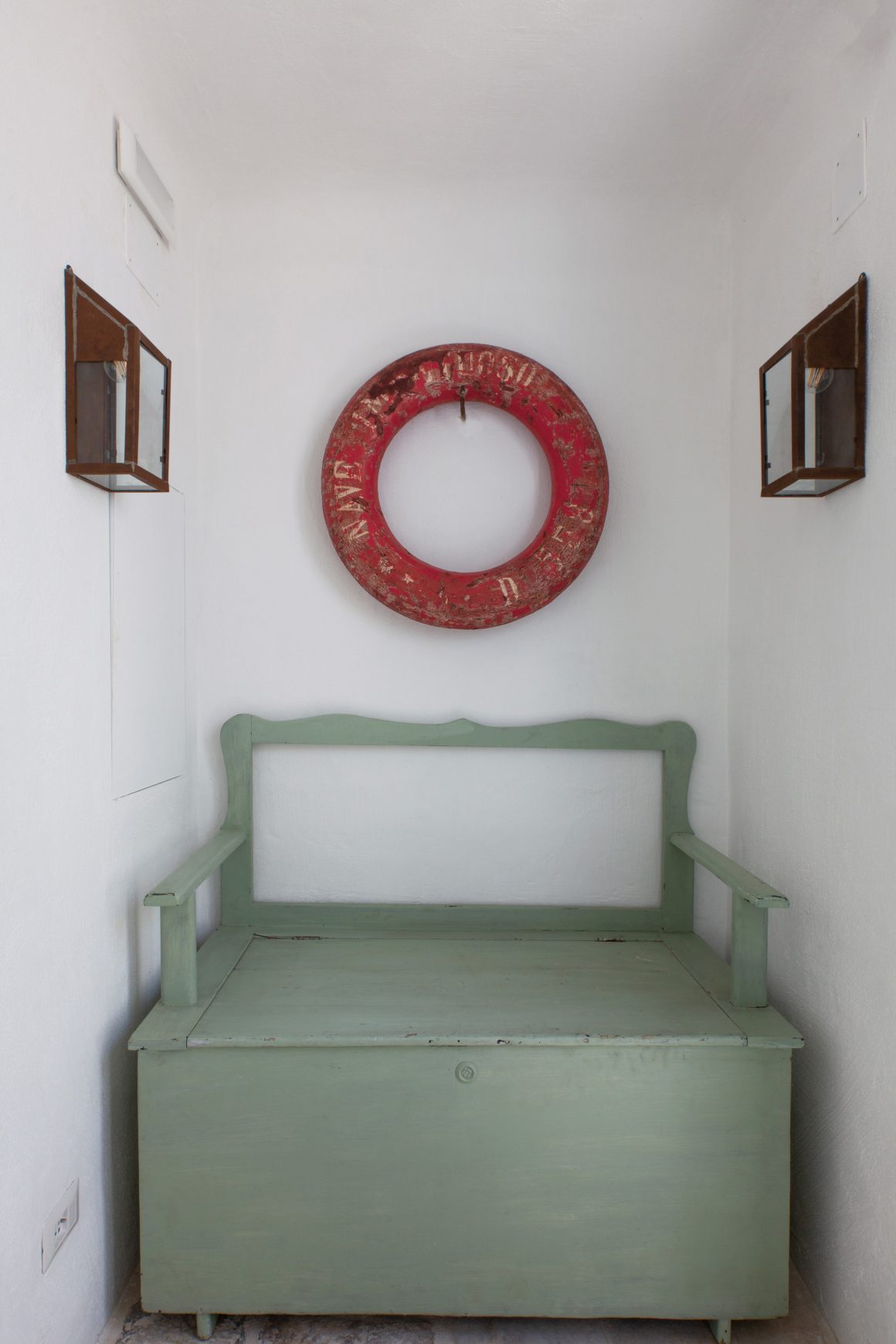
The interiors follow the same idea: simple but warm, with natural materials, soft tones and pieces collected over time. I’m especially attached to the antique maiolica tiles — they bring memory and depth without ever feeling decorative.
What makes Masseria Paradiso special to you?
What stands out is how people feel here. Many guests relax almost immediately, without quite knowing why.
Nothing was created as a “product”. It’s a place we built for ourselves first, and then chose to share. There’s a certain honesty in that, and people seem to sense it.
For me, it’s about quiet hospitality — being present, attentive and helpful, but always with discretion. That balance is the essence of the place.