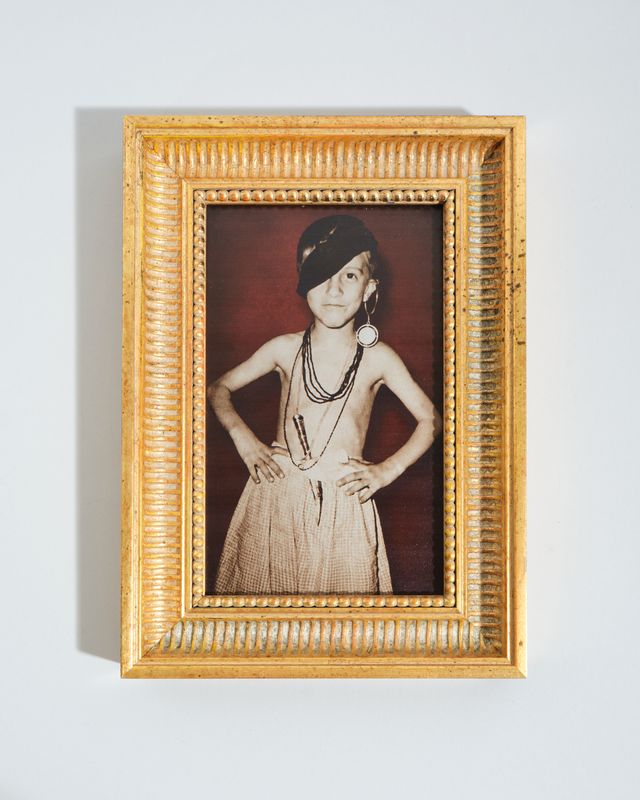
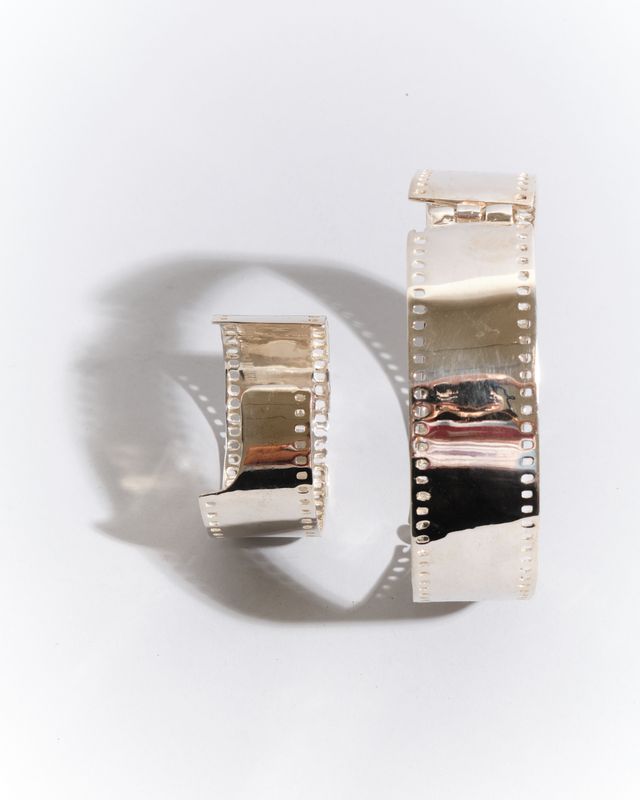
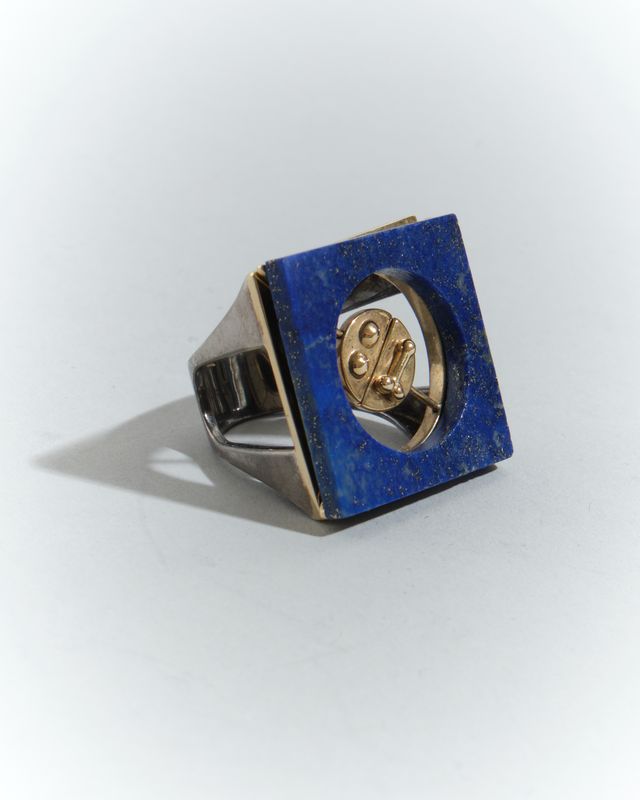
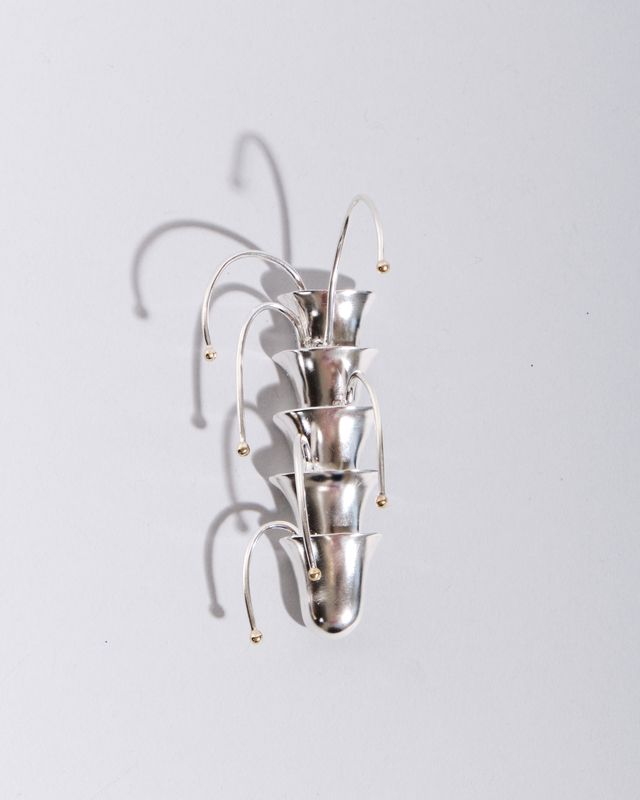
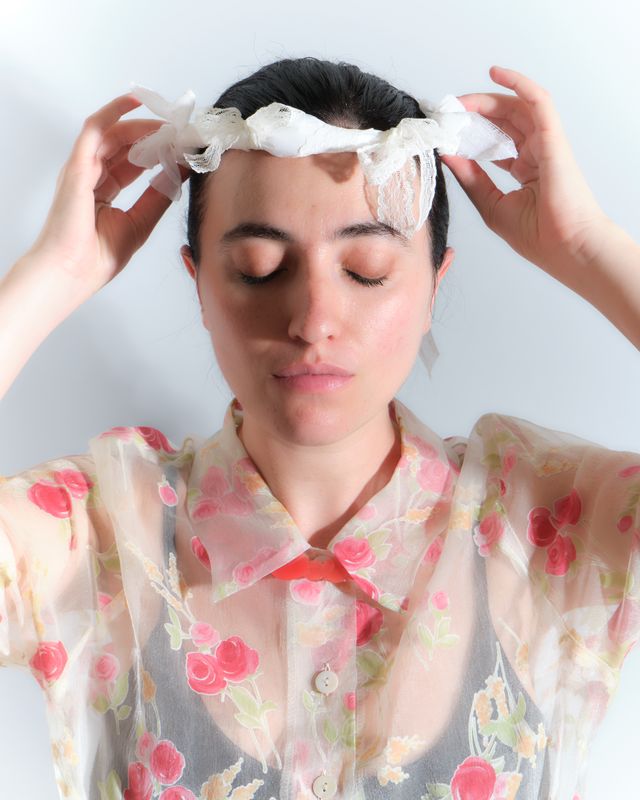
Your passion for art and the way you engage with this magnificent creative world are truly inspiring. How did your creative path begin. Tell us about your life story
How did your love for Art began, and when did you decide to follow your heart in this path?
I like to joke that I developed an obsession with beauty because I didn’t have enough of it growing up. I’m Lebanese, and my early years were challenging. Moving to Rome felt like changing channels, from survival mode to curiosity. Art wasn’t part of the plan; it just became the language that made the most sense.
What is The Great Design Disaster? What necessity led you to create it, and what is the purpose behind the project?
My background is in interior and product design and almost by accident I became a gallerist. Entering the world of collectible design was completely new to me and I found myself asking what were probably very naïve questions: Why does something become collectible? Where does its value really come from? Those questions led me to create The Great Design Disaster in 2019. The project began as a way to question the value of collectible design and move away from the idea of simply shopping for objects. I wanted to slow the process down and invite collectors into the conception of the work itself. It became a triangle: the collector with an idea, the artisan with the expertise to bring it to life, and us, guiding the dialogue between the two. The process became as meaningful as the final piece.
In 2025, The Great Design Disaster evolved into a physical space where design and art are continuously questioned through exhibitions, conversations, and collaborations. More than a gallery, it’s a place for curiosity and expression.
What makes Art so exceptional and stand out? What unique qualities define it and which are your preferences?
I think I’m an empath, or at least I have an obsession with sensing what’s honest and what’s not. That’s what I respond to most in art. Technique, trends, and market value all come later. Some works can’t really be explained, they’re simply an extension of the artist’s character. As long as a piece expresses something deeply authentic, I can feel it. Of course, some artists resonate with me more than others, but even when their language isn’t mine, I can still recognize the honesty behind the work. And for me, that’s what makes art exceptional.
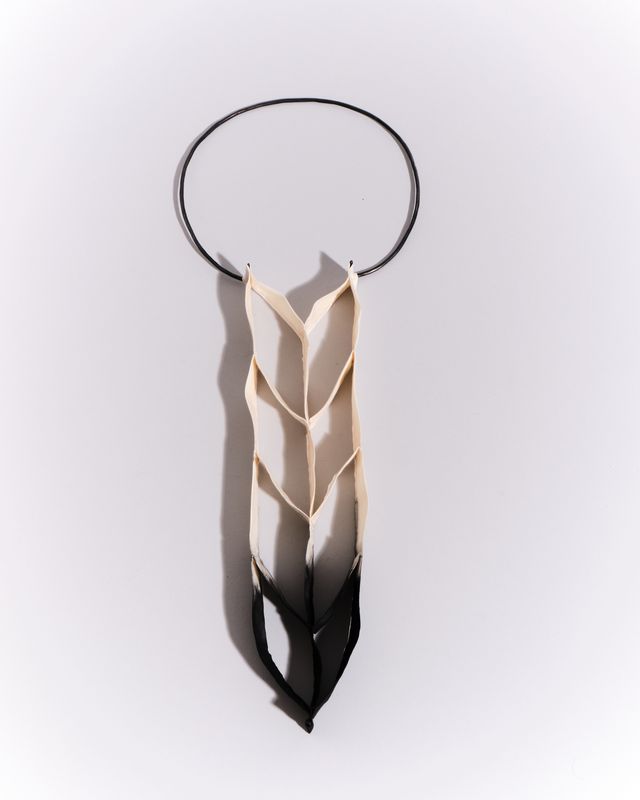
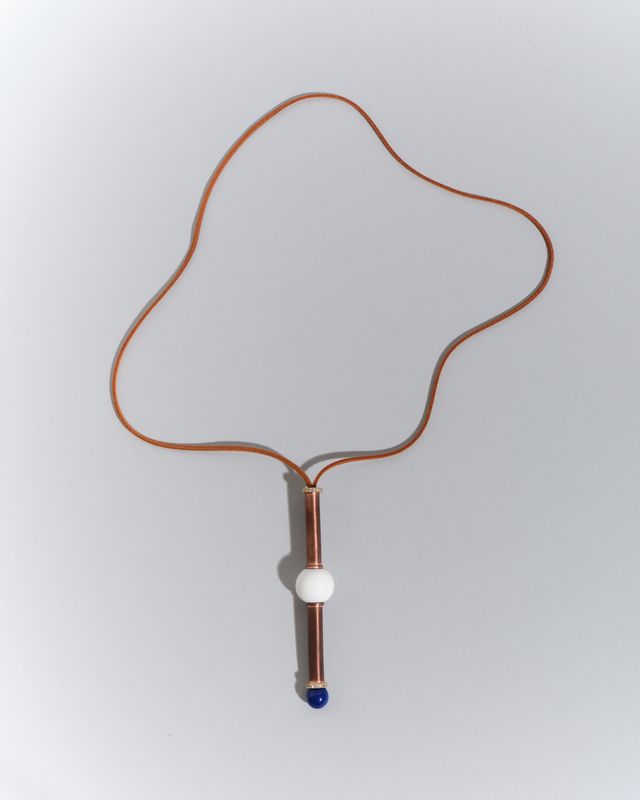
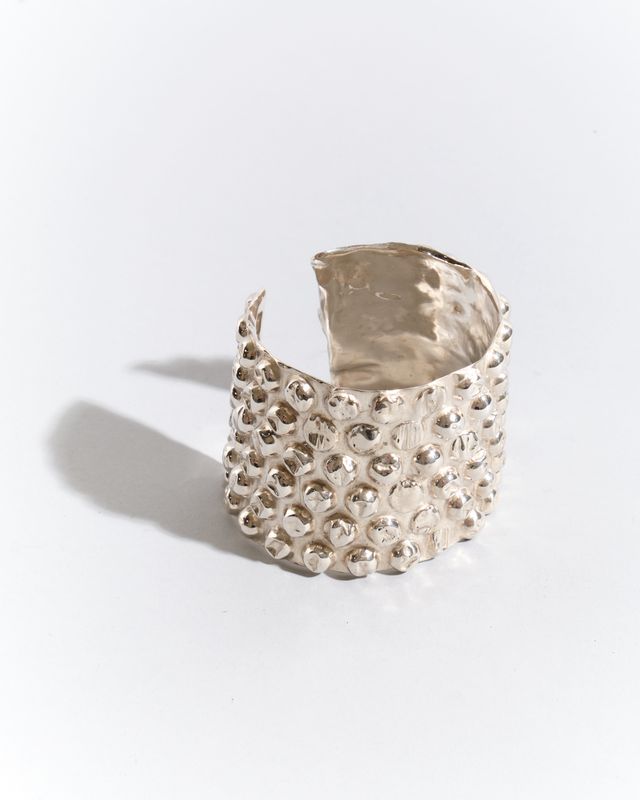
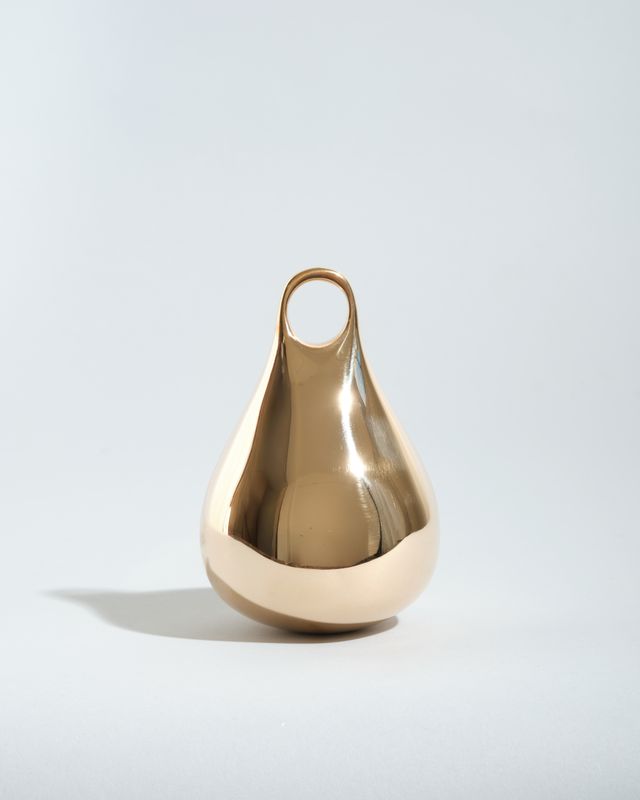
You are preparing an exhibition at Patmos, that explores jewellery as an extension of the body, a sculptural device, and a site where personal, social, and cultural meanings converge. What is your point and how did occurred?
The exhibition begins with a simple question: why do we carry objects on our bodies? We leave our chairs at home. We leave our frames on the wall. But jewellery is different, we choose to carry it with us. Clothing has an obvious function: we need to cover ourselves, and every society has developed its own codes around that. Jewellery doesn’t have the same necessity. So what are we really expressing when we wear it? Is it purely decorative? I hope not.
Perhaps wearing jewellery suggests that our bodies, on their own, are not enough. Or maybe it’s because we have an instinct to extend ourselves, to carry memories, beliefs, identity, affection, or protection on our skin. I’m less interested in answering these questions than in opening them up. This exhibition explores jewellery as something that exists between the body and the world, where personal, social, and cultural meanings quietly converge.
When does a jewel become a sculpture, and what unique qualities does it possess?
For me, a jewel becomes a sculpture the moment it no longer depends on the body to exist. When you can place it on a table and it still holds its presence, carries meaning, and makes you feel something, it has crossed into sculpture. The body may complete the work, but it shouldn’t justify it. A strong piece can live in both worlds: it can be worn, but it can also stand on its own.
Which piece of artwork do you have the deepest emotional connection with and why?
The work I feel most connected to isn’t one I own, it’s Louise Bourgeois’ Maman. I make a point of visiting it whenever I can. A spider is usually something we’re taught to fear, but in her work I feel the exact opposite. I feel protection, tenderness, and an almost maternal affection. I love that she transformed something so intimidating into a symbol of care. It reminds me that art can completely shift the way we perceive the world.
What about the collaborations with the artists and how do you feel about the work of each one? What is the thread that connects them all?
Every collaboration begins with a conversation. I’m less interested in what an artist can make than in why they need to make it. I try to understand the essence of who they are and help create the conditions for that to be expressed in the most honest way. I’ve never experienced motherhood and I’m not planning to have children. Yet, strangely, working with artists is the only place where I feel a similar instinct: to care, to listen, to protect, and to help something deeply personal come into the world. The thread that connects all the artists I work with isn’t a common aesthetic or material. It’s honesty. Their practices are all different, but each one comes from a place that feels genuine. That’s what I’m always looking for.
What is your connection with Greece and its people?
I ask myself the same question sometimes. I don’t really know how I ended up in Greece.
It started quite simply with an apartment in Athens in 2018. From there everything happened organically. I met people through the creative world, one introduction led to another, and before I knew it, Greece had quietly become part of my life. And then there are the Greek summers. They’ve been the best therapy I’ve ever experienced. There’s something about the light, the sea, and the rhythm of life that has a way of putting everything back into perspective. Somehow, Greece found me before I realized I was looking for it.
How do you feel about the magic of Patmos?
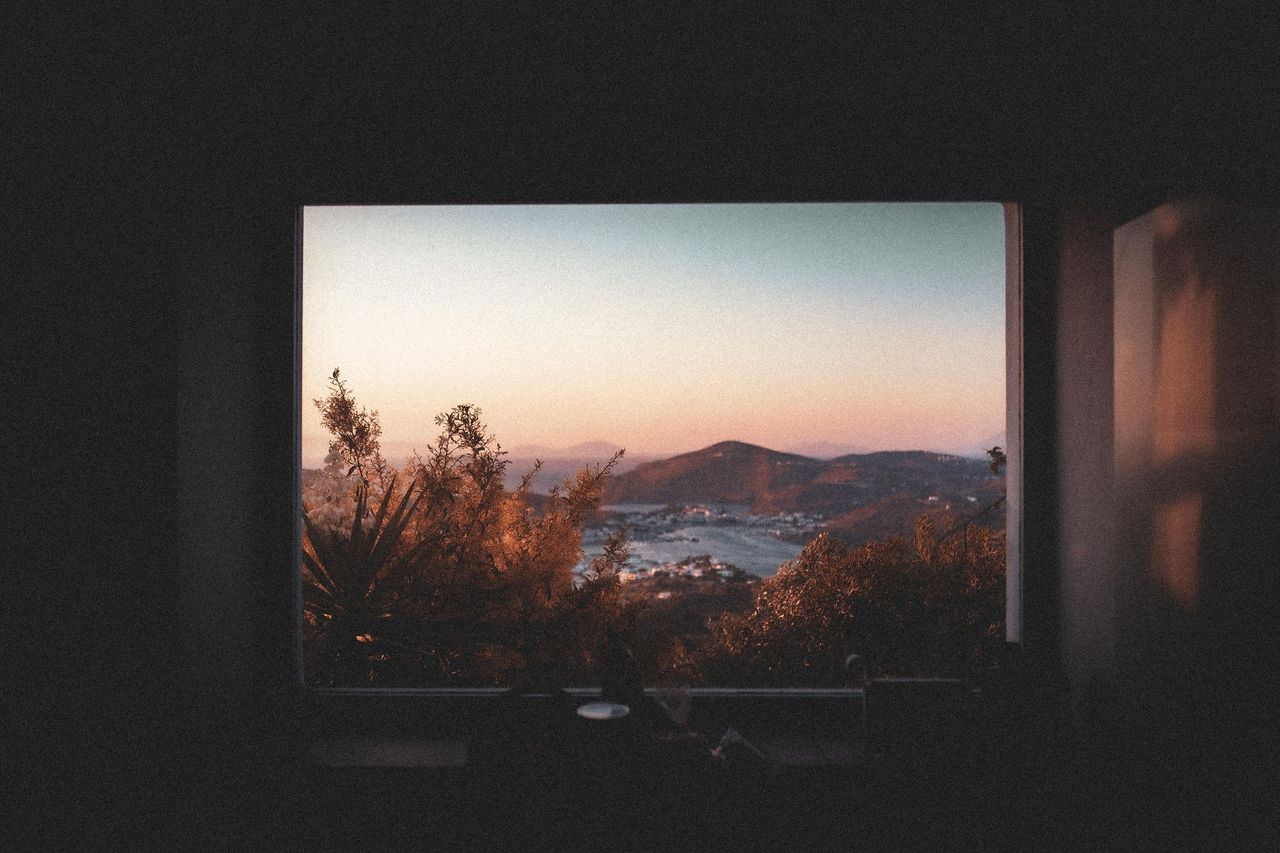
The magic of Patmos is impossible to ignore. This is the island of the Cave of the Apocalypse, where, according to tradition, Saint John received the visions that became the Book of Revelation. Whether you’re religious or not, it’s hard not to feel the weight of that story. It reminds you that you could be on this island on the last day of your life. Suddenly, time feels different. You become more present, more aware of what really matters. For me, that’s the magic of Patmos. It isn’t about mythology, it’s about the strange clarity the island gives you.
What do you expect from the exhibition and how it continues?
I try not to have expectations. Curiosity has always been a much better guide for me. I’m as eager as everyone else to see how people respond and what conversations the exhibition will spark. What I do know is that this is only the beginning. The next edition will take place in Milan this September, around the 22nd, followed by a third chapter at the Ilias Lalaounis Museum in November, during Art Athina. I like the idea of the exhibition evolving as it travels. Each place adds a new layer to the original question.
What would you consider the main highlights of your career?
I honestly don’t think I’ve reached the highlights yet. I still feel very much in the process, which is the exciting part. Every project has taught me something, but I hope the most meaningful ones are still ahead of me. The best I guess is yet to come.
What goals are you pursuing now?
Right now, my goal is to keep traveling, because every place teaches me something new. At the same time, I’m focused on building a strong exhibition program for The Great Design Disaster and letting it grow into a space for meaningful conversations around art and design.
In what ways does Art elevates your aesthetics to a new level?
Art helps me understand the present through the past. Every period produced the art it needed, the 18th century, the avant-garde, every revolution made sense in its own time.
Looking back gives me perspective on today. It helps me recognize what is genuinely new, not because it ignores history, but because it continues the conversation in a way that belongs to our time.
What is this that makes the world of Art unique?
Art is unique because it captures a moment. Sometimes it’s personal, sometimes political, sometimes social or historical, but it’s always rooted in the time and the person who made it. Today I think it’s more important than ever to have the eye to recognize honest work. Art has also become a business, and maybe that’s part of the story of our time. The challenge is to
What do you prefer the most from Greece and Patmos?
What I love most about Greece is the way it slows me down. Every time I’m there, everything seems to fall back into place. The noise fades, life feels simpler, and I remember what’s actually important. It’s the best kind of reset I’ve found.
Your dream project
My dream project isn’t another exhibition, it’s an institution. I’d love to build a place where curious minds can learn, question, and exchange ideas across disciplines. I genuinely believe education is the only thing that can change the world. If I could contribute to opening the minds of the next generation, that would be the most meaningful project I could ever build.
When you enter a room what draws your attention first?
The first thing I notice is whether a place has character. Whether it’s a home, a restaurant, or a gallery, I’m interested in what it says about the people behind it. Does it feel honest, or does it feel constructed? And then there’s something harder to explain: the energy of a place. It’s invisible, but you feel it immediately. Sometimes your eyes see a beautiful room, while your instincts tell you a completely different story.
The designer and the artist you adore
If I had to choose one artist, it would be Louise Bourgeois. Her work is deeply personal, yet somehow universal. She had the rare ability to transform vulnerability into strength and fear into tenderness.
Frank Lloyd Wright as a designer. What I admire most is that he wasn’t designing objects or buildings in isolation. He was creating complete worlds where architecture, design, and nature became one. That way of thinking still feels incredibly contemporary.
An exhibition you will never forget
One experience I’ll never forget is Rei Naito’s work Matrix at the Teshima Art Museum. Tiny drops of water emerge from the ground, travel across the floor, and disappear. It’s almost nothing, and yet it stays with you forever.
The best bit of advice you ever received and the one you gave
Everyone is fighting a battle you know nothing about. Be kind. It costs very little but it can change someone’s day or even their life.
The most emblematic Art piece of all times
For me, it’s El Greco’s work from the late 16th and early 17th centuries. What amazes me is how contemporary it still feels. The elongated figures, the distorted proportions, and the emotional intensity seem centuries ahead of their time.
Your motto
I keep running, not because I’m chasing something, but because I’m afraid of standing still and going backwards.
The last thing you bought and loved
A miniature painting by Gladys Bonet of a girl sleeping in a forest under a blanket, with only her feet peeking out. It could easily be me.
Favourite guilty pleasure?
Eating cakes and bar hopping. I love discovering new places and seeing where the night takes me.
What’s on your reading list?
I usually read two books at the same time, one spiritual and one related to my field. Right now, I’m reading The Soul’s Code by James Hillman and The Artist’s Handbook of Materials and Techniques by Ralph Mayer.
In another life you would have been
A spy. I ask too many questions and notice too many things for it to be a coincidence.
Any recent discover?
I’m always in discovery mode. Lately, I learned about SAALthe Portuguese social housing program launched in 1974. Although it only lasted two years, it introduced the idea of participatory architecture, bringing residents, architects, and public authorities together to design neighborhoods around the needs of their communities. It really resonated with how The Great Design Disaster first started as a collaborative dialogue rather than a traditional gallery. The Bouça Housing Complex in Porto, designed by Álvaro Siza, is one of its most iconic legacies.
What are three places you return to time after time and why
I love traveling, so I actually try not to return to the same places too often. But somehow, life keeps sending me back to Athens. The Beyeler Foundation is another place I happily revisit. I’ve seen some of the most beautiful exhibitions there. And then there’s the little bar near my home, because I never drink coffee alone at home.
Your definition of beauty
Beauty is a strong attraction to a form that already exists somewhere in my mind before it becomes physical. When I encounter it in the real world, I recognize it instantly. It’s not about perfection or even familiarity, it’s the immediate curiosity to understand it, with the feeling that I’ll already love what I’m about to discover.
What is authentic to you?
My disasters….
19– 23 August 2026
Patmion Cultural Center, Skala, Patmos, Greece (GR)
22 September 2026 Milano, Italy