Which steps do you consider the most crucial and important in your fascinating journey?

I find that self-love has had one of the greatest impacts on my journey and understanding of the self. To truly believe in one’s own abilities is a kind of rite of passage. It allows you not only to care for yourself, but also to move through the world with greater compassion, sensitivity, and awareness toward others.
This understanding has taught me to value dreams and desires as essential forces in life. Creativity is always shifting and evolving, and through that motion I continue to discover new aspects of myself. I believe that allowing yourself to grow with vulnerability and openness creates the possibility for transformation, both personally and artistically.

You create large-scale environmental installations. How did this handcrafted journey begin, where does your inspiration come from, and what stories do your works tell?

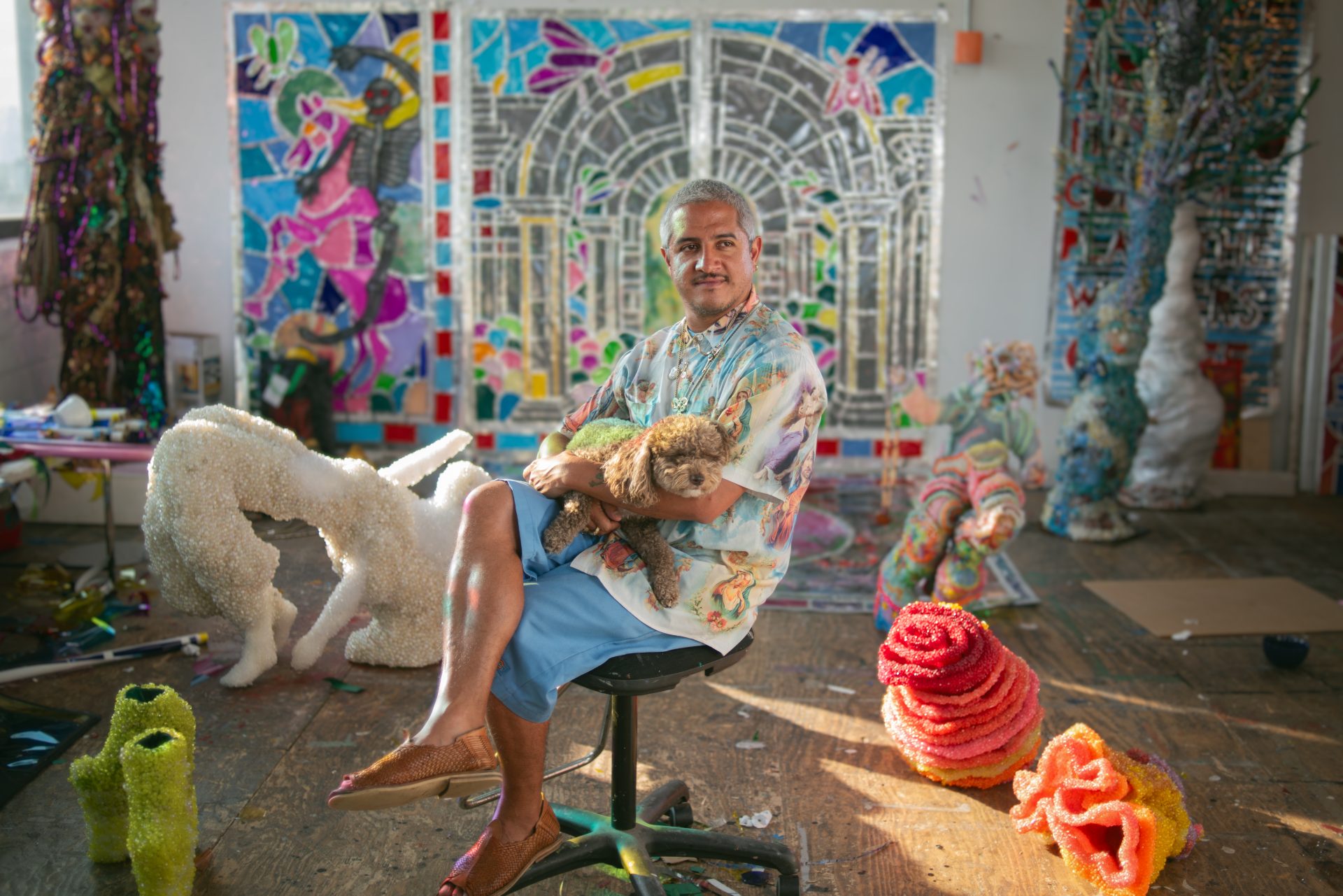
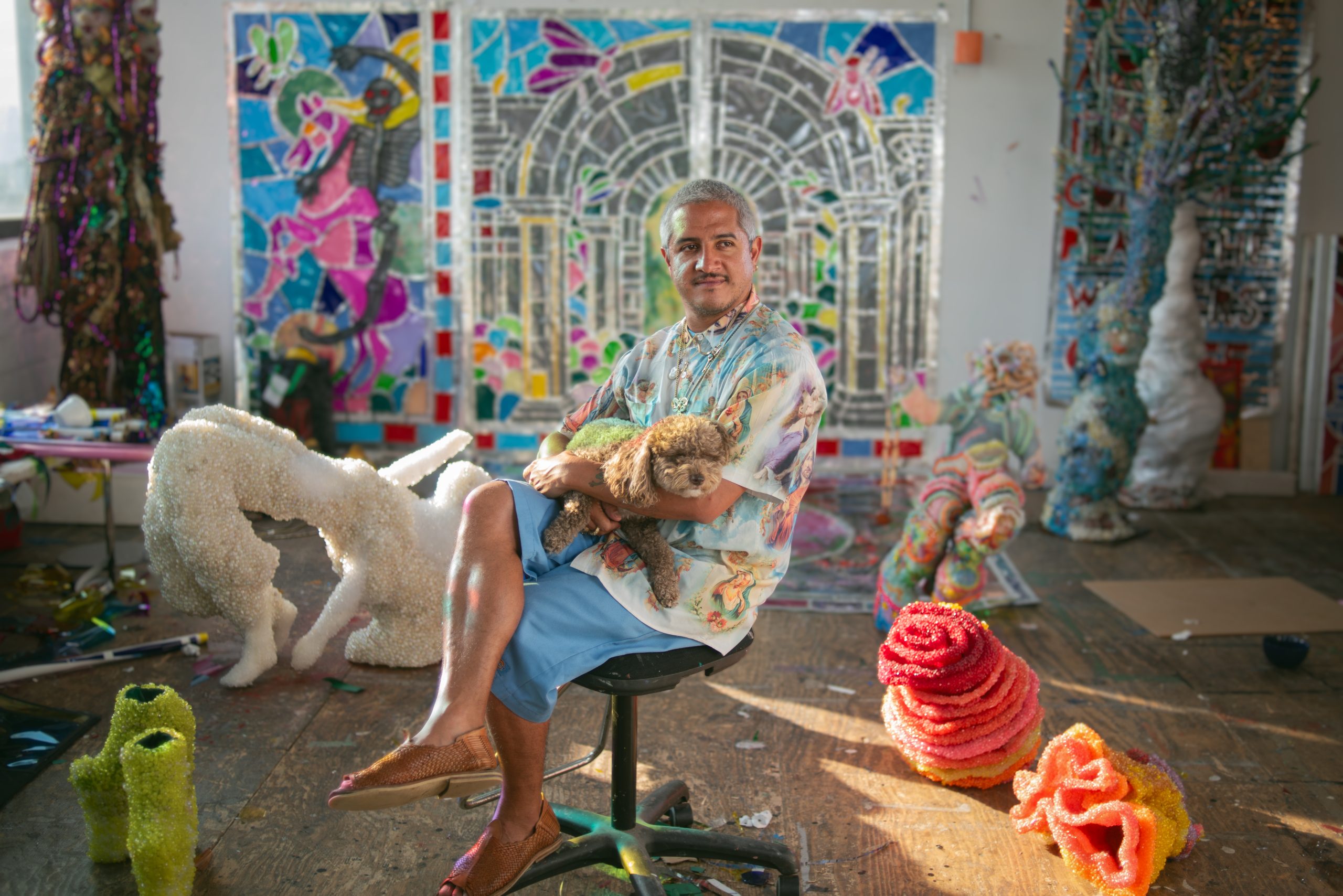
My work is deeply inspired by my upbringing and the communal celebrations I experienced growing up in Mexico. Celebrations often became creative outlets for entire communities, where craftsmanship, ritual, memory, and emotion all came together. One of my strongest memories is of Día de los Muertos.
The beauty of people gathering together to celebrate those who have passed, while transforming mourning into something vibrant and alive, left a profound impact on me. There is something incredibly magical about the way joy, grief, devotion, and beauty coexist during those moments.
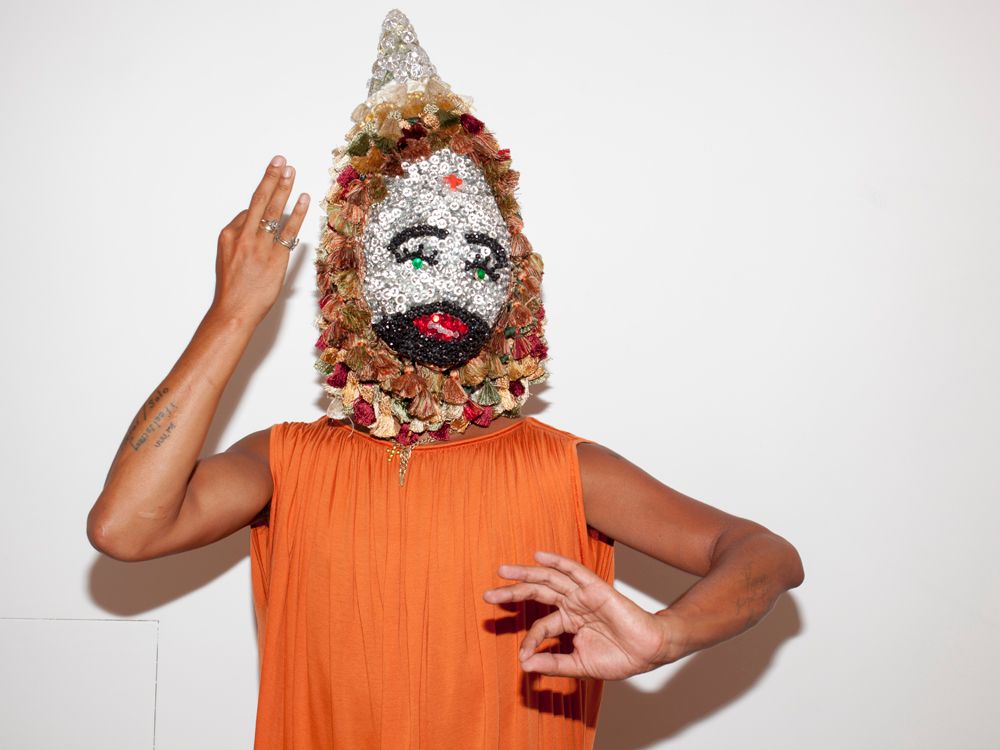
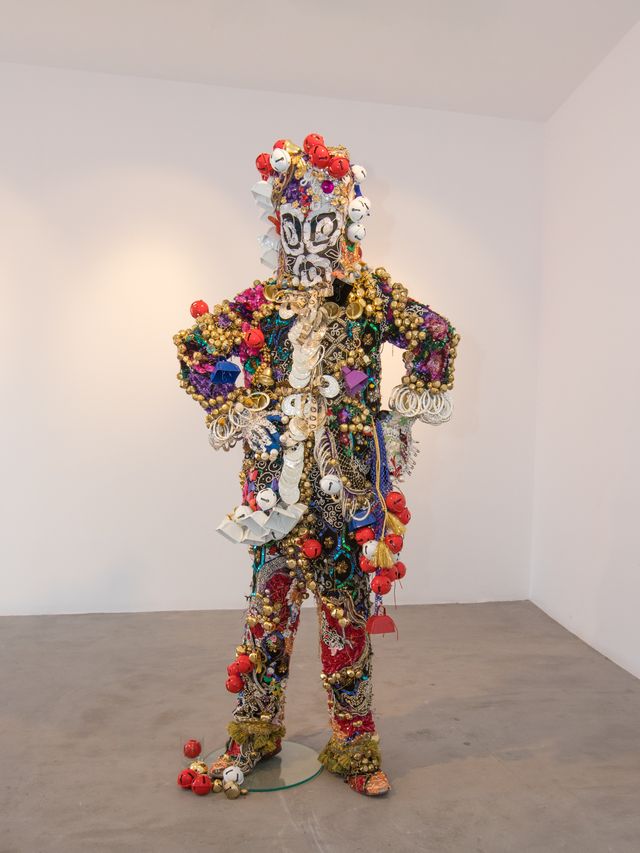
That spirit continues to influence my work today. Through sculpture, installation, performance, and handcrafted materials, I try to create spaces that hold transformation, spirituality, fantasy, and emotional connection. My works often tell stories about cycles of life and death, vulnerability, resilience, and the possibility of beauty emerging through change.

What is the new exhibition at Dio Horia Gallery about?

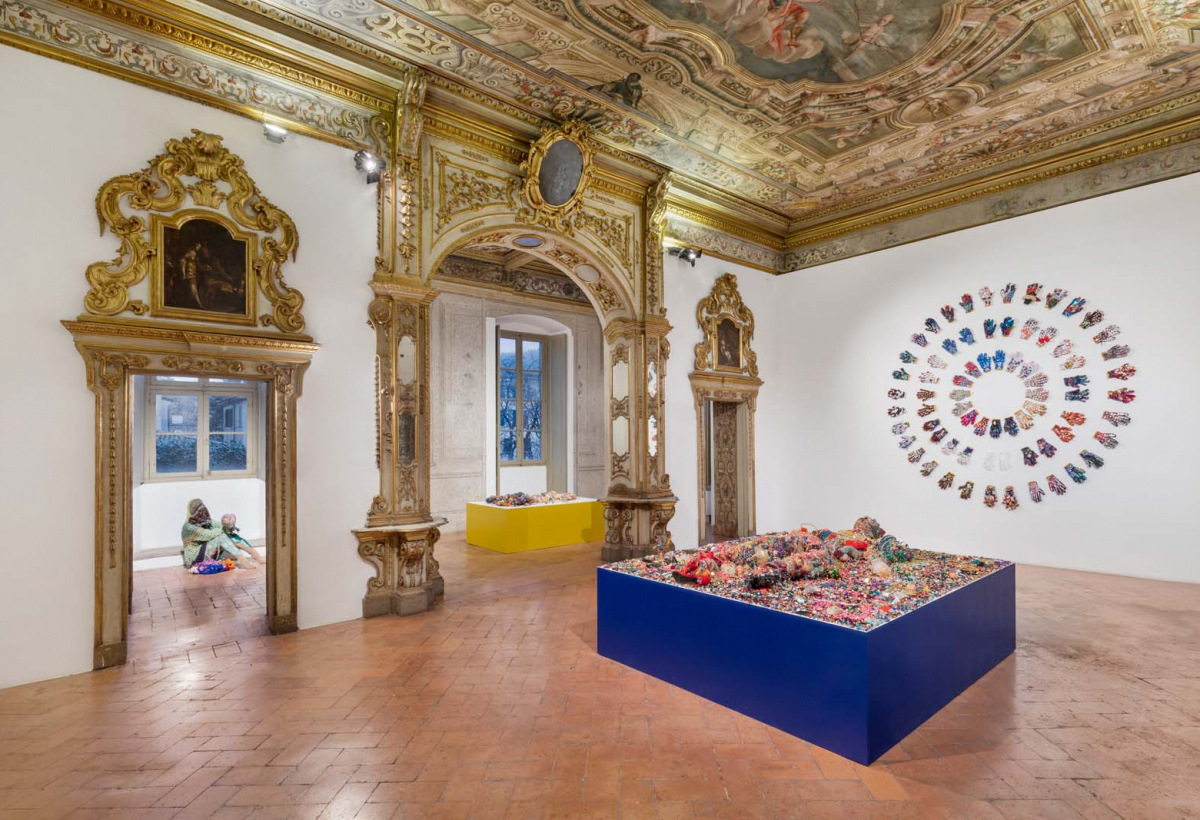
The exhibition expands on ideas surrounding transformation, beauty, desire, ritual, and the body as a site of becoming. Through sculpture, installation, painting, and beadwork, the works explore how materials can hold memory, devotion, labor, and emotional energy.
The project reflects on the ways beauty exists not only in perfection, but also in collapse, growth, and transition. I encourage viewers to read the press release for a deeper understanding of the conceptual framework and narratives within the exhibition.

How do Athens and Greece affect your new work?

I find that Greece shares many emotional and cultural similarities with my own upbringing. There is a strong connection to history, mythology, spirituality, and the preservation of memory that feels very familiar to me.
Being surrounded by ancient histories and traces of past lives creates a powerful awareness of time and continuity. Athens carries a sense of devotion to what once existed, while still remaining alive and evolving in the present. That relationship between past and present has deeply influenced the atmosphere and emotional language of the new work.

Is Venus in Us a Venus of today, and how do you think people will feel about her?

When thinking about Venus, I approach her less as a singular figure and more as an abstract embodiment of beauty, desire, transformation, and vulnerability. I am interested in the ways beauty reminds us of what the world still has to offer, even during moments of collapse or uncertainty.
For me, decay and transformation are deeply connected. Nature constantly shows us that endings create the conditions for new forms of becoming. That mystery surrounding change, desire, and the unknown is something I try to hold within the work.
I hope people feel a sense of reflection and openness when encountering Venus in Us—a reminder that beauty can exist within fragility, transition, and discovery.

Which achievements do you hold close to your heart as the most important ones you have accomplished?

One of the achievements I value most is simply continuing to remain present within an ever-changing world. Being able to imagine the future while staying connected to the present has given me perspective on what the self is capable of becoming.
For me, accomplishment is not only tied to recognition or success, but also to growth, perseverance, and the ability to continue creating despite uncertainty. Every project becomes an opportunity to better understand myself, my community, and the possibilities that art can open within everyday life.


The Exhibition

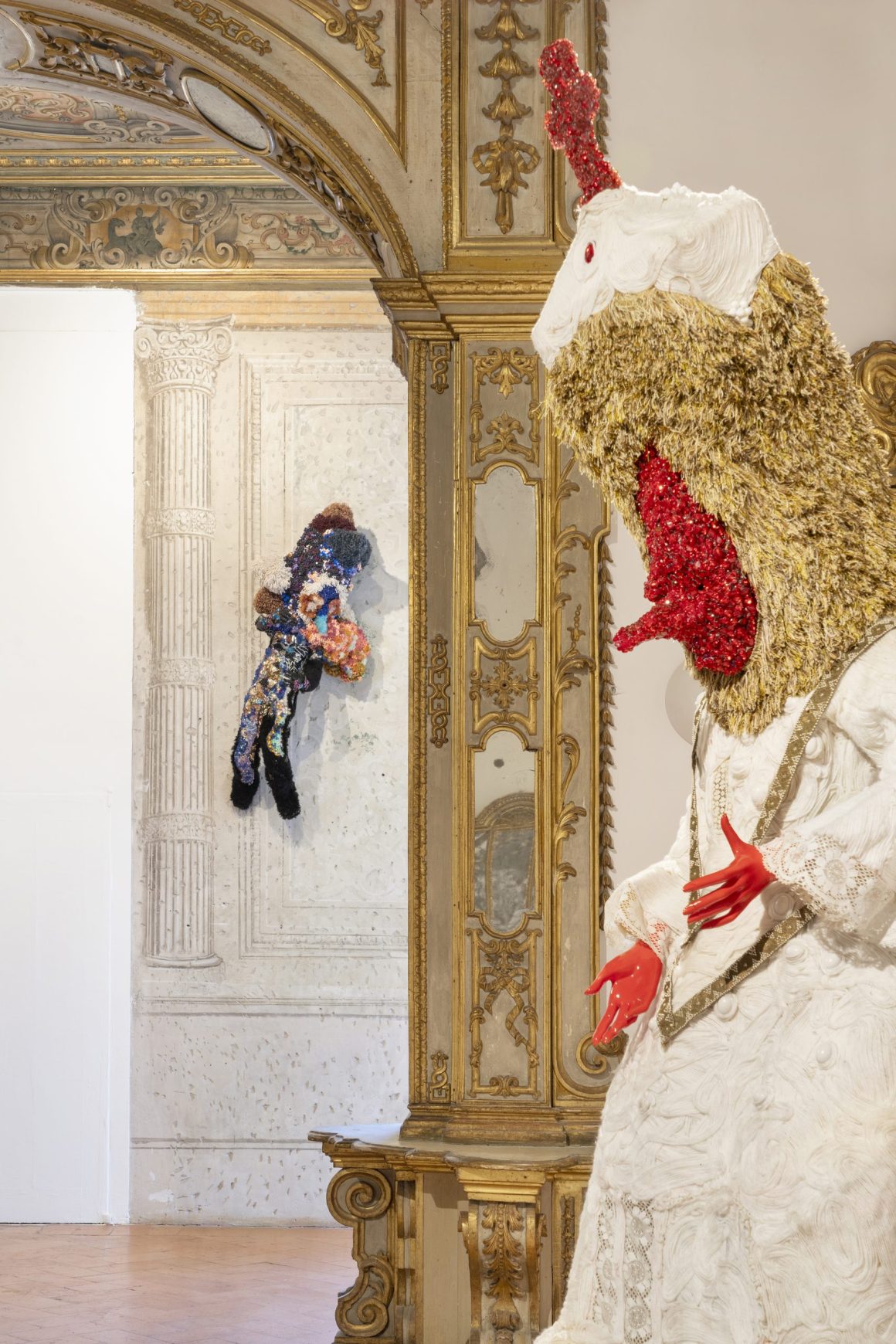
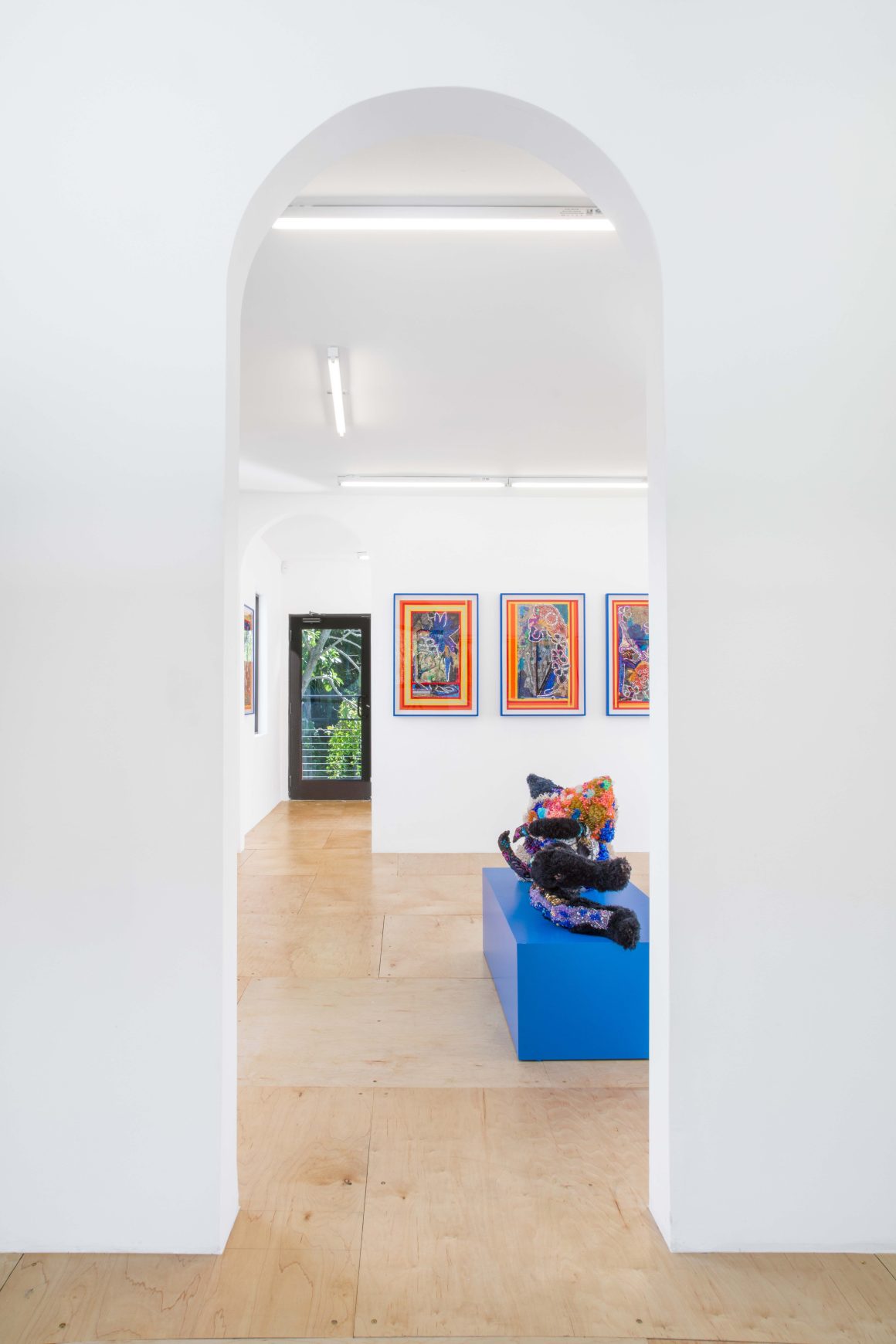
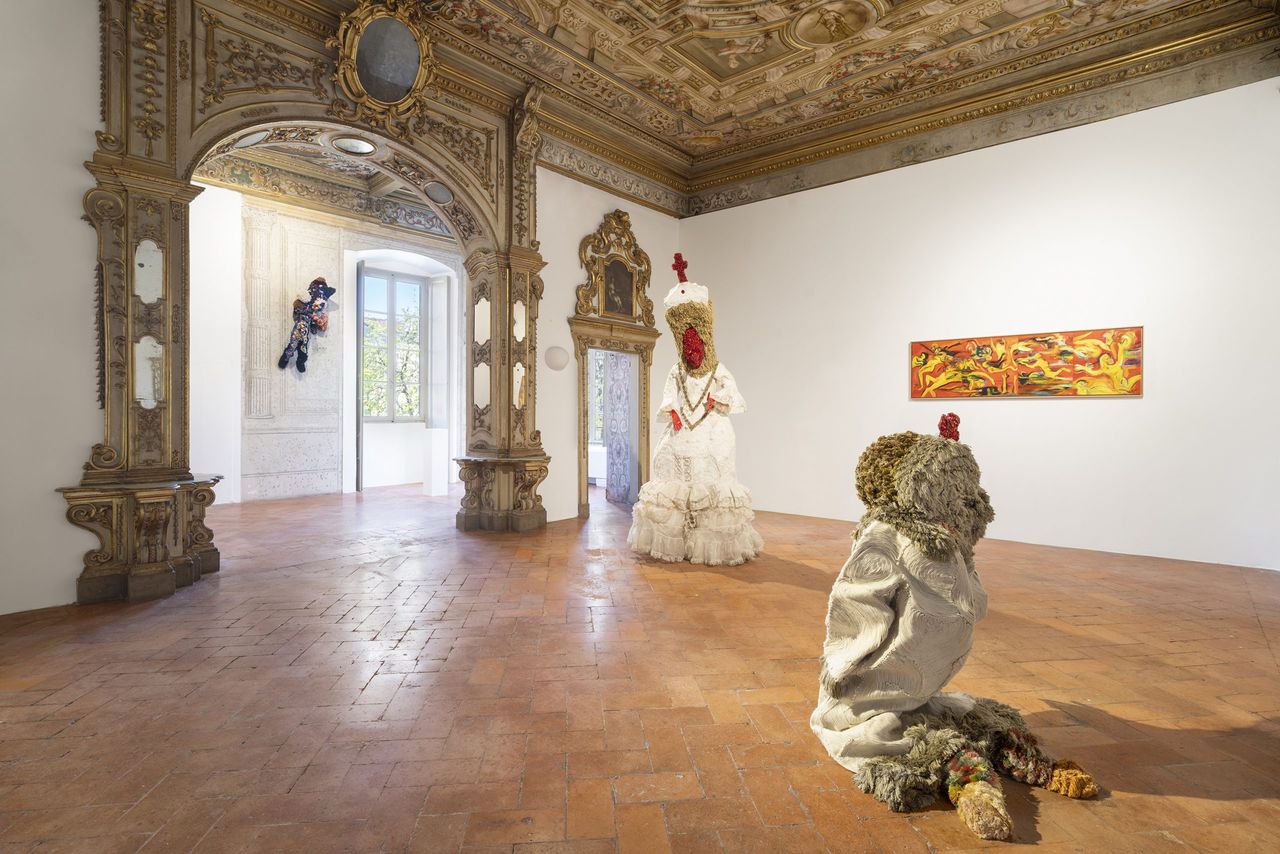
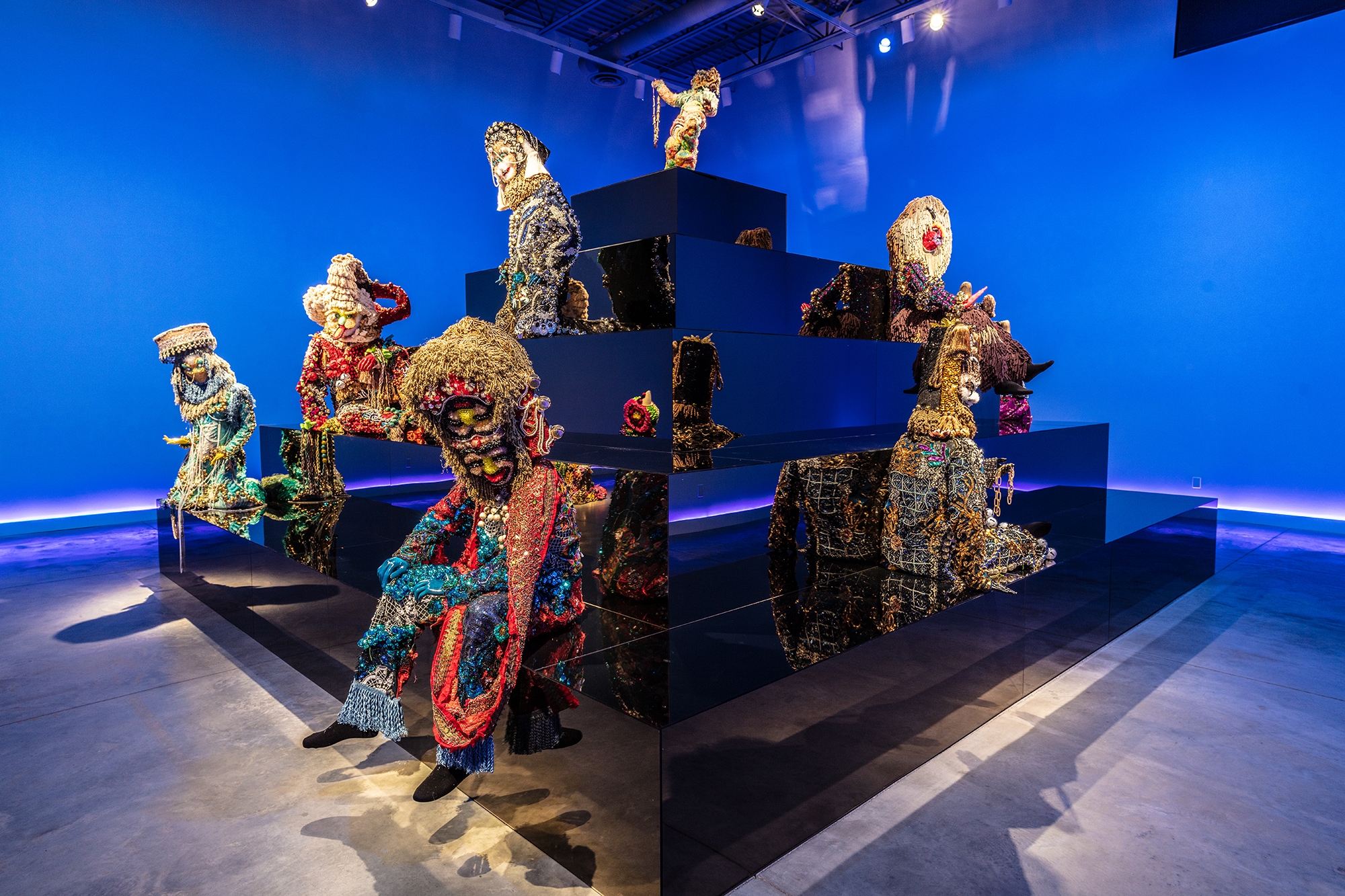
Venus in Us unfolds as an immersive environment where the body becomes a site of transformation, devotion, accumulation, and exchange. Moving between sculpture, painting, beadwork, textile constructions, and installation, the exhibition approaches Venus not as a singular mythological figure, but as a living force embedded within systems of desire, labor, ritual, beauty, and survival.

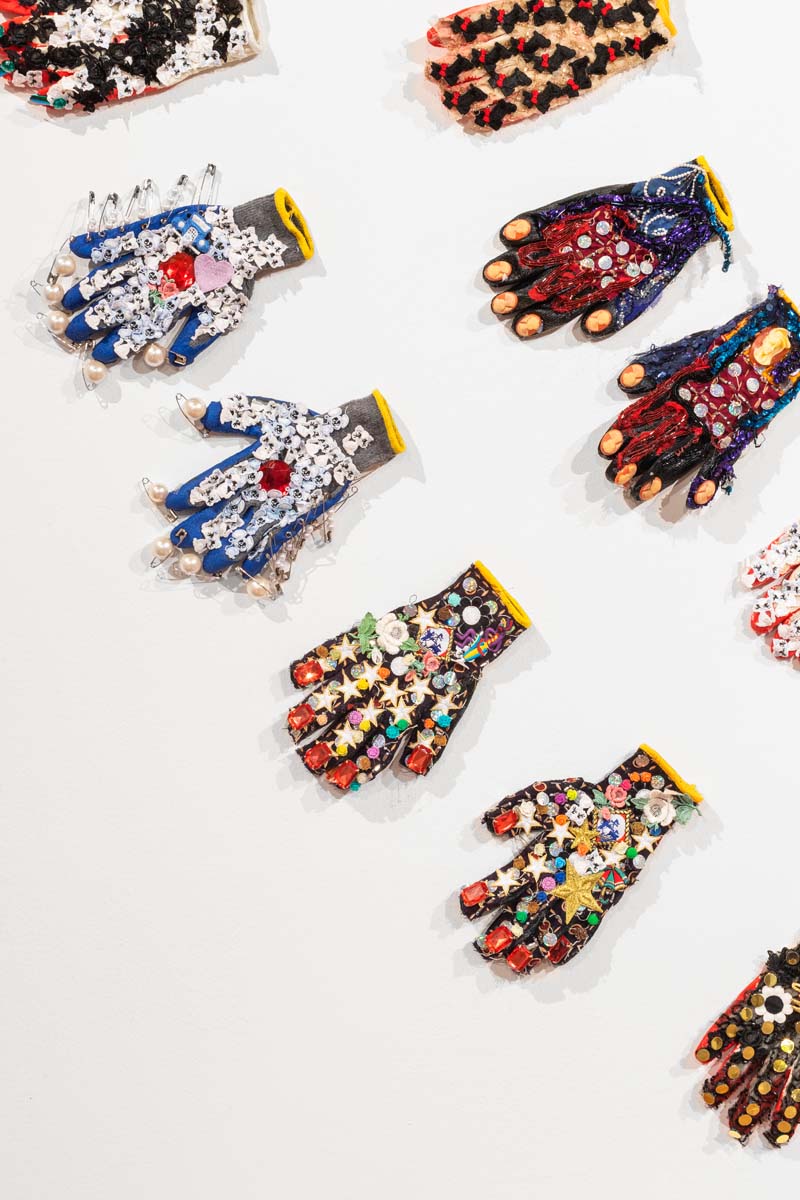
Throughout the exhibition, materials appear to grow rather than simply decorate. Beads accumulate like cells, crystals, wounds, or offerings; surfaces expand through repetition and touch, carrying traces of time, memory, and care. These forms suggest a world in constant becoming, where transformation is not an event but a condition of existence. The works move between the sacred and the everyday, proposing beauty as something that emerges through persistence, vulnerability, and devotion.

Underlying the exhibition is a meditation on hidden truths—those forces that shape our lives beneath the surface of appearance. Venus becomes a figure through which to consider the unseen currents of longing, faith, loss, and renewal that accompany every act of becoming. Like a star obscured by daylight, these truths do not disappear when unseen; they remain present, waiting to reveal themselves through moments of recognition, ritual, and transformation.

Within Venus in Us, change is understood as a constant companion. Beauty and loss arrive together, desire becomes a vehicle for growth, and uncertainty opens onto possibility. The exhibition suggests that what we seek outside ourselves often mirrors something already unfolding within. Rather than offering fixed answers, the works function as portals—thresholds through which viewers may encounter their own processes of transformation.

Through acts of making that blur distinctions between ornament, protection, healing, and celebration, Venus in Us proposes the body as both vessel and cosmos: a place where personal histories intersect with collective myths, and where hidden truths emerge not as conclusions, but as doorways into new ways of seeing, feeling, and becoming.
Raúl de Nieves has presented major solo exhibitions internationally at institutions including the Baltimore Museum of Art, Henry Art Gallery in Seattle, the Institute of Contemporary Art Boston, the Museum of Contemporary Art North Miami, and the SCAD Museum of Art in Savannah, as well as most recently at APALAZZO Gallery in Brescia. His work has been included in major international exhibitions such as the Whitney Biennial (2017) and documenta 14, as well as presentations at organizations including MoMA PS1, Performa, The High Line, Hauser & Wirth, ICA Philadelphia, The Watermill Center, The Kitchen, Pioneer Works, and Jeffrey Deitch, Los Angeles.
His work is held in public collections including the Whitney Museum of American Art, the Museum of Contemporary Art Los Angeles, and the Institute of Contemporary Art Boston. Alongside his institutional presence, his practice has received extensive international editorial coverage, including a cover feature in Frieze Magazine and a recent interview in Mouse Magazine.

Venus in Us
Raúl de Nieves

Dio Horia presents Venus in Us, a solo exhibition by Raúl de Nieves.

The exhibition will run from June 20 to September 6, 2026.
Opening reception: June 20, 12:00 – 18:00.

Author