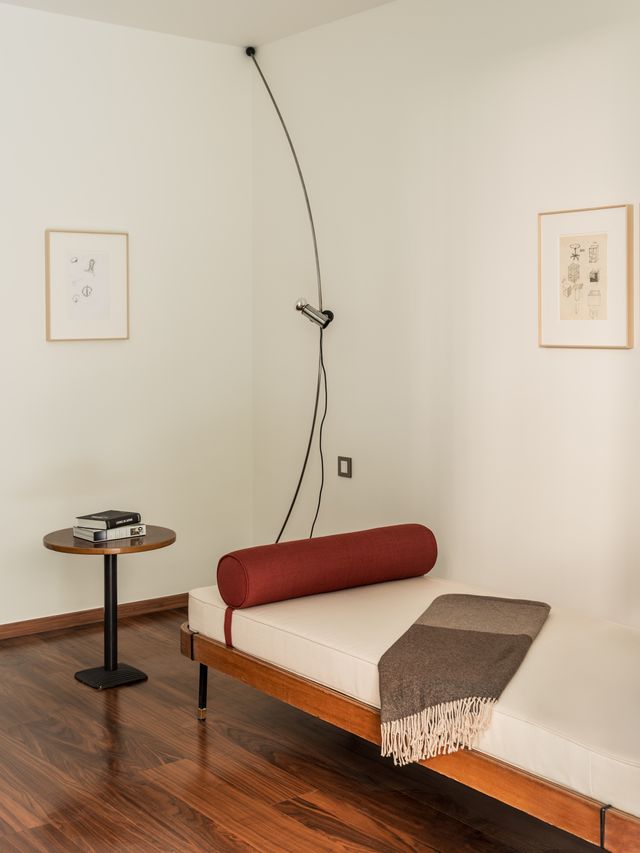
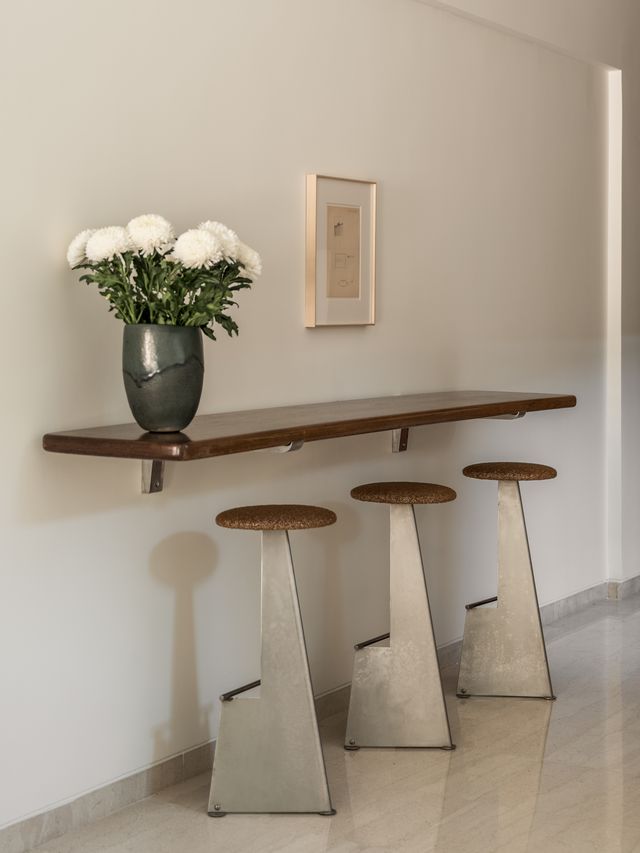
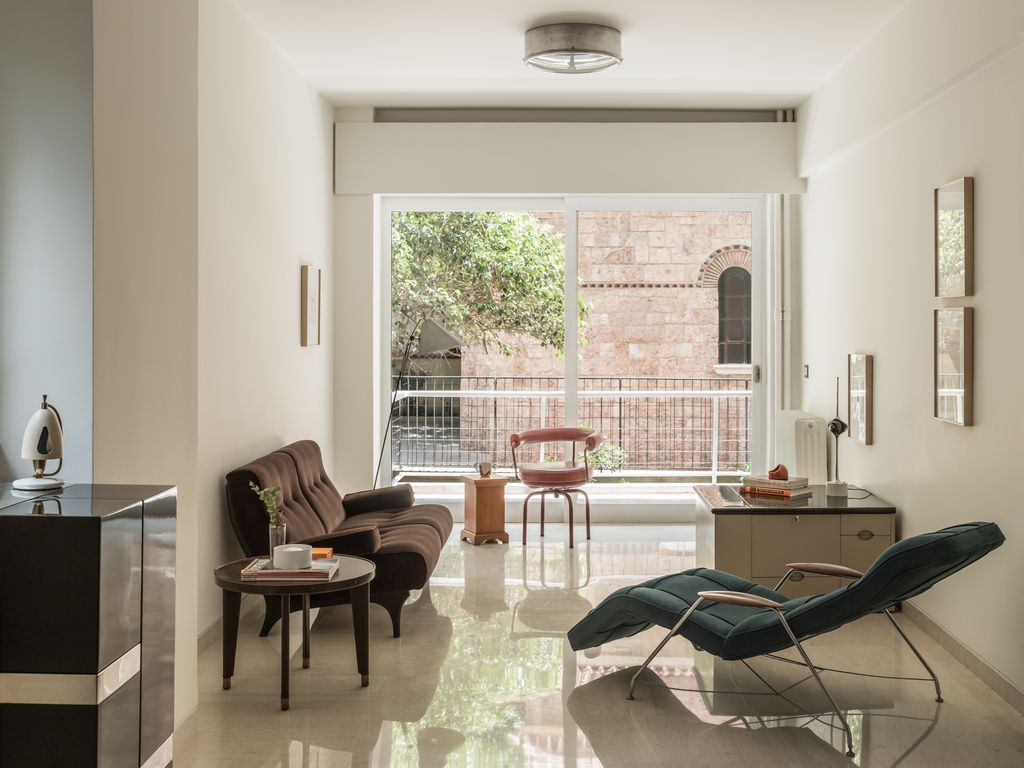
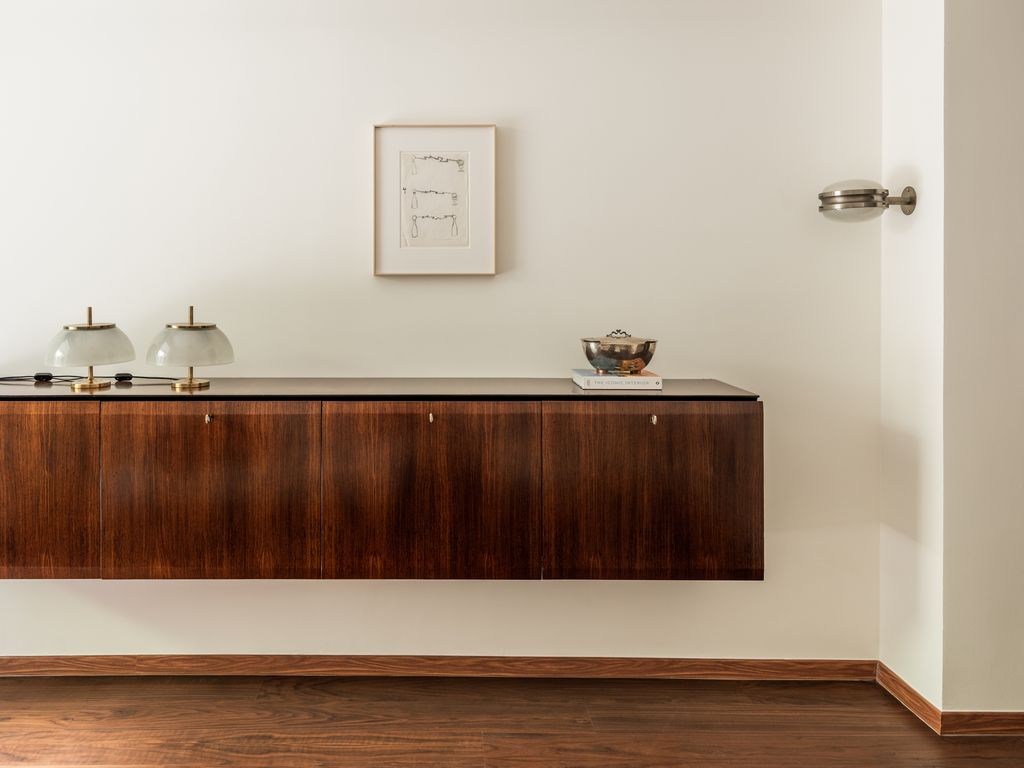
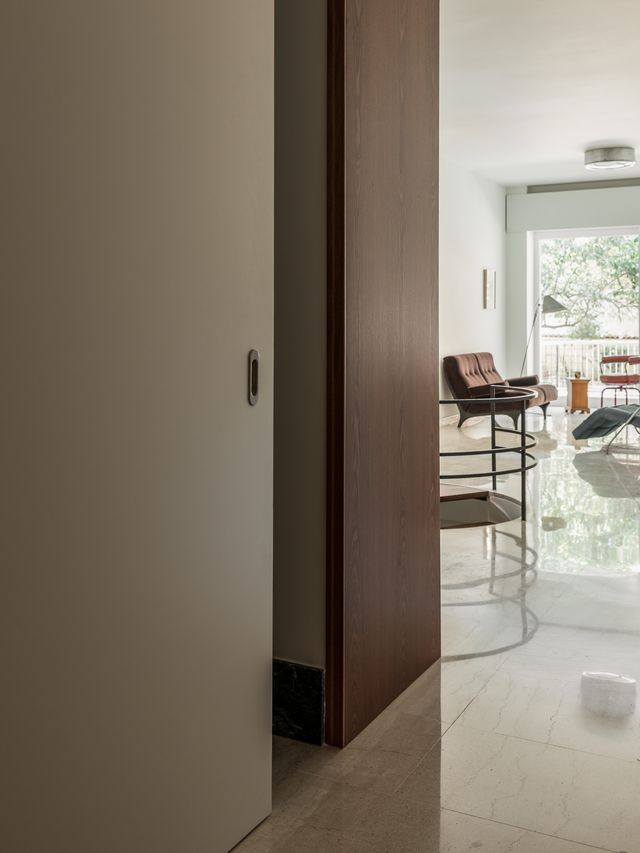
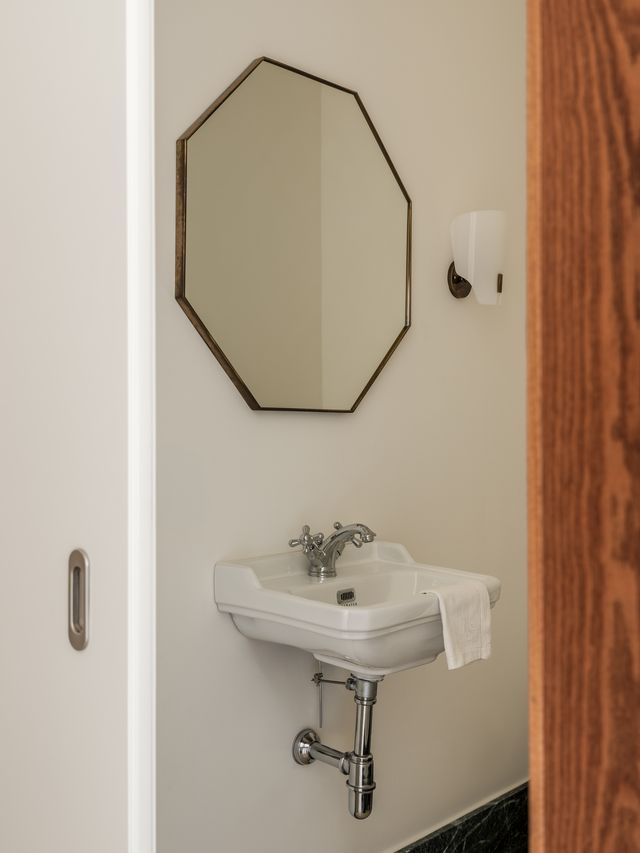
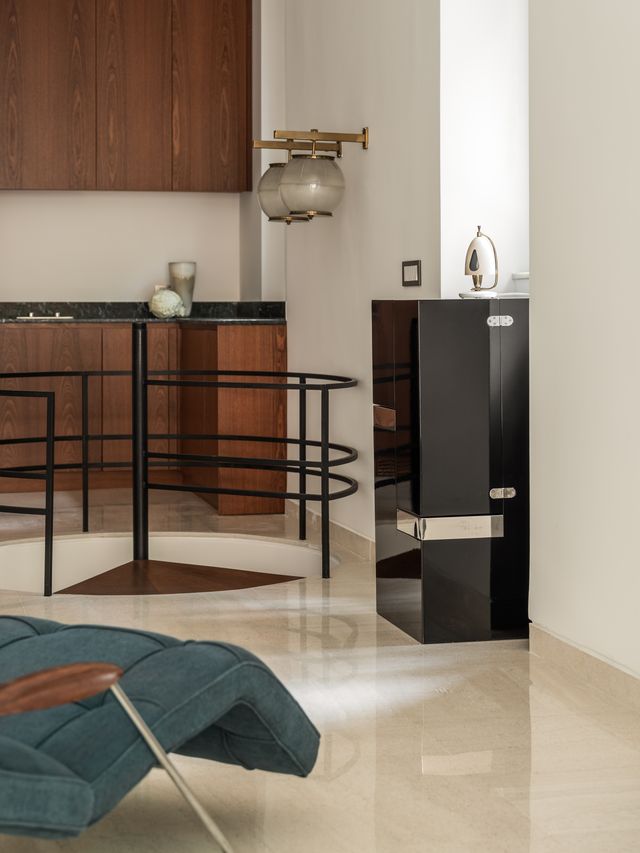
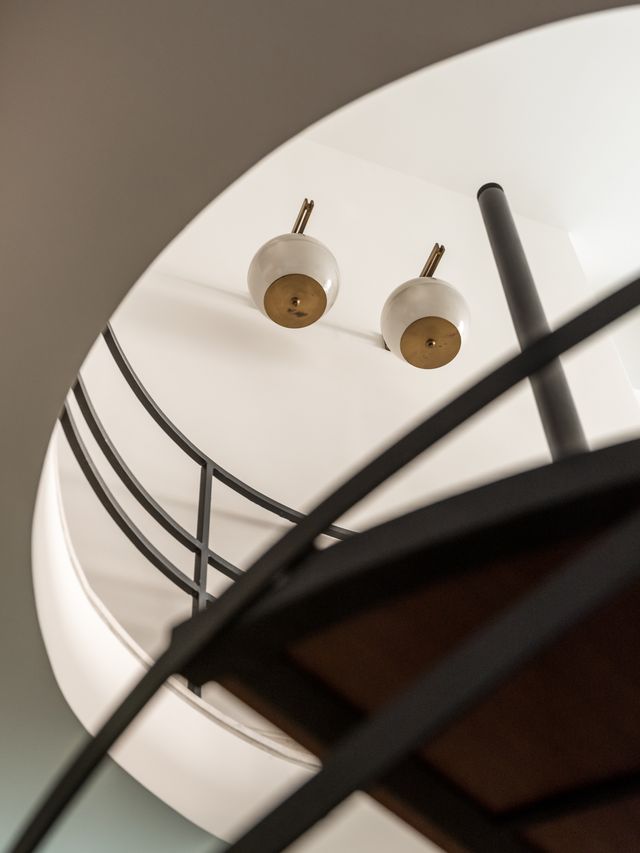
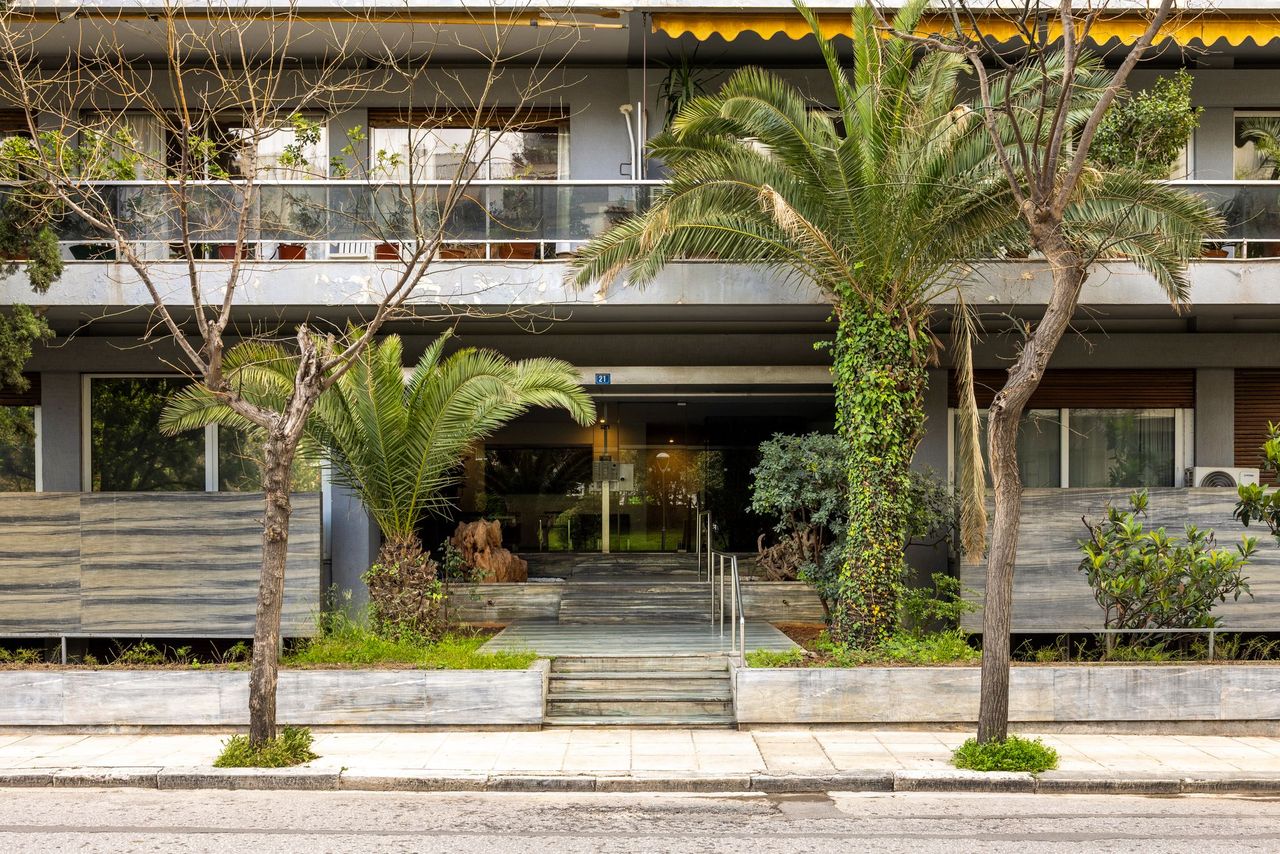
In June 2026, Antiqua Gallery inaugurates PK21, a new project in Athens positioned at the intersection of architecture, interior design, historical research, and contemporary art. More than an exhibition, PK21 is conceived as a domestic and curatorial experience: an exploration of the inhabited space as a site of memory, aesthetic selection, and cultural stratification, where the language of design meets that of art in a fully realized living environment.
“When I first entered the apartment, I was immediately struck by it. Even in its state of abandonment, it revealed a remarkable clarity in its architectural and interior details. It felt wrong to let it disappear. I began to ask myself whether it was possible to bring together my interest in architecture with the practice of the gallery, and this time present a fully realized project within a lived space. This is how PK21 came into being: from the desire to explore new challenges and new approaches to Antiqua’s curatorial practice, shifting context and scale, where its selection could be staged and experienced.” – Yagos Kounelis, owner and director of Antiqua Gallery.
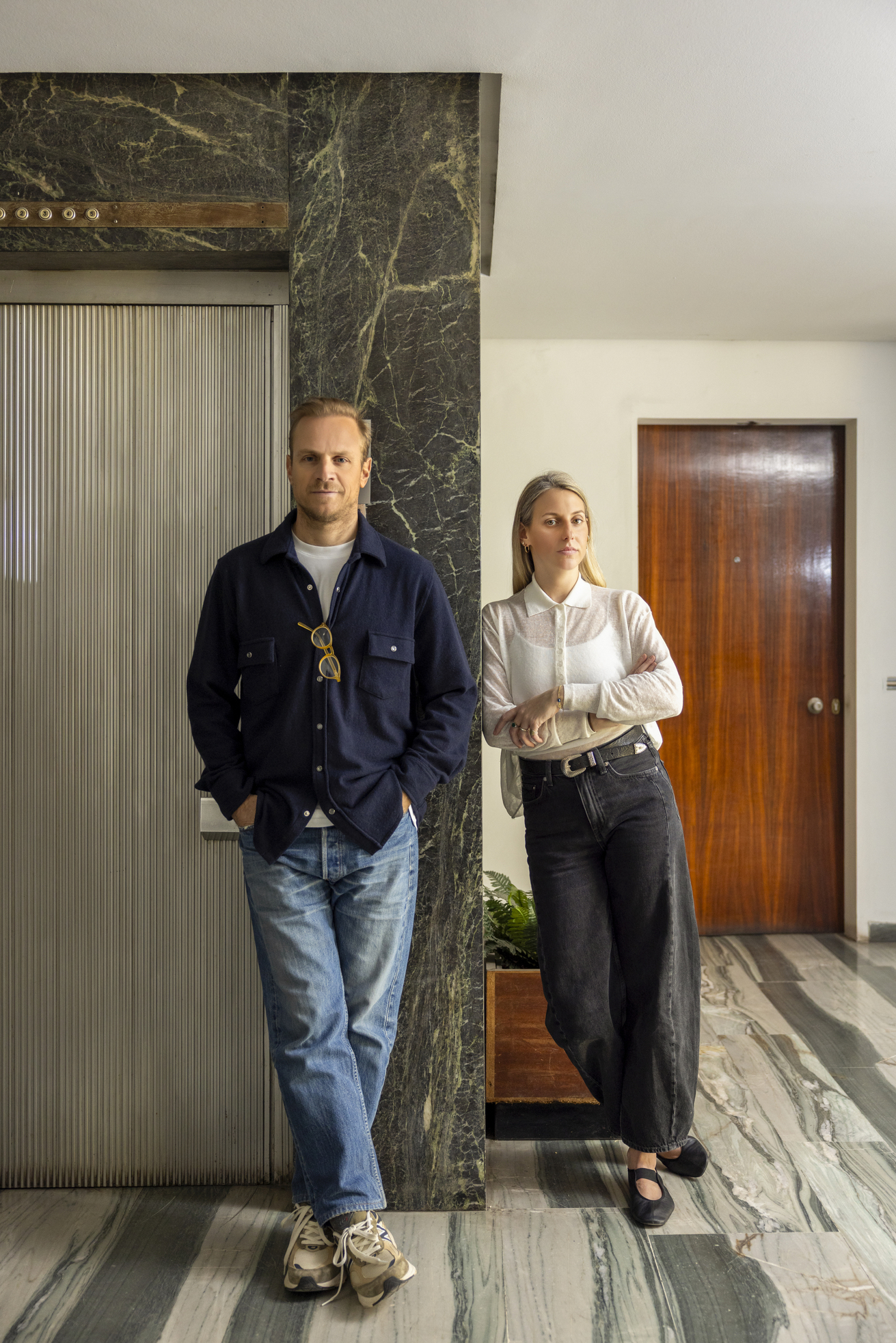
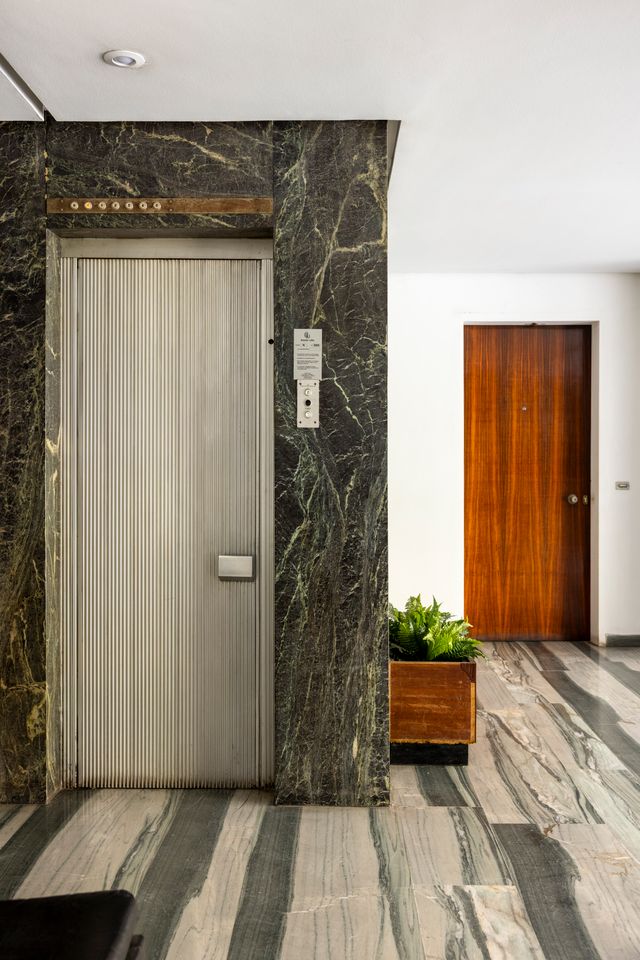
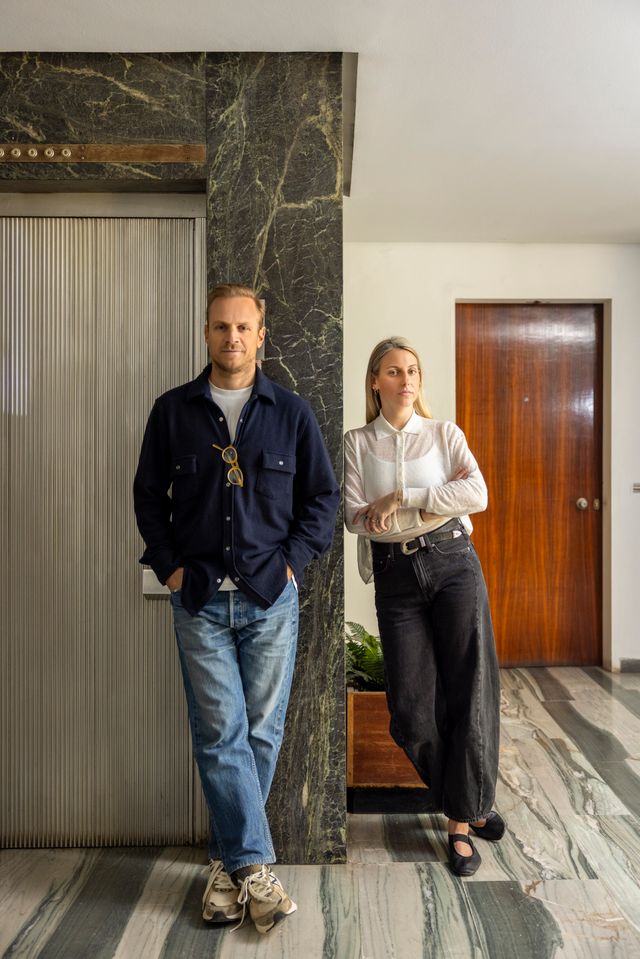
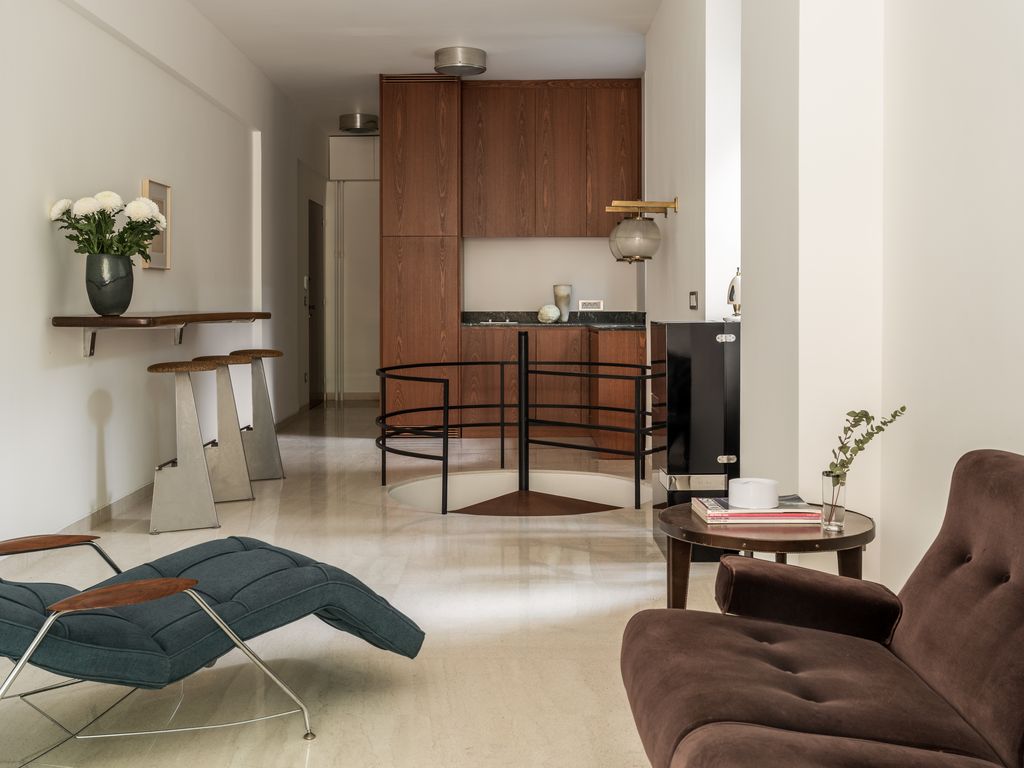
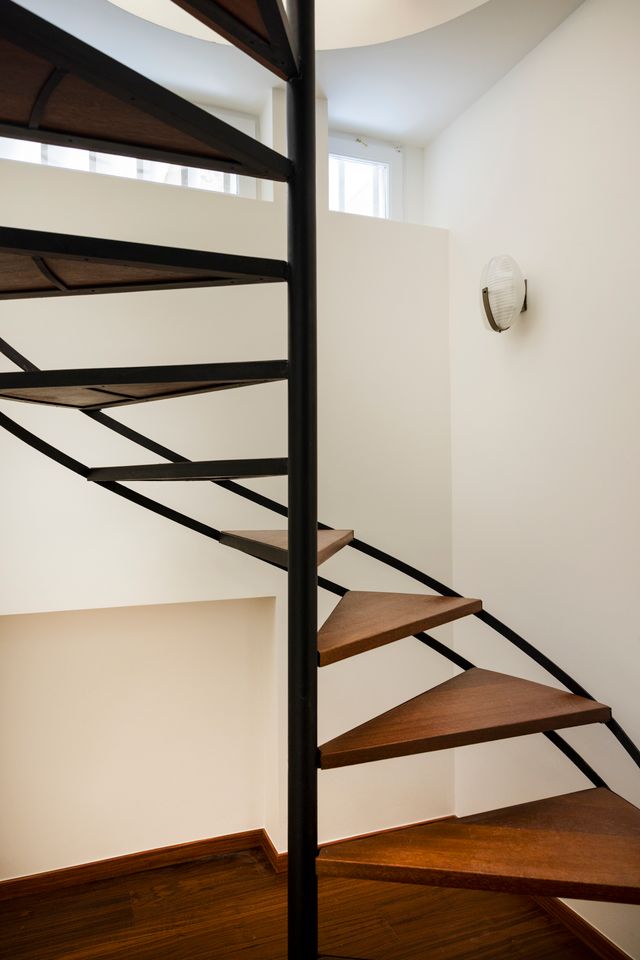
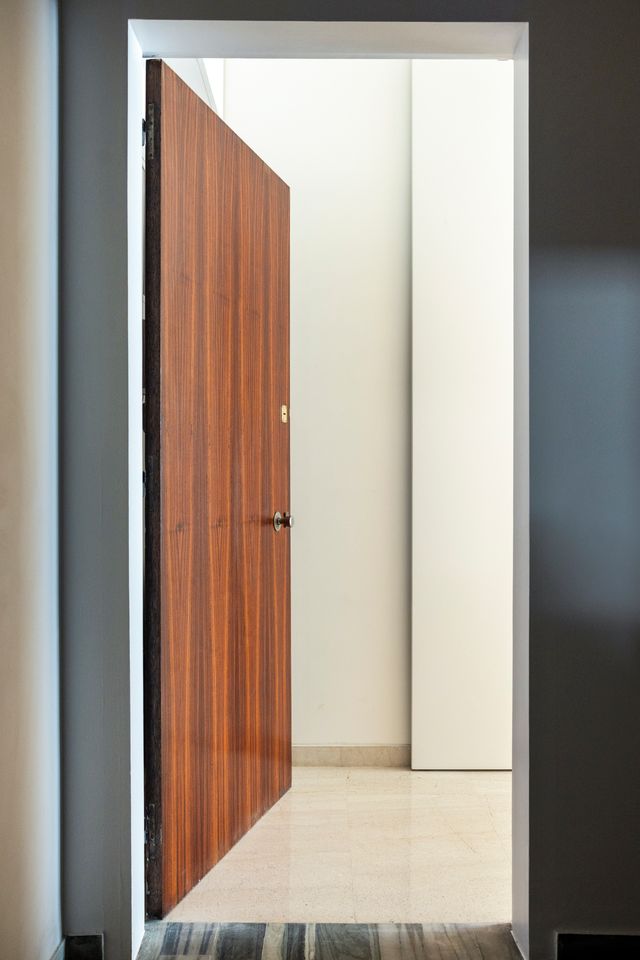
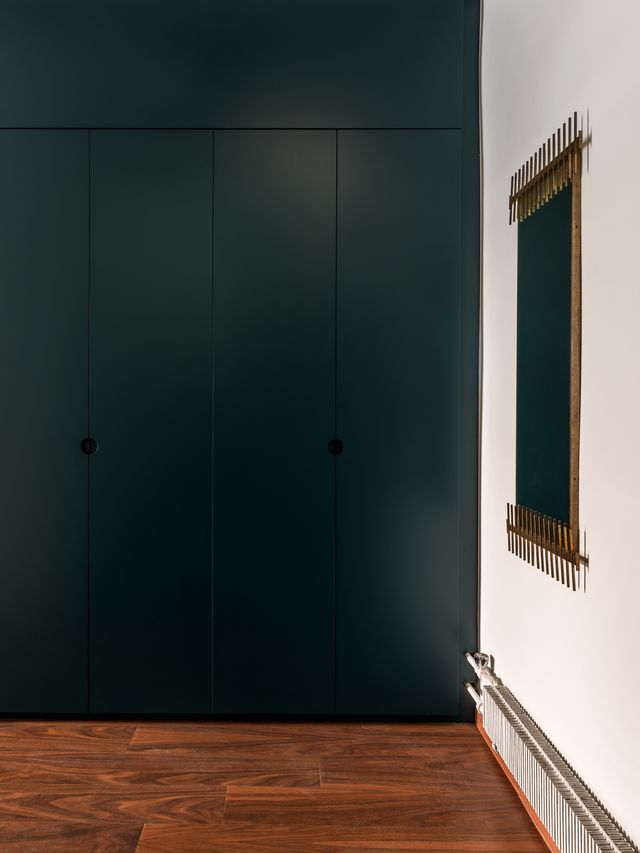
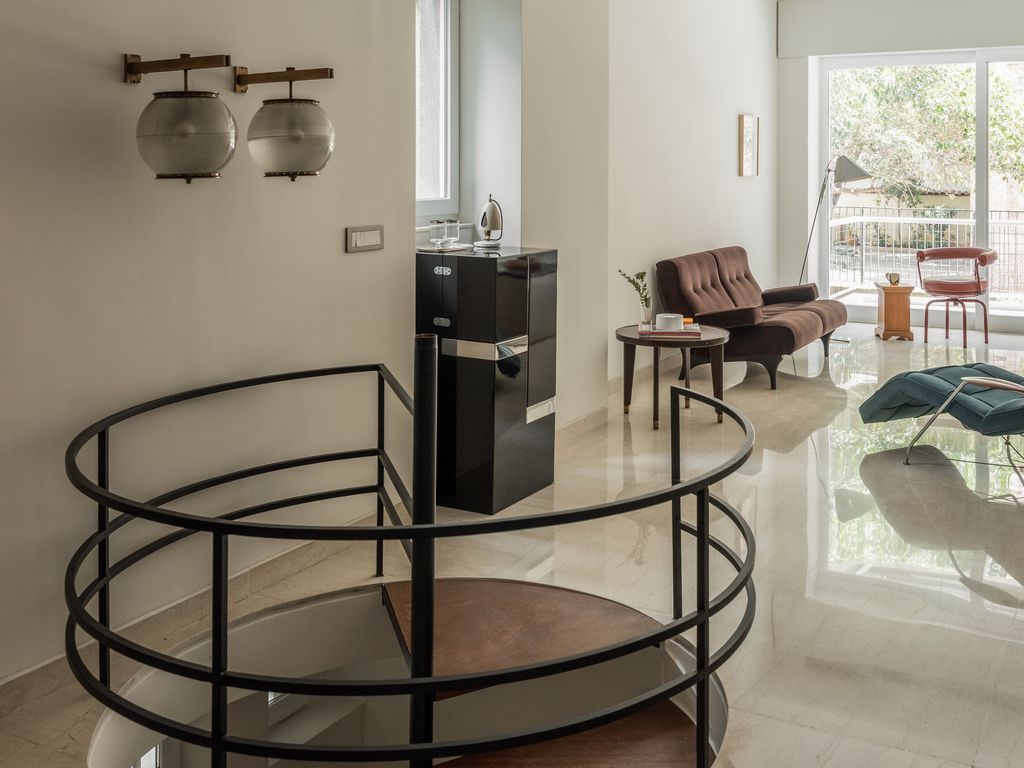
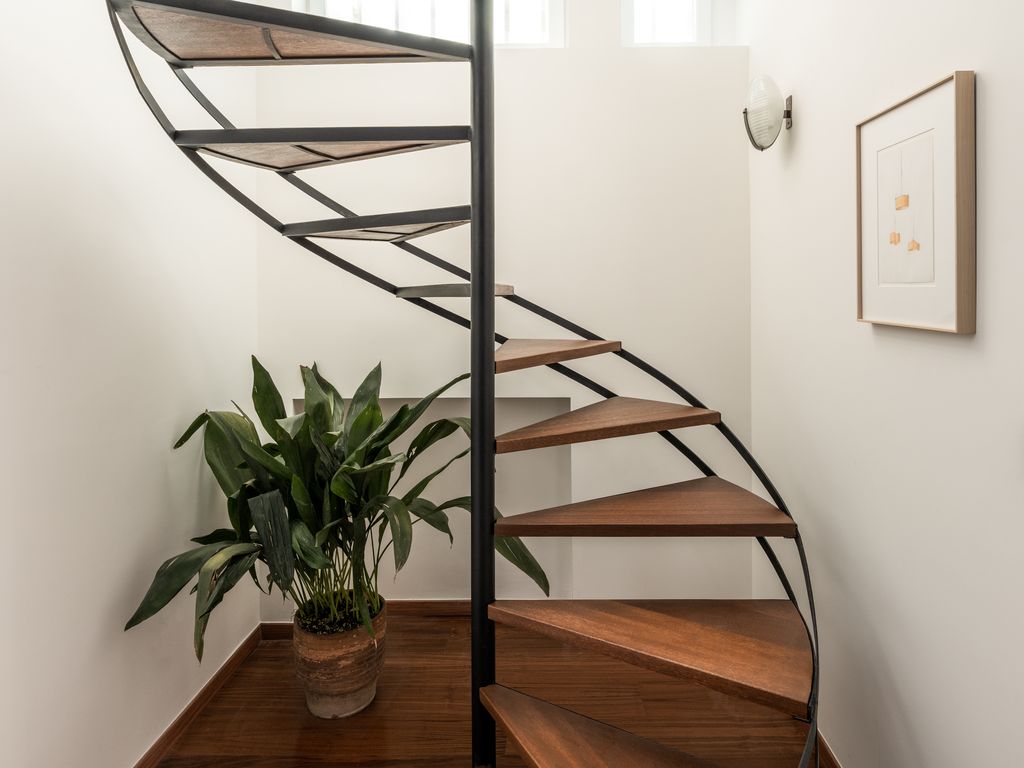
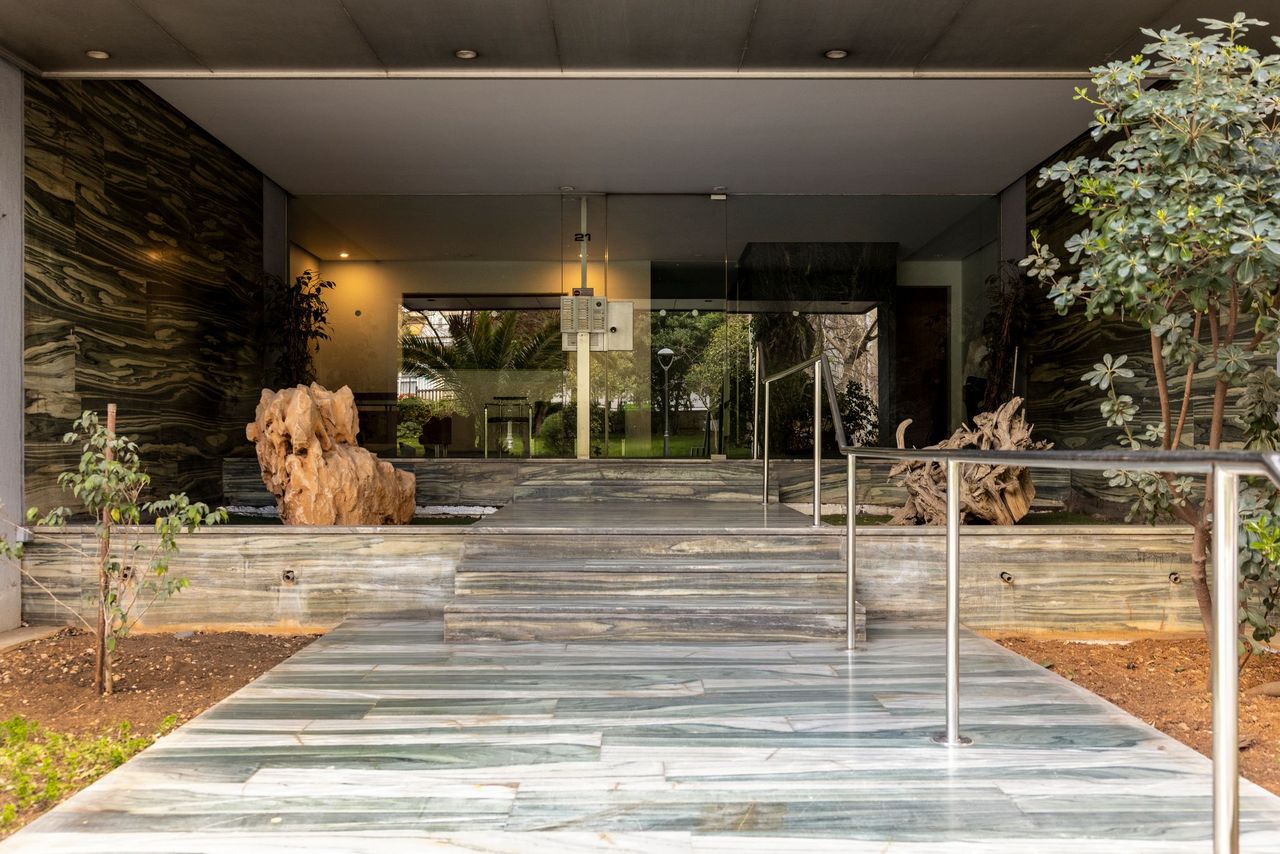
PK21 takes shape within a historic apartment located at 21 Panagi Kyriakou Street, near Mavili Square, inside a building designed in 1967 by the architects Lia Kokka, Christos Kokkas, and G. Ranos. Originally owned by the architects’ family, the apartment remained closed for nearly twenty years. Its reopening and restoration required a careful and respectful approach to the original structure and materials, with particular attention given to distinctive elements such as the iron and wood spiral staircase, full-height doors, the marble of the main bathroom, and the upper-floor flooring. These features contribute to defining the spatial hierarchy between living and sleeping areas, while enhancing both intimacy and functionality.
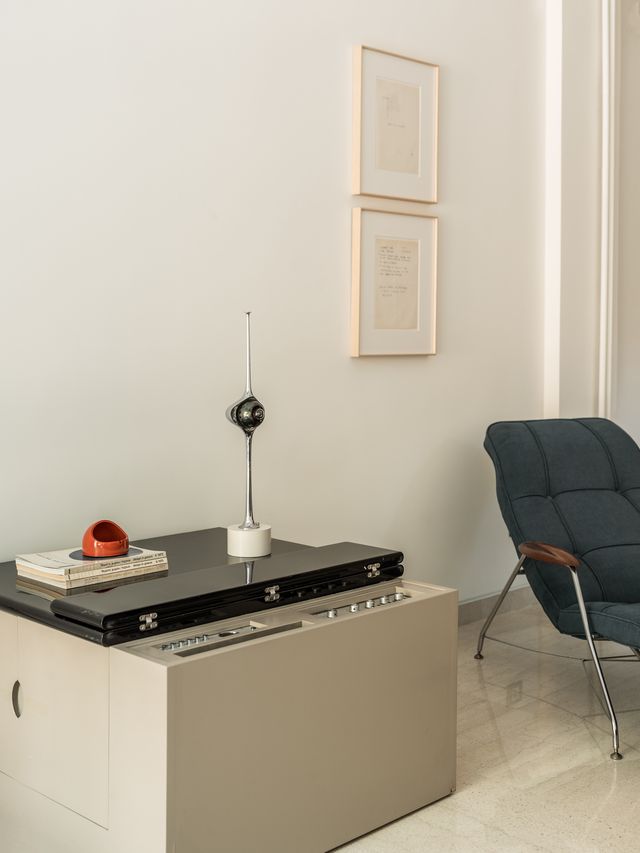
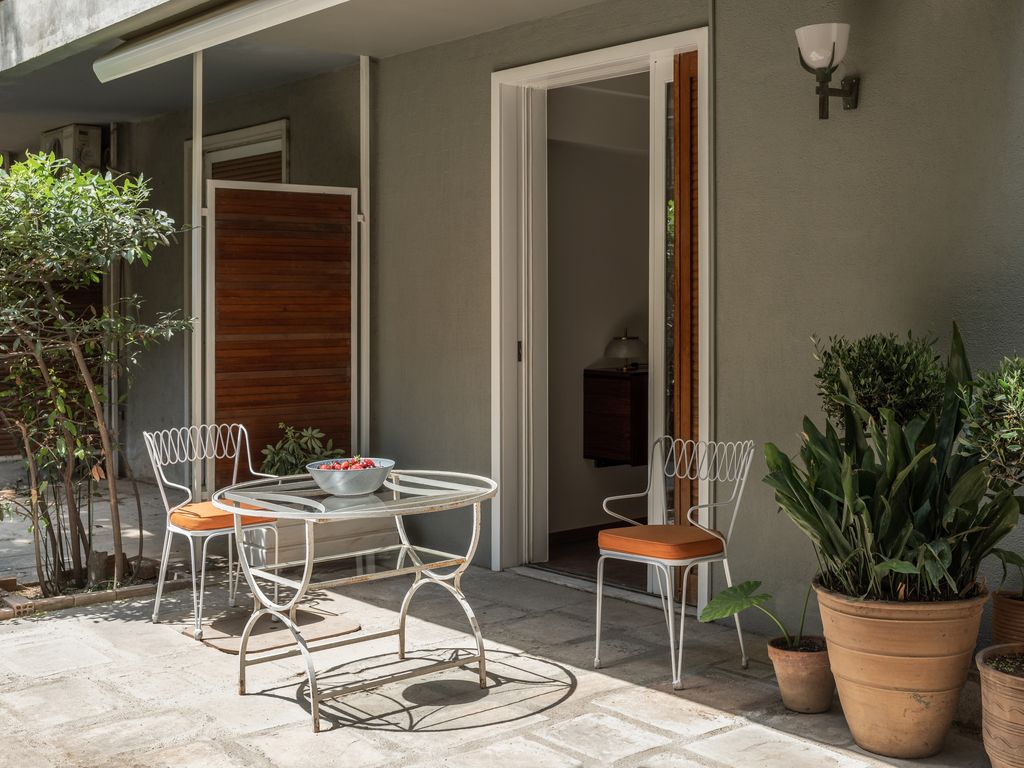
Antiqua’s intervention involved a comprehensive curatorial process, in which every detail was selected and considered in relation to the space. The choice of historical design, including iconic lighting by Gino Sarfatti, Sergio Mazza, and Vico Magistretti, as well as rare furniture pieces such as the sofa by Eugenio Gerli for Tecno, was conceived to restore the objects to their original function. This approach creates a dialogue between aesthetics, historical context, and everyday use. The arrangement of the pieces engages with the architecture and emphasizes continuity between interior and exterior, extending the space toward the private garden and generating a sense of fluidity that allows for a tranquil mode of living in the city center, within a setting that is both historical and contemporary (principles further articulated by Colin Rowe and Fred Koetter in Collage City, Cambridge, 1978).
On the occasion of PK21, works by luminary artist Christos Tzivelos (1949- 1995) are presented, in collaboration with RECORDS, the joint project of Helena Papadopoulos, founder of Radio Athènes, and Andreas Melas, founder of Melas Martinos, dedicated to historical artists. The two gallerists work closely with artists’ estates to recontextualize the work of important figures through exhibitions, research, and publications.
Christos Tzivelos was an artist and set designer active in Athens and Paris from 1972 until his untimely death. He graduated in interior design from the Athens Technological Group, commonly known as Doxiadis School, in 1971; in fine art from the École Nationale Supérieure des Beaux-Arts in 1976; and in architectural engineering from the École Nationale Supérieure d’Architecture de Paris-La Vilette in 1990. He left behind an impressive body of transitory, site-specific sculptural installations, hundreds of drawings, preparatory sketches, photographs, transparencies and design objects. His main material was light. The works
on paper we are presenting are mostly from the 1980s, and apart from being preparatory drawings for realized and unrealized sculptural installations, and furniture design, including lamps, they encompass notes and phrases, drawn from his readings. His library comprised a wealth of books on alchemy, philosophy, architecture, design and art, including catalogues of pivotal contemporary art exhibitions in France, which had become his second home. These graphite pencil drawings reveal through a steady and poetic hand his fascination with language, the cosmos, and infinity.
The Estate of Christos Tzivelos is represented by Akwa Ibom, Melas Martinos and Radio Athènes.
The project is further rooted in the architectural history of the building. A 1967 publication in the journal Architektoniki, authored by A. Kitsikis, describes the construction as an attempt to reconcile fundamental building principles, urban regulations, and surrounding environmental factors, highlighting the external layout, façade, light management, integration with gardens, and the plasticity of the structure. These principles have guided Antiqua’s intervention, enabling the enhancement of the historical context and original features while integrating them with contemporary curatorial and design choices.
PK21 thus emerges as a complete and coherent environment, where architecture, interior design, historical furnishings, a curated selection of Greek historical works, and photography converge, creating a fluid, intimate, and inhabitable living environment in which history and function engage in dialogue with contemporaneity and art.
“Tradition is not the past, but what survives of the past” – Ignazio Gardella, interview in Casabella n. 199–200, 1953).
This project emerges as an act of restitution: to restore measure, intention, and dignity to spaces conceived in a time when domestic architecture had not yet been reduced to mere habitable surface, but operated instead as a cultural device, capable of mediating between the individual, nature, and the collective.
These apartments constitute a silent, stratified heritage, where every detail (from the green marble of Tinos, now almost impossible to source, to the minute geometries of the screened openings) bears witness to a constructive quality
that exceeds function and becomes language. The renovation was therefore approached as an act of subtraction rather than addition: an attempt to preserve the original intelligence of the space, allowing its essential grammar of light, material, and proportion to re-emerge.
The interiors host a selection of historic Italian design pieces, removed from the fetishistic dimension of collecting and repositioned within a living, inhabitable context. As Gio Ponti suggested in the pages of Domus, the house must be an organism, not a container: a system in which each element participates in a broader equilibrium. In this sense, vintage is not nostalgia but continuity, a way of reaffirming a quality of design that endures through time.
The location itself reinforces this condition: close to the city center, within walking distance, yet set in a pocket of quiet. The surrounding greenery, together with the presence of the church visible from the balcony, establishes a perceptual distance from the urban rhythm, a suspension that subtly reconfigures the everyday.
To reactivate these spaces is therefore to question the present through what persists: to restore vitality to neglected architectural bodies while reaffirming an idea of dwelling grounded in quality, duration, and conscious measure. To inhabit, ultimately, is not to occupy space, but to enter into a relationship with what makes it meaningful.
Photos @Alina Lefa @Giorgos Sfakianakis
ANTIQUA is an Athens based gallery specializing in Historical Design and Masterpieces of the 20th century. Founded in 1954 by Yiannis and Aliki Yiannoukou and then run by descent by their two children, Elizabeth and Thanassis, ANTIQUA was established for over five decades as one of the most prestigious antiques stores in Athens. Since the early 2000’s, Yagos Kounelis – Elizabeth’s son – gradually integrated within the gallery’s interests, 20th century Mid Century Modern Design and by 2013 ANTIQUA was officially focusing on Historical Design Furniture, Lighting and Ceramics from Masters of Design of the Post War period.
In 2016 ANTIQUA was relocated in Kolonaki district, continuing the promotion of high-quality Historical Design within the Greek capital: from well-known Design Masters, such as Carlo Mollino, Gio Ponti, Ettore Sottsass, Angelo Lelii, Poul Kjaerhholm and Pierre Paulin, to Greek designers with an international presence such as Philolaos Tloupas, Yannis Moralis and Eleni Vernadaki, the gallery covers the areas of furniture, lighting, ceramics and sculpture. The gallery’s mission is to present important figures of the 20th century’s design scene through thematic installations, editorial projects and publications.
In addition, the curatorial selection includes a particular attention in researching and developing Greek architects and local artistic figures of the period, promoting them in the international market of collectible design. ANTIQUA’s program also includes a section of Contemporary Editions, called “The Contemporary Project” which develops and highlights the work of emerging artists and designers, always in dialogue with Historical Design.
antiqua.gr @antiqua_gallery
PK21, open by appointment only June 10 — 14, 2026 21 Panagi Kyriakou Street, Athens (GR)