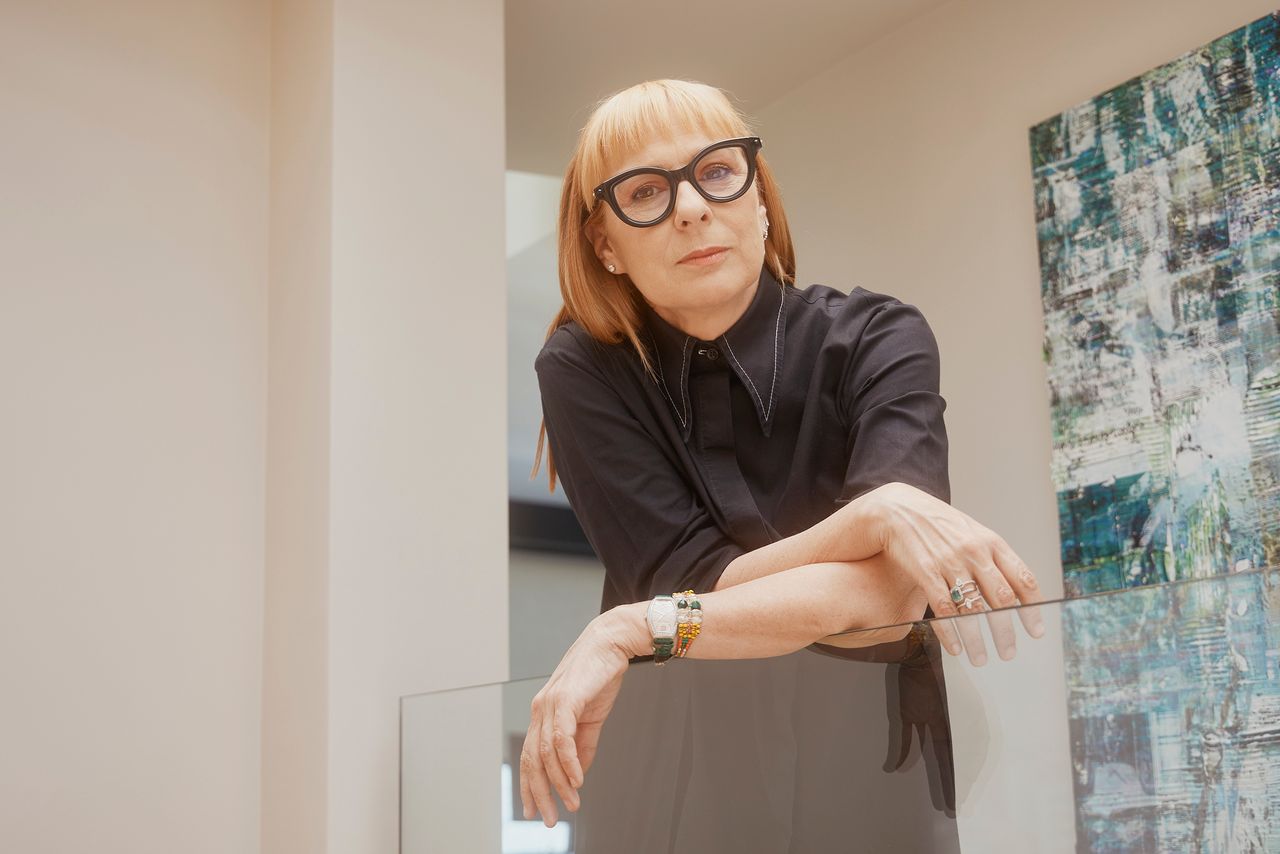
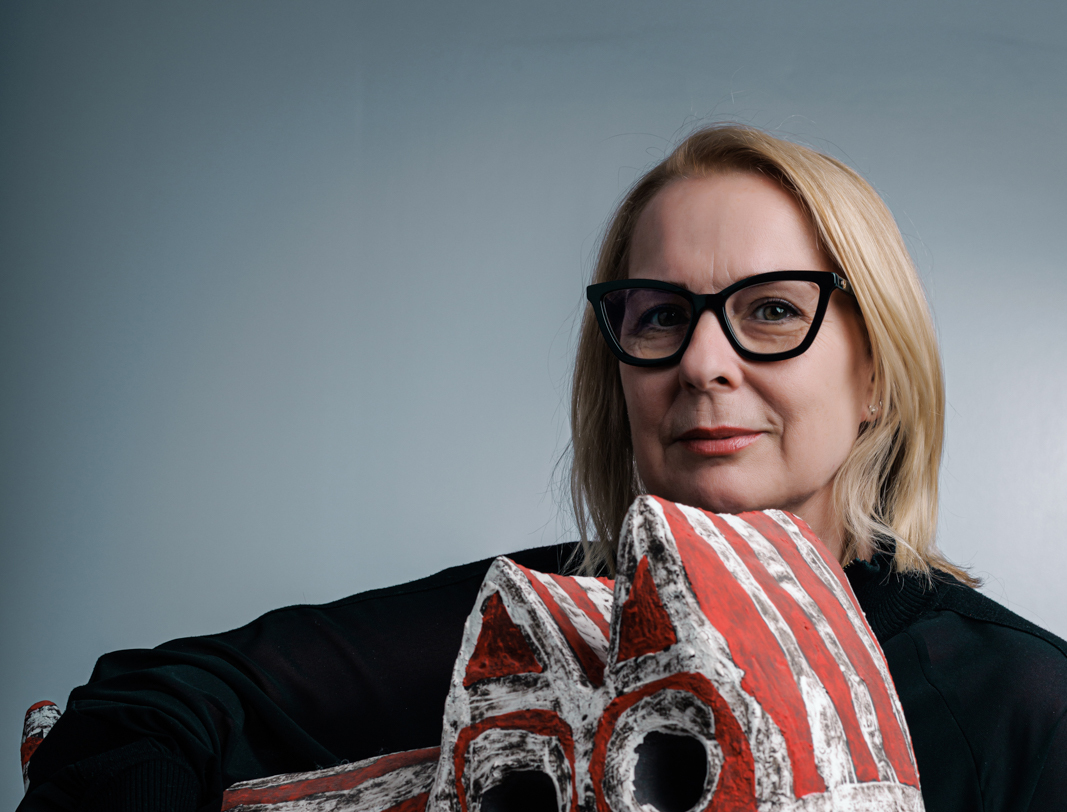
First, tell us about the highlights of your journey. What were the most important steps that brought you to where you are today?
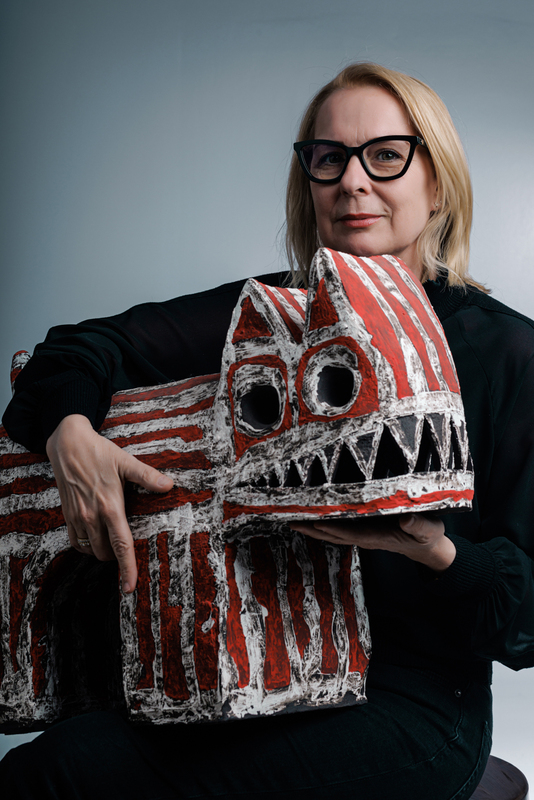
My journey was never linear or carefully planned from the beginning. I’ve changed paths many times and walked roads I could never have predicted. I’m naturally curious — I love learning new things, getting excited, and working with passion. Twenty years ago, I could never have imagined that ceramics would play any role in my life. Even ten years ago, I still saw it simply as a hobby.
In 2020, I opened Sealed Earth with the mindset of someone who wanted to create ceramic works and present them to the world. But where? There was nothing. When I began organizing exhibitions at Sealed Earth, I realized there was genuine interest, but also a significant gap and need. The ceramic biennale emerged as a response to that need. Not because I wanted to organize a large-scale event, but because I wanted to create the conditions for something missing to happen — something I personally, as an artist, would have loved to participate in myself.
Looking back today, I don’t see milestones as much as I see people, collaborations, and moments that helped me grow. That is the most beautiful part of my journey.
The second Ceramic Biennale in Rhodes is about to begin. What was the greatest challenge you’ve overcome, and how does it feel to have created what is now becoming an institution?
I feel good… as much as the stress of such an organization allows me to. We are only days away from the opening, and the pressure is at its peak, so at the moment I function more as a producer, coordinator, and firefighter than as someone fully able to process what is actually happening.
But the biggest challenge has not been won yet. This is only the second Biennale. I dream very big. I move step by step, and the goal constantly shifts forward.
I grew up in a home where I was taught that dreams should have no limits and that you should always set goals bigger than what seems achievable. That way, you have room to make necessary compromises without affecting the final result.
I don’t feel that we have already created an institution. I feel that we are building one.
What is the narrative behind this year’s Biennale, and what is new in its program?
This year’s Biennale is titled Where the Day Starts, and it was born out of Rhodes itself — a place that looks toward three continents and that, because of its position and accessibility, has always been a point of attraction, movement, exchange, and overlapping stories. The Mediterranean and the sun are what connect us to neighboring cultures while simultaneously illuminating our differences. What many of the artists express this year are ways of coexisting.
This year, the Biennale has grown significantly and developed a more complex structure of participation, with artists selected through an open call alongside invited creators participating through collaborations with galleries and institutions. Much of this evolution is thanks to the curators. Anissa Touati and Stamatia Dimitrakopoulou brought a very meaningful openness toward the international art scene, introducing new relationships, new ways of thinking, and collaborations that greatly expanded the scope of the event.
At the same time, the Biennale continues to build on the network and relationships we have developed over recent years. I think this year we managed to create a beautiful balance between artists who came through the curators and others who came through my own personal journeys and connections.
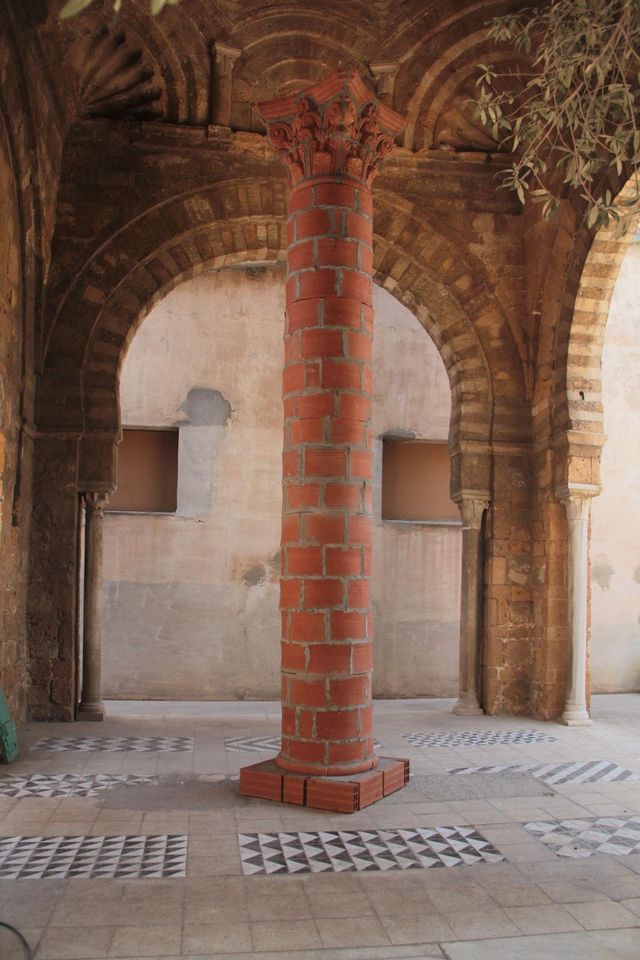
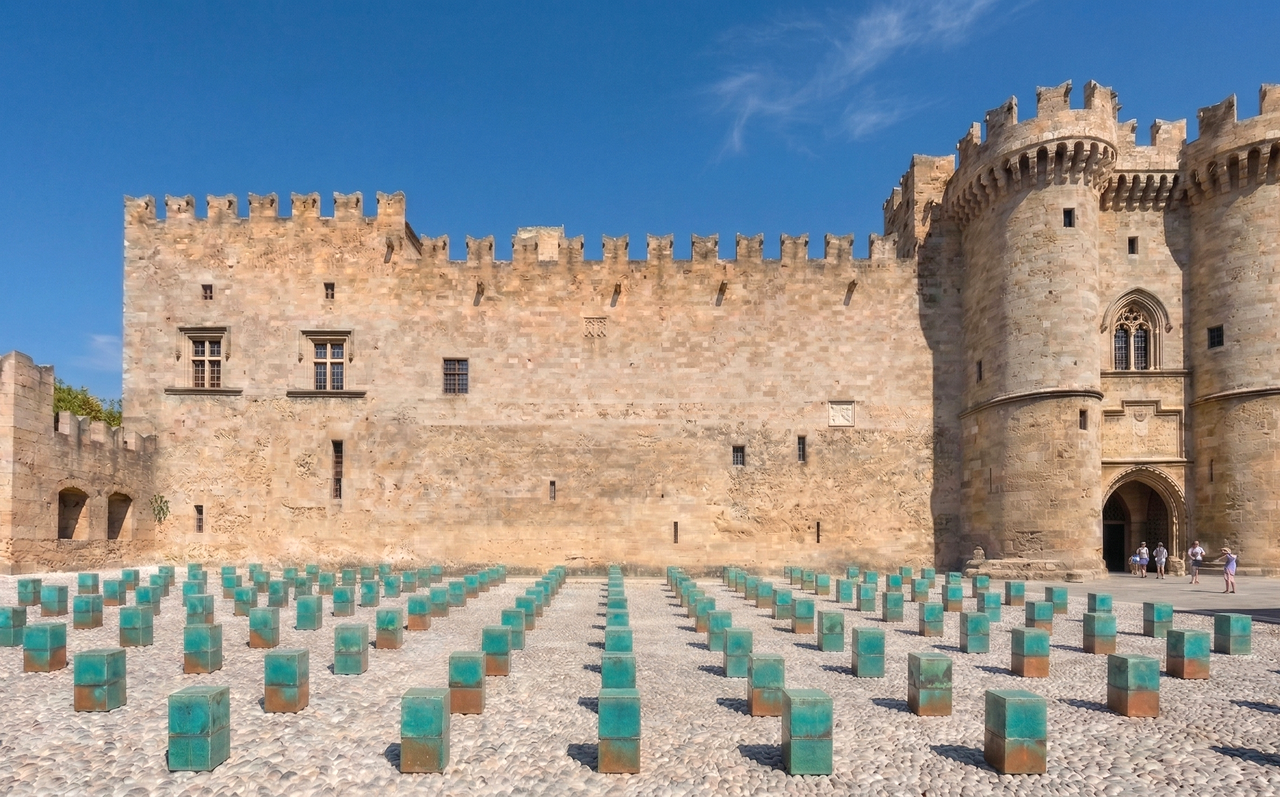
Additionally, in collaboration with the Ephorate of Antiquities of the Dodecanese, the exhibition unfolds across five different venues within the Medieval City of Rhodes and is accompanied by a rich parallel program featuring performances, seminars, talks, gatherings, and educational initiatives for both visitors and the local community.
And something that makes us especially proud is the growing interest we are already seeing from international media — not only for the Biennale itself, but for the fact that contemporary ceramics are finally gaining the place they deserve within the global dialogue of contemporary art.
Tell us about the participating artists. What makes this edition unique, and what stands out to you overall?
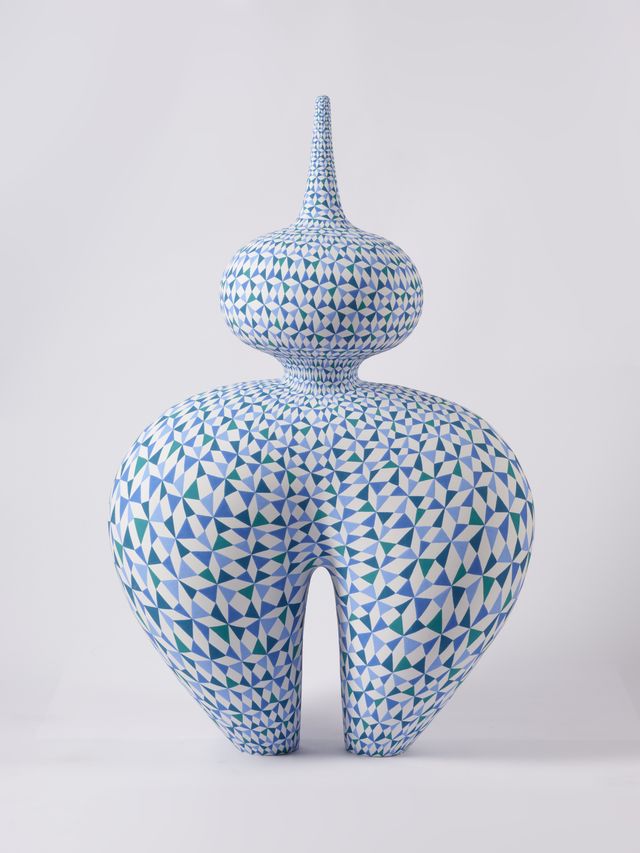
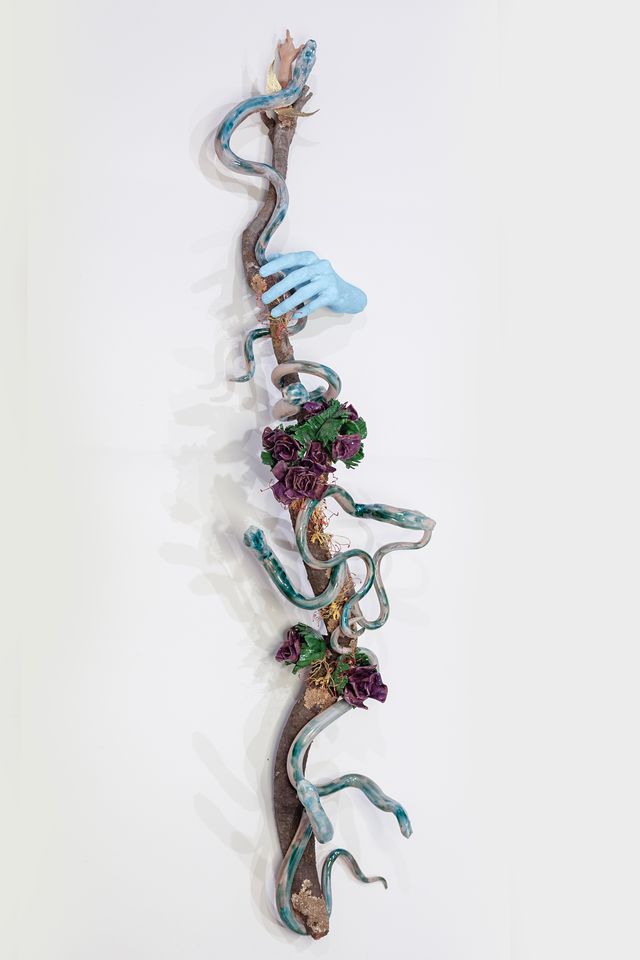
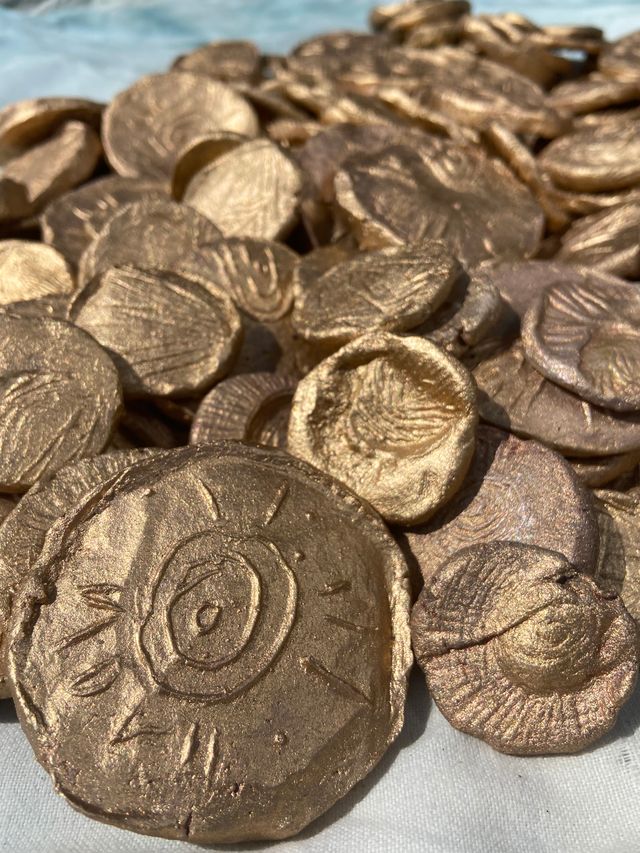
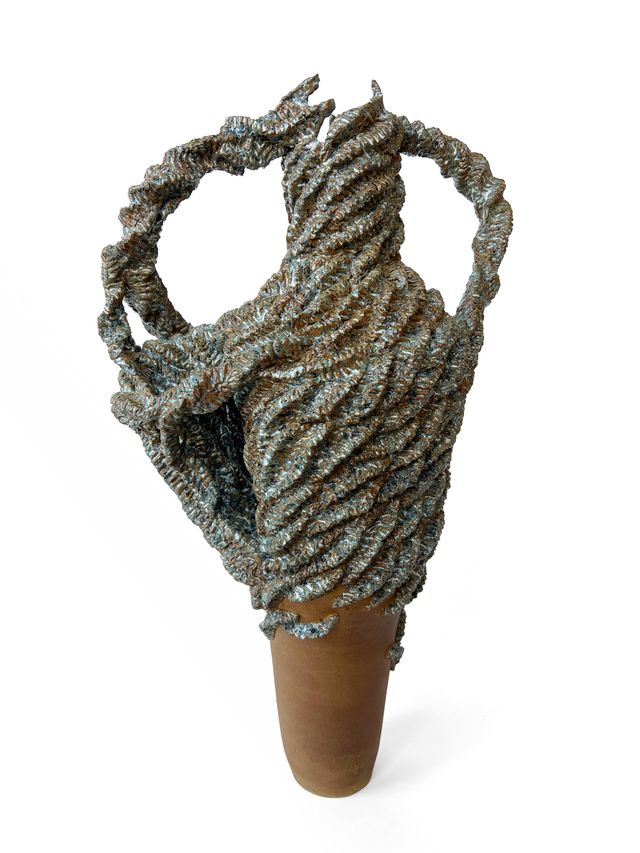
One of the major differences from the previous edition is that far more artists are approaching ceramics as a language in itself. What moves me deeply is that we have people from different countries, generations, artistic backgrounds, and ways of understanding ceramics.
Some artists come from the field of contemporary art, others from more hybrid practices, some move between architecture, design, and craftsmanship, while others remain deeply connected to the material itself. There are highly personal works that function almost as confessions, but also works that open broader conversations around identity, energy, peace, and ecology.
The coexistence of artists selected through the open call alongside invited artists creates a beautiful balance between discovery and dialogue with already established voices.
The curatorial team and jury were truly instrumental in shaping such a result. They brought different perspectives, different networks, and a very meaningful conversation around what contemporary ceramics can mean today.
Which collaborations have remained constant, and which new ones are shaping this year’s Biennale?
The most beautiful thing when an organization reaches its second edition is seeing which people and institutions choose to continue walking alongside you. For me, that is the greatest sign of trust, and it’s what gives me strength and reassurance.
We are a small team, which means each person truly carries a significant part of the Biennale on their shoulders. Eleni Lozou (Artist Liaison), Aris Petrou (Exhibition Architecture) and his team, as well as Dimitris Papazoglou (Visual Identity) and his own team, are people who have been supporting the artists, the exhibition, and the overall identity of the Biennale since the very first edition. My Sealed Earth team, Marilina Giannatou and Nasia Pavlidou, have also continuously supported both the organization and me personally. Ivi Dikaiou, who is responsible for partnerships and sponsorships, is the person who ensures that everyone who trusts and supports us truly feels like part of this journey.
At the same time, this year the Biennale has opened itself much further outward. We have new collaborations with curators, galleries, institutions, academic bodies, and art professionals who support not only the participation of artists but, in some cases, even the production of their works.
A new addition to the team is Iakovos Sahinis, who took on project coordination and became a connective force among all of us. That is invaluable when you are a small team working as if you were a much larger organization.
Each new Biennale is shaped by the people and local institutions that embrace it. Especially in our case, where we consciously choose to develop the exhibition within archaeological and historical sites, one constant yet ever-evolving relationship is the one we have with the Greek Ministry of Culture and the local Ephorates of Antiquities.
This year, we have the honor of collaborating with Ms. Eleni Farmakidou and the Ephorate of Antiquities of the Dodecanese, alongside an exceptional team of archaeologists actively participating in the realization of the Biennale — Natassa Psarologaki, Evangelia Dima, Angeliki Kosma, and their teams. These collaborations are deeply important because they allow a dialogue around how contemporary ceramics can coexist with history in a way that is both respectful and alive.
How was Rhodes selected, and what makes the island unique?
I would love to discover all the Greek islands through the Biennale. To tell a different story through contemporary ceramics for each one — to highlight its particularities, history, memories, people, and beauty. That is the core idea behind the nomadic structure of the Biennale.
However, the Biennale is still at an early stage and needs support — practical, institutional, and human. At this moment, larger islands are more capable of providing that support.
Rhodes, beyond its immense history, culture, and narratives, is a large, outward-looking, cosmopolitan island capable of meaningfully supporting an international event. It has the infrastructure, people who truly believe in culture, and a multidimensional identity. Rhodes is a meeting point of civilizations, religions, languages, and aesthetics, and that very plurality reflects the philosophy of the Biennale.
My hope, though, is that gradually the Biennale itself will become strong enough to support smaller islands and function in the opposite way. Not simply choosing places capable of hosting the event, but bringing the Biennale to places that truly need it. That would be the real success.
What should no one miss at BCK Rhodes?
The opening night. Openings always carry a very special energy because it’s the first moment when artists, curators, collaborators, locals, and visitors all come together within the spaces and see the works fully come alive.
Beyond that, I would definitely say the educational program. We have invested heavily in it because we are not interested in creating an exhibition people simply see and leave behind. We want to create experiences, open conversations, and leave something meaningful within the local community.
And finally — because this is also part of the experience — no one should miss the closing party. After months of work, meetings, and exchanges, that is the moment when everyone relaxes, celebrates, and realizes that the Biennale is above all a community of people who together created something beautiful.
Having ceramics as the central axis of your work for years now, do you feel you serve it differently today, and what has it given you personally?
What I have gained the most is not recognition, but relationships, knowledge, and the feeling that you can create something that exists beyond yourself.
This year, I participated for the first time in Ceramic Brussels with Sealed Earth, and that was a very important step for me. I have already set a goal for 2027 — the year we won’t have a Biennale — to present more Greek artists in more international exhibitions and fairs across Europe.
And yes, today I serve ceramics in a completely different way from when I first began. It was a very conscious decision to dedicate myself to creating the framework within which other people can exhibit, evolve, and connect.
Perhaps one day I will return more actively to my own artistic practice, but honestly, organizing, curating, managing, and building ideas and communities feels much closer to me professionally. My relationship with clay touches me emotionally and nourishes my soul. It allows me to express myself without rules, and every time I touch clay, I lose myself in its beautiful world. That is something I never want to lose.
What touches your heart the most after having gone through last year’s creative process?
What touches my heart the most is seeing that something remains behind.
In the first year, I didn’t know whether what I had imagined truly had space to exist. But when I started seeing people meeting through the Biennale, artists forming new collaborations, and visitors returning to ask when the next edition would take place, I realized that something was beginning to take root.
Last year also played an equally important role, as we returned to Santorini and began building our relationship with Rhodes through a program of exhibitions as well as a professional development program for artists. This brought a very meaningful shift in our relationship with the islands and the people there.
And perhaps the most moving part of all is that I am beginning to see how something that started as a personal need has become something collective. And that, perhaps, is the most beautiful form an idea can take.
In what way do you feel your aesthetic is evolving?
I think that as I grow older, my aesthetic becomes less decorative.
In the past, I was more in search of perfection, clarity, and harmony. Today, I am more moved by stories and intention, and less by image alone.
I also notice that my perspective has become more open. Through working with so many different artists, countries, and practices, I have learned to appreciate things I might not have understood or chosen aesthetically in the past.
What else would you like to create as a dream project?
A few years ago, if someone had told me we would create an international Biennale dedicated to contemporary ceramics in Greece, it would have felt far too ambitious to even believe. But I’ve learned that once you reach one goal, the next one quickly appears.
I would love to see the Biennale grow further — to travel to more islands, develop a real international presence, and eventually become capable of supporting artists, productions, and smaller local communities itself.
I would also like Sealed Earth to expand more across Europe, continuing to build bridges between art, ceramics, and people.
At the same time, a new project is about to open very soon at the Arsakeio Arcade with another group of people I deeply appreciate. It excites me especially because it takes me out of my comfort zone and brings me into a new creative dialogue.
So perhaps I don’t have just one dream project. I think I’ve learned to live inside my dreams and allow them to constantly change shape.
Tell us a story you will never forget
There are so many I could share… maybe I should save something for our next conversation.
But if I have to choose one thing, it is that I never forget the moments when something that once felt impossible suddenly begins to happen. That moment when you look around and realize that the universe is listening. Those are the moments I feel most grateful for — and the ones I return to whenever things feel difficult or uncertain.
2nd Biennale of Contemporary Keramics
Where the Day Starts
6 June – 31 October 2026
Rhodes, Greece