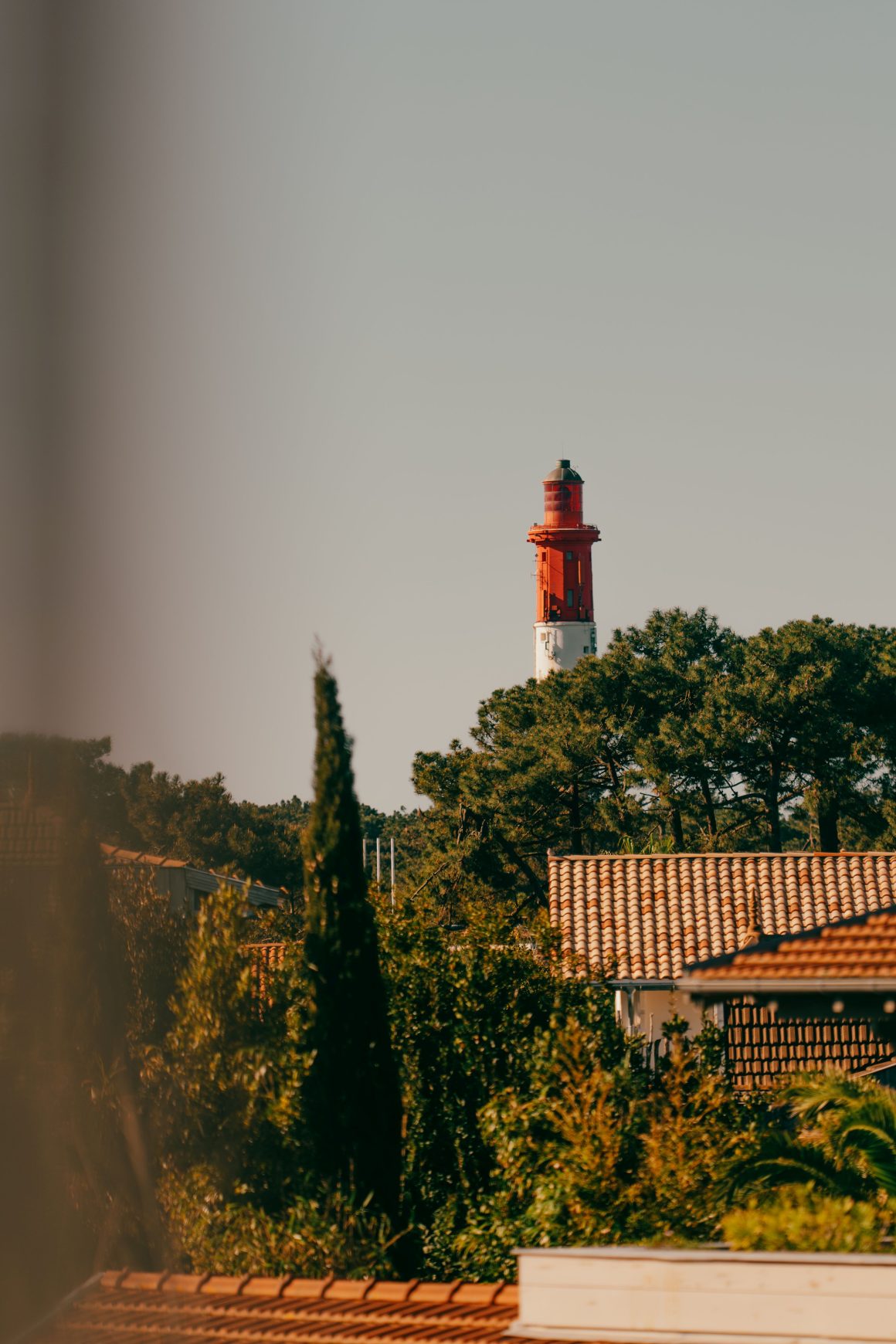
In the heart of Cap Ferret – a quaint oyster village situated on France’s west coast often dubbed the French Hamptons – Hôtel Villa Colette has just opened its doors, marking the first outpost of the Utopik Collection outside of Paris. The brainchild of French entrepreneur Laurent Taïeb and designer Philippe Starck, also behind Maison Heler Metz and Brach Madrid, the two long-time friends set out to capture what they call a ‘happy nostalgia,’ their poetic interpretation of a destination which they are deeply tied to.

‘We wanted to bring something special, and we designed Hôtel Villa Colette as if our friends and I were going to be the future guests,’ says Starck, who is not a stranger to the area.

Down the street, Starck owns a home where he spends much of his time with his wife and daughter. ‘I have been living here for 45 years now, which has felt like 45 years in paradise. It is a magical place that perfectly embodies the French spirit,’ he says.

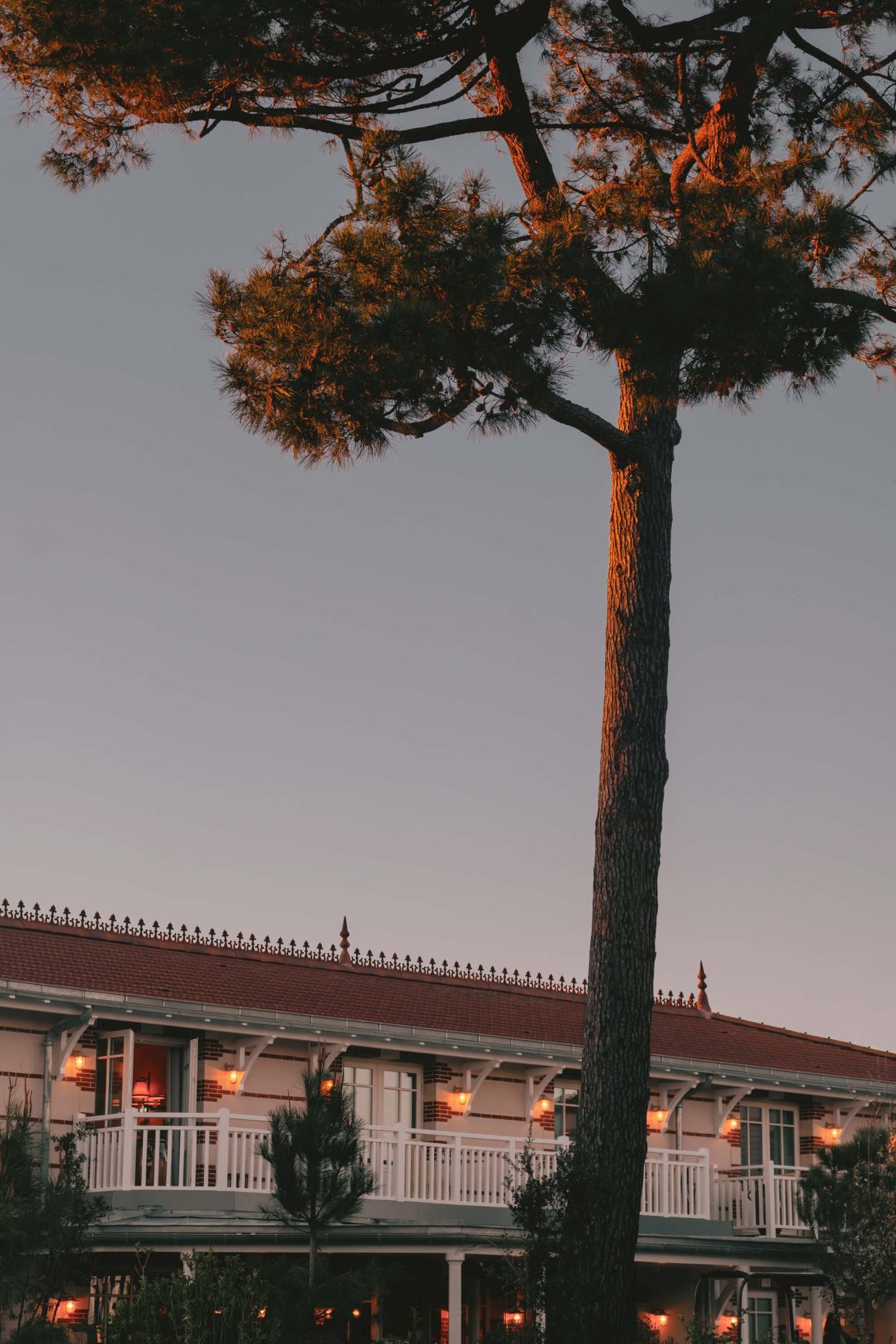
The first 5-star hotel in Cap Ferret, Hôtel Villa Colette is a welcome addition to the limited hospitality landscape on the peninsula, which has long been known as a discreet hideaway for the rich and famous. With just 28 rooms, the property is designed as an intimate hideaway, a sort of secondary home that guests will want to return to over and over again.

Just a few steps from Hôtel Villa Colette is the main shopping street, lined with independent boutiques offering everything from laid-back surfer fashion to niche labels, design furniture and art galleries, and restaurant shacks and cafés perfect for a casual bite.

On one side of the peninsula, the calm waters of the Arcachon Basin; on the other, the wild Atlantic Ocean, where surfers can catch waves over two metres tall. For guests eager to discover the bay from the water, the hotel can arrange private boat charters with a skipper. A stop at the Dune of Pilat is an absolute must – the tallest sand dune in Europe – bordered by the bay on one side and an expansive pine forest on the other, before docking at an oyster shack, the most famous of which is La Cabane Hortense, for a platter of fresh oysters farmed a few metres from the restaurant.

Starck may be the creative force behind the interiors of Hôtel Villa Colette, but the project is, at its core, a shared vision between the designer and Taïeb.

‘My vision for Villa Colette began with my fascination for the elegance and singularity of French actresses from the 1930s to the 1950s. I imagined the story of one of these great actresses: at the end of her career, she leaves her Parisian apartment on Avenue Foch, to retreat to the countryside, settling into a humble house near the beach, in an oyster-farming village,’ explains Starck.

‘She repaints the interior of her home in soft tones – faded powder pink, very pale lemon yellow – creating an intimate and soothing space. Throughout the house, she scatters her memories: fragments of her life as an actress, family mementoes, traces of a rich past that inhabit the space,’ he continues.

The opening space – part lobby, part foyer, part bar – perfectly embodies Starck’s vision, with paper flower bouquets, geometric cushions, ruched lampshades, a wood-burning stove and a Klein piano from the 1950s.

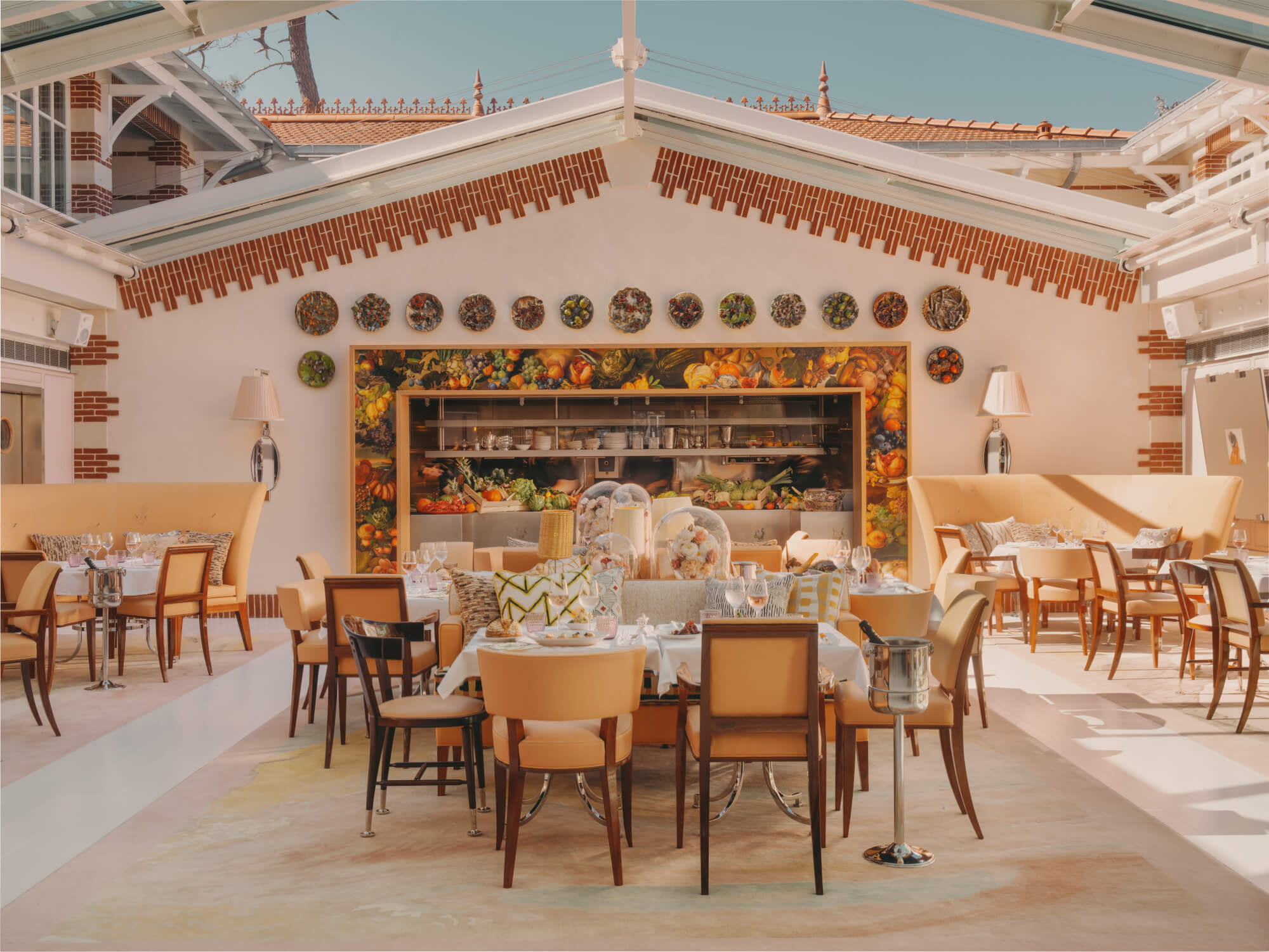
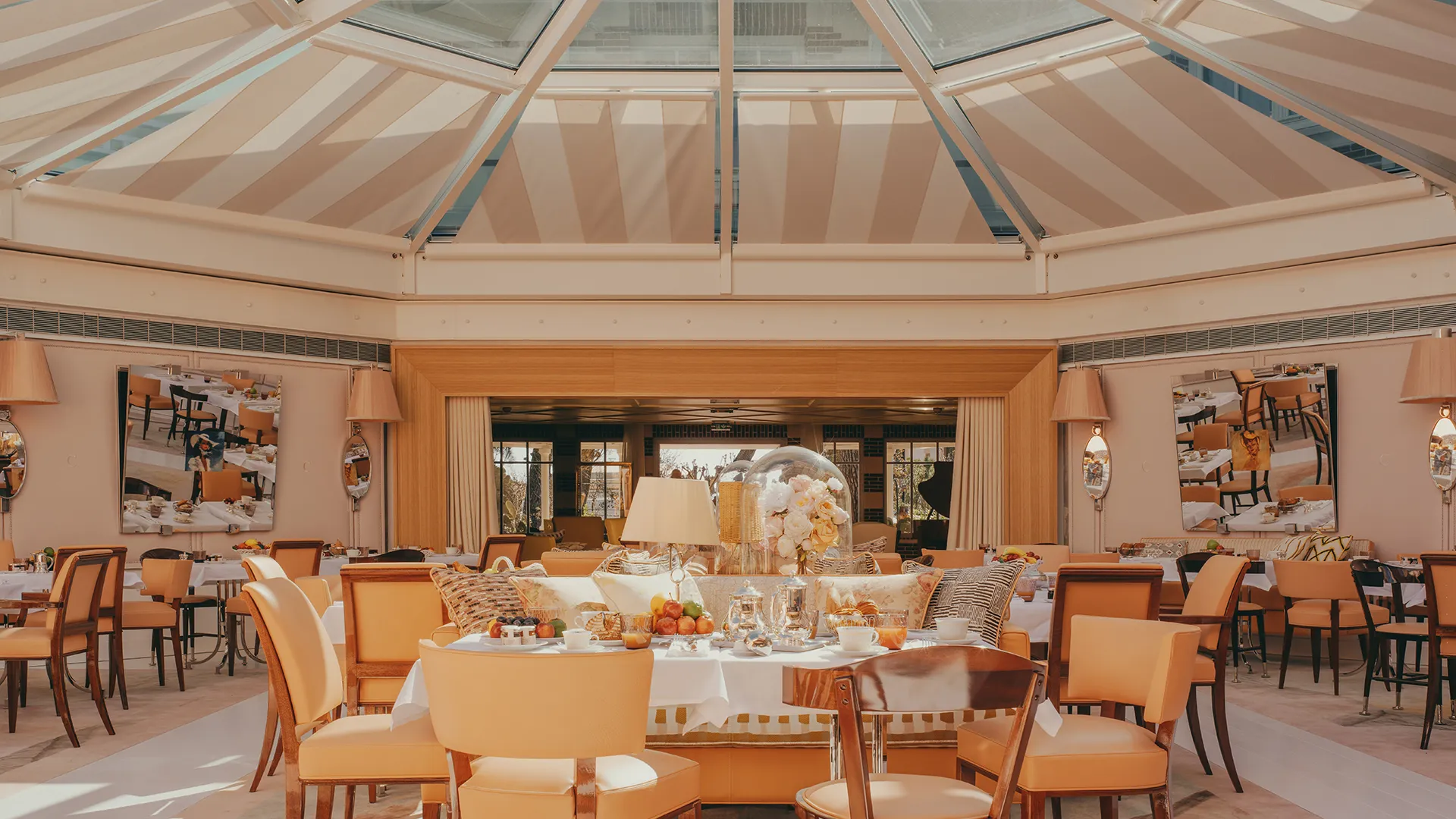
In the dining room, reminiscent of a Spanish patio, the eye is immediately drawn toward an open kitchen framed by a still life by the Parisian classical painting house Troubetzkoy. Above, a retractable glass roof opens up on warm summer nights, allowing guests to dine beneath the stars.

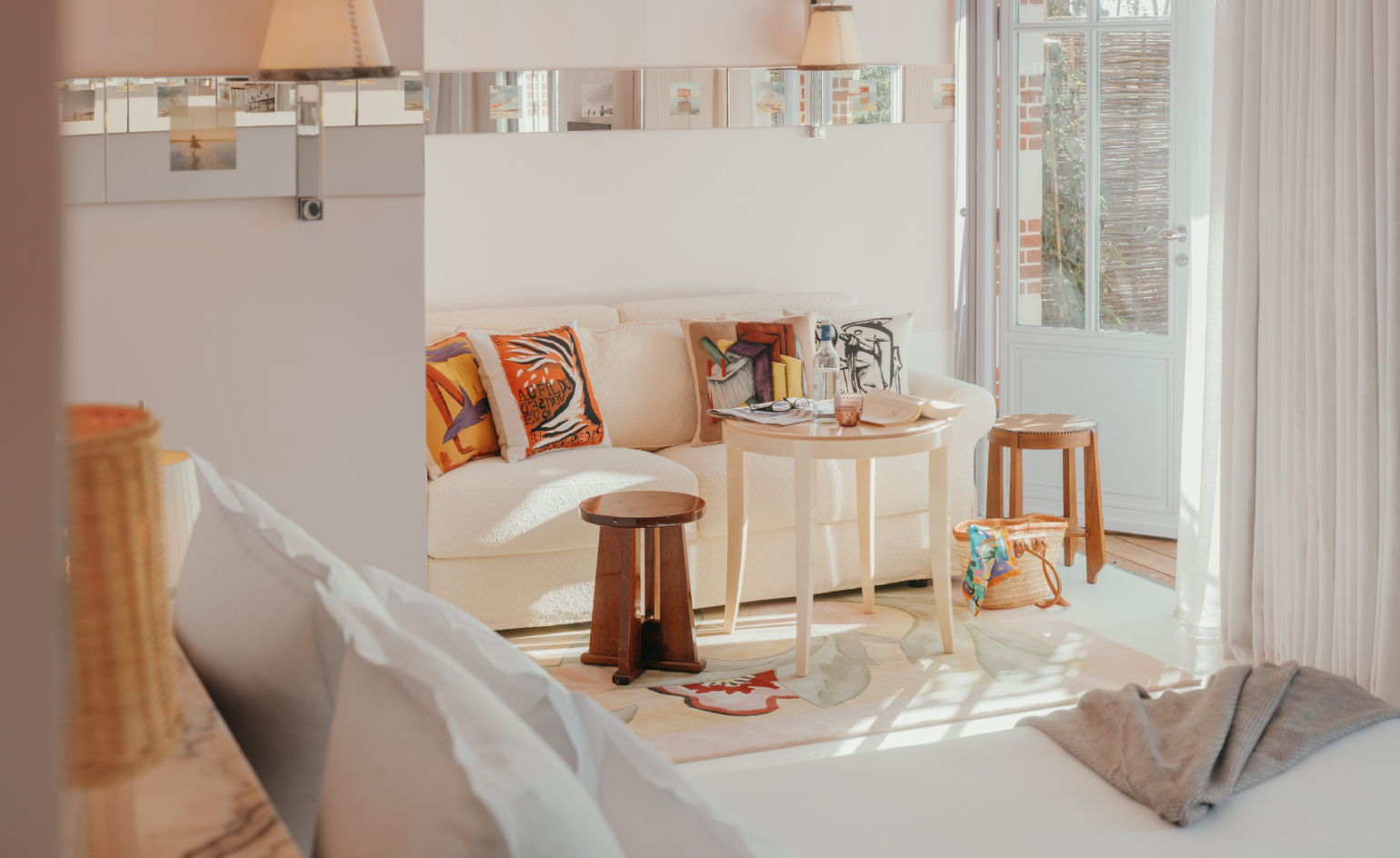
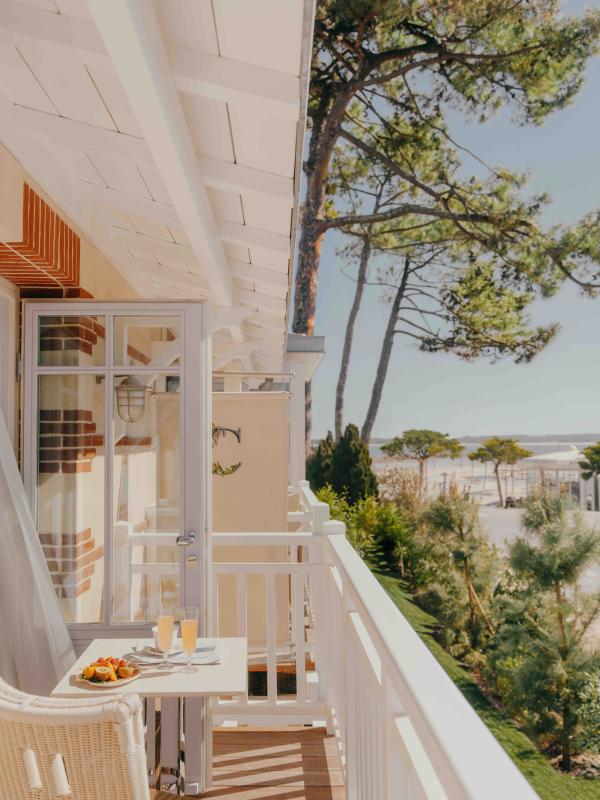
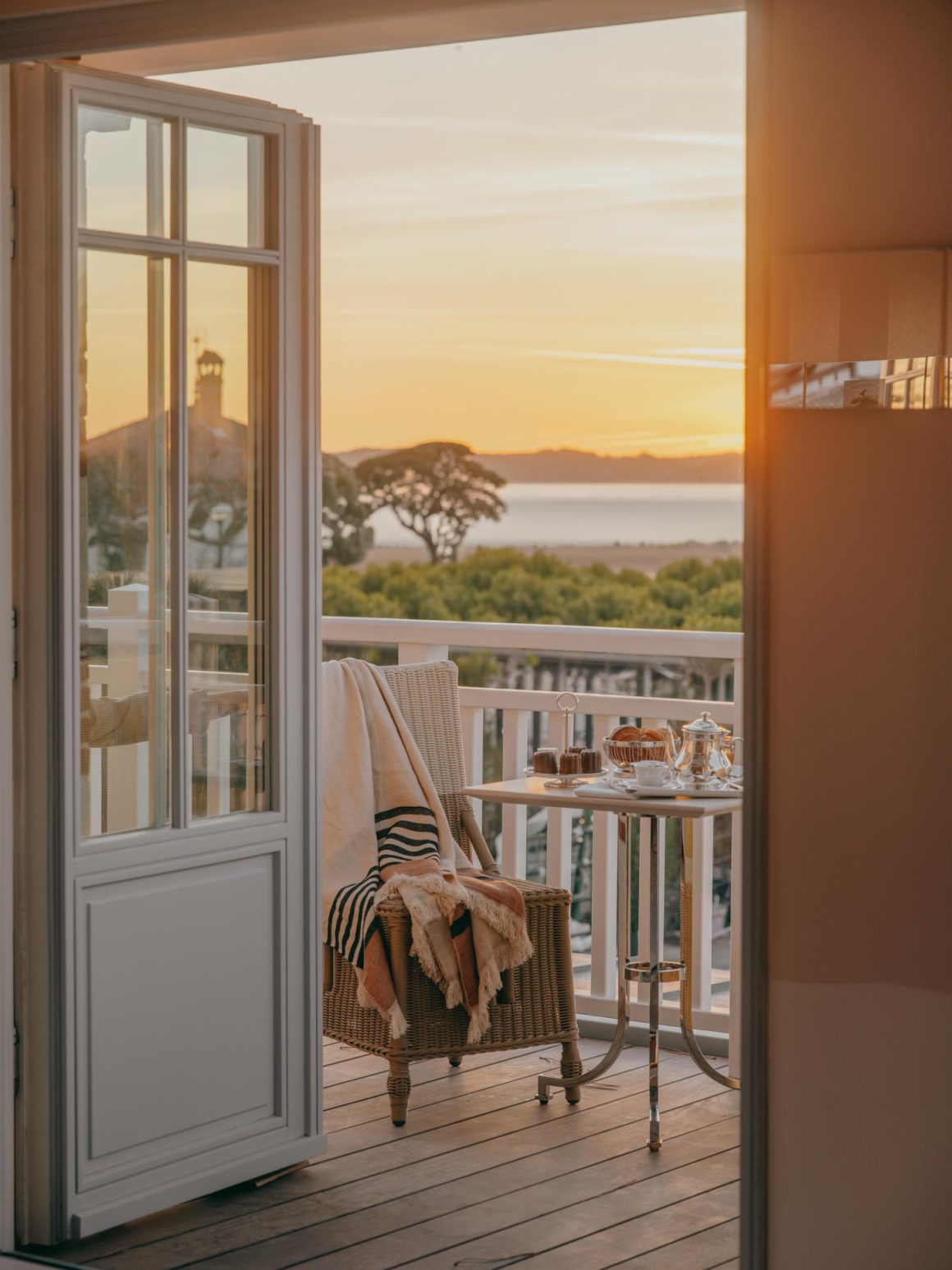
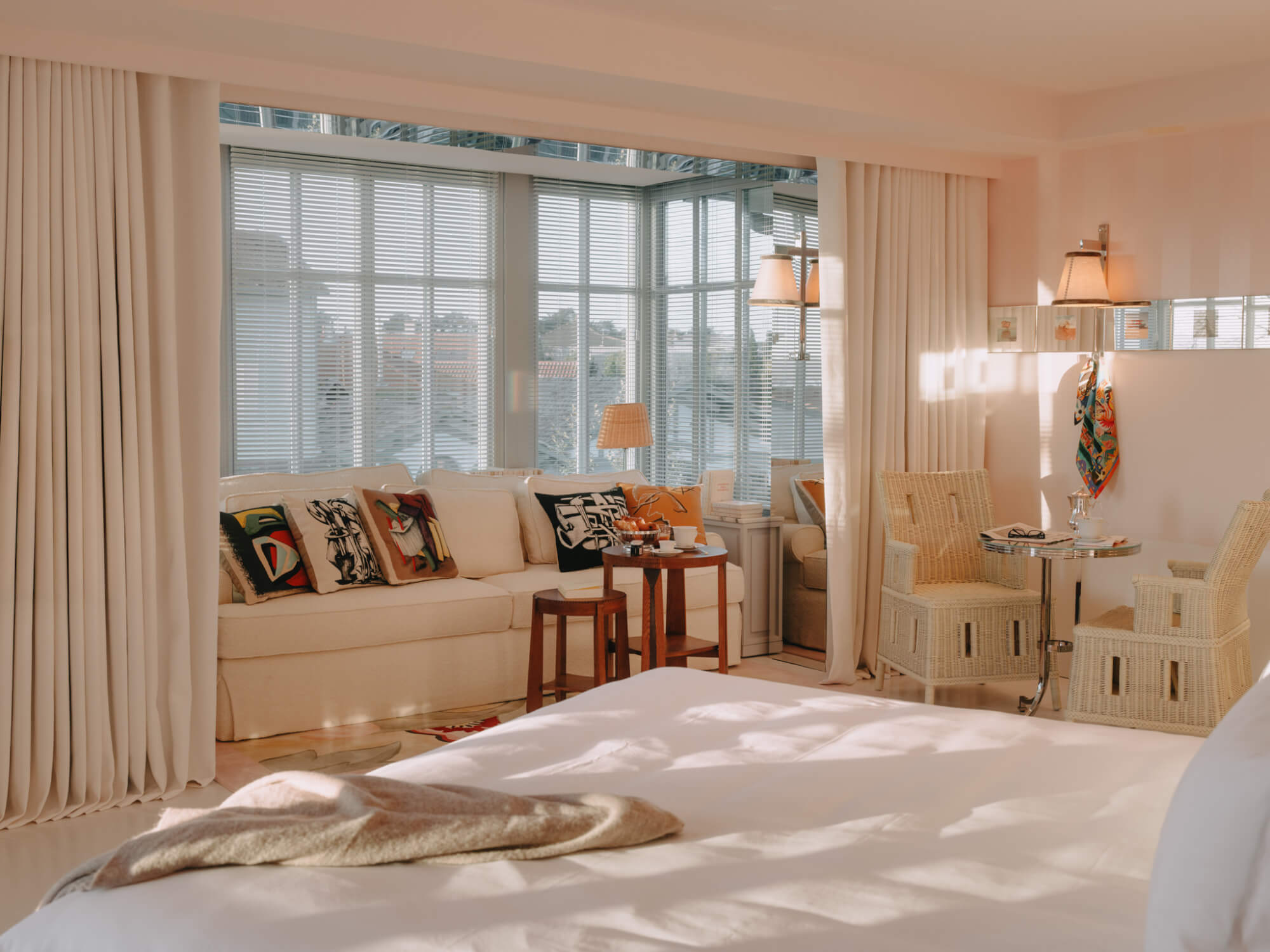
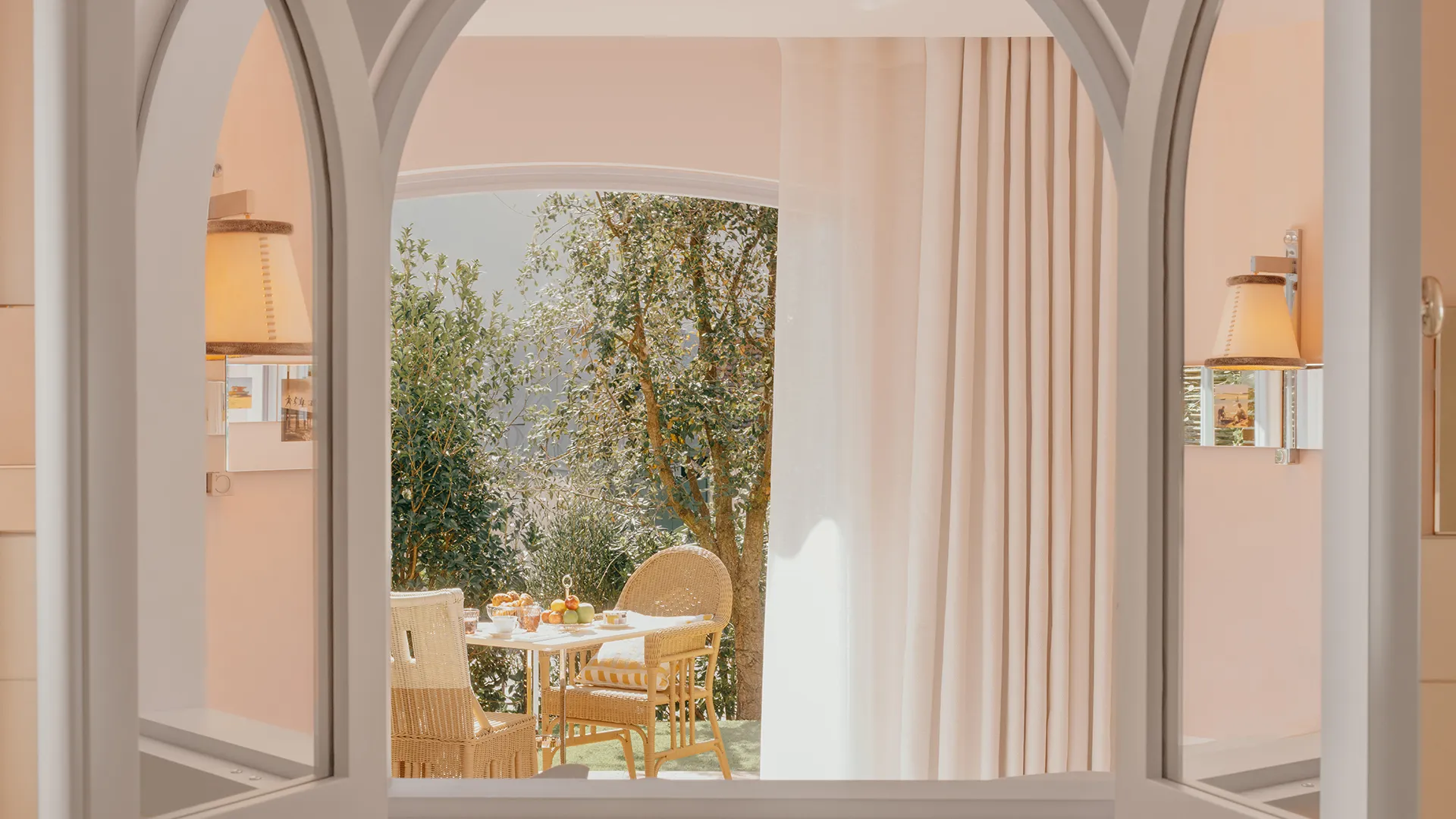
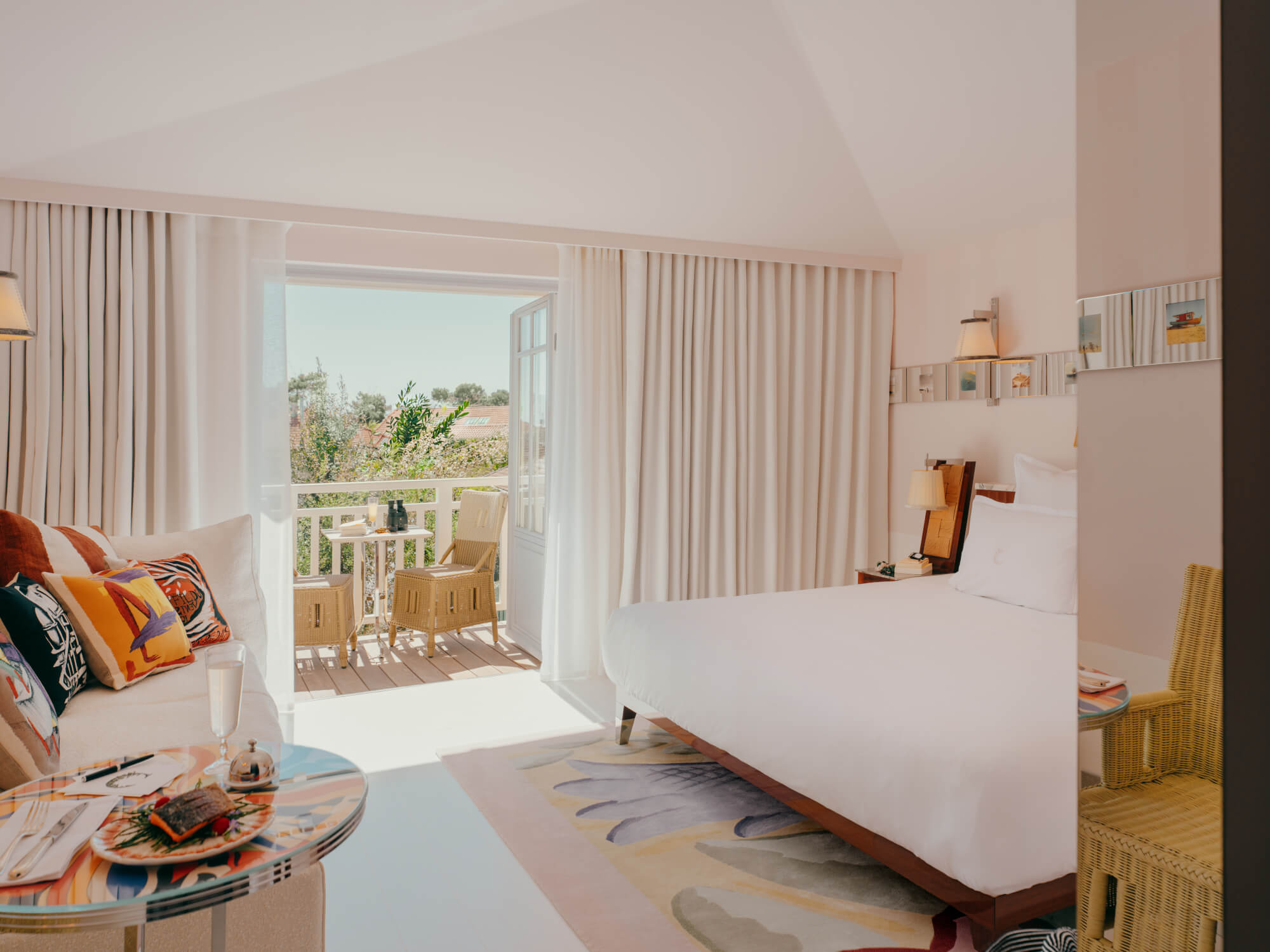
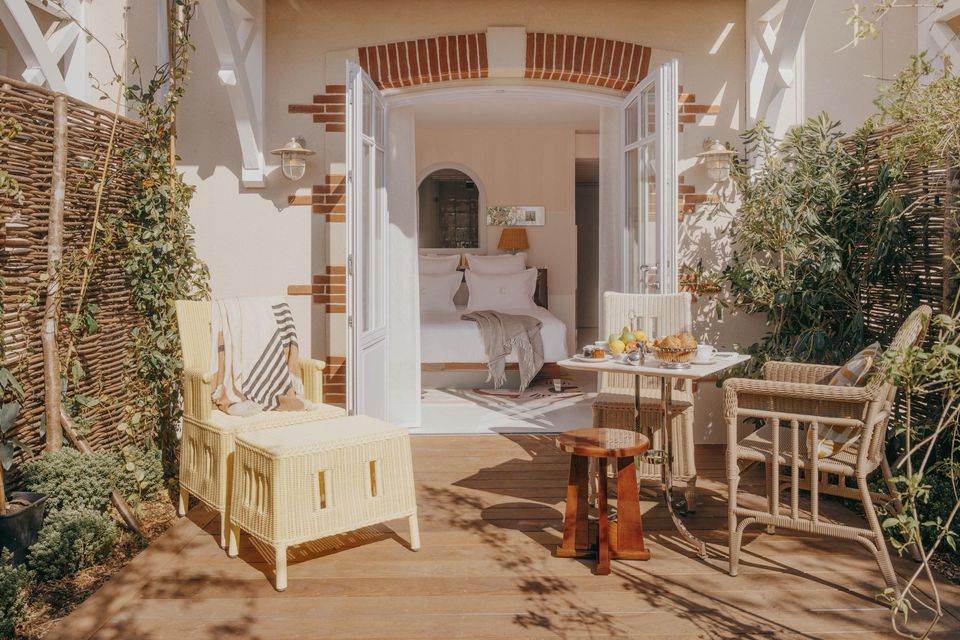
The hotel features 28 rooms and suites, each carrying through the same design language, from the classic rooms to the Prestige Suites spanning over 55 sq m. Every room includes an outdoor space – a garden on the ground floor or a balcony overlooking the bay or pine trees on the first floor. For the best view and stunning sunrises, book one of the two Cap Ferret Prestige Suites, looking out over the square and the bay.

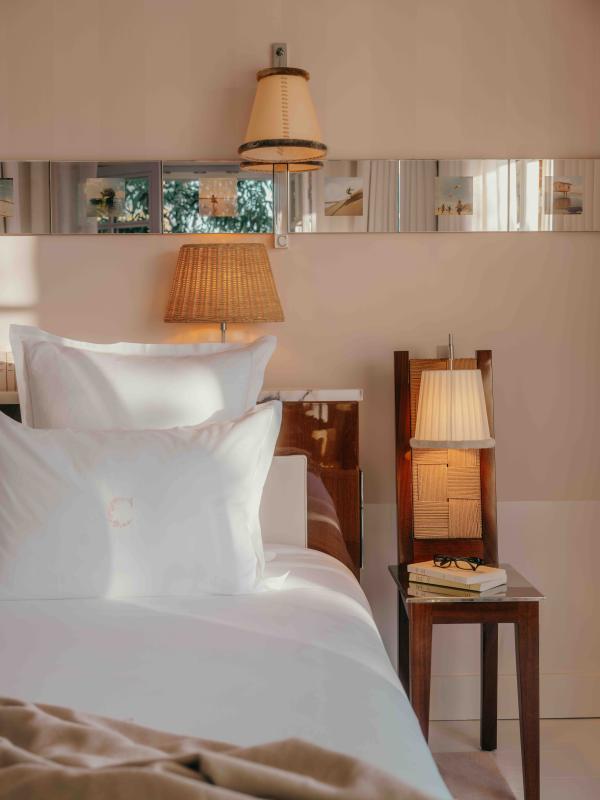
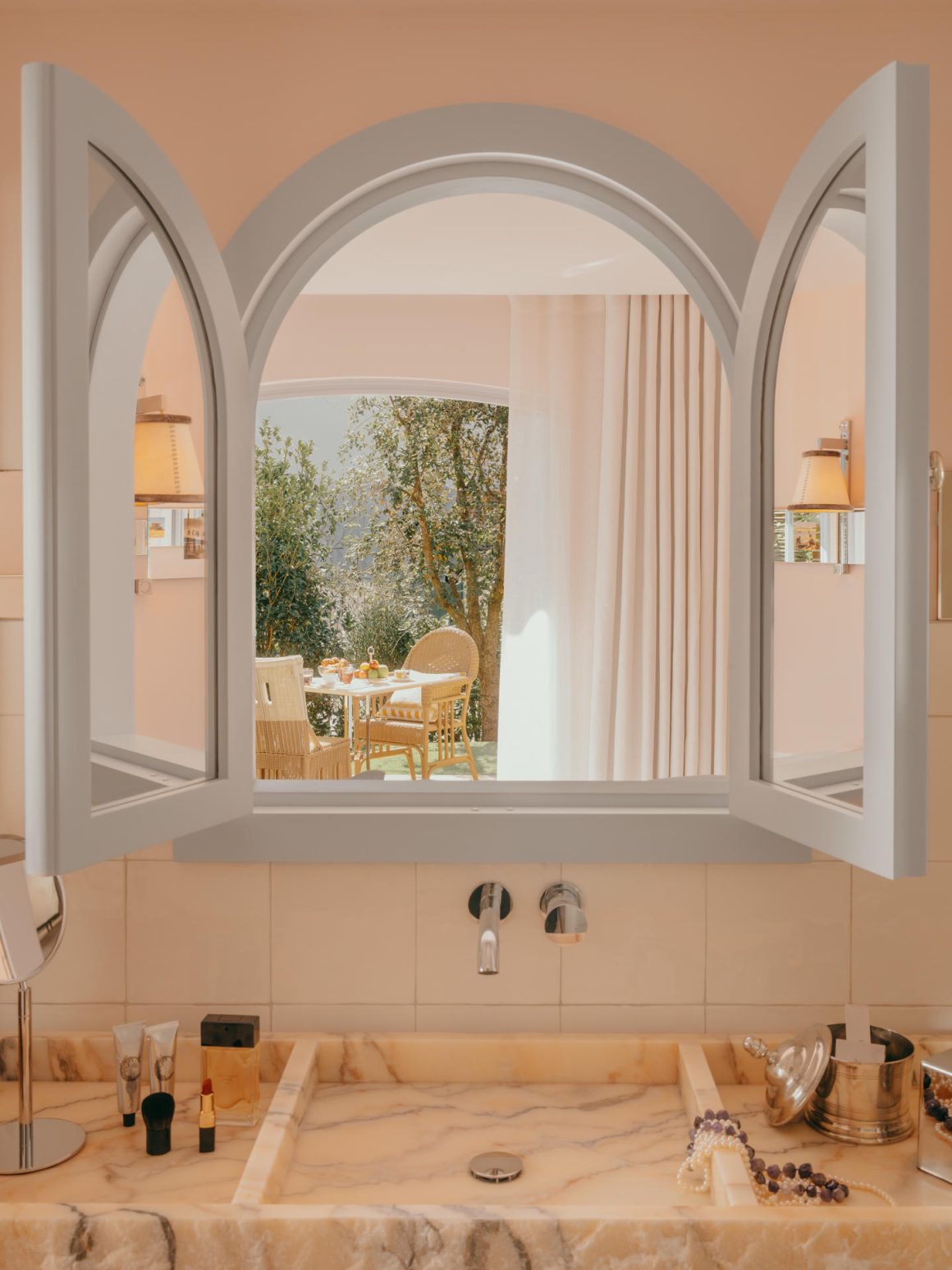
Washed in powder pink, the rooms feel light and airy. Beige furnishings, mahogany headboards and side tables, pink-and-grey veined marble, and touches of stainless steel create a cohesive aesthetic. Mirrors hung on the wall frame photographs of Cap Ferret landscapes enhanced by AI, bringing to life a dreamlike version of the destination.

Author